Tag: Historic Sites of New Jersey

Hanover Heritage Association/Whippany Burying Yard                                                                        325 Route 10 East                                     Whippany, NJ 07054

Hanover Heritage Association/Whippany Burying Yard 325 Route 10 East Whippany, NJ 07054

Hanover Heritage Association/Whippany Burying Yard

325 Route 10 East

Whippany, NJ 07054

https://www.hanovertownship.com/1396/Whippany-Burying-Yard

https://whippany.net/whippany-burying-yard

(973) 539-5355

Open: Check the website/Cemetery Hours

Admission: Check the website

My review on TripAdvisor:
https://www.tripadvisor.com/Attraction_Review-g46925-d23534409-Reviews-The_Whippany_Burying_Yard-Whippany_Morris_County_New_Jersey.html

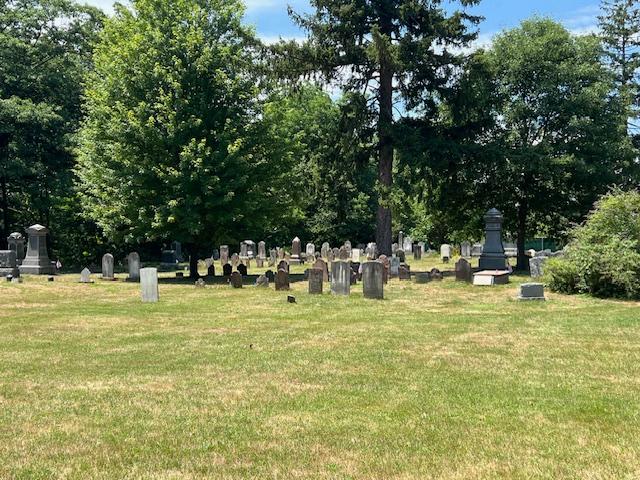
The burial ground from a distance

On my last stop of touring Historic Morris County for the “Pathways for History ” event, I visited the Whippany Burial Yard at 325 Route 10 in Whippany.
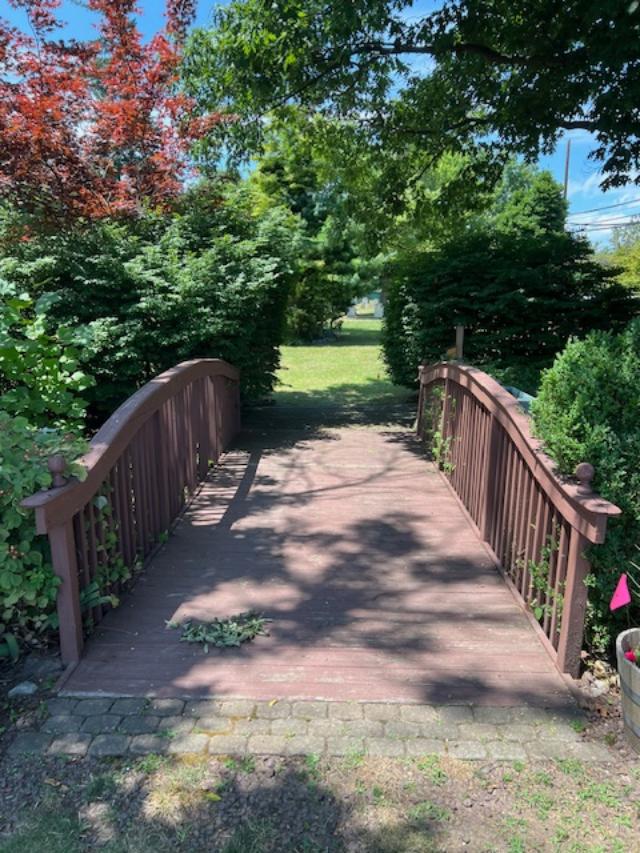
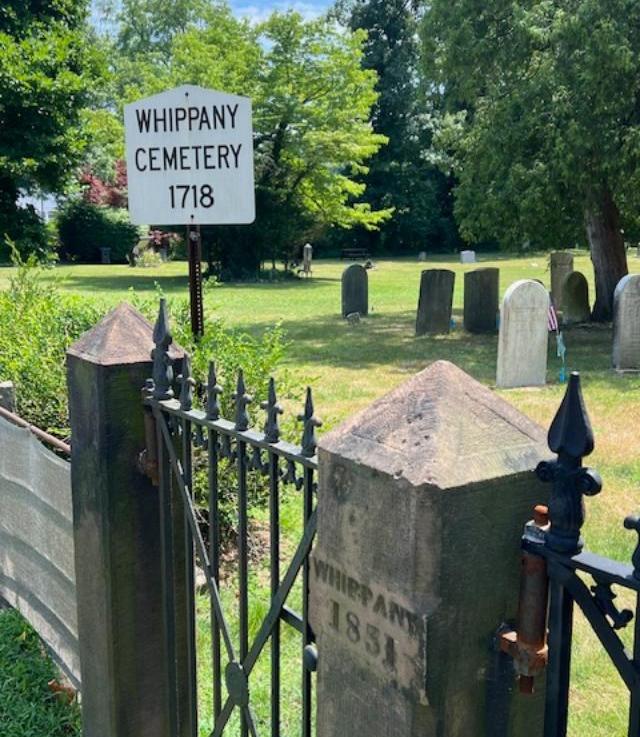
The entrance to the burial grounds

The old cemetery is steeped in history as one of the oldest cemeteries in New Jersey and home to many Revolutionary and Civil War veterans. As we learned on the tour later on, the only people that can be buried there now are former Mayors of the Town of Whippany who have died.

The sign of the historical burials

The historical marker
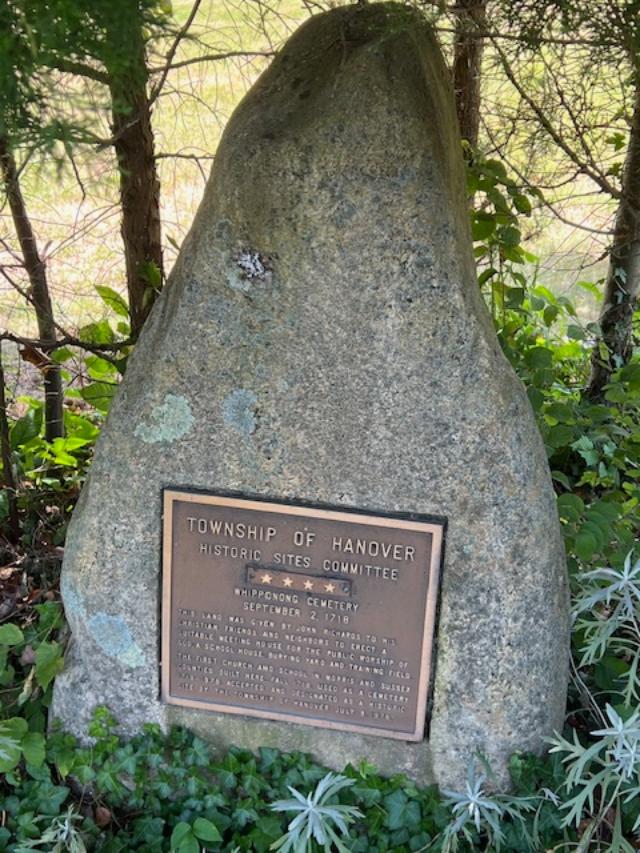
The town historical plaque

Two of the founding families of the town have many family members buried here, the Tuttle’s who still have relatives living in the area and the Kitchel’s. The guide for the afternoon took us on an hour tour of the cemetery, pointing out prominent members of the war years including Timothy Tuttle (died 1754), a founding judge of Morris County, Keturah Tuttle Platt (died 1850), who was a Charter member of the First Presbyterian Church, Captain Timothy Tuttle (II of III-died in 1816), who was a member of George Washington’s First Regiment in the Continental Army, Samuel Tuttle (died in 1762) and Colonel Joseph Tuttle, a blacksmith and Deacon at the Presbyterian Church who served in the French & Indian War.

Joseph Tuttle’s gravesite

Joseph Tuttle’s grave

The historic marker

Joseph Tuttle Jr.’s gravesite

The Tuttle family plot from before and after the Revolutionary War
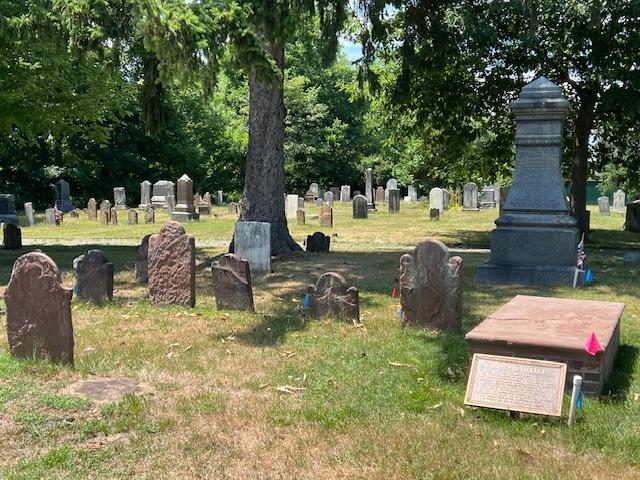
The Tuttle family plot after the Revolutionary War

The Kitchel family was prominently represented as well with Abraham Kitchel (died in 1741), who was one of the six original judges of Morris County and his wife Sarah, whose family was claimed to date back to Charlemagne, Emperor of France, Abigal Kitchel (died in 1768), Uzal Kitchel (died in 1813), a Militiaman in the American Revolution and his wife, Anna (died in 1815). Many of these people as well as their ancestors made major contributions to the growth of the surrounding community.
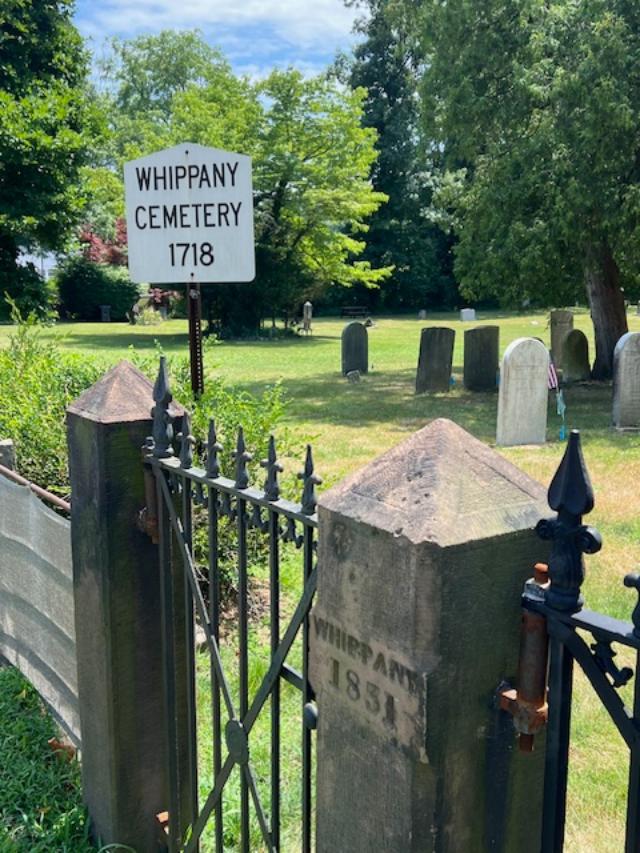
The graves by the old entrance

We were also given a lesson in the construction and care of the old tombstones, some of which were beyond repair. Some of the original grave sites were made from sandstone, marble and granite with granite becoming the popular choice later on. Here and there some of the tombstones were decorated with winged skulls or cherubs. These show morality images of the dead (Whippany Burial Yard pamphlet).
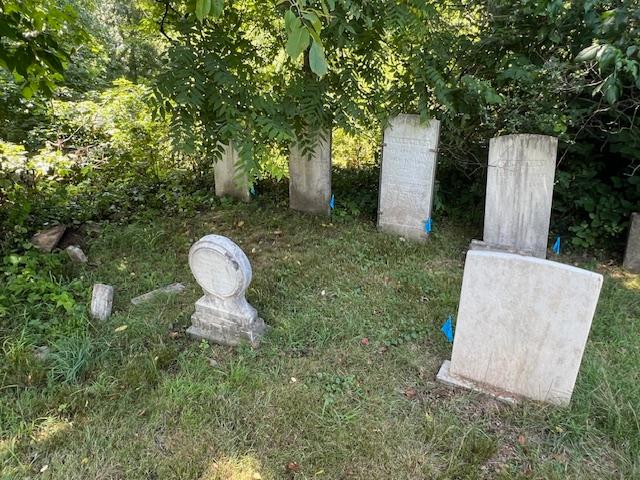
The Post family plot

We were also walking by the river that the graveyard sits on and were told that current erosion is affecting some of the grave sites. These might have to be moved in the future and the tour guide was not sure if any have been lost over the years. The old Presbyterian Church that sat on the site (built in 1718 and removed in 1755) has since disappeared and there is no trace of it now.
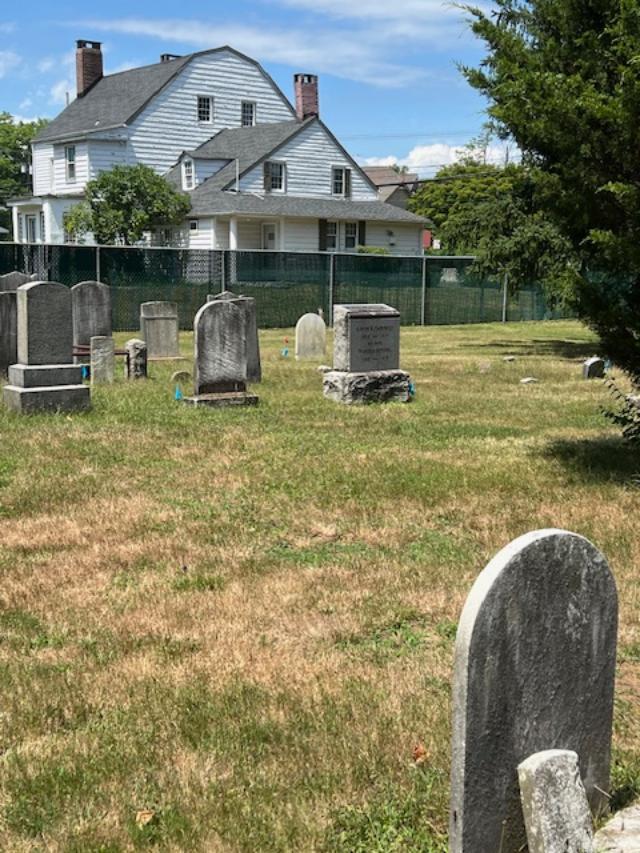
The Whippany Burial Yard has many different types of tombstones. This part of the cemetery faces the old Tuttle homestead

At the end of the tour, the guide explained to us that the old Tuttle House, dating back from the late 18th Century was just left to the town by its last owner to be preserved as a museum for the community. The Tuttle house will need a lot of work in the future.

The back of the cemetery facing the Tuttle Homestead

I ended my tour of the cemetery here as the graveyard was closing for the evening but planned on coming back in the future. There are more interesting things to see amongst the tombstones.
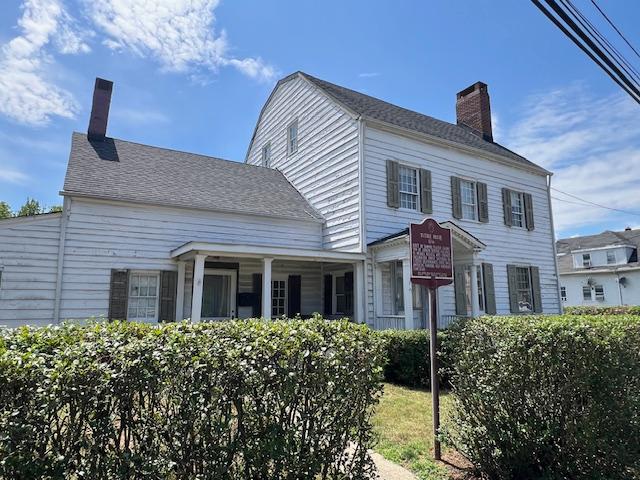
The Tuttle Homestead on Route 10 will be a museum in the future

The Tuttle House historical marker

History of the Whippany Burying Yard:

(From the Township of Whippany website/The Township of Hanover Landmark Commission):
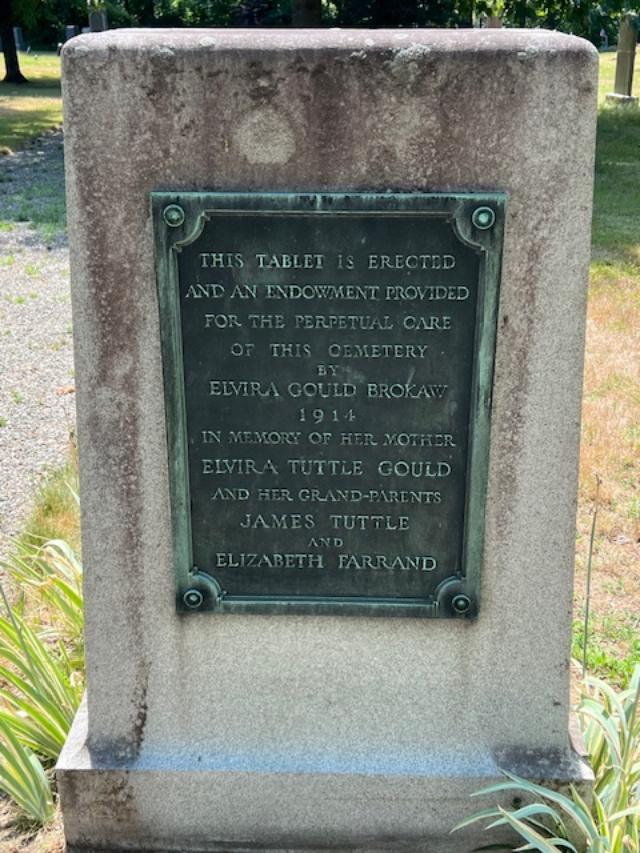
The Brokaw Family tablet for care to this cemetery

The Whippany Burying Yard is the oldest graveyard in North Central New Jersey. It contains the oldest dated colonial artifacts in Morris County. It was established in 1718 before the United States was conceived before New Jersey was a state and before Morris County was founded. Two of Morris County’s first governing judges and many Revolutionary War soldiers are buried here.
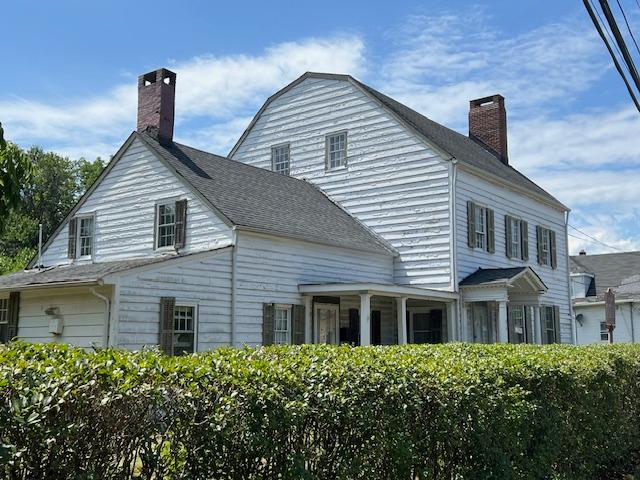
The Tuttle family homestead

The three and a half acres of land was donated by John Richards for a “meeting house, schoolhouse, burying ground, training field and for public use. Mr. Richards was the first one buried here when he died in 1718. His grave is the oldest in Morris County, NJ.

The Mary Sheldron historical burial site

For the next 200 years, the burying yard was maintained by the members of the Presbyterian Church with which it was closely associated. In 1914, the Presbyterian Church elected trustees for a group that would be known as The Whippany Cemetery Association. They maintained the yard for the next sixty-one years.

The burial ground marker in the cemetery

The graveyard is legally, publicly owned but no particular entity or institution in named in the deed. The grantee is interpreted to be the “Christian friends and neighbors in Whippanong”. It was formally maintained and administered by the Whippany Cemetery Association until its maintenance and administration was transferred to the Township of Hanover in 1976 as an historical site. The Township gave the responsibility for the Burying Yard to its Landmark Commission, where it remains.
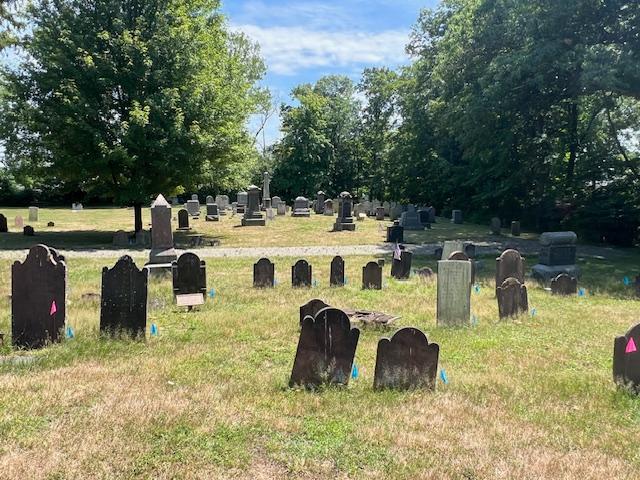
The back part of the Whippany Cemetery

The Burying Yard holds about 450 graves that include 11 veterans of the American Revolution, nine Civil War veterans. In 2011, the Burying Yard was listed on both the State and the National Register of Historic Places. When visiting the Yard, you can see that the gravestones are made out of three different materials: sandstone, marble and granite. Visitors can see a 300-year time span of various commemorative styles. The Burying Yard is also home to two prominent families in the area: The Tuttle’s and the Kitchel’s.

The family plots at the Whippany Cemetery

Some of the prominent members buried here are John Richards who was the schoolmaster who donated this land for public use, Abraham Kitchel who was an early settler from Newark, NJ and one of the six original judges of Morris County. Joseph Tuttle Sr., who was a blacksmith, had served as a Colonel of Morris County militia in the French and Indian War and Timothy Tuttle who was a Sergeant of the First Company under Captain Joseph Morris in Lord Sterling’s First Battalion of New Jersey’s First Regiment in Washington’s Continental Army.

The Tuttle House at 341 Route 10:

https://www.hmdb.org/m.asp?m=91152

The Tuttle House will be the future museum for Whippany, NJ

This 1796 National Register site is the house of Samuel Tuttle, the grandson of Joseph Tuttle, a Colonel in the Morris Militia. The Tuttle’s were among the first to setting in Hanover and they played an important role in its development.

The historic marker for the Tuttle Homestead
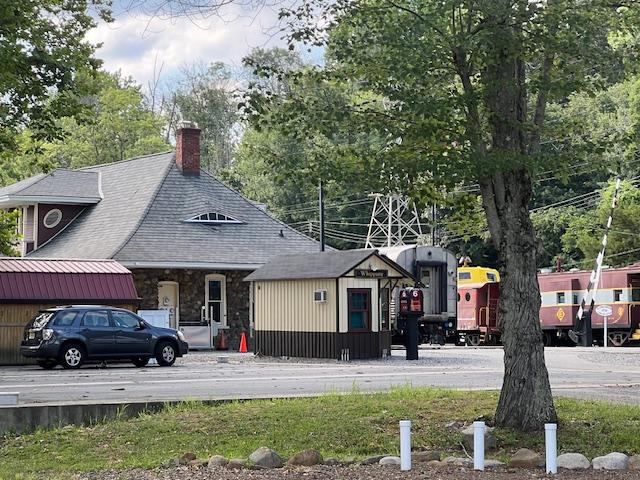
Whippany Railway Museum                                    1 Railroad Plaza                                         Whippany, NJ 07981

Whippany Railway Museum 1 Railroad Plaza Whippany, NJ 07981

Whippany Railway Museum

1 Railroad Plaza

Whippany, NJ 07981

(973) 887-8177

Front Page

https://www.facebook.com/WhippanyRailwayMuseum/

Open: Sunday 12:00pm-4:00pm/Monday-Saturday Closed/Seasonal

Admission: Please check the website for seasonality

My review on TripAdvisor:

https://www.tripadvisor.com/Attraction_Review-g46925-d3395271-Reviews-Whippany_Railway_Museum-Whippany_Morris_County_New_Jersey.html

The Whippany Railway Museum

I have to say that I was very impressed by the Whippany Railway Museum. It was not one of those usual train museums with bric-a-brac and posters and a uniform here and there. The museum building itself is a highly organized history of the rail system not just in New Jersey but all over the country. It showcases how New Jersey played a big role in the growth of the rail system and how transportation has changed over the last 100 years.

The museum welcoming you to the museum

The museum displays were highly organized and well documented with all sorts of equipment of how a train functions, lighting equipment for the outdoors, and indoor dining, menus and manners for a time when rail was a form of luxury travel. It shows the progression from just transportation for the movement of product to a sleek way to travel from destination to destination.

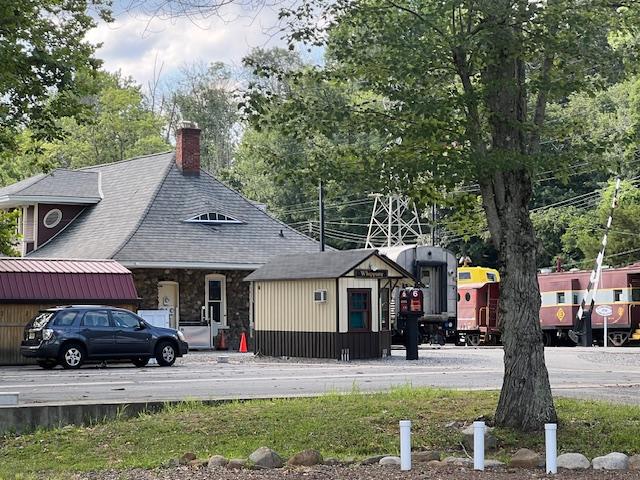
The Whippany Railway Museum at 1 Railroad Plaza

There are all sorts of everyday items that show how maintenance of the trains have changed over the years and the modernization of the railcars. They have a display on lighting that has changed over the years and the way that communication was done between the trains and the staff. Even the uniforms have not really changed too much over the years.

Race is touched on with the advancement of Blacks in the Pullman coaches as porters and later supervisors. There was even a discussion on the strikes for better pay and working conditions. I thought it was interesting about the discussion of being called a “George”, which was a term for George Pullman, the owner and developer of the luxury cars. It might have been meant as a compliment but came off as a slur. It showed a progression in the field that in some ways has not changed.

The historic railyard with all the cars you can visit

The museum also showed that rail life could be lonely and not the best in working conditions for anyone which is why the unions became so powerful in later years. It also showed the ingenuity of how the rails conquered the West and opened the country up for development. With each stop, towns developed, and populations have changed. You see how this has been affected even today as rail is not as popular as it once was, and these small towns are dying off.

The entrance to the museum

Where the museum really shines and where I saw the most pride is in the rail cars that have come to the yard over the years and have been carefully restored. The Southern Railway No. 385 built in 1907 for faster freight service, the Texaco Fireless Cooker No. 7240 built in 1937 for industrial switching duty and one of the newest steam locomotives still surviving, the U.S. Army No. 4039 built in 1942 for WWII service are just some of the cars on display (Whippany Railway Museum pamphlet).

The inside of the luxury car

The railcar that most impressed me was the Lackawanna Railroad Subscription Club Car No. 2454 that was once known as the “Millionaires Express” (Whippany Railway Museum). The mahogany paneled car carried businessmen from New York City through towns in the middle of New Jersey. What I thought was interesting was the people who rode it (Christie Todd Whitman’s father was a member) and the fact that you had to ‘buy’ the seat, which meant that no one could ever sit in ‘your chair’ if you were not there. This car ran for 72 years finally retiring out in 1984 (probably due to the recession and changing times).

The inside of the museum

I ended up spending about three hours at the museum due to a very detailed tour by one of the volunteers named Mike. He gave the most interesting hour-long tour of each car and how they were renovating it and carefully restoring each one to its historical integrity. He was so detailed and when the other volunteers chimed in with their stories as well, made it a fascinating tour of the whole yard.

When you are visiting the museum, allow time to take this every intensive and detailed tour of the museum grounds and just don’t concentrate on what’s inside the building. The museum spreads out all over the yards and take the time to explore each car and learn its history. It is an educating and fascinating way to spend the afternoon.

The museum modernizes:

The Whippany Museum under new directions

The History of the Whippany Museum:

(From the museum website)

The story of the Whippany Railway Museum began many years ago when the Morris County Central Railroad (MCC) first opened to the public on May 9th, 1965, at Whippany, NJ. On that exciting day a half-century ago, former Southern Railway steam locomotive No. 385 departed Whippany for Morristown, NJ with the MCC’s first trainload of over 400 passengers. At the end of the day over 1,500 people had traveled on a nostalgic trip into railroading’s colorful past. For the next 15 years until it ceased operations in 1980, the MCC would carry on this excellent tradition, leaving memories for untold hundreds of thousands of visitors that would last a lifetime.

The Morris County Central was founded by a New Jersey aerospace technician, the late Earle H. Gil, Sr. of Parsippany. His idea of running steam excursion trains was formed in the late 1950’s when conventional steam railroad operations were fading fast. Gil hoped that a financially successful heritage railroad would justify the great expense involved in keeping one of these magnificent machines alive.

Having acquired No. 385 in 1963 from the 16-mile-long Virginia Blue Ridge Railway (VBR) in rural Piney River, VA, the MCC ran an outstanding operation through the woodlands of suburban New Jersey. In 1966, Gil acquired another VBR steam locomotive, No. 4039 a former US Army 0-6-0 switcher that was soon added to the MCC’s roster of vintage steam-era equipment.

Threatened by development of the property alongside the Whippany Station, the Morris County Central RR saved the Whippany Freight House from demolition in June 1967 by having it moved across four sets of tracks to a site opposite the station building. Originally used by our predecessor organization, Morris County Central Railroad Museum, this classic railroad freight house is now the headquarters of the Whippany Railway Museum.

The Morris County Central was a fine example of what a conscientious group was able to accomplish, with moderate resources and good taste in the preservation of operating steam. It proved that trains, steam locomotives and haunting whistles continue to linger in the minds of the American public.

Fifty years on, the Whippany Railway Museum continues the tradition and proves that it is indeed possible to have a quality operation through much hard work by its dedicated group of volunteers and the tremendous support of the visiting public.

(From the Museum Pamphlet):

Here you can visit the restored, 1904 freight house with its outstanding collection of rail and transportation artifacts and memorabilia. There are dozens of historic railcars and exhibits on view. We are proud to feature the largest collection of American-built standard gauge steam locomotives displayed in New Jersey.

Marvel at one of the oldest steam locomotives in America, the Southern Railway No. 385 built in 1907 for fast freight service, Texaco Fireless Cooker No. 7240, built in 1937 for industrial switching duty and one of the newest stream locomotives still surviving, the U.S. Army No. 4039, built in 1942 for World War II service.

The Ayres/Knuth Farm Foundation                       25 Cooper Street                                           Denville, NJ 07834

The Ayres/Knuth Farm Foundation 25 Cooper Street Denville, NJ 07834

The Ayres/Knuth Farm Foundation Inc.

25 Cooper Street

Denville, NJ 07834

(973) 625-9345

https://www.ayresknuth.org/

https://www.facebook.com/AyresKnuthFarm/

Open: See website on hours/Seasonal

My review on TripAdvisor:

https://www.tripadvisor.com/ShowUserReviews-g46392-d24065367-r838840100-Ayres_knuth_Farm-Denville_Morris_County_New_Jersey.html?m=19905

Video on the Ayres/Knuth Farm

On the second day of the Morris County, NJ “Pathways to History’ tour, I was on my way back to Morris County for a second day of adventure. My first stop on the tour was the Ayres/Knuth Farm (The Ayres/Knuth Farm Foundation Inc.), a former working farm just off Route 10.

The main farmhouse on the Ayres/Knuth Farm

Not only was the site open for touring but they also had a mini car show with antique cars and fire trucks owned by some of the members. Seeing some of these Model T Ford’s and Steam Engine Fire Trucks in perfect condition shows American quality motorship at its finest.

What I liked about the farm is that it had been a working farm up until the last fifty years and showed the progression that the farm took in its almost 100 years in the county. The farm itself dates back to pre-Revolutionary War days with the farm being purchase in either 1735 or maybe 1759 by Obadiah Lum. The property itself was settled and developed by Daniel Ayres, who was born in New Jersey in 1778 (The Ayres/Knuth Farm Foundation).

The Ayres-Knuth Farm and the outer buildings

105 acres of land was given to him by his father-in-law, David Garrigus upon the marriage of his daughter, Hanna in 1803. His son, William took over the farm in 1856 upon the death of his father in 1856, changing the farm to add husbandry and fruit cultivation. When William retired in 1896, none of his children wanted the farm and it was sold. Changing hands many times, it was bought by Martin and Anna Knuth in 1906. The farm was taken over by two of their children and it remained in the family until the 1990’s upon both of their passings. In 1996, the Township of Denville purchased 52 acres of the original farm and it is now managed by the Ayres/Knuth Foundation Inc. (The Ayres/Knuth Farm Foundation).

On this clear and sunny Sunday morning, it was fun to walk around the former working farm to see how it developed. Both families learned to modernize and add to the operation. I was able to tour the smaller tenet farmhouse (built in 1895), the barn (built in 1895 (and the various outer buildings like the chicken coops (built in 1895), outhouse (built in 1930) and the Smokehouse (built in 1825). The small well was built in 1797 and was the oldest structure left on the property.

What I found interesting is that there still are tenant farmers on another tract on the property still working the land and the property is protected by grants from Morris County. So, it still is technically a working farm. A lot of care was taken to preserve the farm as is and the volunteers told me that there were plans to fix up the other buildings. The Tenant House needed a lot of work and was run down but the main Farmhouse had been renovated and was closed that day.

Most of the farm has either been sold off or is being utilized but the core of the farm buildings can be toured, and it is interesting to see a working farm in New Jersey that dates back to the 1700’s and was still active until the mid-1990’s. That is longevity. Still is a step back into the past to see how a working farm once thrived along with the changes that came with the development of Morris County in the late 20th century. The area still has the rural feel, and the well-maintained property is a glimpse into our rural past.

The History of the Ayres/Knuth Farm:

(From the Ayres/Knuth Farm Foundation Inc. site):

The Ayres/Knuth Farm has a long history not just in the County or State level but in the country. It is believed that the farm was formed around 1759 but could be as early as 1735. It was located in the Franklin section of Denville. Obadiah Lum purchased 180 acres and built the first forge and sawmill on the Den Brook. Lum purchased the property from Thomas and Richard Penn, the sons of proprietor, William Penn with financing from Colonel Jacob Ford, who owned extensive land including mines in Morris County. Franklin developed into one of the primary agricultural hubs of Denville due to the high quality of soil of the area and proximity to numerous towns with markets where the crops could be sold.

The historic marker on the farm

The Ayres Farm was first settled by Daniel Ayres who was born in Middlesex County in 1778. His mother was Anna Jackson, who was the daughter of General Joseph Jackson, who was known as the founder of Rockaway. Daniel married Hanna Garrigus, the daughter of David Garrigus, who was a prominent landowner in Franklin and owner of the Franklin iron forge. In 1803, David Garrigus conveyed 105 acres to his son in law.

Daniel died in 1856 and his son, William Ayres took over the farm. In 1860, he expanded the farm to 300 acres and practiced a mixture of husbandry and a cultivation of different grains. They also raised sheep for wool and cows for butter. He built the existing farmhouse in 1855 and in the 1860’s built the Tenant House for hired hands in the expanding farm. Over time the farm grew to 500 acres.

During the economic depression between 1873-1879, William Ayres adopted to the changes in the market and shifted the focus of the farm to dairying, poultry and vegetable farming. He also sold lumber to the railroads and expanded into fruit cultivation particularly apples, peaches and pears.

The Ayres/Knuth Farm today

William Ayres retired from the farm in 1896 and since none of his children wanted to take over the operation, the property changed hands several times until 1906, when Martin and Anna Knuth purchased the farm and moved in with their five children. They kept the tradition of husbandry and fruit cultivation and a mix of vegetables as a truck farming operation.

The farm faced a lot of tragedies in the 20th Century with the death of Martin Knuth in 1935. Between a destructive fire in 1936 and a lapse of insurance, the barn was not rebuilt. With an economic Depression going on in the 1930’s, the farm was largely reduced to a subsistence-level truck farm operation. Anna Knuth died in 1950 and her two children, Frank and Sue took over the operation. Both remained on the farm until their deaths in the 1990’s. They grew a variety of crops and produced eggs that were sold locally.

The farmhouse was not electrified until the 1960’s and indoor plumbing was never installed. In 1996, a few years after the deaths of Frank and Sue Knuth, the Township of Denville purchased the nearly 52 acres of the original Ayres/Knuth Farm and the property is now managed by the non-profit Ayres/Knuth Farm Foundation Inc. The site now houses a series of historical buildings that is maintained by the foundation that are part of the original farm.

Silas Riggs Saltbox House/Roxbury Township Historical Society                                                  213 Main Street                                      Ledgewood, NJ 07852

Silas Riggs Saltbox House/Roxbury Township Historical Society 213 Main Street Ledgewood, NJ 07852

Silas Riggs Saltbox House/Roxbury Township Historical Society

213 Main Street

Ledgewood, NJ 07852

(973) 927-7603

http://www.roxburynewjersey.com/society.htm

Open: Check their Website/Seasonal

My review on TripAdvisor:

I visited the Silas Riggs Saltbox House on a visit to the Roxbury Township Historical Society during the Morris County’s “Pathways to History” event. The event gave us a chance to visit many different sites in one day.

The Historical marker in front of the house

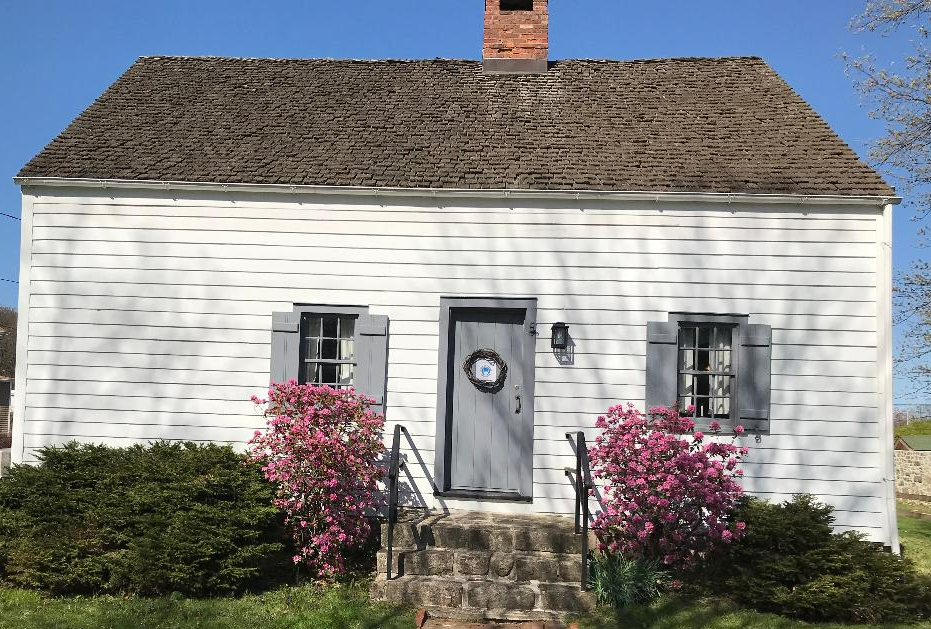
The Silas Riggs Saltbox House is part of the King Victorian Home & King Canal Store complex it shares with the Roxbury Historic Trust. The Silas Riggs home is a preserved colonial era, Revolutionary War period residence. It is managed by the Roxbury Township Historical Society as a “Living History Museum”, hosting events that bring a sense of the past to those who step inside (Roxbury Historical Society).

The Silas Riggs Saltbox House during the tour

The last historical site on my tour that day, it was also one of the most interesting not just because of the history of the home itself but the care and TLC the site is given by its volunteers and docents. The Riggs home is a place that you feel you have stepped into someone’s home who just left for the afternoon. Many historical societies that I have been to in the past are usually dusty and musty with artifacts thrown here and there. The Riggs home was decorated by lifestyle of the periods that it was lived in.

The volunteers were nice enough to stay open for me and we ended up talking for over 45 minutes on the house and how it was decorated. There was a care in this home as the walls and ceilings were in perfect shape and the home was so welcoming that it did not feel like a museum but more like a tour through someone’s grandmother’s home.

You are welcomed in the front room by an office set up with a large knit quilt and period furniture in a sun filled room that is such an engaging place to be greeted and just talk. The period furniture is in perfect shape and fits the mood of the room.

The front parlor room

To the side of the room is the old office area space where work would have been done and the family would have gathered. The sun-drenched room would have been a bit homier in its day but reflected how homes back then were used for both business and pleasure.

The living room/office of the Silas Riggs house

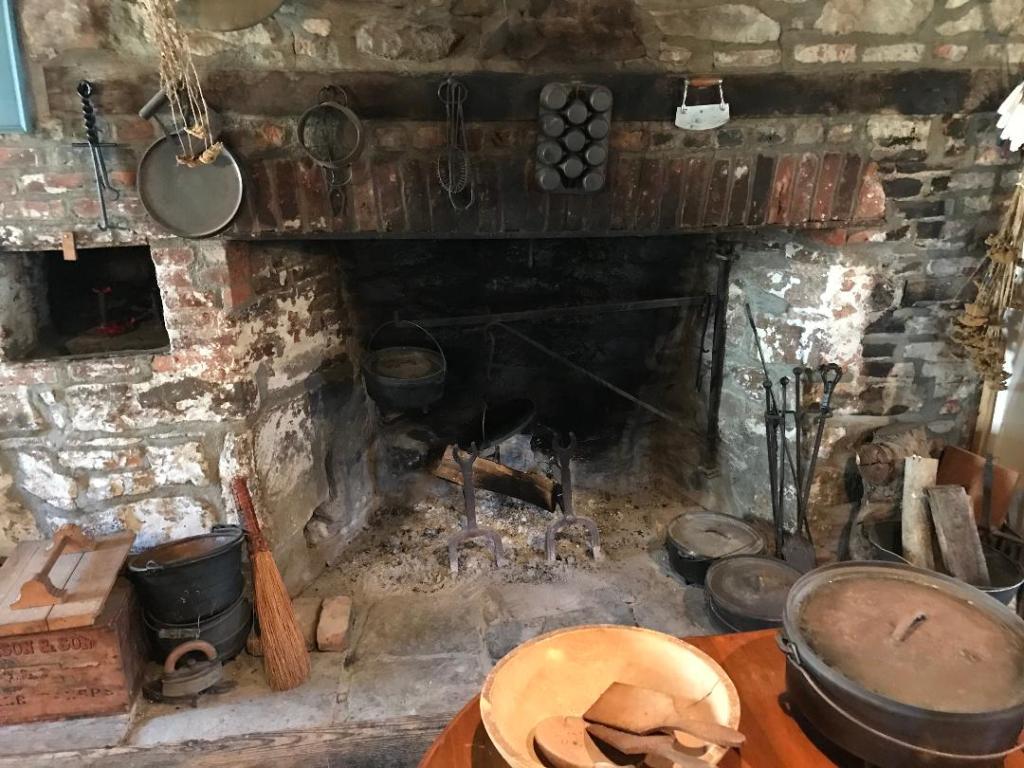
The kitchen was a reflection of kitchen’s today as the center of the home for not just cooking but socializing. The kitchen was not just a source of cooking but heat for the house. There must have been a lot of family gatherings in this room. The Historical Society during the holidays uses the kitchen for a special “Soup Dinner”, where freshly made soup is made in the hearth along with homemade corn bread. This fundraiser is considered very popular, and you have to sign up early to experience being part of the home’s family. On a cold winter night, this must have been the perfect room to be in. Even today, the kitchen is the gathering spot for all families.

The kitchen hearth of the Silas Riggs house

The bedroom that connected the back kitchen to the front parlor was decorated with period furnishings, clothing from the late 1700’s and early 1800’s. The furniture had a heavy look with dark colors and sturdiness to the items in the room as made by hand and meant to last for a long time.

The volunteers were telling me that many people came to the home and said that they could move in right now. This was the care and detail that has been put into this site. It is not just that the home is a reflection of the period, but it is set up in a way that makes you feel that the family is still greeting you when you walk in the door. The museum is a cheery atmosphere that invites its visitors in for the day.

It is such an interesting home to visit.

The History of the Silas Riggs Saltbox Home:

(From the History Girl website)

https://www.thehistorygirl.com/2012/09/three-centuries-of-history-in-roxbury.html

Architectural historians have said that the Saltbox house was one of the earliest homes built in Ledgewood, NJ in the circa 1740. Saltbox houses are a flat in the front with a central chimney set square in the middle of the roofline. The roofline of a saltbox house is asymmetrical with a short, steep roof in the front and a much longer, sloping roof in the back which accommodates the one-story extension of the home.

While the original owners of the Silas Riggs Saltbox House are unknown, but records indicate that by the early 1800’s, the house was owned by Silas Riggs and his wife, Harriet. Silas was a tanner by trade and supplied the local mines with leather pouches used to transport ore. He was also a contractor for a section of the Morris Canal in 1830. He oversaw the operation of three barges in the area. His son, Albert, ran the nearby Canal Store during the canal’s early years.

The design of the house is of post and beam construction, held together with wooden pegs visible in the second story eaves, the Saltbox house, is so called because of its extended, rear sloping roofline, recalling the design of salt containers of colonial times (Roxbury Historical Society).