When I was recently walking around Washington Heights for the “Great Saunter” perimeter walk around the coast line of Manhattan over the summer, I revisited this little park that is tucked away inside Highbridge Park that lines the eastern side of Upper Manhattan. This is the Sherman Creek Park and Swindler Cove. I just thought it was a small extension of the park but it is way more.
The is a once dumping ground for garbage and waste that has been reclaimed and given a rebirth as a ecologically created watershed that is not only helping clean the East River with its plantings but also a sanctuary for birds, butterfly’s and other small creatures when they are migrating.
The paths are well landscaped and offer a sense of quiet and relaxation from the noise of the neighborhood especially in the summer when families are barbecuing and having parties in the small strip of part that is Highbridge Park. Small streams, a waterfall and river plantings plus a boathouse for canoes and Kayaks gives a different more relaxing view of the park.
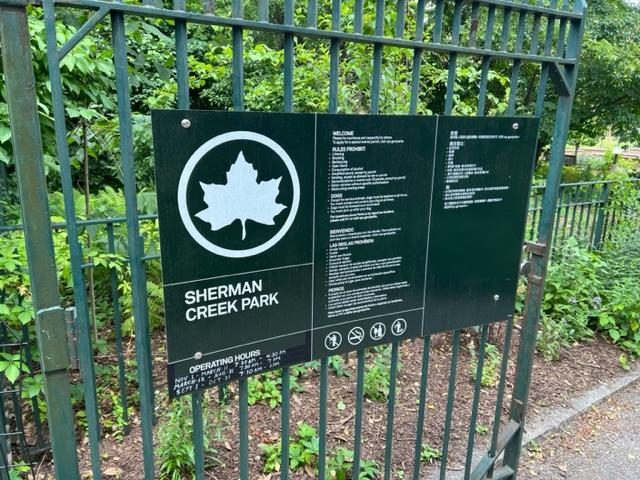
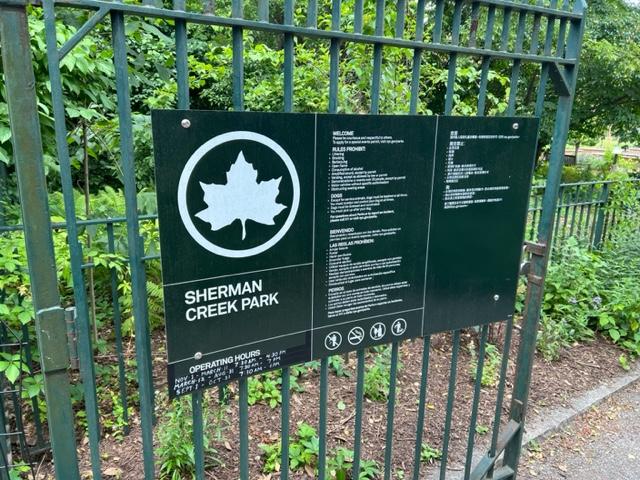
The entrance to Sherman Creek Park.
Sherman Creek Park
(from the park website)
Sherman Creek Park, a former illegal dumping site, began as a shore cleanup and now encompasses 15 beautifully reclaimed acres along the Harlem River including Swindler Cove, Riley-Levin Children’s Garden, and a living shoreline installation. The neighboring Harlem River Greenway includes a sprawling esplanade, bike path, and a cherry tree planting framing the Harlem River Drive.
The pathways in Sherman Creek Park.
The park serves to demonstrate sustainable management of public lands in an underserved neighborhood, from hosting a major community green space in Northern Manhattan, to implementing organic gardening techniques and best horticultural practices on a daily basis.
The waterfall in Sherman Creek Park
NYRP’s work in Sherman Creek and the surrounding landscape recognizes the remarkable value of natural resources found in Northern Manhattan and works to improve and support public access to Manhattan’s largest remaining wetland complex.
The pathways through Swindler Cove Park.
SWINDLER COVE
(from the park website)
NYRP is responsible for conceiving, developing, executing and maintaining the vibrant and versatile Swindler Cove at Sherman Creek Park, a former illegal dumping site transformed by NYRP into a gorgeous green space. The 5-acre space is home to the Riley-Levin Children’s Garden.
Swindler Cove represents the crown jewel of New York Restoration Project’s public park projects. Opened to the public in August 2003, Swindler Cove represents the full spectrum of NYRP’s mission to restore open space as a catalyst for community revitalization and environmental conservation.
The restoration of the Manhattan coastline.
In 1999, in partnership with the State of New York Department of Transportation and acclaimed landscape designer Billie Cohen, NYRP transformed the land into an oasis of native natural habitats with a lush array of restored woodlands, wetlands, native plantings and a freshwater pond, accented by a gracious pathway.
LIVING SHORELINE
(from the park website)
Sherman Creek Park is threatened by climate change-induced erosion and sea level rise and in 2020 we introduced an ecosystem-based solution called a living shoreline.
Replanting and renovating the coastline.
Integrating native plantings and an artificial oyster reef, our living shoreline design aims to not only attenuate waves that wash away sediment but also enhance the native wetland habitat—one of the last of its kind in all of Manhattan. By stacking specialized concrete blocks called Oyster Castles, its design helps build new habitat for marine species that, over time, could transform the dynamics of a park that we might otherwise lose.
We continue to monitor the shoreline’s evolution to better understand and quantify the ecosystem services that urban wetland restoration projects like ours might offer. “We know that, acre per acre, wetlands are better than forests at fighting climate change,” says Director of Northern Manhattan Parks Jason Smith. “It just requires shifting our relationship with the landscape and realizing it’s not about building a big project and walking away; it’s about staying engaged, stewarding it, and learning from it.”
Video on the New York Restoration Project: Rebuilding parks and gardens.
Revisiting the park in 2026 for The Great Saunter (unofficially):
When I was walking The Great Saunter on my own in 2026, I took my lunch and walked over to Sherman Creek Park and relaxed under one of the trees on a bench where it was nice and cool in the shade. There was no one there that afternoon and I had this section of the park all to myself. Classes had just let out for the Summer so there were no school groups in the park at this time.
Walking through the lawn By the start o go the East River
Sherman Creek was a former garbage dump that has been turned into parkland that has become a place of relaxation where birds, butterflies and aquatic life that is changing this area into a natural habitat for wildlife.
The pond in Sherman Creek Park
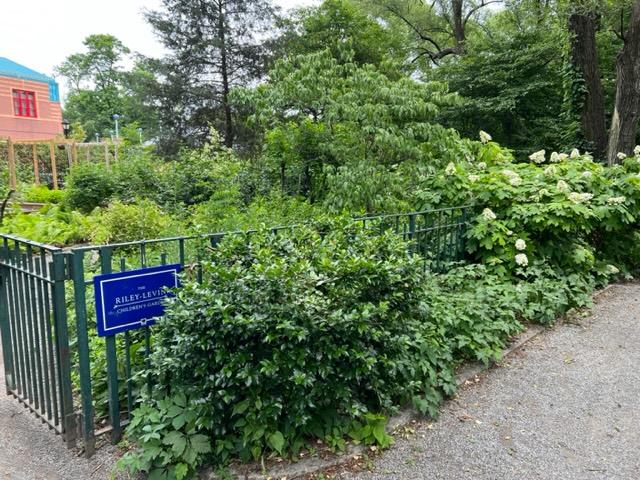
The Riley-Levin Children’s Garden
The Vegetable Garden
The front of the Riley-Levin Children’s Garden
The marsh area by the East River is all reclaimed land that was once a dumping ground for garbage. The views are beautiful and the breezes are amazing.
The pathways through the marsh area which serves as an aquifer for the East River
Looking south down on the marsh land
The water must be getting cleaner because a white Heron was looking for food in the marshland water.
The white Heron
The park was so beautiful and relaxing that afternoon.
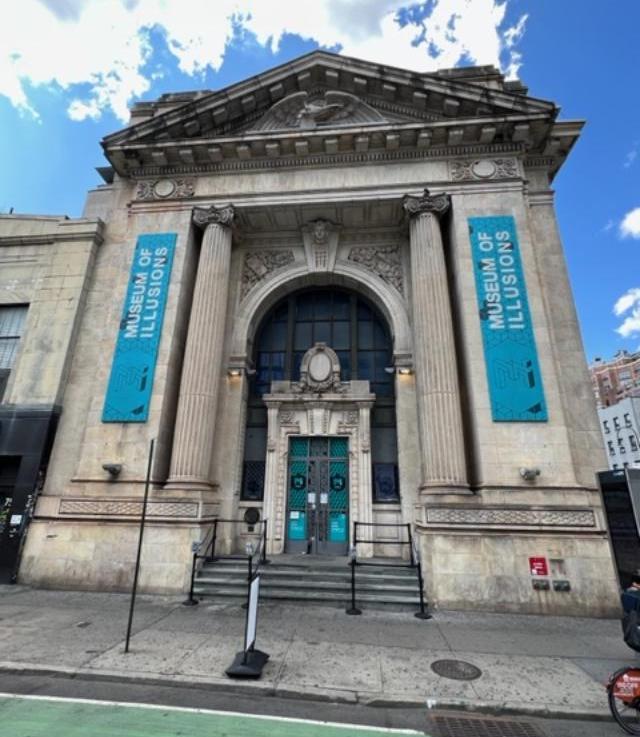
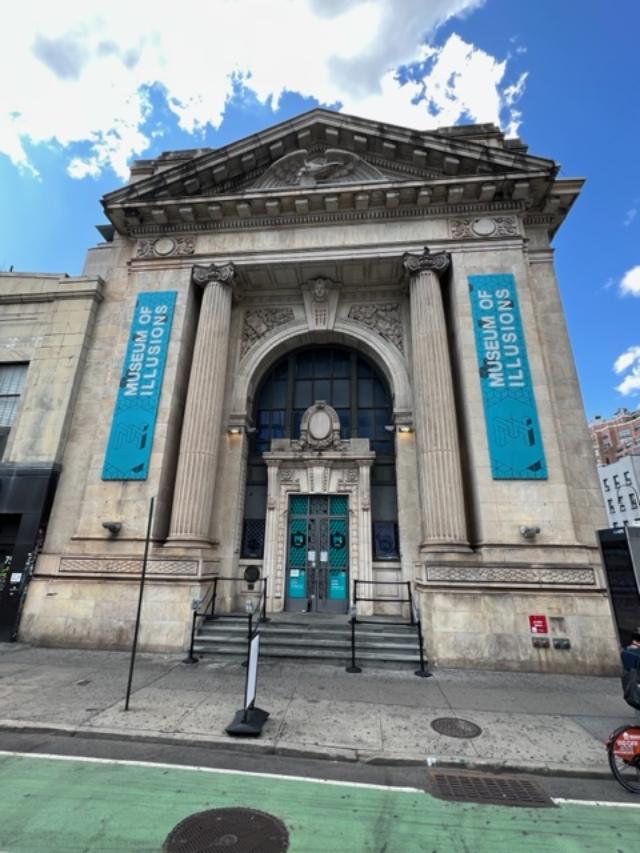
The Museum of Illusions is a interesting museum in that it is a small museum packed with various exhibitions and hands on displays that are interactive for the visitor. Each one is an experience in itself. The visitor participates in what the display has to offer and it plays with both your mind and with your personality and how you react to it.
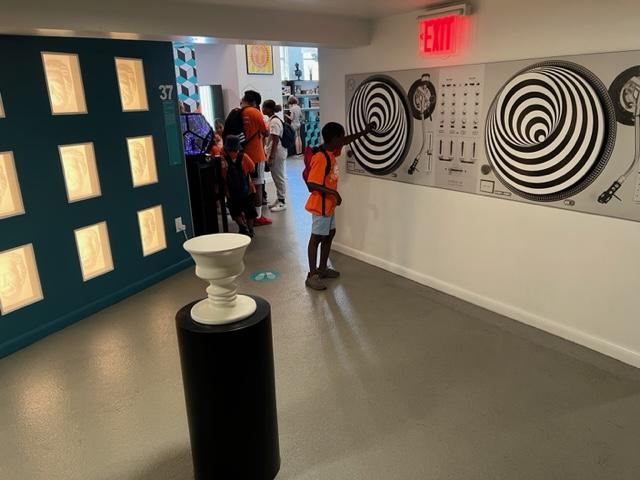
The main gallery at the Museum of Illusions
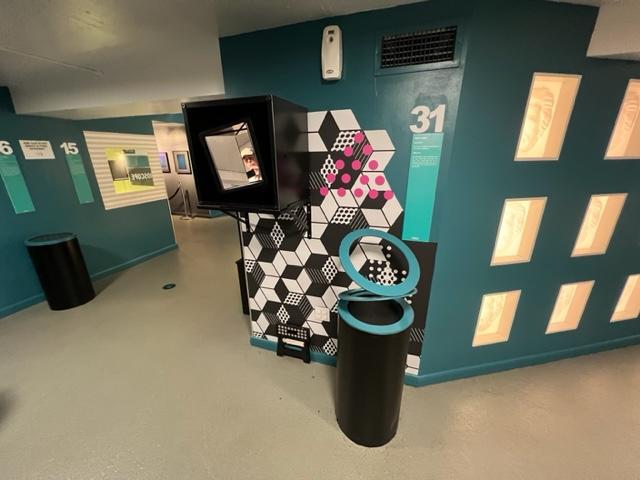
There are a lot of brain teasers and mirrors to throw you off or add to the display to entertain you. The optical illusions will test your mind and your senses. There are titled rooms to test your balance and your sense of sight, mirrored rooms to show location and reaction and small displays to show size and distance.
Admittingly it is a very small museum of the steep price of admission ($24.00 for an adult) and you will only be in the museum for about an hour. The problem with this museum is that once you experience it and if they do not change the displays, there is no reason to go back. The small displays can be experienced on two floors.
The Tilted Room display
The afternoon I was here, the museum was packed with summer campers and school aged kids who dominated the place and it is so small that it was hard to maneuver around the museum. Still it was a very interesting museum to experience once as it will test the power of and exercise your brain.
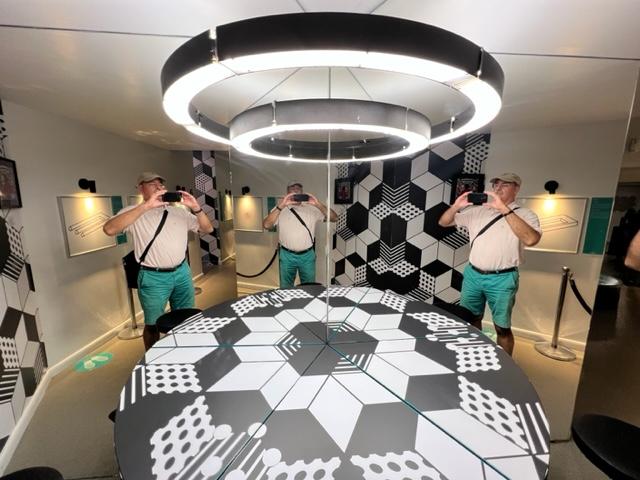
The Clone Table
Me in the Vertical Room
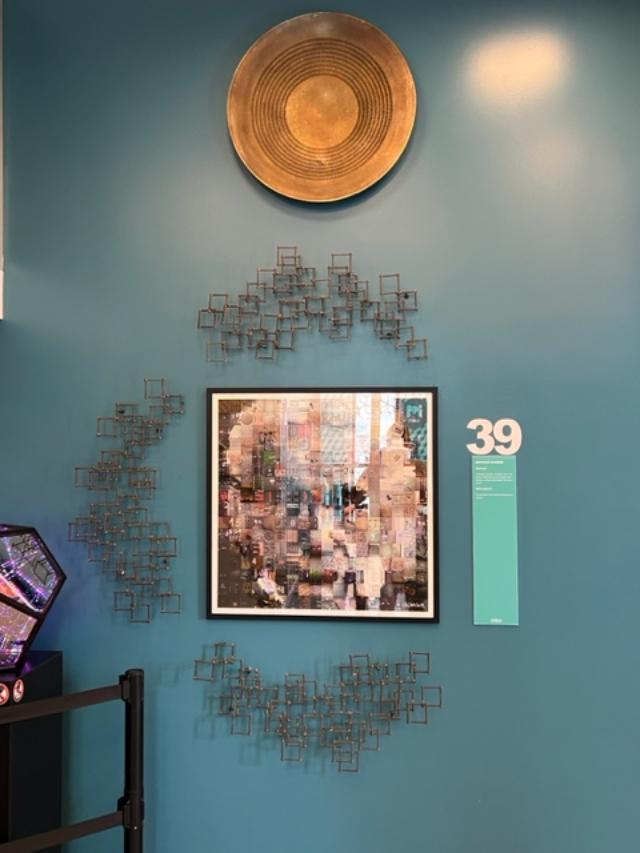
The Illusions Gallery
History of the Museum of Illusions:
(From the Museum Website)
Enter the fascinating world of illusions which will test your confidence in your senses yet amaze you by doing it. It is world that will confuse you completely, educating you in the process. Visit us and you will be thrilled because nothing is what it seems-especially in the Museum of Illusions!
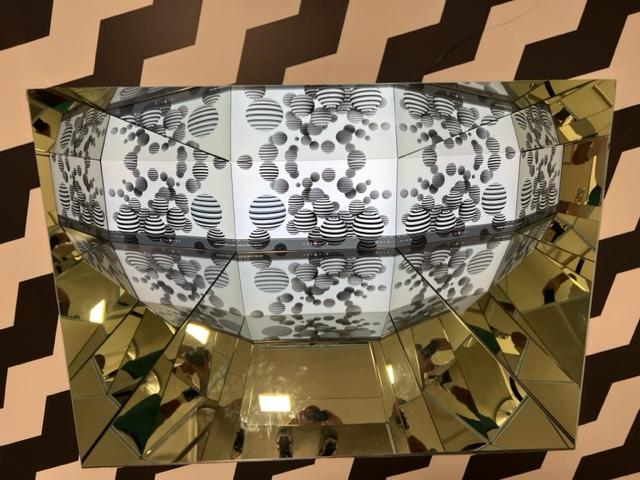
The Infinity Tunnel
Are you ready for a fascinating adventure? We offer an intriguing visual, sensory and educational experience with a handful of new, unexplored illusions.
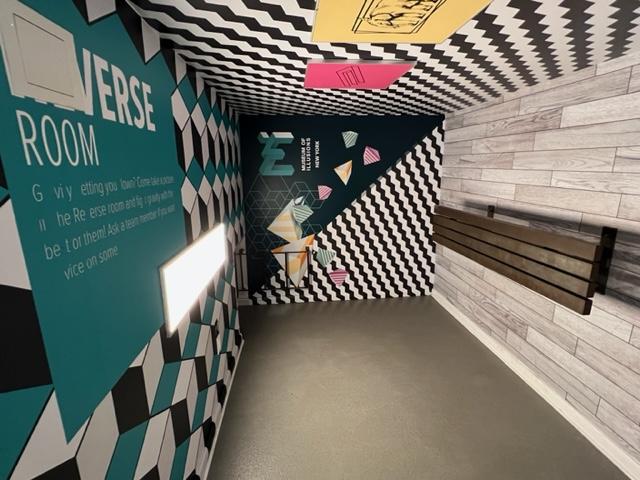
The Reverse Room
New York, place to experience illusions!
The Museum of Illusions in New York brings you a space that offers wonderous and entertaining insights into the world of illusions which will delight all generations. The museum is a unique place for new experiences and fun with family and friends. Not only is it an exciting place for children, who adore coming, but it’s also a great place for parents, couples and grandparents!
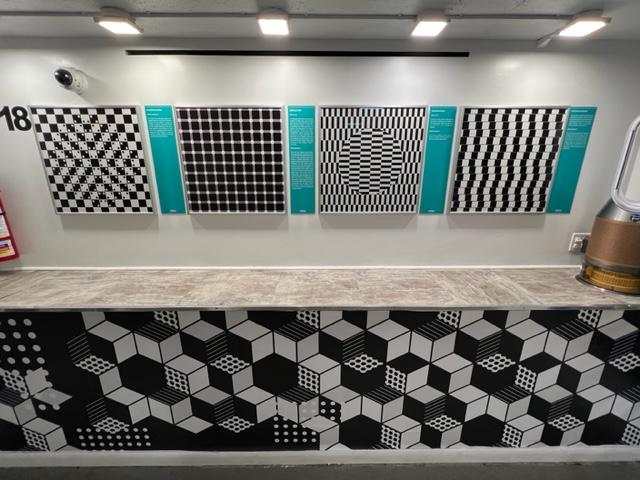
The Optical Illusions of the museum
Enjoy our collection of holograms, look closely at every optical illusion and observe each installation thoroughly. Our exhibits are a brilliant, playful reminder that our assumptions about the world we perceive are often nothing but a shadow of illusions. Our genuine collection of showpieces will most certainly make your jaw drop!
The Museum of Illusions Master of Numbers
The Museum of Illusions amusing, and awesome features will teach you about how the human brain perceives reality. You will come to understand why your eyes see things which your mind cannot initially comprehend. Make sure you visit our playroom with its intriguing and educational games and puzzles. These brain mashers are great fun but also delightfully tricky!
If you want to see some of the most beautiful sites in New York City during the Spring months when Mother Nature truly works her magic then I would suggest going to the Brooklyn Botanic Garden to see Daffodil Hill and Magnolia Plaza.
The sign when entering Daffodil Hill in the Brooklyn Botanic Gardens
This is when everything is in full bloom during the early Spring. There is nothing like it and it is so breathtaking with a quiet elegance. On this clear and sunny Thursday afternoon, the gardens were quiet so I had plenty of time to take pictures and enjoy the beautiful views.
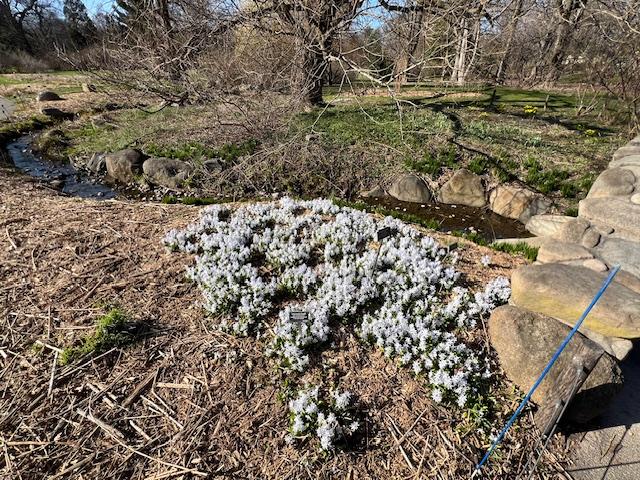
I finally got the gardens in the early Spring to see the crocuses, the Snowdrops and the Ironweed flowers that come in the early Spring just as the Daffodils were just coming out. These sensitive flowers are only in bloom a short time and I wanted to see them. They are just beautiful when you see them up close.
The Garden was ablaze with the colors of almost a thousand purple crocuses that lined the hills on the Prospect Park side of the lawns in 2024. Beautiful purple and while colors were in full bloom and Mother Nature shined in the COVID era with all of us socially distanced but still enjoying the park.
Crocus Hills ablaze in purple in 2024
The purple crocuses in full bloom in 2024.
The beautiful purple crocuses in full bloom.
While I was taking pictures of the crocuses, I walked around the gardens and came across the Snowdrops and the Ironweed flowers were also in bloom. These sensitive flowers are only in bloom for just about two weeks. To see them in the gardens in the late Winter is a real treat. They sometimes are in bloom in early and you have to see them quickly before they disappear in the ground.
The Snowdrops in full bloom in the gardens in 2024.
The Snowdrops up close.
The Ironweed just as beautiful. To see these graceful flowers in bloom are a real treat.
The Ironweed flowers in bloom right by the stream.
The Ironweed flowers in full bloom.
An Azalea that was early blooming in the garden in 2024.
Daffodil Hill at the Brooklyn Botanic Garden
Hundreds of Trumpet Daffodils are in bloom on a hill just off the Japanese Gardens flanked by hundred-year-old trees and it just plays into the backdrop of the greens and browns of the trees and lawns. I can’t tell you on a beautiful sunny day how breathtaking it is just to sit and admire these elegant flowers. It really is a site to see.
Daffodil Hill in full bloom
I love the way these hundreds of flowers make such a beautiful statement and there is such a burst of colors between the yellows and oranges of the daffodil flowers. This only lasts for about two weeks and then the flowers hibernate again.
The side view of Daffodil Hill from the walkway
Daffodil Hill just off the Japanese Gardens
Daffodil Hill in the Spring
Daffodil Hill in full bloom
Daffodil Hill at its peak
The video tour of Daffodil Hill at its peak
Daffodil Hill in full bloom
Daffodil Hill is right next to the Magnolia Plaza that was also in peak bloom when I was at the gardens. The trees of the Magnolia Plaza bloom the last week of March and these delicate trees petals do not last more than a week. When I got close enough to them to take pictures, I noticed that some of them were starting to curl already.
The area between Magnolia Plaza and Daffodil Hill
Not all the trees were in bloom yet but these delicate trees are very sensitive to the weather and I have noticed that the petals don’t last as long. Most of the trees were in full bloom but there was not much a smell to the trees. Still everyone was taking pictures in every direction between the Magnolia trees and Daffodil flowers.
The Magnolia Plaza in full bloom
The sign in the Magnolia Plaza
The edge of the Magnolia Plaza
The pathways in the afternoon
The Magnolia trees make such a bold and colorful statement
The array of colors in the Magnolia Plaza
The Magnolia Plaza facing Daffodil Hill in the distance
The Sundial in the middle of the Magnolia Plaza
After taking dozens of pictures of the Magnolia Plaza and Daffodil Hill, I walked over to the Rock Garden. There were not many flowers in bloom there yet as they come out later in the month. There was still an array of daffodils and a few crocuses still in bloom. The Rock Garden was quiet and perfect to walk around in as I had this part of the garden to myself.
The Rock Garden in the early Spring
The Rock Garden in the early afternoon
I headed to the northern part of the garden and visited the Japanese Gardens, where the cherry blooms started to bloom. These graciously landscaped gardens were created in the traditional Japanese form with a combination of trees and shrubs to balance the garden.
Entering the Japanese gardens from the path
The Japanese Gardens pool with traditional buildings
The Japanese Gardens in the early Spring
Returning at the height of the Cherry Blooms was just breathtaking. This view only rivals the beauty of Newark, NJ and Washington DC.
The magnificent Cherry Blossom lawn in April 2024.
People relaxing and enjoying the beautiful afternoon under the Cherry trees.
The beauty of the trees.
The Cherry Blossom at peak form.
I came back after the Cherry Blossoms had fully bloomed and were now gone and the Bluebells were in full bloom. It had been a cold and rainy Spring and it had been miserable to be outside. Not on the May weekend in 2025. The weather was spectacular and sunny. The Gardens were packed on Mother’s Day weekend and these beautiful blue flowers were the star of the day.
The sign welcoming you to the gardens
The flowers were just amazing
The seas of purple and green
They have really expanded their space over the years
The flowers put on quite a show that day
There is a real beauty to the gardens
The flowers were at the peak of bloom
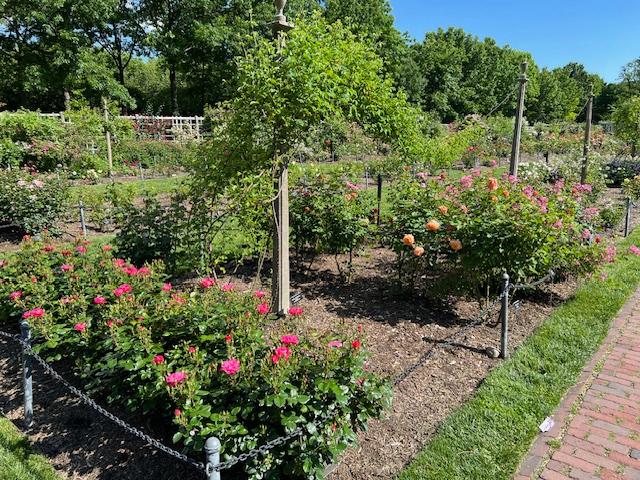
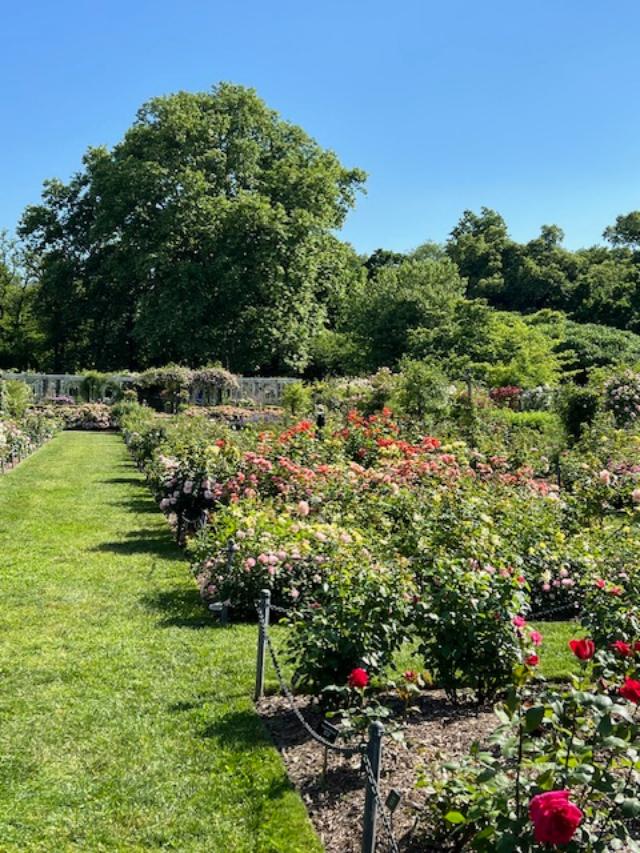
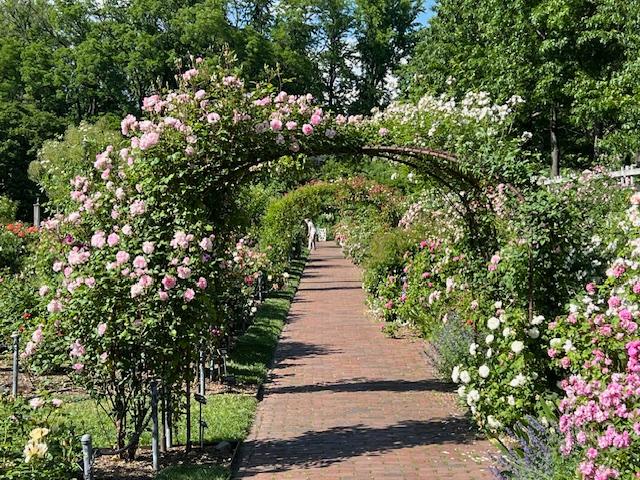
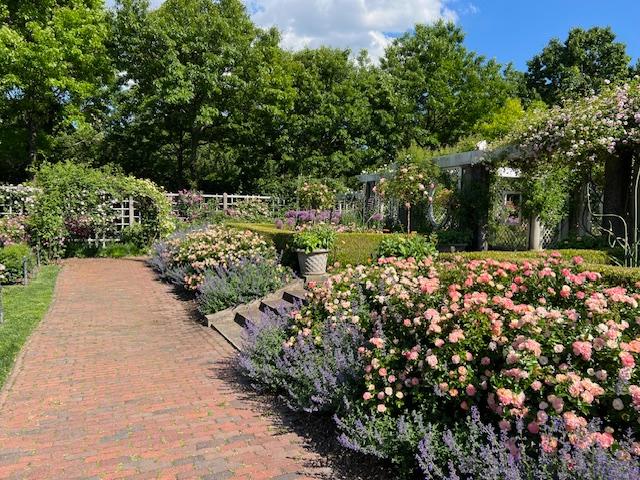
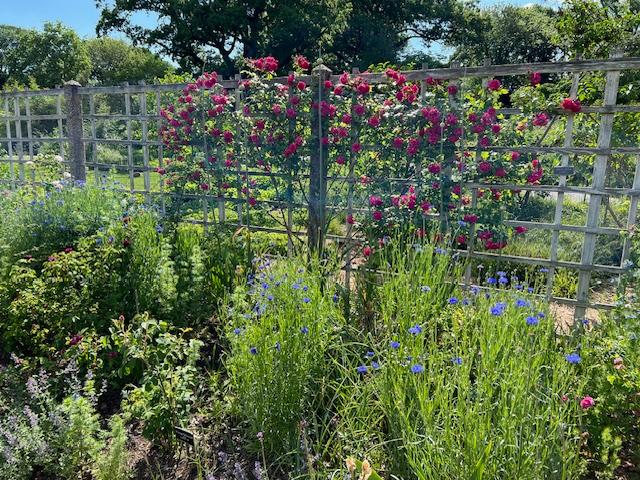
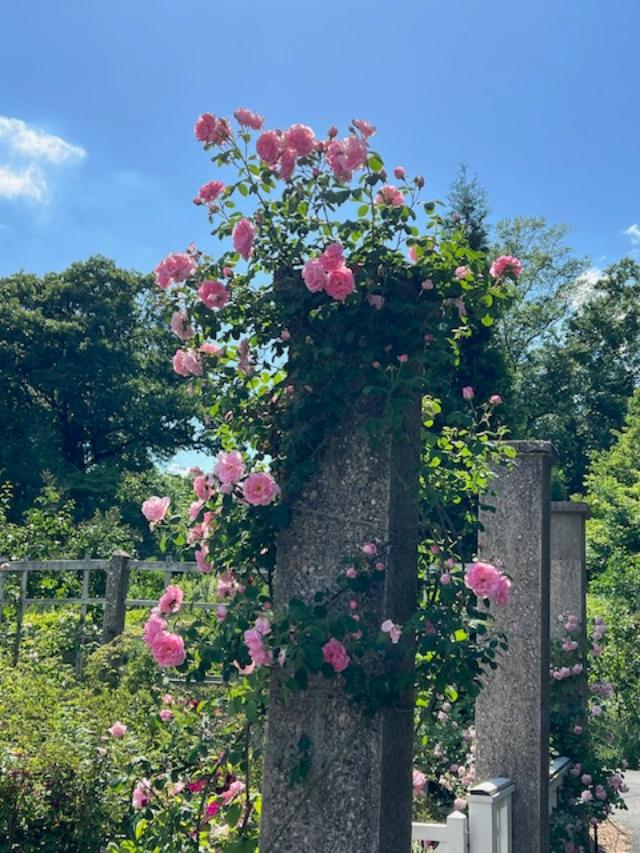
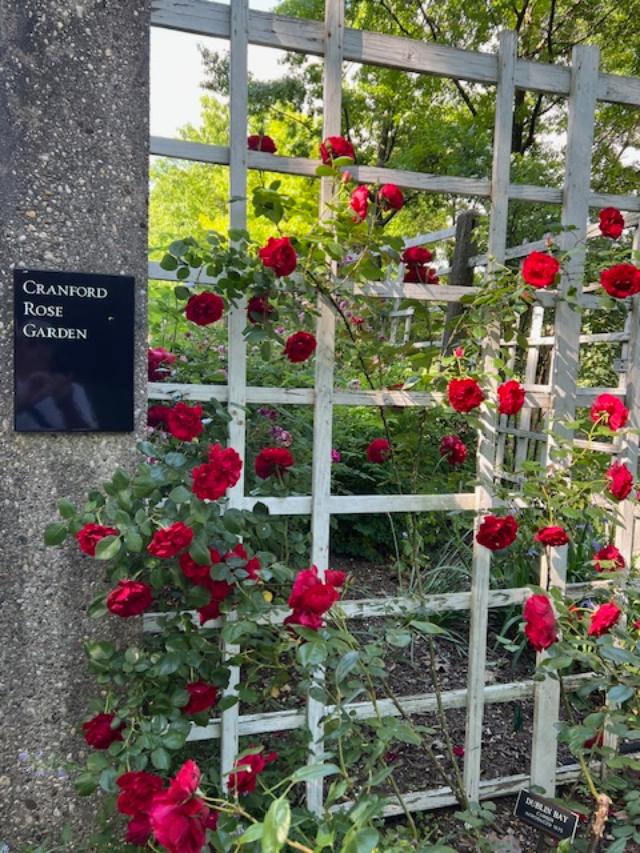
The Cranford Rose Garden was in full bloom two and a weeks before the Annual “Rose Night” that celebrates the blooms of the roses in the gardens. By the time the event would happen, most of the blossoms would be gone. So I visited the gardens again in late May after college had ended and I was in between classes. The roses were glorious to say the least and the colors, smells and the way they grew all over the trellises and fences made quite the effect. I was lucky that I went during a week day and the gardens were quiet.
There is nothing like the Cranford Rose Garden when it is in full bloom. The smells and colors are fantastic and the beauty is something timed by Mother Nature. The roses grow at different stages and it looks so gorgeous during the late Spring.
Entering the Rose Gardens in the Spring of 2024
The front of the gardens in bloom
The front beds of the Rose Garden
The front of the Cranford Rose Garden in full bloom
The trellises in full bloom
The trellis in full bloom
Walking along the paths to the back part of the gardens.
The back part of the gardens
Roses along the trellises
Exiting the back of the gardens into the Cherry Blossom Lawn
The back entrance to the Cranford Rose Garden.
If you can get to the gardens in early June, I would suggest a special trip to see the roses. This special time of the year only lasts about three weeks and then like the rest of the flower displays in the gardens are gone until the next year. The gardens are now maturing for the summer months with lots of greenery and are still a nice place to relax and walk around or just sit and enjoy the views.
The Cherry Blossom Lawn after the cherry blooms are gone.
The flowers of the garden’s Marsh area.
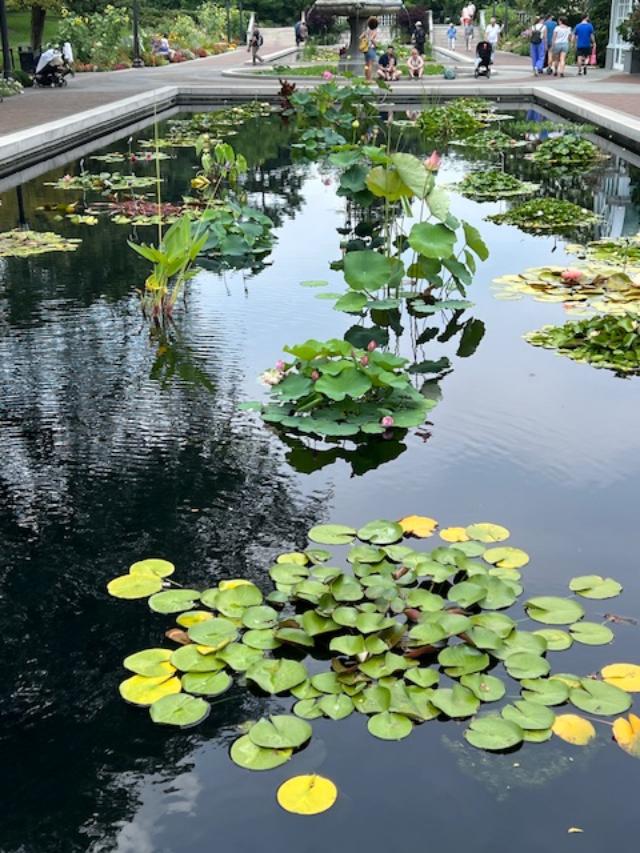
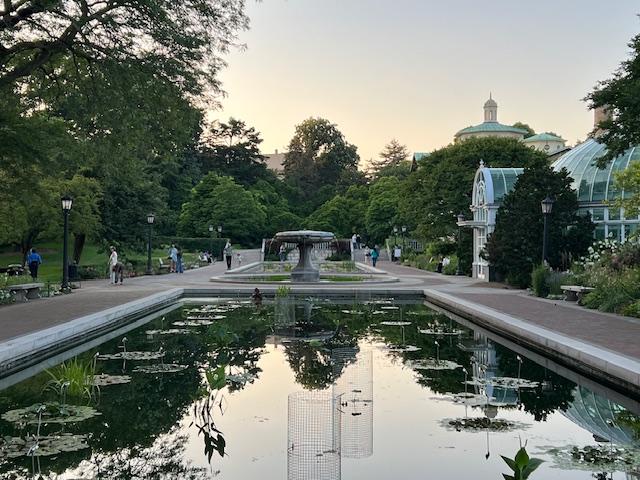
I came to the gardens in late July to see the Lotuses in the Lotus Pools when they were in bloom and when they are at their peak, they are so colorful and elegant. I now know why the Egyptians worshipped them.
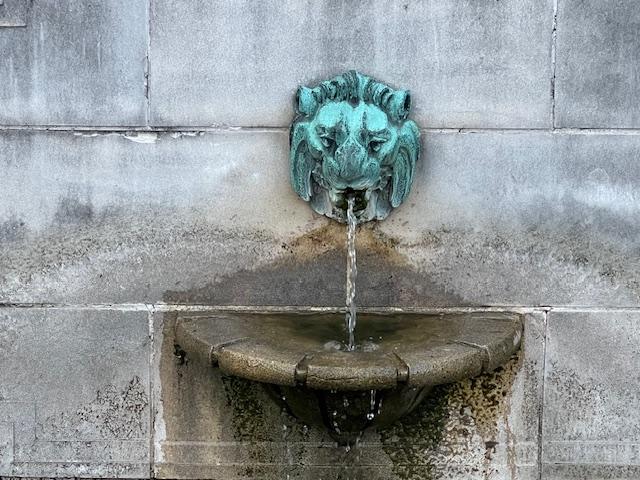
The Lion Fountain greets you as you enter the pools
Before I left the gardens for the afternoon, I stopped in the gift shop and looked around. They have some wonderful things to buy including a section of Brooklyn made products. There is also an array of plants, books and decorative products to buy.
The Gift Shop at the Brooklyn Botanic Gardens
The Brooklyn made products and book selection at the Brooklyn Botanic Gardens
After my visit to the gardens, I stopped at Bahn Mi Place at 824 Washington Avenue for lunch. I had one of their classic Bahn Mi sandwiches with ham and pate on a chewy hard roll. The food here is consistently good and their sandwiches are excellent.
You have to order the sandwich with a Medium spicy sauce. It adds to the complexity
The sandwiches are excellent. The flavors of the fresh vegetables and meats with the spicy sauce makes complex flavor. The bread is fresh and chewy and don’t be fooled by the size of the sandwich. It is larger than I thought and very filling. See my review on both TripAdvisor and DiningonaShoeStringinNYC@Wordpress.com.
I took my lunch and ate on the steps near the Brooklyn Museum and just enjoyed the afternoon. I people watched and enjoyed the cool, sunny weather. It was nice to escape from classes for a couple of hours and just relax and not think about school or work. It has again become a bit stressful between the two but I will handle everything.
I look forward to this time in the gardens and is one of the reasons why I keep my membership. I love to look at the hundreds of daffodils in bloom and watching as they sway in the wind and just want to look beautiful. It is the most amazing site every Spring.
You do have to time your visits so that you see all these beautiful flowers at each time.
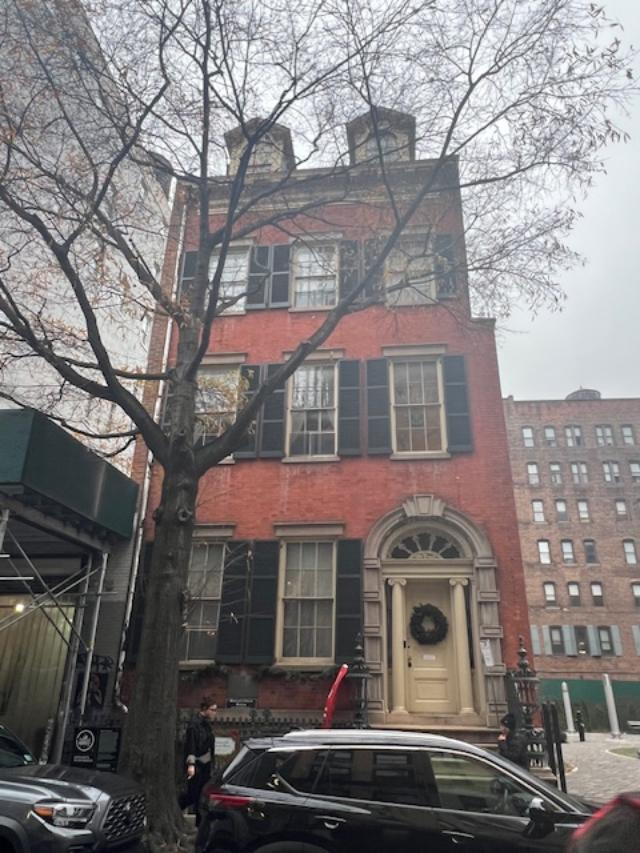
The Merchant House Museum, the former home to four generations of the Treadwell family, was built in 1832 and is designed in the late Federal style of brick and marble. When the house was built, elegant Greek Revival style rowhouses of red brick and white marble flanked the tree lined streets of this fashionable residential enclave, known then as the Bond Street Area.
The house was the home of wealthy merchant, Seabury Tredwell, his family and their four servants. Over the next 98 years, the family lived there and saw the neighborhood and the city grow, change and prosper. In 1936, after the death of the last living relative, the house opened as a museum, complete with Tredwell family’s original furnishings and personal possessions.
At the Midcentury, cast iron made its first appearance and commercial buildings and factories came to dominate the area. By the century’s end, it would be a commercial district with the Tredwell’s being the last holdouts of the area. The house was saved by the last relative’s grand nephew who bought the home to preserve it as a museum.
The home is now part of the NoHo Historic District that includes about 160 buildings, 11 of which are distinguished as individual NYC landmarks
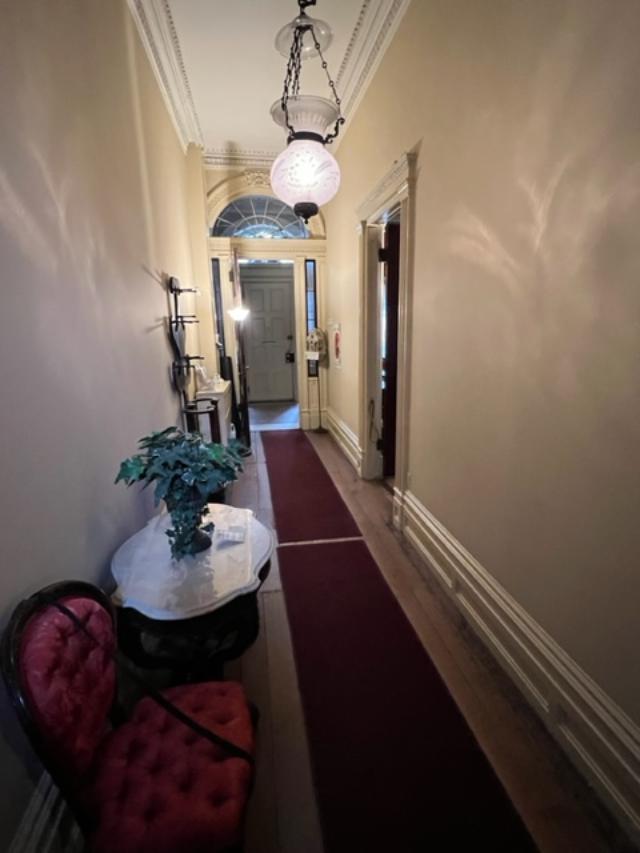
The Entrance Hallway where you would be greeted when you enter the house
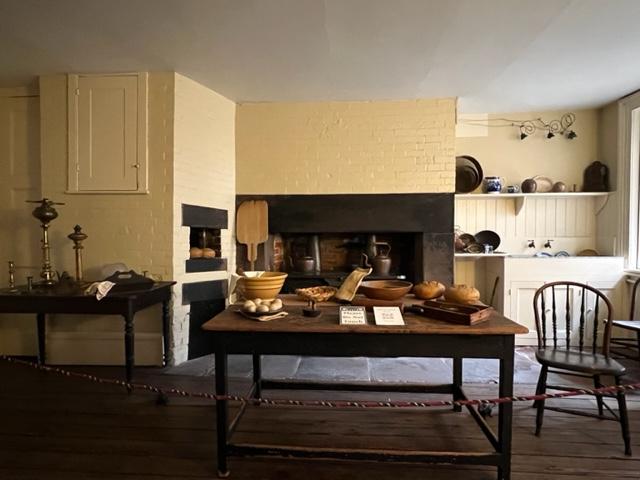
The Merchant House Kitchen ready for dinner to be prepared
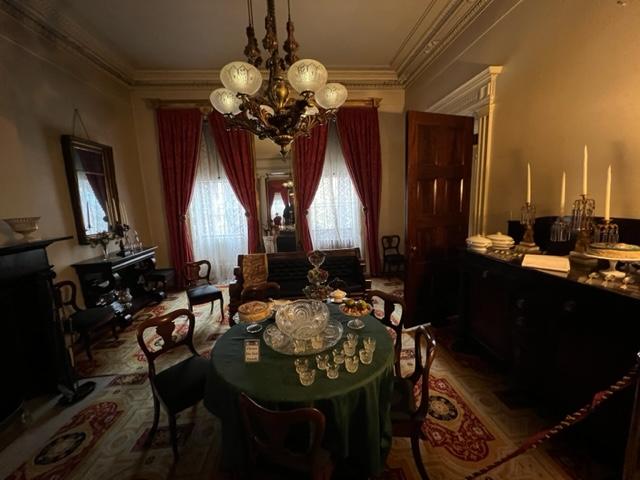
the Dining Room was set for the Dutch New Year gathering
The Christmas holidays were not a big tradition in the early 1830’s when the house was built. The Dutch tradition of visiting on New Year’s Day and making calls to your friends was what many fashionable families would do to socialize with their neighbors. Tea, Coffee and punch would be served along with cakes, sweets and savories. These calls would only last about ten to fifteen minutes before you would move onto the next house. This tradition continued until Victorian times when homes were spread further apart and the family Christmas celebrations with gift giving and a Christmas tree came into fashion due to Queen Victoria and the spread of English and German traditions.
The punchbowl ready for guests on New Year’s Day
Refreshments ready for the New Year’s Day gathering
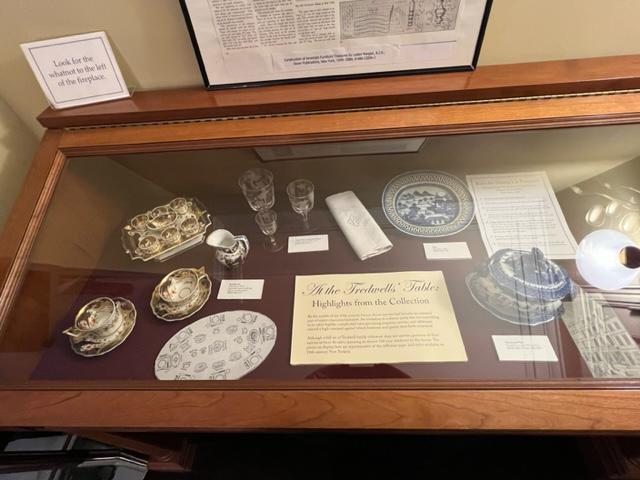
The broken pieces of the china collection of the Treadwell family. There is not a full collection of china that the family had to entertain with for formal affairs. They also did not have any china or silver of the family’s. I think that this might have been passed down to the heirs.
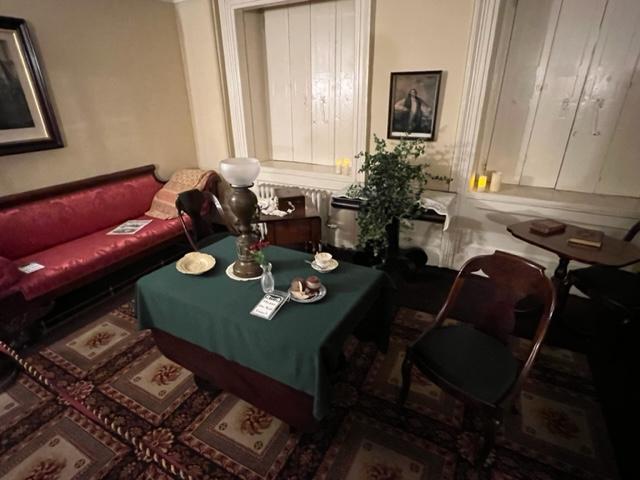
The Parlor of the Merchant House Museum
The piano in the Parlor of the home
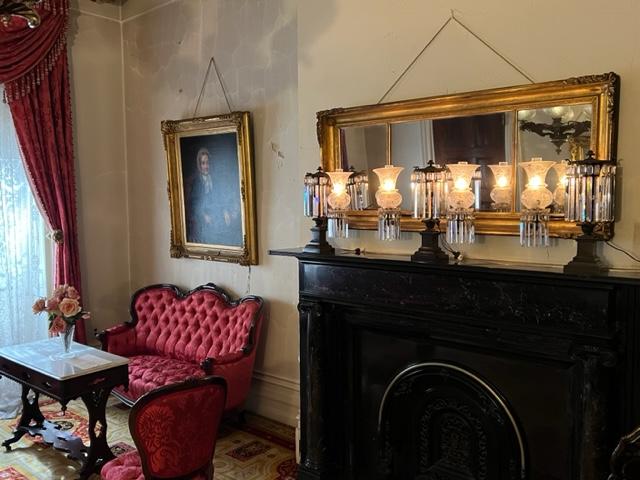
The fireplace in the Parlor
The Parlor is where the family would gather after meals for entertainment and to converse with guests. This would be the main part of the house for socializing as the formal dining room and living rooms would be used for more formal affairs.
The Living Room in the Merchant House
The stairs are rather narrow and steep when you are heading upstairs to the bedrooms so you have to hold on to the rails. The bedrooms are normal size by today’s standards but back then they were pretty big plus people had their own rooms. They were nicely furnished with family heirlooms and antiques.
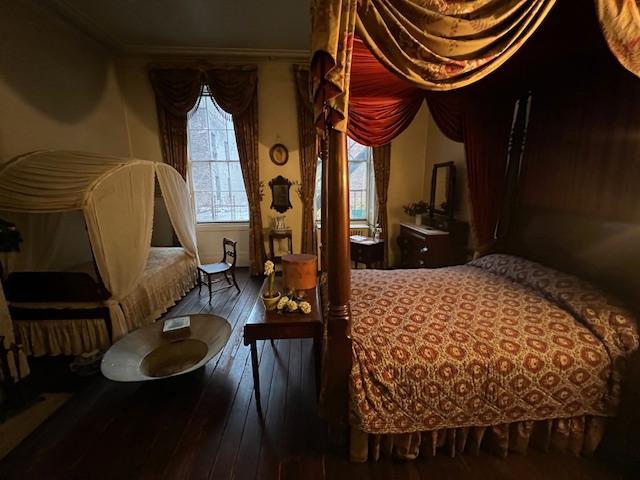
Mr. Treadwell’s bedroom
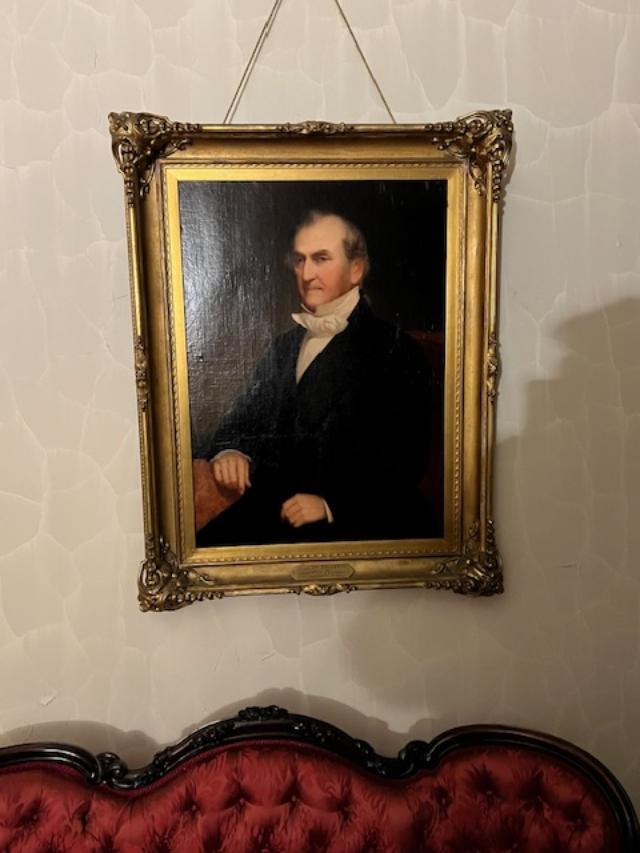
The portrait of Mr. Treadwell in his bedroom
Mrs. Treadwell’s bedroom
In Victorian times, the wealthy would have separate bedrooms for the husband and wife. Bedrooms would not just be a place to sleep but they were also a place of business where the family members would do their paperwork, write correspondence and arrange social events. Also, in the case of birthing, the child would be in the bedroom with their mother.
The “Valentine’s Day Card” exhibition “19th Century Valentines: Confections of Affection” on the second floor is part of the house’s extensive collection. ‘Delicate and lacy, these expressions of love celebrate the whimsy and romance of the Golden Age of Valentines’ (from the pamphlet).
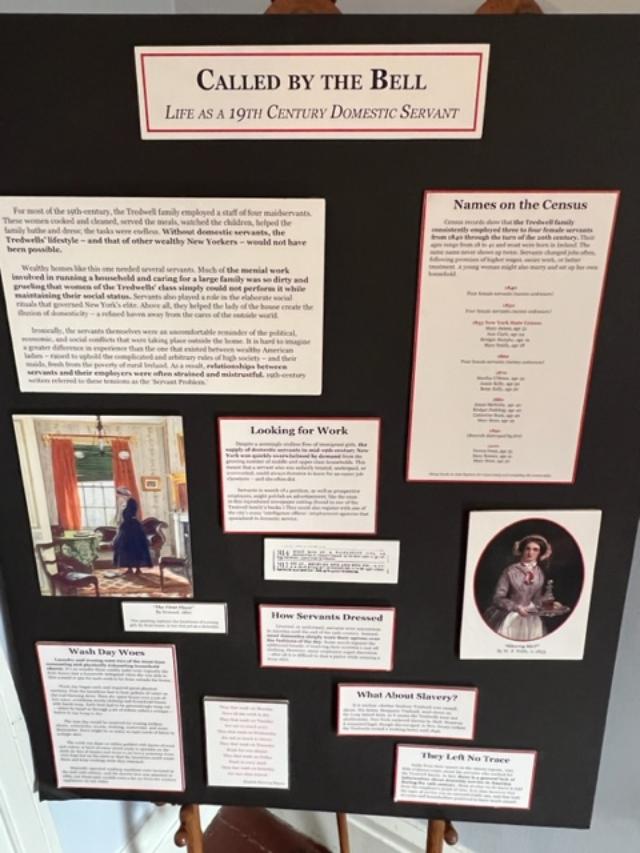
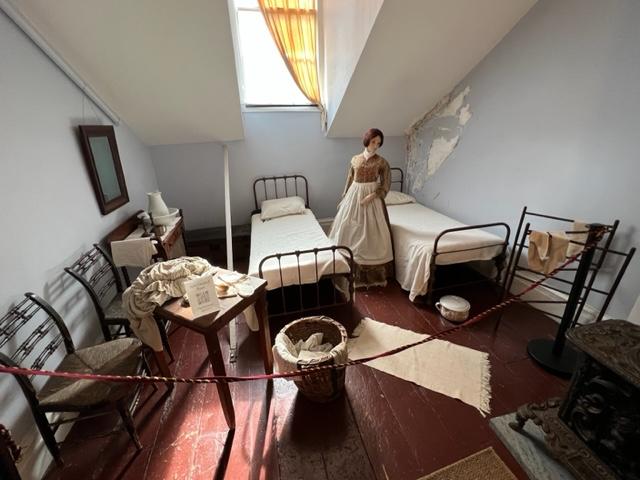
The Children’s bedrooms on the third floor were closed off and used as offices for the staff so I made my way up to the Servant’s Quarters on the top floor. These people really got their exercise climbing those stairs up and down every day. The stairs seemed to get more narrow as you headed higher and God forbid there ever be a fire. You would be trapped up there with no way out.
The Servants Room on the fourth floor
The Servants Room on the fourth floor was pretty spare
Looking for the paranormal
Looking for a ghost on the fourth floor
During October, the museum hosts “Gaslight Ghost Tours”, where you tour the home by candlelight. There have been strange noises in the house ever since Gertrude Tredwell passed in 1934. She had been born in the house in 1840 and lived here until she was 93. She had never married and now it is said that her spirit is still part of the home (museum pamphlet).
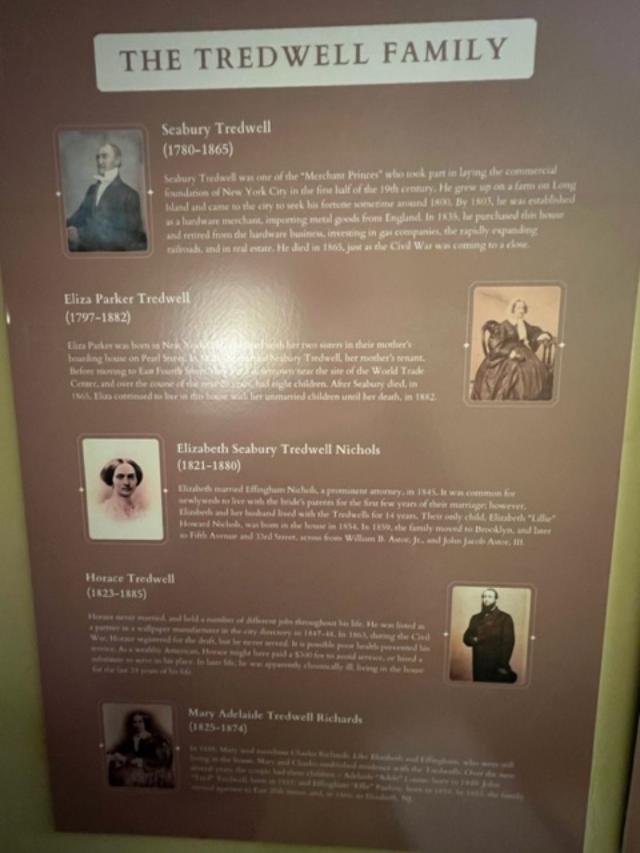
After viewing the Servants Quarters and not finding any ghosts, I headed back downstairs to the main hallway leading into the house. There I saw the timeline of the family and all the family members that had lived in the house. It seemed that the last living relative, Gertrude, died in the house in 1934 and her grand-nephew bought the house and all its debts at the height of the Depression to preserve the home as a museum. Talk about insight! The nephew knew how important this home would be one day.
The Treadwell family tree in the hallway downstairs
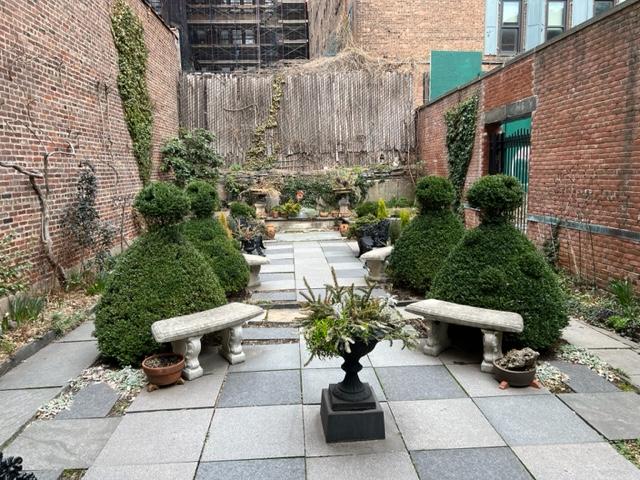
The last part of the tour was the gardens in the back of the home. It was not a formal yard but a well landscaped walled in garden with a small fountain in the back of the gardens. The flowers were just starting to come up and there were crocuses and daffodils One of the curators was the Master Gardener for the property and did a nice job landscaping the property.
The back of the Merchant House Museum in the late Winter in the Gardens
The Gardens of the Treadwell house in the late Winter
The fountain at the gardens was off but now means to come back in the late Spring
There is a more formal tour a couple of times a day of the home but that is by reservation only and there is a separate fee. The holidays offer more themed tours on Halloween and Christmas. The Candlelight tour of the hour for Halloween is really intriguing.
The Merchant House Museum at night before Halloween
I recently went on the Haunted House tour at the Merchants House for Halloween in 2023 and that was interesting. We walked the first two floors of the house in the dark by candlelight hearing stories about the family.
Costumed characters greeted us in every room but none of us saw a ghost. Still the house had a creepy feeling to it as we walked room by room discussing the lives and deaths of the Treadwell family. We started off in the Parlor on the first floor with displays of seances and ghost pictures dotting the displays.
The display of seances and ghost pictures.
It can be a bit spooky walking through a house by flashlight, but the docents made the conversation interesting and fun. We got to hear about all the haunted tales of the house. A highly suggestive tour around Halloween.
The Parlor at night on the Candlelight tour of the house on Halloween.
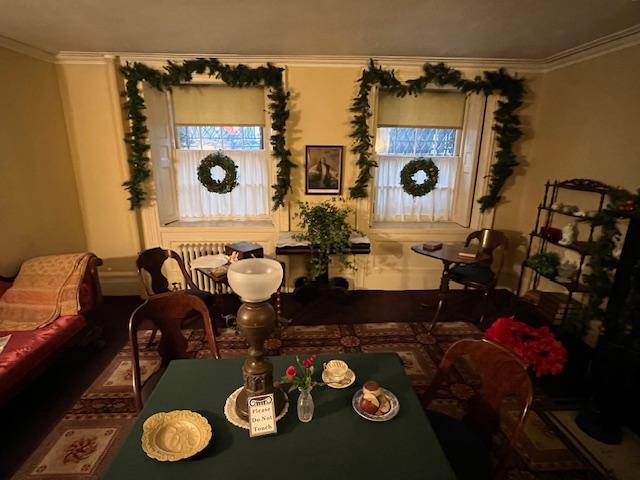
The home is very engaging at Christmas time as well as you are welcomed into the Treadwell Home for the Christmas holidays with their annual Christmas Eve Reception and preparations for Christmas lunch. The house was decked out in garland and bows with several Christmas trees in the room. The house was very festive for the holidays and you were welcomed into the world of 19th century New York City at the holidays.
The Merchant House at the Christmas Holidays.
The outside of the house decked out for the holidays.
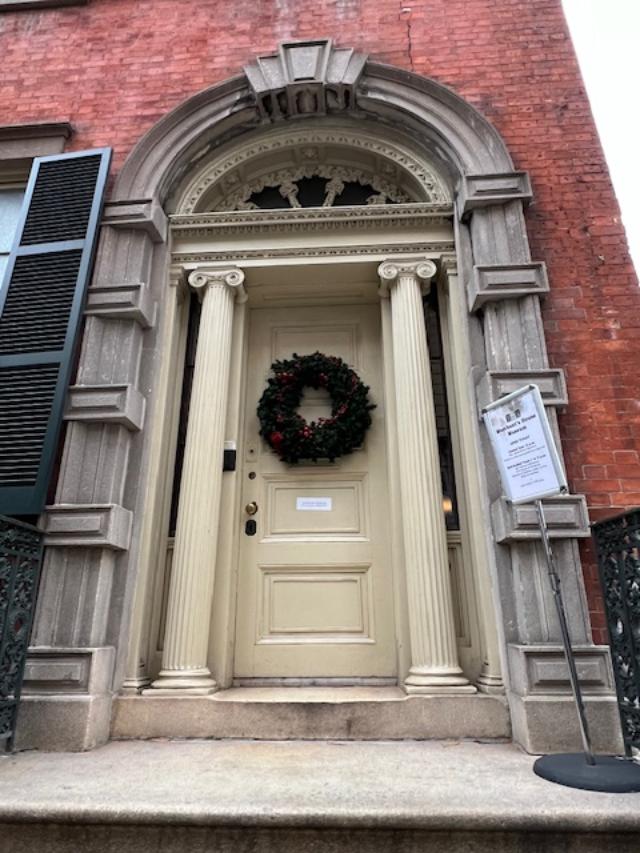
You are welcomed to the home at Christmas time.
We started our tour in the gardens which had gone dormant for the season but still you could see the greens in the bushes and the pine trees. It had been a warm morning in the low 50’s with a treat of rain but later that afternoon. For now, it had just been gloomy. We had a nice conversation about the house and its history even though we could barely hear the tour guide as he talked so softly.
We next toured the kitchen where the cooks were busy cooking and baking for the Christmas holidays. The 19th Century was all about manners, traditions mostly Dutch and entertaining. The Treadwell’s were people who both entertained the neighbors and their family as well. So there would be teas, receptions, open houses and then the formal Christmas Eve festivities and then Christmas lunch after church service the next day.
The holiday meal being cooked in the downstairs kitchen.
Christmas dinner with the Treadwell’s must have been special.
We moved next to the upstairs parlor that was set for receiving guests from the neighborhood. The Treadwell’s like most families at that time received guests for New Year’s Day punch and refreshments as the men of the neighborhood made their social calls during the holiday season. This tradition stopped around the time of the Civil War when families during the Industrial Revolution acquired money and people did not want to ‘entertain just anyone’.
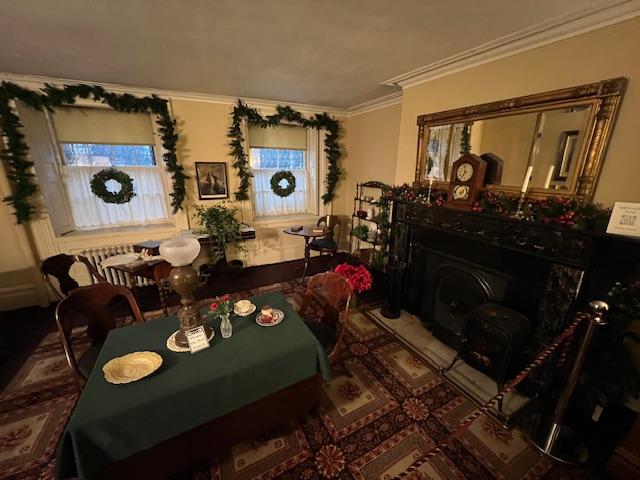
The Parlor by the front door ready to received guests for the holiday season.
The Parlor on the first floor receiving guests for New Year’s Day.
The mantle was beautifully decorated for the holidays.
We next toured the formal Dining Room and Living Room on the second level where the family entertained relatives and friends for the holidays. It must have been some celebration as the Dutch traditions disappeared and the Victorian rules and elaborate traditions started some still practiced today. Now we call it the “Norman Rockwell” and “Martha Stewart” standards.
The formal Living Room with the Table Tree decorated for the holidays. The Table Tree was the precursor for the modern Christmas tree.
The tree is the focal part of the room.
The fireplace was decked out for the holidays as well.
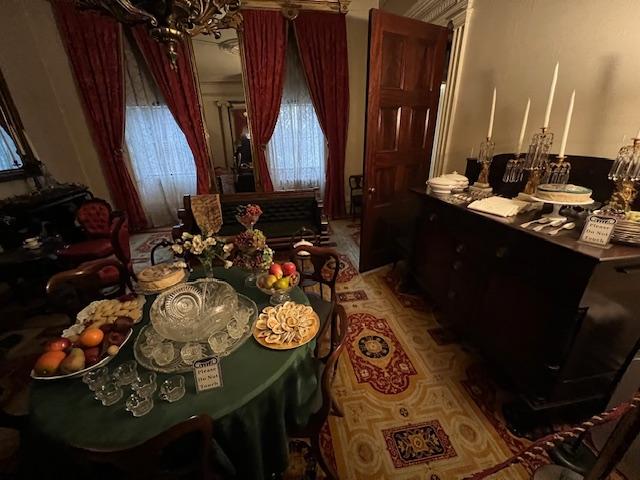
The Dining Room was set for the Christmas Eve Open House and in preparation for receiving guests in the formal room. The finest silver, china and crystal would have been used to show off the family position in the neighborhood and was meant to impress.
The Dining Room was set for receiving guests for the Open House.
The Dining Room set for a feast.
The family would receive guests all day, replenishing foods so that there was plenty for everyone who visited. Women would be busy all day entertaining neighborhood men who would be calling all day long.
The bannisters were beautifully decorated with garland.
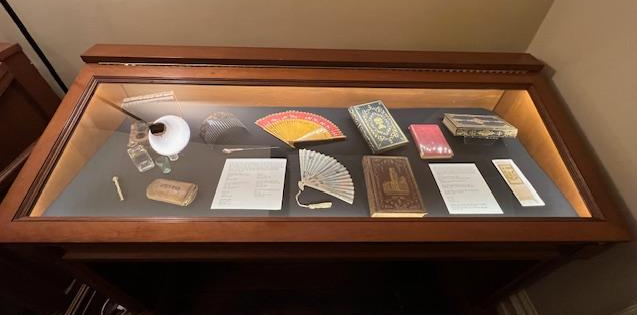
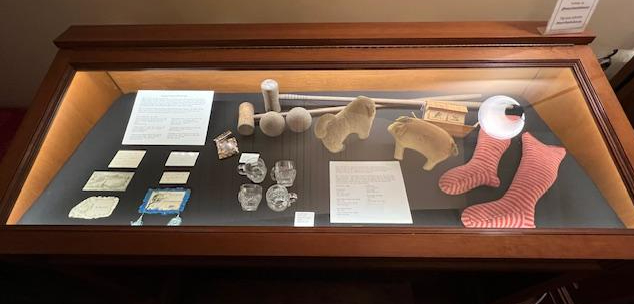
During the Victorian Age gift giving during the holidays became very important.
Christmas presents of the Victorian Age.
Gifts of the Victorian Age.
We then toured the upstairs bedrooms and saw how they decorated. The rooms were nicely decorated for Christmas. I have never seen rooms decorated like this for the holidays.
Mrs. Treadwell’s bedroom
Mrs. Treadwell’s Bedroom
Mr. Treadwell’s bedroom
Mr. Treadwell’s portrait in the bedroom standing guard.
It was an interesting look at both Edwardian and Victorian times in New York City.
The New Year video on celebrations on the “New Year’s Day Visiting” day
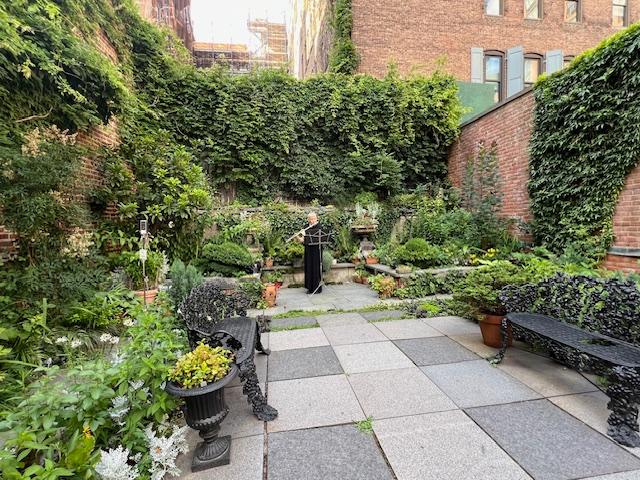
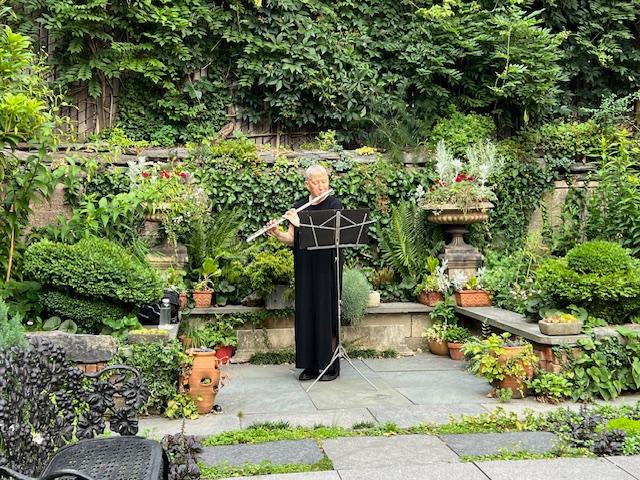
During the Summer months, the Merchant House Museum is hosting a series of “Music in the Garden” concerts. The first one I attended was in June 2024 with Flutist Cheryl Pyle. What a nice relaxing evening in the gardens that were all in bloom.
The gardens were in full bloom that June evening
Flutist Cheryl Pyle performing in the gardens that evening
The Concert that evening for everyone to enjoy too!
The gardens are this hidden gem in the neighborhood. The volunteers have done such a beautiful job taking care of this marvelous historic site.
The gardens looking at the back of the house with the wine and snacks and information table
The gardens closer to the back entrance of the house
The left side of the back garden
The right side of the gardens
The entrance to the gardens from the park next door
The fountain staring back at us in the gardens
This little bird even joined us in the garden for the concert and stayed and listened contently
The museum is currently having a fight to keep construction away from the home. The ten-year battle to keep a hotel from being built has been a problem for the museum. The foundation and structure of the home are in danger due to the fragile state of the building. The Landmark Preservation Commission of New York is researching and looking over the proposal.
The museum now has to defend itself from building next door
The museum is a perfect way to see how residents of a Upper Middle Class family lived in Pre-Victorian times and show the last vestiges of the neighborhood when it was a fashionable section of the City.