Tag: Exploring Historic Cumberland County, NJ

Potter’s Tavern                                                      49-51 West Broad Street                                  Bridgetown, NJ 08302

Potter’s Tavern 49-51 West Broad Street Bridgetown, NJ 08302

Potter’s Tavern

49-51 West Broad Street

Bridgeton, NJ 08302

(856) 453-2175

https://en.wikipedia.org/wiki/Potter%27s_Tavern

https://explorecumberlandnj.com/cumberland-historic-sites/potters-tavern/

Open: Sunday 1:00pm-4:00pm/Monday-Saturday Closed-Seasonal please check the website

Admission: Free but donations are accepted

My review on TripAdvisor:

The Potter’s Tavern in Downtown Bridgeton, NJ
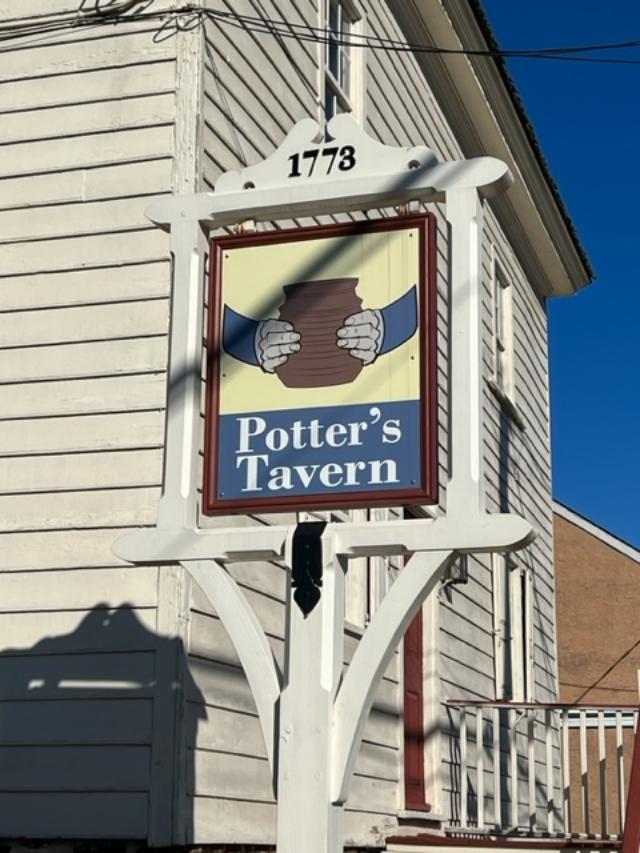
The historic sign that welcomes you
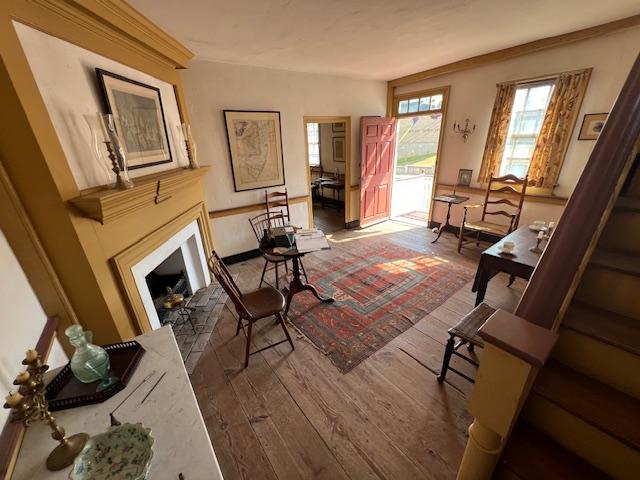
The Greeting Room at the entrance of the tavern

I finally got into the Potter’s Tavern Historical site one weekend that I was in South Jersey and it is a fascinating look at how a building and its location and purpose changed the outlook of the Revolutionary War and how we almost loss it to neglect.

The Tavern tour leads into several rooms. When you enter the building, you enter the Greeting Room or the main foyer where guests would arrive at the Tavern for the evening. To the right of the room is the main tavern where the bar was located, where issues of the day would have been debated.

The Tavern area by the main entrance

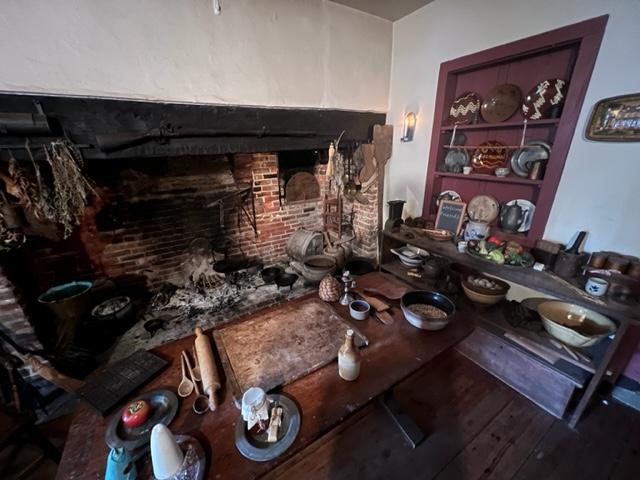
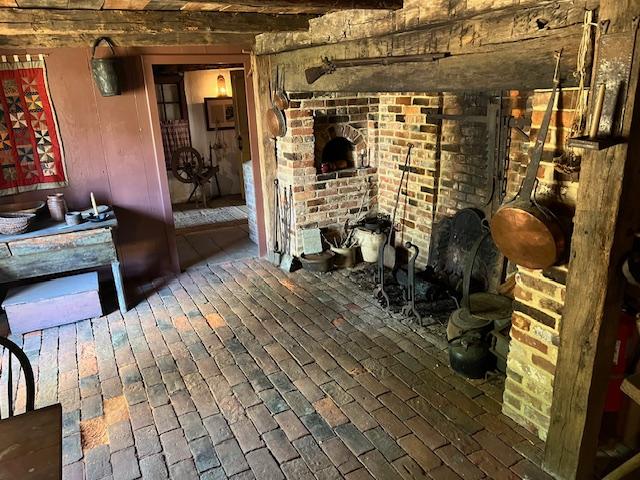
Down the stairs leads to the kitchen and to where the hearth for cooking would have been done. This was the interesting part of the tour as this had been covered up when this became a home. The hearth really shows the efforts that were made in cooking during the period.
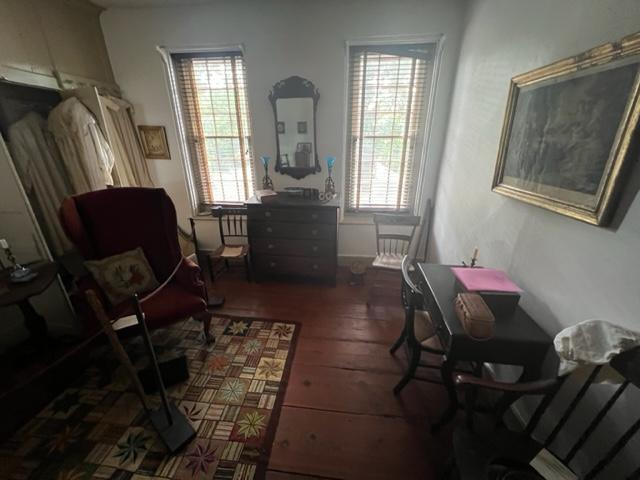
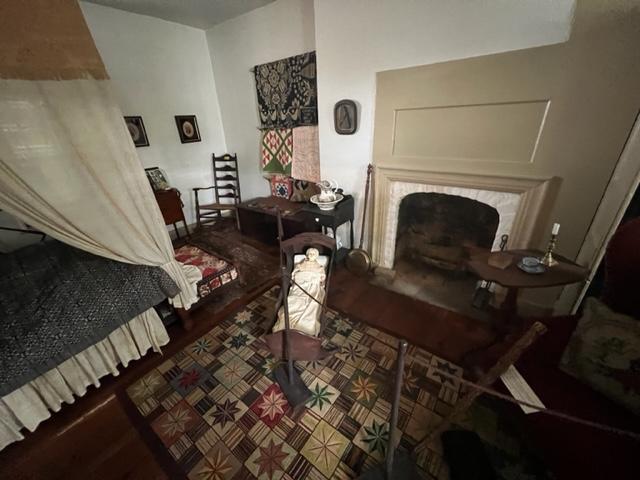
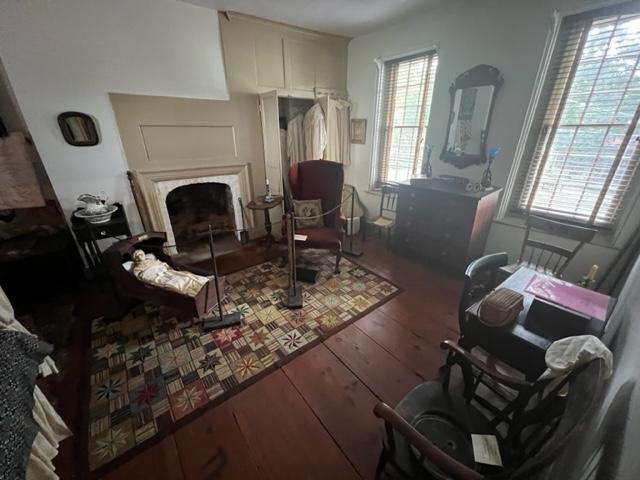
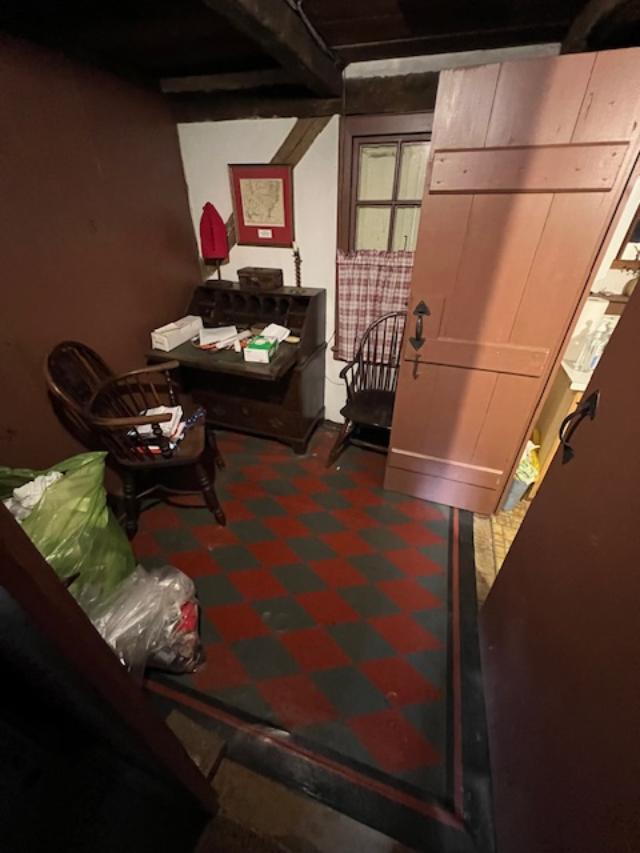
The upstairs rooms had been decorated for overnight stays. I am not sure if they would have been this nicely decorated but Bridgeton was in an isolated area at the time and coming here by carriage must have taken several days by carriage or stage coach, so spending the night was a good idea.
The tour did not take that long as the building is small but its ties to the American Revolution is what makes it so fascinating. Its role in the war and as a meeting place that may have turned the tides of the war is what makes such a interesting place to visit.

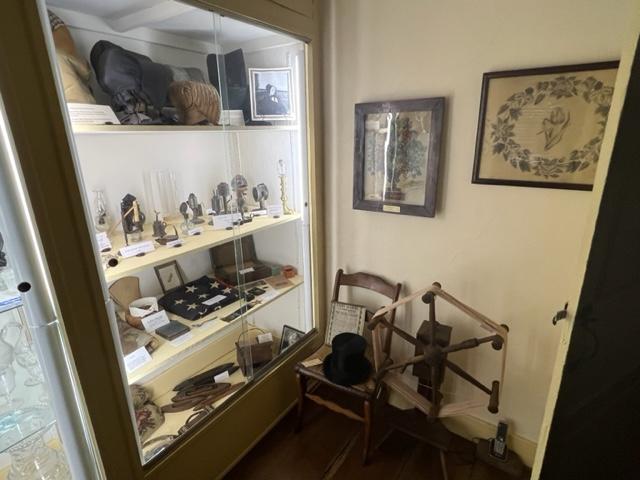
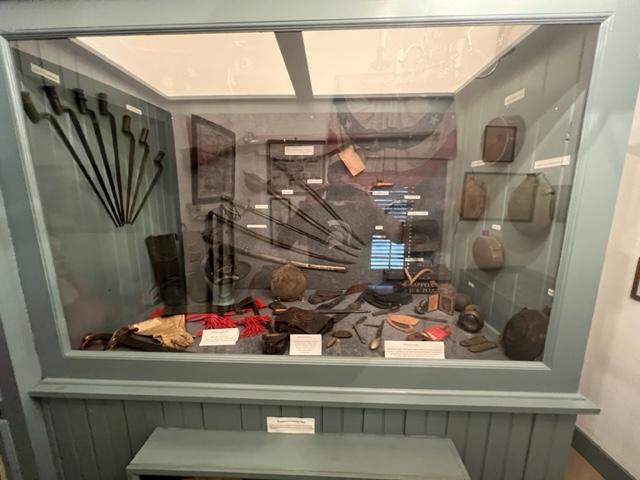
Artifacts on the second floor
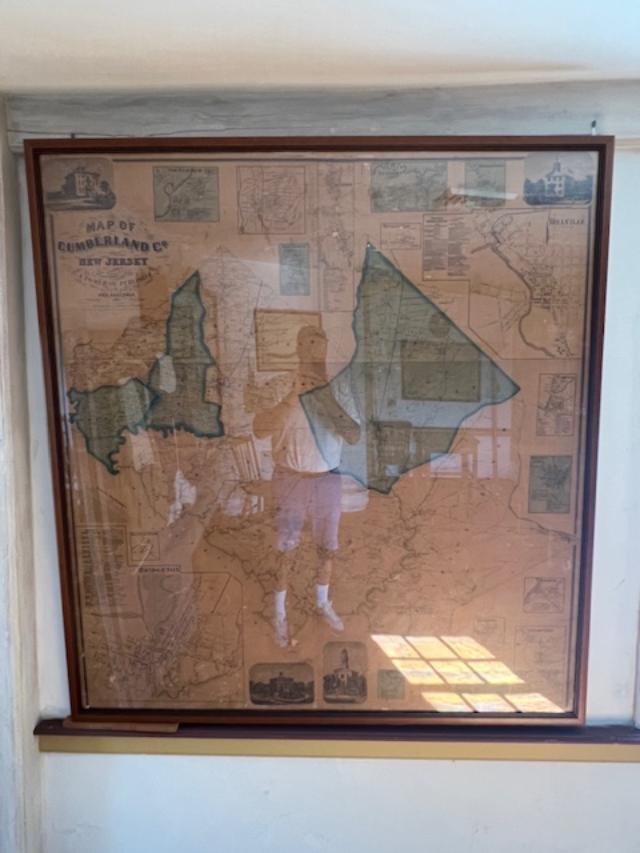
A Map of Old Bridgeton, NJ

A map of the City of Bridgeton, NJ

The History of Potter’s Tavern:

(From the Cumberland County Website)

Cohansey Bridge, the village which would become Bridgetown in 1765 and eventually Bridgeton, was a small community of less than 150 residents in the early 1700s. Cohansey Bridge was home to several taverns, which back then were places for more than food and drink. They were the social hotspots of town, the place where residents could learn about the latest local news and where travelers would pass on news from other communities. Matthew Potter, born in 1734 in Ireland, moved to Connecticut in 1740 with his mother, father and two brothers. The family soon moved to Philadelphia and not long thereafter, Matthew and his brother David moved to Cohansey Bridge where Matthew set up a blacksmith shop and tavern.

The Potter family tree in the museum

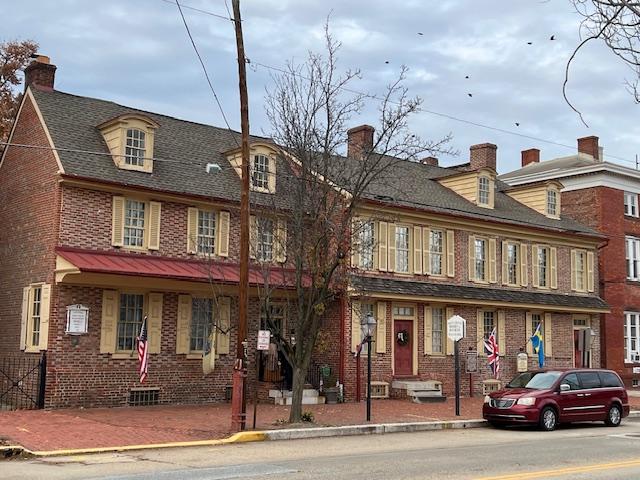
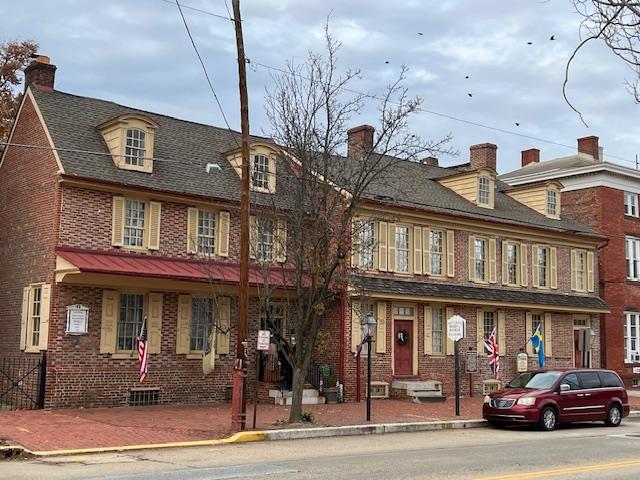
Matthew Potter’s tavern, which also served as his home, was built around 1767 and located on the north side of Broad Street. Constructed in a “salt box” design, with two stories in the front and only one in the rear with a long sloping rear roof, the tavern catered to mostly young gentlemen doing business at the courthouse, which was directly across the street.

The ‘Salt Box’ designed Potter’s Tavern

In December 1775 a weekly hand-written newspaper started appearing in Potter’s Tavern which included articles critical of British rule and supportive of independence. The Revolutionary War had begun earlier in the year, and this hand-written newspaper, known as the “Plain Dealer,” called for open revolution months before the Declaration of Independence was drafted in Philadelphia.

The inside of the Greeting Room as you walk inside the tavern

Despite efforts by local British Loyalists to identify and prosecute the contributors to the “Plain Dealer,” none of the writers, who were anonymous, were ever discovered or arrested. Writings such as those found in the “Plain Dealer” were considered treasonous and those who wrote them could be punished with public execution.

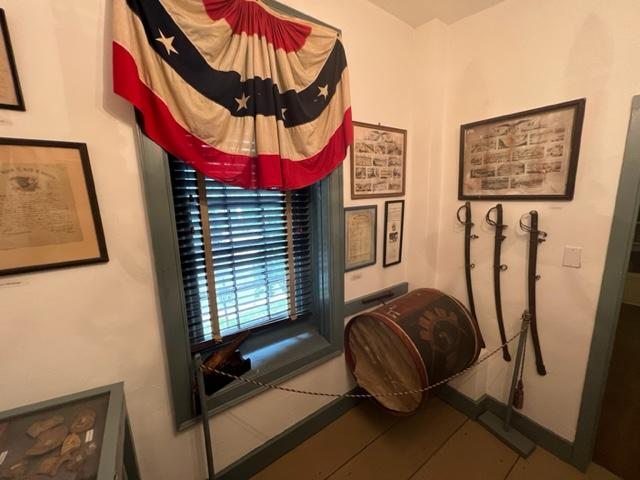
The Potter family sword collection

At least thirteen editions of the “Plain Dealer” were produced, and today scholars attribute a portion of the success of the American Revolution to the creation of powerful communication among colonists through newspapers and leaflets like the “Plain Dealer.” By reaching out to one another, colonists built bonds of sympathy and unified and by reading about local acts of resistance and stories of suffering under British rule the colonists came to realize they were fighting for each other.

The Dubois Family Portraits of Adrian and Eleanor Dubois Burroughs Ogden
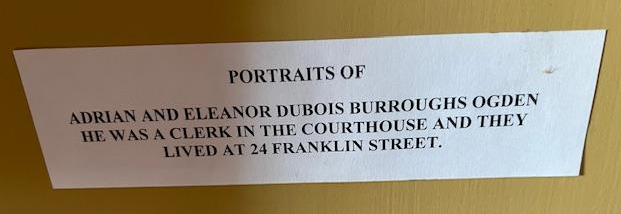
After the Revolutionary War concluded several of the writers of the “Plain Dealer” came forward and became leaders in the new nation of the United States of America. These included Joseph Bloomfield and Richard Howell, who served as governors of New Jersey.
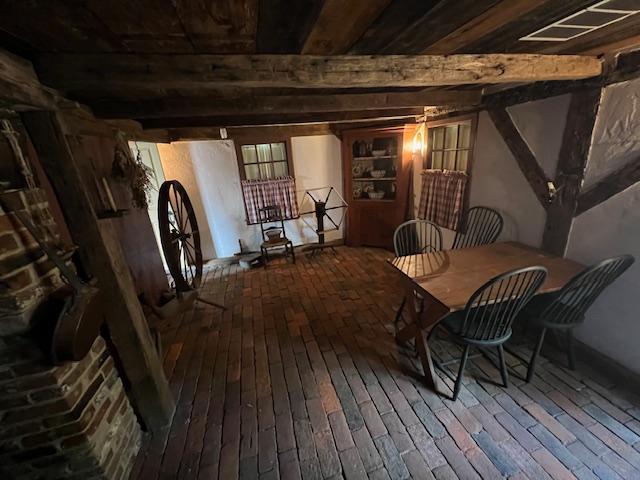
The Tavern’s Kitchen and Hearth

Potter’s Tavern remained a tavern until around 1788 when it was converted into a two-family dwelling. It then is abandoned and nearly collapsed before being purchased by the City of Bridgeton in 1958. In the 1970’s it was placed on the State and National Registers of Historic Places and is now owned by the County of Cumberland and leased to the Cumberland County Historical Society. It is open on July 4th and other special occasions and by reservation. The only known surviving copies of the “Plain Dealer” are held in the Rare Book Collection of Rutgers University Library.

The Beehive oven in the kitchen

Lower Alloways Creek Historical Society                              736 Smick Road                                                                     Salem, NJ 08079

Lower Alloways Creek Historical Society 736 Smick Road Salem, NJ 08079

Lower Alloways Creek Historical Society

736 Smick Road

Hancocks Bridge, NJ. 08079

(856) 935-3666

https://www.facebook.com/LacHistoricalMuseum/

https://www.lowerallowayscreek-nj.gov/about/pages/historic-log-cabin

Open: Sunday 1:00pm-4:00pm (Third Sunday of the Month)/Monday-Saturday Closed-Open Six times a year for special events

Admission: Free but donations are accepted

My review on TripAdvisor:

https://www.tripadvisor.com/Profile/R4960NKjustinw/mediabatch/12228970?m=19905

The Historical Society:

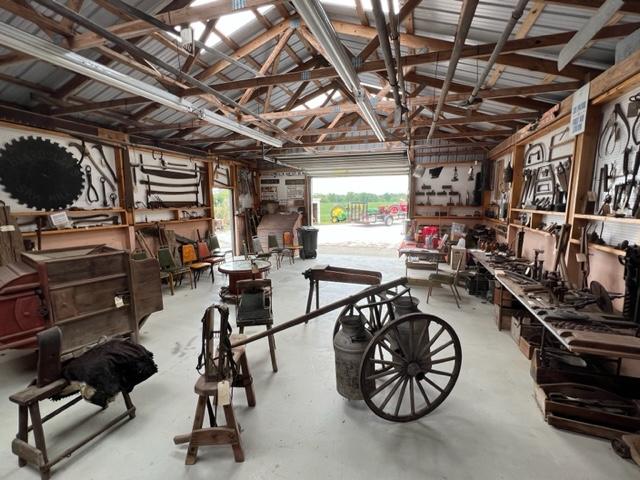
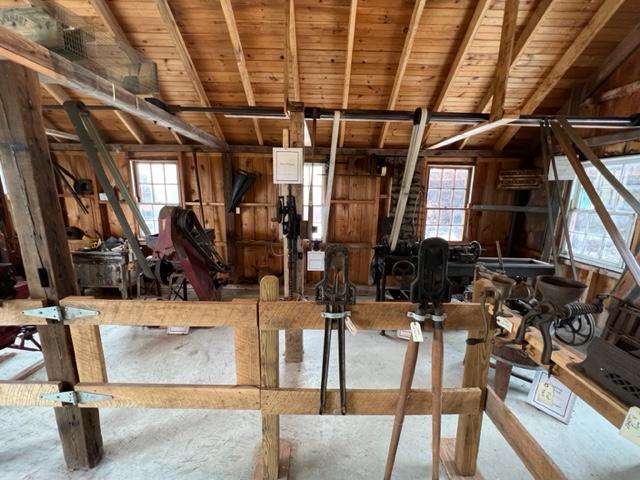
Situated in a beautiful rural setting, the Log Cabin is restored in the same manner as the local Quakers lived in the 1700’s. The site houses a barn full of antique farm implements as well as many items used in the local industries of Lower Alloways Creek.

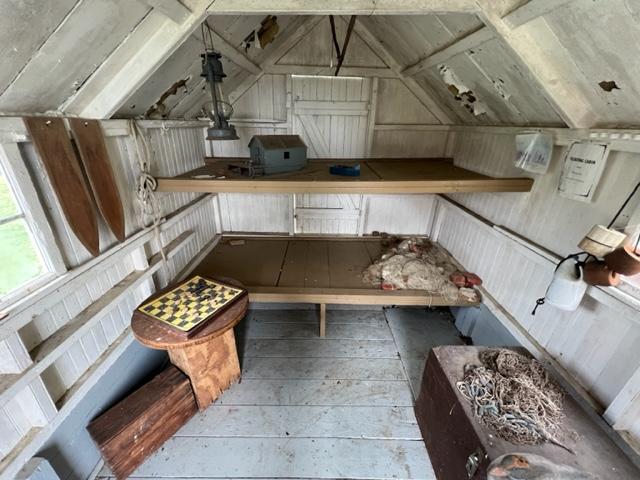
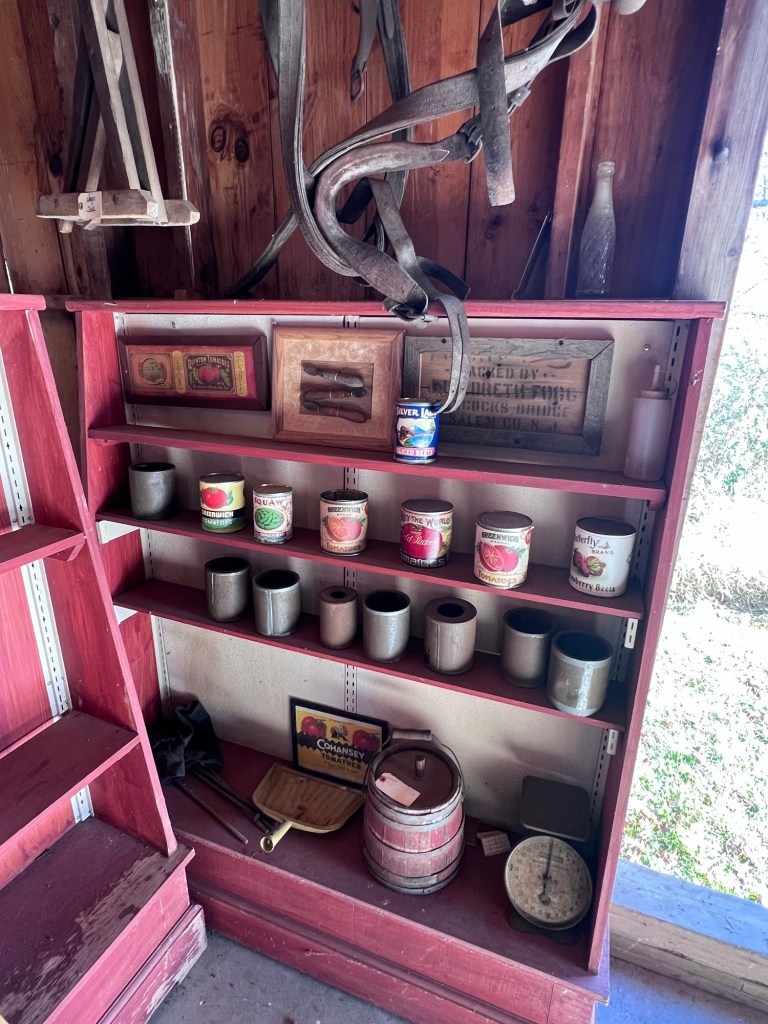
Salem’s County’s maritime history is documented in a unique floating cabin which is complimented with a collection of fishing and trapping memorabilia. The site also features an outhouse, carriage shed and the last canning house that was left in the Township.

The buildings on the grounds and the outhouse

History of the house:

The main house is very unique. The addition to the house was built in the mid 1800’s and is furnished from that time period. This was added to the log cabin that has been reconstructed on the site. The early parts of the log cabin date back to before the Revolutionary War.

The first-floor parlor

The Kitchen in the main house

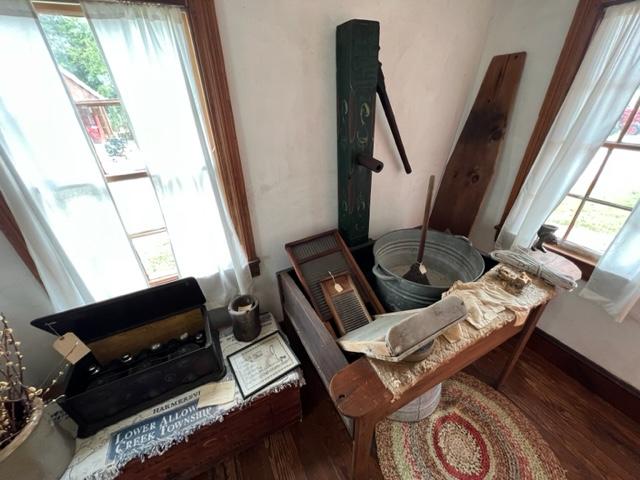
Washing clothes in the house

How to wash clothes until WWII

The second-floor bedroom

The Bonnet collection

The second floor bedroom

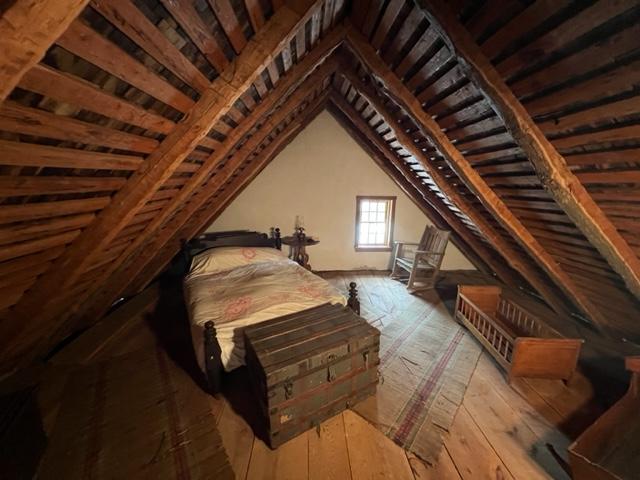
The Attic Room

The toys and playthings of the Attic Room

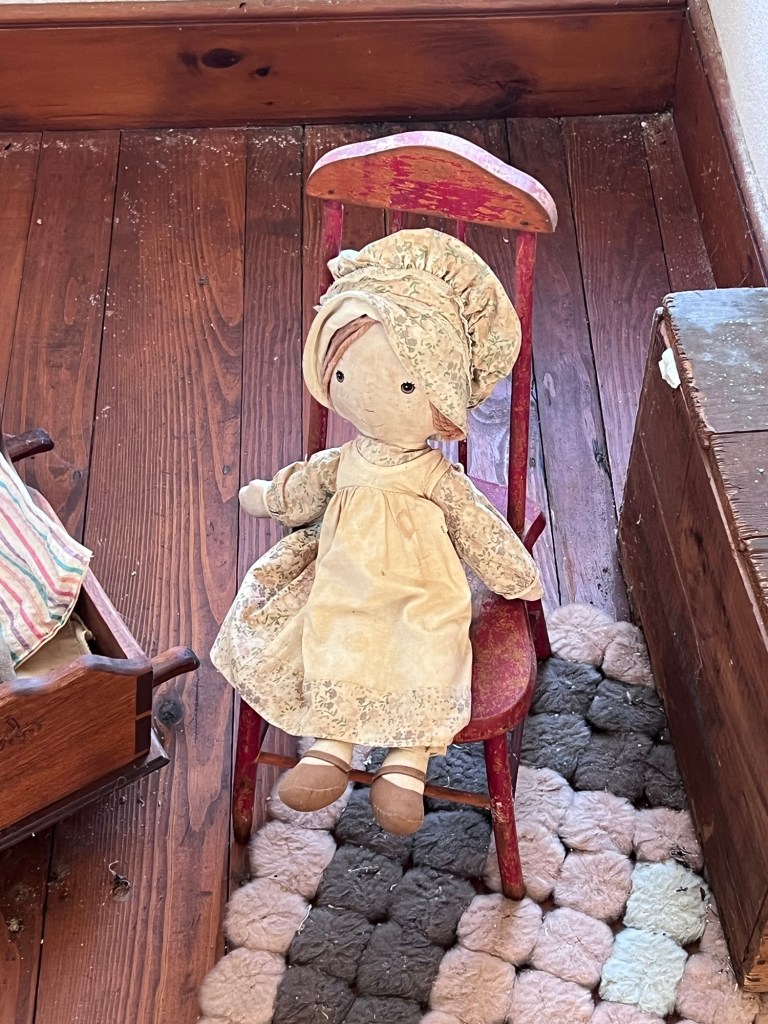
The house has an extensive collection of antique toys and dolls and furniture.

The dolls

The dolls

The Hat collection at the home.

(Information from the museum website):

Part of the house is an old log cabin with an addition added on later. Although the date of the original construction is unknown, the cabin has been restored and reconstructed in much the same manner as local Quakers would have lived in the 1700’s. Because the air had deteriorated so many of the logs, it was impossible to save the entire original structure.

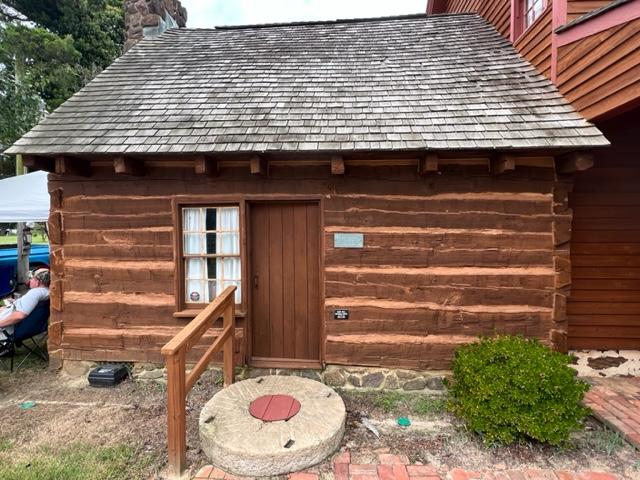
The log cabin section of the house.

The log cabin and the later addition.

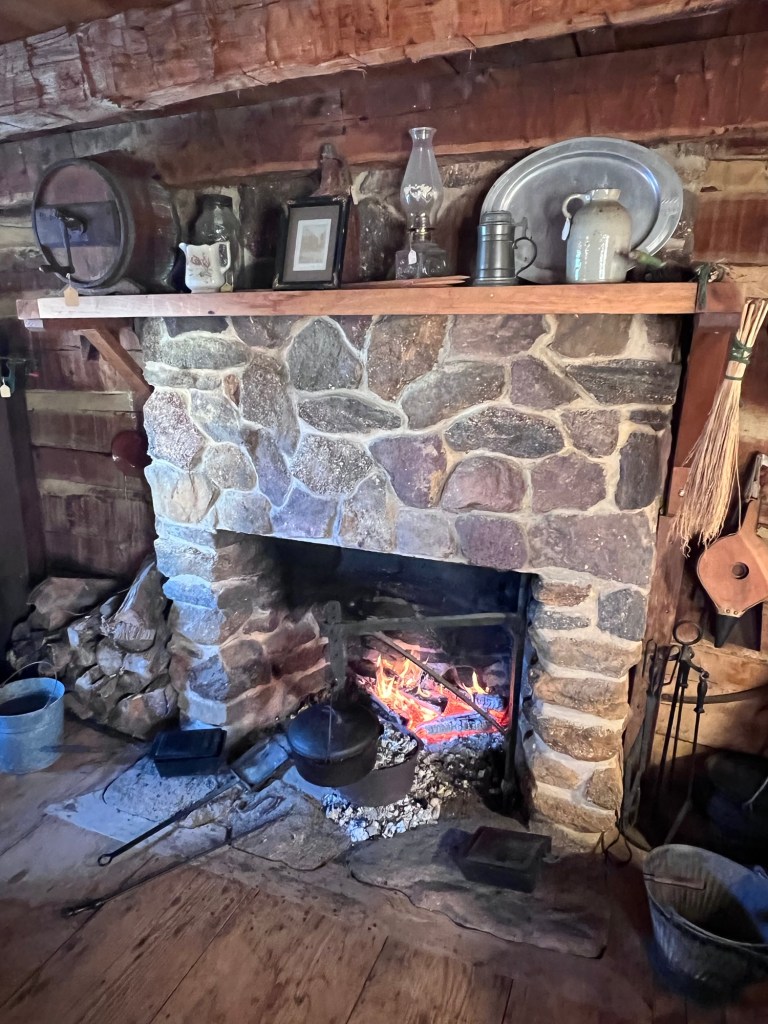
All the wood used in the reconstruction of this cabin came from the woods in Lower Alloways Creek that are owned by the Township. The hand-hewn logs are white oak. The wide floorboards are pine The fireplace and foundation were built from Jersey sandstone that had been donated by John Hassler.

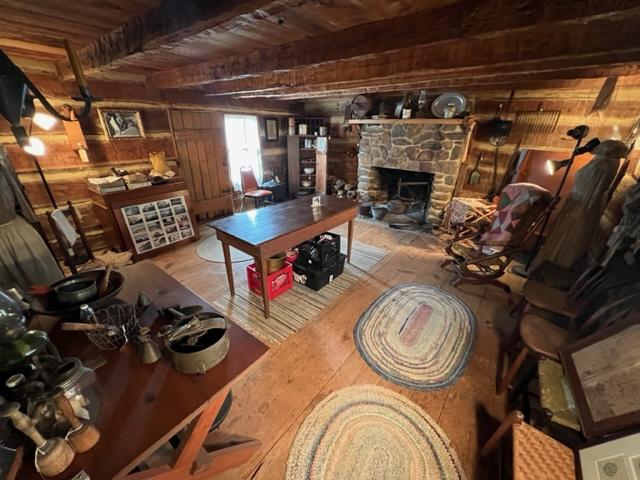
The inside of the log cabin and hearth.

The Hearth during the event

The Historical site also features a log cabin, carriage shed and barn, many antique farm implements, a two-seater “outhouse” and an old fashion hand water pump.

The Outhouse

The hearth of the log cabin

The loft section of the log cabin on the second floor of the home.

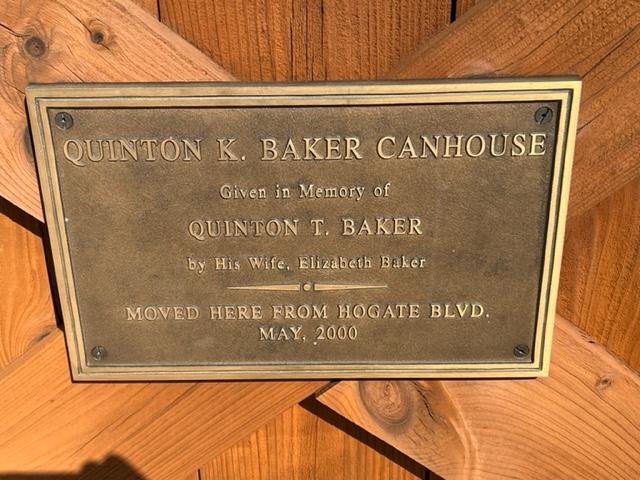
There is also an original Can House, with a working line shaft, a floating cabin, both of which were originally built in Lower Alloways Creek.

The historic Can House.

The historic Can House

Some of the interesting programs that the society hosts:

Line Shaft: the historic line shaft in action as it powers a variety of machines.

Outdoor sportsmen: view displays of fishing and trapping, hunting gear, decoys, floating cabins and turkey call demonstrations.

Model Trains: all aboard an exciting display of model trains.

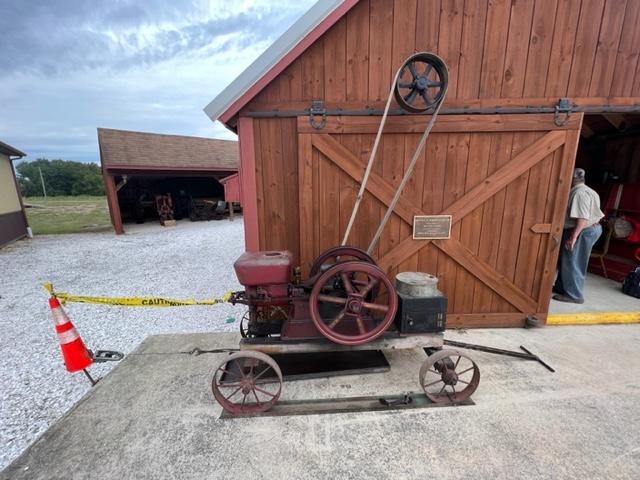
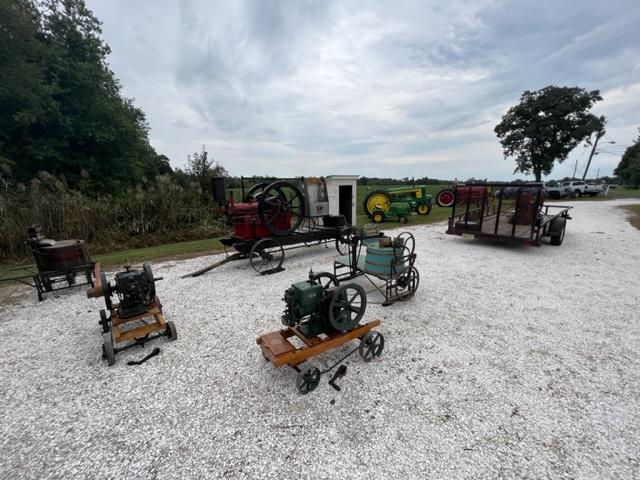
Old time engines: South Jersey Gas Engine Club proudly presents their collection of “Hit or Miss” engines.

The Farm equipment and working engines at the “Old Time Engine Day” in September 2023 was an interesting mix of old farm equipment, household equipment and everyday items run by an engine in the early 1900’s. It was a very interesting display on how we have come in manufacturing and the museum did a nice job on the displays.

The working farm equipment at the Lower Alloways Creek Historical Society

The Farm Engine equipment

The Farm Engine equipment

The Farm Engine equipment

The Farm Engine equipment

Video on the display:

The Farm Engine equipment

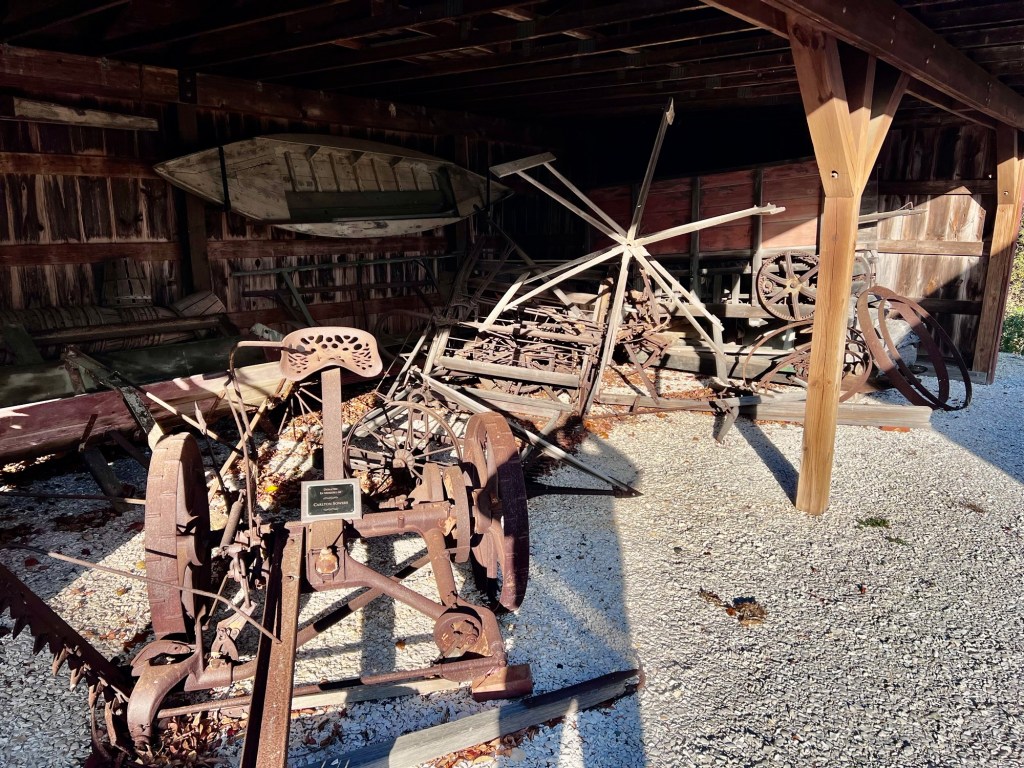
Farm Day: Come and see antique tractors and a variety of farm equipment. See the progression of farm equipment throughout the centuries.

Retired farm equipment in the barn

The barn

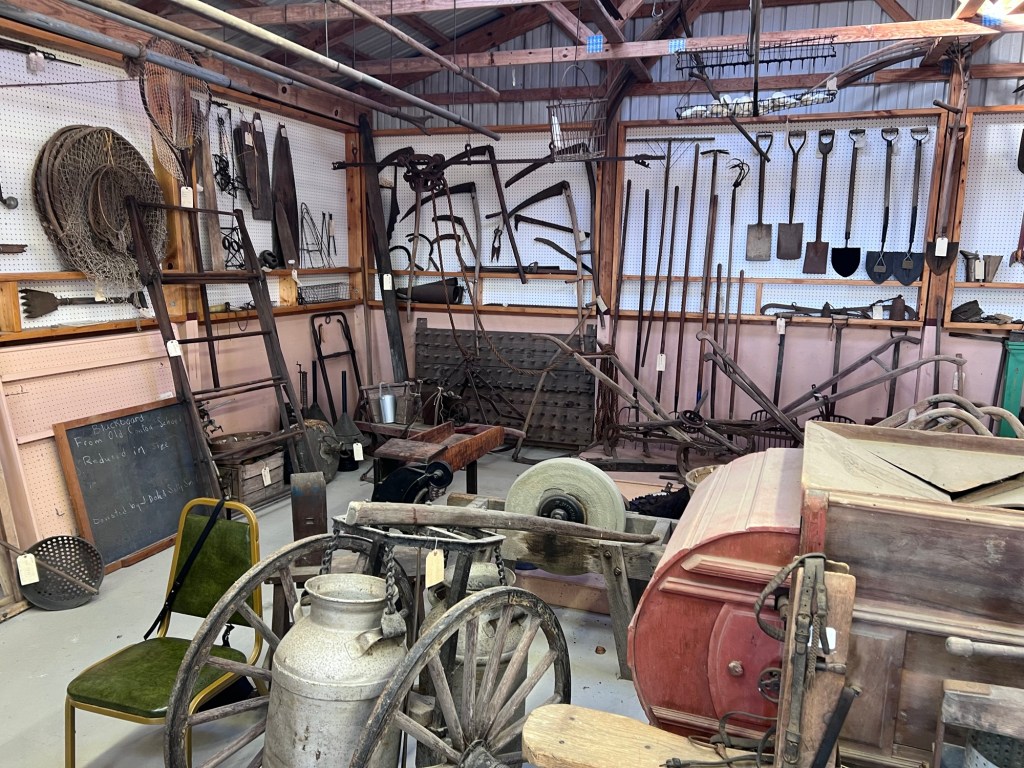
Farm Equipment in the barn.

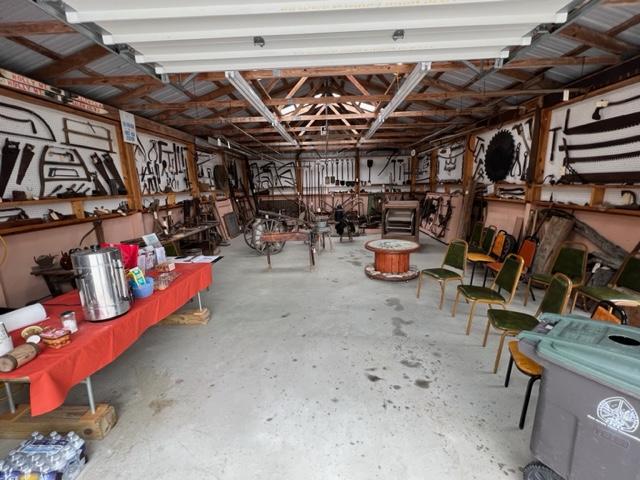
Some of the equipment and refreshments in the barn.

The barn equipment during my visit in 2025

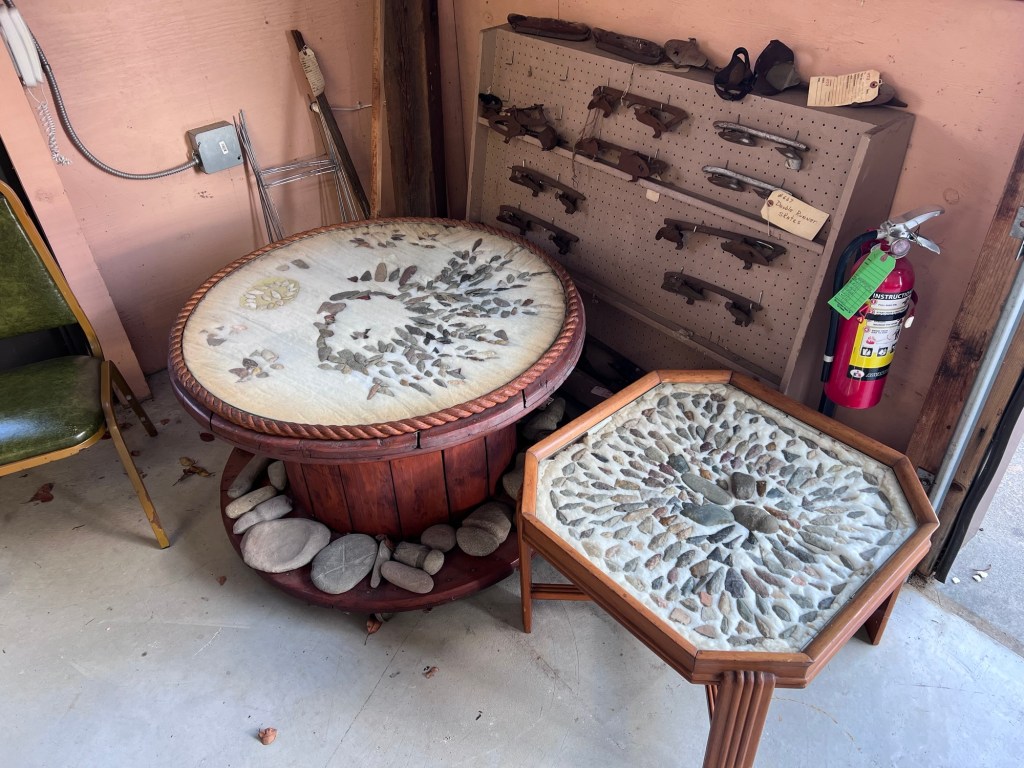
Indian Arrowheads on display in the barn

Cabin Cooked Pie Day:

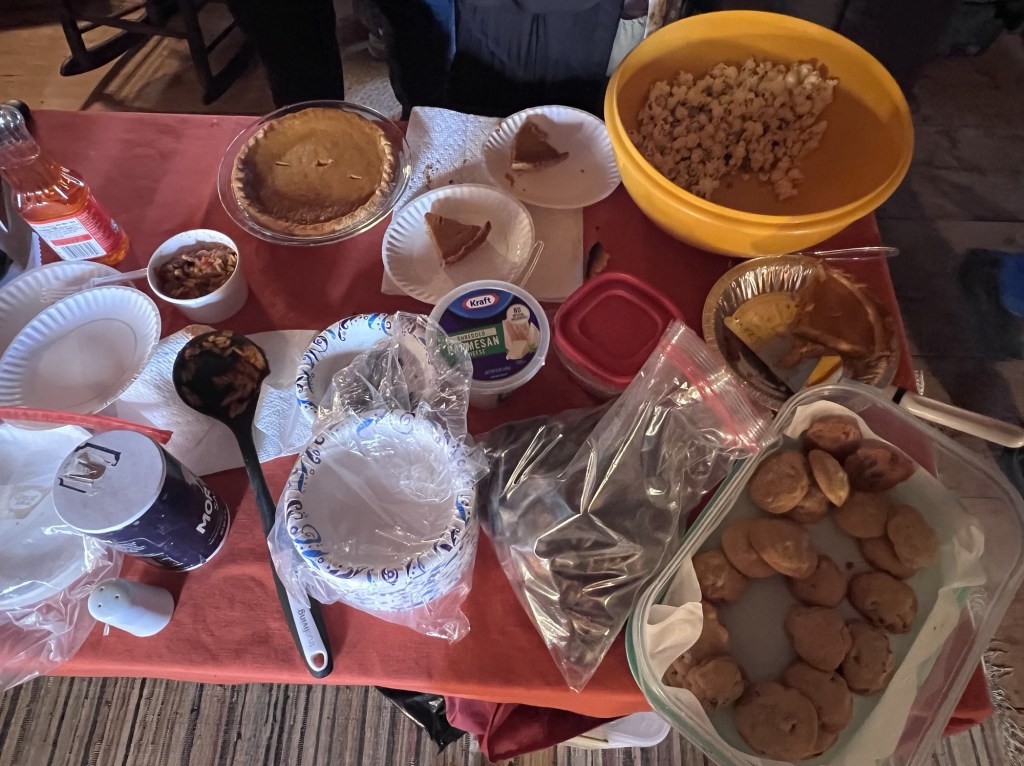
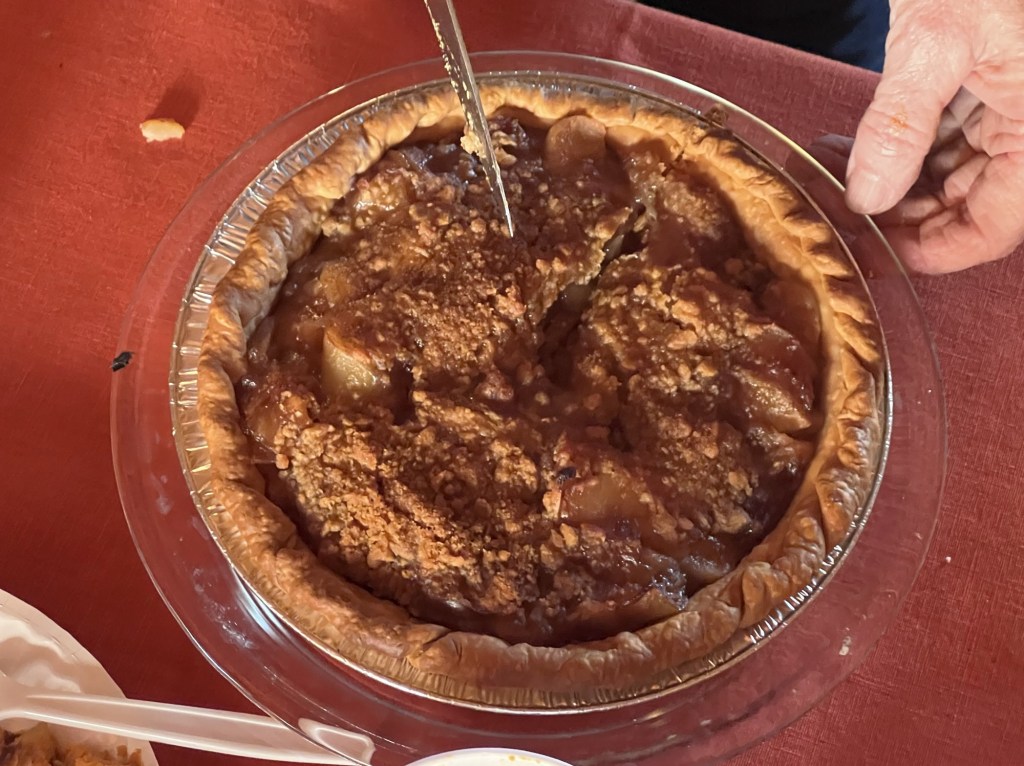
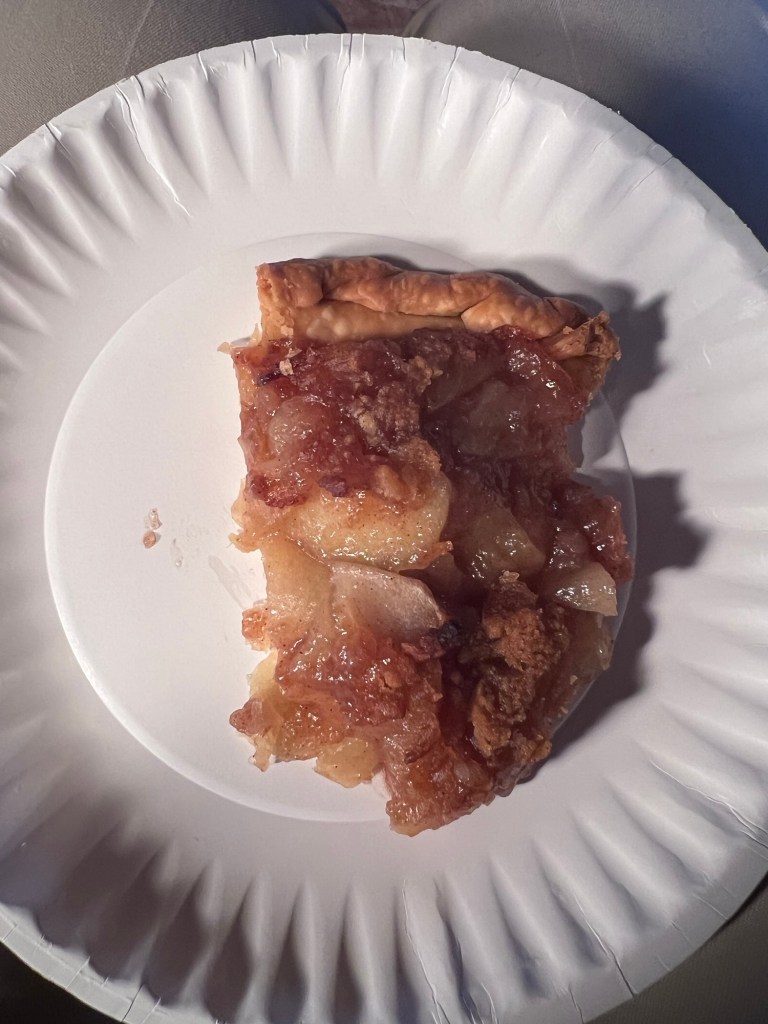
There is nothing better than a freshly baked pie in a fireplace. In November 2025, I returned to the museum for ‘Pie Day’. There were various pies, chestnuts and soup being cooked in the log cabin fire place that afternoon. It was interesting to see cooking procedures from a hundred years ago.

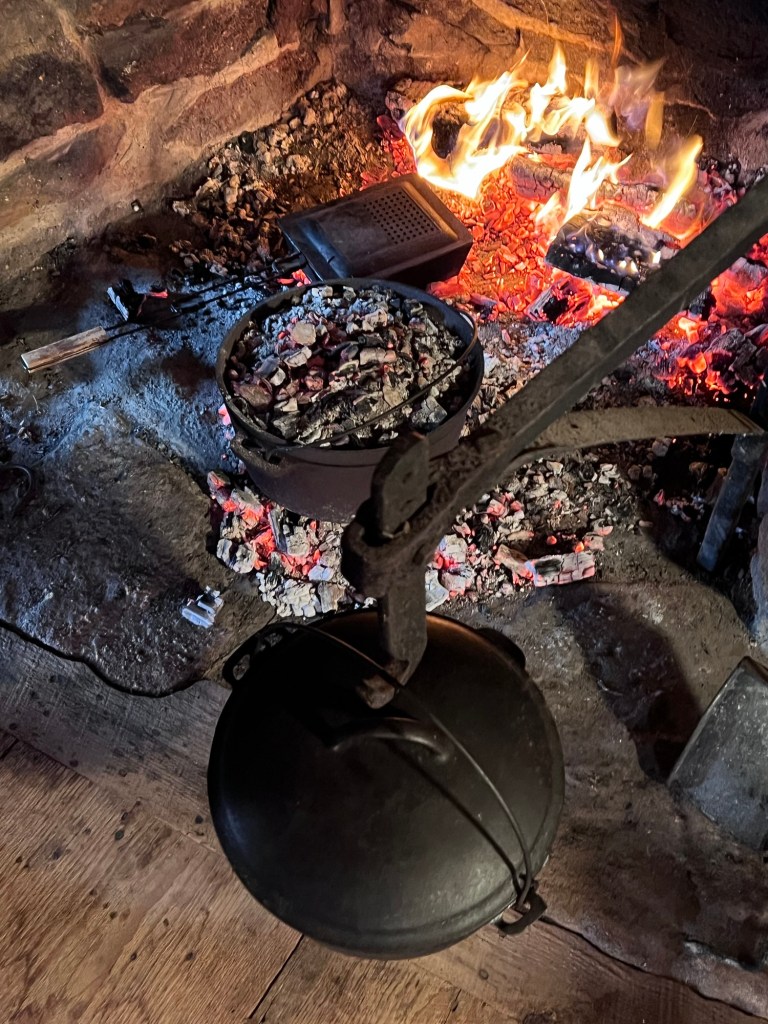
I visited the museum and got to watch the volunteers cook all sorts of goodies in the fire. It is interesting how foods were cooked and tested for doness over a wooden fire. The coordination of cooking times and temperatures.

The Log Cabin goodies that afternoon

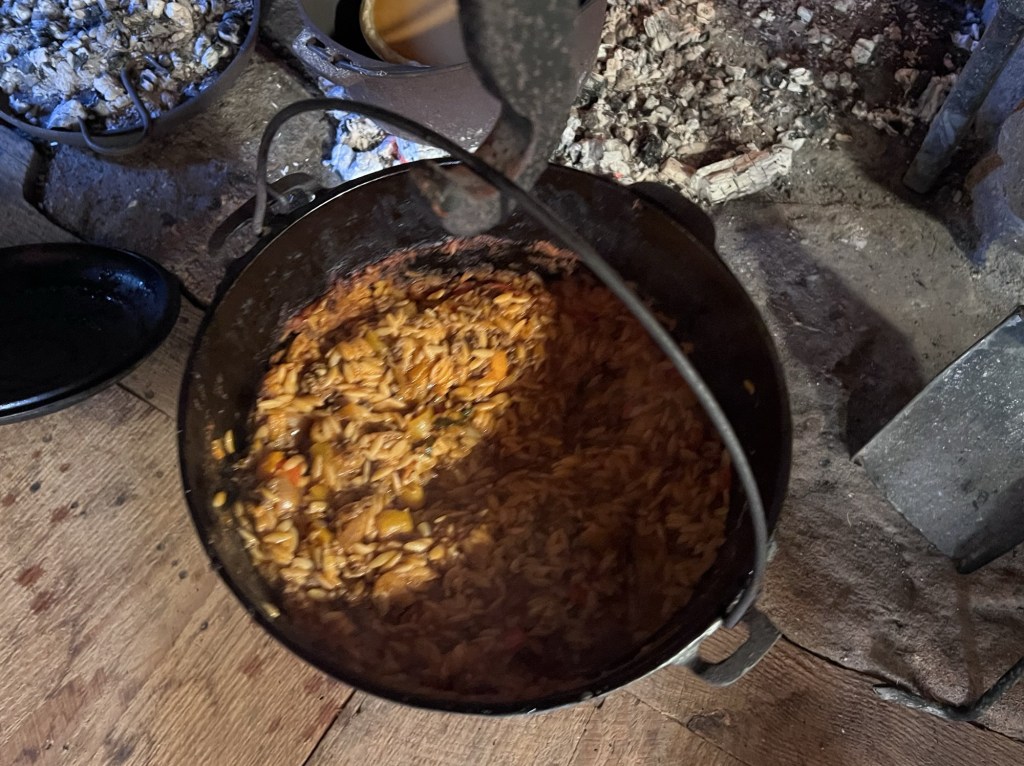
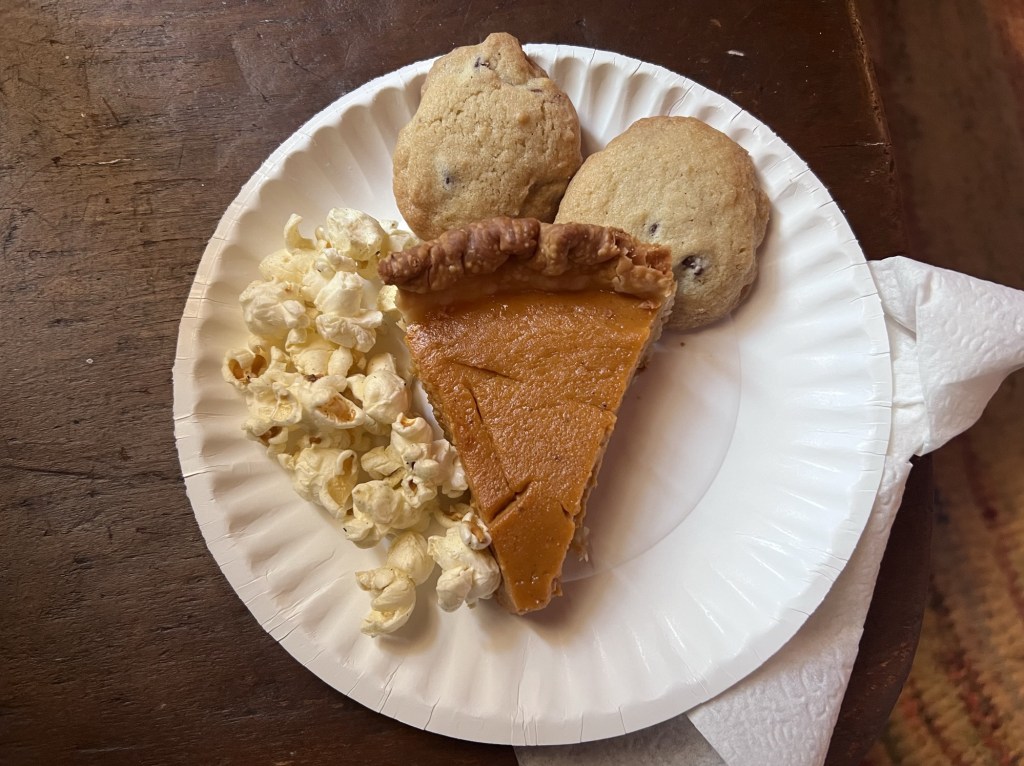
Visitors choose from Apple or Pumpkin pies, Roasted Chestnuts, Buttery Popcorn, Chocolate Chip cookies or Stuffed Cabbage Soup, all cooked fresh in the pots on the open fire hearth which also warmed the house on a cool afternoon. The museum was even selling a cookbook, Down Jersey Cookbook on some of the recipes being used in this part of New Jersey.

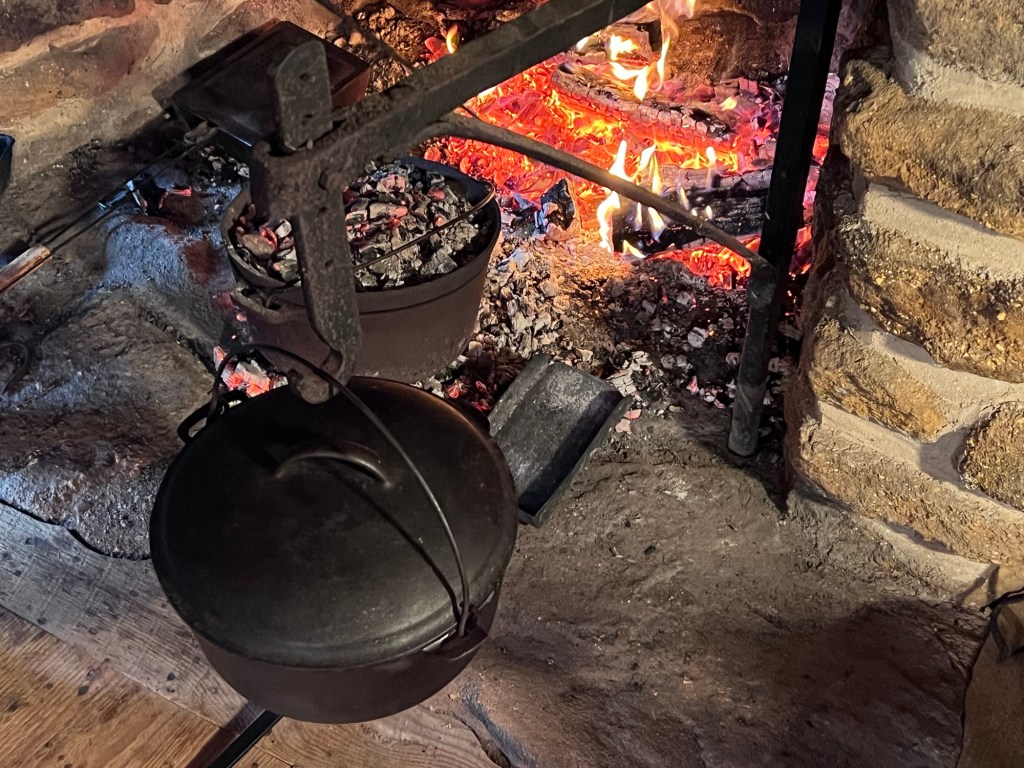
Cooking pies, soup, chestnuts and popcorn in the fireplace

The pies, Chestnuts and soups being cooked in the Open Hearth

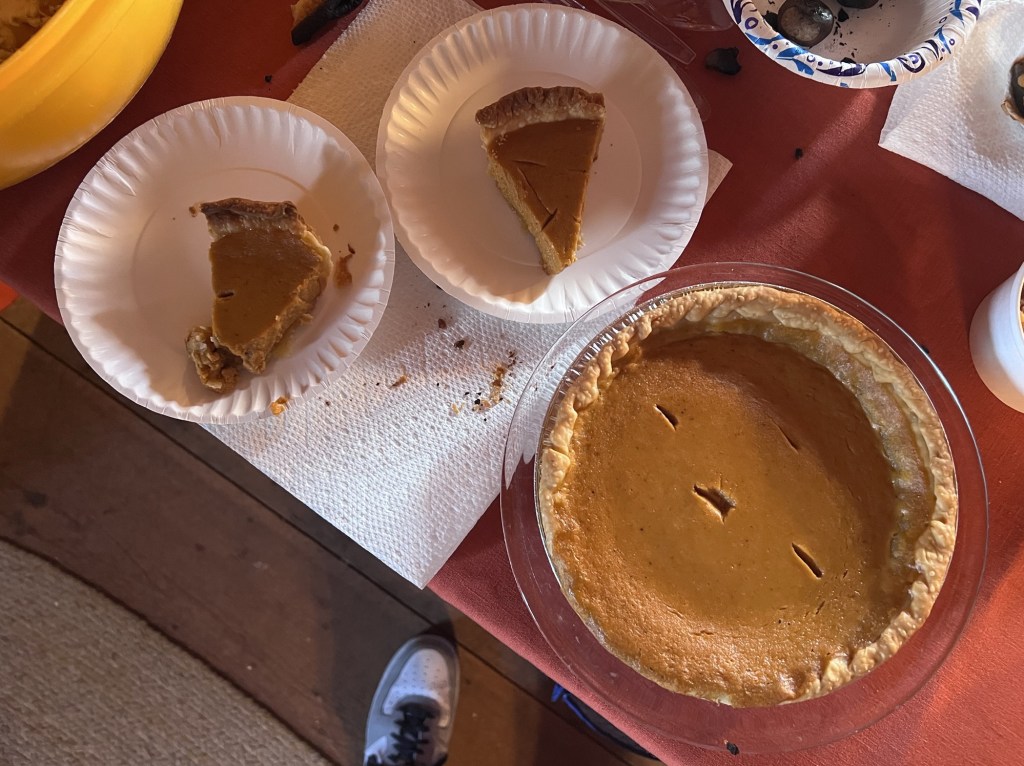
It was interesting how the pies were cooked in the cast iron equipment and then laid out to cool. They came out of the oven steaming hot and sat to cool before being sliced.

The freshly baked Pumpkin pie

Freshly baked Apple pie

Freshly baked Apple pie. Yum!

Stuffed Cabbage Soup in a cast iron pot

The thick Stuffed Pepper Soup

Freshly Roasted Chestnuts from the fireplace

The pots and pans in the fire

It was fun watching the foods being cooked right on the spot they way they would have over a hundred years ago. It was even more fun to eat them. I learned a thing or two about the culinary arts this afternoon and it was so nice to sit in a warm kitchen by the fire on a cool November afternoon.

The delicious Fall goodies cooked in the hearth

Farm supplies kept cool in the barn

It was really a homey event at the museum, with good food and wonderful conversation with residents of the community. All in a room warmed by a fire in a working fireplace. I love it when museums do such great events and using the historical cooking instruments was very unique.

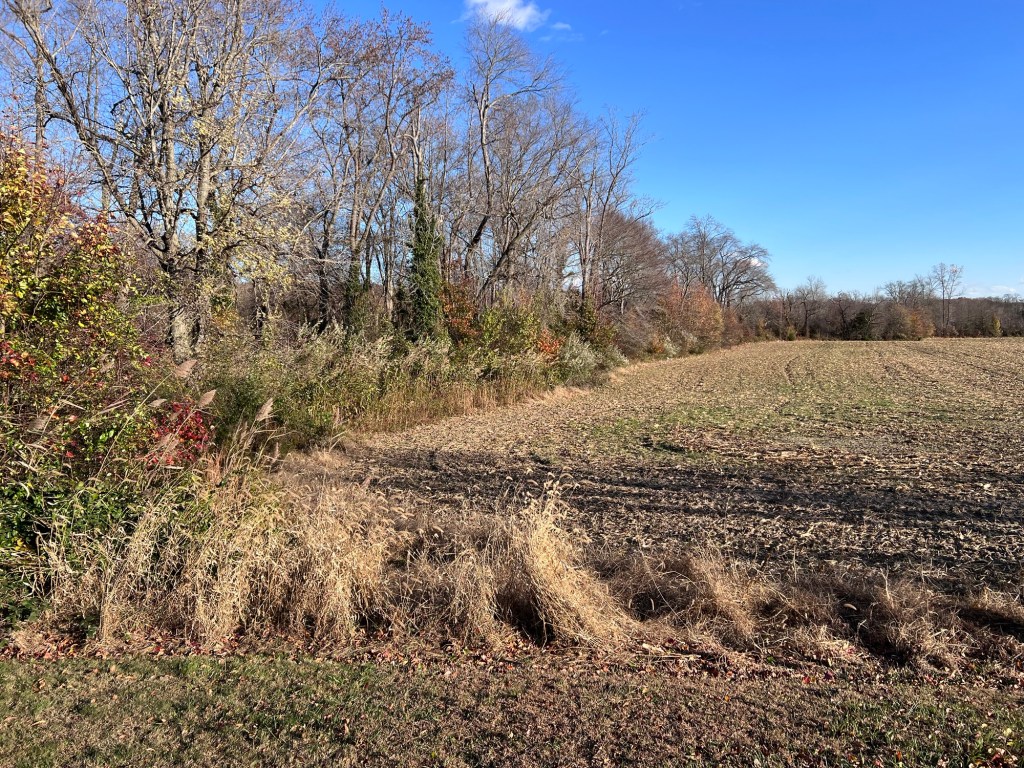
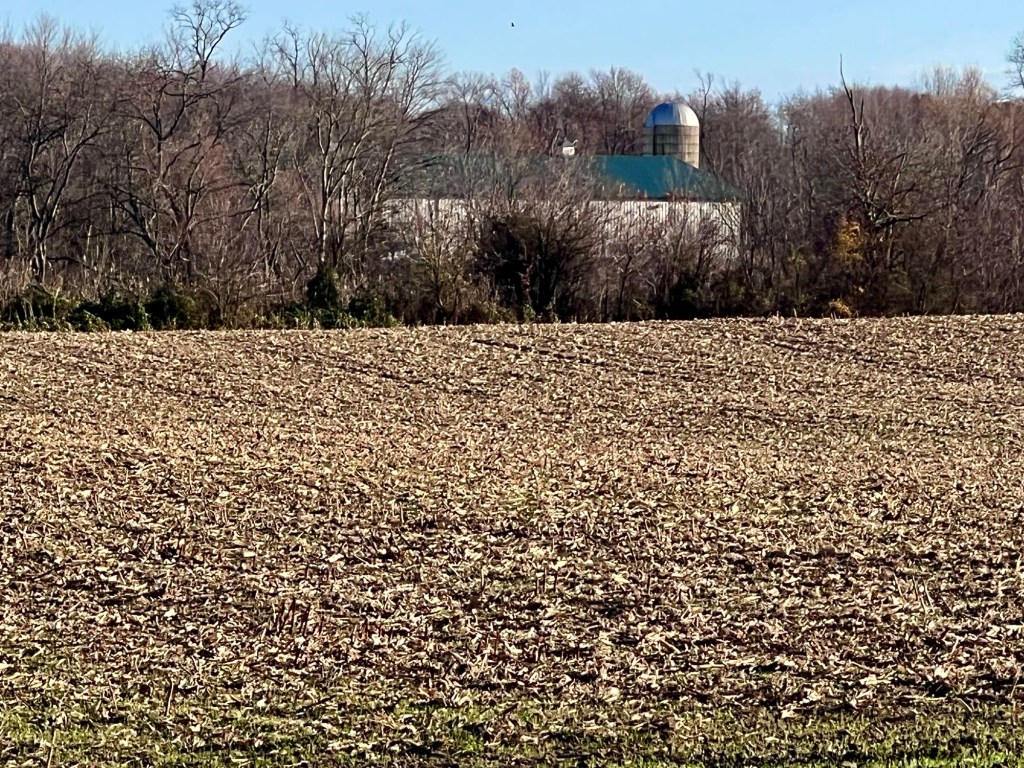
The Museum is in a rural location so the farmland that surrounds the house is really beautiful. The views in the fall were just gorgeous when the leaves were turning colors.

The beautiful farmland that surrounds the historical society.

The view on a late Fall day

The view of the local farm

The fields

The plaque of the “Quinton K. Baker Canhouse, the last one left.

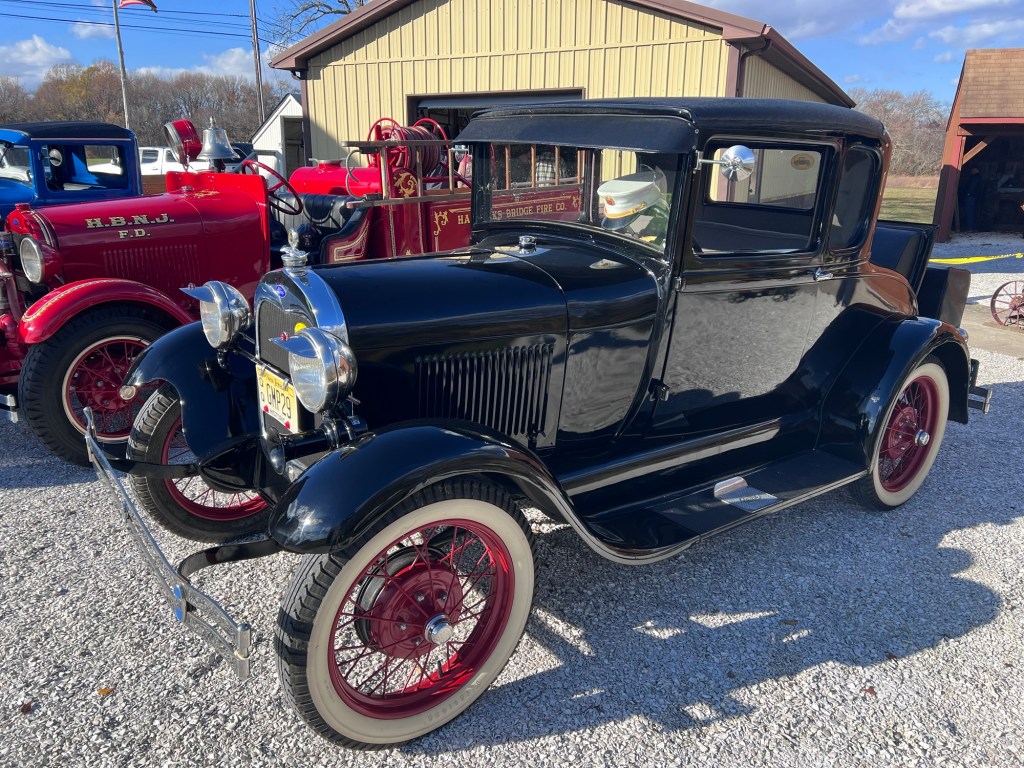
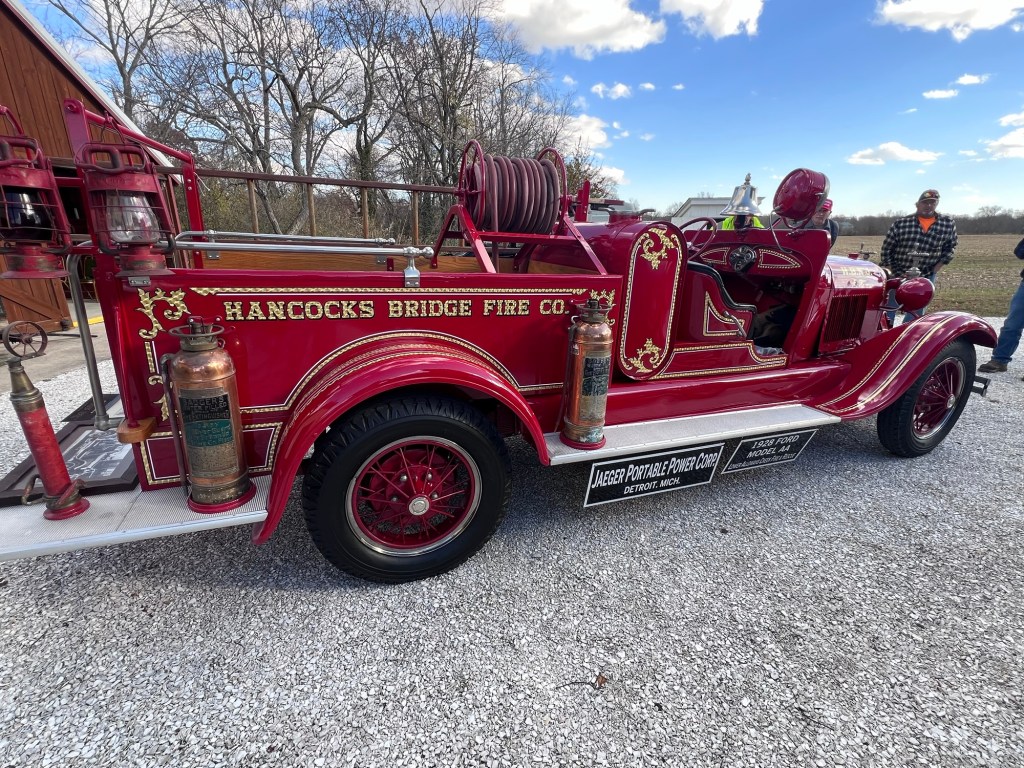
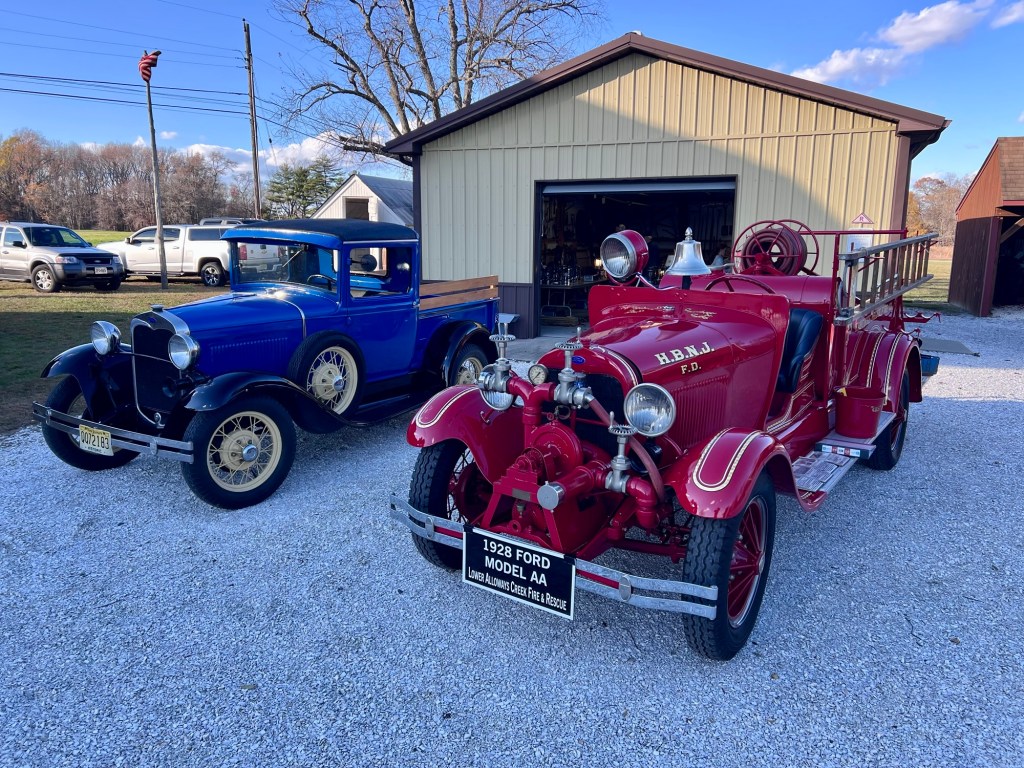
The historic cars and fire trucks on display at the museum that day:

The Model T

The Hancock Bridge’s 1928 Hose truck

The cars on display that day

The front of the museum on my visit in November 2025

The back of museum during my visit in November 2025

The museum is open six times a year for special events. Please check out their website and their Facebook page for details. The Pie event was the last event for the season until the Spring.

Day Two Hundred and Forty Visiting the Historical Sites of Southern New Jersey in Cumberland, Cape May and Salem Counties-A Local Journey on Father’s Day Weekend                                                             June 18th-19th, 2022

Day Two Hundred and Forty Visiting the Historical Sites of Southern New Jersey in Cumberland, Cape May and Salem Counties-A Local Journey on Father’s Day Weekend June 18th-19th, 2022

Grab your tour book and get in the car to visit all these wonderful sites. There is so much to see and do in Historical Southern New Jersey!

The Salem Historical Society

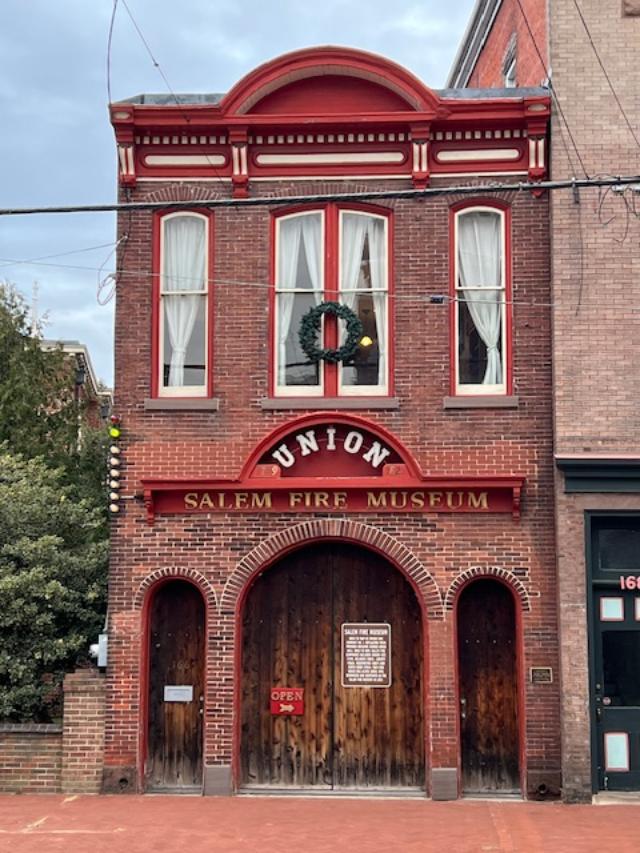
The Salem Fire Museum

jwatrel's avatarmywalkinmanhattan

The one thing I refuse to do on Father’s Day is to spend the day at the cemetery. I know that is some people’s idea of honoring one’s family members but it is not mine. I went on Friday and paid my respects to my father (whom this blog is dedicated to) and spent time remembering some of the good times we had in past. I dropped some cut flowers from our gardens (some of which he planted) and said a small prayer. Then I left.

My idea of honoring my father and spending Father’s Day with him is to do something that we would have shared together. We were always running around somewhere and exploring something new and doing something fun. That is how I wanted to honor him. By being active and giving him a toast at Sunday dinner.

I had gotten a pamphlet on the historical sites…

View original post 8,238 more words

The Nicolas Gibbon House                                   960 Greate Street                                     Greenwich, NJ 08323

The Nicolas Gibbon House 960 Greate Street Greenwich, NJ 08323

The Nicolas Gibbon House

960 Great Street

Greenwich, NJ 08323

(856) 455-4055

Nicholas Gibbon House

http://www.co.cumberland.nj.us/gibbonhouse

Open: Sunday 1:00pm-4:00pm/Monday Closed/Tuesday 1:00pm-4:00pm/Wednesday-Saturday Closed

Admission: Free but a donation suggested

My review on TripAdvisor:

https://www.tripadvisor.com/ShowUserReviews-g46477-d24137202-r844109193-The_Gibbon_House-Greenwich_New_Jersey.html?m=19905

The Nicholas Gibbon House

The historic sign of the Gibbon House

The sign that welcomes you to the home.

I was very impressed by the Nicholas Gibbon House when I took a tour one Saturday afternoon. There were no large crowds to deal with and the parking is perfect with plenty of room to move around. The grounds are beautifully landscaped with all sorts of seasonal flowers surrounding the house. When I visited, I thought I was mistaken, and it was someone’s home. There was a lot of care put into both the exterior and interior of this home.

The fields around the Gibbon House.

Nicolas Gibbon was a local merchant who moved to Greenwich in 1730 and continued to live here until the 1760’s. The tour guide explained to me that the townspeople would not let him build a church here (it was a Quaker region) so he and his wife decided to move out of the area. Richard Wood and his family moved into the house in 1760 and lived in the house until the 1920’s. Over that time, parts of the house were modernized and rebuilt. The Wood family later in the generations founded the WaWa store chain.

With the exception of the Nicolas Gibbon’s nephew and his wife’s portraits, all of the furnishings are not originally from the house. The downstairs is set up with a formal dining room and parlor area fully furnished in Victorian era furniture, paintings, rugs and silver. The silver collection of the house is very elaborate and some of the pieces came from the Hershey family of Pennsylvania.

The family portraits of the Gibbon nephew and his wife.

The library and study have rare books that were used for research as well as a working fireplace that was used for both light and heat. Downstairs is the kitchen with a large hearth and all the equipment and serving items for kitchen and dining use for the home.

The Parlor of the Gibbon House.

The Library at the Gibbon House.

The tour guide explained to me that during some of the past fundraisers, the hearth was used to cook foods of the time period that were served for events.

The Kitchen of the Gibbon House was used for cooking fundraisers.

The Kitchen Hearth is quite large.

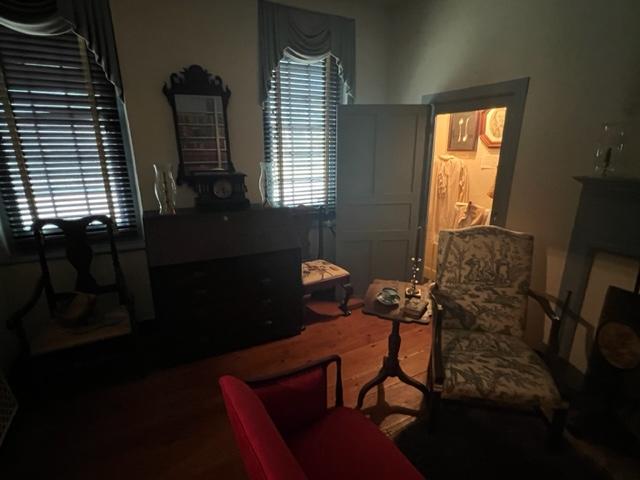
Upstairs you have an elaborate master bedroom with all sorts of formal furnishings for an upper middle-class family living in the area.

The Upstairs bedroom

The Master Bedroom upstairs at the Gibbon House.

What was the interesting part of the second floor of the home was the “Everything Room”, which contained an extensive collection of toys and dolls, Civil War historic items, period clothing, bonnets, top hats and parasols, an extensive collection of quilts and Hair Art which was a Victorian tradition of making art from the hair of the dead.

The Everything Room at the Gibbon House has all sorts of Victorian artifacts.

There was a collection of ‘Sewing Samplers’, which is how young women learned how to perfect their sewing skills which was part of their domestic training for being a housewife.

The Everything Room on the second floor of the Gibbon House.

The collection of the house really gave a glimpse into the lives of people from the 1840’s until almost WWI. How much life has changed but not too much.

The Everything Room at the Gibbon House.

History of the Gibbon House:

In 1730, Nicholas Gibbon who had inherited more than 3000 acres of land nearby, bought a 16-acre lot in Greenwich on which he built a replica of a London Townhouse he had admired. The brick, fired on the property, was laid in the Flemish Bond pattern brought from Kent, England: this design is achieved by using a red stretcher and blue header producing a definite and attractive pattern. Rubbed brick is a further architectural feature, outlining each door and window opening as well as being used to emphasize the four corners of the house.

The Upstairs bedroom at the Gibbon House

The home, appropriately furnished with products of 18th and 19th century artisans contains a reception hall, a paneled dining room, a formal drawing room and a kitchen dominated by a huge walk-in fireplace in which demonstration of colonial open-fire cooking are conducted.
The walk-in fireplace at the Gibbon House.

There is a small store on the back porch where post cards, gifts and a fine collection of books and pamphlets on the history of the area may be purchased.

The Master Bedroom.

On second floor, in addition to a bedroom, are exhibits of 19th century locally made, rush seated. “Ware” chairs, children’s toys, dolls and clothing as well as Civil War artifacts donated by local families.

Some of the toys in the Children’s Collection.

The Military Collection at the Gibbon House.

The Farming artifacts.