Tag: BergencountyCaregiver.com

Bergenfield Museum Society                                                    100 Cooper Street                                                       Bergenfield, NJ 07621

Bergenfield Museum Society 100 Cooper Street Bergenfield, NJ 07621

Bergenfield Museum Society

100 Cooper Street

Bergenfield, NJ 07621

(201)

https://www.facebook.com/bergenfieldmuseum/

https://bergenfield.com/boards/museum-society

https://sites.google.com/site/bergenfieldmuseumsocietypage/

Open: Sunday (Last day of the month)/Monday Closed/Tuesday 1:00pm-3:00pm/Wednesday-Friday Closed/Saturday 1:00pm-3:00pm

Admission: Free but donations are accepted

My review on TripAdvisor:

https://www.tripadvisor.com/Attraction_Review-g46301-d24838399-Reviews-Bergenfield_Museum-Bergenfield_New_Jersey.html

I visited the Bergenfield Museum recently, a museum that I have to admit I never knew existed and I know almost all the museum in Bergen County and was surprised what an informative museum it was not just showcasing the history of Bergenfield but of Bergen County. Room by room the museum is filled with displays on the history of the town, and it has progressed through the last two hundred years.

The Bergenfield Museum at 100 Cooper Street

The museum is located in the back of Cooper Park towards the back of the pond. The museum is part of a complex of barns that were once small manufacturing companies owned by the families that owned the house. The grounds have the three barns that are not in use now and the home that overlooks the pond. This beautiful park was created during the Great Depression and is a wonderful place to just walk around in and relax from everyday life.
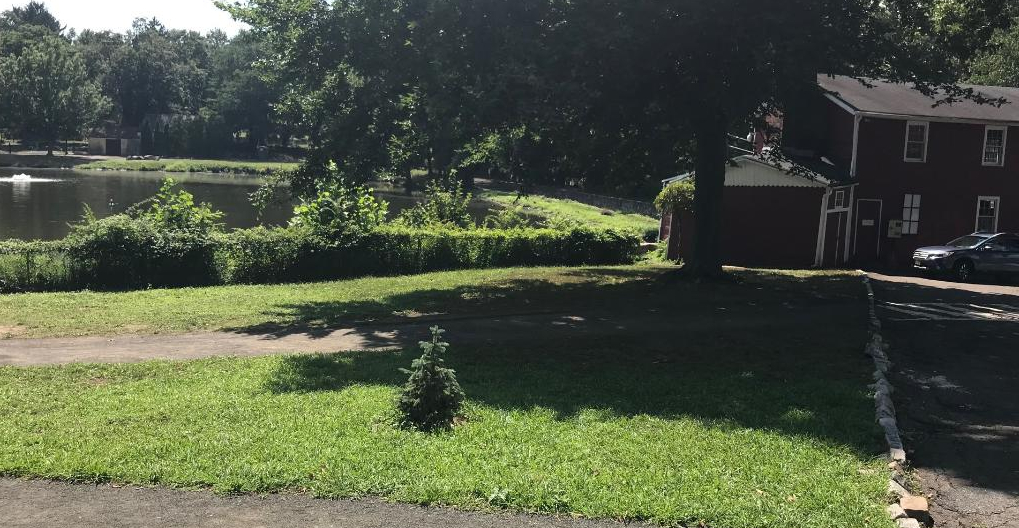
The view of Coopers Park and Pond from the museum front porch

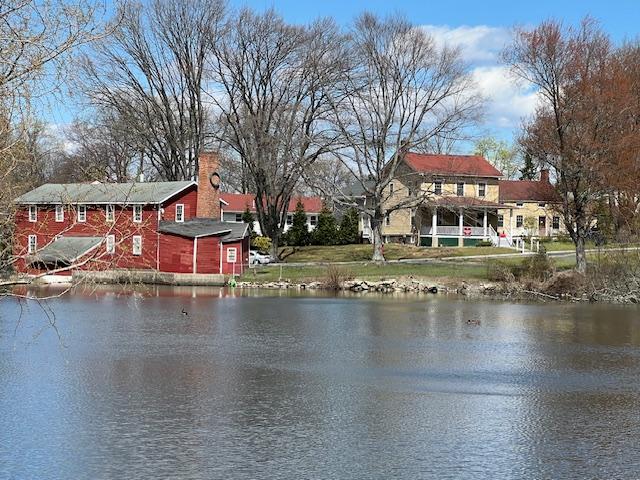
Coopers Pond Park and the museum from the other side of the park

The history of the house and grounds of the Bergenfield Museum

Please note getting to the museum can be confusing as Google Maps and the museum diagram to get there are wrong. You will need to go down Ralph Road and then park before entering the complex. It is hard with the turnaround in the site to drive out with your car.

The entrance to the Bergenfield Museum at 100 Cooper Street

The entrance to the museum off Ralph Street. Please follow the signs.

I was met with a very enthusiastic group of volunteers who are so proud of the house and the way it is presented to the public. When you enter the house, you are met in the foyer of the home which is filled with pictures and small displays and then led to what was the parlor room where the family would have all their entertainment and socializing. Inside the room there is a very interesting portrait of a mysterious woman, who even the museum docents do not who she is, located above the fireplace.

The woman of mystery who holds a prominent place over the fireplace mantle

The room is decorated in period furnishings and even has one of the original phonographs. My docent, David, showed me how it worked and how you were able to get the volume up on the record player by opening one of the small doors in the cabinet.
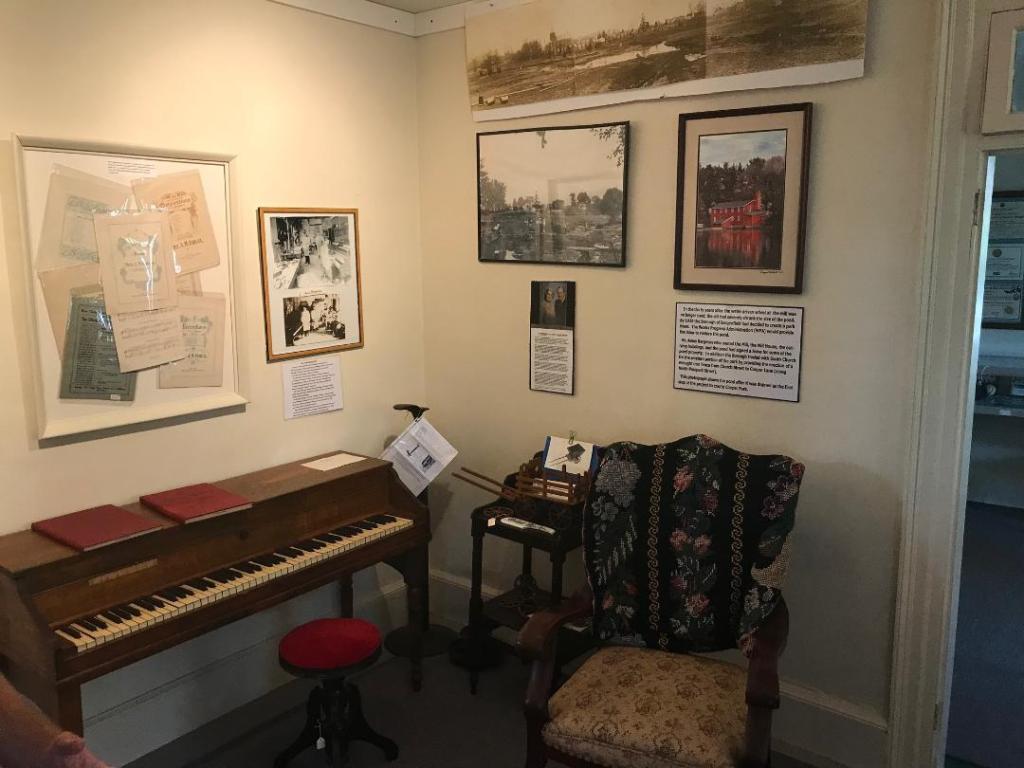
The ‘starter’ organ in the Living Room
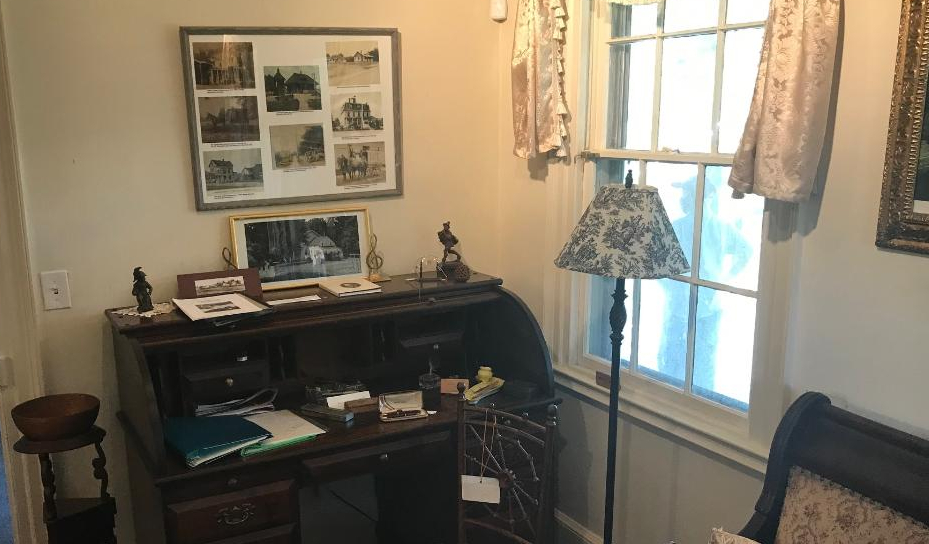
The home was once a working farm/business

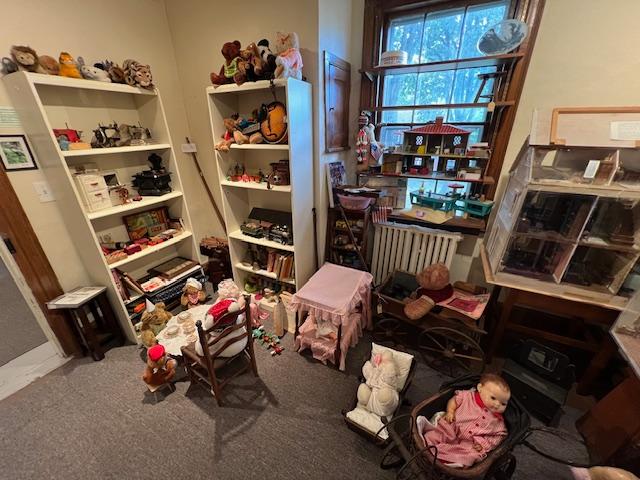
The room towards the back has an extensive collection of toys from the last one hundred years. There were several toys such a china dolls and metal ovens that were popular in the late 1800’s and early 1900’s to modern Fisher Price toys of the 1970’s that I remember growing up with as a kid. The site had once been a toy factory before the turn of the last century and these displays honor that history.

The Toy Room at the Bergenfield Museum is quite extensive
The museum is very much dedicated to the history of the Borough of Bergenfield, NJ. There are nice displays of the town’s school district and its history. The old school system pictures feature items from elementary school to high school and items that students would have used at the school. The elementary school featured in many of the pictures is still used by the town today according to my tour guide, David that afternoon. He told me he had attended the school growing up.

There was a small display of both the Bergenfield Fire and Police Departments and their progression through the years in the town. It is funny how much has changed cosmetically about the look of the job but the job itself is still the same. Helping people and keeping the town safe.

The Fire and Police Department display at the Bergenfield Museum

When you enter what was once the dining room, is the Chair Collection of Tunis Richard Cooper, whose factory was one of the barns on the property.
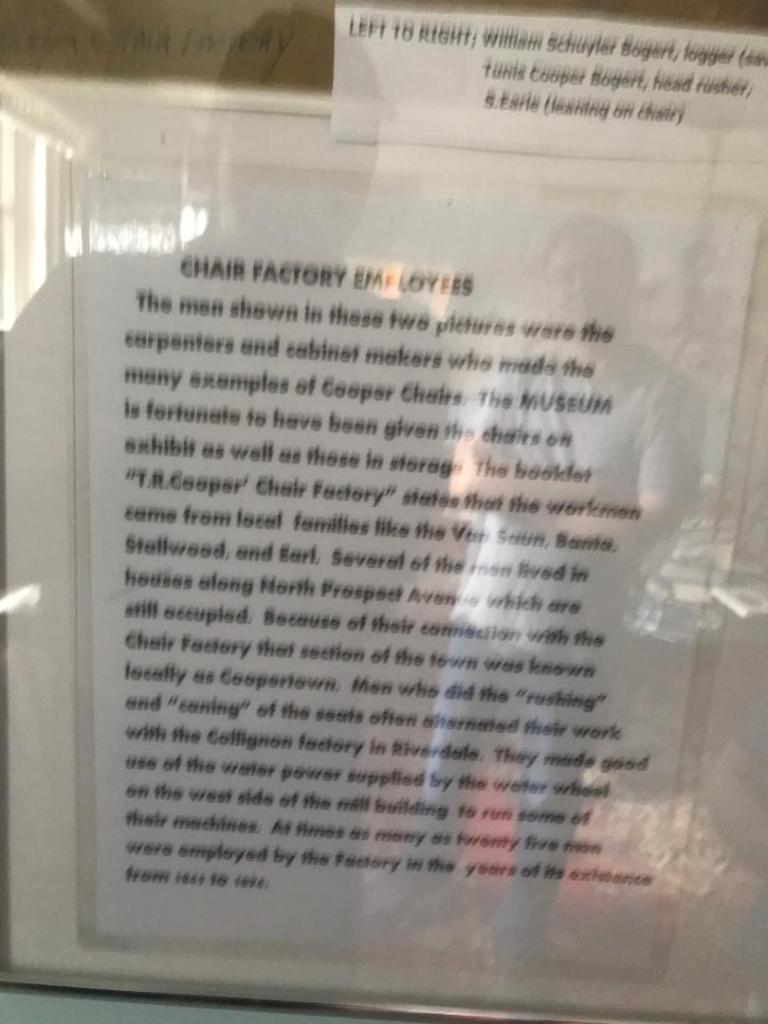
The Chair Factory rules

Some of the samples of the chairs manufactured at the barn factory

There were all sorts of makes and kinds of chairs throughout the room as well as many decorative pieces. The museum has an extensive collection of all the decorative furnishings that were made on the property including what the factory looked like and the rules and conduct of the employees working there.
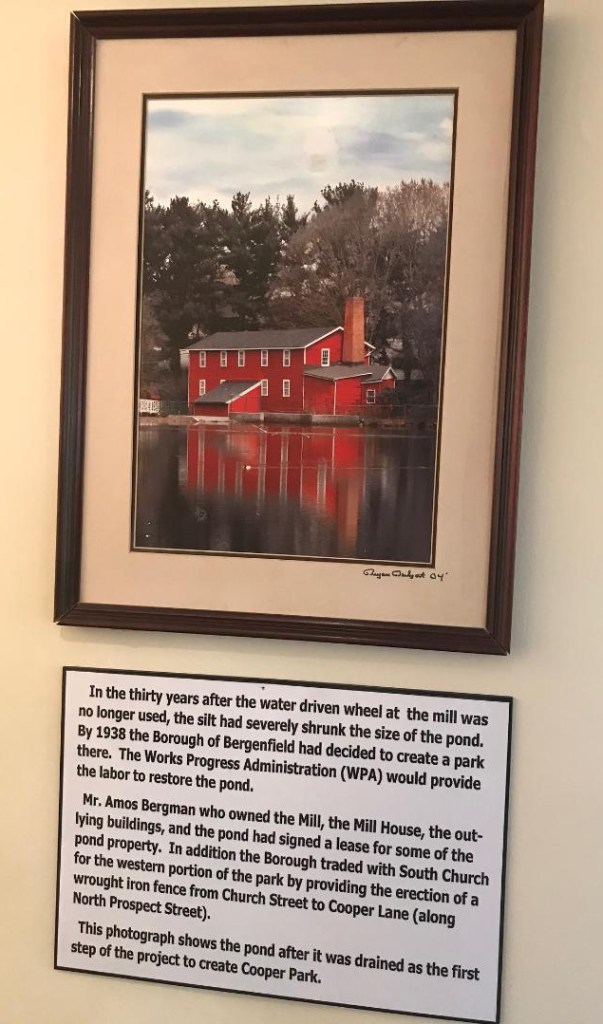
The working mill building on the property

The next room is the working kitchen of the original house with all sorts of kitchen equipment through the ages including a collection of toasters. There is also a working heart where the volunteers do some cooking.
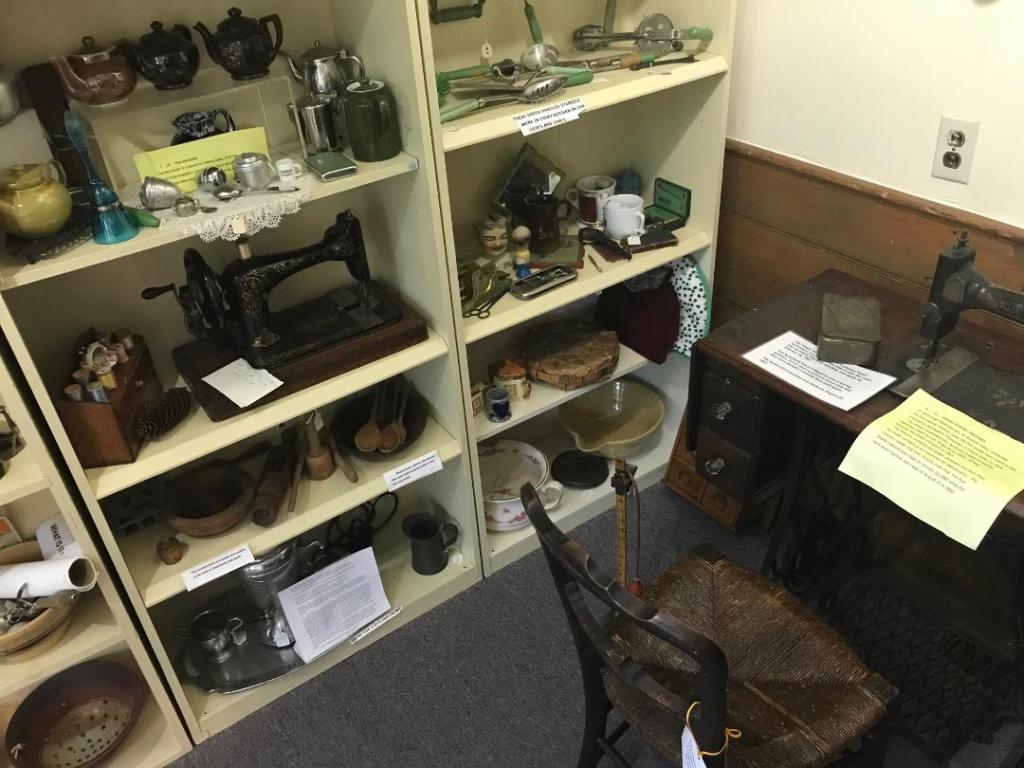
Everything to keep a kitchen running

The hearth of the kitchen is where all the action was in the kitchen

The back room of the house has a large military display that includes local heroes of the Revolutionary War, Civil War, WWI and the Vietnam War. There are all sorts of memorabilia from the soldiers and their families.
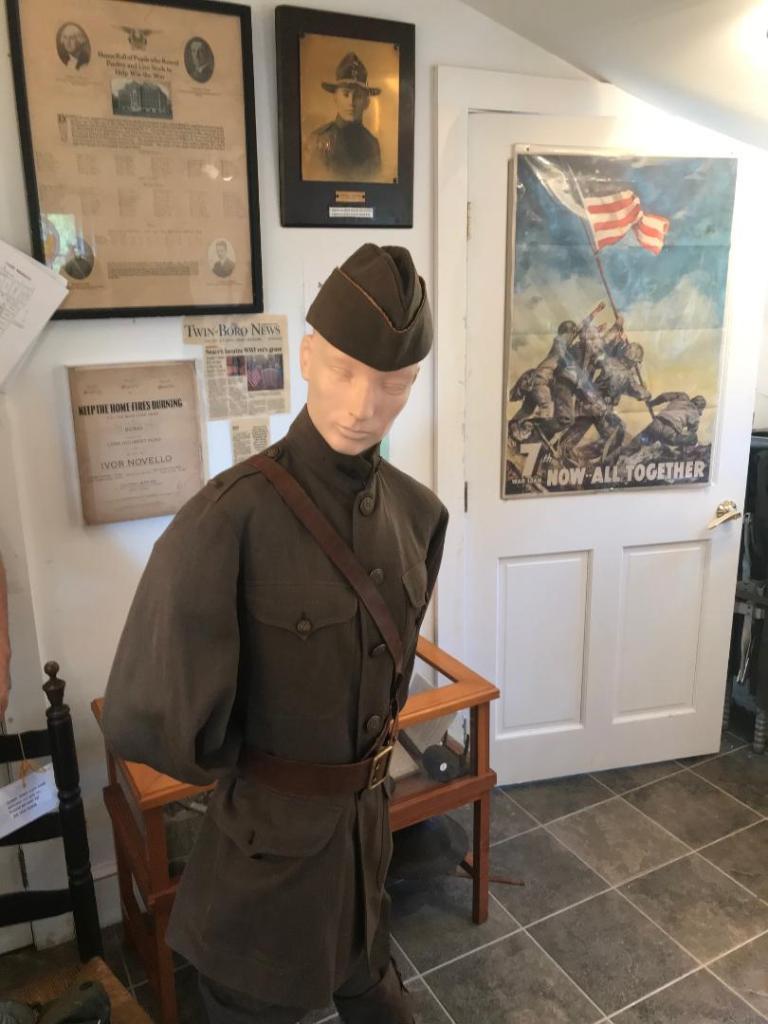
The Military display describes Bergenfield’s contribution to military battle from the Revolutionary War to Vietnam

The Military Room showcases our contributions on freedom
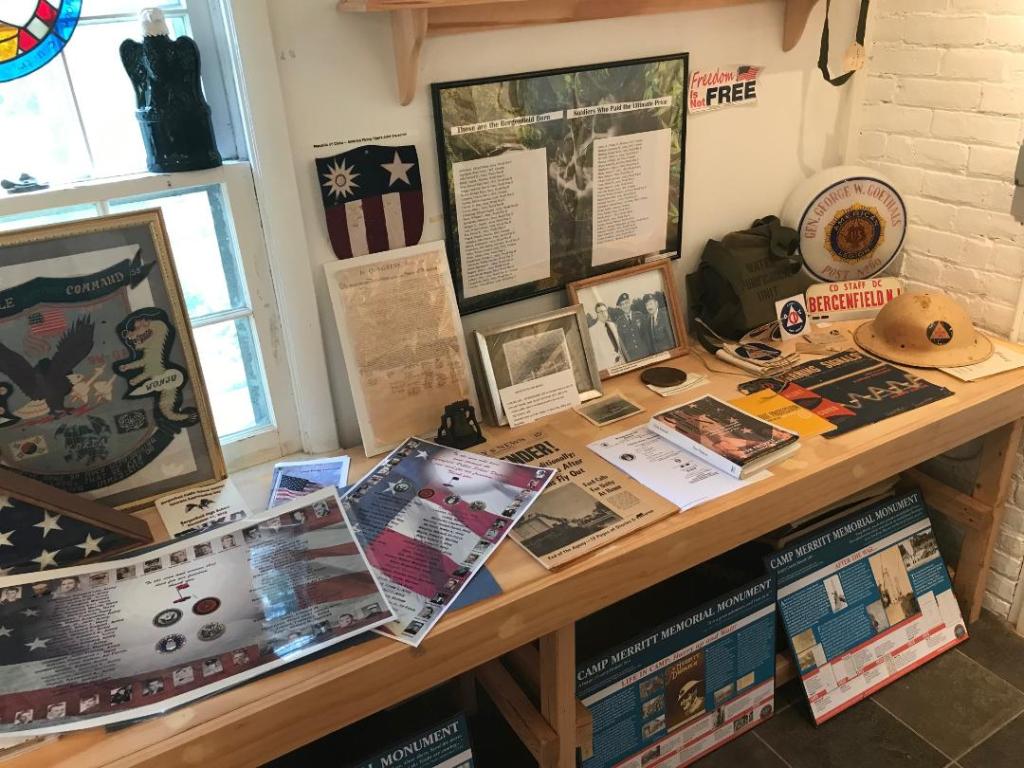
The patriotic duties of the town of Bergenfield, NJ
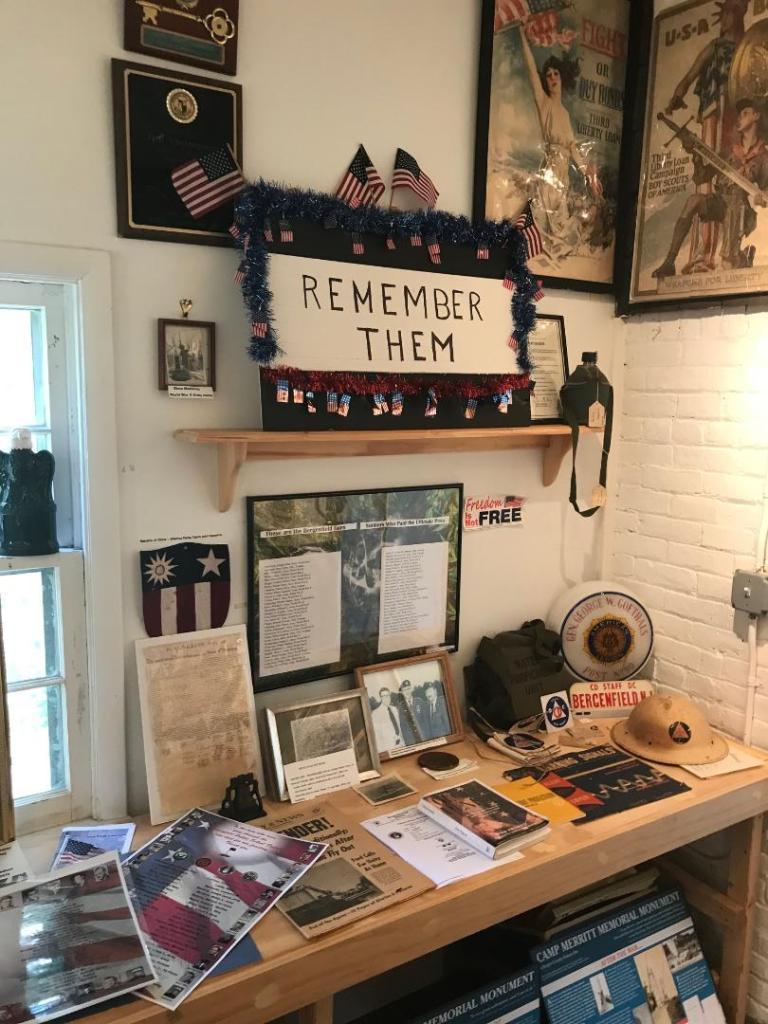
The museum has a 9/11 Memorial to the town and its contributions to that horrible day

Take time to walk the grounds and admire the park. This beautiful green space was built by the WPA during the Depression and the landscaped park includes Cooper’s pond, extensive gardens and paths of green lawn.
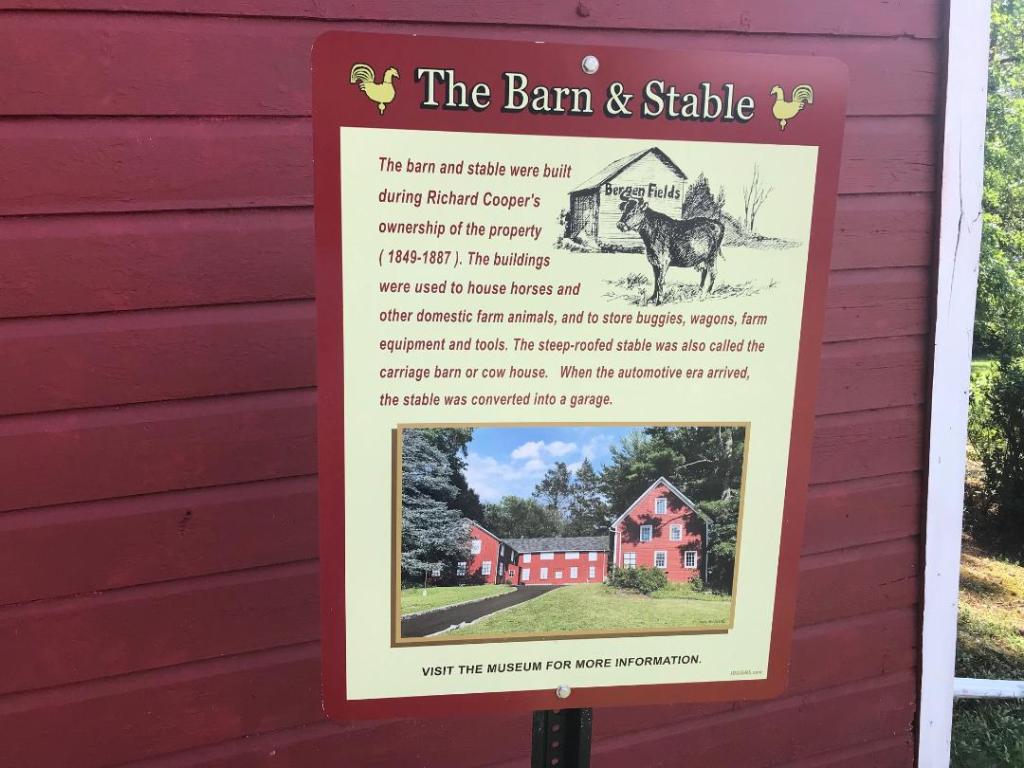
The grounds of the museum were once a farm and a working factory environment
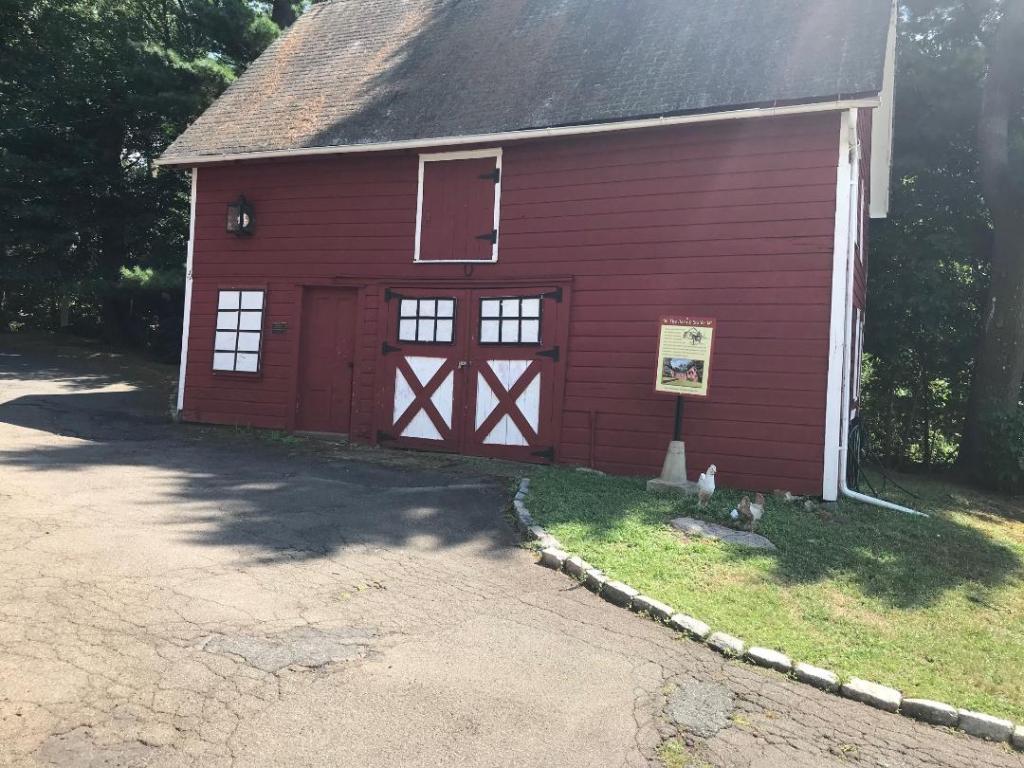
The factory/barn on the Bergenfield Museum property

The grounds of the Bergenfield Museum in Cooper’s Pond Park
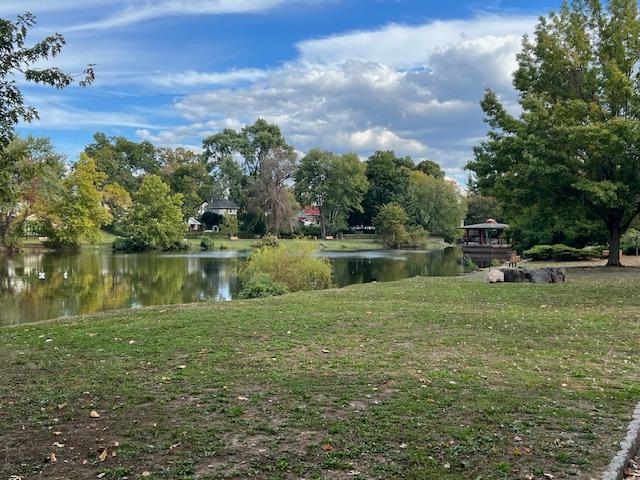
The park from the museum site in the early fall months of 2024

Cooper’s Pond Park is a quiet and very green oasis from the distractions of today. It is a nice patch of nature to just walk around in and relax and enjoy the beautiful sunny weather.

The History of the Bergenfield Museum:

(from the museum website)

Two Hundred years after the founding of the United States, local historian, Betty Schmelz began collecting artifacts that were essential for telling Bergenfield’s story. By 1988, her small collection had blossomed into full museum displays comprised of a century’s worth of wedding dresses, Camp Merritt and WWI memorabilia and testaments to the Bergenfield Music Department.

The Bergenfield Music Department display

From 2002 to 2014, the museum closed, and the collection was moved to storage until negotiations were settled with the Borough of Bergenfield. In July of 2013, volunteers reassembled the items for public viewing and began rehabilitation efforts.

The Museum House Timeline:

(From the museum’s pamphlet)

The tools to create those wonderful and decorative chairs

The Tunis R. Cooper property was originally owned by French Huguenot immigrants, the Demarest family. After years of changed ownership and purpose, the legacy of the property is now protected by the Bergenfield Museum Society:

The timeline of the town and its development:

*1677-1693: The Demarest family negotiates a deed for the Cooper Property with local Native Americans and settles throughout Schraalenburgh (now known as Bergen County).

*1840: Richard Tunis Cooper purchases the property and begins hiring local farmers to manufacture chairs.

*1849-1890’s: Richard’s son, Tunis Richard Cooper, purchases the property and establishes a successful chair factory. A major warehouse is opened in New York City.

*1897-1997: Ownership of the estate changes several more times:

-1897: Toymaker Oskar Martin, purchased the property.

-1908: Amos Bergman holds ownership until his death.

-1949: Bergman housekeeper, Daisy Coringrato, sells the property to wool importers, Alec and Catherine Marchbank.

*1997: Marchbank family initiates efforts to preserve the remaining Cooper Chair Factory and surrounding land.

*2004: The Borough of Bergenfield purchases the property with the four remaining buildings and solidifies preservation efforts.

*2013: The Bergenfield Museum successfully opens with a collection of authentic Bergen County artifacts.

My Team Project with my Marketing students at Bergen Community College promoting the Bergenfield Museum for Destination Tourism in November 2024:

The blog on the project:

This is when I got the idea of doing the same project in a larger form. I saw the Bergenfield Museum, a small gem on the other side of Coopers Pond Park, that did not much traffic considering the museum is open both during the week and the weekend. The building was an original Demarest homestead and the family had their family plot in the South Church which is located right next to the park. So I approached both the museum and the church to partner with me in creating a project to promote this corner of Bergenfield, NJ for tourism.

Cooper’s Pond Park during the Summer months

So I set up the next series of tours for my students that encompassed the Bergenfield Museum, Coopers Pond Park and the historical South Church graveyard where the Demarest family plot was located. The Bergenfield Museum building is the original Demarest family homestead so it tied in nicely to the project.

Walking through Coopers Pond Park inspired this fascinating project

https://bergenfield.com/notices-announcements/oem-notices/cooper-s-pond-update

Two weeks after the Behnke Museum project, I introduced this project and the next week we took a walking tour of all three sites starting with walking through Cooper Pond Park, a WPA project and one of the most beautiful and underrated parks in Bergen County.
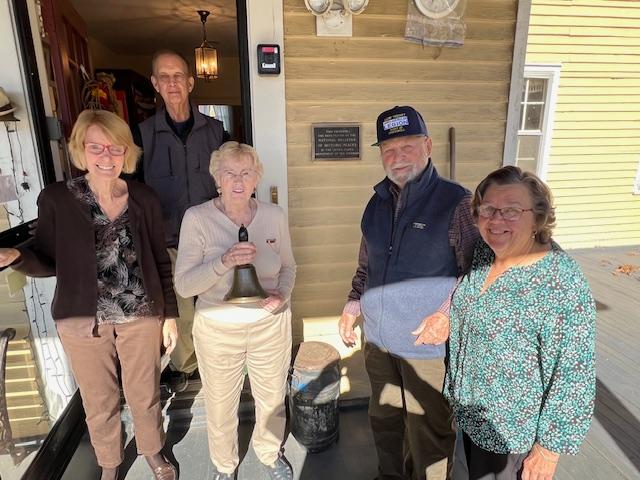
We met with the Bergenfield Volunteer Board at the museum to start the tour

The Bergenfield Museum at 100 Cooper Street in Bergenfield, NJ

https://bergenfield.com/museum-society

https://www.facebook.com/bergenfieldmuseum/

My review on TripAdvisor:

https://www.tripadvisor.com/Profile/R4960NKjustinw/photo/776032151?m=19905

My review on VisitingaMuseum.com:

The President of the Bergenfield Museum Board, Joanne, helped me organize the Team Field Trip of the museum. She had four other docents from the Board helping in four different rooms so each Team would follow each other through the rooms. Each Team had about ten minutes in each room for the docent to explain the collection to them. The Student Consultants got to visit the museum on their own time as well.

Our class being greeted by the President of the Bergenfield Museum, Joanne

Touring the Living Room of the old Demarest Homestead

Touring the old Dining Room and the Chair Factory display in the museum
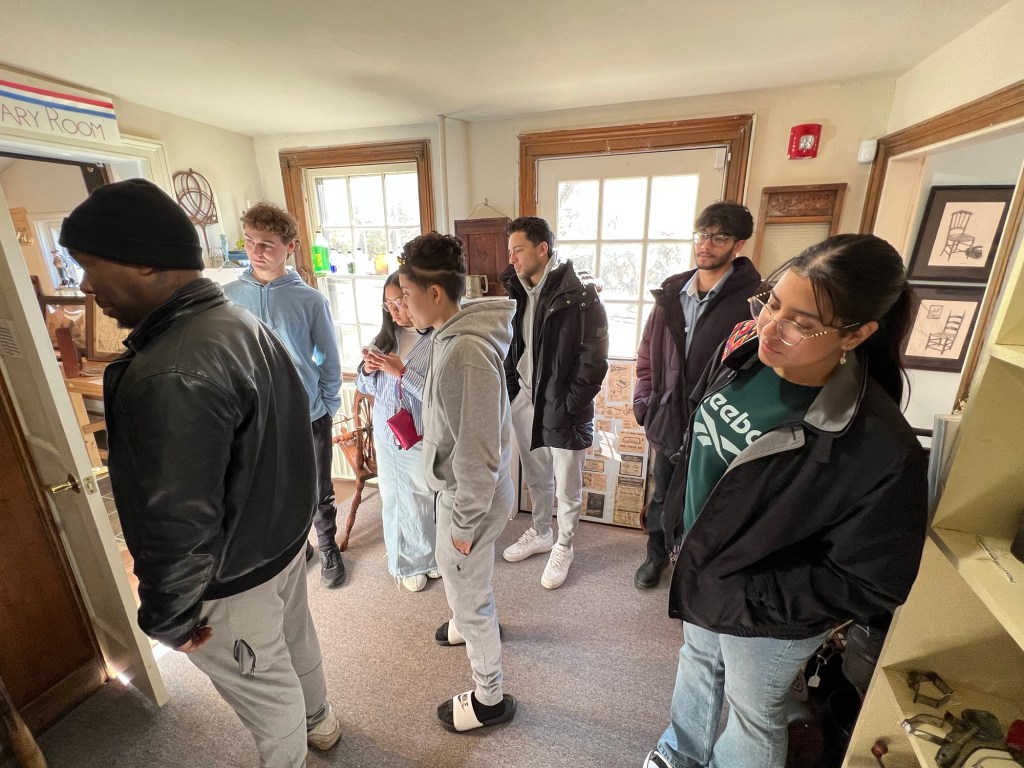
Touring the Kitchen area of the old homestead
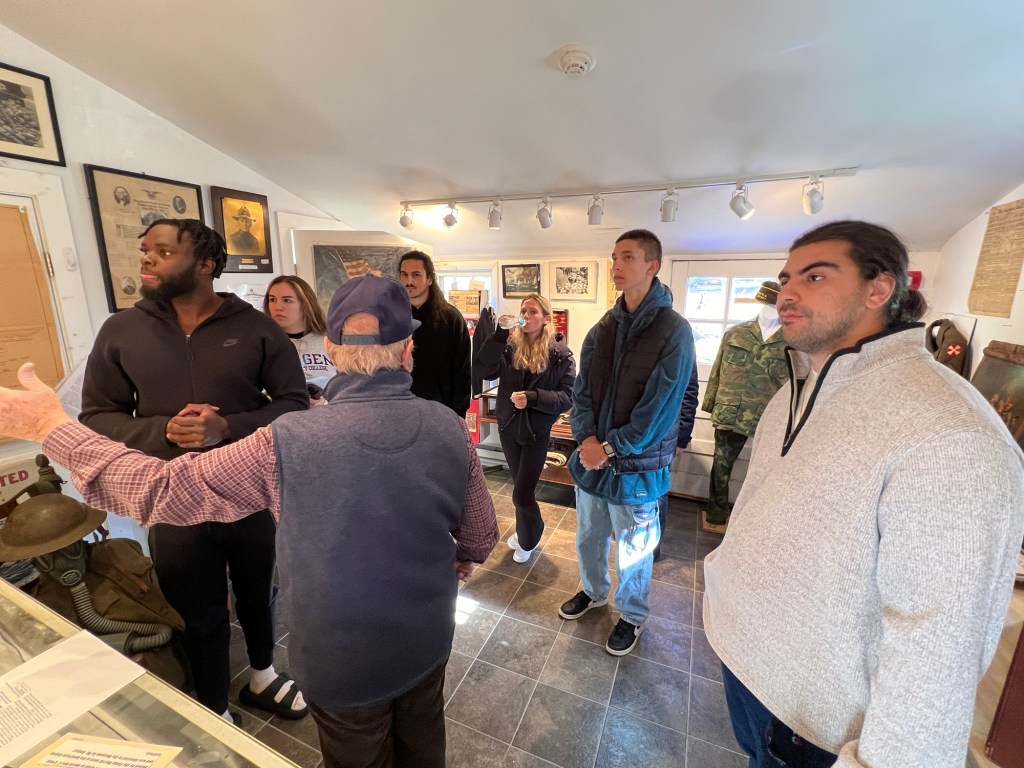
Touring the Military Room of the museum
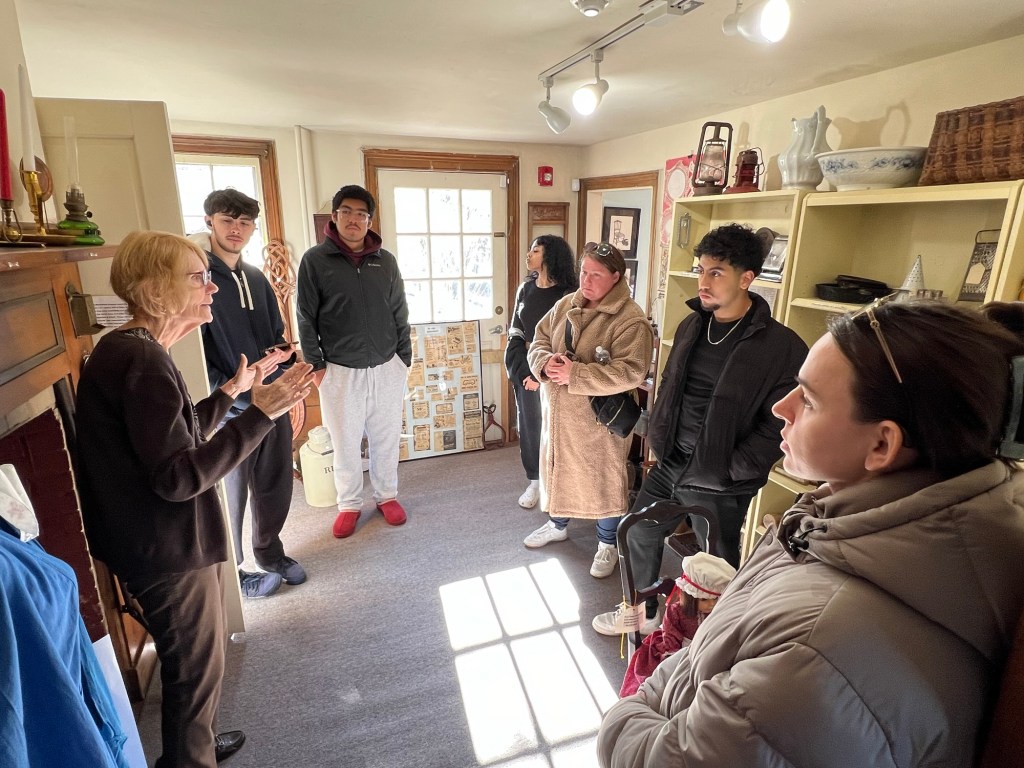
Discussions of the function of the kitchen on the farm
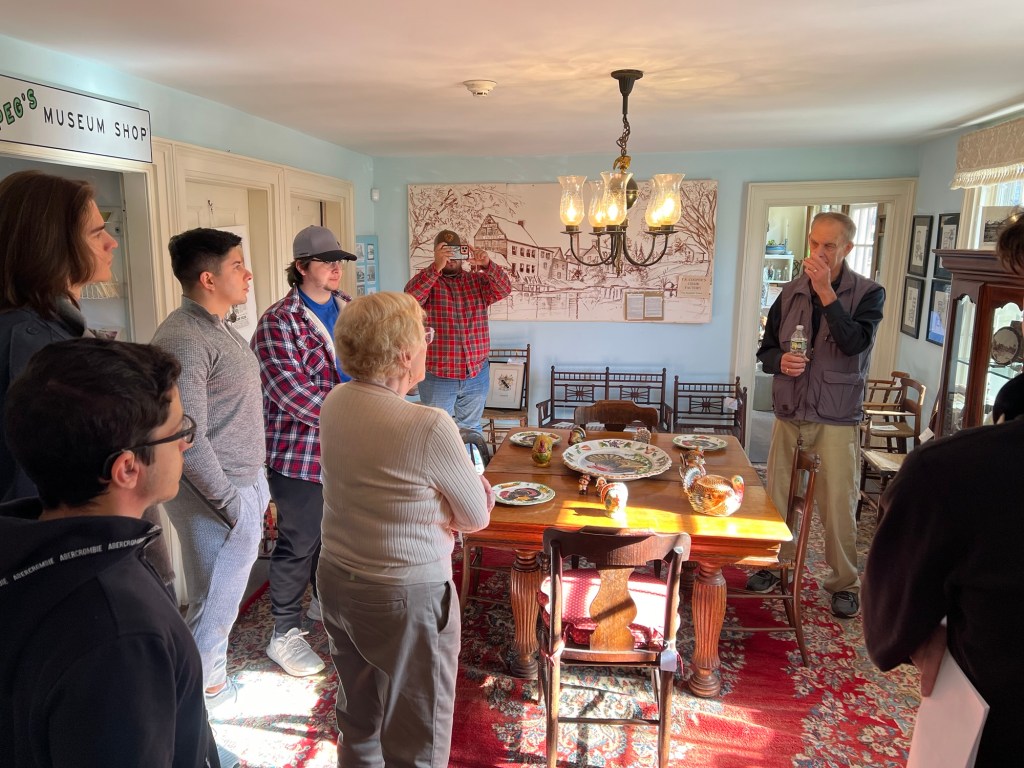
Discussing the Chair manufacturing in Bergenfield, NJ

The Student Consultants touring the Living Room
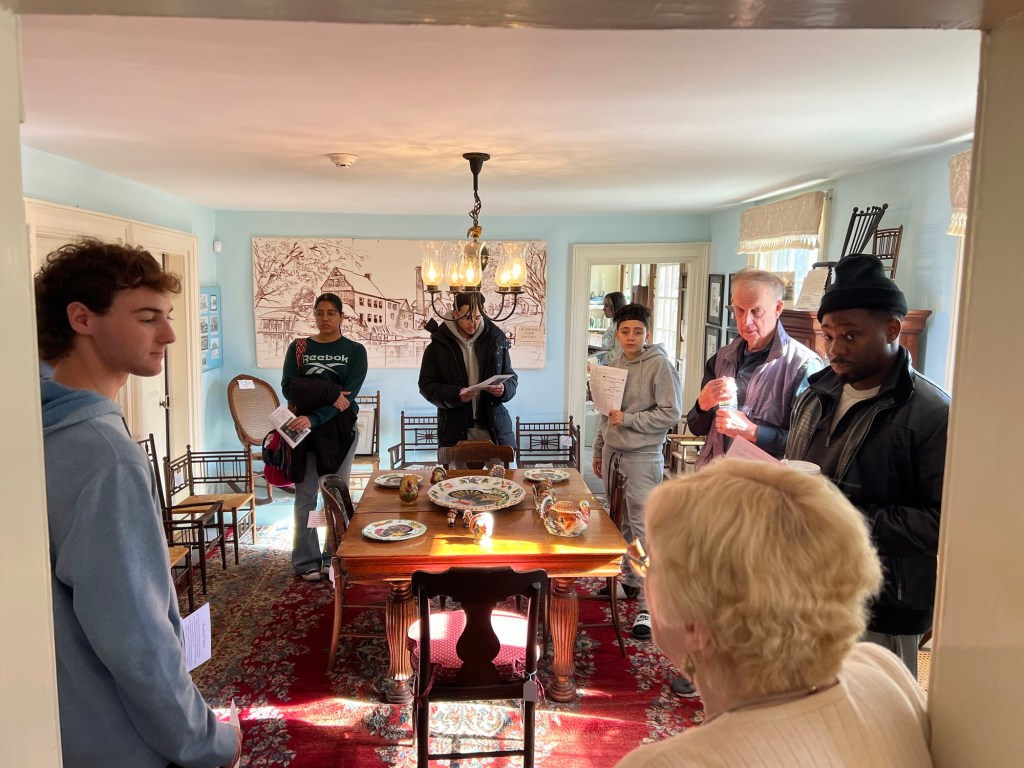
The Teams taking notes during the tour

After our tour of the museum was over, we took a group picture outside of the museum with the Board of the museum.
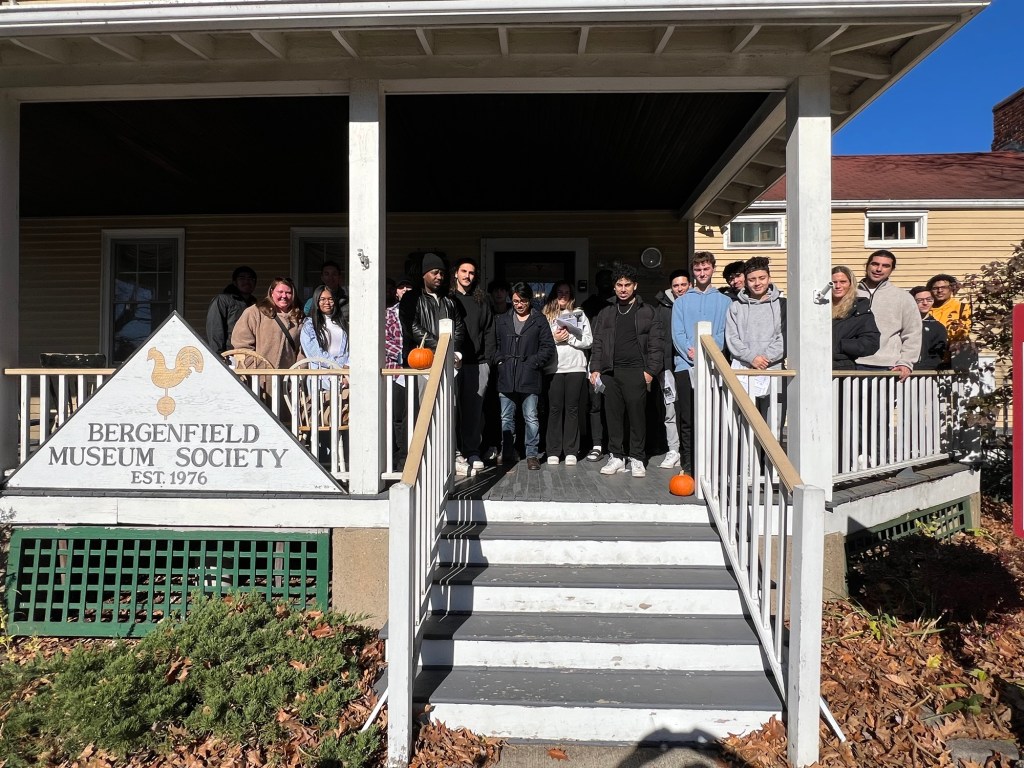
The Student Consultants from Bergecco-Parc Consultants Inc. visiting the Bergenfield museum

Here is the Presentation and Commercials:

The whole idea of the Bergenfield Project was not just to promote the museums, parks and historic churches but to create Destination Marketing Project to promote the Town of Bergenfield as a place to visit for both domestic and foreign tourism. This is the project that promotes that vision:

The Bergenfield Team website for Bergecco-Parc Consulting Inc:

https://bergeccoparcconsultinginc4.wordpress.com/

The presentation on the Bergenfield Museum

The day of the presentation the students had to be in professional dress with men expected to be in Jacket and tie or a suit and the ladies in blouses, slacks, suits and dresses. We presented this project to the Board and members of the Bergenfield Museum and to the Communications director of Bergenfield, NJ, which really gave the students a stamp of approval.

Video of the Presentation:

Part One:

Part Two:

PowerPoint of the Presentation:

https://docs.google.com/presentation/d/1VUbI7TwxcOVTjXf-Ra-7GbC7fErs0-VU2JSHVMDX9rc/edit?usp=sharing

I thought the commercials the students came up with were very clever.

The Commercials of the Bergenfield Museum:

Team One:

Team Two:

Team Three:

Team Four:

The Children’s Walking Tour of the Bergenfield Museum:

Team One:

Team Two:

Team Three:

Team Four:

It was a great Marketing project and the students did an excellent job helping the museum with their Digital Marketing. They also created pamphlets in English and Spanish, a new webpage and a Instagram account for them.

It was a very successful project and the students did an excellent job on it.
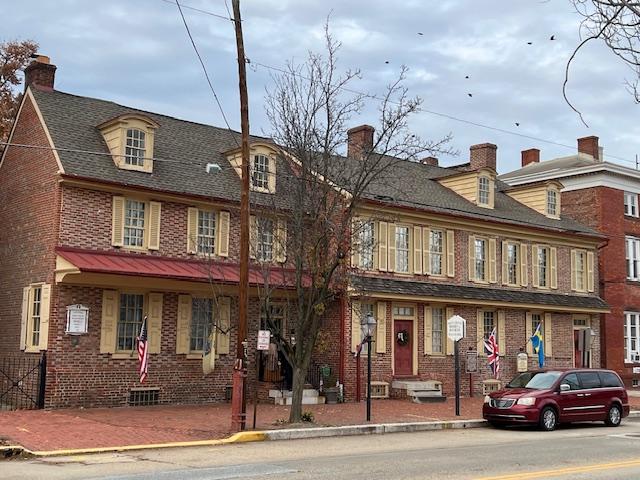
Day Two Hundred and Forty Visiting the Historical Sites of Southern New Jersey in Cumberland, Cape May and Salem Counties-A Local Journey on Father’s Day Weekend                                                             June 18th-19th, 2022

Day Two Hundred and Forty Visiting the Historical Sites of Southern New Jersey in Cumberland, Cape May and Salem Counties-A Local Journey on Father’s Day Weekend June 18th-19th, 2022

Grab your tour book and get in the car to visit all these wonderful sites. There is so much to see and do in Historical Southern New Jersey!

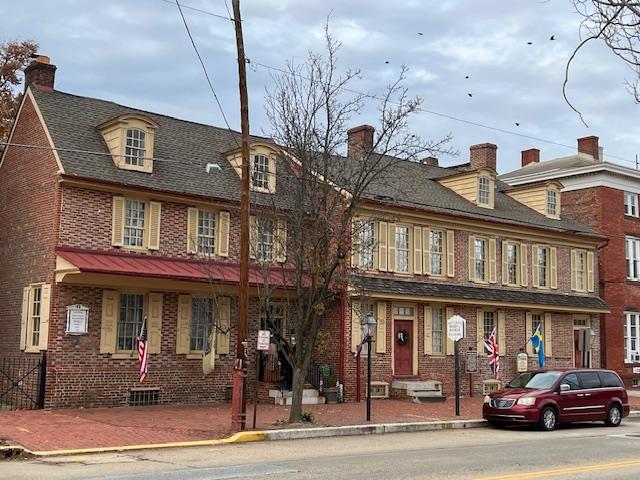
The Salem Historical Society

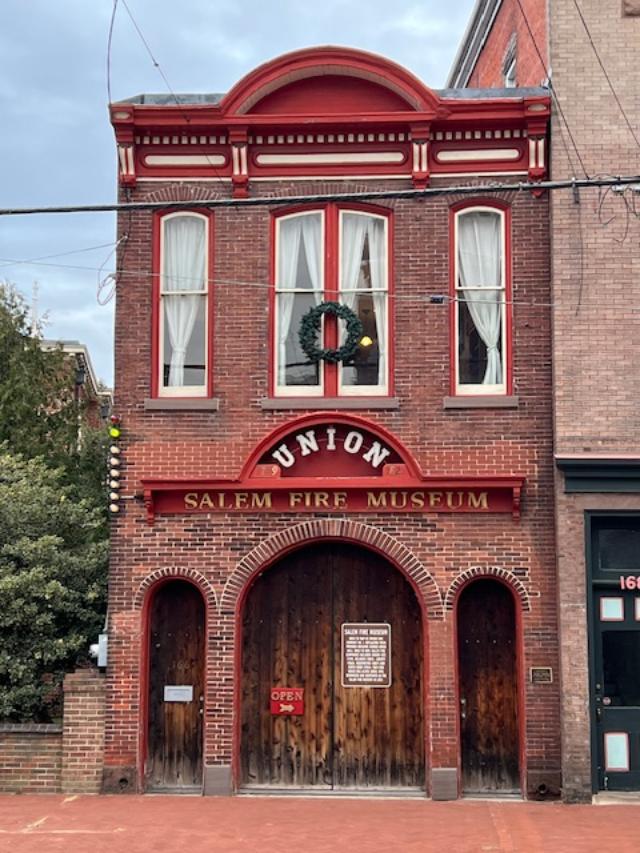
The Salem Fire Museum

jwatrel's avatarmywalkinmanhattan

The one thing I refuse to do on Father’s Day is to spend the day at the cemetery. I know that is some people’s idea of honoring one’s family members but it is not mine. I went on Friday and paid my respects to my father (whom this blog is dedicated to) and spent time remembering some of the good times we had in past. I dropped some cut flowers from our gardens (some of which he planted) and said a small prayer. Then I left.

My idea of honoring my father and spending Father’s Day with him is to do something that we would have shared together. We were always running around somewhere and exploring something new and doing something fun. That is how I wanted to honor him. By being active and giving him a toast at Sunday dinner.

I had gotten a pamphlet on the historical sites…

View original post 8,238 more words

The Doll House at the Boulevard Circle                    Hasbrouck Heights, NJ 07604

The Doll House at the Boulevard Circle Hasbrouck Heights, NJ 07604

The Doll House at the Boulevard Circle

Hasbrouck Heights, NJ 07604

No phone number

Open: Sunday-Saturday 24 hours you can visit

My review on TripAdvisor:

The Doll House at the Boulevard Circle in Hasbrouck Heights, NJ

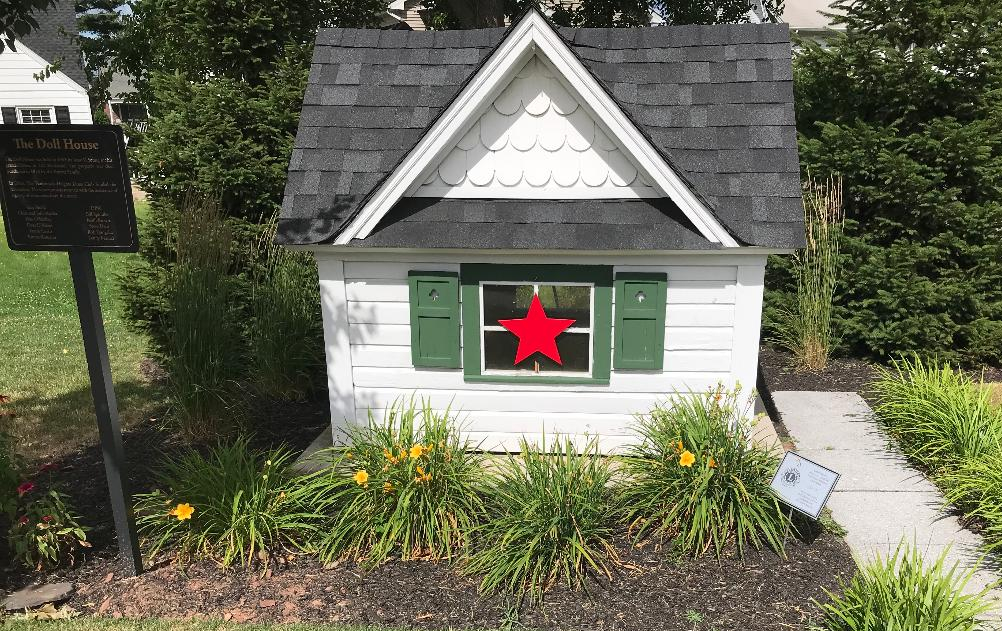
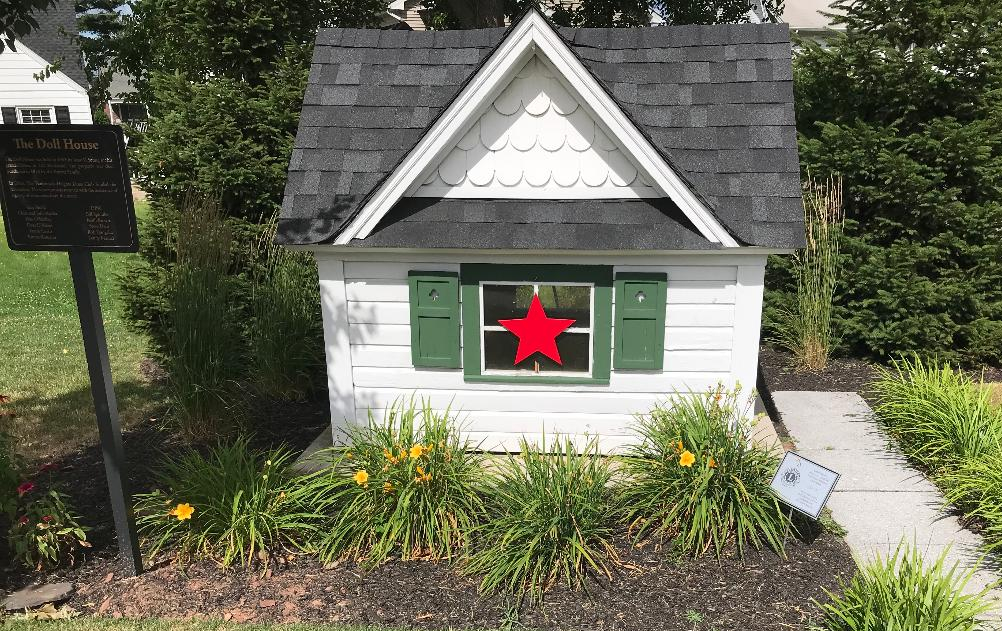
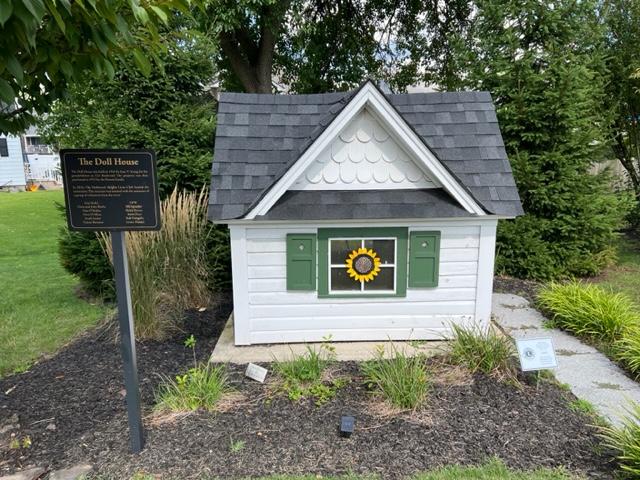
The Little Doll House on the Boulevard Circle in Hasbrouck Heights has been a landmark in town almost eighty years. The little house stood in the back of 122 Boulevard since I had moved into town in 1988 and was always painted the same way as the Neil Parrott Reality Company.

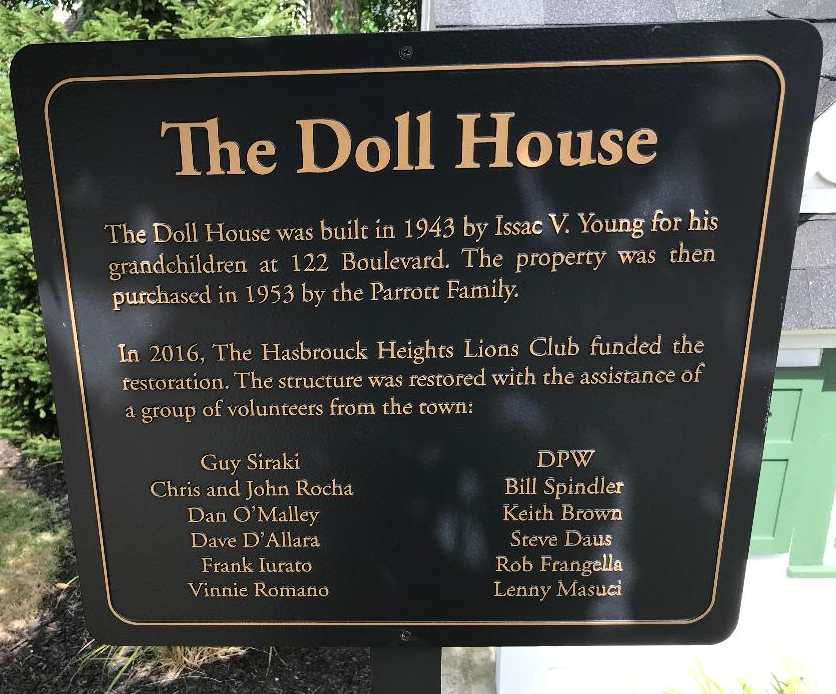
The Doll House was built in 1943 by owner Issac V. Young for his grandchildren and then the house was purchased by Neil Parrott for the family realty business. It was used as a playhouse for client’s children while their parents’ conducted business inside the office.

The Historical sign at the Circle in Hasbrouck Heights, NJ

Neil Parrott Realty closed back in the early 2000’s and the Doll House was overgrown with vines and was in disrepair. When the new owners bought the house, they were approached by members of the community to see what they were going to do with the Doll House. When it looked like they were going to demolish it, a group of citizens wanted to save it and restore it.

The restoration was funded by the Hasbrouck Heights Lions Club and conducted by a group of citizens from Hasbrouck Heights fixed the Doll House and placed it on town land so that the colorful landmark can be shared by everyone driving into Hasbrouck Heights.

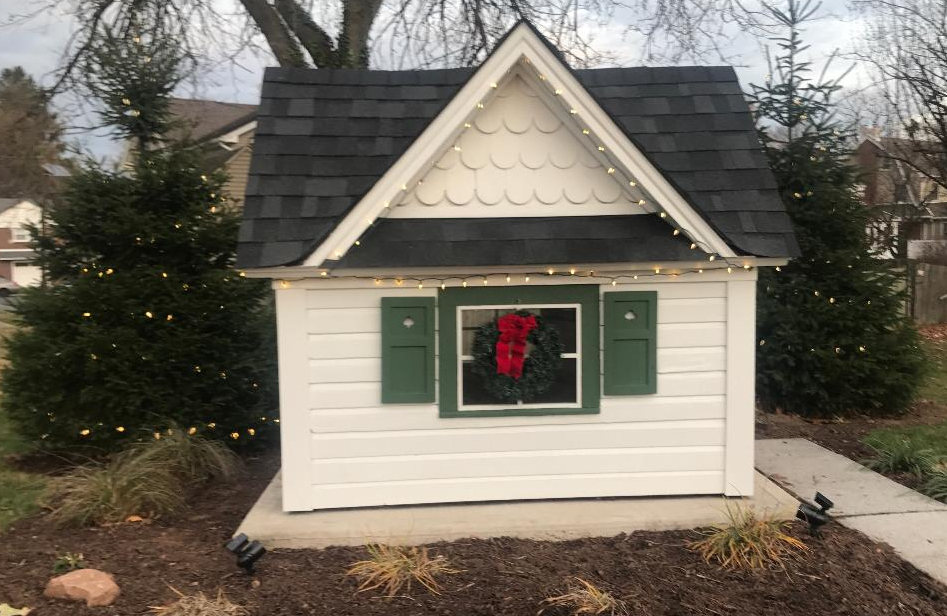
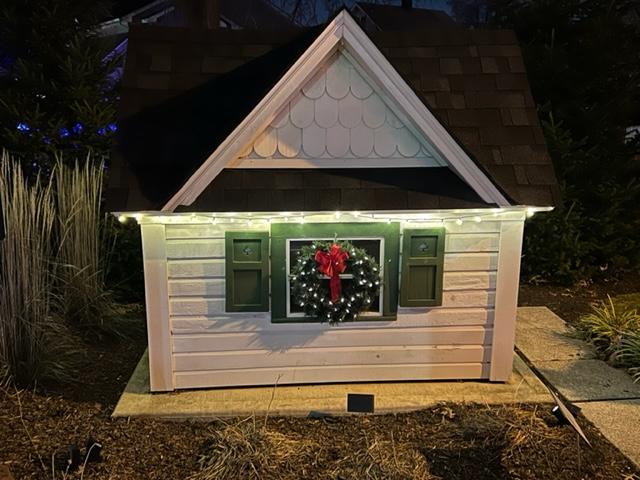
The Doll House in Hasbrouck Heights at Christmas time

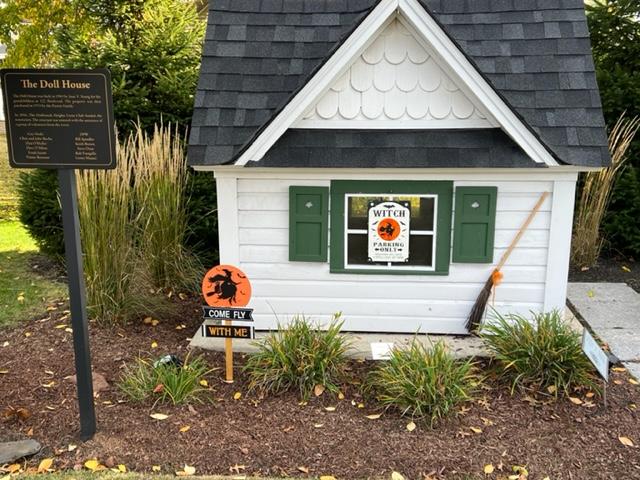
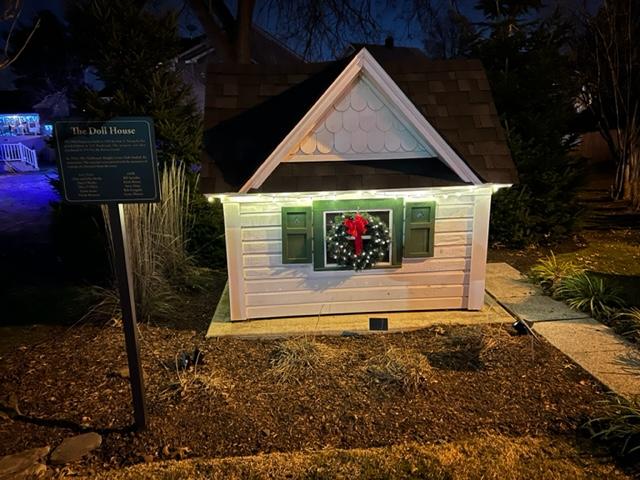
The committee decorates the Doll House for all the holidays.

We want to thank all the members of the Hasbrouck Heights community for putting the effort together to take care of this fun and whimsical landmark.

The Doll House at Halloween 2022

The Dollhouse at Christmas 2022

The Dollhouse decorated for the Christmas Holidays in 2022

The Dollhouse in the Summer of 2023.

Fort Mott State Park                                                                454 Fort Mott Road                                                                Pennsville, NJ 08070

Fort Mott State Park 454 Fort Mott Road Pennsville, NJ 08070

Fort Mott State Park

454 Fort Mott Road

Pennsville, NJ 08070

(856) 935-3218

https://www.nj.gov/dep/parksandforests/parks/fortmottstatepark.html

https://www.facebook.com/FortMott

Open: Sunday-Saturday 8:00am-7:30pm/Please see their website for seasonal hours

Admission: Free

My review on TripAdvisor:

https://www.tripadvisor.com/Attraction_Review-g46726-d6775079-Reviews-Fort_Mott_State_Park-Pennsville_New_Jersey.html

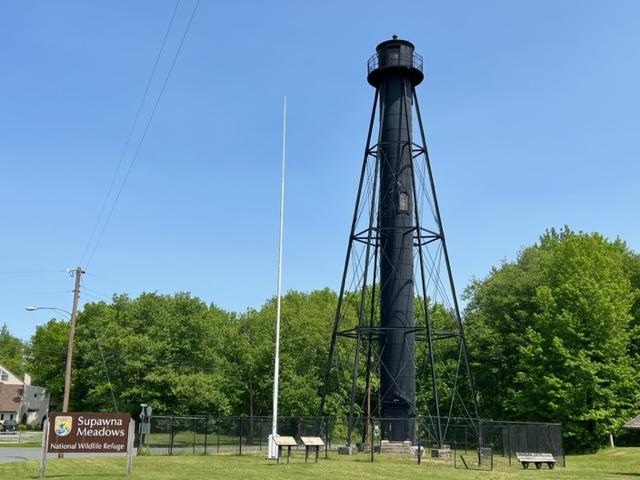
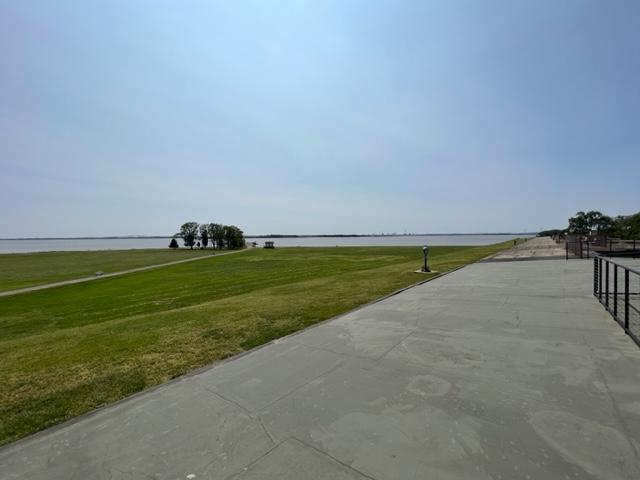
After touring Finns Point Lighthouse in the front of the park, I drove to the back of Fort Mott State Park to tour the rest of the park and explore the old fort. Talk about a real surprise and a a real treat. Talk about views of the Delaware River. On a sunny afternoon, the sun really reflects off the water and makes the most amazing light show.

I walked up the Parapet, the massive concrete wall that used conceal the guns that protected the bay and the river. It was a impressive piece of construction and you could see where the guns had been mounted. You could climb up and down the stairs to get from one part to the other and enjoy the views.

The gunnery

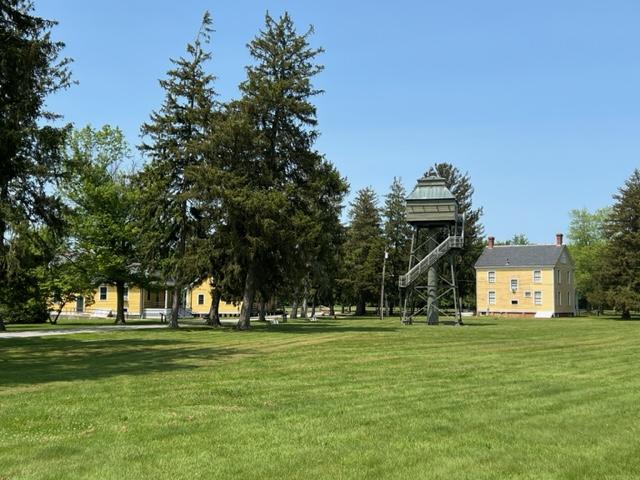
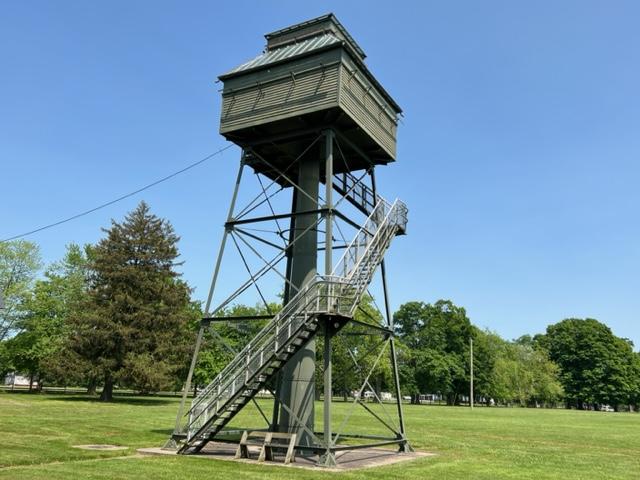
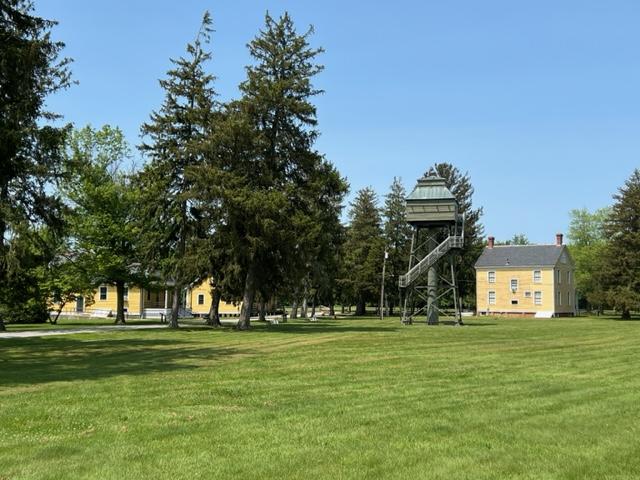
I passed the old Western Fire Control tower that was closed for the day and open by appointment only. That must have offered some spectacular views.

The Western Fire Control Tower

I then toured the Visitors Center and saw all the artifacts from the war, a timeline of the Fort and the history of the fort. Take time to look at each case and you will see how the fort developed, the types of things used at the fort and the people who were stationed here and their stories. It also offers bathrooms.

The best part of the Fort Mott State Park is just walking around the lawn and enjoying the sunshine and river breezes on a hot day. The blue skies with the sunshine gives you a sense that it was not just a place of protection but Mother Nature lending her hand to offer a spectacular location to just stop and wonder what would it been like if something happened here during the war. Would it withstood the assault?

The best part of the park is just to walk around the lawns and enjoy the river views.

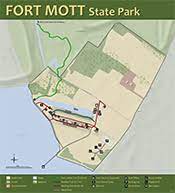
Map of Fort Mott State Park (NJ State Parks.org)

The History of Fort Mott:

(From the Fort Mott State Park Pamphlet-New Jersey Division of Parks and Forestry State Park Division)

Fort Mott, an Endicott-era fortification was built as part of the federal government’s late 19th century plan to defend the Delaware River. Today it serves as a state park where visitors can tour the remains of the historic fort. The cultural and historic features of this park and its recreational facilities provide a unique blend of activities for the park visitors.

The views from Fort Mott of the Delaware River

Fort Mott State Park is included as a point of interest on the New Jersey Coastal Heritage Trail. A Welcome Center for the trail accommodates displays defining Fort Mott’s place in history and the maritime environment. Fort Mott State Park is on the Delaware River at Finn’s Point in Salem County, New Jersey. This 104-acre park is six miles south of the Delaware River Memorial Bridge, off New Jersey Route 49.

The Finn’s Point Reservation was purchased by the United States Government in the late 1830’s. Originally called “The Battery At Finn’s Point”, the proposed fortification was one of a three-fort plan to protect growing industries and shipping along the Delaware River. Plans for Finn’s Pint specified eleven-gun emplacements with twenty guns and a mortar battery with six complacements. With Fort Delaware on Pea Patch Island in operation since the early 1820’s and the nation involved in the Civil War, the construction of the Battery at Finn’s Point was delayed until 1872. At that time, only two-gun emplacements and five magazines in the mortar battery were completed before construction was halted due to budgetary constraints.

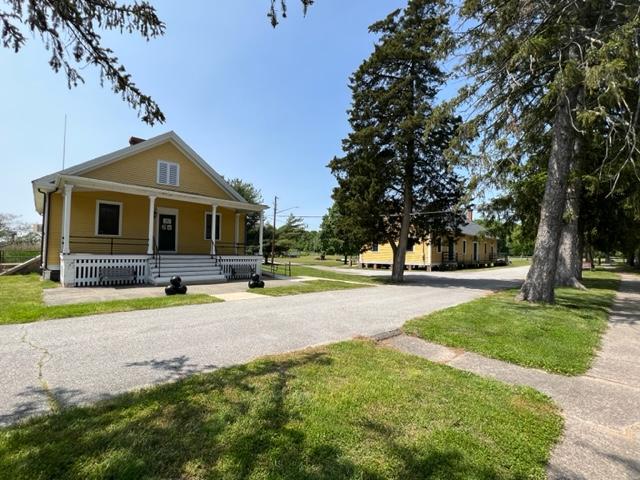
The headquarters buildings

With advancements in military technology made during and after the Civil War, the United States defenses were dangerously inadequate. In 1885, President Grover Cleveland, at the request of Congress, appointed the Endicott Board, named after its Chairman William Endicott, the Secretary of War. The board, which consisted of both military men and private citizens, studied the existing coastal defenses and developed a coastal defense plan for the United States. This plan determined where defenses and developed a coastal defense plan for the United States. This plan determined where defenses should be built or improved, the order in which the work would proceed, the quantity and type of guns that would be placed at each fort and other considerations.

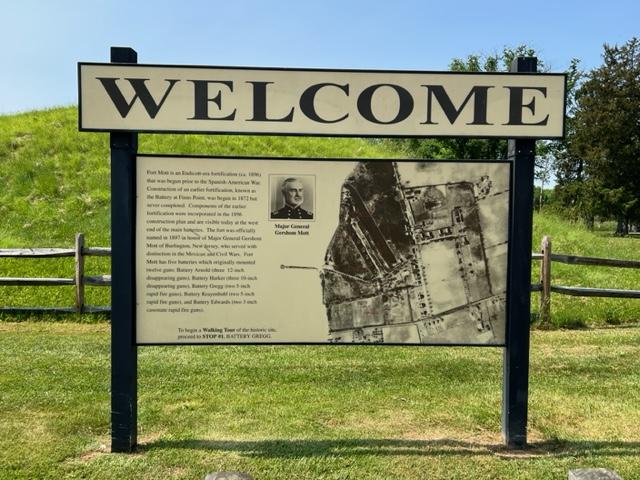
The signage

The main defense concept of the Delaware River was dispersion of armaments into three separate fortifications. The original plan for the Battery at Finn’s Point was abandoned and construction of new fortifications began in 1896 in anticipation of war with Spain, the Spanish-American War. This fortification was officially renamed Fort Mott on December 16th, 1897, to honor Major General Gershom Mott. Mott, a native of Bordentown, NJ was a decorated veteran of the Mexican American and Civil Wars. Fort Delaware was upgraded, and construction of Fort DuPont began during this same time period.

The signage

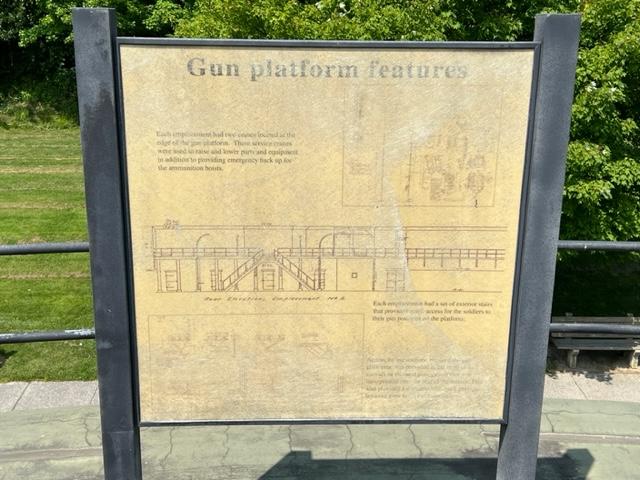
At Fort Mott, large caliber weapons, three 10 inch and three 12-inch guns were installed on disappearing carriages. The gun emplacements were located behind a 750 foot long and 35-foot-thick concrete and earthen embankment, which was sloped to form the ‘parapet’ wall. These guns had an effective range of seven to eight miles and shot projectiles that weighed 617 and 1000 pounds respectively. Beneath the six-gun platforms were powder and shell magazines, ammunition hoists, a telecommunications system and an electric generating station. Two batteries each with 5-inch rapid fire guns and one battery with two 3-inch rapid fire guns were also part of the defenses, designed to counter fast moving smaller warships which might evade the large caliber guns. They also protected the fort from potential land attack. Fort Mott was a completely modern installation for its time period.

The Fort Mott headquarters

Two steel control towers were later built to improve aiming of the guns. Observers stationed in the towers, in conjunction with plotting room personnel, directed the gunfire of the 10 inch and 12 inch guns. The tower near the river on the northern end of the emplacement was built in 1902 and was used to aim the 12 inch guns of Battery Arnold. The tower near the park office was built in 1903 to help aim the 10 inch guns of Battery Harker.

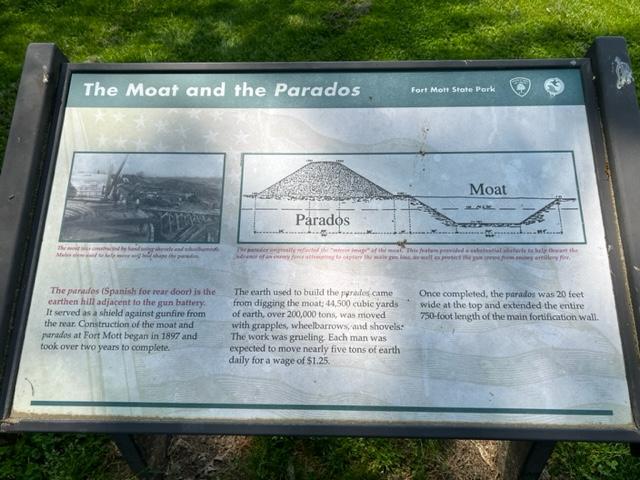
Behind the main emplacement are the parados and the moat. ‘Parados’ is Spanish for rear door. These provided the rear defenses for the fort. The parados was constructed using the fill from the moat. Landscaping around the military reservation helped camouflage Fort Mott from attack by potential enemy ships.

Fort Mott was self-contained military community. The post had over 30 buildings, including two large barracks, non-commissioned and officer’s housing, a hospital, a post exchange, a library, a guard house, a stable, YMCA and a school for the soldier’s children. The Delaware River was the main transporation infrastructure for Fort Mott; munitions, supplies and construction materials arrived at the fort by barge.

WIth the construction of Fort Salisbury near Milford, Delaware shortly before WWI, Fort Mott, Fort Delaware and Fort DuPont became obsolete. The three forts remained active defense installations until after WWII, when they were phased out. Troops were regularly stationed at Fort Mott from 1897 to 1922. The federal government maintained a caretaking detrachment at the fort from 1922 to 1943. During this time, Fort Mott’s guns were dismantled and sent to various locations.

Visiting Fort Mott

Fort Mott was declared “surplus property” in 1943. Finn’s Point National Cemetery (dedicated a National Cemetery on October 3rd, 1873 because of the Confederate prisoners of war buried there) was separated from Fort Mott at that time. In 1947, the State of New Jersey purchased Fort Mott, as a historic site from the federal government. On June 24th, 1951, it was opened to the public as Fort Mott State Park.