Admission: Free but donations are accepted. Groups, Scouts and Organizations are $5.00 individuals per person and $7.00 for special events per person. Please call to make arrangements on this.
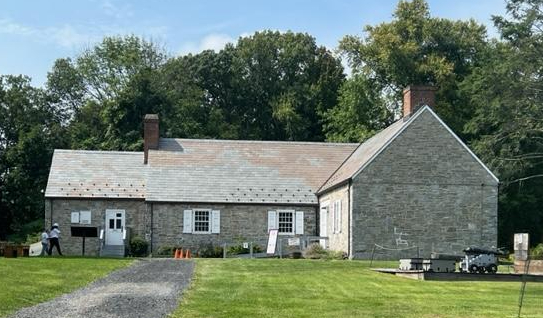
We visited the Stony Point Battlefield one afternoon and it is a very interesting and historical fort in the Hudson River Valley. We were able to tour the battle site and explore the grounds of this historical site. Then we toured the museum which gave us a view of the battle and what happened that night through a series of displays of the artifacts.
The Gallery
The Gallery
The gallery was filled with all sorts of weaponry and items needed by the troops for battle.
The battlefield site.
The museum has displays of the weapons used, the structure of the fort, utensils used the time that the troops were defending this area and what life was like on a day-to-day basis. The museum also offers a glimpse of artifacts of both the fort and of the battle with docents assisting you in telling the story of what happened at that time and after the battle and the war were over.
The Stoney Point Battlefield tent set up.
Outside the fort, there was a set-up of tents to show what the troops life was like in battle as well as General Wallace’s tent that he lived in and used during the battle. At the end of the day, the park does a demonstration of lighting the cannon that would have been used in battle. That was interesting. It was a lot more work than people think.
The cannon set up.
There is lot to do and see along the pathways of the fort and its grounds with amazing views of the Hudson River.
The story of the battle.
The History of the park and battlegrounds:
(from the NYS Parks Division website)
Visit the site of the Battle of Stony Point, one of the last Revolutionary War battles in the northeastern colonies. This is where Brigadier General Anthony Wayne led his corps of Continental Light Infantry in a daring midnight attack on the British, seizing the site’s fortifications and taking the soldiers and camp followers at the British garrison as prisoners on July 16, 1779.
The map of the fort at Stony Point, NY.
By May 1779 the war had been raging for four years and both sides were eager for a conclusion. Sir Henry Clinton, Commander-In-Chief of the British forces in America, attempted to coerce General George Washington into one decisive battle to control the Hudson River. As part of his strategy, Clinton fortified Stony Point. Washington devised a plan for Wayne to lead an attack on the garrison. Armed with bayonets only, the infantry captured the fort in short order, ending British control of the river.
The weapons of battle on display at the museum.
The Stony Point Lighthouse, built in 1826, is the oldest lighthouse on the Hudson River. De-commissioned in 1925, it now stands as a historical reminder of the importance of lighthouses to commerce on the Hudson River. The opening of the Erie Canal in 1825 unleashed a surge of commercial navigation along the Hudson River, by linking New York city to America’s heartland.
Within a year, the first of the Hudson’s fourteen lights shone at Stony Point and others soon followed, designed to safely guide maritime travel along the river. Many light keepers, including several remarkable women such as Nancy and Melinda Rose at Stony Point, made their homes in the lighthouse complexes, and ensured that these important navigational signals never failed to shine.
The lighthouse light on display at the museum.
The site features a museum, which offers exhibits on the battle and the Stony Point Lighthouse, as well as interpretive programs, such as reenactments highlighting 18th century military life, cannon and musket firings, cooking demonstrations, and children’s activities and blacksmith demonstrations.
The cannon demonstration that we saw at the end of our visit to the battlefields.
$12.50 Seniors/Students/Children/$17.50 for Adults and Combination tickets
The History of the Reher Center:
(From the museum website)
I recently went to the Roundout section of Kingston to tour the Reher Center and what an interesting tour not just of the exhibit, I recently went to the Roundout section of Kingston to tour the Reher Center and what an interesting tour not just of the exhibit, “Taking Root: Immigrant stories of the Hudson River Valley” but also the historic baking tour. The tour guides really explained how the Reher Bakery, which closed its doors in 1980 was not just a bakery. It was a staple in the community where people got to together not just over bread but community affairs and interaction with other immigrant groups of people.
‘Taking Root: Immigrant stories from the Hudson River Valley’
Our first part of the tour started in the bakery on the first floor of the museum. when Hymie Reher closed the doors of the bakery for good in 1980, he shut the door and created a time capsule that would become the museum. It seemed that the family did not want another business in the space so it just stayed empty all those years. This led to the creation of the museum dedicated to a family whose roots were in Kingston for several generations (it seemed that family members still lived upstairs until the early 2000’s).
The start of the Bakery tour
The tour starts in the front of the bakery where the family would have standing orders ready for customers and this is where the community would come together. Over their orders. Some of the shelves are still stocked with supplies that would have been on the shelves in the 1950’s. The tour guide said that it was not just a bakery but a small grocer as well.
The Grocery display
The Grocery display
The bakery display section
The tour continued in the bakery section where the oven was located and where all the magic took place to produce all the breads, rolls and challah was made. The oven, which is still functional today but can not be used, takes up most of the room. It was a coal and wood burning oven that was used from the turn of the last century until the bakery closed in 1980. The oven was impressive not just for the amount of bread items that needed to be produced each week but the fact that people would come with their food for the sader to cook in the cooling oven.
The oven in the kitchen where the breads and rolls were made
On the other side of the kitchen is the flour bins and the dough mixer where the dough was produced and all the product was portion sized. The storage areas where supplies came in and were held each week to produce what needed to be made for the customers were off to the side. On the tour, you will hear talks from former employees and customers about what life was like in the bakery.
The shared oven where meals were cooked in the cooling oven
The tour would end with a few more conversations with former customers and a quick wrap up in the grocery area. Then each of us got a fresh roll in a bag that was baked by a restaurant in the neighborhood. That was really good. The roll was chewy on the outside and soft on the inside.
The dough mixing machine is to the right and the supply area to the left.
The dough machine
The kitchen storage area
Baking sheets from years and years of making rolls
The last part of the tour was in the new upstairs gallery where the “Taking Root: Immigrant stories of the Hudson River Valley” is on view. This is where immigrants from the United States from the World Wars until today tell their stories in video recording and you can hear how they came to this country. Their lives before they arrived and after they settled in the region. Some of the stories I heard were fascinating.
The timeline of the stories told
The pictures of the immigrant stories told
Pictures and stories from the exhibition
Brief History of the Reher Center:
2002-2007: The idea for the Reher Center was hatched in 2002 when Geoffrey Miller peered into the window of 101 Broadway and observed a time capsule: the space was left untouched since Hymie Reher closed his family’s bakery in the early 1980’s. Geoff describes it as “Falling down a rabbit hole,” as he envisioned preserving and opening the site as a museum. Through a conversation with his friend, Barbara Blas in 2004. Geoff learned that the Rehers and the Blases were long time members of Kingston’s Orthodox synagogue. Agudas Achim and old family friends. Hymie was pleased with Geoff’s vision (Barbara remembers him singing “Happy Days are Here”) and arranged to deed the Reher’s property at 99-101 Broadway to the Jewish Federation of Ulster County.
The front of the bakery
A core committee quickly formed to develop plans to preserve the buildings and expand on Geoff’s initial vision for the site as a museum and cultural center that would honor the Reher family’s legacy and the broader immigrant history of Rondout neighborhood. Its tagline became “Building community by celebrating multiculturalism and our immigrant past.”
2008-2016: Geoff led the all-volunteer Reher Center Committee to restore the storefront and raise $750,000 in funding to stabilize the property under the guidance of preservation architect Marilyn Kaplan. Working with a variety of local organizations and partners, the Reher Center also spearheaded a series of popular programs including an annual Kingston Multicultural Festival, Deli Dinner and Immigrant Gifts to America series.
2016-2018: The Reher Center Committee expanded its Steering Committee and hired its first professional staff to leverage a range of new expertise and develop an interpretive plan for the site. In 2017, Sarah Litvin, Interpretive Planner, and Samantha Gomez-Ferrer, archivist, were hired to inventory, catalog, preserve, research, and digitize the Reher Center’s collection and expand it through conducting oral histories.
The outside displays of the Reher Center
In 2018, thanks to a generous matching donation from the Norman I. Krug family and our committed funders, the Reher Center was able to hire our first Director, Sarah Litvin, to open the site for public programming during summer, 2018. From May to August, the Reher Center was abuzz of activity as we created a new window display featuring historic photos from our collection; created a gallery and mounted our first exhibit, “The Story Continues” and shared the site and our vision for its future on Preview Tours of our historic bakery. Our July 7th “Open House” marked the first time the Reher Center was open for regular on-site programs.
The “Big Night” event in 2025:
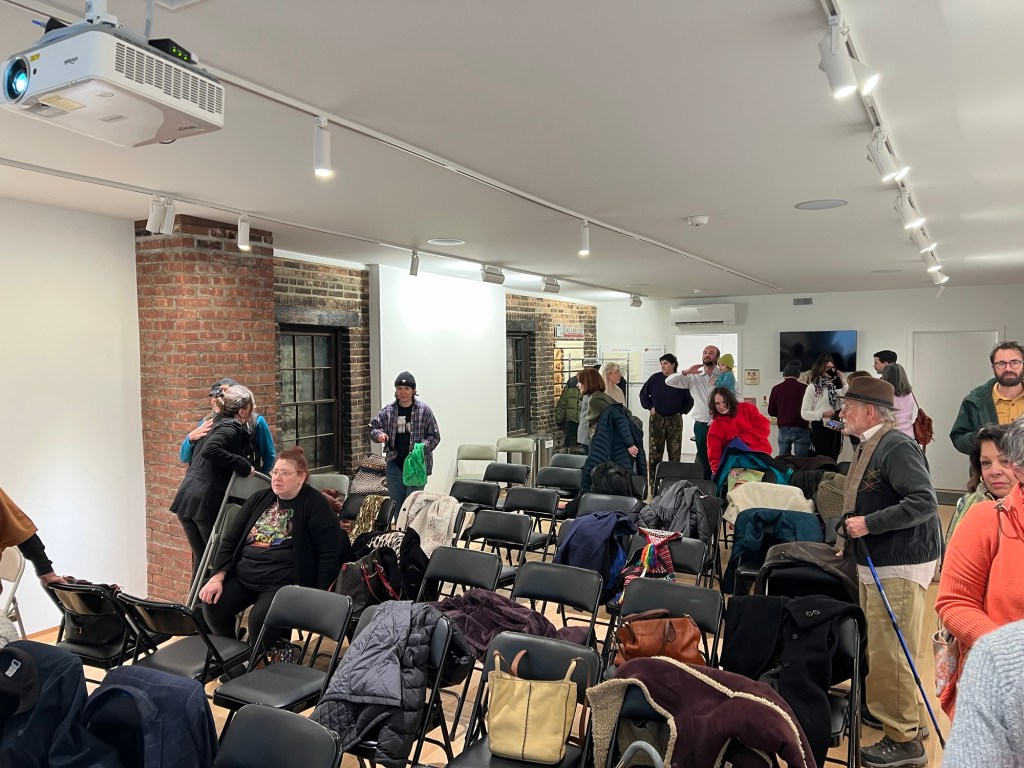
In February 2025, I was invited to a very successful special event sponsored by both the Kingston Film Foundation and the Reher Center, a screening of the film, ‘Big Night’ and a sampling of Italian food. Needless to say the event far exceeded what the planners thought and they were completely full and sold out by 6:00pm. The organizer said they were turning people away. They had never seen anything like this. When you mix free Italian food, free wine and an excellent movie, you have a recipe for an excellent event. It was so much fun.
The organizer from the Kingston Film Foundation was explaining the success of the evening to the crowd
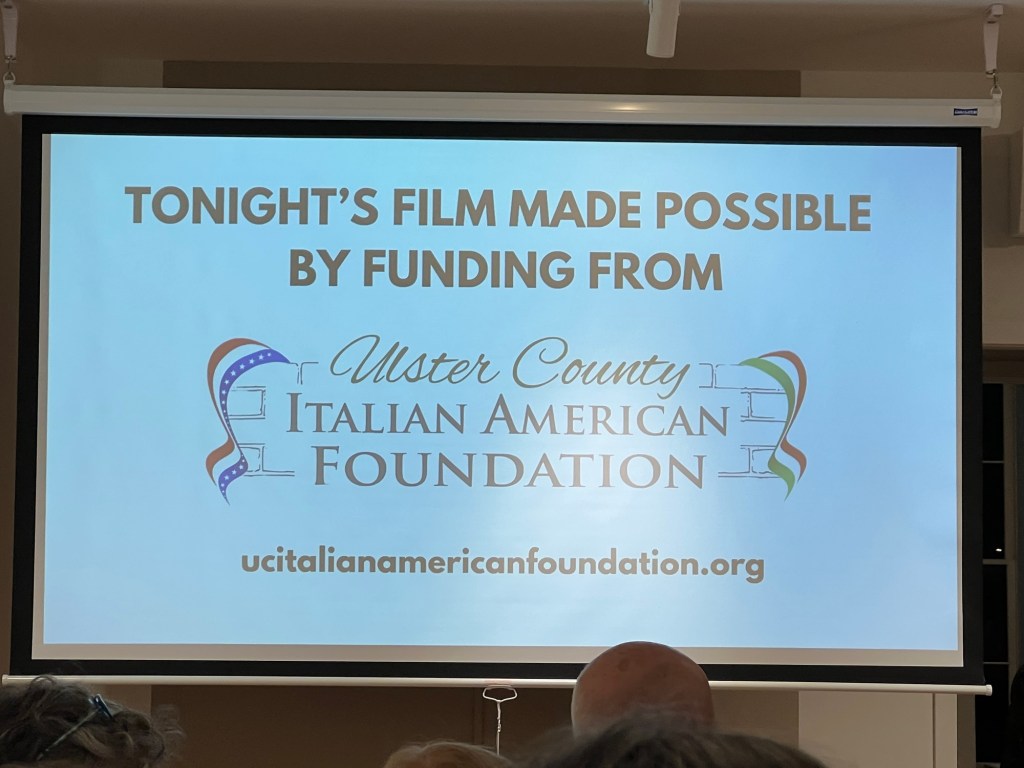
The event was funded by the Ulster County Italian American Foundation
I am convinced that it was the food that brought the people in coupled with a very popular film. The caterer who was there that night from Mass Midtown made two versions of the Tripoli, the noodle and meat dish in the film. Trust me when I say, the lines never stopped for that.
The two versions of the Timpano, the Vegetarian and the Meat versions, which were delicious was donated by Masa Midtown in Kingston, NY and the wines were donated by Kingston Wine Company.
Trust me they were very generous with the slices of Timpano
God, it was delicious
The screening room was beyond packed that evening. Put free Italian food and a popular film in front of people and you will get a crowd
This very popular event people in the area will be talking about for a long time. This is what gets you a lot of attention. It really was an excellent event and I had a lot of fun that night. I love the movie ‘Big Night’.
The Timpano in the “Big Night”
The Trailer for the “Big Night”:
The evening was night of good food, wonderful conversation and an excellent movie.
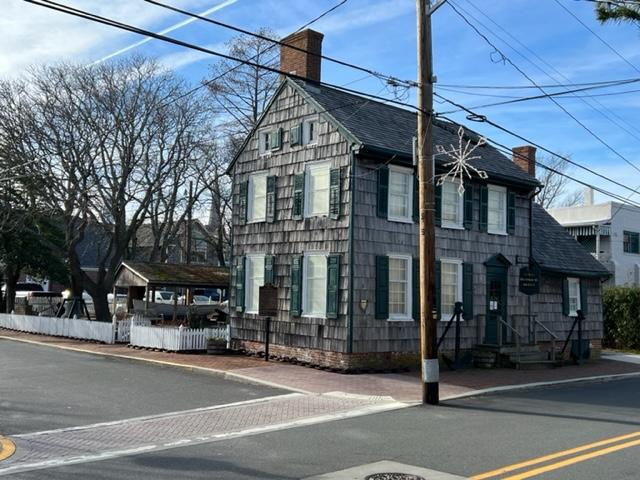
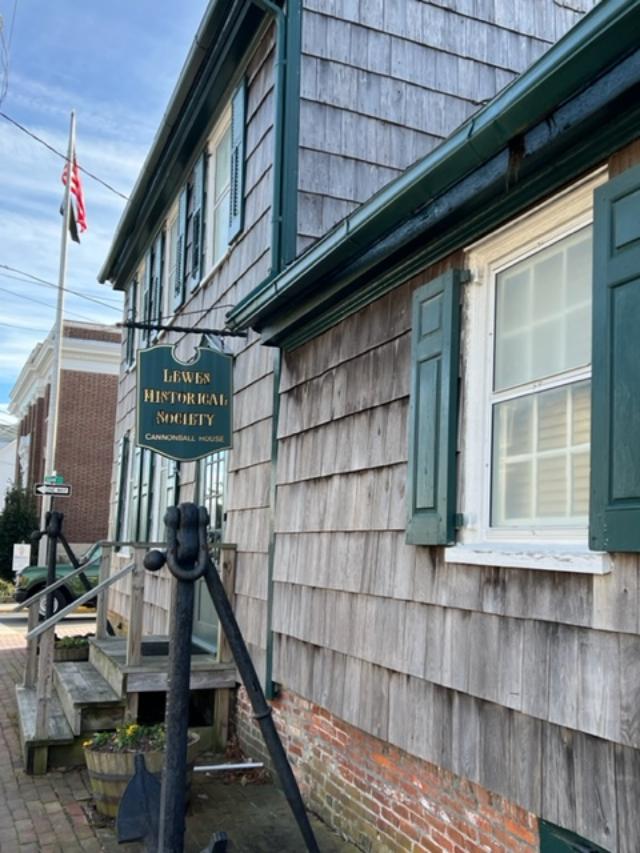
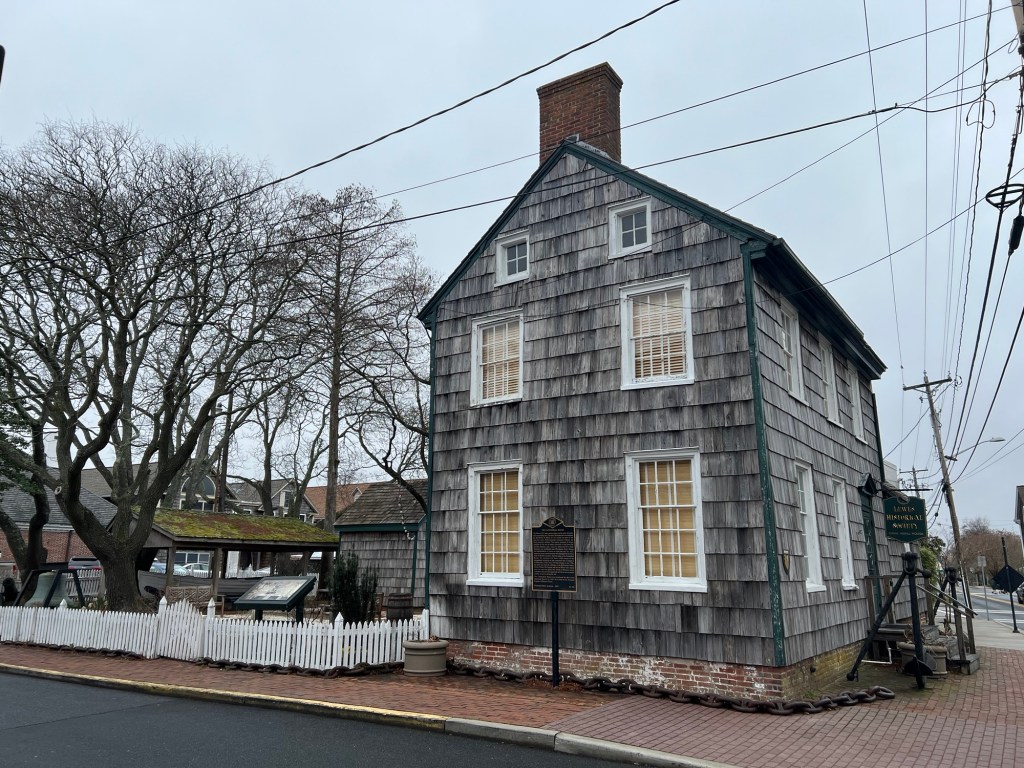
The Lewes Maritime Museum at the Cannonball House at 118 Front Street
The Lewes Historical Society promotes and advocates the preservation, interpretation, and cultural enrichment of the Lewes region, through museum exhibits, educational programs, historical research, and publications.
About The Lewes Maritime Museum at the Cannonball House
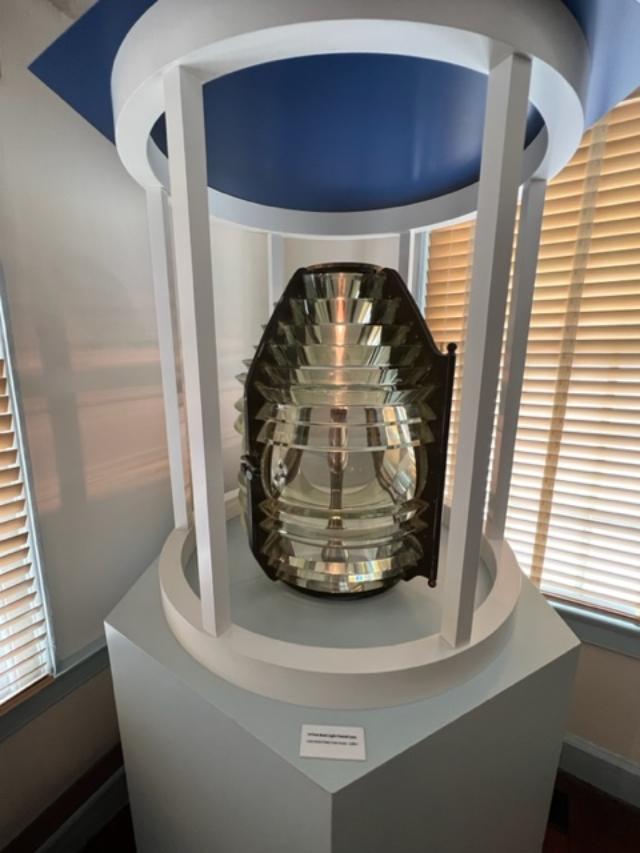
The Cannonball House was built c. 1765 and was once the home of Gilbert McCracken and David Rowland, pilots for the Bay & River Delaware. The Cannonball House has come to symbolize not only the Society, but the town of Lewes as well; previous uses included a restaurant, a laundry store, and, for a time, the mayor’s office. Harkening back to the town’s rich nautical heritage, the Cannonball House is the home of The Lewes Historical Society’s Maritime Museum. Nationally important pieces of maritime art and memorabilia are displayed in the house, including the Fresnel Lens of Fourteen Foot Bank Light. The exhibition of Breaking Britannia’s Grasp is also housed in the museum and is included in your admission.
Featured in many works on Delaware, the Cannonball House is a rare example of a Lewes house remaining on one site its entire existence. The Cannonball House was featured on the 2003 Lewes Business Directory (Lewes Historical Society website).
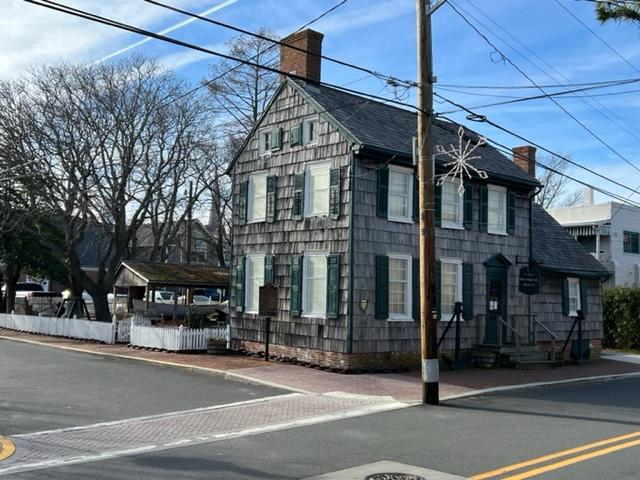
The front of the museum
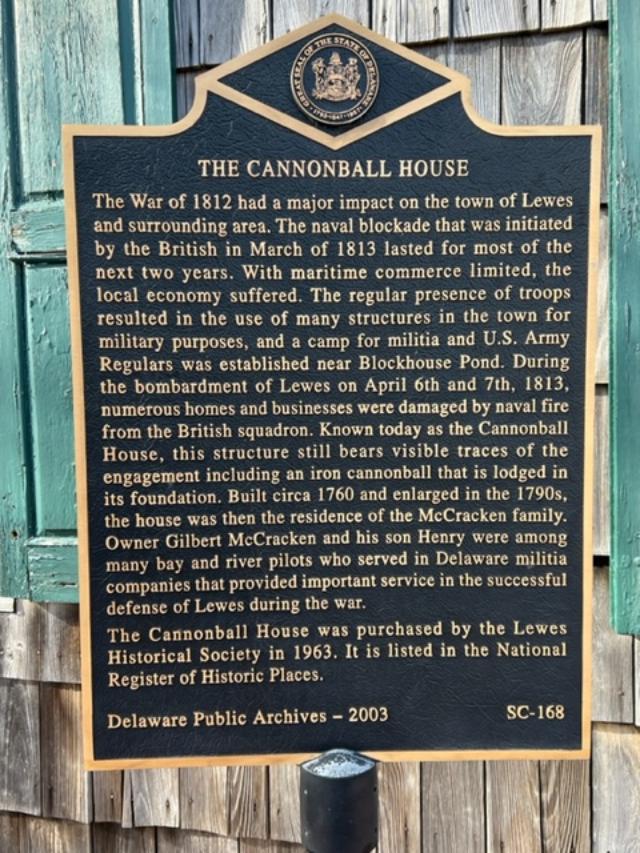
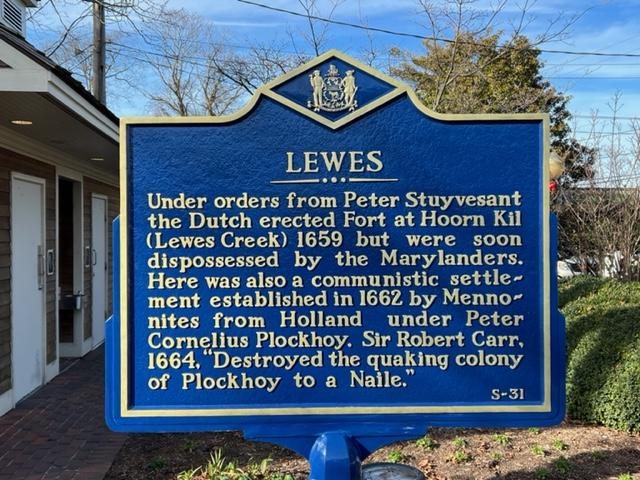
Historic Marker
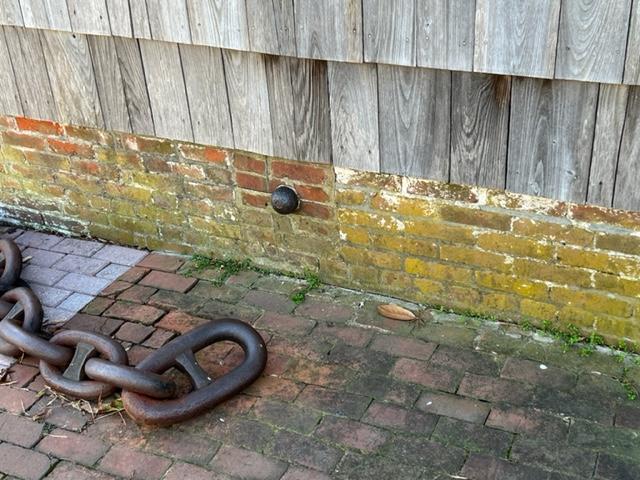
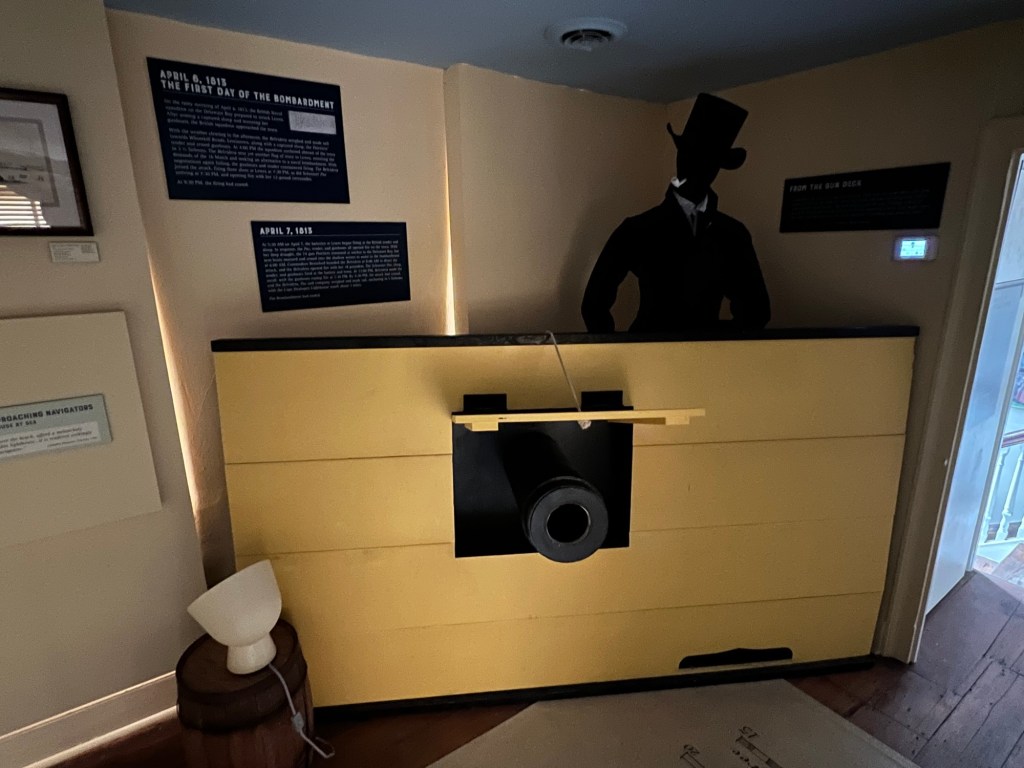
The Cannonball at the house (recreation)
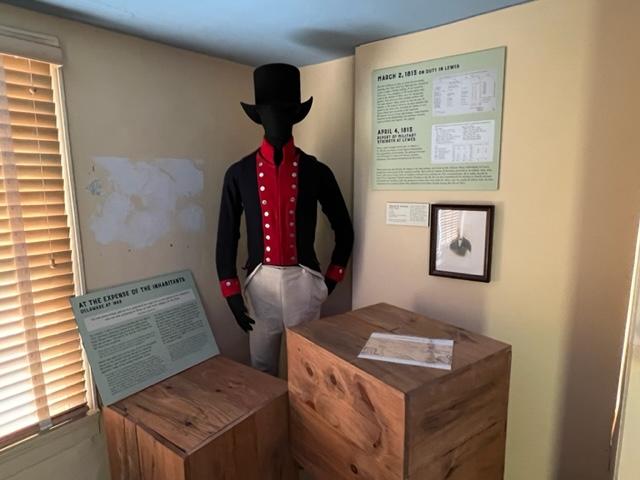
On April 5, 2003, the Cannonball House was honored by the State of Delaware for its close association with the Bombardment of Lewes by the British on April 6th and 7th, 1813 and as the home of two heroes of those fateful days, Gilbert McCraken and his son Henry, both Pilots of the Bay & River Delaware.
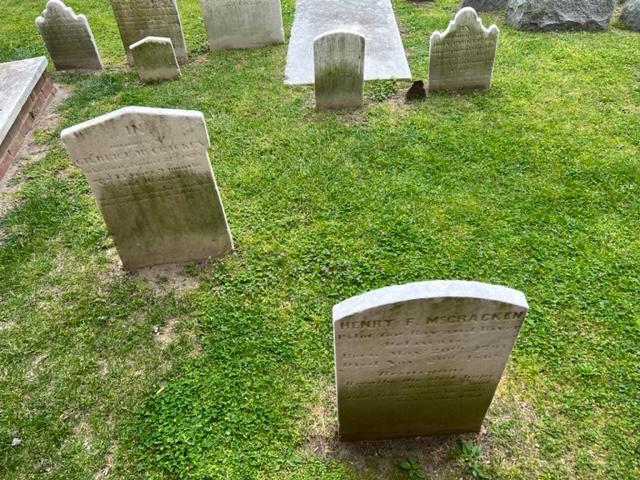
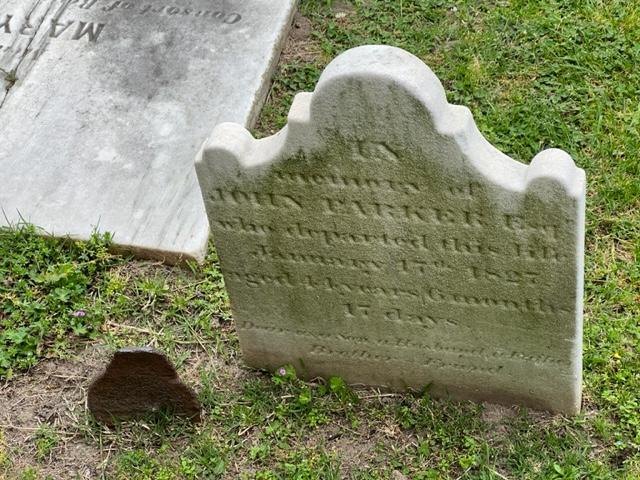
The Gilber and Henry McCraken burial site in downtown Lewes
The tip of the anchor that Henry McCraken was buried with in the Episcopal Church cemetery.
The War of 1812 Park, across Front Street from the house and site of one of the two forts that defended Lewes during the bombardment, was also recognized. Gilbert & Henry McCracken served in a volunteer militia composed primarily of Delaware Pilots that defended Lewes until the end of the war in 1815 (Lewes Historical Society website).
Perhaps the two most famous landmarks in Lewes are the Zwaanendael Museum and the Cannonball House. Many visitors come to town seeking the famous house with a cannonball still in its side, yet many are unaware of how close the house was to being lost. During the summer of 1961, several Lewes citizens expressed concern that the town was losing its character as its old homes were slowly being lost. They were especially concerned about the plight of what they knew as the Capt. David Rowland House – an ancient one with a distinguished history; built prior to the revolution, it had been the home of generations of river and bay pilots and had been scarred by cannon fire during the War of 1812 (Lewes Historical Society website).
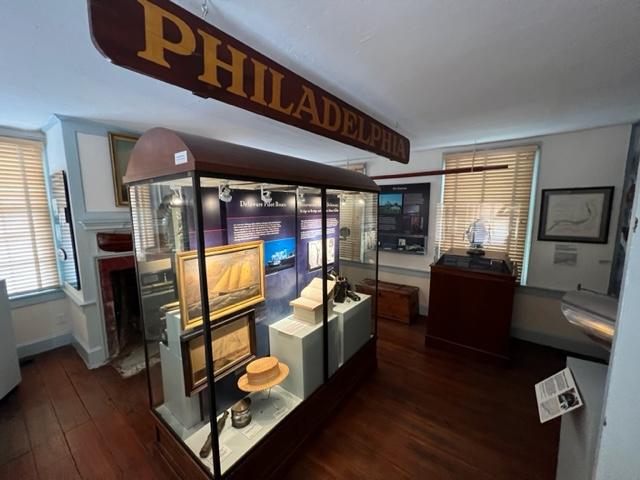
The inside of the Lewes Maritime Museum at the Cannonball House has many exhibitions to view.
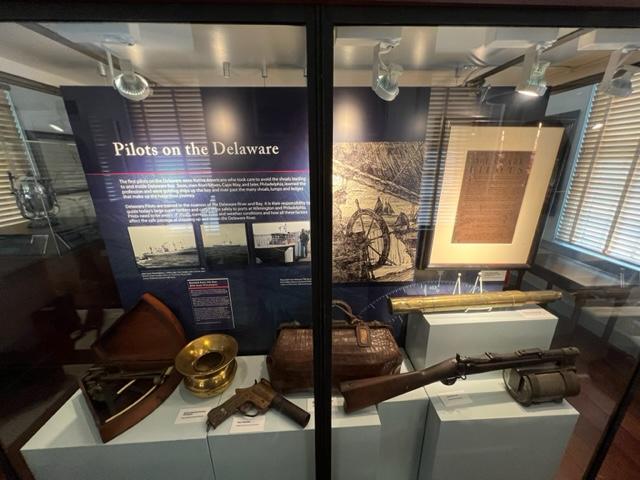
the Pilots display inside the Cannonball Museum
The Philadelphia exhibition
Display at the museum
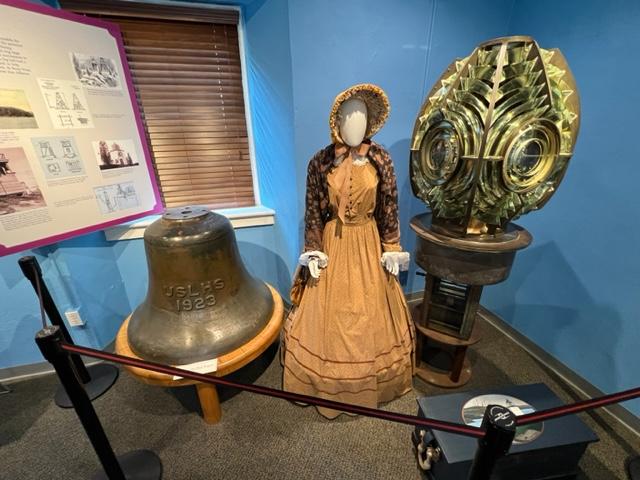
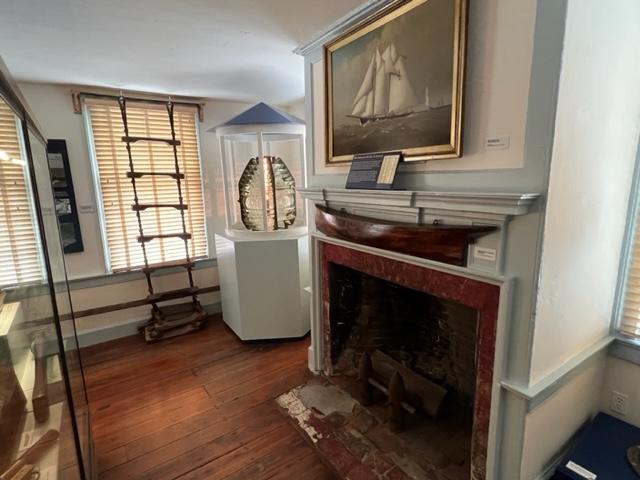
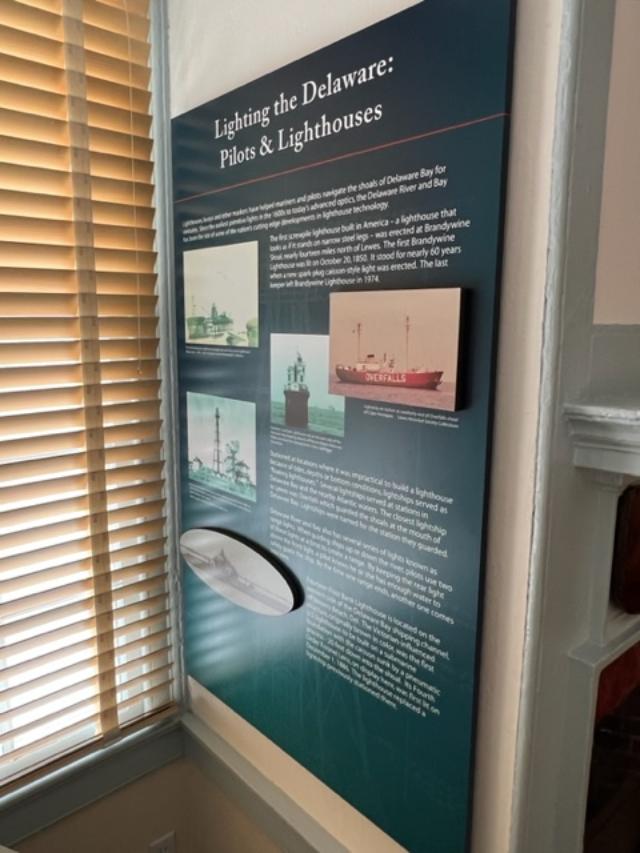
The lighthouse display
The lighthouse light
The lighthouse display
The Shipping Display
Object from the Shipping Display
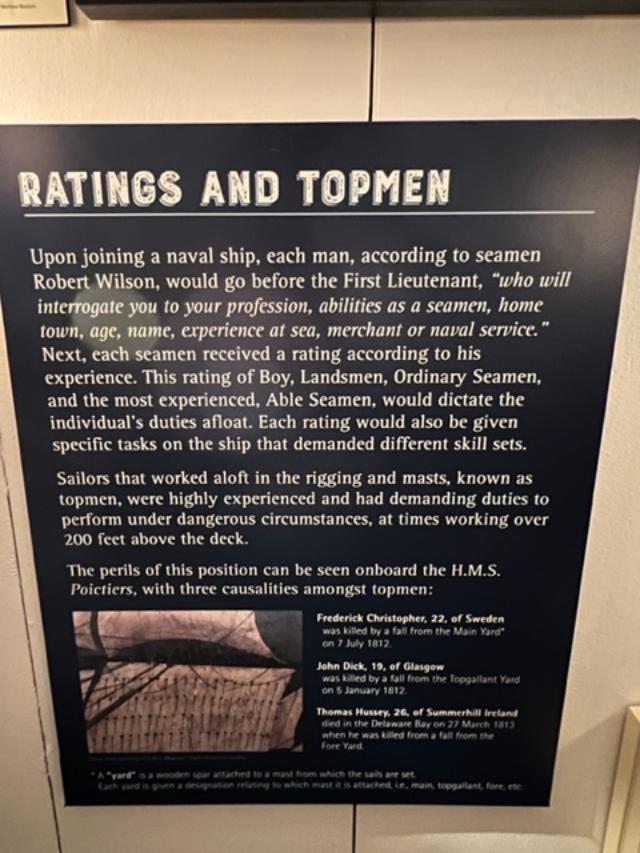
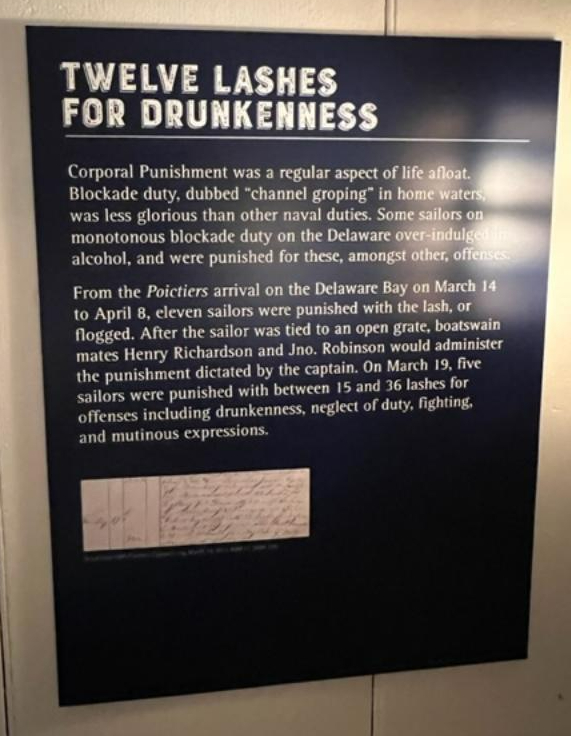
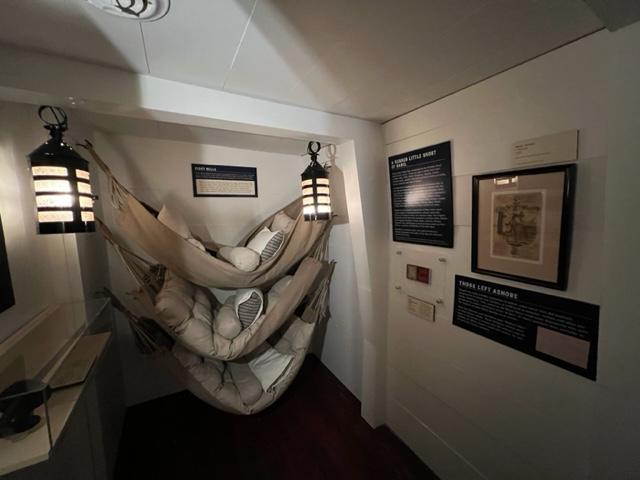
The museum had a display about life at sea. This included the bunking of sailors in the hull at that time. This was interesting look at life at that time.
The signs
The signs
Life on the ship
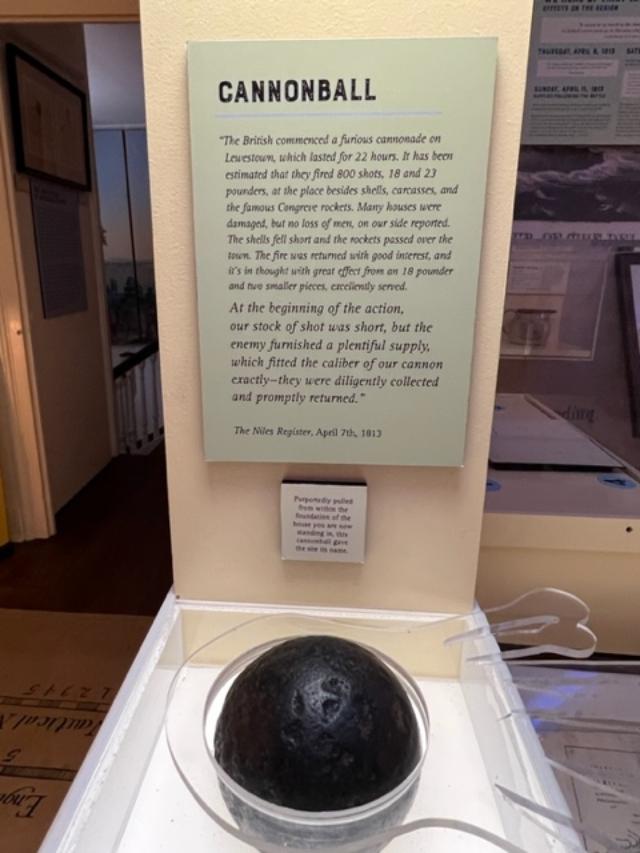
Still the most famous pieces in the museum is the cannonballs.
The Cannonball that hit the house
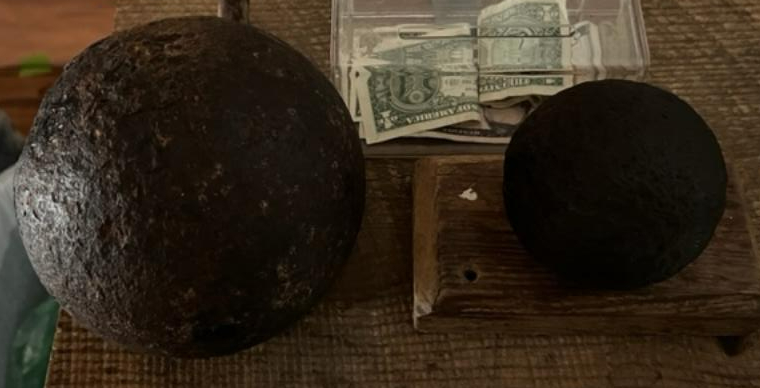
Cannonballs dredged from the canal.
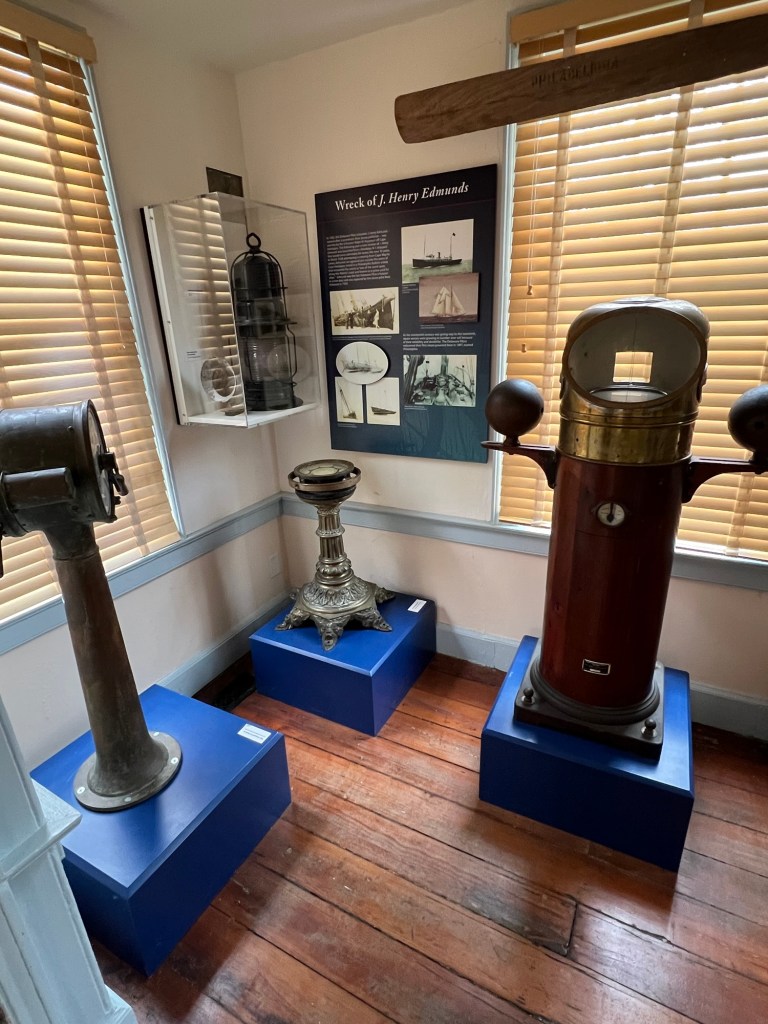
The second floor ‘Henry Edmonds’ artifacts
Wreckage artifacts on the second floor
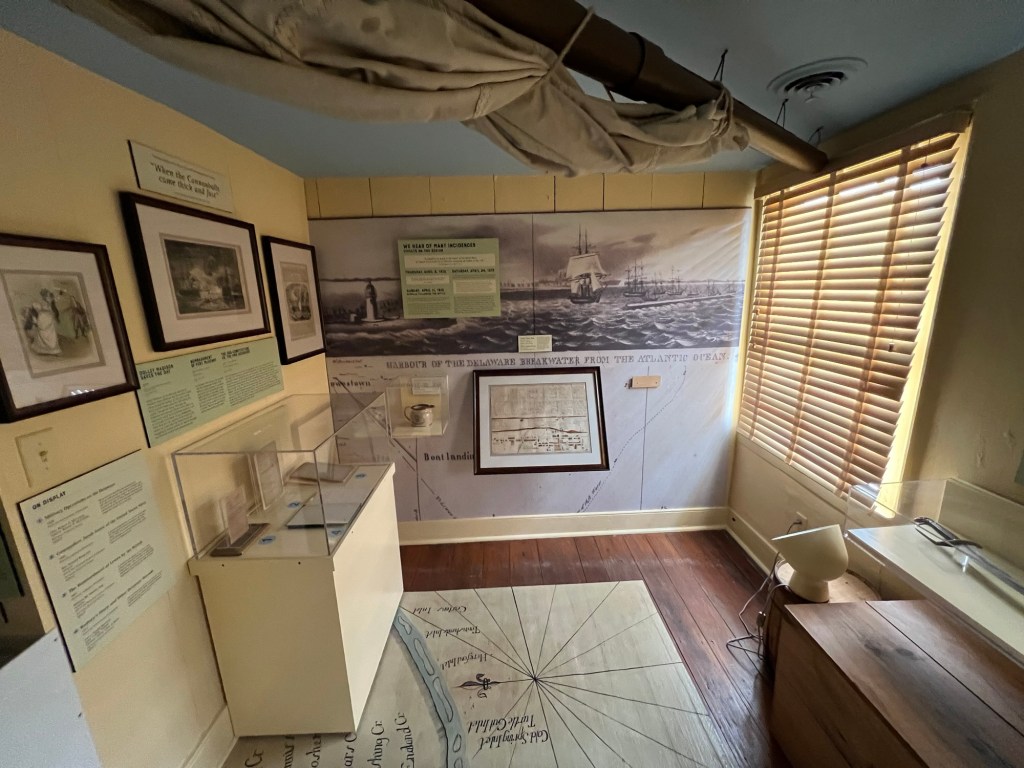
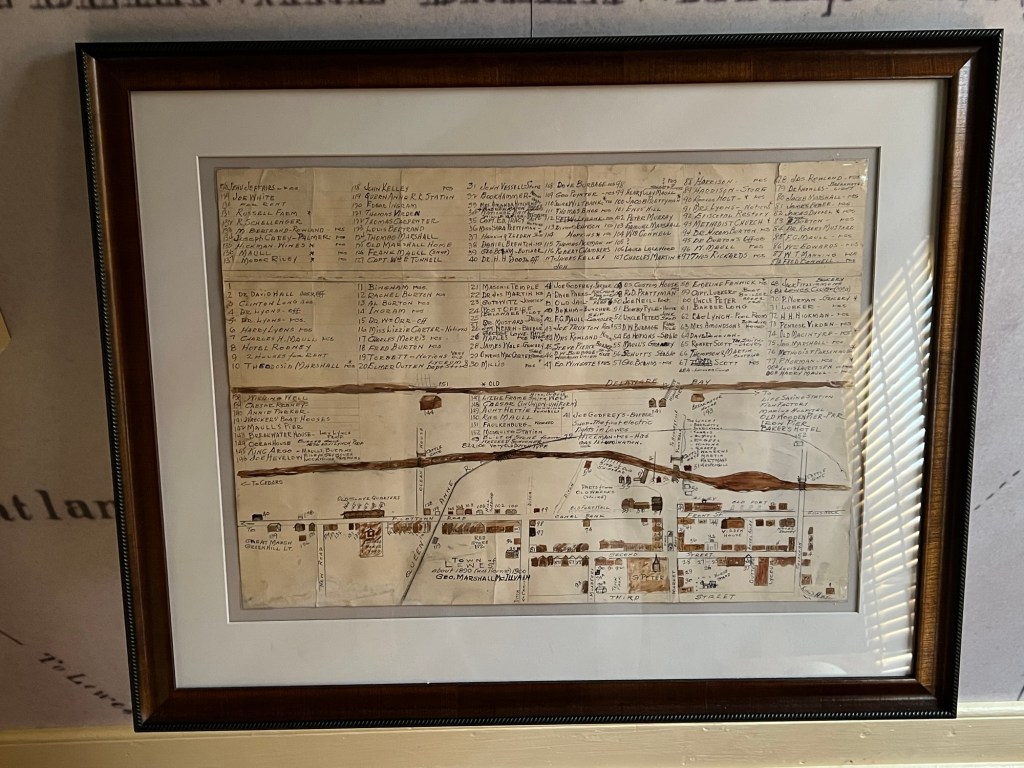
Downtown Lewes map
Ship attacks
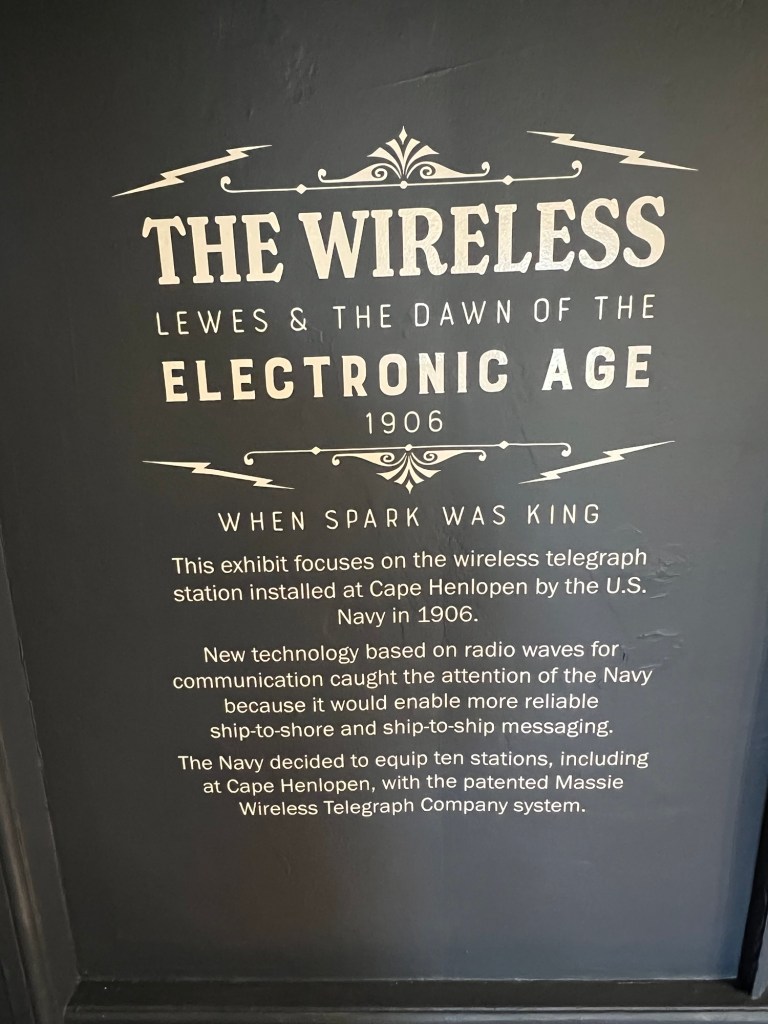
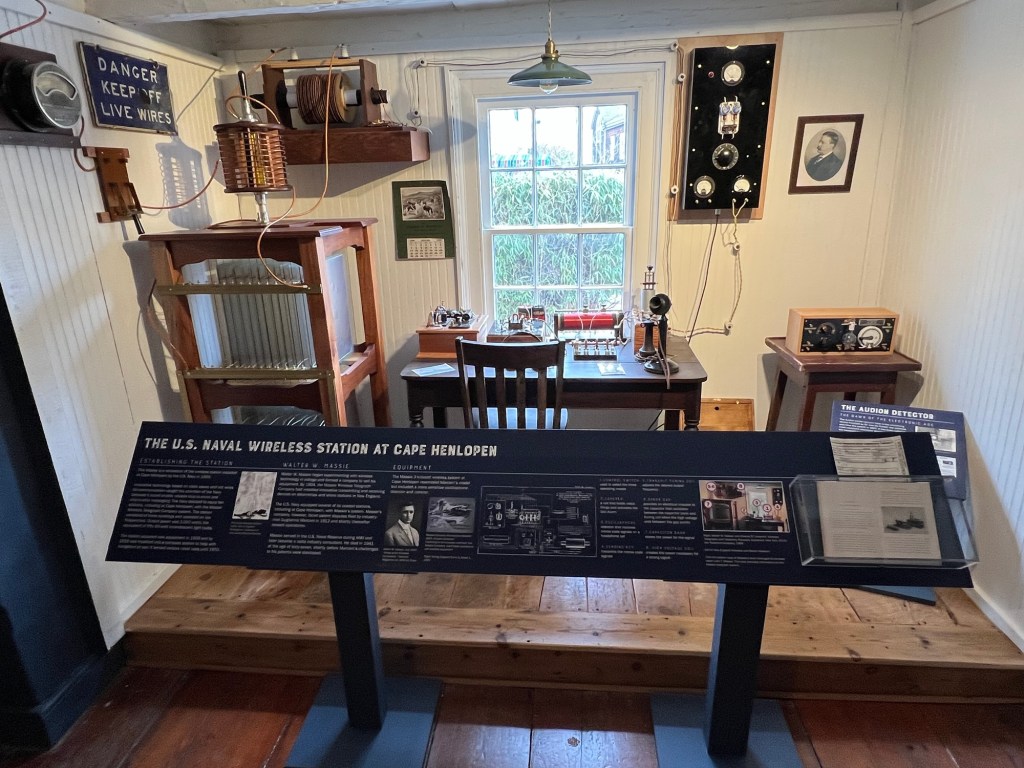
The New “Wireless Age” exhibition
The ‘Wireless Age’ exhibition
The ‘Wireless Age’ exhibition
The ‘Wireless Age’ exhibition
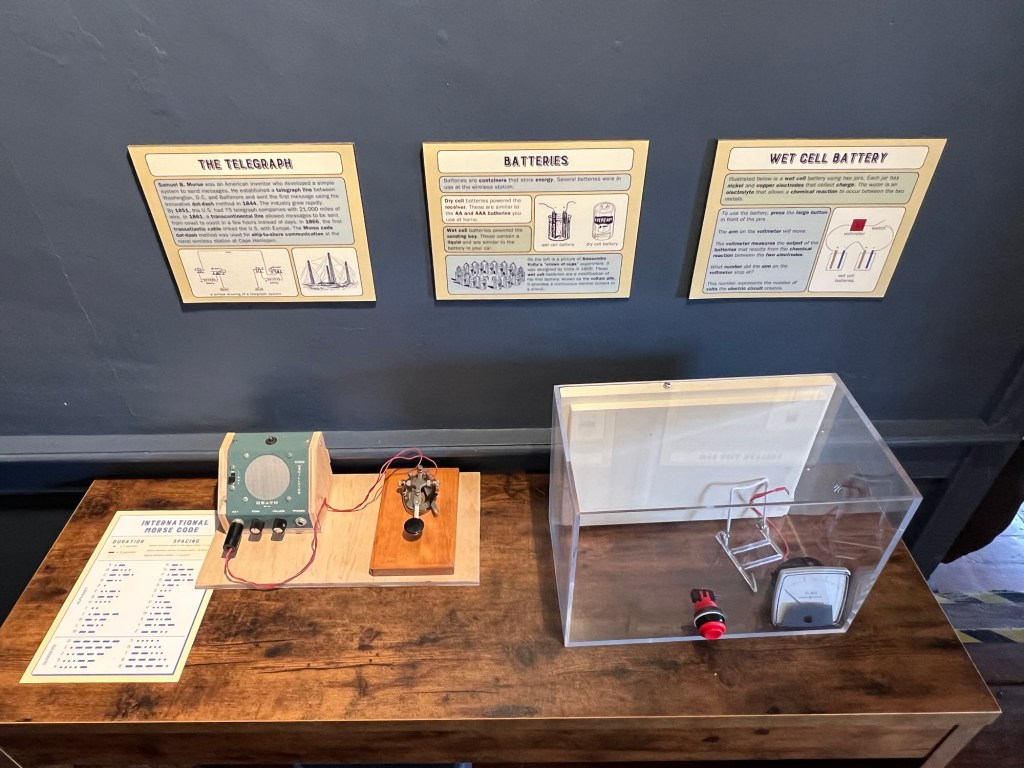
The Children’s exhibition for the ‘Wireless Age’
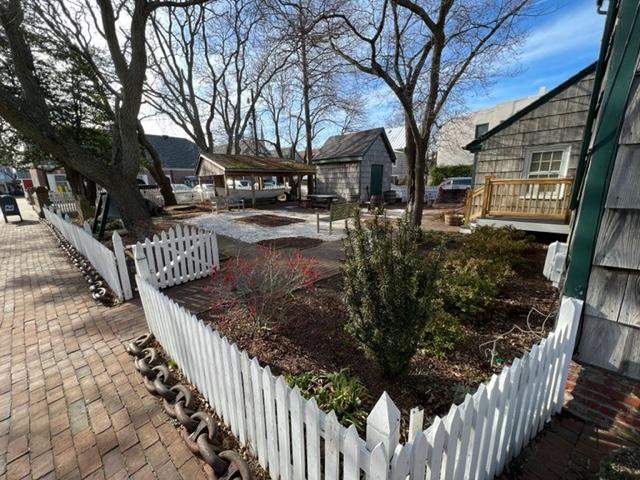
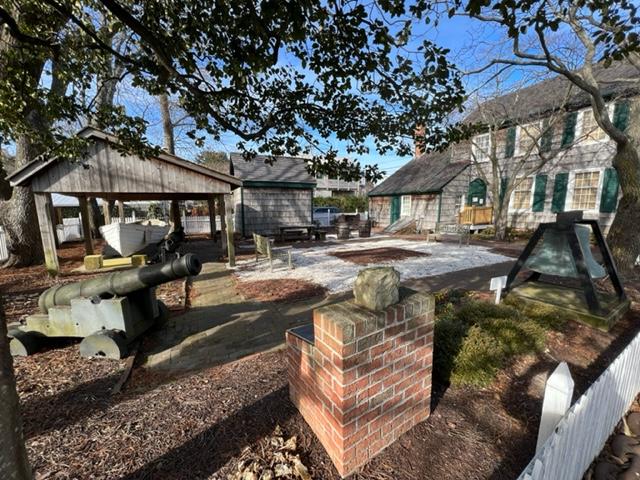
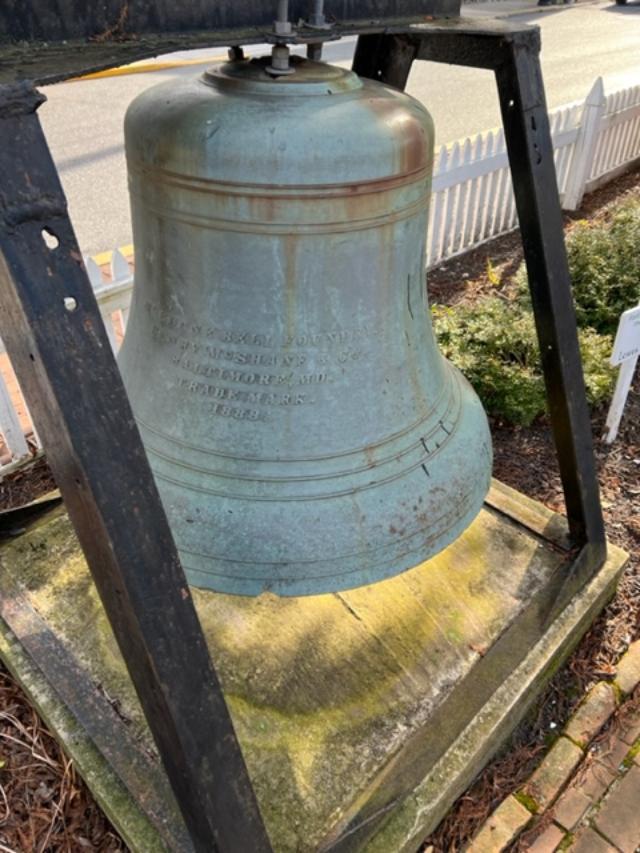
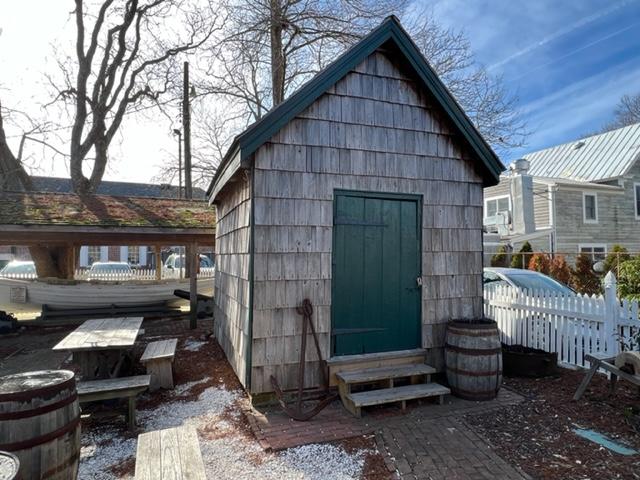
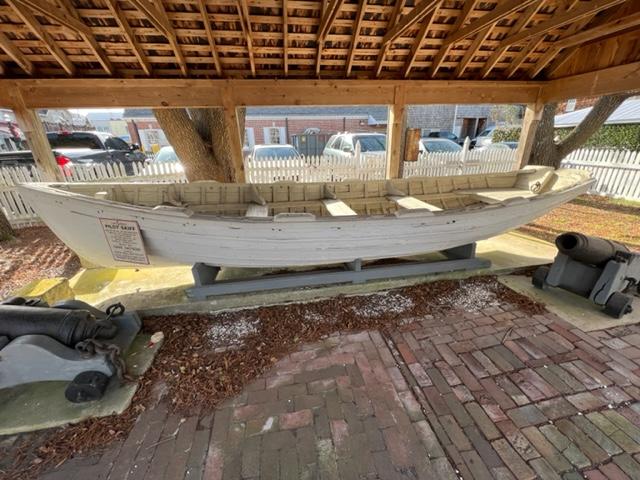
The Grounds of the Lewes Maritime Museum at the Cannonball House have all sorts of artifacts on the outside of the property include bells, boats and buildings. Take time during the season to walk the grounds and look over all the items in the garden.
The museum courtyard
The museum courtyard
The bell
The ice house in the courtyard
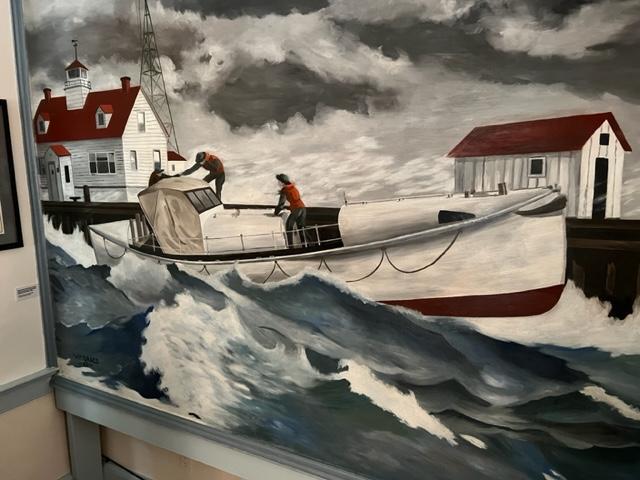
The Rescue Boat
One night they met on Pilottown Road and decided something needed to be done right then and there – at that moment The Lewes Historical Society was formed. Members were sought, funds raised, and the property was acquired – the historic Burton-Ingram House on Second Street. Two years later in 1963, the young historical society had raised the money to purchase the Rowland House, also commonly called the Cannonball House in honor of its scars from the infamous Bombardment of Lewes (Lewes Historical Society website).
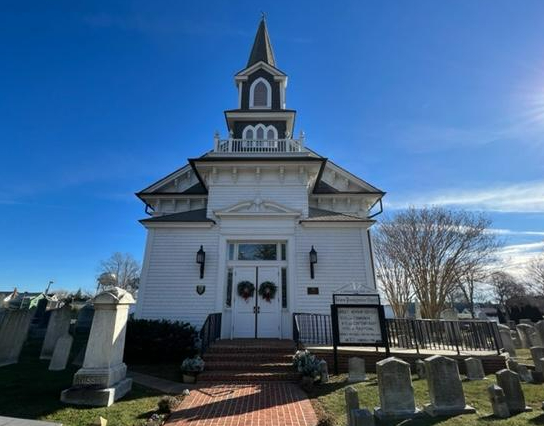
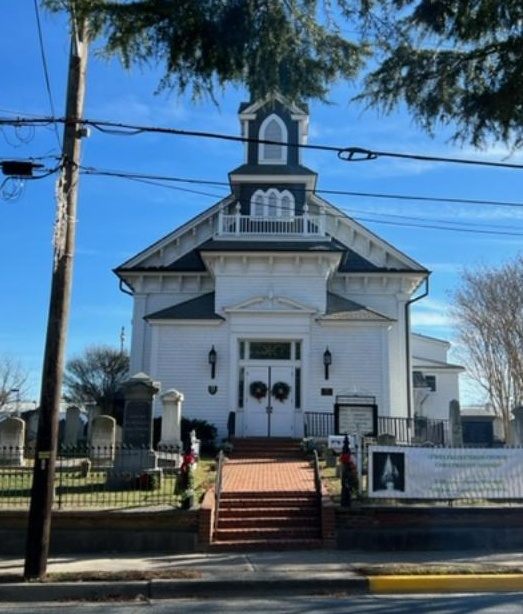
This beautiful church is located just off downtown Lewes, DE. The church’s cemetery is what attracted me to the site with all the historical names of founding families of Delaware and of Lewes and its ties to the Revolutionary War. It is interesting to walk around and look at the names on the tombstones and wonder what their lives must have been like back then. The church is only open on Sunday mornings so I have not had the chance to see inside. It’s stained glass windows are supposed to be amazing.
I am going to try to attend services there the next time I am in town.
The historic marker
Our History
(Written by Judith Atkins Roberts, 2003-Lewes Presbyterian Church website)
Presbyterianism came early to the Eastern Shore and Sussex County as Scots and Scotch-Irishmen sought refuge from the oppression of Charles II of England. In 1683, the Presbytery of Laggan, Scotland sent Rev. Francis Makemie to America. He is considered the Father of Presbyterianism in America and through his leadership the church grew rapidly. In 1683, he organized a church in Rehobeth, Maryland.
The congregation at Lewes was established under Rev. Samuel Davis, one of Makemie’s “young men,” in 1692. In 1707, the congregation built a small wooden church on one hundred feet square of land which was part of an original land grant. This frame building is believed to have been the second Presbyterian Church in Delaware.
OLD BRICK CHURCH – 1727
In 1727 a brick church was built for the Rev. John Thomson who served the Lewes congregation from 1717-1729. A small picture of this church is displayed in the Conference Room of the present church. This second church served as a school and church until 1832 when the present church was consecrated during the ministry of the Rev. John Mitchelmore. A centograph is displayed in the vestibule in memory of Rev. Mitchelmore who drowned in the Delaware River. In 1871 the brick church was demolished.
The original brick church
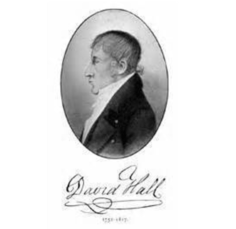
COL. DAVID HALL
During the War for Independence, George III once referred to the conflict as a Presbyterian rebellion and so it was as Presbyterians were invariably staunch patriots. The first democratic governor of Delaware, Col. David Hall, who had been commander of the Delaware line during the hostilities, was a member of the Lewes congregation.
The church cemetery
REV. MATTHEW WILSON
The most colorful of Lewes’ patriots was her Presbyterian minister, the Rev. Matthew Wilson, who was a scholar, teacher, author and preacher. He held degrees in medicine and divinity and had a great knowledge of law. He was so fervent a patriot that he wore the word “Liberty” on his hat. His first son, James Patriot Wilson, was a lawyer, then a minister who served the First Presbyterian Church in Philadelphia for forty years. James Patriot’s son, James Patriot, was President of Delaware College and the Union Theological Seminary. Thus the Wilsons continued the high standard of education which had been initiated by Rev. Matthew Wilson. It was he who suggested that an institution of higher learning be established at Newark fifty years before Delaware College was founded (Church website).
The church cemetery
The Church cemetery in the Spring 2024
The Sleeping tombstones at Lewes Presbyterian Church cemetery.
STAINED GLASS
Alterations have been made over the years to the present church which formerly had a balcony around three sides of the interior. The original windows were three sections of leaded glass panes which were replaced in 1926 by the six exquisite stained glass windows which now beautify our sanctuary. The Biblical events depicted in the windows are:
Come Unto Me
Blessing the Children
The Resurrection
The Nativity
The Good Shepherd
Walk to Emmaus
Two more windows were placed in the vestibule in 1965. The one on the left is in memory of Mrs. Lena Tammany. The circular one on the landing is in memory of our most beloved pastor, the Rev. William Leishman who served our church for 34 years (Church website).
The Church at Christmas time
RENOVATIONS
The organ and the choir were established in the balcony until 1877 when both were moved to the newly constructed choir loft. The Mustard property on the west side of the church was purchased and laid out in cemetery plots. The trustees also bought the Wesley property on the other side of the church where they built a manse. The present manse was built in 1959.
By 1886, extensive renovations were made to the interior and exterior of the church. The side galleries were removed, an open steeple was built to house a one thousand pound bell. A new organ was installed in the choir loft.
In 1900, a pipe organ was purchased and the church interior was redecorated. This organ was completely renovated in 1981 and in 2009. The Sunday School building (now the middle section of the new Activities Building constructed in 2000-01 was built in 1914. In 1950, the basement was finished and decorated as a social and recreational hall for the congregation.
Additions and changes have been made to the entrance over the years, the last one in 1931 when the original doorstep was placed on the right of the vestibule. In the late 1940’s the old steeple was replaced with a closed tower. In 2008-09, the sanctuary was reconstructed and rededicated to the glory of God on September 27, 2009.
GIFTS TO THE CHURCH
One of the most valued possessions of the Lewes Presbyterian Church is her Session Book which was begun in 1756 by Rev. Matthew Wilson. In this book are the records of baptisms, marriages and funerals, as well as comments made by various ministers on the social behavior of some members of the church who did not always exemplify the strict doctrines against liquor and gambling. It was placed at the Presbyterian Historical Society in Philadelphia in 1982 for safekeeping.
Many gifts have been donated to the church over the years. The finest of these is the silver communion service which is believed to have been a gift of Col. Samuel Boyer Davis who commanded the militia during the bombardment of Lewes by the British in 1813. Col. Davis was the great-grandson of Rev. Samuel Davis.
Today our church continues the traditions established over nearly three hundred years. Perhaps our most beautiful tradition is that of the annual Candlelight Service at Christmas which was first held on December 16, 1924. Each year, the Nativity window is lit from the exterior of the church. Then at the close of the service, as each worshiper holds a lit candle, the church is darkened and voices are raised in a Christmas hymn which reminds us all of God’s precious gifts to us –













 Visiting a Museum: The Unique, Unusual, Obscure and Historical