Category: Walking Downtown Lewes DE

The Lewes Maritime Museum at the Cannonball House                                                                     118 Front Street                                                                   Lewes, DE 19958

The Lewes Maritime Museum at the Cannonball House 118 Front Street Lewes, DE 19958

The Lewes Maritime Museum at the Cannonball House

118 Front Street

Lewes, DE 19958

(302) 645-7670

https://www.historiclewes.org/visit/society-properties/cannonball-house.html

Open: Sunday-Monday Closed/Tuesday-Saturday 10:00am-4:00pm

Admission: $5.00 (this includes admission to the Lewes History Museum)

My review on TripAdvisor:

https://www.tripadvisor.com/Attraction_Review-g34028-d1382665-Reviews-Cannonball_House-Lewes_Delaware.html

My blog on The Lewes Historical Society:

https://visitingamuseum.com/tag/lewes-cannonball-house/
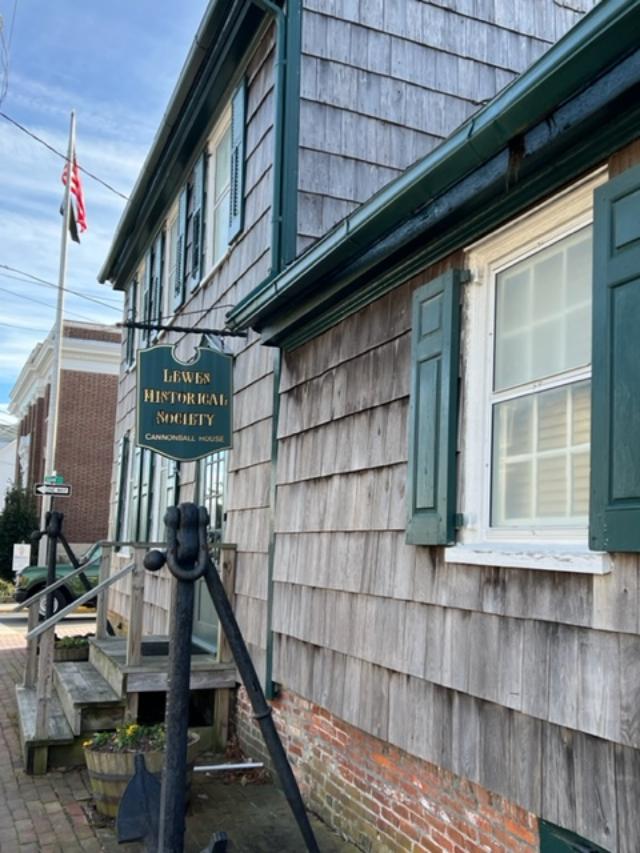
Our Mission:

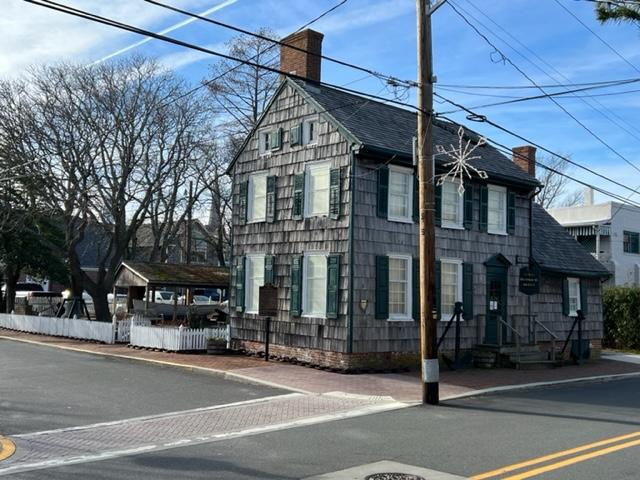
The Lewes Maritime Museum at the Cannonball House at 118 Front Street

The Lewes Historical Society promotes and advocates the preservation, interpretation, and cultural enrichment of the Lewes region, through museum exhibits, educational programs, historical research, and publications.

About The Lewes Maritime Museum at the Cannonball House

The Cannonball House was built c. 1765 and was once the home of Gilbert McCracken and David Rowland, pilots for the Bay & River Delaware. The Cannonball House has come to symbolize not only the Society, but the town of Lewes as well; previous uses included a restaurant, a laundry store, and, for a time, the mayor’s office. Harkening back to the town’s rich nautical heritage, the Cannonball House is the home of The Lewes Historical Society’s Maritime Museum. Nationally important pieces of maritime art and memorabilia are displayed in the house, including the Fresnel Lens of Fourteen Foot Bank Light. The exhibition of Breaking Britannia’s Grasp is also housed in the museum and is included in your admission.

Featured in many works on Delaware, the Cannonball House is a rare example of a Lewes house remaining on one site its entire existence. The Cannonball House was featured on the 2003 Lewes Business Directory (Lewes Historical Society website).
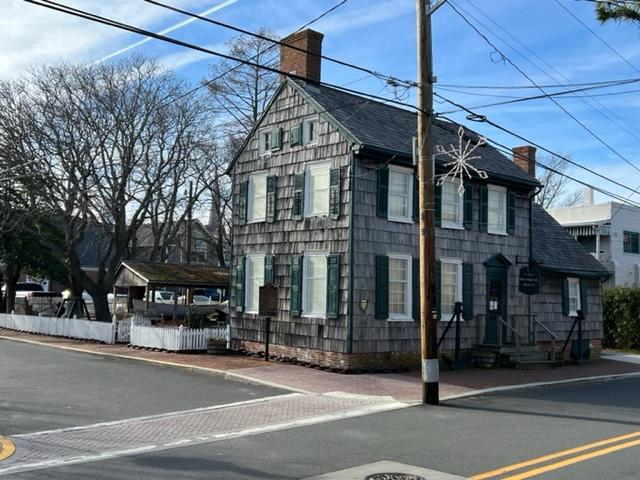
The front of the museum
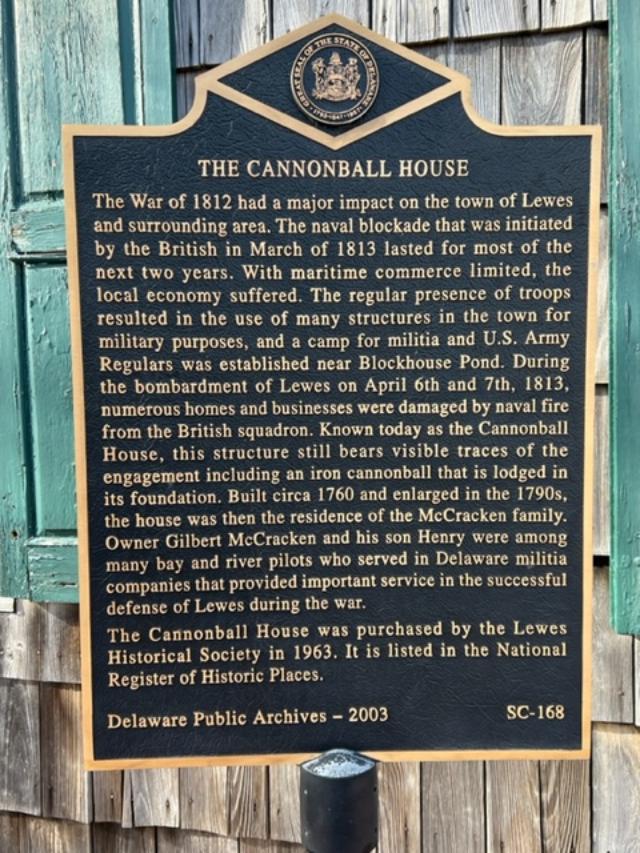
Historic Marker
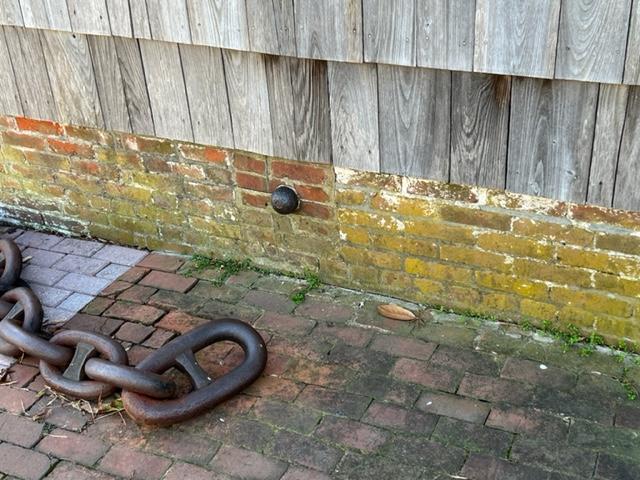
The Cannonball at the house (recreation)

On April 5, 2003, the Cannonball House was honored by the State of Delaware for its close association with the Bombardment of Lewes by the British on April 6th and 7th, 1813 and as the home of two heroes of those fateful days, Gilbert McCraken and his son Henry, both Pilots of the Bay & River Delaware.
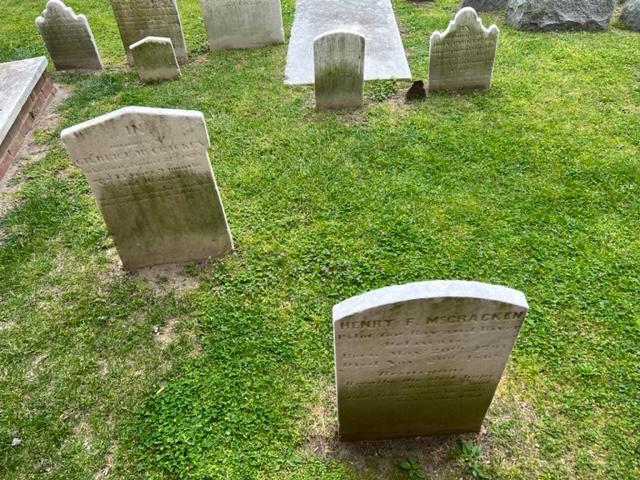
The Gilber and Henry McCraken burial site in downtown Lewes
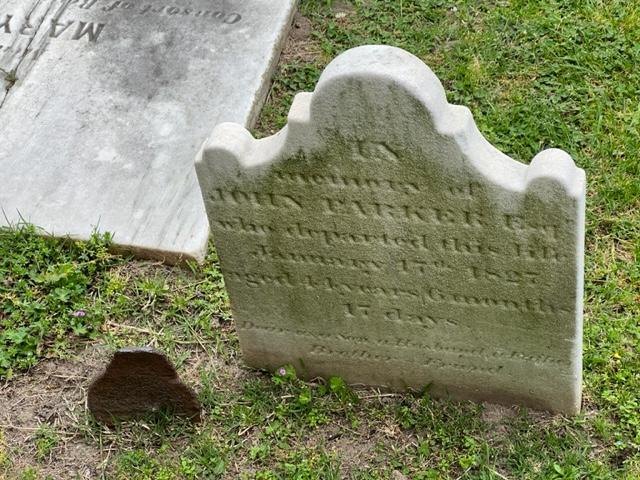
The tip of the anchor that Henry McCraken was buried with in the Episcopal Church cemetery.

The War of 1812 Park, across Front Street from the house and site of one of the two forts that defended Lewes during the bombardment, was also recognized. Gilbert & Henry McCracken served in a volunteer militia composed primarily of Delaware Pilots that defended Lewes until the end of the war in 1815 (Lewes Historical Society website).

Perhaps the two most famous landmarks in Lewes are the Zwaanendael Museum and the Cannonball House. Many visitors come to town seeking the famous house with a cannonball still in its side, yet many are unaware of how close the house was to being lost. During the summer of 1961, several Lewes citizens expressed concern that the town was losing its character as its old homes were slowly being lost. They were especially concerned about the plight of what they knew as the Capt. David Rowland House – an ancient one with a distinguished history; built prior to the revolution, it had been the home of generations of river and bay pilots and had been scarred by cannon fire during the War of 1812 (Lewes Historical Society website).

The inside of the Lewes Maritime Museum at the Cannonball House has many exhibitions to view.
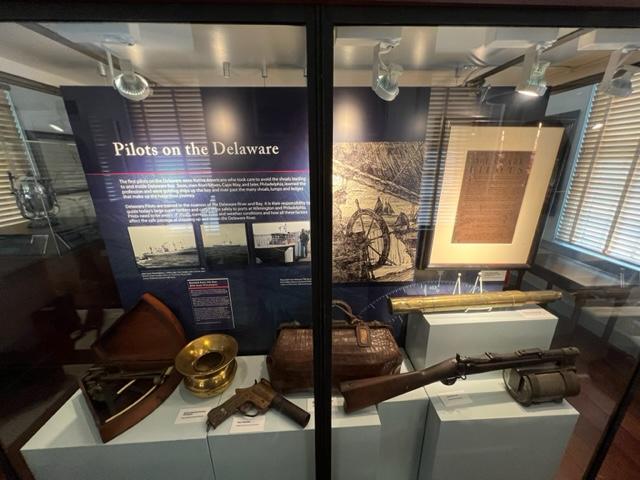
the Pilots display inside the Cannonball Museum
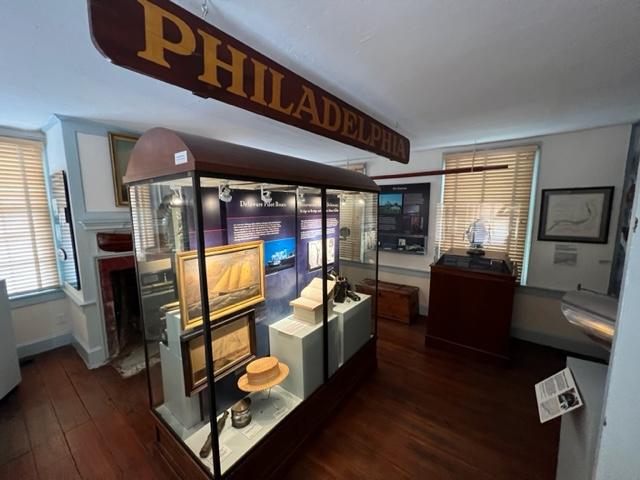
The Philadelphia exhibition
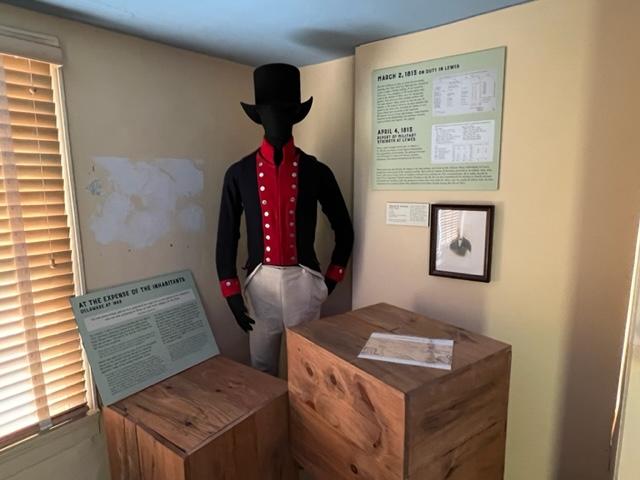
Display at the museum
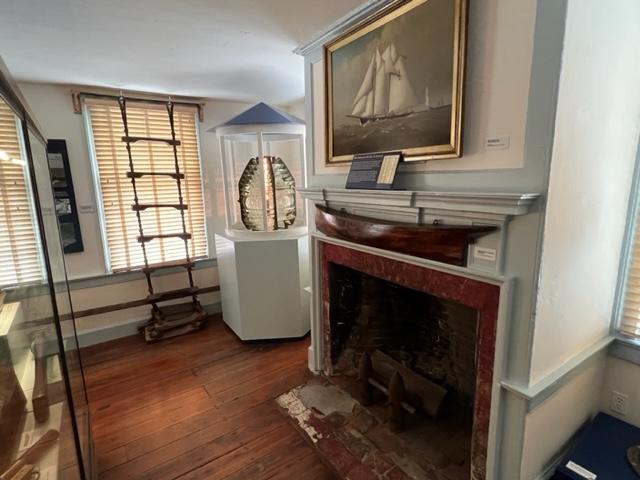
The lighthouse display
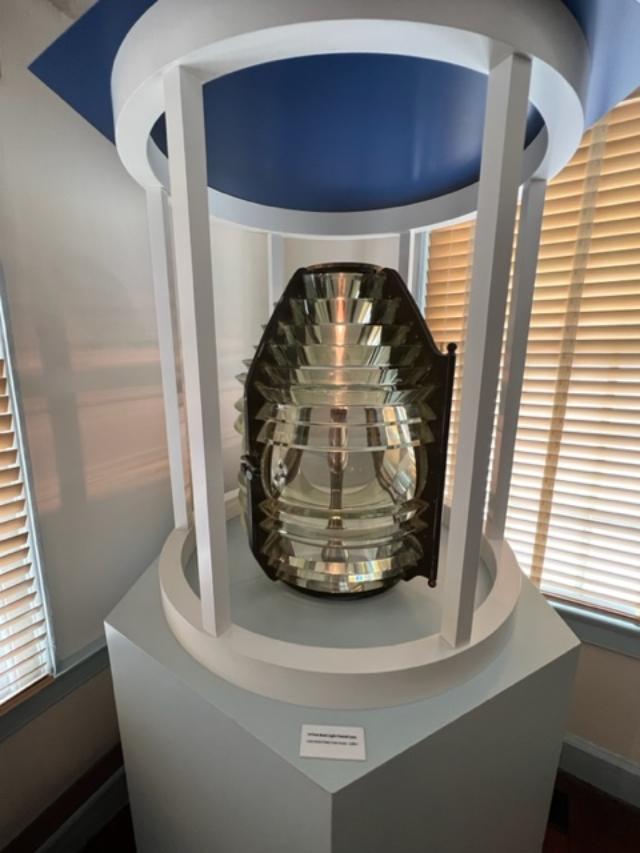
The lighthouse light
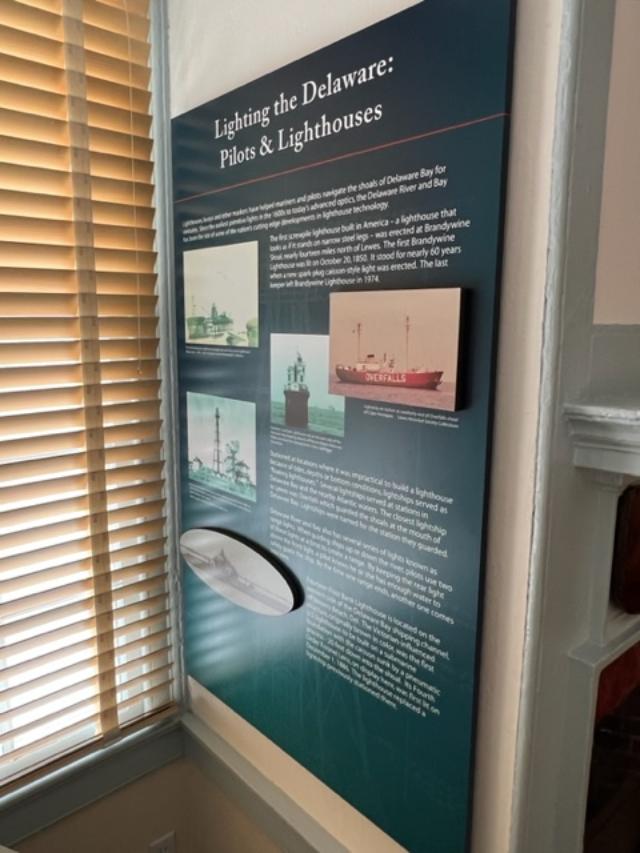
The lighthouse display
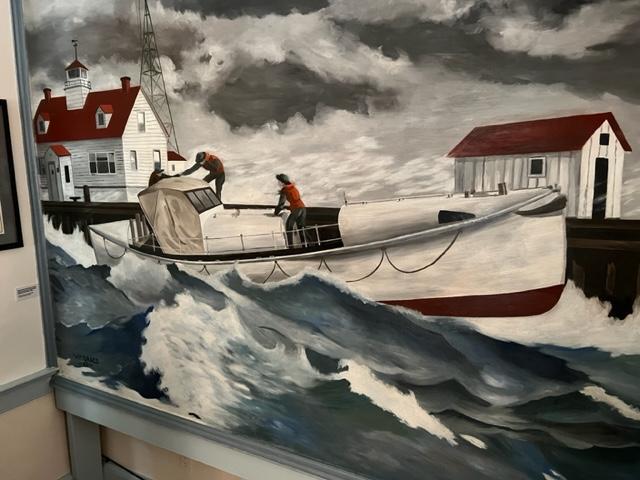
The Shipping Display
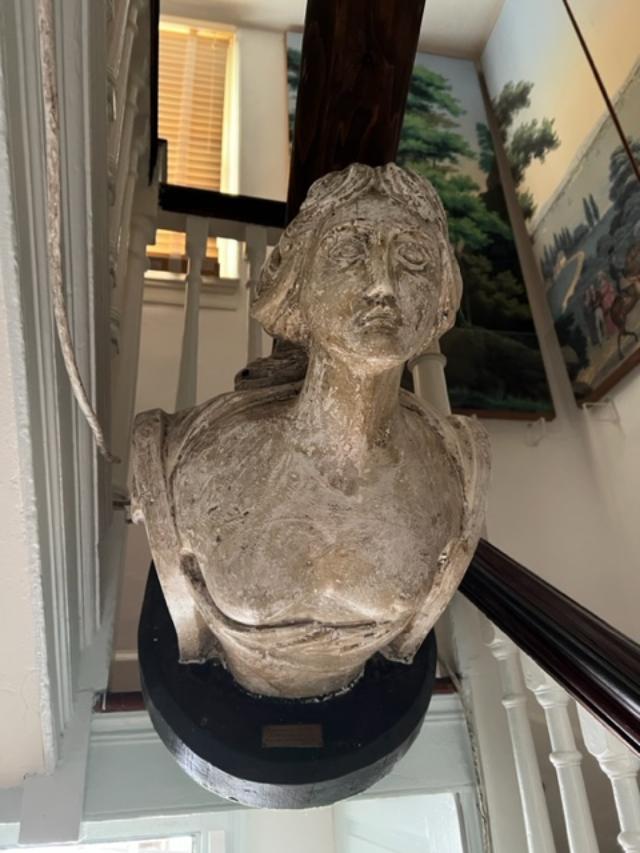
Object from the Shipping Display

The museum had a display about life at sea. This included the bunking of sailors in the hull at that time. This was interesting look at life at that time.
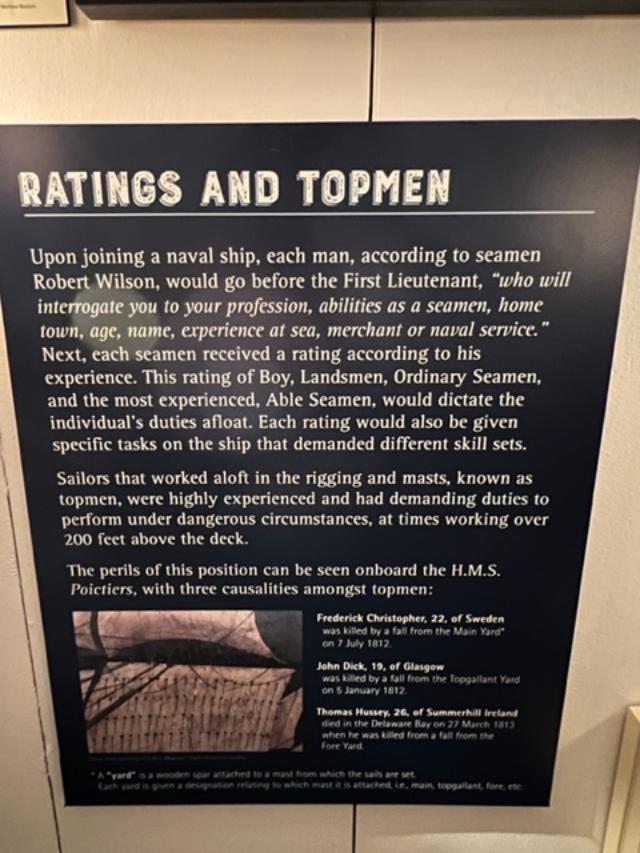
The signs
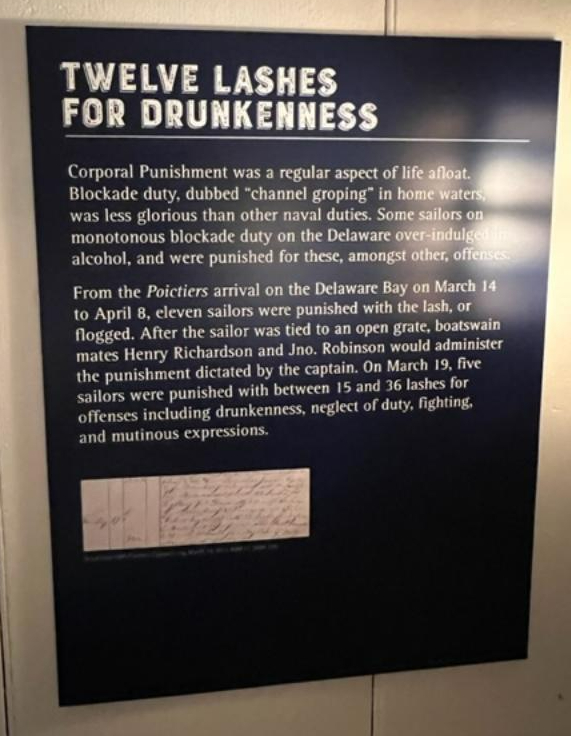
The signs
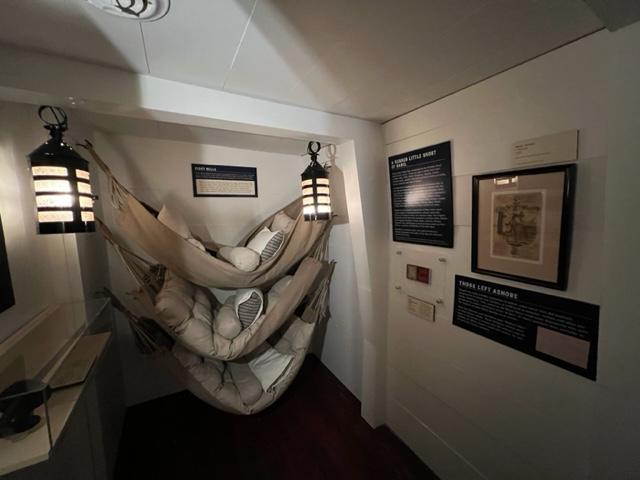
Life on the ship

Still the most famous pieces in the museum is the cannonballs.
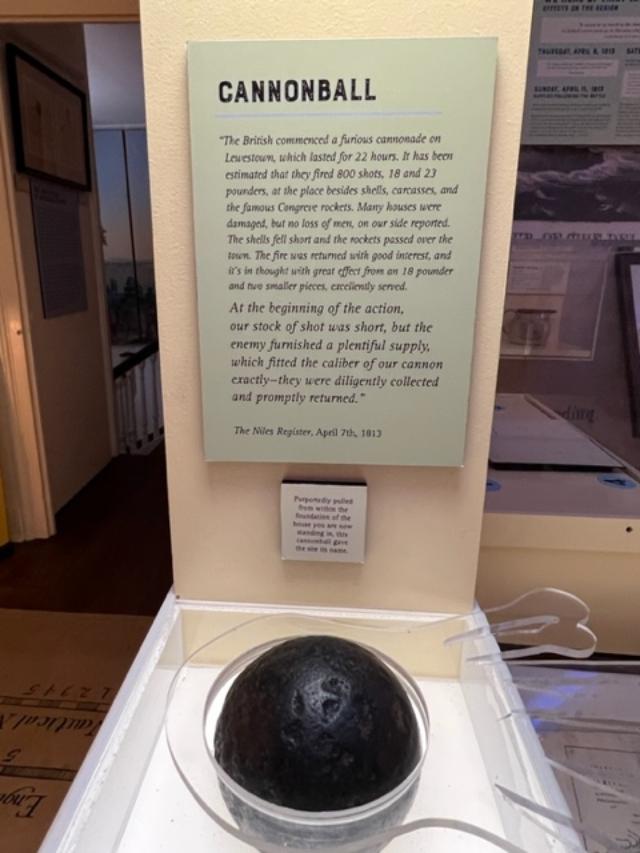
The Cannonball that hit the house
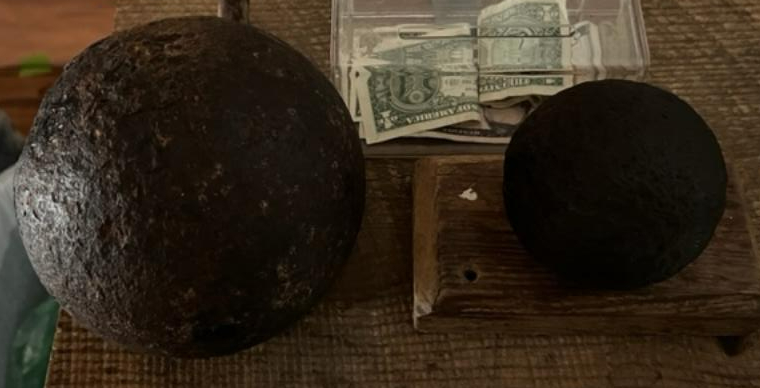
Cannonballs dredged from the canal.
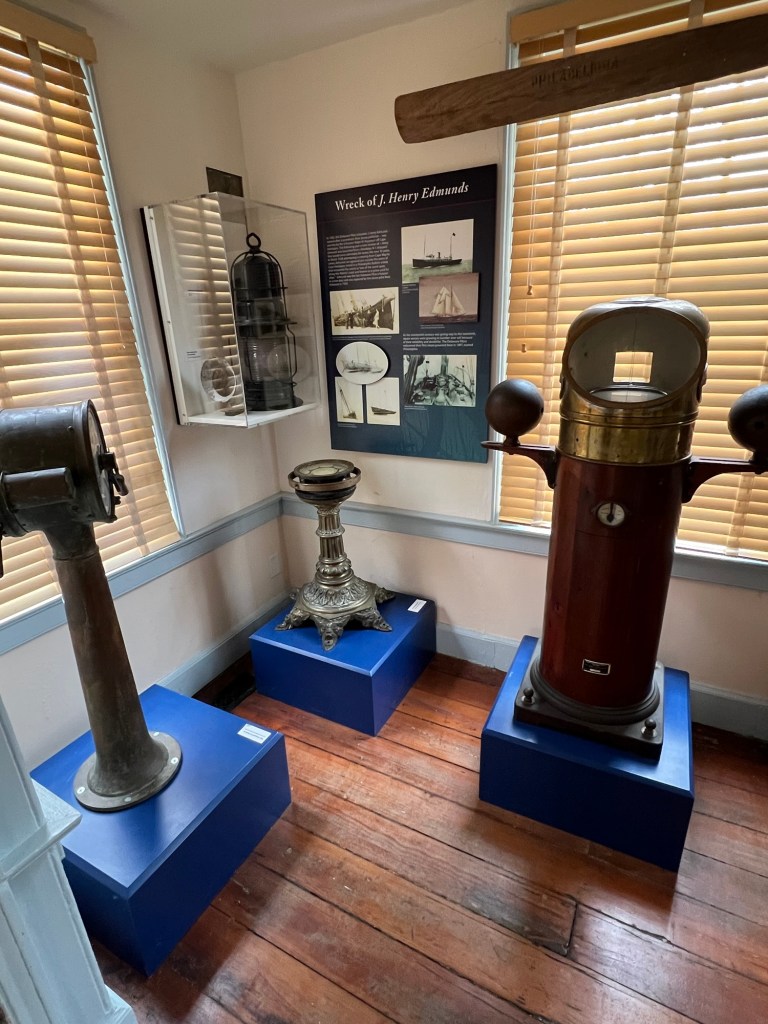
The second floor ‘Henry Edmonds’ artifacts
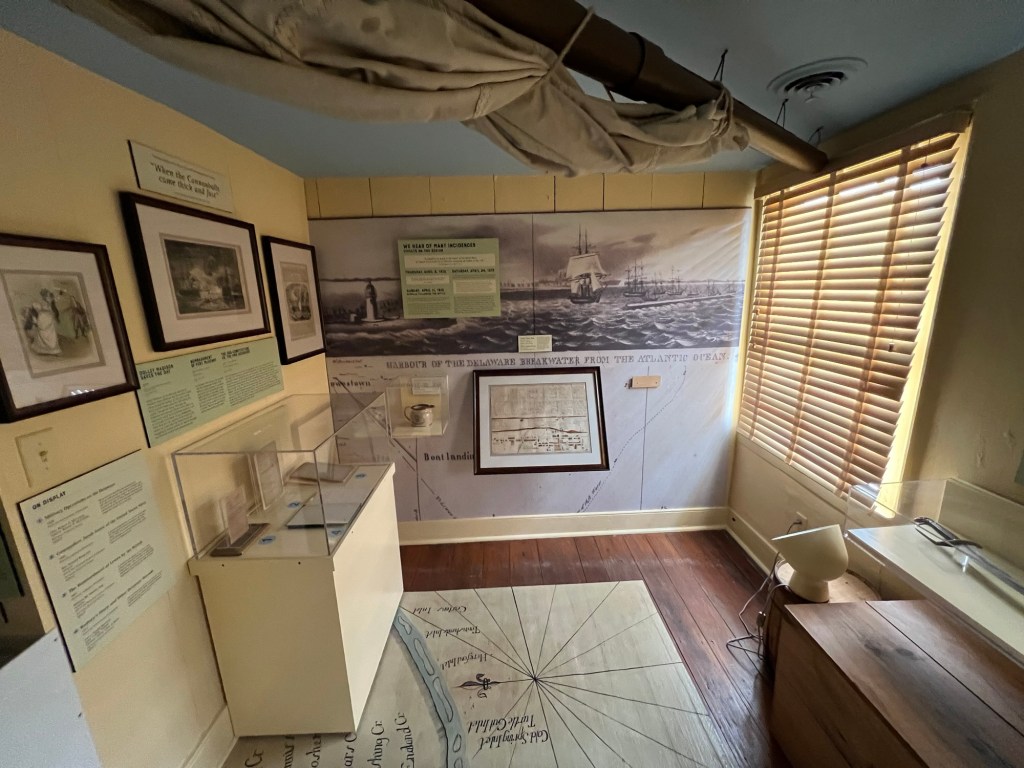
Wreckage artifacts on the second floor
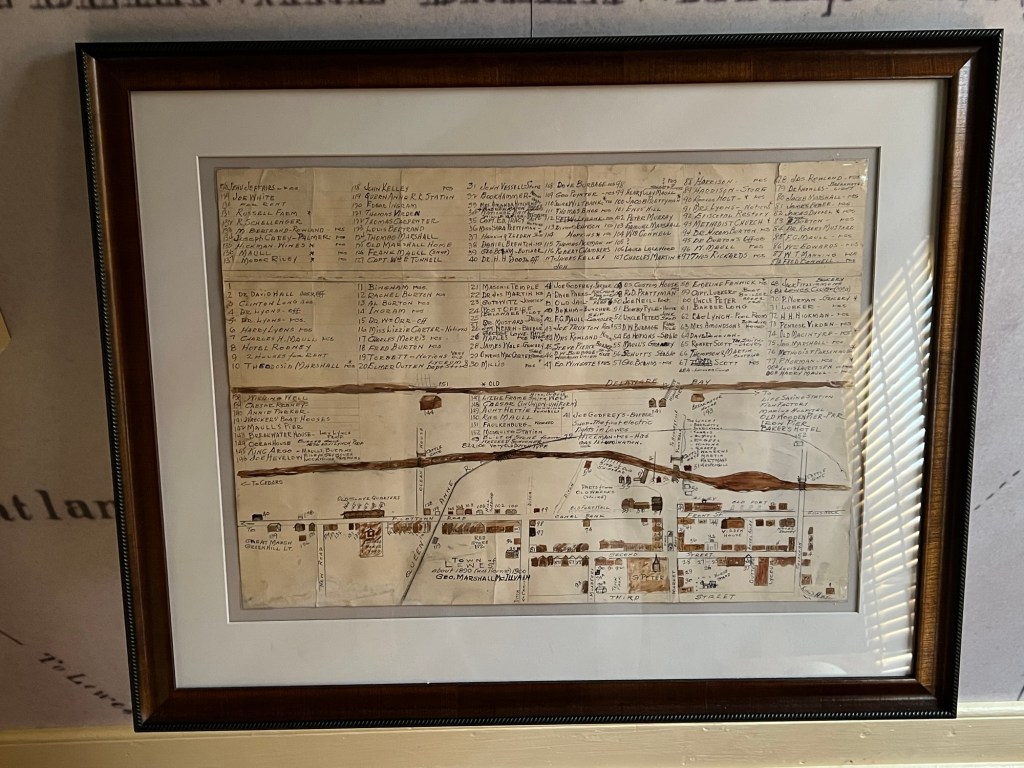
Downtown Lewes map
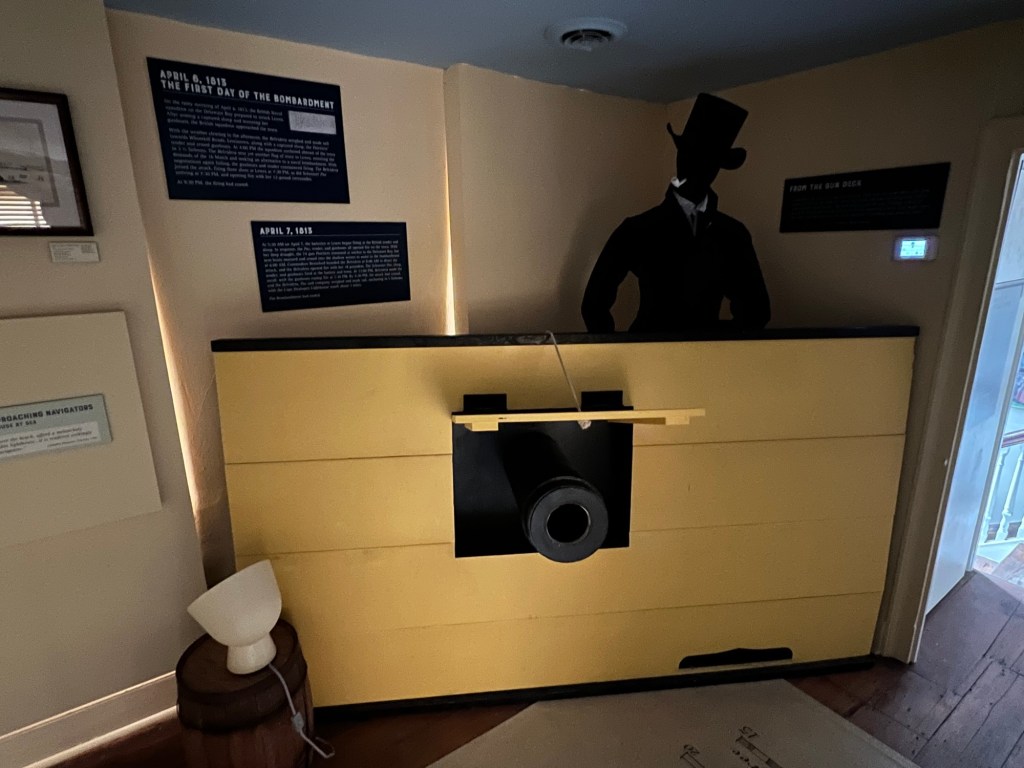
Ship attacks

The New “Wireless Age” exhibition
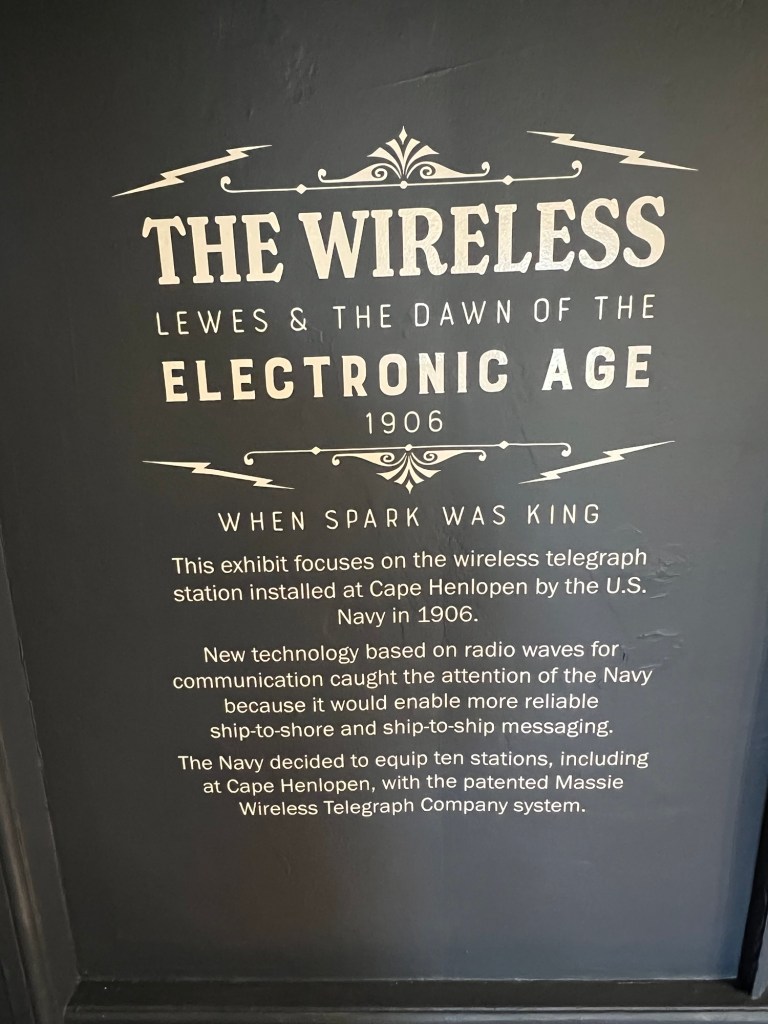
The ‘Wireless Age’ exhibition
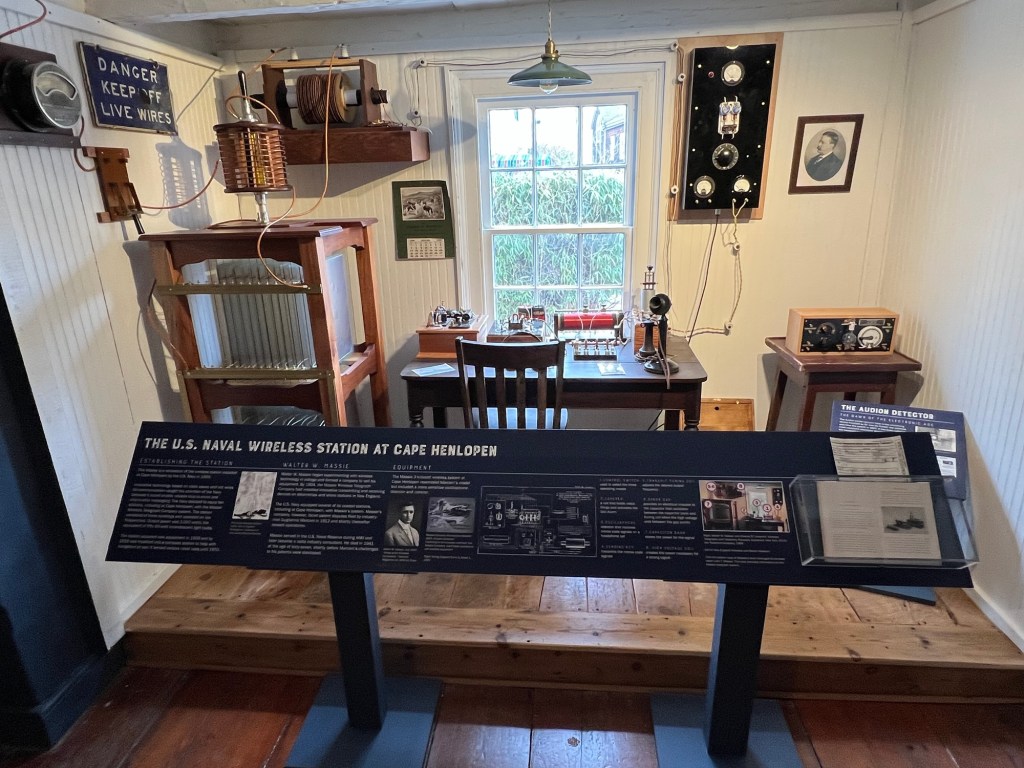
The ‘Wireless Age’ exhibition

The ‘Wireless Age’ exhibition
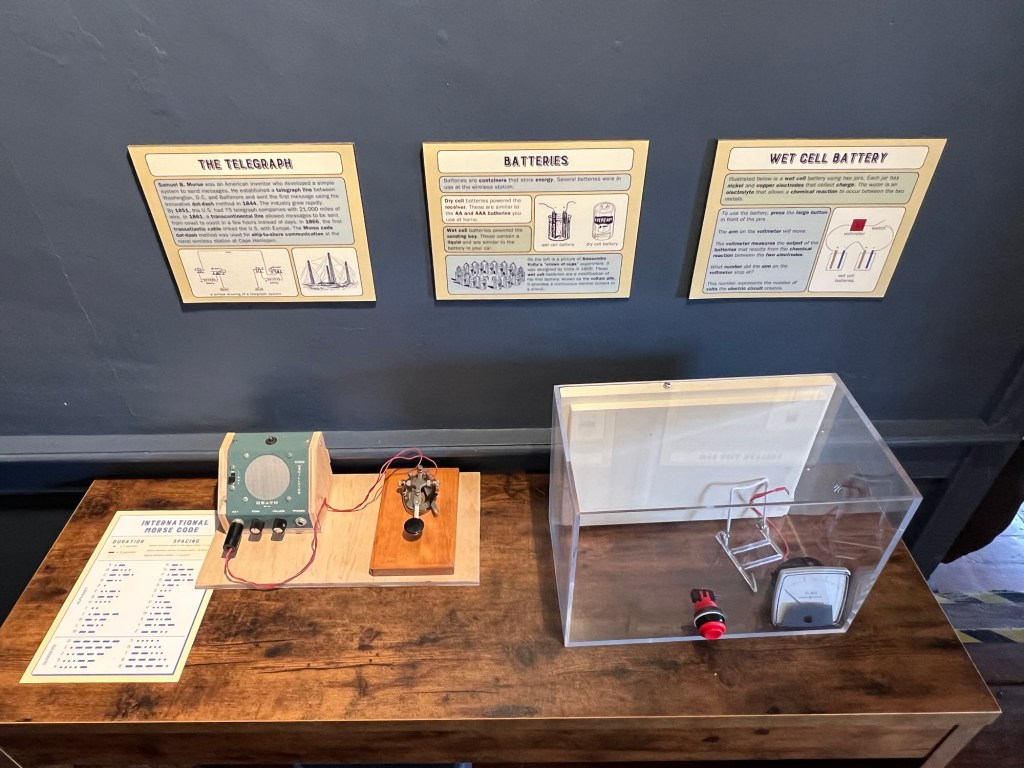
The Children’s exhibition for the ‘Wireless Age’

The Grounds of the Lewes Maritime Museum at the Cannonball House have all sorts of artifacts on the outside of the property include bells, boats and buildings. Take time during the season to walk the grounds and look over all the items in the garden.
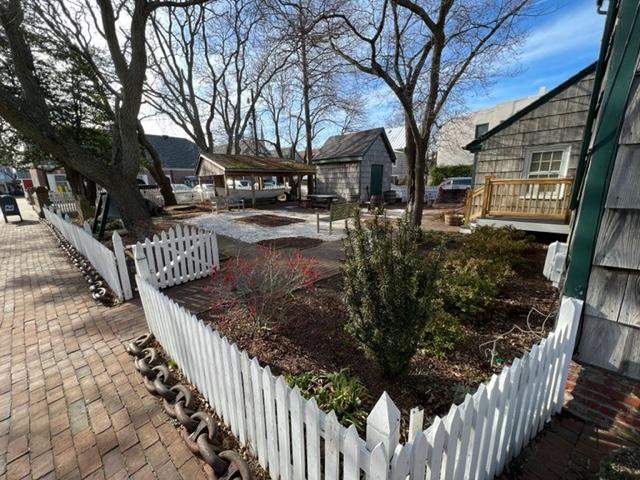
The museum courtyard
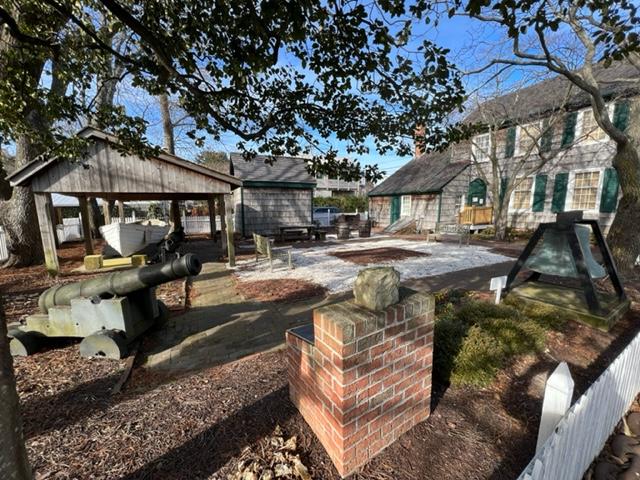
The museum courtyard
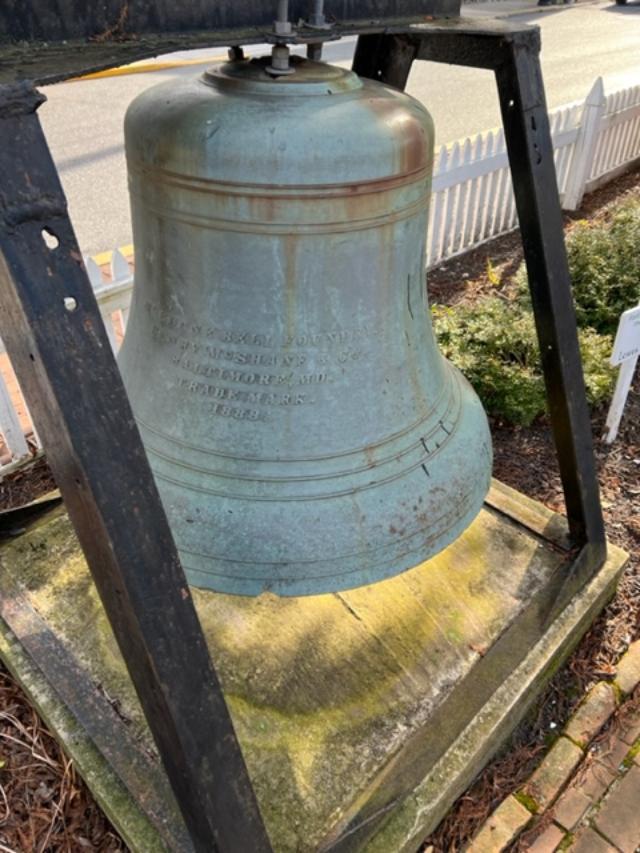
The bell
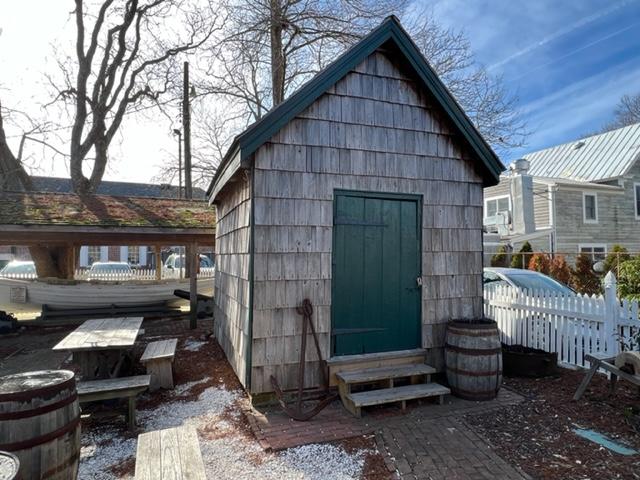
The ice house in the courtyard
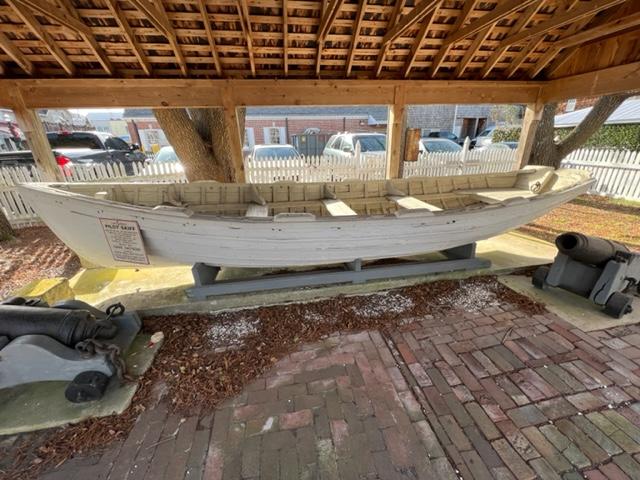
The Rescue Boat

One night they met on Pilottown Road and decided something needed to be done right then and there – at that moment The Lewes Historical Society was formed. Members were sought, funds raised, and the property was acquired – the historic Burton-Ingram House on Second Street. Two years later in 1963, the young historical society had raised the money to purchase the Rowland House, also commonly called the Cannonball House in honor of its scars from the infamous Bombardment of Lewes (Lewes Historical Society website).
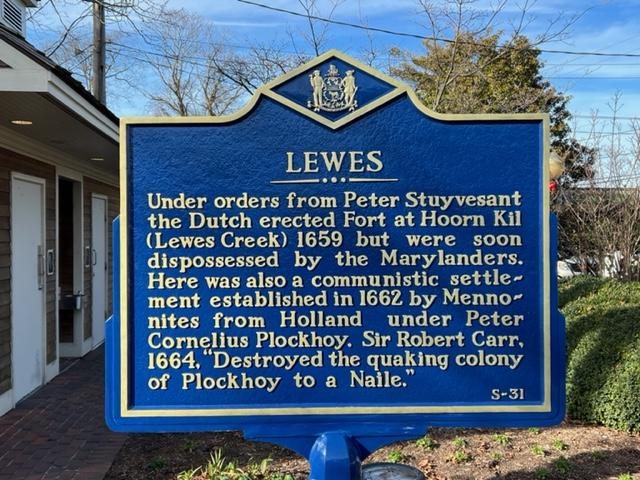
The Historical Marker of Lewes, DE
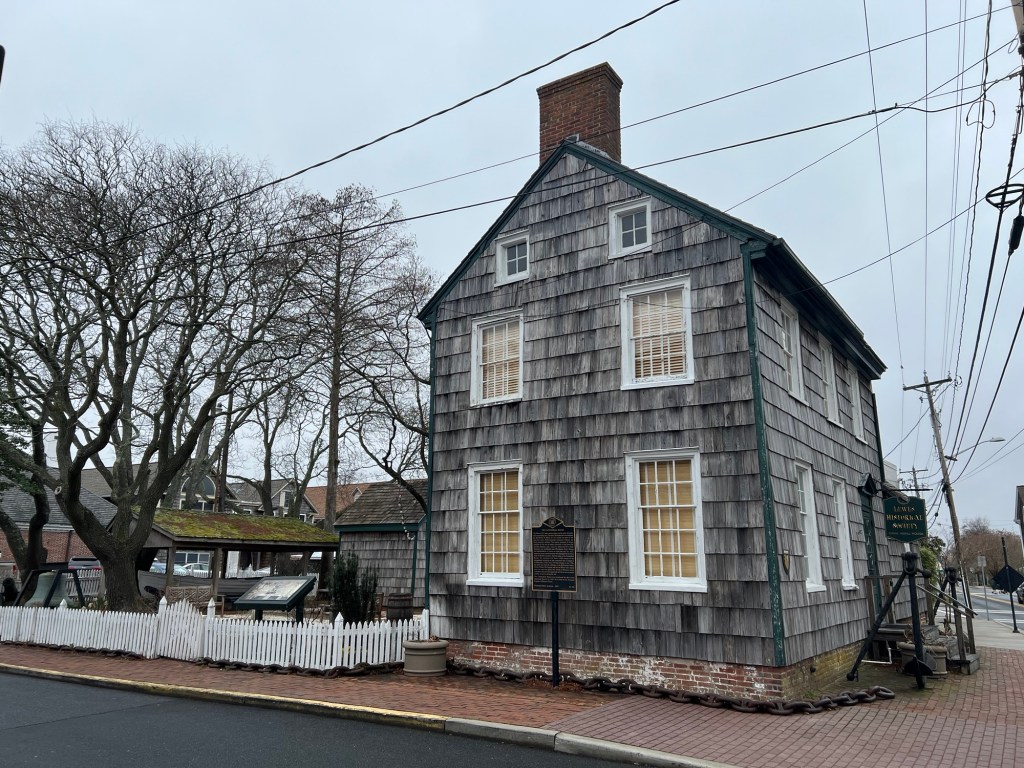
The museum in the early Spring
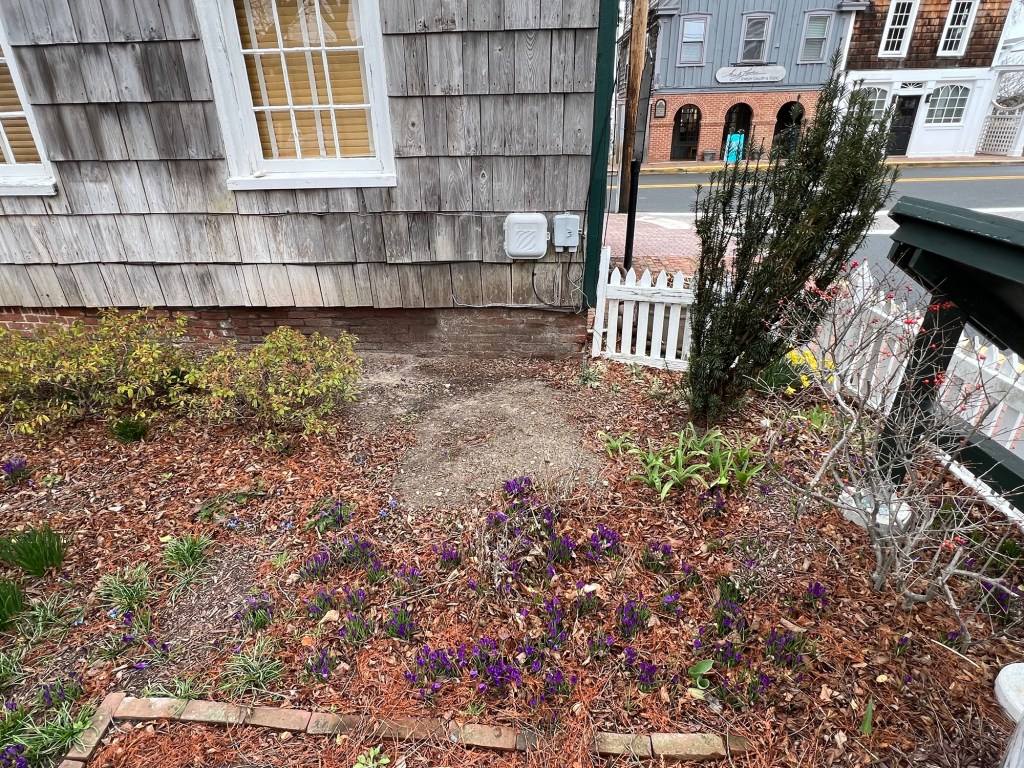
The grounds in the early Spring
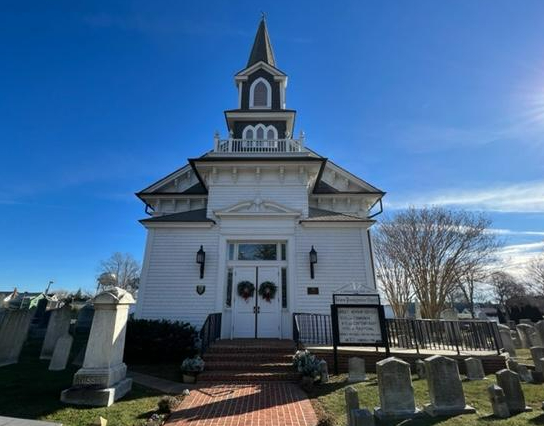
Lewes Presbyterian Church                                                            133 Kings Highway                                                                     Lewes, DE 19958

Lewes Presbyterian Church 133 Kings Highway Lewes, DE 19958

Lewes Presbyterian Church

133 Kings Highway

Lewes, DE 19958

(302) 645-5345

https://lewespresbyterianchurch.org/

https://www.facebook.com/people/Lewes-Presbyterian-Church/100068713518418/

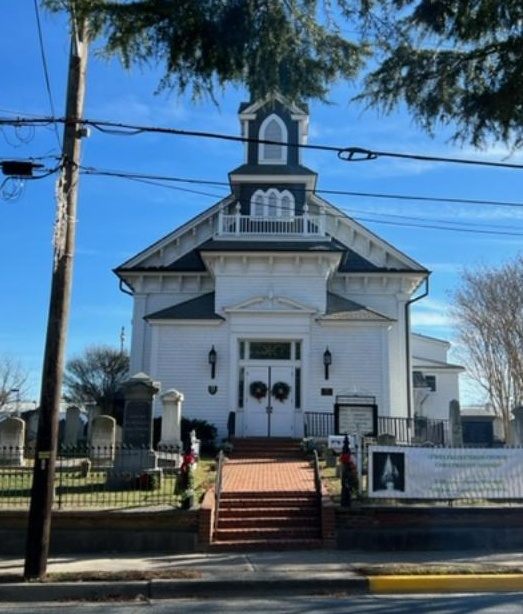
Lewes Presbyterian Church at 133 Kings Highway

This beautiful church is located just off downtown Lewes, DE. The church’s cemetery is what attracted me to the site with all the historical names of founding families of Delaware and of Lewes and its ties to the Revolutionary War. It is interesting to walk around and look at the names on the tombstones and wonder what their lives must have been like back then. The church is only open on Sunday mornings so I have not had the chance to see inside. It’s stained glass windows are supposed to be amazing.

I am going to try to attend services there the next time I am in town.

The historic marker

Our History

(Written by Judith Atkins Roberts, 2003-Lewes Presbyterian Church website)

Presbyterianism came early to the Eastern Shore and Sussex County as Scots and Scotch-Irishmen sought refuge from the oppression of Charles II of England. In 1683, the Presbytery of Laggan, Scotland sent Rev. Francis Makemie to America. He is considered the Father of Presbyterianism in America and through his leadership the church grew rapidly. In 1683, he organized a church in Rehobeth, Maryland.

The congregation at Lewes was established under Rev. Samuel Davis, one of Makemie’s “young men,” in 1692. In 1707, the congregation built a small wooden church on one hundred feet square of land which was part of an original land grant. This frame building is believed to have been the second Presbyterian Church in Delaware.

OLD BRICK CHURCH – 1727

In 1727 a brick church was built for the Rev. John Thomson who served the Lewes congregation from 1717-1729. A small picture of this church is displayed in the Conference Room of the present church. This second church served as a school and church until 1832 when the present church was consecrated during the ministry of the Rev. John Mitchelmore. A centograph is displayed in the vestibule in memory of Rev. Mitchelmore who drowned in the Delaware River. In 1871 the brick church was demolished.

The original brick church

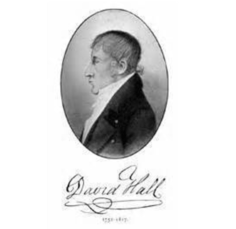
COL. DAVID HALL

During the War for Independence, George III once referred to the conflict as a Presbyterian rebellion and so it was as Presbyterians were invariably staunch patriots. The first democratic governor of Delaware, Col. David Hall, who had been commander of the Delaware line during the hostilities, was a member of the Lewes congregation.

The church cemetery

REV. MATTHEW WILSON

The most colorful of Lewes’ patriots was her Presbyterian minister, the Rev. Matthew Wilson, who was a scholar, teacher, author and preacher. He held degrees in medicine and divinity and had a great knowledge of law. He was so fervent a patriot that he wore the word “Liberty” on his hat. His first son, James Patriot Wilson, was a lawyer, then a minister who served the First Presbyterian Church in Philadelphia for forty years. James Patriot’s son, James Patriot, was President of Delaware College and the Union Theological Seminary. Thus the Wilsons continued the high standard of education which had been initiated by Rev. Matthew Wilson. It was he who suggested that an institution of higher learning be established at Newark fifty years before Delaware College was founded (Church website).

The church cemetery

The Church cemetery in the Spring 2024
The Sleeping tombstones at Lewes Presbyterian Church cemetery.

STAINED GLASS

Alterations have been made over the years to the present church which formerly had a balcony around three sides of the interior. The original windows were three sections of leaded glass panes which were replaced in 1926 by the six exquisite stained glass windows which now beautify our sanctuary. The Biblical events depicted in the windows are:

  • Come Unto Me
  • Blessing the Children
  • The Resurrection
  • The Nativity
  • The Good Shepherd
  • Walk to Emmaus

Two more windows were placed in the vestibule in 1965. The one on the left is in memory of Mrs. Lena Tammany. The circular one on the landing is in memory of our most beloved pastor, the Rev. William Leishman who served our church for 34 years (Church website).

The Church at Christmas time

RENOVATIONS

The organ and the choir were established in the balcony until 1877 when both were moved to the newly constructed choir loft. The Mustard property on the west side of the church was purchased and laid out in cemetery plots. The trustees also bought the Wesley property on the other side of the church where they built a manse. The present manse was built in 1959.

By 1886, extensive renovations were made to the interior and exterior of the church. The side galleries were removed, an open steeple was built to house a one thousand pound bell. A new organ was installed in the choir loft.  

In 1900, a pipe organ was purchased and the church interior was redecorated. This organ was completely renovated in 1981 and in 2009. The Sunday School building (now the middle section of the new Activities Building constructed in 2000-01 was built in 1914. In 1950, the basement was finished and decorated as a social and recreational hall for the congregation.

Additions and changes have been made to the entrance over the years, the last one in 1931 when the original doorstep was placed on the right of the vestibule. In the late 1940’s the old steeple was replaced with a closed tower. In 2008-09, the sanctuary was reconstructed and rededicated to the glory of God on September 27, 2009.

GIFTS TO THE CHURCH

One of the most valued possessions of the Lewes Presbyterian Church is her Session Book which was begun in 1756 by Rev. Matthew Wilson. In this book are the records of baptisms, marriages and funerals, as well as comments made by various ministers on the social behavior of some members of the church who did not always exemplify the strict doctrines against liquor and gambling. It was placed at the Presbyterian Historical Society in Philadelphia in 1982 for safekeeping.

Many gifts have been donated to the church over the years. The finest of these is the silver communion service which is believed to have been a gift of Col. Samuel Boyer Davis who commanded the militia during the bombardment of Lewes by the British in 1813. Col. Davis was the great-grandson of Rev. Samuel Davis.
Today our church continues the traditions established over nearly three hundred years. Perhaps our most beautiful tradition is that of the annual Candlelight Service at Christmas which was first held on December 16, 1924. Each year, the Nativity window is lit from the exterior of the church. Then at the close of the service, as each worshiper holds a lit candle, the church is darkened and voices are raised in a Christmas hymn which reminds us all of God’s precious gifts to us – 

His Only Begotten and Beloved Son, Jesus Christ.

(Church Website)

The Parker family plot at the church cemetery.

Zwaanendael Museum                                                             102 Kings Highway                                                                         Lewes, DE 19958

Zwaanendael Museum 102 Kings Highway Lewes, DE 19958

Zwaanendael Museum

102 Kings Highway

Lewes, DE 19958

(302) 645-1148

https://www.facebook.com/Zwaanendael/

Admission: Free

Open: Sunday-Tuesday Closed/Wednesday-Saturday 10:00am-4:15pm

My review on TripAdvisor:

https://www.tripadvisor.com/Attraction_Review-g34028-d103509-Reviews-Zwaanendael_Museum-Lewes_Delaware.html

The Zwaanendael Museum at 102 Kings Highway

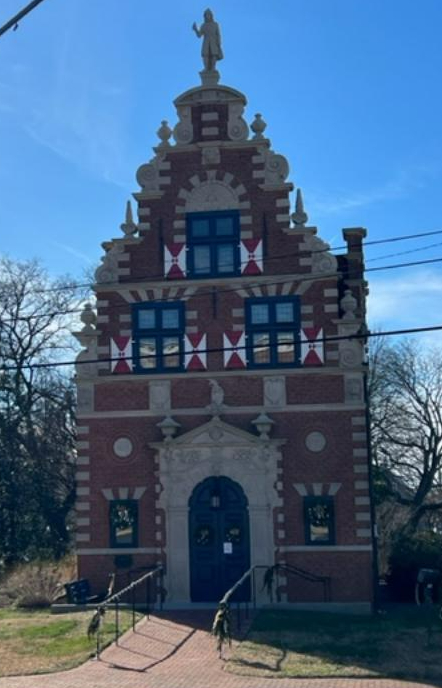
The Zwaanendael Museum was inspired by the town hall in Hoorn, the Netherlands and commemorates the founding of Delaware’s first European settlement by the Dutch along Hoorn Kill (present day Lewes-Rehoboth Canal) in 1631. It’s programs showcase how the Lewes area’s Dutch and maritime histories unite.
The museum has limited hours but is free to the public.

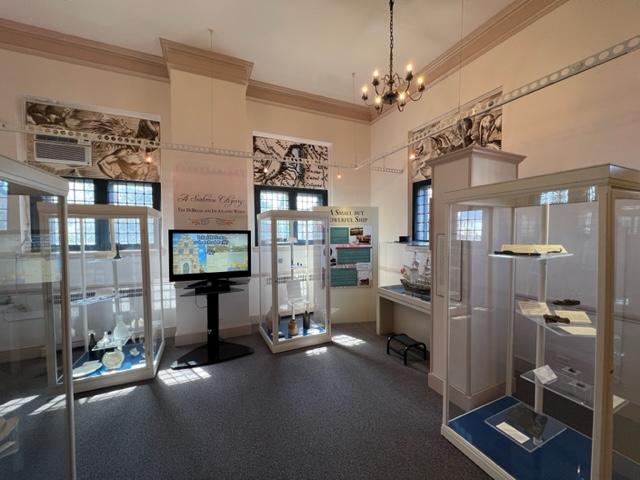
Information signs

The inside of the museum explains the history of Lewes starting with the Dutch Colony. The growth of the Colony, the shipping industry and the shipwrecks off the coast line. There are many artifacts that the museum has either found or been donated to over the years. There is another display of the railroad industry and its growth in Lewes which lead to it becoming a seaside resort in the later half of the 19th century. The museum was created to honor the 300th Anniversary of the Dutch settlement of Zwaanendael. The museum represents the history of Sussex County in Delaware (Wiki).
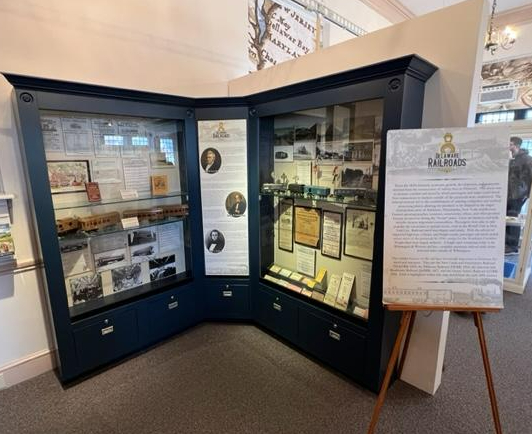
The first floor gallery is filled with the history of the Railroads and the Shipping industry

The first floor galleries contain many artifacts that were recovered from the sea or donations that were made to the museum. This tells the story of early Lewes, DE. This gives a visitor a grasp of the importance of Lewes as a shipping port in the early days of the colonies. As the railroads replaced the shipping industry, you begin to see the growth and importance of Lewes as a trading port.

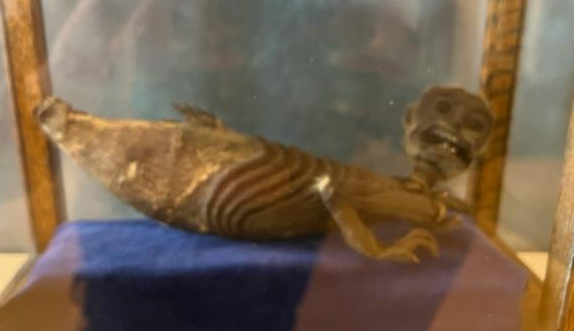
On the second floor there is a display on the Royal family of the Netherlands, a large display of ceramic Delftware and there is even the body of a mermaid. There were also displays of the local farming industry and the commercialization of the produce of the area.

The history of the Railroad industry in Lewes brought this sleepy farming community residents from far away that turned it into a resort town and a destination for summer tourism

The Railroad industry continued to grow and become more prosperous in Lewes

The railroads also help moved farming products out of the area and into urban markets

Lewes was also a big area for shipping with a busy port especially during the Revolutionary War.

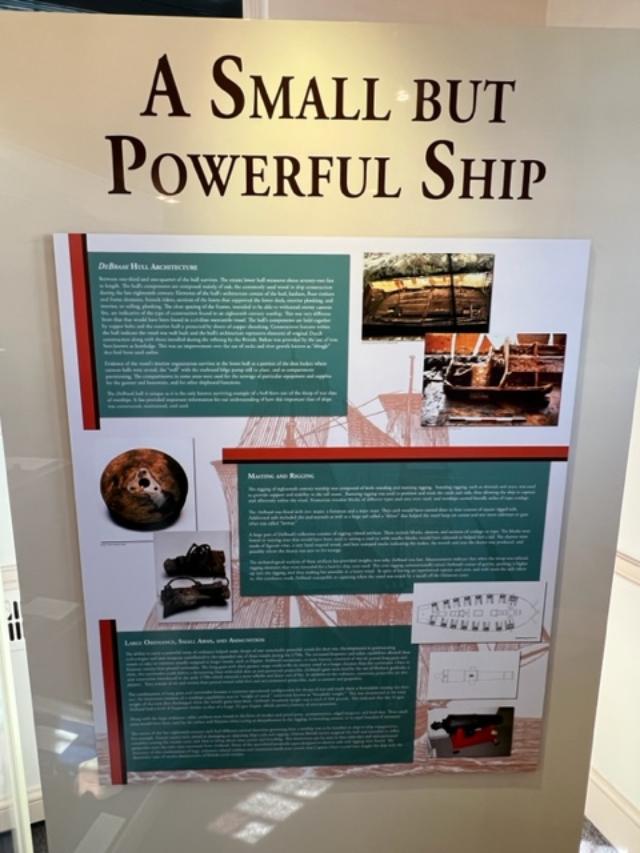
The tale of the DeBraak, one of the shipping vessels of the war years

Life on the shipping vessels

Some of the recovered artifacts from shipwrecks off the coast of Lewes

The tales of the ship “DeBraak” and its story

The ship the “DeBraak”

The second floor of the museum has interesting displays on the aspects of life in Lewes and the influence of the Dutch on the community. It also offers many novelties such as a mermaid.

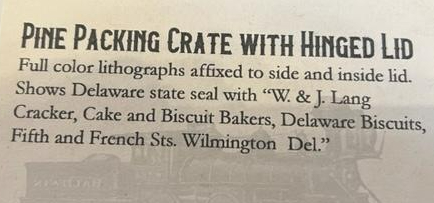
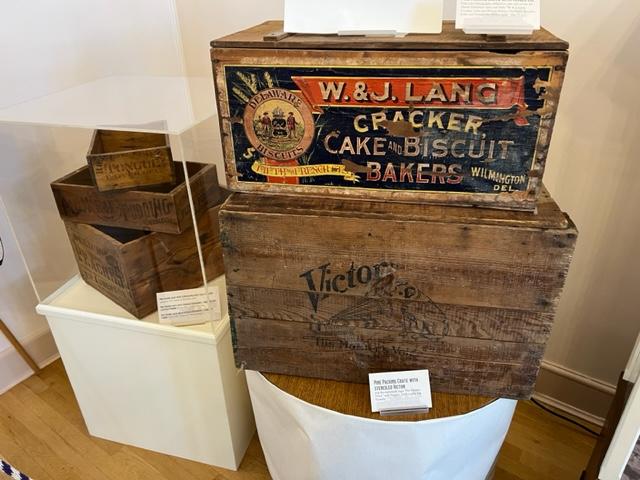
Display of the packing crates on the second floor

How items were shipped in the early days of the shipping industry

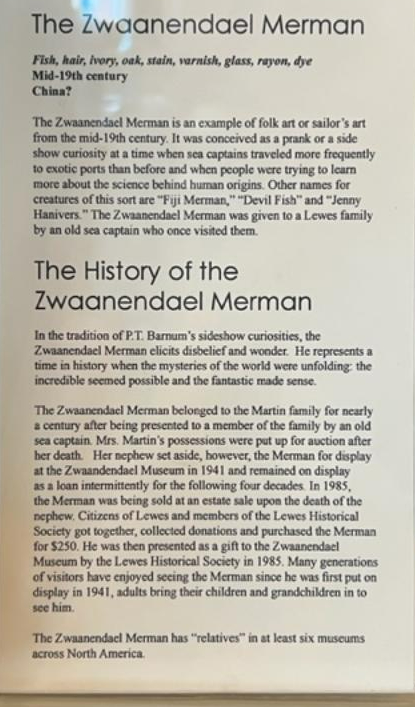
The Zwaanendael Mermaid is the most unique item in the collection. It makes you think it is real.

The Zwaanendael Mermaid

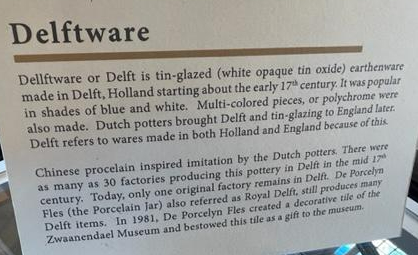
The Delftware collection

The history of Delftware

The lighthouses of Delaware

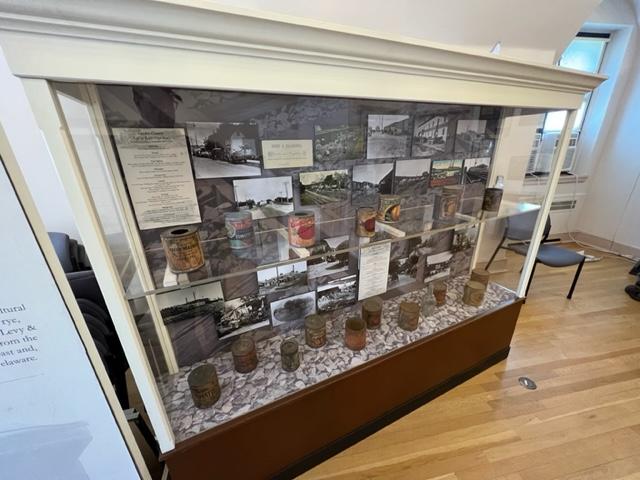
Display of the items that were canned in Lewes that were part of the growth of the farming industry in Lewes

The entrance of the Zwaanendael Museum in the winter months

Lewes History Museum                                                            101 Adams Avenue                                                                      Lewes, DE 19958

Lewes History Museum 101 Adams Avenue Lewes, DE 19958

Lewes History Museum

101 Adams Avenue

Lewes, DE 19958

(302) 645-7670

Homepage

Open: Sunday Closed/Monday-Saturday 10:00am-4:00pm

Admission: $5.00 plus entrance to the Cannonball House Museum in addition

My review on TripAdvisor:

https://www.tripadvisor.com/Attraction_Review-g34028-d17640472-Reviews-Lewes_History_Museum-Lewes_Delaware.html

Lewes Historical Society:

https://www.tripadvisor.com/Attraction_Review-g34028-d552705-Reviews-Lewes_Historical_Society-Lewes_Delaware.html

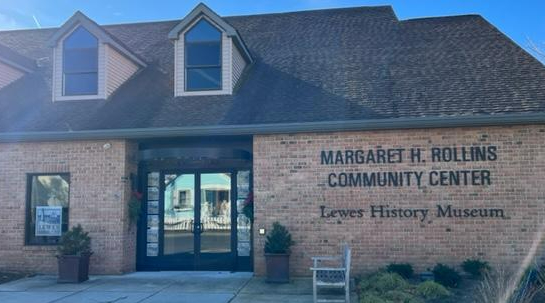
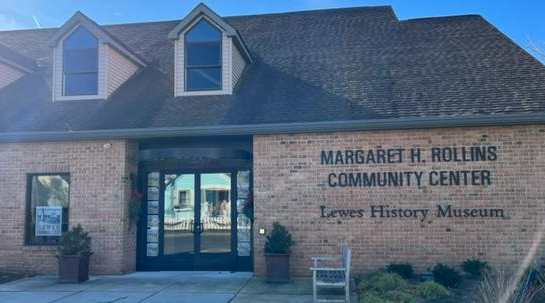
The Lewes History Museum at 101 Adams Street

A video on “Historic Lewes, DE”

When I was visiting Rehoboth Beach, DE recently the museum I had wanted to visit in Rehoboth was closed for the day, so I remembered that there were a few museums in Lewes, DE, a small town right down the highway so I headed there and found the Lewes History Museum at 101 Adams Avenue. The museum was the old library which has since moved across the street.

The entrance to the museum

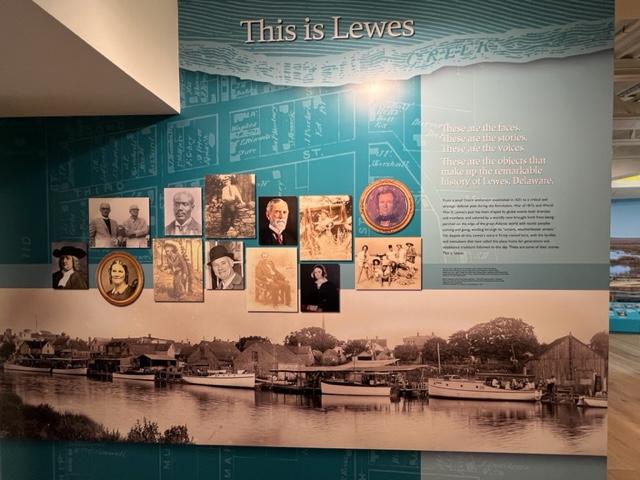
The museum is very interesting and well set up. The museum is one big room that is broken down in different sections which helps explain the history of the town. Each display moves you through the museum in a chorological order of how the town developed.

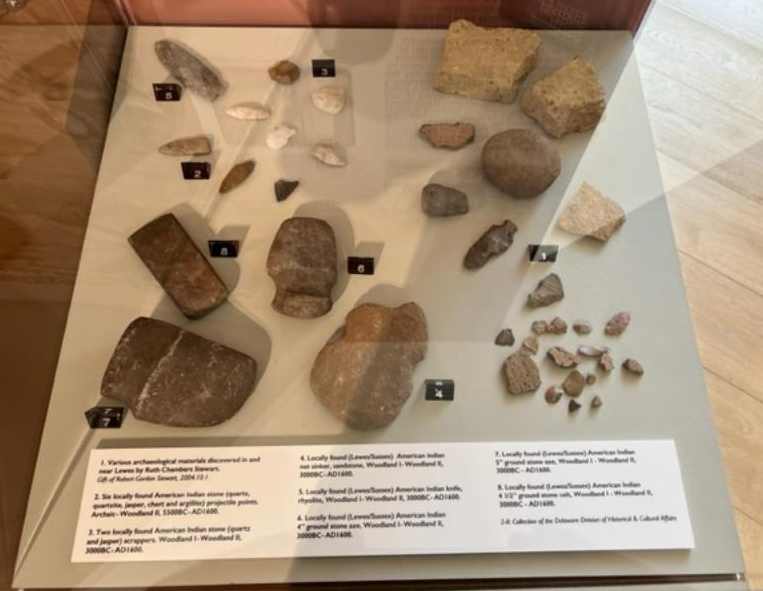
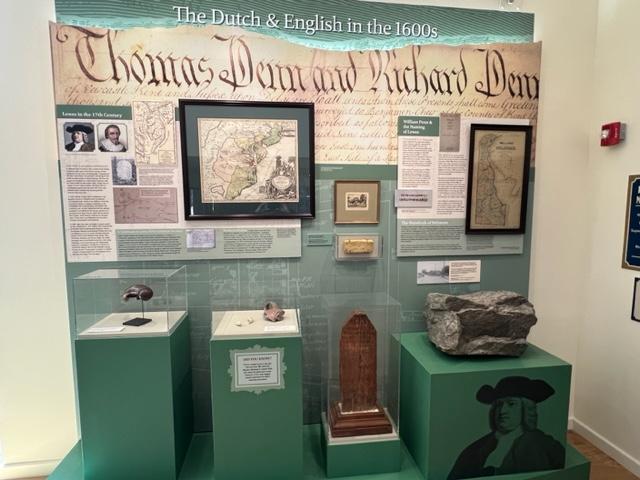
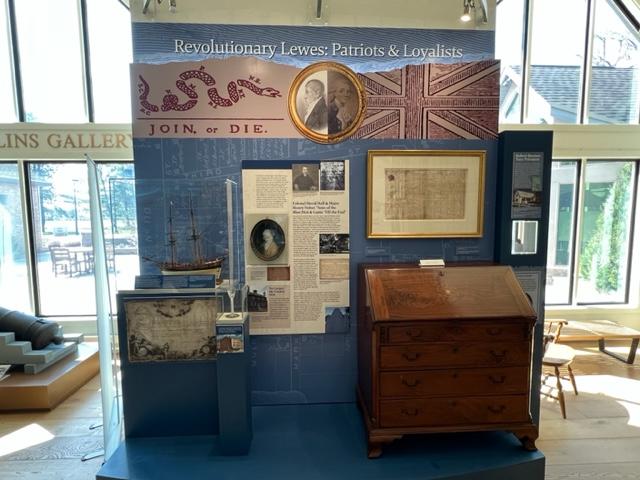
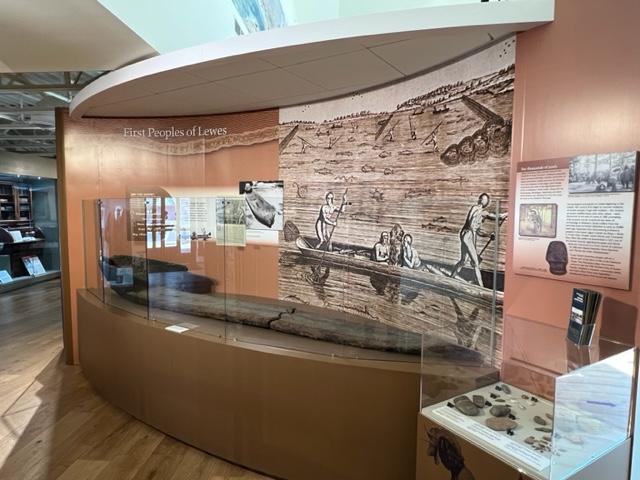
The museum starts with a display on early Native American history which then moves to the colonization of the Dutch and British in the area. There are all sorts of interesting artifacts that tell the story of the Revolutionary War by way of the residents.

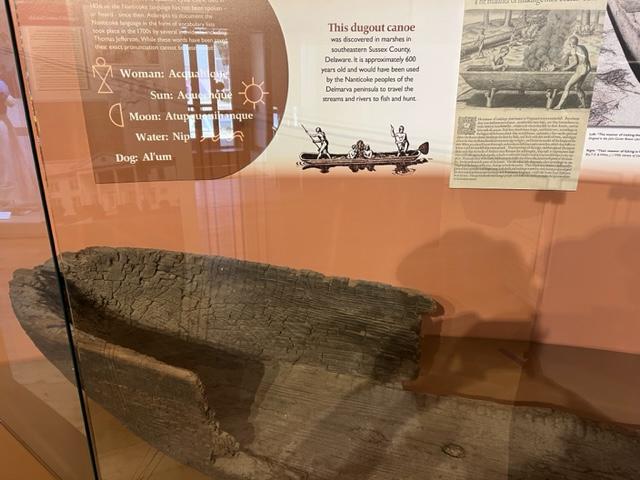
There are displays on the way homes were designed and decorated as well as the role that Lewes played during the war. There have been a lot of soldiers who had died in the war with their stories being told by the museum. There are also discussions about the interaction between the Native population with the colonists. The Native American collections featured the lives of the tribes that lived in the area of Lewes. They had found this canoe when dredging the area.

The Lewes History Museum’s displays are informative

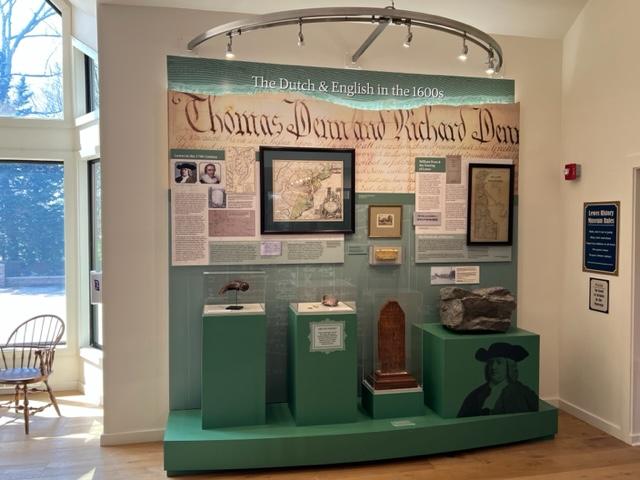
Life in the Dutch colony was featured after the Native American display as the next group took over this area from the Native Americans. Delaware had been part of the original Dutch colony. When we were taking a tour and the guide said that technically Delaware was part of Maryland but the Dutch stood strong against the British at that time, the area stayed independent but not for long.

The Dutch Colony

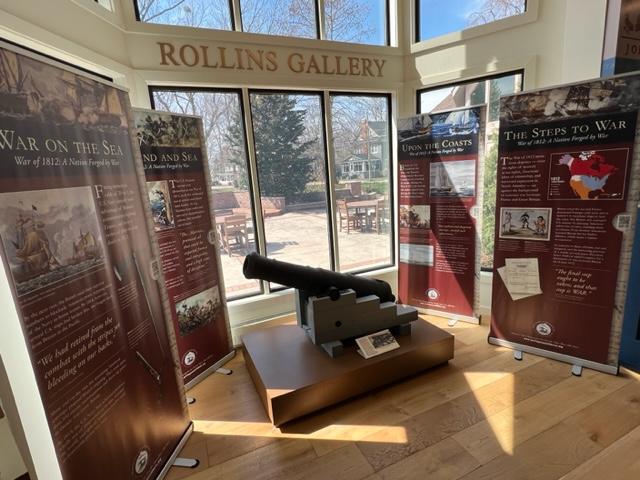
The Revolutionary War came to Delaware but it never saw the fighting that the other colonies saw. Still the state had to be on guard at all times and there were British War ships off the coast of Lewes that did do some damage.

Revolutionary War display

The displays held some interesting artifacts including a ‘toasting glass’ from the evening in Fraunces Tavern where George Washington said farewell to his troops. The docent said that he had kept the glass all those years and it was passed down from generation to generation until it made its way to the museum as a donation.

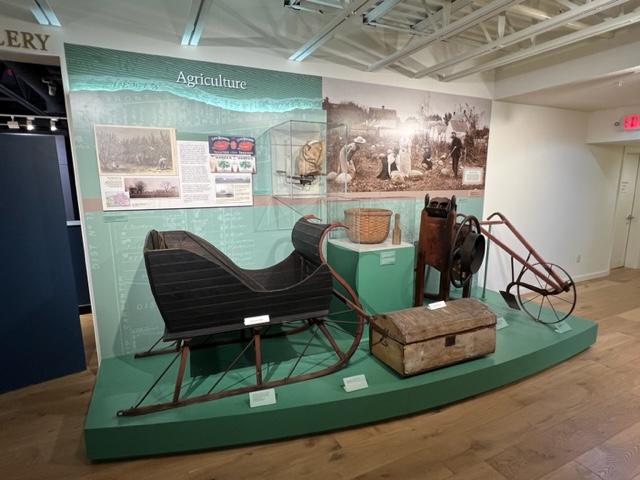
The Farming and Dairy industries played a role in Delaware’s history but because of the type of soil that Lewes had it was not meant for many crops. Wheat, some vegetables and the dairy industry played a role in the business of Lewes.

The Dairy and Agriculture industries of Lewes

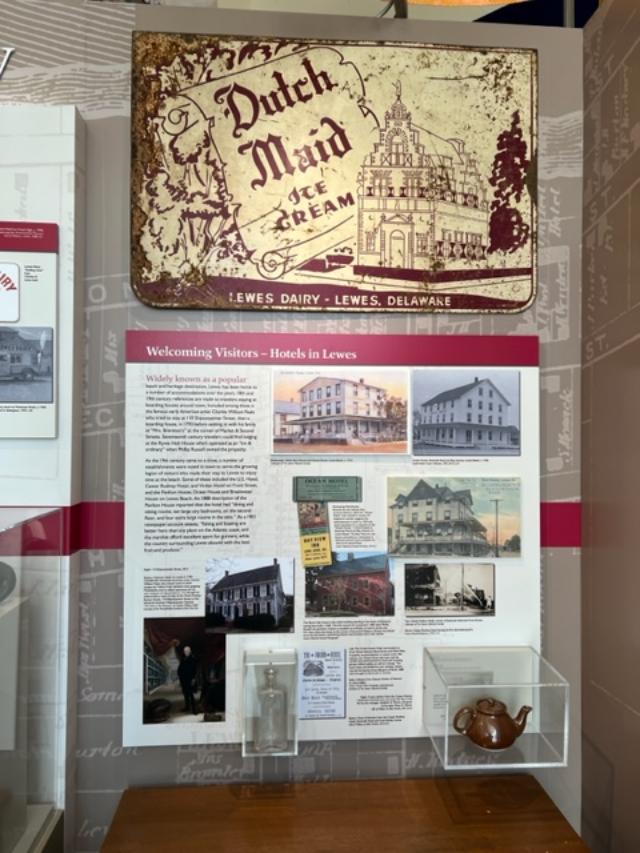
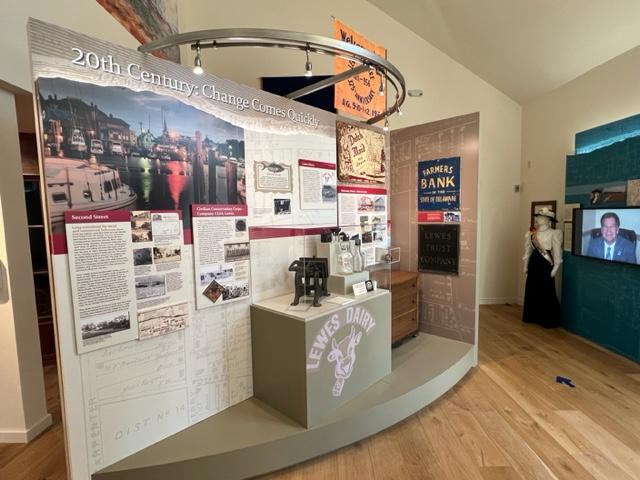
There is a section on the development of businesses and Lewes as a resort town. The section on Lewes developing as a resort town was interesting with the advent of ocean swimming, boating and beach recreation. There is also a section on 19th and 20th century business in Lewes that kept up with the times.

20th Century Business

19th Century Business

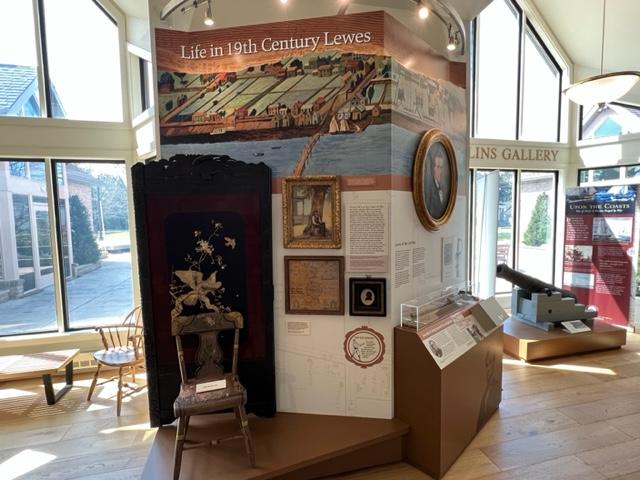
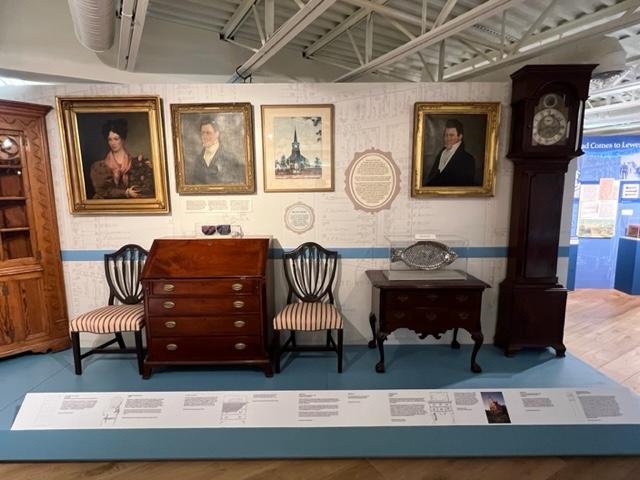
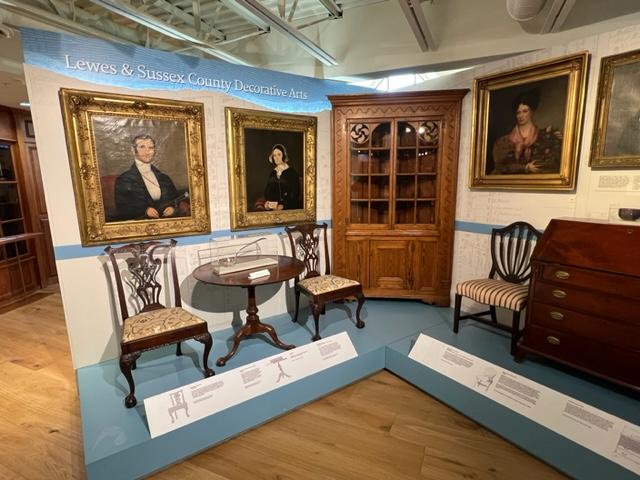
There was an interesting display on Victorian furniture and decorating for the home. The decorative arts section showed how Victorian families set up their homes and how status symbols like fine furniture and family portraits played an important role in society.

Display on Decorative Arts of the Home

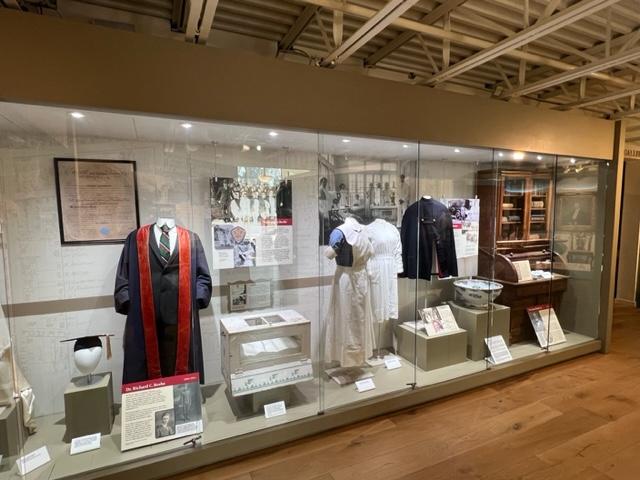
There was a detailed display on the Beebe family and the growth of their well-known hospital. The family started with three beds in a home to the giant hospital that it is today. You can read about the family members contributions both to the hospital and the community.

The history of the Beebe Hospital Family and the growth of the hospital

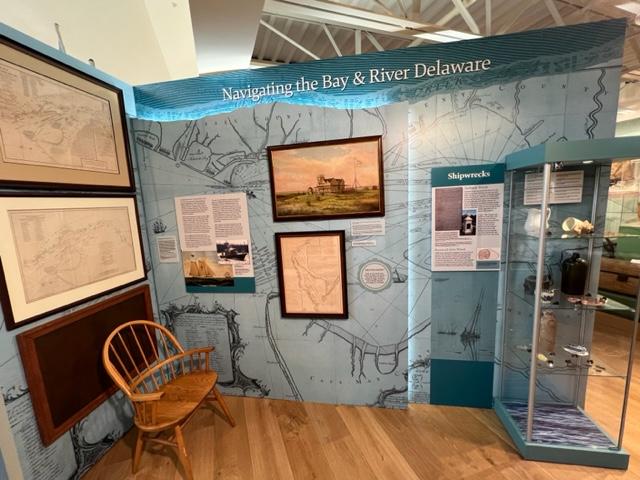
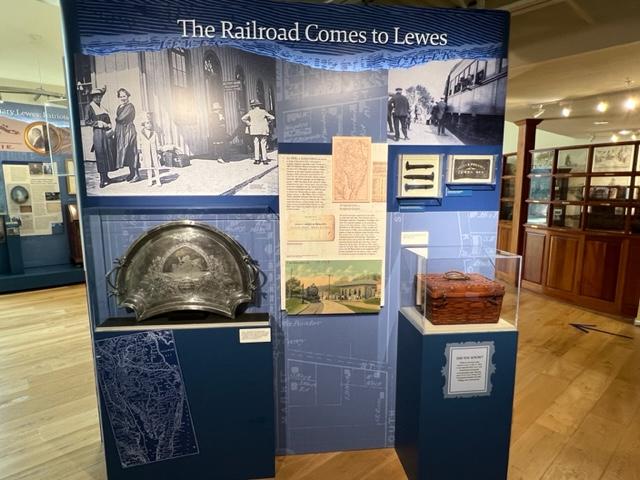
The area developed and entered the modern era with displays on Public Service, The shipping industry and the growth of the railroads in the area that helped open Lewes up as a resort. As the modes of transportation changed so did Lewes with each step.

The Shipping Industry

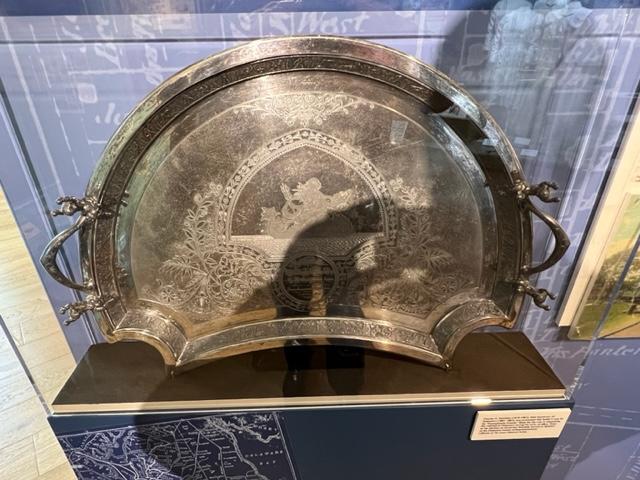
The presentation plate as part of the railroad display

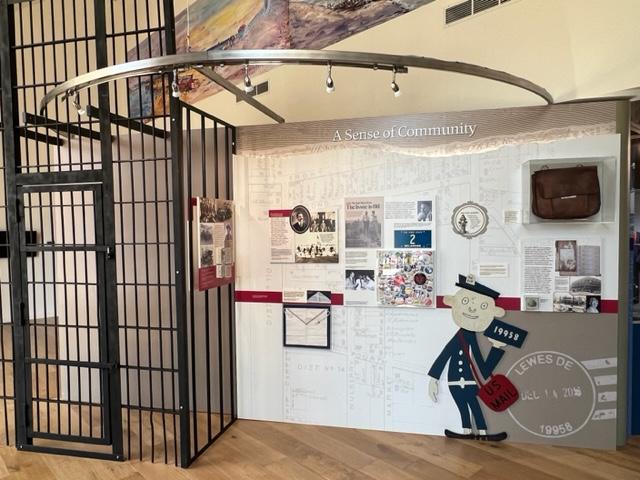
Public Service and a sense of community

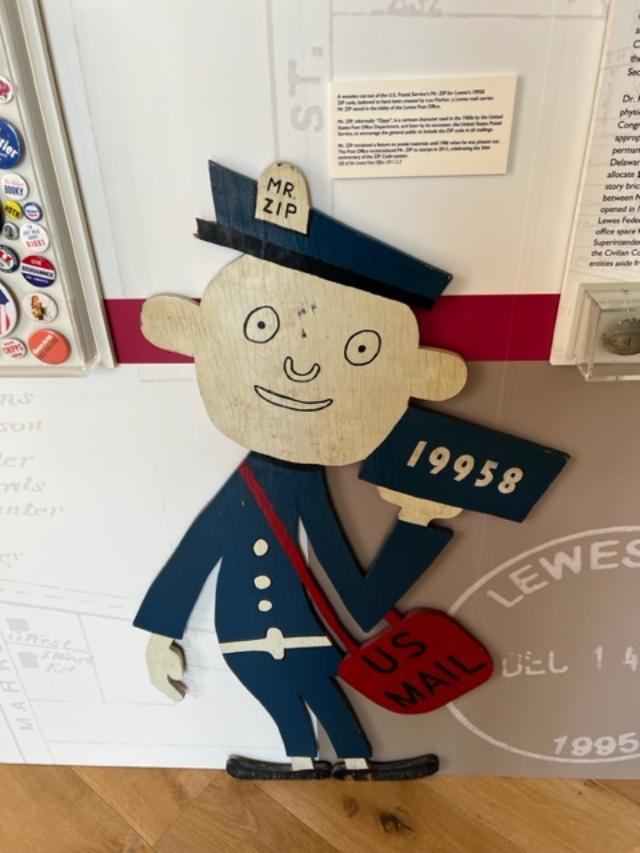
Zippy

The museum will take about an hour to comfortably walk through. It is a interesting and fun way to know the history of Lewes, De. The detail and interesting artifacts makes it a very engaging museum. The docents are really nice and helpful in explaining the displays.

The History of the Lewes History Museum:

(From the Museum website):

The Lewes History Museum is located in the Margarat H. Rollins Community Center at 101 Adams Avenue in Lewes, DE. For 54 years, The Lewes Historical Society has collected and preserved tens of thousands of historic artifacts, artwork, documents, maps and photos. Now it the support from the City of Lewes, a gift of $500,000 from the Ma-Ran Foundation and generous donations, this incredible collection is on continuous display at the Lewes History Museum.

The museum serves as the primary source of information about Lewes for visitors, researchers, students and residents. Enjoy ongoing exhibits featuring Lewe’ maritime history, decorative arts and artists, famous families of Lewes and how our region is seen through environmental change. The museum provides ongoing seminars, symposia and presentations along with a wing for community non-profit gatherings.

The popular Children’s Discovery Center is house inside the museum and is currently closed at this time. The Discovery Center offers an interactive, fun and educational experience for children of all ages. At the Center, children can experience 19th century Delaware by interacting in a replica general store and post office, playing around a scaled model of Cape Henlopen Lighthouse with a Morse code station, foghorn and reflecting lights. The Center also houses a Delaware River Pilots’ simulation module, a electronic table-top boat-building area and a lighthouse “keepers cottage”.

The community center is the centerpiece of the cultural campus in Lewes, including 18 miles of trails, a concert stage, parks, a children’s garden and the Lewes Public Library.

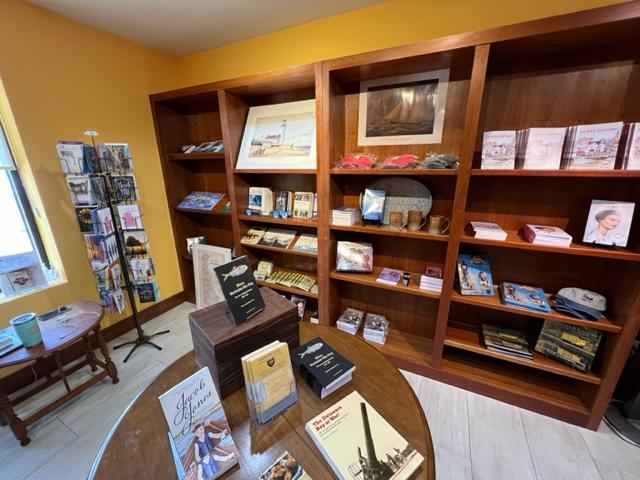
The Lewes History Museum Gift Shop