Category: VisitingaMuseum.com

Barnegat Light Museum/The Edith Duff Gwinn Gardens                                                                   501 Central Avenue                                                        Barnegat Light, NJ 08006

Barnegat Light Museum/The Edith Duff Gwinn Gardens 501 Central Avenue Barnegat Light, NJ 08006

Barnegat Light Museum/The Edith Duff Gwinn Gardens

501 Central Avenue

Barnegat Light, NJ 08006

(609) 494-8578

Open: July and August Sunday-Saturday 10:00am-4:00pm/June-October 10:00am-4:00pm/Seasonal

Fee: Donation to the museum

https://barnegatlightmuseum.org

My review on TripAdvisor:
https://www.tripadvisor.com/Attraction_Review-g46285-d8548161-Reviews-Barnegat_Light_Museum-Barnegat_Light_Long_Beach_Island_New_Jersey.html?m=19905

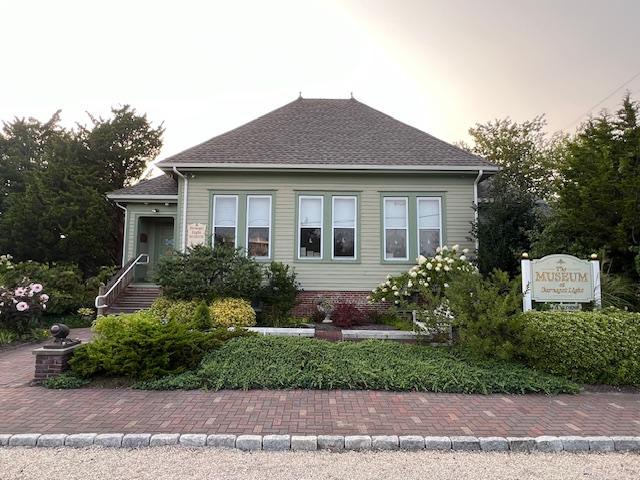
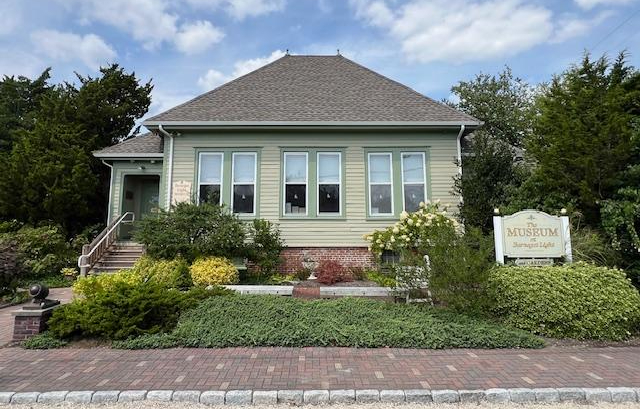
The Barnegat Light Museum at 501 Central Avenue

I was on Long Beach Island for the afternoon and had wanted to visit the Barnegat Light Museum on my last trip to the island but it was closed for the afternoon. When I checked the site to see if it was open this weekend, I found that it was and since I had to be in Beach Haven that afternoon I made it my first trip.
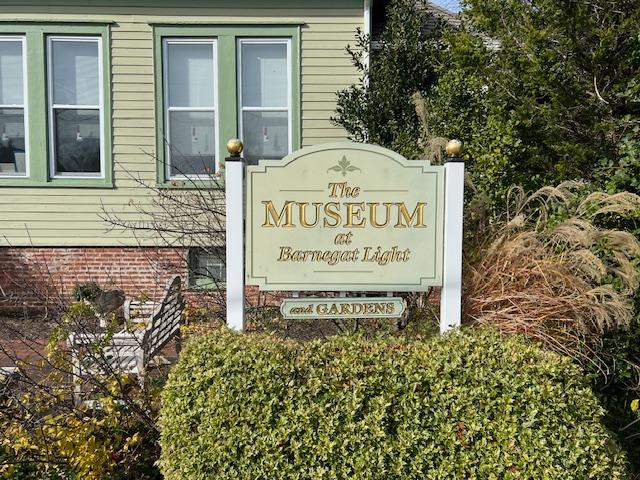
The Barnegat Light Museum sign in the off season.

The museum is now open ‘by appointment only’ in the off season, so I called the number provided and the President of the Museum Board opened the museum up for me and gave me a personal tour. What an interesting little museum packed with information and artifacts.
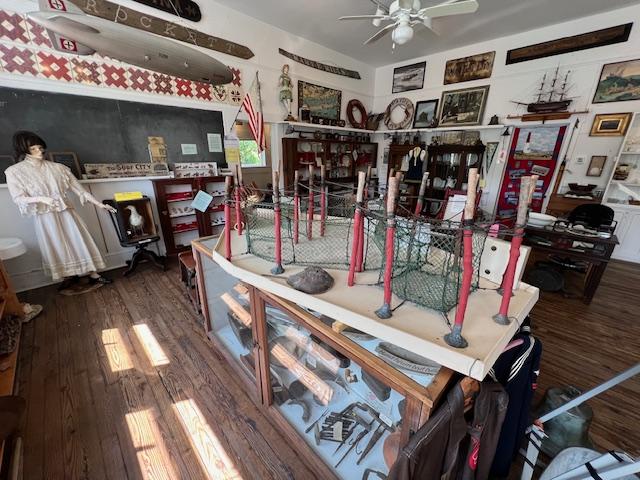
The Barnegat Light Museum main gallery

The museum is a former one room school house that was built in 1903 and used by island school children until 1954. The building still houses the original heating unit, a coal burning furnace and books of the children’s notes from school that had been handwritten (now typed) of current events and school notes.
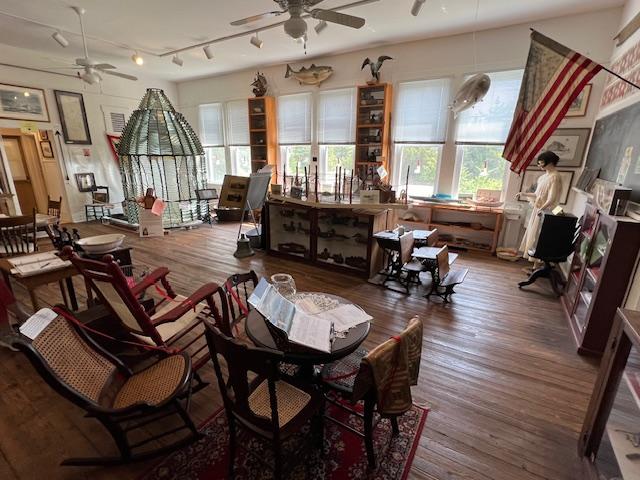
The main gallery of the Barnegat Light Museum
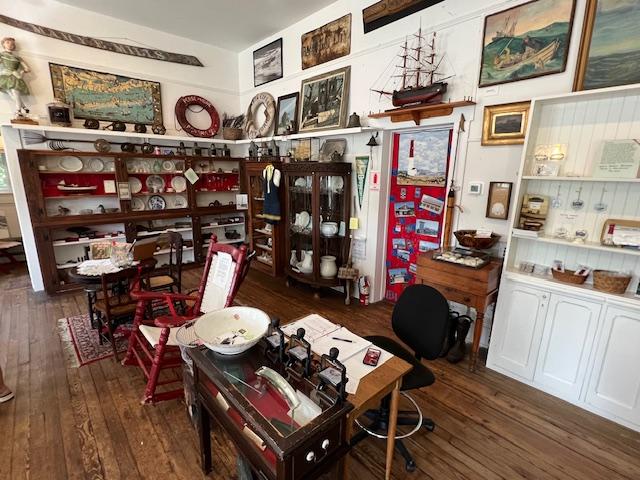
The main gallery of the museum

The main attraction is the original light, a 1052 prism lens, for the Barnegat Lighthouse on display since 1927. The glass panels and sheer size and beauty of light shows how it was once the beacon for ships along the New Jersey coast. It had been brought to museum after moving around to various places over the years.
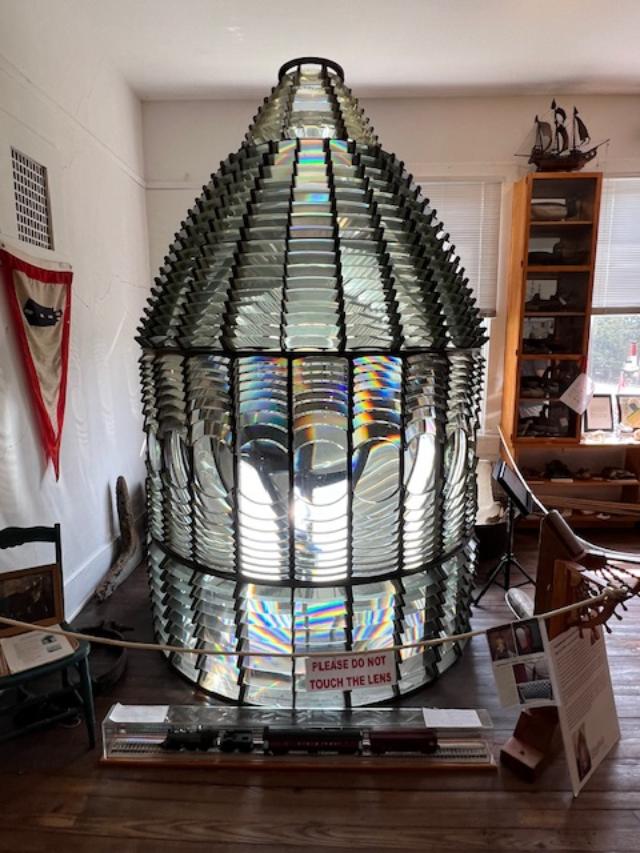
The original Barnegat Light for the Lighthouse
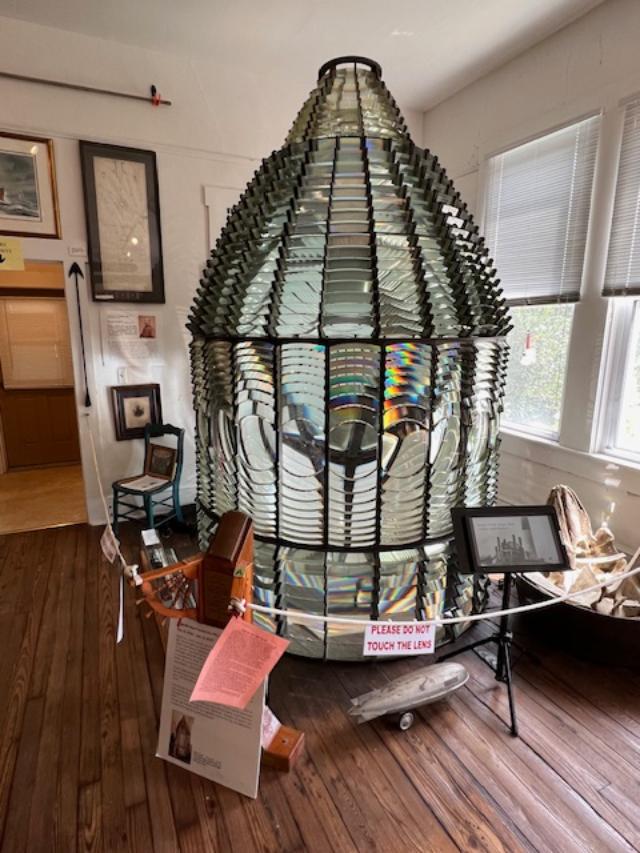
The Lighthouse and light display in the museum

Along the walls are all sorts of local artifacts such as dinosaur bones that had been found in the bay and donated to the museum (the president of the museum said today there are certain laws on this), local housewares from families that lived on the island and various types of fishing equipment.
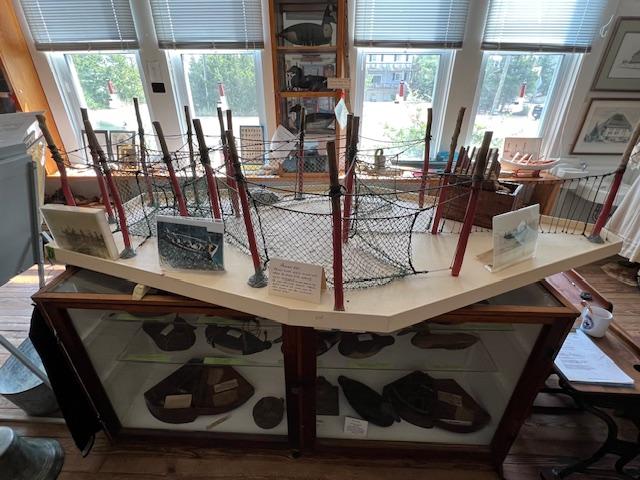
Display cases filled with local fishing artifacts and net configuration for ‘Pound Fishing’
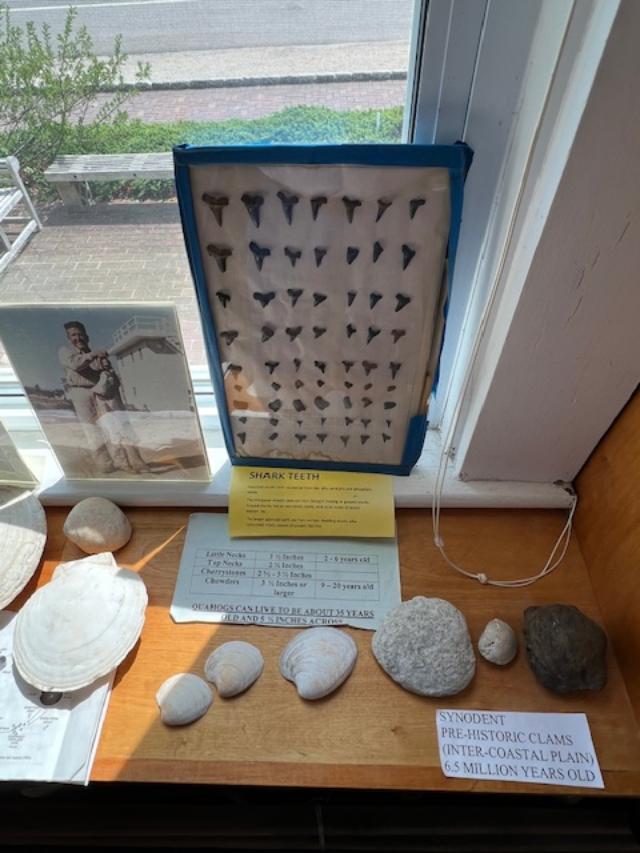
Shark Teeth, Native American Artifacts and prehistoric fossils

There is even a mini display of ‘Pound Fishing”, which is a series of poles and nets are used to catch the fisherman’s prey. This small display shows how it is constructed and used to catch the fish. There is an extensive display of Duck decoys, showing the island’s past and present as a hunting ground for water fowl. The displays come in all colors and types of ducks. There is also an interesting display of whale vertebrae and other fishing displays.
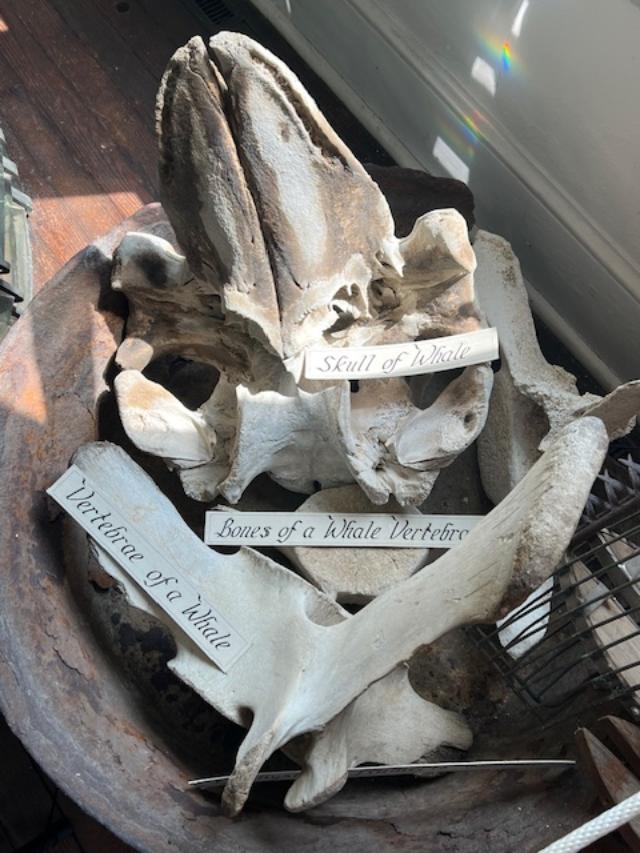
The Whale Vertebrae exhibit

There is an extensive history of the resort hotels that used to be on this part of the island that had been effected by the changing tides of the island. Like the old lighthouse and lighthouse keepers home, one of the hotels just gave way to erosion. This part of the island just keeps shifting.
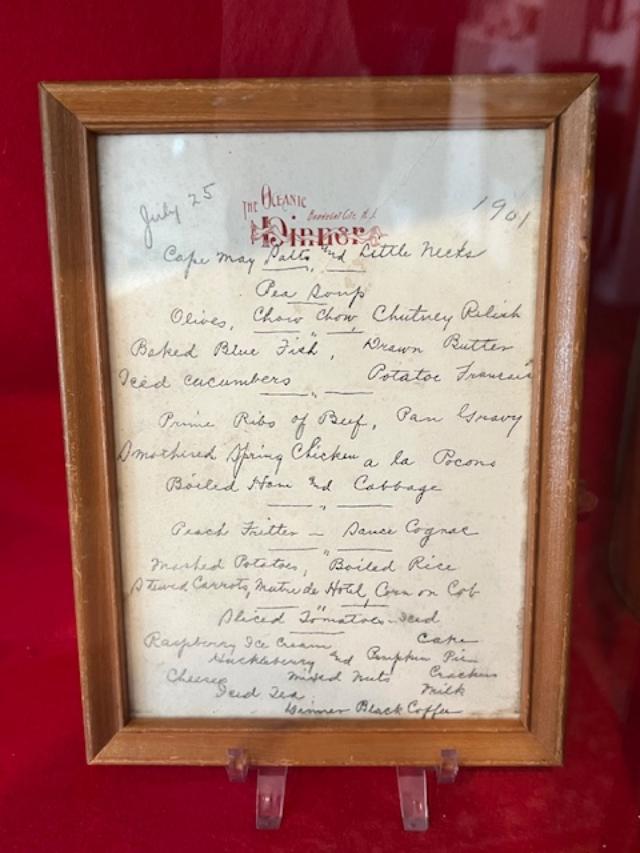
The Resort and Hotels display of menus
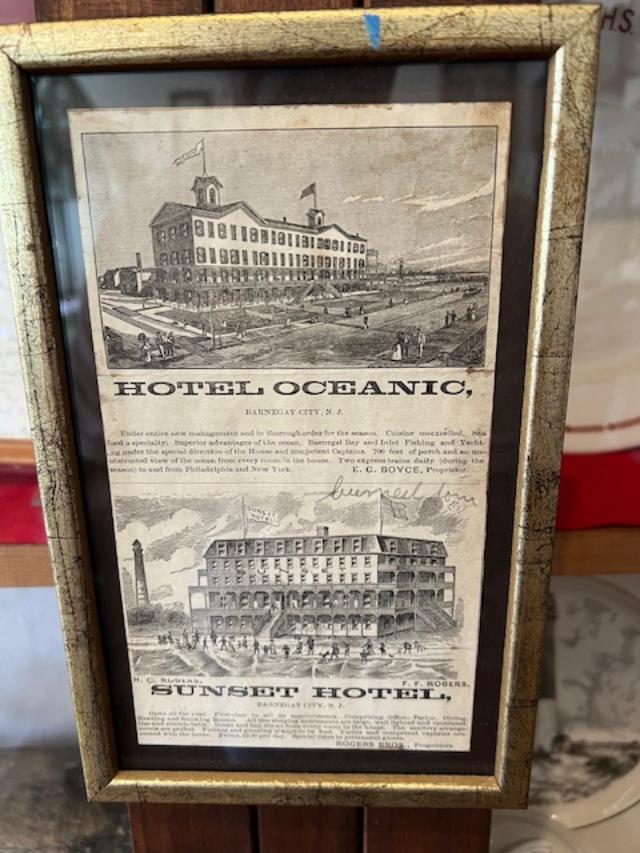
The Resort and Hotels display-The former hotels
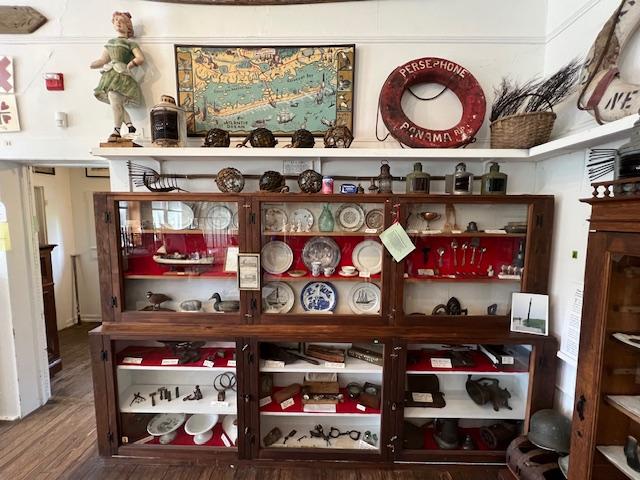
The Resort and Hotels display-Dishware and resort artifacts
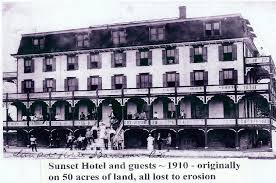
Hotels disappeared because of shifting tides
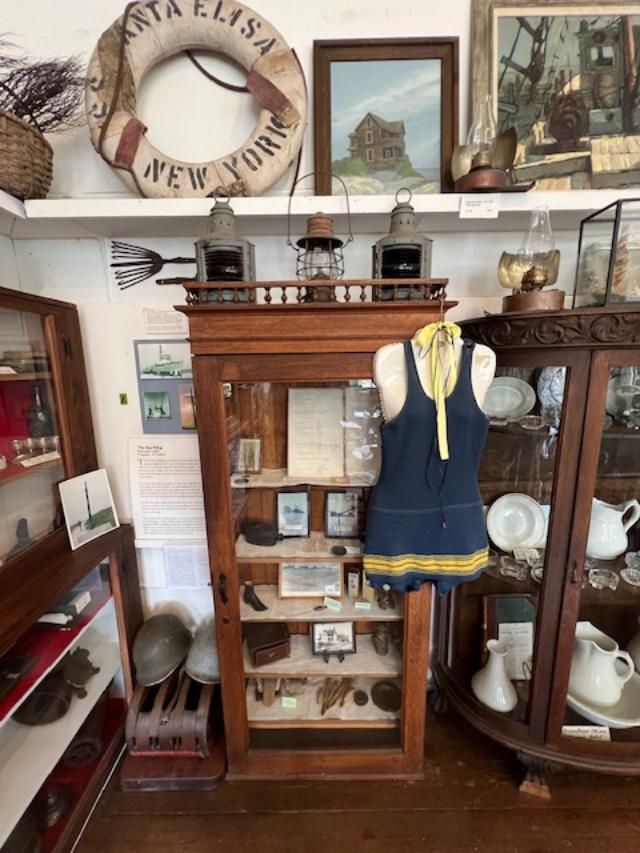
Water sports and fishing displays

Since the building was once home to Barnegat Light’s School house, the original furnace is still in the building along with a display of items from old schools in the area.
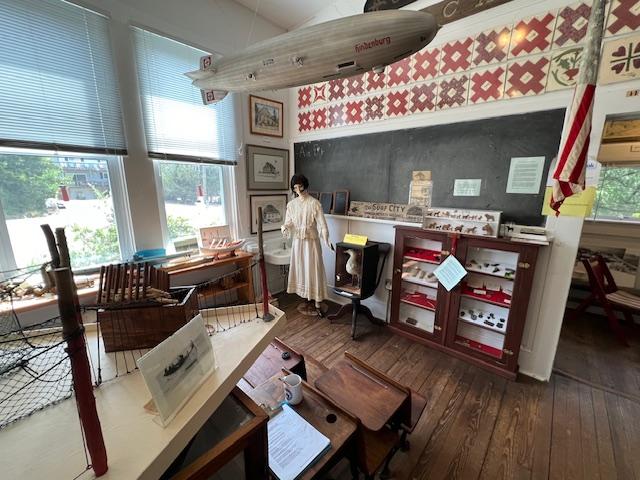
The School gallery
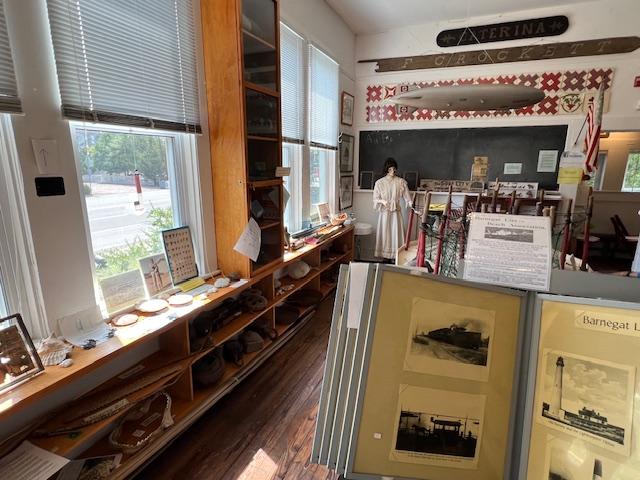
The Schoolhouse Gallery
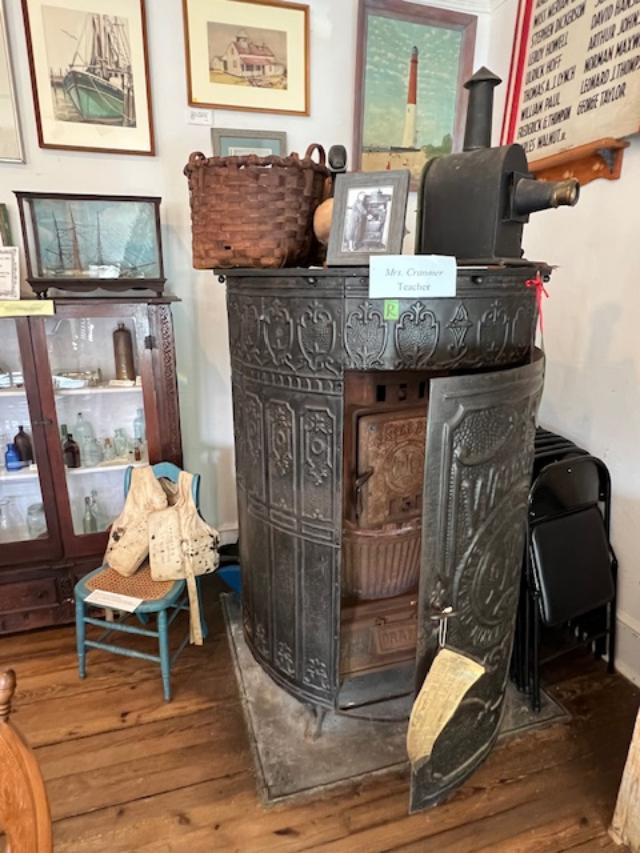
The schoolhouse furnace

The retail trade in the early part of the century leading from the old railroad track to the island was the local General Store. The railroads were a big part of the growth of this area until automobiles to the shore became the preferred mode of transportation.
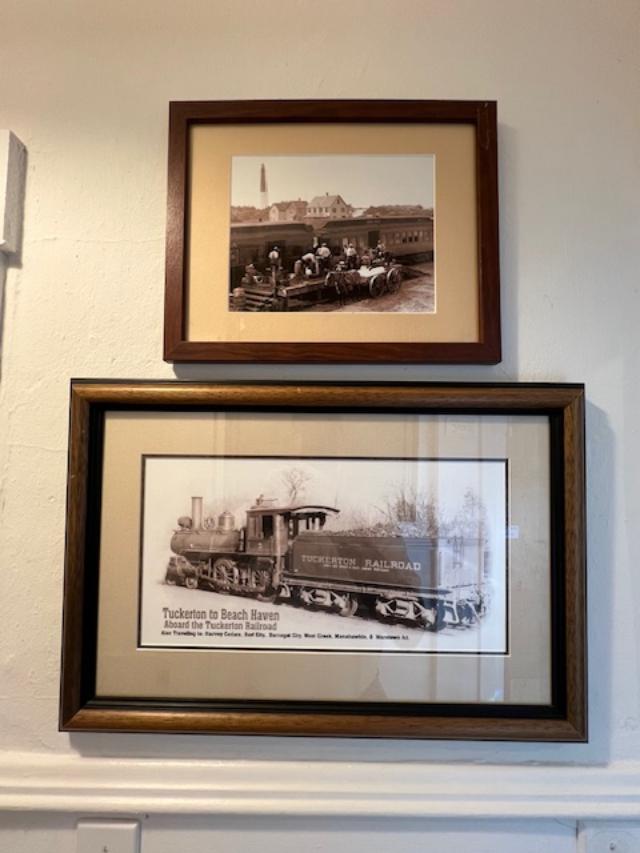
The railroad display
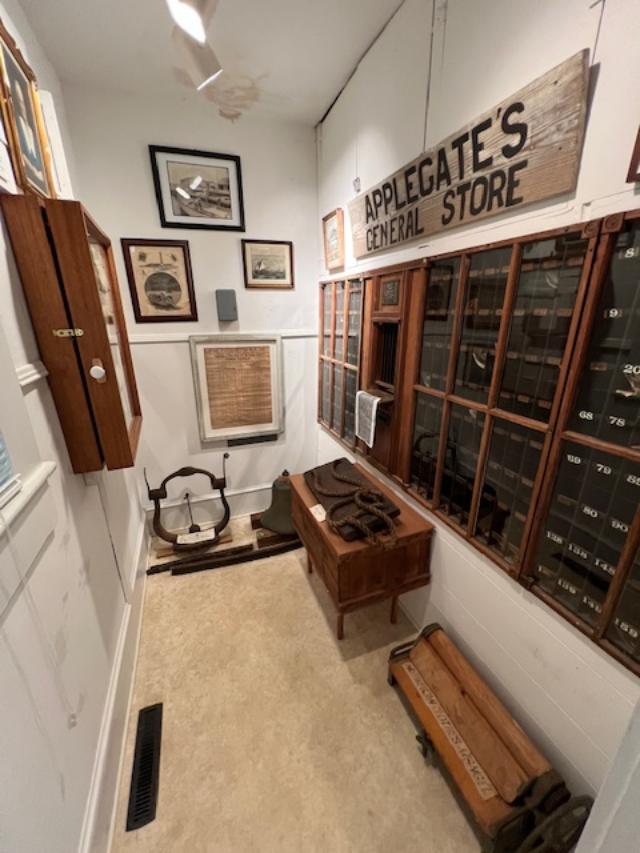
The General Store exhibit
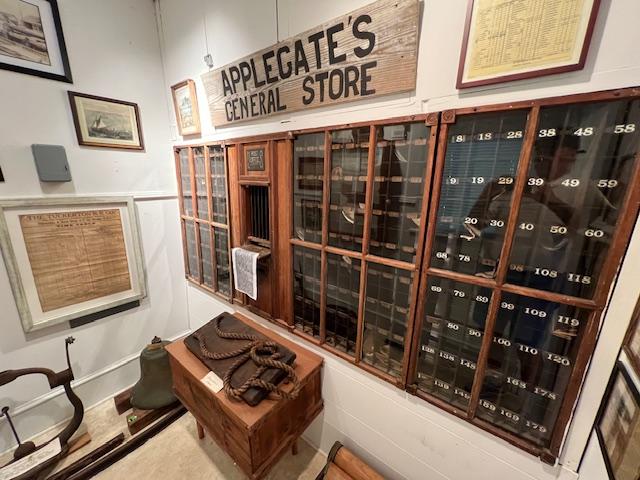
The General Store exhibit

The Edith Duff Gwinn Gardens behind the museum in all seasons:

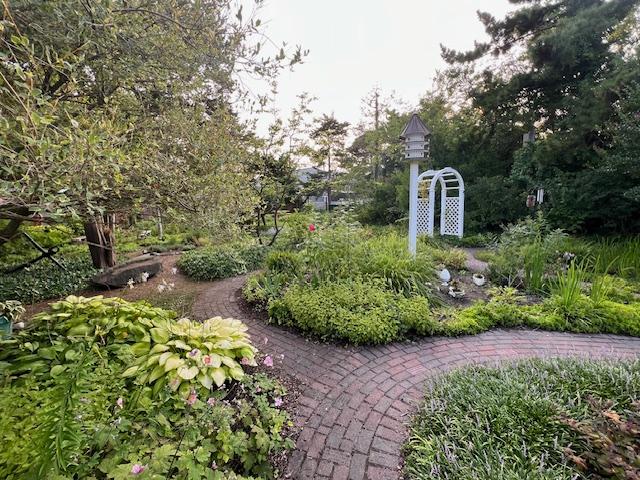
One beautiful benefit of the museum is the beautiful gardens that surround the museum, The Edith Duff Gwinn Gardens. The pathways are maintained by the Long Beach Island Garden Club. These wondering paths surround the property and especially elegant looking in the back of the building.
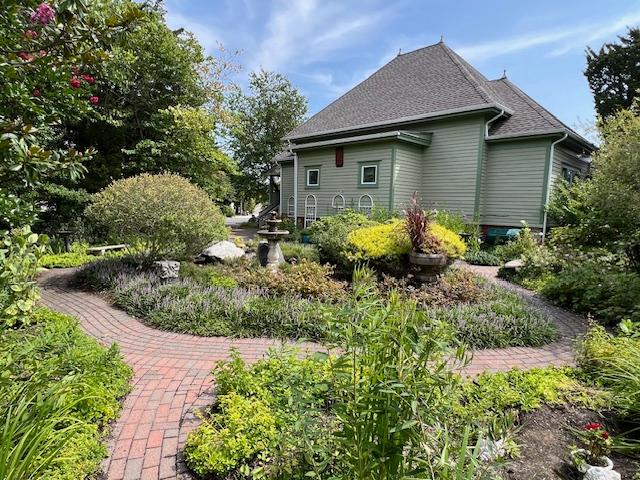
The Gardens from the back of the museum
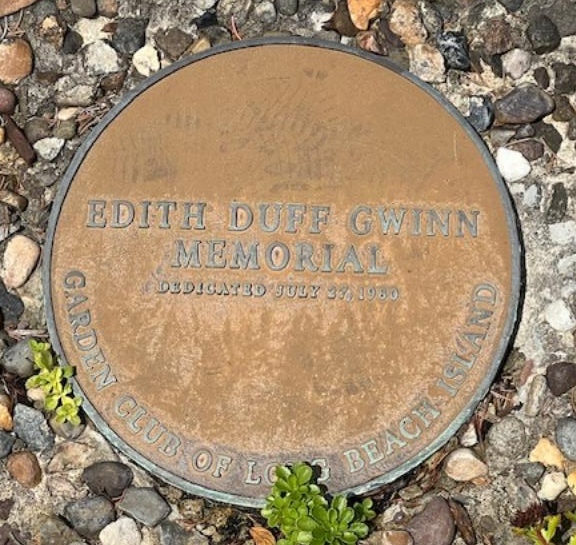
The Garden plaque to Edith Duff Gwinn
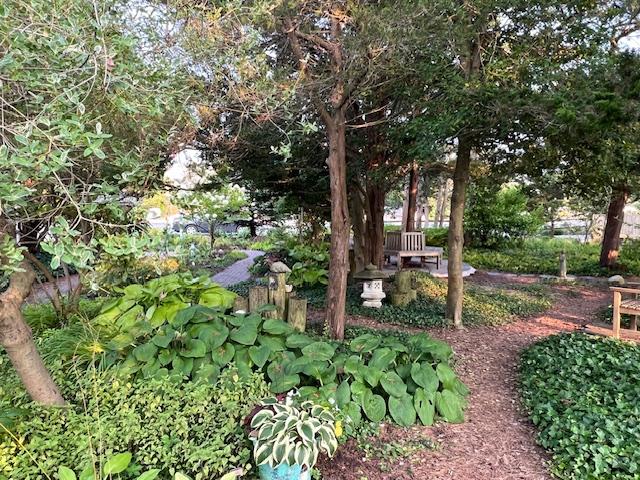
The Edith Duff Gwinn Gardens are on the side and behind the museum

The Edith Duff Gwinn Gardens that surround the museum are maintained by the Long Beach Island Garden Club. The gardens are at their peak in the late Spring and early Summer months. The paths are filled with seasonal flowers and shrubs.
In the off season, you can visit the museum by calling ahead and you can schedule an appointment with the staff of volunteers that work at the museum.
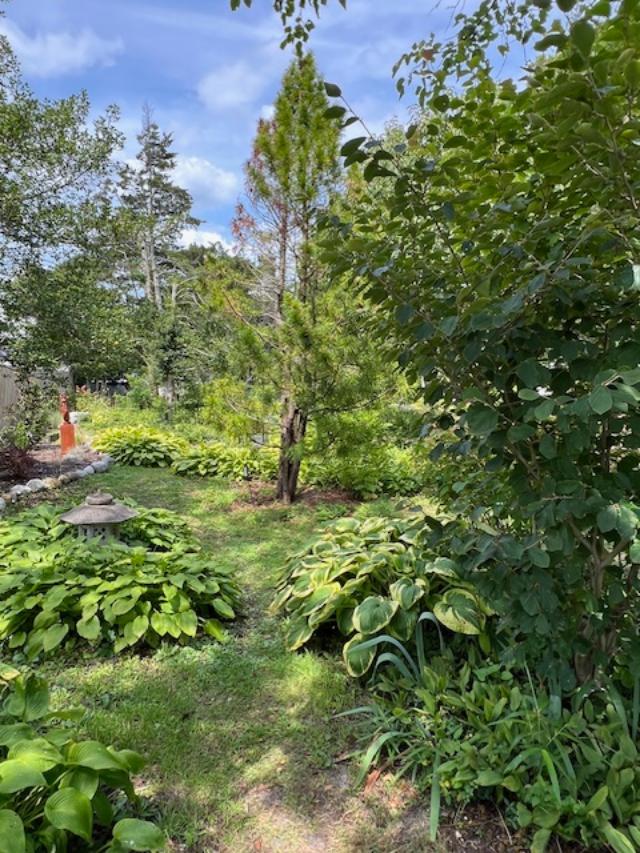
The Gardens in the late Summer of 2024
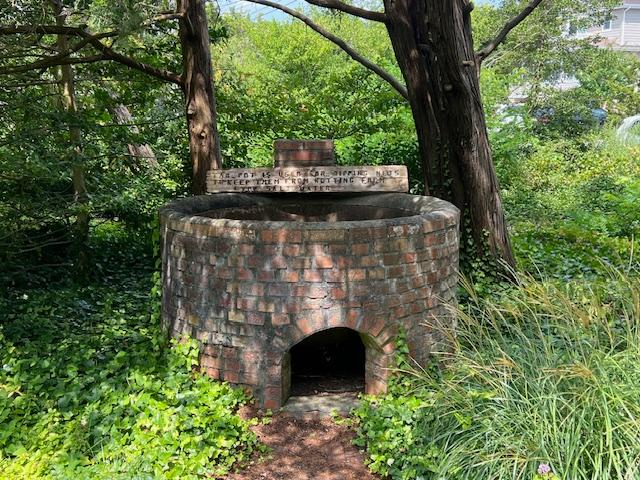
The Beehive
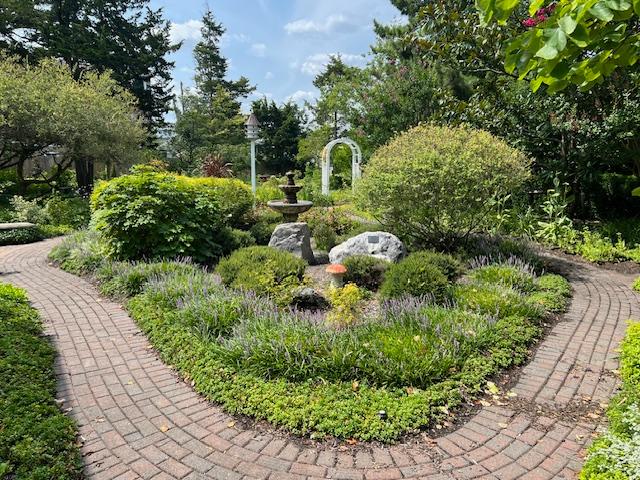
The Gardens in the late Summer of 2024
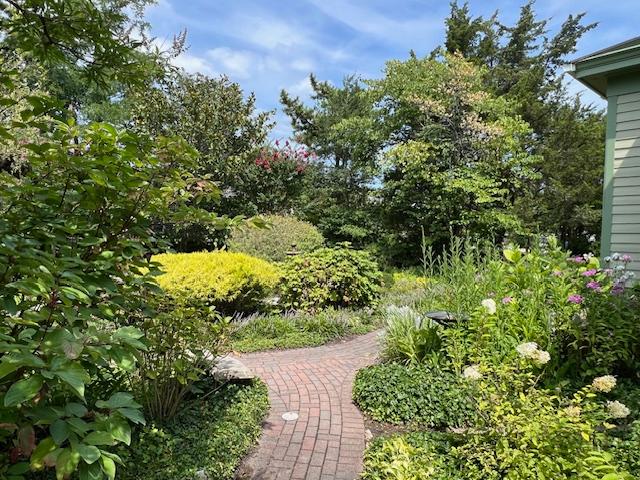
The Gardens in the late Summer
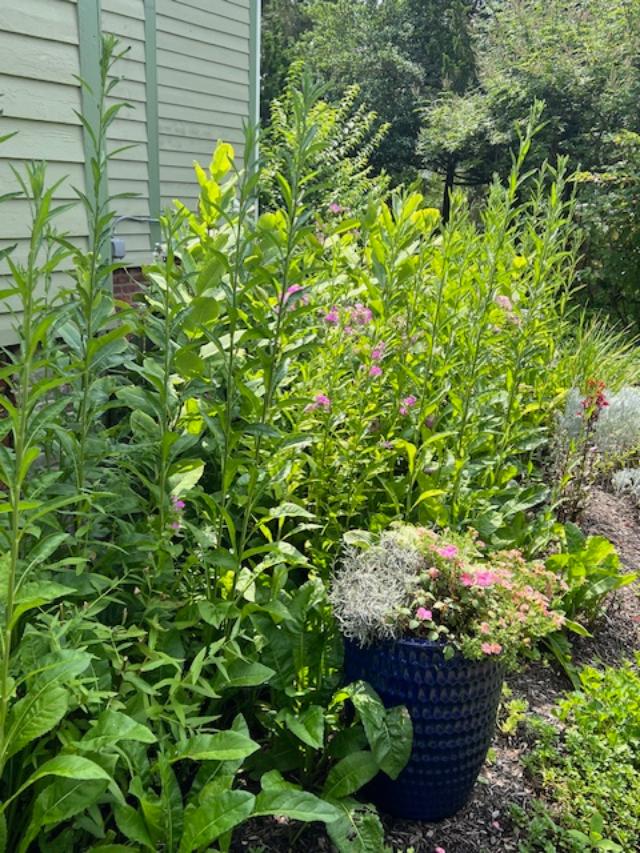
The Gardens in the late summer
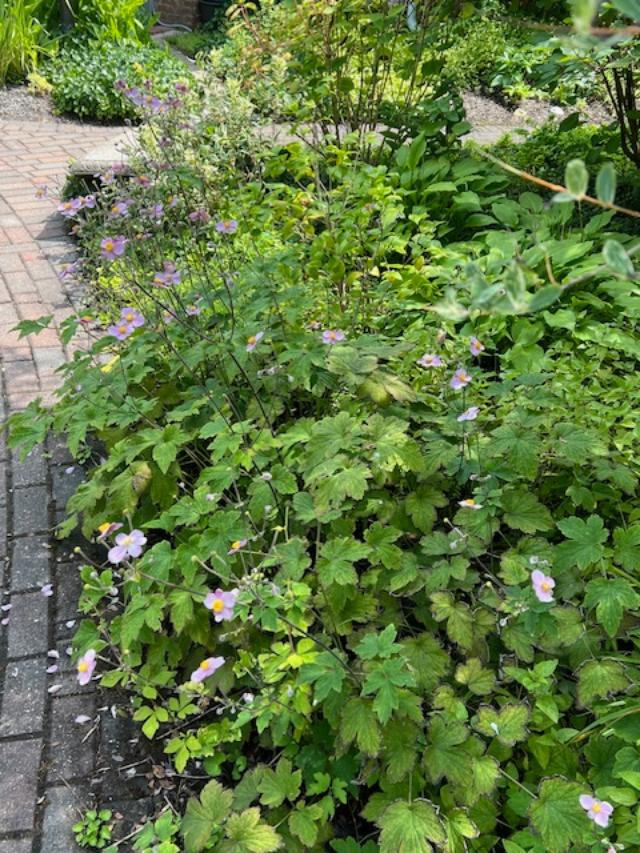
The Garden paths are filled with colorful flowers and plants
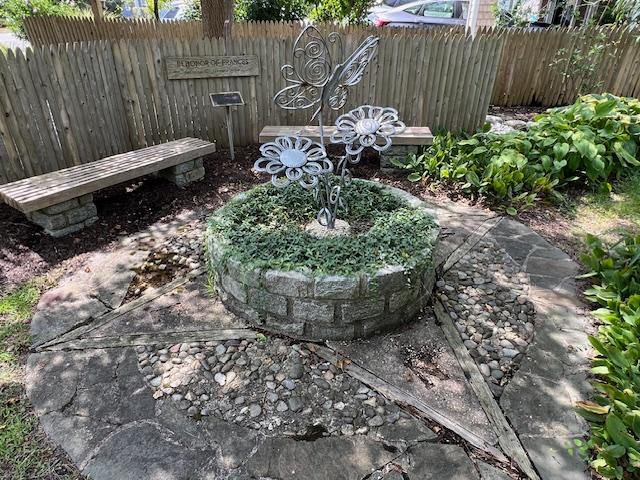
The back of the Gardens and the seating area
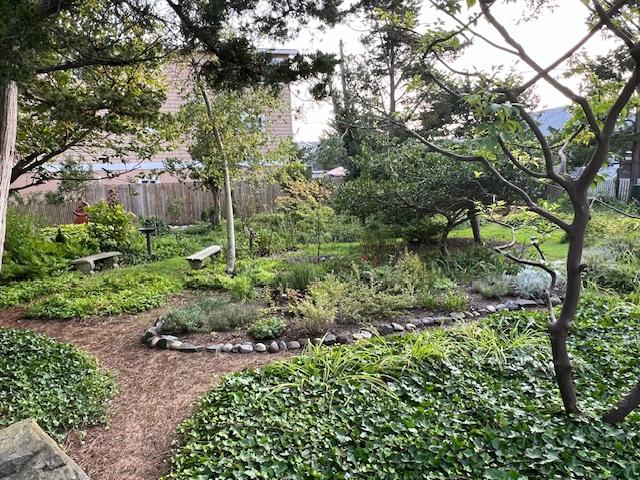
The back of the Gardens

The Gardens also looked beautiful in the late fall when I arrived for the early holiday activities in Viking Village. I was able to walk around when the museum was closed for the season.

The Gardens during the late fall:
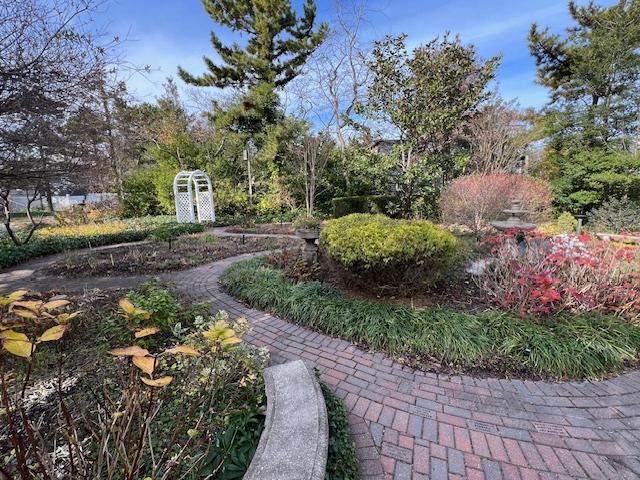
The Gardens during the late fall:
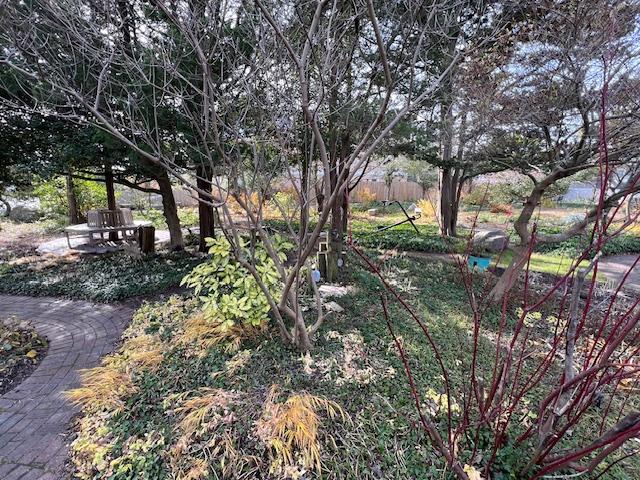
The Gardens during the late fall:
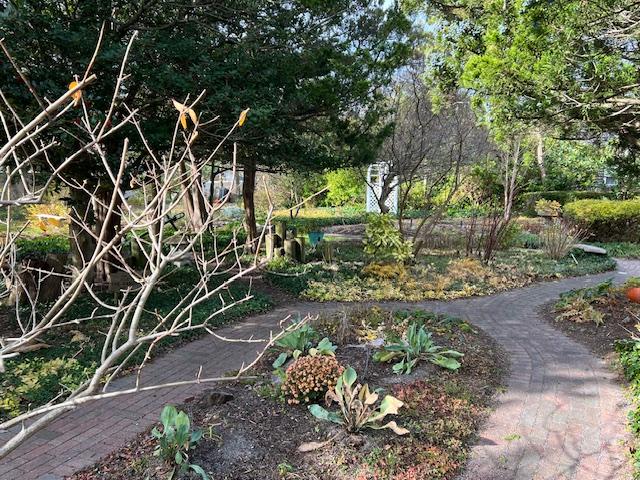
The Gardens during the late fall:
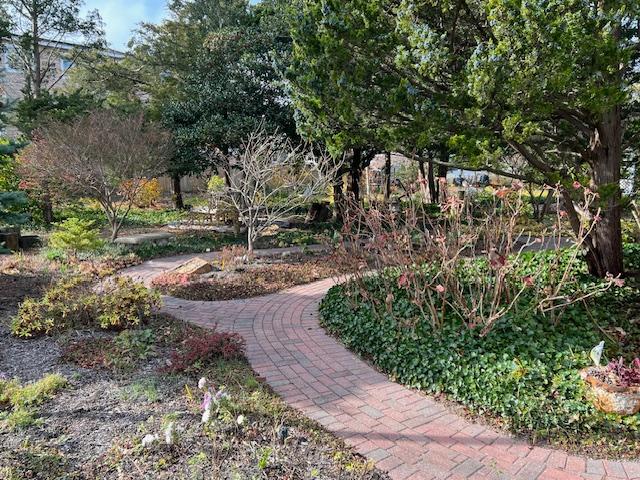
The gardens around Halloween time

The gardens in the Spring and Summer are quite spectacular and the volunteers do a nice job with the landscaping around the museum.
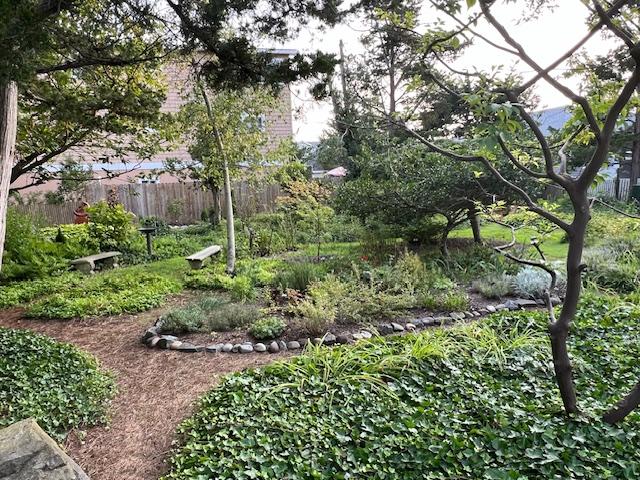
The gardens in the early Summer of 2024
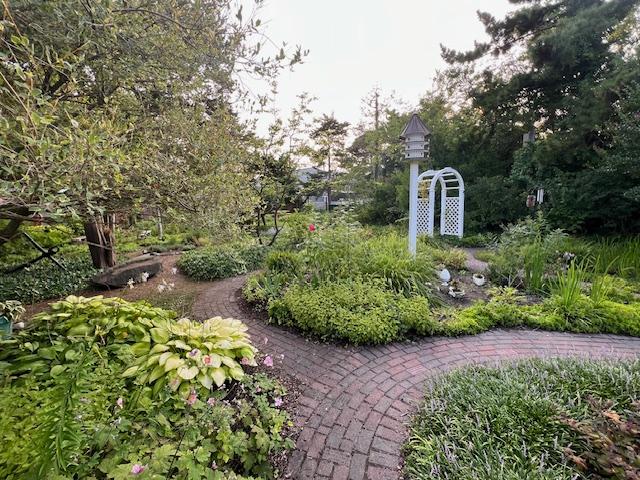
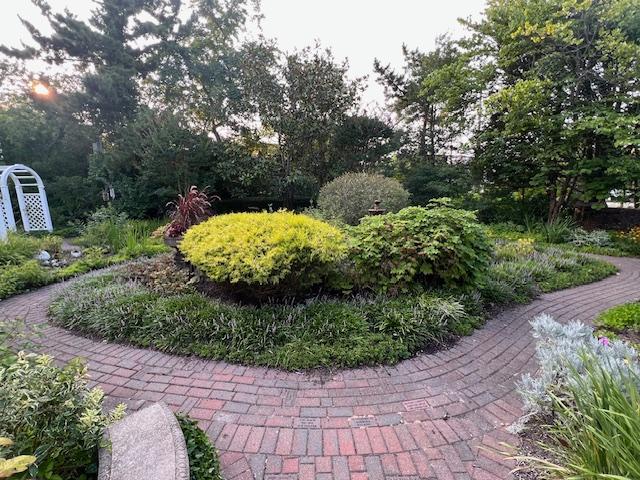
The Gardens in the Summer of 2024
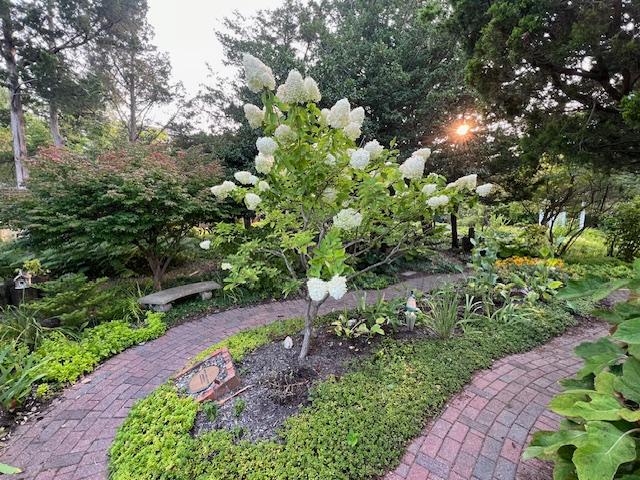
The Gardens in the Summer of 2024
The Gardens in the Summer of 2024
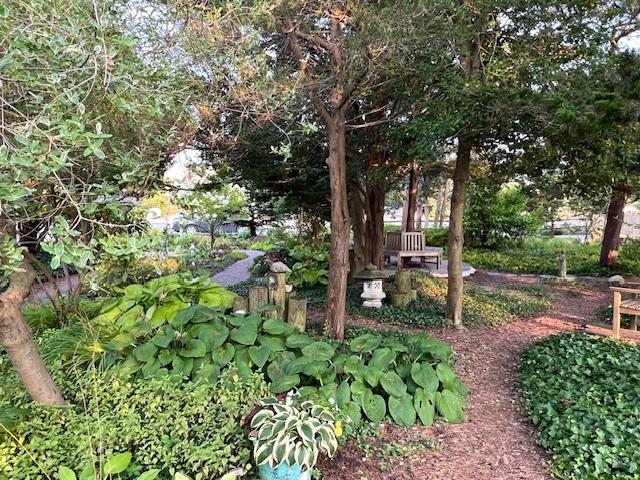
The gardens are really nice in the summer months

Both on the personal tour and when the museum is open during the summer months, the museum is a real treat both inside and out. This small museum is chock full of information not just on Barnegat Light but on the areas development for tourism and business.

It is such an interesting piece of Jersey Shore history.
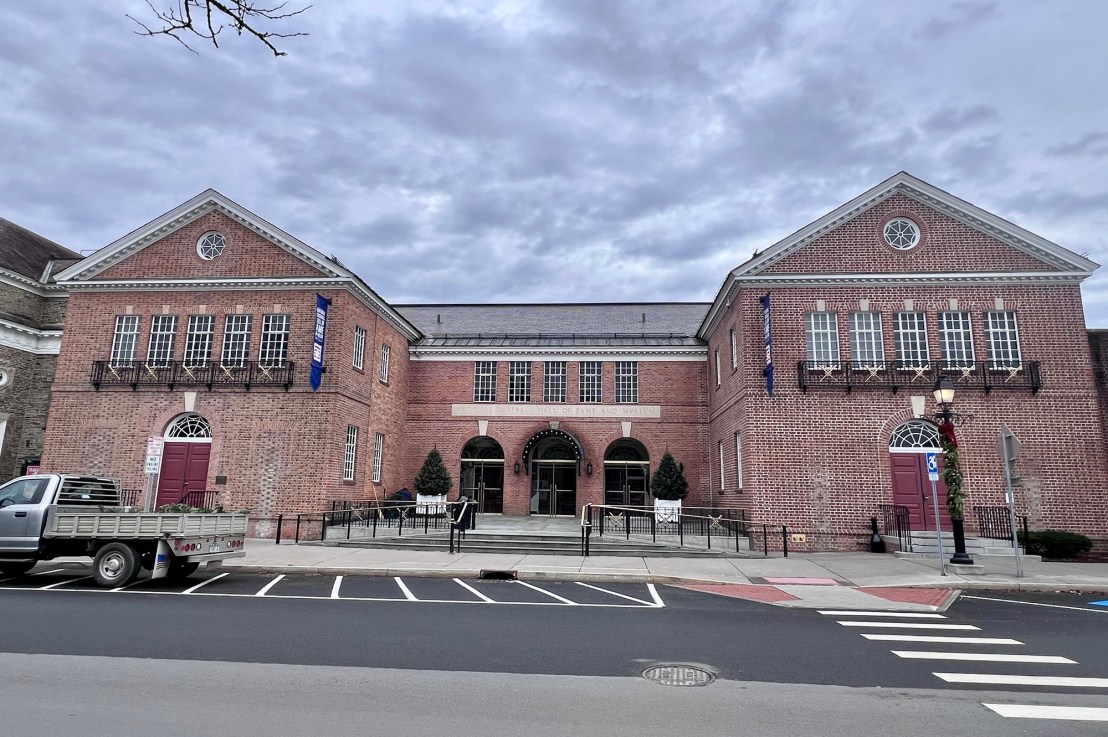
National Baseball Hall of Fame & Museum                      25 Main Street                                     Cooperstown, NY 13326

National Baseball Hall of Fame & Museum 25 Main Street Cooperstown, NY 13326

National Baseball Hall of Fame & Museum

25 Main Street

Cooperstown, NY 13326

(607) 547-7200

https://baseballhall.org/

Open: Sunday-Saturday 9:00am-5:00pm

Fee: Adults $30.00/Seniors (65+) $20.00/Veterans $18.00/Children 7-12 $15.00/Active Military-Children under 6-Members Free

My review on TripAdvisor:

https://www.tripadvisor.com/Attraction_Review-g47529-d102933-Reviews-National_Baseball_Hall_of_Fame_and_Museum-Cooperstown_Otsego_New_York.html?m=19905

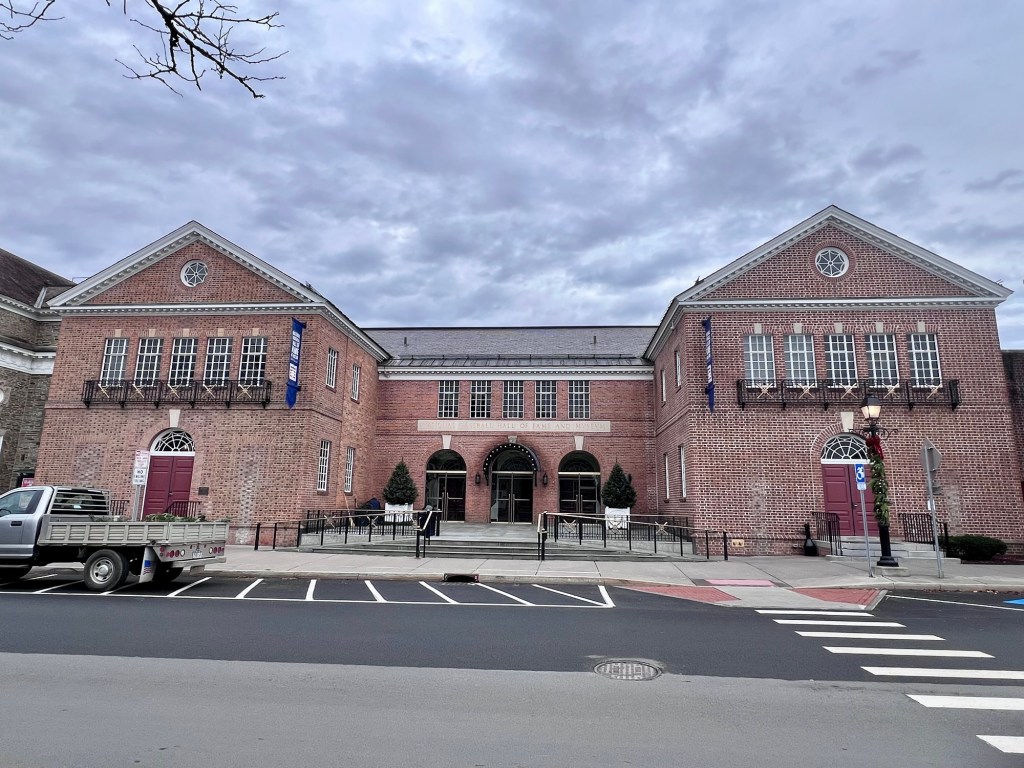
The National Baseball Hall of Fame at 25 Main Street

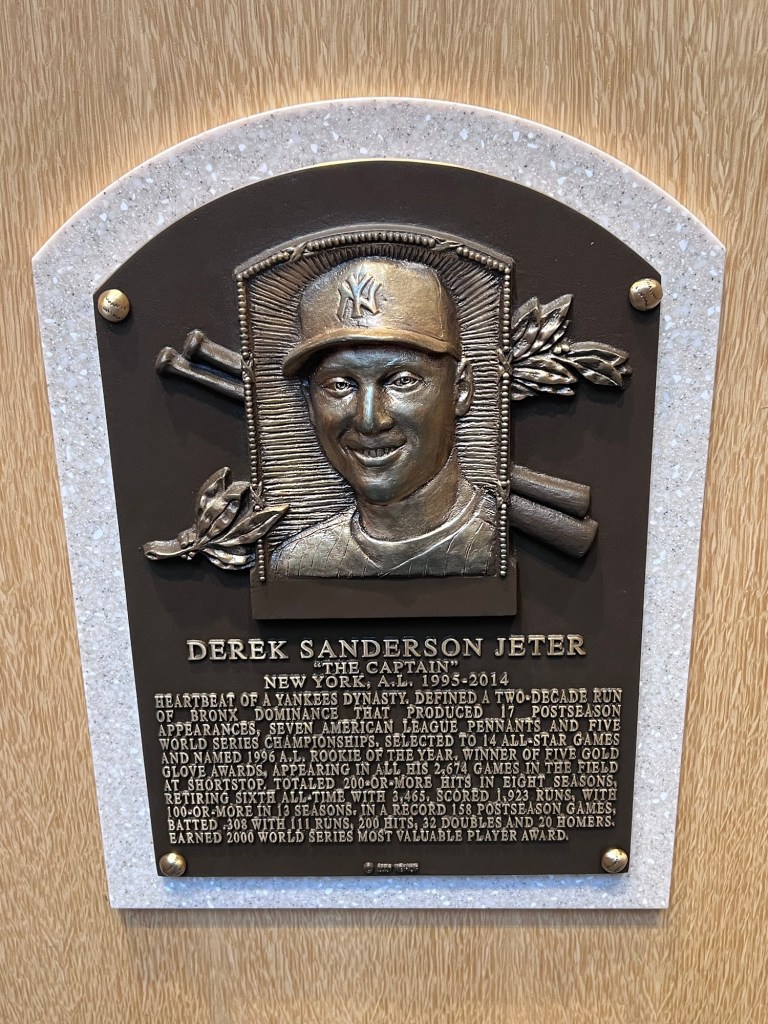
When visiting the National Baseball Hall of Fame be prepared to spend over two hours in the museum because there is so much to see. When I visited the museum recently they had just inducted Derek Jeter as one of its newer members so a lot of Yankee fans were swarming around the picture and the display.

Derek “The Captain” Jeter being inducted into the Baseball Hall of Fame

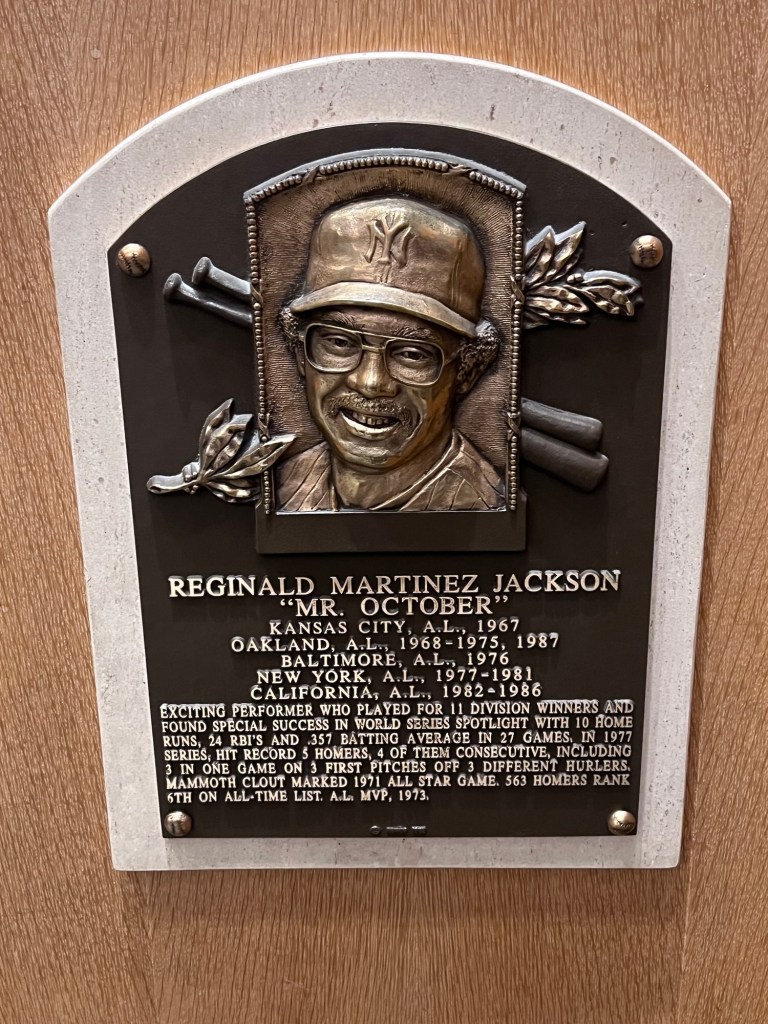
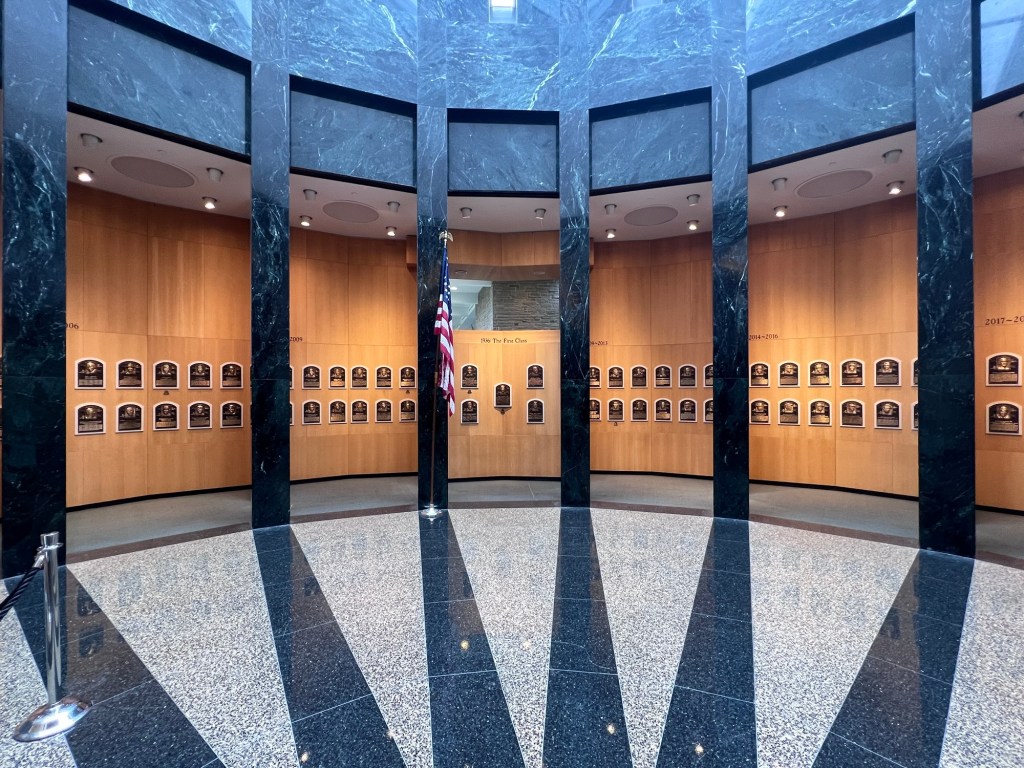
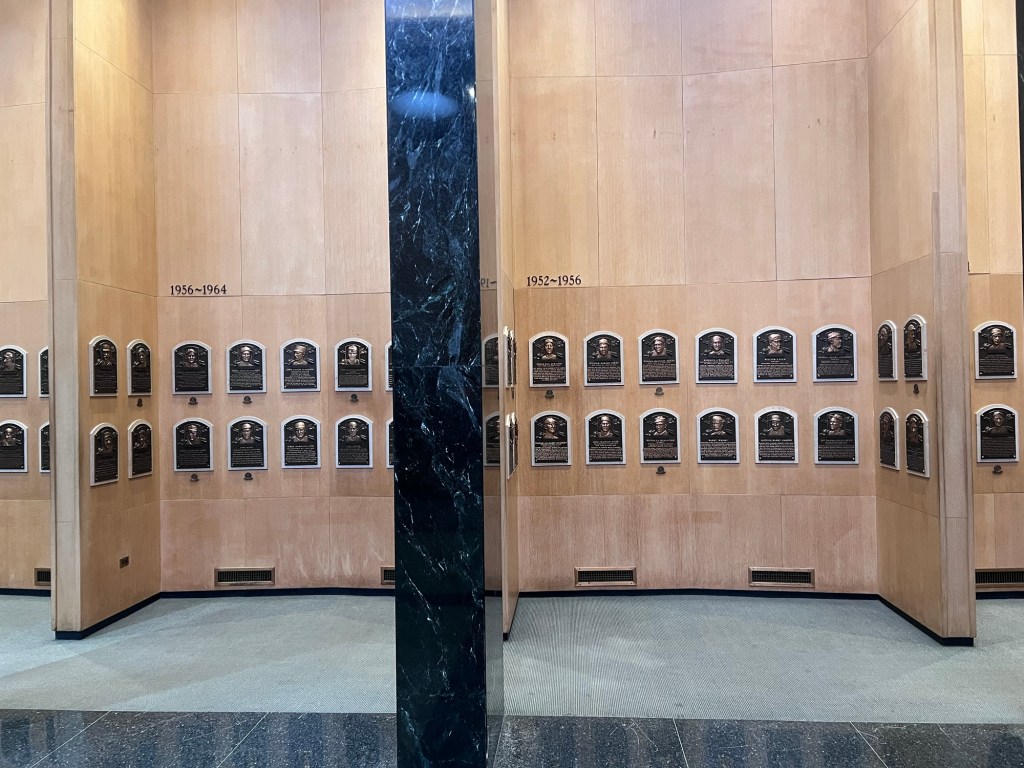
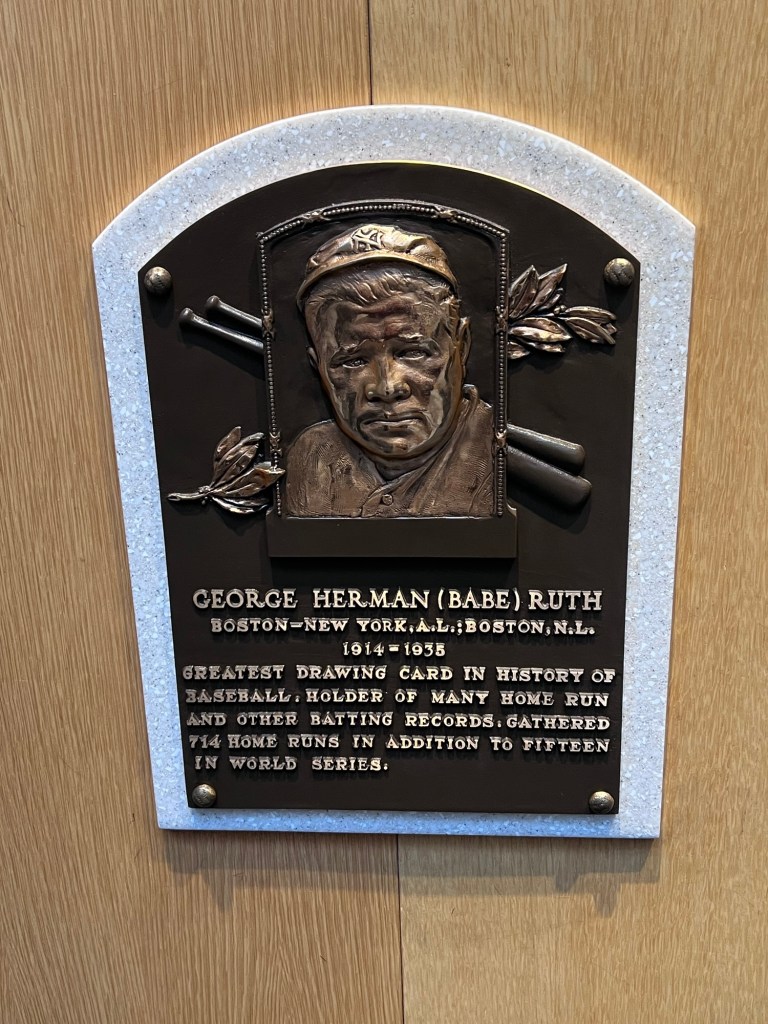
The museum can be overwhelming if you don’t break it down to the part of the visit. I wanted to see the Hall of Fame plaques so I started there. All the players of the past were memorialized by the pictures on plaques with a small blurb about their careers and what team they wanted to be remembered by when they were inducted in.

My hero, Reggie Jackson ‘Mr. October’

I was looking for Reggie Jackson, because I remember when “Mr. October” entered he said with pride that he was coming in as a Yankee. He was one of my hero’s of the 1970’s.

The Hall of Fame Plaque Wall

The Hall of Fame Gallery

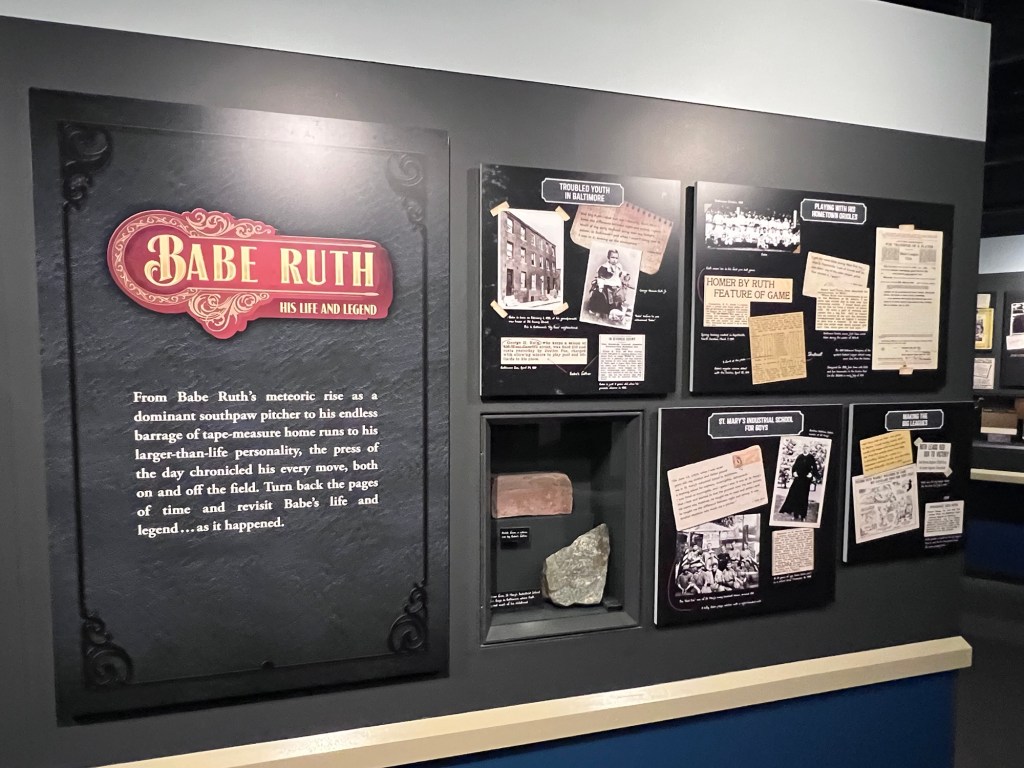
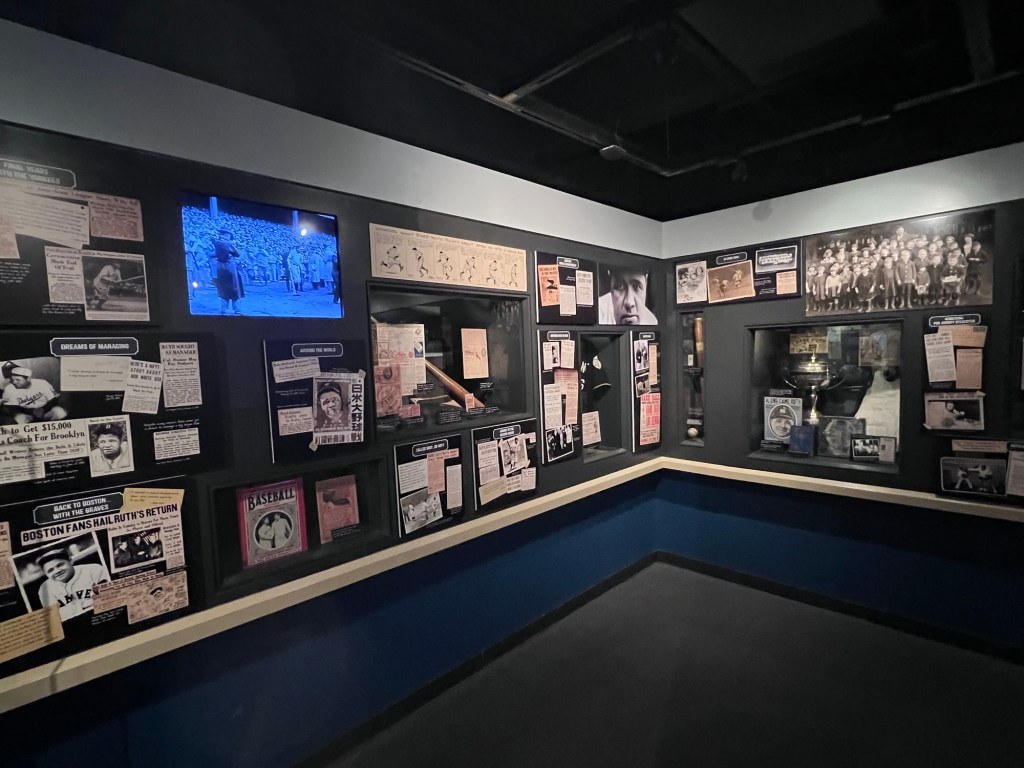
The second floor is loaded with all sorts of baseball memorabilia from Hank Aaron’s uniforms, pictures and stats to a complete display of all of Babe Ruth’s career history from uniforms, stats, recordings, pictures and even his locker.

Babe Ruth display

The Babe Ruth exhibit

The Babe Ruth panel

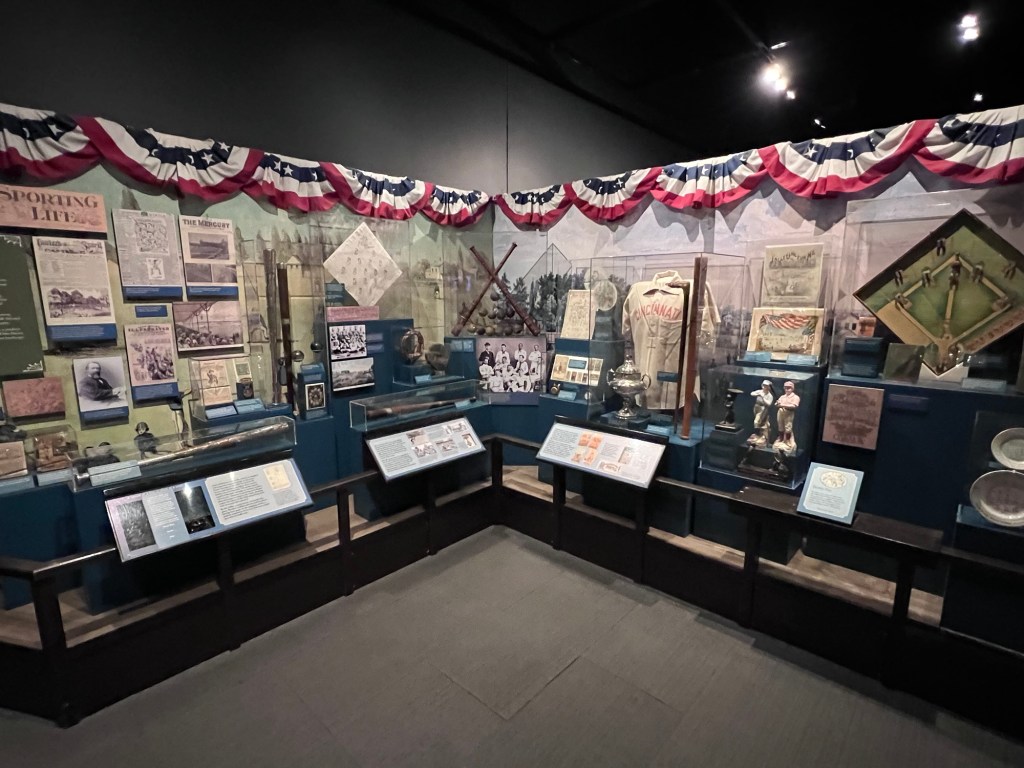
Each display case represented the history of baseball and how it has progressed over the years. From the early Egyptians playing a similar sport with a bat and ball to the progression of cricket in the British Territories to modern day stickball in the cities, baseball keeps morphing and changing to modern times.

The history of Baseball

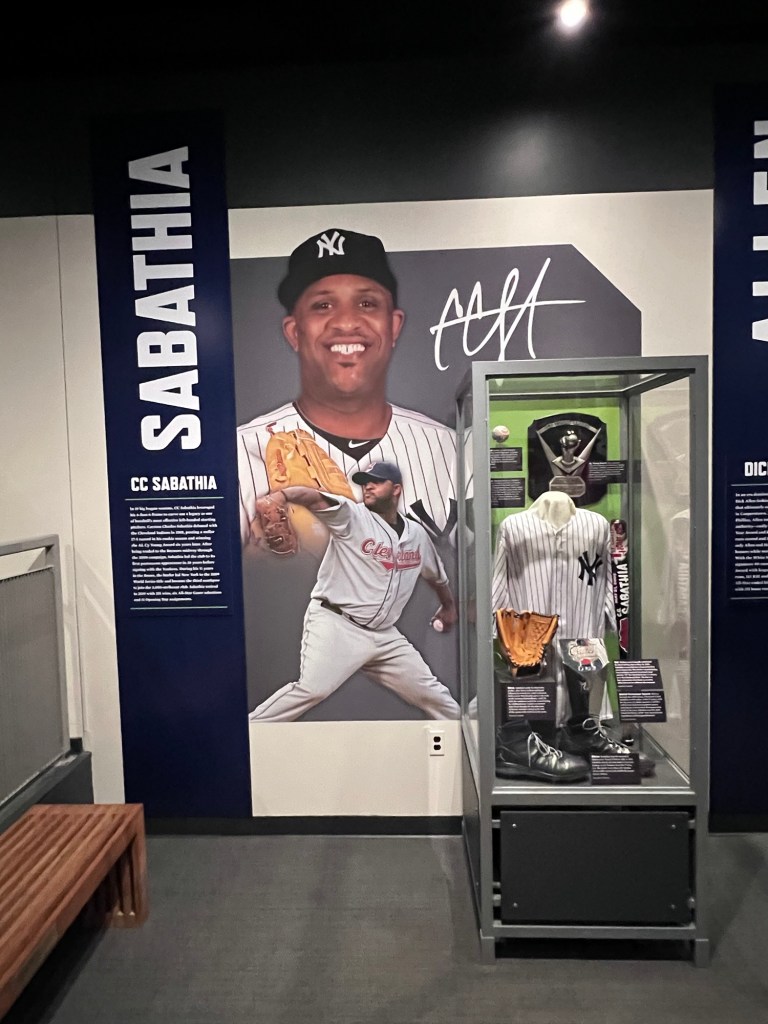
The CC Sabathia exhibit on his coming into the Hall of Fame

Many famous players have donated their entire collections to the museum so it was interesting to see their progression from the time they were young to the time of their retirement.

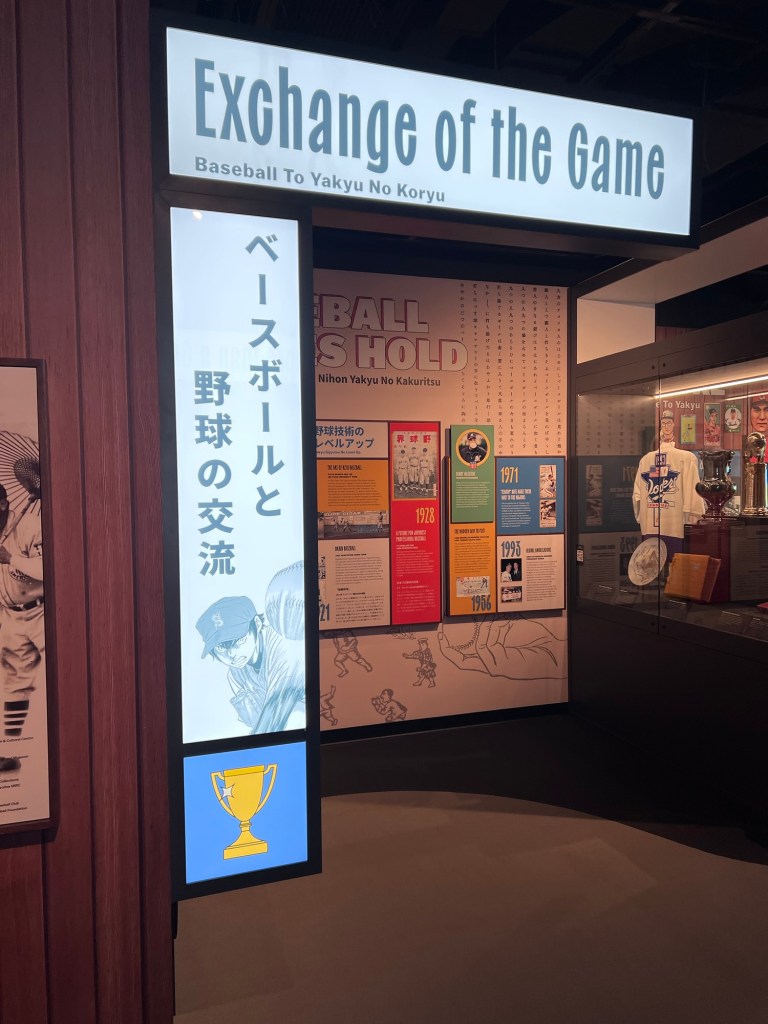
The Japanese baseball history

There are also collections of baseball cards, recordings and films, modern day artworks and even Hollywood’s take on baseball with posters like the “Field of Dreams” and “The Bad News Bears”. I was surprised how the lines between reality and the truth begin to blur in a museum like this.

What I was grateful to was the amount of items donated by the fans, wanting to part with something so valuable to them to share it with other fans.

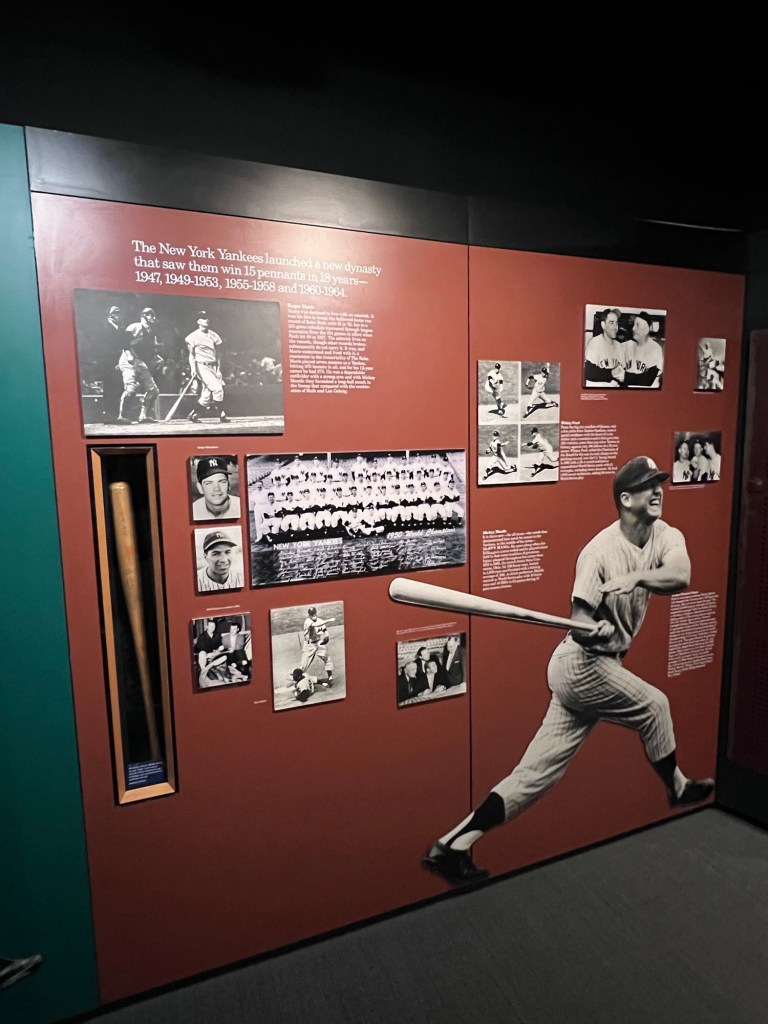
The NY Yankee dynasty

I have to say that the museum can be a little overwhelming at time since there is so much to see so plan on spending at least over two hours and break the visit into two days to really experience the museum especially if you are a true baseball fan at heart.

It is an amazing experience.

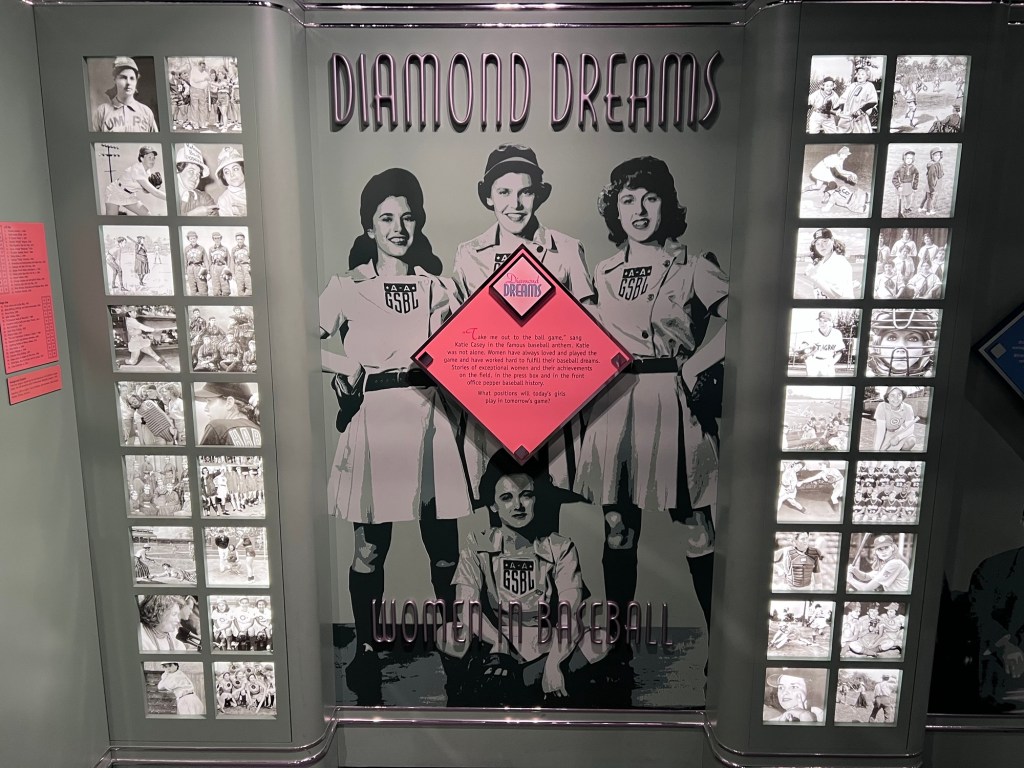
The Women’s League history

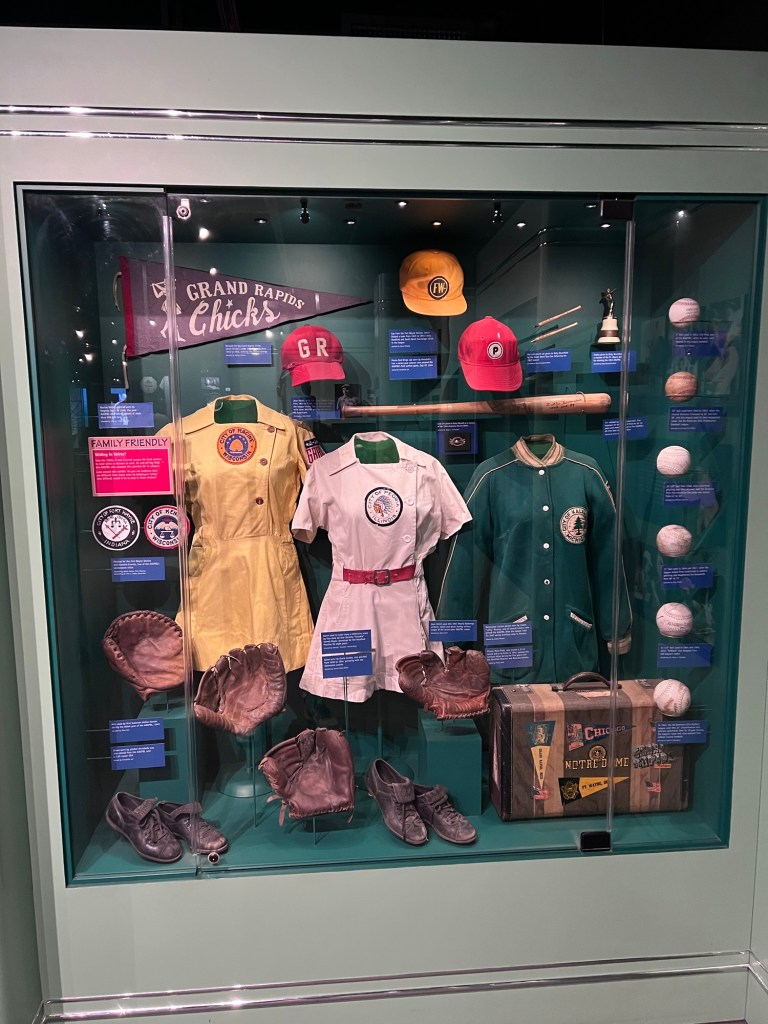
The outfits for Women’s Baseball League

History of the National Baseball Hall of Fame:

(From the museum website)

The Village is pure Americana, a one-stoplight town nestled between the Adirondacks and the Catskills in Central New York. It drew from the family of James Fenimore Cooper, whose father, William, founded the village, whose works of literature have become American standards.

And yet Cooperstown has become a synonym for “baseball”, thanks to a story about a Civil War general and the country’s love for a timeless game. By the last half of the 19th Century, baseball had become the National Pastime. The United States was a little more than 100 years old and baseball had evolved with the country. But there was no definitive answer as to the birth of the game.

Enter the Spalding Commission, a board created by sporting goods magnate and former player A. G. Spalding to establish the genesis of baseball. And after a few years of searching, they found their answer.

A plaque commemorating Major General Abner Doubleday was installed prior to the Hall of Fame’s opening on June 12th, 1939.(Homer Osterhoudt/National Baseball Hall of Fame and Museum).

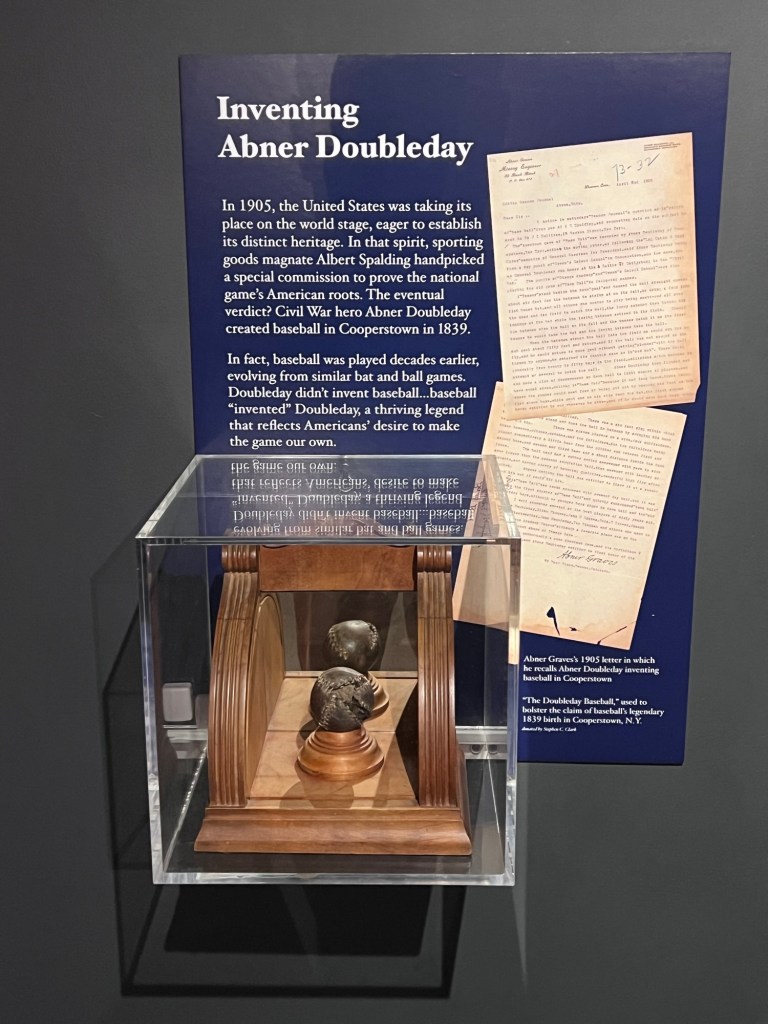
The Abner Doubleday display

Abner Graves, a mining engineer, proclaimed that Abner Doubleday, a decorated Union Army officer who fired the first shot of defense of Fort Sumter at the start of the Civil War and later served at the Battle of Gettysburg, invented baseball in 1839 in Cooperstown. That was good enough for the Spalding Commission, which came to its conclusion in 1907.

Three decades later, Cooperstown philanthropist Stephen C. Clark, seeking a way to celebrate and protect the National Pastime as well as an economic engine for Cooperstown, asked National League president Ford C. Frick if he would support the establishment of a Baseball Hall of Fame in Cooperstown. The idea was welcomed and in 1936 the inaugural Hall of Fame class of Ty Cobb, Walter Johnson, Christy Mathewson, Babe Ruth and Honus Wagner was elected.

Three years later, the Hall of Fame building officially opened in Cooperstown as all of baseball paused to honor what was called “Baseball’s Centennial” and as the first four Hall of Fame classes were inducted.

To mark the occasion, Time Magazine wrote: “The world will little note nor long remember what (Doubleday) did at Gettysburg but it can never forget what he did at Cooperstown.”

In the years since, The Doubleday Myth has been refuted. Doubleday himself was at West Point in 1839. Yet the Myth has become strong enough that the facts alone do not deter the spirit of Cooperstown.

The National Baseball Hall of Fame and Museum surely the most well-known sports shrine in the world, continues to thrive in the town where baseball’s pulse beats the strongest.

But in the following the opening of the Hall of Fame on June 12th, 1939, the Museum has become much more than just home to baseball’s biggest stars. The Hall of Fame is the keeper of the game.

The Hall of Fame’s collections contain more than 40,000 three demensional artifacts, such as bats, balls, gloves and uniforms donated by players and fans who want to see history preserved. The museum’s curators use the artifacts, whose number grows by about 400 a year, to tell the story of the National Pastime through exhibits.

The Museum itself is a melding of five buildings sewn together via several renovation and expansion programs. Today, the Museum easily accommodates more than 3000 visitors per day during the peak season.

The artifact collection is housed in climate-controlled rooms to protect the delicate, fabric and wood materials used in baseball. The Museum promises, in exchange for the donation of an artifact, to care for an item in perpetuity, which means the effects of temperature and humidity must be constantly regulated. The Museum’s first accessioned item was the “Doubleday Baseball”, which was discovered in a farmhouse in nearby Fly Creek, NY in 1935 and dates to the 19th Century.

Then in 1937, Cy Young, elected to the Hall of Fame that year in the second year of voting, generously donated several artifacts, including the 1908 ball from his 500th win and the 1911 uniform he wore with the Boston Braves. Young’s donations generated new offers from other players as well as fans.

Thousands of fans attended the opening of the Hall of Fame on June 12th, 1939 and that same year another Cooperstown tradition was started with the launch of the annual Hall of Fame game. For 70 years, the Hall of Fame game became an annual celebration of the game as two Major League Baseball teams played an annual exhibition contest at Doubleday Field in Cooperstown.

Though the game was discontinued in 2008, the legends live on with the advent of the Hall of Fame Classic, an annual event over Memorial Day Weekend featuring Hall of Famers and former major leaguers at historic Doubleday Field.

The field itself dates back to 1920 and the first grandstand was built in 1924. Thanks to Works Progress Administration money during the Great Depression, Doubleday Field was expanded again in 1934. Today, the field is occupied non-stop during the spring, summer and fall as high school athletes, collegiate summer league stars and recreational players savor the chance to play on hallowed ground.

The A. Bartlett Giamatti research Center is also part of the Museum experience and the Center’s Library contains more than three million documents on the history of baseball, ranging from reference books to the “Green Light Letter” sent by President Franklin D. Roosevelt to baseball commissioner Kenesaw Mountain Landis in January of 1942, urging Landis to keep baseball going during World War II. The National Baseball Hall of Fame Library also contains more than 250,00 baseball photographs and images.

As an educational institution, the Museum offers outreach programs for audiences of all ages. Through virtual classroom technology, Cooperstown is transported to school across the country with video-conference lessons featuring any one of 16 learning modules.

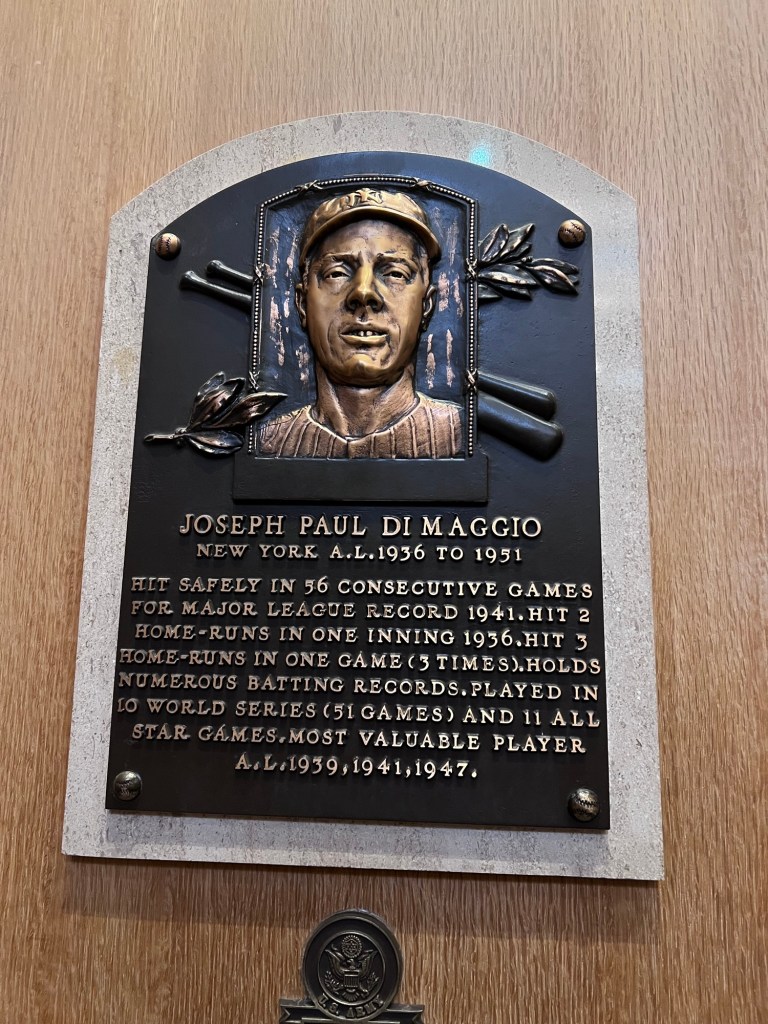
The Joe Di Maggie award

Mission of the Museum:

Preserving History, Honoring Excellence and Connecting Generations.

The National Baseball Hall of Fame and Museum is an independent, non-profit educational institution dedicated to fostering an appreciation of the historical development of baseball and its impact on our culture by collecting, preserving, exhibiting and interpreting its collection for a global audience as well as honoring those who have made outstanding contributions to our national pastime.

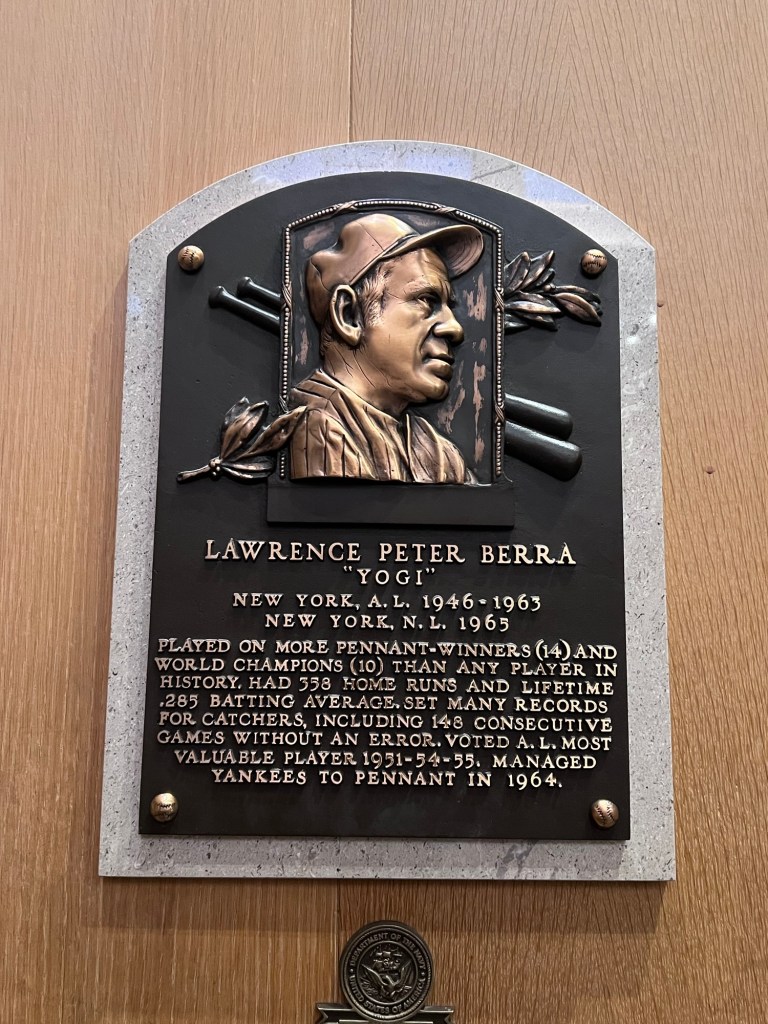
The Yogi Berra panel

The Hall of Fame’s mission is to preserve the sport’s history, honor excellence within the game and make a connection between the generations of people who enjoy baseball. Likewise the institution functions as three entities under one roof with a museum, the actual Hall of Fame and a research library. With these parts working together, the Museum is committed to fulfilling its mission by:

Collecting, through donations, baseball artifacts, works of art, literature, photgraphs, memorabilia and related materials which focus on the history of the game over time, its players and those elected to the Hall of Fame.

Preserving the collections by adhering to professional museum standards with respect to conservation and maintaining a permanent record of holdings through documentation, study, research, cataloging and publication.

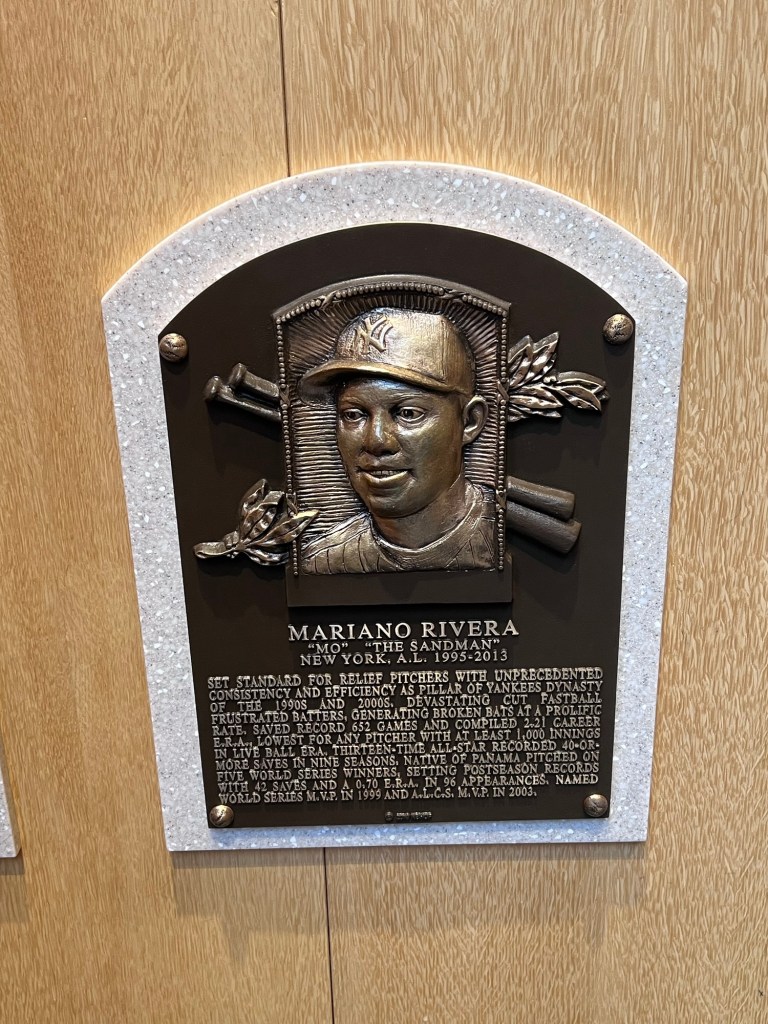
The Mariano Rivera plaque

Exhibiting material in permanent gallery space, organizing on-site changing exhibitions on various themes, with works from the Hall of Fame collectins or other sources, working with other individuals or organizations to exhibit loaned material of significance to baseball and providing related research facilities.

Interpreting artifacts its exhibition and education programs to enhance awareness, understanding and appreciation of the game fora diverse audience.

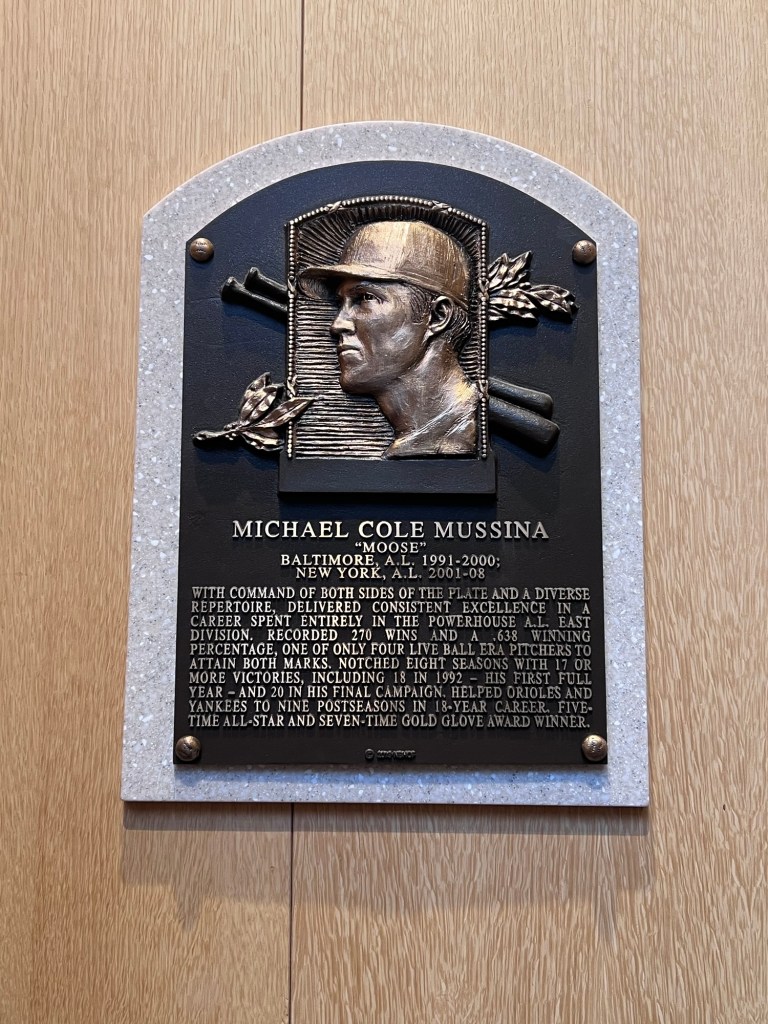
The Mike Mussina plaque

Honoring, by enshrinement, those individuals who had exceptional careers and recognizing others for their significant achievements.

Fenimore Art Museum                                         5798 NY-80                                          Cooperstown, NY 13326

Fenimore Art Museum 5798 NY-80 Cooperstown, NY 13326

Fenimore Museum

5798 NY-80

Cooperstown, NY 13326

(607) 547-1400

Open: Sunday-Saturday 10:00am-5:00pm (check hours during the seasons)

Admission: Adults (13+) $17.50/Children (12 and under) Free

My review on TripAdvisor:

https://www.tripadvisor.com/Attraction_Review-g47529-d103482-Reviews-Fenimore_Art_Museum-Cooperstown_Otsego_New_York.html?m=19905

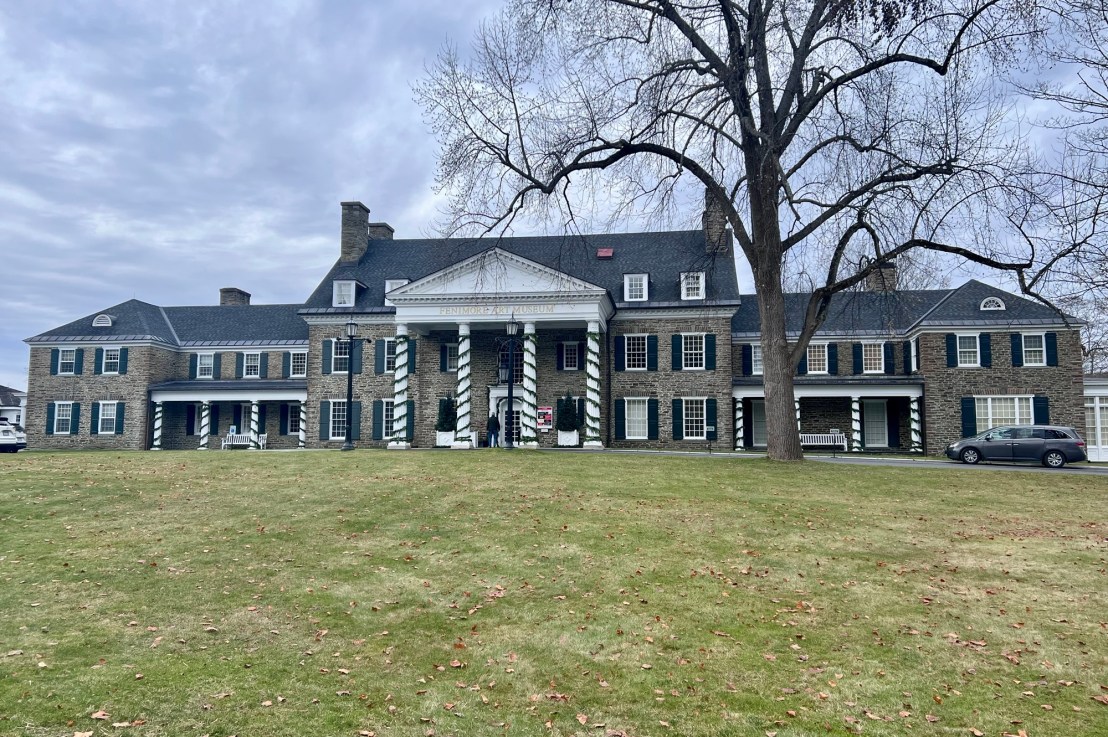
The Fenimore Museum at 5798 NY-80

The museum at the start of the holiday season

I was in Upstate New York visiting Cooperstown to see the Baseball Hall of Fame and when I finished, I travelled up the road to see the Fenimore Art Museum. What a unique museum packed with interesting art from all aspects of the medium.

The Portrait Collection

The Lady in White

The middle level of the museum specialized in early American works and paintings from the Hudson River School. Across the hall was the history of the Cooper family who once owned all the land in the area, developed it to the town known as Cooperstown as a planned community.

The collection of Folk Art Paintings

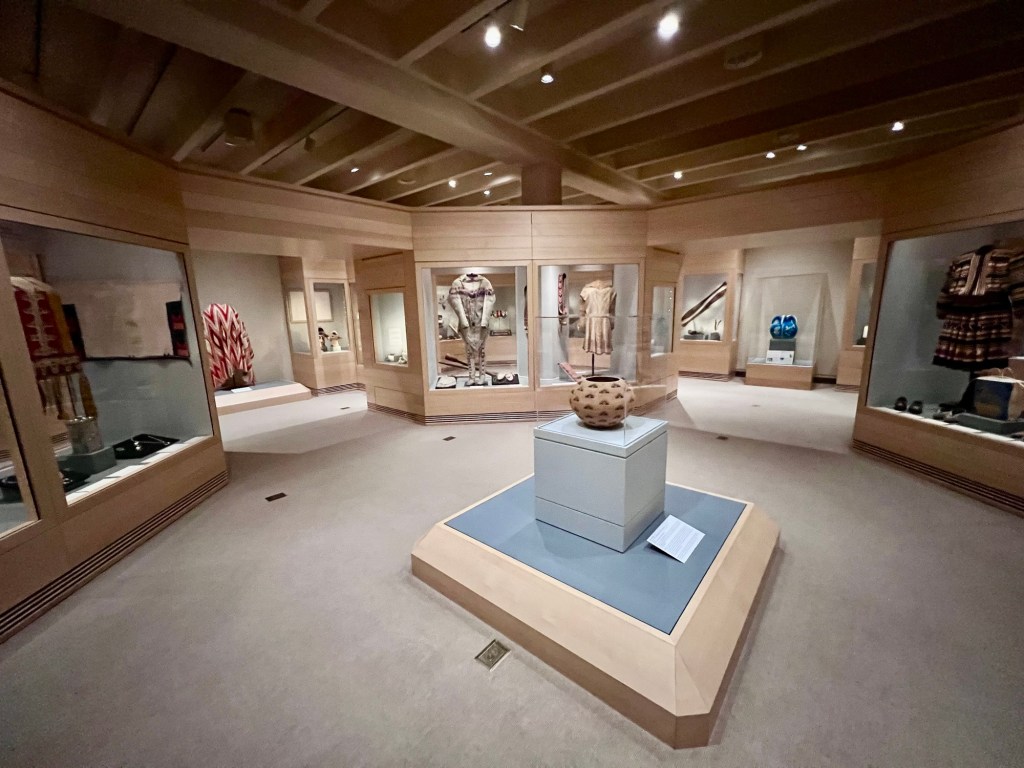
The lower level was dedicated to the Thaw Collection of American Indian Art which was pretty extensive.

The clothing from the Native American display from the Thaw Collection

The Thaw Collection gallery

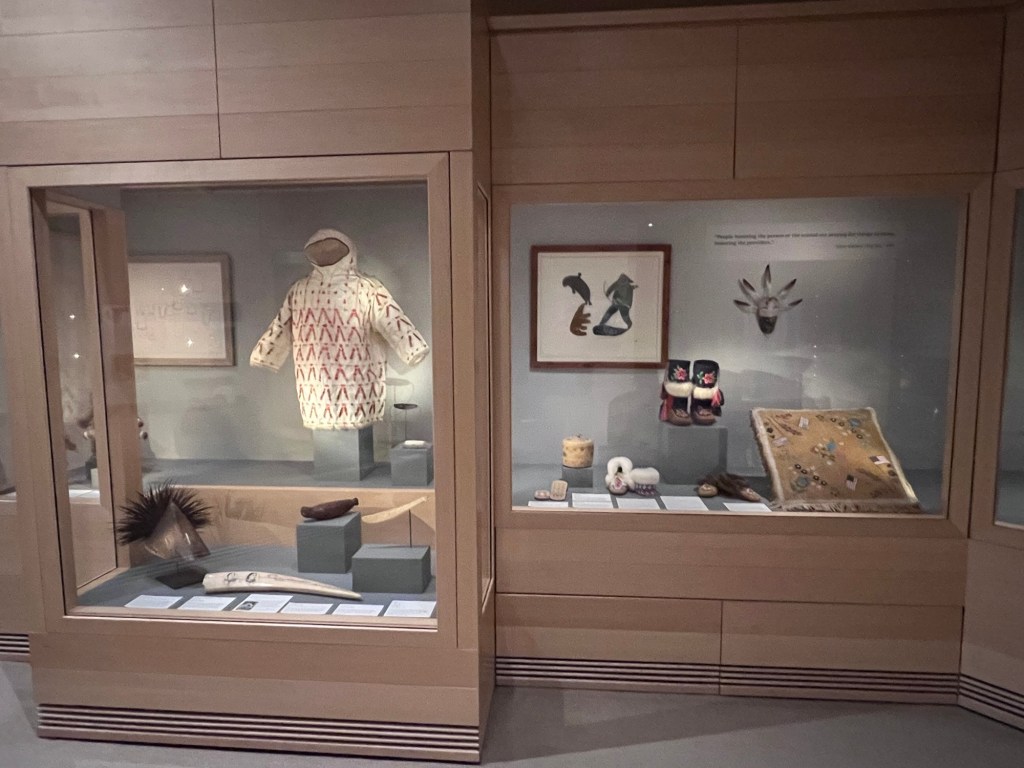
I liked the collection of spiritual masks that could scare away any evil spirit. The collection of small dolls and icons makes you wonder how they if ever captured any spirits. Their collection of clothing was interesting too.

The Thaw Collection

The Thaw Native American Collection

The ‘Looking Back’ exhibition

The paintings in the exhibit

One of my favorite paintings from this exhibit (note-some of the buildings in this painting from 1860 still exist).

The upper floor in 2025 was the exhibition of the ‘’Calvin and Hobbes’ cartoon. I loved this comic strip when it was out and found myself laughing the whole time.

The opening of the Calvin and Hobbes exhibition in 2025

(From the Fenimore Art Museum website)

Exploring Calvin and Hobbes revisits the beloved comic strip created by Bill Watterson from 1985 to 1995. This exhibit explores his mastery of the comic strip art form through engaging characters, thoughtful writing, and creative layouts.

The exhibition features original Calvin and Hobbes daily and Sunday strips as well as specialty pieces by Watterson from his collection of more than 3,000 originals housed at the Billy Ireland Cartoon Library & Museum at The Ohio State University. Calvin and Hobbes appeared in 2,400 newspapers worldwide at the height of its popularity. Watterson won the National Cartoonists Society’s prestigious Reuben Award for “Outstanding Cartoonist of the Year” in both 1986 and 1988.

The History of the Fenimore Art Museum:

The Fenimore Art Museum originated as the New York State Historical Association, founded in 1899 by New Yorkers who were interested in promoting greater knowledge of the early of the state. They hoped to encourage original research, to educate general audiences by means of lectures and publications to mark places of historic interest with tablets or signs and to start a library and museum to hold manuscripts, paintings and objects associated with the history of the state.

The Fenimore Art Museum in the Fall of 2025

In 1939, Stephen Carlton Clark, offered the organization a new home in the village of Cooperstown, NY. Clark, an avid collector, took an active interest in expanding the holdings of the Association and in 1944 donated Fenimore House, one of his family’s properties, to be used as a new headquarters and museum. The impressive neo-Georgian structure was built in the 1930’s on the site of James Fenimore Cooper’s early 19th century farmhouse on the shore of Otsego Lake, Coopers Glimmerglass.

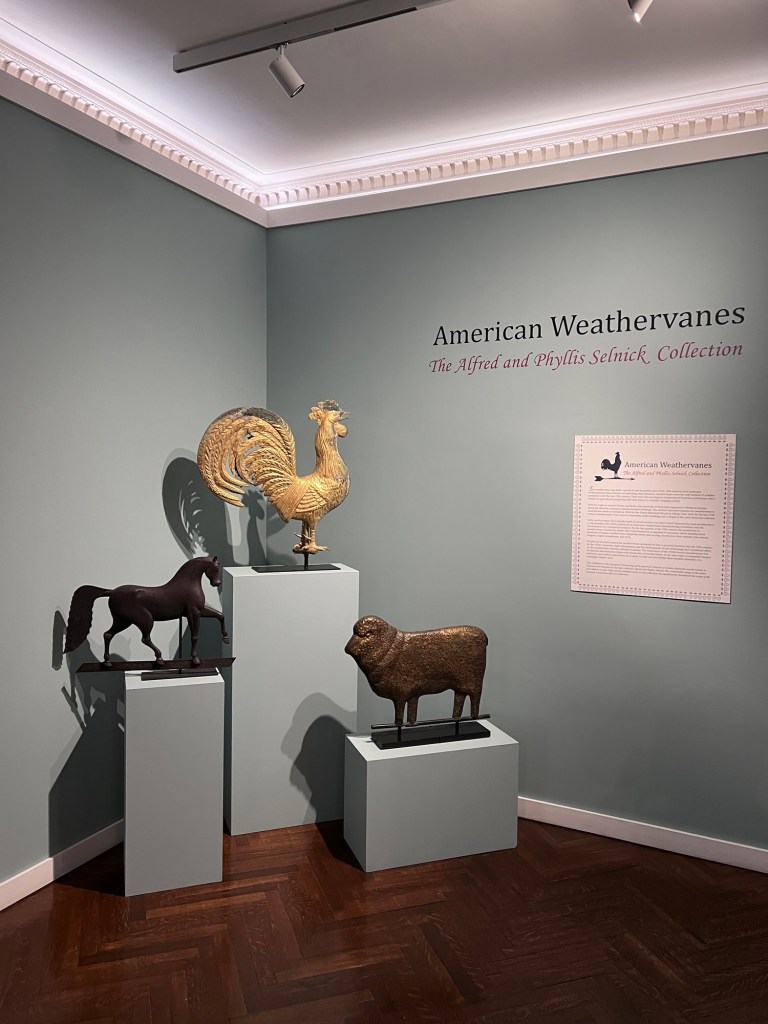
The Weathervane Collection

Fenimore House was large enough to have both extensive galleries as well as an office and library space. The collections and programs continued to expand and a separate library building was constructed in 1968.

The Cigar Store Indian

In 1995, a new 18,000 square foot wing was added to the Fenimore House to accommodate the Eugene and Clare Thaw Collection, which is one of the nation’s premier collections of American Indian Art. In 1999 in recognition of our world class collections, we renamed the Fenimore House to the Fenimore Art Museum.

The Collection includes The Thaw Collection of American Indian Art, Fine Art & Folk Art, Photography and the Research Library.

Early American Portrature

Mission:

Preserving-Engaging-Educating

Fenimore Art Museum is dedicated to welcoming and connecting people to our shared cultural heritage through exhibitions and programs that engage that engage, delight and inspire.

(This information comes from the Fenimore Art Museum’s website and I give them full credit for it)

The ‘Humming Bee’ portrait

This was one of my favorite paintings in the collection when I visited in 2025.

The Thaw Collection gallery

The Trolley Museum of New York                                            89 East Strand                                              Kingston, NY 12401

The Trolley Museum of New York 89 East Strand Kingston, NY 12401

The Trolley Museum of New York

89 East Strand

Kingston, NY 12401

(845) 331-3399

http://www.tmny.org/

https://www.facebook.com/trolleymuseumny/

Open: Sunday & Saturday 12:00pm-5:00pm/Monday-Friday Closed-May through October so please check the website.

Fee: Adults $6.00/Children over Five (5) and Seniors $4.00/Children under Five/Active Military with ID and their families/Members Free

Trolley Rides leave Gallo Park at 12:30pm/1:30pm/2:30pm & 3:30pm.

My review on TripAdvisor:

https://www.tripadvisor.com/Attraction_Review-g48003-d4755385-Reviews-Trolley_Museum_Of_New_York-Kingston_Catskill_Region_New_York.html?m=19905

The Kingston Trolley Museum at 39 East Strand

When I was visiting Kingston, NY again for my blog, “MywalkinManhattan.com”, I came across the Trolley Museum that was down the road from the NY Maritime Museum and the harbor for the ‘Hudson River Cruises”. This unique museum has a lot of interactive things for a family to do including riding a trolley through the harbor of the Kingston Roundout to Kingston Point Park right on the Hudson River. On a beautiful sunny day there is nothing like it.

The first part of the trip took us to the Kingston Roundout

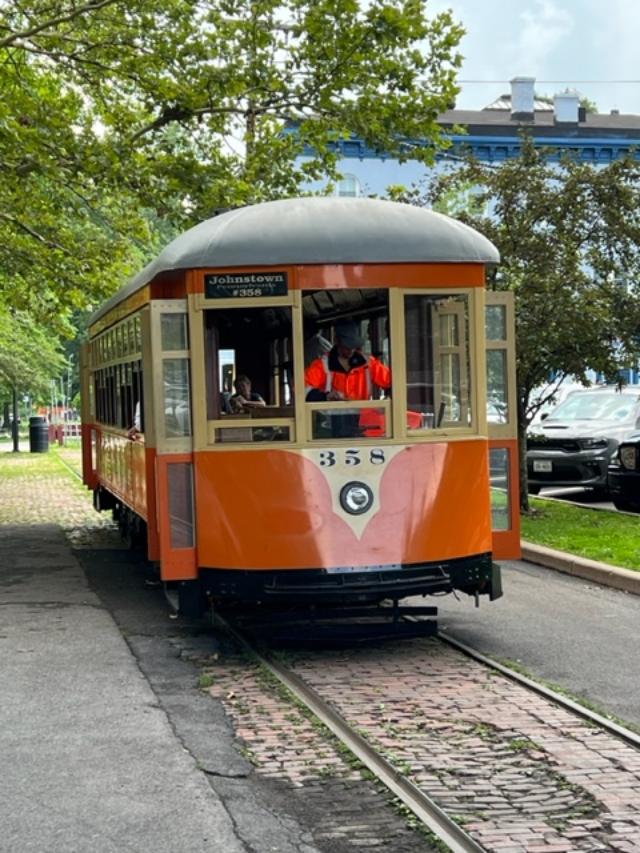
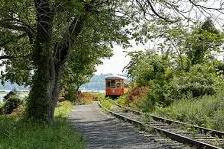
I just made the first trip on the trolley. You start at the front of the museum and then you take a short trip to the downtown and we picked up other passengers. It was then off for a short trolley trip following the river up to Kingston Point Park and the picnic grounds there.

The Trolley Museum

The Trolley arriving at Kingston Point Park

The foliage was amazing at the park with hues of gold and red and the trees were just coming into their peak. We only had about a half hour to stay at the park and look around but it was a real delight of colors and the views of the river just shined in the sun. It was very picturesque especially with sailboats passing by.

The Trolley stops at Kingston Point Park

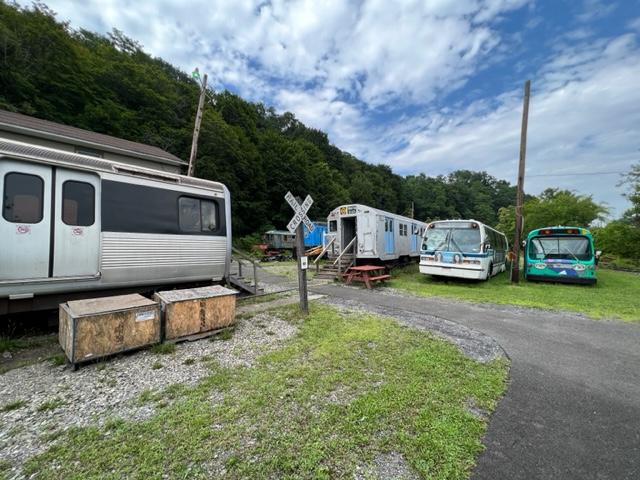
On our way back to the museum, you could see the lighthouse from its perch at the mouth of the inlet. People were starting to take the Hudson River Cruise in the distance which I had made two weeks earlier. When I got back to the museum, I toured all the buses, subway cars and the Path train that they had in the parking lot. I could see this live in Manhattan so I went to visit the museum. The nice part about the museum is how interactive it is and how you can pace yourself through all the displays.

You can tour old subway cars, buses and an old Path Train

There were small exhibits on the history of the trolley cars in cities, the development of the cars as a mode of transportation starting with horses to the electrical age.

Old New York City subway car

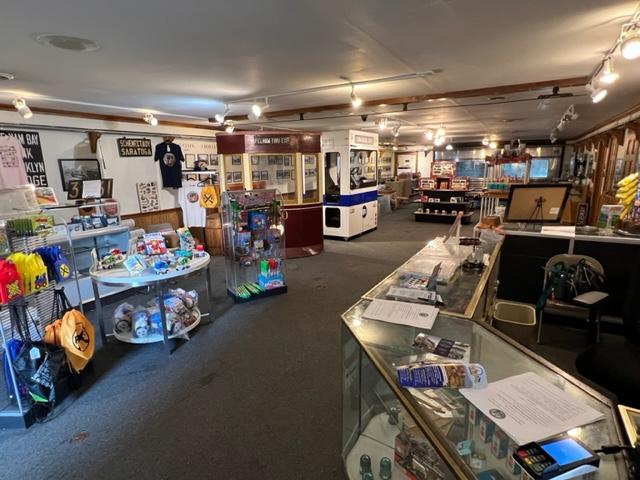
There was also a small display on glass fixtures used in the electrical lines before the new cabling systems came in and another hats and uniforms used on the trolley cars over the years. There are also displays of signs and posters for the different lines.

The inside of the Kingston Maritime Museum

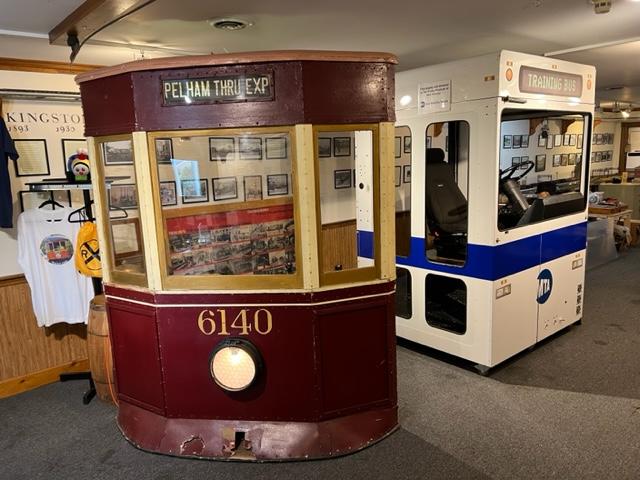
The Subway display at the Kingston Trolley Museum

It is a small museum but for families, there is a lot to climb through and tour around and just taking the trolley up to the park is worth the price of the ticket.

The conductor operations room display at the Kingston Trolley Museum

History of The Trolley Museum of New York:

The Trolley Museum of New York is a non-profit educational museum founded in 1955. The goals of the museum are to offer rides to the public, exhibits and educational programs sharing the rich history of rail transportation and the role it played in the development of the Hudson Valley region. In addition to static displays of trolley, subway and rapid transit cars from the United States and Europe, a trolley ride runs 1 1/2 miles from Gallo Park at the foot of Broadway in downtown Kingston, NY to Kingston Point Park on the shore of the Hudson River, using a renovated 1925 trolley. Along the way, we stop at the Museum grounds.

The inside of the Kingston Trolley Museum

The Museum is on the original site of the Ulster and Delaware Railroad yards at Milepost 1. Our shop building is built on the foundation of the U & D engine building house which existed at the turn of the century. The upper level includes a Visitor’s Center featuring seasonal and permanent displays, a video viewing area and large windows overlooking the restoration shop. Visitors can see up to eight trolleys being housed and restored below.

The outside of the Kingston Trolley Museum

One of the cars in the restoration shop is our 1897 wooden trolley car from Olso, Norway. This car is one of four cars that we have on display that are 100 plus years old.

The public transport display inside the Kingston Trolley Museum

Your Donations:

All of the Museum staff are volunteers. There are many projects, both large and small, all of which require funding to complete. Chief among these are the installation of overhead electric wire, trolley restoration and the expansion and rehabilitation of track. Your donations will help to provide vital support for these projects and others.

Inside the Kingston Trolley Museum

(This information comes from The Trolley Museum of New York’s pamphlet and I give them full credit for it).