
Wetlands Institute
1075 Stone Harbor Boulevard
Stone Harbor, NJ 08247
(609) 368-1211
Open: Sunday-Saturday 9:30am-4:30pm
Admission: Adults $12:00/Children $10.00/Military $10.00/Members and Children under 3 Free
My review on TripAdvisor:
Entering from the highway, I was surprised at this interesting place of nature and how the Institute is not just part of the community but how it integrates itself into the fabric of helping understand how Mother Nature plays a part in benefiting everyone in this shore community from cleaning the water, sustaining wildlife and preventing flooding.
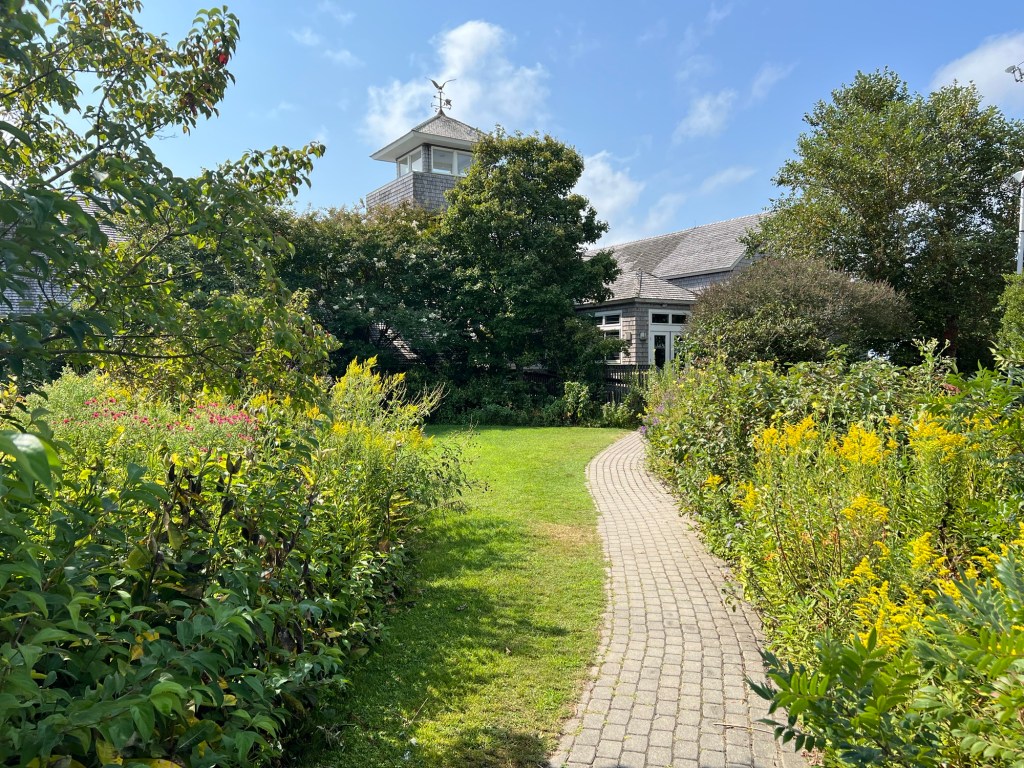
The front of the Wetlands Institute in Stone Harbor, NJ
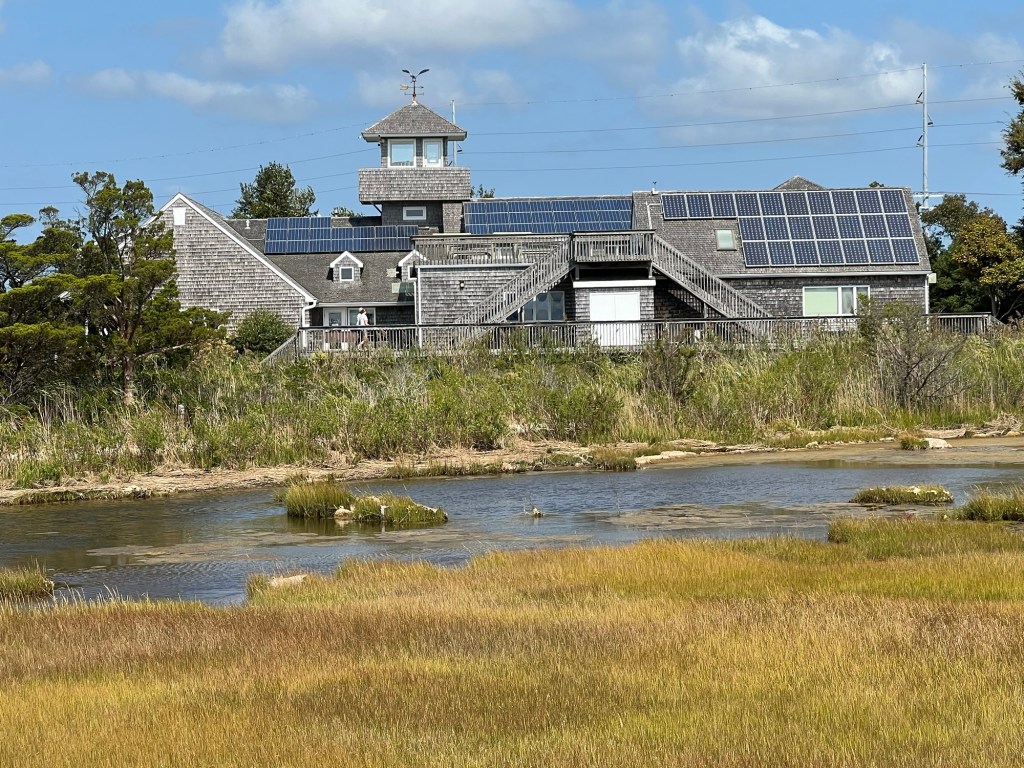
The back of the Institute from the salt marshes
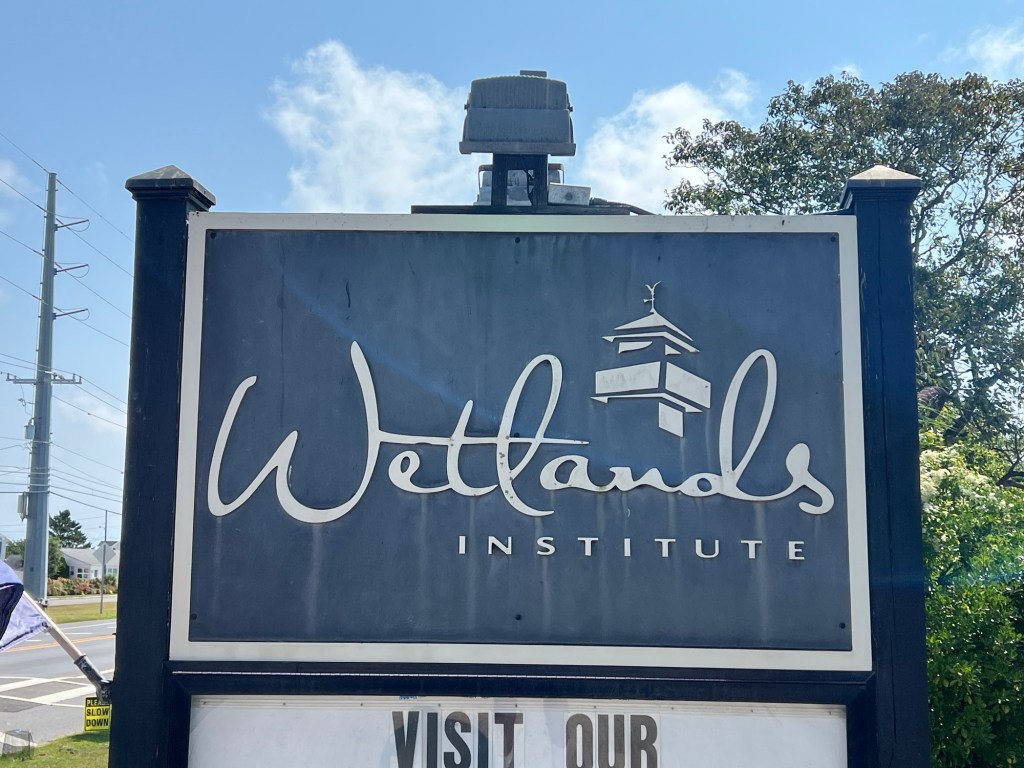
The sign that welcomes you inside
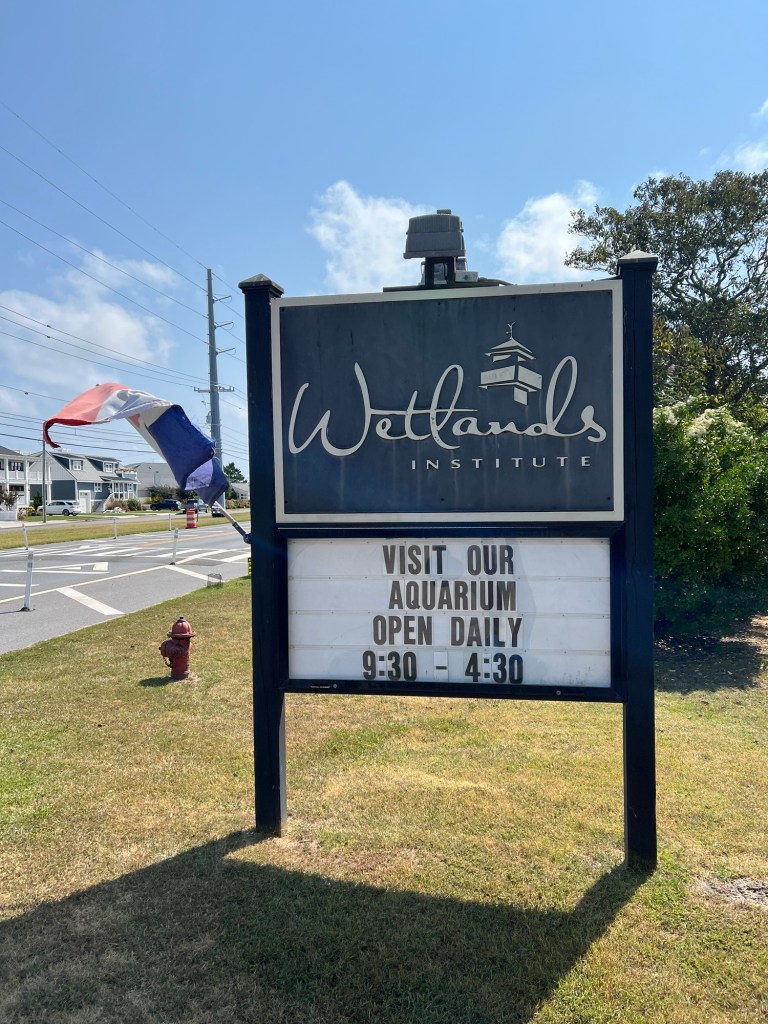
You would almost miss the Institute without the sign
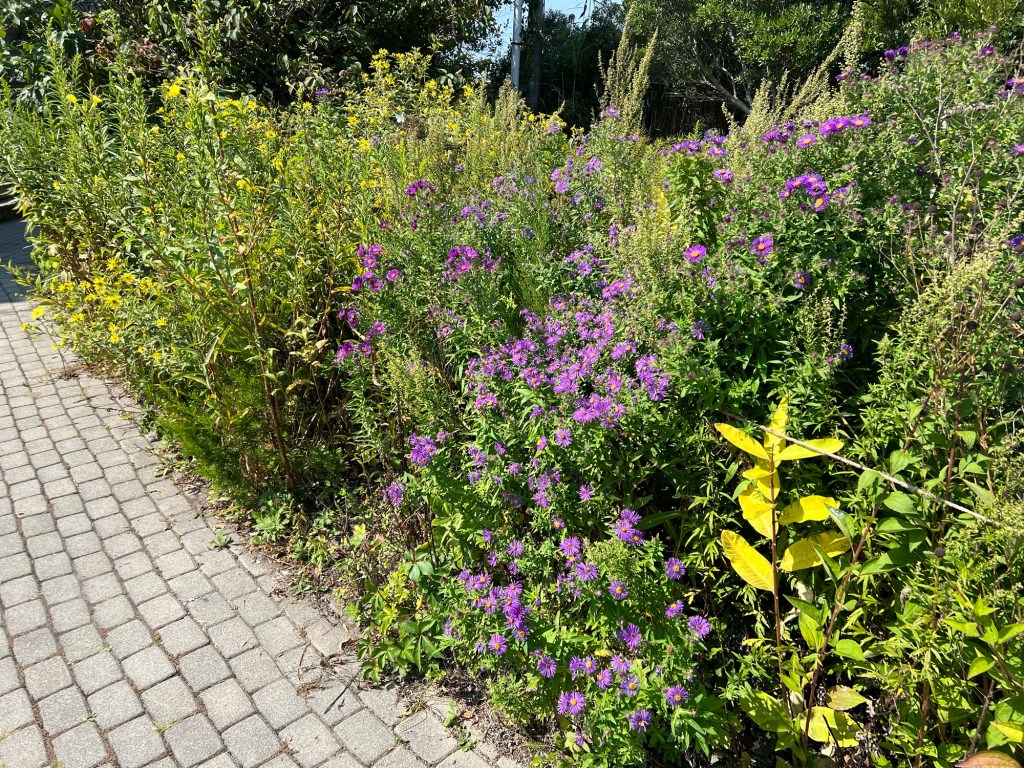
The beautiful gardens in the front during the summer months
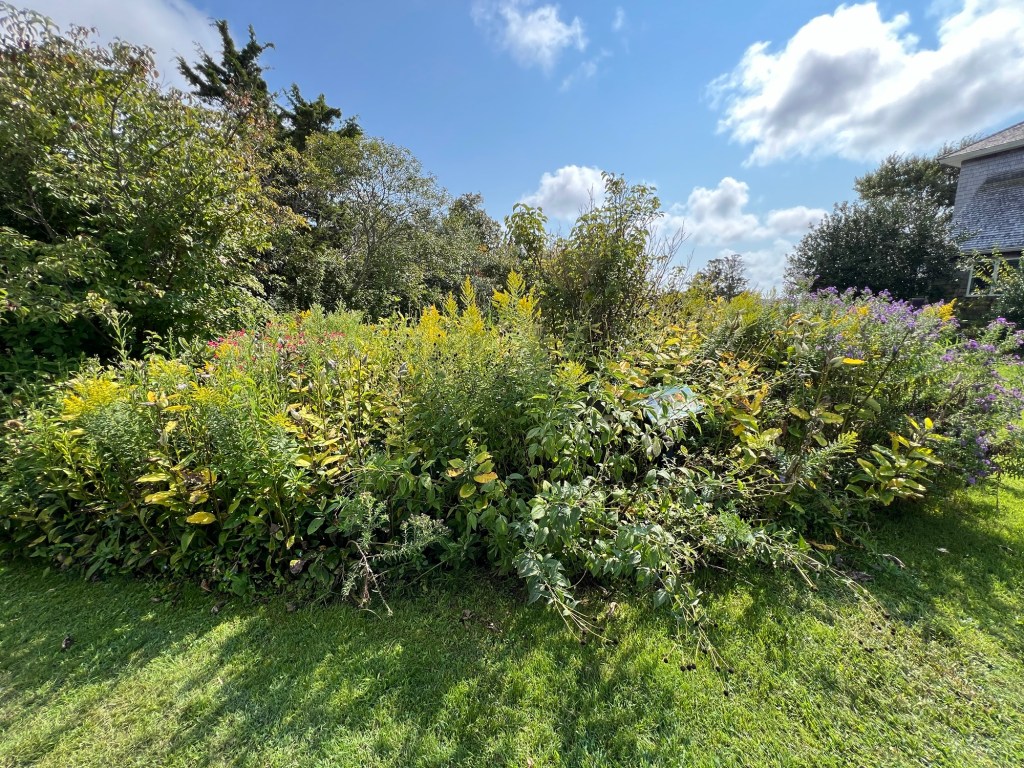
The Institute’s gardens in the front of the building during the summer months
The History of the Wetlands Institute:
(From the Institute’s website)
The Wetlands Institute was founded by Herbert Mills in the late 1960s, thereby fulfilling his life-long vision of creating a world-class research, education and conservation center at the Jersey Shore that would educate people of all ages about the beauty and wonders of the coastal environment, and the importance of that environment to their daily lives. His dream was to inspire everyone to want to conserve and sustain that environment forever.
Herb loved birds and nature all his life. In fact, he joined the National Audubon Society at the age of seven. Many of his maturing years were spent as an executive in the glass and canning industries of South Jersey. During those years he further developed his abiding interest in conservation issues, so much so that he left the business world in 1967 to became the Executive Director of the World Wildlife Fund. In 1969, under his leadership, the World Wildlife Fund purchased 6,000 acres of salt marsh in Middle Township. 34 of those acres became the site of the Wetlands Institute’s facility. The rest were held by the World Wildlife Fund until being transferred to New Jersey’s Green Acres Program. Herb also raised the funds for the design and construction of our main building which was designed by Malcolm Wells, a world-renowned and environmentally-oriented architect.
Our building was officially dedicated on September 16, 1972. Herb Mills’ friend and the international president of the World Wildlife Fund, Prince Bernhard of The Netherlands was the keynote speaker (the Institute website).
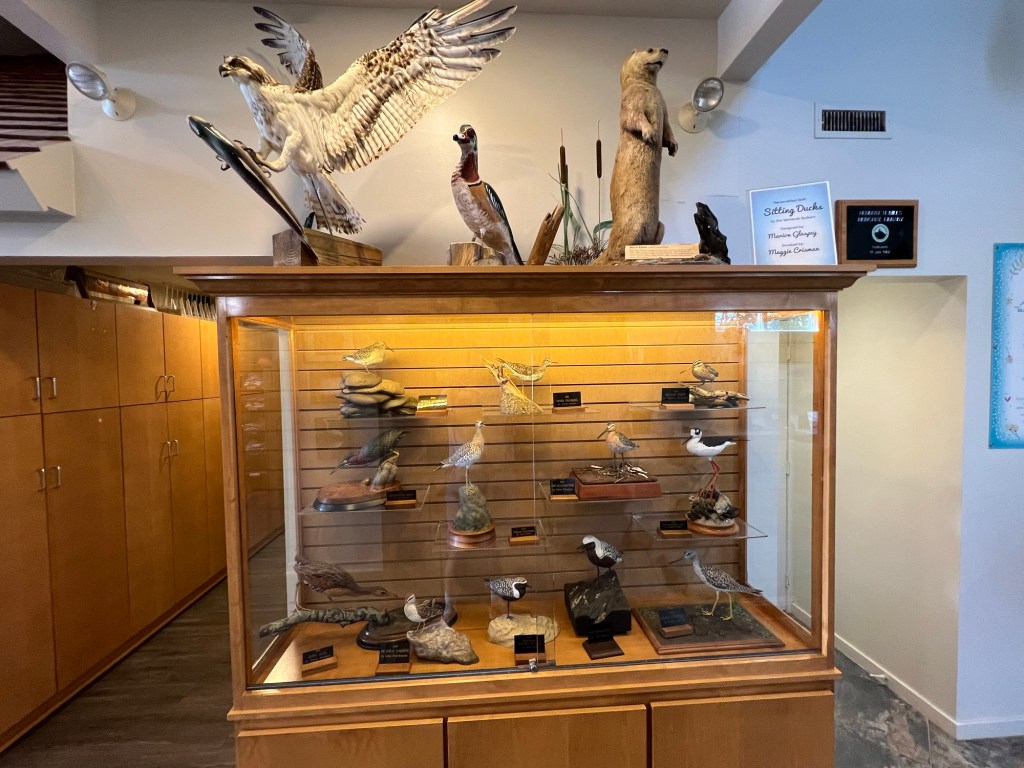
The bird exhibition at the entrance of the Institute
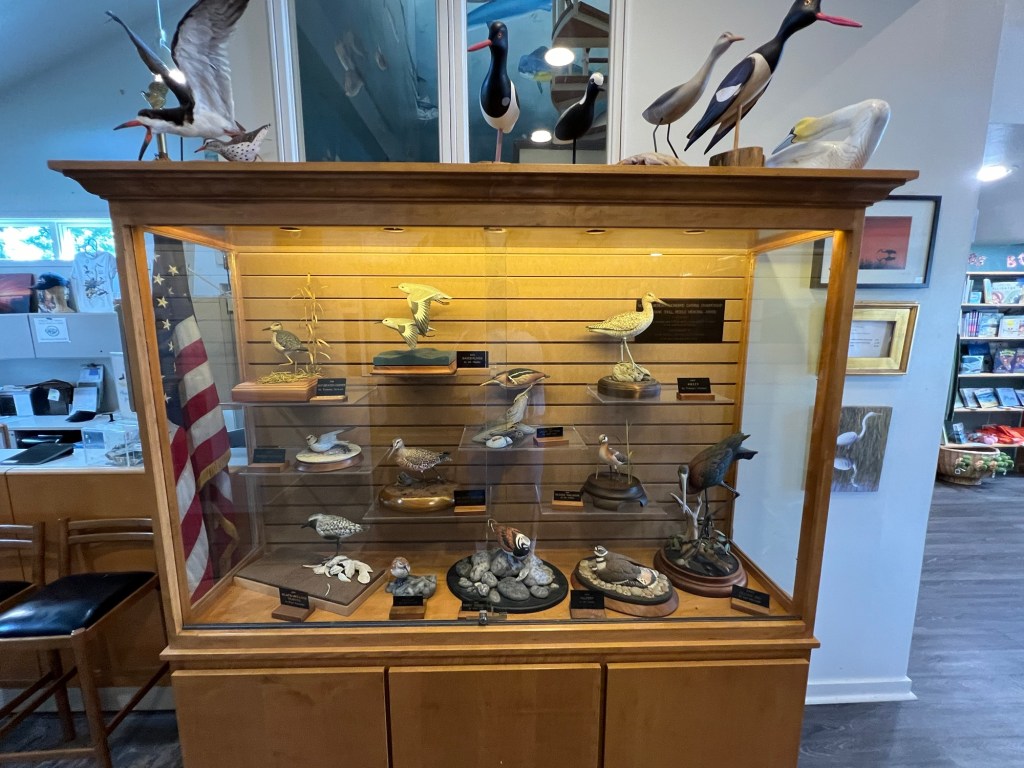
The other bird exhibition in the hallway
Later History:
(from the Institute Website)
In its earliest years the Institute was run by Lehigh University under a dollar-a-year lease. That relationship continued beyond Herb Mills’ untimely death at the age of 62 on October 21, 1972 while addressing an ornithology meeting at Cornell University, barely a month after the Institute’s dedication ceremony.
After a few years, however, the Institute and Lehigh parted company amicably. The late Marion Glaspey, a shy but very determined woman, succeeded Herb Mills as Chairman of the Board and guided the Institute for several difficult years as the Institute struggled to become a self-sustaining, independent entity, and garner and maintain the kind of financial support that is vital to any nonprofit organization. In addition to being totally dedicated to the Institute, Marion was a talented artist and photographer, teaching classes in both subjects, and–most significantly–she was a passionate gardener (she’s the “Marion” for whom our Marion’s Garden is named). She remained on our Board of Trustees until her death in 2000.
Through Marion’s leadership and that of her successors, the Institute has evolved to become a leader in coastal environmental education, research, and conservation. At present the Institute is supported almost entirely by funds from private sources, receiving only an occasional government grant for a special project.
My visit to the Institute in the Summer of 2024:
The first stop on the tour of the facility was walking up to the observation deck at the top of the building to view the salt marshes below. It gave an overview of the area that the Institute is trying to protect. The top floor observation gives a clear view of the marshes that surround the town of Stone Harbor and how these acres of area help both the natural population as well as the human population both residing in this beach community.
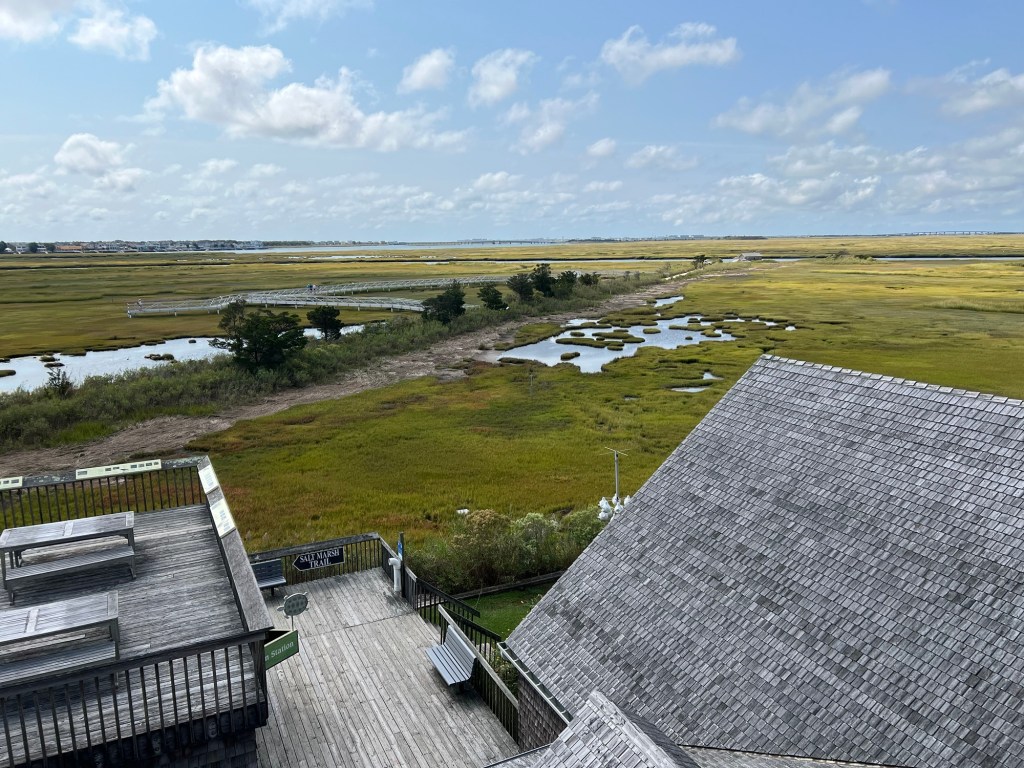
The view of the Wetlands between the barrier islands and the mainland
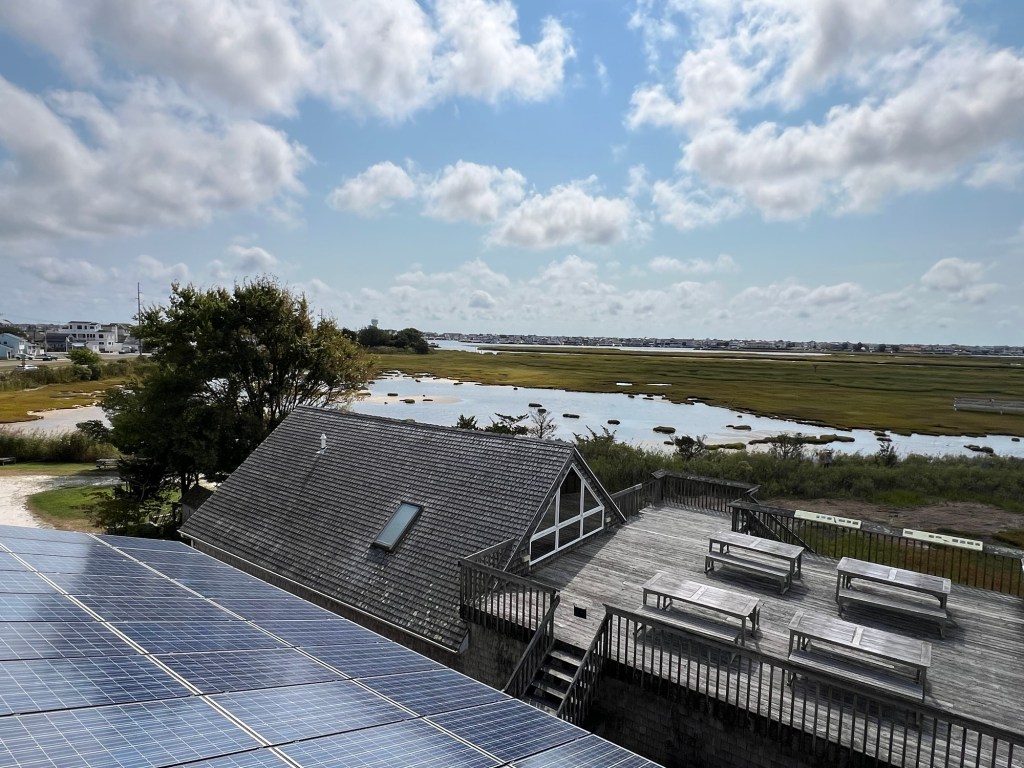
The Wetlands closer to the main road
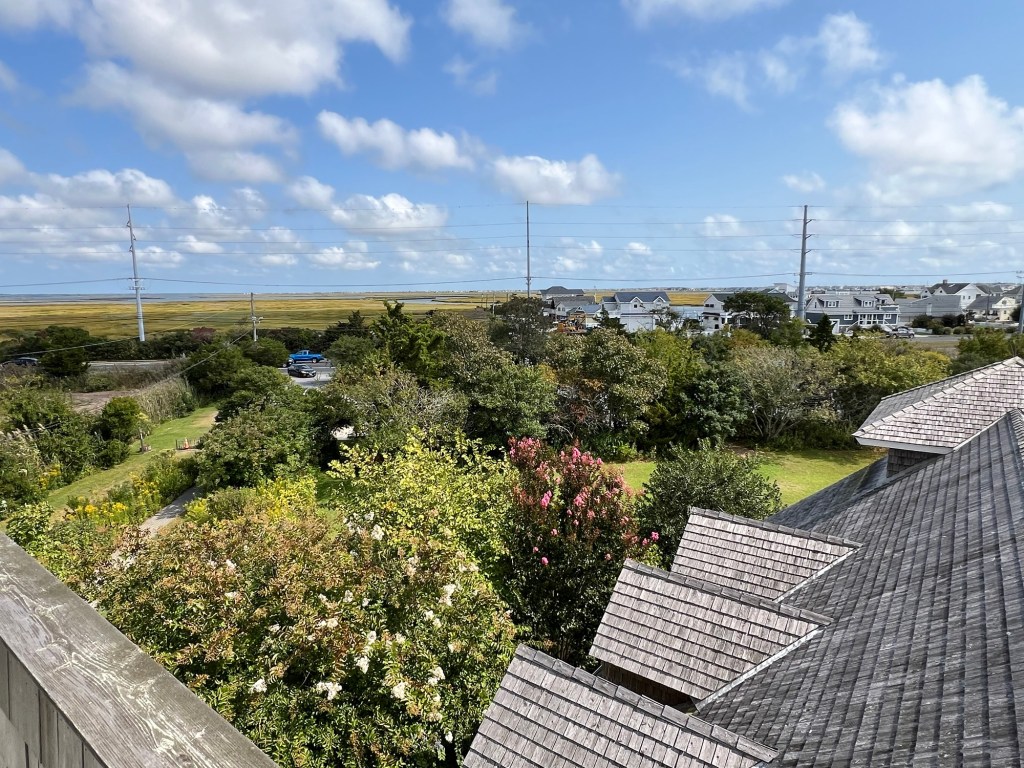
The view of the front of the building and its colorful gardens
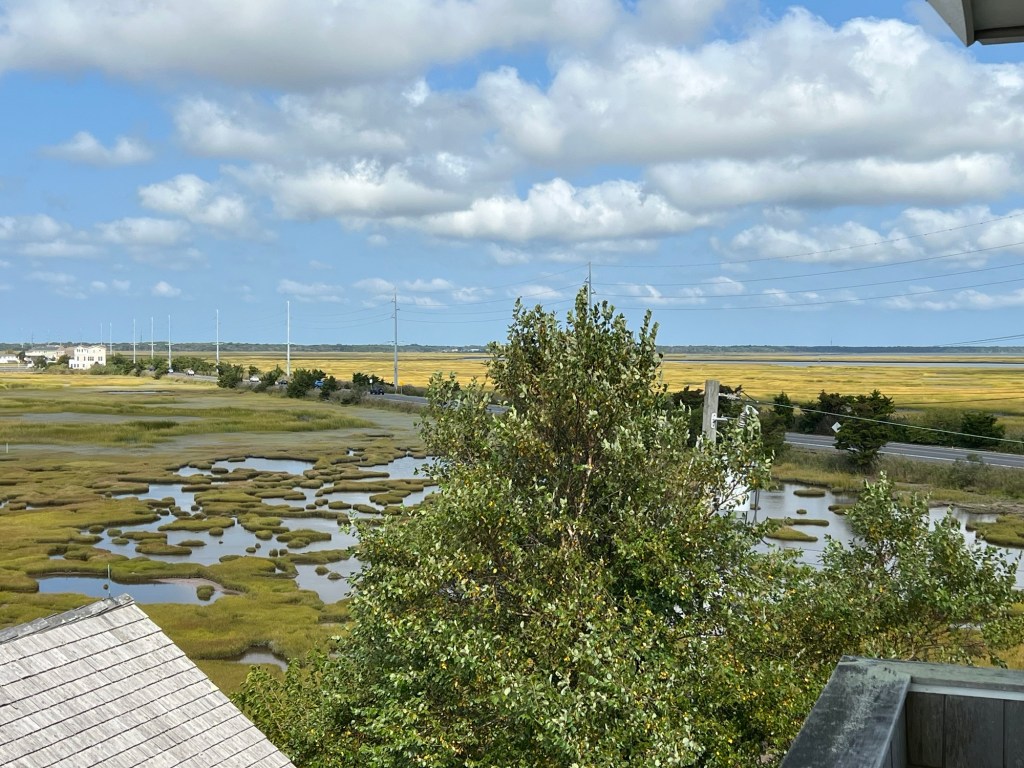
The Wetlands that line the highway out of Stone Harbor
When you leave the deck area and head back downstairs, there is wonderful little aquarium that houses the background of the local fish, crabs and wildlife that are part of the ecosystem that make the salt marshes such an important part of this shore community. One side of the aquarium is dedicated to the local Terrapin turtle whose habitat has long been affected by human encroachment. This conservation effort is ongoing.
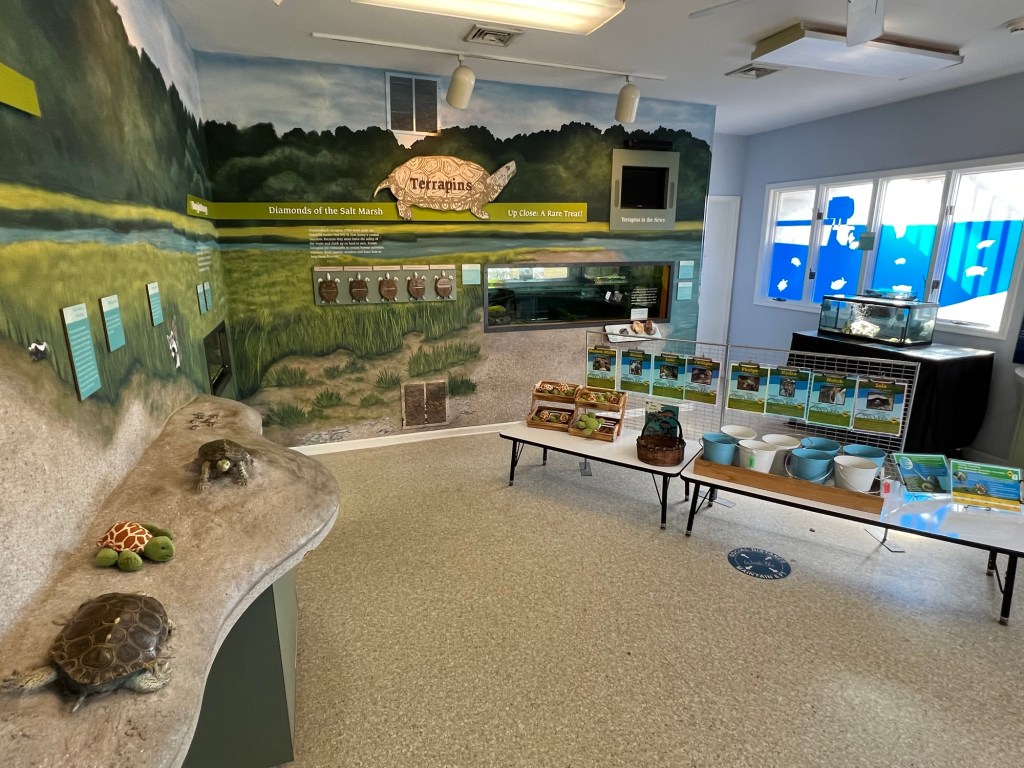
The first room in the complex of rooms is the Terrapin Turtle exhibit showing the habitat of this local creature and its importance in the ecosystem.
Conservation Programs at The Wetlands Institute
(from the Institute website)
Concerns about the local terrapin population led Dr. Roger Wood, former Director of Research at The Wetlands Institute, to establish the Terrapin Conservation Project in 1989. The project has grown and broadened in scope to become the Coastal Conservation Research Program (CCRP), where undergraduate interns work closely with research scientists at The Wetlands Institute on a wide variety of research and conservation projects, including terrapin conservation. Since 1989, over 200 college and university students from more than 100 academic institutions have participated in the program.
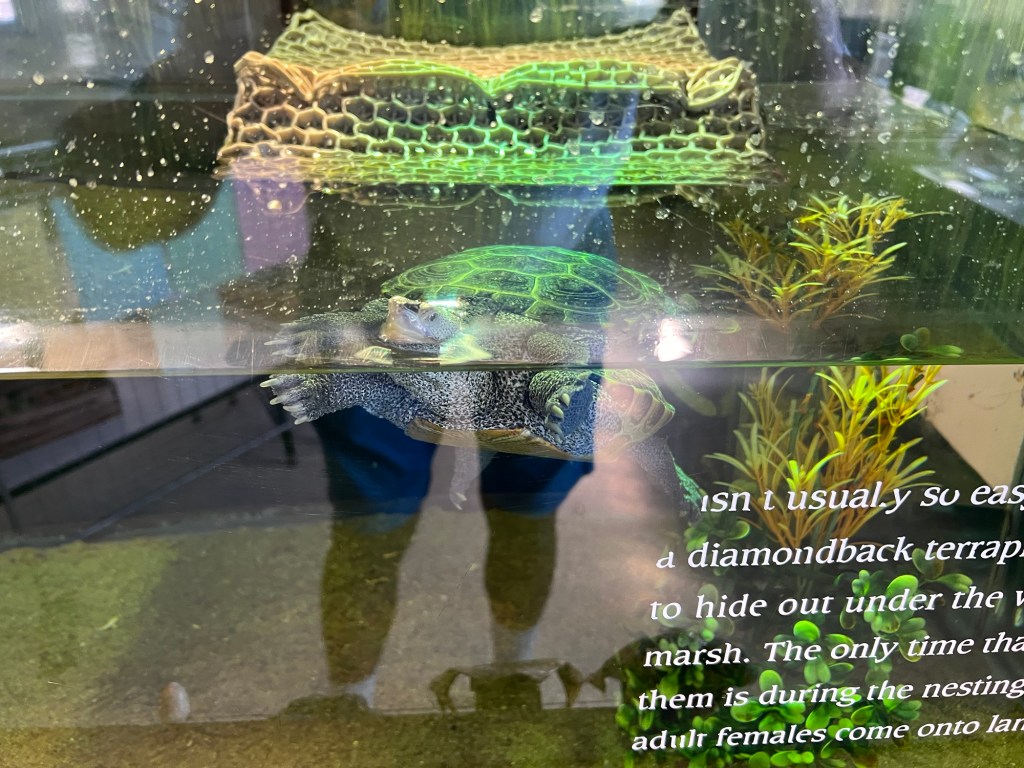
The turtles will just stare at you as walk their display
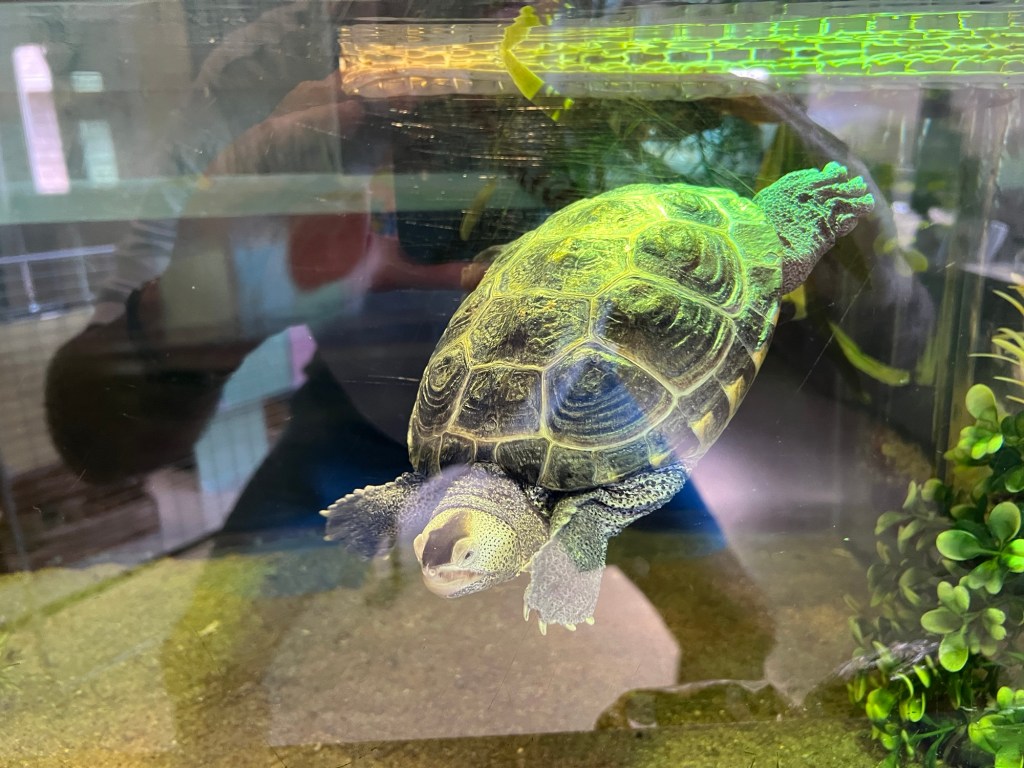
The turtles swimming around
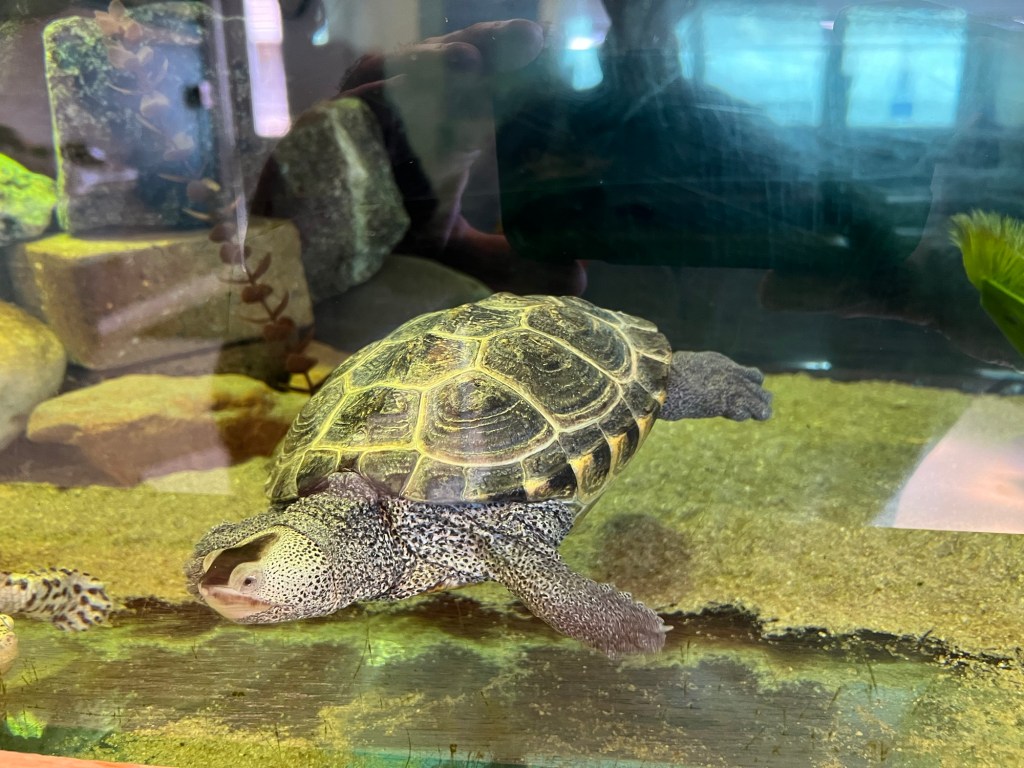
The turtles in a recreation of their habitat
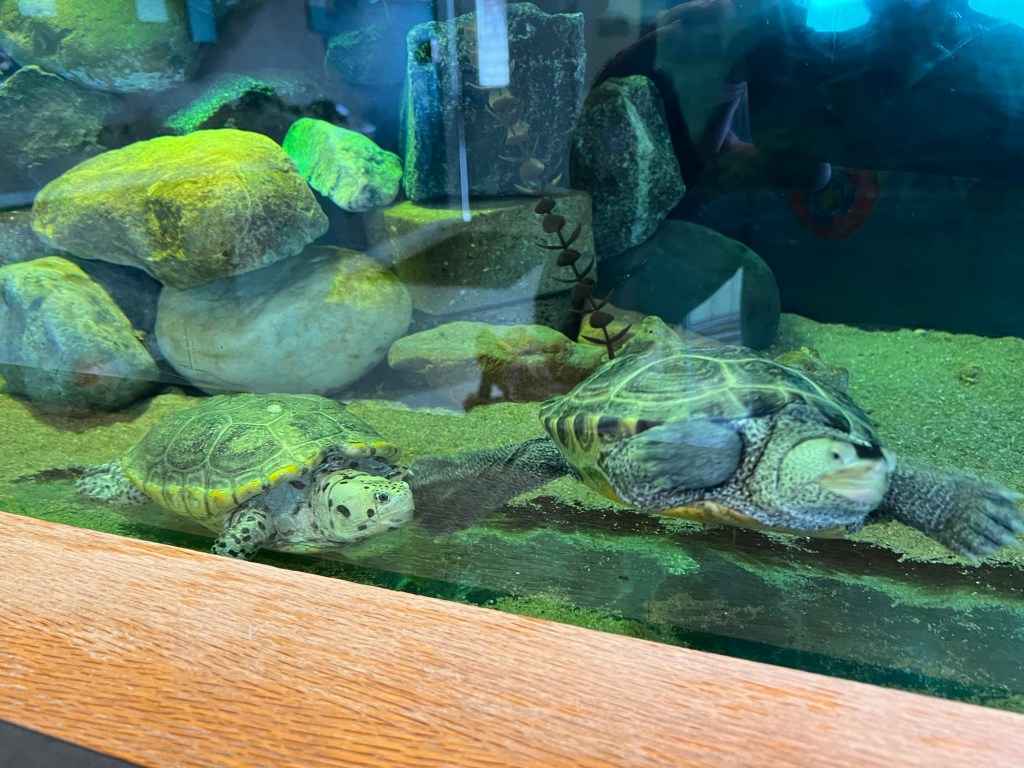
The turtles in captivity interacting with one another in the tanks
These playful turtles are just part of the chain of ocean animals under study and conservation at the Institute and it is interesting to see to their interaction with each other and then watch us from the other side of the tank to see the human observation.
The next exhibition was the Horseshoe Crab conservation tank. The Horseshoe Crab holds a very important role in the ecology of the shore.
The Efforts with Horseshoe Crab Conservation:
(from the Institute website)
In an effort to address the Delaware Bay Horseshoe Crab situation, The Wetlands Institute has embarked on a statewide partnership project to support the stewardship and conservation of Horseshoe Crab populations in New Jersey. As part of this partnership, The Wetlands Institute collects fertilized Horseshoe Crab eggs with the proper permits from spawning beaches along the Delaware Bay and rears the eggs under controlled conditions in our aquarium. After about a month, eggs hatch and newly born Horseshoe Crabs are maintained in their culture tanks. Enclosed in this cultured environment and free of predation, aquaculture dramatically increases Horseshoe Crab survival both before and after the first molts. These small crabs are kept in culture tanks until they are ready to begin feeding, and then are released at their respective egg collection locations.
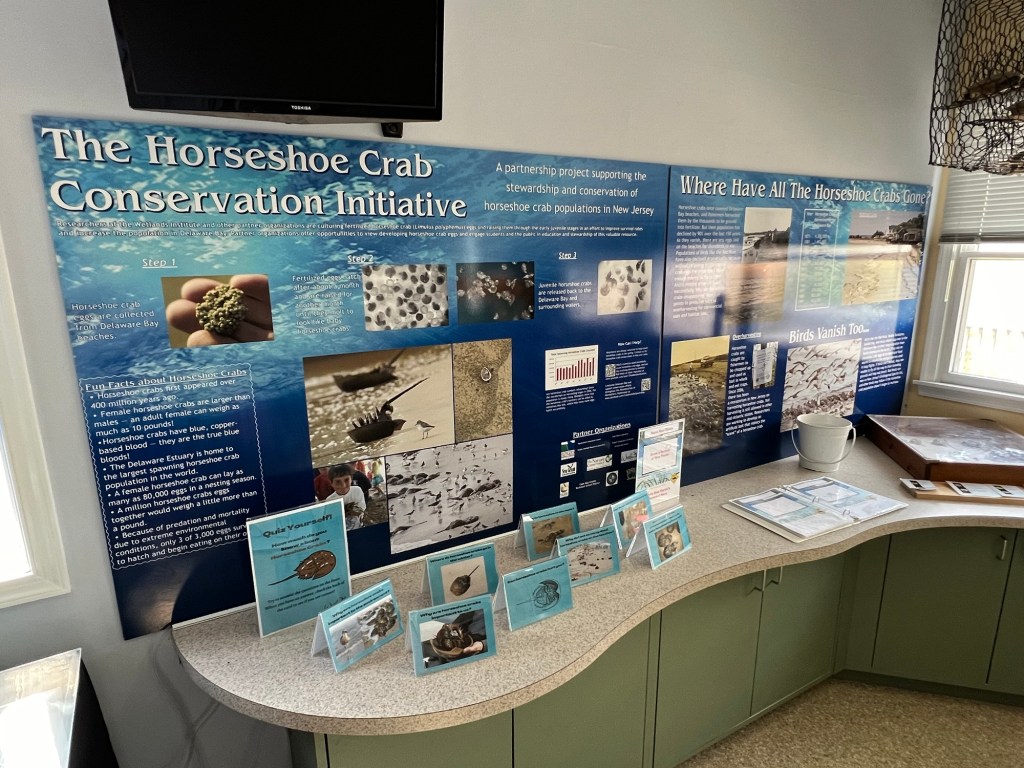
The Horseshoe Crab exhibit
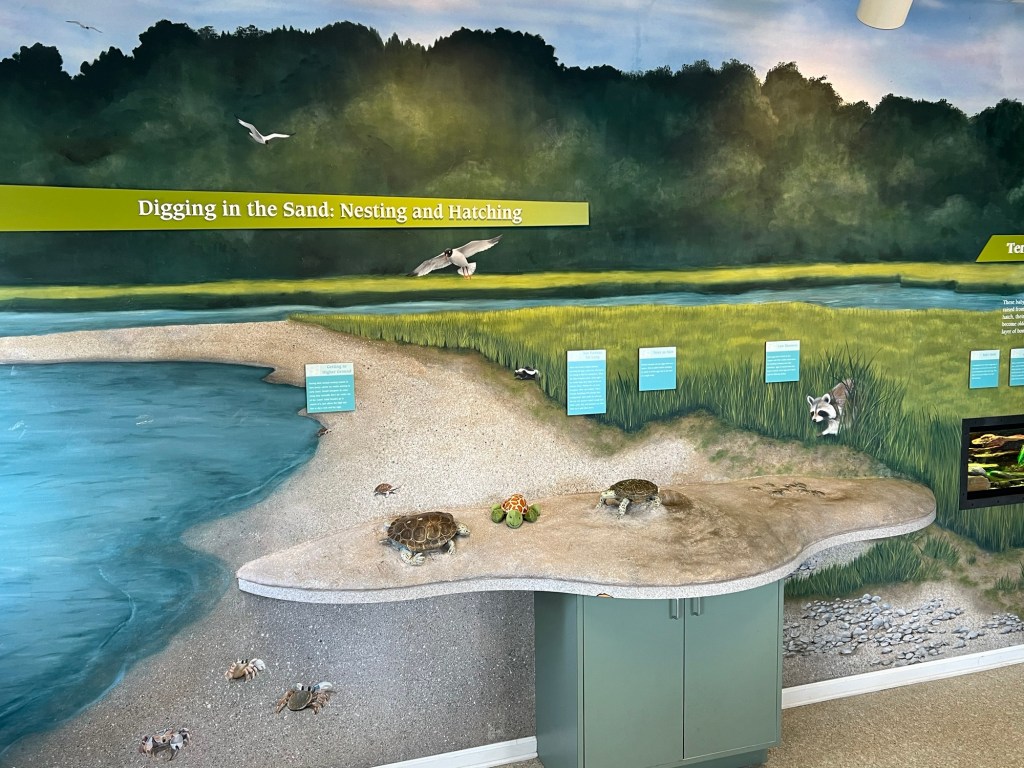
The Nesting exhibition
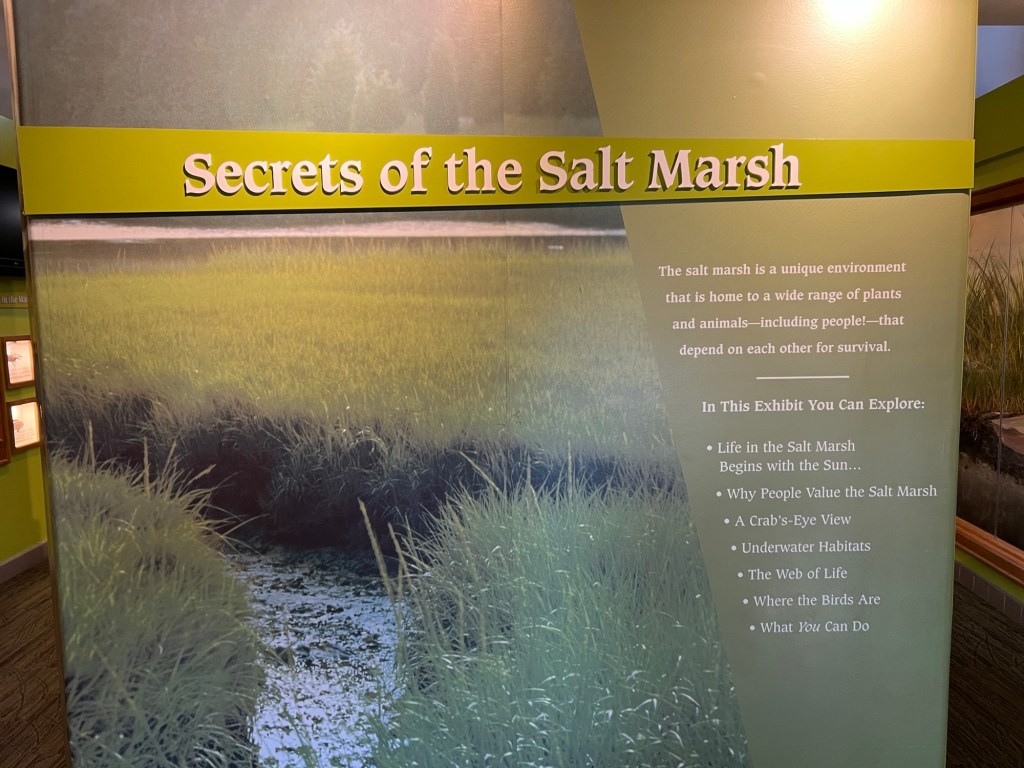
The Salt Marsh exhibition
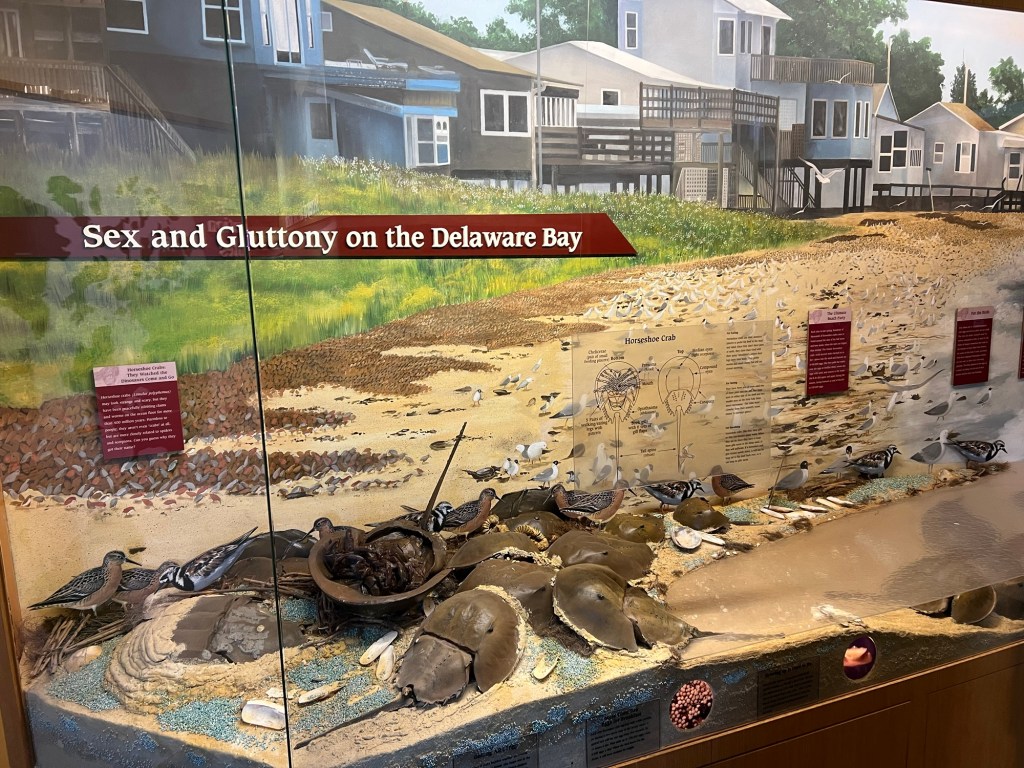
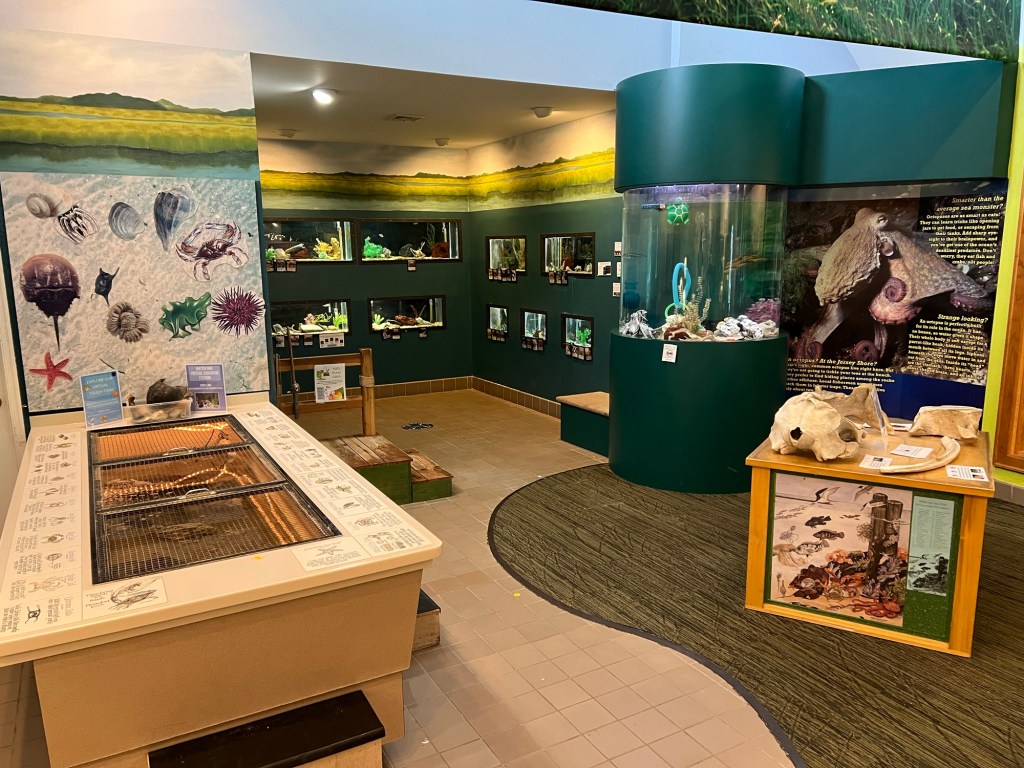
The aquarium was very interesting as the exhibits were not there for amusement but to show the wildlife that lives in our oceans and how they interact with one another.
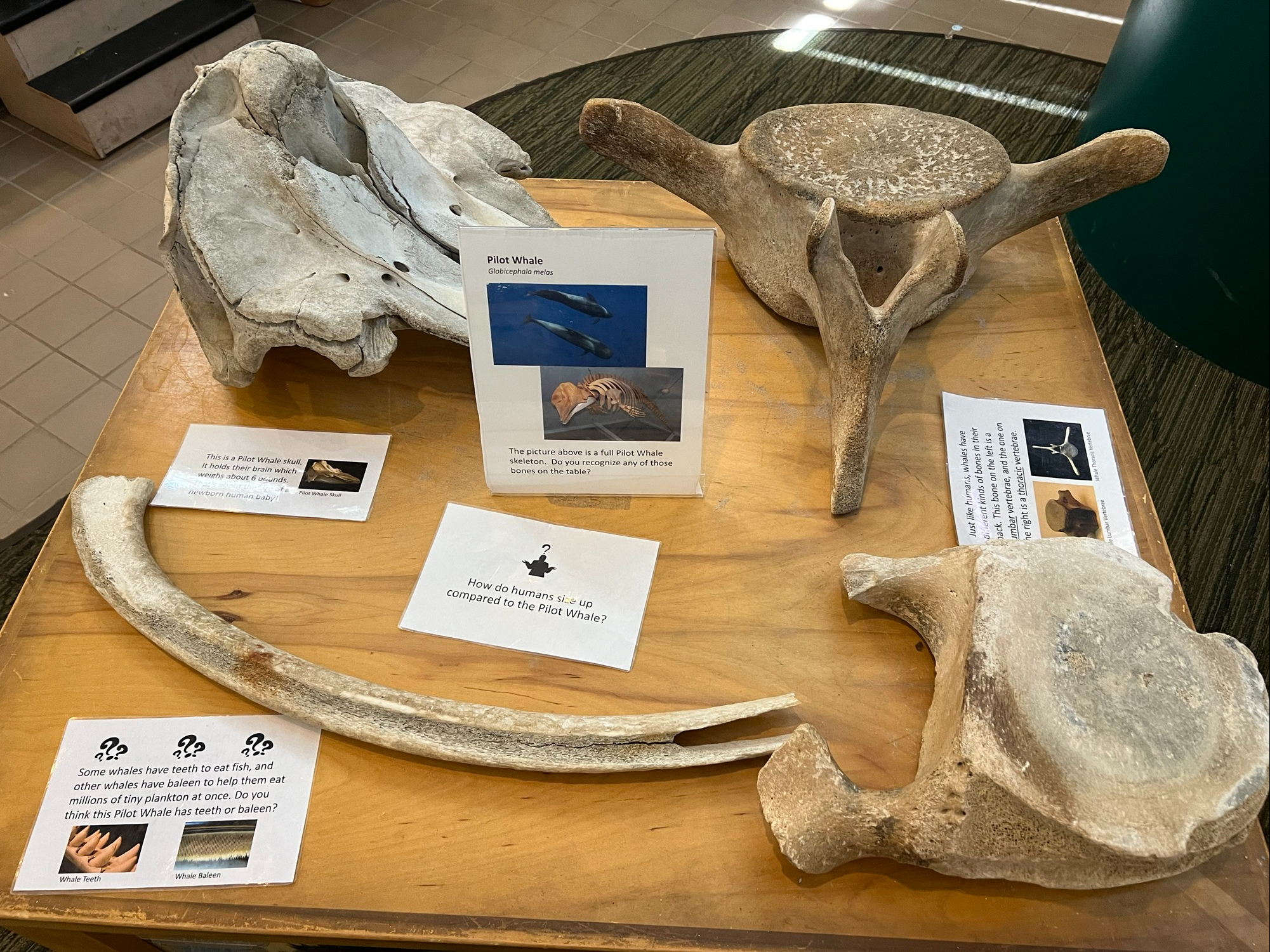
The Whale bone exhibition
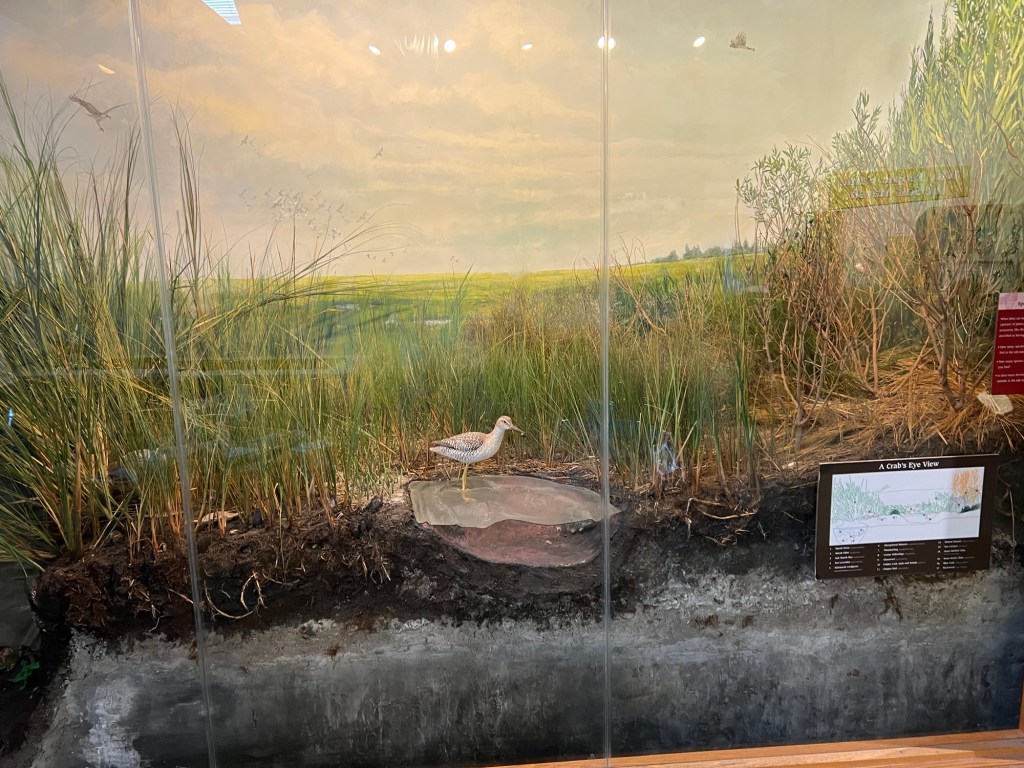
The exhibit on Shore birds and their home at the shore
The Aquatic tanks are the interaction we have to the aquatic population. I am sure many of the fish in the exhibition are not native to New Jersey or the Atlantic still it was fun observing them.
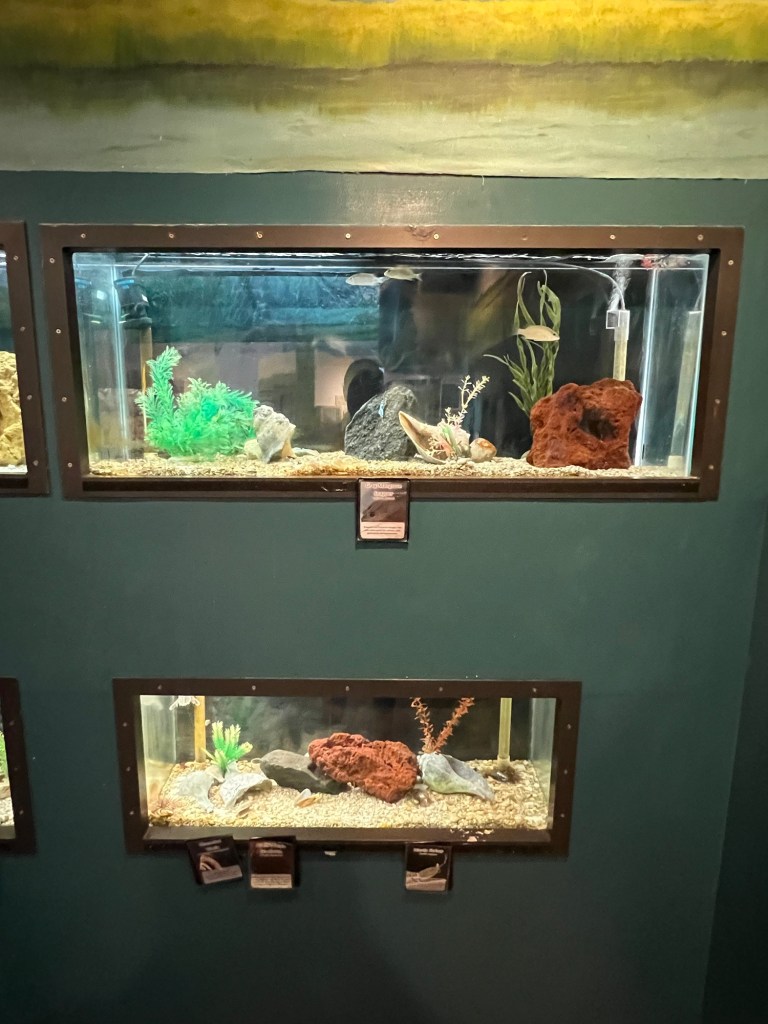
The tanks showed the importance of marine life in our beaches and oceans
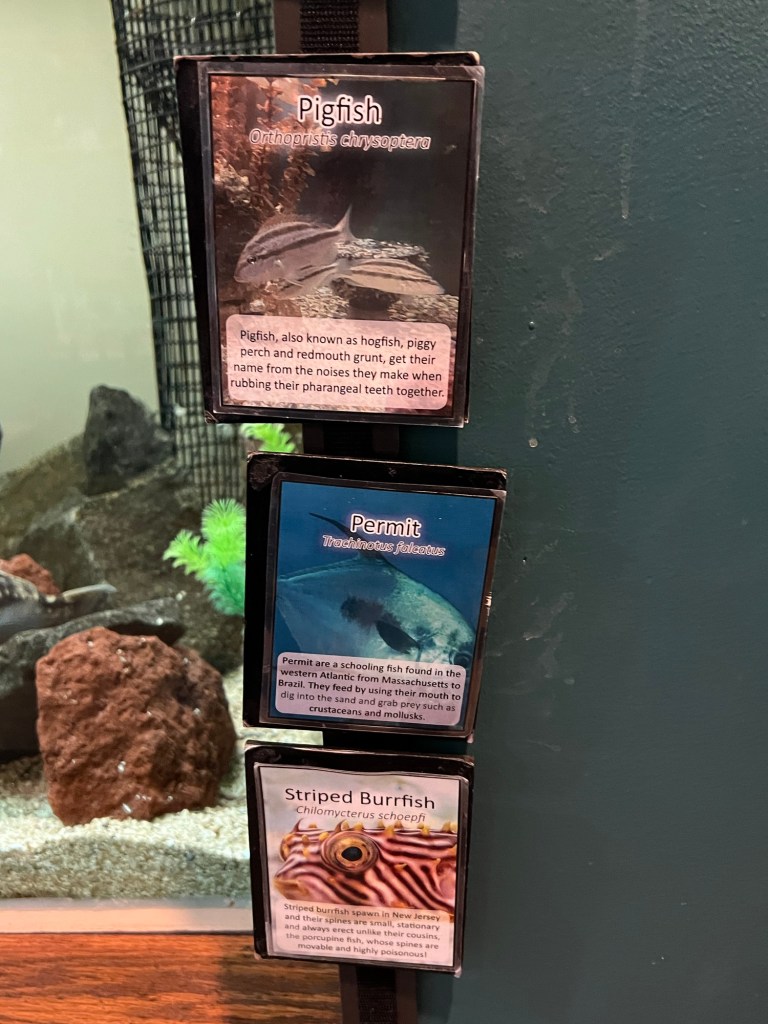
Some of the types of fish in our oceans: the Striped Burrfish, Permit, and Pigfish
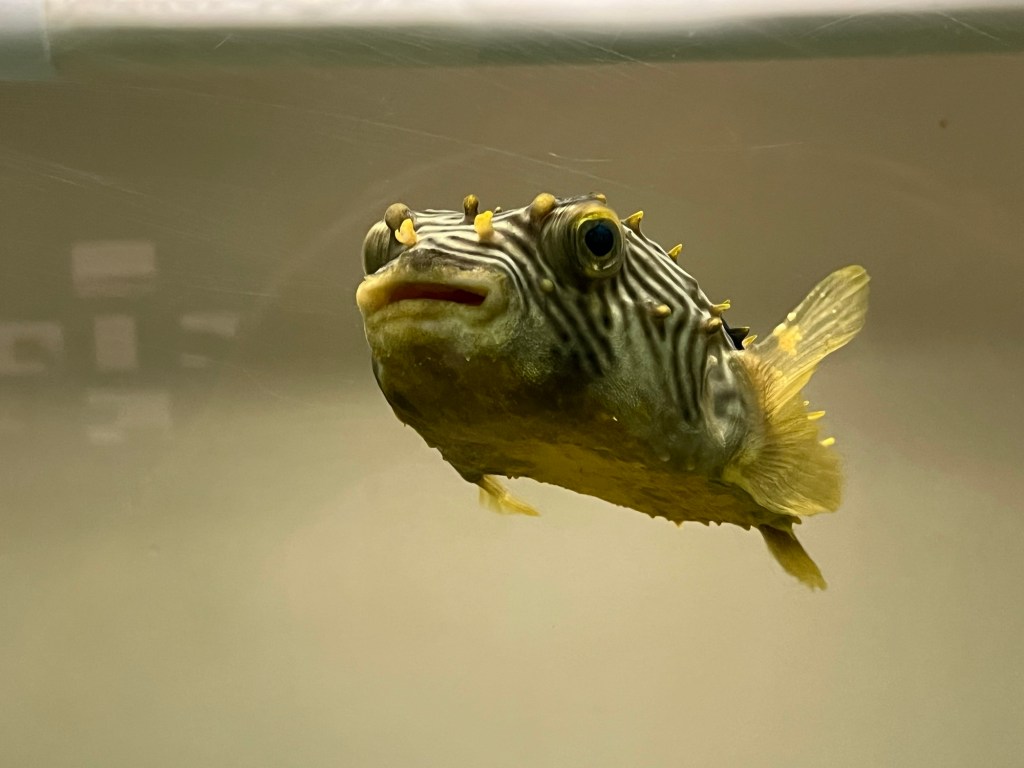
The Striped Burrfish
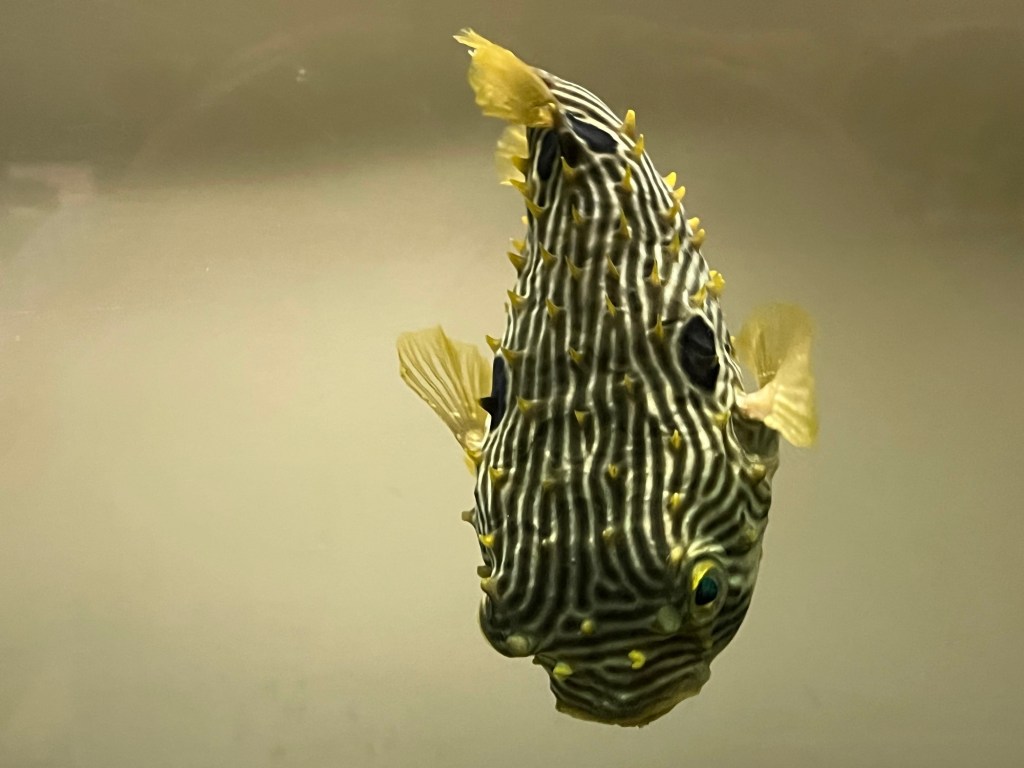
The Stripped Burrfish
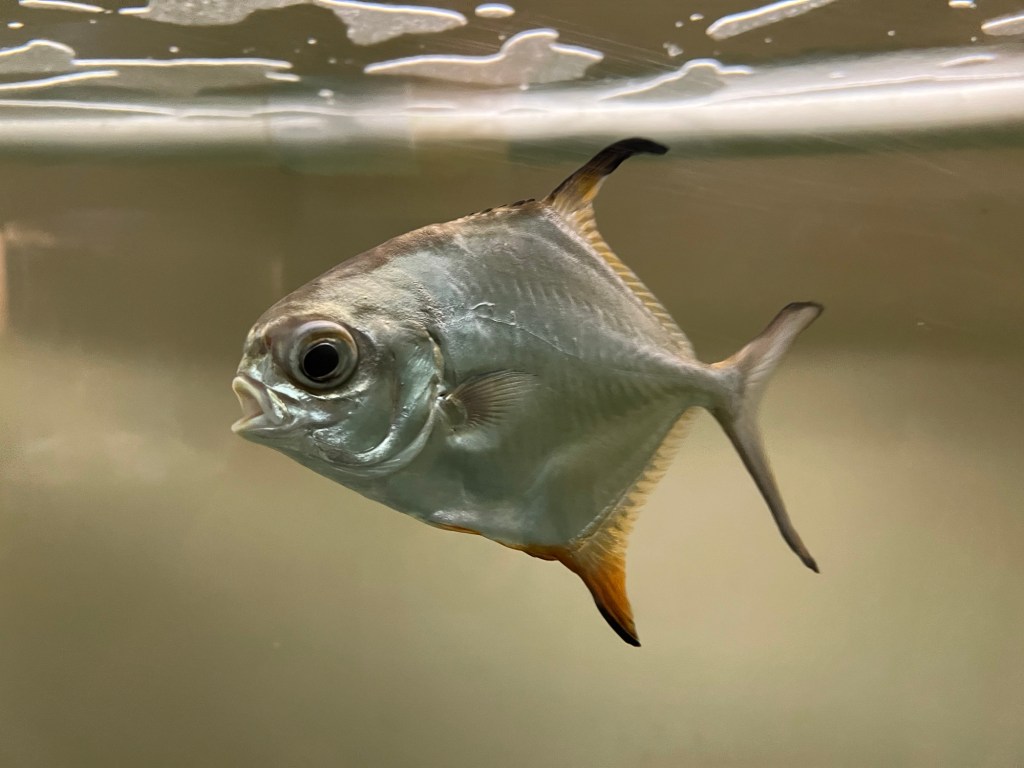
The Permit fish
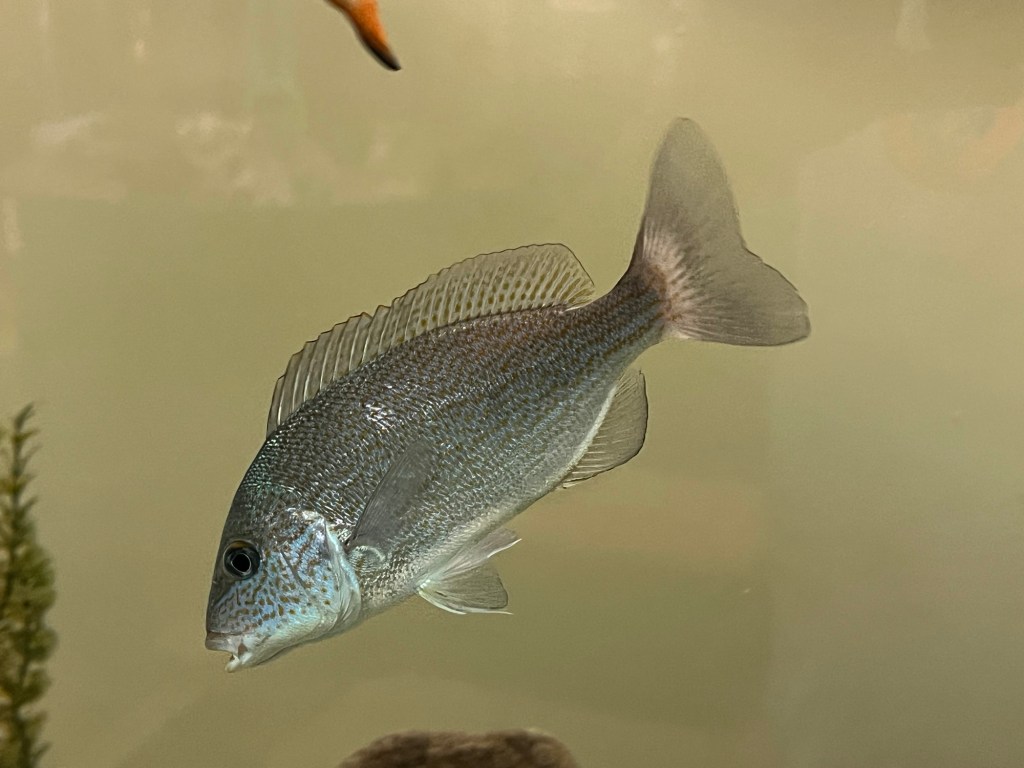
The Pigfish
The next tank over held the very active Spider Crab, who seemed to follow my every move.
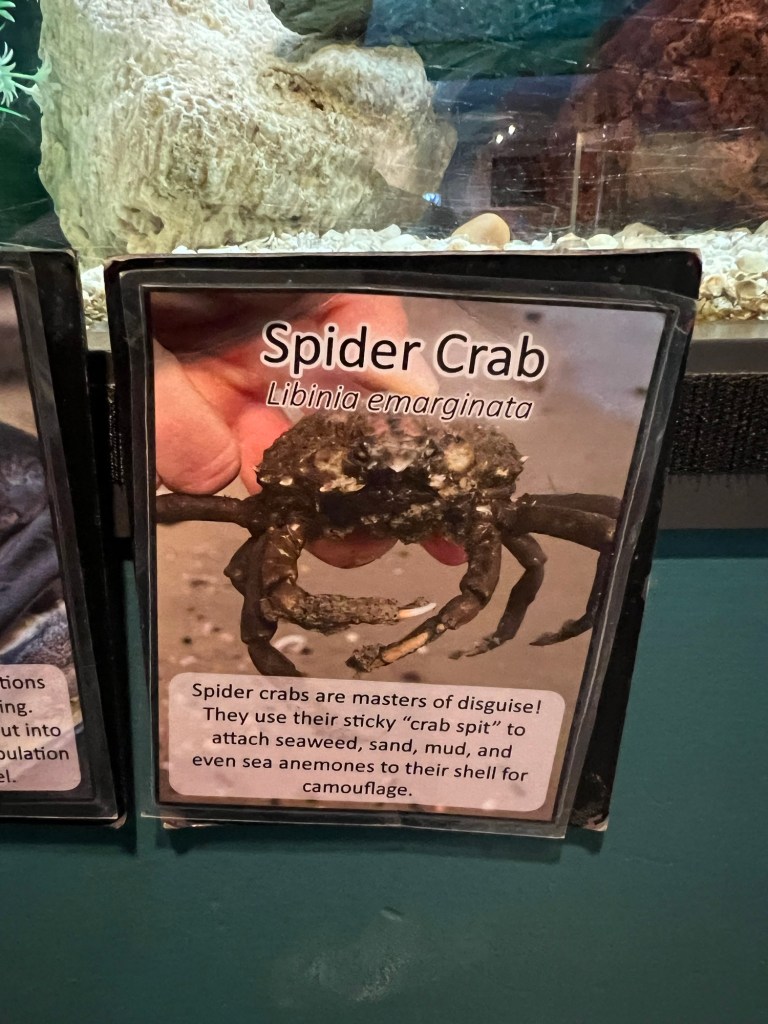
The sign at the tank of this very playful crab
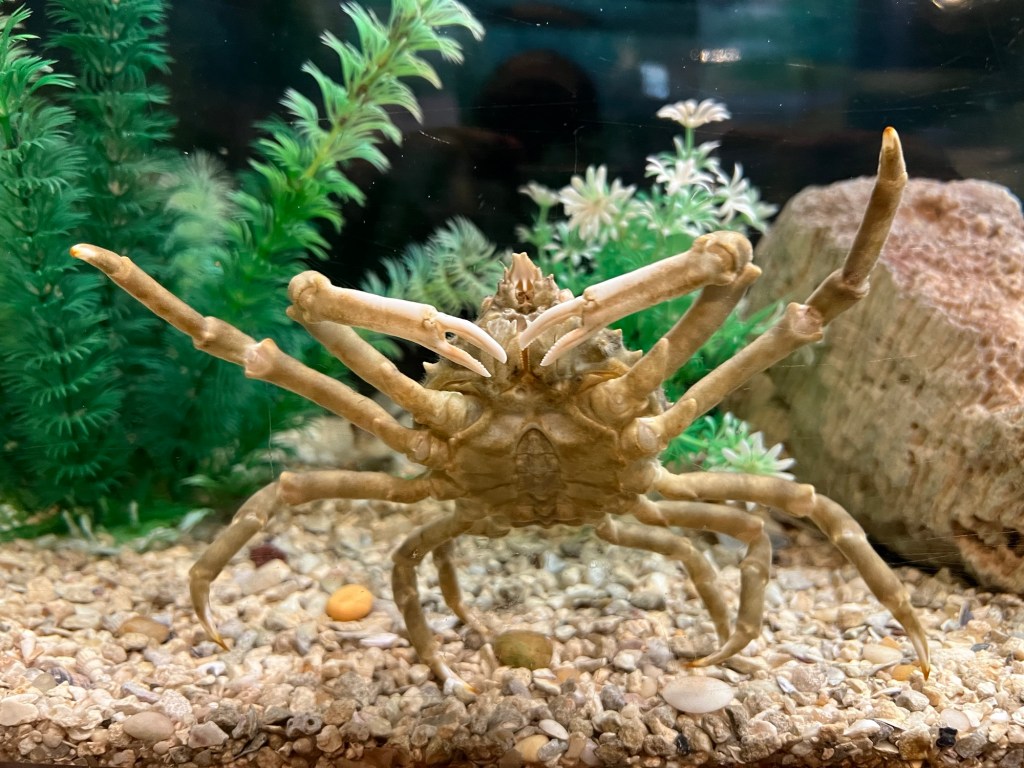
This guy was following me around the tank
The aquarium was interesting because the fish seemed to be very jaded of being around humans. They seemed so used to seeing us it does not faze them.
I then toured the salt marshes outside. The Institute has a series of paths and walkways where you can view the marshes and see the cause and effects these natural areas. It was a beautiful warm sunny day when I visited and it was relaxing to just walk along the paths and just take it all in.
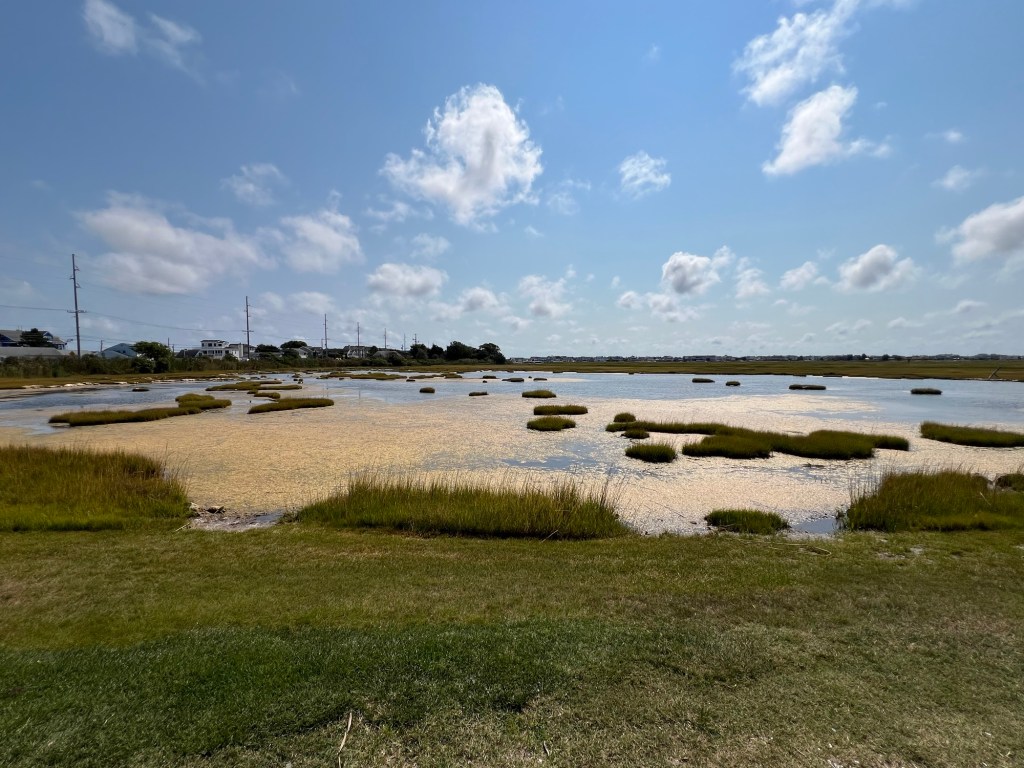
The view of the salt marshes from the back of the Institute
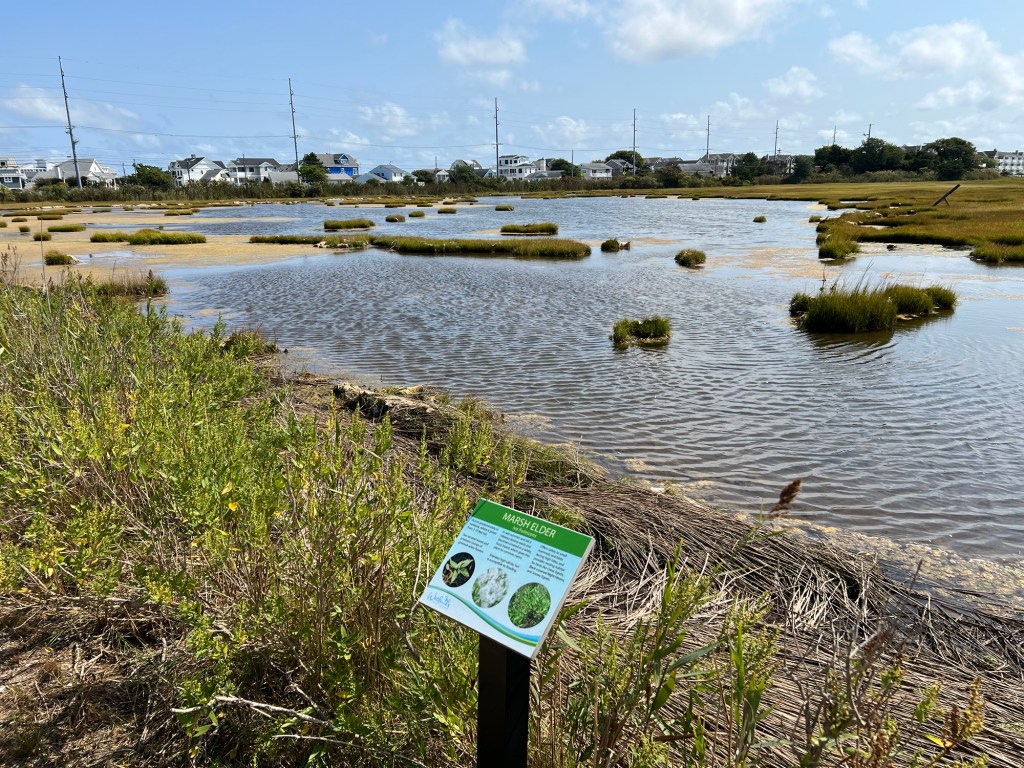
A closer view of the marshes from the paths
Coastal Sustainability and Wetland Health
(from the Institute Website)
The Coastal Sustainability and Wetland Health program began with efforts to document the impact of sea level rise on marshes and marsh-dependent species. The health of coastal bird and diamondback terrapin populations is intricately linked to the condition of coastal marsh systems; as a result, monitoring changes in the local population size, behavior, and breeding success of these animals can help us perceive changes within the salt marsh itself. Our work is also increasingly focused on the monitoring of marsh restoration and habitat creation projects. Through beneficial reuse of dredged sediments, we aim to protect the marsh platform from conversion or drowning, and to create elevated coastal bird and terrapin nesting habitat. In order to understand the response of wildlife to these projects, and to document how sea-level rise and coastal flooding are impacting local populations, we are carrying out surveys of marsh-dependent species on The Wetlands Institute property and other restoration sites (Institute website).
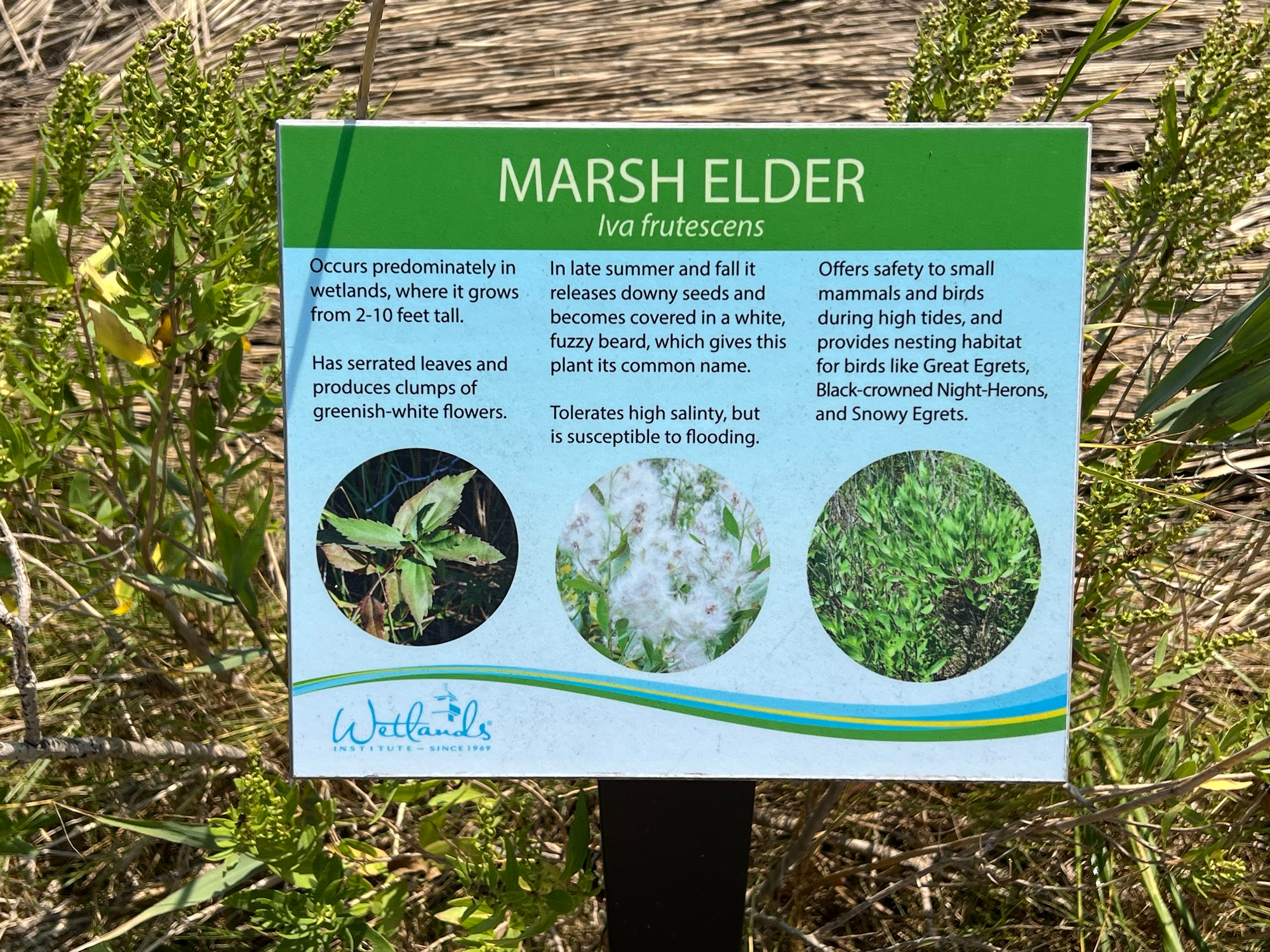
The Marsh Field sign
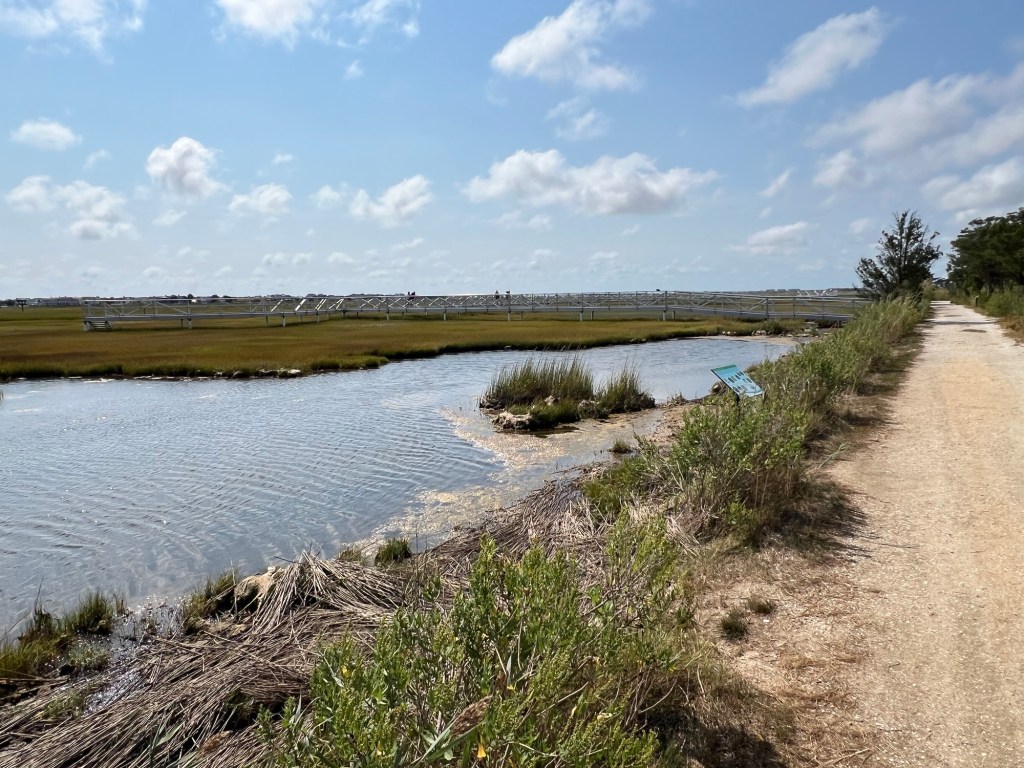
The Salt Marshes
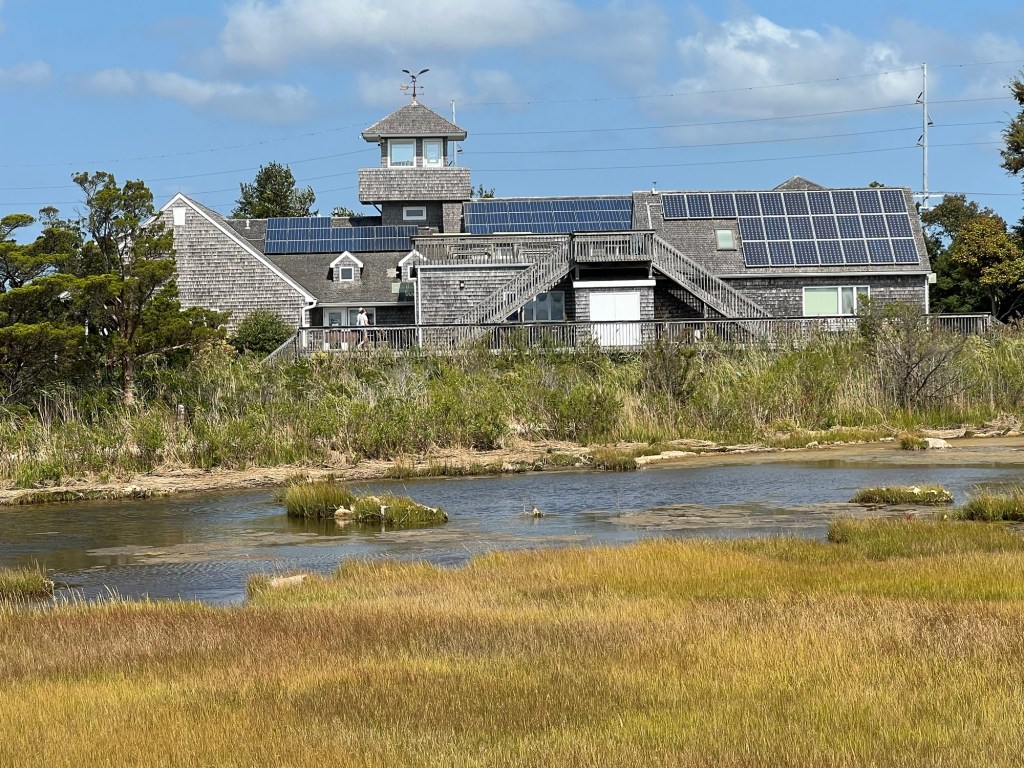
The back of the Institute from the Salt Marshes
The Institute has a complete elevated walkway where you can walk through the marshes and observe the area.
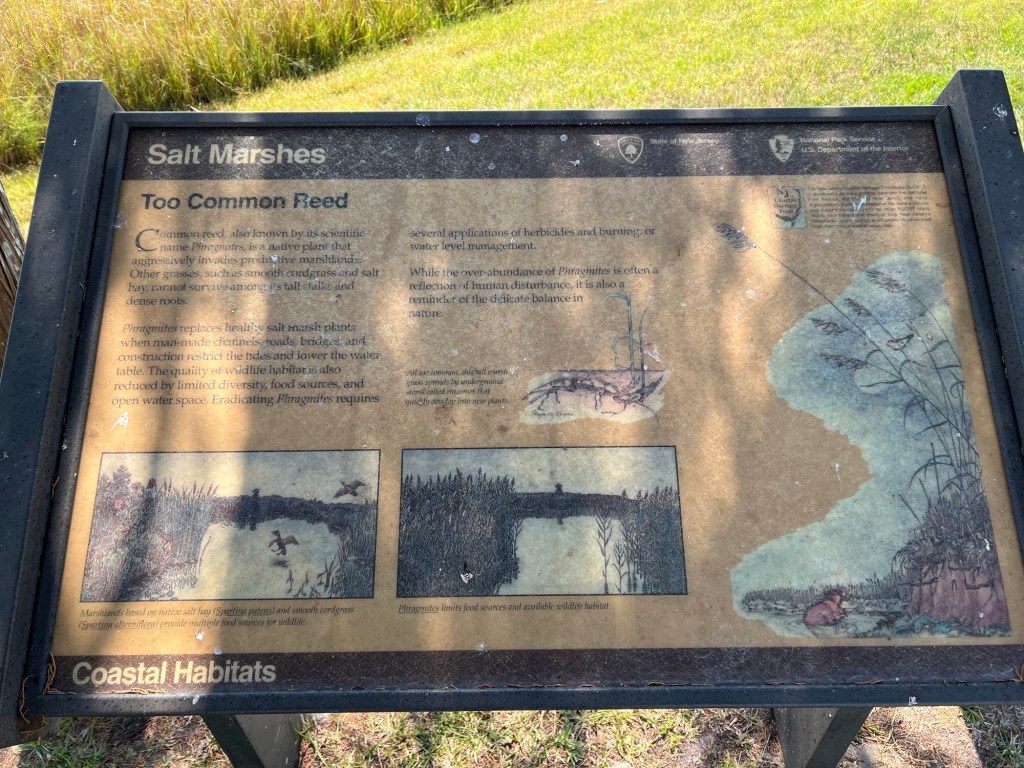
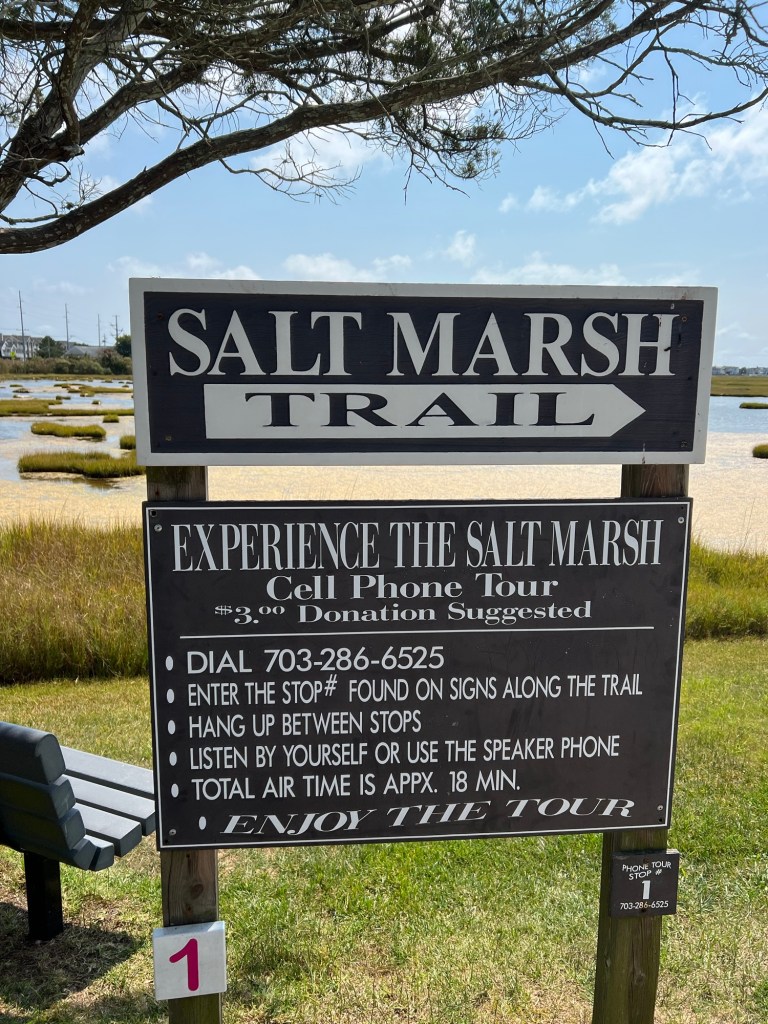
The sign explaining your walk through the marshes
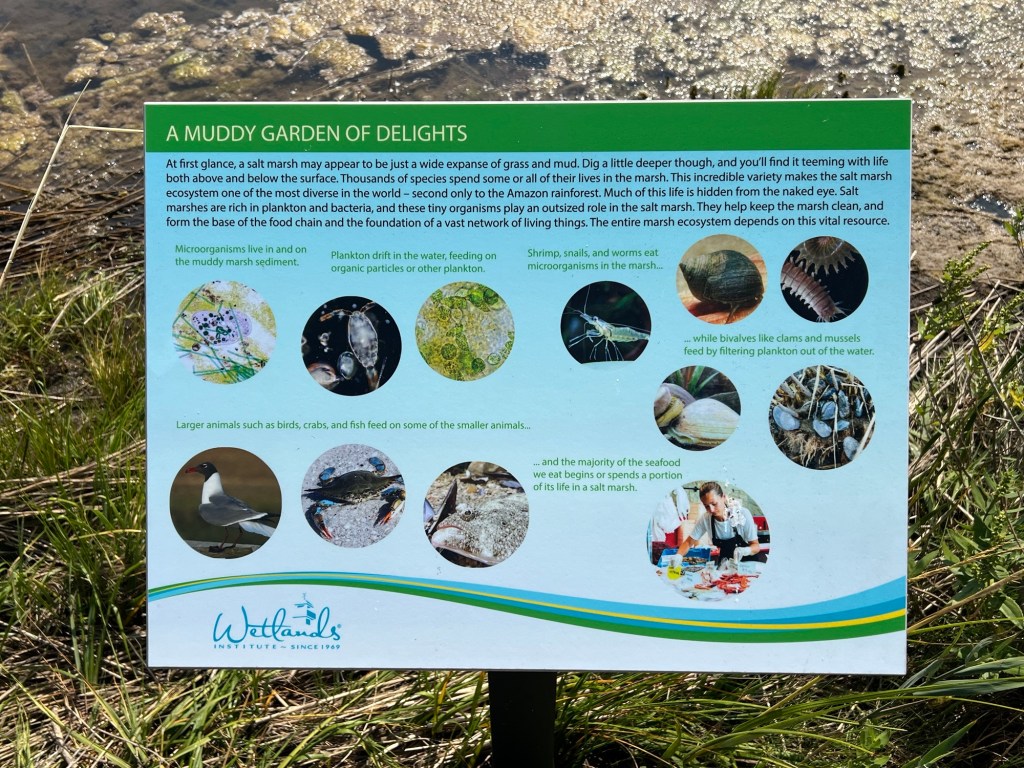
The possible animals and fish you will see on the walk
Plan to take the time to walk through the pathways on a nice day and observe the salt marshes. You will not see many animals or fish but you know they are there. It is interesting to see the town of Stone Harbor in the distance and realize how much these marshes help the human population without them knowing it. Not just are they beautiful to look at but how what an important role in the environment they play.
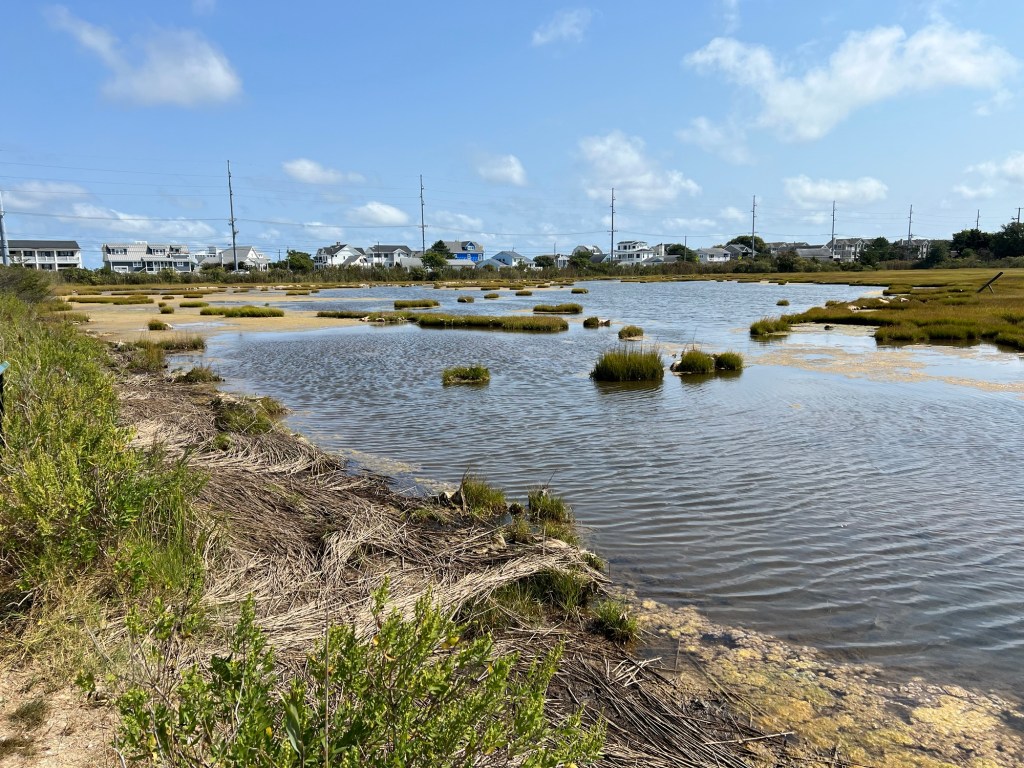
The beautiful view of the marshes
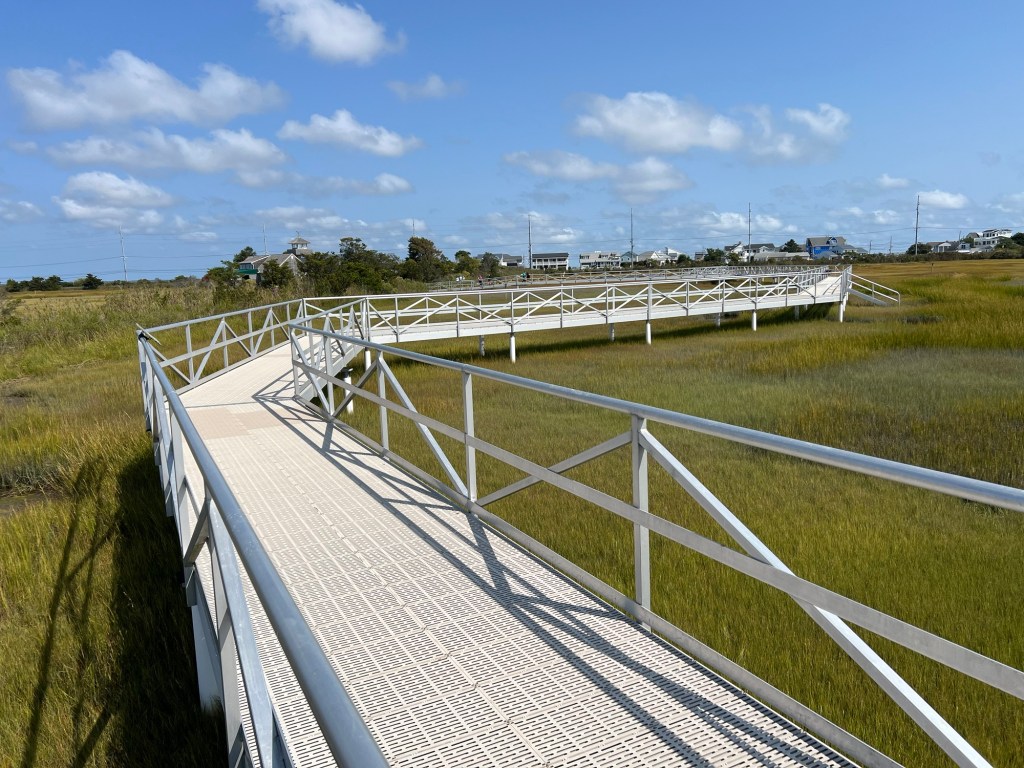
The elevated walkway goes through the marshes and offers excellent views
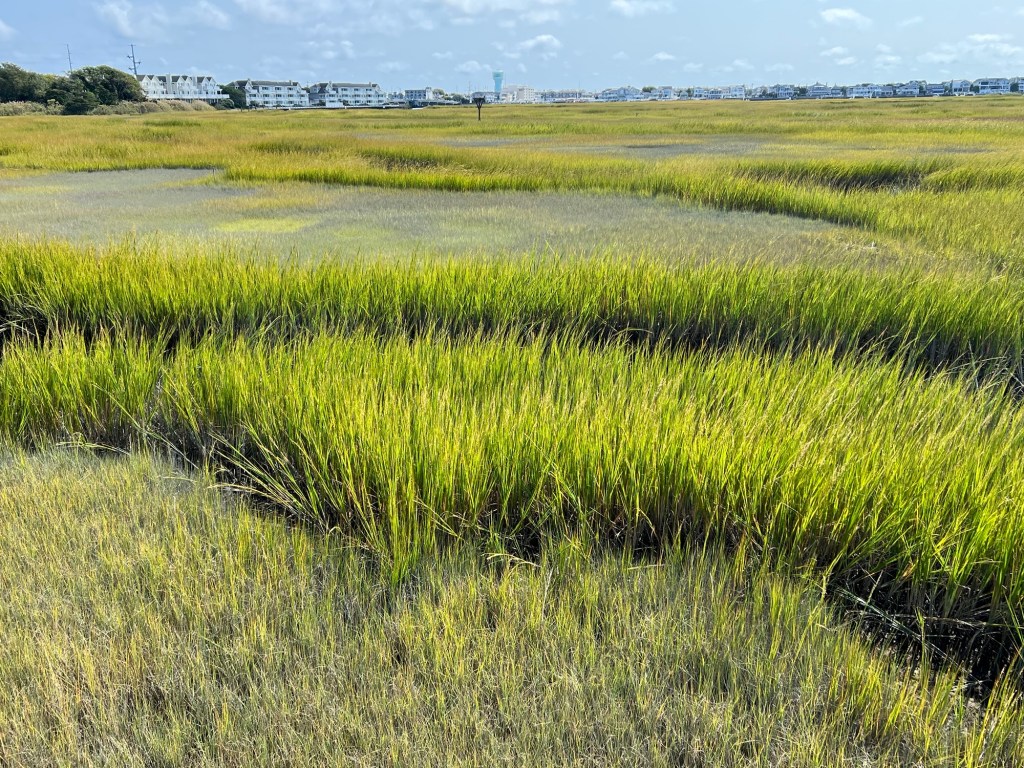
The marshes from the walkway
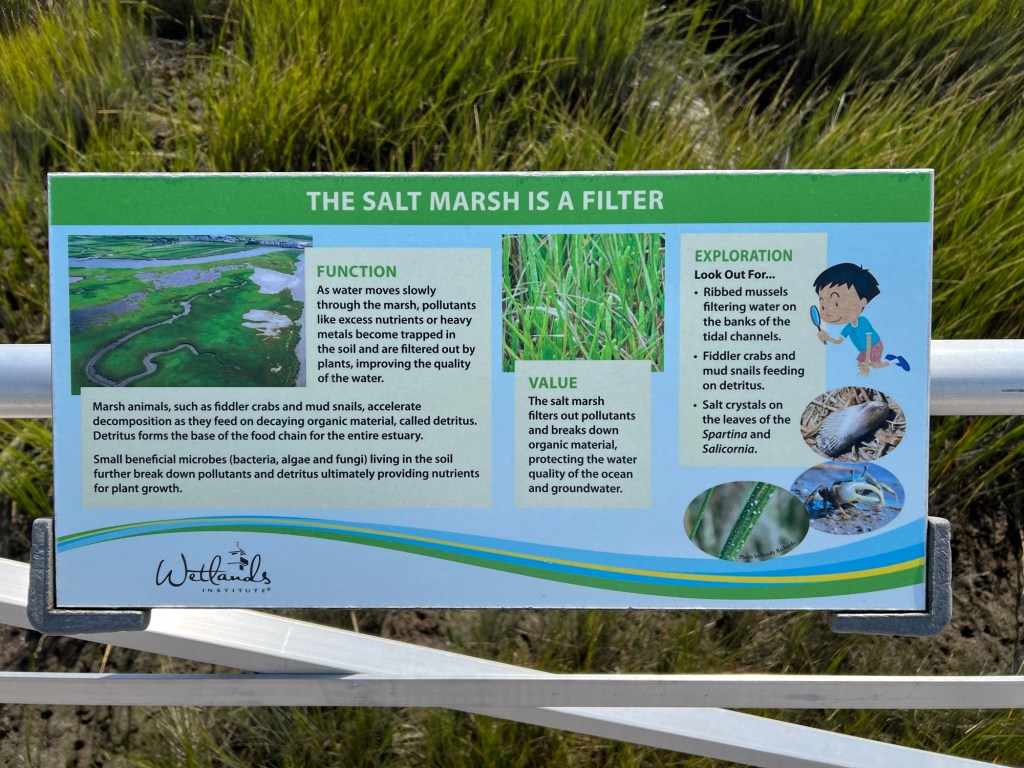
The effects of a healthy marsh
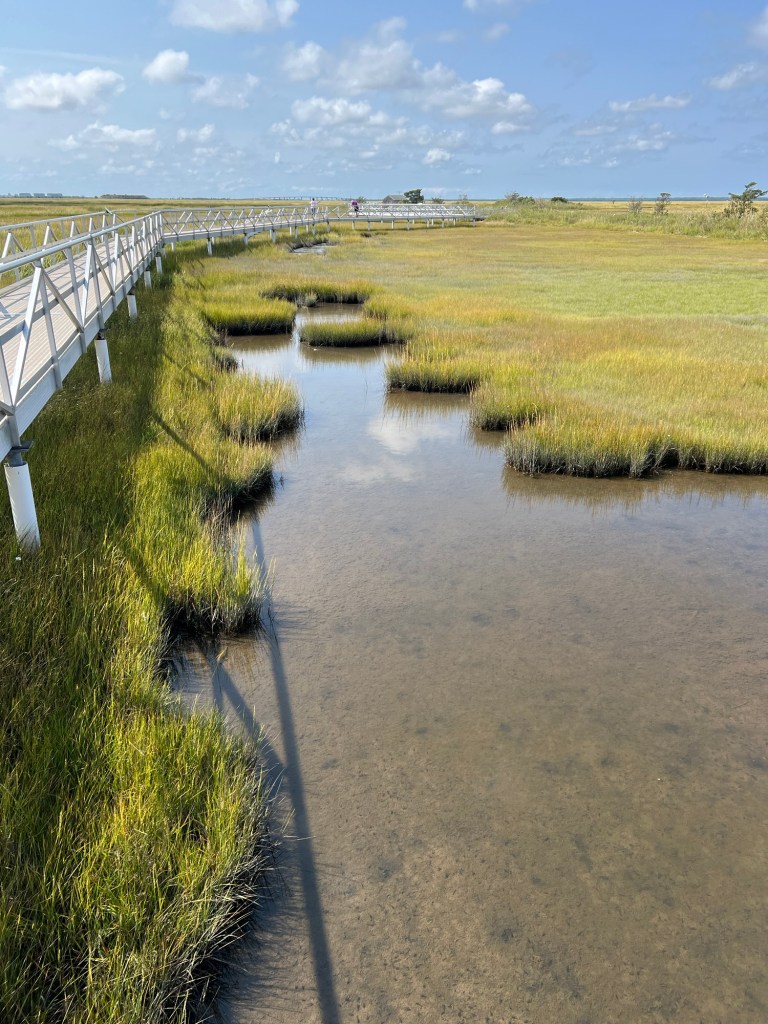
The breathtaking views of the marshes
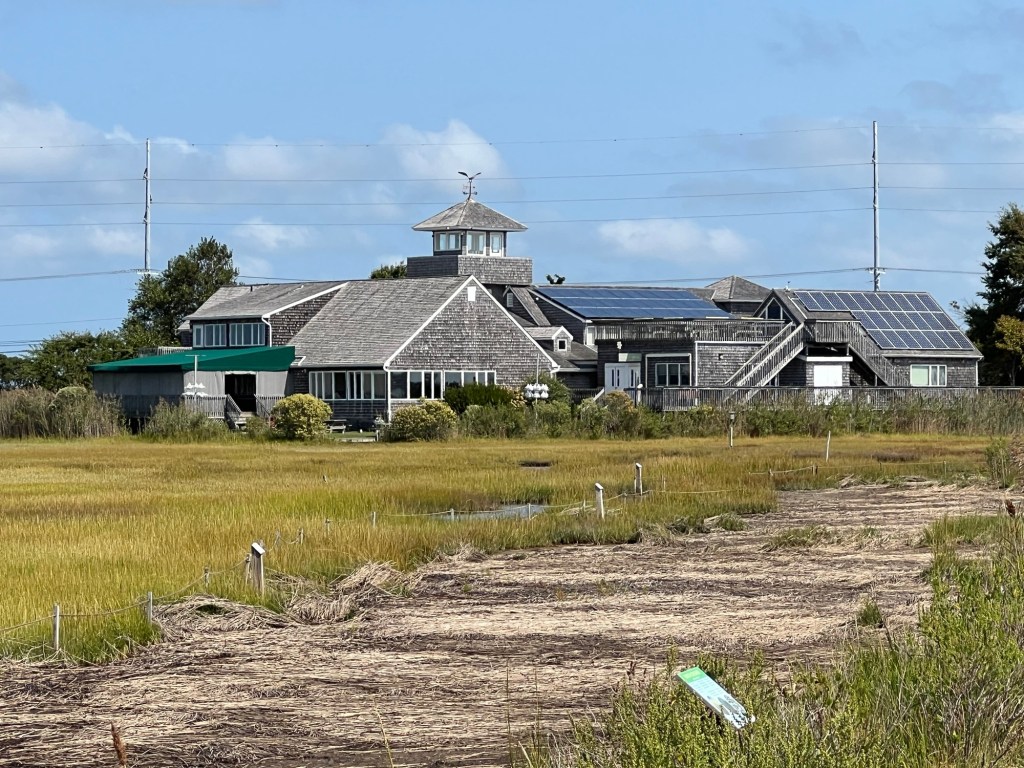
When you finish the walk of the pathways and the elevated walkway, this leads you back to the Institute.
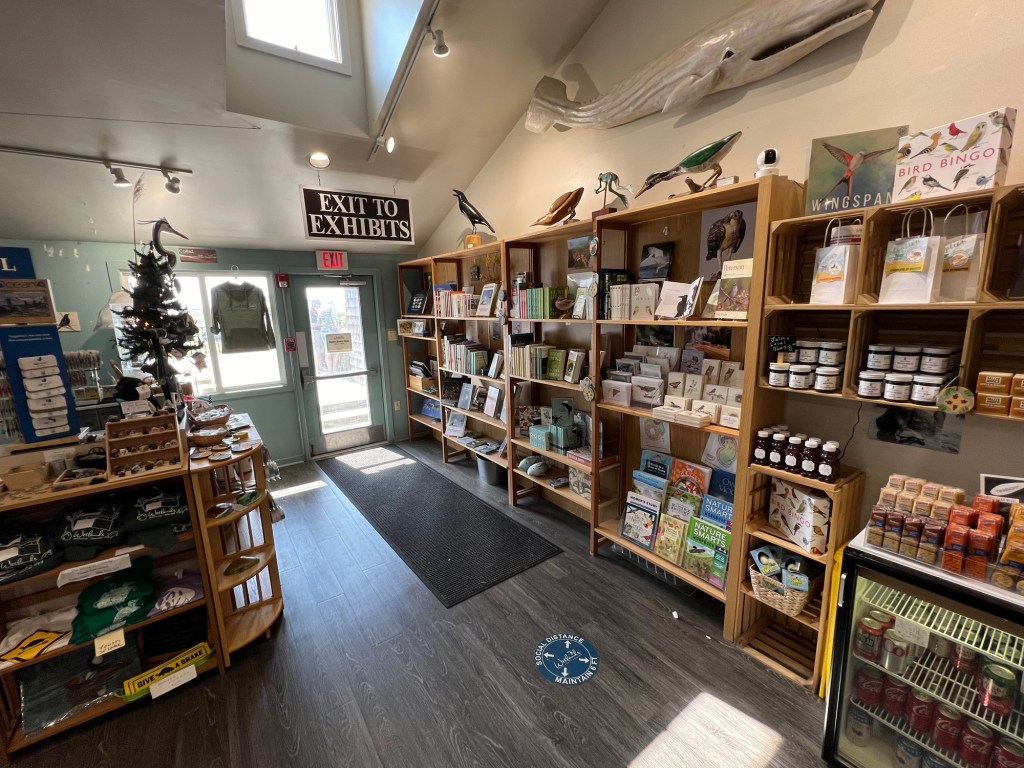
Don’t miss a trip to their terrific gift shop with all sorts of fun items and nautical gifts. I bought a delicious jar of the local beach plum jelly. That was a treat. There are all sorts of interesting gift items in the store from gifts from local farms to items dealing with conservation and nature to children’s items. This benefits the Institute and its mission.
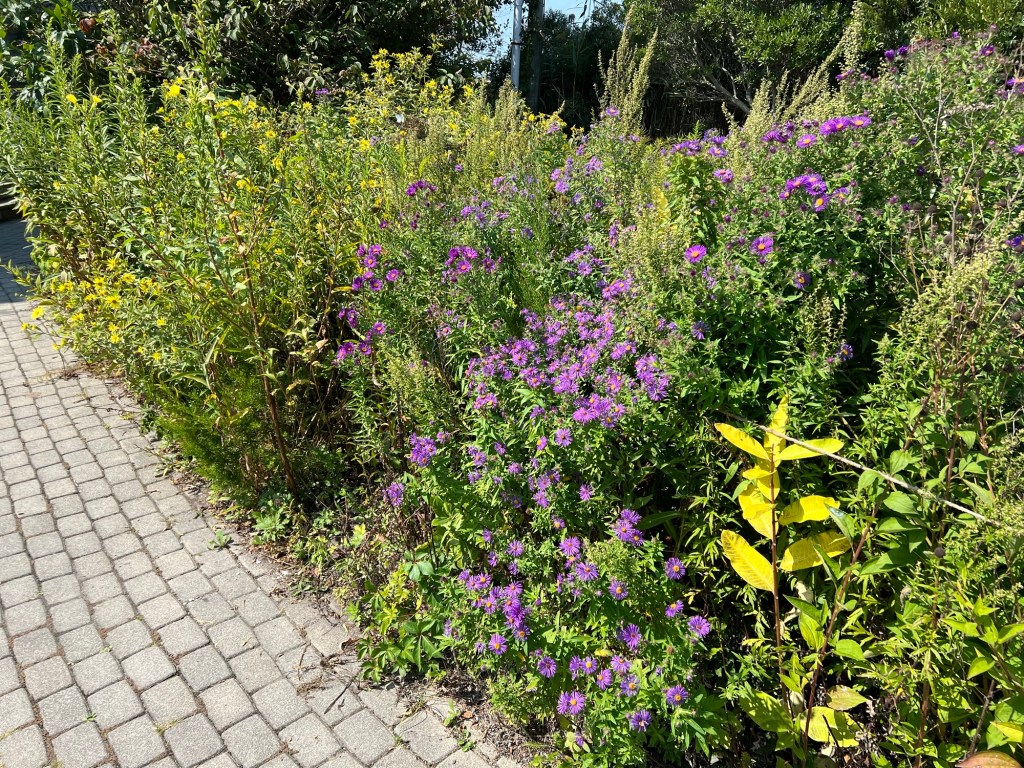
Don’t miss one last stroll through their gardens on the way out the door.
What I liked about the Wetlands Institute was that it was engaging, entertaining and educational all at the same time. You walk out with a lesson learned of the positive efforts being made to save the environment in a way that does preach but first shows the cause and the effect and with simple efforts made can benefit everyone.


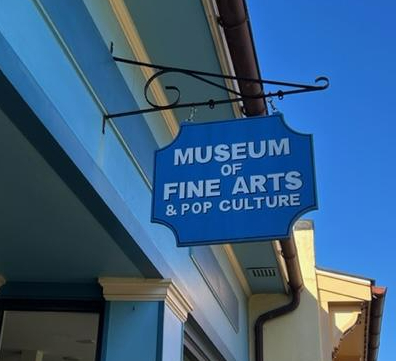
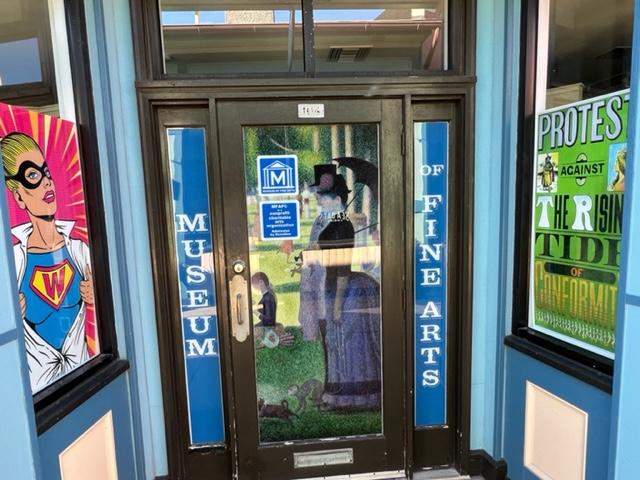









 Visiting a Museum: The Unique, Unusual, Obscure and Historical