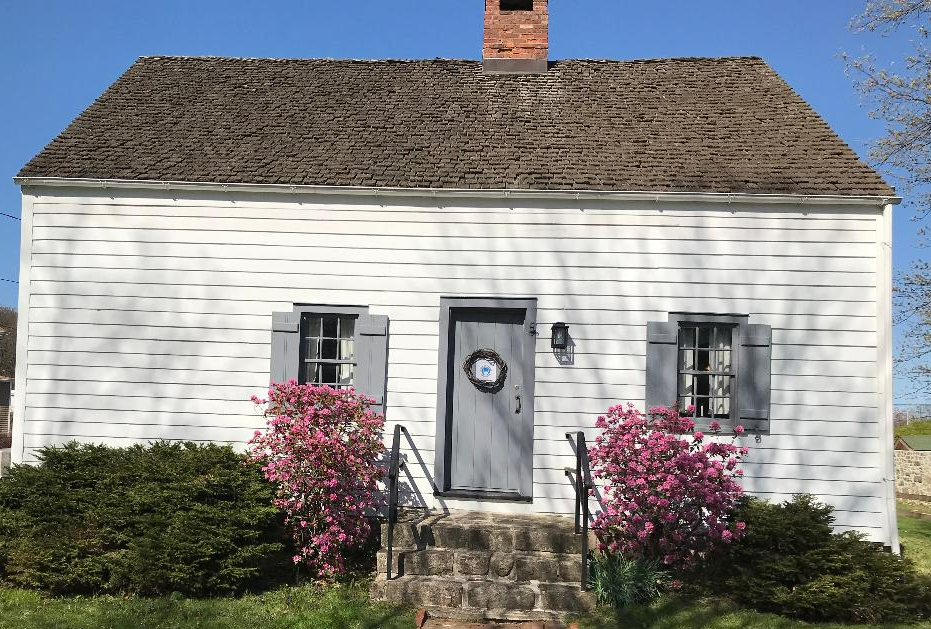
Category: Small Museums and Galleries in New Jersey

King Victorian Home & King Canal Store/Roxbury Historic Trust                               209 & 211 Main Street                           Ledgewood, NJ 07852

King Victorian Home & King Canal Store/Roxbury Historic Trust 209 & 211 Main Street Ledgewood, NJ 07852

King Victorian Home & King Canal Store/Roxbury Historic Trust

209 & 211 Main Street

Ledgewood, NJ 07852

(973) 927-7603/(973) 584-7903

http://www.roxburynewjersey.com/trust-home.htm

https://en.wikipedia.org/wiki/King_Store_and_Homestead

Open: Check their website/Seasonal

My review on TripAdvisor:

https://www.tripadvisor.com/Attraction_Review-g46563-d15096918-Reviews-King_House_And_Stores_Museum-Ledgewood_Morris_County_New_Jersey.html

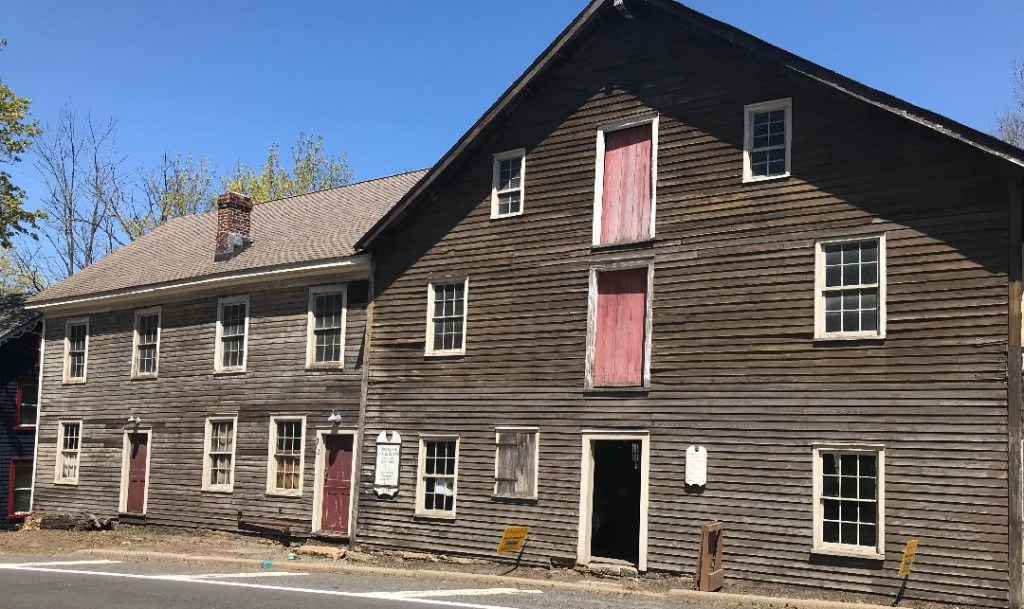
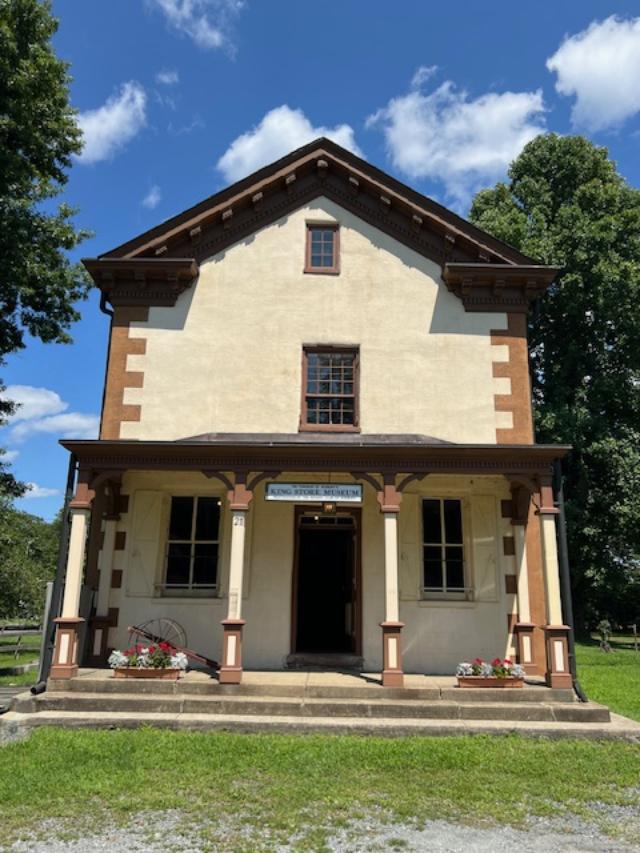
The King Canal Store Museum at 209 Main Street

The Drakesville (what the town was originally called) historic sign

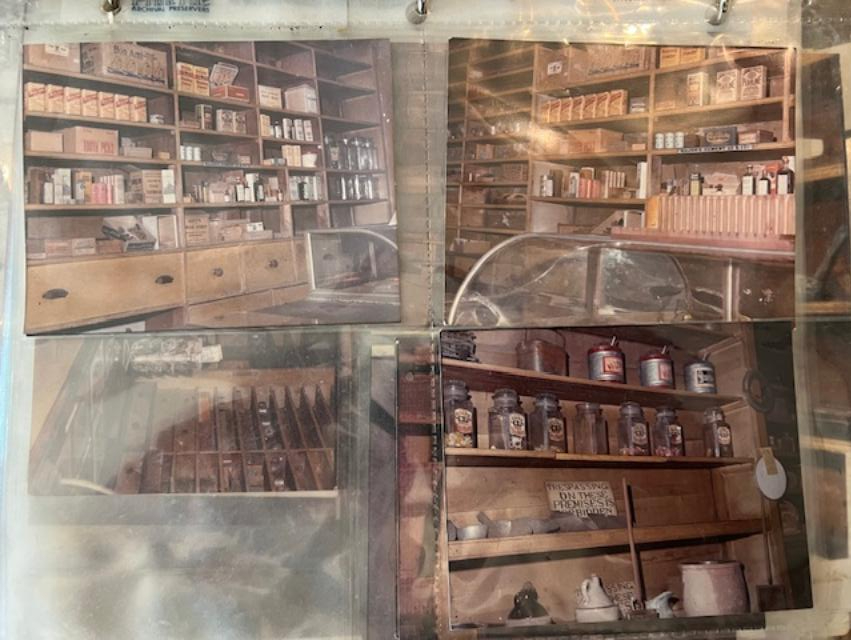
I visited the King Canal Store Museum and the King Homestead during the Morris County “Pathways to History” tour in May of 2022 and again in August 2024. This interesting store was still intact with its merchandise lining the shelves with a pot belly stove in the center of the store which was the center of action when the store was open to the community. All sorts of grocery items and notion items still line the walls.

The inside of the King Canal Store Museum shows the center of the community

Pictures of the old store when it was open

The guide explained that upon the death of the owner wanted to store closed and sealed. His daughter only opened it in the 1930’s in the depth of the Depression so that residents could buy items at a reasonable price.

The King Canal Store Museum still has items still lining the walls

The King Store and the King Homestead are historic buildings located in the Ledgewood section of Roxbury Township. The Roxbury Historic Trust acts as curator for these county owned buildings. These buildings represent significance in New Jersey commerce from 1815-1928 and were added to the National Register of Historic Places in 1994 (Wiki).

The notions area of the store

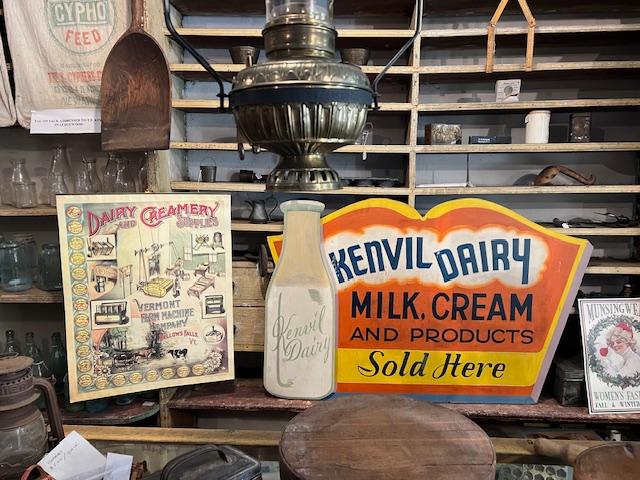
Some of the advertising for items in the store

The items on the shelves of the General Store

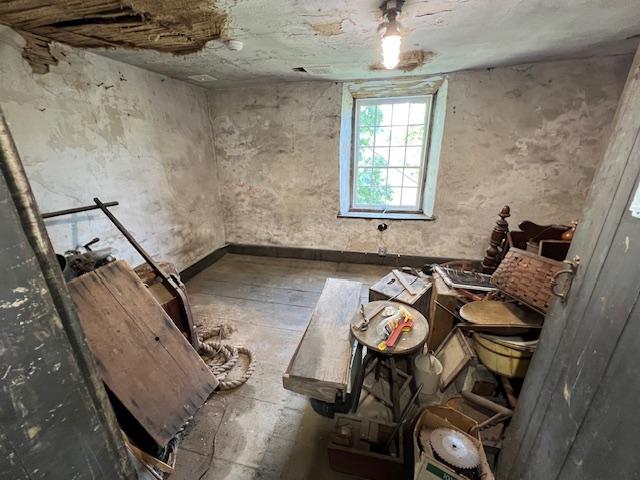
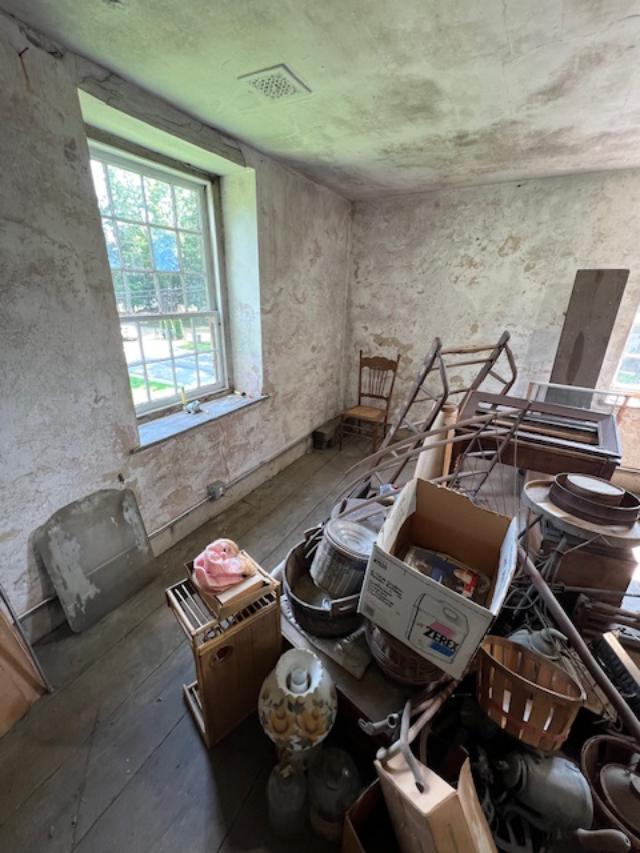
The King and Riggs families used to live above the store before they build the house next door. We got to take a tour of the second floor that you do not normally get to see.

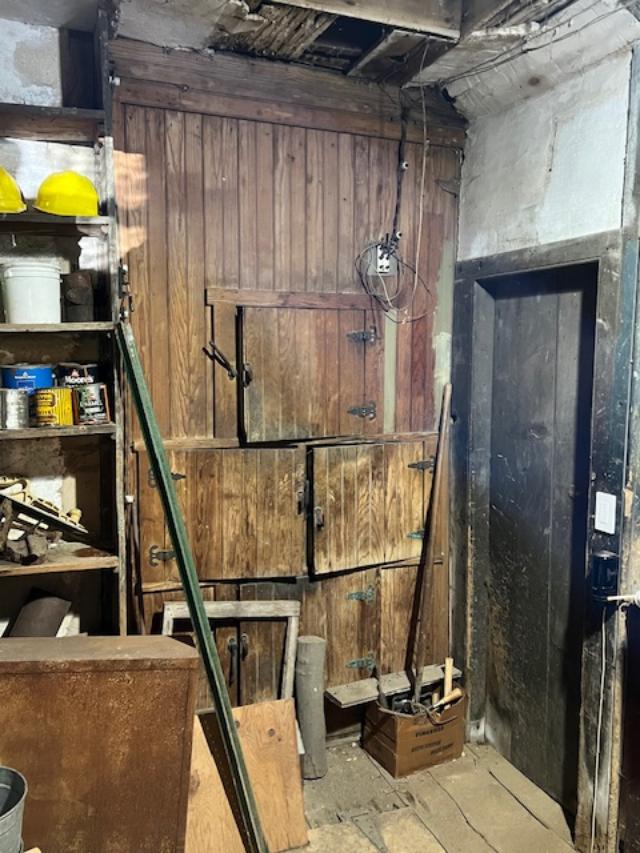
The ice storage doors to the cooler

The upstairs rooms in the living area of the store

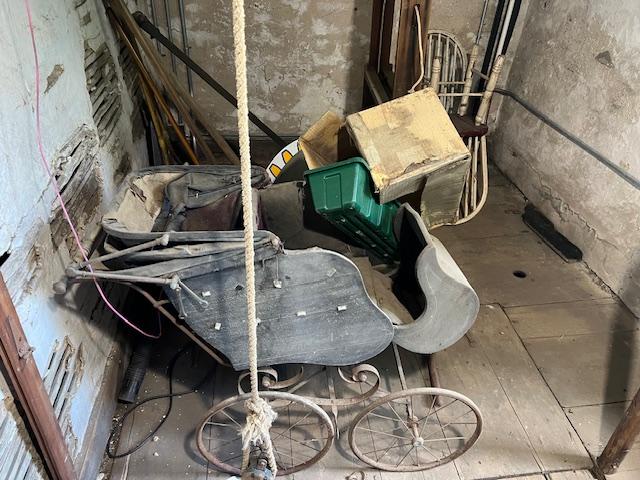
The rooms above the store

The rooms above the store

The graffiti on the walls upstairs from the turn of the last century

After I visited the King General Store, I walked over to the family home. This Victorian home had been in the family since the late 1880’s until the last family who lived in the house died in 1975.

History of the King Canal Store:

(From the Museum website)

The King Canal Store is a unique, 2 1/2 story building constructed of stone in 1815 by Woodruff and Hopkins. At the ground floor its walls are three feet thick. The Woodruff family operated the store until 1835. It was abandoned for two years and in 1837 Albert Riggs (Son of Silas Riggs, a tanner by trade and owner of several canal boats) acquired the building and reopened it as a general store serving the community and the Morris Canal trade as it was located 150 feet from the Morris Canal basin (Wiki/Museum website).

Theodore King was the son in law of Albert Riggs, took over the store in 1873. He lived on the second floor of the building with his wife, Emma Louise and daughter also named Emma Louise. In 1881, Mr. King built a new residence on adjacent property and then began a renovation of the store, changing the decor to Greek Revival and the color scheme to cream with brown trim. In the process, the exterior was given a smooth coat of stucco which was scored to resemble large blocks. The interior of the store was given an Italianate design with a cream and maroon color scheme (Wiki).

Mr. King died in 1928 and his daughter closed the building, its contents remaining just as they were with a few occasional openings in the 1930’s to help the locals in the depths of the Depression. Emma Louise King maintained the closed-up store and lived in the well cared for home until her death at 92 in 1975. From 1989, the Roxbury Rotary Club has worked with the Roxbury Historic Trust to restore the exterior and the first-floor shop and create the King Store Museum (Museum website/Historic Ledgewood Guide).

The King Canal Store Museum has grocery items lining the walls

The Theodore F. King Homestead:

The King Family Homestead at 211 Main Street was in the family until 1975

The King Homestead, a vernacular frame house to start had several additions with Italianate and Queen Anne influenced detailing. It is possible that the original house may just have consisted of the current parlor, the two exhibition rooms and one or both of the staircases to the second floor. There were two front bedrooms and a smaller bedroom in the rear of the home.

The King Family Homestead at 211 Main Street

The portrait of Mr. King hangs in the house’s Living Room

The house that was built by Mr. King for his family. They moved out of the second floor of the store.

The Living Room at the King House

The Living Room by the fireplace

The Living Room by the piano

Mr. King’s office to run the store

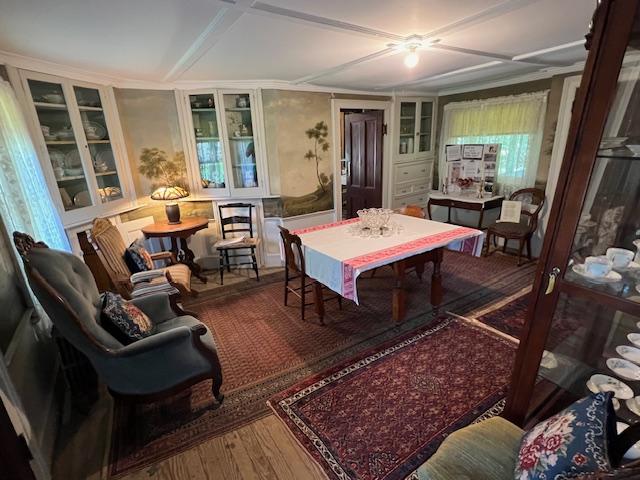
The Dining Room for entertaining

The Dining Room table for entertaining

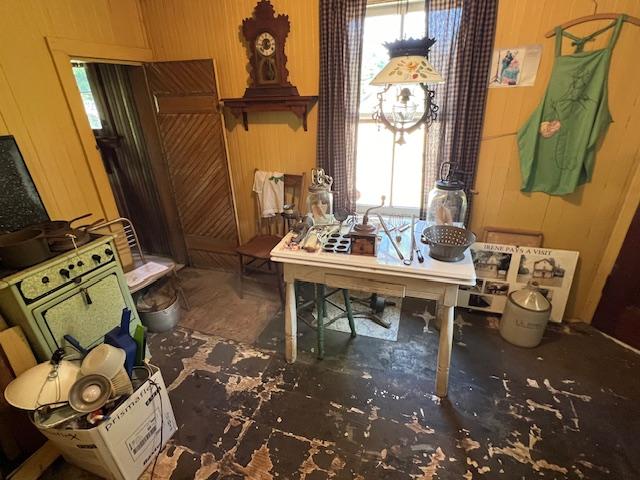
The new Kitchen behind the Dining Room

The landing at top of the second floor

The nook on the second floor of the home

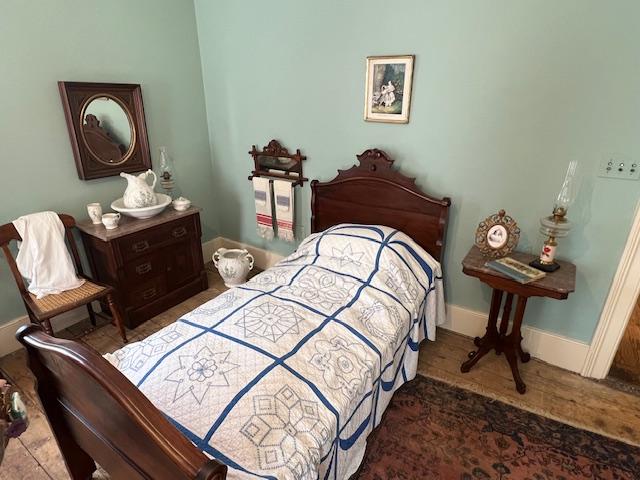
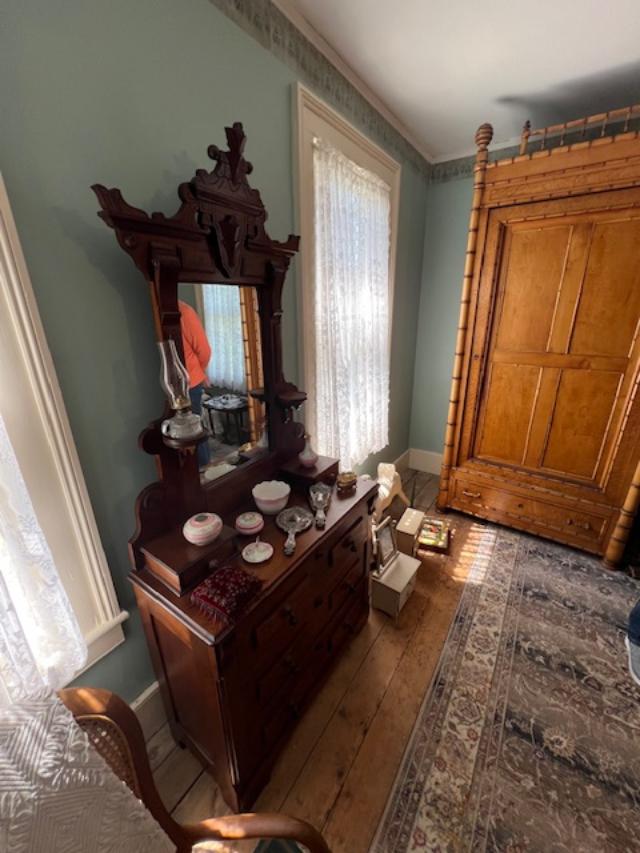
The Victorian Girl’s Room on the second floor

The Victorian Girl’s Room

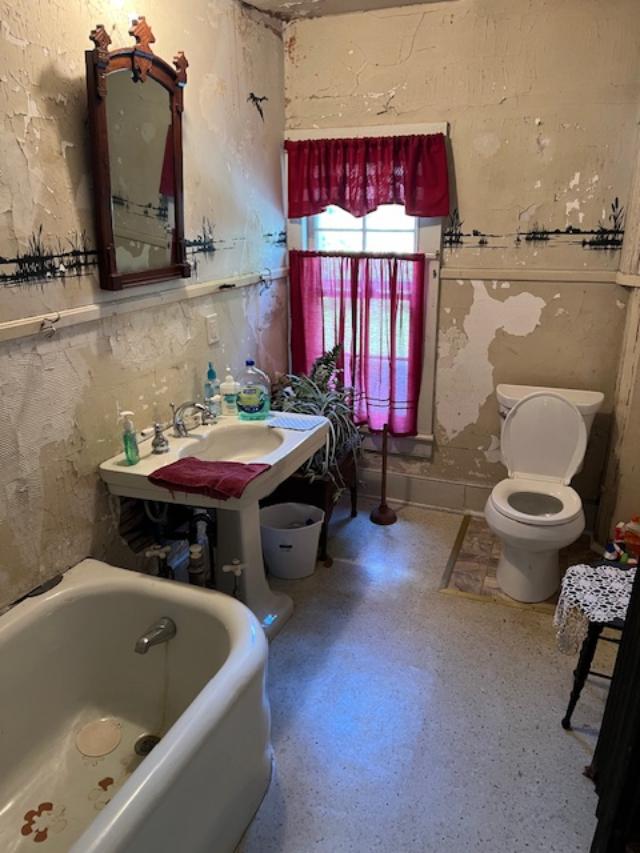
The new bathroom needs some work

The stairs to the basement contained the kitchen (which was a common practice during Victorian times) with a dumbwaiter added to the dining room so that the food could be brought up from the kitchen. Another addition to the home was the first-floor front office used by both Mr. King and his daughter. The mural in the first-floor dining room was by artist James William Marland in 1936 (Wiki).

The King House lawn

Florham Park Historic Preservation Commission/Little Red Schoolhouse & Hancock Cemetery                                                              203 Ridgedale Avenue                                                     Florham Park, NJ 07932

Florham Park Historic Preservation Commission/Little Red Schoolhouse & Hancock Cemetery 203 Ridgedale Avenue Florham Park, NJ 07932

Florham Park Historic Preservation Commission/Little Red Schoolhouse & Hancock Cemetery

203 Ridgedale Avenue

Florham Park, NJ 07932

https://www.facebook.com/pages/category/Community-Organization/Little-Red-Schoolhouse-438800069660078/

Open: See Website/Seasonal

My review on TripAdvisor:

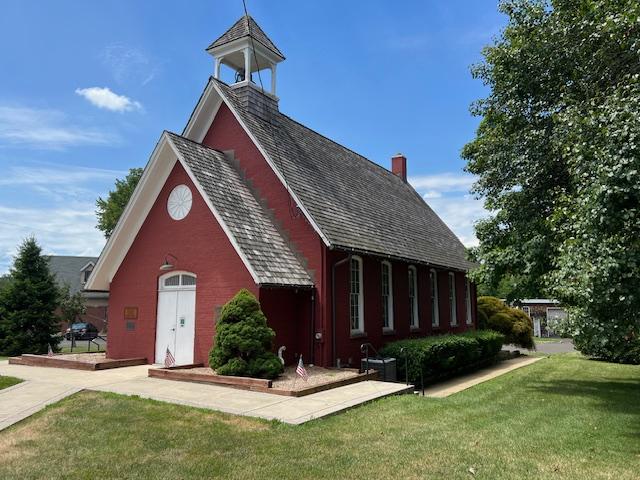
The Little Red Schoolhouse Museum

I visited the “Little Red Schoolhouse” Museum in Florham Park as part of the Morris County’s “Pathways to History” event that is held every May. This interesting little museum showcases the town’s historical collection of items from the 1800’s and 1900’s dealing with all aspects of town life.

In the back there is a small classroom set up keeping with the theme of the building. This lets students who are visiting the building of their counterpart’s early education with desks, ink wells and chalk boards that have not changed that much over the years.

Not much has changed in the modern classroom over the years

There is early century clothing, farming equipment from the town’s farming past and event Native American objects found in the town and in private collections. Other items included decorative items from the home including dishware, home products and furnishings. Each section of the museum is divided up by lifestyle.

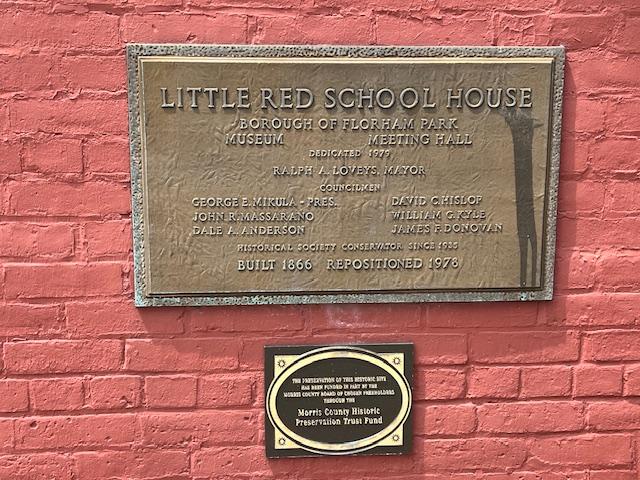
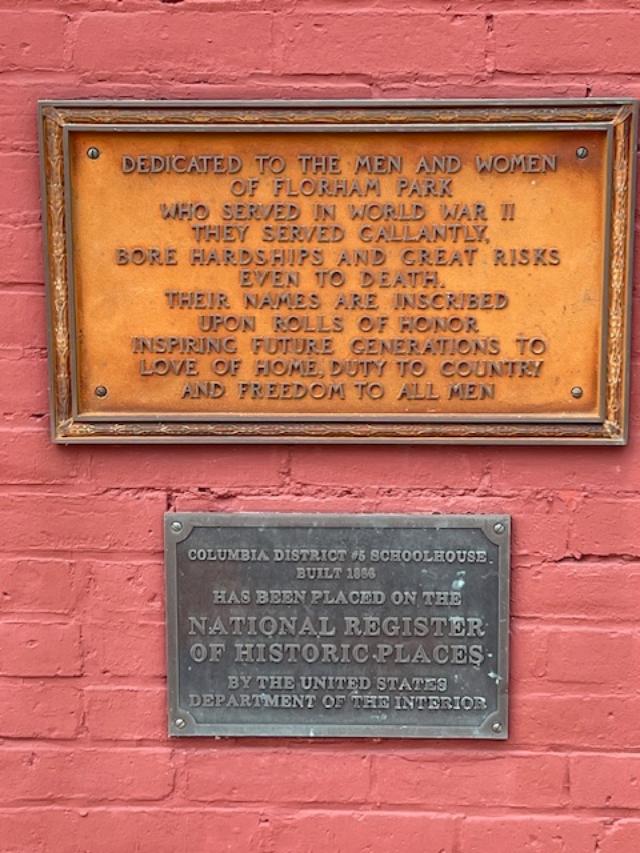
The museum’s historic plaque

The docents that day explained that the items were reflect the town’s past and some came from families that have been in town for years. The museum reflects the community spirit of town’s past. It explains that times have progressed but not changed too much over the years.

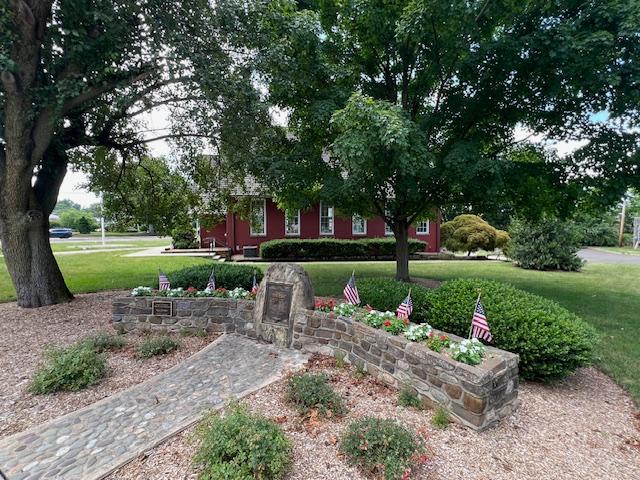
The Veteran’s Monument outside the museum

History of the Little Red Schoolhouse Museum:

(From the Museum Website)

By Kat Kurylko, Research Assistant

In 1830, the residents of Columbia, now Florham Park, sought to improve their thriving farming and broom-making community by establishing a public school for the local children. Therefore, a small schoolhouse, Columbia School #5, was built on the corner of Columbia Turnpike and Ridgedale Avenue and dedicated it on February 17th, 1831. Schooling at the “little red frame building” prospered and so by the 1850’s, the building was “in condition of dilapidation rendering it unfit to be occupied” due to overcrowding.

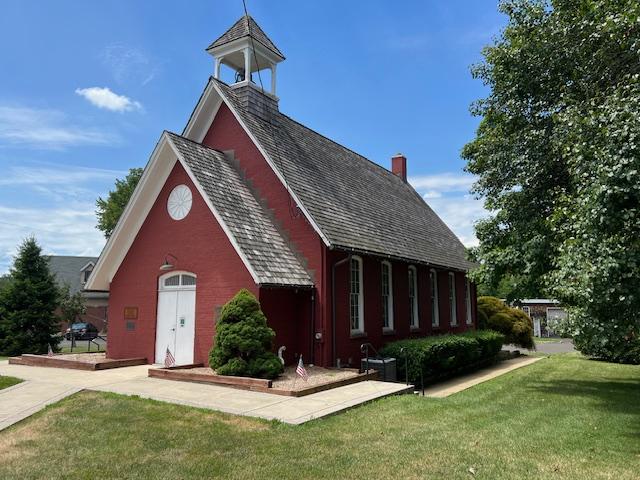
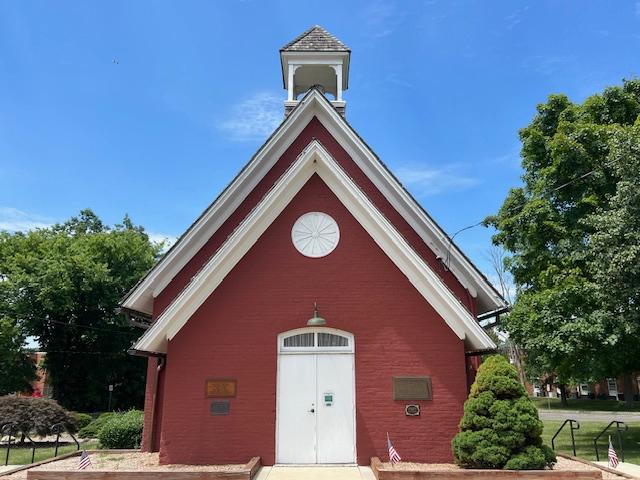
The schoolhouse from the front

On March 1st, 1867, nearly 50 children attended their first class in a new one-room brick schoolhouse. The use of brick added prestige but great expense to the project, accounting for nearly half of the budget. The new building was designed based on principles found in Henry Barnard’s book, “School House Architecture. Much like Thomas Kirkbride’s progressive hospital designs (illustrated locally at Greystone Park Psychiatric Hospital), Barnard’s method School attendance continued to grow and by 1914, a four-room annex building, which could accommodate 78 students was built on the school’s property and the earlier brick building served as an auditorium. Eventually, the community outgrew both buildings and in 1934, the borough’s current middle school was constructed.

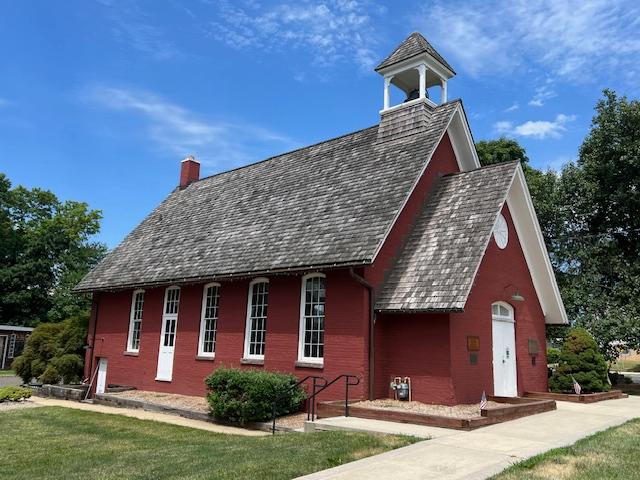
The schoolhouse from the side view

Founded in the 1930’s to preserve the “Little Red Schoolhouse”, the Historical Society of Florham Park now operates the building as a museum. A source of great pride for the local community, the building stands in nearly the same location on the corner of Columbia Turnpike and Ridgedale Avenue, although moved back to accommodate the expansion of Columbia Turnpike. Listed on the NJ and National Registers of Historic Places since the early 1970’s, today the building serves as a reminder of the community’s rural roots.

The “Little Red Schoolhouse” Museum historic plaques

(From the Morris County site):

The Little Red Schoolhouse & Museum:

Florham’s Park’s iconic Little Red Schoolhouse was built in 1866 at a cost $2,250. Its open belfry and gable-end entrance instantly identify it as a typical 19th century one-room schoolhouse. The Italianate one-story narrow red brick masonry building is an architectural marvel with its steep roof, tall windows and elaborate arches.

Inside, part of the museum is set up as a 19th century classroom, where small groups can enjoy a lecture. The museum has a variety of artifacts from the 1800’s and 1900’s, vintage school desks and broom-making equipment. Its location at the historic crossroads of Florham Park has remained a key reminder of the borough’s rural origins. The schoolhouse is a stop each fall on the free “Pathways of History” event (which I was on that day I visited).

Of Special Note:

*In 1978, the schoolhouse was moved back several yards to accommodate the expanded Columbia Turnpike.

*The schoolhouse is also known as Columbia School District Number 5 Schoolhouse.

*The schoolhouse is the borough’s icon, appearing on the town flag, letter head, website and public works and first responder vehicles.

Chester Historical Society/Chester’s Rockefeller Center                                                                    137 Main Street                                              Chester, NJ 07630

Chester Historical Society/Chester’s Rockefeller Center 137 Main Street Chester, NJ 07630

Chester Historical Society/Chester’s Rockefeller Center

137 Main Street

Chester, NJ 07630

(973) 829-8120/(908) 879-2761

http://www.historicchesternj.com/

Open: Check their website/Seasonal

Admission:

My review on TripAdvisor:

The Chester Historical Society/Chester Rockefeller Center has just been moved to Downtown Chester and is currently being renovated. Their collection is in storage right now while the building is being renovated. When I went to visit the museum, they were displaying their plans for the museum in the future outside the building.

The Chester Historical Society is currently open only at certain times and the collection is in storage while renovating. They are telling the town’s story on both a story board outside and on tables outside the building while it is being set up. Please check out their website for upcoming events and openings.

The new building

The Chester Historical Society is now in the process of being renovating and is empty accept when it is open for special events like ‘Pathways of History’ for Morris County, NJ.

The game plan for the museum.

The History of the Building of the Chester Historical Society:

The original Chester, NJ Rockefeller Center

(From the Chester Historical Society’s website)

Chester’s Little “Rockefeller Center” building has seen many unique tenants in its day! In 1897, Mr. W. J. Litzenberger was reported to be doing a located behind the building. This is where he carved gravestones for the locals and used the building as his sales office and display area.

Also in the late 1800’s, the Post Office was located in Alonzo P. Green’s Pharmacy across from the firehouse. “Lawyer” Smith (postmaster), who was the son in law of General Cooper, was soon to move the Post Office across the road to Yawger’s store and later to the “Rockefeller Center” building, which was just east of the firehouse.

When Chester’s Iron “Hey-Day” waned out, fortunate were those who could return to farming. They could put their efforts into raising peaches, apples and garden produce and often used it as barter for “store-bought necessities” to provide for their families. Horses and cattle were important to the farmer and also to the townsmen. From earliest days drovers had driven horses and other livestock through Chester on their way to and from Susses County. From the mid-1800’s horses and mules were brought from as far as the Midwest to be sold.

During the late 1920’s and into the 30’s and 40’s, Abraham Meyer, who boarded with Austin Thompson, bought and sold cattle and had them located at the present Lowensteiner farm on North Road. During that time, he had an office for his cattle dealer’s business in the “Rockefeller Center” building.

After that, the Rockefeller family rented not only the cottage for them to live in but also the little building next to it from George E. Conover. The cottage was ordered and built from the Sears & Roebuck Company and was located to the left of the “Rockefeller Center” building. At this time, Carlos “Rocky” Rockefeller used the building for a bicycle shop where you could not only purchase a bike but also get one fixed! He would also sharpen the local children’s ice skates there.

Turtle Back Zoo                                                                         500 Northfield Avenue                                                            West Orange, NJ 07052

Turtle Back Zoo 500 Northfield Avenue West Orange, NJ 07052

Turtle Back Zoo

500 Northfield Avenue

West Orange, NJ 07052

(973) 731-5800

https://www.facebook.com/TurtleBackZoo/

https://en.wikipedia.org/wiki/Turtle_Back_Zoo

Open: Sunday-Saturday 10:00am-3:00pm

My review on TripAdvisor:

https://www.tripadvisor.com/Attraction_Review-g60796-d1448643-Reviews-Turtle_Back_Zoo-West_Orange_New_Jersey.html

The entrance to Turtle Back Zoo

I have been coming to the Turtle Back Zoo since I was in elementary school when we used to come here on field trips. I remember as a child having lunch on the lawn with my class and feeding the animals. That was back in the 1970’s with the old zoo set up. I had read that the zoo was falling apart by 1995 and they were ready to close it down. Like anything else, these zoos and parks need an update every few years to keep them relevant.

The directions on where to go when you enter the zoo

In 2000, as master plan was started in what direction the zoo wanted to go and in the next twenty years, I have seen the results of that hard work. You have many nicer displays, some still being too small for the respective animals, but a more realistic environment created for them. Back in 2016 when I joined the board of another zoo, I visited the Turtle Back Zoo for the first time since 1976. I visited a much improved and engaging zoo with nice displays and more diverse animals.

The new zoo set up has a good flow

On Groundhog’s Day, I went to see the small festival that the zoo was running that ended up being a ten-minute talk with an audience of the staff, volunteers and local politicians. I thought the zoo could do so much more to build on the reputation of this event. They introduced the new groundhog, Miss ‘Edwina of Essex’, who replaced ‘Essex Ed’. They said he had retired to Florida (I was not sure if he died or was somewhere else that day). Still, it was a cute little event with the groundhog trying to walk off and escape and a weather prediction of an early spring.
Groundhog’s Day Celebration 2023:

Miss ‘Edwina of Essex’ will be the star of Groundhog’s Day festivities in the future

The indoor set up for Groundhog’s Day at the Turtle Back Zoo in 2023

Read my blog on MywalkinManhattan.com” Day “Two Hundred and Sixteen: Meeting ‘Edwina from Essex’ at the Turtleback Zoo-Happy Groundhog’s Day”:

https://wordpress.com/post/mywalkinmanhattan.com/21731

Edwina and her trainer

After the event was over, I got a chance to walk around the zoo for an hour and even though it was the middle of the winter, there was a lot going on at the zoo. I spent the next hour or so walking the exhibits and watching the feedings. Being the middle of the winter with snow all around, a lot of the displays were closed, and the animals were inside as it was too cold for them.

The flowers that line the paths of the zoo from the old days

I started the tour of the zoo at the Flamingo pool. Watching these graceful animals communicate in their own language amongst themselves was interesting. The flamingos looked at us humans with amusement almost as if they were cracking a joke at our expense. They walked around their pool in groups, and it was fascinating to see how they moved in cliques. Some stayed at one part of the display while others moved around conversing about something.

The flamingos sleeping on this cold morning

The flamingos carried on a nice conversation at our expense

I visited the Petting Zoo that was pretty much closed, but the animals were out having their afternoon meal. I swear the rams and sheep looked at me like an alien from Outer Space. I have never gotten such an inquisitive look from another animal before. They all just stared at me and stopped eating. I guess they had not seen a visitor in a long time with the exception of the staff with the weather being what it has been.

The goats gave me the strangest looks that afternoon

The lions and giraffes were all inside warming up as this weather was not something they are used to, and I will have to revisit these exhibits in warmer weather. The Penguin House was a lot of fun to visit. The penguins are so engaging and had just finished their feeding time. They looked like they were ready to play.

The pelicans were swimming around in the Penguin tanks

Penguins’ dove and swam all around me, looking at me through the glass and trying to communicate with a lot of chirping. They looked so happy to see another person beside the trainers. As I followed them as they swam around the tank, they looked to me like they were trying to show me their swimming skills. I felt like they were trying to befriend me as some sort of strange new penguin. They are really used to seeing humans and find ways to engage with us.

The penguins at the Turtle Back Zoo are so friendly

I got to watch the sea lion feeding and watch the seals and otters swim around their tanks. The otters, which are an outdoor animal looked so cold that they swam for a bit after their feeding and then raced inside their burros to get out of the weather.

I stopped into to the Sea Turtle Recovery Building to see what the zoo was doing to help the turtles with their health and how the recovery was done. Separate tanks where the turtles are monitored for their therapy are on display and you can see the different stages they go through before being released into the wild.

The display sign by the tanks

The Sea Turtles in the rehabilitation center

The Big Cat Country exhibition had the poor cougars and mountain lions walking around in circles in the snow looking like they were not too sure what to do next. They did not look that happy to be outside, but I am sure being cooped up was not good for them either.

The Cheetah looked so cold that day

The Train Ride through the park was closed for the season as was the carousel and the restaurant. Those will have to be revisited in the Spring. I revisited the Reptile House one more time before I left for the day.

The giant turtle in the Reptile House

There is a variety of snakes, lizards and other wild creatures on display here and it the one exhibit where the animals seemed happy in their environment as they had plenty of room to move around and stretch. I swear that those snakes know that you are there. They just stare at you when you walk by looking like they are plotting to get out of the glass displays.

The giant lizard in the Reptile House

I will visit again in the Spring and talk about the comparisons with the weather and how it affects the animal’s behavior. They are no different than us with adapting to the change of the seasons. Many of these animals come from environments where this type of cold is not what they are used to and it is hard for them.

The Puff Fish in the Fish Tanks in the Touch Tank Display

There will be a lot more to see in the warm weather when I return.

The Bear Statute by the Bear Den

The History of Turtle Back Zoo:

(From the Zoo’s Website)

The Turtle Back Zoo came into conception in 1962 when the Essex County Parks Commission President, William Wachenfeld, awarded a $400,000 contract to Max Drill Inc. to build a 15.5-acre zoo in the South Mountain Reservation Park. It was designed to be a seasonable park for children.

The Turtle Back Zoo logo

Designer Tjark Reiss was hired to design the park and he created exhibits based on Hans Christian Anderson’s nursery rhyme themes and other children’s stories. There were to be farm animals and an antique train ride that took visitors on a mile round trip ride through the zoo’s surrounding woodlands.

The Turtle Back Zoo opened June 3rd, 1963, with a collection of 140 animals of 40 species. The zoo took its name from a rock formation located on the mountain side east of the zoo. The Lenape Indians called this formation Turtle Back Rock. The pattern on the rocks created by large basaltic crystals makes it appear that you are standing on the back of an enormous tortoise.

In 1973, the zoo’s animal collection had grown to 850 animals of 275 species. In 1975, a Zoological Society was established to promote the zoo and provide funding support through memberships and other fund-raising efforts. The first board meeting took place in September of 1975. In 1978, the Board of Commissioners that directly administered the park was replaced with Department of Parks, Recreation and Cultural Affairs under the direction of the County Executive.

The Children’s Statute by the entrance of the zoo

In 1995, the zoo fell into disrepair and the zoo was almost shut down in 1995 (Wiki).
In 2000, the zoo completed a new master plan with accreditation from the American Zoo and Aquarium Association as its major focus. The zoo started to replace the antiquated 1960’s style cages with larger, more naturalistic habitats for its animals. In 2005, the zoo completed a new 1.8-million-dollar Essex County Animal Hospital at the Turtle Back Zoo to serve the zoo’s animal residents and serve as a animal quarantine facility for the growing animal collection.
That year the zoo demolished the original administration building and education center and replaced them with a new 11,000 square foot complex that included a walk-through gift shop, a new visitor friendly entrance and exit, a 4,000 square foot reptile center, administration offices a new group entrance and two classrooms opening to an auditorium. A new picnic pavilion and an animal themed playground were opening in 2006.

In September of 2006, the Turtle Back Zoo was granted accreditation by the American Zoo and Aquarium Association. This distinct honor places the Turtle Back Zoo amongst the elite zoos and aquariums of the United States and means that the zoo adheres to the highest standards of zoos in the country.

The Touch Tanks with stingrays in them

Come to the Zoo on Groundhog’s Day to meet “Edwina of Essex”

Edwina of Essex County on Groundhog’s Day 2023