Category: Historic Homes of New Jersey

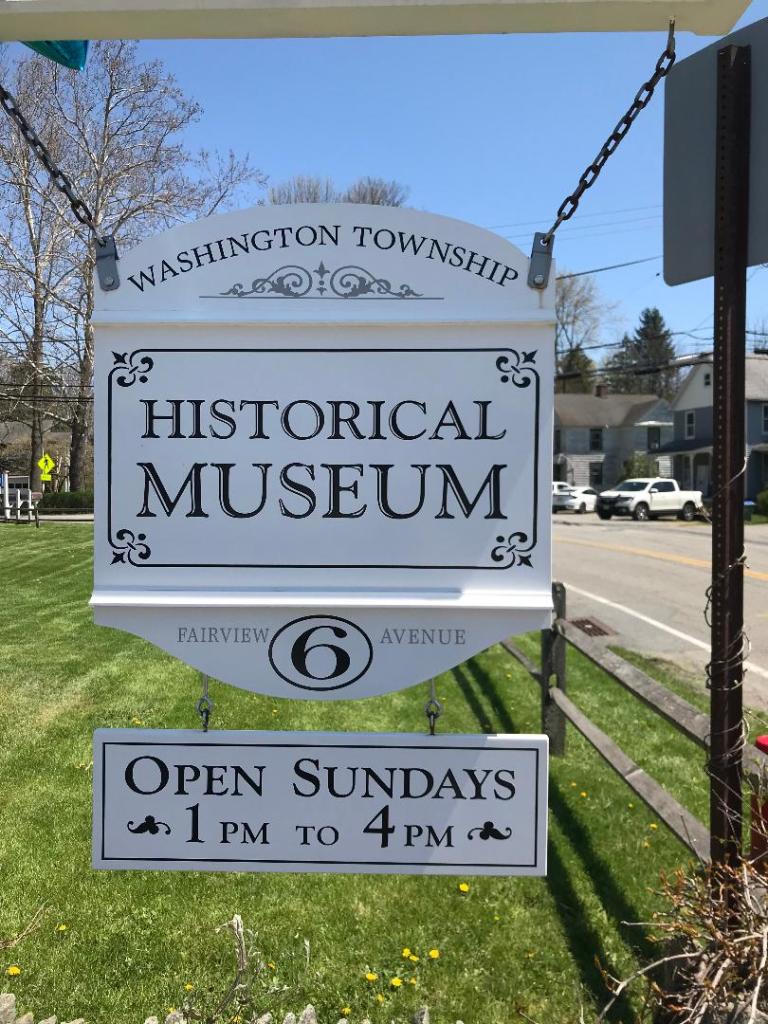
Union Schoolhouse & Union Church and Burial Ground/Washington Township Historical Society 6 Fairview Avenue                                              Long Valley, NJ 07853

Union Schoolhouse & Union Church and Burial Ground/Washington Township Historical Society 6 Fairview Avenue Long Valley, NJ 07853

Union Schoolhouse & Union Church and Burial Ground/

Washington Township Historical Society

6 Fairview Avenue

Long Valley, NJ 07853

(908) 876-9696

https://www.wthsnj.org/

https://br-fr.facebook.com/wthsnj

http://www.pathwaysofhistorynj.net/19.html

Open: Sunday 2:00pm-4:00pm/Monday-Saturday Closed

Admission: please call site

My review on TripAdvisor:

https://www.tripadvisor.com/Attraction_Review-g46583-d24075223-Reviews-Union_Schoolhouse_Union_Church_And_Burial_Ground-Long_Valley_Morris_County_New_Je.html

A Video on the Washington Township Historical Society

I came to the Washington Township Historical Site as part of Morris County’s “Pathways of History” tour and visited the Union Schoolhouse Museum and then the Union Church and Burial Ground that is located right next door on the same property. This sleepy little town was once a bustling manufacturing site with the sawmill and Ghrist around the corner and the Welsh Farms Ice Cream factory up the street from the site.
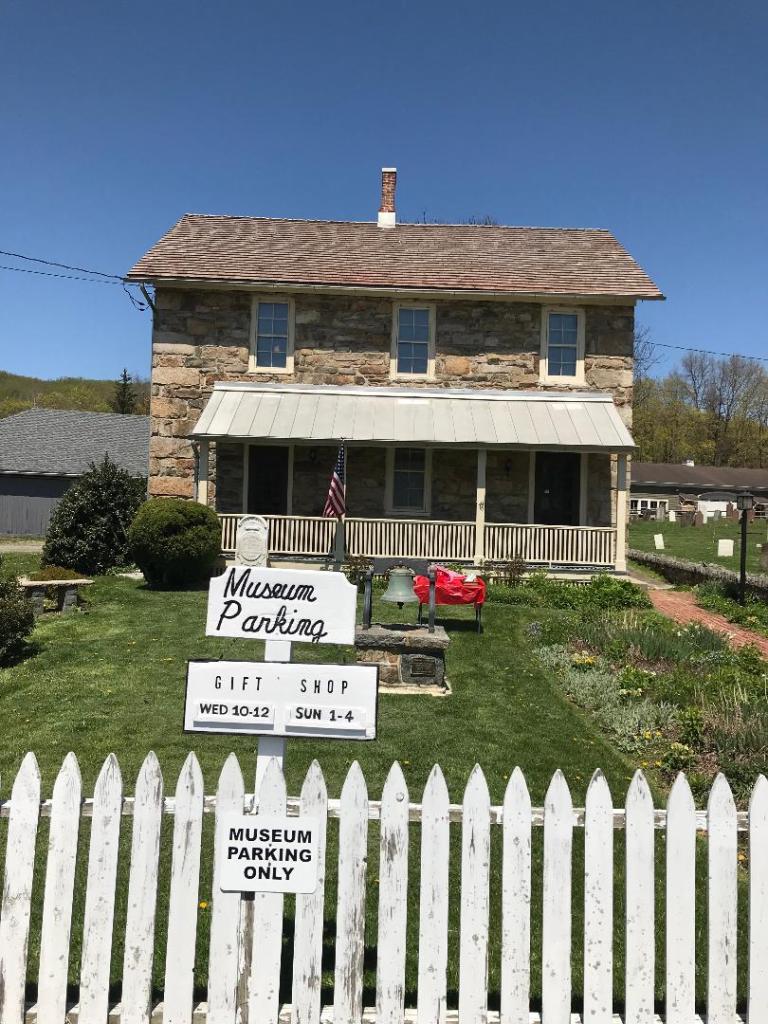
The Union Schoolhouse Museum at 6 Fairview Avenue

The museum, which was once the town’s schoolhouse, is an engaging site that showcases how the town developed over the last two hundred years. On the bottom floor, the society has Native American artifacts, period furniture and clothing and in the back of the museum is a full display of the original Welsh Farms Ice Cream factory. The Welsh’s were a very prominent family from the area.
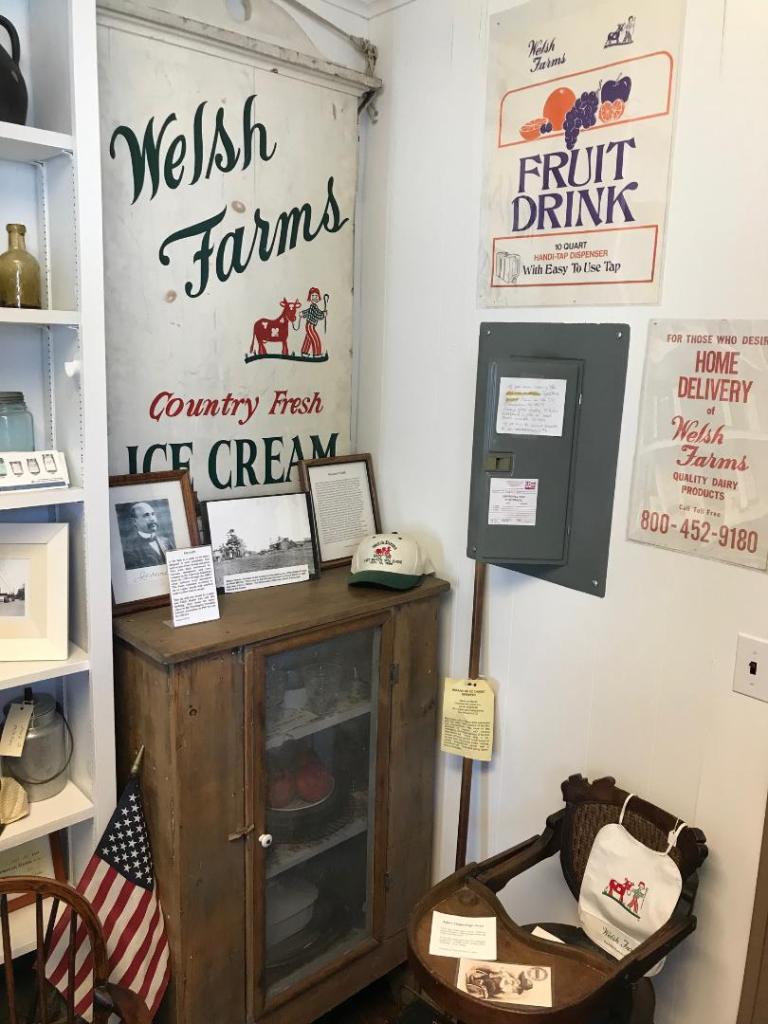
The Welsh Farms Ice Cream Factory display
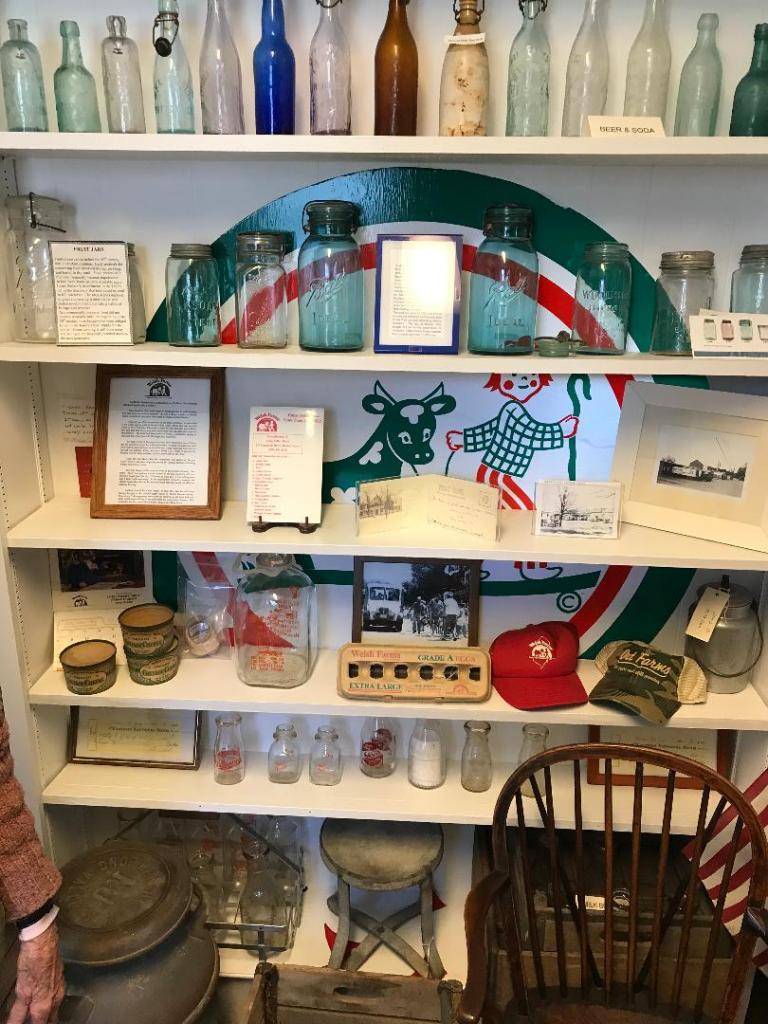
Some of the old bottles and equipment from the factory

The second floor of the museum has a display of town memorabilia from different businesses, farming equipment from the area’s agricultural past and pictures of businesspeople and prominent citizens of the town. It shows how the commercial past of the community kept evolving.
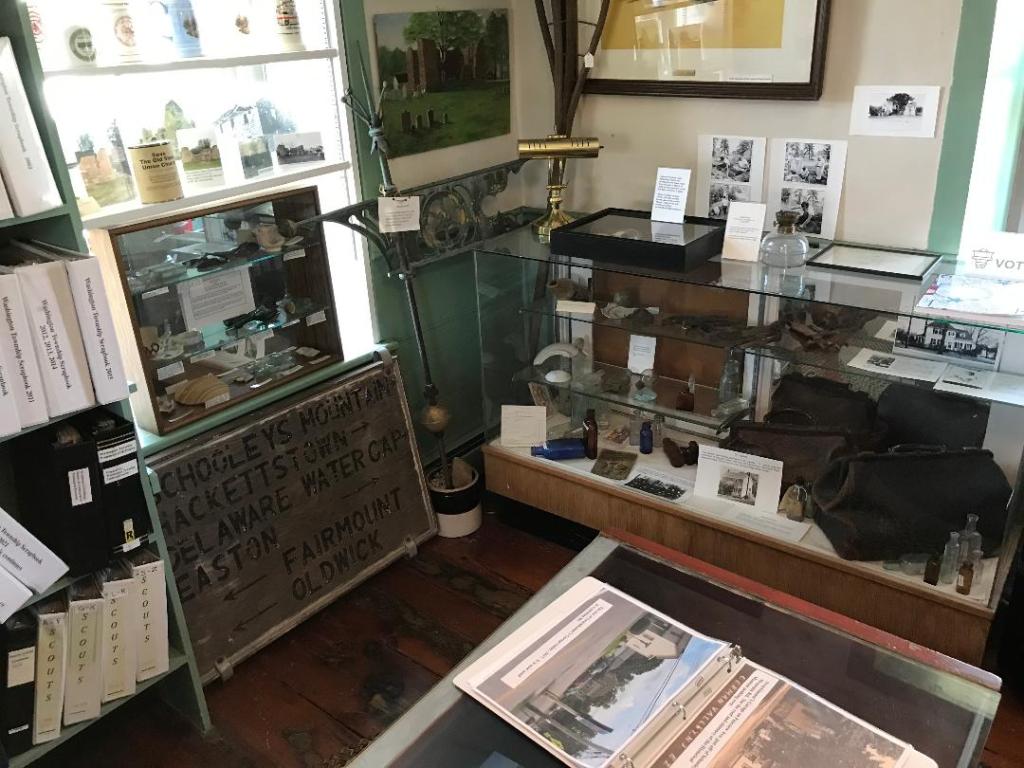
Display of the town memorabilia

To the side of the second floor is a display of a period schoolroom from the time that the building served as a school of the local population. You can see that not much has changed over the years.
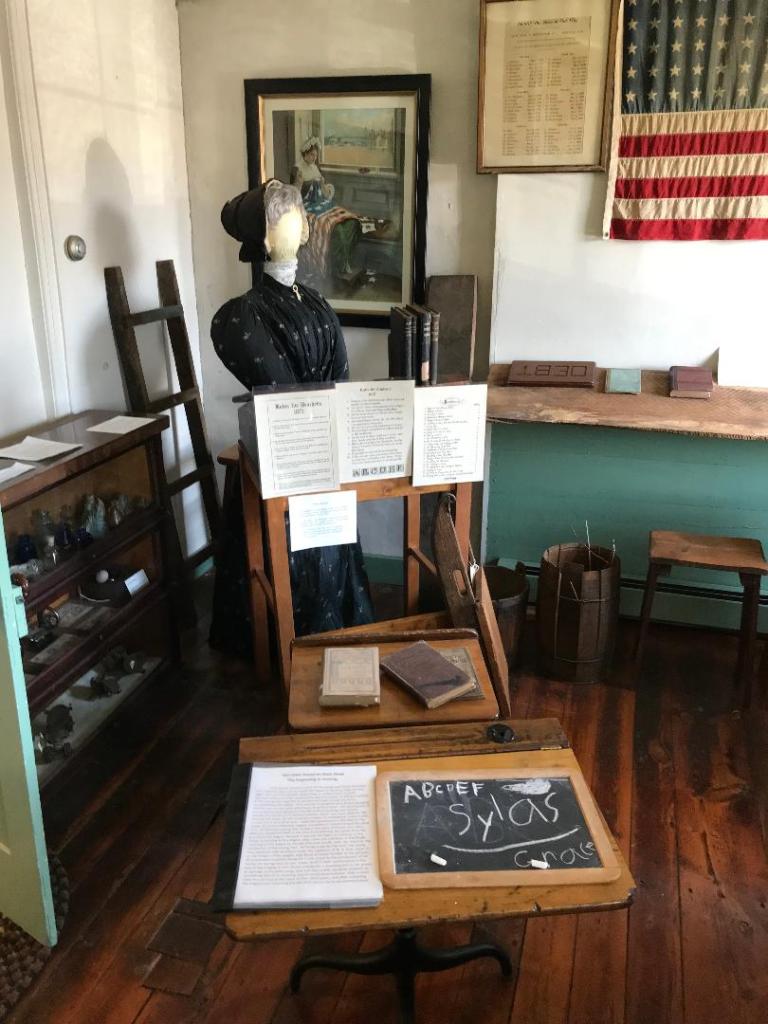
School rooms of the past are not too different from today

The one thing that creeped me out was a picture of a local businessman from the 1800’s who looked exactly like the actor, Blake Ritson, who plays “Oscar Van Rijin” in the TV show “The Gilded Age”. These men are almost 100 years apart and he looks like the actor from that exact time period.
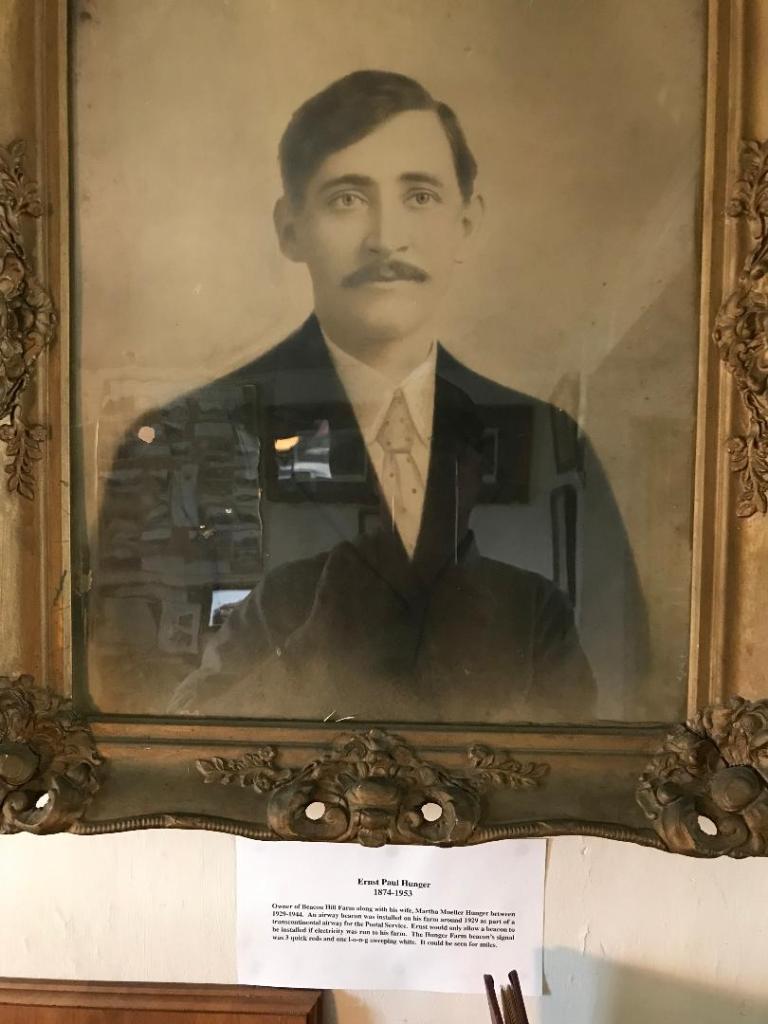
The picture is of local businessman Ernest Paul Hunger

This picture is of actor Blake Ritson who plays “Oscar Van Rijin” in “The Gilded Age”

I had to take this picture because everyone says you have a twin from the past and I can tell that these two men look exactly alike in the same clothing. What is really interesting is that they are the same age at the same time period. Like that picture of the gentleman from the 1880’s that looks exactly like actor Nicolas Cage, I think there is some weird time travel here. It is almost like the film “Time after Time”.

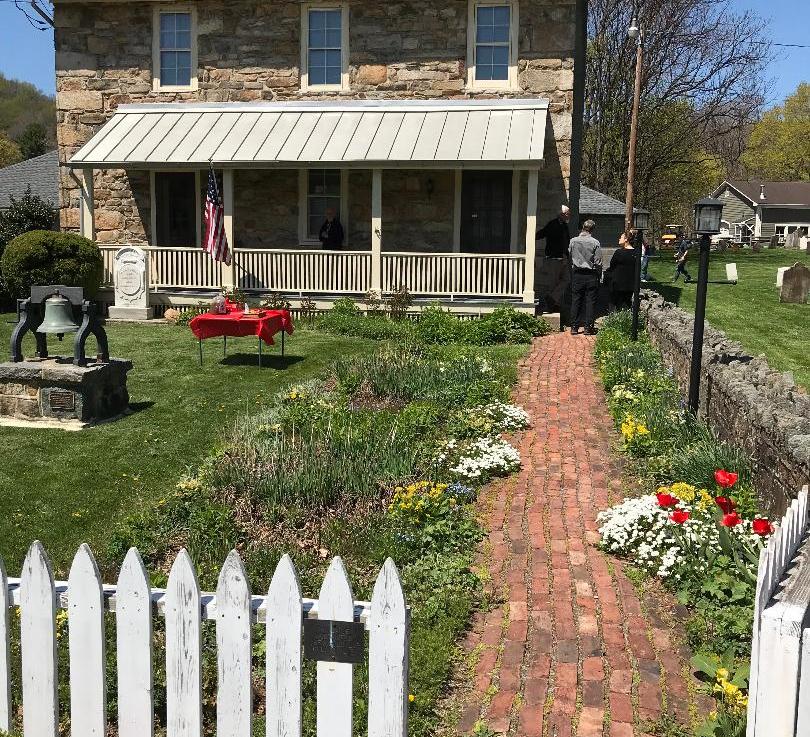
After touring the whole museum, I went next door to visit the church and the cemetery for a tour. When I exited the museum, I had not really noticed the beauty of the gardens that surrounded the museum. The local garden club had done a great job in landscaping and planting the walled garden around the museum. In the early Spring, it was a colorful display of flowers.
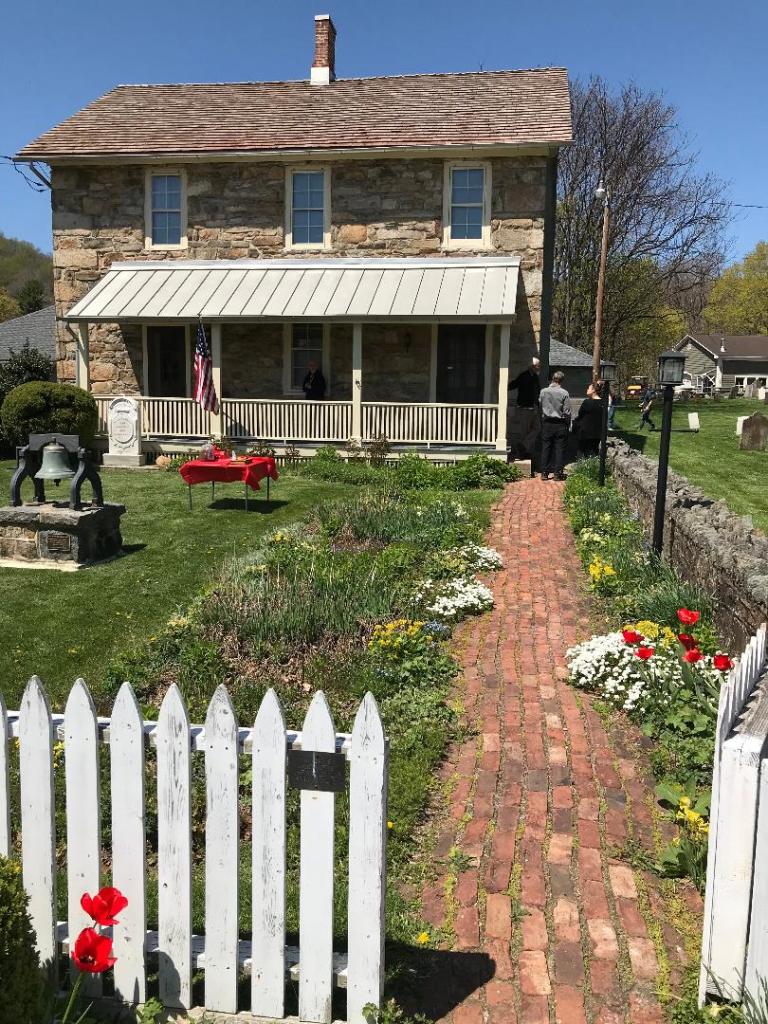
The walled garden was so colorful in the early spring

The cemetery walk was intriguing in that you got to walk through the ruins of the old church and get to see how it was once constructed. It gave me insight of how big these churches were at one time and building construction was in early colonial New Jersey.
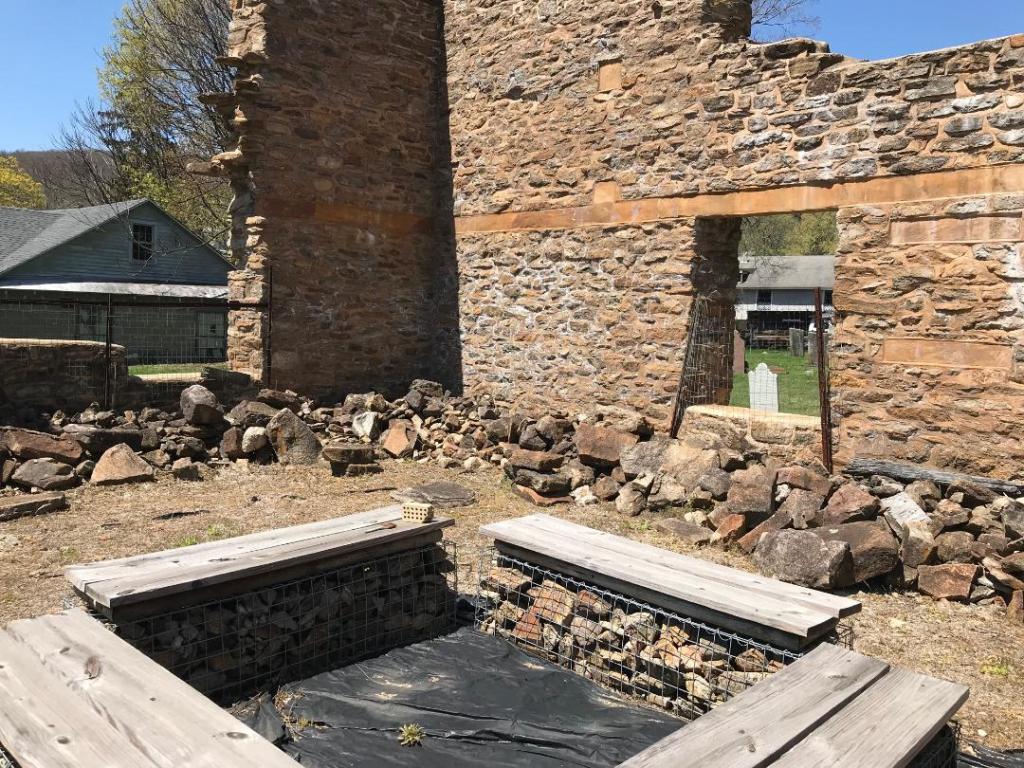
The ruins of the old Union Church
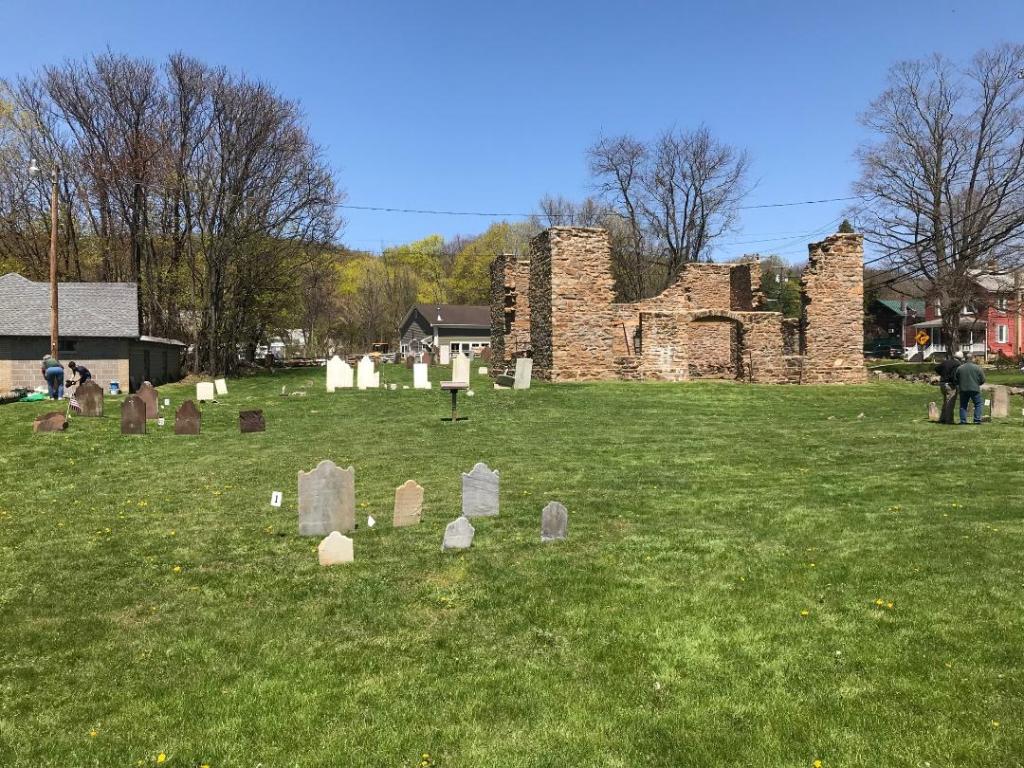
The Union Church surrounded by the cemetery

When we visited each family’s plot, there was a discussion about what contributions that everyone made to the town and their place in society. What was interesting was that the volunteers were cleaning the tombstones with tombstone cleaner, and I had wondered when we were taking the tour why they looked so new. There is a lot of care of the people of this cemetery.
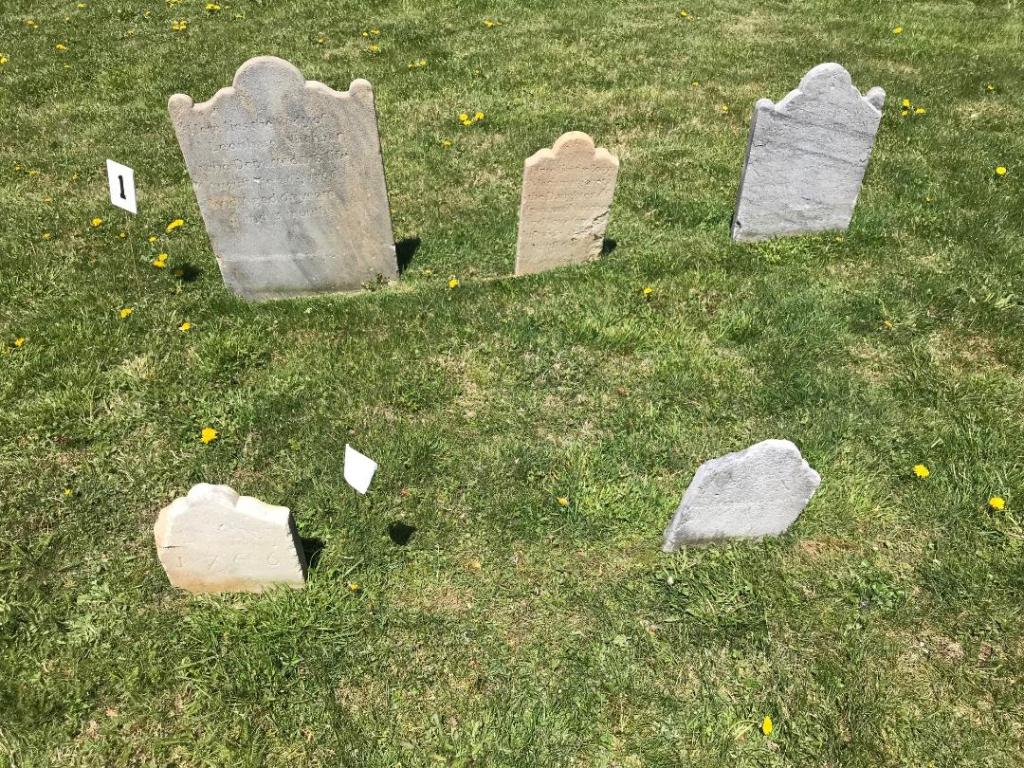
The Welsh Farm Family plot at the Union Church was just cleaned

The whole site is an interesting look into the community’s past by a group of volunteers who give it their all to make the site interesting, historical, visually engaging to the visitor and offer a surprise or two into history that you may not know of New Jersey. One the warm, sunny day that we visited the site, it made it even nicer to walk around and have the time to soak it all in.

When you visit the Union Schoolhouse and Union Church and Burial Ground take the time out to take the formal tour of the site. It is very informative to a past that is not so different from today. It offers a lot of insight of people’s lives of this community.

The history of the Union Church and Cemetery Site:

(From the Washington Township Historical Society pamphlet)

Mission: To bring together people interested in the history of Washington Township, Morris County, NJ and promote a better appreciation of our American heritage.
The history of the site:

European settlement had begun in Long Valley by 1730. The early settlers, primarily from Germany and Holland, came fleeing religious persecution, an oppressive tax burden and hoping for a better life in America.

In 1749, a joint log meeting house had been built near the site of the Stone Church by the Zion Lutherans and Dutch Reformed Congregations. During these early times the congregations were served either by preachers from these churches or by laymen. One of the ministers of the time was Henry M. Muhlenberg, who has been called the Father of the Lutheran Church in America. His son, John Peter also ministered to the Raritan Valley before 1772. In 1776, John left his church in Virginia to raise and lead a regiment in the American Revolution, serving with distinction and retiring as a brevet major general.

On February 4th, 1774, the Dutch Reformed and German Lutheran congregations drew up articles and agreements that provided for the building of a joint meetinghouse. “Whereas we the members of the Evangelical Reformed Congregation and we, the members of the Evangelical Lutheran Congregation are willing to build a meeting house jointly, “Acted the 4th day of February 1774, which is testified to by: Henry Muhlenberg Jr., deputy director of Zion’s Welsch; Diedric Strubel; Conrad Rorick; Casper Eick; Anthon Waldorf; Adam Lorenz; Philip Weis; Christopher Karn; Leonard Neighbour; Roulof Roulofsen; John Schwackhammer; Andrew Flock.”

Let the Building Begin:

According to local tradition, the stone used to construct the building of the meetinghouse, the people of the two congregations turned out in a body to cart the stone. It had been a previous agreement, that whoever on the day appointed, should bring the first load, should receive the honor of having his horse decorated with flags and ribbons. The story goes that Judge David Welsch, then 17, secretly loaded his wagon and hid it that night. The next day, wagons came like thunder from all parts of the valley. Although David Welsch was confident of winning, he was almost beaten. Before he could unload his wagon, all of German Valley was on the ground.”

A Stately and well built structure:

A description of the Stone Church was given during a sermon by Reverend Alfred Hiller in July 1876. He said, “it was a heavy gallery on the one side and across each end; the entrance on one side (south), under the gallery and on the opposite side (north) was the pulpit, one of the Jack in the Pulpit style, with sounding board suspended above. There is no chimney on the church, in the center of the church, a space about eight feet square was made with a dirt floor and on the square a great mass of charcoal was burned, the congregation getting for their share at least the smell of the fire.”
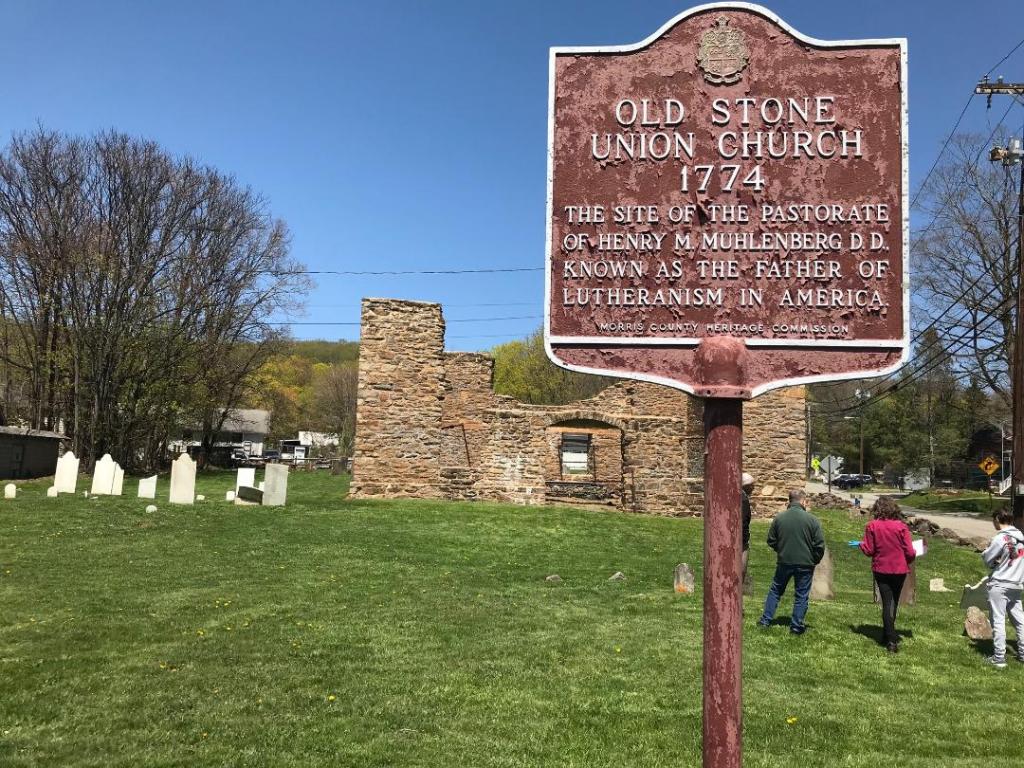
The Old Stone Church today

Historic photographs indicate the building had a clipped-gable or jerkin-head roof with roof ridge parallel to the longer north and south walls. The two-story church, three bays wide and two bays deep, featured a wide and two bays deep, featured a wide central entry surmounted by a segmental arch, as were the windows. The walls were of coursed rubble stone construction, pointed with a white lime-rich mortar, except on the south or front elevation which was stuccoed and “penciled” with white pointing to replicate regular ashlar stone. However, this may have been a later 19th century embellishment.

Decline:

In 1832, both congregations decided to separate houses of worship. Since that time the Old Stone Church has stood abandoned and surrounded by the graves of the early congregants. Despite efforts at stabilization between the 1960’s and the 1980’s, the deterioration continued until recent efforts spearheaded by the members of the Washington Township Historical Society with permission of The Zion Lutheran and Long Valley Presbyterian Churches have improved this.
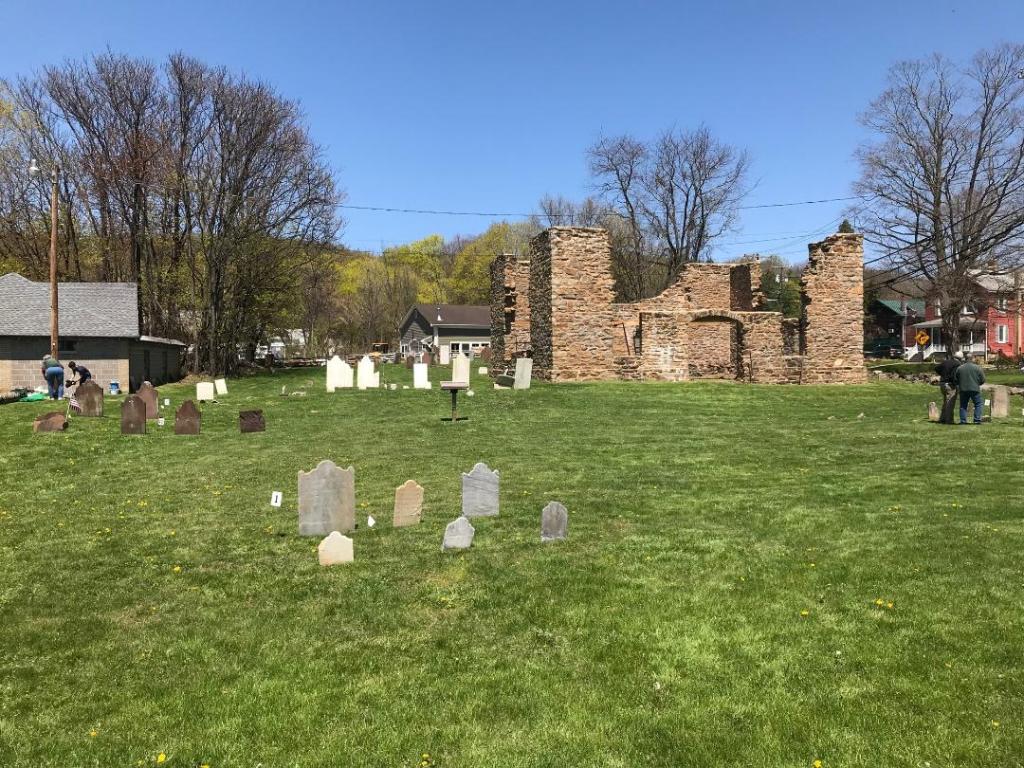
The Old Stone Church with the cemetery surrounding it
Silas Riggs Saltbox House/Roxbury Township Historical Society                                                  213 Main Street                                      Ledgewood, NJ 07852

Silas Riggs Saltbox House/Roxbury Township Historical Society 213 Main Street Ledgewood, NJ 07852

Silas Riggs Saltbox House/Roxbury Township Historical Society

213 Main Street

Ledgewood, NJ 07852

(973) 927-7603

http://www.roxburynewjersey.com/society.htm

Open: Check their Website/Seasonal

My review on TripAdvisor:

I visited the Silas Riggs Saltbox House on a visit to the Roxbury Township Historical Society during the Morris County’s “Pathways to History” event. The event gave us a chance to visit many different sites in one day.

The Historical marker in front of the house

The Silas Riggs Saltbox House is part of the King Victorian Home & King Canal Store complex it shares with the Roxbury Historic Trust. The Silas Riggs home is a preserved colonial era, Revolutionary War period residence. It is managed by the Roxbury Township Historical Society as a “Living History Museum”, hosting events that bring a sense of the past to those who step inside (Roxbury Historical Society).

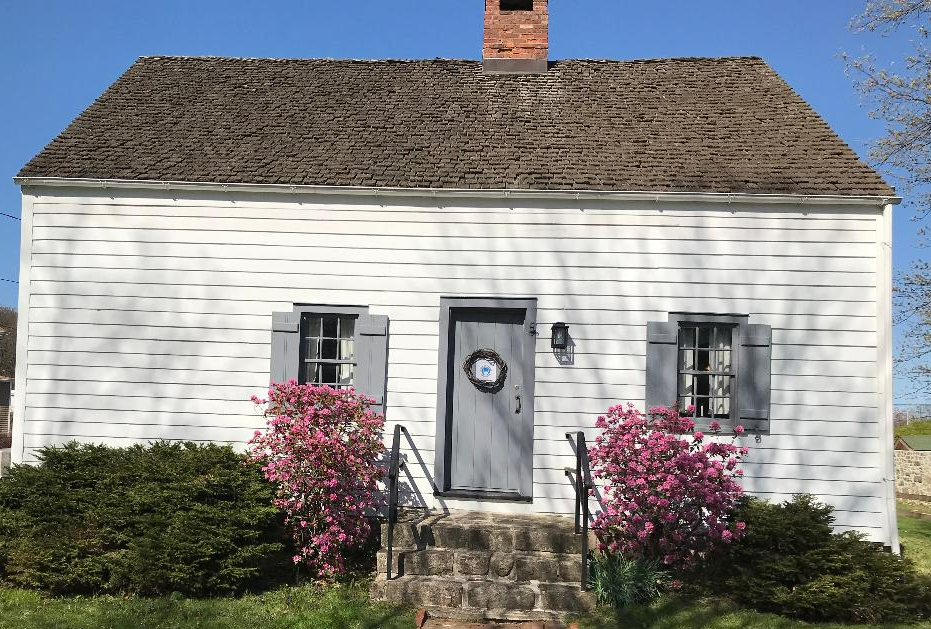
The Silas Riggs Saltbox House during the tour

The last historical site on my tour that day, it was also one of the most interesting not just because of the history of the home itself but the care and TLC the site is given by its volunteers and docents. The Riggs home is a place that you feel you have stepped into someone’s home who just left for the afternoon. Many historical societies that I have been to in the past are usually dusty and musty with artifacts thrown here and there. The Riggs home was decorated by lifestyle of the periods that it was lived in.
The volunteers were nice enough to stay open for me and we ended up talking for over 45 minutes on the house and how it was decorated. There was a care in this home as the walls and ceilings were in perfect shape and the home was so welcoming that it did not feel like a museum but more like a tour through someone’s grandmother’s home.

You are welcomed in the front room by an office set up with a large knit quilt and period furniture in a sun filled room that is such an engaging place to be greeted and just talk. The period furniture is in perfect shape and fits the mood of the room.

The front parlor room

To the side of the room is the old office area space where work would have been done and the family would have gathered. The sun-drenched room would have been a bit homier in its day but reflected how homes back then were used for both business and pleasure.

The living room/office of the Silas Riggs house

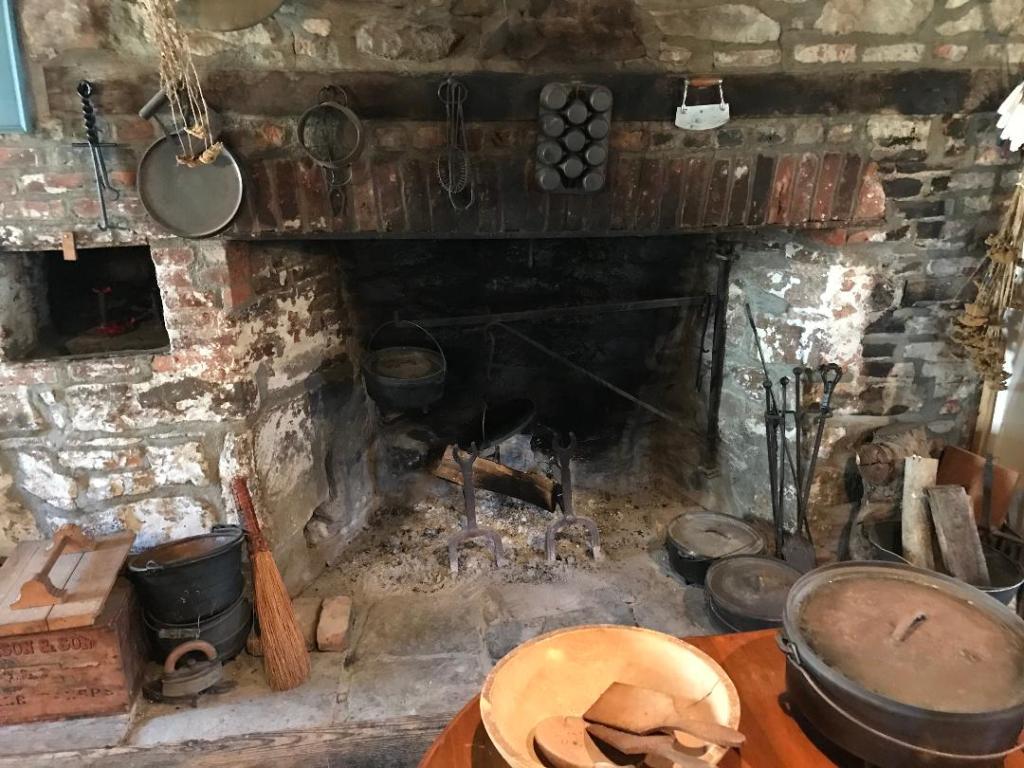
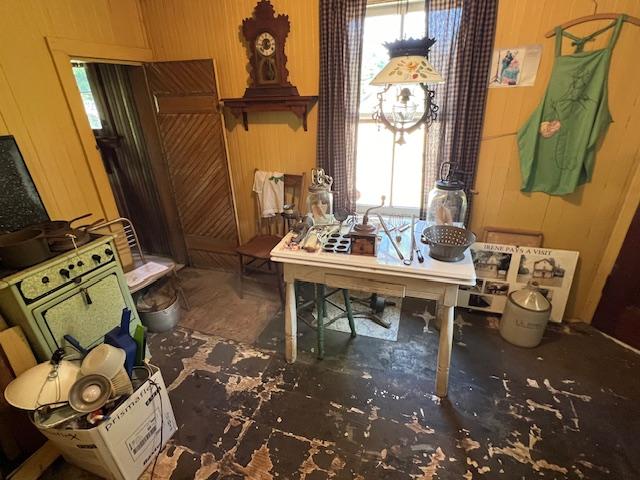
The kitchen was a reflection of kitchen’s today as the center of the home for not just cooking but socializing. The kitchen was not just a source of cooking but heat for the house. There must have been a lot of family gatherings in this room. The Historical Society during the holidays uses the kitchen for a special “Soup Dinner”, where freshly made soup is made in the hearth along with homemade corn bread. This fundraiser is considered very popular, and you have to sign up early to experience being part of the home’s family. On a cold winter night, this must have been the perfect room to be in. Even today, the kitchen is the gathering spot for all families.

The kitchen hearth of the Silas Riggs house

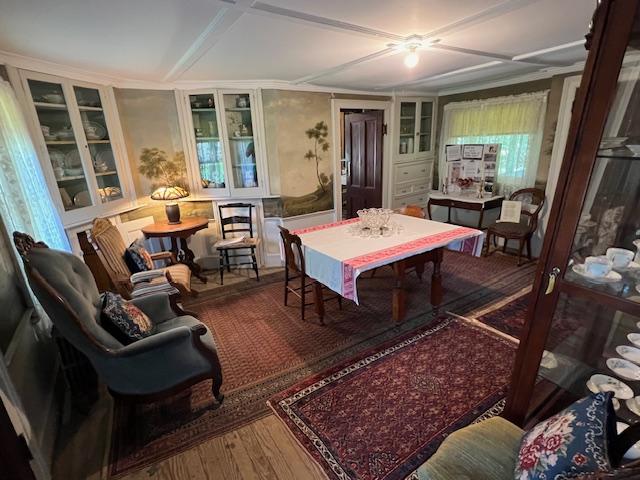
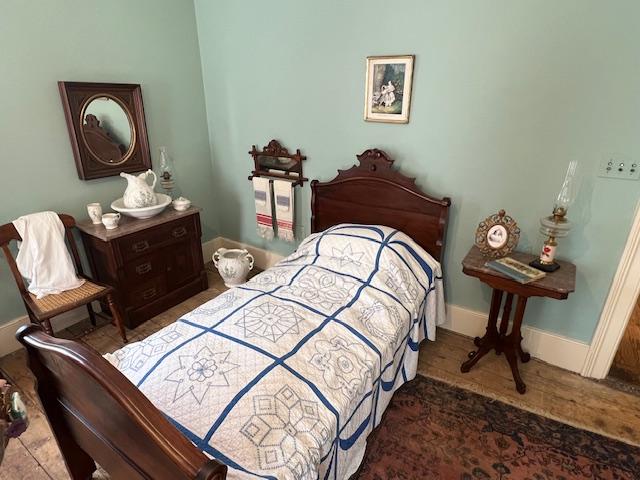
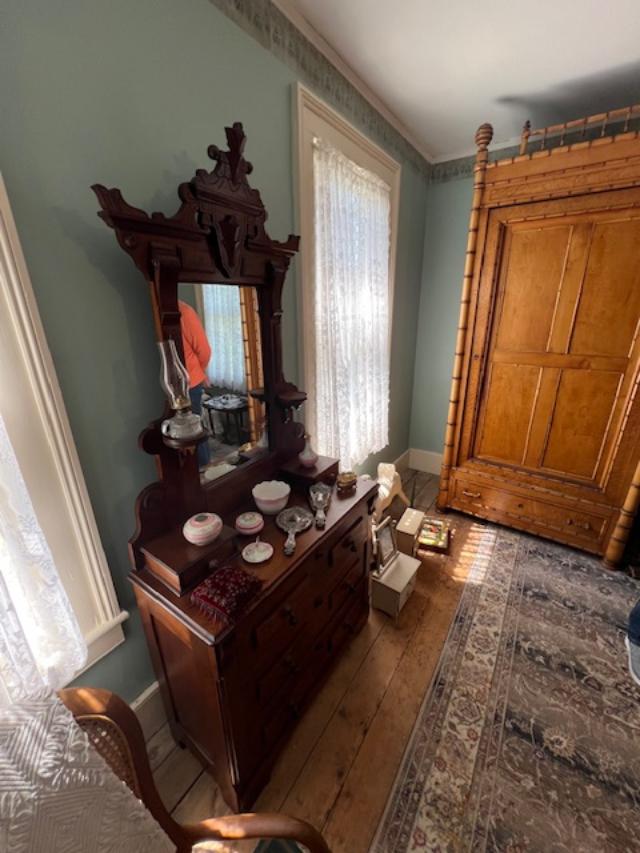
The bedroom that connected the back kitchen to the front parlor was decorated with period furnishings, clothing from the late 1700’s and early 1800’s. The furniture had a heavy look with dark colors and sturdiness to the items in the room as made by hand and meant to last for a long time.

The volunteers were telling me that many people came to the home and said that they could move in right now. This was the care and detail that has been put into this site. It is not just that the home is a reflection of the period, but it is set up in a way that makes you feel that the family is still greeting you when you walk in the door. The museum is a cheery atmosphere that invites its visitors in for the day.

It is such an interesting home to visit.

The History of the Silas Riggs Saltbox Home:

(From the History Girl website)

https://www.thehistorygirl.com/2012/09/three-centuries-of-history-in-roxbury.html

Architectural historians have said that the Saltbox house was one of the earliest homes built in Ledgewood, NJ in the circa 1740. Saltbox houses are a flat in the front with a central chimney set square in the middle of the roofline. The roofline of a saltbox house is asymmetrical with a short, steep roof in the front and a much longer, sloping roof in the back which accommodates the one-story extension of the home.

While the original owners of the Silas Riggs Saltbox House are unknown, but records indicate that by the early 1800’s, the house was owned by Silas Riggs and his wife, Harriet. Silas was a tanner by trade and supplied the local mines with leather pouches used to transport ore. He was also a contractor for a section of the Morris Canal in 1830. He oversaw the operation of three barges in the area. His son, Albert, ran the nearby Canal Store during the canal’s early years.

The design of the house is of post and beam construction, held together with wooden pegs visible in the second story eaves, the Saltbox house, is so called because of its extended, rear sloping roofline, recalling the design of salt containers of colonial times (Roxbury Historical Society).

King Victorian Home & King Canal Store/Roxbury Historic Trust                               209 & 211 Main Street                           Ledgewood, NJ 07852

King Victorian Home & King Canal Store/Roxbury Historic Trust 209 & 211 Main Street Ledgewood, NJ 07852

King Victorian Home & King Canal Store/Roxbury Historic Trust

209 & 211 Main Street

Ledgewood, NJ 07852

(973) 927-7603/(973) 584-7903

http://www.roxburynewjersey.com/trust-home.htm

https://en.wikipedia.org/wiki/King_Store_and_Homestead

Open: Check their website/Seasonal

My review on TripAdvisor:

https://www.tripadvisor.com/Attraction_Review-g46563-d15096918-Reviews-King_House_And_Stores_Museum-Ledgewood_Morris_County_New_Jersey.html

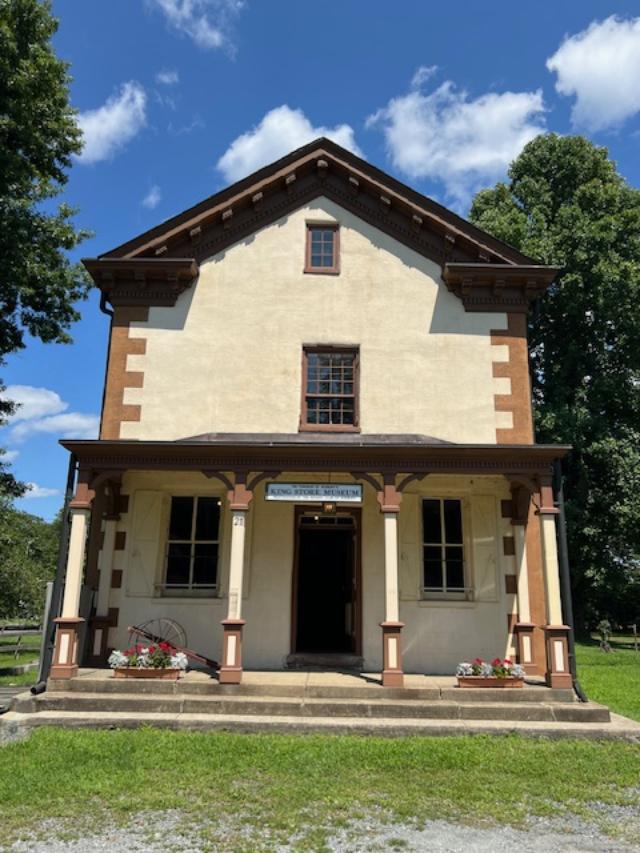
The King Canal Store Museum at 209 Main Street

The Drakesville (what the town was originally called) historic sign

I visited the King Canal Store Museum and the King Homestead during the Morris County “Pathways to History” tour in May of 2022 and again in August 2024. This interesting store was still intact with its merchandise lining the shelves with a pot belly stove in the center of the store which was the center of action when the store was open to the community. All sorts of grocery items and notion items still line the walls.

The inside of the King Canal Store Museum shows the center of the community

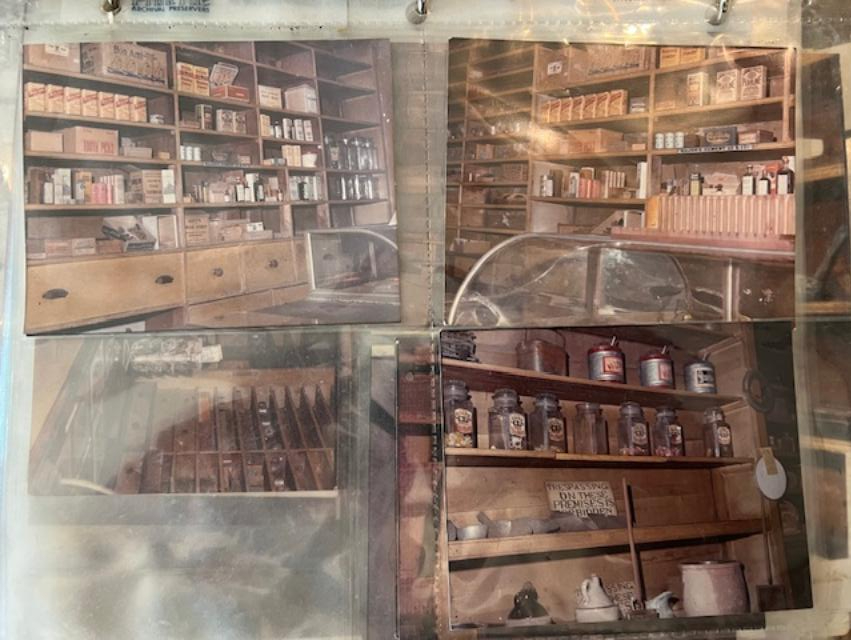
Pictures of the old store when it was open

The guide explained that upon the death of the owner wanted to store closed and sealed. His daughter only opened it in the 1930’s in the depth of the Depression so that residents could buy items at a reasonable price.

The King Canal Store Museum still has items still lining the walls

The King Store and the King Homestead are historic buildings located in the Ledgewood section of Roxbury Township. The Roxbury Historic Trust acts as curator for these county owned buildings. These buildings represent significance in New Jersey commerce from 1815-1928 and were added to the National Register of Historic Places in 1994 (Wiki).

The notions area of the store

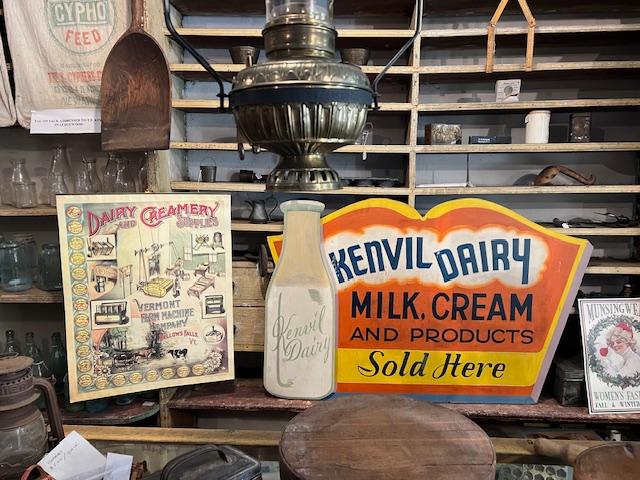
Some of the advertising for items in the store

The items on the shelves of the General Store

The King and Riggs families used to live above the store before they build the house next door. We got to take a tour of the second floor that you do not normally get to see.

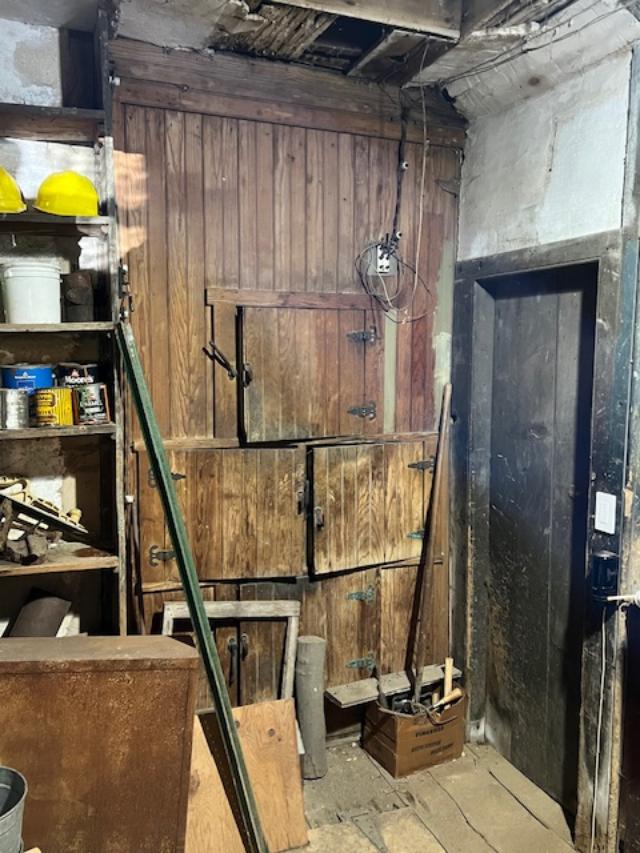
The ice storage doors to the cooler

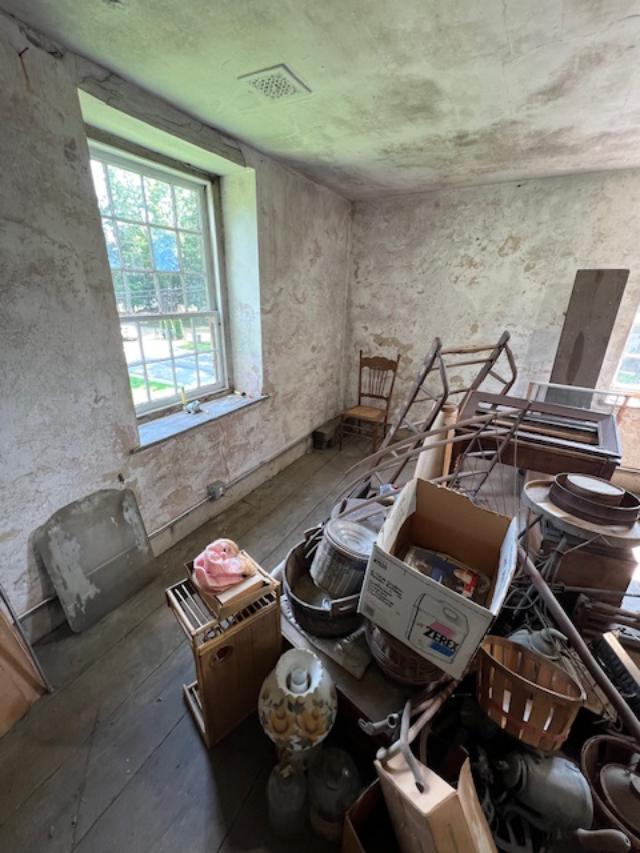
The upstairs rooms in the living area of the store

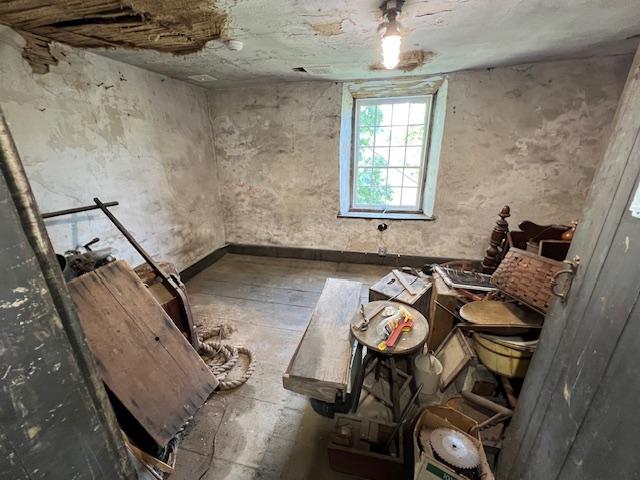
The rooms above the store

The rooms above the store

The graffiti on the walls upstairs from the turn of the last century

After I visited the King General Store, I walked over to the family home. This Victorian home had been in the family since the late 1880’s until the last family who lived in the house died in 1975.

History of the King Canal Store:

(From the Museum website)

The King Canal Store is a unique, 2 1/2 story building constructed of stone in 1815 by Woodruff and Hopkins. At the ground floor its walls are three feet thick. The Woodruff family operated the store until 1835. It was abandoned for two years and in 1837 Albert Riggs (Son of Silas Riggs, a tanner by trade and owner of several canal boats) acquired the building and reopened it as a general store serving the community and the Morris Canal trade as it was located 150 feet from the Morris Canal basin (Wiki/Museum website).

Theodore King was the son in law of Albert Riggs, took over the store in 1873. He lived on the second floor of the building with his wife, Emma Louise and daughter also named Emma Louise. In 1881, Mr. King built a new residence on adjacent property and then began a renovation of the store, changing the decor to Greek Revival and the color scheme to cream with brown trim. In the process, the exterior was given a smooth coat of stucco which was scored to resemble large blocks. The interior of the store was given an Italianate design with a cream and maroon color scheme (Wiki).

Mr. King died in 1928 and his daughter closed the building, its contents remaining just as they were with a few occasional openings in the 1930’s to help the locals in the depths of the Depression. Emma Louise King maintained the closed-up store and lived in the well cared for home until her death at 92 in 1975. From 1989, the Roxbury Rotary Club has worked with the Roxbury Historic Trust to restore the exterior and the first-floor shop and create the King Store Museum (Museum website/Historic Ledgewood Guide).

The King Canal Store Museum has grocery items lining the walls

The Theodore F. King Homestead:

The King Family Homestead at 211 Main Street was in the family until 1975

The King Homestead, a vernacular frame house to start had several additions with Italianate and Queen Anne influenced detailing. It is possible that the original house may just have consisted of the current parlor, the two exhibition rooms and one or both of the staircases to the second floor. There were two front bedrooms and a smaller bedroom in the rear of the home.

The King Family Homestead at 211 Main Street

The portrait of Mr. King hangs in the house’s Living Room

The house that was built by Mr. King for his family. They moved out of the second floor of the store.

The Living Room at the King House

The Living Room by the fireplace

The Living Room by the piano

Mr. King’s office to run the store

The Dining Room for entertaining

The Dining Room table for entertaining

The new Kitchen behind the Dining Room

The landing at top of the second floor

The nook on the second floor of the home

The Victorian Girl’s Room on the second floor

The Victorian Girl’s Room

The new bathroom needs some work

The stairs to the basement contained the kitchen (which was a common practice during Victorian times) with a dumbwaiter added to the dining room so that the food could be brought up from the kitchen. Another addition to the home was the first-floor front office used by both Mr. King and his daughter. The mural in the first-floor dining room was by artist James William Marland in 1936 (Wiki).

The King House lawn

Hope Historical Society                                                            323 High Street                                                                       Hope, NJ 07844

Hope Historical Society 323 High Street Hope, NJ 07844

Hope Historical Society

323 High Street

Hope, NJ 07844

No Phone Number-Please email via their website.

https://www.hopenjhistory.com/

Open: Sundays 1:00pm-3:00pm from June to October: Please check website for times

My review on TripAdvisor:

https://www.tripadvisor.com/ShowUserReviews-g46518-d23805634-r822429868-Hope_Historical_Society-Hope_New_Jersey.html?m=19905

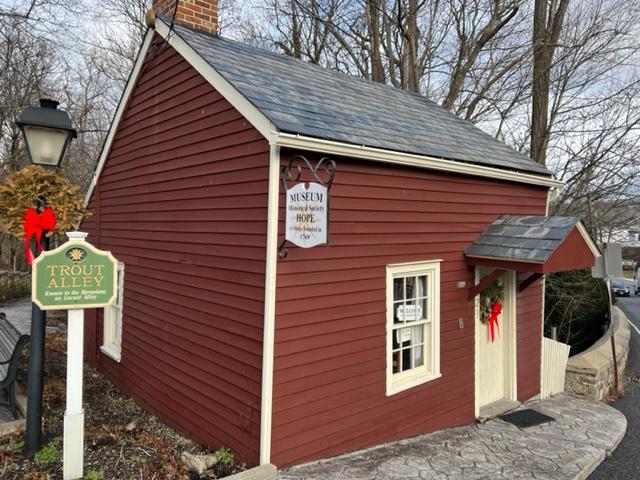
Hope Historical Society at 323 High Street in Hope, NJ

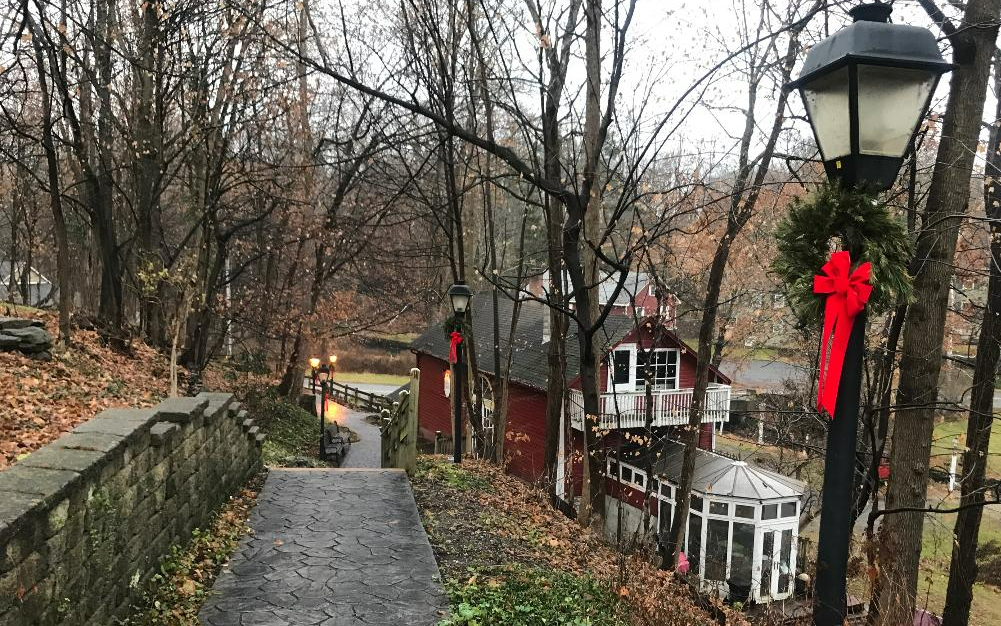
Trout Alley right next to the museum during the tour in 2024

On Friday the 13th in 2023, the Hope Historical Society had been open for the afternoon for a tour and I was able to visit the inside of the museum for a short visit. The museum is tiny inside being an old home and it takes less than an hour to visit the museum.

The museum’s collection is vast for such a small museum. They have history of this section of New Jersey with maps and old pictures, they have displays on rural New Jersey and the history of the area. The town of Hope, NJ was founded as a Moravian community and their are artifacts from that time.

They also have decorative objects from a rural home’s parlor with furniture and decorative items from a rural farm home. There is all sorts of Victorian furniture, paintings and prints and things from homes of the area.

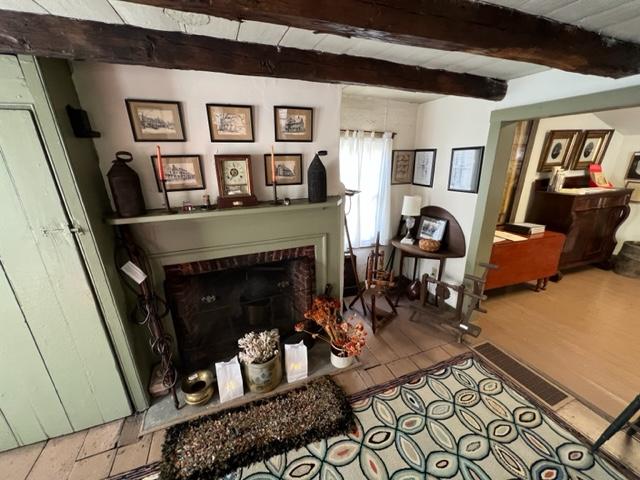
the hominess of the museum with its fireplace.

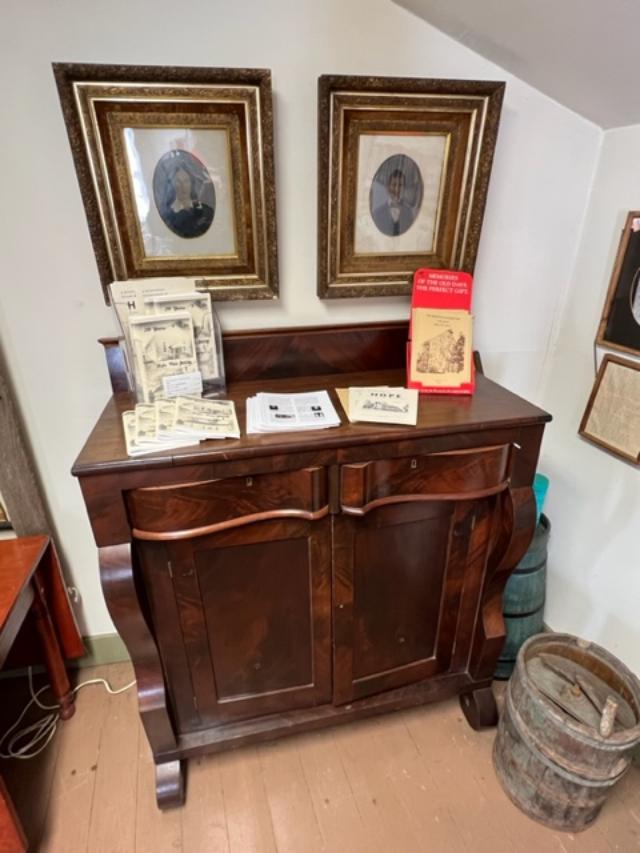
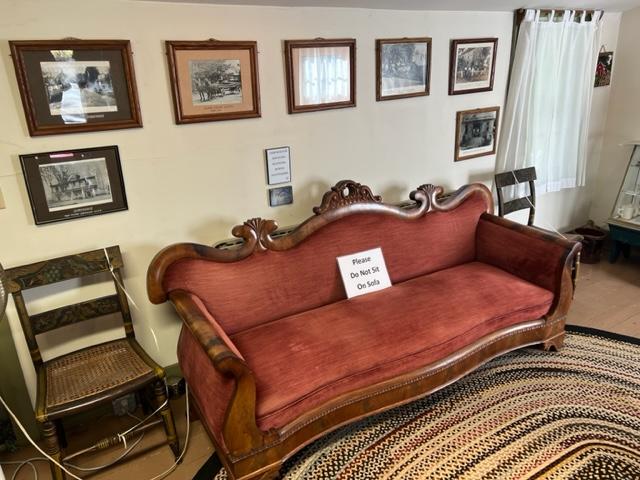
The decorative furniture and objects of the museum.

Furniture and decorative objects of the local community.

Decorative objects in the cases.

In December 2021, I went on a Lantern Tour of Hope, NJ’s downtown district for the Christmas holiday season visiting this once Moravian founded town. The evening was an interesting tour of the history of this small town near the Delaware Water Gap with visits to historical homes of the residents of the town and the manufacturing hub.

We toured the historic downtown district that was ablaze with lights and garland learning about the residential and commercial district and the role it played in the development of the town. We toured the former Grist Mill, Cannery, Distillery, homes and former barns and churches and given a short history of them.

The New Jersey history display of the Hope Historical Society.

We toured the Historical Society which had a collection of artifacts from the town including pictures of the town at various times of history, resident’s personal affects including gloves, shoes and glasses and family heirlooms. There is also a small assortment of vintage furniture from different periods. The building may have been small but it was packed with information.

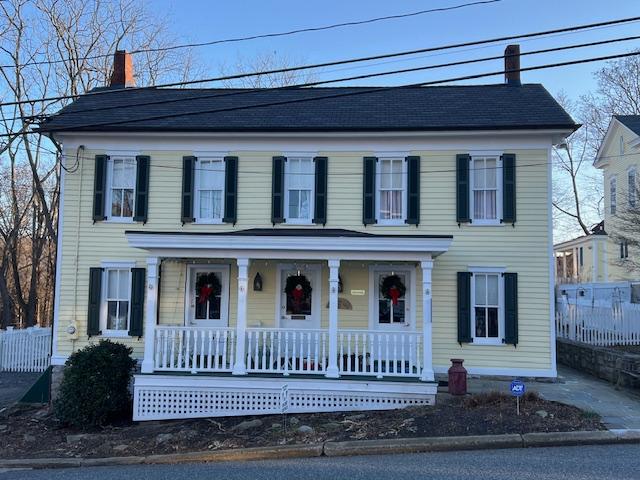
The Hope Historical Society at 323 High Street at Christmas time

The displays included old photographs and local memorabilia, an 1850 map of Warren County, NJ, genealogy of the town’s residents and historic documents, primitive furniture and Moravian history (Hope Historical Society). Two of the major fundraisers that the Society has is the Christmas Craft Market and the Lantern Tour.

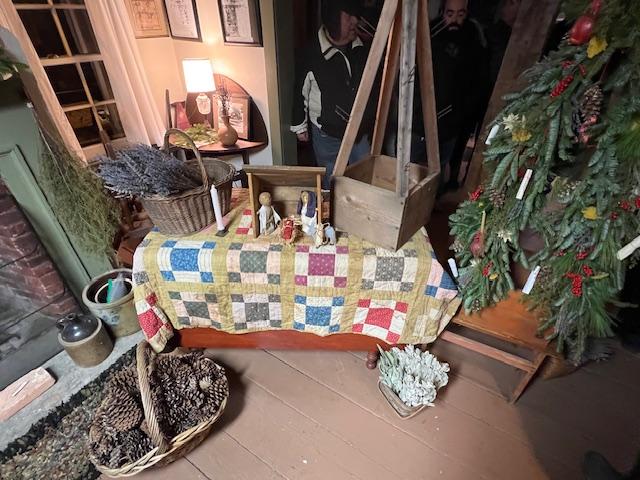
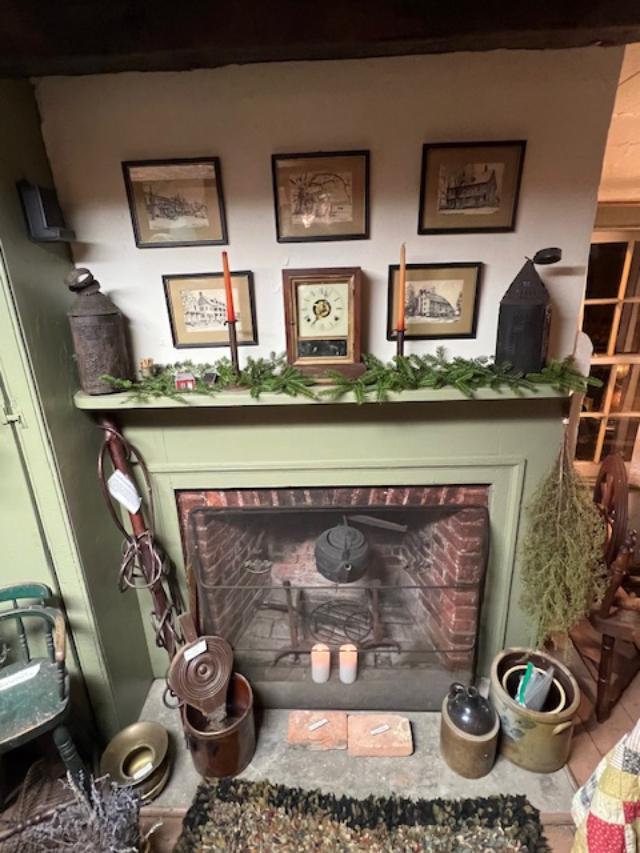
The inside of the museum for the holidays in both 2021 and 2024 was decorated for the Christmas holidays with traditional Moravian decorations. The decorations included dried herbs, homemade decorations and a ‘Tower Tree’ which is made from a framework with pine branches and fruit and herb decorations that would reflex the times.

Moravian Decorations 2024 Christmas decorations

Moravian Decorations 2024 inside the museum

Moravian Decorations 2024 The Traditional Moravian Tower Christmas tree

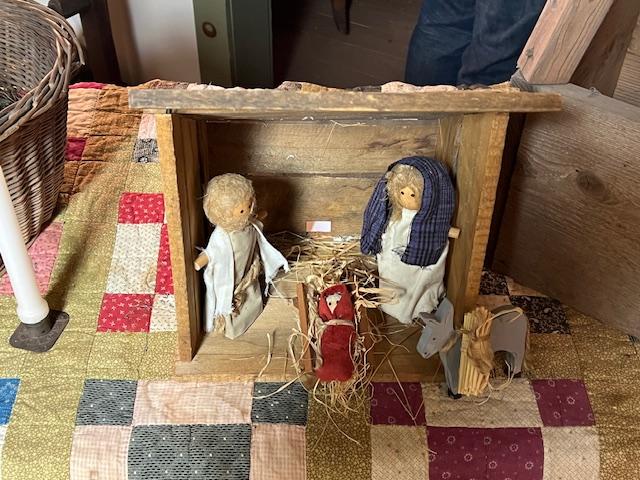
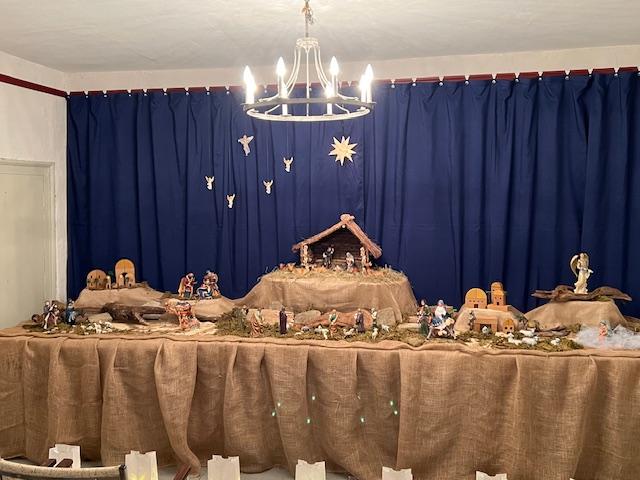
Moravian Decorations 2024 The Nativity Scene

The Hope Lantern Tour on December 11th and 12th, 2021 (Again in 2024)

This is the ‘Hope Lantern Tour’ on December 11th, 2021 and 2024:

We continued the tour as the night grew darker and the town lit up with all its Christmas glory. There were supposed to be 1500 luminaries but because of the upcoming rainstorm that was supposed to arrive later that evening, they canceled them. The rest of the town was adorned with white lights and garlands. We started the tour at the Hope Community Center where food and bathrooms were available.

The Hope Community Center on Hope Blairstown Road during Christmas tour 2024

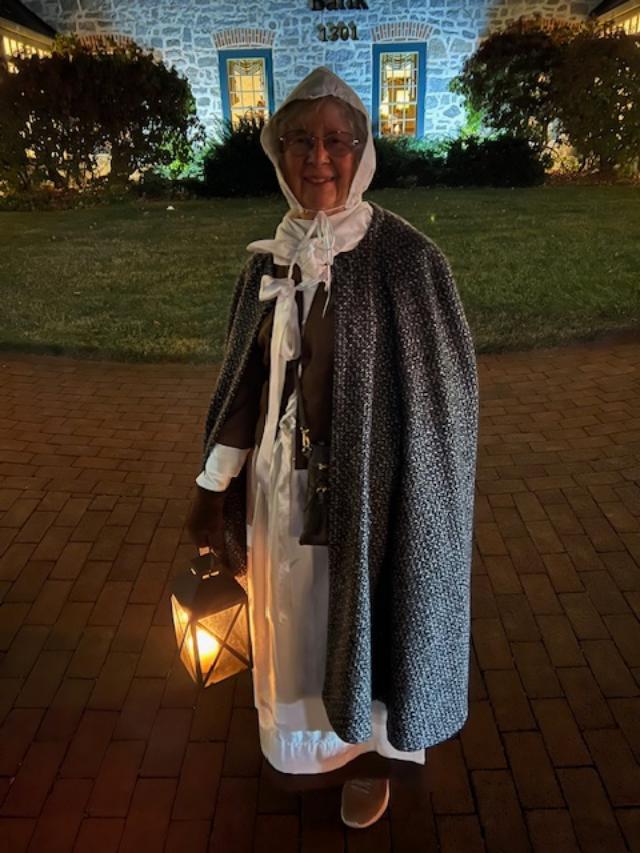
One of our tour guides, Anne, who was wearing traditional Moravian clothing

We moved to what was once the manufacturing center of the town and passed the former factories and manufacturing took place. We then walked down the hill to the Inn at Millstone Creek, where the Christmas tree display was located. We then moved up the hill to visit the Hope Historical Society.

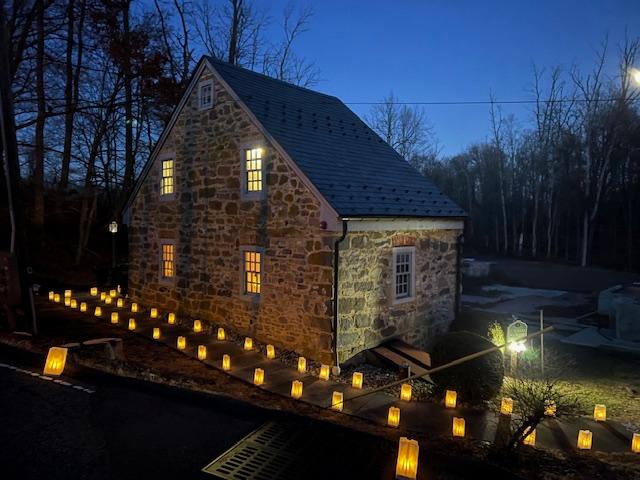
Downtown luminaries light up Downtown Hope, NJ

This is “Trout Pass” where people avoided paying the tolls on the bridge during the day

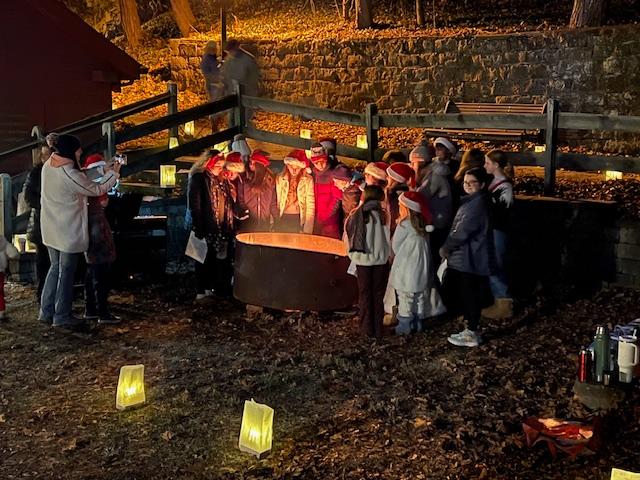
While we were walking through “Trout Pass” during the tour. a group of school children performed Christmas songs by a large fire. I felt for these kids as it was getting colder outside.

The kids singing by the fire just below the Hope Historical Society

Video of the performance:

Video of the performance:

We then walked to the home across the street from most of the buildings where the businesses were located and heard the tales of Moravian Christmases past. All that talk about Gingerbread house making and baking to get ready for the holiday feast made us all hungry.

Starting the walking tour in Downtown Hope, NJ

We started at the old Dairy Creamery

Starting the walk around Moravian Hope, NJ

First we visited the Nativity scene display at the old Creamery. This is what the Moravians did when they visited each other during the holidays to see each of their displays in the homes.

The Nativity Show

The Nativity Show

The video of the show:

We made our way to former homes that are now a local bank were light with white lights along the doors and windows. The First Hope Bank was once known as the ‘Gemeinhaus’, which was the church/community center of the Village of Hope. It was built in 1781.

The walking tour showcased the town beautifully

The First Hope Bank at dusk

The luminaries by the Hope Bank in the middle of Downtown Hope, NJ

Our last part of the tour, we visited someone’s garage for a ‘Live Nativity’ of the Baby Jesus and was told the story from the Bible about the birth of Christ. The actors involved were very interesting but they could have cleaned the garage of the modern items located on the side of it.

The live Nativity (the actors looked like they were freezing outside in the 30 degree weather)

Homes decorated for the December 2024 tour

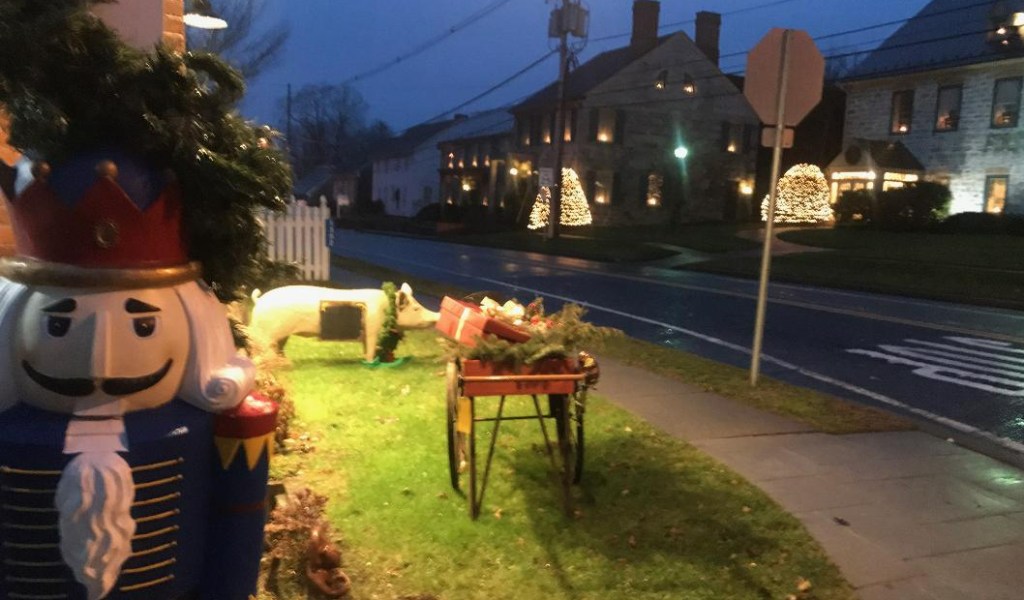
Downtown Hope, NJ is so beautiful at Christmas

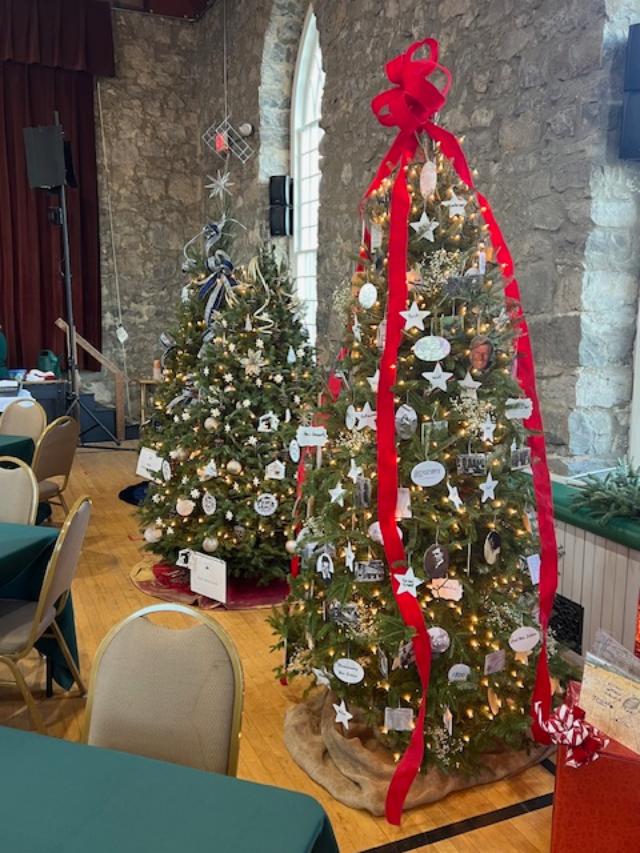
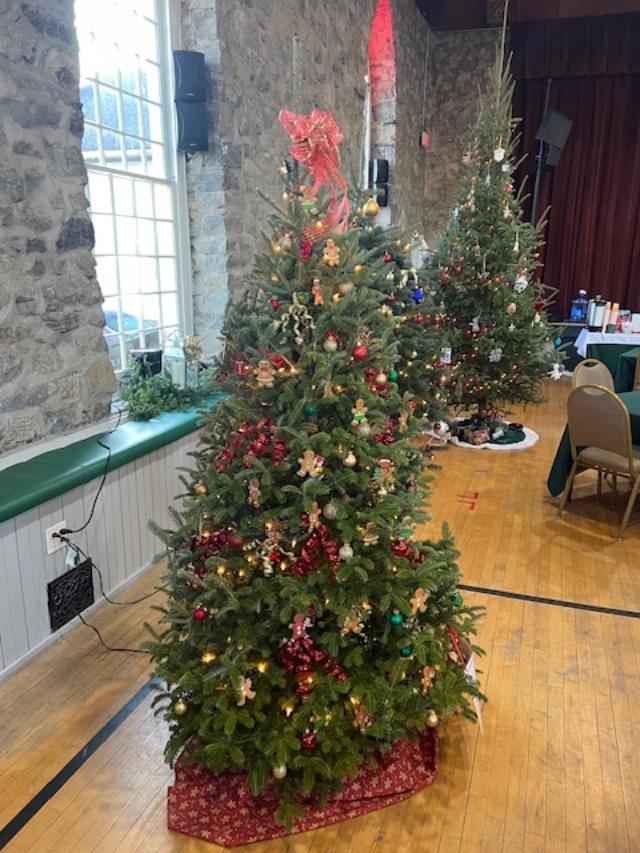
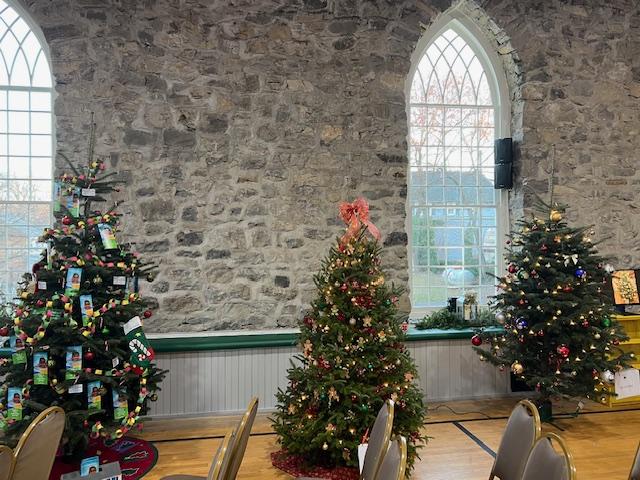
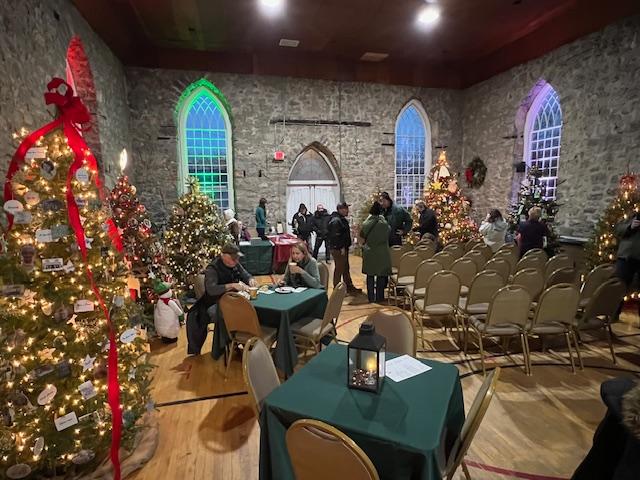
We ended up back at the Community Center as they were cleaning up and I went to visit the ‘Festival of Trees’ at the Inn at Millrace Pond that itself was closed for renovation. I was the last one on the tour to visit what was the dining room to see various Christmas trees decorated by members of the community.

The Festival of Trees

The Festival of Trees

The Festival of Trees

It was a very festive room with Christmas of various shapes and sizes each decorated with a different theme and tables set elaborately for Christmas Dinner. I really liked the one that the elementary school students had created with the handwritten artwork and letters to Santa.

The Christmas tree decorated by students in 2024

In 2024, the ‘Festival of Trees’ was in the Community Center where we started the tour and it seemed that the volunteers liked it better there.

The “Festival of Trees” in the Community Center at the start of the tour in 2024

After I left the Inn at Millrace Pond, everything had wrapped up for the evening and the town was really quiet. I was starved and found the only open restaurant in the area, Hope Pizzeria at 435 Hope Blairstown Road located in a small strip mall. The pizza here is excellent (see my review on TripAdvisor).

435 Hope Blairstown Road

https://www.hopepizzeria.com/

https://www.facebook.com/hopepizzeria/

My review on TripAdvisor:

https://www.tripadvisor.com/ShowUserReviews-g46518-d19270906-r821734185-Hope_Pizzeria_Catering-Hope_New_Jersey.html?m=19905

The pizza here is delicious

For the tour in 2024, I ate dinner at the Community Center where the Hope Fire Department prepared the food for the fundraiser. You had a choice of a Meatball sandwich, Eggplant Parmesan, Mac & Cheese or Penne Vodka. I chose the Mac & Cheese with a Apple Cider Donut for dessert. The perfect comfort food on a cold night.

The Mac & Cheese dinner at the Community Center warmed me up after a cold night walking

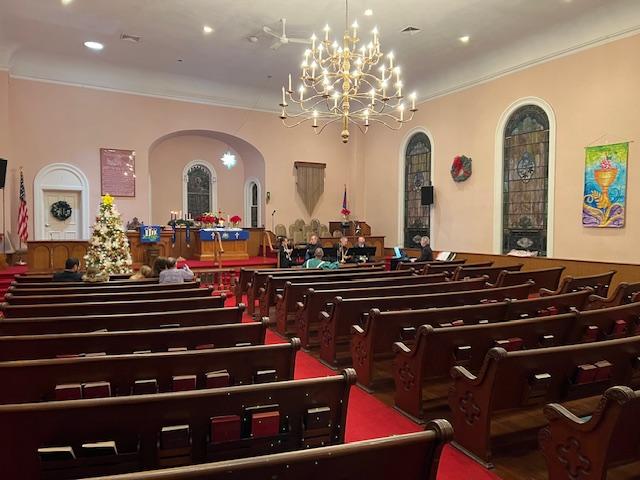
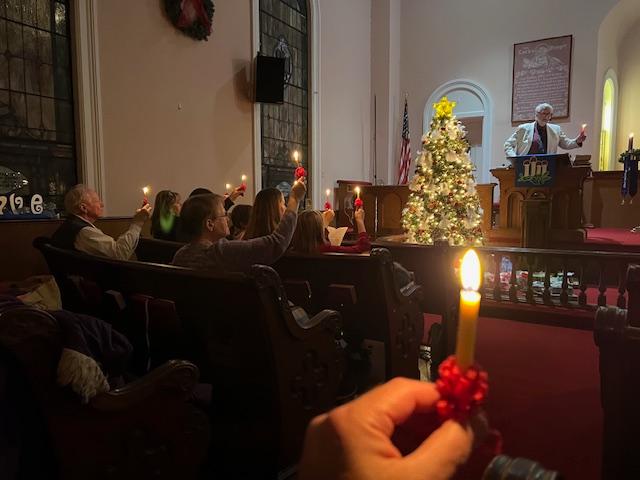
The last part of the evening was spent at the Moravian Candlelight Service at the St. John’s Methodist Church. This beautifully run service included all the traditional Christmas Carols, a very engaging talk by the former pastor and a candlelight ceremony towards the end service. You can see the whole service on the St. John’s Methodist Church’s Facebook page.

The church during Christmas 2024

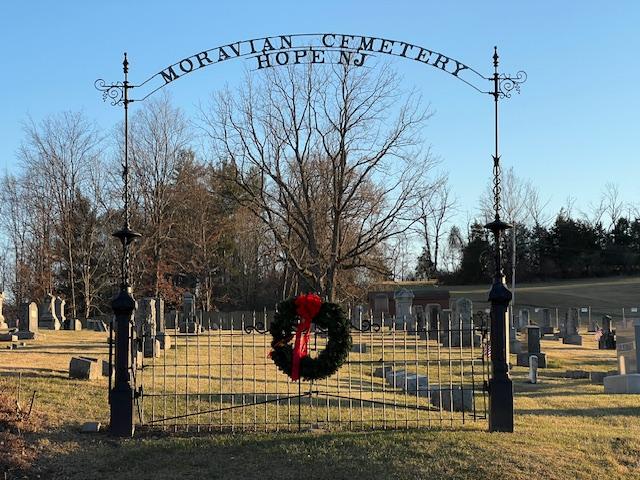
The Cemetery decorated for the holidays in December 2024

https://www.umc.org/en/find-a-church/church/11006

https://m.facebook.com/pages/category/Methodist-Church/St-Johns-United-Methodist-Church-1406394686297265/

(You can see the church service on their Facebook page)

My review on TripAdvisor:

https://www.tripadvisor.com/ShowUserReviews-g46518-d20377992-r821735002-St_John_United_Methodist_Church-Hope_New_Jersey.html?m=19905

It was a wonderful evening of music, songs and prayer and the church was crowded with both locals and visitors. In 2024, it was funny that I have gotten to know the merchants and the people at the Hope Historical Society so everyone was greeting me at the church or we talked after services were over. What I loved about the Moravians is that you do not have to stand up during services like the Catholics do and I prefer this. It was nice to just sit and enjoy the services.

In 2021, this service took about an hour. By the time I got to my car, it started to mist and then rain. It was pouring by the time I got on the highway. Still, it was a wonderful evening of touring and it put me in the Christmas spirit. In 2024, it was just freezing outside, so I had to make a dash to the car and let it warm up. There was no traffic leaving Hope that evening as most people went home after the tour and there was no traffic on Route 80 so I got home in forty-five minutes. Enough time to relax and fall asleep on the guest room bed. It really was a beautiful night and the town could not have been prettier.

St. John’s Church in Downtown Hope, NJ for the Christmas services

The Christmas tree decorated in the church

The Candlelight Service was very nice and was the perfect way to start the holiday season

After the Candlelight church services, I joined the other parishioners for cookies and hot drinks in the community room of the church. They had a nice crowd that night but everyone looked so cold and the temperature dropped to 25 degrees in 2024. People did not linger that long and I felt bad for the church who had trays and trays of cookies. Still it was a wonderful night of touring around the town.

The History of the Hope Historical Society:

(From the Hope Historical Society website)

The Hope Historical Society & Museum are located at 323 High Street (Route 519 North) at the top of a stone bridge within the State and National Historic Register District in Hope Township, NJ. The tiny frame building was thought to be the original 1820’s toll keeper’s house. It was used as a private home until 1955, when it was restored by the Hope Historical Society and became the current museum and organizations headquarters.

Historical Society meetings with guest speakers of topics of historical interest are held April-November on the first Tuesday of the month, generally, at the Hope Community Center.

Site from Friday the 13th on January 13th, 2023:

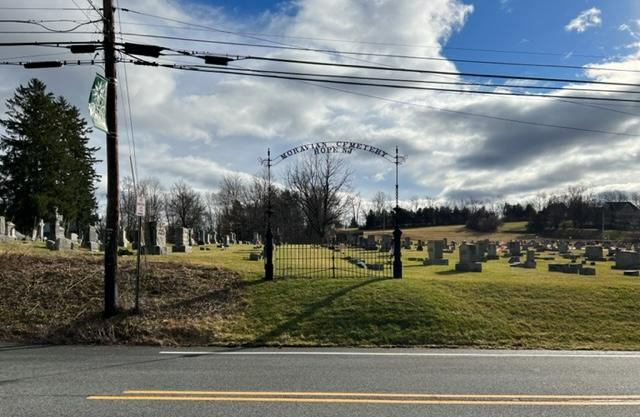
The Moravian Cemetery in the film.

The Moravian Hope Cemetery

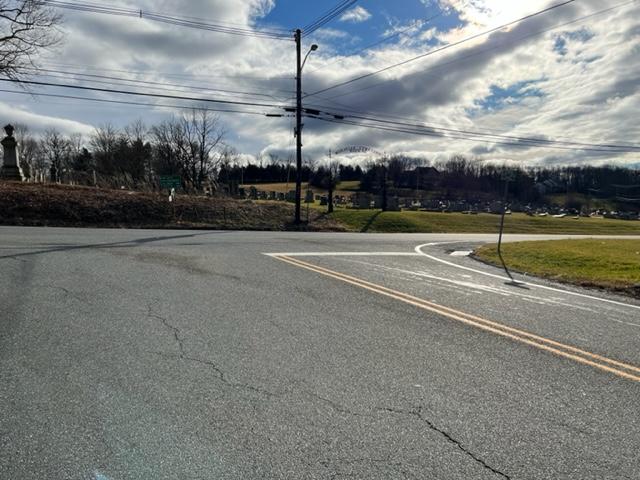
Where Annie got dropped off in the film

The Moravian Church cemetery

The John Blair grave that the Moravian Cemetery.

The Cemetery dirt being sold by the church on “Friday the 13th”