When I was visiting Kingston, NY again for my blog, “MywalkinManhattan.com”, I came across the Trolley Museum that was down the road from the NY Maritime Museum and the harbor for the ‘Hudson River Cruises”. This unique museum has a lot of interactive things for a family to do including riding a trolley through the harbor of the Kingston Roundout to Kingston Point Park right on the Hudson River. On a beautiful sunny day there is nothing like it.
The first part of the trip took us to the Kingston Roundout
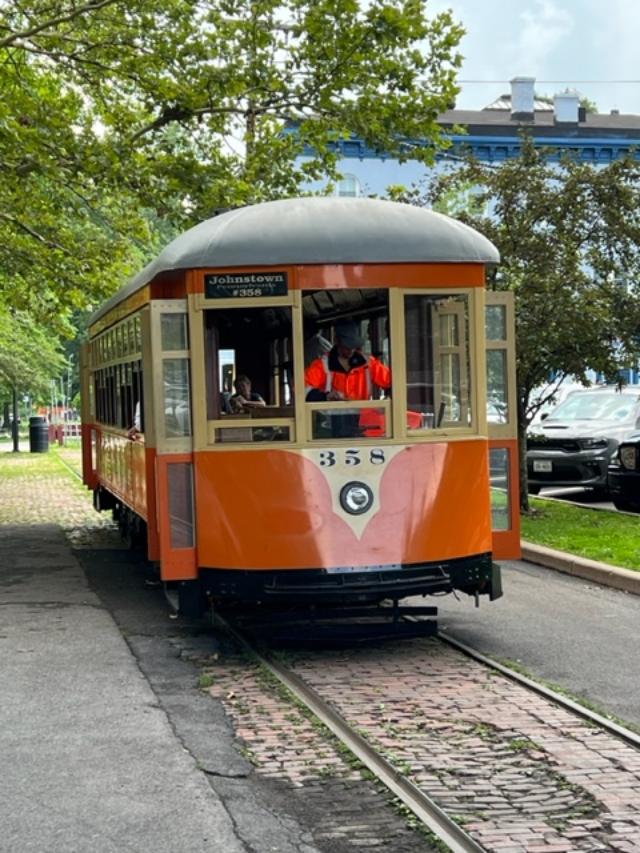
I just made the first trip on the trolley. You start at the front of the museum and then you take a short trip to the downtown and we picked up other passengers. It was then off for a short trolley trip following the river up to Kingston Point Park and the picnic grounds there.
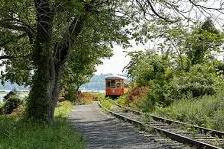
The Trolley arriving at Kingston Point Park
The foliage was amazing at the park with hues of gold and red and the trees were just coming into their peak. We only had about a half hour to stay at the park and look around but it was a real delight of colors and the views of the river just shined in the sun. It was very picturesque especially with sailboats passing by.
The Trolley stops at Kingston Point Park
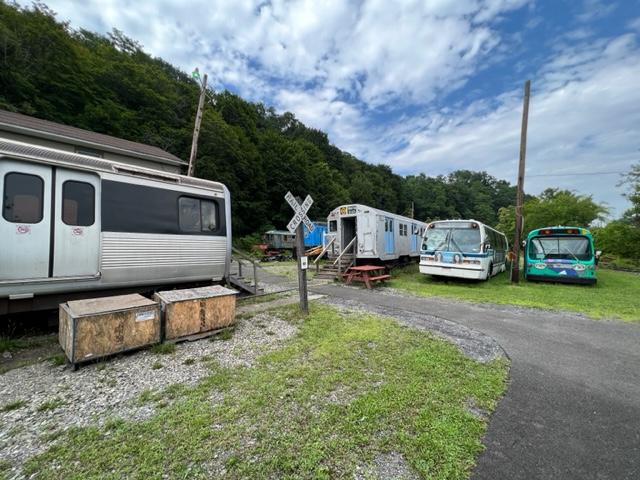
On our way back to the museum, you could see the lighthouse from its perch at the mouth of the inlet. People were starting to take the Hudson River Cruise in the distance which I had made two weeks earlier. When I got back to the museum, I toured all the buses, subway cars and the Path train that they had in the parking lot. I could see this live in Manhattan so I went to visit the museum. The nice part about the museum is how interactive it is and how you can pace yourself through all the displays.
You can tour old subway cars, buses and an old Path Train
There were small exhibits on the history of the trolley cars in cities, the development of the cars as a mode of transportation starting with horses to the electrical age.
Old New York City subway car
There was also a small display on glass fixtures used in the electrical lines before the new cabling systems came in and another hats and uniforms used on the trolley cars over the years. There are also displays of signs and posters for the different lines.
The inside of the Kingston Maritime Museum
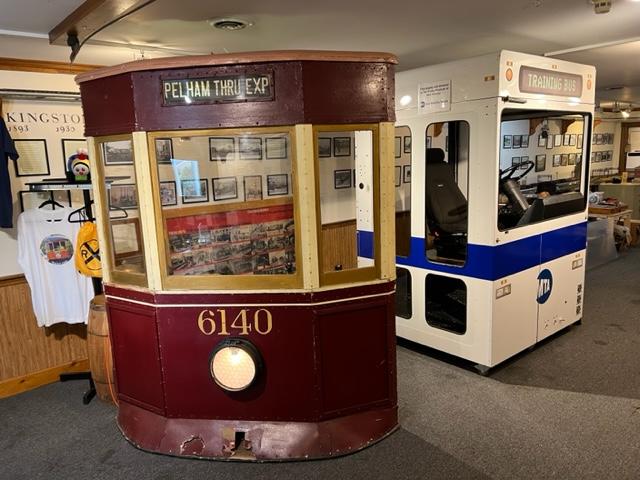
The Subway display at the Kingston Trolley Museum
It is a small museum but for families, there is a lot to climb through and tour around and just taking the trolley up to the park is worth the price of the ticket.
The conductor operations room display at the Kingston Trolley Museum
History of The Trolley Museum of New York:
The Trolley Museum of New York is a non-profit educational museum founded in 1955. The goals of the museum are to offer rides to the public, exhibits and educational programs sharing the rich history of rail transportation and the role it played in the development of the Hudson Valley region. In addition to static displays of trolley, subway and rapid transit cars from the United States and Europe, a trolley ride runs 1 1/2 miles from Gallo Park at the foot of Broadway in downtown Kingston, NY to Kingston Point Park on the shore of the Hudson River, using a renovated 1925 trolley. Along the way, we stop at the Museum grounds.
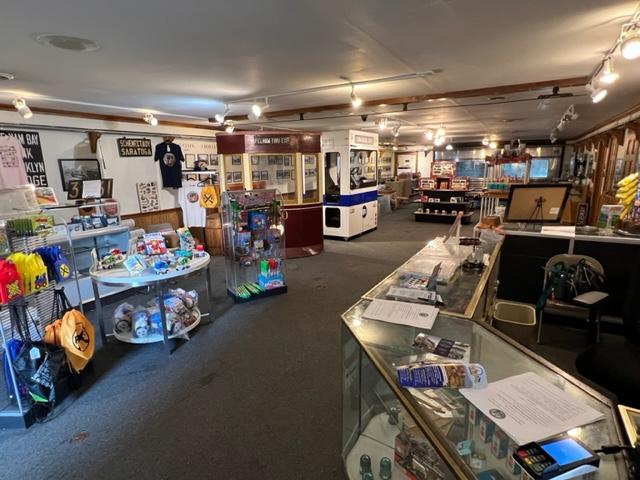
The inside of the Kingston Trolley Museum
The Museum is on the original site of the Ulster and Delaware Railroad yards at Milepost 1. Our shop building is built on the foundation of the U & D engine building house which existed at the turn of the century. The upper level includes a Visitor’s Center featuring seasonal and permanent displays, a video viewing area and large windows overlooking the restoration shop. Visitors can see up to eight trolleys being housed and restored below.
The outside of the Kingston Trolley Museum
One of the cars in the restoration shop is our 1897 wooden trolley car from Olso, Norway. This car is one of four cars that we have on display that are 100 plus years old.
The public transport display inside the Kingston Trolley Museum
Your Donations:
All of the Museum staff are volunteers. There are many projects, both large and small, all of which require funding to complete. Chief among these are the installation of overhead electric wire, trolley restoration and the expansion and rehabilitation of track. Your donations will help to provide vital support for these projects and others.
Inside the Kingston Trolley Museum
(This information comes from The Trolley Museum of New York’s pamphlet and I give them full credit for it).
The Kingston Hudson River Maritime Museum 50 Roundout Landing
I recently visited the Hudson River Maritime Museum after a boat cruise around the Hudson River and I found this wonderful little under-rated museum to packed with information not just about the history of the Hudson River Valley but the rich history of boating and boat building, the economic impact of the area in mining, brick building, ice manufacturing and cement development.
The Tug Boat display
It was interesting to see how the natural wonders of the area have given the rise to so much development in not just building the area but its long lasting contribution to New York City. This was not just in industry but in the pleasure and shipping boat industries as well.
The Ferry display
One part of the museum is dedicated to transportation up and down the river with sailing and steamboats in the forefront especially how the luxury steamboat industry went full force until about 60 years ago. It was considered the nicest form of transportation to and from New York City. It was interesting how the modern train and car lead to the demise of something that today would be embraced as unique and fun. The pleasure steamboat industry continued on until 1971.
The leisure ferry industry down the Hudson River
Another part of the museum was dedicated to the history and development of the area from the Native American tribes living along the shore and the Dutch settlements to the rise of modern development of manufacturing along the shores to its after effects and clean up in the 1960’s and 70’s. These included fishing, ice manufacturing and brick making.
The Ice Industry on the Hudson River
There were really nice displays on the ship building, sail companies and maritime industries that supported them. The manufacture of raw materials and building supplies because of the natural resources of the Hudson River Valley show how rich in minerals, clay, cement and stone from the cliffs built New York City and how they nearly destroyed nature.
The Brick industry in the Hudson River Valley
The displays tell the stories of activists who saved the area, Robber Barons that exploited it and the everyday people who contributed to making the valley the interesting place that it is today. It showed how protests and free speech saved the Valley from devastating development.
The Alexander Hamilton Ferry ride down the Hudson River
With each room at the museum, there is a story to tell and pictures to explain why the Hudson River Valley and the Kingston Roundout is such an interesting place to see. Outside you can find an example of the Tug Boat industry
The Tug Boat “Mathilda” on the museum grounds
The tugboat display by the riverfront
Take time to guide through the rooms and read the signs and stories. There is a lot to see and do here and make sure to leave plenty of time to walk the grounds and see the tug boat and sailing displays and walk the river front. There is even a display of ships models to explore. It makes for an interesting afternoon.
The ‘Ship Models’ display
History of the Hudson River Maritime Museum
(This information was taken from the Museum’s website and pamphlet)
Hudson River Maritime Museum
The Hudson River Maritime is dedicated to the preservation and interpretation of the maritime history of the Hudson River, its tributaries and related industries.
Ship building was very important in the region
The Hudson River Maritime Museum was founded in 1980 to preserve the history and maritime heritage of the Hudson River. Our collections range from steamboats, tugboats and sailboats to the canal system and waterfront industries, dating back to the early 19th Century.
The ferry display
The museum has a library and archives open to researches by appointment. Some of our collections have been digitized and are available online at http://www.hrvh.org/hrmmkingston.
Passenger steam boats, Hudson River rowing, ferries, ecology and conservation, ice boats, tugboats, fishing, ice harvesting, brick making, early exploration, cement production, lighthouses and more. HRMM features a new temporary exhibit every year. Information on exhibits, including online exhibits is available at hrmm.org.
The ‘Cabin Room’ display
Some of the attributes of the museum:
Wooden Boat School:
The Wooden Boat School was opened by the Hudson River Maritime Museum to preserve the rich boat building heritage of the Hudson River Valley. Wooden boat building occurred on Roundout Creek in particular throughout the 19th and 20th centuries including World War I & II and the Korean War.
The ‘Hudson River Weather’ display
Today, the Wooden Boat School offers adult classes, Youth boat program for teens and serves as the headquarters for the Sailing & Rowing School, Sea Scouts Ship 609 and the Kingston Sailing Club.
Kingston Home Port:
A timber framed carbon neutral structure, the Kingston Home Port and Education Center was completed in 2012 to serve as the winter home port and maintenance center for HHRM partner the Hudson River Sloop Clearwater during the winter season. During the summer months, the Home Port serves as an event, lecture and educational space for the museum.
The ‘Steamboat Captain’ display
The Kingston Home Port also functions as the main operational headquarters for the Roundout Rowing Club and the Kingston High School Crew Team.
The ‘Erie Canal’ display
The ‘Erie Canal’ display
The Hudson River Maritime Museum (HRMM) features a variety of programs and events throughout the year including:
*Lighthouse Tours
*Local History tours, including guided walking and car tours.
*Woodworking, maritime art and boat building classes at the Wooden Boat School
*Sailing, boating and rowing classes at the Sailing & Rowing School
This is the best way to experience seeing the Hudson River by walking on top of it. It is especially nice on a beautiful day.
The rail car from the entrance to the Walkway by the Highland Park side of the walk
The day I walked over the “Walkway over the Hudson” it was a rather cool September day in the last days of the summer but still it was a spectacular day to see the river with blue skies and sunshine. I also revisited the Walkway in July of 2024 and the views are just as amazing when everything in full bloom.
The history of the bridge that crosses the Hudson River
The start of the walk by the Highland NY side of the bridge
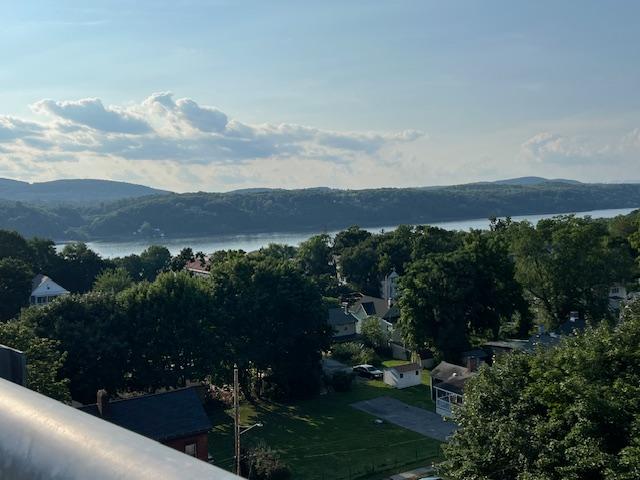
The views from the bridge on the Highland NY side
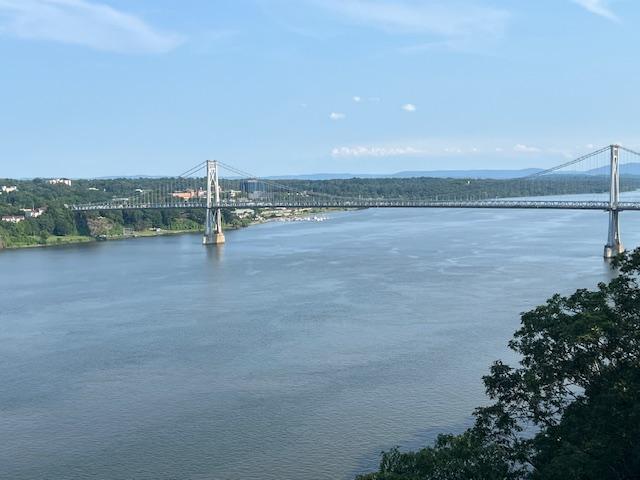
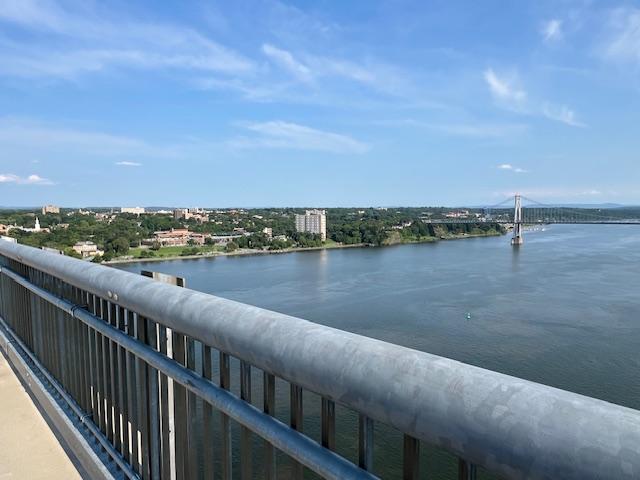
The views of the Mid Hudson Bridge
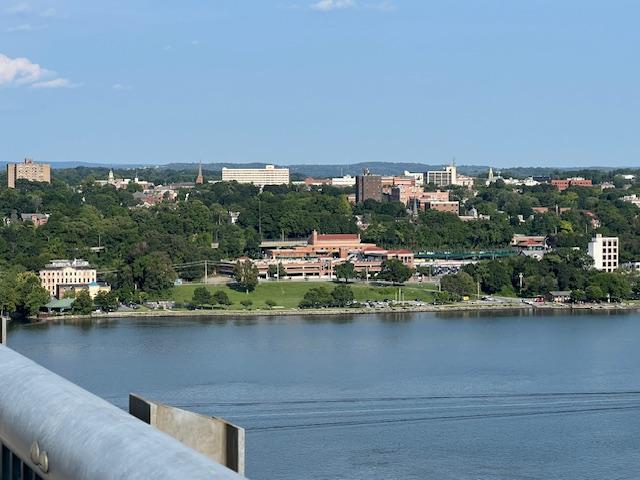
The views of Poughkeepsie and Hyde Park
On both sides of the bridge, there are small parks to sit and relax. There are signs all over the bridge to tell the story of the bridge and the people who helped save it. The best part is to just sit around the rails and see the views of the Hudson River. On the Poughkeepsie side of the river, you have the entrance to the Little Italy section of city right near the riverfront. Since my initial walk, three of the restaurants have closed since COVID.
The historic sign at the halfway point
Looking up the Hudson River to the north of the bridge
Looking north to Hyde Park, NY
Looking south down the Hudson River
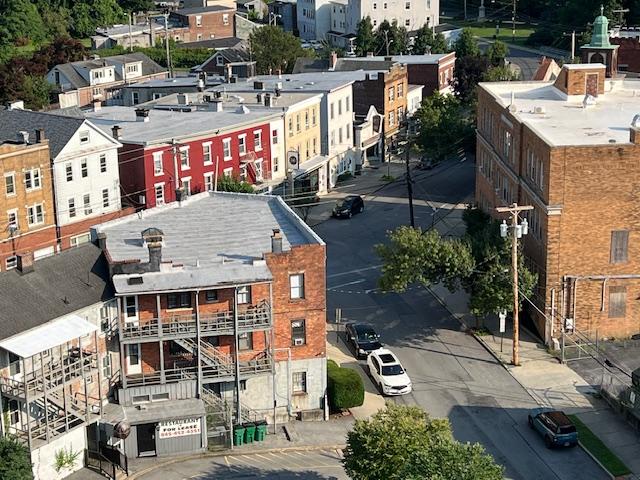
What is nice too is when you are leaving the Walkway is that you can tour Little Italy and Downtown Poughkeepsie. The Riverfront area of the City is changing quickly and new bars and restaurants are opening.
The towns and neighborhoods to visit after leaving the Walkway in Poughkeepsie and Highland NY
The Little Italy section of Poughkeepsie from the Walkway over the Hudson
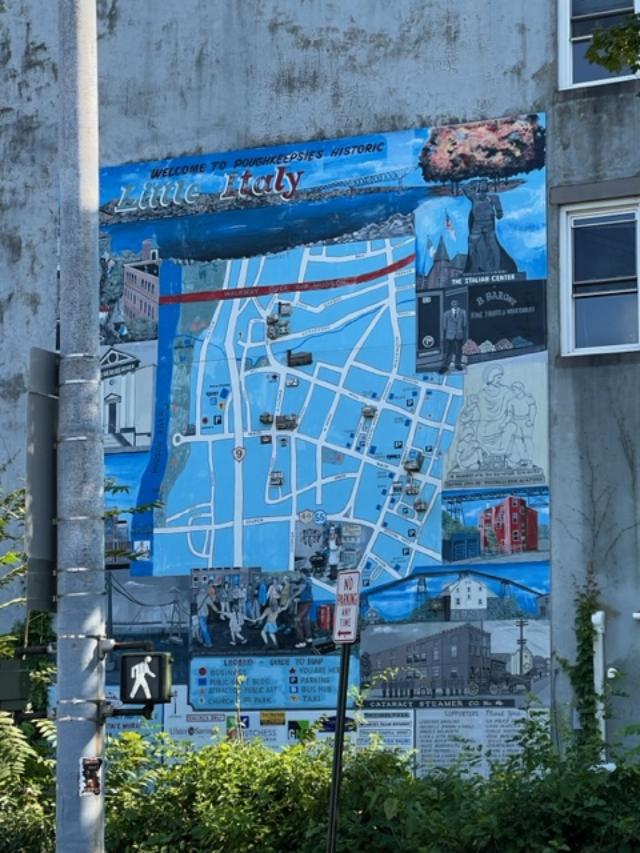
The sign in Little Italy in Poughkeepsie
The history of the ‘Walkway Across the Hudson’:
The bridge now known as the Walkway Over the Hudson opened in 1889 as the Poughkeepsie-Highland Railroad Bridge to transport western raw materials to eastern industrial centers. Rosendale cement was used in the original construction of the piers. At the same time of its opening, it was the longest bridge in the world.
Downtown Poughkeepsie in front of me
In addition to freight trains, the bridge hosted passenger trains connecting Boston, New York, Harrisburg, Philadelphia, Baltimore and Washington as early as 1890. Trolley cars termed “rapid transit” were modified to run on both trolley and railroad tracks and served tourists, students and shoppers (from New Paltz to Lucky Platt’s). Special West Point Football trains ran from 1921-1930. Circus trains, milk trains, trains for hogs and cattle-the uses were varied and the impact was huge. At its peak as many as 3,500 rail cars crossed the bridge each day.
The waterfront of Poughkeepsie
There were two sets of tracks until 1918 when gauntlet track, also called interleaved track, was installed to handle the weight of diesel locomotives. It was removed in 1958.
Looking south down the Hudson River
During World War II the bridge was painted black to make it less visible in the event of an attack. Painting continued until the 1960’s. The high quality of the steel used in the original construction does not need to be painted. Metal experts during reconstruction stated that the absence of paint in fact helped keep the steel in the good condition it is in today.
The Poughkeepsie waterfront
The fire that destroyed the tracks in 1974 was probably started by a spark from a train’s brakes. From Carleton Mabee’s ‘Bridging the Hudson’, page 247: “An hour after a Penn Central train with 100 cars crossed the bridge on May 8, 1974, a thick cloud of black smoke hung over the bridge. Wooden ties were smoldering and wooden walkways were burning, fanned by a moderate breeze. Because Penn Central had no guards or maintenance men on the bridge at the time, the fire was not quickly reported. When firemen arrived at the site, they found they could not easily pump water up to the top of such a high bridge.
Downtown Poughkeepsie from the bridge near the waterfront
When firemen arrived arrived at the site, they found they could not easily pump water up to the top of such a high bridge. When they tried turning on the water to flow into the bridge. When they tried turning on the water to flow into the steel pipe which ran the length of the bridge, a line meant to help fight fires, they found that because it had not been drained the previous winter, it had burst at several points-Penn Central had known it but had not repaired it.”
View from the bridge on the Poughkeepsie side right near Little Italy
It was rebuilt and re-opened in October 2009 as the Walkway Over the Hudson State Historic Park thanks to the efforts of a dedicated friends group, the Dyson Foundation, many donors and New York State.
The Highland Park side of the bridge at dusk
At 212 feet above the Hudson River, this 1.28 mile linear park boasts scenic views north to the Catskills and south to the Hudson Highlands.
The Walkway is amazing on a sunny day
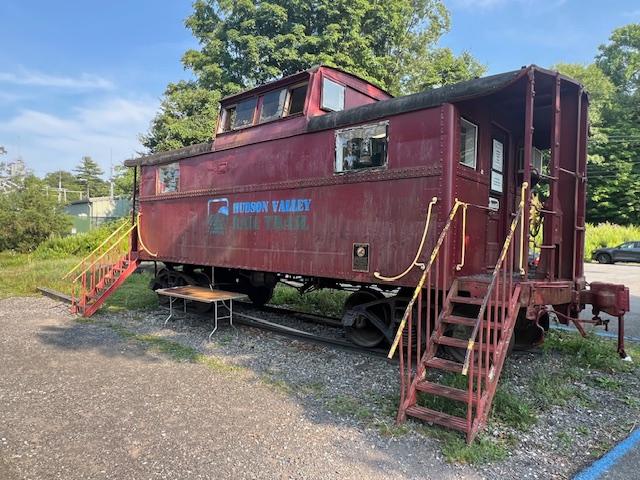
The Walkway is part of the Hudson Valley Rail Trail Network and was inducted into the Rail-Train of Fame in 2016, it connects Ulster County’s Hudson Valley Rail Train to the William R. Steinhaus Dutchess Rail Trail.
The ADA compliant 21 story glass elevator provides seasonal access from Poughkeepsie waterfront at Upper Landing Park a short walk from the Metro North train station.
The Walkway welcomes more than 500,000 visitors annually from all over the world who enjoy walking, cycling and running amidst its scenic beauty.
Today, the Walkway is operated and owned by NYS Office of Parks, Recreation and Historic Preservation and the NYS Bridge Authority it is open year round, offering programs, events and tours made possible through membership and donations to the Walkway organization.
(This information was taken from the Walkway over the Hudson website and pamphlet and I give them full credit for all of this information).
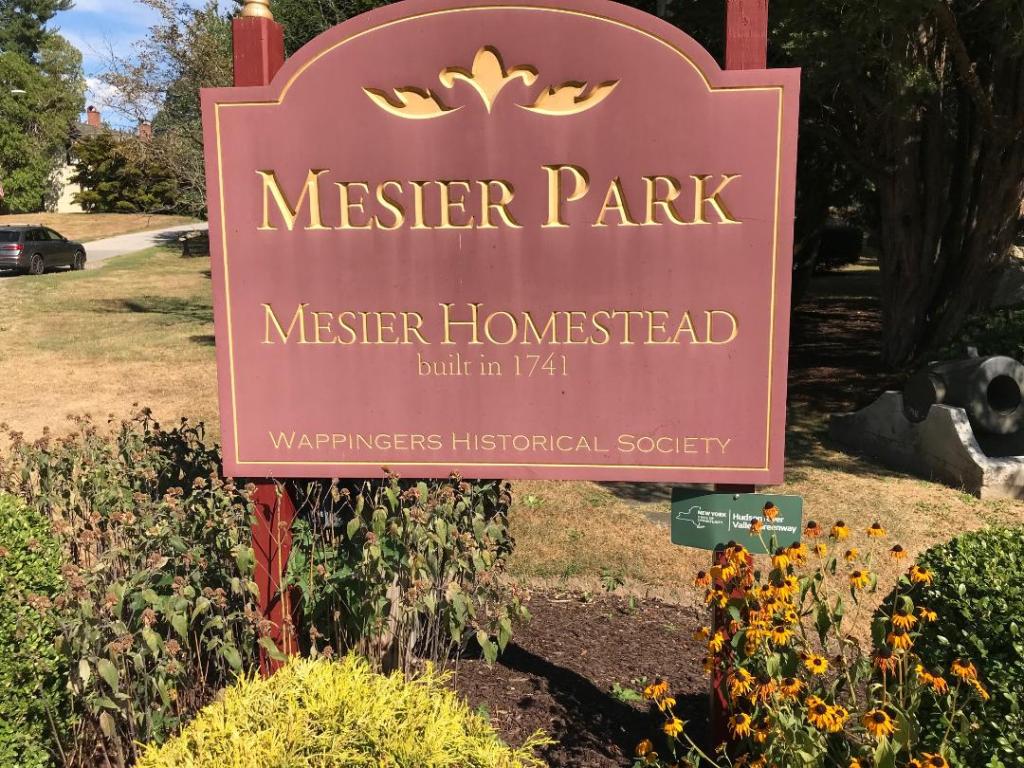
The entrance to Mesier Park where the Homestead is located
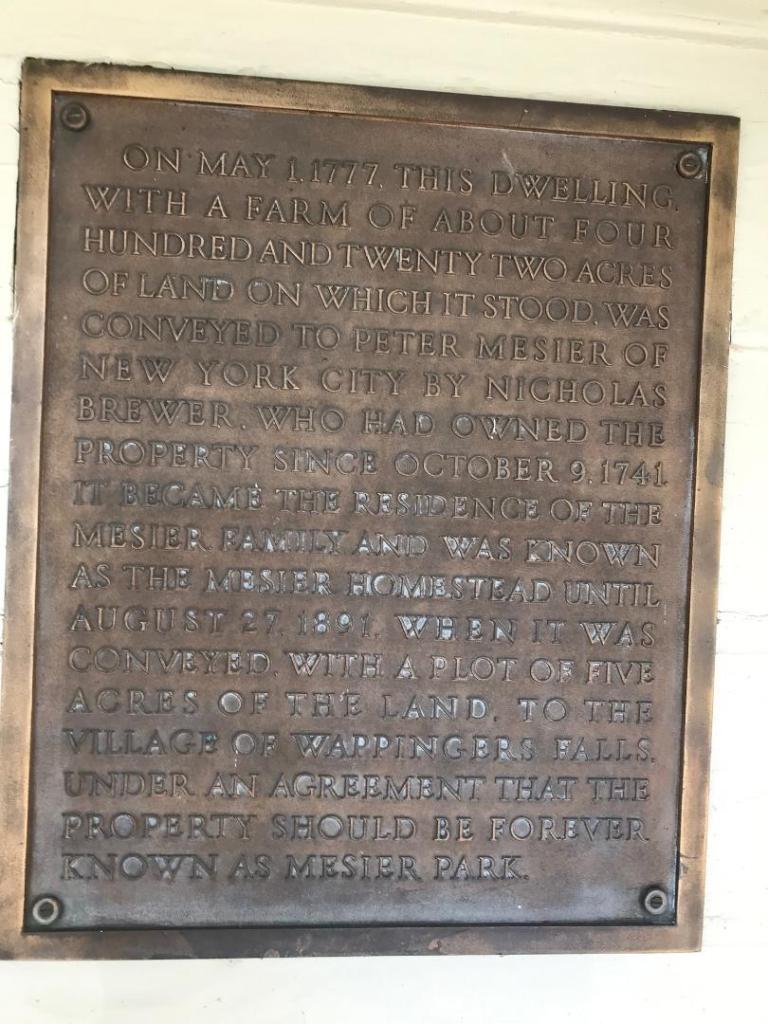
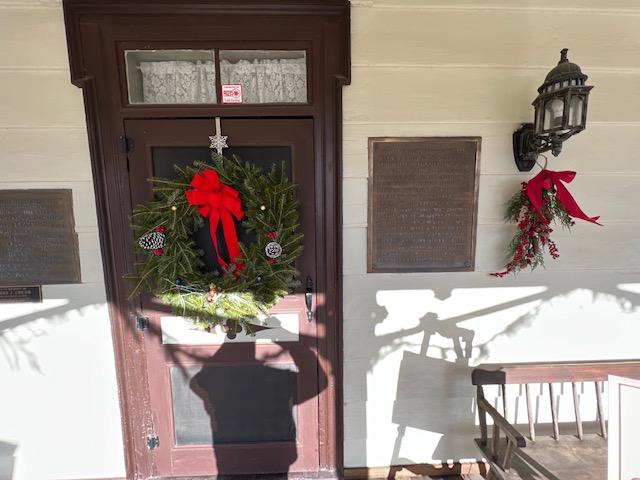
The plaque outside the home
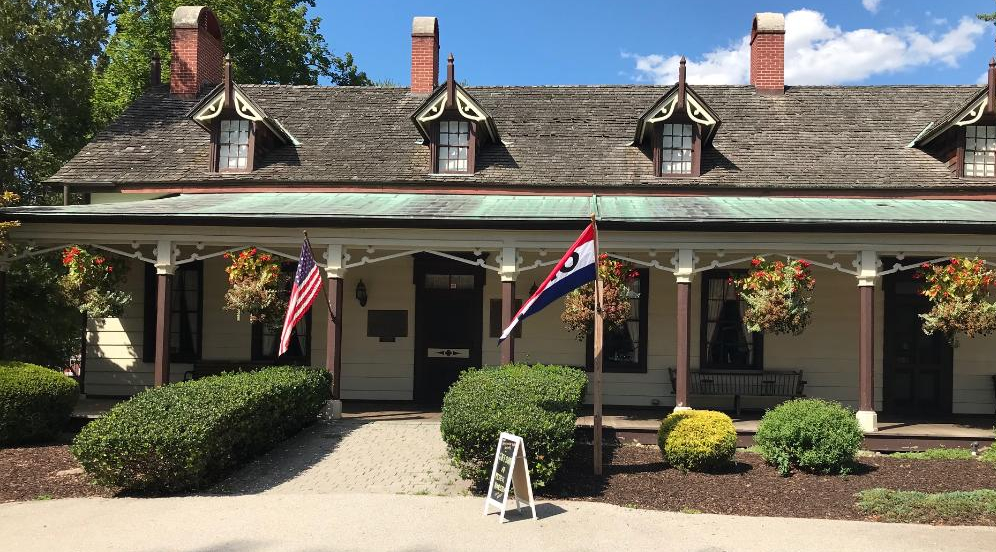
I visited the Mesier Homestead recently and toured the home with a local docent. Home to four generations of the Mesier family, the house has been added onto since it was built in the mid-1700’s. The rooms are decorated with furnishings from the Victorian era and shows life as it may have been in the late 1880’s at the height of the Victorian era.
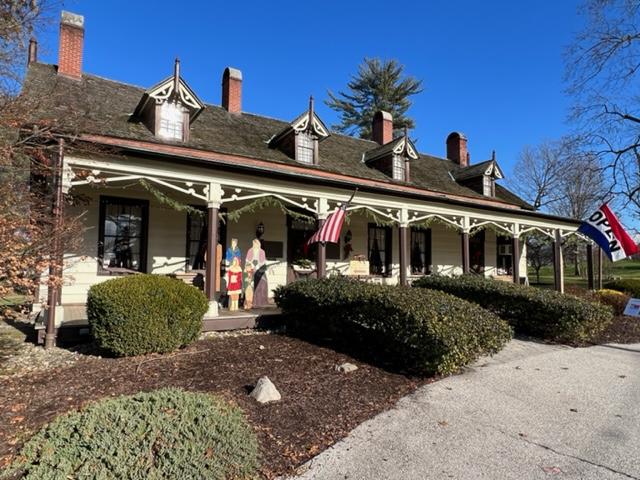
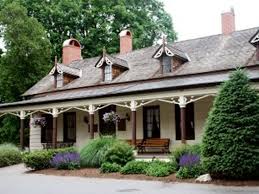
The Mesier Homestead in the summer months
The tour of the rooms shows how the home was added onto to meet the increased demands of a growing family and one of increasing affluence. The original home was added onto from the back to add service areas and work areas for the household.
The entrance to the Mesier Homestead
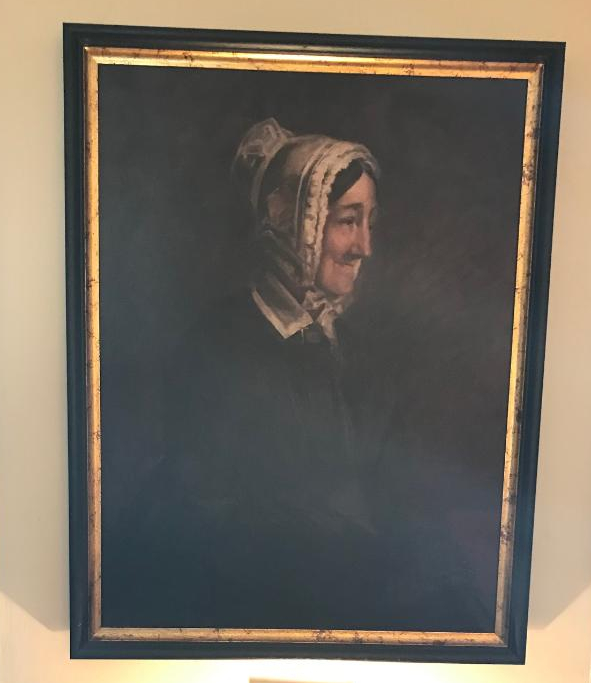
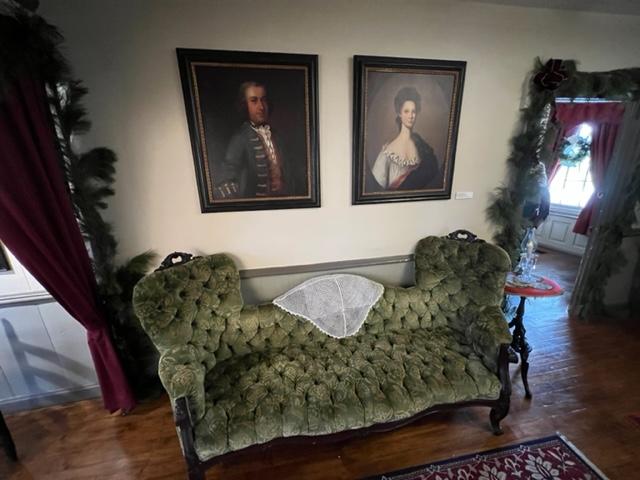
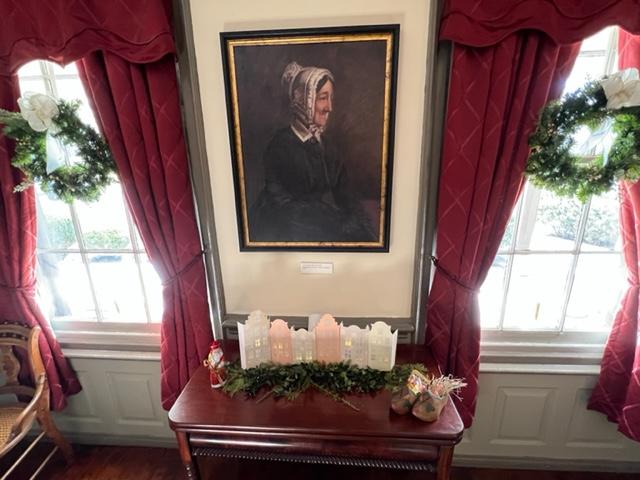
A portrait of Mrs. Mesier in the hallway
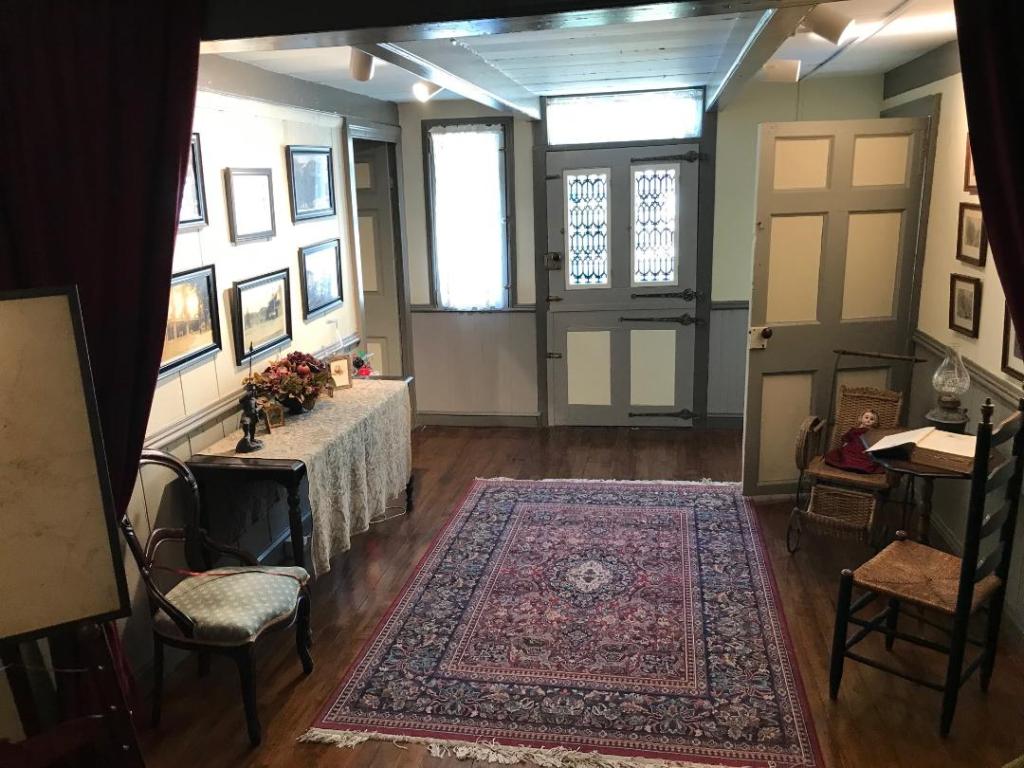
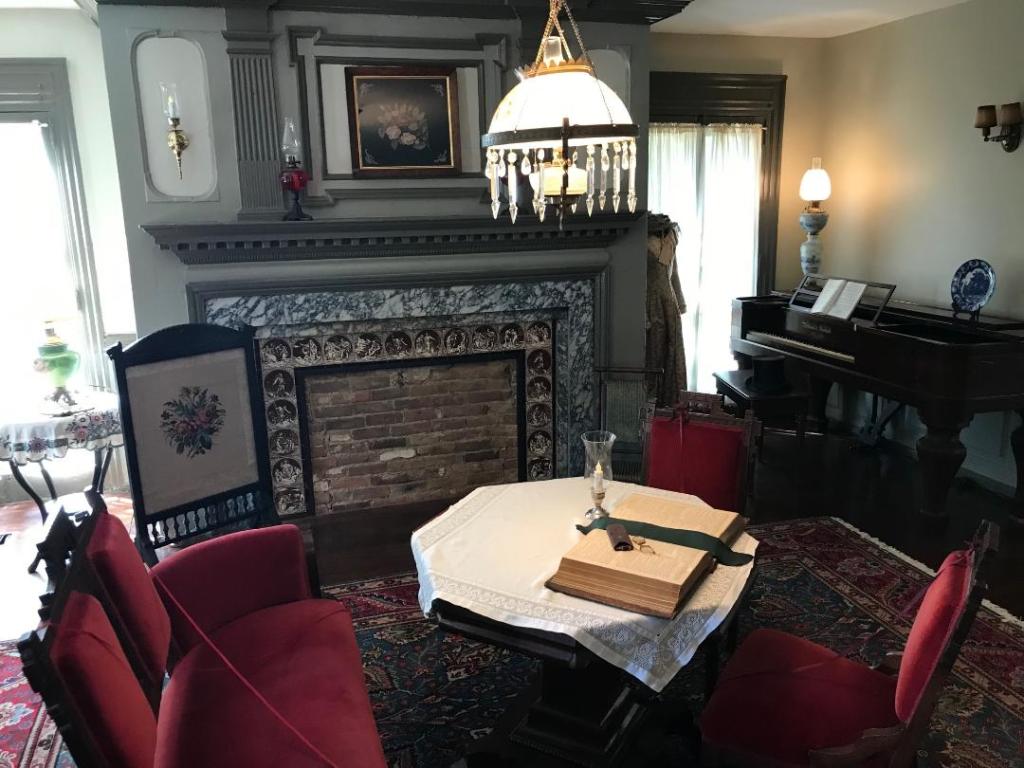
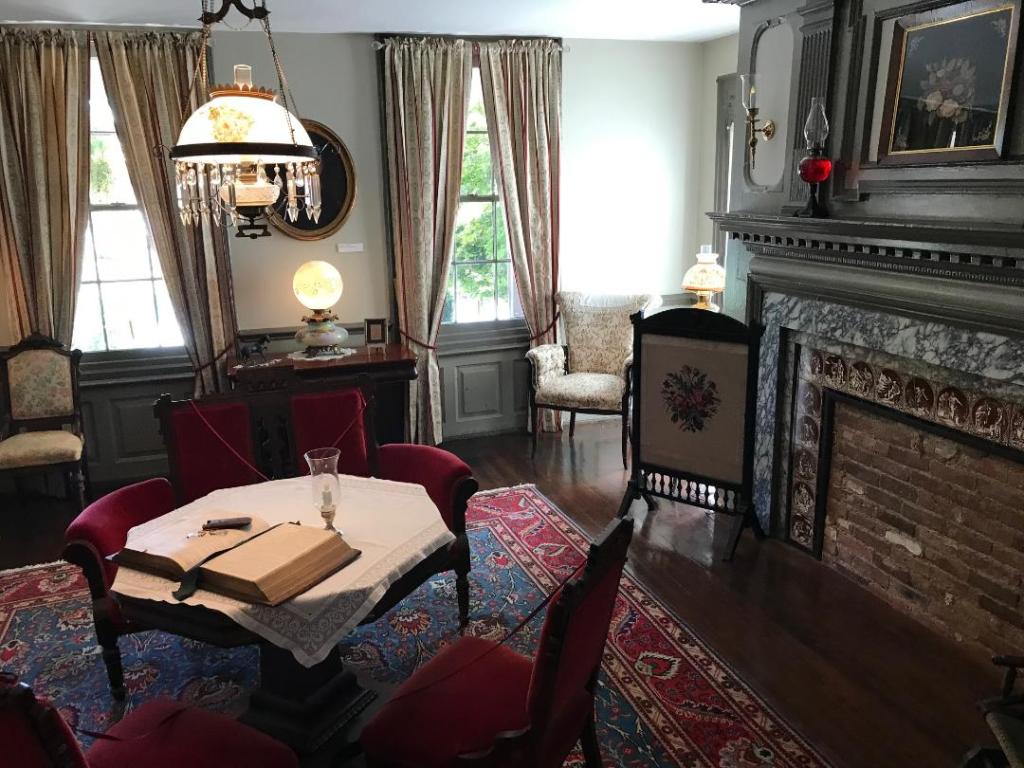
When you enter the foyer from the front door, there are reproductions of family portraits hallway that had served as the parlor of the original house. As the house expanded, this area became the formal entrance to the home. To the right of the foyer, there is the Living Room, where the Historical Society has uncovered one of the two fireplaces from the original home that once heated the rooms.
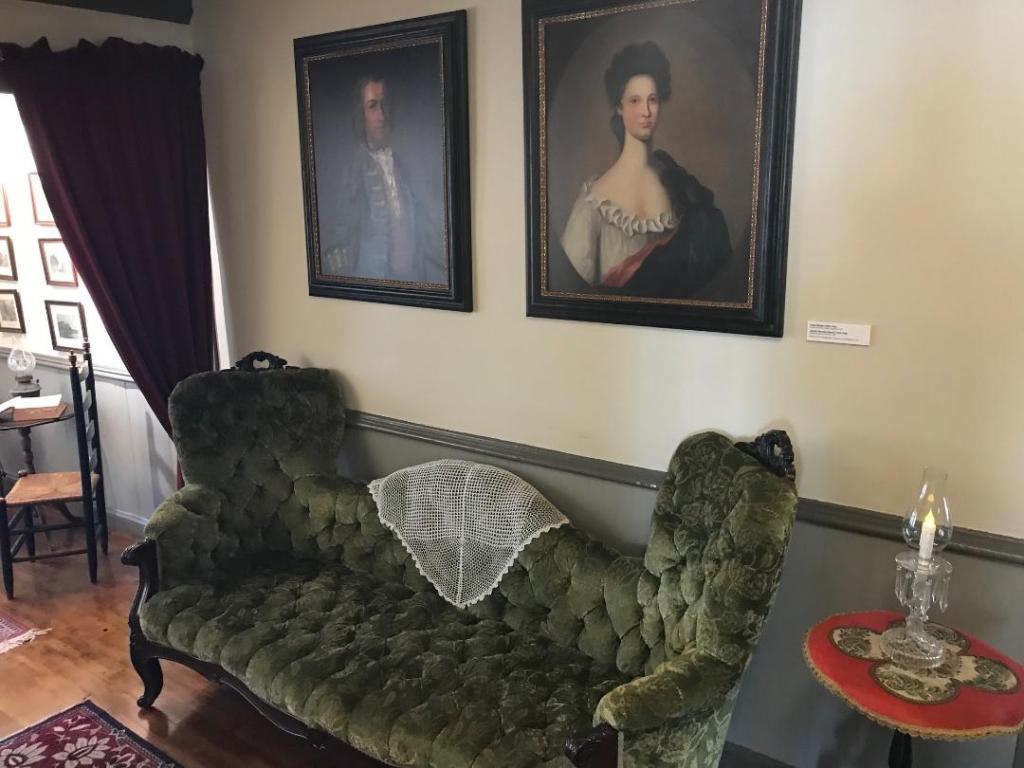
The reproductions of Mr. and Mrs. Mesier in the Living Room
During the late 1800’s, the son of the owner heightened the ceilings to get rid of the railroad ties that once decorated the ceiling. This gave the room a more modern look and showed the affluence of the family that could heat a home with heigh ceilings.
The Mesier Homestead Living Room
Another view of the Living Room
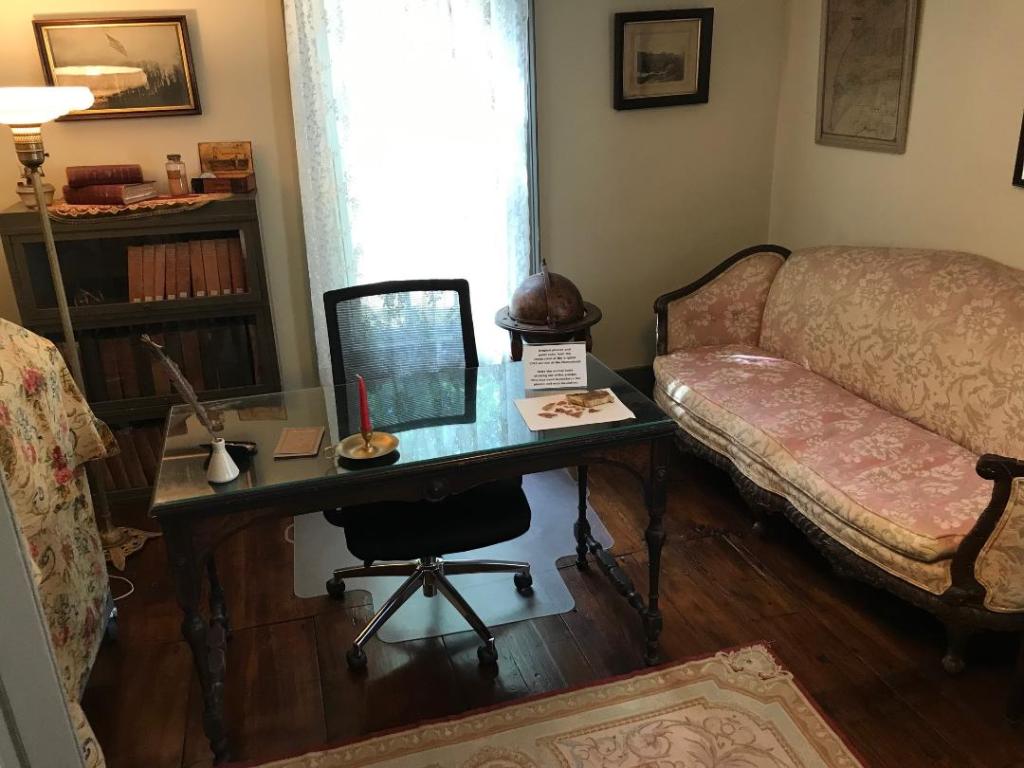
The room furnishings included family paintings, a then modern Victrola, ornated furniture and diagram of the family tree. The small steps led to a small office off the Living Room that was added onto with more family objects.
The Library and Office off the Living Room at the Mesier Homestead
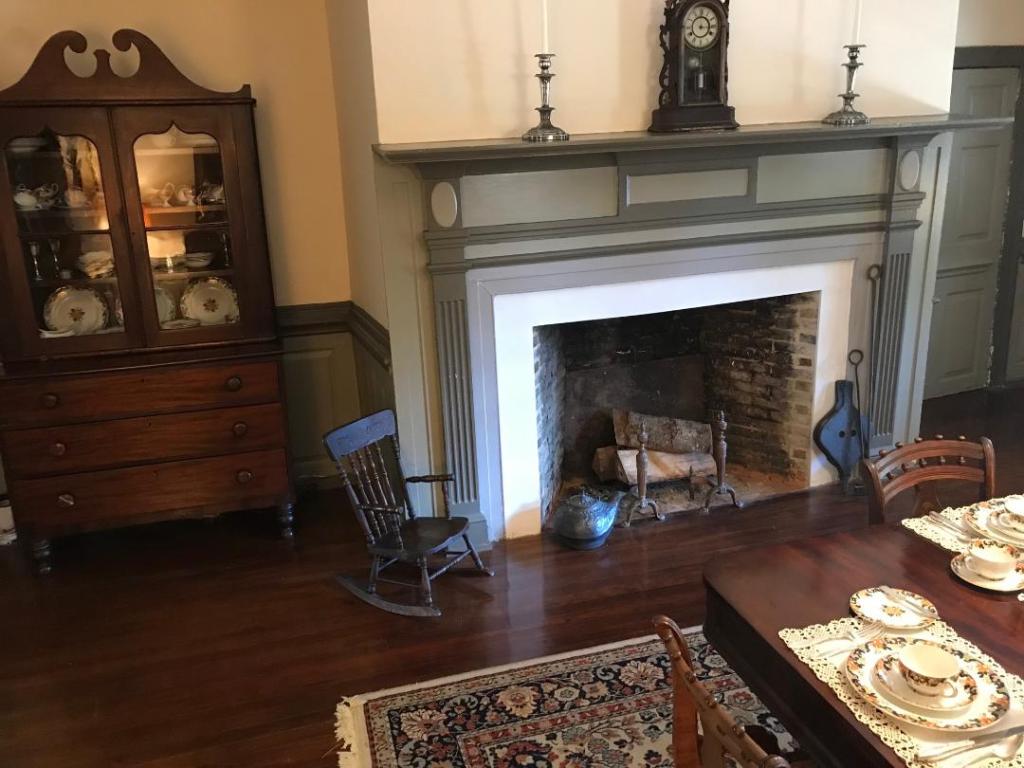
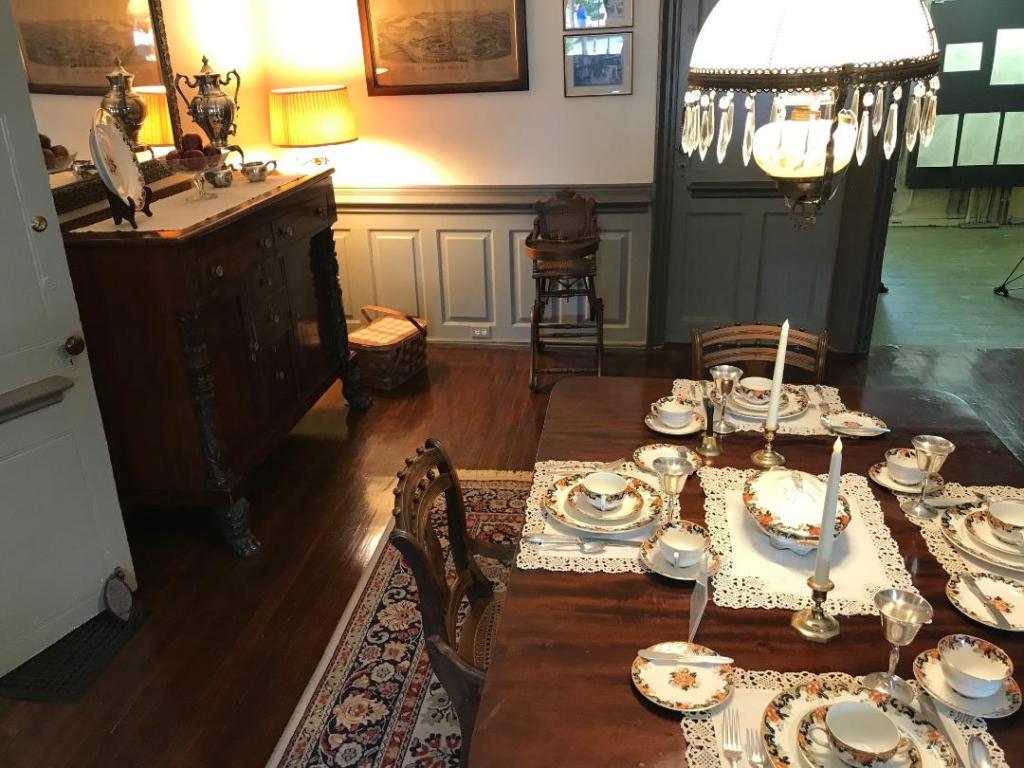
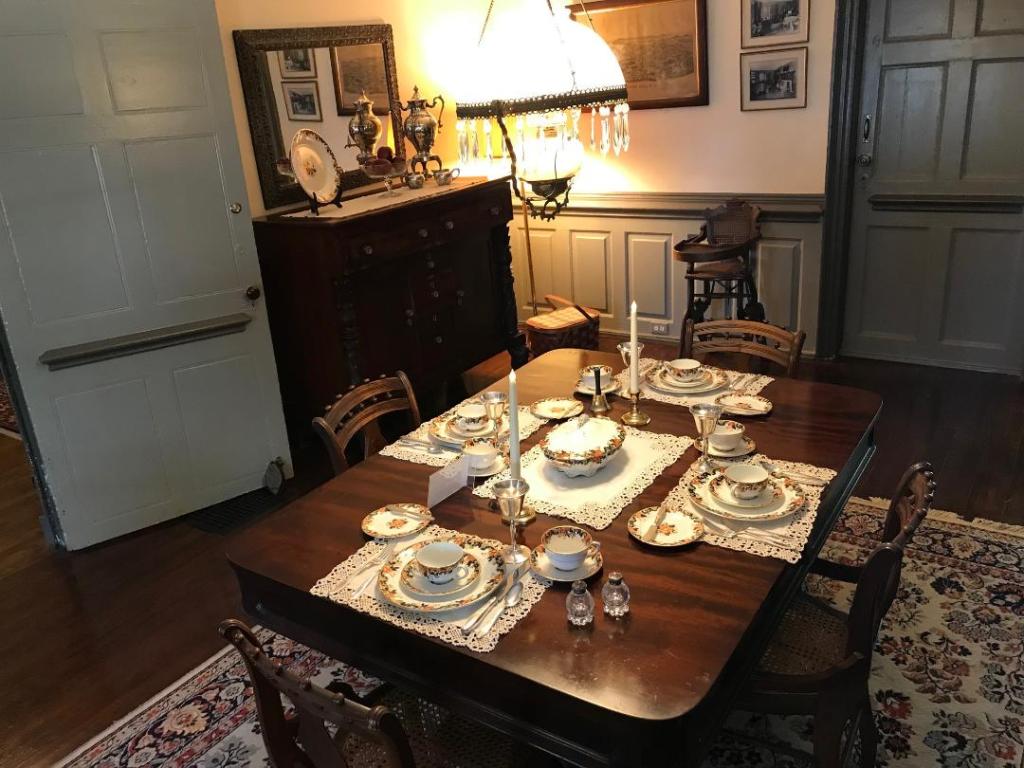
When you entered the room from the kitchen and the Butler’s Pantry where food was finished and readied to be served, a formally set Dining Room for dinner showed the family’s status in the community.
The Dining Room at the Mesier Homestead
The sideboard and the Dining Room table
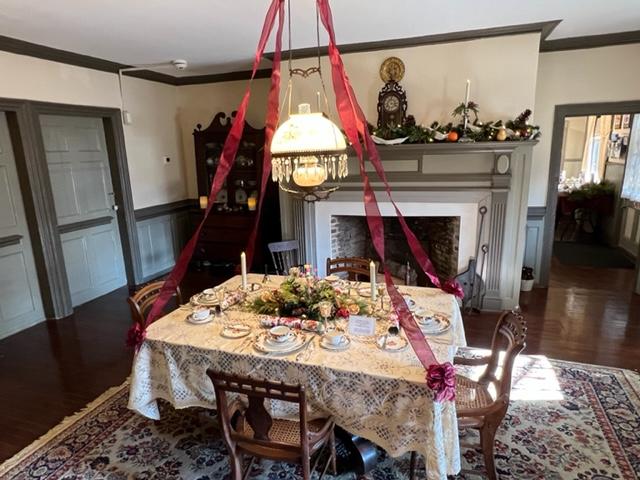
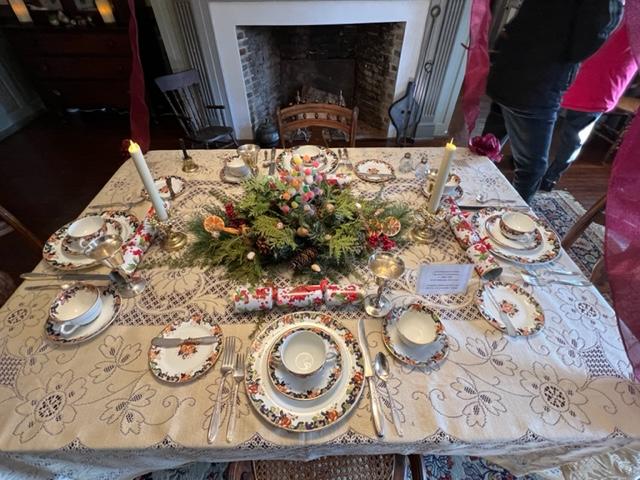
An ornate china set from England enhanced the table with fine linens that the family would have owned. A newly opened fireplace that had once heated the dining room was shown by a heating unit that would have been used in the Victorian age. All sorts of fine decorative objects lined the tables and shelves.
The Dining Room table is set for a fine dinner at the Mesier home
By the amount of space available for living and entertaining with the separate rooms for use in the home it showed how times were changing with the affluence of that time. The family would show off their fine things to show their status in the community.
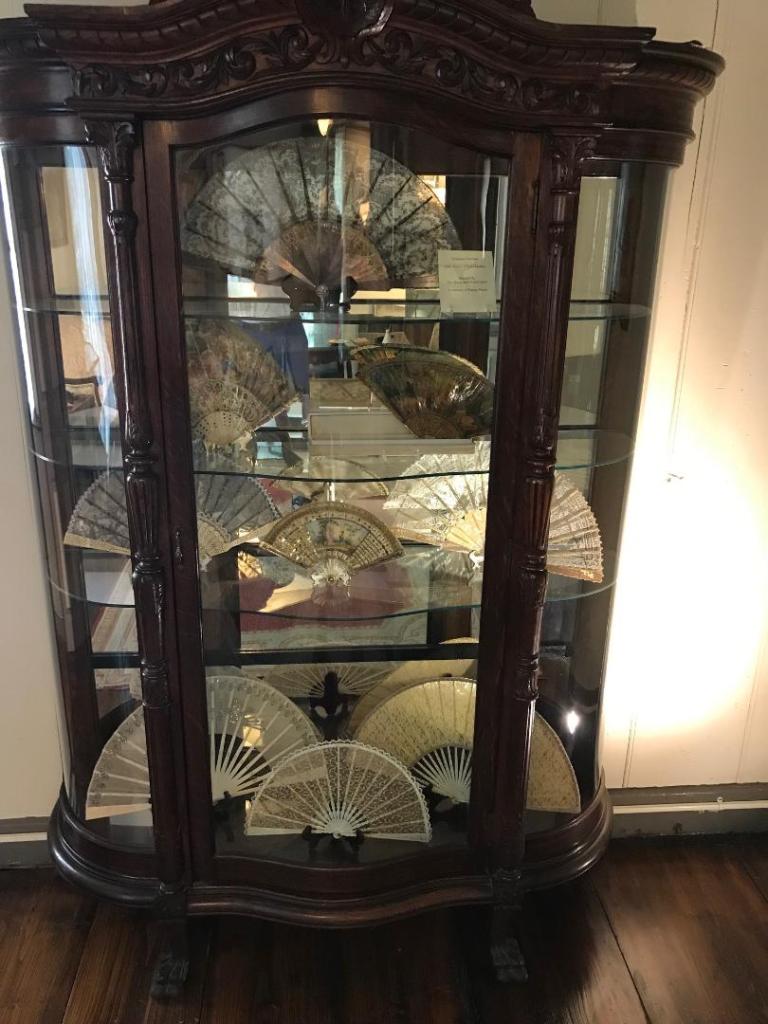
The Fan Collection from Victorian times
The second-floor tour is a view of the slave/then servants’ quarters and the two-family bedrooms. What I thought was interesting on the tour is how the family had to co-mingle in the bedrooms because of the number of children in the family and how mom and dad were not always alone. The rooms had to be expanded so that there was plenty of room for the growing family.
The Children’s bedroom on the second floor
The Adult’s bedroom on the second floor
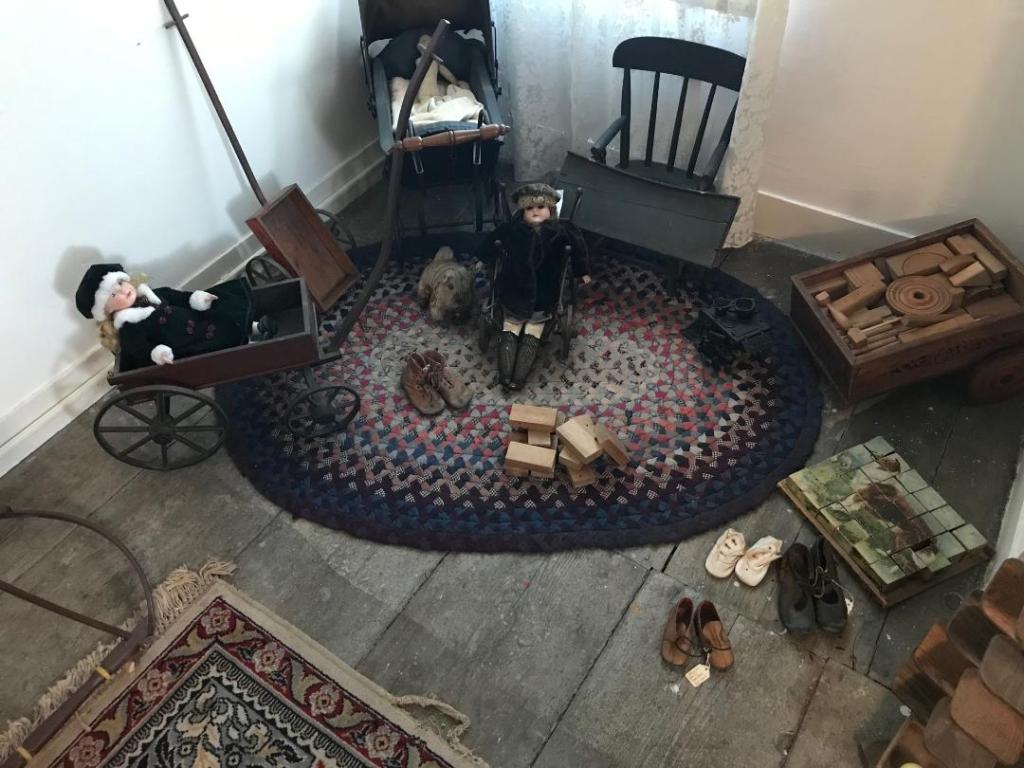
There were many family items in the house like clothing, children’s toys and playthings and items for recreation like bikes, ice skates and musical instruments of a time before TV, movies and radio. There were also items for spinning and making clothes.
Children’s toys during the Victorian Age reflected imagination and preparation for adulthood with blocks, dolls, kitchen items and other playthings to stimulate the mind.
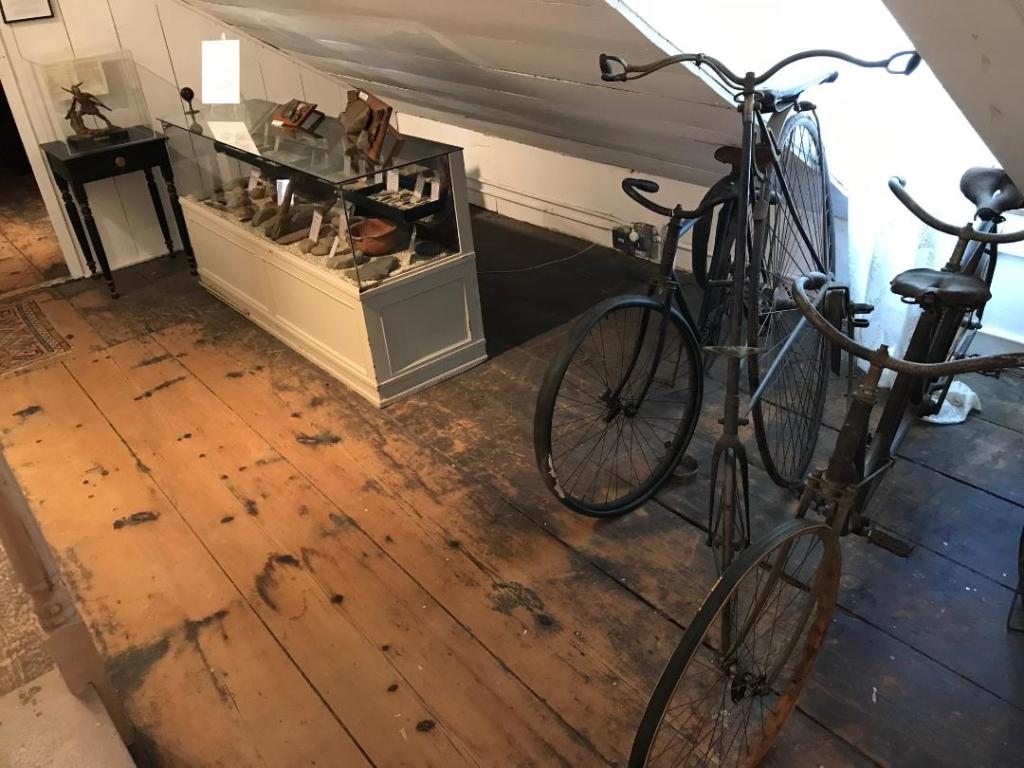
Bicycles and Native American art on the second floor
During Victorian times, the way people shopped and carried themselves changed after the Civil War with the rise of department stores and the merchant class. Instead of making your clothes, you bought them at the store and there was protocol on how Victorians behaved and handled themselves in society regardless of class.
The care of grooming a Victorian woman had in her bedroom
Clothes in a Victorian bedroomClothing and accessories for the Victorian woman for dressing for the day
One of the rooms was also set up like a small school with original children’s desks and blackboards. There is even a Civil War era flag that was found in one of the local homes hanging in the room.
The tour guide also noted the drafts in the house before insulation was put in and the conditions of the time with weather effecting living conditions inside with drafts in the winter and heat in the summer through the roof plyboards. This was modern living at the time. The heat would radiate from the lower level of the house and the Dutch doors would let fresh air in the warmer months. These were modern in comparison to our modern homes. This was the interesting part of the home.
When I asked why the back rooms had not been renovated like the front of the house, our tour guide explained that the Meiser’s were a very devout family and even though they were affluent for the times, they were restrained and not showy like you would see in places like the Vanderbilt mansion. They would not have entertained like that on a grand scale. It was an interesting perspective that those things did not mean that much to these older families.
The original section of the homestead from 1742 is currently being renovated. This is the original hearth and oven of the kitchen.
The tour takes about an hour and is a fascinating step back in history of the way these families lived.
Recently the house was decorated for the Christmas holidays with garland, holly and fragrant oranges that once masked the household smells. They also gave the house a festive fragrance. These popular tours last through the holiday season.
Please check their website for a list of their activities.
The History of the Mesier Homestead:
The Mesier Homestead and surrounding property was sold to the Village of Wappinger’s Falls in 1891 with the understanding that it forever be known as Mesier Homestead and Mesier Park. The Wappinger’s Historical Society acquired full custodianship of the Homestead in 2007 and through ongoing fundraising efforts has been able to restore the Homestead to its present appearance.
The Mesier Homestead at Christmastime:
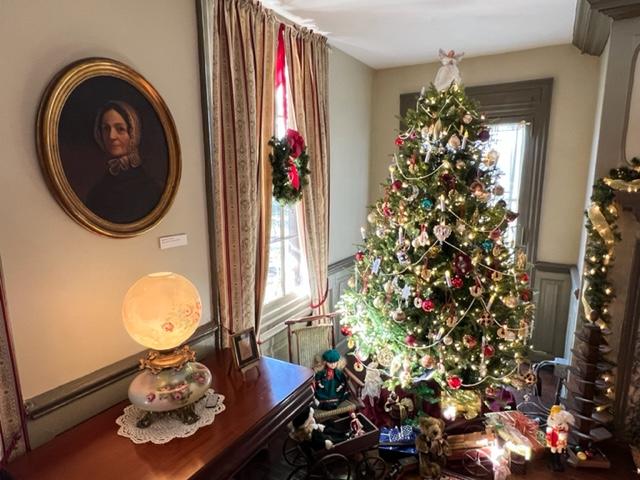
Christmas time at the Mesier Homestead is a festive and elegant affair of decorations and the home being set for a Christmas in the Revolutionary War era. The only difference is the the home has a Christmas tree which did not come into existence until the Victorian era.
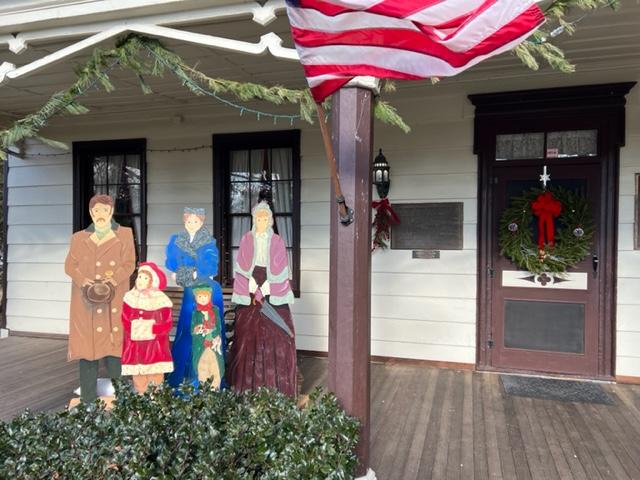
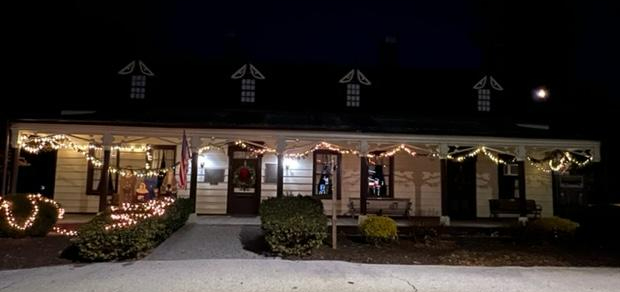
the outside of the home decorated with wreaths and garland
The Front Porch
The front door with wreaths and garland
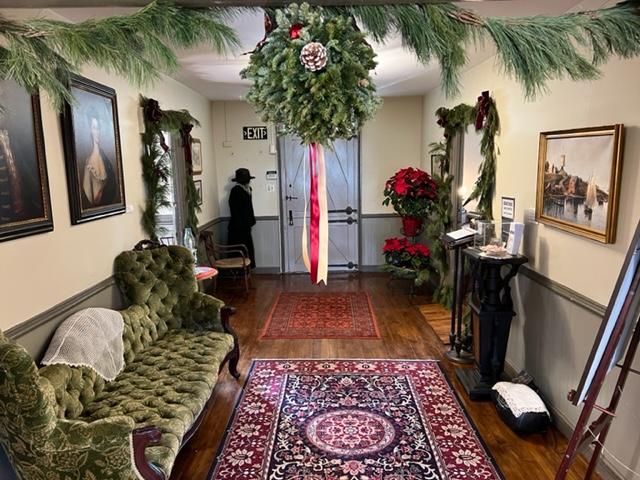
Entering the main hallway of the Mesier Home
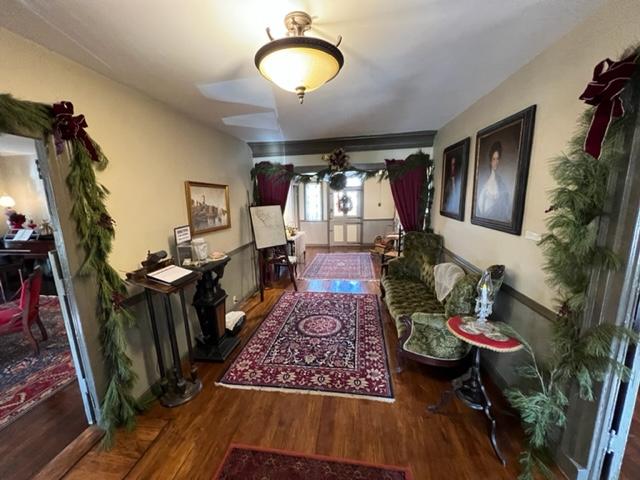
The other end of the Hallway
Even the doors were festive with wreaths
The family portraits in the hallway were adorned with garland
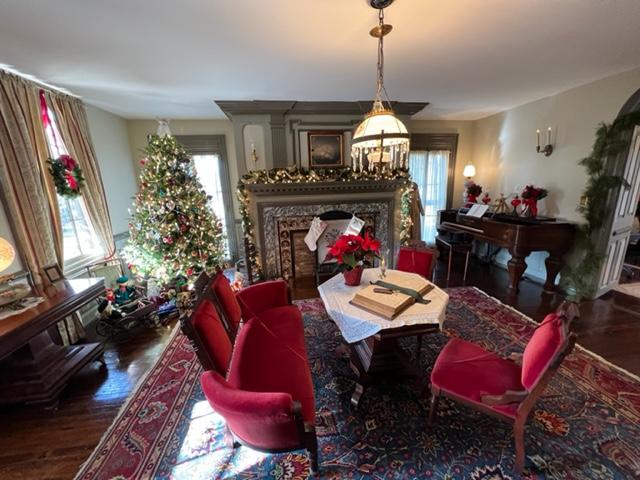
The Living Room was the centerpoint of the house on Christmas morning with children coming downstairs to see what Santa had left them in the later part of the 1890’s into the early 1900’s. The tree would have been the centerpiece of the room sparkling in Christmas morning and a place for the family to gather for the day. Nothing has changed in this tradition except electronics.
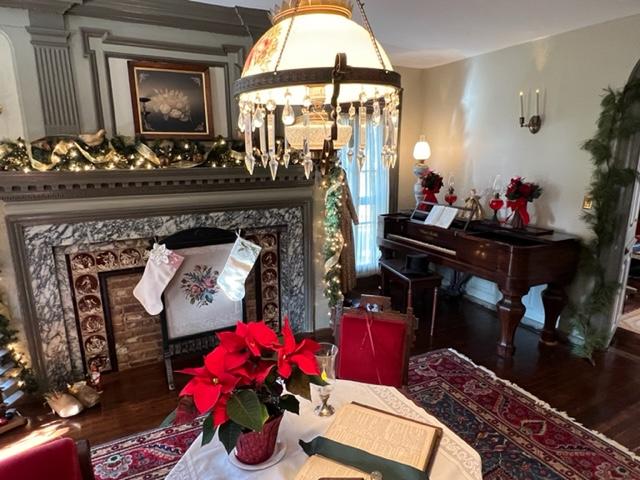
The Living Room was decorated for both a Victorian and Revolutionary Christmas
The Victorian Christmas tree was lit brightly for the holidays and added a festive touch to the room
The rest of the Living Room was set with flowers and garland
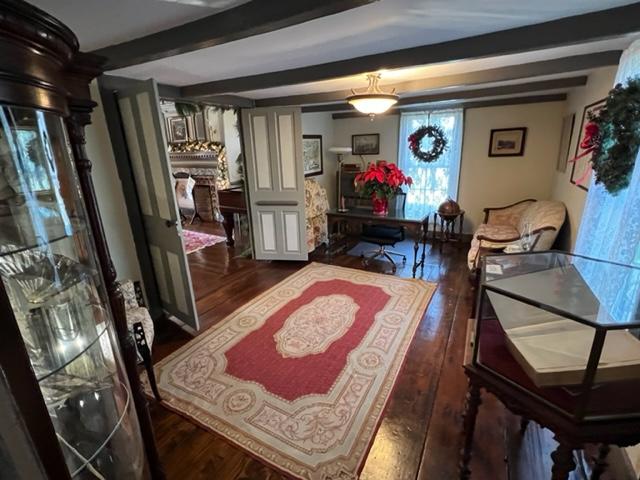
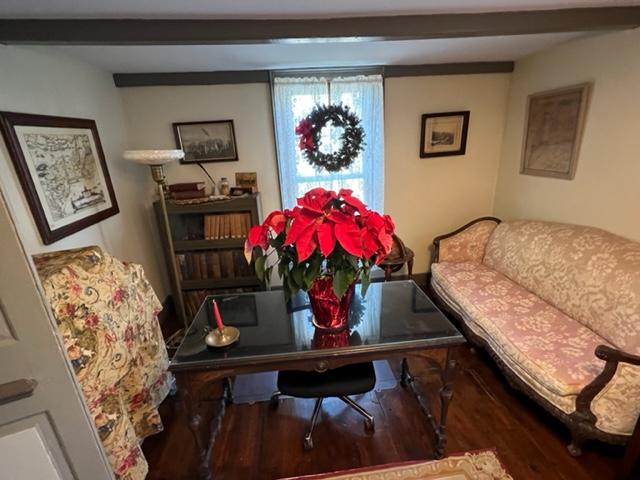
The Library was set with flowers and wreaths and made for a very welcoming environment. This would have been a quiet place on Christmas morning for the family with festivities all through the house.
The Library was simple decorated and elegant
The comfortable Library
Even so, the house was beautifully set with garland all over the mantels and doorways and the Dining Room was set for a formal Christmas lunch which would have been eaten after church. The concept of gift giving on the holidays also did not come about until the Victorian era as well. Still Christmas lunch had been part of the holiday tradition for years.
The Dining Room was set for an elegant Victorian Christmas lunch
Victorian china adorns the festive Christmas dinner table
The mantel in the Dining Room was adorned with garland and oranges which gave the room a wonderful fragrance of pine and citrus
The family portrait in the Dining Room got special attention
Mesier Homestead decorated for the Christmas holiday season
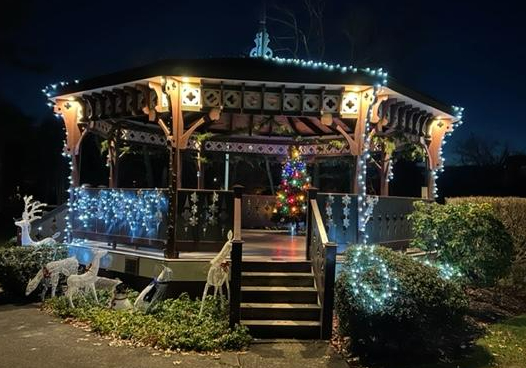
The Wappinger’s Falls Christmas tree is just outside the house
The bandstand outside the house was decorated to the hilt.
The History of the house:
The house itself is part of the ‘Rombout Patent’ of land that had been bought by the Dutch from the local Indian tribes by three prominent Dutch families. This section of the property was bought by Nicholas and Adolphus Brewer and contained 750 acres of land around the Falls area, and they built the first stone house in the village near present Mill Street. In 1742, the Brewers built a mill on the east side of Wappinger Creek.
Nicholas Brewer built the Mesier Homestead in 1741, which he sold in 1777 to Matthew Van Benschoten who in turn sold it to Peter Mesier, a merchant from New York City. In May 1777, soldiers and local residents attacked Peter Meiser’s house in Wappinger’s Falls, disputing the price of tea for sale in a small store inside the home. Mesier was a merchant from New York City and a Loyalist. The angry mob struck Mesier, beat his slaves and drank wine stored in the cellar. They also took the tea and left a small amount of money behind. The house was in the possession of the family for the next four generations (Wiki).
The organization’s goal for 2020 and beyond is to restore the original 1741 building so it can be a showcase of our Colonial history. Your membership, gifts and in-kind donations will help us maintain and restore this jewel of Wappinger’s Falls.
The Wappingers Historical Society Native American Collection:
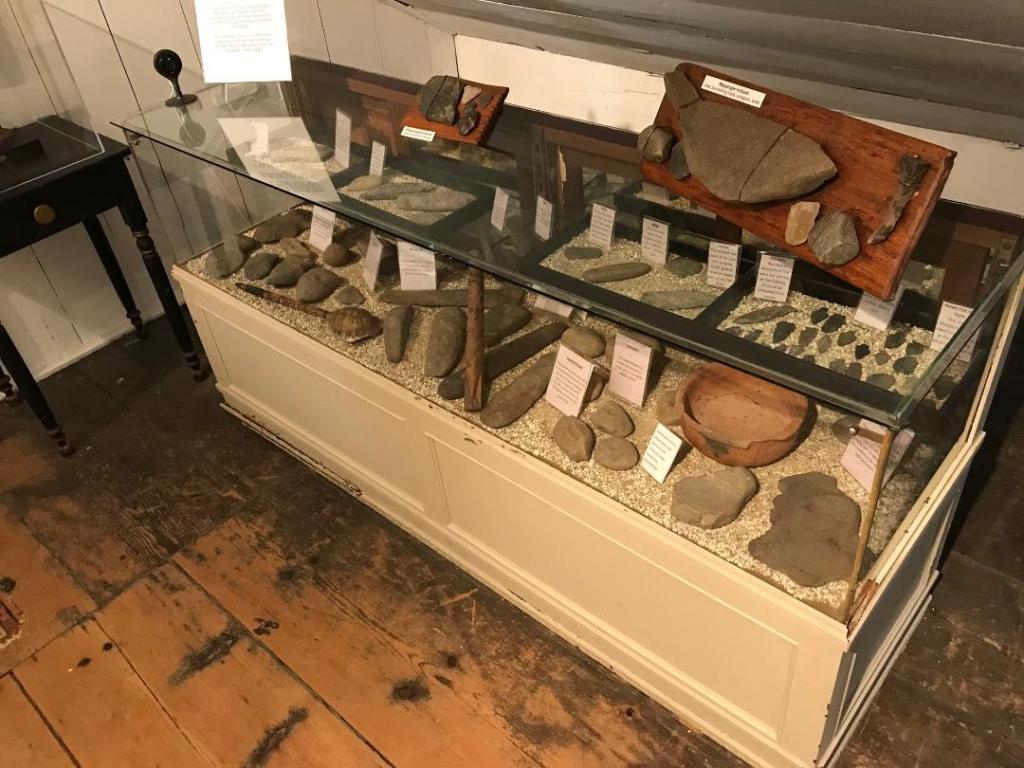
The Wappingers Historical Society is the curator of an extensive collection of Native American artifacts, many of which stem from the Stoneco/Clinton Point and Bowdoin Park area in the vicinity of the Town of Wappinger. This collection of artifacts was once considered to be the largest private collection in New York State.
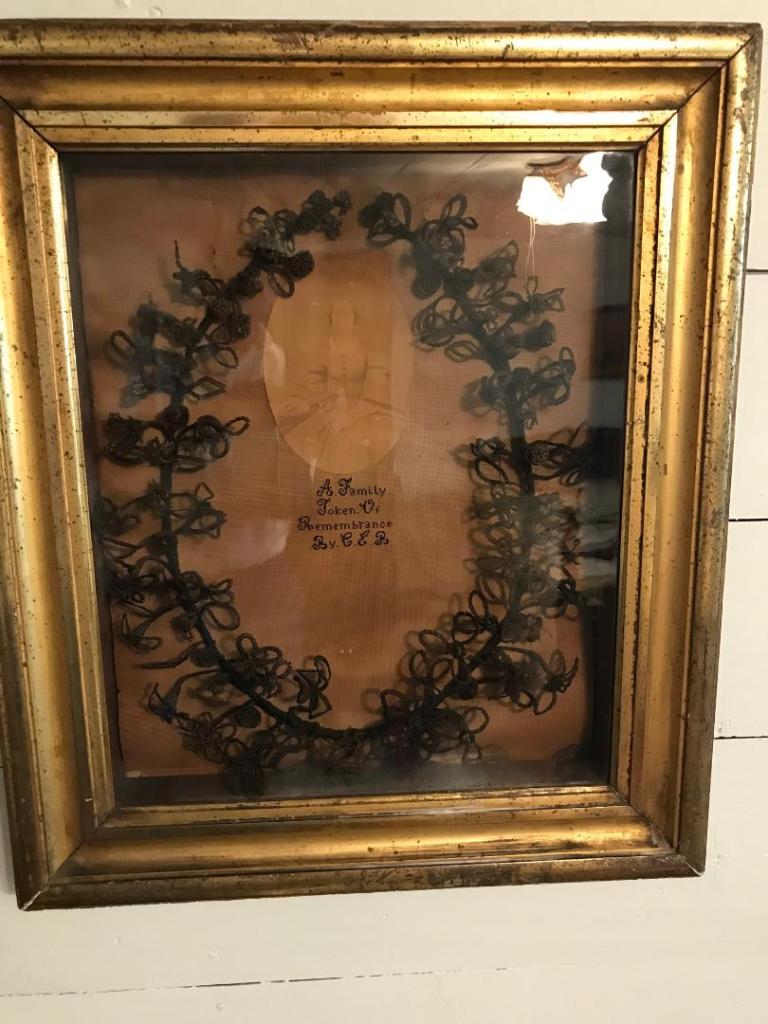
Victorian Hair art of the dead
It consists of over 2000 objects, many of which are projectile points (arrowheads and spear points). Some of these have been found to date back 8,500 years. Also included are tools such as scrapers, knives, axes and hatchets. A small portion of approximately 100 pieces of the collection is on display at the Mesier Homestead and can be seen as part of our guided tours.
The Native American collection is extensive at the Meiser House
The Mission of the Wappinger’s Falls Historical Society:
The Wappinger’s Historical is dedicated to preserving and promoting the history of the Town of Wappinger, the Village of Wappinger’s Falls and neighboring communities and to maintain the custodianship of the Mesier Homestead.
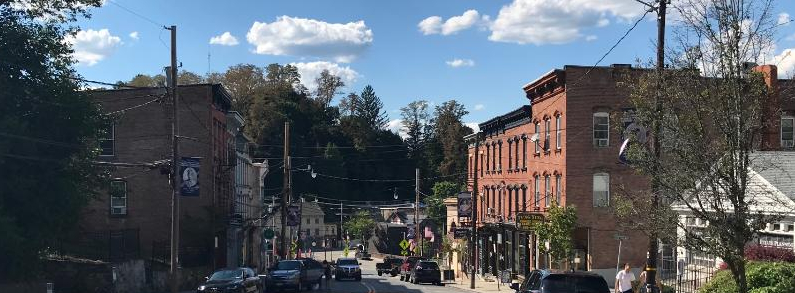
The beauty of Downtown Wappinger’s Falls, NY
When you are a member of the Wappinger’s Historical Society, you help:
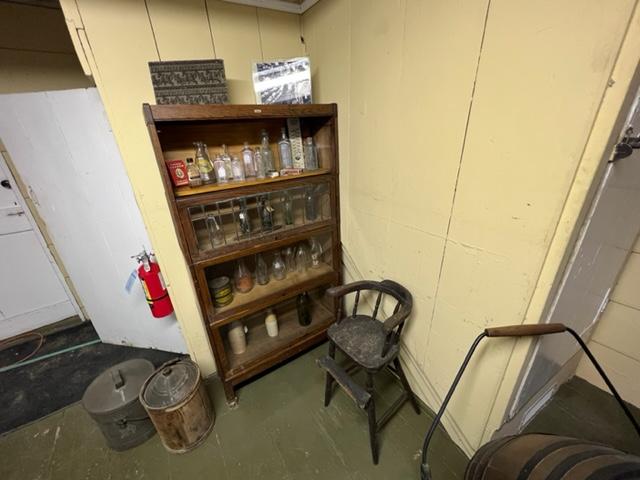
Storage area of the house
*Preserve and expand our archives, collections and library to actively chronicle the life of our hamlets, village and town for future generations.
*Develop and implement programs and exhibits so that people of all ages can better understand their connection to history.
*Safeguard our architectural heritage of the 1741 Mesier Homestead.
(This information was taken from the Wappinger’s Falls pamphlet, and I give them full credit for it)
The Mesier Homestead in the summer months
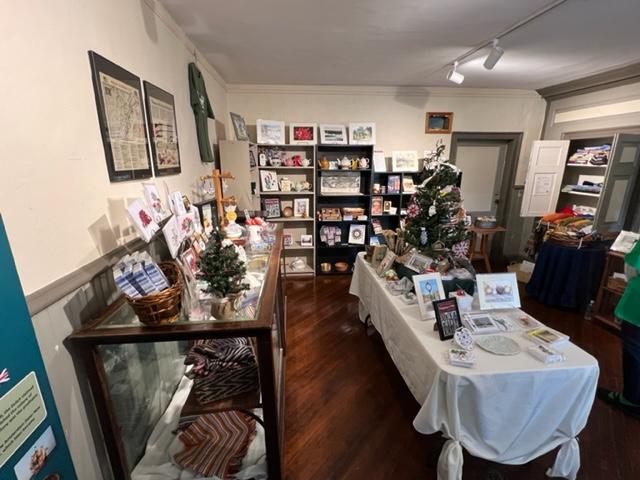
Their wonderful gift shop that should not be missed

























 Visiting a Museum: The Unique, Unusual, Obscure and Historical