

The Pascack Historical Society Museum (John C. Storms Museum)
19 Ridge Avenue
Park Ridge, NJ 07656
Phone: (201) 573-0307
Open on Sundays from 1:00pm-4:00pm; Admission is Free. Gift Shop hours are when the museum is open. (Holiday Excepted).
http://www.pascackhistoricalsociety.org
http://www.facebook.com/pascackhistoricalsociety
TripAdvisor Review:
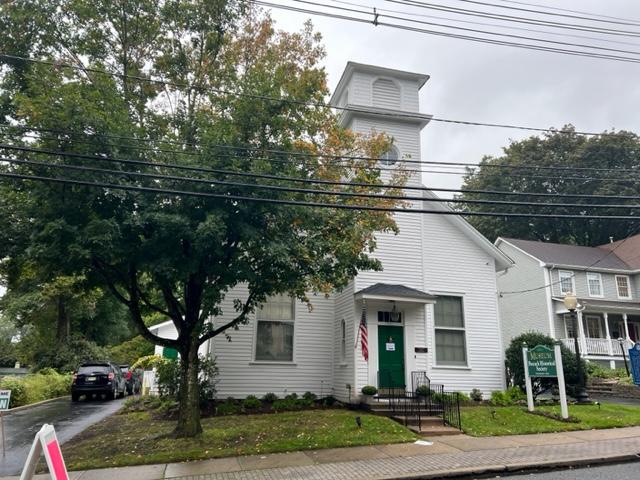
The Pascack Valley Historical Society is now celebrating their 75th Anniversary.
The Pascack Historical Society Museum (John C. Storms Museum), headquarters of the award-winning Pascack Historical Society, is located in the 1873 church building that was dedicated by the Reverend Henry Ward Beecher. The building and all the exhibitions have gone through an extensive renovation and have been reinstalled with more signage and information. Please check out their new displays.

The sign that greets you in the front of the building.

The Historical Marker in front of the building.

As you enter the building, you are welcomed to a comfortable spot.
The extensive exhibits include a general store, colonial kitchen, a Victorian Living Room, dolls, clothing and other displays of American life in the Pascack Valley. The front gallery as you enter serves as a classroom and lecture hall for the society. There you can see a variety of artifacts in the collection from china to guns and clothing.
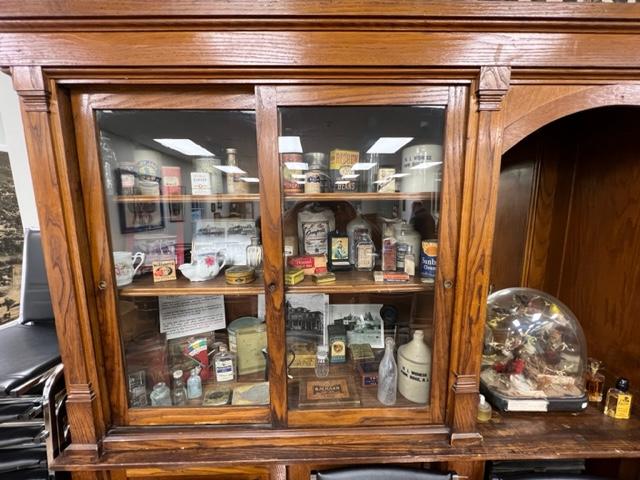
Artifacts in the front room.

Artifacts in the first gallery.

A collection of antique guns in the front gallery.
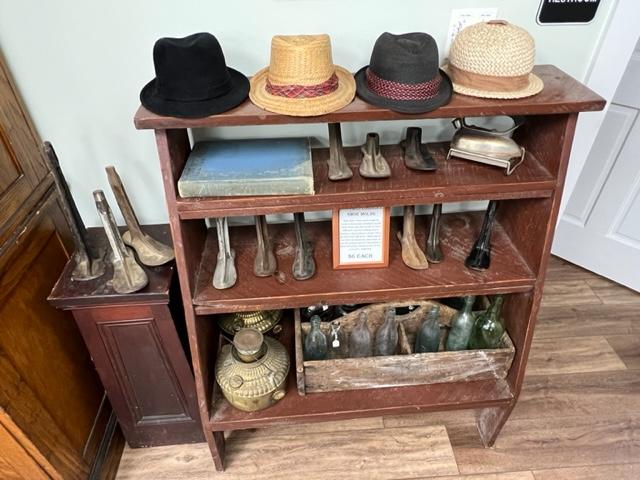
A selection of hats in the front gallery.
There is also a special exhibition that features the world’s only wampum drilling machine as well as a collection of early colonial currency.
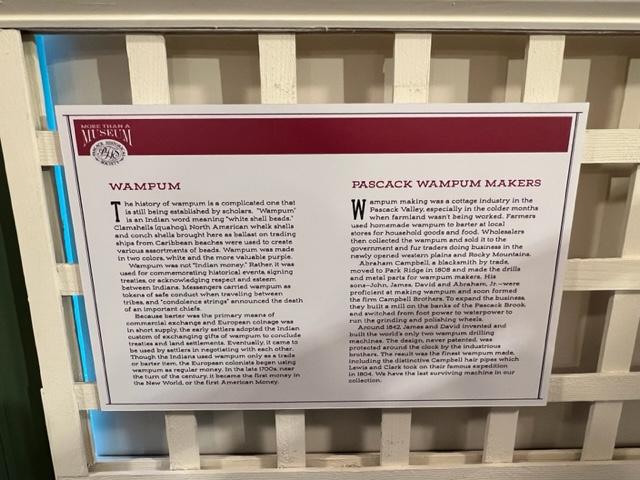
The Wampum Machine sign and how Wampum is made.
Their early Colonial Financial exhibits include an early wampum machine that the tour guide had said that it was the only one of its kind that made a type of rolled wampum from the inner section of a conch shell. Early New Jersey currency is well represented in the collection with several types of dollar bills at a time when states printed their own currency for its citizens. Really take a look at the early detail work of these bills.
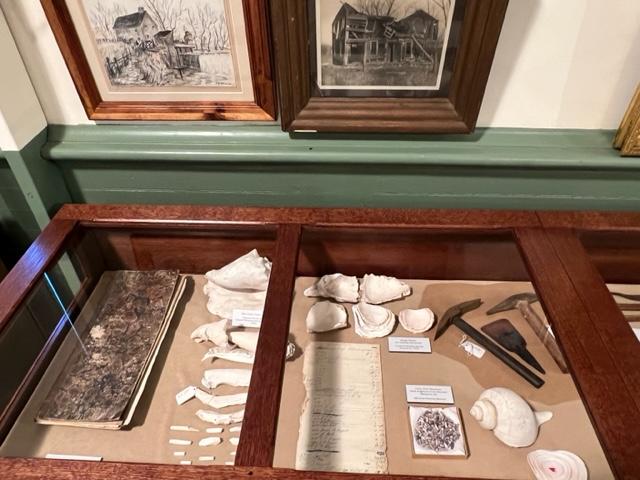
The Wampum display of shells and tools.
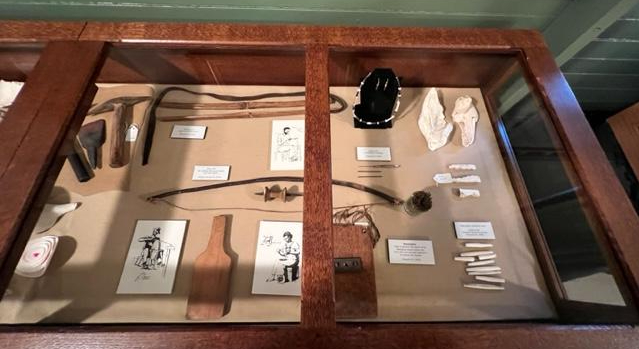
The uses of Wampum and how it is made.

The oldest working Wampum machine in the world.
The Van Ripper General Store exhibition features many types of early Colonial artifacts that include weights and measures, food items found in an early grocery store, turn of the last century bottles and many types of appliances for cooking. Several treasures are tucked here and there to create the mood of shopping at the turn of the last century in Bergen County. There are classic groceries, weights and measures to weight groceries and several artifacts from the Van Ripper and Stockdale Farms which used to be located in the area.

The General Store sign

The General Store display.
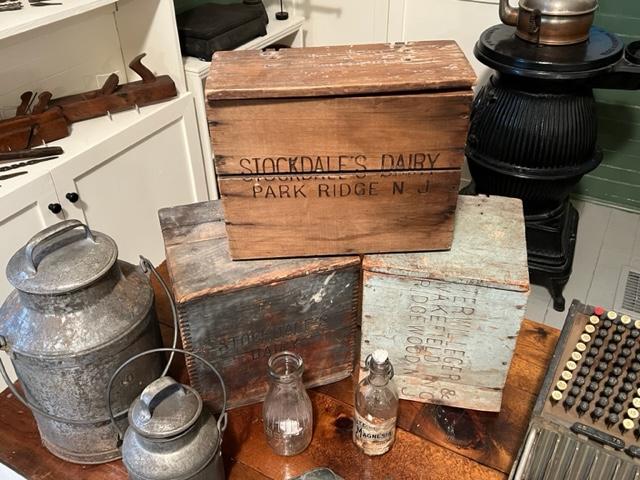
Stockdale’s Dairy Farm was a popular farm in Park Ridge before the 1960’s.

Tools need on the farm and in the home.

The Tool display at the General Store.
The Toy Collection is extensive and covers several time periods. They have a interesting collection of dolls over the ages that include cloth and china dolls that would cater to children from different economic status. There are also games, wooden and metal pull toys and hobby toys such as marbles and jacks.
The Early Dutch Farmhouse Kitchen & Dining Room features one of the first beds that has no mattress but constructed by a series of ropes that are tightened. The tour guide explained that this might be where the expression “Sleep tight and don’t let the bed bugs bite” might have come from as the ropes needed to be tightened each evening before the family went to bed.

Early Dutch life sign.
The exhibit also had early furniture hatches, chamber pots, a butter churner, various chairs that were manufactured in the area and several detailed decorative pieces.
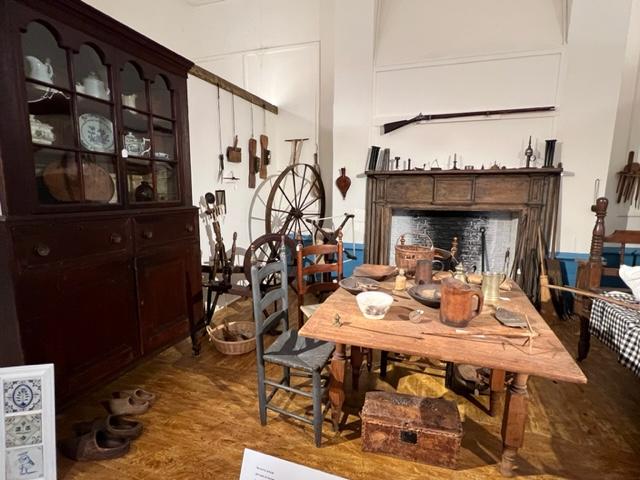
The Early Dutch Kitchen and Living Space
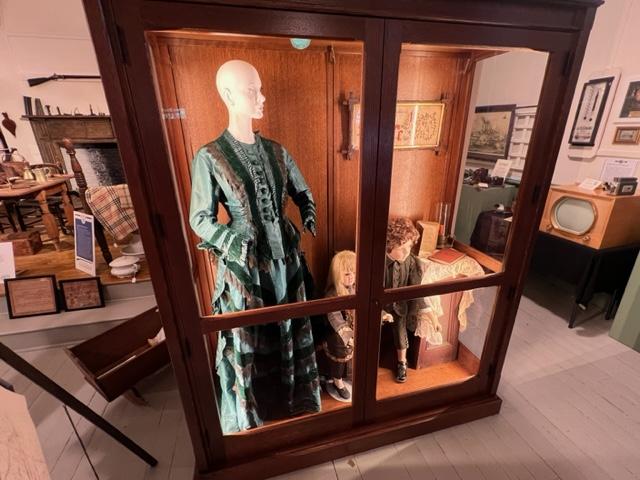
The Victorian Dress of the church visitation.
The Victorian Living Room features many plush pieces of furniture, decorative knick-knacks that used to dominate the décor and a graceful piano with mother of pearl keys and decorative carved sides. This model was one of maybe a hundred made for a very elite client. The display also featured one of the early record players that still works.

The ‘Victorian Afternoon’ exhibition in 2024:

The sign for the Victorian home:

The ideal Victorian Home ‘Parlor’
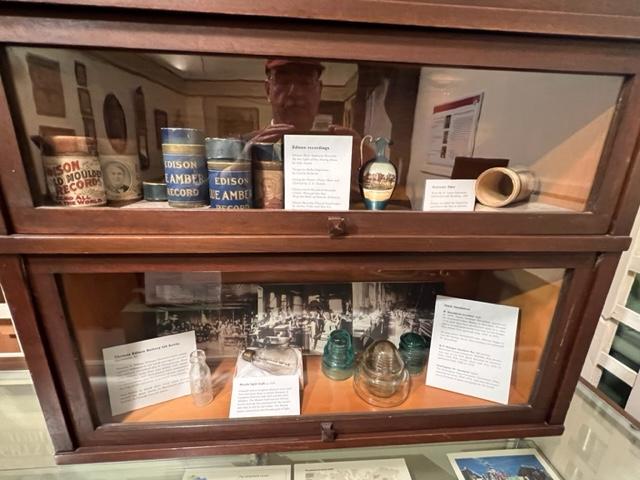
Early Edison products
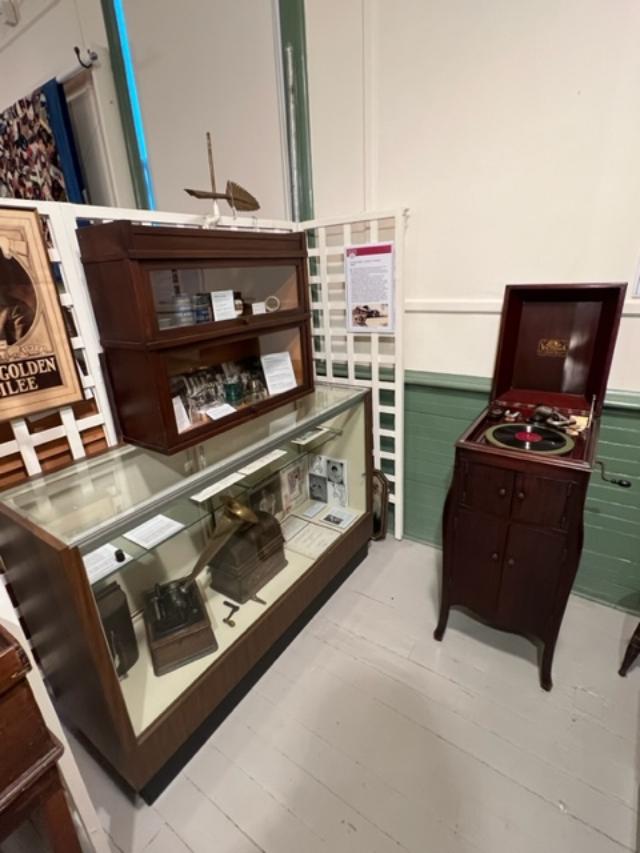
Early Edison recording equipment was not just musical but decorative.
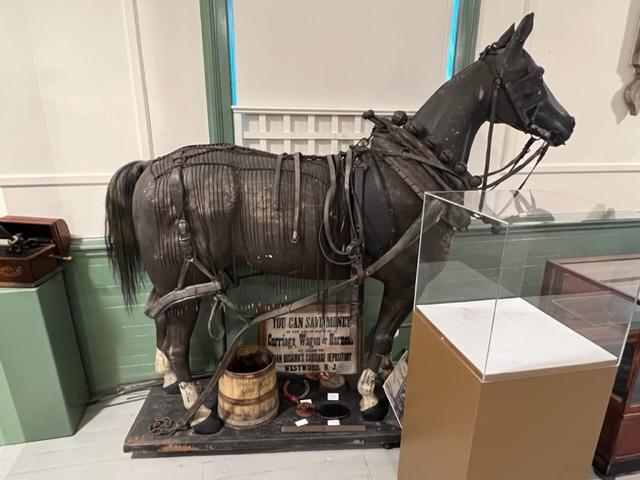
The horse display.
The new exhibition 2025: ‘Collignon Chairs’
The exhibition is on the Collignon Chair factory of River Vale, NJ and the selection of chairs that the factory once manufactured.
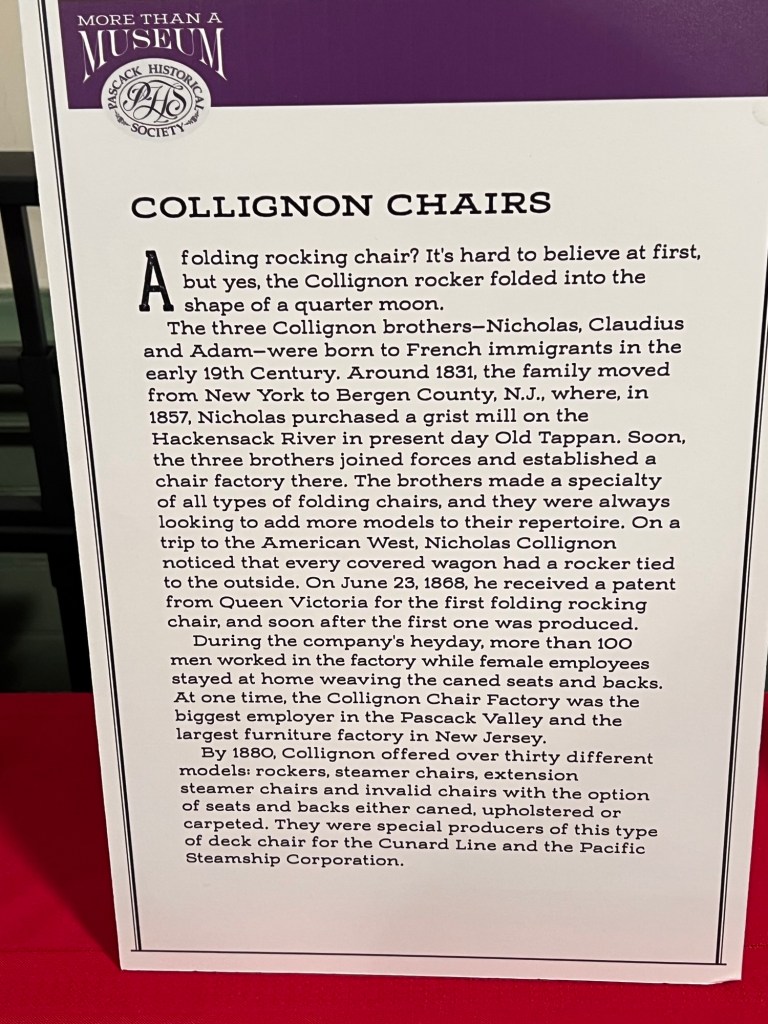
The sign from the exhibition
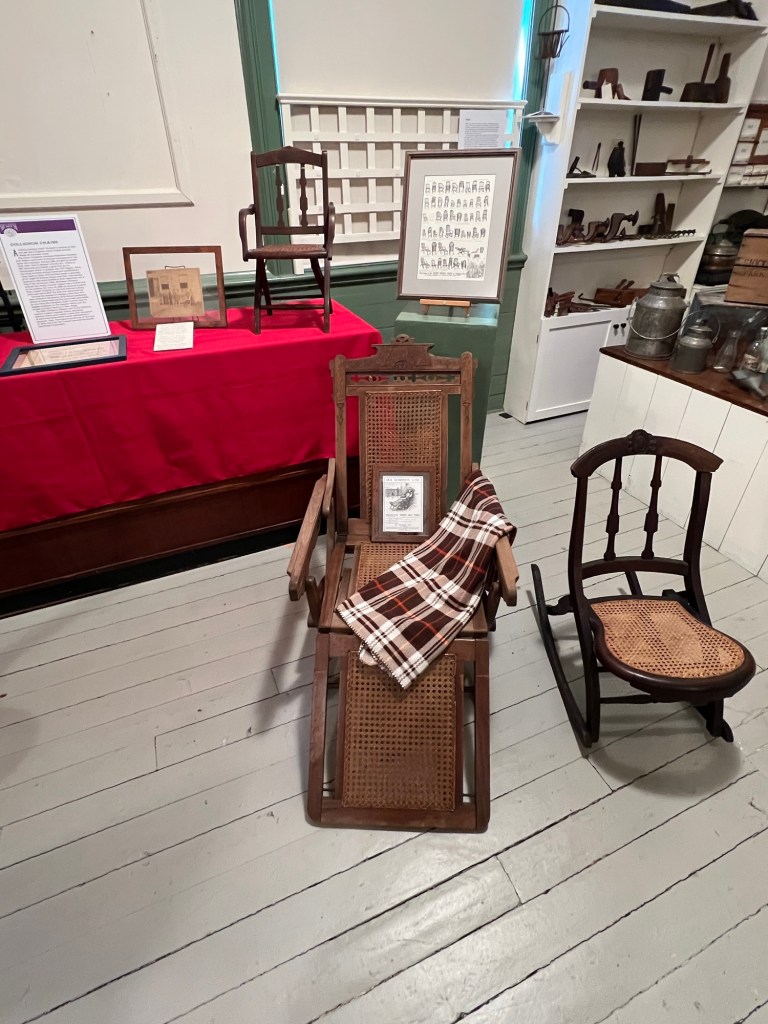
Some of the collection of Collignon chairs on display including the popular deck chair used on streamlines.

The popular folding rocker from the collection
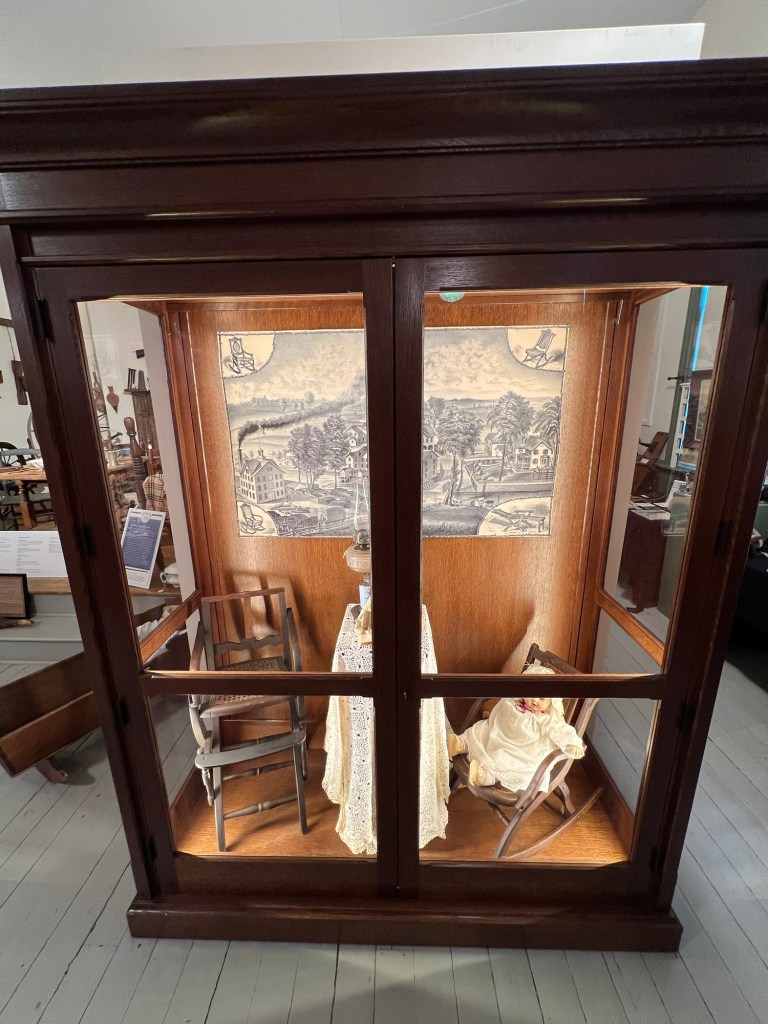
The display of chairs and a drawing of the old factory
Off to the side, there is an early sleigh and horse display, an exhibit of typewriters and carbon paper as I found out the area was once the leading manufacturer for carbon paper and a complete workshop with tools from all eras.

Typewriter collection at the museum.
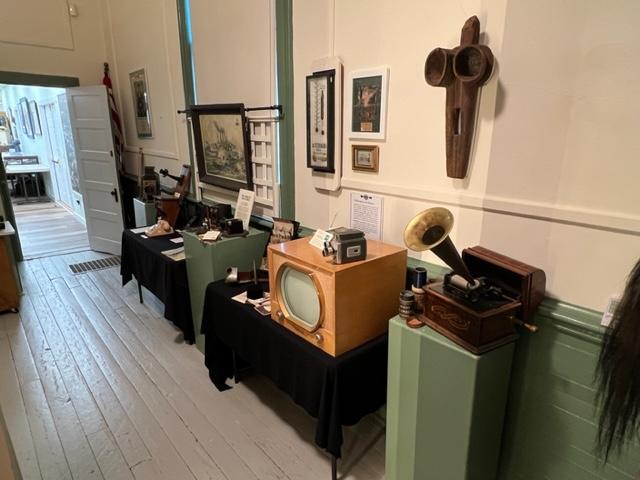
Early Electronics

The schoolhouse desk of the school master.
The workshop is a very detailed in its artifacts with early saws, hammers and items that even I could not figure out what they were.
In the main room, there are more cases of toys, Revolutionary items and Native American artifacts to explore.
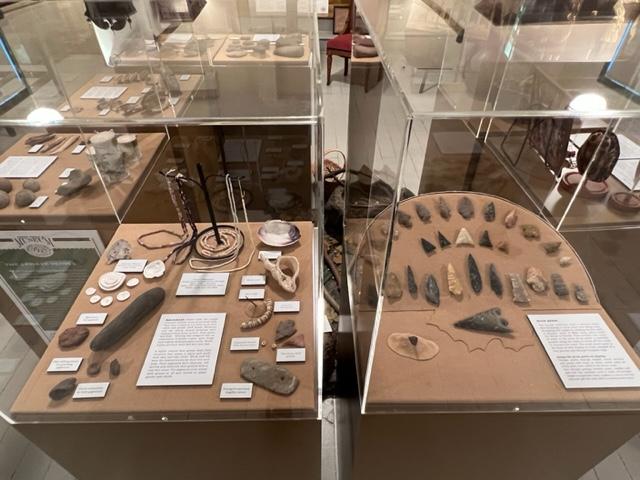
Native American Artifacts

The Lenape display
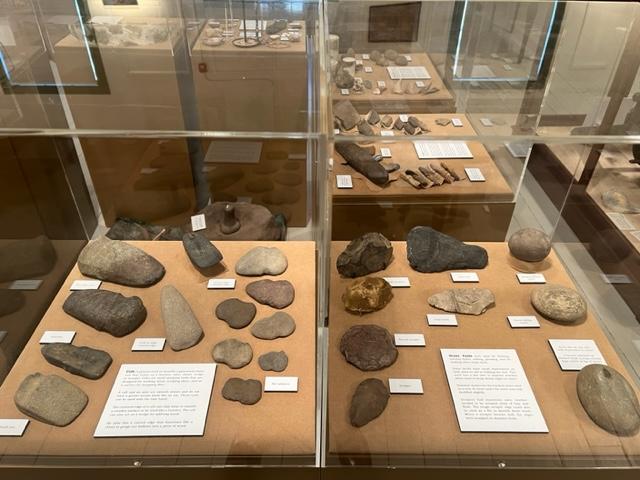
The Native American display.
A small gift shop is off to the side selling items donated by members.
Become a Friend: From the Friends of the Pascack Historical Society Museum pamphlet:
Pascack Historical Society Information and History:
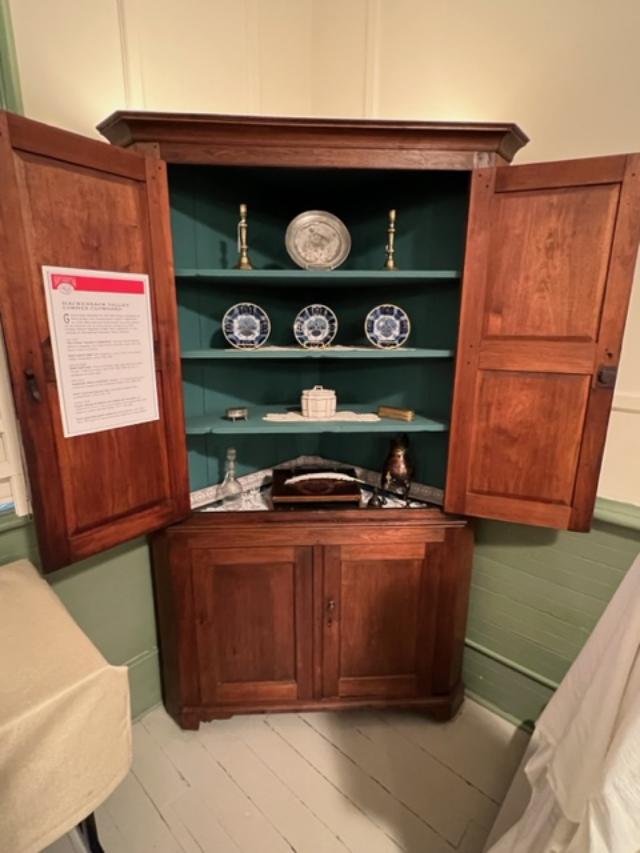
The Corner Cupboard of early American china.
(From their pamphlet):
Membership Benefits:
Become a member of the Pascack Historical Society, a 501C3 organization. Dues are modest and membership has its privileges!
- One year of free admission to the museum and most of its activities.
- A one year subscription to the Society’s award-winning quarterly newsletter, RELICS.
- 10% discount on museum gift shop items (Sale items and new books excluded).
- 50% discounts on programs for children and adults.
- You will receive Members Only advance notice mailings and emails about upcoming events and activities.
- Members only “behind the scenes tours” of the museum. (By Appointment Only).
- You will have the satisfaction of knowing you have joined the ranks of the area’s most passionate historical preservationists, who have a commitment to educate and enrich their neighbors’ lives-young and old.

The Military embellishments
In 2026, the museum was celebrating the ‘250th Anniversary’ of the Revolutionary War and had an exhibition of artifacts from the Pascack Valley.
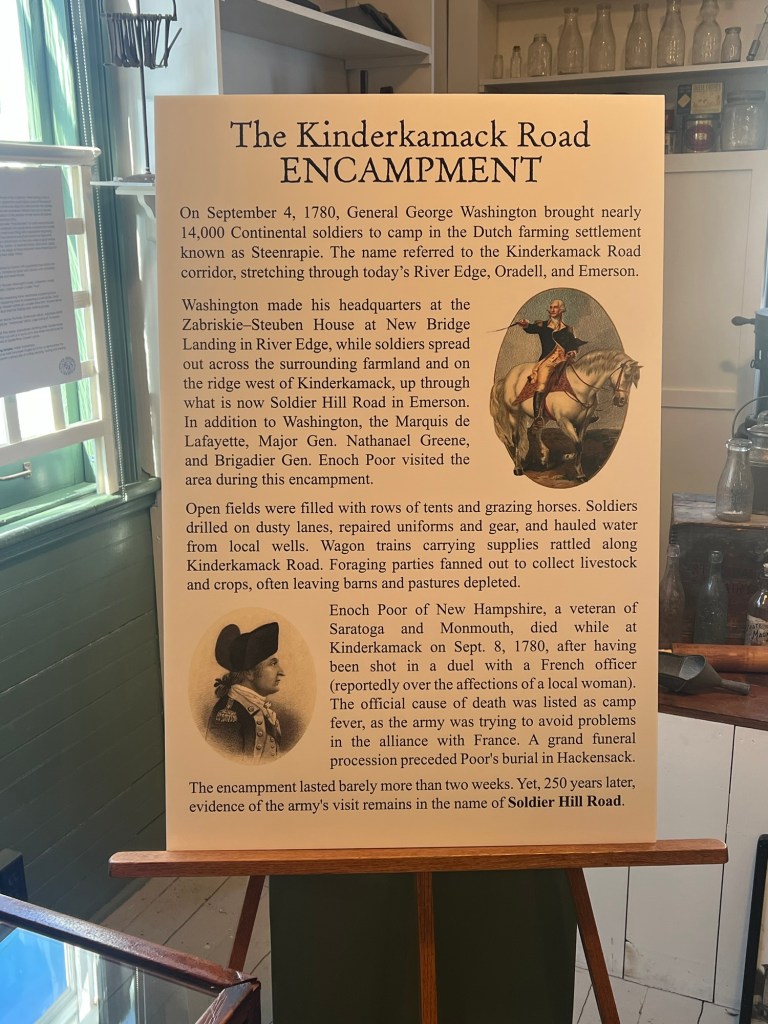
The ‘250th Anniversary’ of Revolutionary War
This included all the stops that General Washington made in Bergen County, battles and confrontations with British soldiers and family battles by members who were loyalists and patriots.
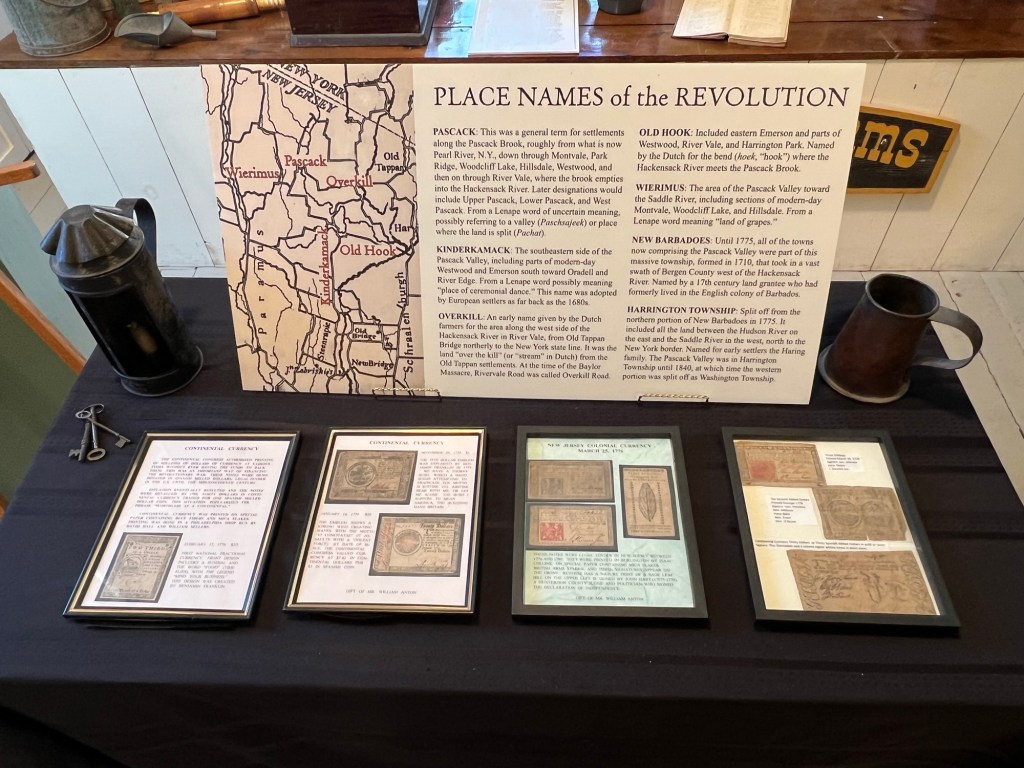
The currency of the war years
The exhibitions shows New Jersey’s contributions to the war effort. This part of the exhibition has Colonial currency from New Jersey.
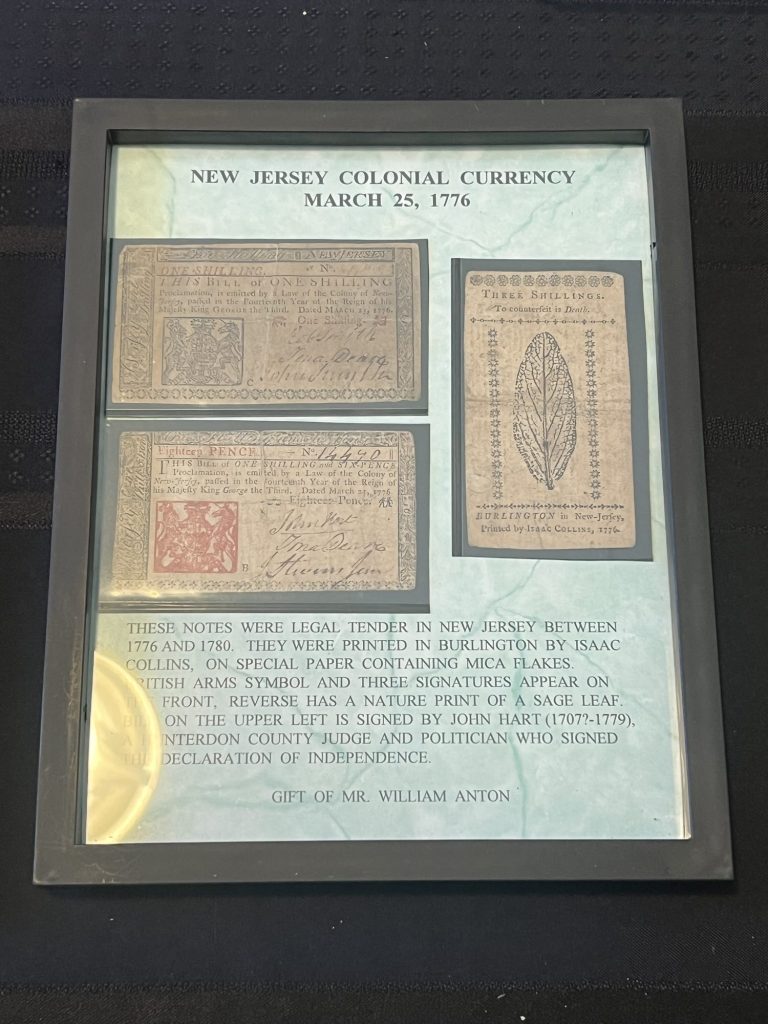
New Jersey Colonial Currency
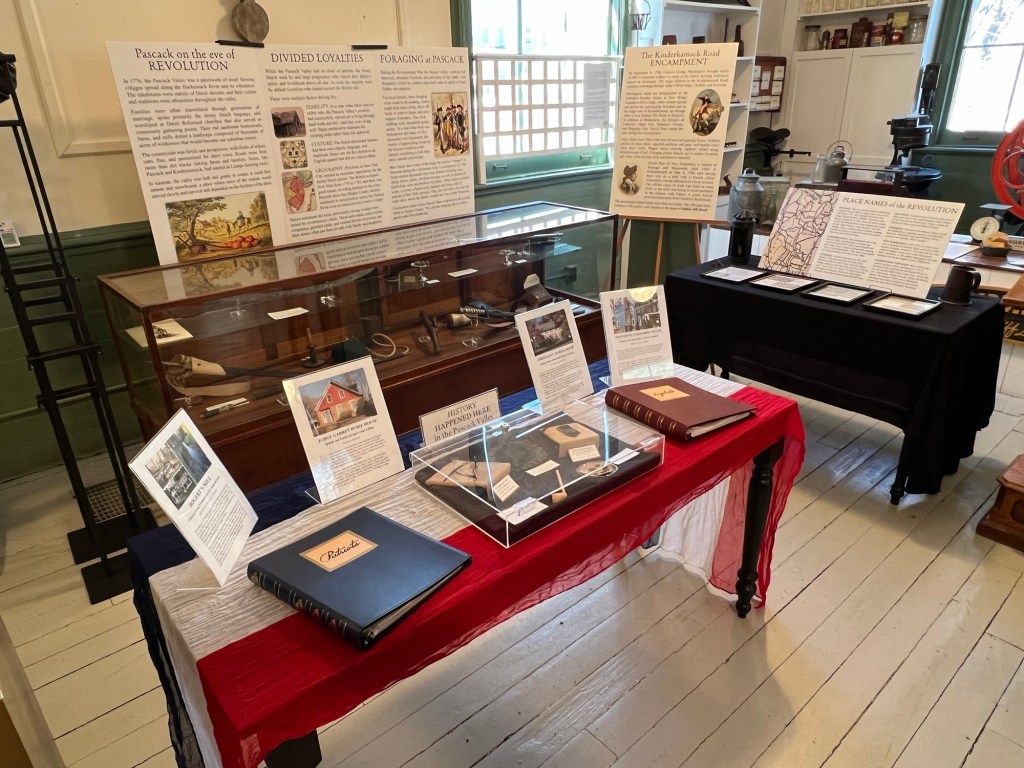
The full exhibition of the ‘250th Anniversary’ of the Revolution War
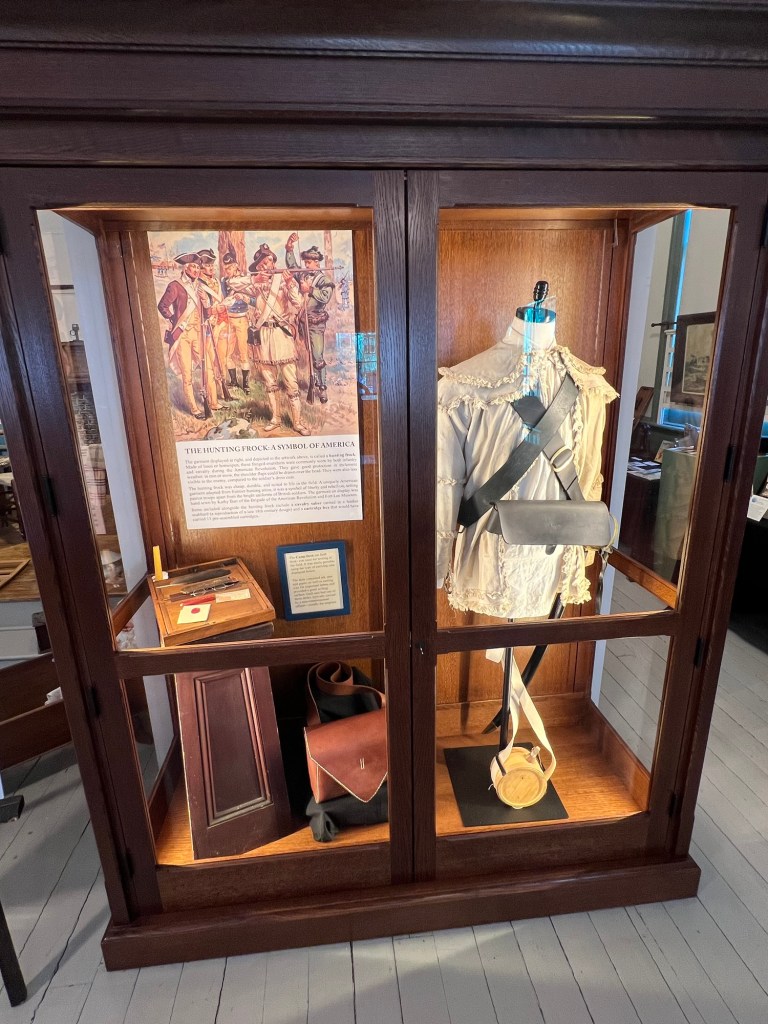
Uniforms and accessories of the War years
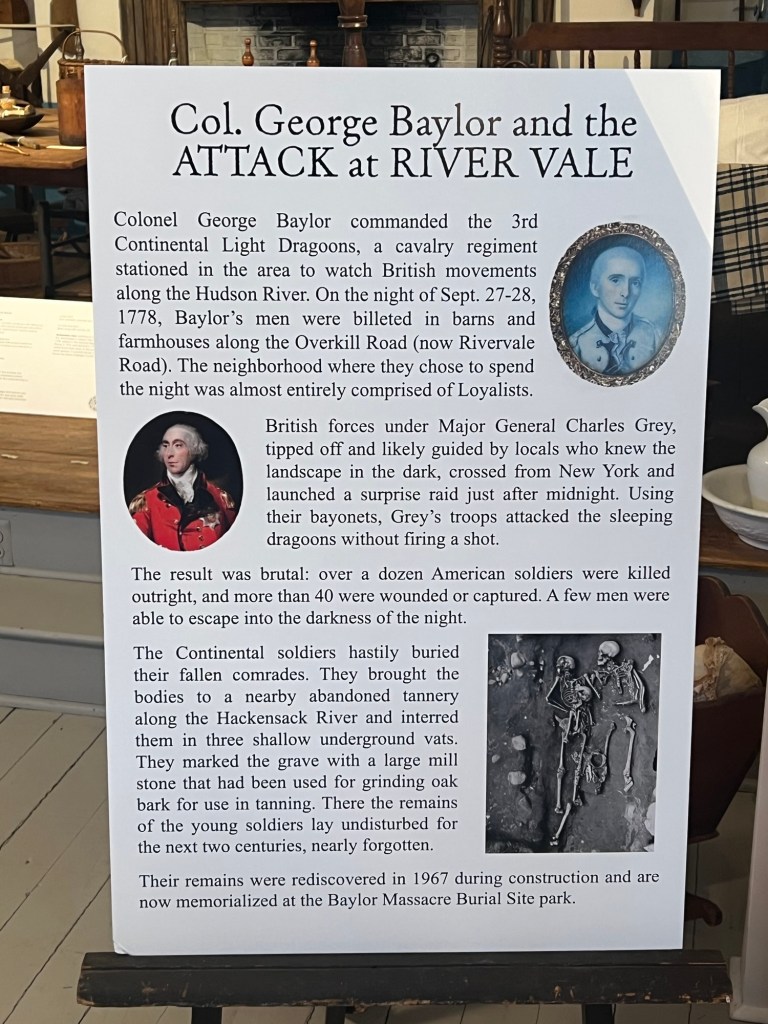
The Baylor Massacre attack
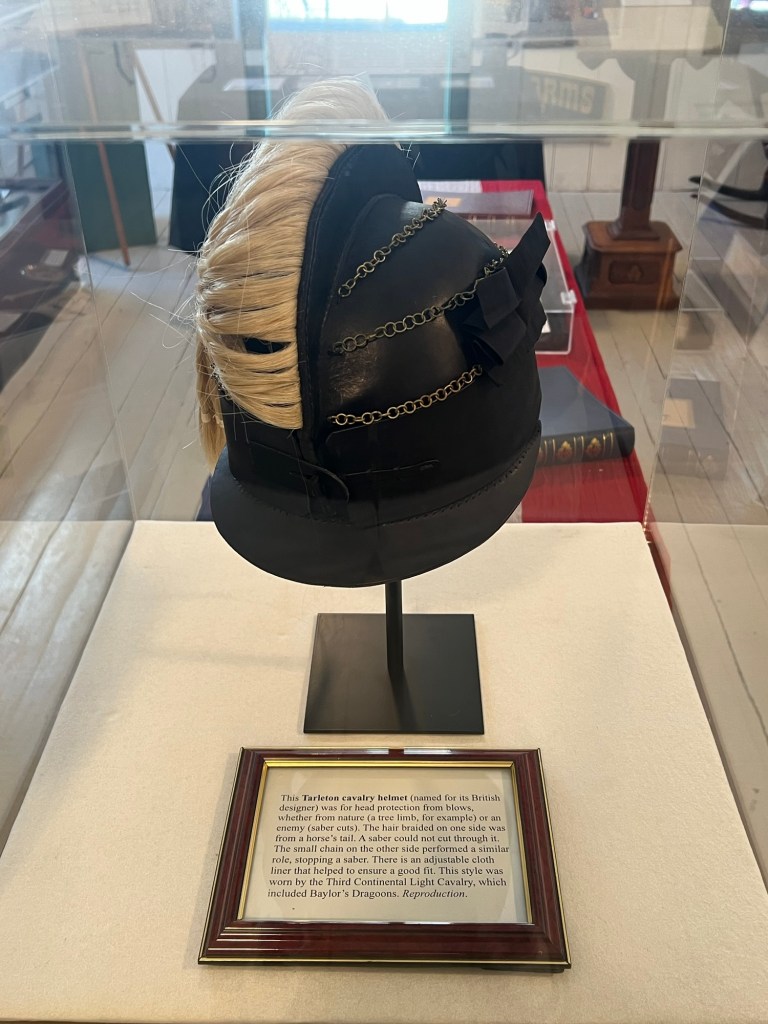
The Tarlatan Calvary helmet
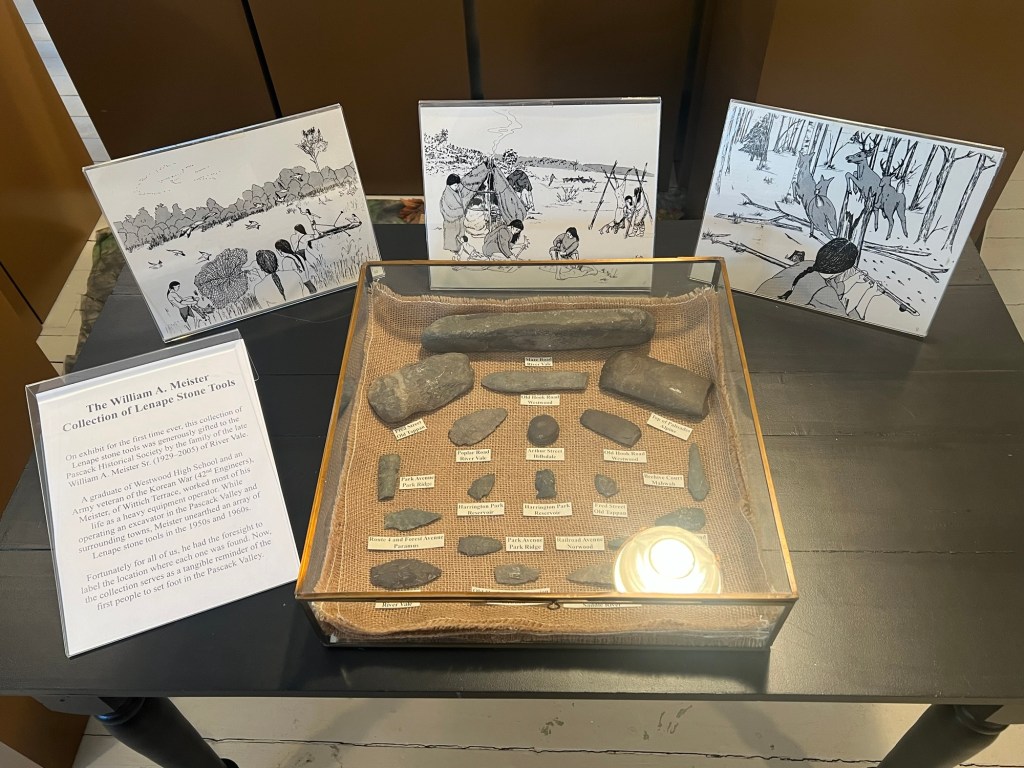
The Lenape artifacts from that era
Membership Opportunities:
Preserving and disseminating local history is a labor of love when you become a PHS member. It is a partnership between you and your fellow members. We encourage you to think about volunteering at some level at the museum or its events. Check out the volunteer opportunities below and give us a call if you would like to participate in any of them.
- Docent: Act as a guide when people visit the museum. A simple one-day training session is all it takes.
- Researcher: Do you like to wander through books and archives searching for answers to questions?
- Archivists: Preserve and catalog the history of the Pascack Valley.
- Educators: Work with youngsters and licensed teachers at Society events.
- Tech Savvy: Volunteer your time to help with our website or graphic design.
- Handy Helpers: Do you like to repair things? Can you sew, do carpentry? This might be for you.
*Disclaimer: Information on Volunteer and Membership opportunities are taken directly from the Pascack Historical Society Museum pamphlet. Most of the descriptions of the displays is what I was able to see in my short time visiting. The museum has a treasure trove of items to look at in detail.
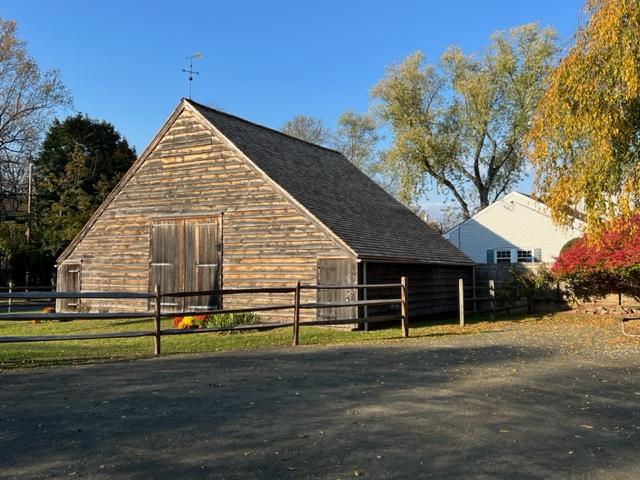
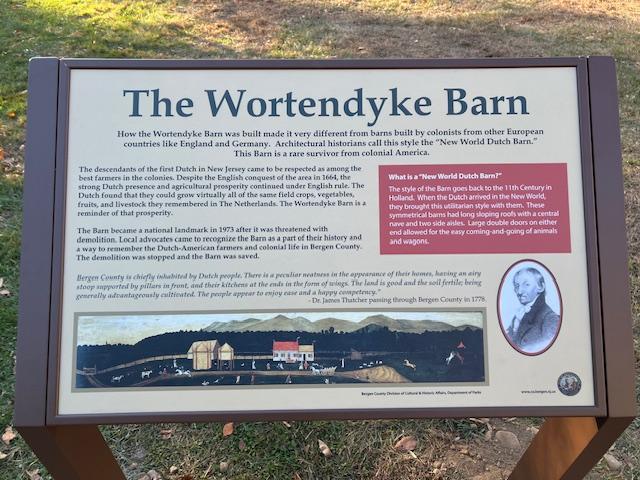
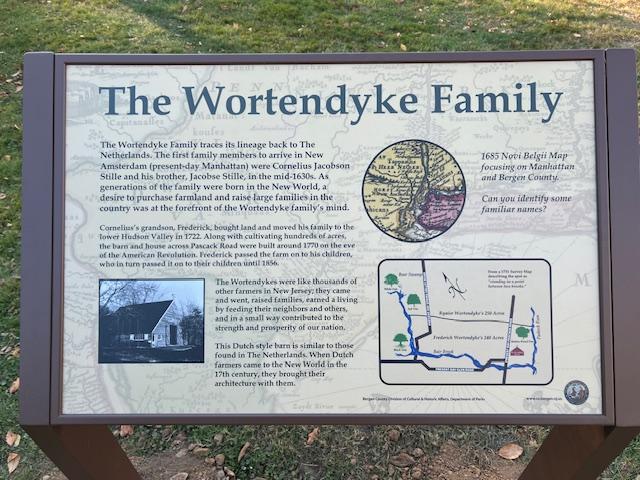
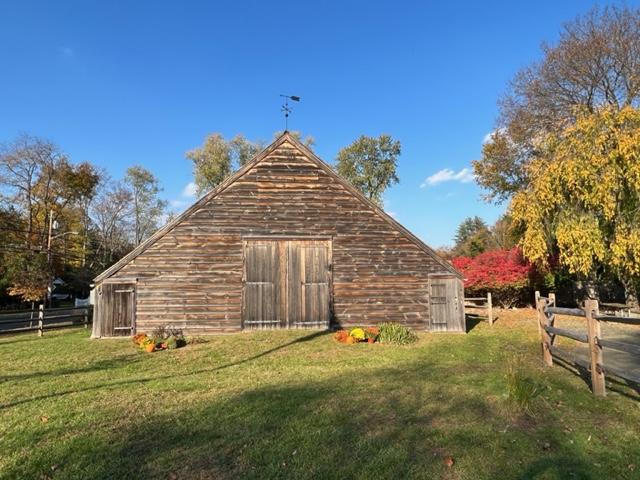
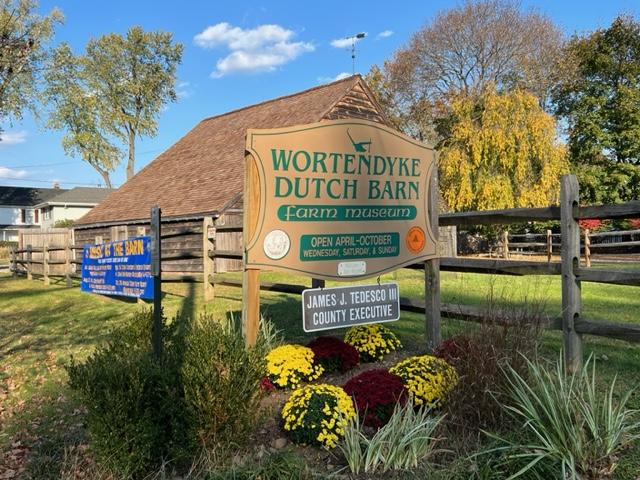
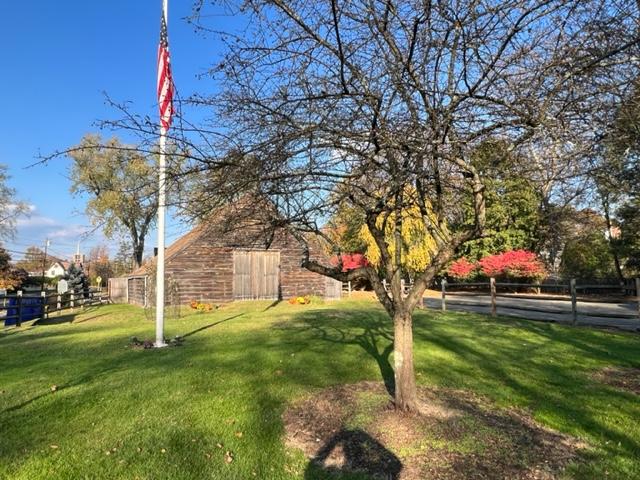
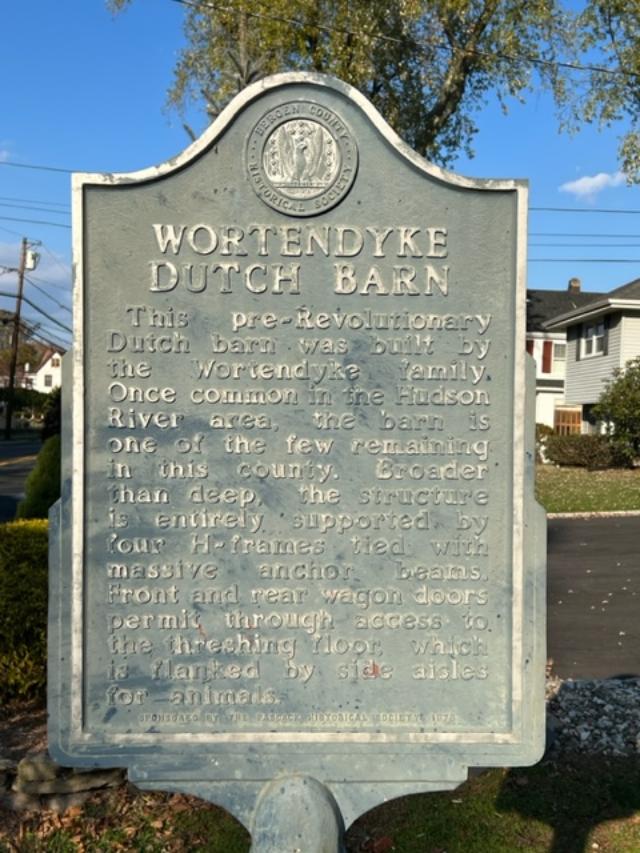
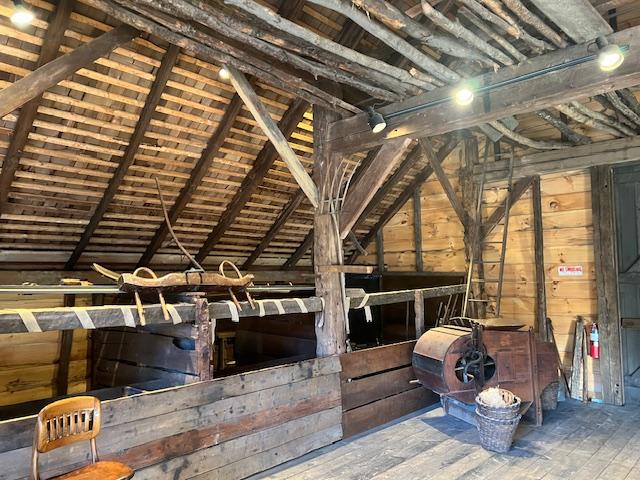
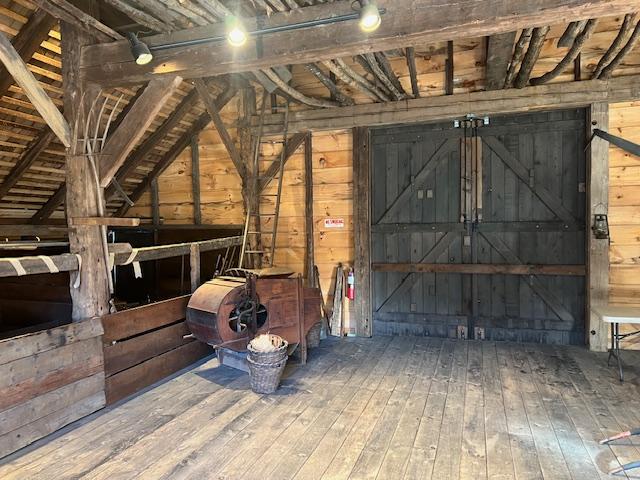
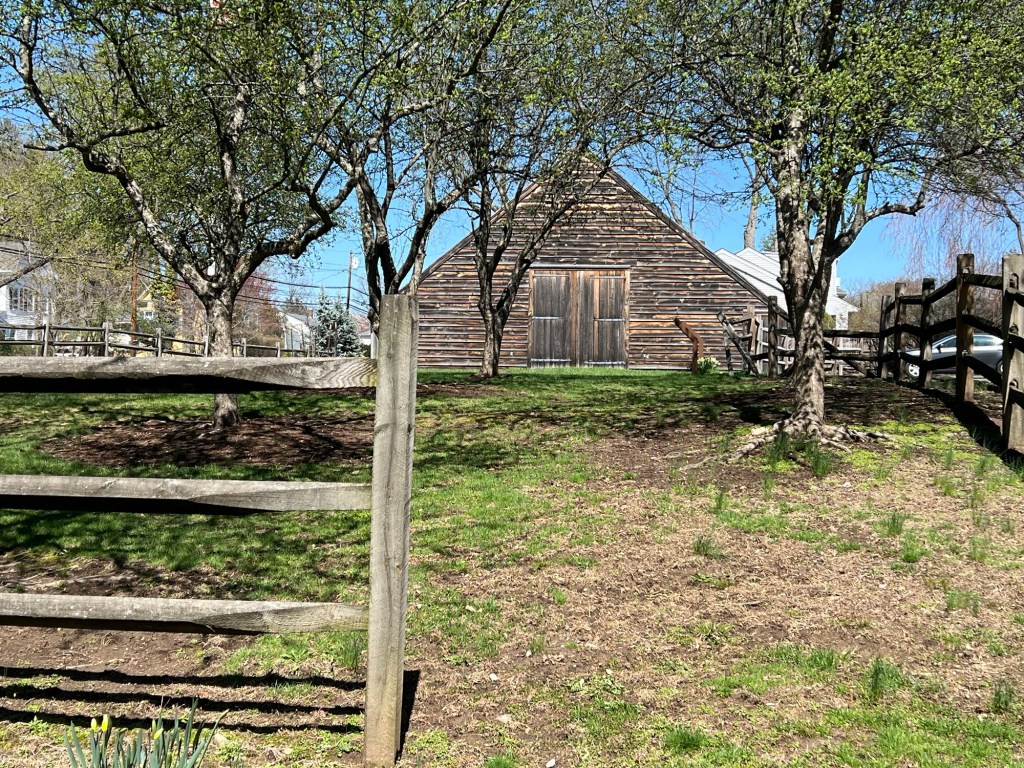
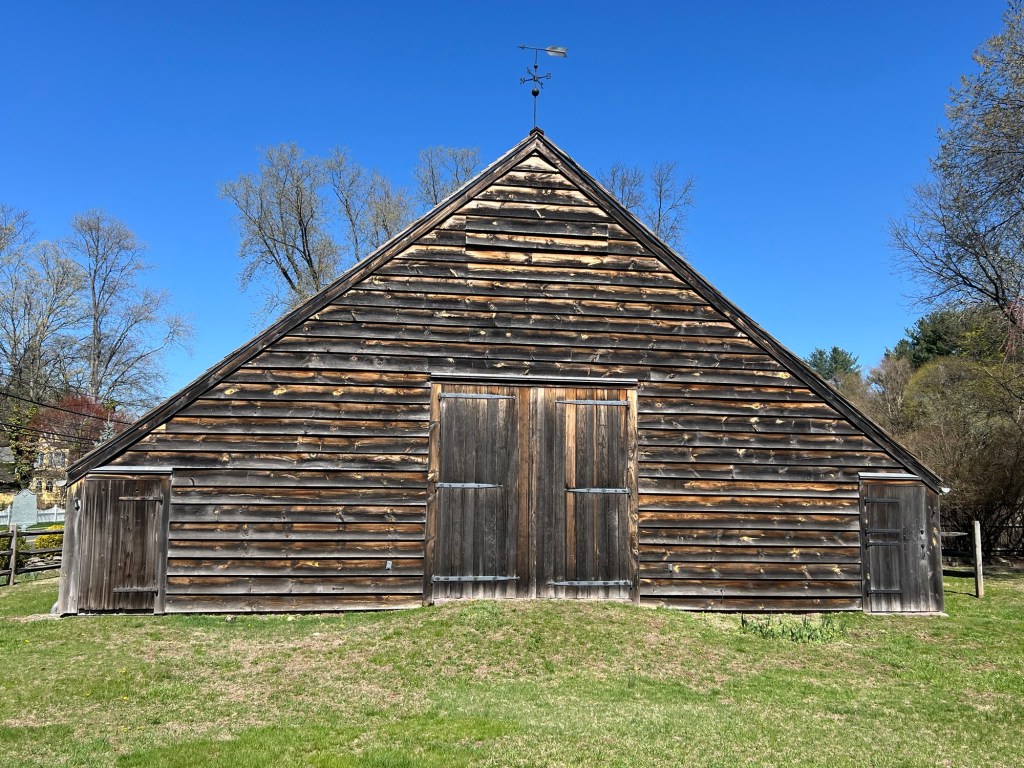
The Reformed Dutch Church with its Colonial cemetery and the Wortendyke Barn is right down the road so take a few hours to explore the area. The members of the Wortendyke family are buried in the church’s cemetery.
Visit from Bergen Community College for the Bergecco- Parc Consulting Inc. on April 9th, 2025: for the ‘Bergen 250’ project:
The project we created for the “Bergen 250: the 250th Anniversary of the Revolutionary War” that was created:
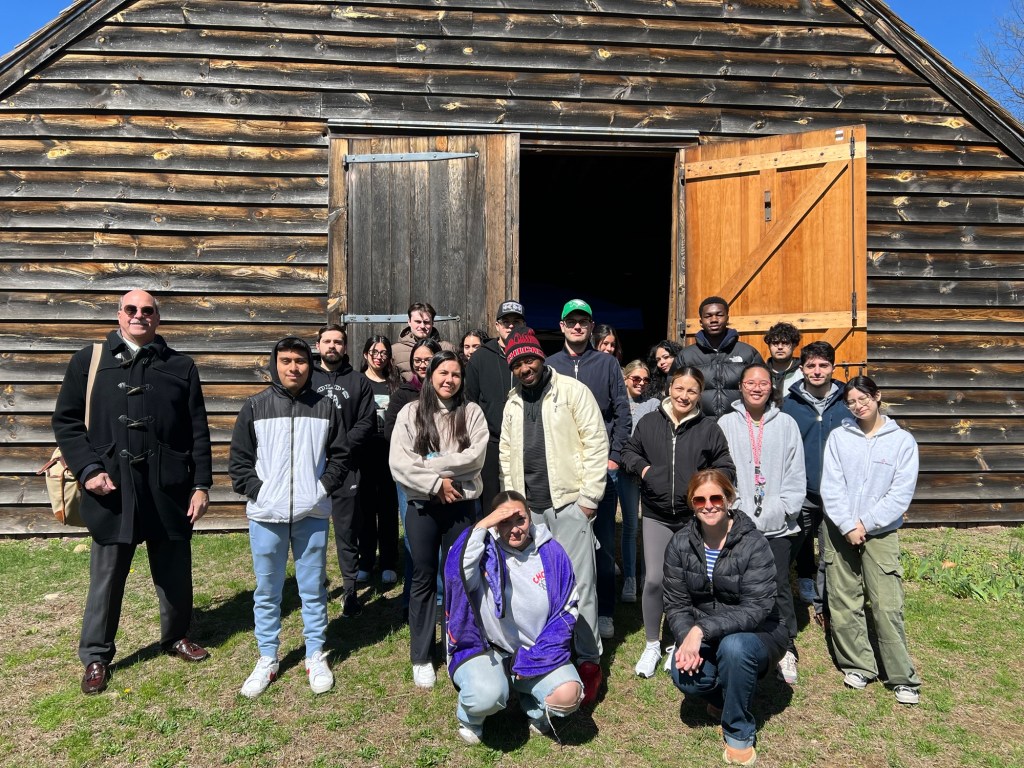
As part of my International Marketing class, I took my students to visit the three sites for our project on the ‘Bergen 250’:
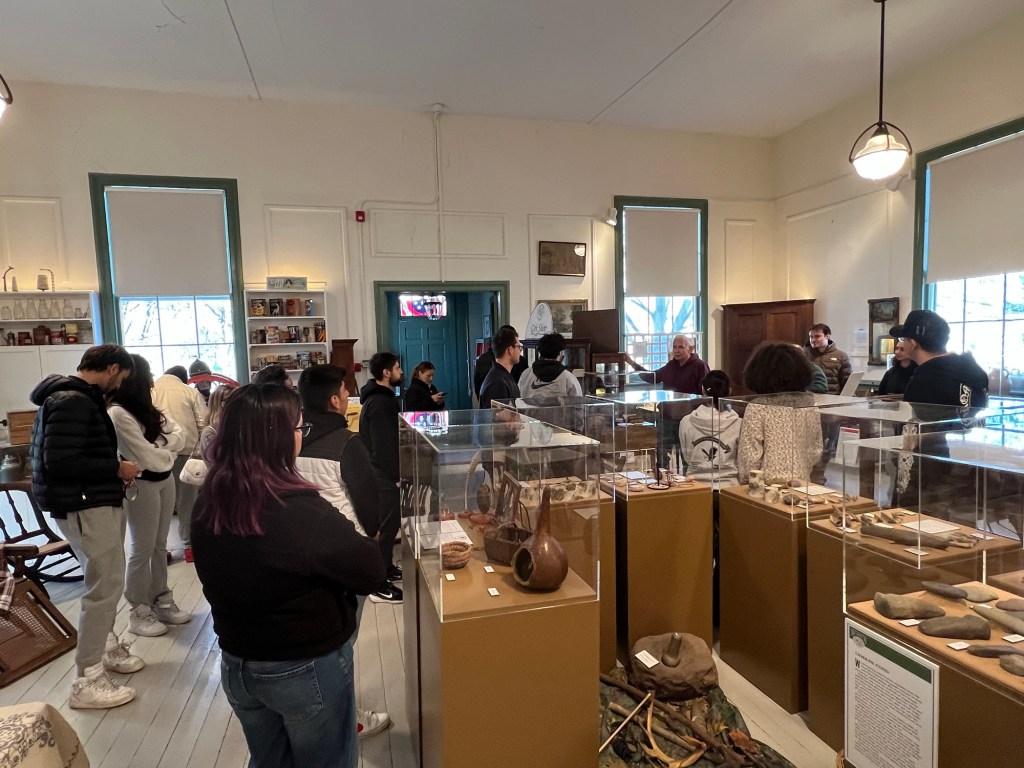
The students toured the museum with the assistance of the Museum’s Board members
As part of the assignment for our ‘Farm to Table Dinner’, the project starts here with a Cocktail Party and tour of the museum. The back room of the museum was where the party takes place and then the guests would tour the museum before heading to dinner at the Wortendyke Barn down the road.
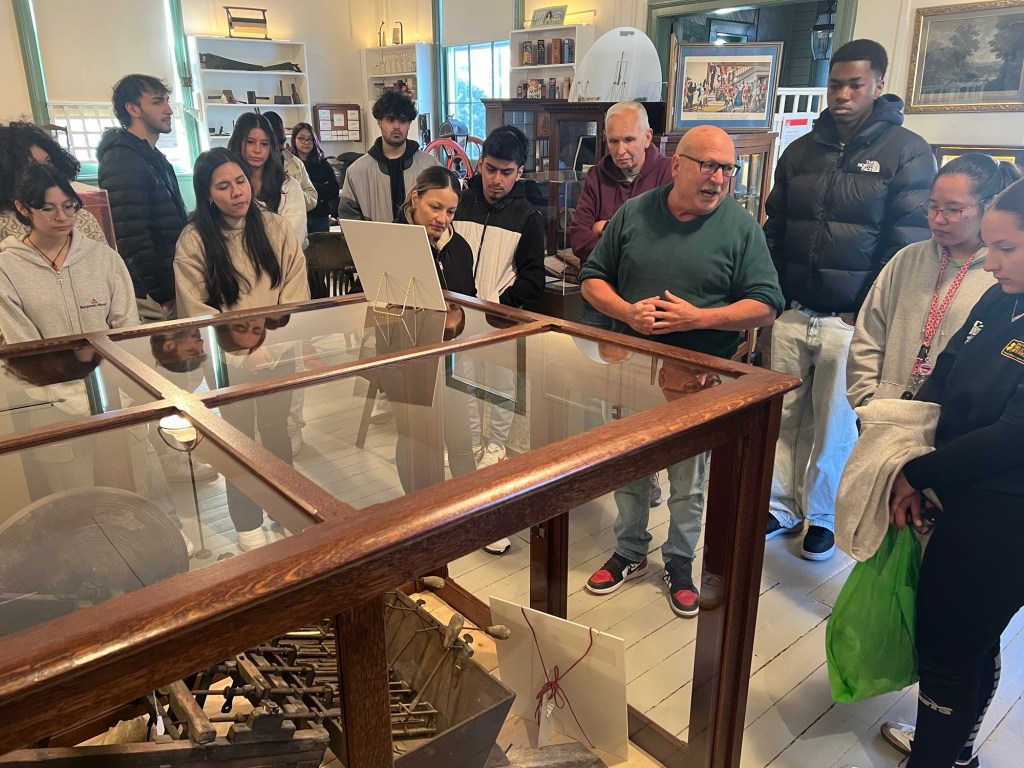
Peter Meany, the First Vice President of the Board explaining the Wampum machine to the students. This form of Native American currency is the only machine in the world like it and is a rare artifact.
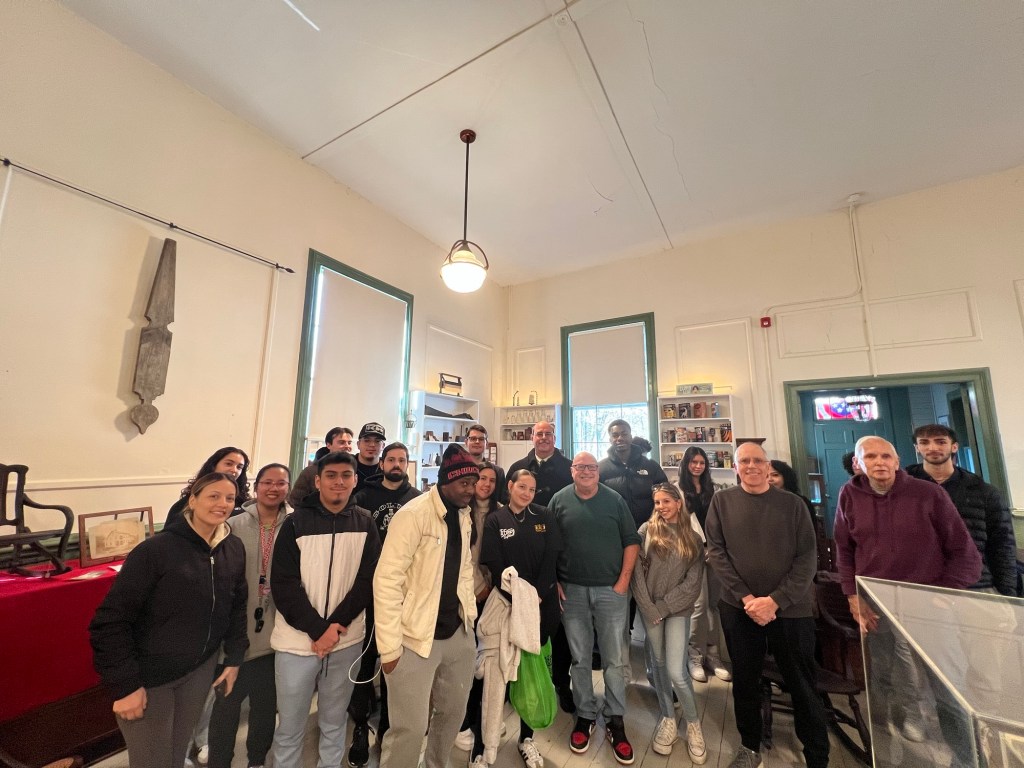
Our Team group picture at the Pascack Valley Historical Society with members of the Museum’s Executive Board Peter Meany, Ralph Donnell Jr. and Christopher Kersting.
We want to thank the Board for taking time out of their busy schedule to support the students on this project.
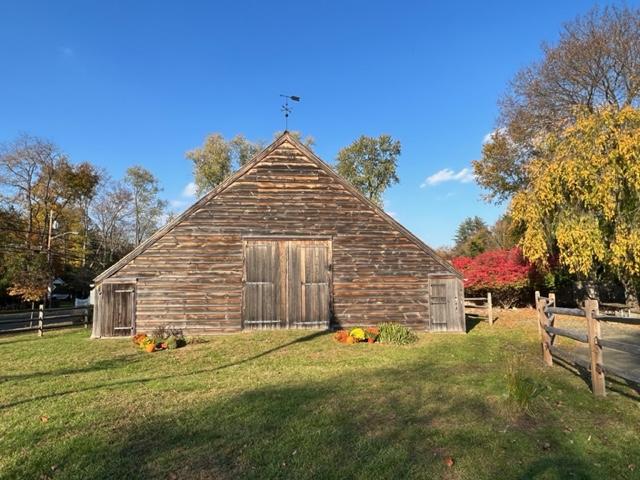








 Visiting a Museum: The Unique, Unusual, Obscure and Historical