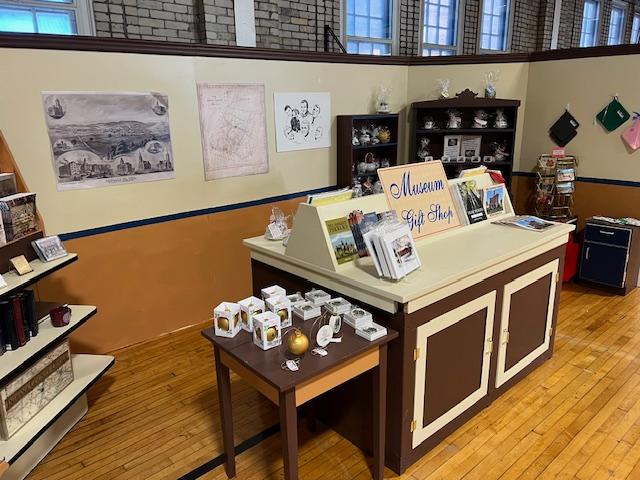
Category: Exploring Historic Sites of Pennsylvania

Greater Shenandoah Area Historical Society Museum 201 South Main Street                   Shenandoah, PA 17976

Greater Shenandoah Area Historical Society Museum 201 South Main Street Shenandoah, PA 17976

Greater Shenandoah Area Historical Society Museum

201 South Main Street

Shenandoah, PA 17976

(570) 985-3337

https://www.facebook.com/shenandoahhistory/

https://www.schuylkill.org/listing/greater-shenandoah-area-historical-society/114/

Open: Sunday

Admission: Free but donations are accepted

My review on TripAdvisor:

https://www.tripadvisor.com/Profile/R4960NKjustinw/mediabatch/13476665?m=19905

The entrance to the museum at 201 south Main Street
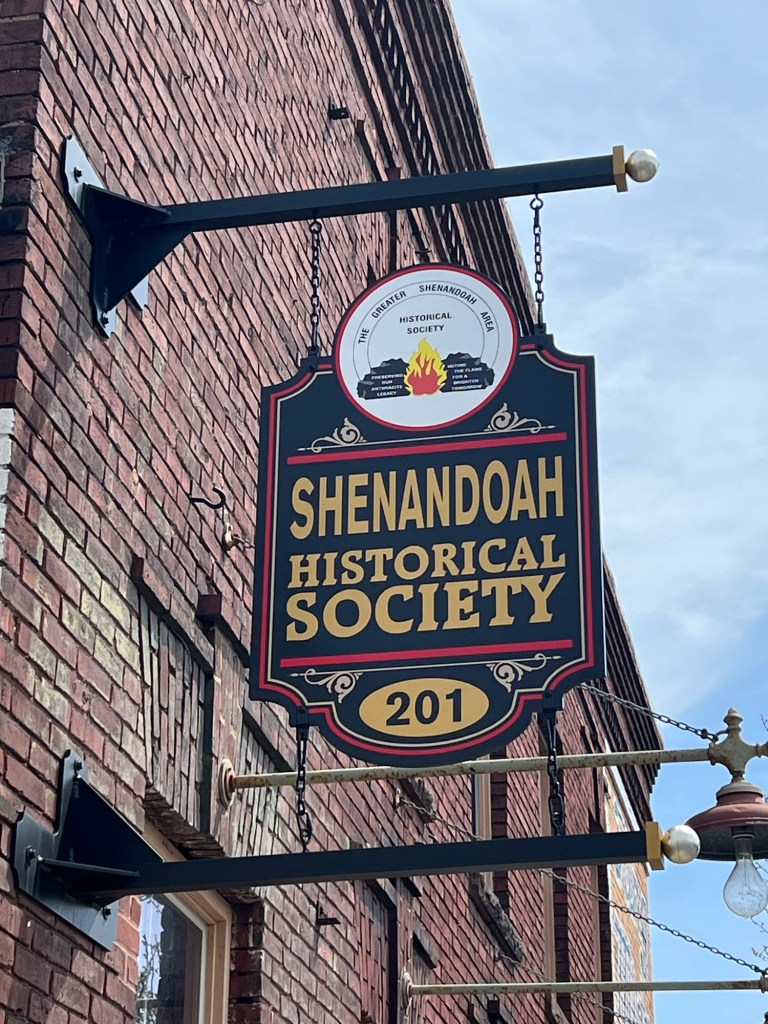
The sign in the front of the old museum

The Mission Statement of the Museum:

(from the museum website)

The mission of the Greater Shenandoah Area Historical Society is to recognize and preserve the unique history of Shenandoah; the heritage of its people, its coal mining history, the architectural design of downtown buildings, and other aspects of what makes this community a unique, valuable and thriving part of Schuylkill County. 

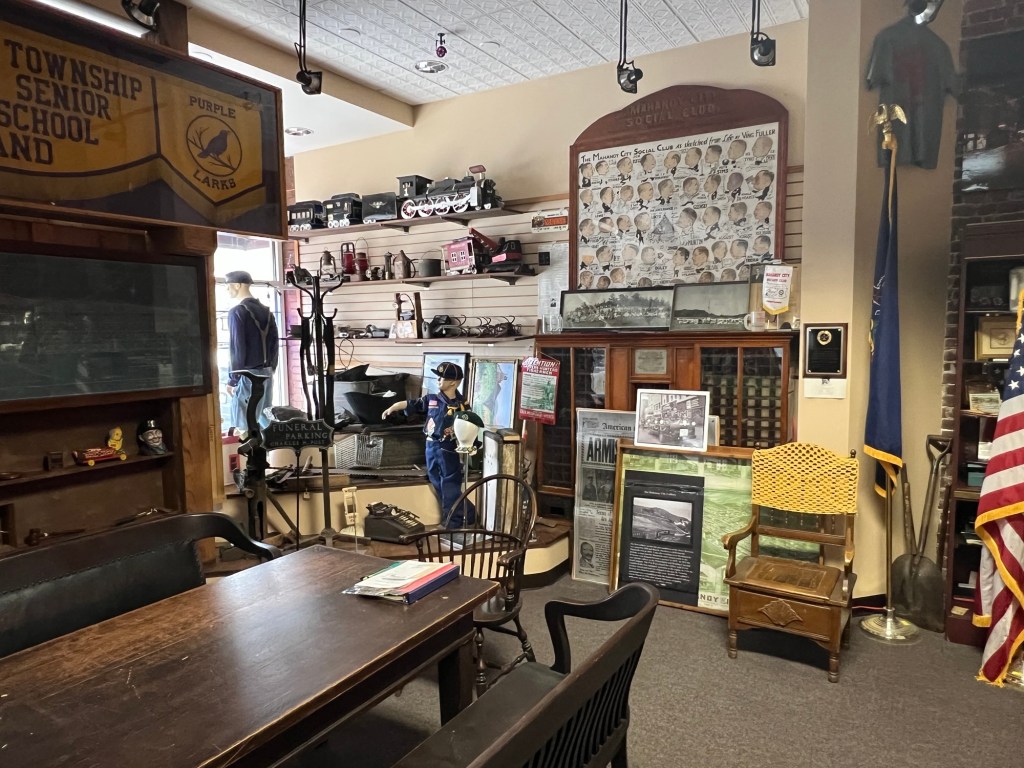
The main gallery of the museum and upcoming Tricky-tray fundraiser
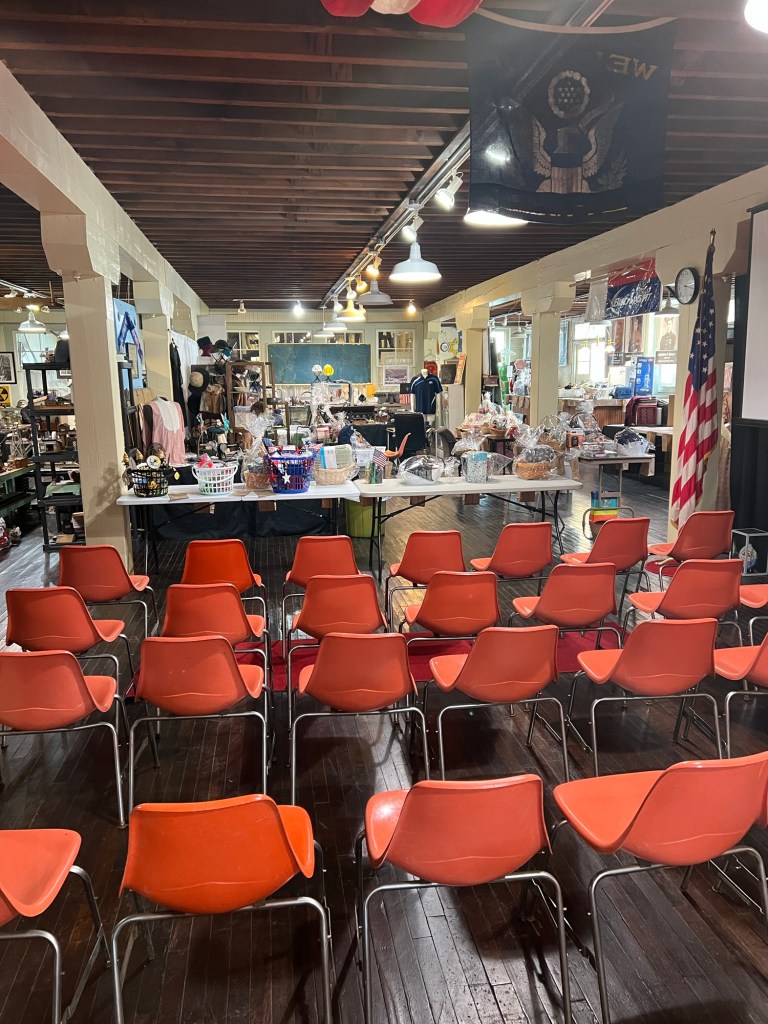
The back part of the museum was set up for a lecture

The Greater Shenandoah Area Historical Society History:

We promote the history and culture of Shenandoah, Pennsylvania through the preservation, presentation, and interpretation of historic objects, documents, and photographs. By focusing on the values, customs, and traditions of our diverse community, we hope to bring an understanding of the past and strengthen the connection for future generations

Then back part of the museum with the local hospital and miners displays

The Greater Shenandoah Area Historical Society Description:

We preserve the robust history of  Shenandoah, as well as the surrounding vicinity in Schuylkill County. Almost all artifacts on display throughout the museum were personal property, donated by members of our community and their descendants in order to help others remember and honor our past. Through these photographs, documents, and heirlooms, the history of the town inspires us.  

Explore the exhibit of our town’s coal mining industry, observe the richness of our cultural heritage, scan thousands of images, recognize the heroism and sacrifices of our armed forces, reminisce over school spirit, immerse yourself into the character of a small town, search family genealogy, and discover how history influences us today. Whether touring the museum or attending a presentation from one of our guest speakers, enjoy learning of the character of our people as they braved the challenges of the past.

The front gallery when you walk in
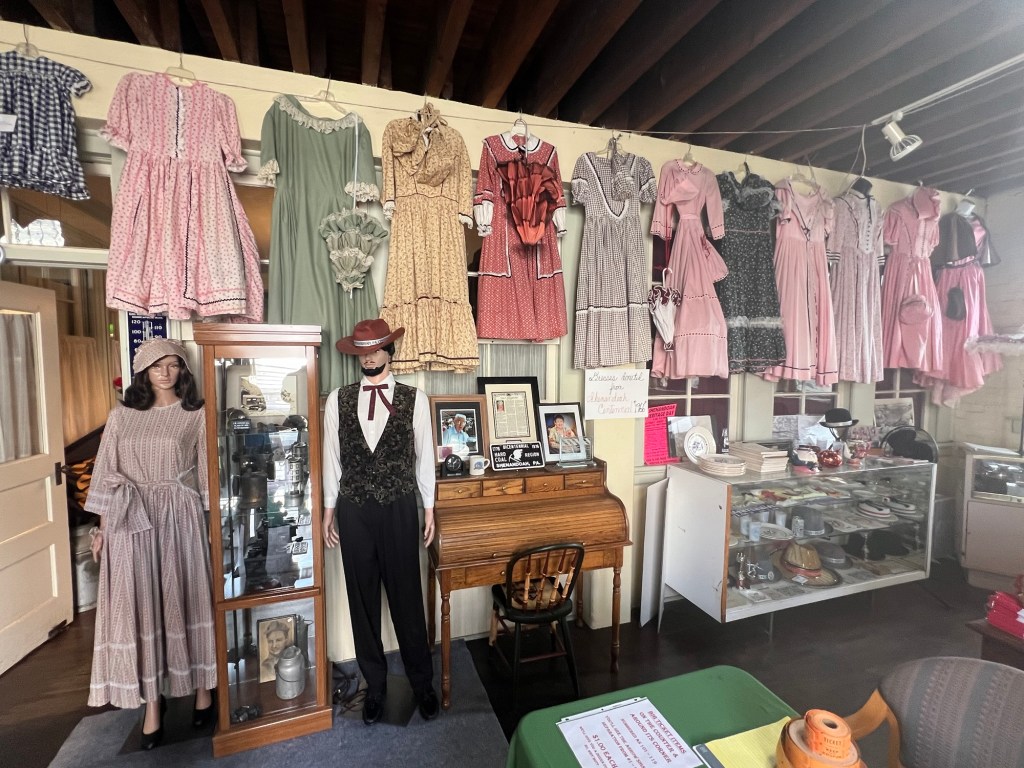
The costume dress collection

The ‘Shenandoah Centennial 1966’ event sign
Dresses from the Centennial event and the Town VIP

The display of dresses from the Centennial event

Local resident Darryl Ponicsan, a famous writer and screen writer had an interesting exhibition of books, scripts and posters in a separate room in the museum dedicated to his work.

The Darryl Ponicsan exhibition at the museum

https://en.wikipedia.org/wiki/Darryl_Ponicsan

The collection of scripts and posters in the museum

Literature and pictures in the collection

The town was much different in the boom years of the mines. There were blocks of stores, groceries, clothing and jewelry stores catering to a population that was more than double the current population. Items from these retail establishments were on display in and on the case lines.

Displays of business once located in Shenandoah’s downtown
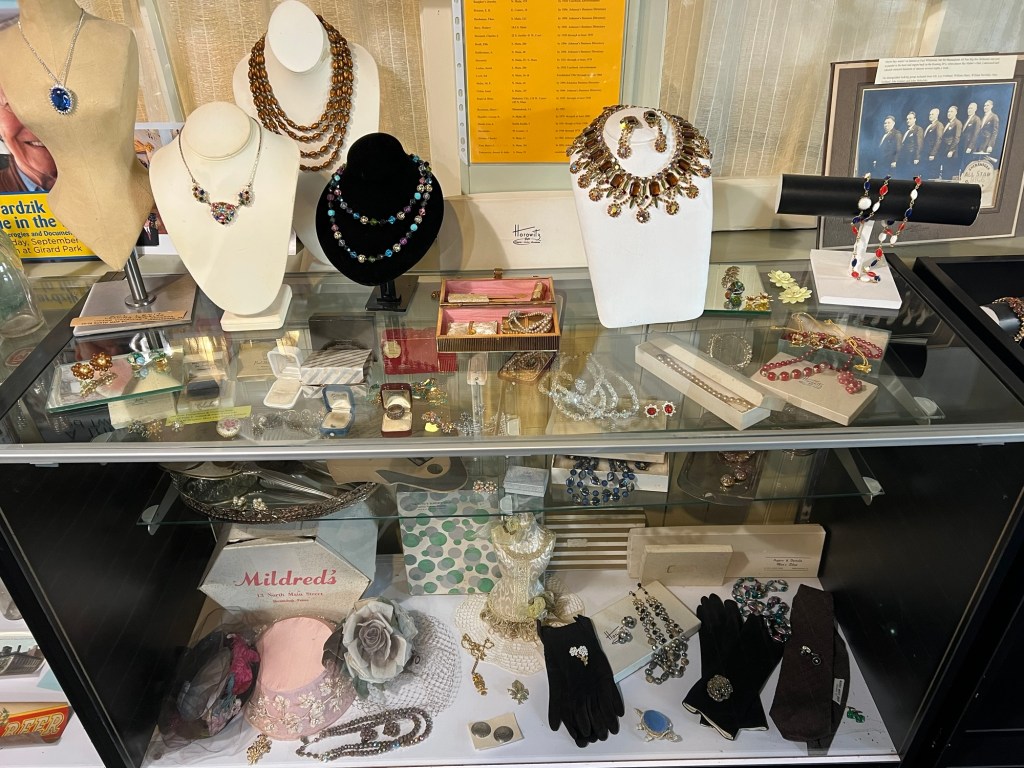
Jewelry display from some of the twenty or more jewelry stores that lined the Main Street at one time

Items from merchants that once lined the downtown

Items from downtown merchants
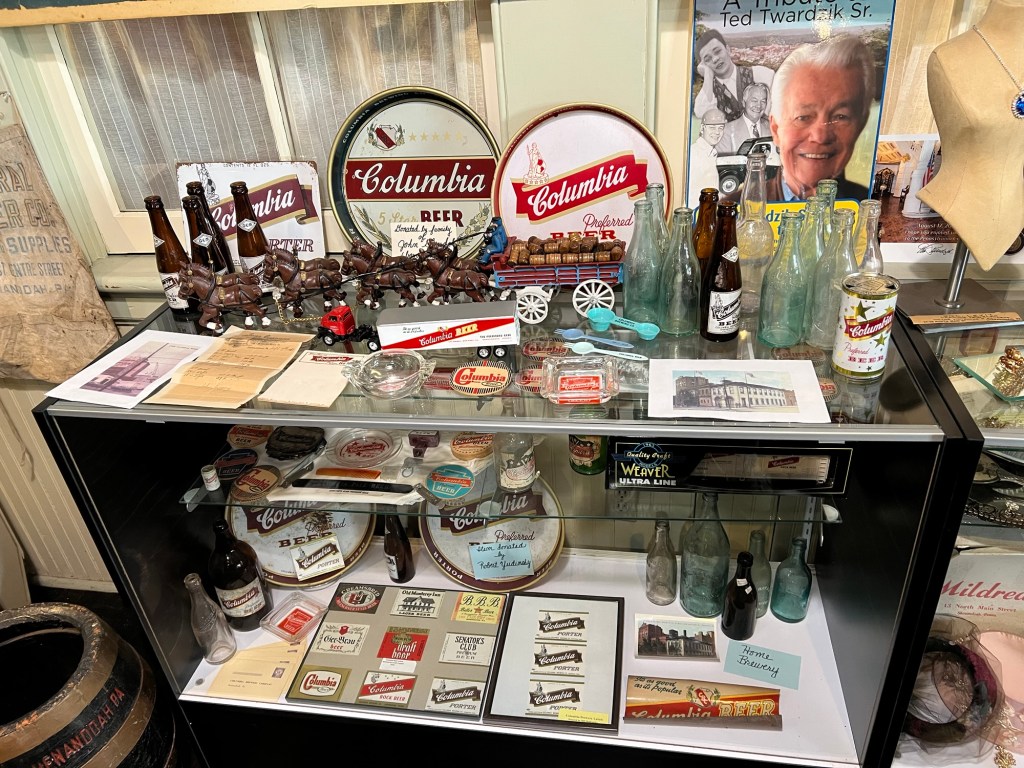
Some of the local breweries in the area

What Shenandoah looked like at the time of the height of Mining success

The Mining exhibit and display of items used

The artifacts from the Shenandoah mines

The artifacts used in the mines
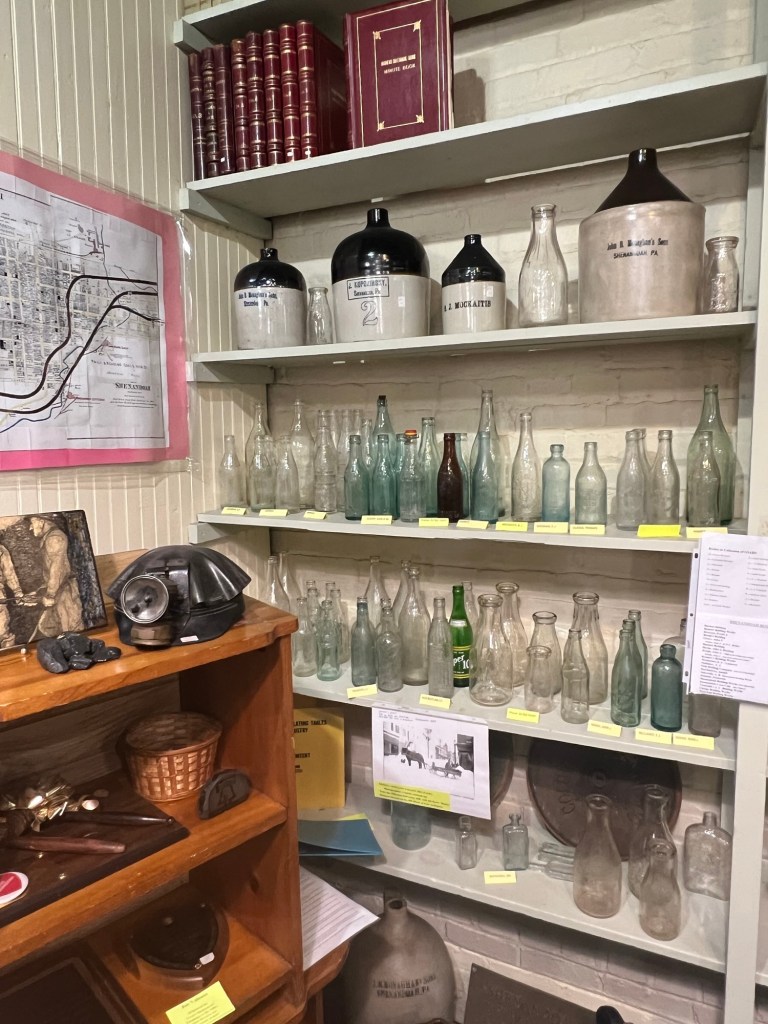
The bottling industry was a big part of the local economy

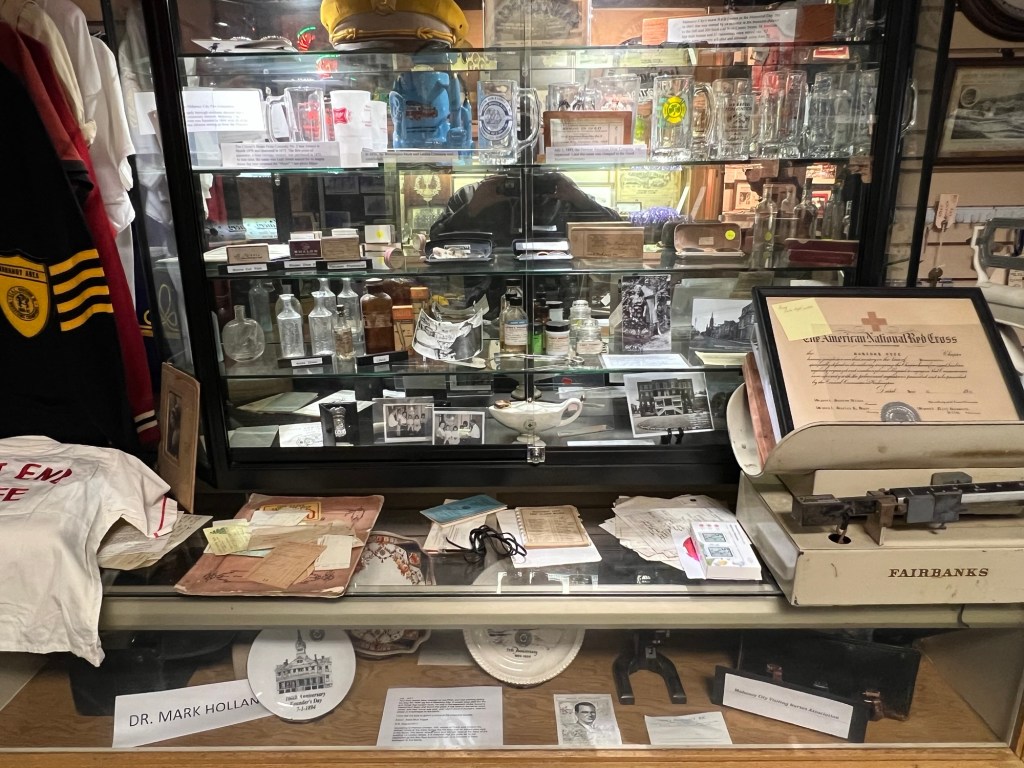
The next display was on the local hospital and its importance in the community.
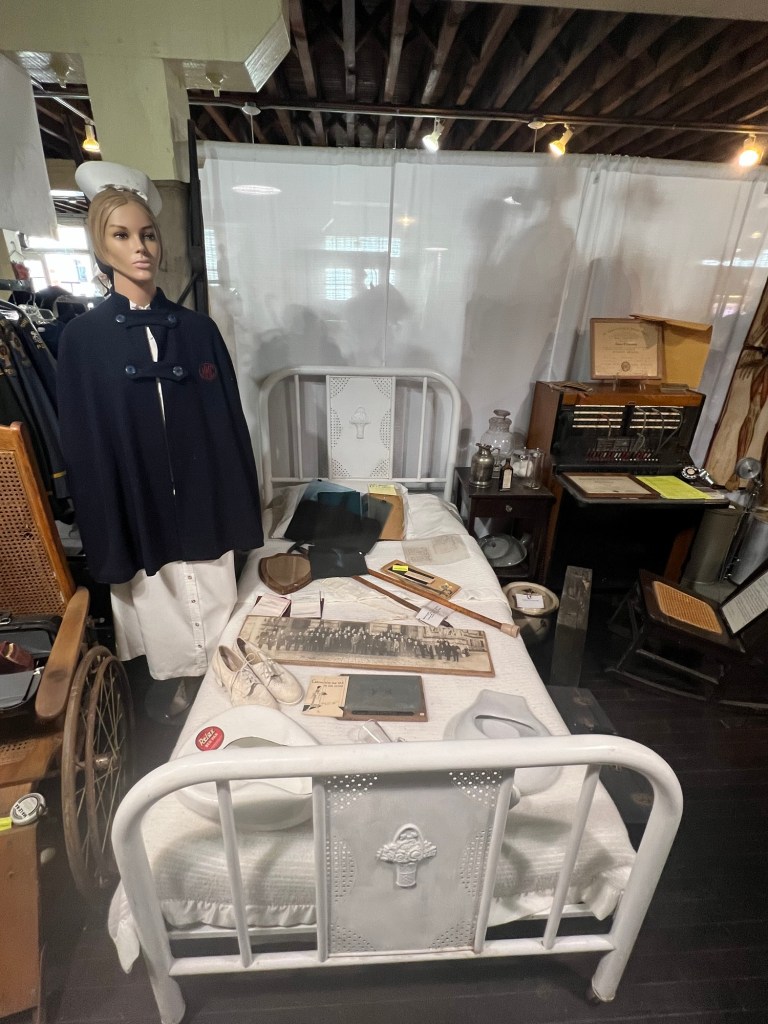
Display on the hospital on the local economy
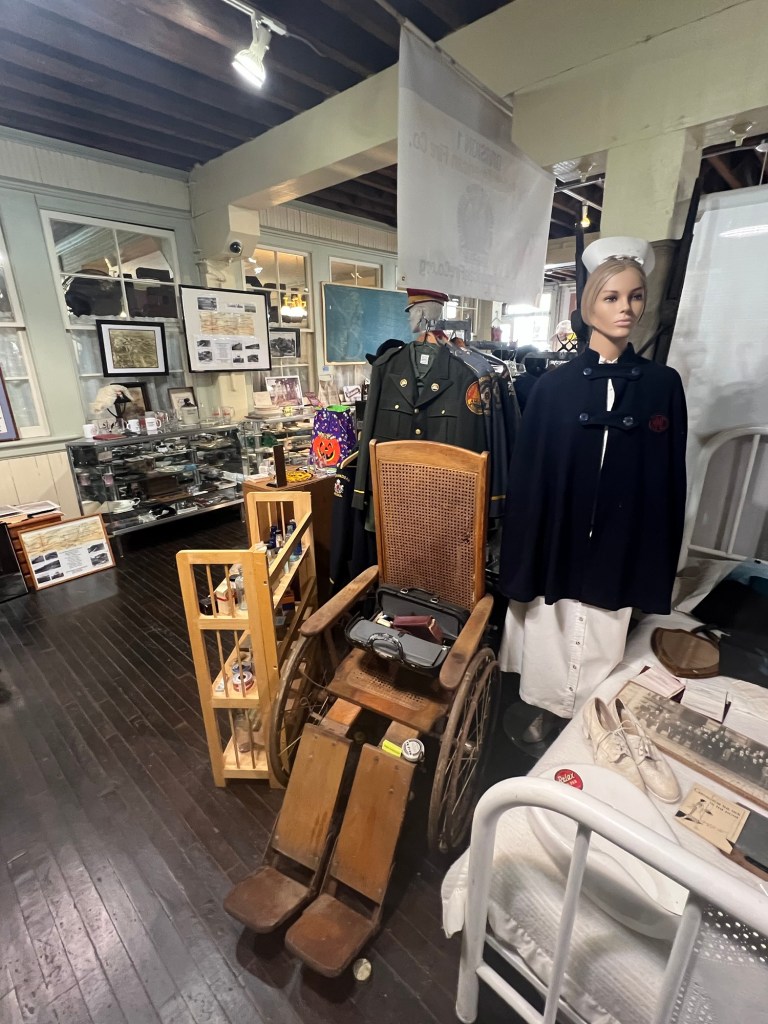
The items used in the hospitals

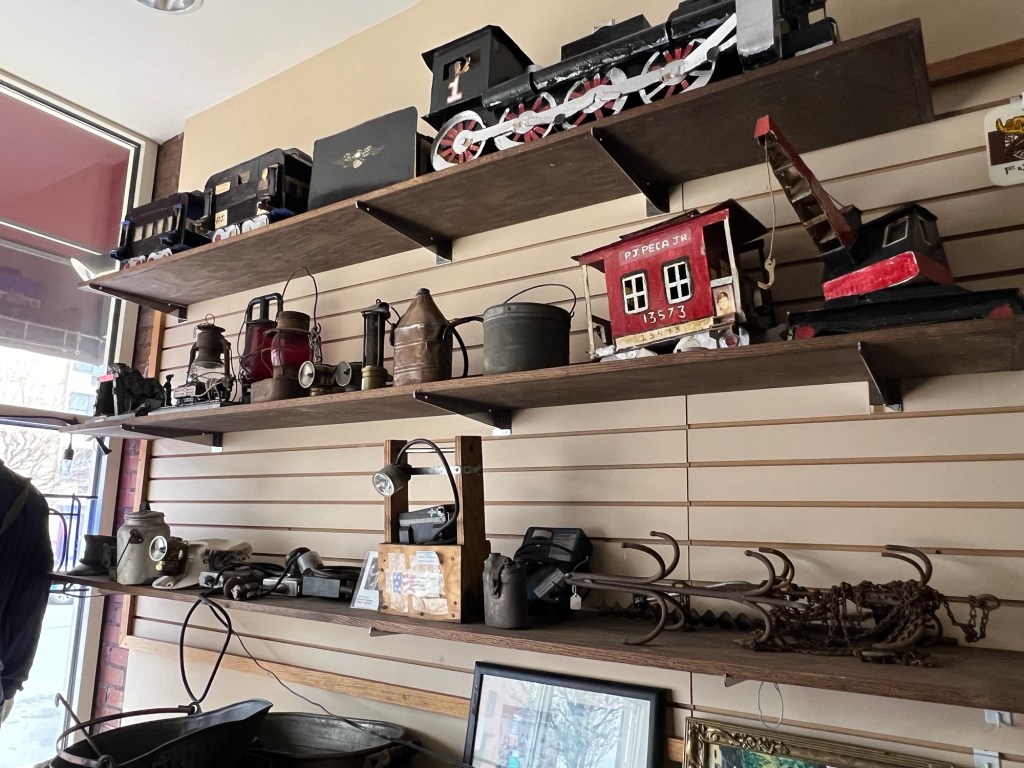
The models of the railroads, the mining industry and the working environment.

The models of the local industry
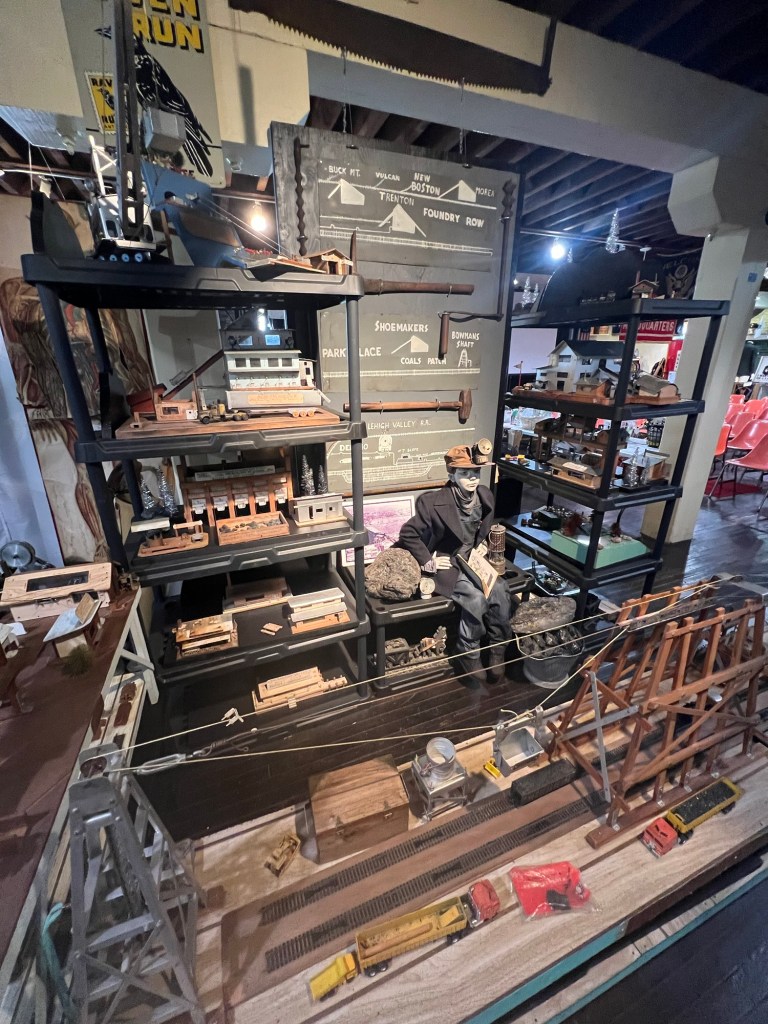
Models of the Mining Industry
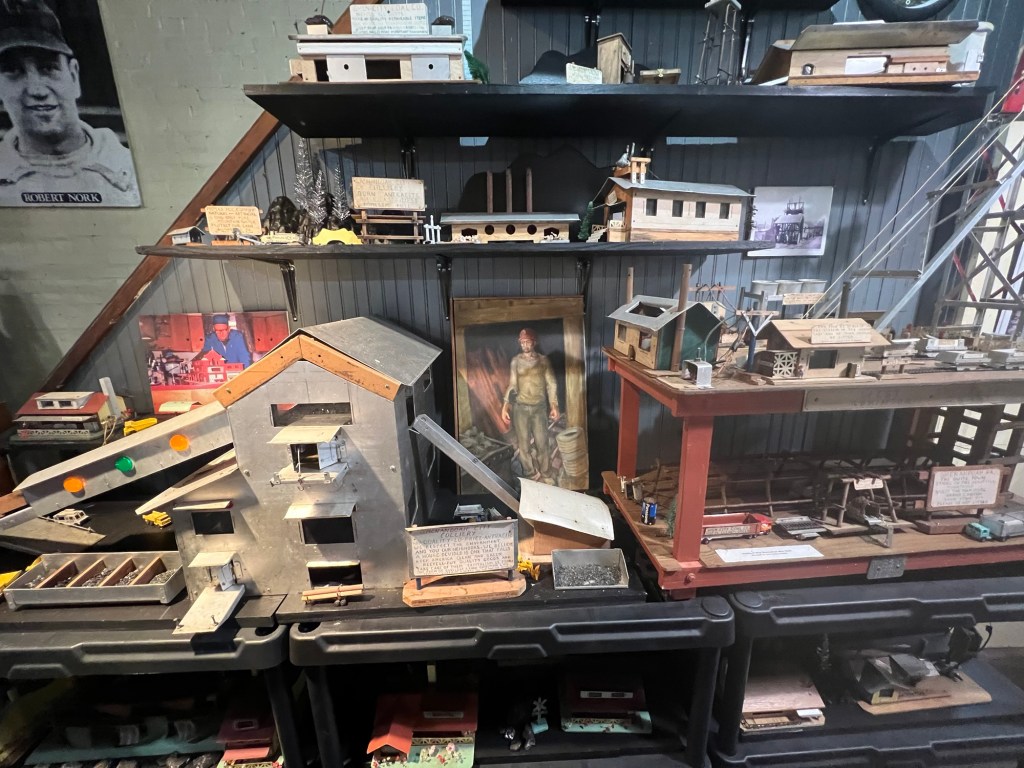
Models of the Mining industry

The back part of the gallery shows how the engine of the economy of Shenandoah grew and prospered during the time when the mines were in full operation and the population grew.
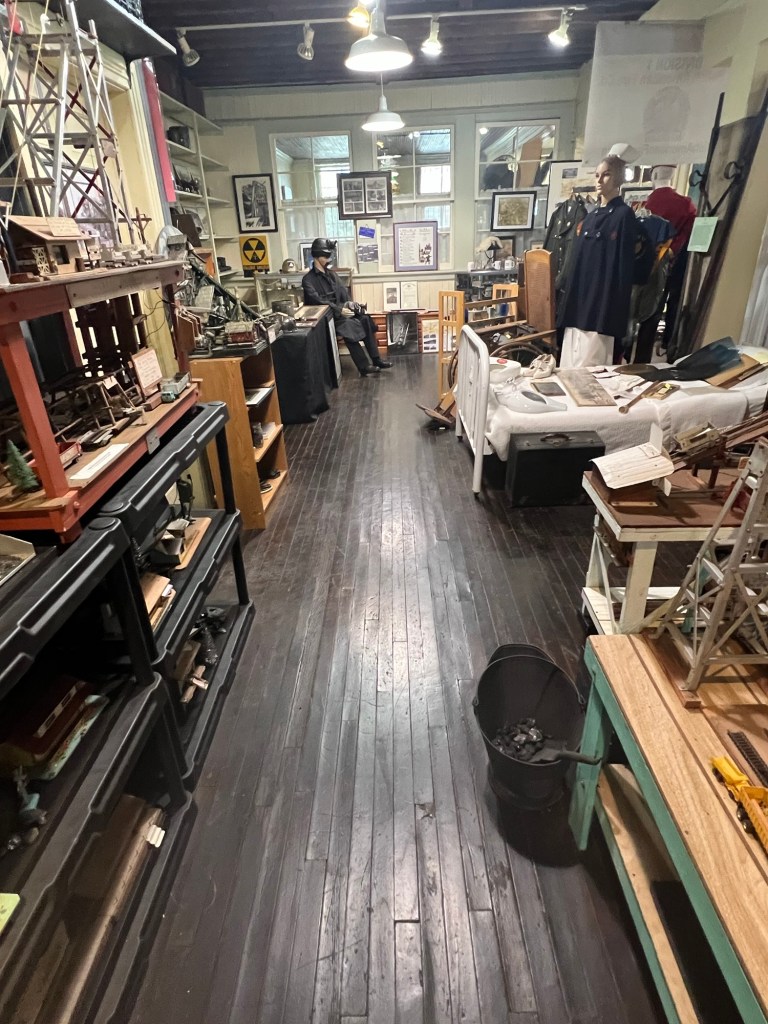
The industrial economy of the past

The artifacts in the front part of the gallery

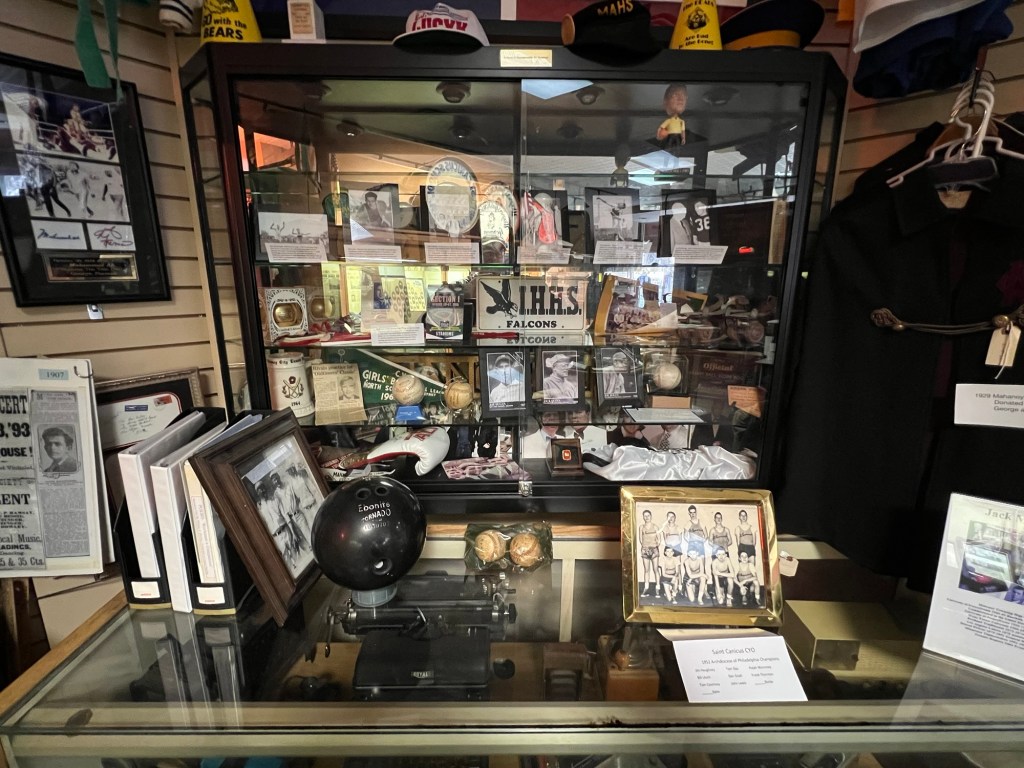
The local high school, Shenandoah High School Alumni donated a lot of memorabilia from both the past and the present, showing the changes in clothing and manner of dress.

The series of uniforms and spirit wear plus old school yearbooks and awards

Old school uniform and clothing

Shenandoah awards and pictures display from Alumni

The museum had an extensive collection of Military items both from members families and from the community. The display shows the pride in the armed forces in this community.
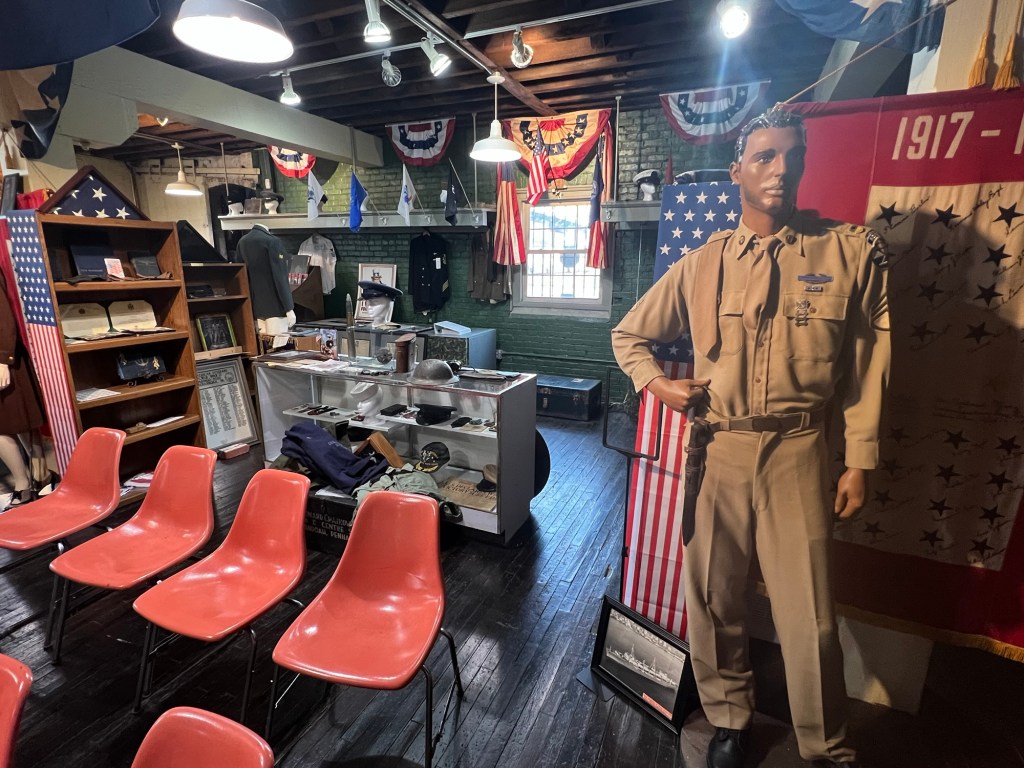
The Military exhibition
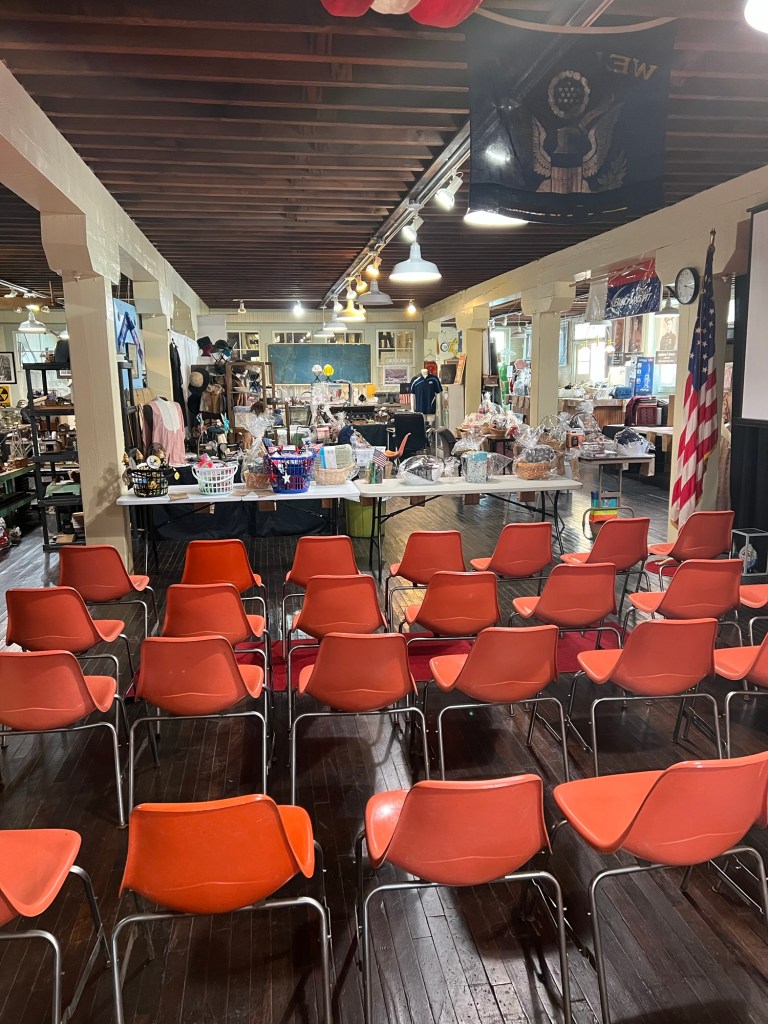
The main gallery set up for a lecture

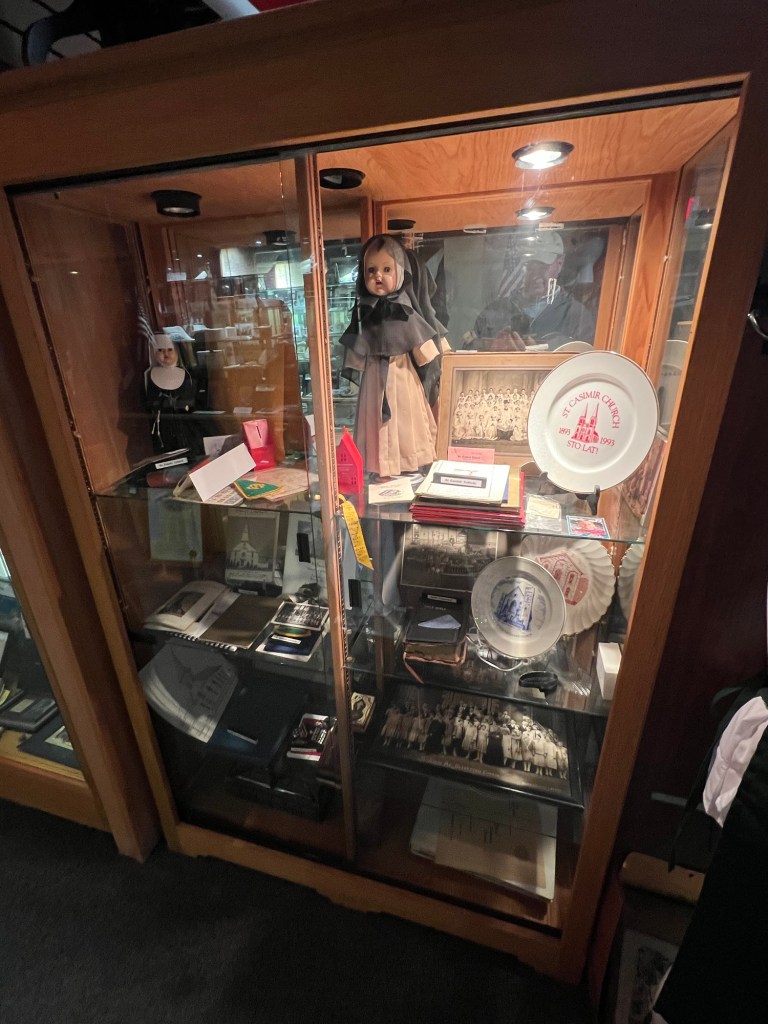
One of the most impressive rooms in the museum was the Religious Room dedicated to the many churches that used to cater to the growing immigrant population in Shenandoah.

With its population once being double to the current population and groups not wanting to worship together, each ethnic group had their own church. Assimilation and time have since closed these churches and today only a handful still exist. As this trend continues, these artifacts have been donated to the museum and the collection has been beautifully been preserved and presented by the museum.

The Religion exhibition is extensive and very detailed
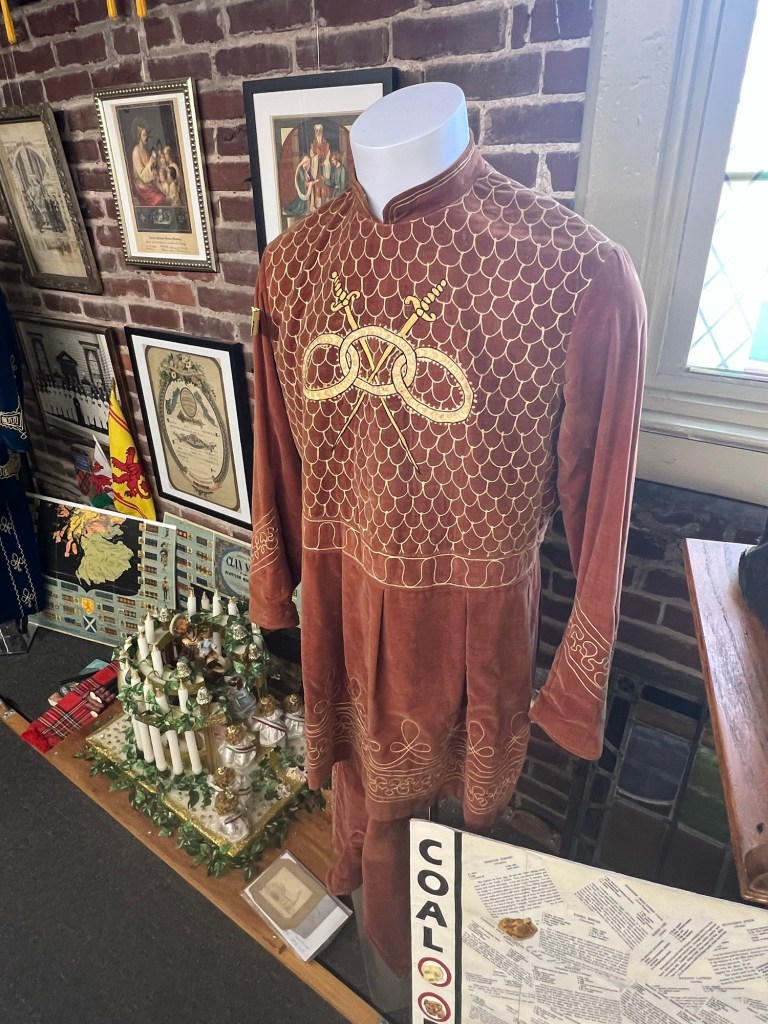
Pageantry costumes are a big part of the exhibition as old world traditions were brought to this country before WWI
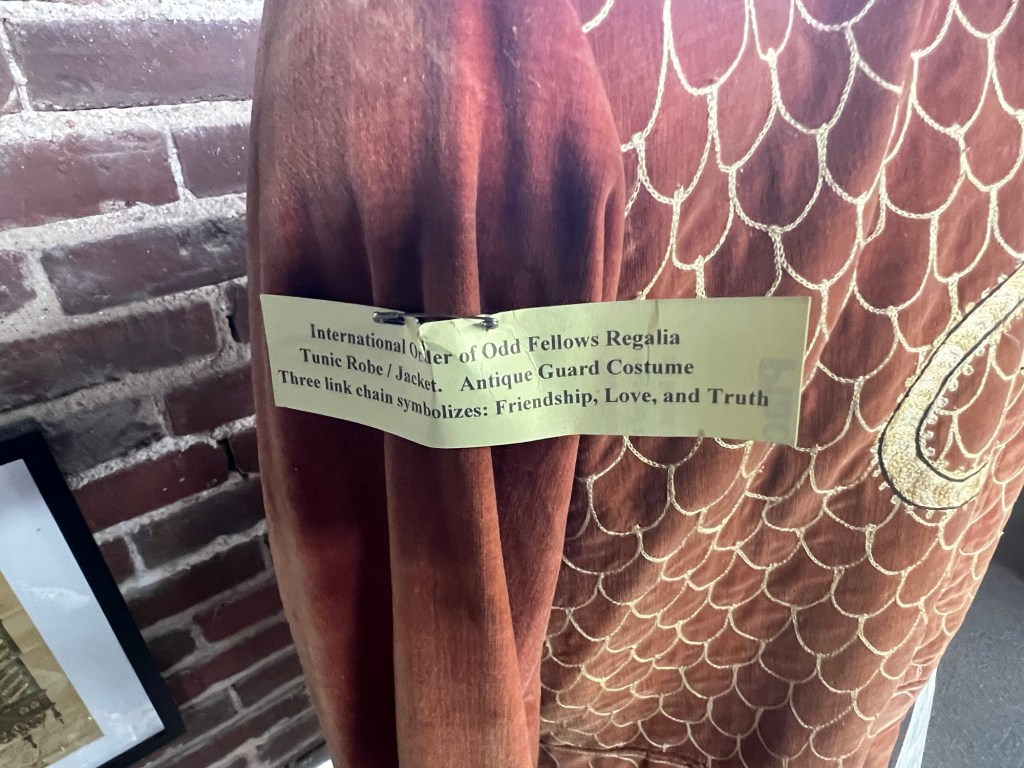
Each piece is labeled so that it can be researched and admired
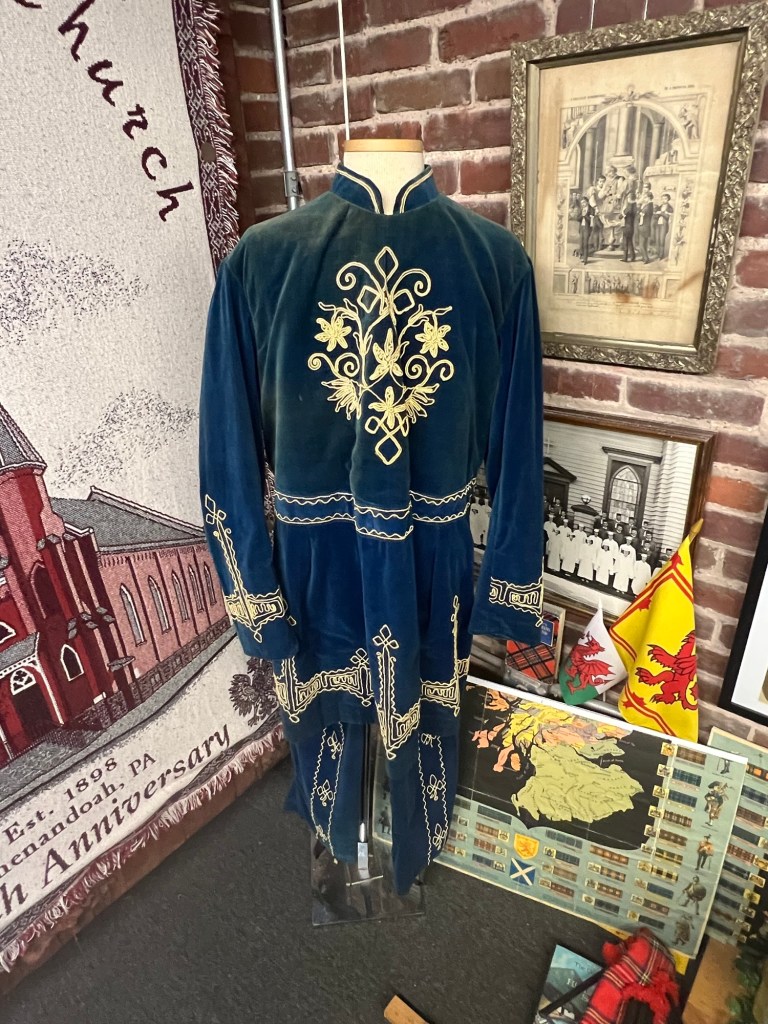
The costumes used in church services

The detailed outfits and religious items from church services
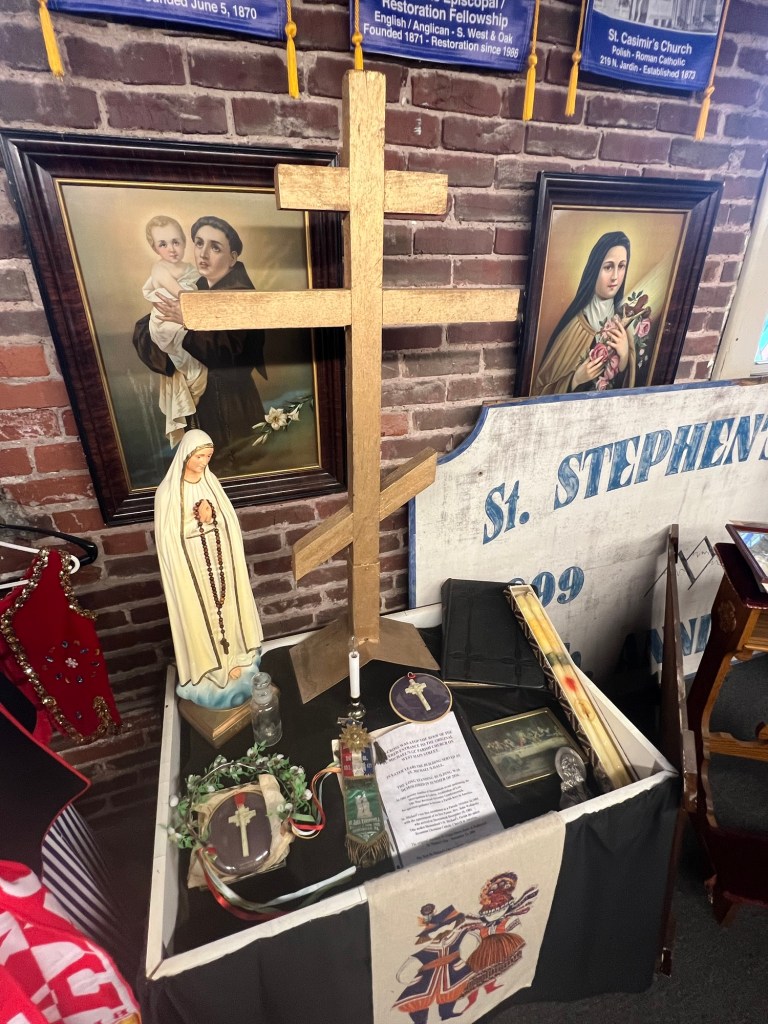
Items from St. Stephen’s Polish Catholic Church

Artifacts from the First Greek Catholic Church
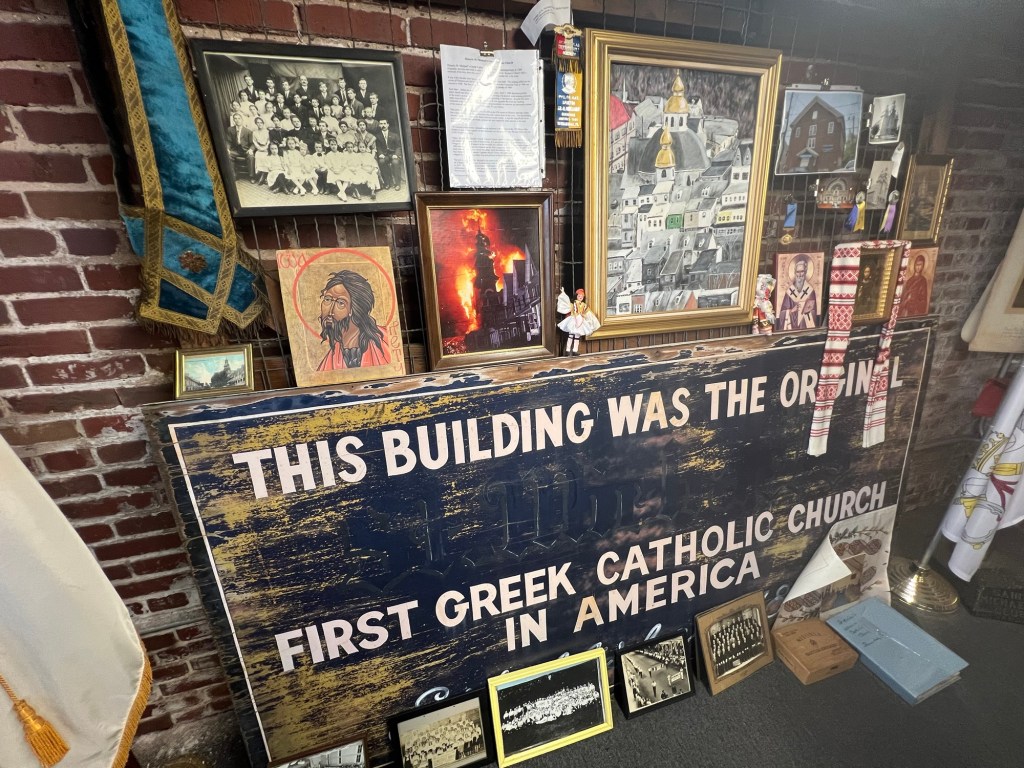
Items from the former Greek Catholic Church

Costumes from the Greek Catholic Church
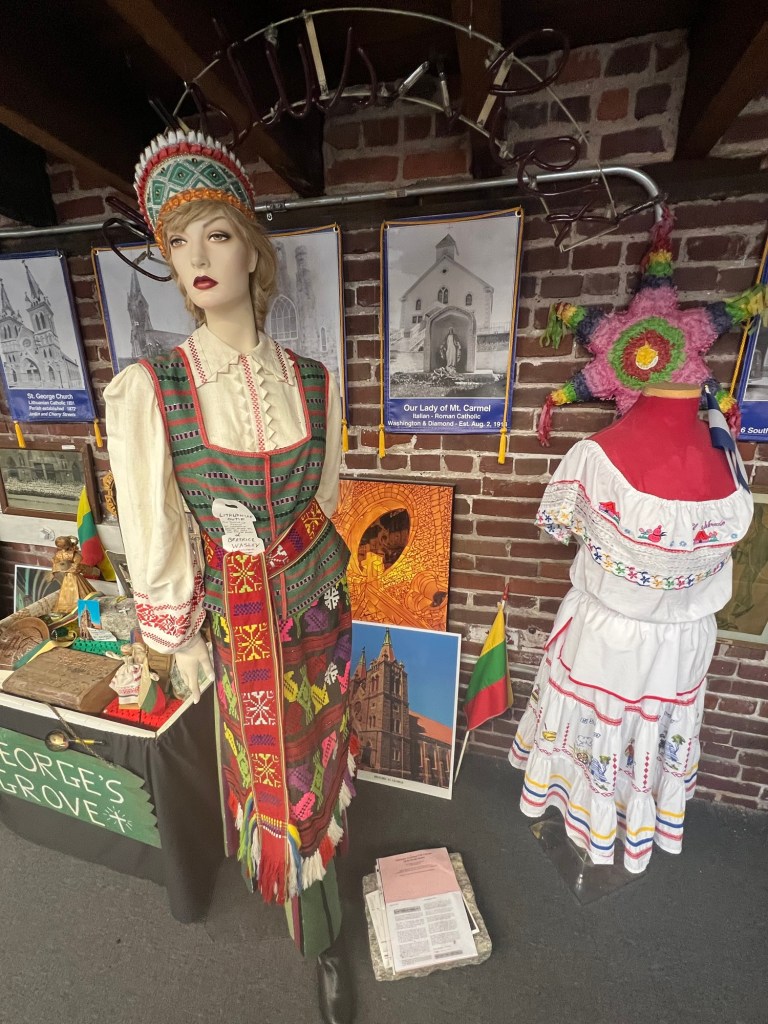
The display from the former Our Lady of Carmel church

The Religious/Church exhibition room is one of the most impressive displays of religious items outside some of the major city museums and really does tell an interesting story story of not just the religious faith of these residents of this community but of their traditions and pride they brought to this country.

Another look into the past is the museum’s display of life in the Mining community from the perspective of the Mining household and that of the Miners wives and daughters who ran the operation at home while the men worked in the mines. It was a rough life for everyone in these communities. As one of the curators explained to me is that “they may not have had a lot of money but there was an immense pride on how their houses looked and how they maintained their lifestyle. These women worked hard to make sure they had what they needed.”
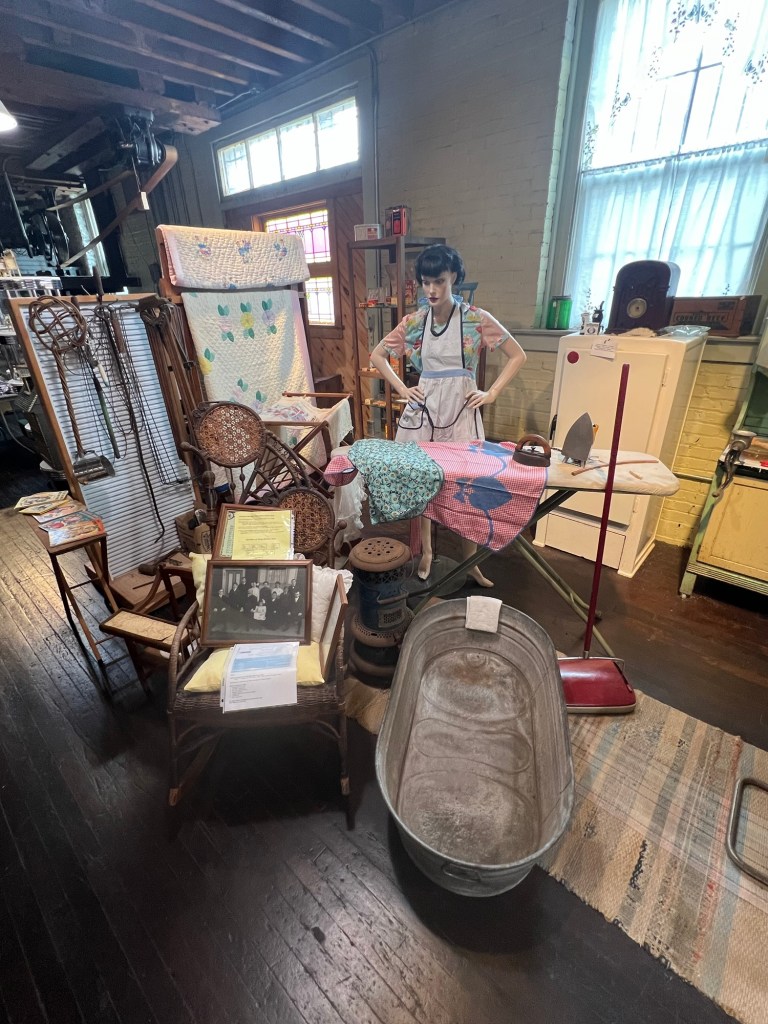
The life of a housewife before indoor plumbing and electrical appliances made housework tedious in those years before WWII
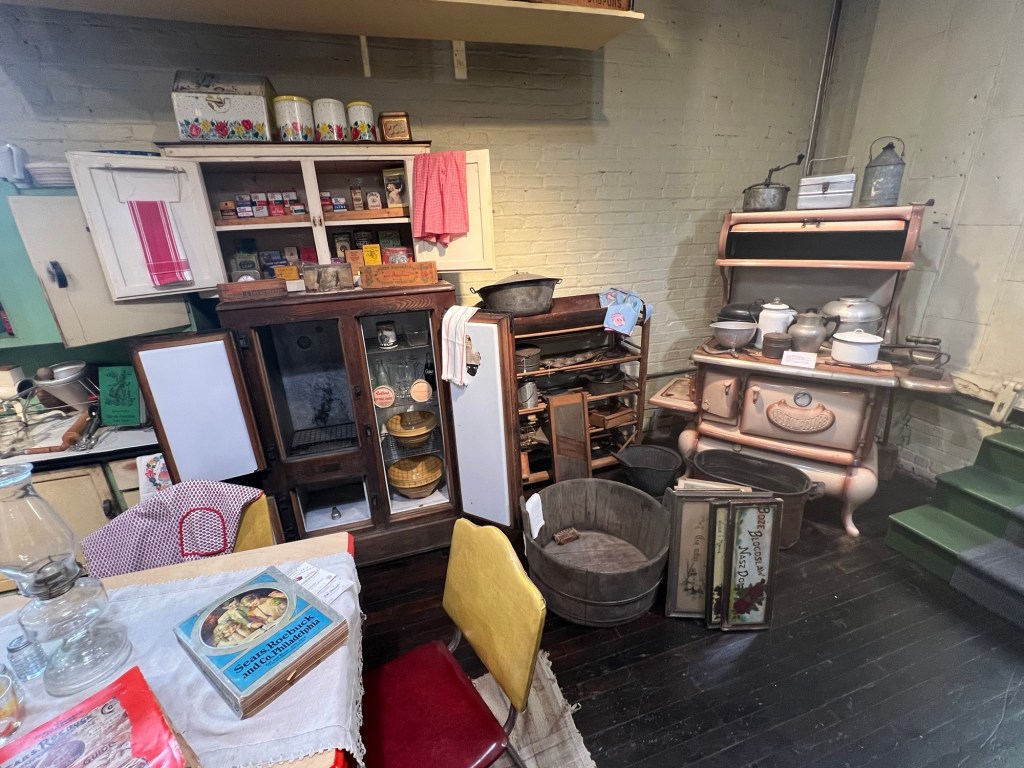
The house included wash bastions, bathing items and all the kitchen supplies to keep the home running

As it was explained to me, these woman did not have that much money but these was still a lot of pride in their households and keeping things cleaned and well organized. They made a lot out of a little.

The wash basin men had to clean up in after coming out of the mines and before they entered the house to get the dust off

The handmade dollhouse shows the craftsmenship of the residents when catalog toys were out of reach for most people. This beautiful dollhouse was crafted by a local resident as well as all the furniture and accessories.

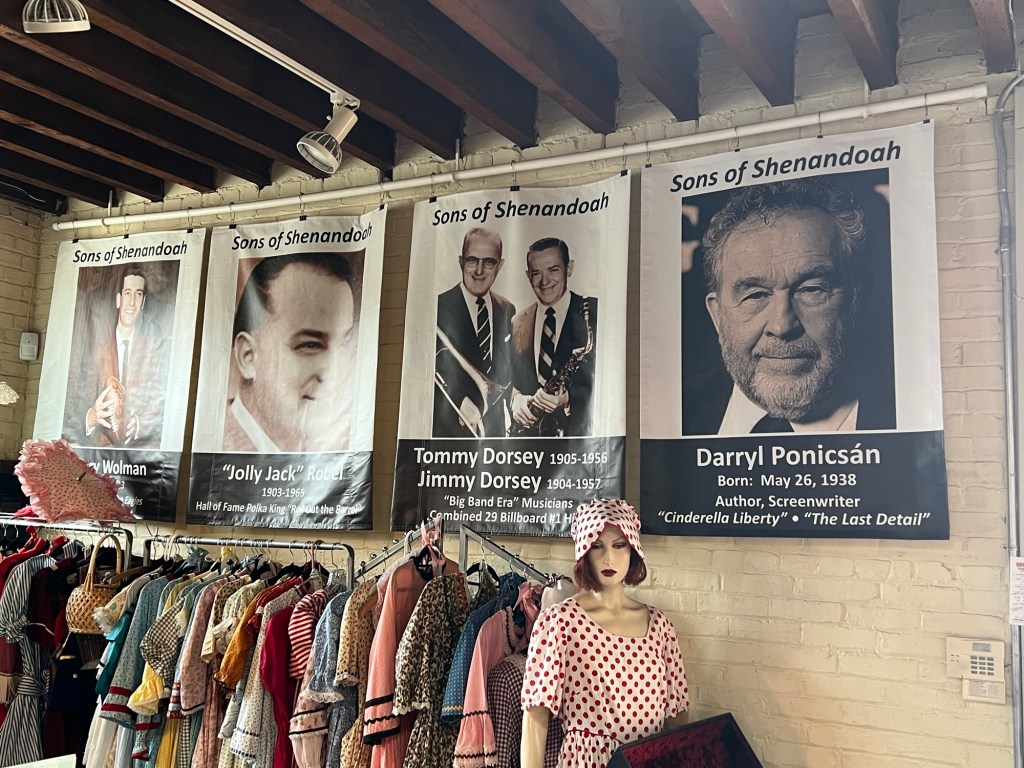
Tommy and Jimmy Dorsey were some of the famous residents to come out of Shenandoah and are the pride of the immigrant success of this community.
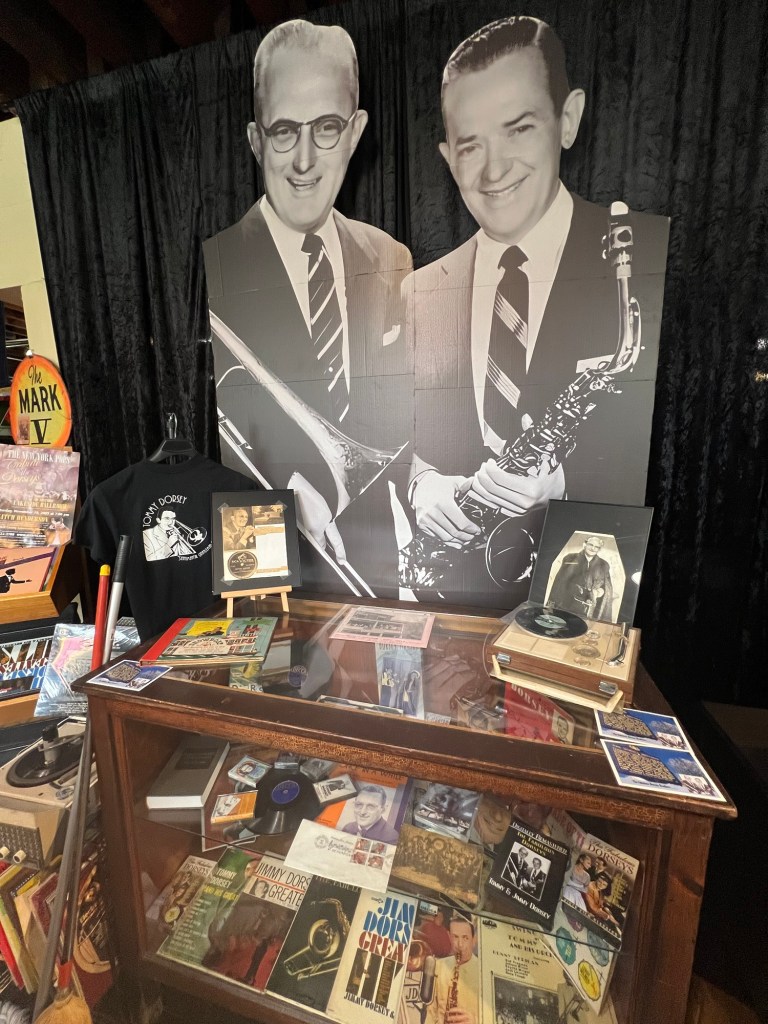
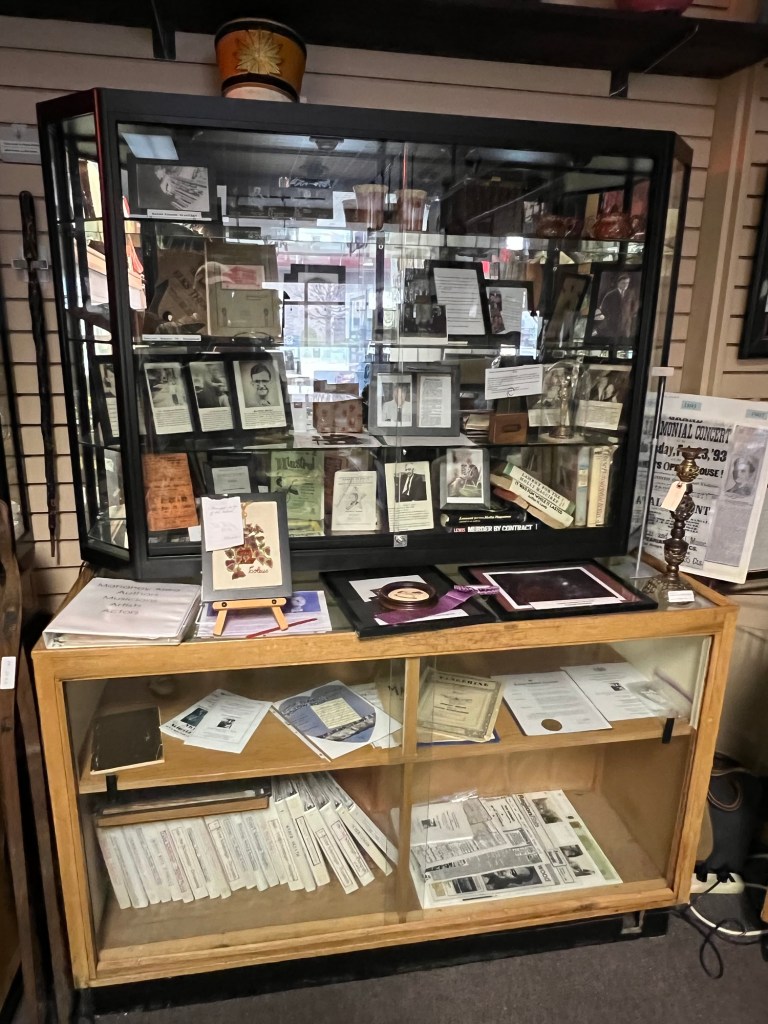
The Dorsey Brothers were born in this community and the exhibition shows the success of the brothers in the music industry

https://en.wikipedia.org/wiki/Tommy_Dorsey

Tommy Dorsey and his band

Jimmy Dorsey and his band

https://en.wikipedia.org/wiki/Jimmy_Dorsey
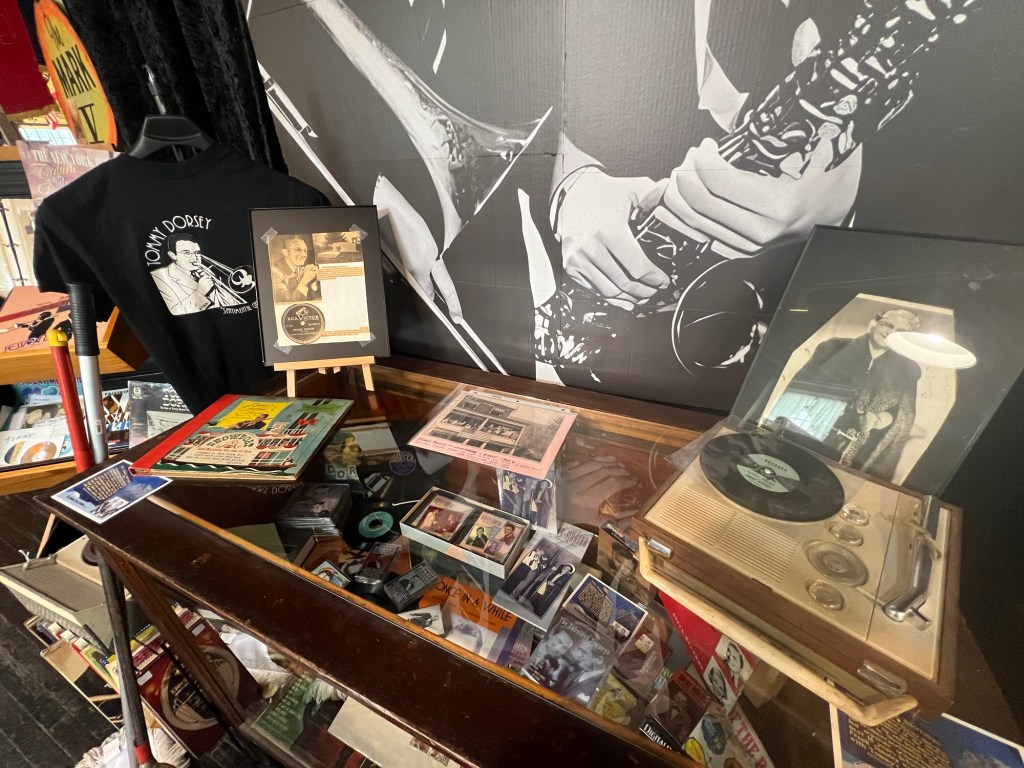
All the recordings, pamphlets and printed publicity over the years

The Dorsey Brothers historic marker in Downtown Shenandoah

As the mines closed or were downsized, women went to work in the clothing factories that were once a big part of manufacturing. The Union label and workforce meant something in this community.

The Ladies Garment Union and factories in the area

When local leaders went out and residents dressed for church and evenings out, there was a pride in appearance that seems to be lost today. When people went to dinner or to dinner or out with friends or for the holidays there was a formality to looking your best.
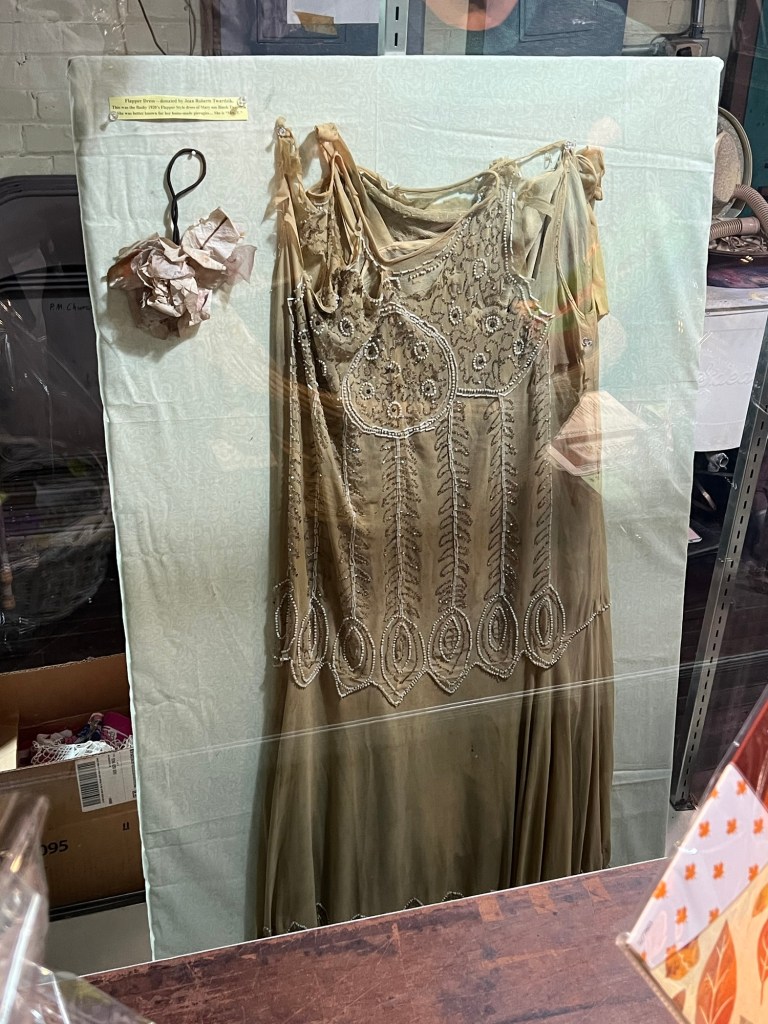
The ‘Flapper’ silk dress from the 1920’s

The furs, dresses and hats for a night on the town

The collection of formal wear and furs was very impressive for a small museum. The collection was so beautifully displayed.

For a small museum, it holds many treasures as the collection here is extensive and deep. The artifacts are so nicely displayed and beautifully curated.

The museum galleries

The museum galleries

Each section of the museum shows the pride of the past and the glimpse of the future of this community with innovation and creativity at its core. It is a museum that tells a fascinating story of the past.

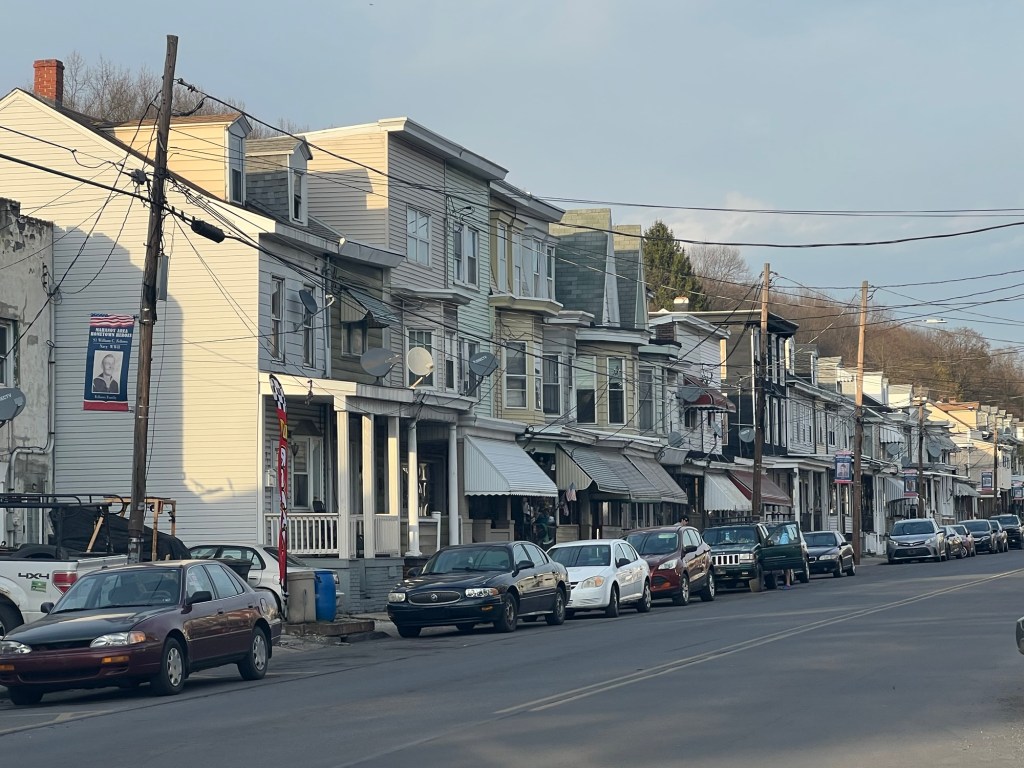
When you leave the museum, you can see traces of a community in flux as buildings are finding new life and traces of that innovative past are returning. The town is in another state of transition.

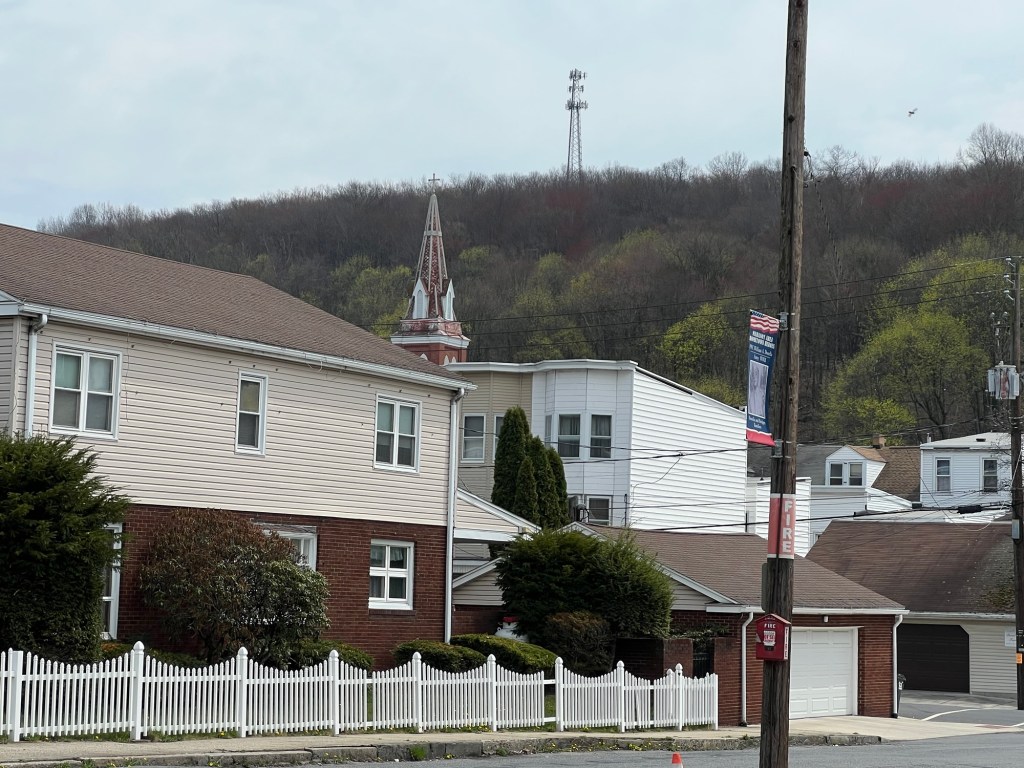
The gentrifying downtown district that surrounds the museum

The welcoming sign of the town

The potential once again for a flourishing downtown

There is much potential in the downtown

After our visit to the museum, I took the gentleman who arranged all the tours of the cultural sites of the area for lunch at Francesca’s Ristorante and Gourmet Pizzeria at 10 North Main Street. He highly recommended it and the pizza and fried pierogis were excellent (see review on TripAdvisor).

The front of Francesco’s at 10 North Main Street in Downtown Shenandoah, PA

My review on TripAdvisor:

https://www.tripadvisor.com/ShowUserReviews-g53667-d870184-r1003259625-Francesco_s_Restaurant_Pizza-Shenandoah_Pennsylvania.html?m=19905

We had slices of their wonderful Cheese pizza for lunch and shared the Fried Pierogi that was from the Mrs. T’s company down the road. Their red sauce is amazing and spiced so well. I highly recommend lunch here after your visit to the museum.
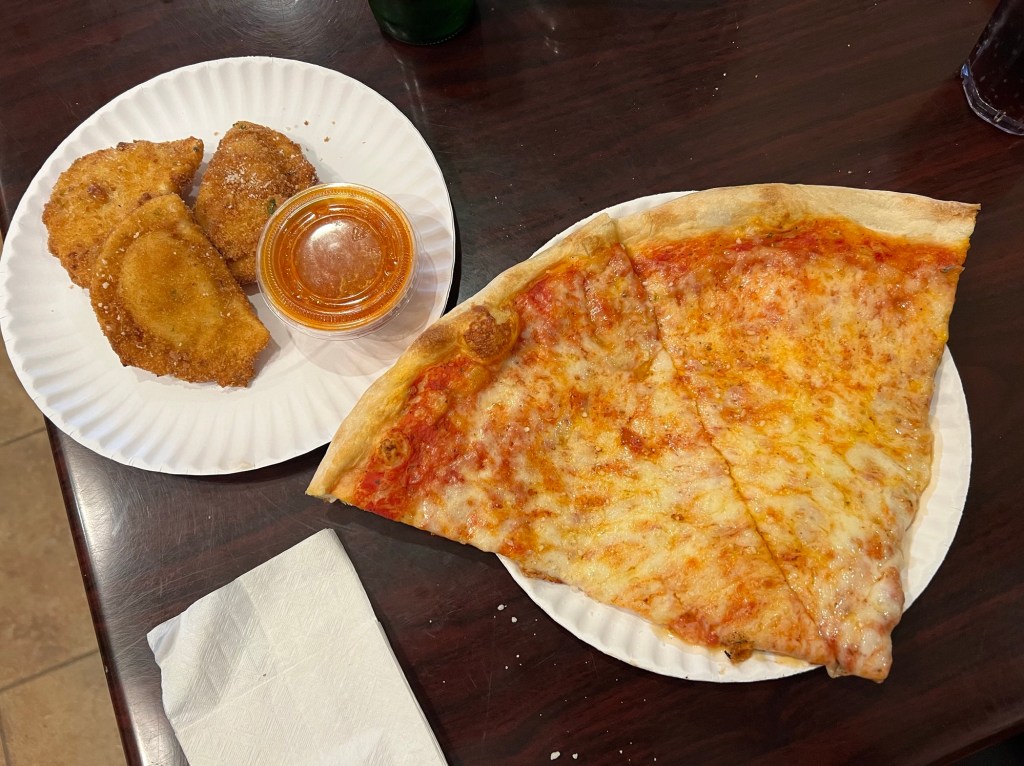
The Cheese pizza and Fried Pierogi

The excellent Cheese pizza

The Fried Pierogi with red sauce were outstanding

After lunch, we headed back to Mahanoy City to visit the Mahanoy Area Historical Society museum. I took one last drive around and admired the museum building one more time. There is so much potential for an Arts District in this town.
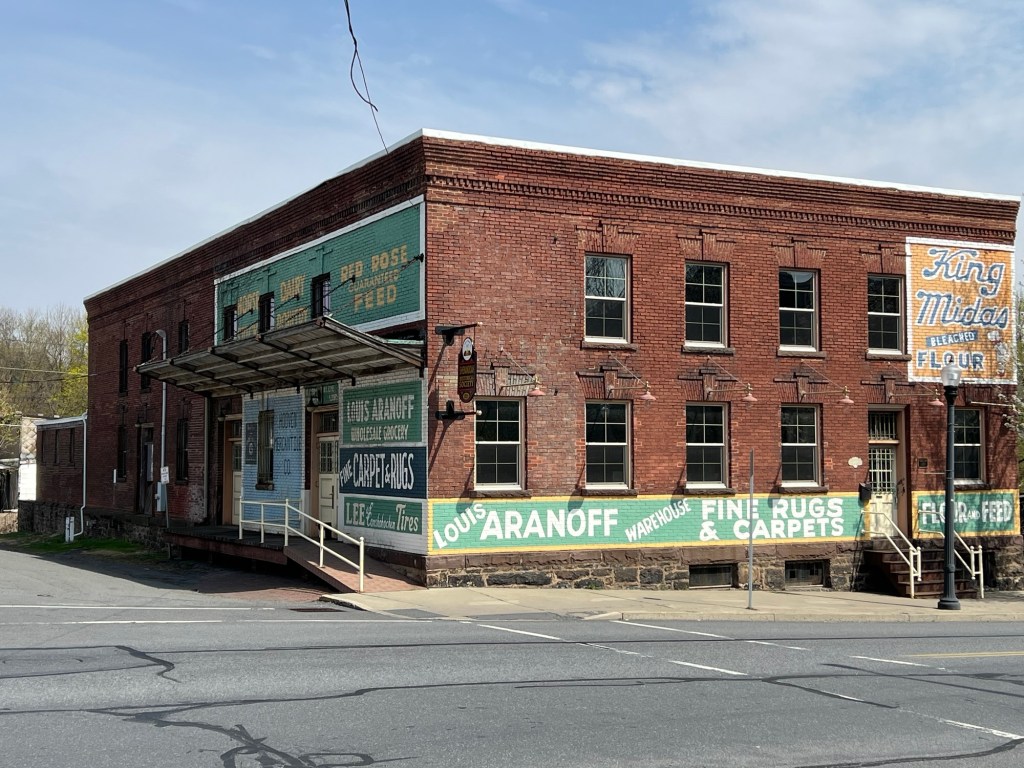
The Shenandoah Area Historical Society Museum from across the street

What a hidden gem!

Smith Mansion Historical Museum                                    101 South Main Street                                           Mahanoy City, PA 17948

Smith Mansion Historical Museum 101 South Main Street Mahanoy City, PA 17948

Smith Mansion Historical Museum

101 South Main Street

Mahanoy City, PA 17948

(570) 773-1034

https://www.facebook.com/groups/2203971582/posts/10160483727871583

https://www.mahanoyhistory.org/mahanoy-1973.html

Open: Appointment only by owner

Admission: Small Donation for restoration of the house

My review on TripAdvisor:

https://www.tripadvisor.com/ShowUserReviews-g53087-d33088953-r1003860232-Smith_Mansion_Tour-Mahanoy_City_Pennsylvania.html?m=19905

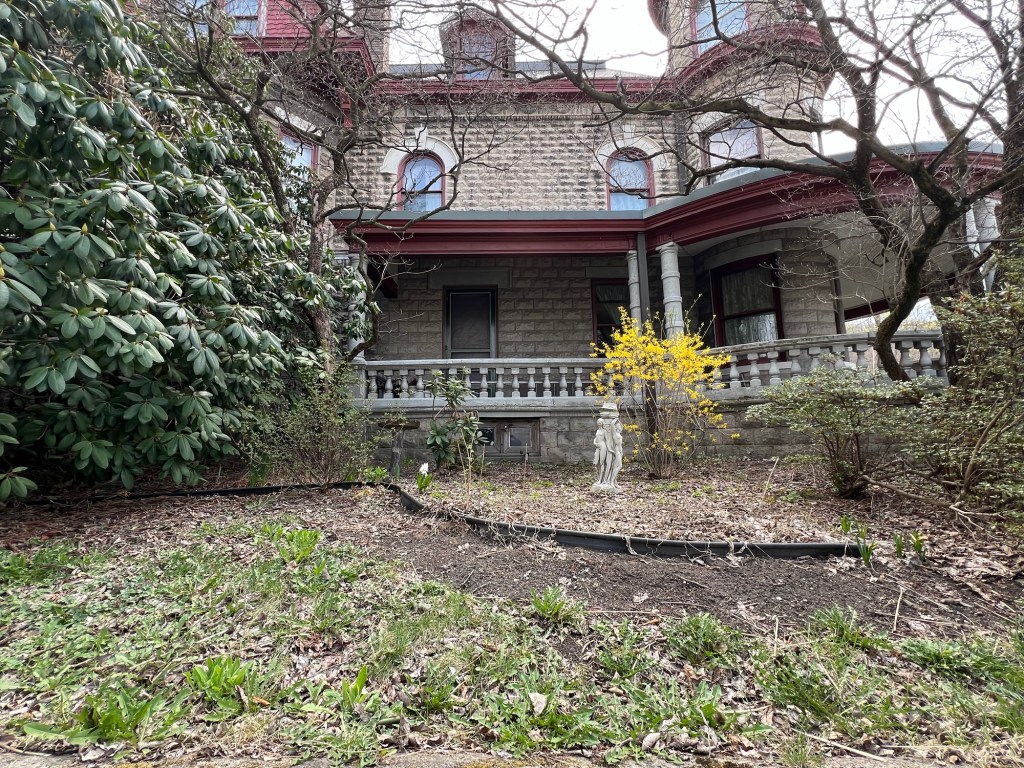
The front of the Smith Mansion

The historic plaque in the front of the home

The porch sitting area as you wait for your hosts to greet you

We were warmly greeted by our hosts and owners of the home. I had not realized that this is a private home and less of a museum. The only way to see the inside of the mansions by private arranged tour or when the owners have an open house either at Halloween or Christmas.

The History of the family and their fortunes:

(from WordPress.com article by Kubek: Project)

By the turn of the century, John Žinčak Smith had become the most accomplished Carpatho-Rusyn businessman and community leader in Mahanoy City, and in 1908, Smith moved his family from their modest West Centre Street home to this monumental mansion at the corner of South Main and East Spruce Street. Built at a cost of $40,000, the mansion included fourteen rooms, four chandeliers, wooden cabinets, and a number of stained glass windows (Mahanoy Area 2004, 15). 

Just as he changed his name from Ioann Žinčak to John Smith nearly 30 years earlier, his move from the predominantly Slavic, Catholic West End to the Anglo-Saxon, Protestant East End symbolized his meteoric rise from his humble origins to the economic elite of the region.

However, not all Carpathian-Rusyn Americans viewed Smith’s prosperity favorably. One parishioner penned an anonymous letter to the Carpathian-Rusyn newspaper Postup (The Progress) that sharply criticizes Smith as “a former nobody who wants to stand on the brow of the Rusyn people in America.” The author implies that Smith is embarrassed by being Carpathian-Rusyn, for “he doesn’t speak Rusyn with his children at home” and “is ashamed of his father’s last name” (“From Mahanoy City, PA: Our Chairman” 1908: 3).

We started our tour of the house in the main Living Room and foyer. This is one of the most welcoming houses and you can tell it was designed for entertaining and for a large family to live and enjoy.

The foyer of the house as you enter the home

On the first floor of the home was the formal Living Room and Dining Room of the home. The very energetic small dogs of the owners welcomed us as well.

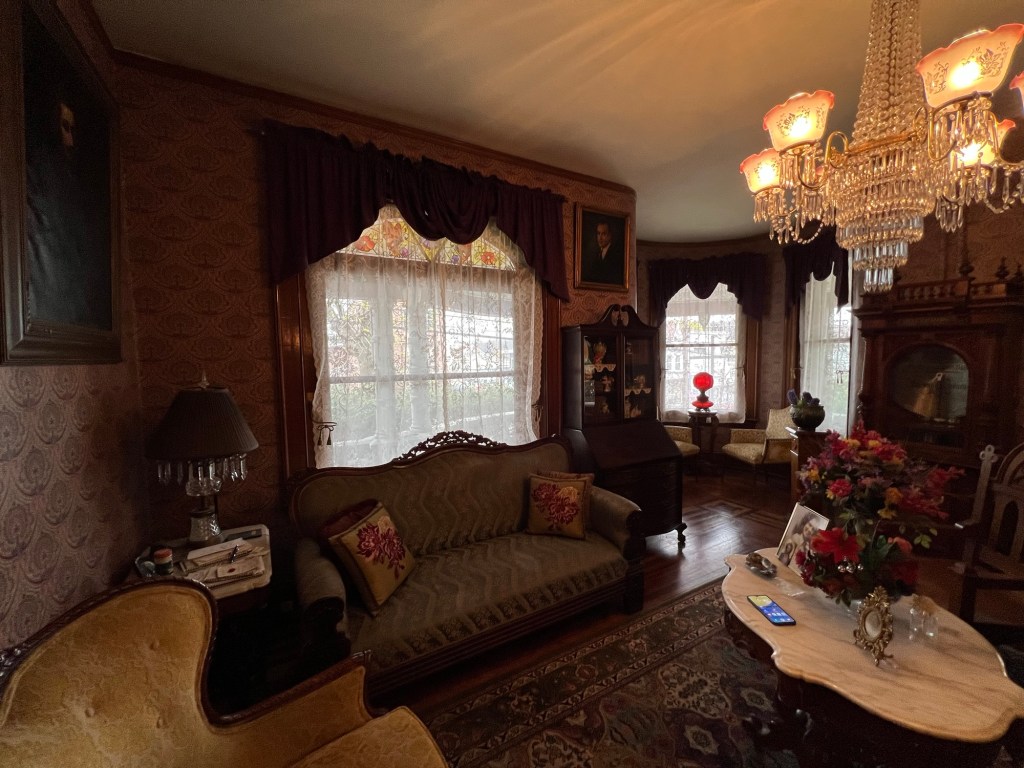
The formal Living Room

The house still has all its beautiful and ornate moldings and fixtures. The owners told us when the family moved out, robbers had come in and stole the mansions elaborate fixtures and chandeliers so they had to replace them.

The green couch is the only thing outside some family portraits and pictures still original to the house

The portrait of Mr. Smith in the Living Room

The portrait of Mrs. Smith in the Living Room

The owners had collected the most beautiful antique and period furniture over the years which decorates all the rooms. Every piece of furniture and decoration fits each room perfectly. From the elaborate window treatments to the beautifully maintained fireplace, the room may be formal but it is still very comfortable and cosy. The house from the time you walk in has a very welcoming feel to it.

The formal Dining Room

The formal Dining Room is set for formal tour and at the holidays. For today, the owners tiny dog greeted us and wanted to play. The details on these chairs were just spectacular. What a design.

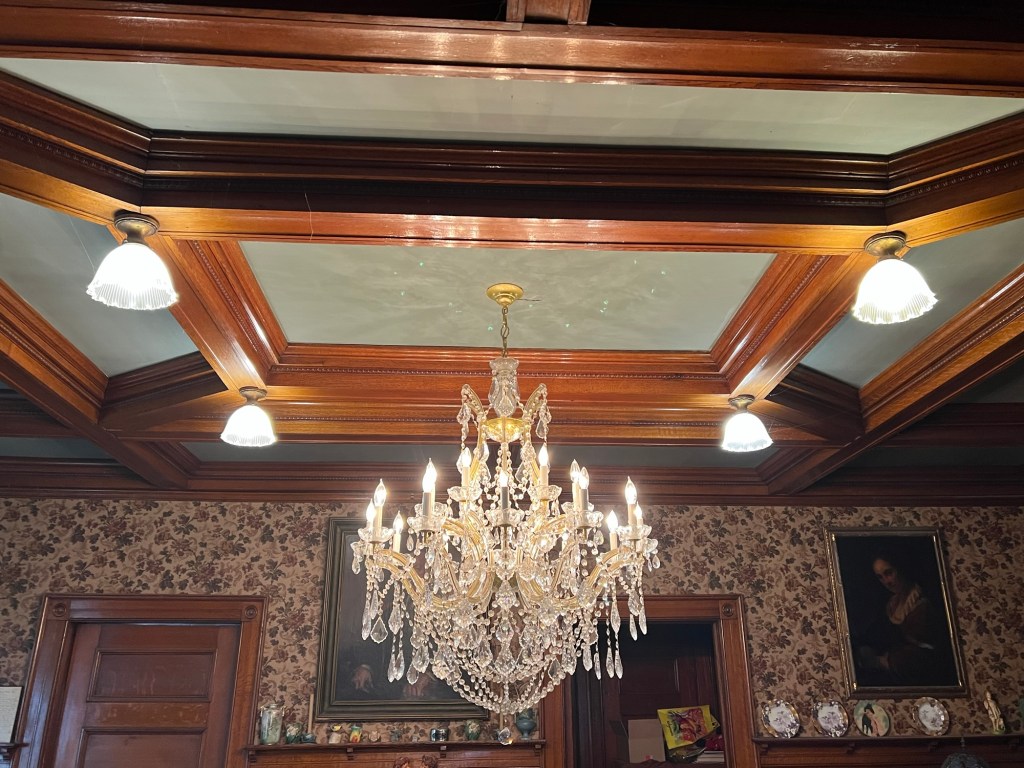
All the moldings are original to the house and all the furniture is beautifully carved and elaborate. The owners told us said the chandelier they picked fit perfectly in the room.

The Dining Room chandelier and the original wood moldings

The window seat of the Dining Room lets in lots of light

The Dining Room may be formal but with all the windows the room lets in lots of natural light and with seating around the room it still feels welcoming and less formal.

We moved from the first floor to the second floor where the library and some of the bedrooms were located.

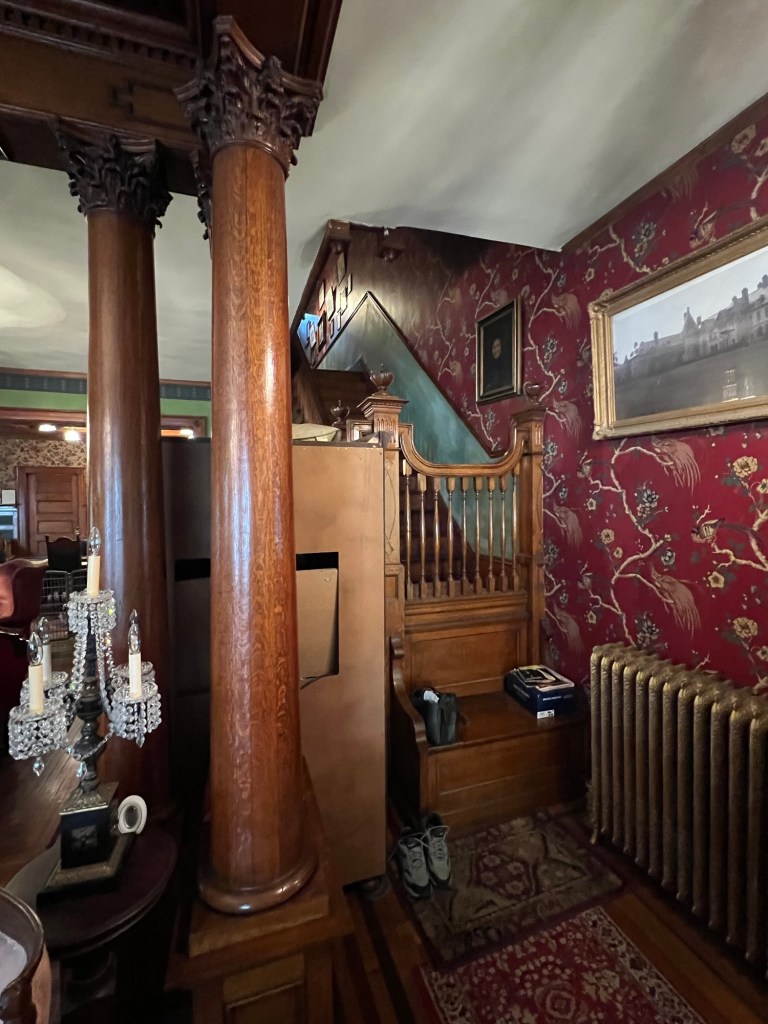
The staircase to the second floor with the elegant carved staircase

The family portrait of Mr. Smith’s mother greets you up the stairs

In the hallway of the second floor were photos and portraits of the family members which the third generation of the family did not want and sold to the current owners. It is amazing what family will not want of their own past.

Photos of the third generation of Smith’s who moved out of the area. These are of the children and grandchildren of the Smith’s

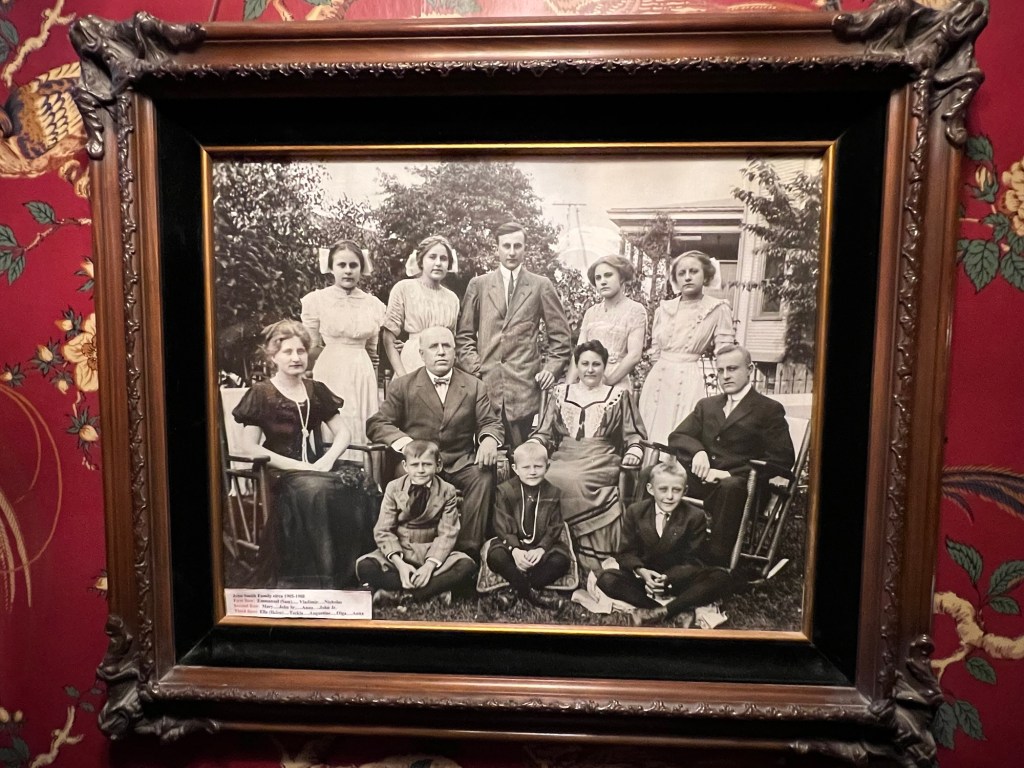
The Smith family photo in the late 1890’s

The Smith family again in the 1930’s

Our next room of the tour was the library where the owners books, paperwork and more art was located.

The second floor library

The work space, book shelves and the alcoves give the room that homey touch

The Alcove in the library looks over the City

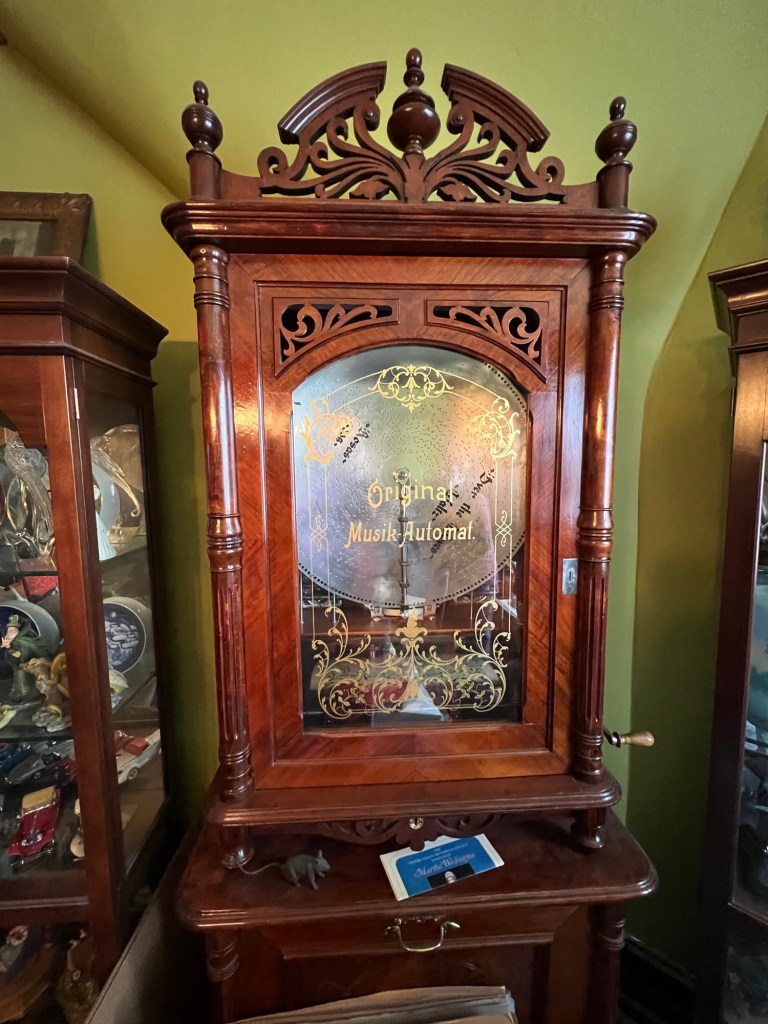
The Library with the music boxes

The owners opened this music box and played for us

The video of the music:

The Library is such a great room just to sit and read, think and relax. I could see why they love it so much.

We then walked to the third floor and we toured the Tower Room, which really has an amazing view of the city. You could see all over town from here. The inside garden in the Tower Room is so beautiful and receives so much sun.

The Tower Room is one of the sunniest rooms of the house.

This room on the third floor of the mansion has the best views of Mahanoy City and looked like Mr. Smith’s message to the town that he had arrived. You could see all over town from this window. Now the room is used as a type of greenhouse for beautiful potted plants and flowers perfect with all the sunlight. This is one of the nicest room in the house.

The Curio Room where the owners keep their collections of knick-knacks and decorative items that line the shelves and tables of the house, there was another music box. One of the owners collected these treasures over the years and the house has lots of examples of these beautiful antiques that were created before radio and records.

The Music box playing:

The music box was once in a hotel lobby

The owners explained that part of the third floor is used for storage and for their collections. There were all sorts of small sculptures and assorted Knick-knacks that decorate rooms lining the shelves. The owners had done and amazing job on the upkeep of this beautiful home.

The last part of the tour was we went outside on this sunny morning to see the outside gardens. They were impressive for such a small space. The flowers were just starting to bloom and the trees were starting to bud over this cold patch of the early Spring. This weekend was the first weekend where the weather had been nice and started to warm up.

The garden in front of the house just as Spring was starting

The back walled garden and fish pound

The owners own the two homes next door to the mansion and have combined the back gardens. So they had this small fish pond stacked with Japanese fish and walls covered with vines. There is a small gazebo so that you can sit and relax outside in the warmer months.

The other side of the backyard garden just as Spring started

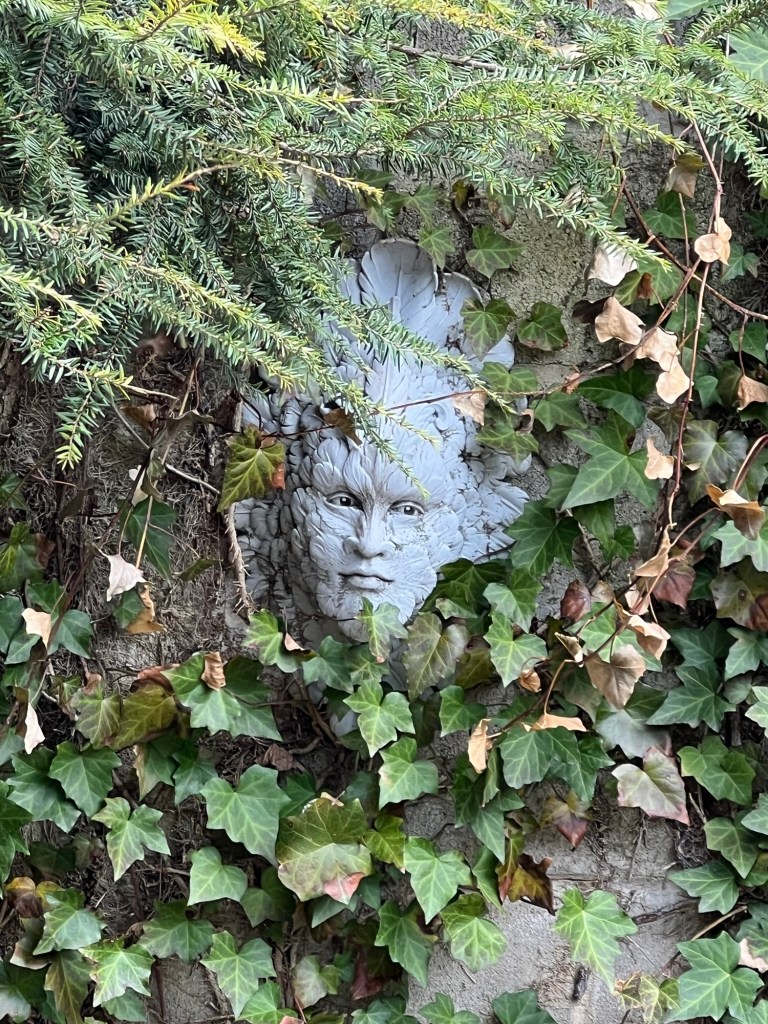
Faces pop up between the vines of the walked garden

The views of the downtown from the house

The tour concluded in the gardens. The owners were explaining how much more beautiful the gardens are in the late Spring and Fall.

The tour was wonderful and the owners could have not been more gracious with their time. They also explained how they will be opening their home again to the public during the holidays during Christmas and hopefully Halloween and how I should come back to visit.

The formal tour of the Smith Mansion again is by private tour only except at holiday Open Houses and can be arranged through the owners of the home. It really is an interesting look at areas industrial past and what life in local society must have been like at that time. It also shows how things change over time and fortunes are made and lost and business and families move on.

It was a wonderful afternoon of stepping back into the past.

Mahanoy Area Historical Society                                          1 West Center Street #5                                    Mahanoy City, PA 17948

Mahanoy Area Historical Society 1 West Center Street #5 Mahanoy City, PA 17948

Mahanoy Area Historical Society

1West Center Street#5

Mahanoy City, PA 17948

(570) 773-1295

https://www.mahanoyhistory.org/

https://www.facebook.com/p/Mahanoy-Area-Historical-Society-100063570881125/

Open: Sunday-Wednesday Closed/Thursday-Friday 12:00pm-3:00pm/Saturday Closed

Admission: Free but donations are accepted

My review on TripAdvisor:

https://www.tripadvisor.com/Profile/R4960NKjustinw/mediabatch/13476787?m=19905

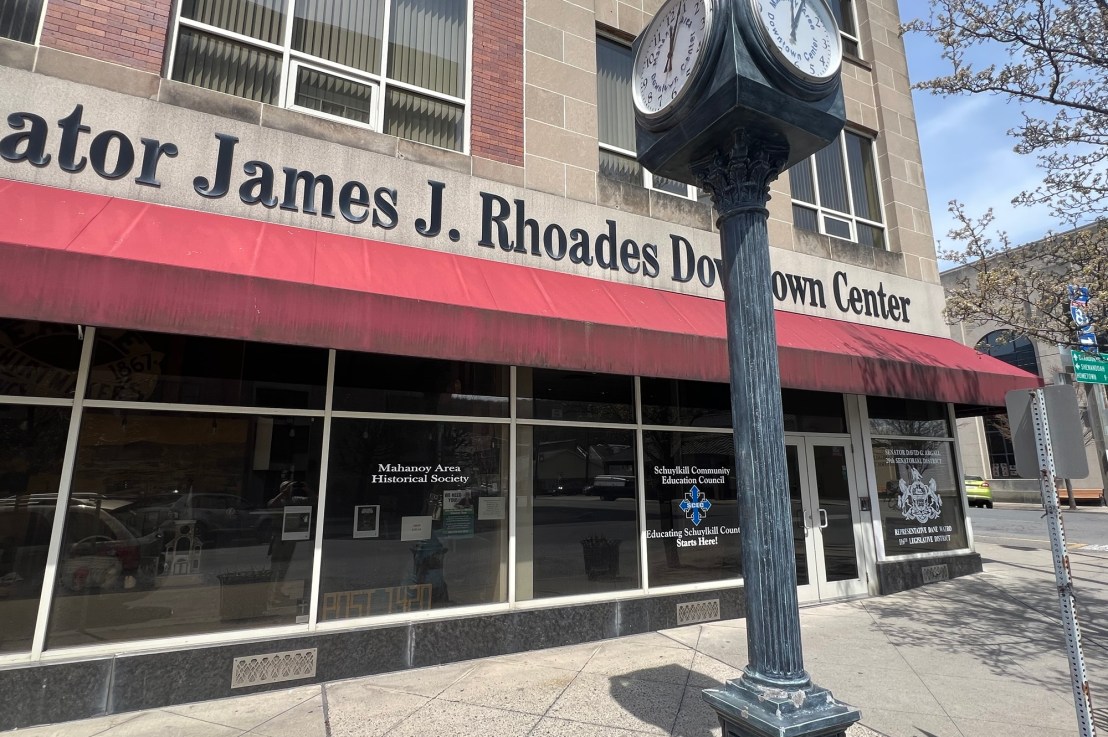
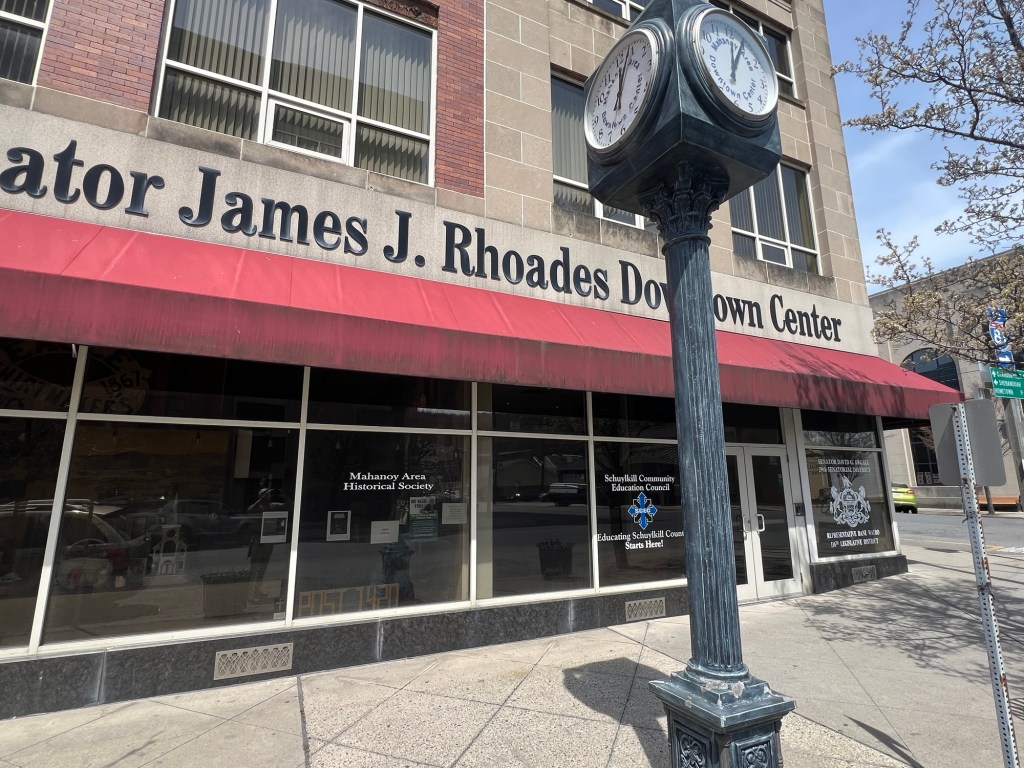
The front of the Mahanoy Area Historical Society at 1 West Centre Street#5 in Mahanoy City, PA

(from the museum website)

The museum is located on the first floor of the James J. Rhoades Downtown Center at the corner of Main and Centre Streets in Mahanoy City.

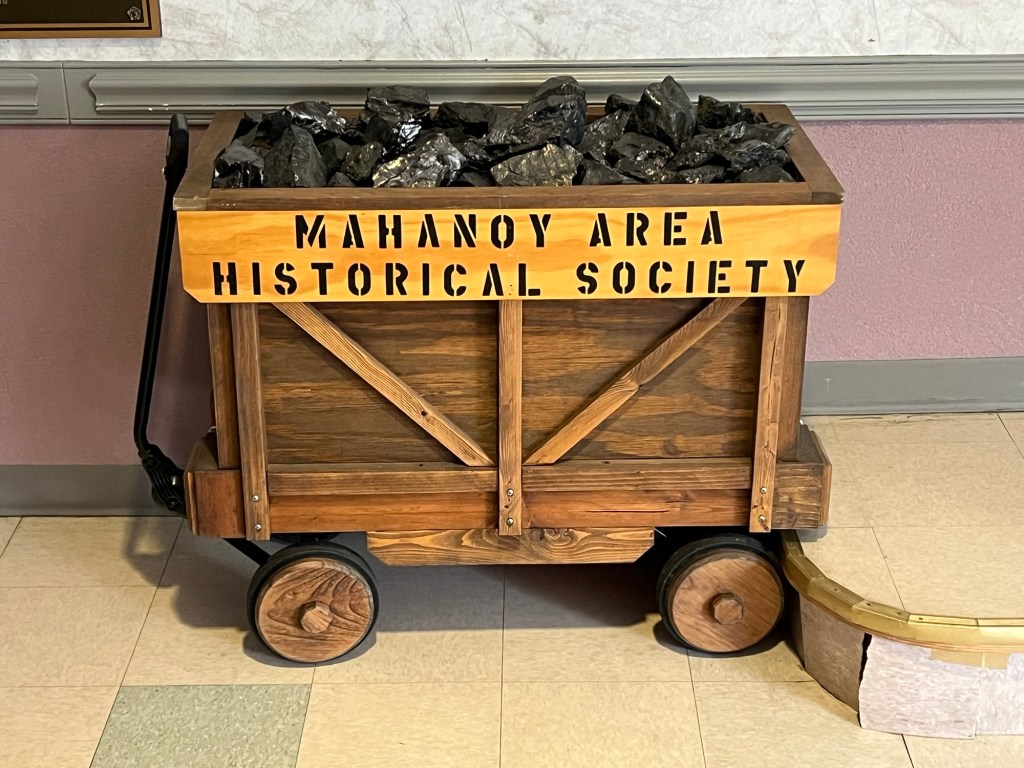
A representation of the Coal Mining Industry in Mahanoy City

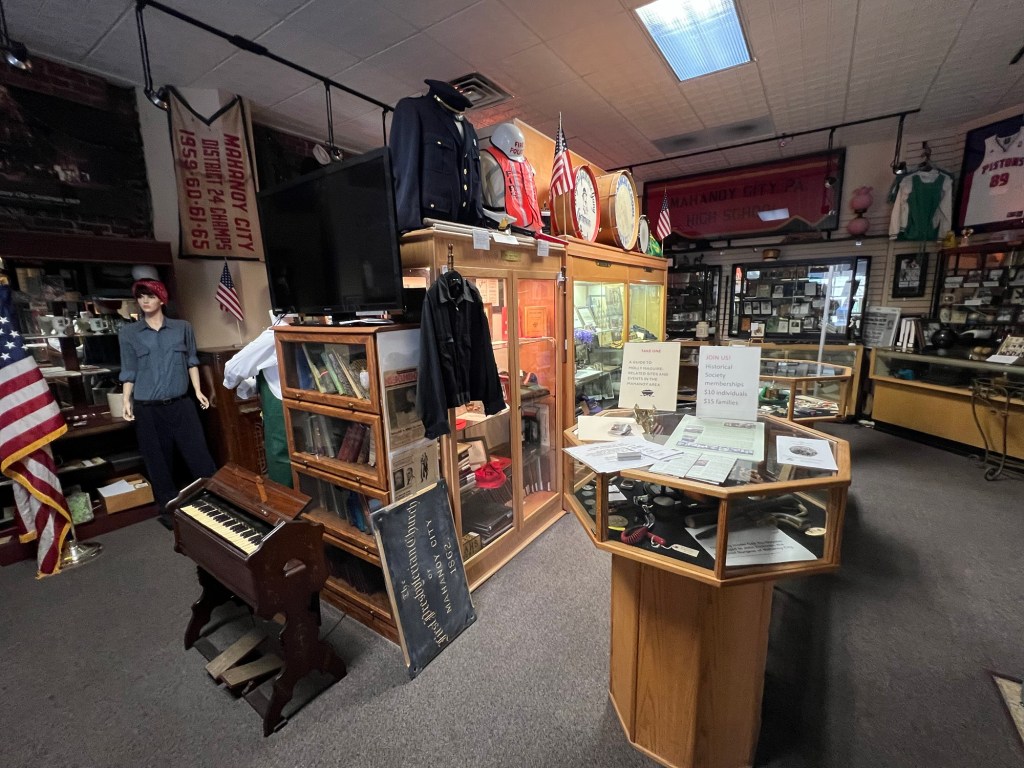
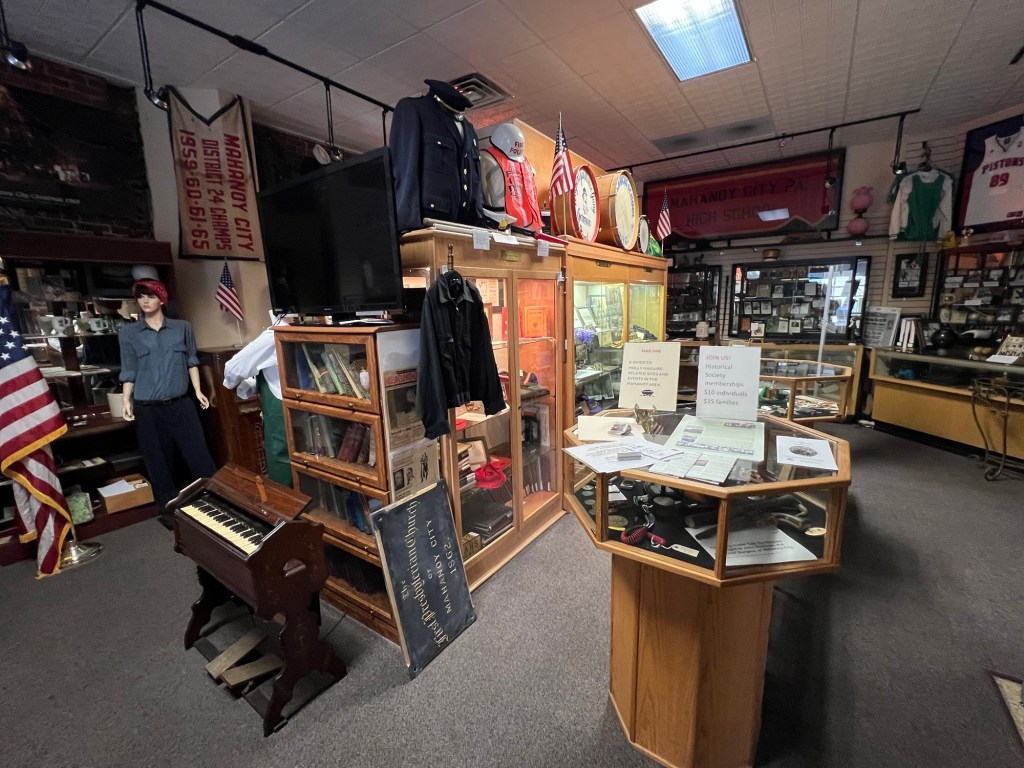
The inside of this interesting museum

The Mission of the Museum:

(From the museum pamphlet):

To preserve and protect the history of the Mahanoy Area and to work toward the restoration, revitalization and future of the community.

A glimpse into the areas contributions to the Mining industry

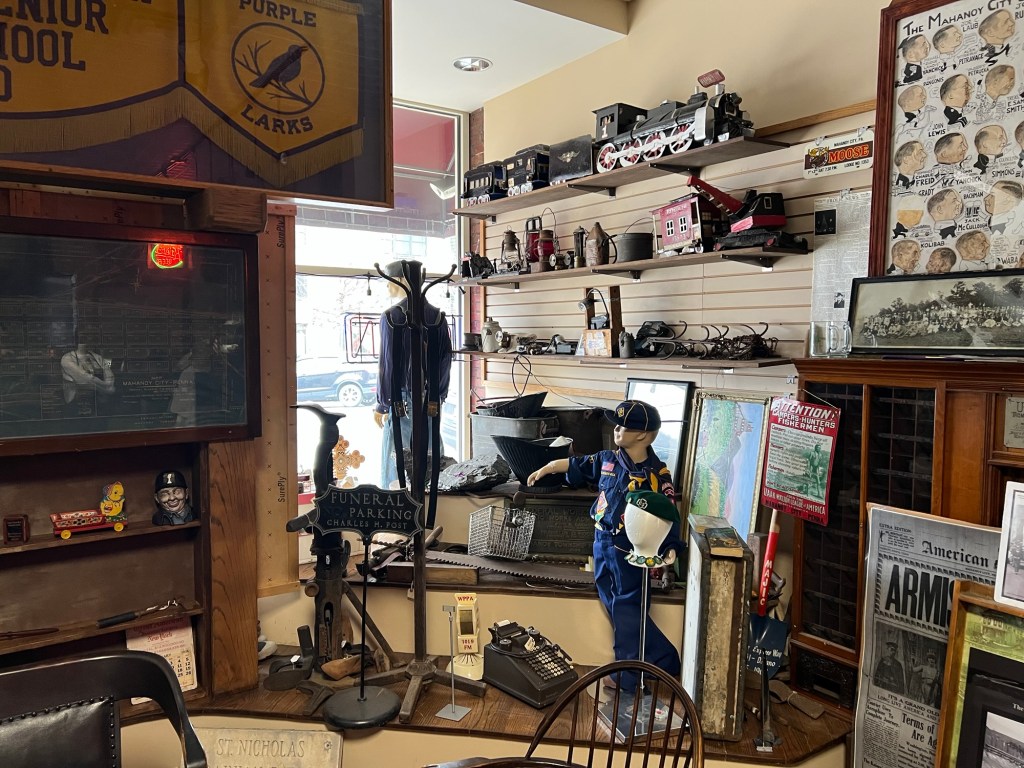
I took time on my visit to Mahanoy City, PA to visit the Mahanoy Area Historical Society and discovered an interesting little museum that tells the story of this small city, whose roots and founding are around the local mines. The displays show a tight knit and proud community even in the changes in the economy and the status of the mines.

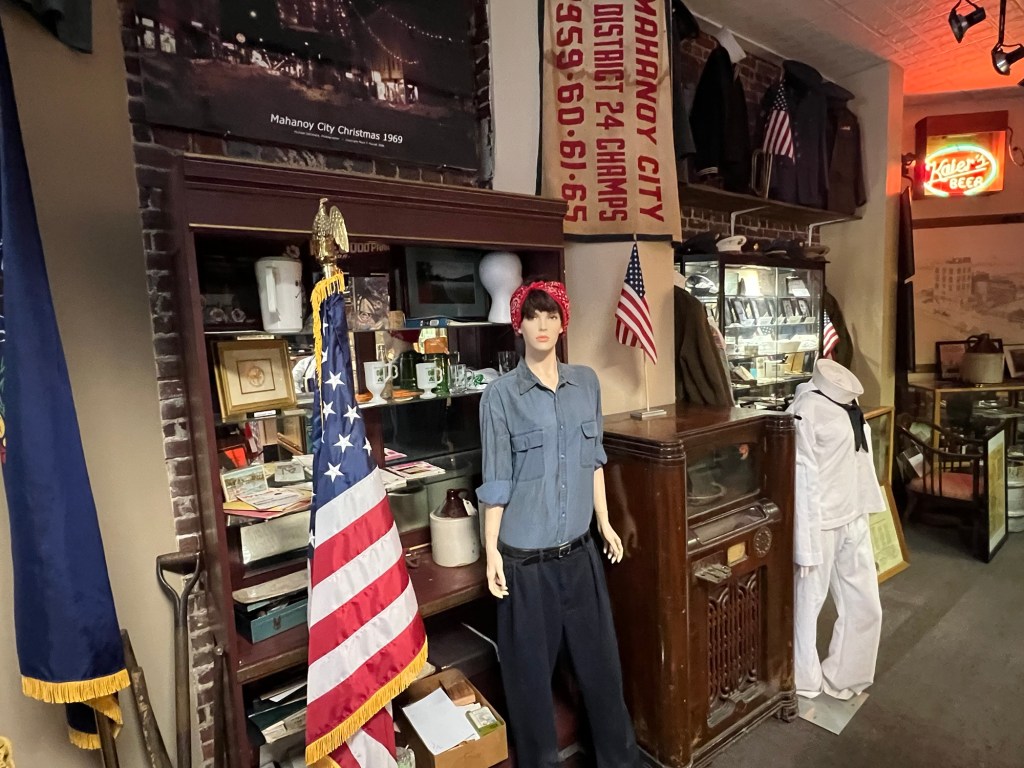
There is a lot of memorabilia on the contributions of local residents to our armed forces

The pride of the community to our country

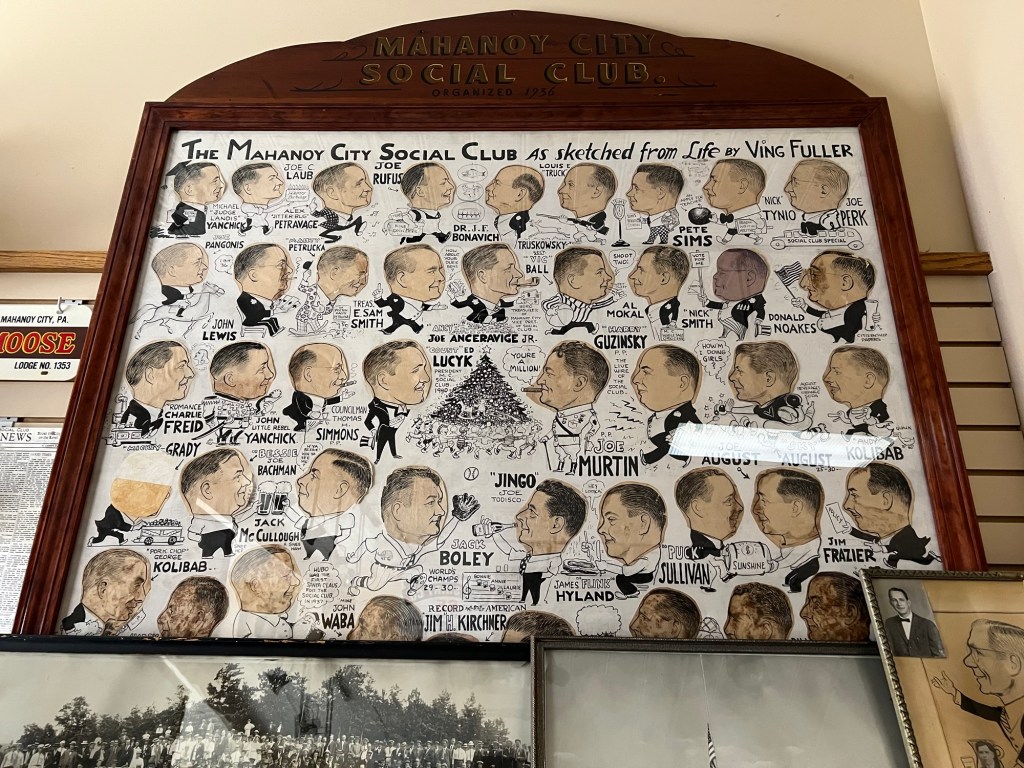
The characters of the movers and shakers of the community in The Mahanoy City Social Club, who once dominated the business scene in town.

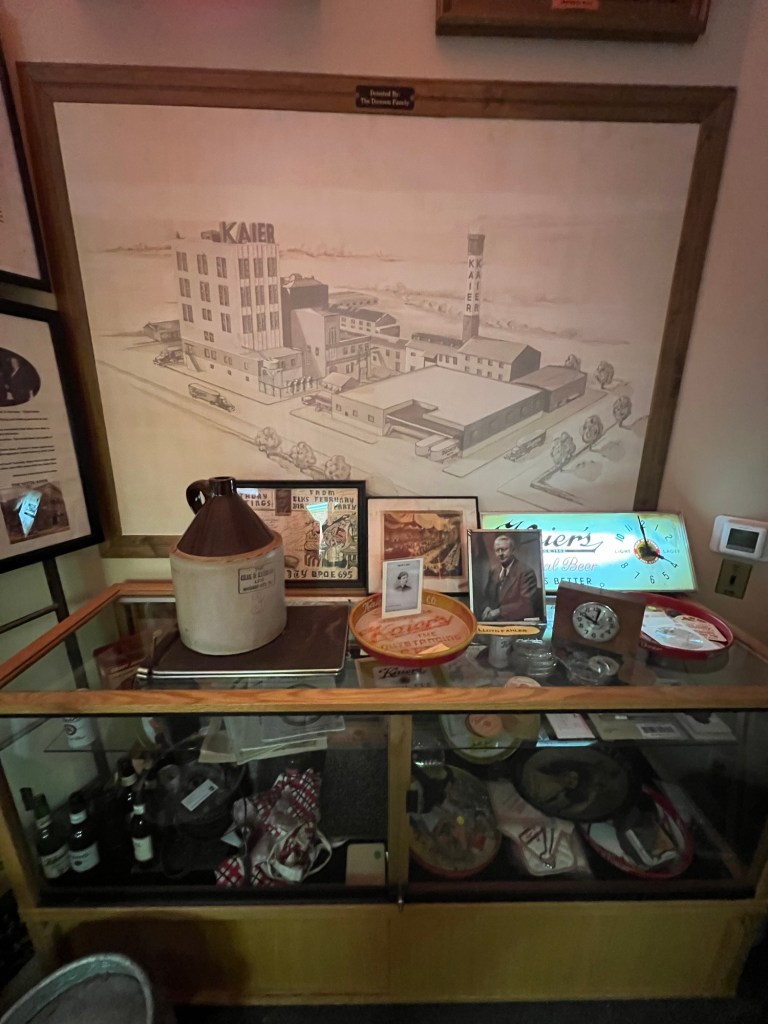
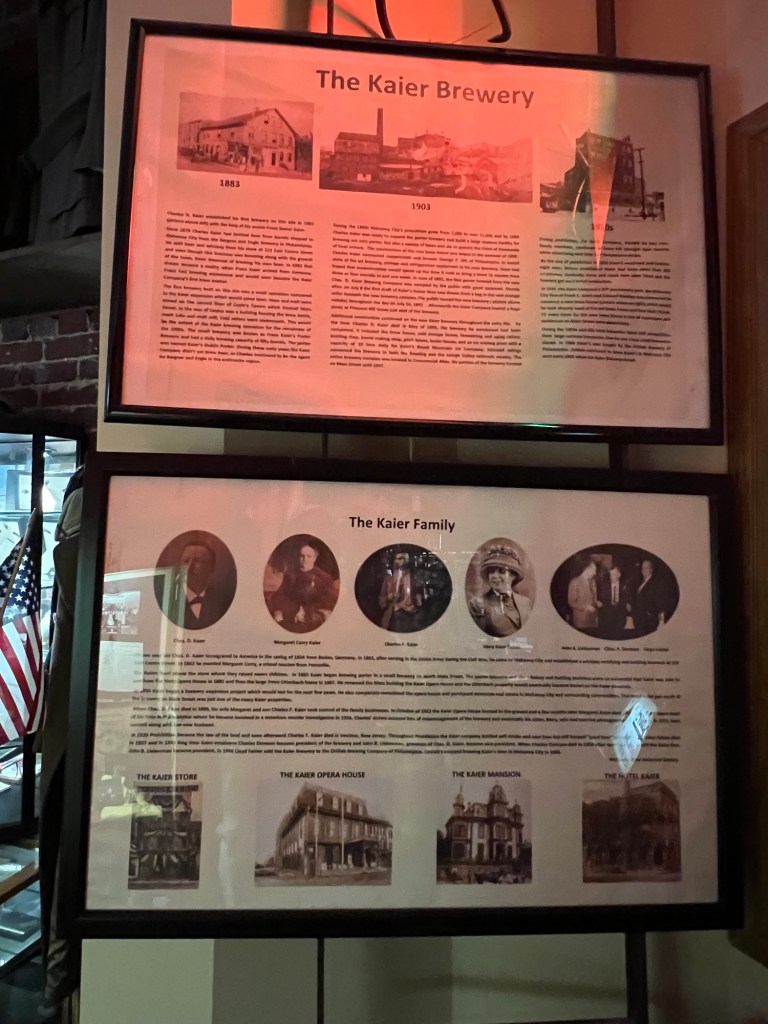
The display of the Kaier Brewery, once a dominate business in town until the late 1960’s

https://en.wikipedia.org/wiki/Charles_D._Kaier_Company

https://www.thebeerprofessor.com/?tag=kaiers-beer

The knocking down of the old Brewery Building:

https://www.wnep.com/article/news/local/schuylkill-county/watch-the-old-kaier-brewery-come-crashing-down-in-mahanoy-city/523-f8ce5f7e-136f-4bff-806e-d5debcd86553

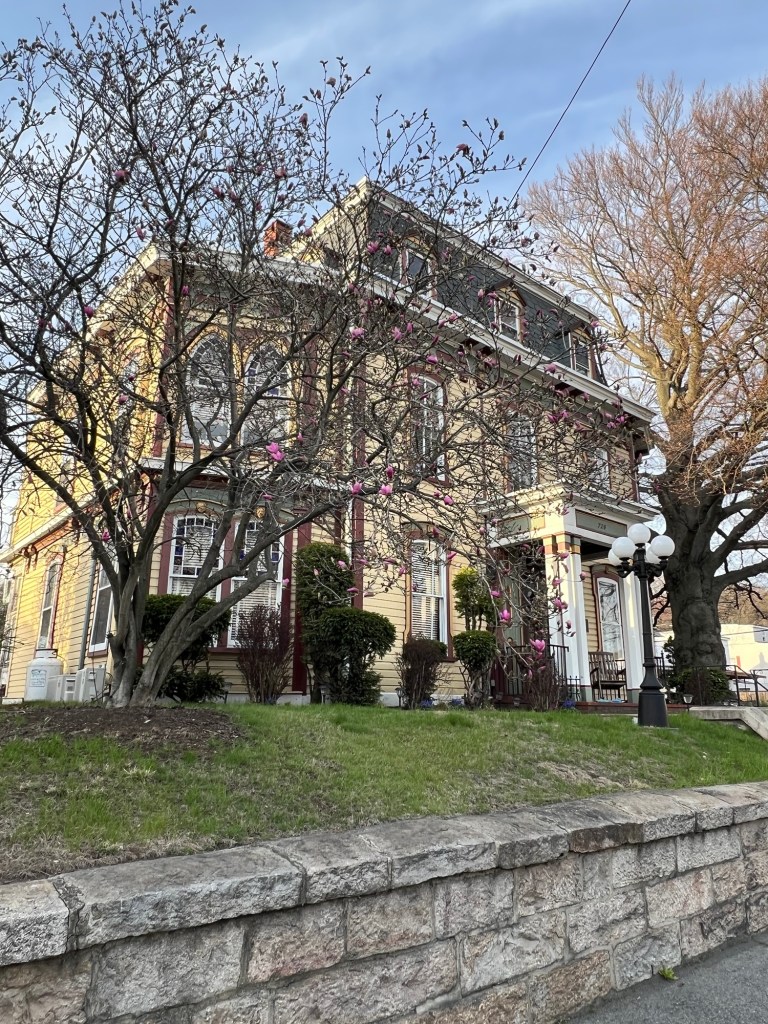
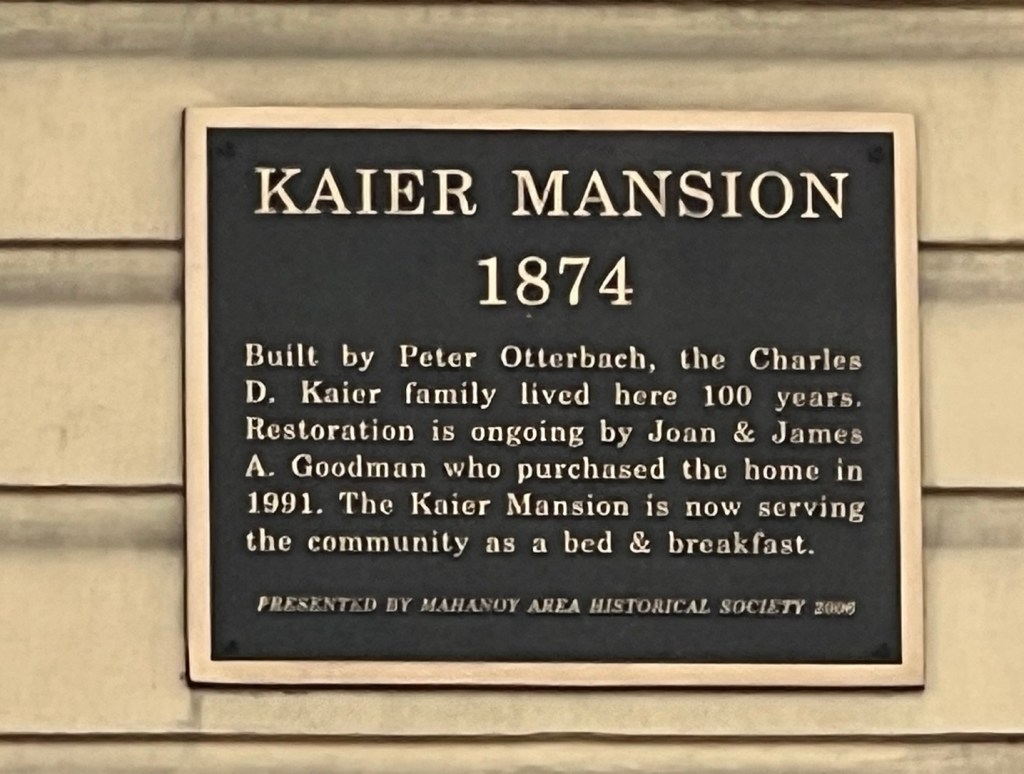
The former Kaier Mansion is right down the road from the old brewery is now a B & B

https://www.kaiermansion.com/

Review on TripAdvisor:

https://www.tripadvisor.com/Hotel_Review-g53087-d1517244-Reviews-Kaier_Mansion_Bed_Breakfast-Mahanoy_City_Pennsylvania.html?m=19905

The plaque on the old mansion down the road from the museum

The history of the Kaier Brewery family in the area

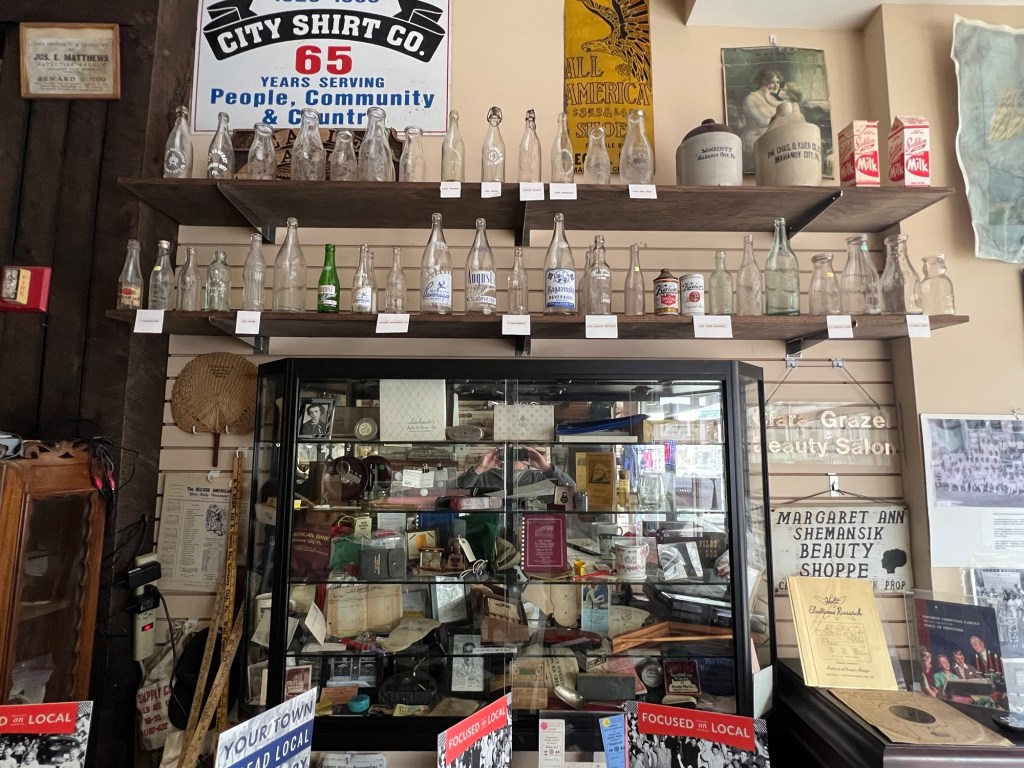
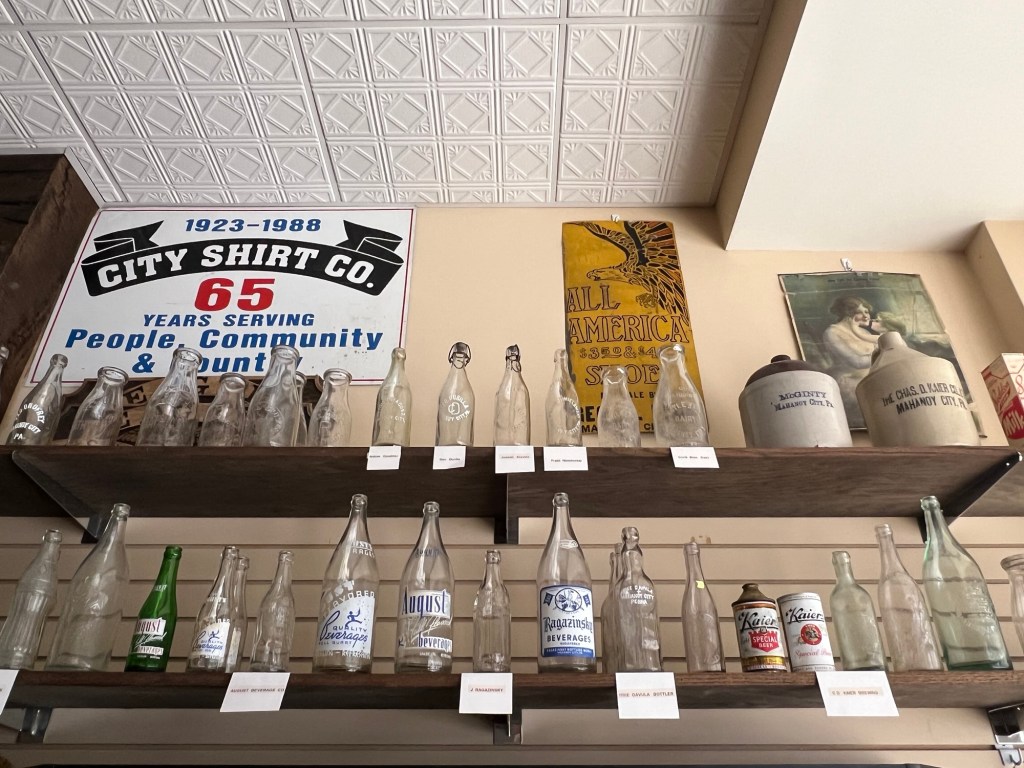
The local businesses in the downtown and the bottling plants that once dominated the area for beverages produced around Mahanoy City.

There were many individual bottlers in the area

The many companies that dominated the area

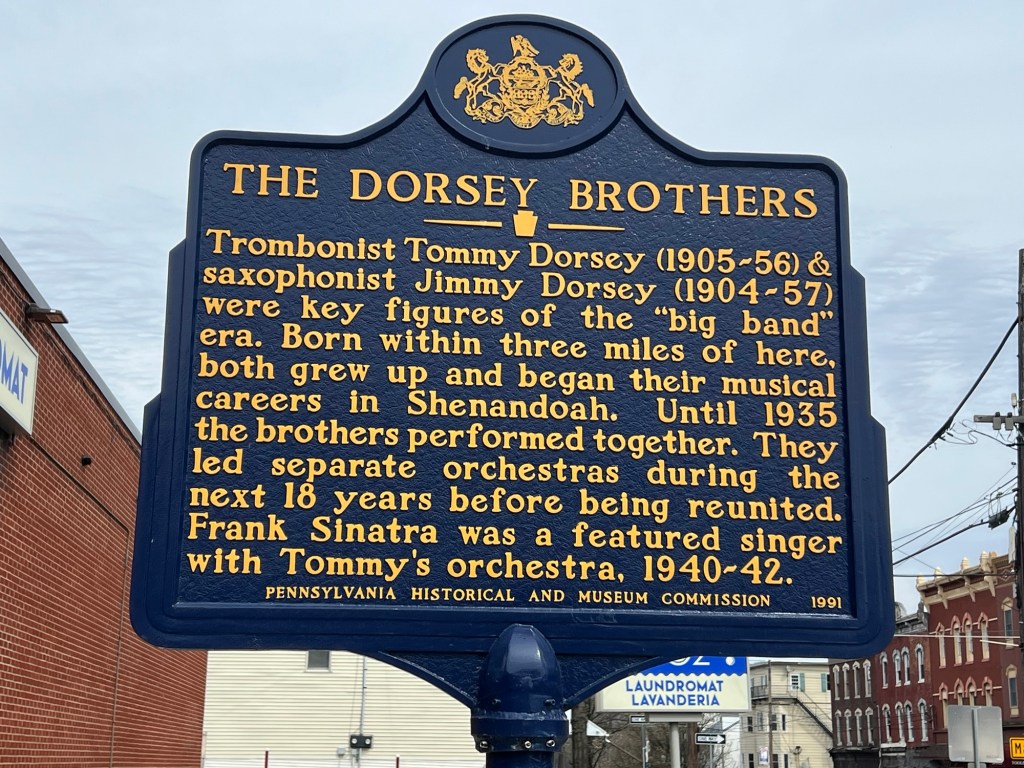
New York and Hollywood have their roots in the community too with the Dorsey Brothers, Tommy and Jimmy Dorsey raised around both here and Shenandoah.

The historical marker in Shenandoah

https://en.wikipedia.org/wiki/Tommy_Dorsey

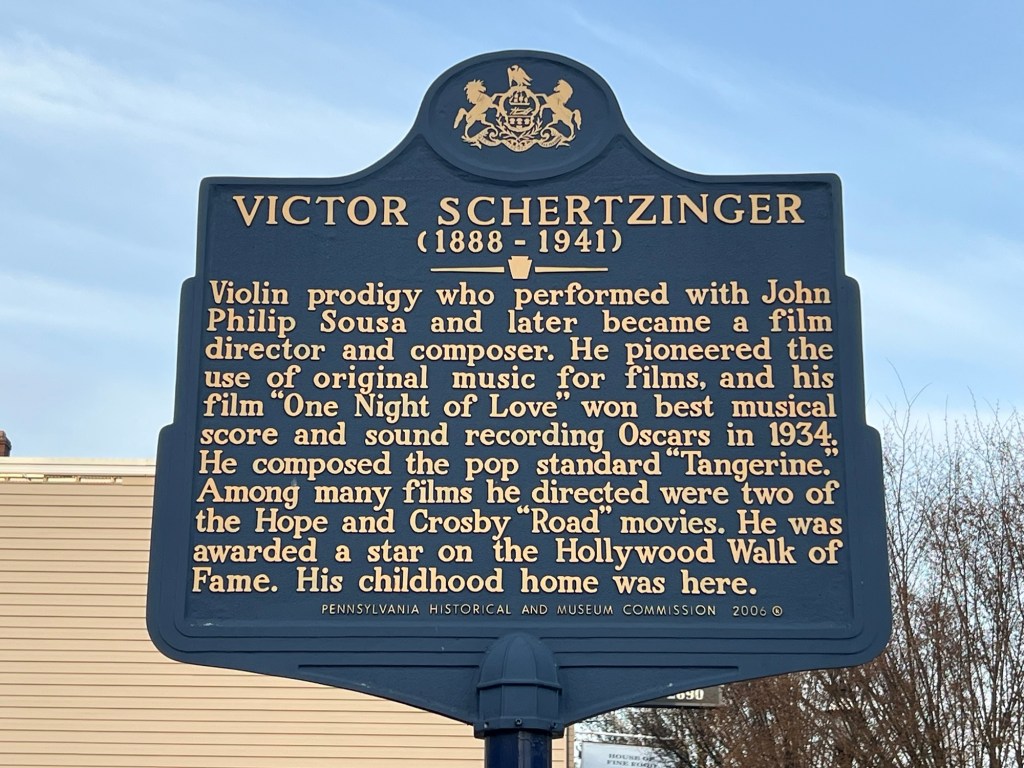
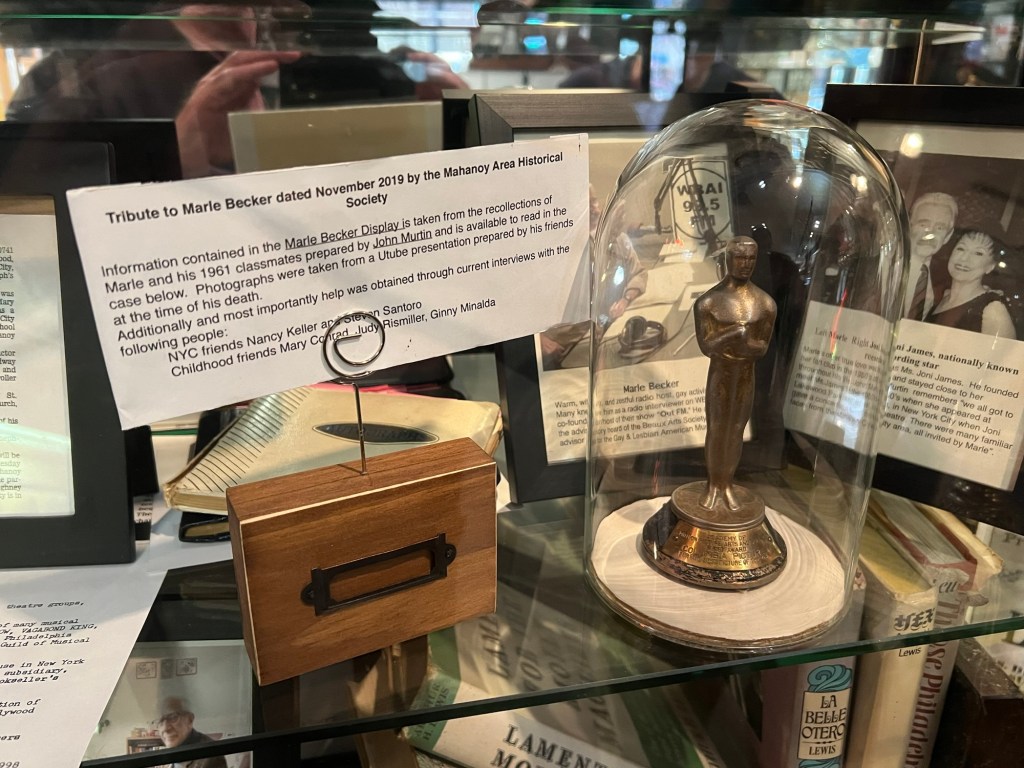
The other being Victor Schertzinger, who was a director and composer, who won the Academy Award for best original music for the film ‘One Night of Love’.

The marker near the Historical Society

https://en.wikipedia.org/wiki/Victor_Schertzinger

The Clip from “One Night of Love”

His Oscar was donated to the museum by his family

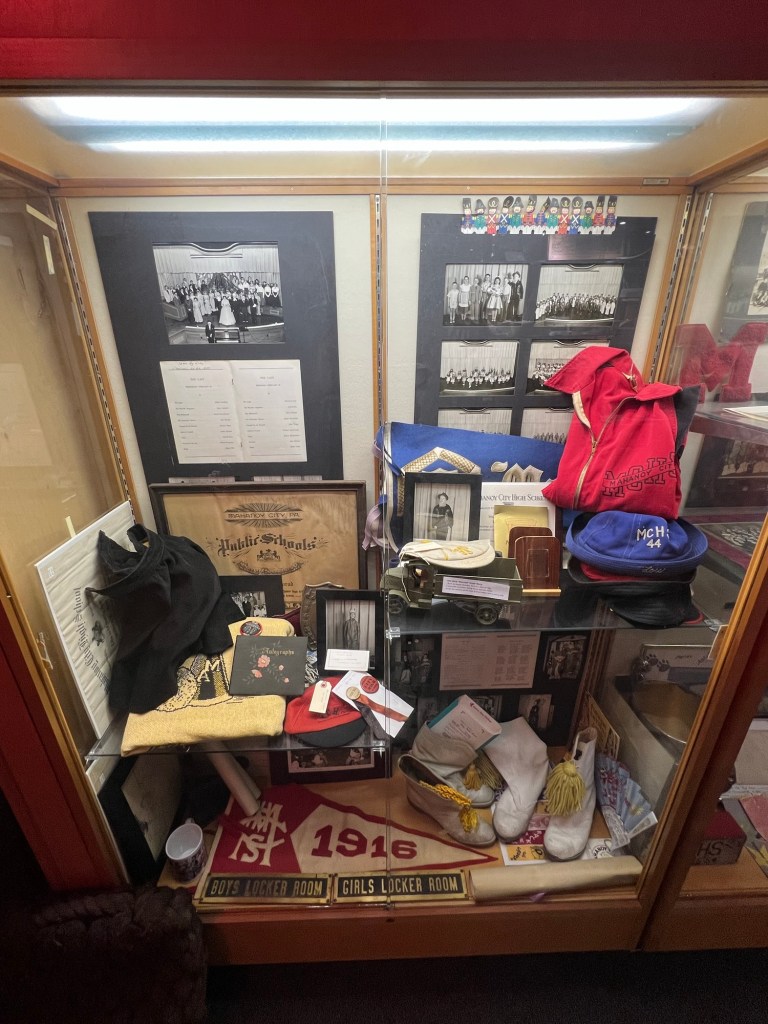
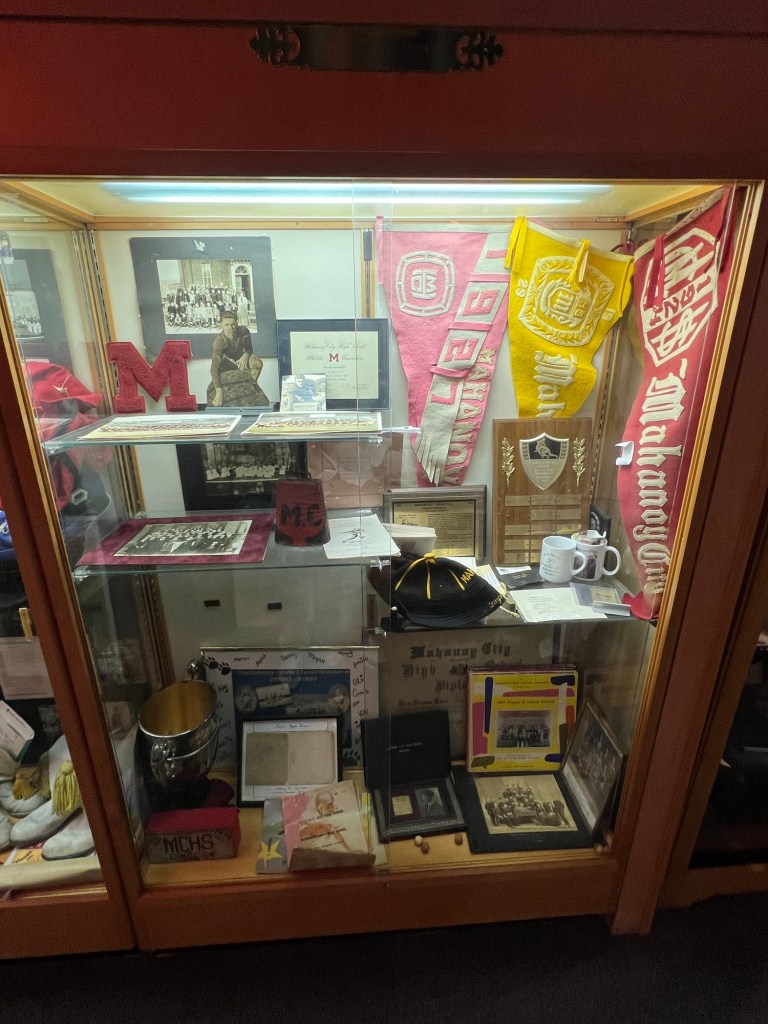
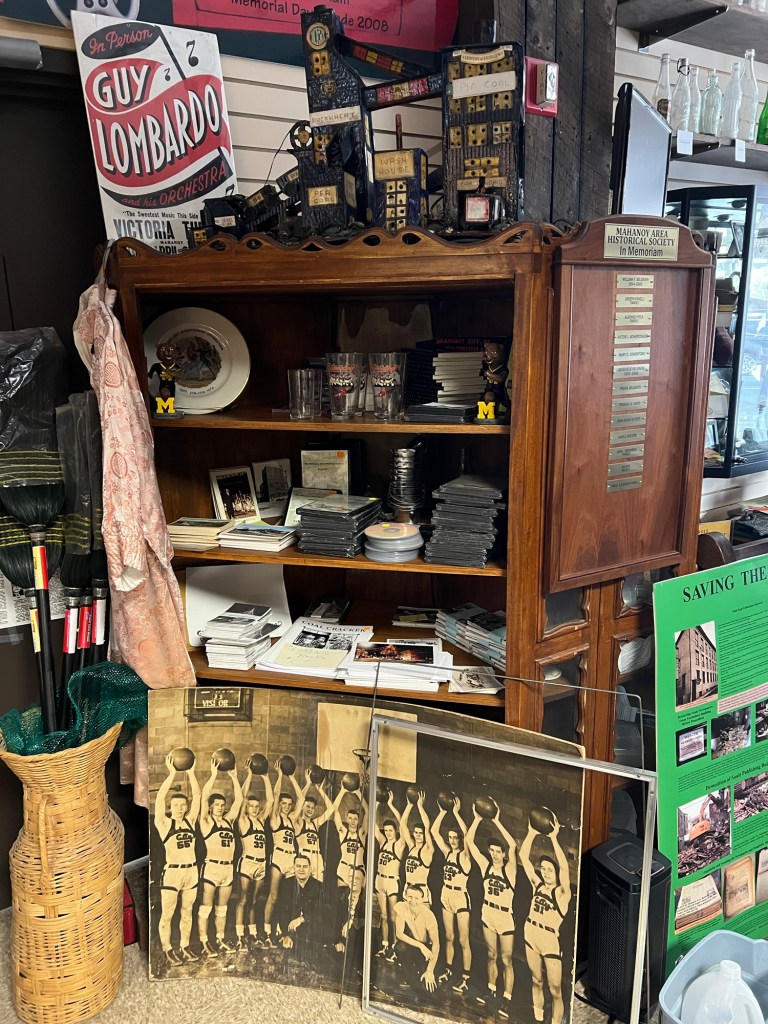
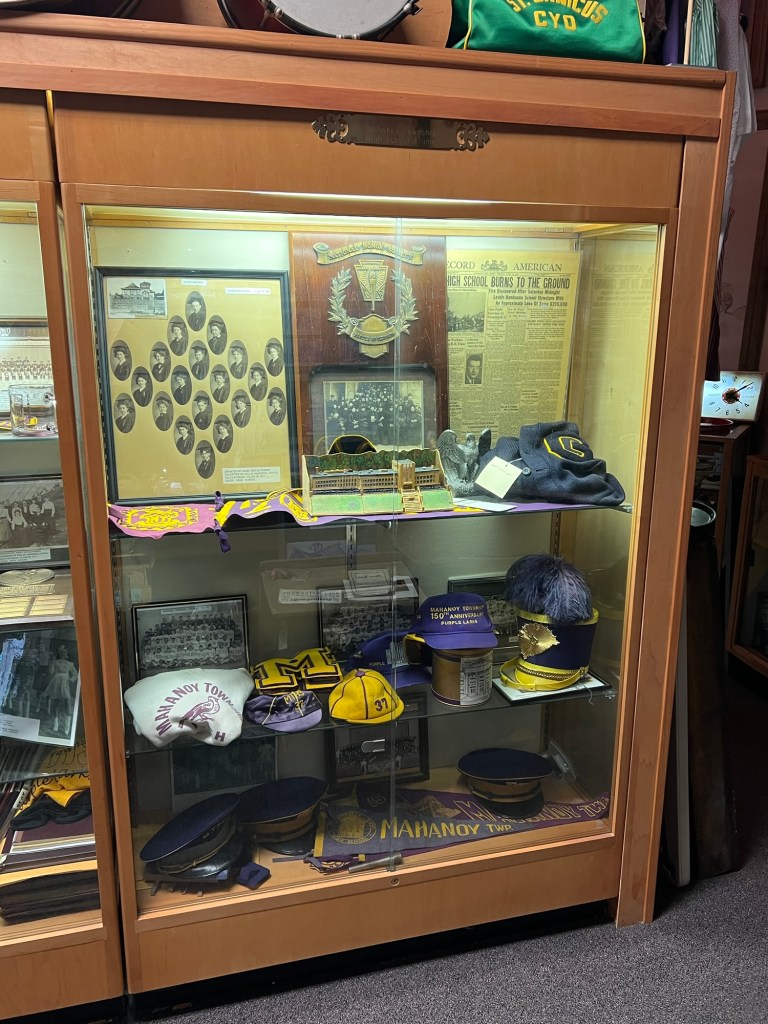
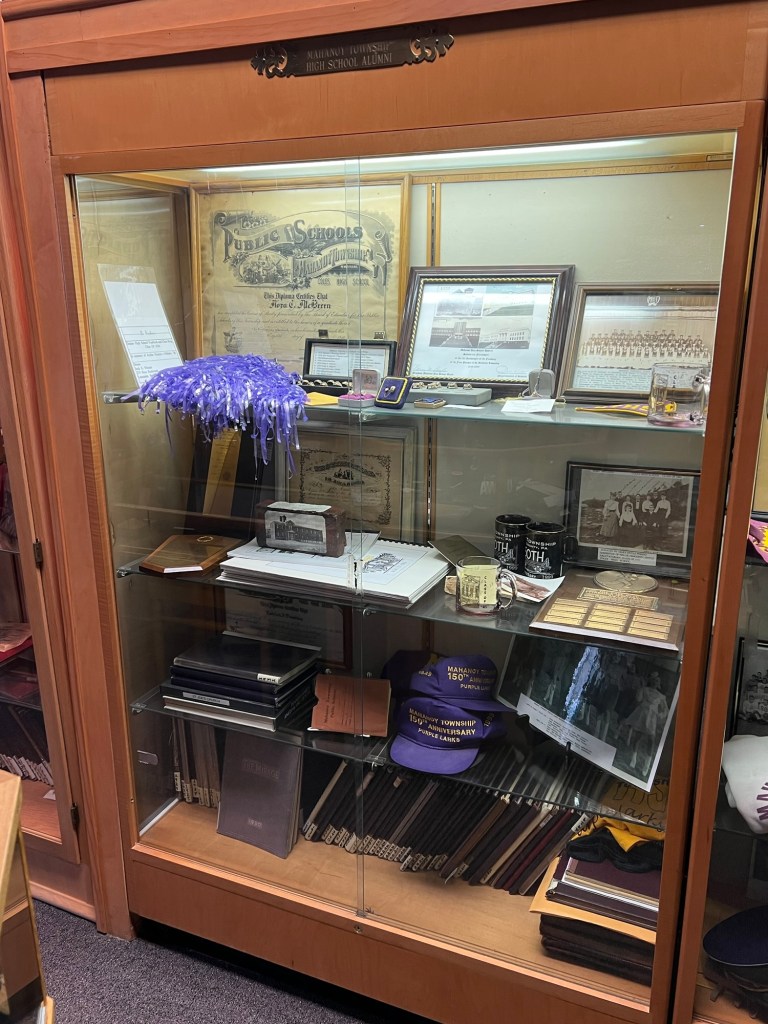
A big part of the museum is the collection from the Mahanoy City and the Mahanoy Township school systems. There is a big history of sports and with school pride in this area.

The display of school memorabilia at the museum

The high school memorabilia from Mahanoy City schools

High School memoribilia

High school pride

School uniforms and clothing

Awards, plaques and yearbooks

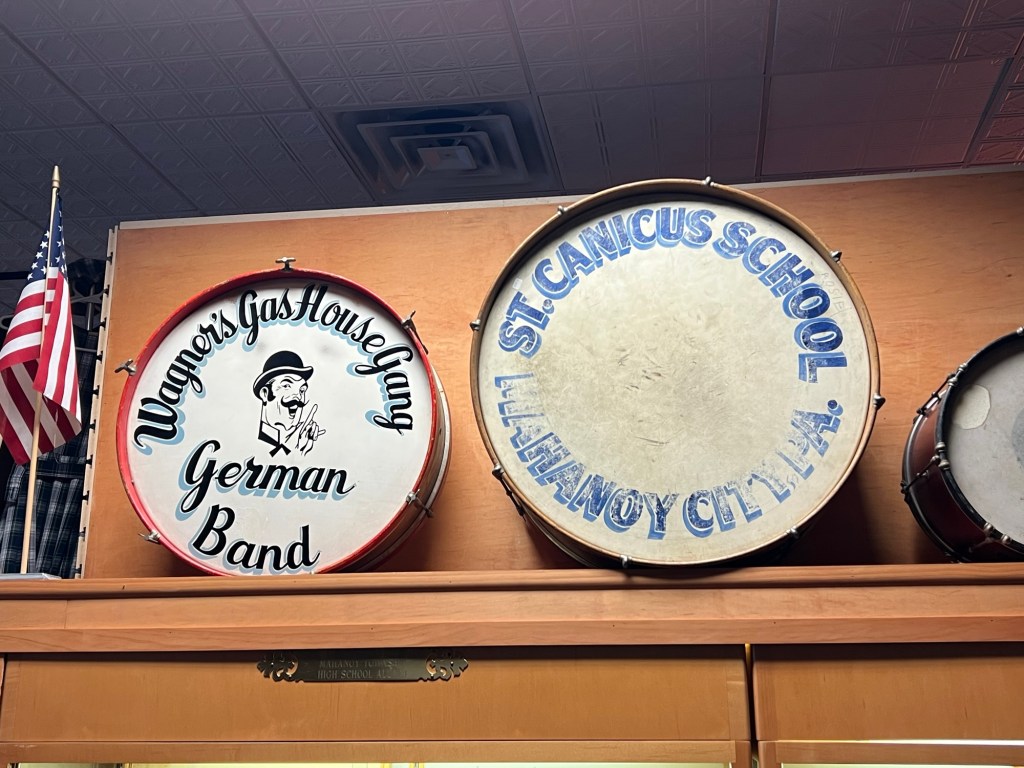
The school and local band equipment

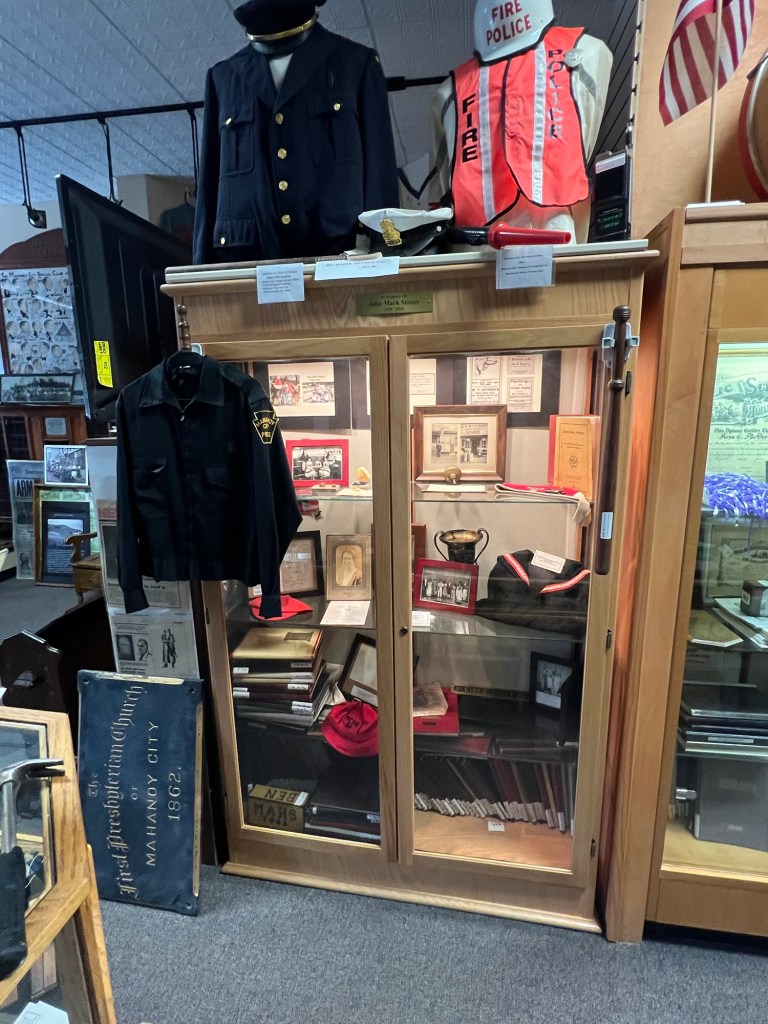
The para-Military is prominent in the collection with many families donating their family items. Items from the Police and Fire departments are prominently on display.

Display cases of local items

Civic items in the collection

More historical items from around the community

Local artifacts from the community

There were many businesses that were created in the area when innovation and technology were changing between the wars.

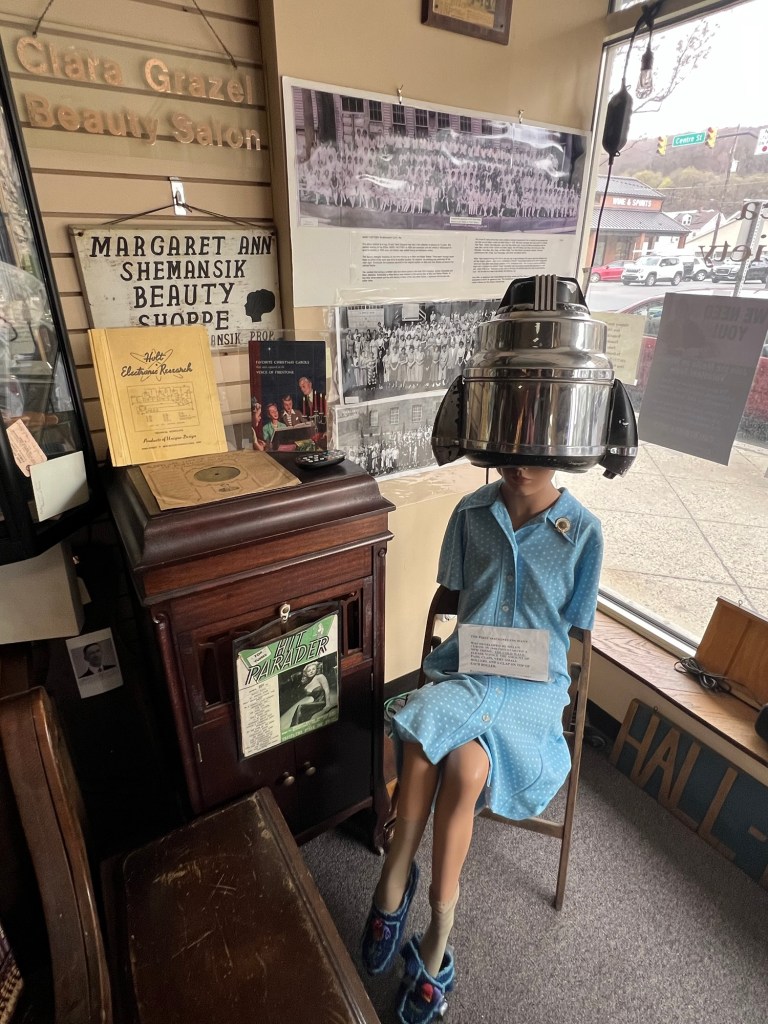
The clothing and beauty industries were founded and thriving businesses in the community.

Items from the mining industry are prominently displayed in the front of the museum.

The front of the museum

The museum shows the creation, growth and pride in this and the surrounding communities. Innovation and creation were once prominent in Mahanoy City now waiting for another generation to discover it and keep this tradition alive.

The Church community

After the visit to the museum, I walked around the downtown to see the before and after effects of the mines and the industries that have closed down over the years.

Downtown Mahanoy City, PA

https://www.mahanoycity.org/

While it does look depressed in some ways, you can still the spark of a community that needs to be discovered again. Somewhere buried in this community is the next new business or innovative idea that will once again showcase it again. There is a lot of pride still here and it shows in the history in this museum.

Exploring the downtown area

The Historical & Genealogical Society of Indiana County                                                                            621 Wayne Avenue                                               Indiana, PA 15701

The Historical & Genealogical Society of Indiana County 621 Wayne Avenue Indiana, PA 15701

The Historical & Genealogical Society of Indiana County

621 Wayne Avenue

Indiana, PA 15701

(724) 463-9600

https://www.hgsic.org

Open: Sunday-Monday Closed/Tuesday-Friday 9:00am-4:00pm/Saturday 10:00am-3:00pm

Admission: Free but accepts donations.

My review on TripAdvisor:

https://www.tripadvisor.com/ShowUserReviews-g52878-d27172359-r936948476-Historical_and_Genealogical_Society_of_Indiana_County-Indiana_Pennsylvania.html?m=19905

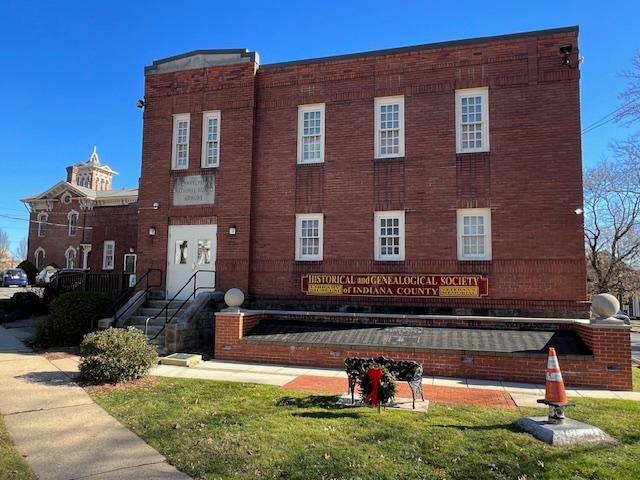
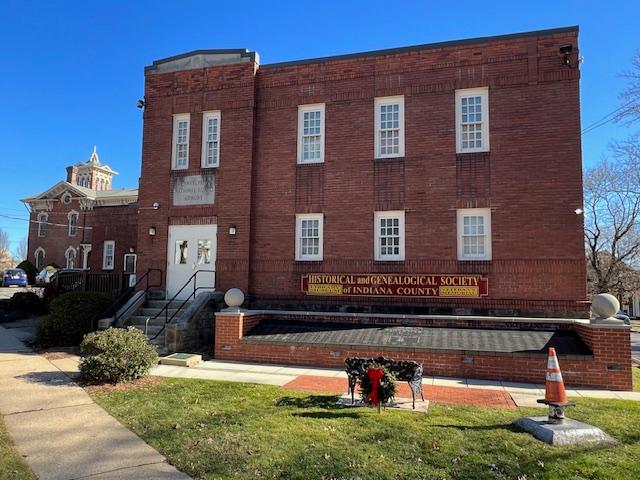
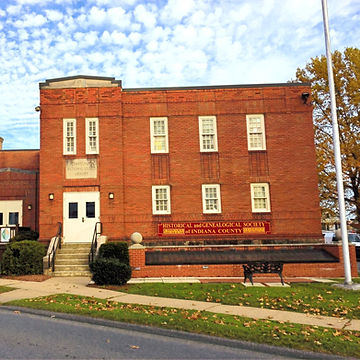
The Society from the front of the building at 621 Wayne Street.

The Historical & Genealogical Society of Indiana County displays the story of the founding and the development of Indiana County, PA from its origins as a stop on the path of the Native American Lenape tribe at their crossroads to the Midwestern part of the country to its development as a coal mining and timber town to its modern day development as the County seat of Indiana County and where the crossroads once again passed with the railroads and shipping and transportation. Now serving as the County Seat and a prosperous College town, home to the University of Indiana Pennsylvania.

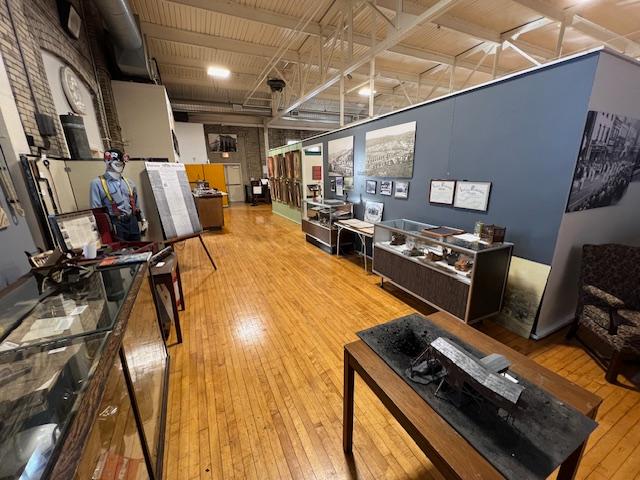
The inside gallery of the Historical & Genealogical Society of Indiana County open with the history of the local tribes that once lived here and then continue on with displays of the coal mining and timber industries.

The galleries open with the history of the Native Lenape tribes that lived here before colonization.

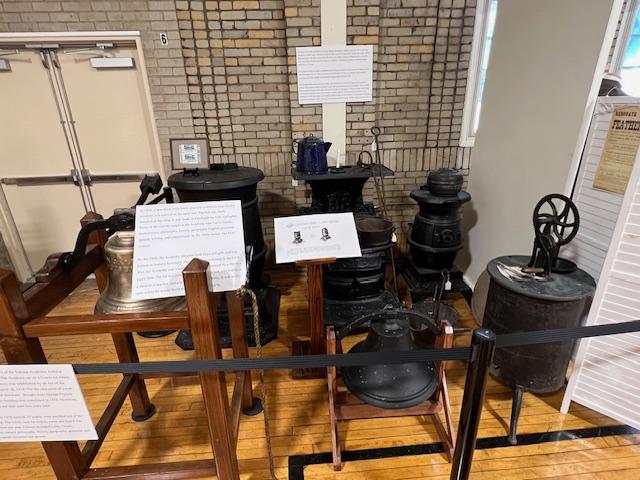
The Coal Mining display

The Mining Industry

The History of the Mining Unions and their role in life in the mines for their workers.

The Logging Industry display of items.

The Logging Industry display on the first floor.

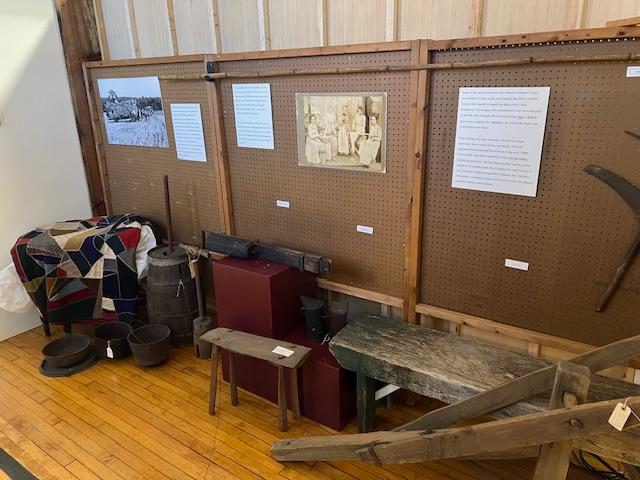
Everyday life in Indiana, PA for townspeople.

The Sports Hall of Fame for the Town of Indiana, PA.

The “Miss Evergreen” pageant winners from the last fifty years.

The Metal works industry

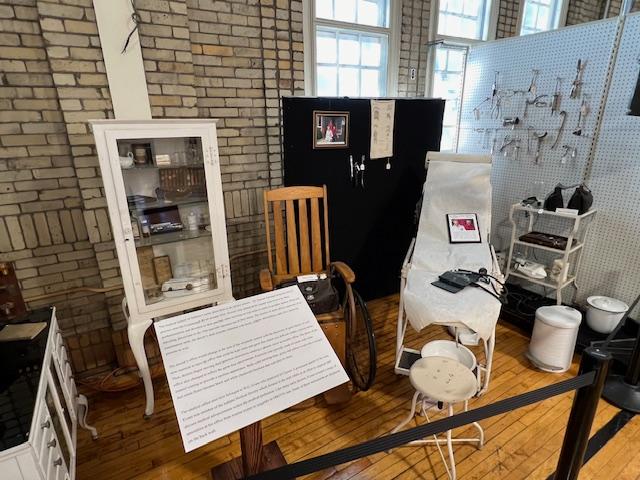
The town’s Medical industry and background display.

An early doctor’s office display at the museum.

The Military Museum on the Second Floor of the building:

(From the Society website)

The second floor of the Armory holds our military exhibits which cover various engagements from the Revolutionary War to the recent wars of Afghanistan and Iraq. Almost every branch of the military is represented with an assortment of clothing, weaponry, and objects from the warfront and at home. This area honors the men and women who made the highest sacrifice for county and country.

The Society’s Military Gallery on the second floor.

The Military displays on the second floor of the Society.

The Revolutionary War display of local items used during the war.

The local display of Civil War uniforms from the Union Army and rifles.

The Veteran’s display on the first floor.

The WWI and WWII uniform display on the second floor.

The Clark House:

(From the Society website)

The Clark House is closed with the exception of special events.

The final exhibit area is inside the Clark House. This 1870 mansion showcases Indiana County at its peak — the Gilded Age (c.1860-1901). Viewing the architecture, furniture, décor, and possessions of the Clark Family – as well as other local families – allows us to reflect on our history so we may better understand the people of the past.

The Society’s Mission:

(From the Society website)

Through a broad range of activities, The Historical and Genealogical Society of Indiana County seeks to promote a greater appreciation of the Indiana community’s rich heritage and a better understanding of life today.

The side entrance to the museum.

The History of the Society:

(From the Society website)

The entrance to the Historical Society.

Dedicated to preserving the history of Indiana County, this multi-faceted non-profit has operated continuously since 1938. In addition to running the Historical Museum and Helman Library, the HGSIC conducts educational tours for local school and scouting groups, works with other community organizations, and provides research services for personal and professional needs. The HGSIC is also steward of the Clark House and the Armory, both listed on the National Register of Historic Places.​

On November 16, 1938, the Society was founded as a private, nonprofit 501(c)(3) membership organization by six friends in the living room of Frances and Blaine Helman. Frances Helman was a genealogist, and her extensive collection of reference materials and research formed the foundation for the Helman Library. Volunteers and researchers alike have added to it through the decades by clipping newspapers and donating their own research and materials.​

On April 1, 1939, with a membership of twenty-six, the Indiana Evening Gazette announced that the Society had been formed and a request to move their materials to the Indiana Free Library was granted. At that time, the Society’s holdings included fourteen books, several pamphlets, and tombstone inscriptions from a number of local cemeteries. This would be the first of several homes for the library.​

A year later in May 1940, membership reached 134 and the Society was officially incorporated. Soon after, they moved to Wilson Hall on the IUP campus, where they shared a room on the first floor and stored newspaper files in the basement.

Library_edited.jpg

The Indiana Free Library, the second home of the Historical Society in 1939.

Wilson_edited.jpg

The third home of the Historical Society was Wilson Hall in May 1940.

In the winter of 1951, the Society moved into the Clark House, previously known as Memorial Hall. To move the contents of the library, the books were piled onto a sled at Wilson Hall then pulled to a parking lot and loaded into a car. The process had to be repeated in reverse once they arrived at the Victorian mansion on South 6th Street. At the time, the library collection didn’t even fill the bookshelves in the former study of Judge Silas M. Clark. Once occupied by the HGSIC, the name of the building soon changed to the History House and finally to its present name, The Clark House. The library grew quickly, and by the 1960s, the library held over 2000 surname folders. These were busy decades for the Society. Under the editorship of Frances Helman, the Society produced a genealogical quarterly titled Your Family Tree from 1948-1966. Society members wrote history articles for local newspapers, pamphlets and booklets such as fair guides, and county history books. Original scholarly works were published as well as reprints of primary reference materials.​​​

In November 1957, the Society received the deed to the Buena Vista Furnace, and throughout 1965-1967 undertook a project to stabilize and open the site for public access. The HGSIC eventually outgrew The Clark House – the library spilled out of the parlor to the entire first floor, the second floor held artifacts and offices, and the basement had a less-than-functional museum. In 1999, through the generous support of the Indiana County Commissioners and the hard work of numerous volunteers, the HGSIC purchased the Armory, the former home of the Indiana County National Guard and Company “F”. After replacing the roof and figuring out how to open the ammunition locker, the HGSIC established the Historical Museum and the Memorial to the Veterans, a condition of their purchase of the building.​​

ClarkHouseFrame_edited.jpg

A move in the winter of 1951 to the Silas M. Clark House, one of the current buildings owned by the Historical Society.

Image-1_edited_edited_edited.jpg

The former Indiana County National Guard Armory is the current home for the Historical Society.

Once the renovations were complete, it was once again time to move. With this move, the materials only had to go across the parking lot, it was still a major undertaking. Heavy wooden shelving units, then hundreds of volumes, dozens of filing cabinets full of surname and subject folders, and and the whole Helman Collection soon rolled across the lot with the help of volunteers. Artifacts soon followed, including agricultural equipment, textiles, iron furnaces, and art.​​

Today, the library houses over 26,000 surname files, over 1000 family histories, thousands of subject files, numerous county histories, and hundreds of other reference and subject books. The Society continues to reprint important reference books as well as new works exploring Indiana County’s past. Keeping up with technological advancements, the Society is scanning collections for easier searching. Classes and workshops on genealogy are still offered, and

several volunteers carry on the work of expanding the surname and subject files. Not only is the library named after Frances Helman, but so is the HGSIC’s most prestigious award. The Helman Award is given to those individuals whose contributions add greatly to the society’s ability to serve our members, researchers, and community.​

The HGSIC is proud to partner with other community organizations to help keep history alive through programs held on site and in the community. Each December, the Indiana Art Association holds their Open Arts Exhibit, showcasing art from local artists. The IUP Paranormal Society has conducted a number investigations in October and dependent on scheduling, these investigations are open to the public. During the spring and summer, the Evergreen Garden Club plants bursts of color in our gardens and continues to help make the point look inviting for all of our visitors. Local schools come here for tours, in particular we have partnered with the Fifth Grade Class at Horace Mann and present a Civil War Encampment, which the thoroughly enjoy. ​

Our volunteers give periodic programs at the Indiana Free Library, neighboring historical societies, local schools, and Friends of the Indiana County Parks. In 2016, the HGSIC was active in the planning and celebration of Indiana Borough’s Bicentennial, and now displays the time capsule to be opened in 2066. The grounds also hold the Indiana Borough Sesquicentennial time capsule buried in Clark House lawn in 1966.  The Historical Society continues to explore new opportunities to partner with local, state and national organizations to continue to bring programs about Indiana County’s history to our residents.​

The Historical and Genealogical Society of Indiana County is about more than just the past. With a vibrant volunteer base and a growing number of visitors, we continue to offer programs and events, tours and classes, far into the future. 

The Society’s Gift Shop near the entrance of the museum.