Category: Educational Museums

Hyde Park Historical Society                                                 4389 Albany Post Road                                                         Hyde Park, NY 12538

Hyde Park Historical Society 4389 Albany Post Road Hyde Park, NY 12538

Hyde Park Historical Society

4389 Albany Post Road

Hyde Park, NY 12538

(845) 229-2559

https://hydeparkhistoricalsociety1821.org/

https://www.hydeparkny.us/669/Hyde-Park-Historical-Society

Open: Sunday 11:00am-3:00pm/Monday-Friday Closed/Saturday 10:00am-3:00pm

Fee: Free

My review on TripAdvisor:

https://www.tripadvisor.com/Attraction_Review-g60801-d3426818-Reviews-Hyde_Park_Historical_Society_Museum-Hyde_Park_New_York.html

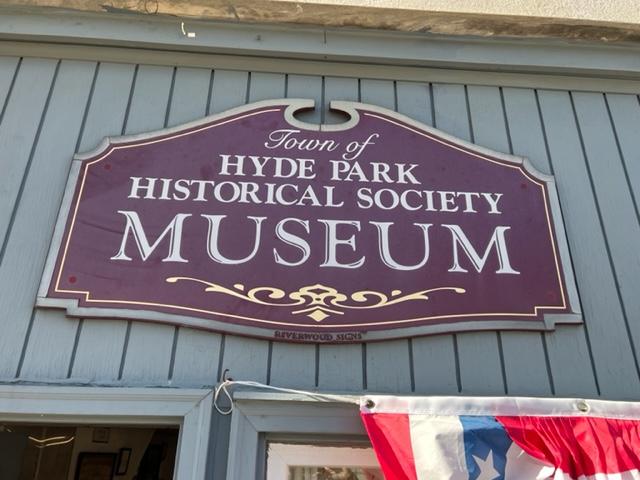
The Hyde Park Historical Society at 4389 Albany Post Road

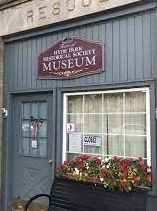
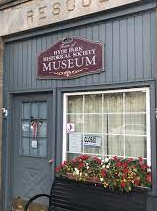
The Hyde Park Historical Society is going through a type of rebirth as it has reopened with a fresh approach towards not just the history of Hyde Park, NY but the area in general and life here over the last two hundred years. The society is taking a new direction and revamping their efforts on the displays and on the history and activities of the museum. The museum is housed in what was once the Hyde Park, NY Fire Department building.
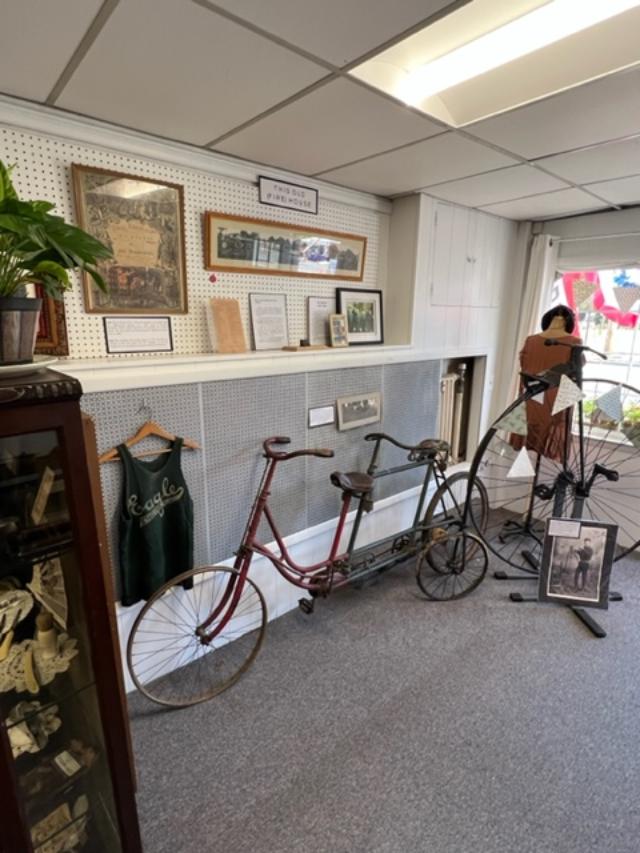
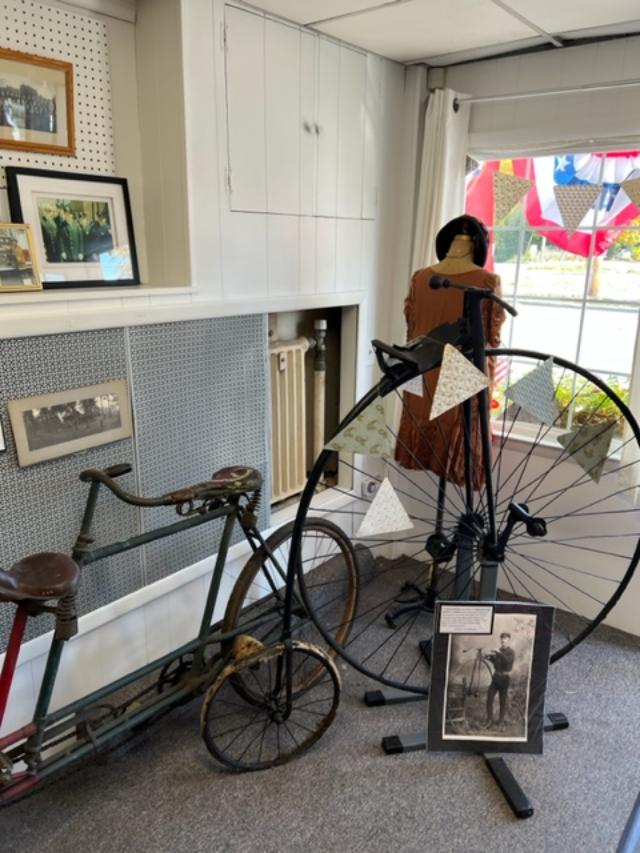
The museum is broken down into sections by displays. When you enter the museum there is an display of bicycles and recreation items that would have been used over the years. This activity changed the social life of both men and women of that era.

Bicycle display:

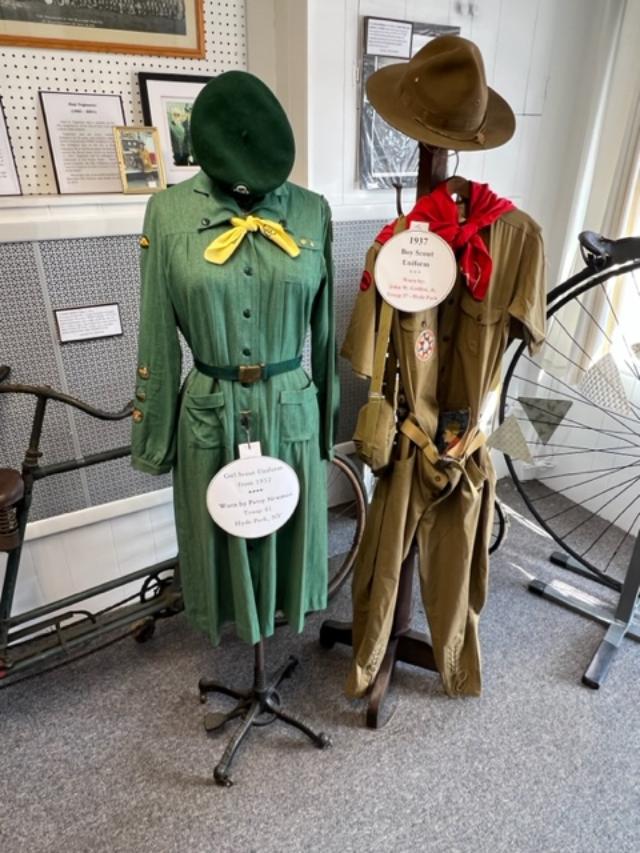
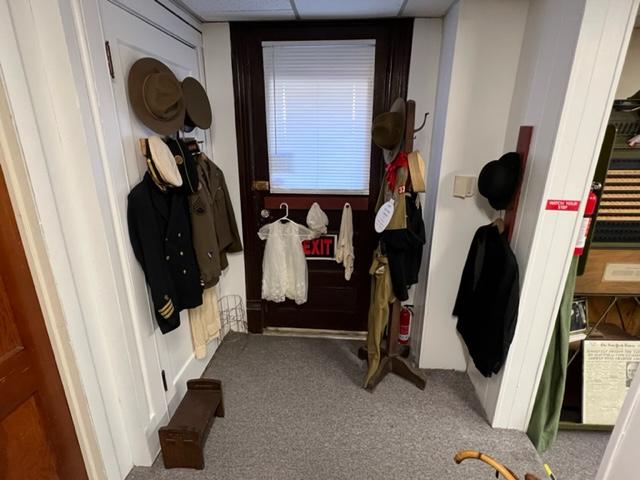
Some of the newest donations are from members of the organization who have recently passed away. They donationed their Boy Scout and Girl Scout uniforms to the museum which were from the past century. This shows how the unforms have progressed over the years.

Uniforms from the early Twentieth Century

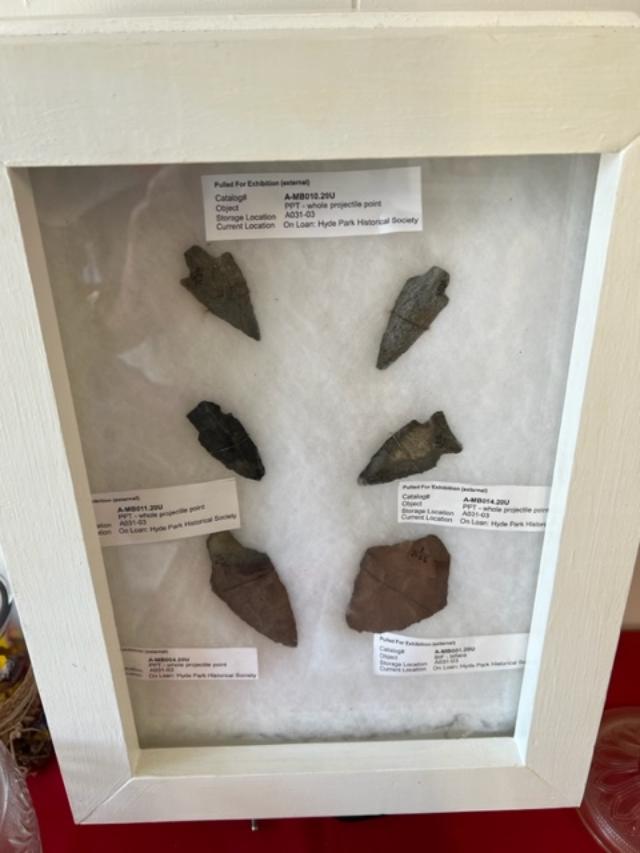
Another donation that was added to the collection from the State Museum is a collection of Native American arrowheads that were found locally. These show that the area was once the hunting and gathering grounds for the Lenape Indians before colonialization.

The donation of Native American Arrowheads.

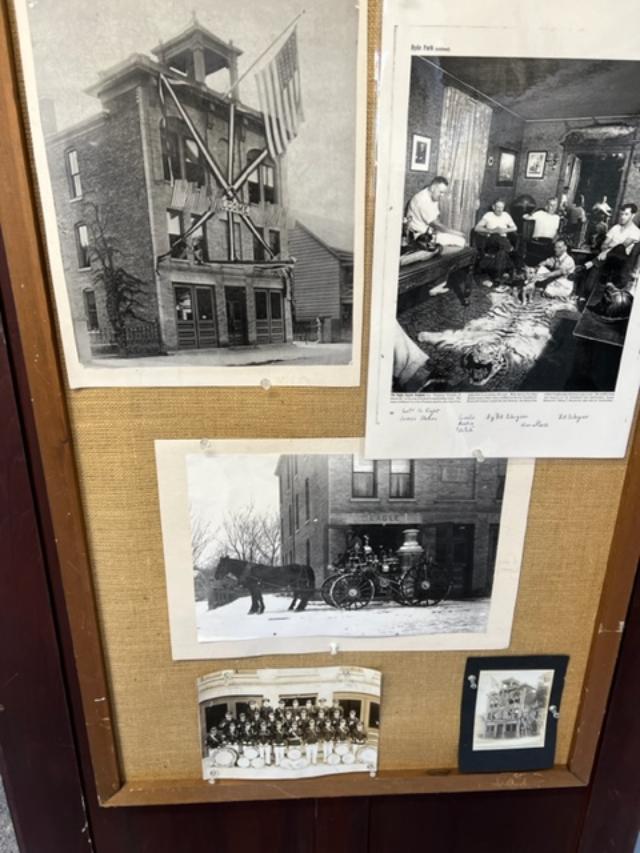
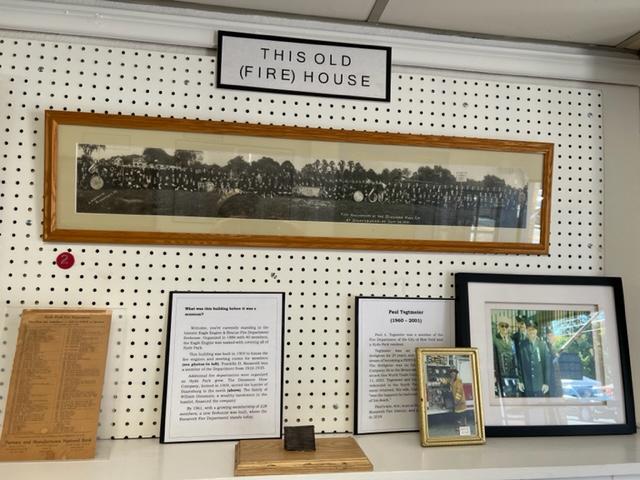
Next to it was the history of the Hyde Park Fire Department with pictures of companies of fire fighters and all sorts of memorabilia. There are pictures of former fire companies including the ones that were once housed in the museum building.

The Hyde Park Fire Department:

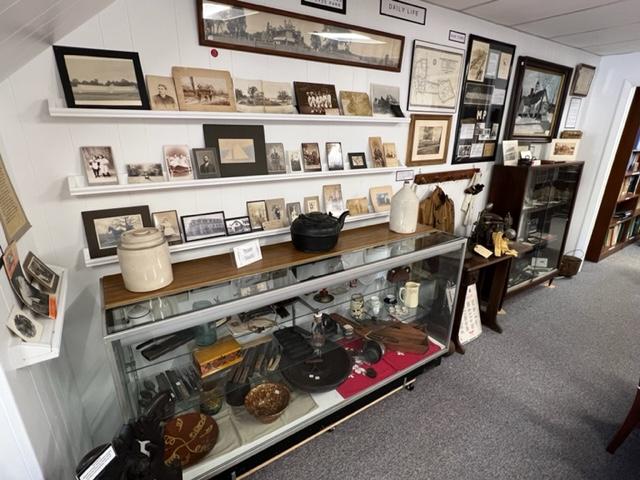
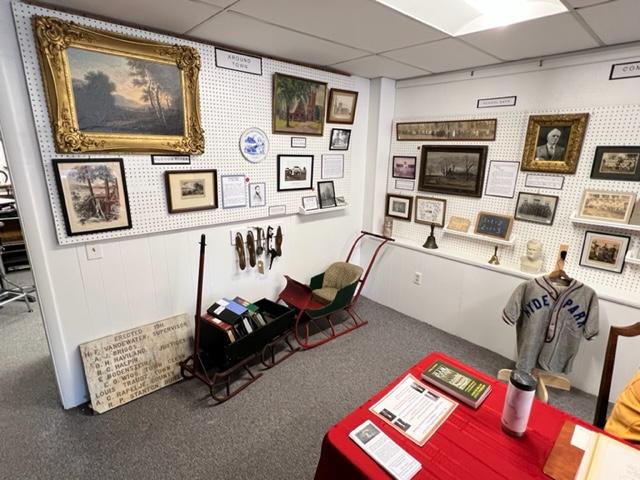
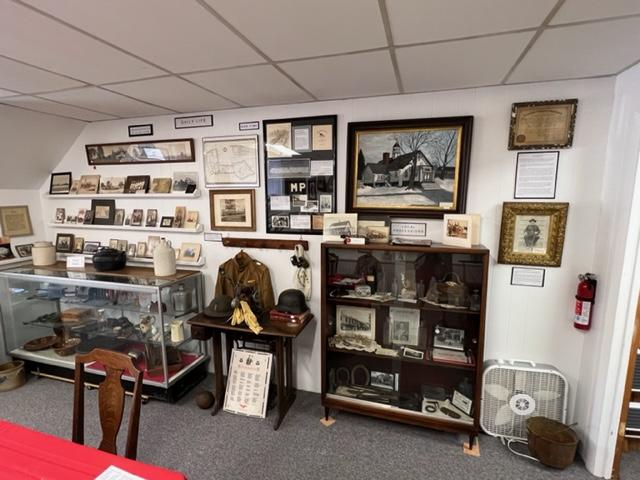
Across from that, there is a display called “Daily Life” which was the history of the town with homes and businesses in the area at that time. There were all sorts of pictures of prominent families and their day to day activities.

Daily life in Hyde Park, NY for the Middle class members of the community

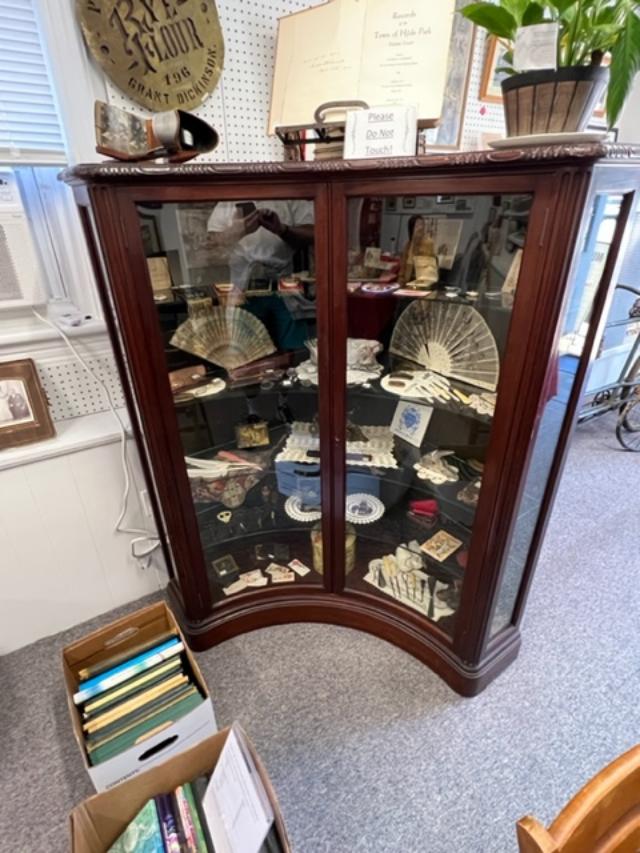
Luxury items of the Gilded Age

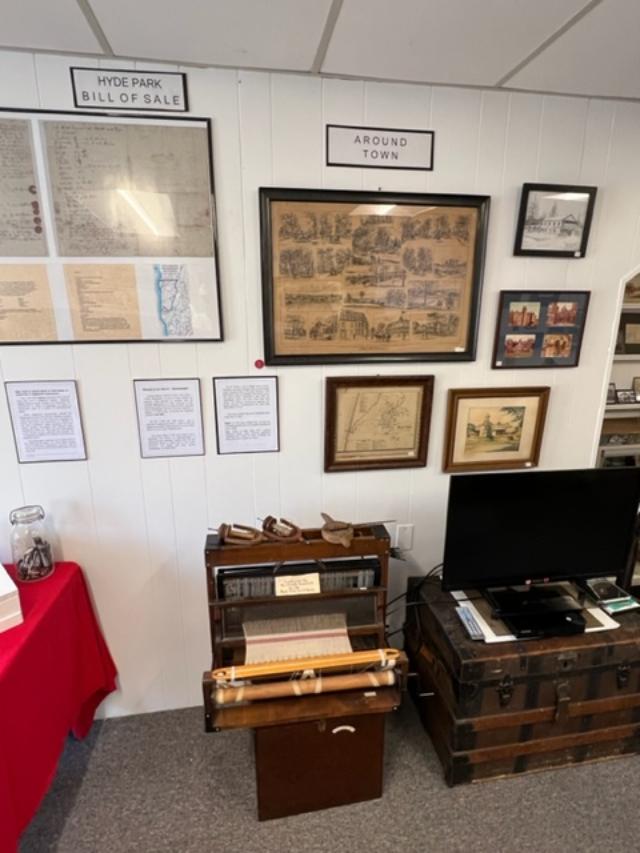
There was all sorts of objects from the bills of sale of homes, household items and there is an wonderful display of accessories from the Victorian era.

The front room of the museum is dedicated to life of the middle to upper-middle class of Hyde Park around the turn of the last century. There is all sorts of clothing, pictures and artifacts from schools, the boy scouts, area schools and there are even sleds and skates from winter recreation sports played on the Hudson River. There are all sorts of athletic equipment, clothing based on sporting or activity event and accessories that were used and worn when participating in all seasonal activities.

Life in Hyde Park, NY

Every day life in Hyde Park, NY

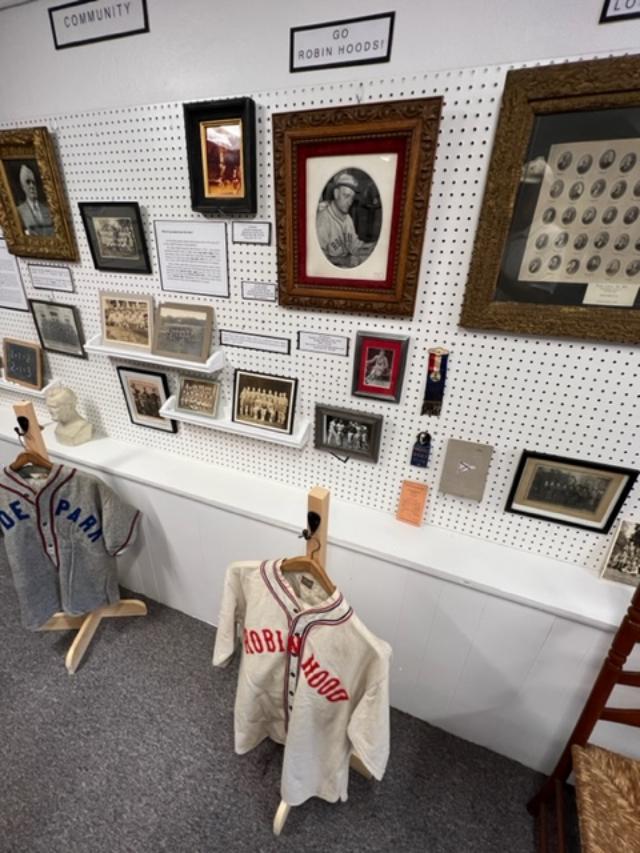
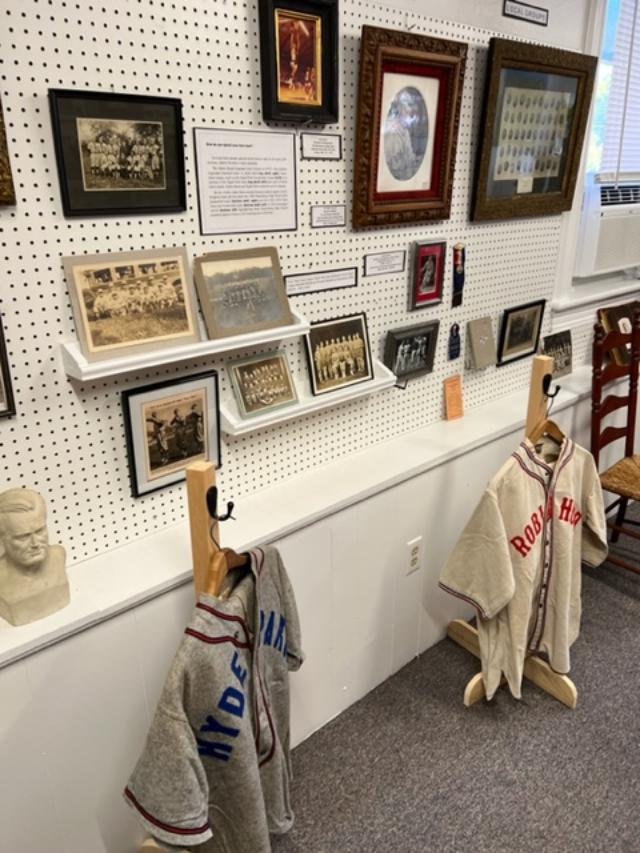
There is a small display from the semi-professional baseball team that used to be located in Hyde Park with pictures, equipment and uniforms. It seemed that semi-professional baseball was a big entertainment and community event in years past in Hyde Park, NY.

The Hyde Park baseball team

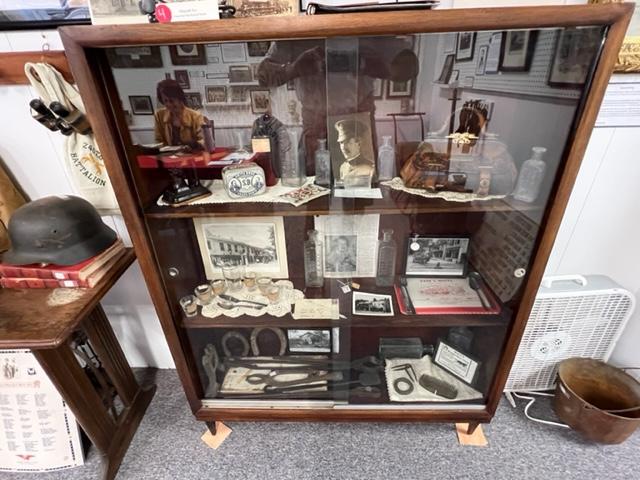
There are also items in a small war display that is circa WWI. Many artifacts were donated by families whose members fought in the war.

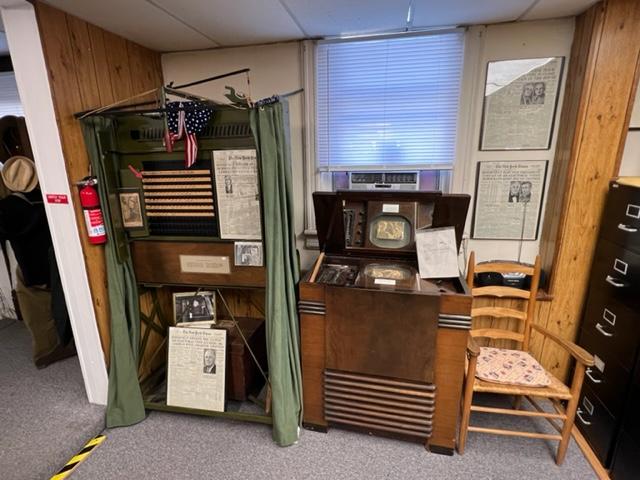
The second small room in the back is dedicated to communication equipment from WWII and pictures of Franklin Delano Roosevelt who was the President at the time as well as a prominent member of the community. The Roosevelts had lived in the Hudson River Valley for generations.

There are several important pieces of war time equipment located here.

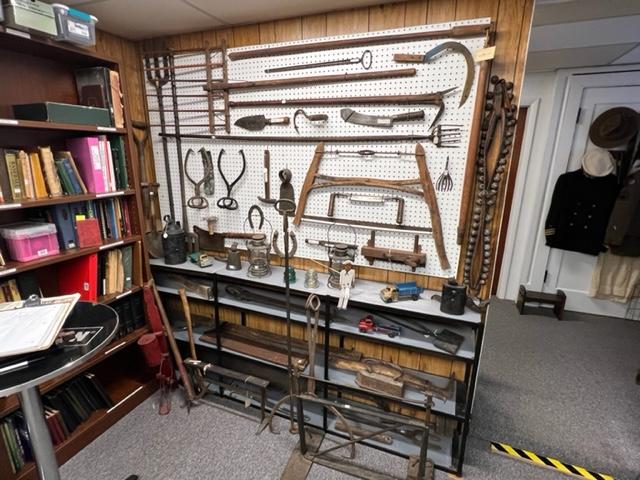
There is also a display of farm equipment showing off the areas agricultural past and present. This is still a major farming area as you head north of Rhinebeck, NY.

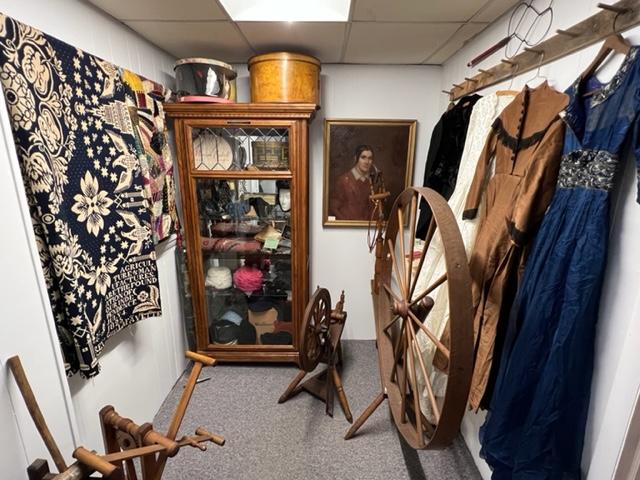
The back room is dedicated to clothing and wardrobe items like dresses, hats and spinning items.

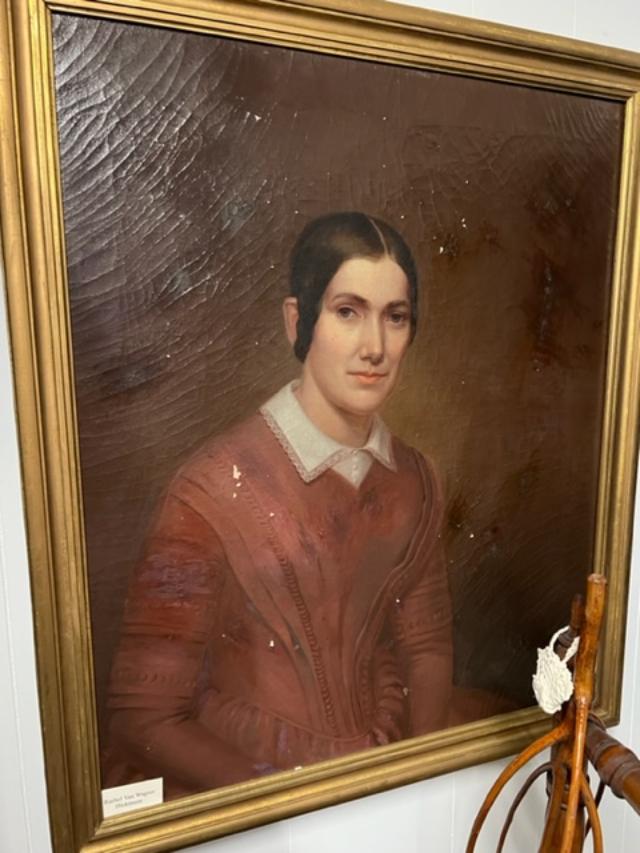
There are a few portraits of local residents as well.

This shows the change of clothing from when Dutch women would spin their wool for clothing to buying ready to wear items in the local department and specialty stores that dotted towns like Rhinebeck and Poughkeepsie.

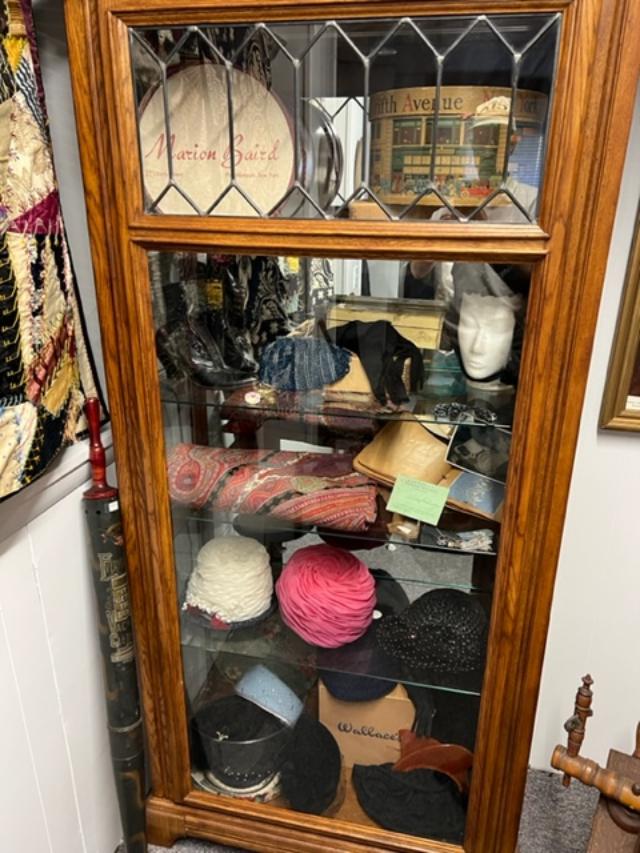
The display also shows the manner of dress went from the Victorian era to the Jazz Age and the changes in just ten years.

Hats from various ages

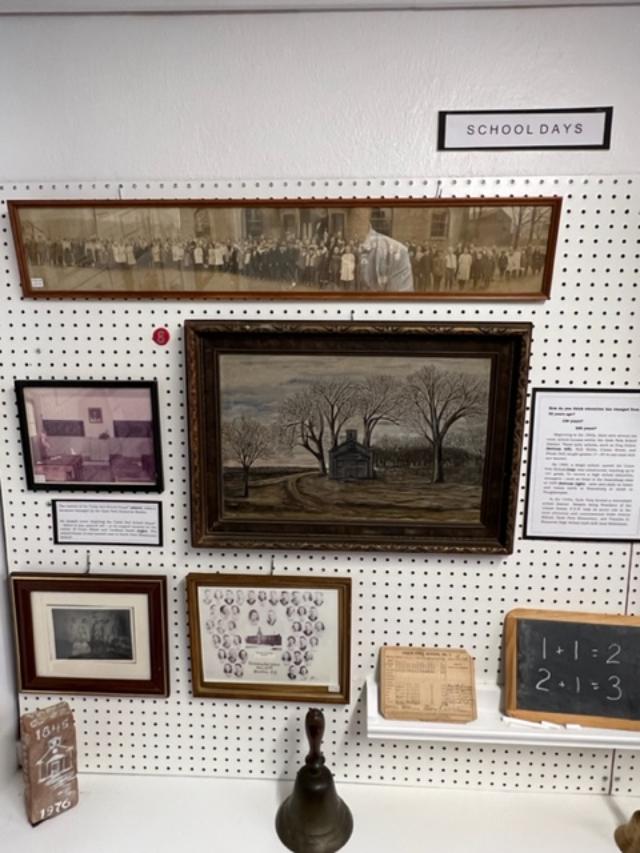
Here and there are other items that relate to daily living and a prosperous life in Hyde Park, NY. The museum is well lit and very well organized and signed so it makes viewing the displays a pleasure. It is a treasure trove of artifacts and information and insights to the life of Rhinebeck NY at that time. This display was on the Hype Park School System.

Everyday life in the schools in Hyde Park and Rhinebeck, NY

The History of the Hyde Park Historical Society:

(From the museum’s pamphlet):

The Hyde Park Firehouse:

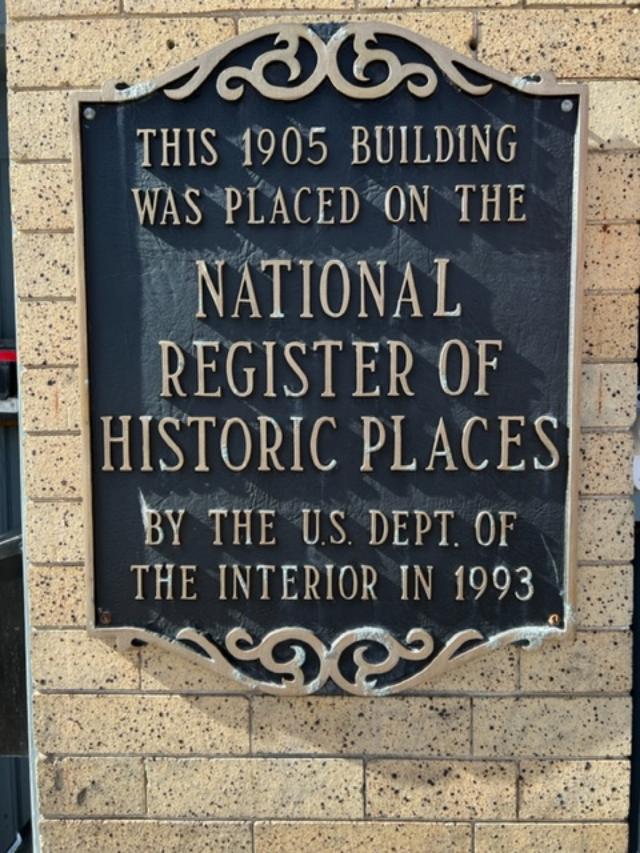
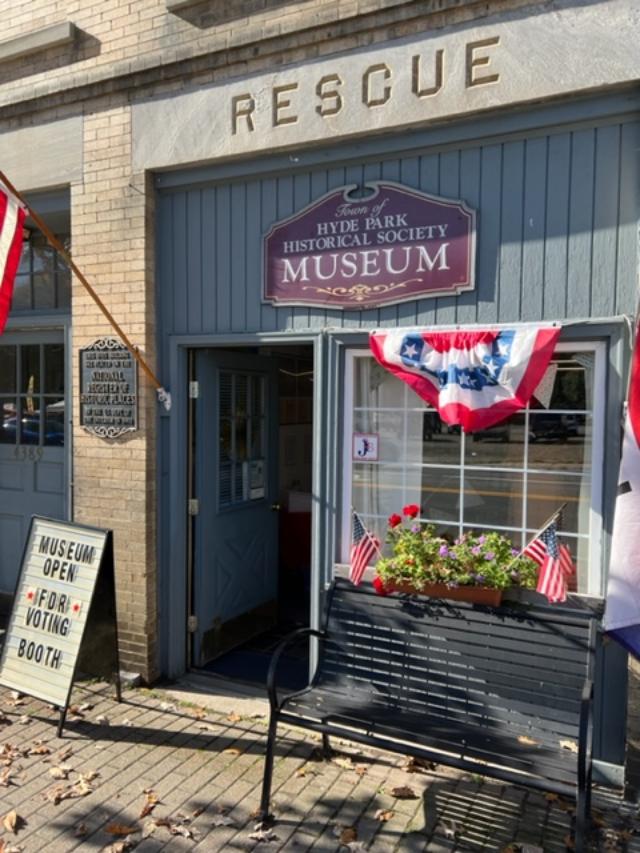
As indicated by the engraved stone lintels over the engine bays, the firehouse that the museum is housed in was built in 1905 for the Eagle Engine Company founded in 1845 and the Rescue Hook & Ladder Company (1866), separate companies whose volunteer members included Franklin D. Roosevelt.

The old Hyde Park Firehouse serves as the museum

Designed by Poughkeepsie architect William Beardsley, the Renaissance Revival style brick building features a cast iron cornice and a bas relief decoration above the third story windows.

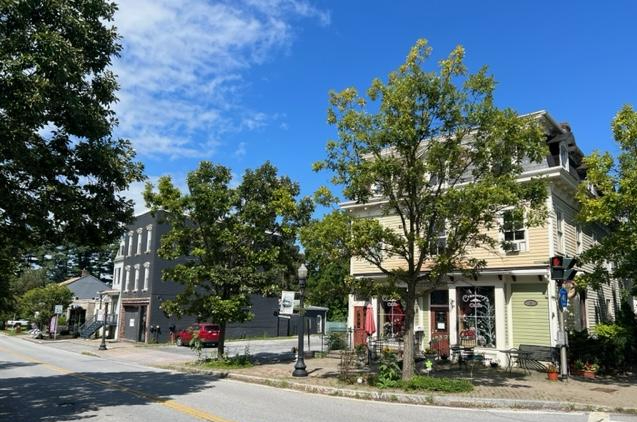
Downtown Hyde Park in the summer of 2023.

You can find all sorts of items at the museum. It contains lots of local pictures and artifacts. In the Textile Room, you can find a hat box labeled Mrs. James Roosevelt, a spinning wheel and period apparel.

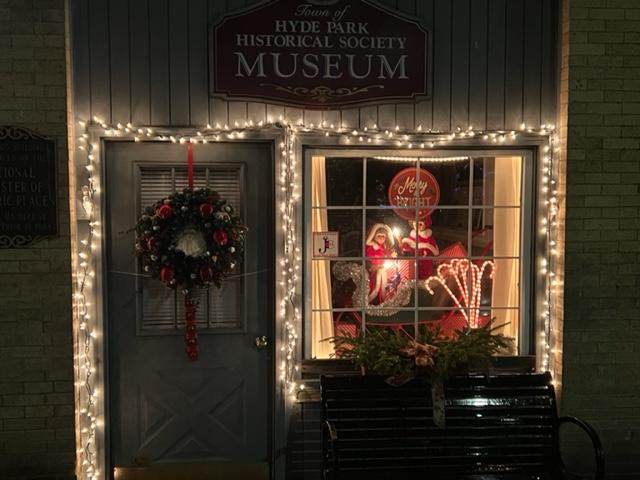
The Hyde Park Historical Society at Christmas 2022

In the Research Room, you can search your family and friends’ history, look at local tools of trade and maps of Dutchess County in the 1700’s.

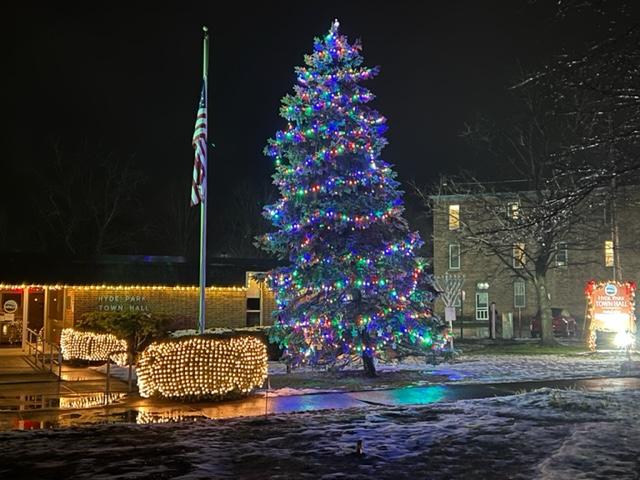
The beautiful Hyde Park Christmas tree December 2022

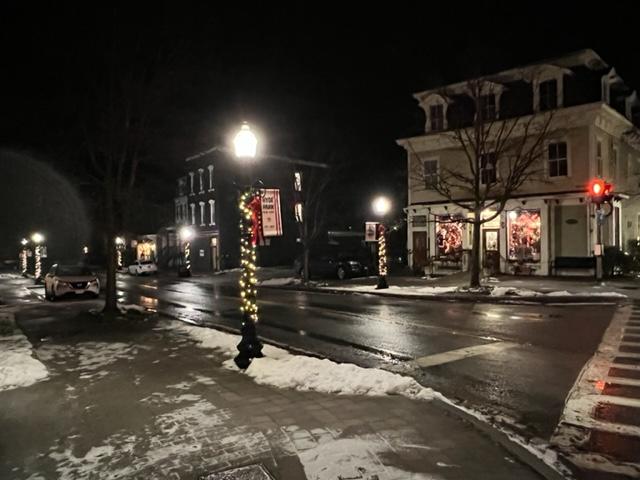
Downtown Hyde Park at Christmas time

Fotografiska Museum                                                              281 Park Avenue South                                                          New York, NY 10010

Fotografiska Museum 281 Park Avenue South New York, NY 10010

Fotografiska Museum

281 Park Avenue South

New York, NY 10010

(201) 433-3686

https://www.fotografiska.com/nyc/

https://www.facebook.com/FotografiskaNY/

https://en.wikipedia.org/wiki/Fotografiska_New_York

Open: Sunday-Saturday 9:00am-9:00pm

Admission: Adults $30.00/Senior-Student-Veteran $20.00/Children under 6 Free

My review on TripAdvisor:

https://www.tripadvisor.com/Attraction_Review-g60763-d19786381-Reviews-Fotografiska_New_York-New_York_City_New_York.html

The Fotografiska Museum at 281 Park Avenue South

I am taking a class in Trends in Tourism for my graduation program in Global Hospitality Management and this included a recent trip to the Fotografiska Museum at 281 Park Avenue South. We had a meeting with a member of the Marketing Team at the museum and he explained how the museum functioned and the direction that they want to go to promote the museum.

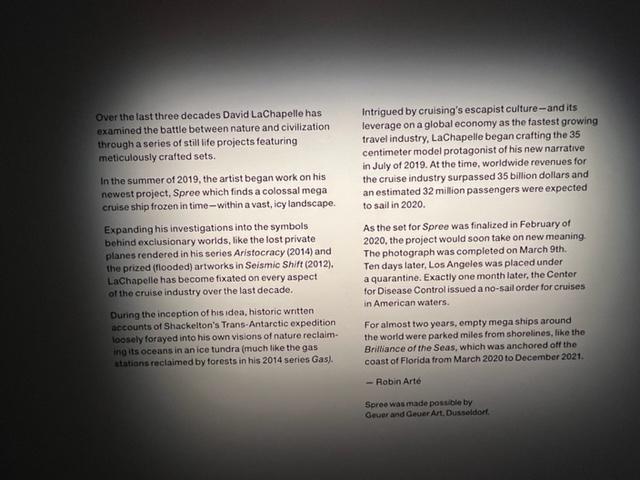
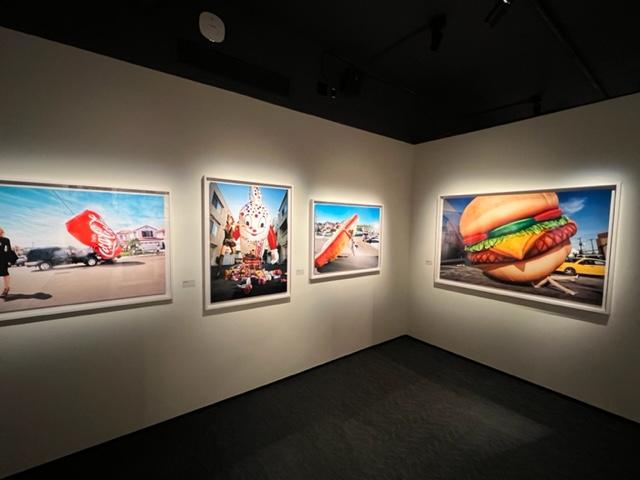
After the talk, we were able to tour the museum. The exhibition that we saw as a class at NYU for my graduate program was the David LaChapelle exhibition. This was a unique blend of art with works in many different forms and ideas. The artist was influenced by his association with his friend and collaborator, Andy Warhol. I saw this in many pieces in the exhibition.

What I liked about the museum is that you had three floors of artwork that showcased the artist’s work and gave his perspective as a living artist.The artist even had input on how the exhibition was mounted, the works that would be shown and use of music or lack of in the exhibition.

On the bottom level of the museum is an engaging coffee shop and gift shop that are open, airy and very inviting. You can access these by walking in the front door and you do not have to enter the museum to enjoy these services. The museum created these as spaced where people can gather, relax and socialize.

The Fotografiska Museum is giving us a new perspective on what the modern museum can be and its engagement with its patrons.

The entrance of the Fotografiska Museum for the David LaChapelle exhibition

The exhibition sign

The fascinating paintings of the artist

I admire the work of the artist

The galleries were full of interesting works by artist David LaChapelle

ABOUT THE ARTIST

(from the museum website)

David LaChapelle was born in Connecticut in 1963 and attended high school at North Carolina School of The Arts. Originally enrolled as a painter, he developed an analogue technique by hand-painting his own negatives to achieve a sublime spectrum of color before processing his film.

At age 17, LaChapelle moved to New York City. Following his first photography show at Gallery 303, he was hired by Andy Warhol to work at Interview Magazine.

The artist is giving a nod to her friend Andy Warhol with these two takes on his famous “Portrait Work”

The last piece of art on Andy Warhol was done by LaChapelle right before he died.

Through his mastery of color, unique composition, and imaginative narratives, LaChapelle began to expand the genre of photography. His staged tableau, portrait and still life works challenged devices of traditional photography and his work quickly gained international interest. By 1991, The New York Times predicted, “LaChapelle is certain to influence the work of a new generation…in the same way that Mr. Avedon pioneered so much of what is familiar today.”

In the decades since, LaChapelle has become one of the most published photographers throughout the world with an anthology of books including LaChapelle Land (1996), Hotel LaChapelle (1999), Heaven to Hell (2006), Lost & Found, and Good News (2017). Simultaneously, his work has expanded into music video, film and stage projects. His 2005 feature film Rize was released theatrically in 17 countries. Many of his still and film works have become iconic archetypes of America in the 21st Century.

The History of the Fotografiska Museum:

(from the museum website)

Fotografiska New York is the NYC location of the renowned Stockholm-based destination for the world’s best photography. Founded in 2010, Fotografiska was built on the foundation of photography as a haven for inclusivity and free expression.

The Fotografiska Museum in Manhattan

Our goal is to inspire a more conscious world through the art of photography. We showcase the greatest photographers, whether they’re emerging artists or already established internationally.

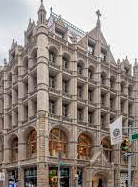
The building is a registered landmark built in 1894 and originally named “The Church Mission House”. We’ve renovated this iconic jewel to be a new experience of world-class art, cultural events, retail, and epicurean dining, in an awe-inspiring space.

The Dining area of the Fotografiska Museum

Lower Alloways Creek Historical Society                              736 Smick Road                                                                     Salem, NJ 08079

Lower Alloways Creek Historical Society 736 Smick Road Salem, NJ 08079

Lower Alloways Creek Historical Society

736 Smick Road

Hancocks Bridge, NJ. 08079

(856) 935-3666

https://www.facebook.com/LacHistoricalMuseum/

https://www.lowerallowayscreek-nj.gov/about/pages/historic-log-cabin

Open: Sunday 1:00pm-4:00pm (Third Sunday of the Month)/Monday-Saturday Closed-Open Six times a year for special events

Admission: Free but donations are accepted

My review on TripAdvisor:

https://www.tripadvisor.com/Profile/R4960NKjustinw/mediabatch/12228970?m=19905

The Historical Society:

Situated in a beautiful rural setting, the Log Cabin is restored in the same manner as the local Quakers lived in the 1700’s. The site houses a barn full of antique farm implements as well as many items used in the local industries of Lower Alloways Creek.

Salem’s County’s maritime history is documented in a unique floating cabin which is complimented with a collection of fishing and trapping memorabilia. The site also features an outhouse, carriage shed and the last canning house that was left in the Township.

The buildings on the grounds and the outhouse

History of the house:

The main house is very unique. The addition to the house was built in the mid 1800’s and is furnished from that time period. This was added to the log cabin that has been reconstructed on the site. The early parts of the log cabin date back to before the Revolutionary War.

The first-floor parlor

The Kitchen in the main house

Washing clothes in the house

How to wash clothes until WWII

The second-floor bedroom

The Bonnet collection

The second floor bedroom

The Attic Room

The toys and playthings of the Attic Room

The house has an extensive collection of antique toys and dolls and furniture.

The dolls

The dolls

The Hat collection at the home.

(Information from the museum website):

Part of the house is an old log cabin with an addition added on later. Although the date of the original construction is unknown, the cabin has been restored and reconstructed in much the same manner as local Quakers would have lived in the 1700’s. Because the air had deteriorated so many of the logs, it was impossible to save the entire original structure.

The log cabin section of the house.

The log cabin and the later addition.

All the wood used in the reconstruction of this cabin came from the woods in Lower Alloways Creek that are owned by the Township. The hand-hewn logs are white oak. The wide floorboards are pine The fireplace and foundation were built from Jersey sandstone that had been donated by John Hassler.

The inside of the log cabin and hearth.

The Hearth during the event

The Historical site also features a log cabin, carriage shed and barn, many antique farm implements, a two-seater “outhouse” and an old fashion hand water pump.

The Outhouse

The hearth of the log cabin

The loft section of the log cabin on the second floor of the home.

There is also an original Can House, with a working line shaft, a floating cabin, both of which were originally built in Lower Alloways Creek.

The historic Can House.

The historic Can House

Some of the interesting programs that the society hosts:

Line Shaft: the historic line shaft in action as it powers a variety of machines.

Outdoor sportsmen: view displays of fishing and trapping, hunting gear, decoys, floating cabins and turkey call demonstrations.

Model Trains: all aboard an exciting display of model trains.

Old time engines: South Jersey Gas Engine Club proudly presents their collection of “Hit or Miss” engines.

The Farm equipment and working engines at the “Old Time Engine Day” in September 2023 was an interesting mix of old farm equipment, household equipment and everyday items run by an engine in the early 1900’s. It was a very interesting display on how we have come in manufacturing and the museum did a nice job on the displays.

The working farm equipment at the Lower Alloways Creek Historical Society

The Farm Engine equipment

The Farm Engine equipment

The Farm Engine equipment

The Farm Engine equipment

Video on the display:

The Farm Engine equipment

Farm Day: Come and see antique tractors and a variety of farm equipment. See the progression of farm equipment throughout the centuries.

Retired farm equipment in the barn

The barn

Farm Equipment in the barn.

Some of the equipment and refreshments in the barn.

The barn equipment during my visit in 2025

Indian Arrowheads on display in the barn

Cabin Cooked Pie Day:

There is nothing better than a freshly baked pie in a fireplace. In November 2025, I returned to the museum for ‘Pie Day’. There were various pies, chestnuts and soup being cooked in the log cabin fire place that afternoon. It was interesting to see cooking procedures from a hundred years ago.

I visited the museum and got to watch the volunteers cook all sorts of goodies in the fire. It is interesting how foods were cooked and tested for doness over a wooden fire. The coordination of cooking times and temperatures.

The Log Cabin goodies that afternoon

Visitors choose from Apple or Pumpkin pies, Roasted Chestnuts, Buttery Popcorn, Chocolate Chip cookies or Stuffed Cabbage Soup, all cooked fresh in the pots on the open fire hearth which also warmed the house on a cool afternoon. The museum was even selling a cookbook, Down Jersey Cookbook on some of the recipes being used in this part of New Jersey.

Cooking pies, soup, chestnuts and popcorn in the fireplace

The pies, Chestnuts and soups being cooked in the Open Hearth

It was interesting how the pies were cooked in the cast iron equipment and then laid out to cool. They came out of the oven steaming hot and sat to cool before being sliced.

The freshly baked Pumpkin pie

Freshly baked Apple pie

Freshly baked Apple pie. Yum!

Stuffed Cabbage Soup in a cast iron pot

The thick Stuffed Pepper Soup

Freshly Roasted Chestnuts from the fireplace

The pots and pans in the fire

It was fun watching the foods being cooked right on the spot they way they would have over a hundred years ago. It was even more fun to eat them. I learned a thing or two about the culinary arts this afternoon and it was so nice to sit in a warm kitchen by the fire on a cool November afternoon.

The delicious Fall goodies cooked in the hearth

Farm supplies kept cool in the barn

It was really a homey event at the museum, with good food and wonderful conversation with residents of the community. All in a room warmed by a fire in a working fireplace. I love it when museums do such great events and using the historical cooking instruments was very unique.

The Museum is in a rural location so the farmland that surrounds the house is really beautiful. The views in the fall were just gorgeous when the leaves were turning colors.

The beautiful farmland that surrounds the historical society.

The view on a late Fall day

The view of the local farm

The fields

The plaque of the “Quinton K. Baker Canhouse, the last one left.

The historic cars and fire trucks on display at the museum that day:

The Model T

The Hancock Bridge’s 1928 Hose truck

The cars on display that day

The front of the museum on my visit in November 2025

The back of museum during my visit in November 2025

The museum is open six times a year for special events. Please check out their website and their Facebook page for details. The Pie event was the last event for the season until the Spring.

Dennis Township Old School House Museum                   681 Petersburg Road                                Woodbine, NJ 08270

Dennis Township Old School House Museum 681 Petersburg Road Woodbine, NJ 08270

Dennis Township Old School House Museum

681 Petersburg Road

Woodbine, NJ 08270

(609) 861-1899

http://www.dennismuseumfriends.org/

https://www.facebook.com/people/Friends-of-dennis-township-old-school-house-museum/100066513017935/

Open: Every First and Third Saturday of the Month (Please check with the website on weather conditions)

Admission: Free but donations accepted

My review on TripAdvisor:

https://www.tripadvisor.com/ShowUserReviews-g35374-d25030718-r862673797-Dennis_Township_Old_School_House_Museum-Woodbine_Georgia.html?m=19905

The Dennisville Historical Society at 681 Petersburg Road

I have been wanting to see this charming little museum for several months. This is one of the featured historical museums in Southern New Jersey. The museum is representing the local farming and manufacturing industries as well as life in a farming community at the turn of the last century.

The Main Gallery at the Dennisville Historical Society.

The museum was started in 1994 in a partnership with the town of Woodbine, NJ and houses the history of Dennis Township. It is an all-volunteer museum, and the docents were really helpful describing all the displays that surround this small former schoolhouse. Their Friends of the Dennis Township Museum group does a nice job walking you around the museum and describing the displays.

The artifacts that are on display at the museum.

The museum tells the story of a small-town farming community with a history of different local businesses, the Dennisville School district from 1874-1948 and the Methodist colony that was a big part of the community in the early 1800’s. The shipping industry was very important to any small town that used to supply its fruits, vegetables and fish to Philadelphia.

The Farming display at the museum.

Some of the displays were dedicated to the local family businesses with the small cranberry industry that used to be in the area with equipment and packaging. The Mason Basket Company used to make the small and large wooden baskets for fruits and vegetables used to ship these items to both New York City and Philadelphia. These baskets are a staple at any farmers marker today.

The Basket making business for fruits and vegetables was a big business.

The other big business in town was the shingle making business that prided itself on supplying the shingles for Independence Hall in Philadelphia.

The history of the Basket making business in Dennisville.

The basket and shingle businesses in Dennisville.

The building had been the local one room schoolhouse for the surrounding community from 1874-1948 until the new schools were built in the 1950’s. There was a display on the school’s history as well as lots of pictures of the students at the turn of the last century with their period clothing and proper manners taking pictures with their schoolteachers. There were displays of desks, clothing and items that would have been in the school room.

The school display

The school display.

The town had once been a Methodist community with a large meeting house and surrounding homes for parishioners to stay. They showed the meetings and how the group would spend their summers in the area.

The summer community in Dennisville, NJ (from their archives)

The museum showcased live in a small-town farming community with all sorts of farm and farmhouse equipment. There were all sorts of home making items like cooking utensils to make meals from scratch, baking and serving in homes where being a housewife took a lot of strength. The farm equipment included hoes, racks and seeders that kept the farms going.

The Post Office display

There were pictures of the renovations of the Ludlam family cemetery that had gone through a renovation by the Boy Scouts and showcased it beauty. The members did a nice job renovating the tombstones and landscaping.

The Civil War display

The Clothing display

The Children’s display

There were lots of interesting items to see in the Children’s display.

In the corners of the museum, there is period clothing from the Civil War to the 1930’s with hats, gloves and dressing plus accessories. There is a small display to the local veterans of war. Near the entrance there is a working pipe organ and more information about the town from the early 1900’s.

The Household items at the museum.

The docents told me that they have the old town records and that people come to the museum to research their families that used to live in the area. They have had people come from all over the country to find their family roots.

The Shipping Industry

The Ship Building industry

For a small museum, it is chock full of small displays offering a glimpse into a community of time past and how it has grown over the future and changed.

The Military display

Take time also to drive around this small town loaded with historical homes that have been beautifully maintained and labeled with the year that they were built. Some looked like they had the family names on them. All of the homes are painted bright colors and each has been brought back to life. I was amazed in how in one year how many of these homes had been bought and repaired and painted. The whole town was brought back to life.

Downtown Dennisville has a quaintness to it.

The Purple House in Downtown Dennisville, NJ.

The light Green House in Dennisville, NJ

The gardens of the Green House

The Pink House is a known landmark to local law enforcement as a marker in the town.

There is a tiny gift shop selling jewelry behind the house which just opened. I thought it would make a nice Tea House.

The Town of Dennisville has it charms to it and it totally being redone. Too bad the only restaurant in the area is a Wawa. Still it is a nice place to visit and drive around in.