Tag: Historic Churches of Bergen County

Ramapo Reformed Church                                            100 Island Road                                                     Mahwah, NJ 07430

Ramapo Reformed Church 100 Island Road Mahwah, NJ 07430

Ramapo Reformed Church

100 Island Road

Mahwah, NJ 07430

(201) 529-3075

https://ramaporeformedchurch.org/home

Open: Sunday 10:00am-12:00pm

My review on TripAdvisor:

https://www.tripadvisor.com/Profile/R4960NKjustinw/photo/819672582?m=19905

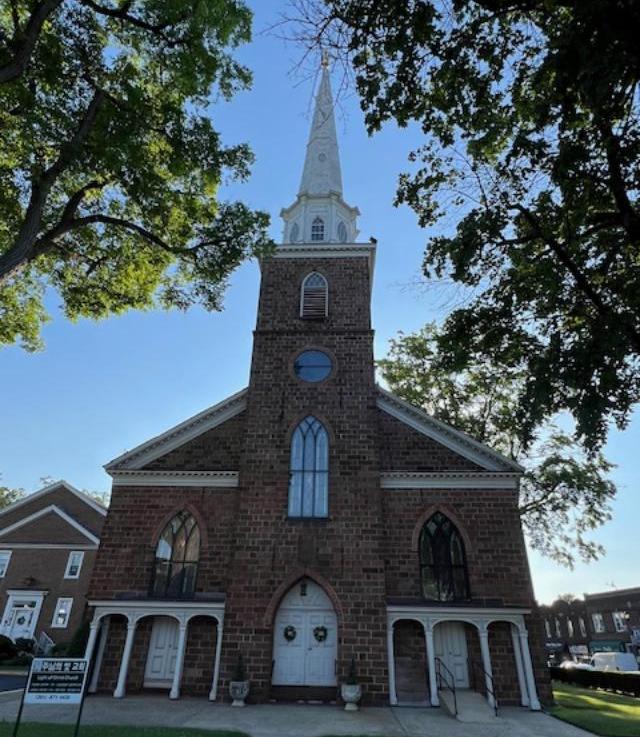
The Ramapo Reformed Church at 100 Island Road

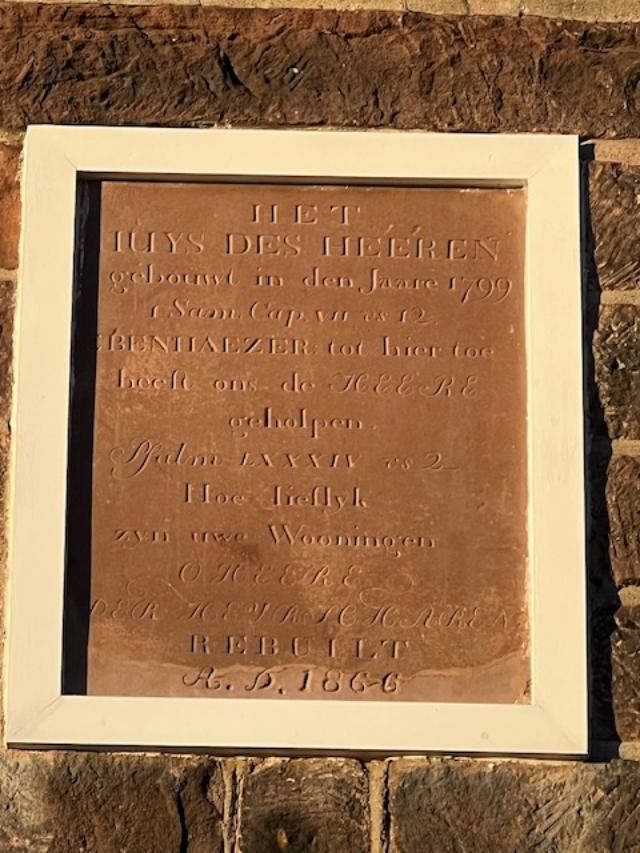
The historic sign of the history of the church

The church in the summer

The history of the Ramsey Reformed Church:

(from the Ramapo Reformed Church website)

Formerly The Ramapo Meeting House was organized in 1785 and built in 1798

In 1713, a small group of eleven German Lutheran families settled at the “Island,” so named because of extensive marshlands surrounding high, dry land. They formed a congregation in 1715, and c. 1720 built a log church. Prior to 1739, they built a larger, frame church.  

Dutch, French, English and Scottish settlers of the Reformed faith came to the Island about mid-century and attended church in Paramus, 10 miles distant. In 1785, they organized The Ramapo Dutch Reformed Congregation at Ramapough in Bergen County.  

After the Revolutionary War (1776-1783), the first task of the new nation was to repair the damages of war and neglect. Neither the Lutheran nor the Reformed congregation at the Island had sufficient means to build a new church. In spite of having fought on opposing sides during the War, they agreed to jointly repair and use the old Lutheran church. The arrangement was so successful that in 1798, they agreed to build the present church together.  

Construction began on June 4th, and was finished in November. The last items purchased were “one lock and two keys” on December 12, 1798. The two congregations shared the church for fifty years until 1848, when the Lutherans sold their interest and moved to Airmont, NY and established the present Christ Evangelical Lutheran Church.  

As soon as its doors opened to the public in 1798, the new Ramapough Meeting House became the heart of the daily activities. Social gatherings and civic meetings were held here all week long, and personal and official notices were posted on the doors. But on the Sabbath (from sundown Saturday to sundown Sunday) the building became a sacred place.  

Ramapough – or Bellgrove, as it was called at this time – had four mills, several blacksmith shops, a general store, a stagecoach stop, and U.S. Post Office, one of the earliest in New Jersey (1797). The old Kings Highway of 1703 or Ramapough Road (Island Road) was part of the ancient 150-mile Albany Post Road from Paulus Hook (Jersey City) to Albany, NY. Dobbin & Tustin, est. 1797, ran a passenger and mail stage line on this road, right past the door of the Ramapough Meeting House.  

In 1798, when pews and people were smaller, the Meeting House held 385 people. (Today, it holds 250). Though the old box-type pews are gone from the sanctuary, the gallery seats above still exist.  The Island Church held an important place in the railroad hamlet of Mahwah throughout the 1800s. It was known simply as the Community Church until the 1950s, when suburbanization brought many other faiths to Mahwah.  

One of the earliest public schools in the area, c. 1815, was operated on the church property until 1906, when the church sold land to the Township for the Commodore Perry School. In the cemetery is a roadbed of the old Kings Highway.  

The Ramapo Reformed Church is the oldest public building in Mahwah, and a repository of more than 200 years of local and regional history. It is the older of only two remaining frame Federal-period churches in Bergen County, and is on the National Register of Historic Places.

The modern church sign

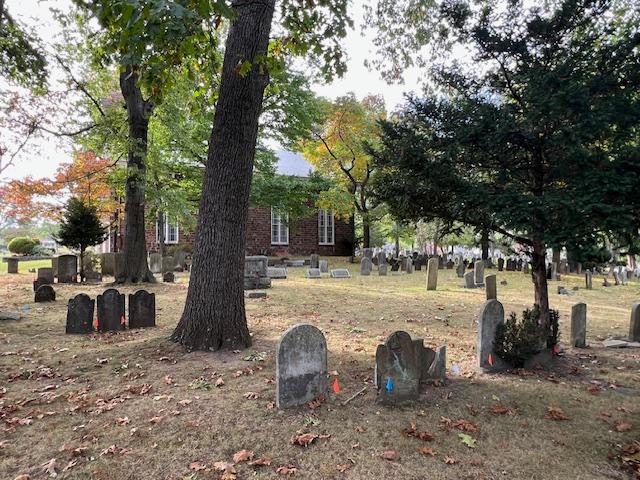
I walked through this quiet and reserved graveyard in search of ghosts from the past. The graveyard at the Ramapo Reformed Church, like many of these former Dutch churches, are steeped in memories of the past.

The historic graveyard in the back of the church

In the unique graveyard are the places of rest of many of the first families of Bergen County, NJ who not just shaped the county, but the State of New Jersey and the United States as well.

The oldest part of the graveyard surrounds the church

While the names Haring, Christie, Blauvelt, Demarest, Ramsey, Sutherland, Fox, Hopper, Van Ripper, DeBaun, Terhune and Tice may not similar to most people, to a generation of us were the names of farming families in Bergen County.

The Hopper Family plot

https://www.usrhistoricalsociety.org/families

https://www.hhkborough.com/home/hopper-zabriskie-family-cemetery

Another branch of the Hopper family

Their farms supplied us with fresh fruits and vegetables when in season and places for us to go during Halloween and Thanksgiving for our baked goods and much needed apple cider.

The Suffern family plot

https://www.wikitree.com/genealogy/SUFFERN

https://www.ancestry.com.au/last-name-meaning/suffern?srsltid=AfmBOorrfCGqRBXcEw4poUsVKndOmhzuu2NoaQ6dYjeuEz1I7Ph2UHeI

The 1980’s real estate boom put an end to many of these traditions but those names still live in the memories of an older generation. We see some of these traditions still hold tight at Demarest Farms in Hillsdale where hayrides and apple cider and fritters are still part of that experience.

The Goetschius family plot

https://sites.rootsweb.com/~njhudson/bio_goetschius_family.html

https://bergencountyhistory.catalogaccess.com/people/17462

https://dutchgenie.net/GSBC-familyfiles/familyfiles/g0/p463.htm

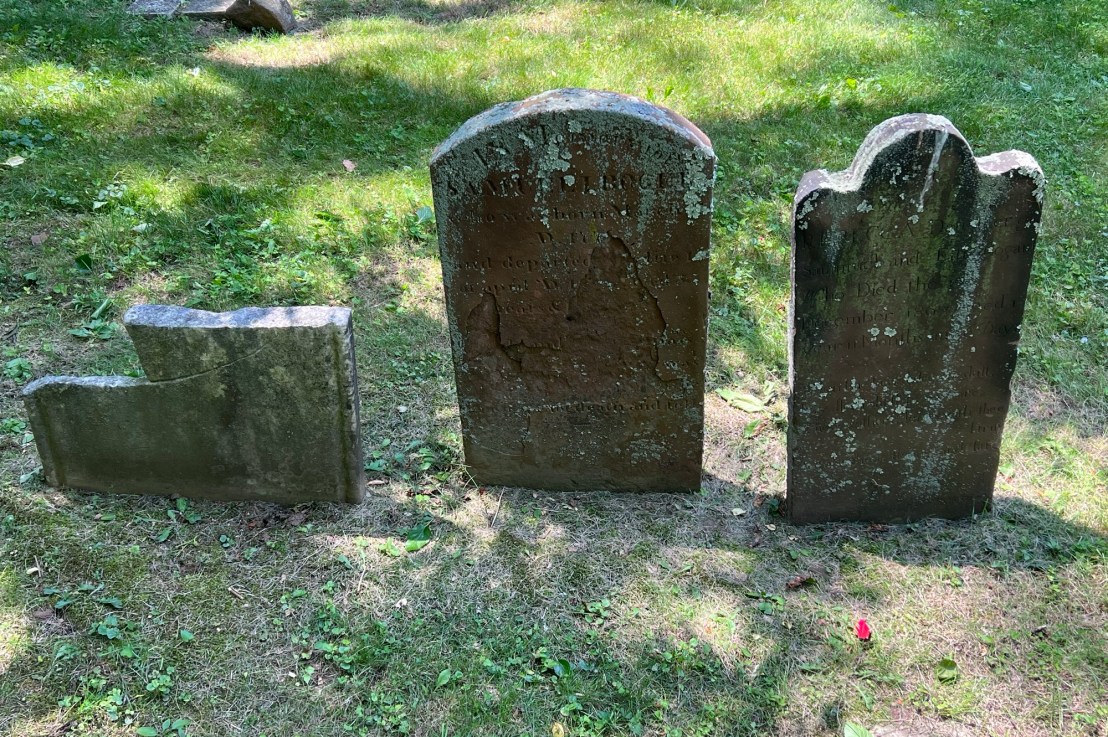
For this trip though, I was in search of graves of our brave veterans of the American Revolution and in the faded tombstones surrounding the church, I found most of them.

The oldest part of the graveyard wraps itself around the church or faces the road, which at one time must have been a country lane.

Some of the oldest families from the community are buried closest to the church building

The graveyard is filled with family plots of most of the first families of the area once surrounded by old fences.

The graveyard is full of families and their memories. In some parts of the graveyard, family plots are organized by generations. To so the progression of mother and father to their children and grandchildren. The history of these families is in the rows of names and the intermarriages of all these families to one another.

The Fox family plot, where one of the members of the family was a veteran of the Civil War

https://www.familysearch.org/ms/search/catalog/2366042

The Ramsey family plot

https://bestofnj.com/features/entertainment/jersey-through-history-ramsaysburg-james-ramsay-farmstead/

The Ramsey family plot

The grave site of Peter Ramsey, who the town of Ramsey was named after

https://ancestors.familysearch.org/en/K4FS-R7L/peter-j.-ramsey-1804-1852

Peter J. Ramsey was born on 23 November 1804, in Bergen, New Jersey, United States. He married Margaret Hopper in 1828, in Hohokus Township, Bergen, New Jersey, United States. They were the parents of at least 4 sons and 5 daughters. He died on 10 May 1852, in Ramapo, Bergen, New Jersey, United States, at the age of 47, and was buried in Mahwah Township, Bergen, New Jersey, United States (Family Search.org).

Closer to the church, I discovered the graves of our brave soldiers from the Revolutionary War whom I had been searching for.

The grave of John Suffern, who fought in the Revolutionary War and whose family the County of Suffern was named after

https://ancestors.familysearch.org/en/MT85-8B1/john-suffern-1741-1836

https://www.wikitree.com/wiki/Suffern-60

When John Suffern was born on 23 November 1741, in County Antrim, Ireland, his father, William Suffern, was 27 and his mother, Margaret Templeton, was 19. He married Mary Myers on 1 January 1766, in Burlington, New Jersey, British Colonial America. They were the parents of at least 7 sons and 4 daughters. He lived in Rockland, New York, United States in 1820 and Ramapo, Rockland, New York, United States in 1830. He died on 11 November 1836, in Suffern, Ramapo, Rockland, New York, United States, at the age of 94, and was buried in Ramapo Reformed Church Cemetery, Mahwah Township, Bergen, New Jersey, United States (Familysearch.org).

The graves of John Suffern and his wife

The Christie family plot, where John and James Christie who fought in the war were buried

The graves of John Christie and his wife

https://ancestors.familysearch.org/en/L2SY-CNW/john-w-christie-1754-1815

When John W Christie was born on 7 May 1754, in Schraalenburgh, Bergen, New Jersey, British Colonial America, his father, William James Christie, was 33 and his mother, Catalijntje Demarest, was 32. He married Annatie Hannah Brinkerhoff about 1773, in New Barbadoes Township, Bergen, New Jersey, United States. They were the parents of at least 4 sons and 8 daughters. He died on 11 September 1815, in Bergen, New Jersey, United States, at the age of 61, and was buried in Bergenfield, Bergen, New Jersey, United States (Familysearch.org).

The graves of James Christie and his wife

https://ancestors.familysearch.org/en/LKRF-61W/james-willem-christie-1744-1817

https://ancestors.familysearch.org/en/M56X-DYC/james-christie-1746

When James Willem Christie was born on 20 August 1744, in Bergen, New Jersey, British Colonial America, his father, William James Christie, was 24 and his mother, Catalijntje Demarest, was 22. He married Maria Banta about 1772, in Schraalenburgh, Bergen, New Jersey, British Colonial America. They were the parents of at least 5 sons and 5 daughters. He died on 23 July 1817, in Bergenfield, Bergen, New Jersey, United States, at the age of 72 (Familysearch.org).

The grave of Lawrence Sutherland another Revolutionary War Veteran

https://ancestors.familysearch.org/en/LHNH-3RV/lawrence-sutherland-1763-1846

https://www.wikitree.com/wiki/Sutherland-2841

When Lawrence Sutherland was born on 12 June 1763, in Harrington Township, Bergen, New Jersey, United States, his father, James Sutherland, was 21 and his mother, Marietje, was 19. He married Elizabeth Sutherland in 1786, in New Hampstead, Rockland, New York, United States. They were the parents of at least 2 sons and 3 daughters. He died on 9 October 1846, in New Hampstead, Rockland, New York, United States, at the age of 83, and was buried in Mahwah Township, Bergen, New Jersey, United States (Familysearch.org).

The Terhune family plot

https://freepages.rootsweb.com/~batrhune/genealogy/Early%20Dutch%20Family%20Ties/page04.htm

https://en.wikipedia.org/wiki/Terhune_House_(Wyckoff,_New_Jersey)

https://freepages.rootsweb.com/~batrhune/genealogy/Early%20Dutch%20Family%20Ties/page29.htm

The grave of John DeBaun and Matilda Van Belget

The Haring family plot of John and Elizabeth Haring

https://www.wikitree.com/genealogy/HARING

The graves of John and Elizabeth Tice

https://en.wikipedia.org/wiki/Tice_Farms

The historic family tombstones

The Ackerman family plot

https://www.njgsbc.org/files/familyfiles/g0/p10.htm

https://www.wikitree.com/genealogy/ACKERMAN

The graves of John Straut and his wife, Susan Evers Straut

There are a million stories to be told in this graveyard and it is interesting to know their families stories

The family plots in the graveyard
Wyckoff Reformed Church                                                     580 Wyckoff Avenue                                                Wyckoff, NJ 07481

Wyckoff Reformed Church 580 Wyckoff Avenue Wyckoff, NJ 07481

Wyckoff Reformed Church

580 Wyckoff Avenue

Wyckoff, NJ 07481

(201) 891-1782

https://www.wyckoffreformed.org/

Open: Sunday 9:00am-11:00am (Sunday Mass)

My review on TripAdvisor:

https://www.tripadvisor.com/Profile/R4960NKjustinw/mediabatch/13777849?m=19905

The Wyckoff Reformed Church and Graveyard

The front of the church in the Summer of 2025

The graveyard at the church dates back to before the Revolutionary War. The graveyard has veterans from all the wars since the Revolutionary War to the current wars.

The Wyckoff Reformed Church was built with local fieldstone in 1806. The carpentry inside was done by Daniel Baldwin. The style features vernacular Early Republic, Federal architecture and the windows are done in the Gothic Revival style (Wiki).

The historic graveyard in the back of the church

The back of the graveyard that reaches further back into town
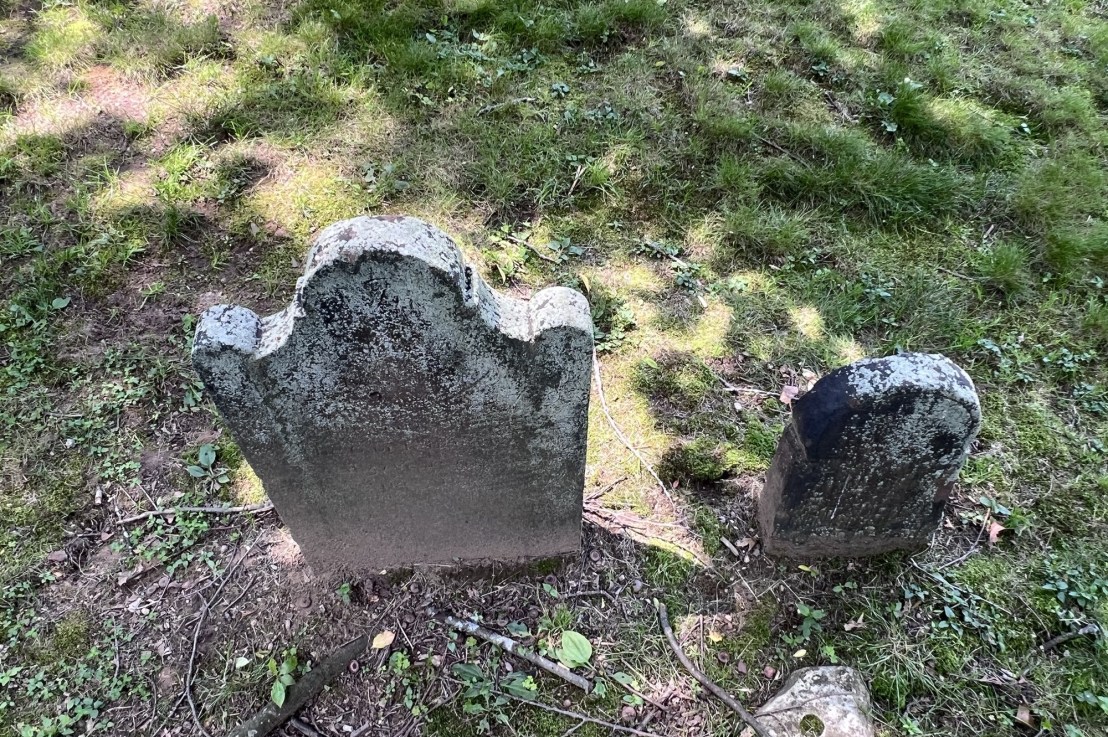
The part of the graveyard from the mid to late 1800’s. There are Civil War veterans buried here.
The back of the church from the 1800’s

The graveyard from the 1800’s
The Revolutionary War era section of the graveyard
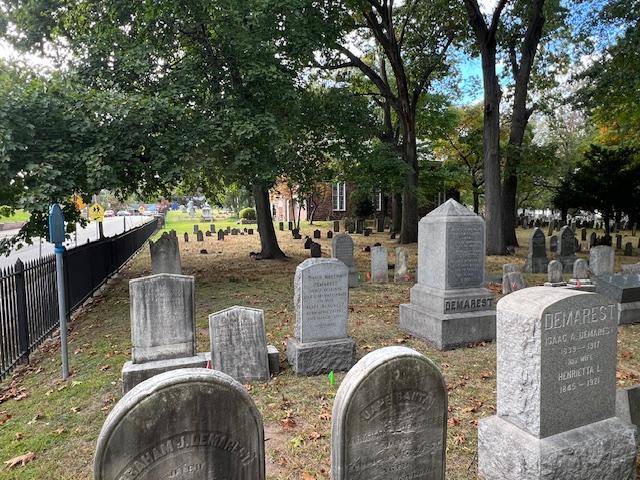
The graves of the Revolutionary War veterans

The grave of Revolutionary War veteran Albert N. Van Voorheis

https://ancestors.familysearch.org/en/LXQY-KCH/albert-voorhees-1759-1820

https://www.hmdb.org/m.asp?m=12407

https://www.wikitree.com/wiki/Stephensz-2

When Albert Voorhees was born on 24 July 1759, in Bergen, New Jersey, British Colonial America, his father, Albert Van Voorhees, was 54 and his mother, Cornelia H. Van Gieson, was 42. He married Rachael Hopper on 26 July 1788, in Acquackanonk Township, Passaic, New Jersey, United States. They were the parents of at least 5 sons and 6 daughters. He died on 17 October 1820, at the age of 61 (FamilySearch.com).

The grave of William P. Winter

The grave of Vanithy Van Voorheis, the wife of Albert Van Voorheis.

The historic part of graveyard right behind the church
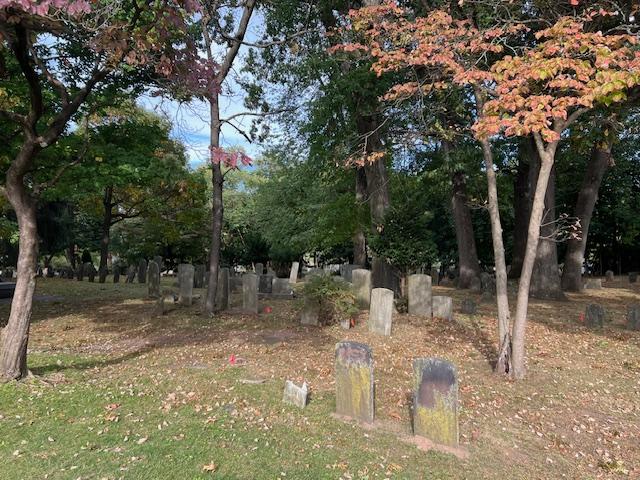
The graves of Bridget Ackerman and Martin Myers

The graves of Jack Van Saun and his wife, a descendant of the Van Ripper farm family

The graves of the Van Ripper family

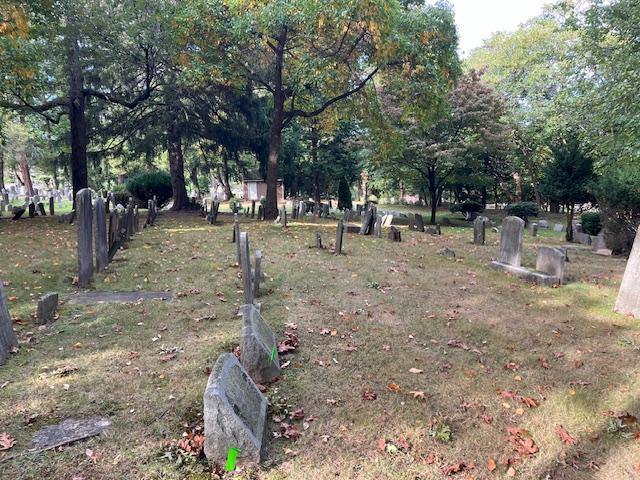
The family plots

The grave of David Stagg

The graves of Peggy Willis and Margaret and Abraham Van Voorheis

The graves of the Mickler family

The graves Abraham and Sara Ann Quackenbush

This historic church and graveyard are really interesting to walk around. It is a glimpse into the past of Bergen County, NJ and the entire State of New Jersey
South Presbyterian Church                                  150 West Church Street                                 Bergenfield, NJ 07621

South Presbyterian Church 150 West Church Street Bergenfield, NJ 07621

South Presbyterian Church

150 West Church Street

Bergenfield, NJ 07621

(201) 384-8932

https://www.southpresbyterian.net/history

Open: Sundays during service time

My review on TripAdvisor:

https://www.tripadvisor.com/Profile/R4960NKjustinw/mediabatch/13264450?m=19905

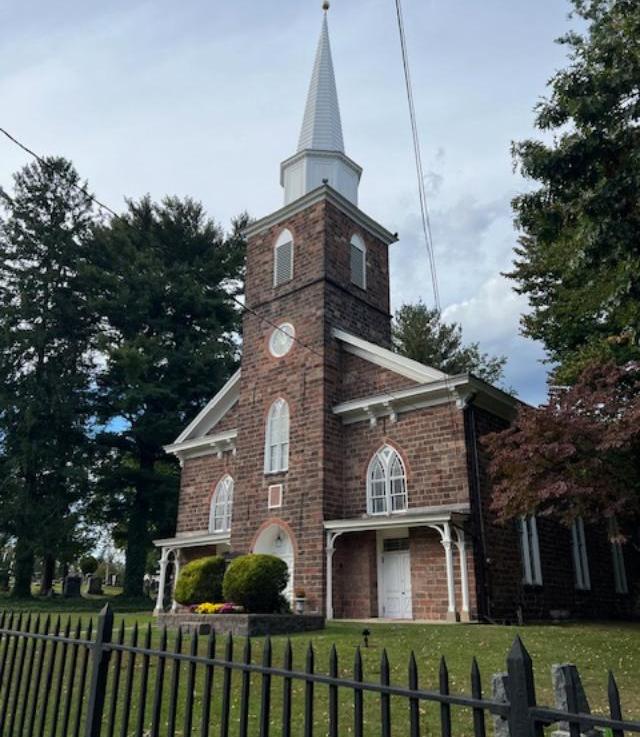
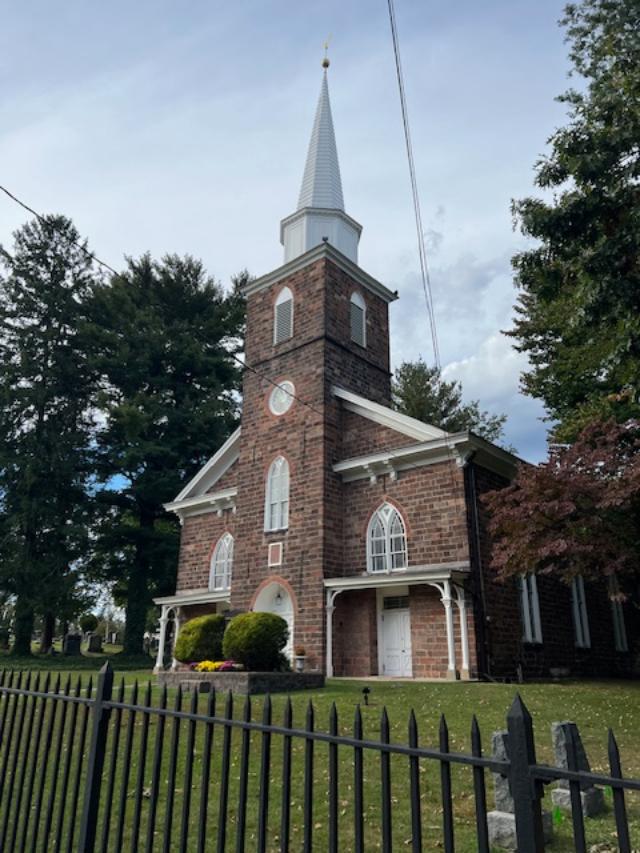
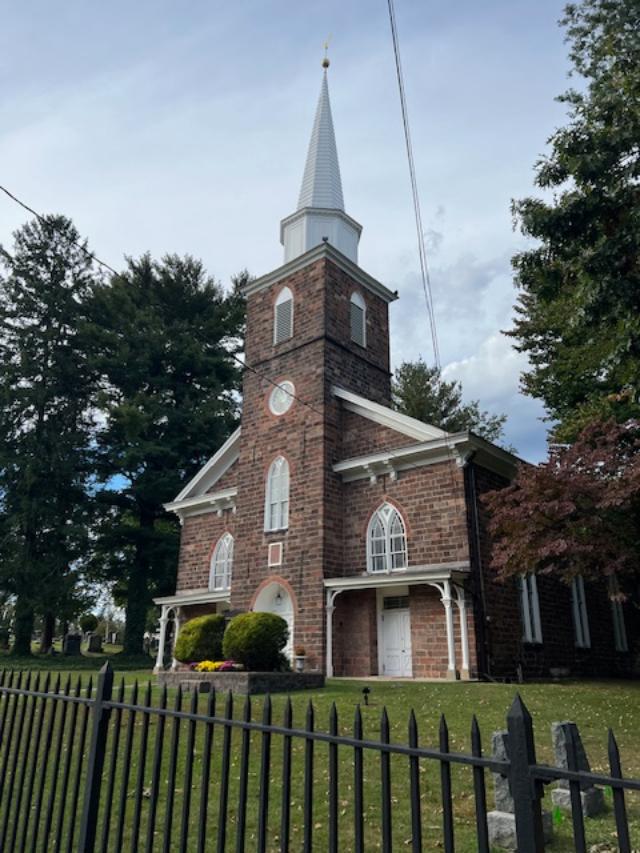
The South Presbyterian Church at 150 West Church Street in Bergenfield, NJ

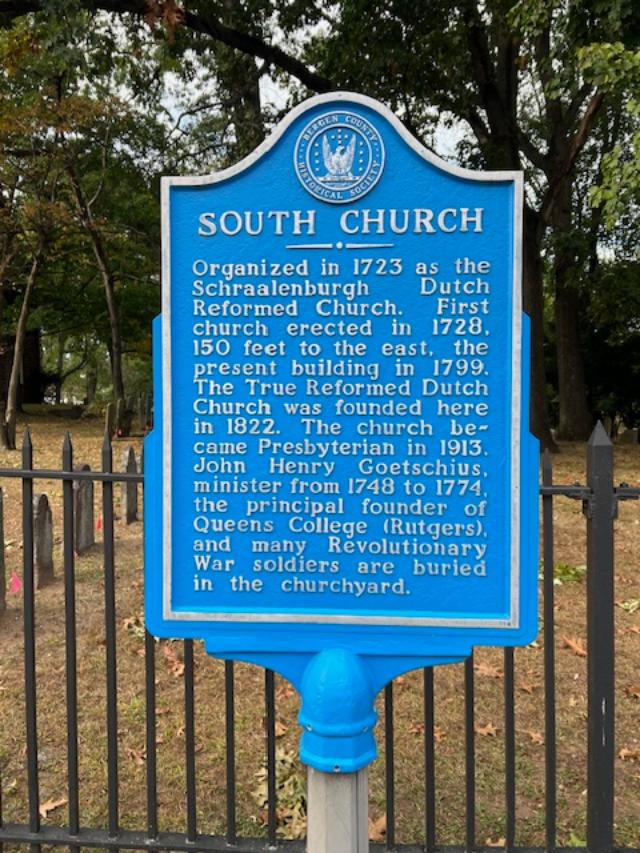
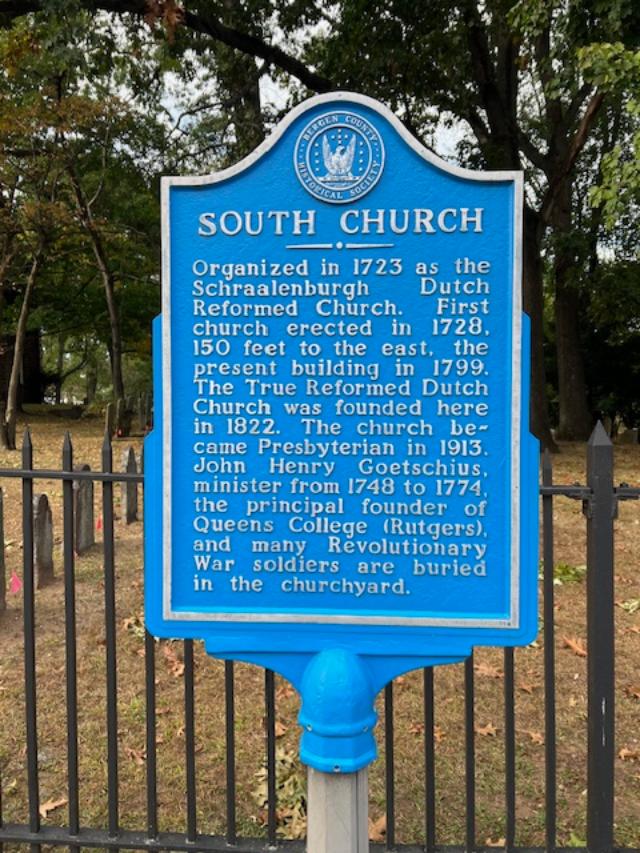
The historic marker in front of the church

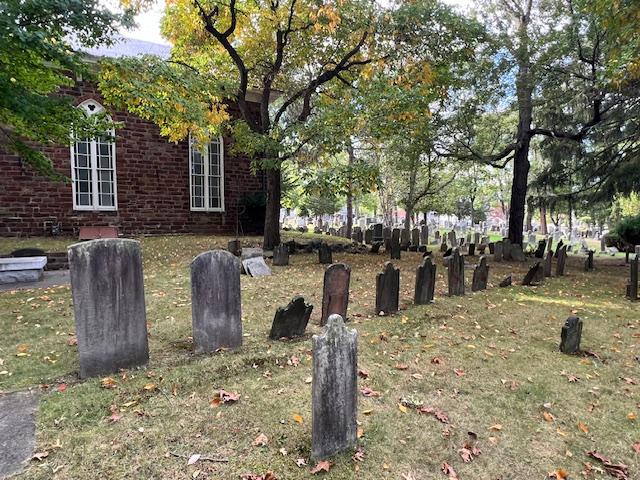
I was in Bergenfield, NJ recently to visit the Bergenfield Museum and I walked around this beautiful church and the graveyard next to it. What a beautiful, graceful building and the cemetery had an old New England charm about it. The graveyard held the graves of many of the original family members who founded the County and lived in Bergen County since the late 1600’s.
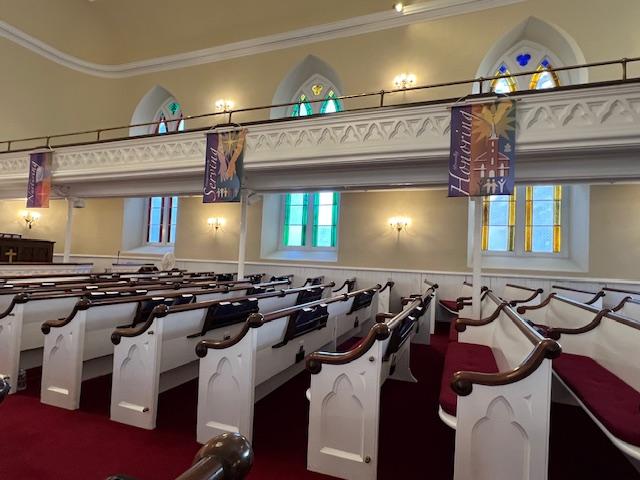
The inside of the church

The church sat in this beautiful area right next to Cooper Park off Downtown Bergenfield. I can’t wait to take a look inside one day.

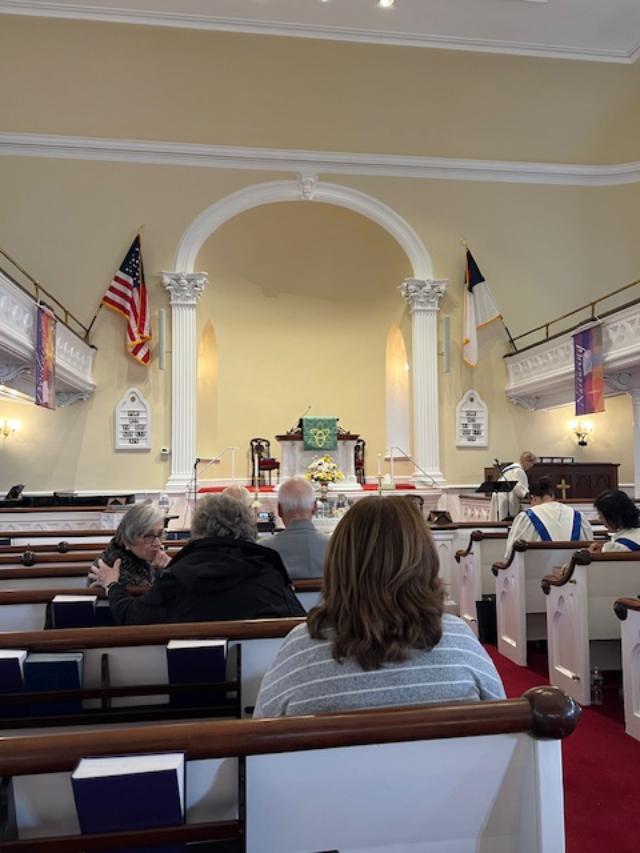
The inside of the church during Sunday services

The Mission Statement from the Church:

(from the church website)

“As followers of the risen Lord, we, the South Presbyterian Church family, commit ourselves to proclaim the gospel, witness to the promise of God’s Kingdom, and nurture all children of God. In our community and throughout the world, we will serve in Christ’s name through worship and mission. We will serve through open worship, willing service and compassion to all for the glory of God wherever our lives shall take us.”

The historic marker of the church

History of the Church:

(from the church website)

SOUTH CHURCH is descended from the first Schraalenburgh congregation established in 1723. The first church building was constructed beginning in 1724, and fully completed by 1728. This was approximately 36 feet square with a Dutch hip roof ascending to a central belfry and steeple.

 The front of the church cemetery

This church stood atop a small hill just west of Long Swamp Brook, facing south and fronting on the new county road laid down in 1717. Using today’s landmarks, we can describe the site as the southeast corner of the present cemetery, directly across Church Street from the South Church House. For more than seventy years, this small church building served the farmers of Schraalenburgh. The site of the new church was apparently chosen because of the presence of a large spring across the road near Long Swamp Brook. 

 The historic graveyard with some of the original families of Bergen County
The philosophy of the Dutch Reformed Church shaped the growth and development in the early years of the church’s existence. In the more than two and a half centuries of its history, the members of the congregation had to choose many times between the strictly puritanical concepts and the more convenient religious beliefs, and invariably chose the puritanical. Some members were the patriots of the Revolution while others were Tories. In 1799, the new South Schraalenburgh Church was built a short distance to the west of the original building.

 The historic cemetery during the Fall of 2024

Because of differences within the congregation in the late 1700s, two groups were formed and when a decision was made to build a new church, the opposing group withdrew, purchased land and built the North Schraalenburgh (now Dumont) Reformed Church in 1801. In May 1866 the congregation voted to enlarge and remodel the building, adding 15 feet to the north end and replacing part of two windows in the front with doors on each side of the original single door, as you see it now.  This was completed in 1867.

 The Church graveyard
In the past century, the building has had its share of modernizations— candlelight gave way to oil lamps, and in turn to electrification. Heat was installed,  first coal fired, then oil, now gas, although the old drafts persist to this day. However, the charm and grace of the old Dutch Church at Schraalenburgh have remained. The South Church House completed and dedicated in September 1952, on the corner of West Church and Franklin Avenue, is used by the church for various classes and events and many community organizations meet there.  In 2002 South Presbyterian Church celebrated the 50th Anniversary of the Church House.

 The historic graveyard at the side of the church in the oldest part
The South Presbyterian Church was placed on the National Registry December 6, 1975 and the Manse on August 24, 1979, both through the efforts of Mrs. Adrian Leiby. In 1913, after much discussion, the congregation chose to unite with the Presbyterian Church. Today, after almost 3 centuries of building and remodeling, separating and uniting, South Presbyterian Church in Bergenfield remains committed to the values of those Christian farmers who first gathered at this site to worship in 1723. . . steadfast in purpose and faith.

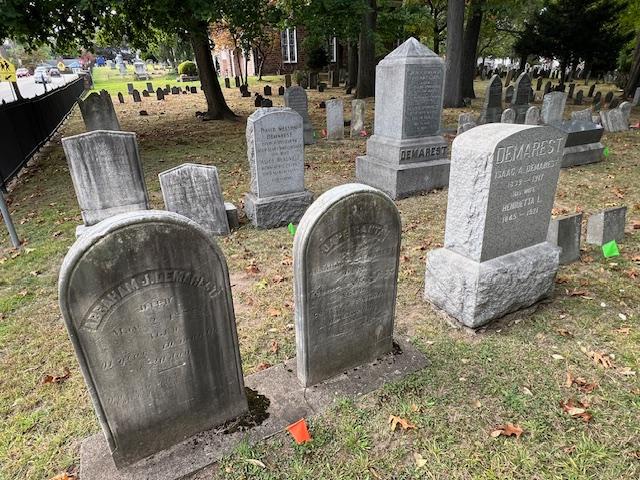
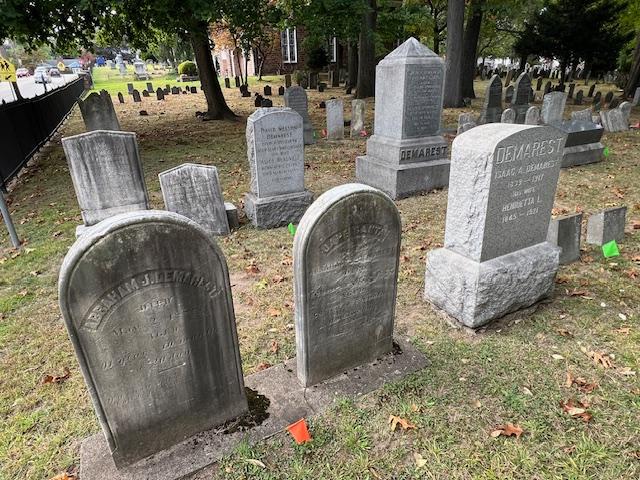
The Demarest family plot

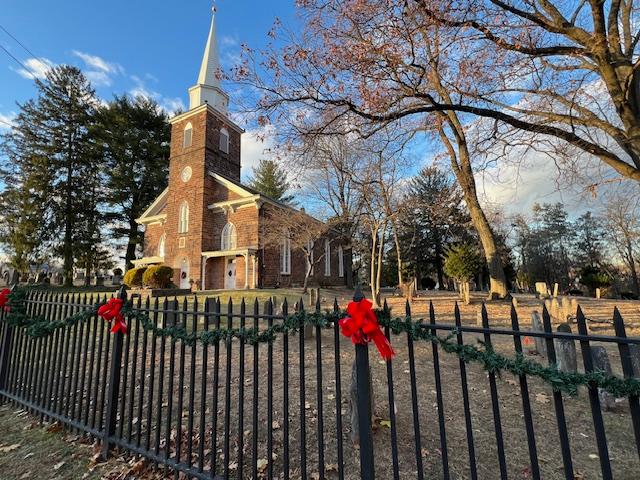
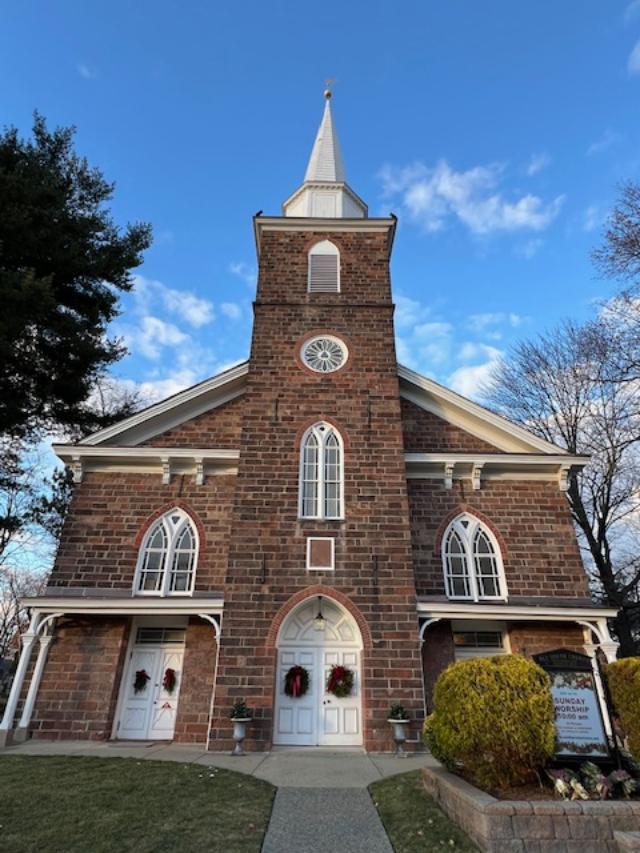
The Church is especially beautiful at the holidays all decorated with wreathes and garland.

The South Church decorated for Christmas

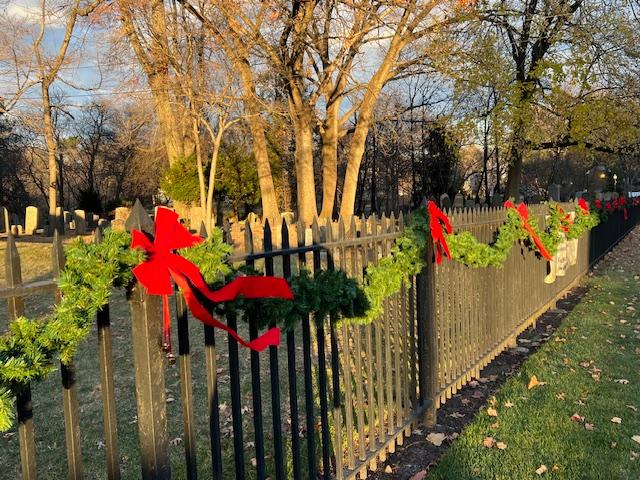
The fences are so nicely decorated for the holidays

The outside of the church decorated for the holidays

The front of the church at dusk

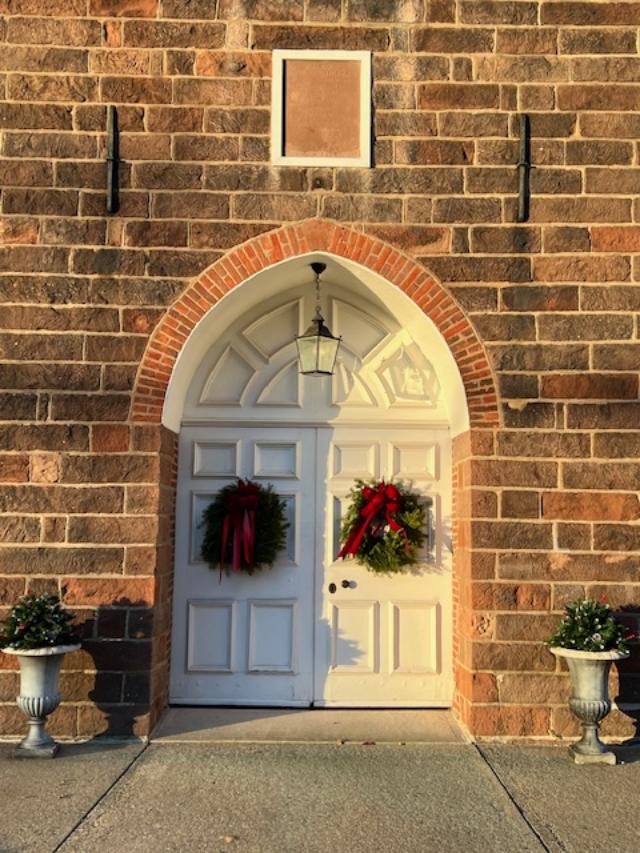
The front doors are so welcoming at the holidays

The Bergecco-Parc Consulting Inc. Project promoting the church for “Dark Tourism”:

In a recent project I created for my Marketing Students at Bergen Community College in Paramus, NJ, under the fictional company “Bergecco-Parc Consulting Inc.”, the Teams were tasked in creating a project that promoted the South Presbyterian Church for “Dark Tourism”, meaning that we promoted their historic cemetery for a historic walking tour concentrating on the Demarest family plot.

Here is a link to that blog on the project:

Here are the videos on the Bergenfield, NJ Historic sites project:

We walked through the park again to my take note of its Depression era past and beautiful views and colors and made our way to the historic South Presbyterian Church and its historic graveyard where the second half of the project would take place.
South Presbyterian Church at 150 West Church Avenue

https://www.southpresbyterian.net/

https://www.facebook.com/southpres/

The historic marker for the church

My review on TripAdvisor:

https://www.tripadvisor.com/Profile/R4960NKjustinw/mediabatch/13264450?m=19905

My review on VisitingaMuseum.com:

https://visitingamuseum.com/author/jwatrel/page/2/

The Demarest Family plot in the church graveyard

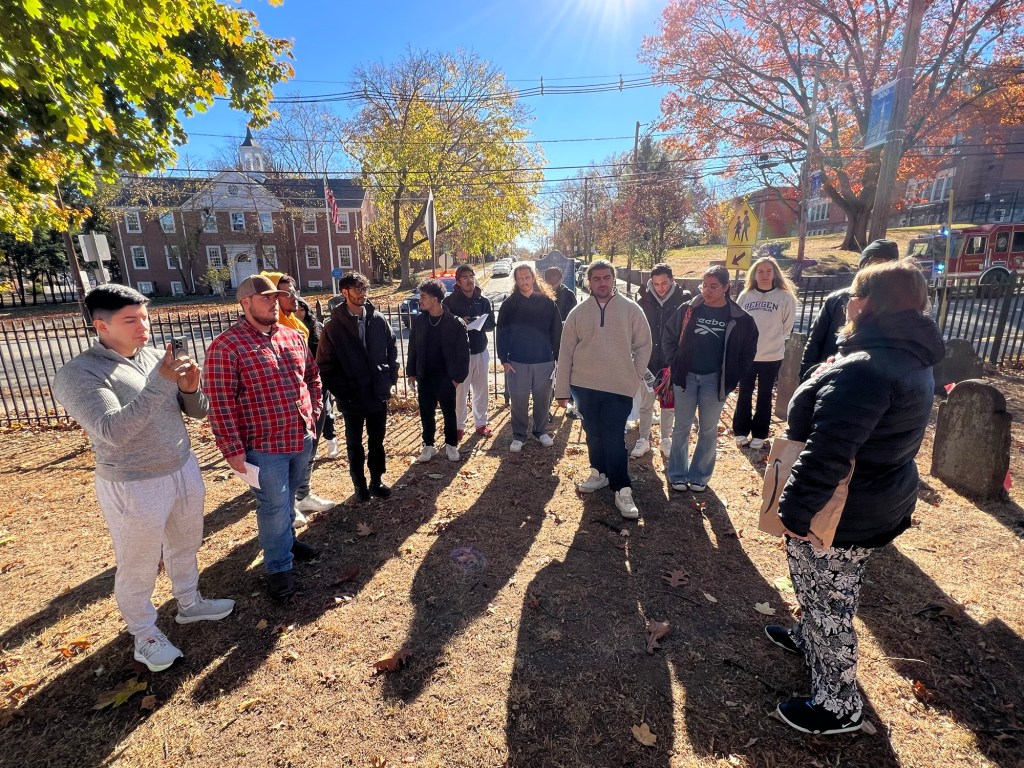
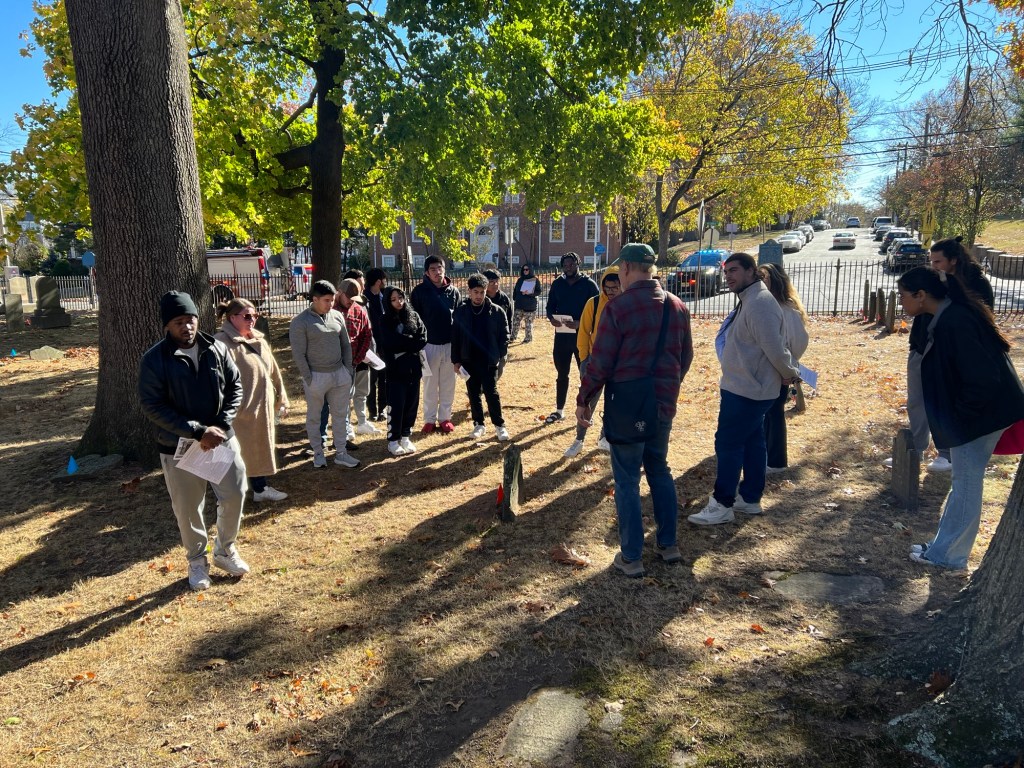
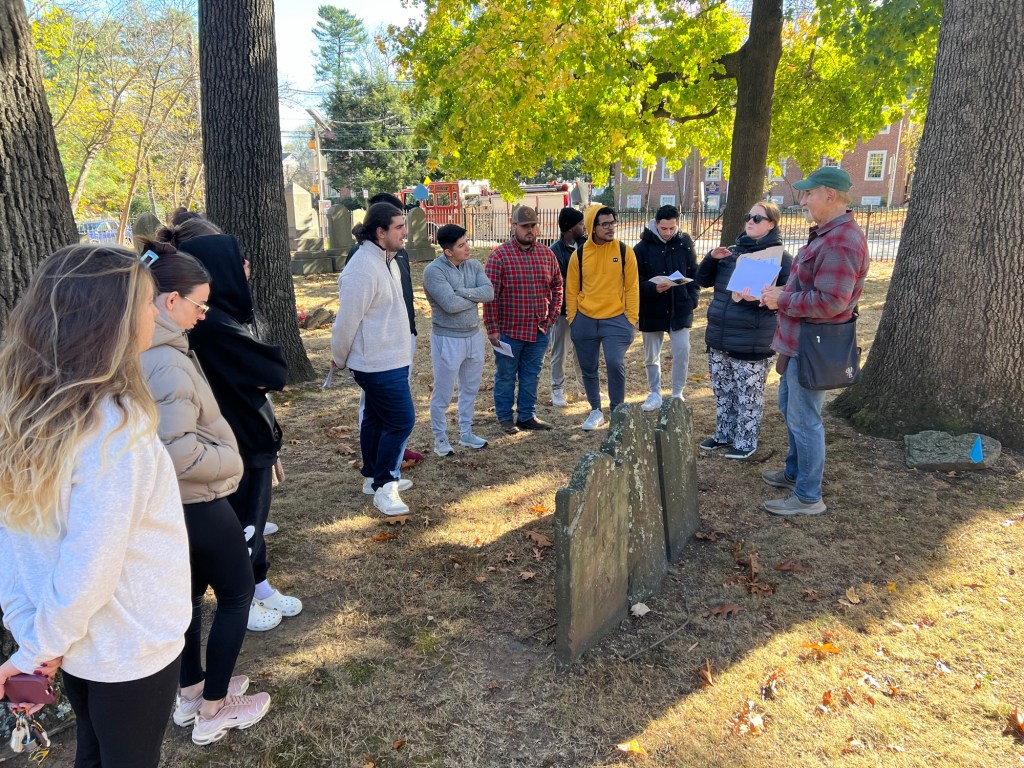
Touring the South Church graveyard for the historical walking tour with members of the Church volunteer staff
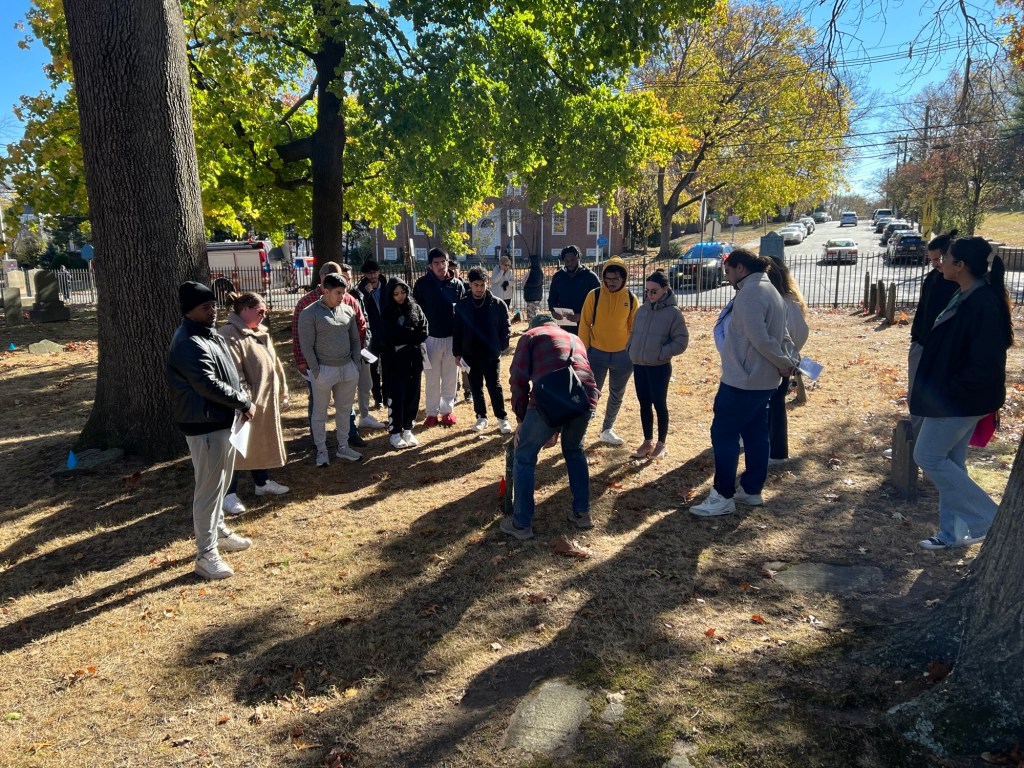
The tour was lead by Bob Carpenter, a historian who is helping renovate this historical graveyard

The tour of the historical Demarest family plot, which ties into the museum building’s historical past, was lead by historian Bob Carpenter, who is helping the church renovate and restore the graveyard. Mr. Carpenter explained to us how he was fixing all the plots and historic tombstones and how the maintenance of the stones needs to be carefully done.

Mr. Carpenter explains how to maintain the tombstones in these historic graveyards

Video of the walking tour of the historic graveyard:

Both the church volunteers and Mr. Carpenter explaining to the students how families were buried in the 1700and 1800’s

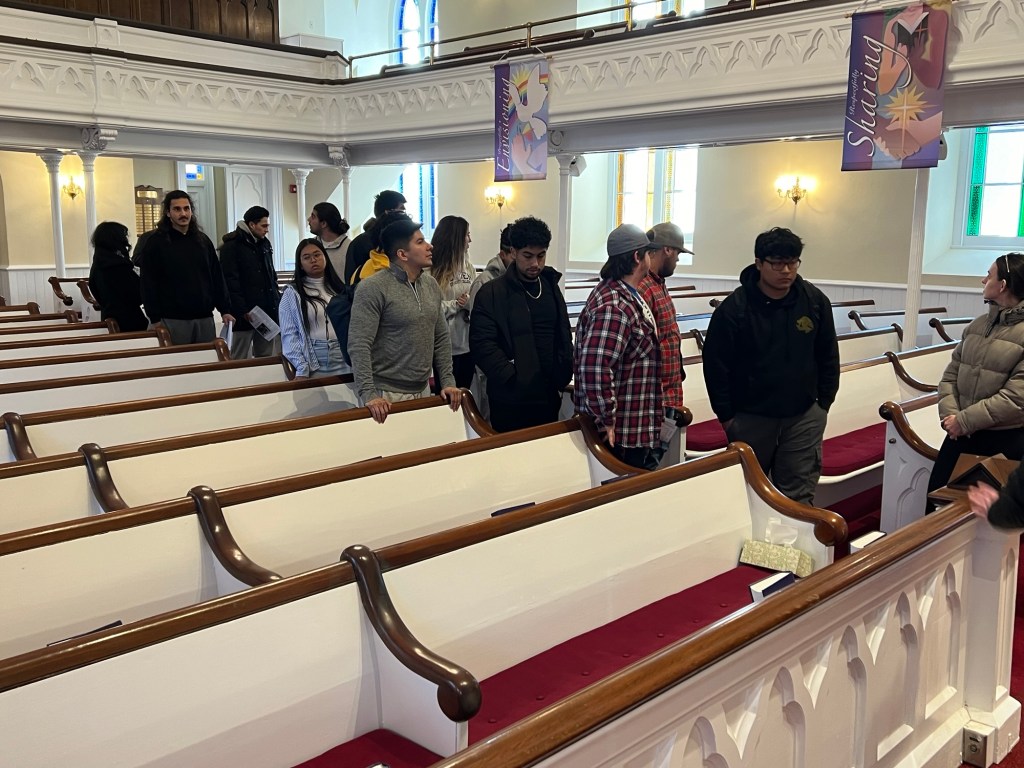
We finished the tour that afternoon inside the South Church to learn its history in the community. Though it will not be part of the project, the church offered the students a glimpse into Bergen County’s past as the original church was built before the Revolutionary War.

The Student Consultants touring the pews of the South Church

Once the tour was complete, the Student Consultants had a better understanding of the locations where the project will take place.

The new project will include walking tours, historical aspects of all three locations, and ways of creating a Destination Marketing Plan for domestic and foreign tourism. This will take place when the Student Consultants present their ideas to myself and the museum and church staffs.

The student consultants had four weeks to this project and put together their game plans. The had to put together commercials to promote the Bergenfield Museum, Coopers Pond Park and the historical cemetery of the South Church. As an extra credit assignment, I had the students develop a Halloween walking tour with food and create a separate commercial for this of which three of the for groups completed.

Here is their Presentation of the Project Promoting the Historic sites of Bergenfield, NJ. This section of videos was on promoting the South Presbyterian Church:

The South Church Cemetery is one of the oldest and historic cemeteries in Bergen County and home to the Demarest family plot, one of the most prominent families in Bergen County. The students were tasked with creating a short Walking Tour video promotion for the project to promote the South Church for tourism.

Team One:

Commercial Two:

Team Two:

Team Three:

Team Four:

*Special Note: I credit my Marketing 201 students at Bergen Community College with all of this work and the dedication that they gave the class. Excellent job everyone!

Old North Reformed Church                                120 Washington Avenue                                   Dumont, NJ 07628

Old North Reformed Church 120 Washington Avenue Dumont, NJ 07628

Old North Reformed Church

120 Washington Avenue

Dumont, NJ 07628

(201) 385-2243

https://oldnorth.church/

https://www.facebook.com/oldnorthdumont

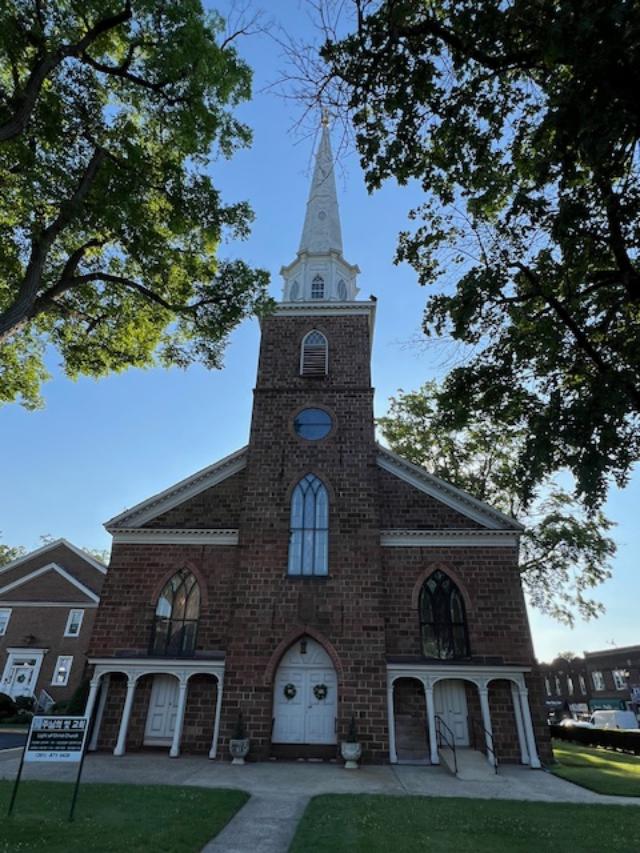
The Old North Church at 120 Washington Avenue

The Old North Church in Downtown Dumont, NJ is one of a series of Dutch Reformed Churches in Bergen County. This stately church still operates on a weekly basis and services are held on Sunday mornings. The cemetery to the back of the church is historic and interns some of the original families of Bergen County, NJ.

Old North is a Protestant Church affiliated with the Reformed Church in America. It is the oldest Protestant denomination with a continuous ministry in the United States and is a member of the Presbyterian/Reformed Family of Churches.

The actual Old North congregation dates back to 1724 and was organized in that year. A congregation of the settlers in what was known as Schraalenburgh (Dutch for “low ridge”) was formed at the time under the care of the “Church on the Green” in Hackensack.  In 1725, Schraalenburgh Church built – stood about a city block east of the present South Church, Bergenfield. It was octagonal in shape. The  Parsonage and minister for the church were located in Hackensack.

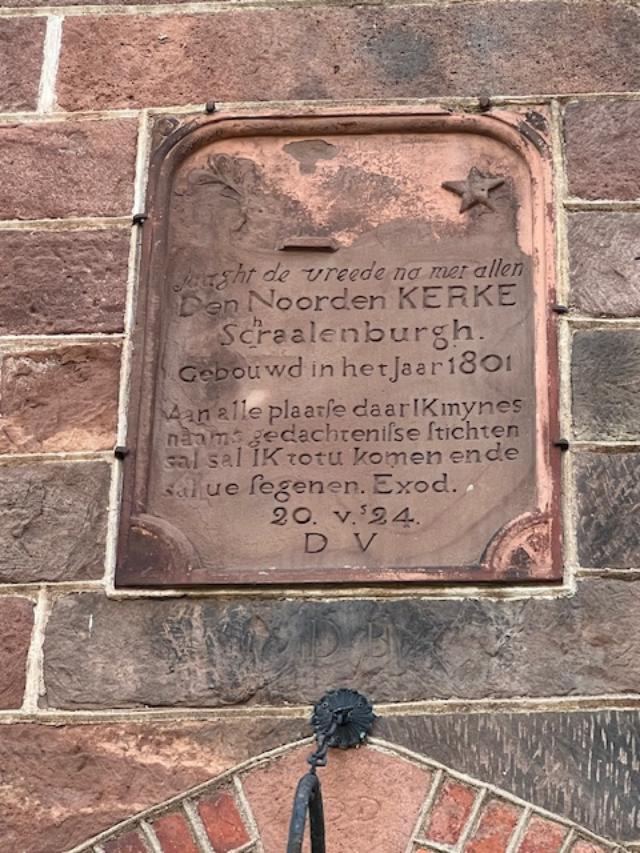
The historic sign of the church’s building

The Church Timeline:

(Taken from the Old North Church website)

1750 (Approximately) Congregation gradually divided into two – under the  leadership of two pastors both meeting in the same building.

1799 One congregation left and built the present South Church. The  second congregation continued to worship in the old church for  about two years.

1801 The second congregation built “North Reformed Protestant Dutch  Church of Schraalenburgh” on the land given by Major Isaac Kipp.  The building was erected by Peter Durie of New York, who later moved to Tenafly to be near the project

The inscription over the front door, in Dutch, reads, 

“Let peace come quickly to all. The North Church at Schraalenburgh built 1801.”

“In all places where I record my name, there shall I come to thee and bless thee.” Exodus 20:24 

1833 Services in Dutch entirely discontinued. 

1834 Parsonage (Pastor’s house) was built.

1836 Stoves were installed in four corners of Sanctuary.

1846 Sunday School is organized and met in the balcony. 

1859 Sanctuary was enlarged eighteen feet. The side walls now had four windows instead of the original three. The back west wall was reconstructed with red brick and the red sand stones that were on the west wall and are now part of the sides blending with the  original stones.

1868 The first furnace was installed in the Sanctuary.  The clear glass panes in the Sanctuary were replaced with colored stenciled glass from Germany.

1888 Organ was installed in front of Sanctuary (attributed to W.H. Davis) powered by a water motor.

1894 Town name was changed from Schraalenburgh to Dumont in honor of Old North parishioner and 1st Mayor, Dumont Clarke.

1911 Town clock installed in the steeple. 

1912 The first Church House built. 

1918 World War I, Church House used almost exclusively by soldiers from Camp Merritt.

1919  Camp Merritt Town Memorial monument placed on church property.  The flagpole (since replaced) made from artillery gun barrels was moved from Camp Merritt to church yard.  

Dr. John Spring began his ministry and served for 34 years. He was formerly Chaplain at Camp Merritt and saw the congregation through the difficult years of the Great Depression. 

During his ministry, Old North became mother church to a number of Reformed churches in  surrounding towns. Mrs. Spring served as organist & choir director.

The entrance to the church from Washington Avenue

1923  Organ rebuilt by Clark & Fenton, Nyack, NY., electrified and moved to the north wall.

1925  Old North charters Boy Scout Troop 64. 

1926  Steeple hit by lightning. The first church house burned.

1949  Old North charters Cub Scout Troop 131.

1954  Major repairs and Sanctuary redecorated.

1962  New Church House dedicated.

1969  Church steeple completely renovated and the clock was removed.

1972  New Tellers 26 rank pipe organ installed. The Choir organ division was given in honor of Mrs.       

          Spring. Sanctuary was redecorated.

1974  Old North celebrates its 250th Anniversary. New windows installed in Church House.

          Dr. Albert Van Dyke retires after 16 years of service.

1980  Complete renovation of downstairs kitchen.

1983  Reverend Richard Vander Borgh becomes 13th Pastor.

1990  The End of the Earth Church Korean Congregation shared usage of church.

1996  150th Anniversary of Sunday School.

1999   275th Anniversary Celebrated.

2000   Air conditioning installed in Sanctuary.

2001   200th Anniversary of Church building.  Church steeple painted.

2002   Cross replaces Reformed Church in America Coat of Arms in the sanctuary chancel.

2006   Light Alliance Korean Church of NJ shared usage of church.

2012   3-year major renovation of steeple and structures are complete.

2013   Installation of a state of the art Carillon–- sending forth music and hymns into the community.

2014   Reverend Richard Vander Borgh retires after 31 years.

2015   Reverend Susan E. Kerr installed as the 1st woman and14th minister of Old North Reformed     

           Church.

2017   Stair lift installed at Chapel entrance to make the Church House and the sanctuary accessible    

           for all. Handicapped bathroom and baby changing station are installed.

2018   Ye Old North Thrift Shoppe community ministry begun.          

           Community Thrift Shoppe begun in Church House ground floor.v. Richard and 

           Joan Vander Borgh. 

           Community Thrift Shoppe begun in Church House ground floor.

           The Light of Christ Church shares usage of space.

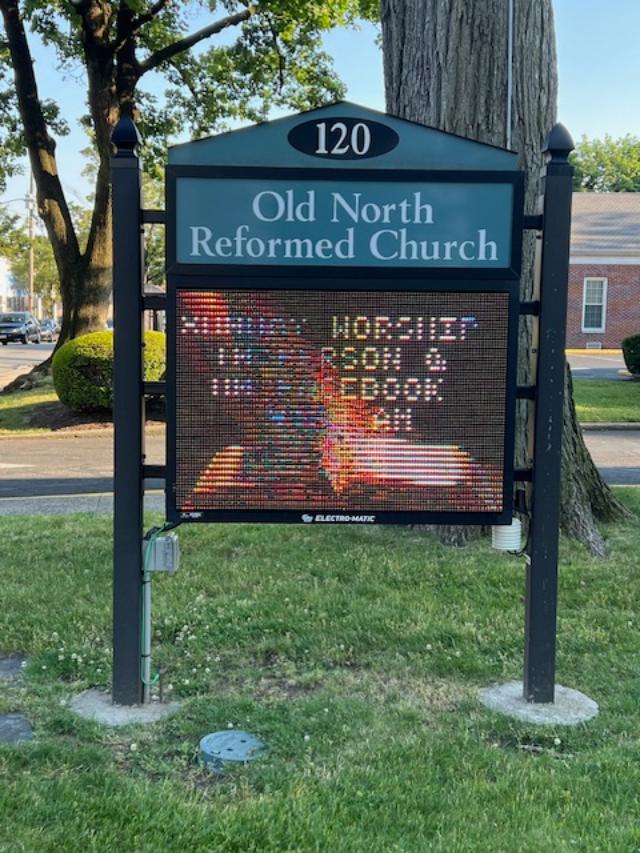
2019   Electronic LED sign installed. 

           Memorial Plaque dedicated for new Auditorium chairs.

The electronic sign in the front of the church.

2021   Legacy Project Renovations.

The Old North Church Cemetery:

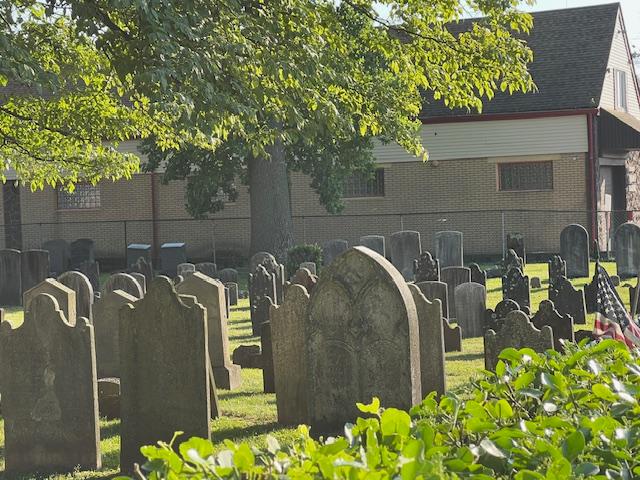
The church cemetery to the back of the church has some of the original families of Bergen County buried in their yard. The graves go all the way up to 1911 (Wiki).

The signage for the Old North Church Cemetery

The graveyard contains some of the old families in Bergen County

Some of the oldest graves in the cemetery