
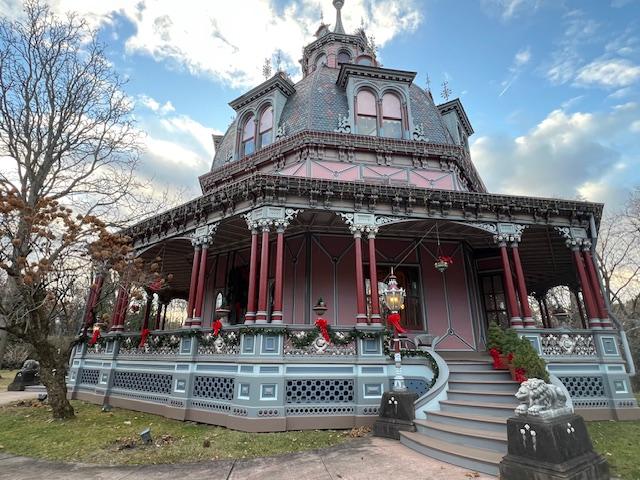
The Armour-Stiner Octagon House
45 West Clinton Avenue
Irvington, NY 10533
(914) 817-5763
https://en.wikipedia.org/wiki/Armour%E2%80%93Stiner_House
Hours: Sunday-Saturday Seasonal please check their website
Admission: Depends on the Tour/Times of the year-Please check the website
My review on TripAdvisor:
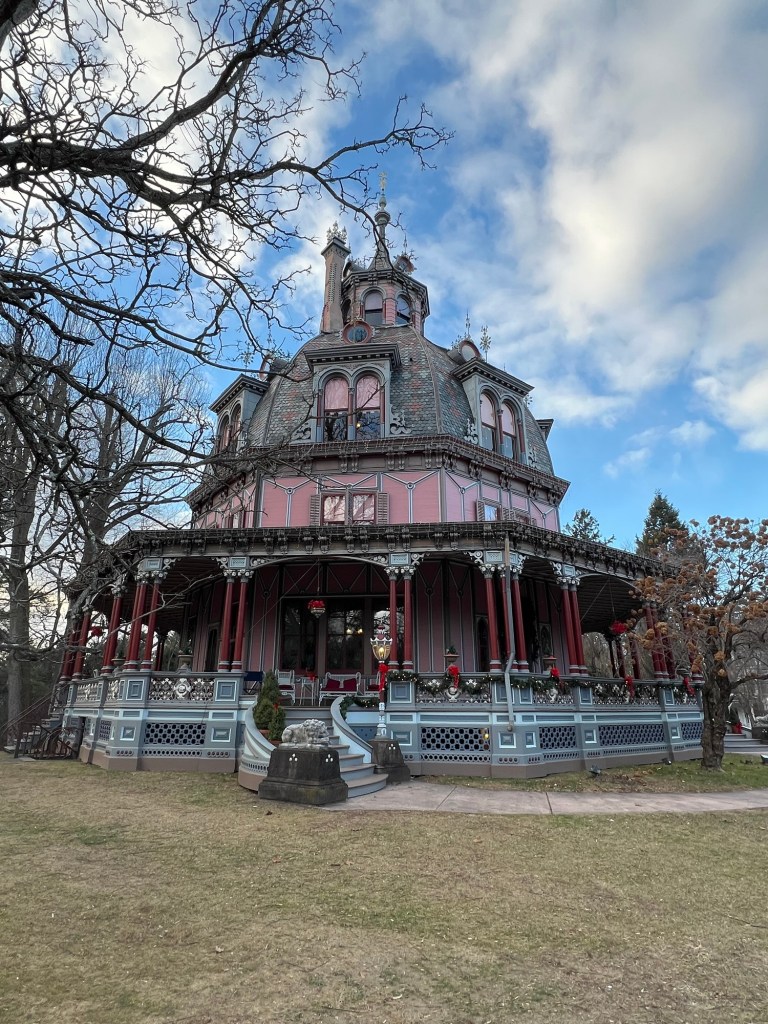
The outside of the house during the Christmas holidays
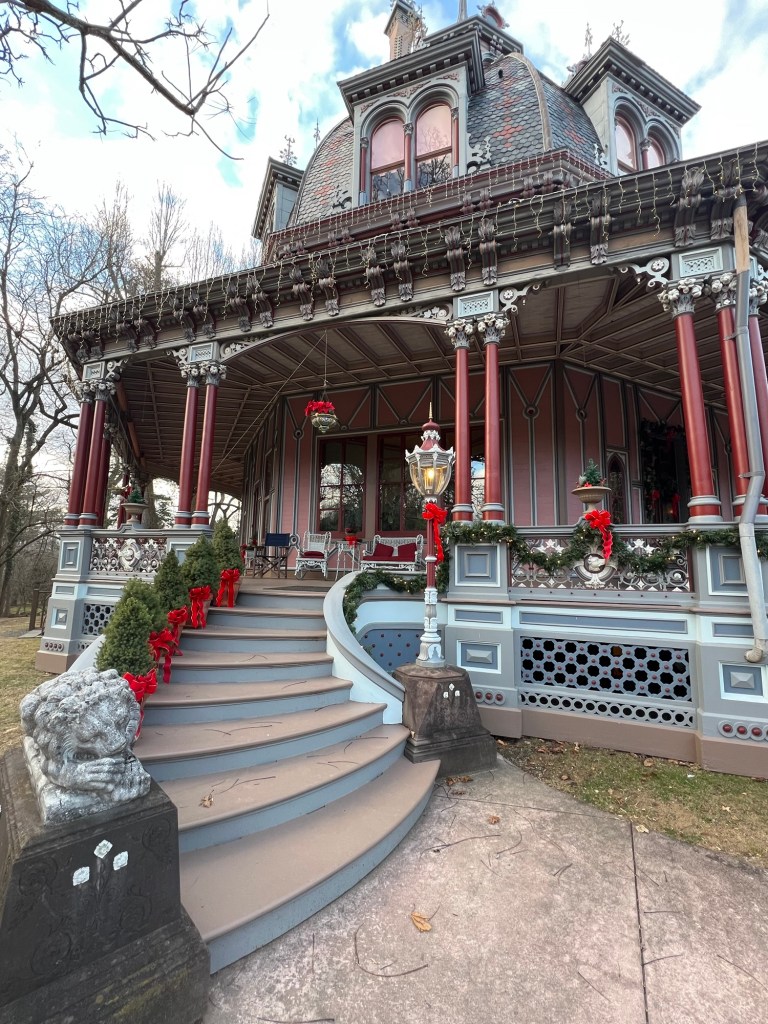
The outside of the house decorated for Christmas
The tour of the Amour-Stiner Octagon House was so amazing. The house was decorated to the hilt for the Christmas holidays but done tastefully and not over the top. All the decorations enhanced the house and its beauty.
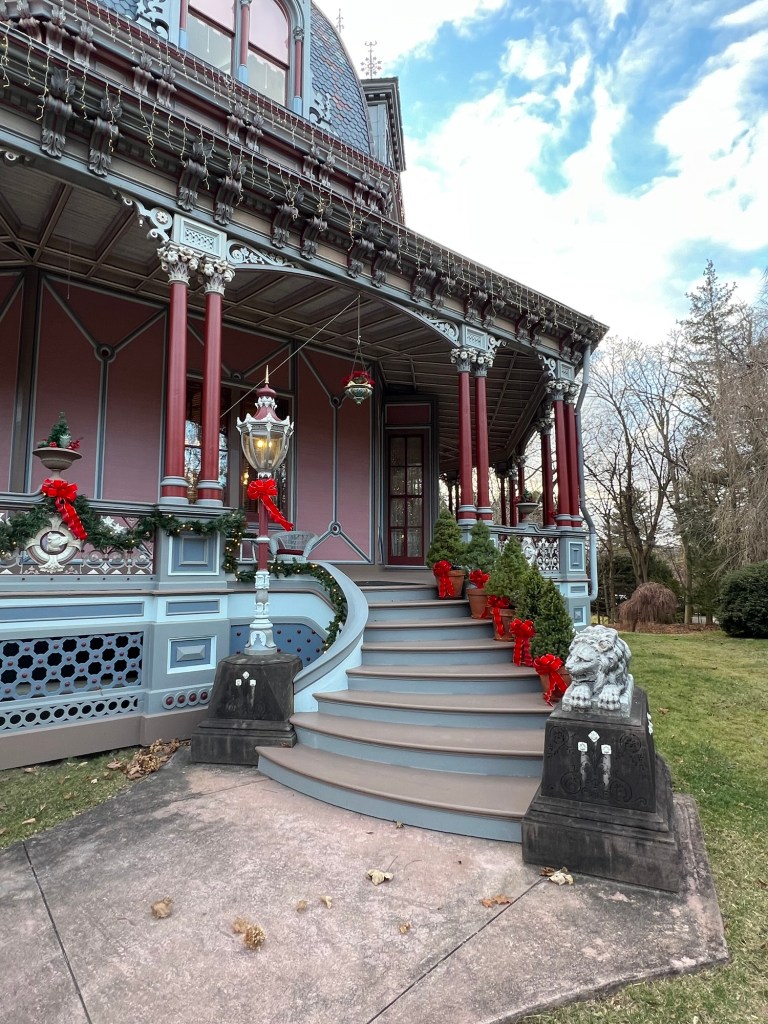
The other side of the porch decorated for Christmas
History of the House:
(From the Visit Westchester County blog):
The Armour-Stiner Octagon House is one of the most visually unique homes in the world. It is the only known residence constructed in the eight-sided, domed colonnaded shape of a classic Roman temple. The Octagon House was originally built in the 1860s following the precepts of Orson Squire Fowler, a phrenologist, sexologist, amateur architect and author of The Octagon House, a Home for All. Fowler advocated octagonal instead of rectangular houses on the supposition that the shape enclosed more space, created rooms which received more sunlight and had greater accessibility to each other (Visit Westchester blog).
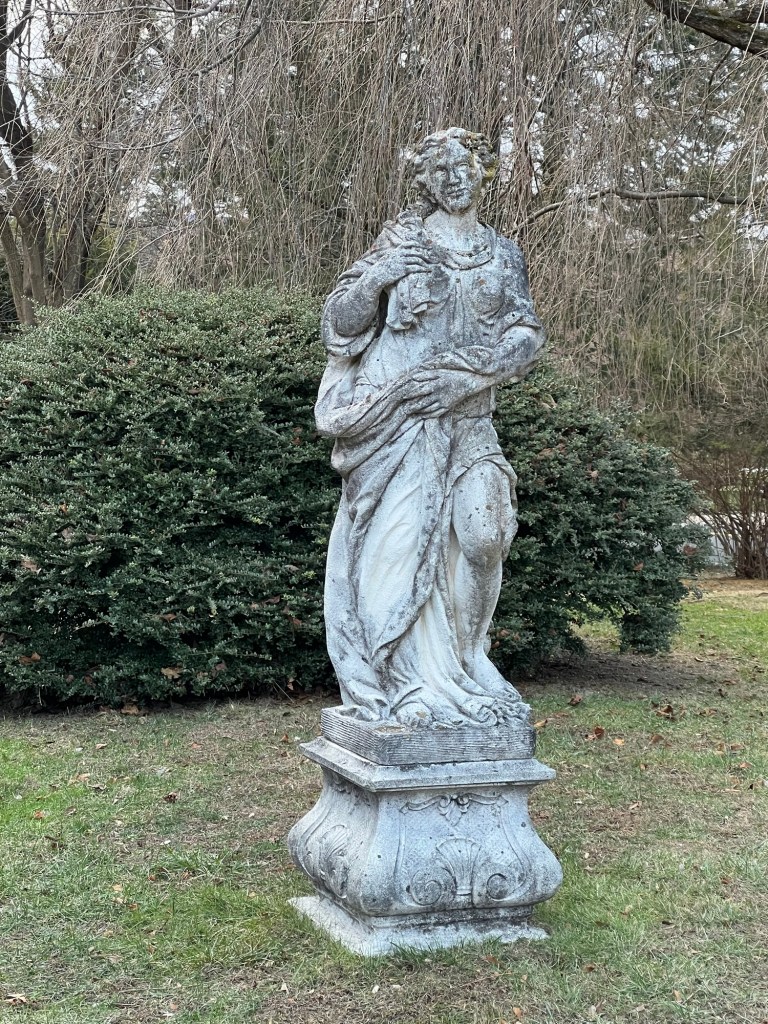
The statuary in the yard
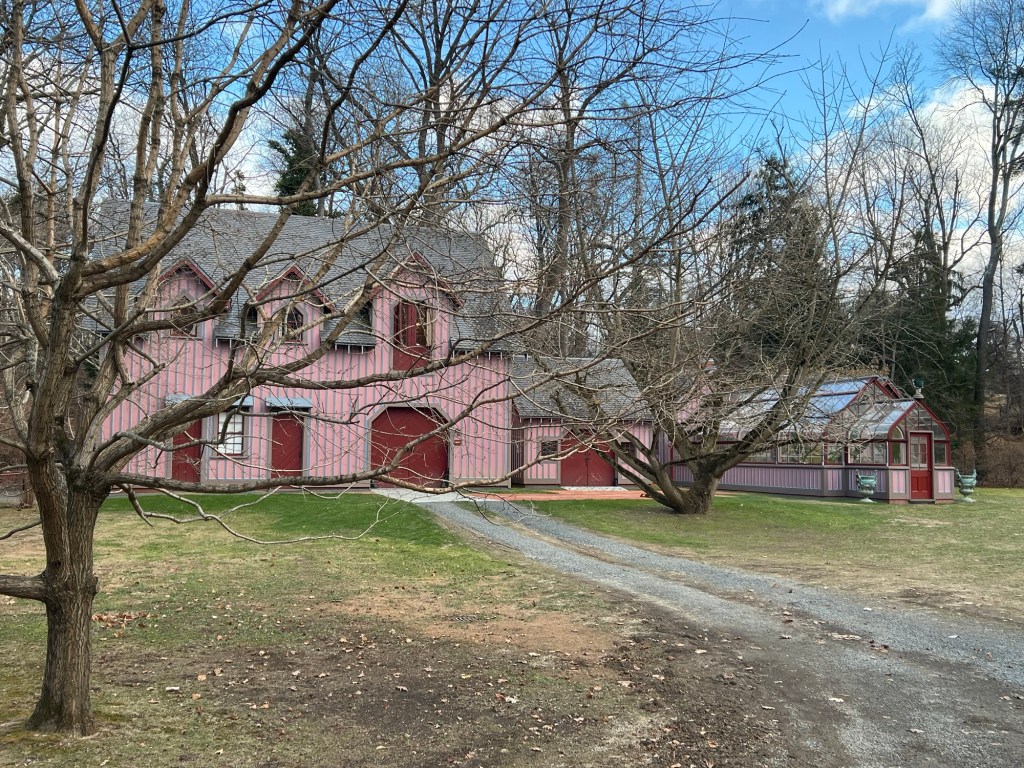
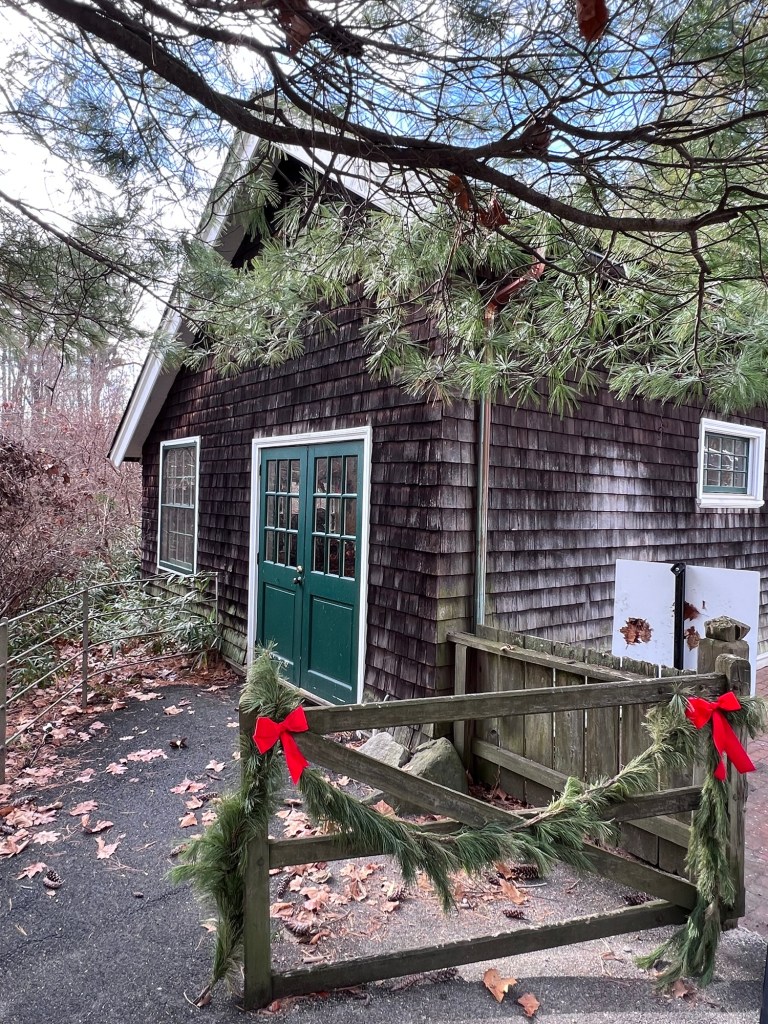
The carriage and greenhouse on the yard
The family currently live in the Carriage House and use the Greenhouse so these were not in the tour.
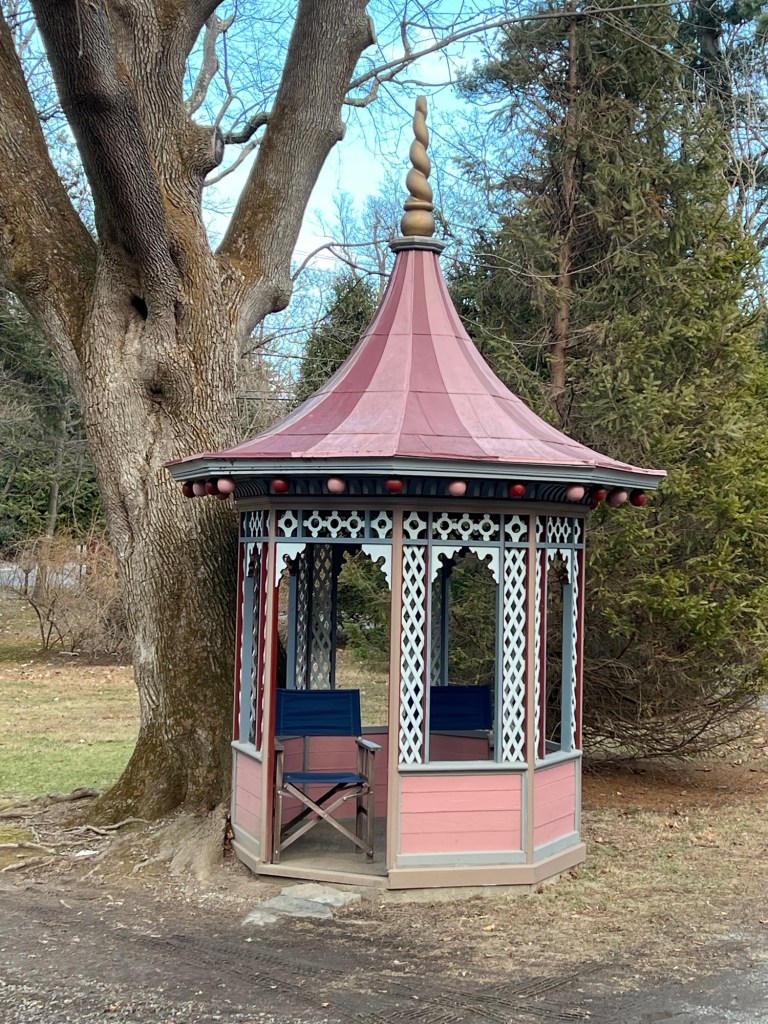
The Gazebo in the front yard
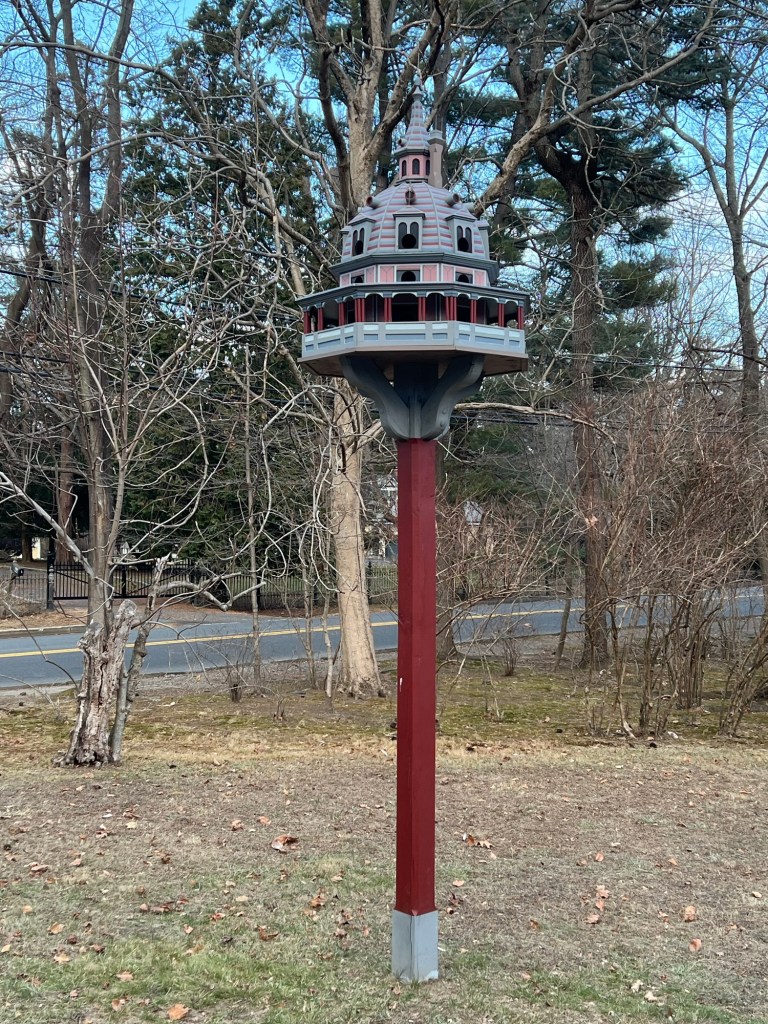
The Birdhouse that looks like the house
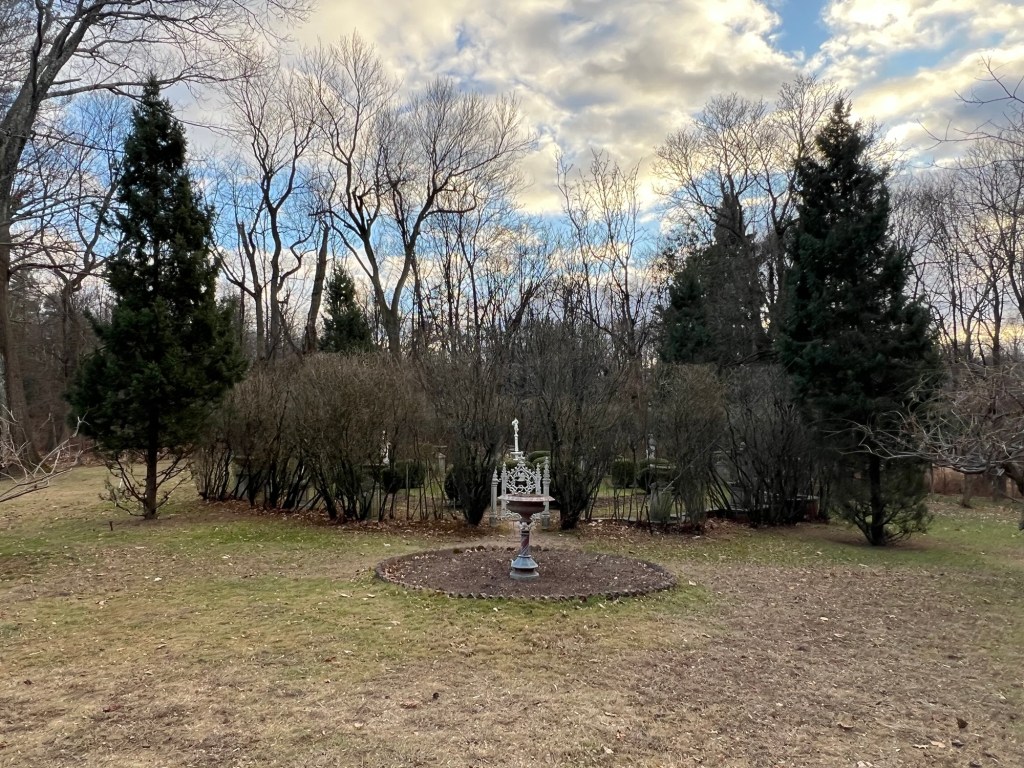
The formal gardens that are dormant this time of year
The grounds will be amazing when the Spring comes and everything is in bloom.
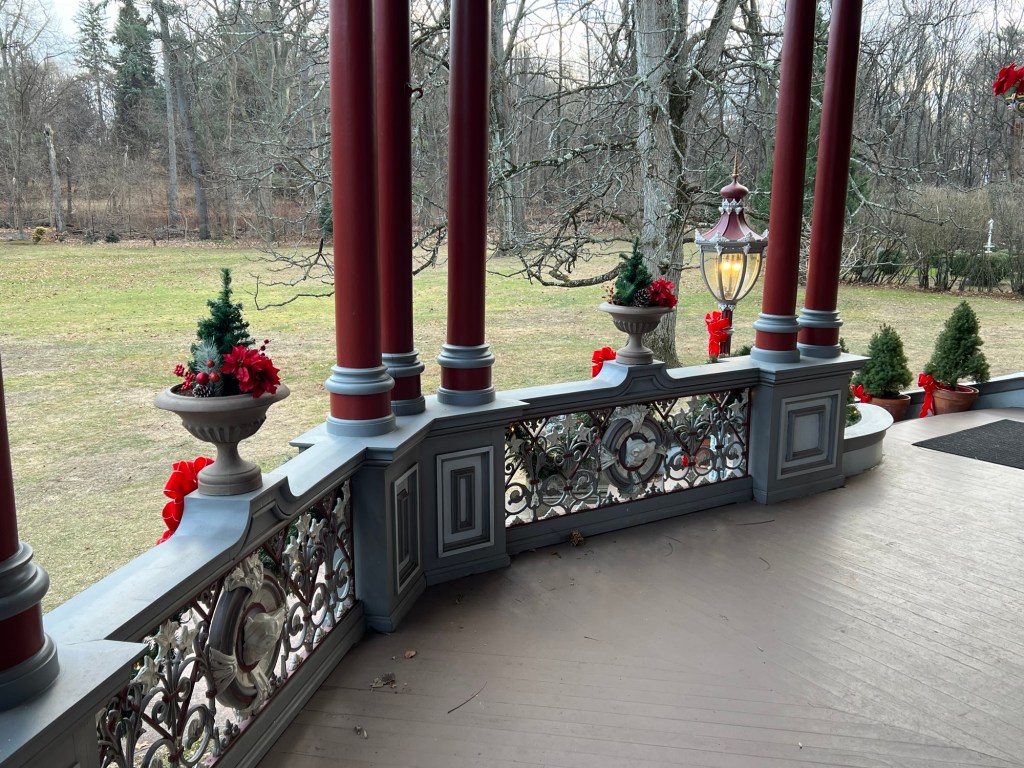
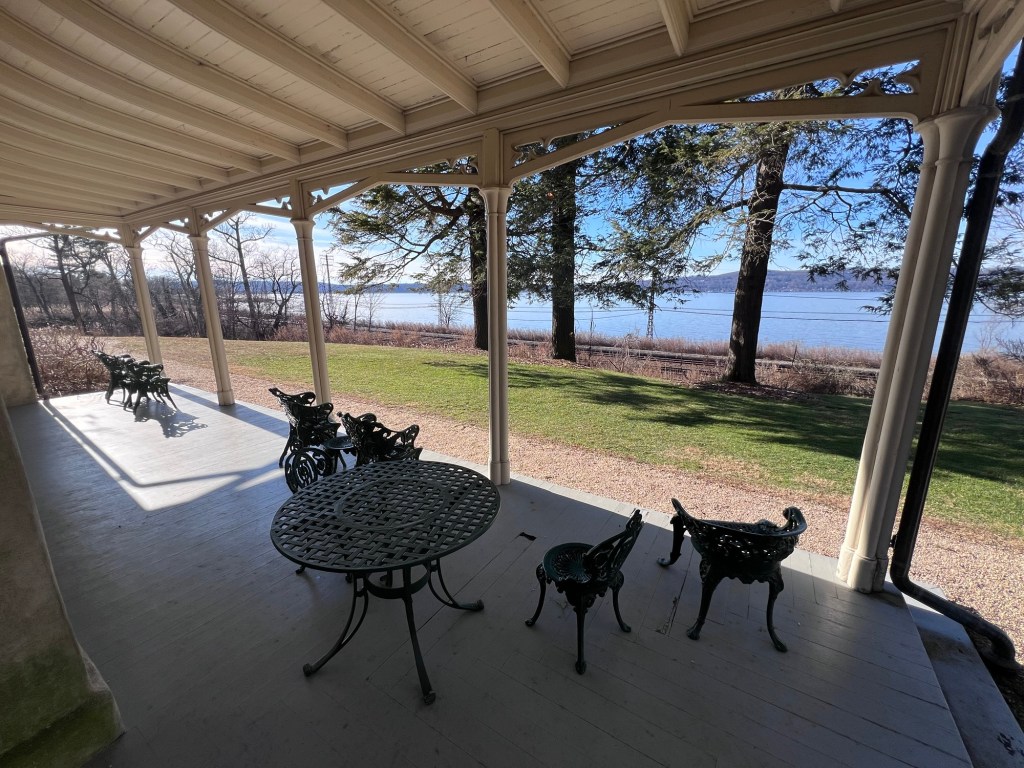
The porch was so beautifully decorated for the holidays
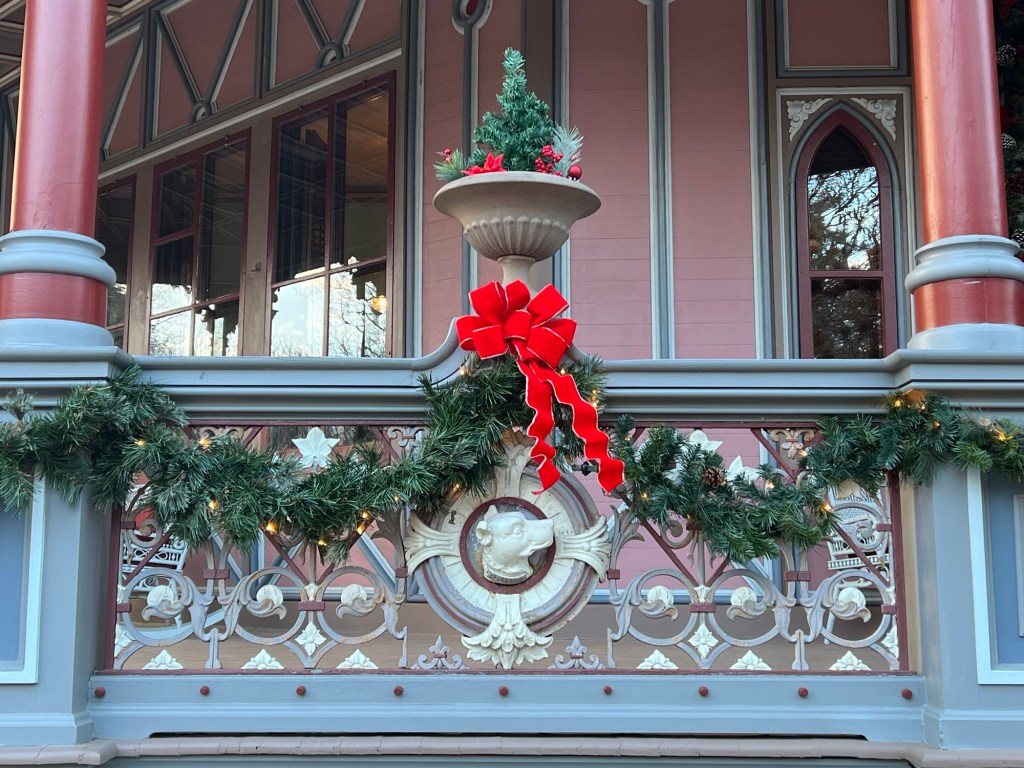
The railing for the porch
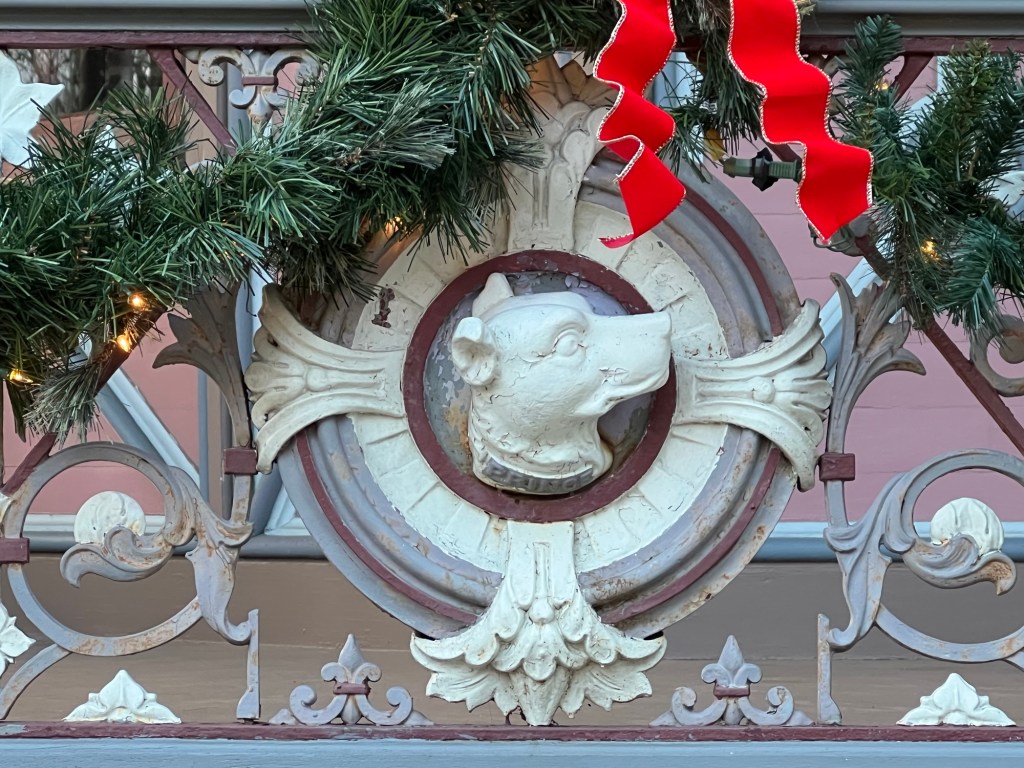
The insignia of the porch
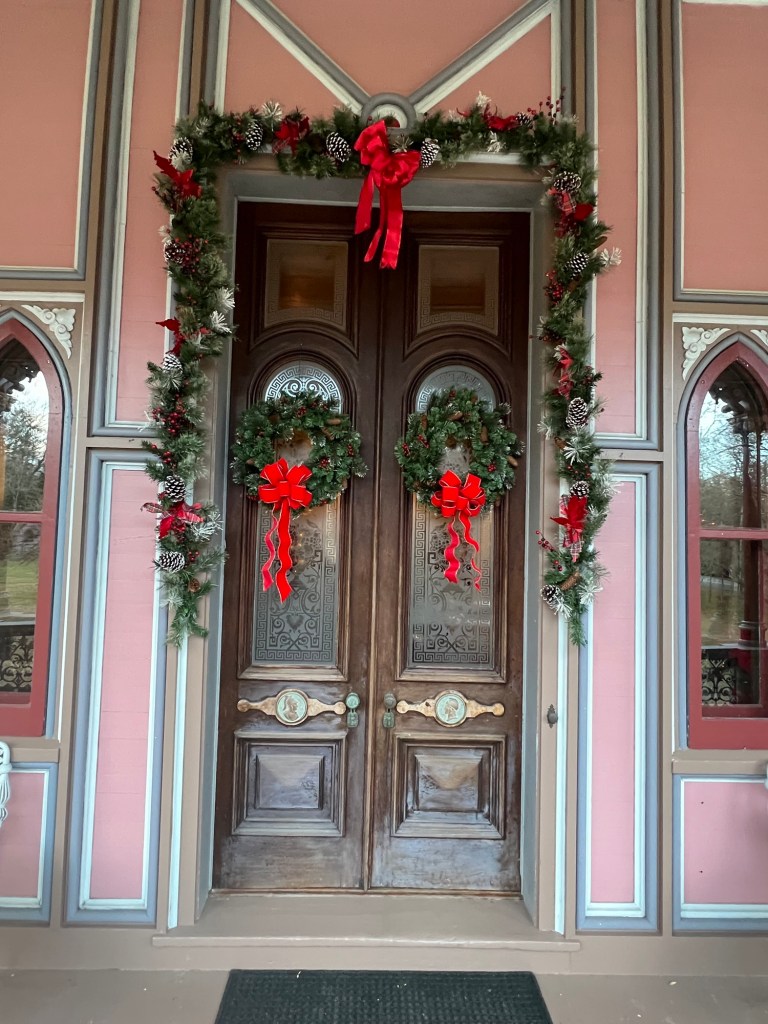
The front door so beautifully decorated for the holidays
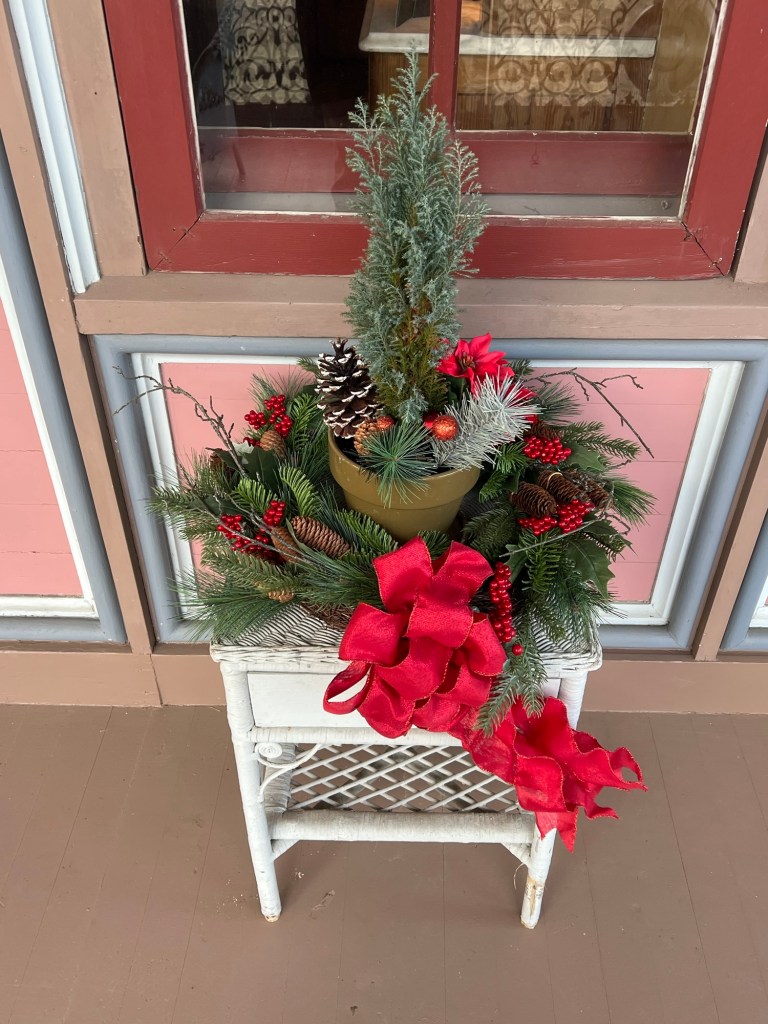
The planter decorations around the porch
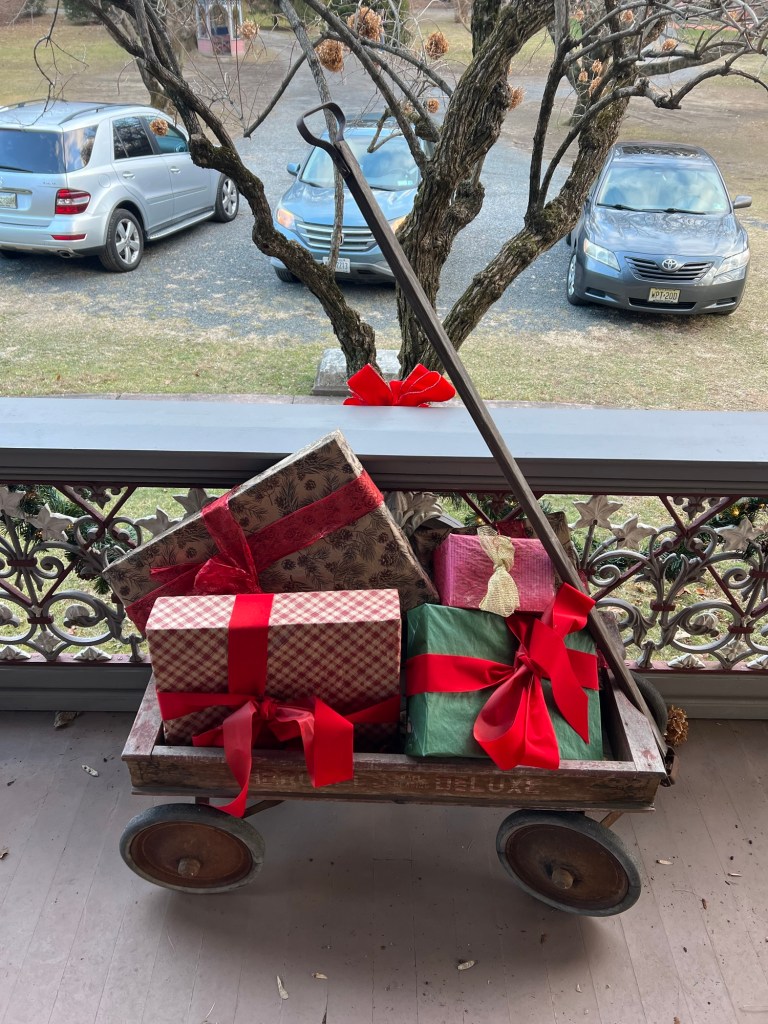
The decorations around the porch were really whimsical
History of the House:
(From the Visiting Westchester blog)
In 1872, the house was purchased by Joseph Stiner, a prominent New York City tea merchant. His alterations created the present lyrical structure. The exterior embellishments are extraordinarily festive with floral detailing in the cast iron cresting and railings and elaborately carved wood scrollwork and capitals – all painted in shades of rose, blue, violet and red. The interiors are equally decorative with painted and stenciled ceilings, trim with gold, silver and bronze leaf and unique eight-sided motifs in the plasterwork, woodwork and etched glass (Visiting Westchester blog).
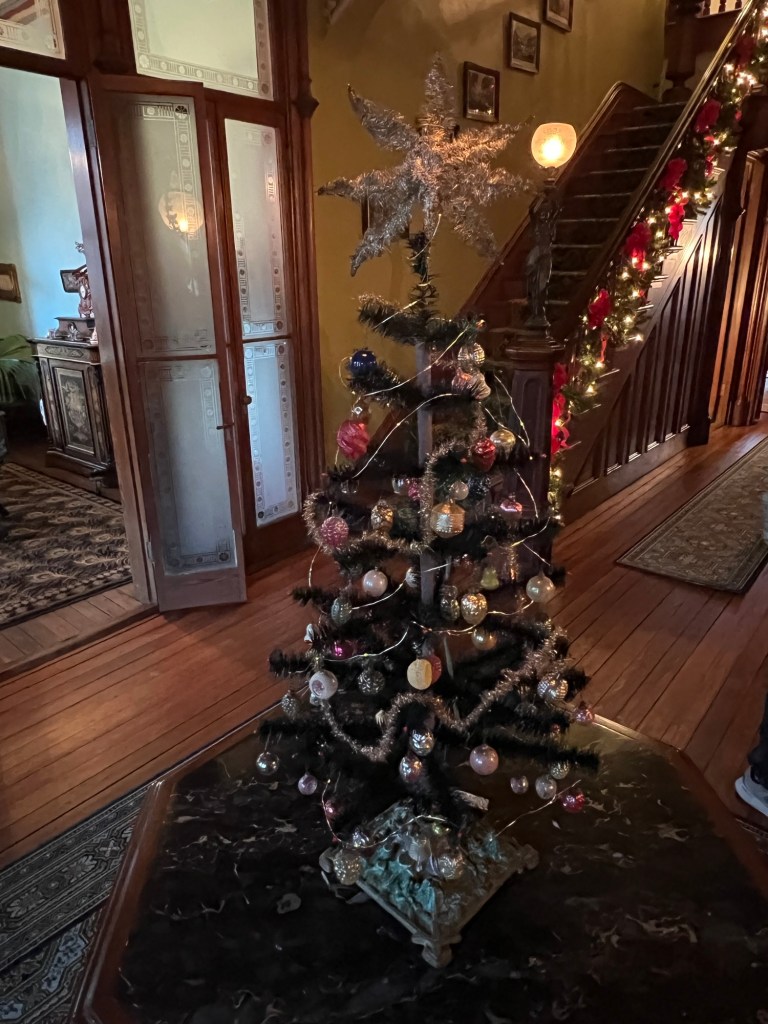
Walking into the entrance foyer to see the Table Tree of the early German period
Each floor was decorated with lights, garland and a series of large and small Christmas trees. The ornaments were all of the period included glass ball, homemade paper ornaments and some flowers and other plantings.
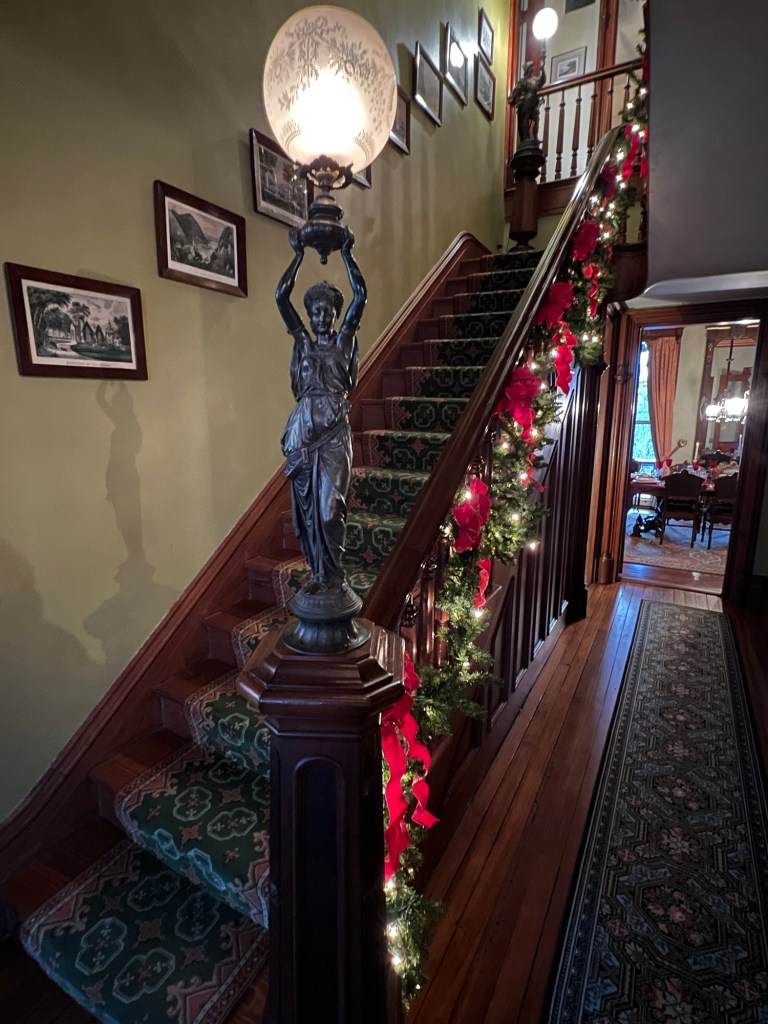
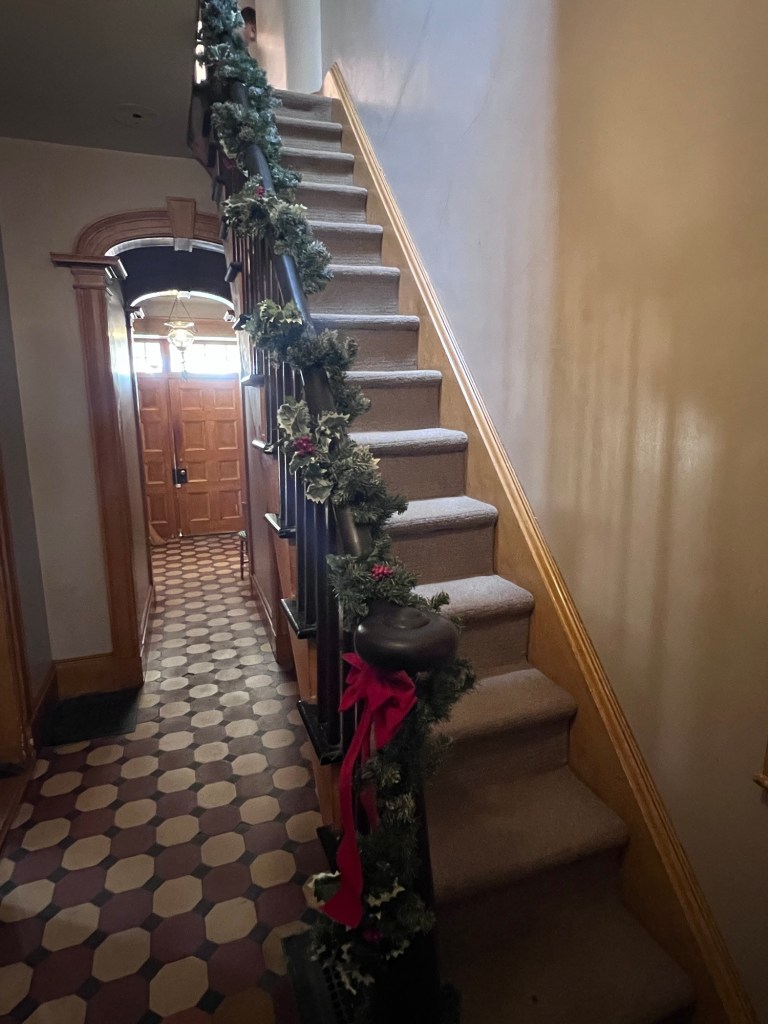
The staircase in the main foyer was decked out either garland and lights
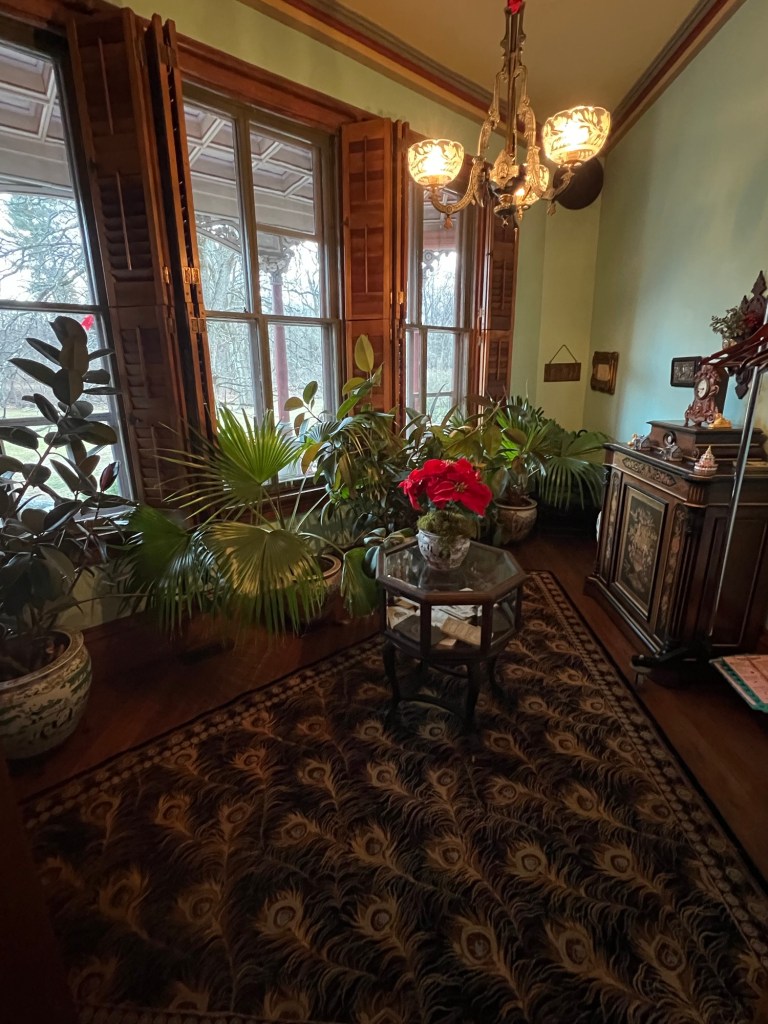
The Arbotorium in one side of the hallway
Normally even in Victorian times a house would not be this decorated but the volunteers did a wonderful job accenting each room.
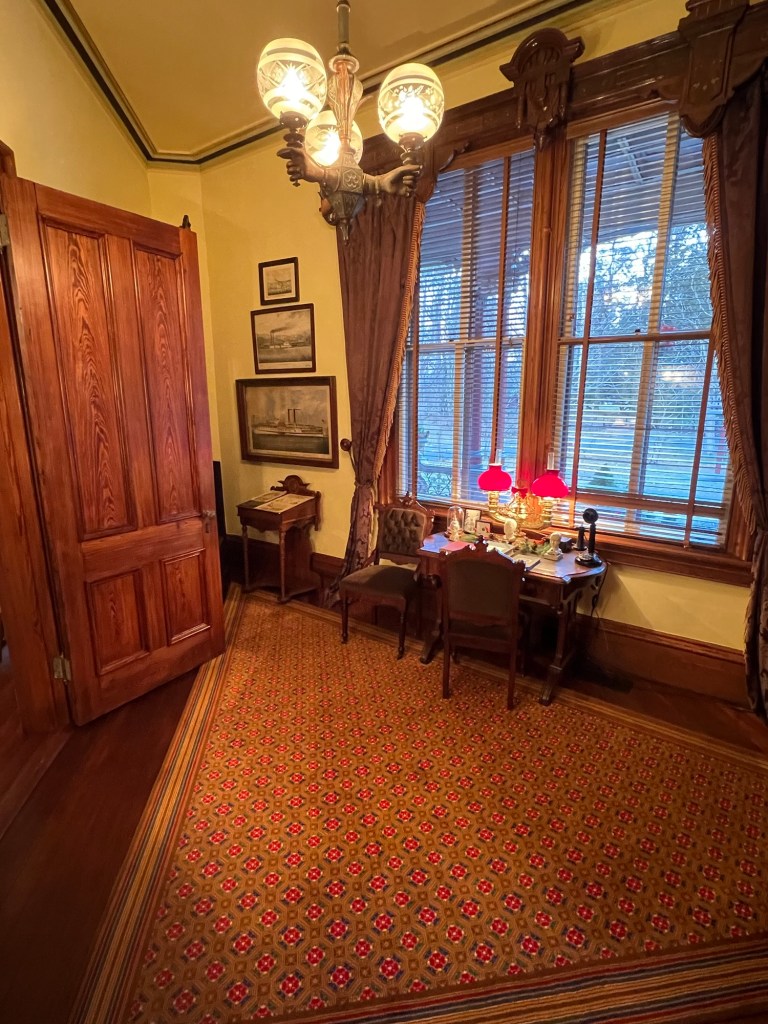
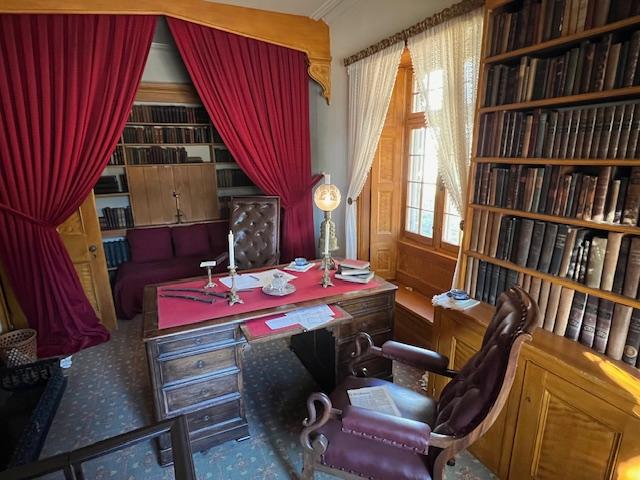
The small office to the other side of the main foyer
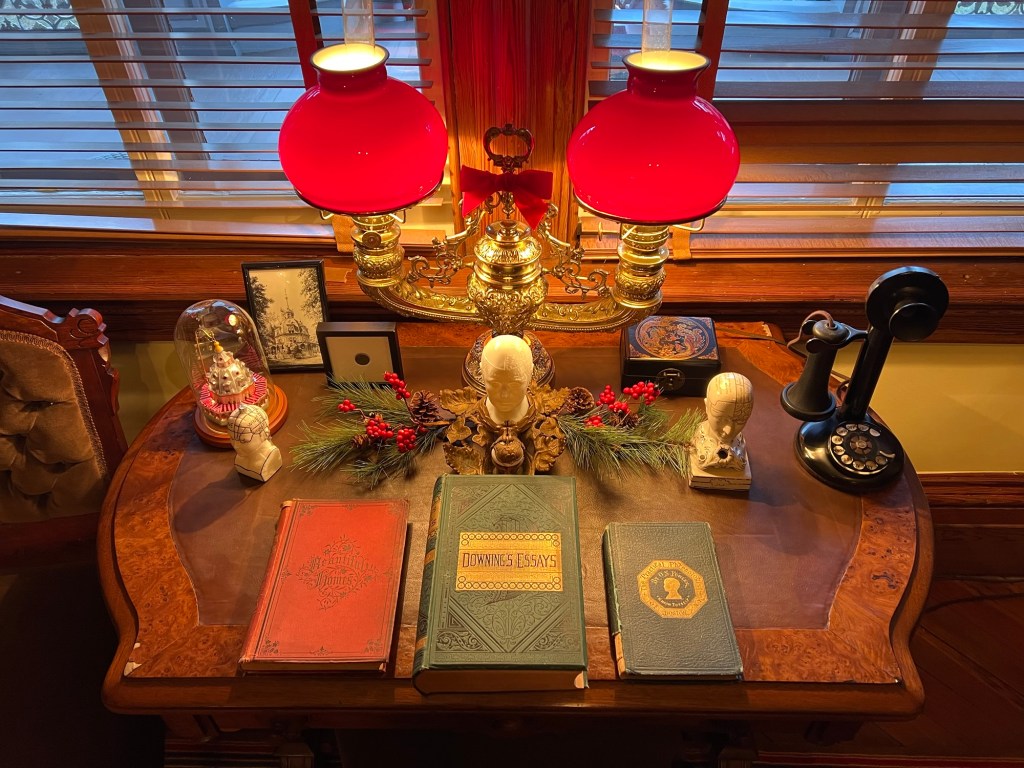
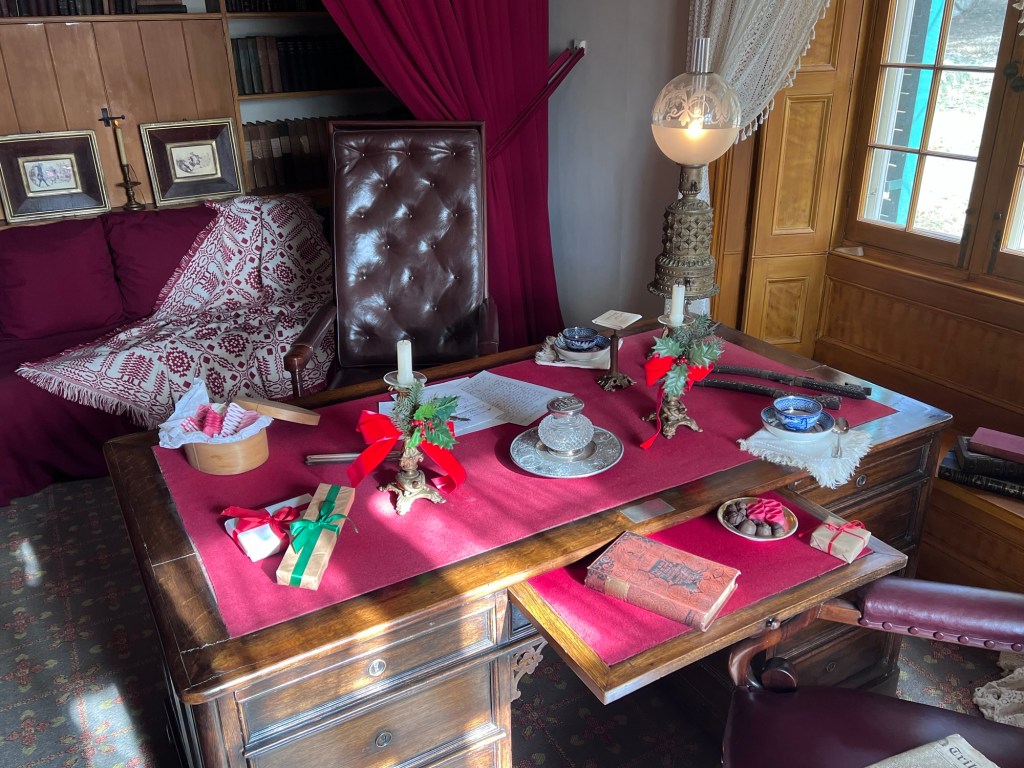
The beautiful details of the office on the first floor
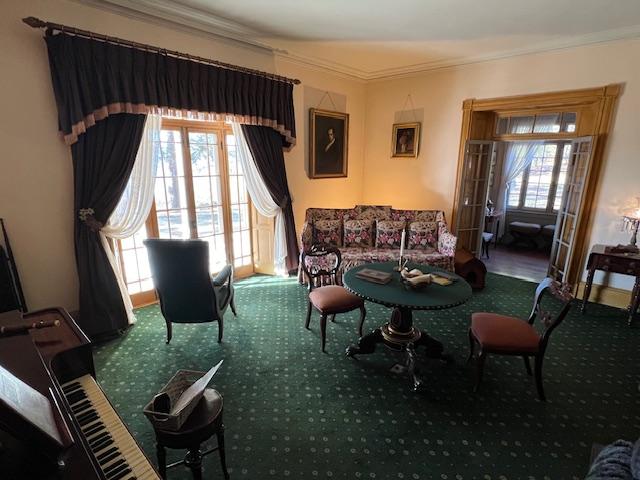
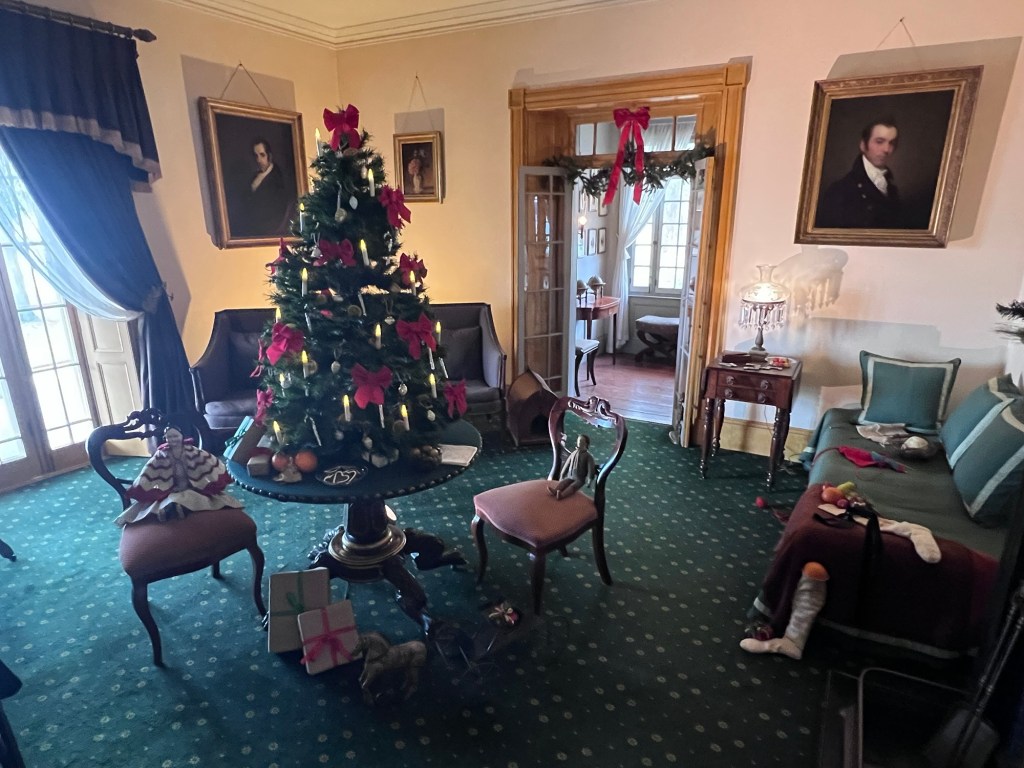
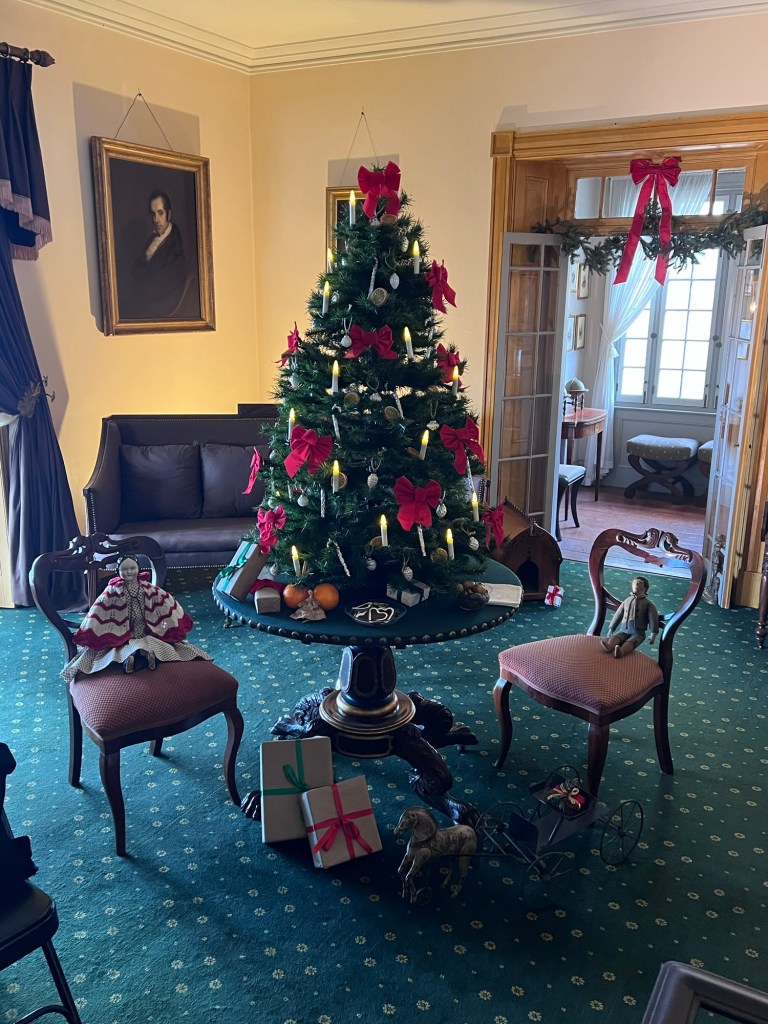
We then moved into the formal parlor where the family would have entertained everyone before dinner. The room was decorated with a beautiful tree and garlands.
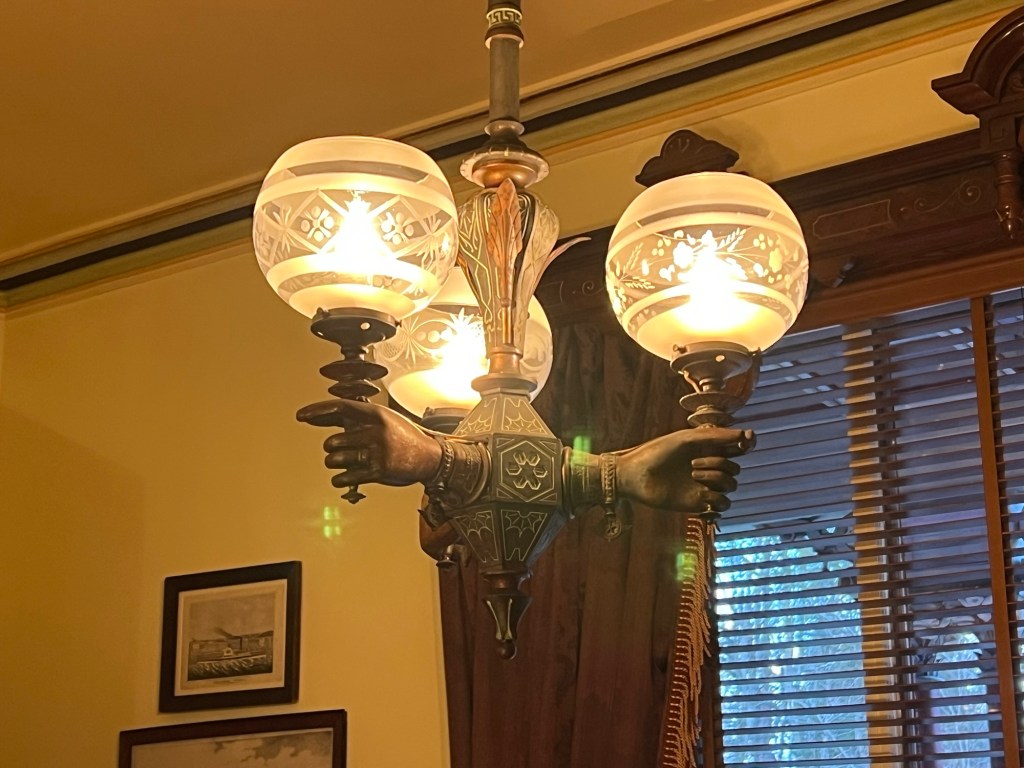
The hand chandelier in the study
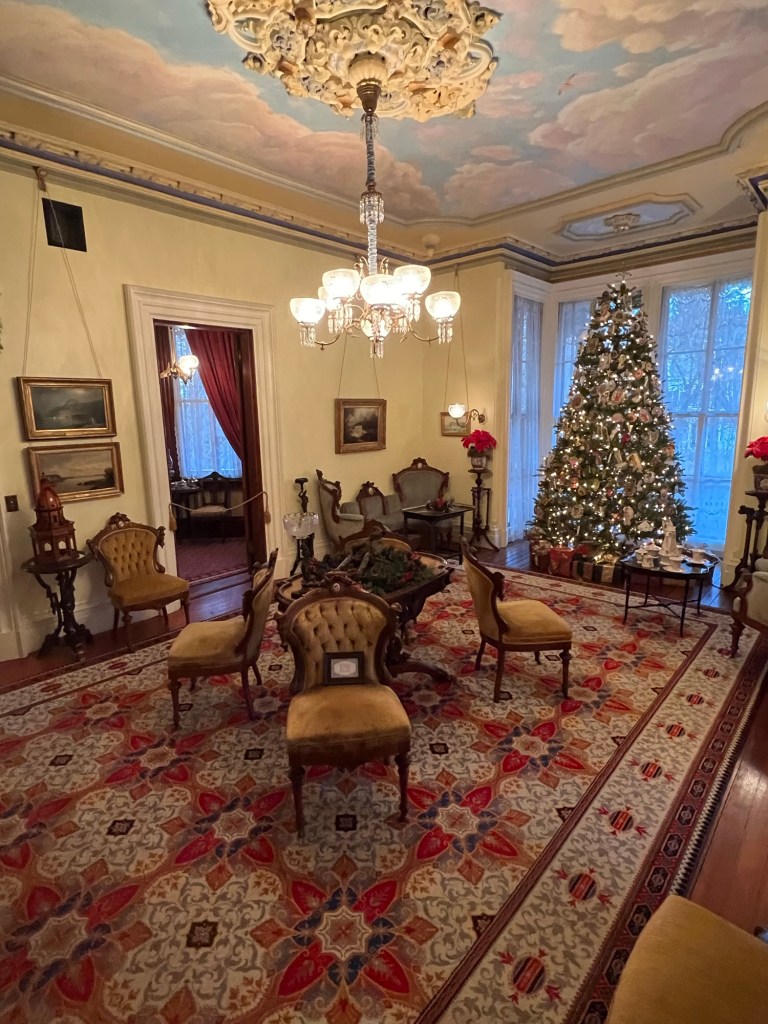
The formal Parlor
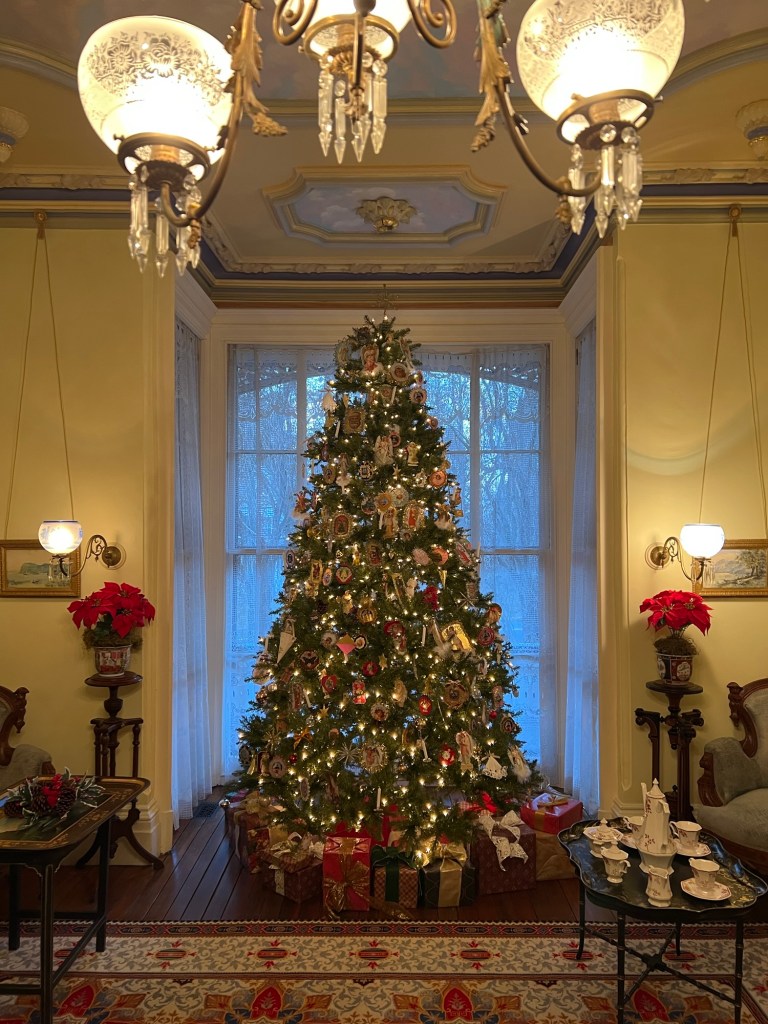
The Christmas tree in the formal parlor
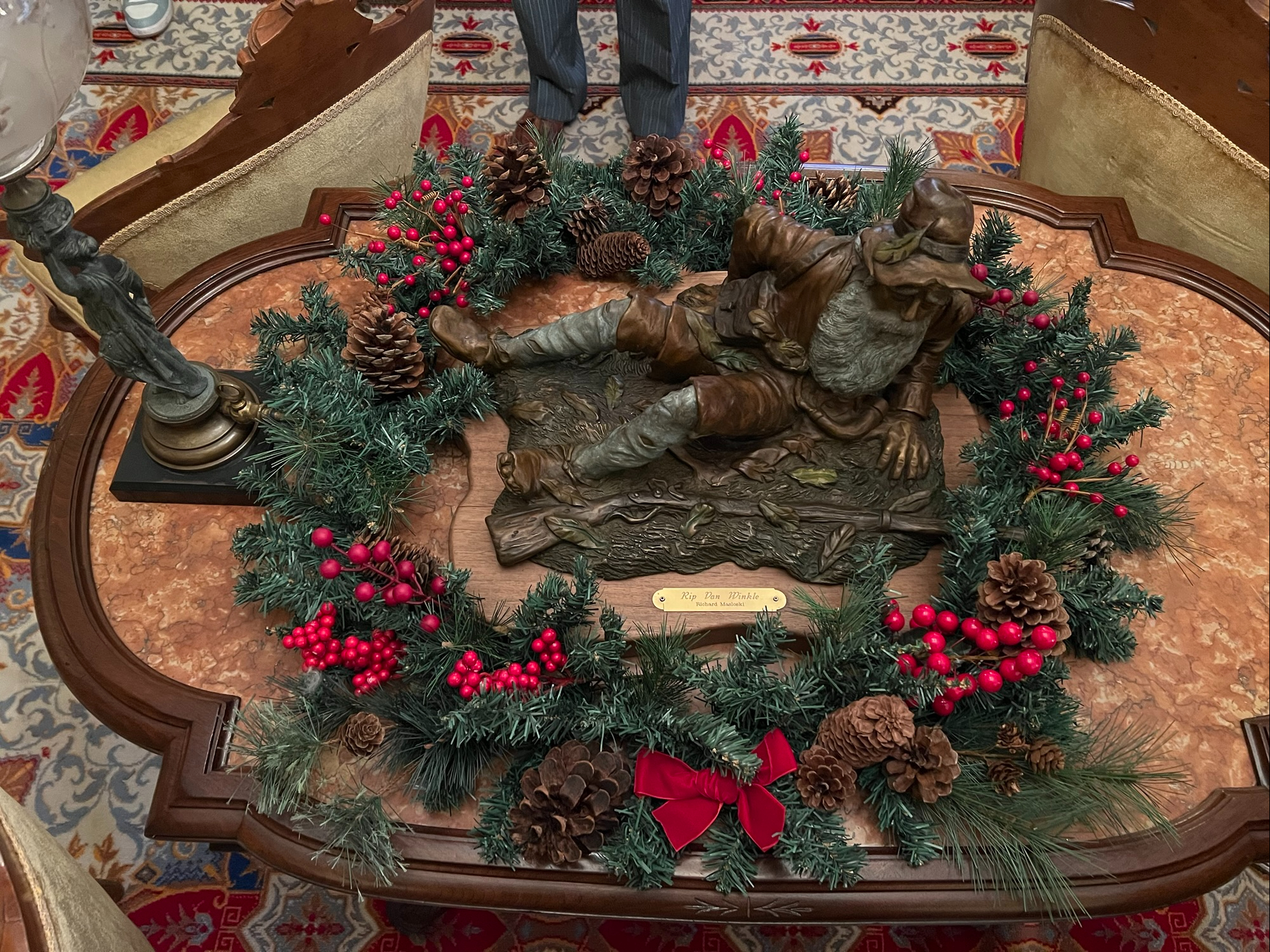
The formal table decorations of the Parlor
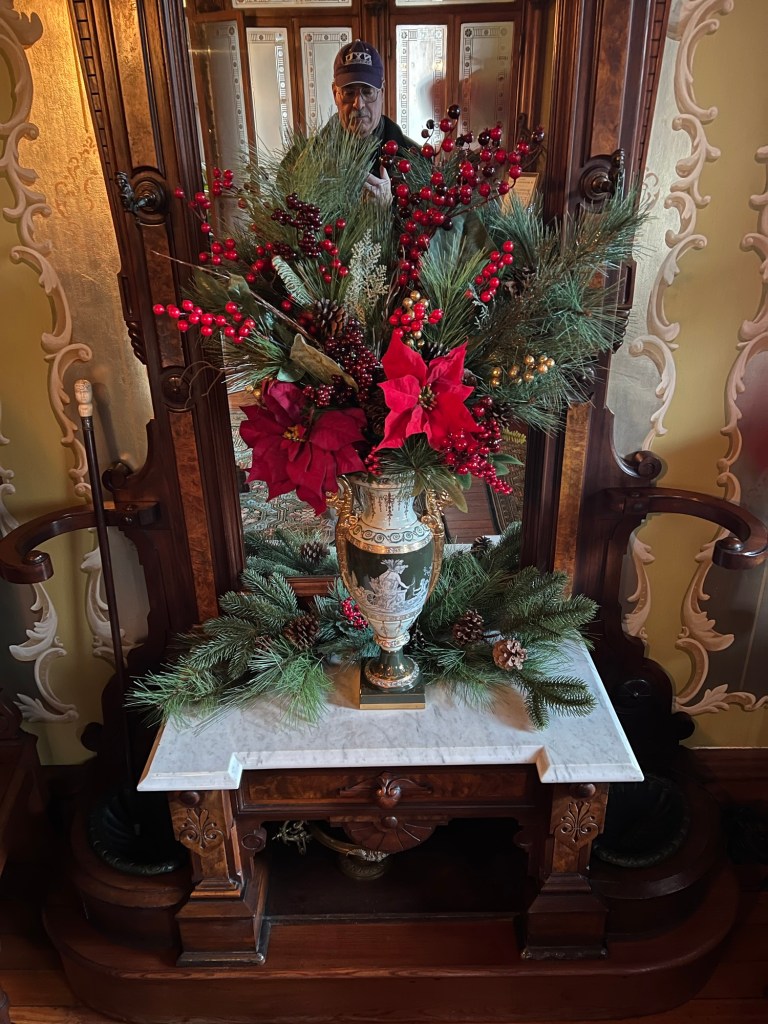
The elaborate decorations on the side table
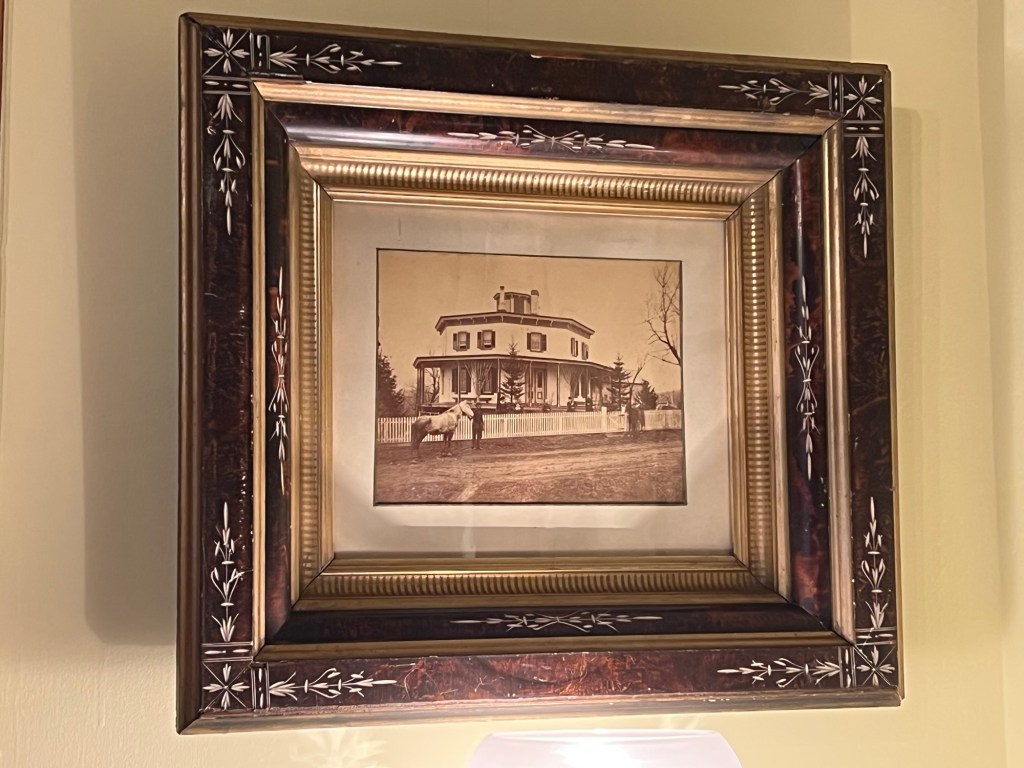
The picture of the original house when it was completed
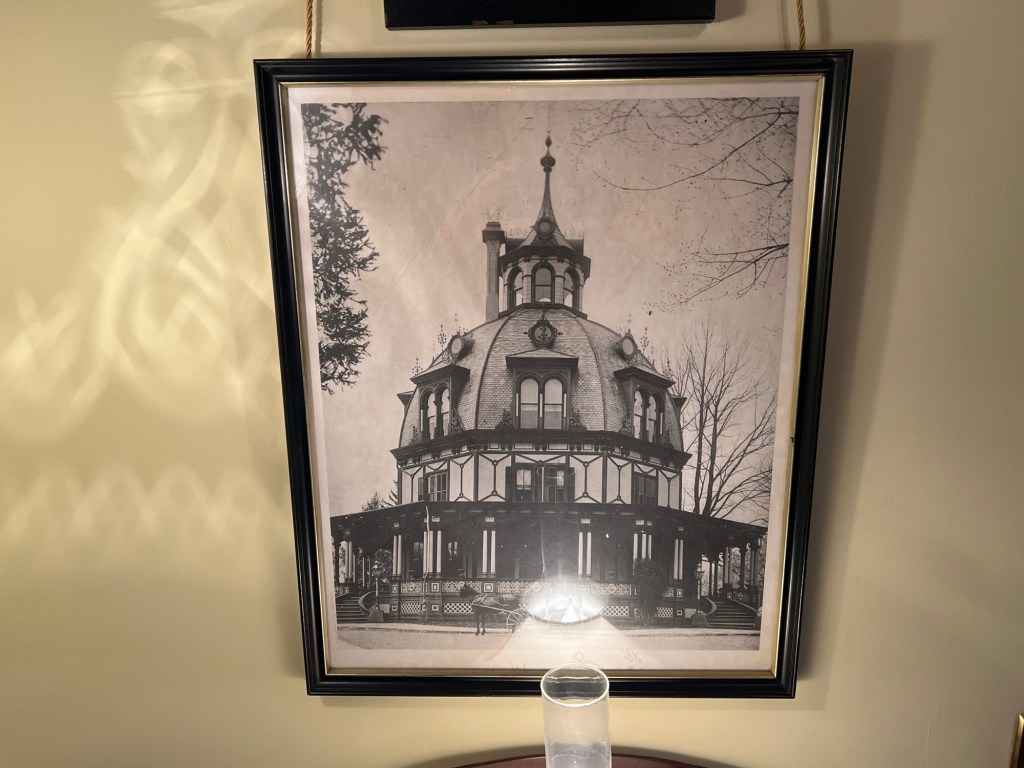
The house when Mr. Stiner bought it and added the dome
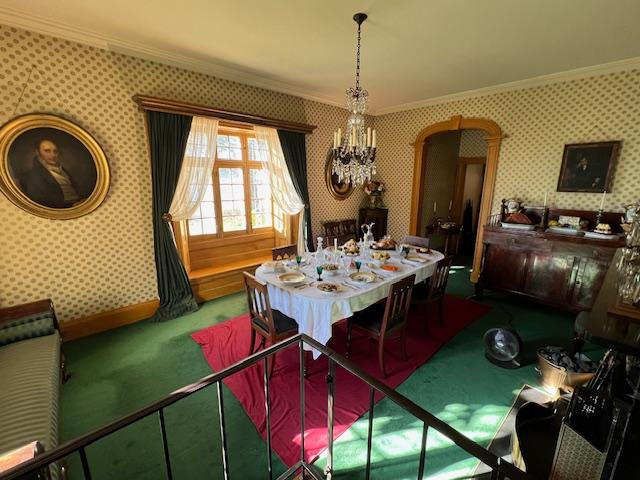
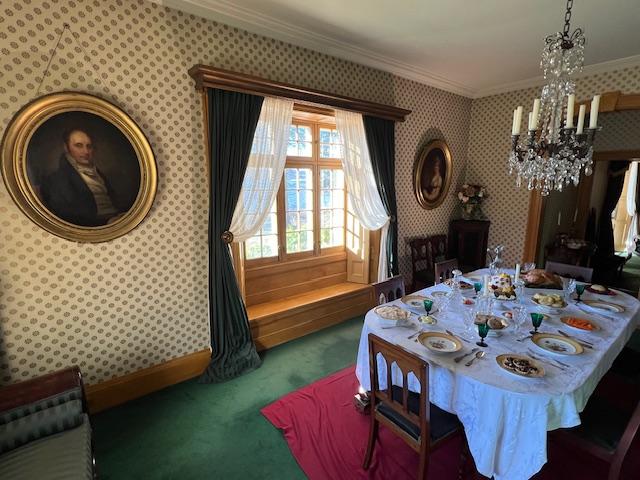
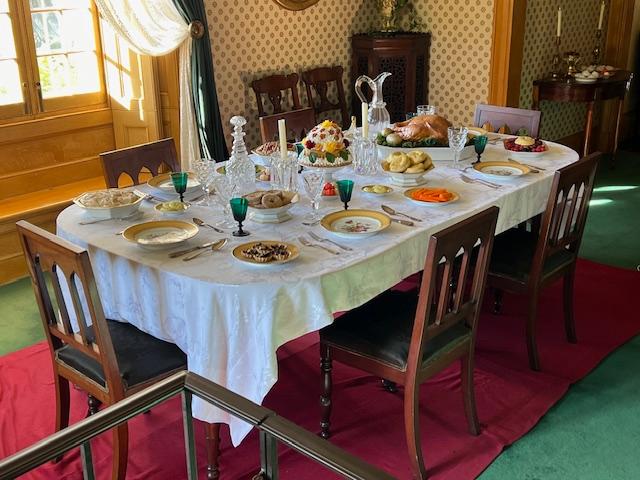
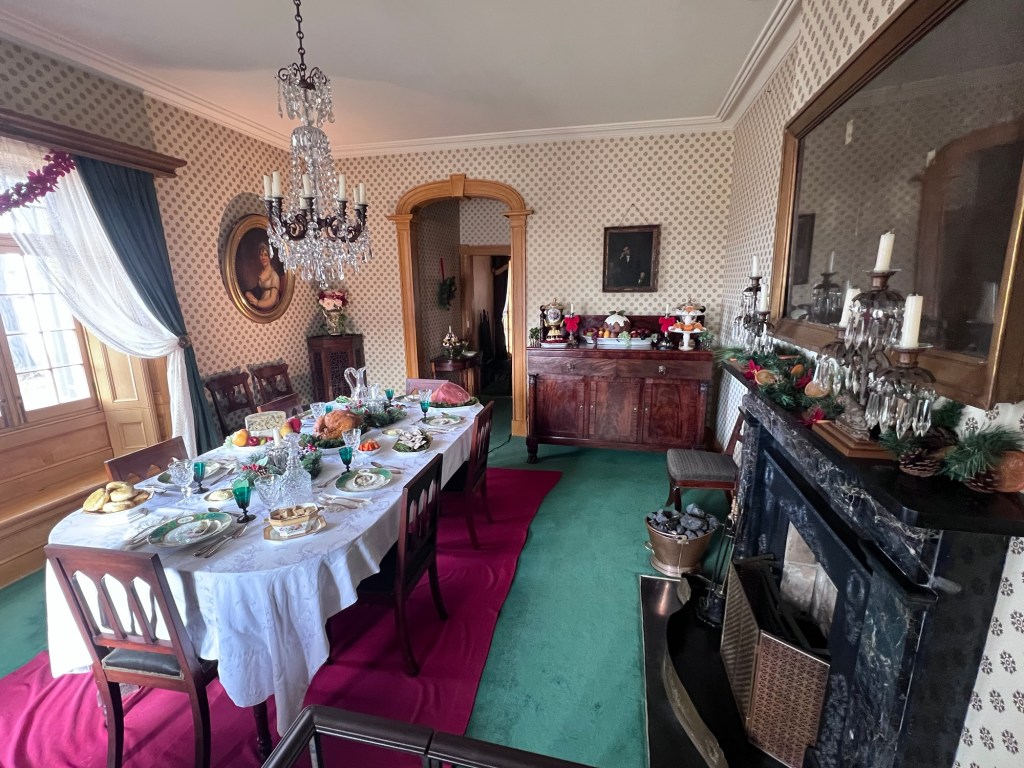
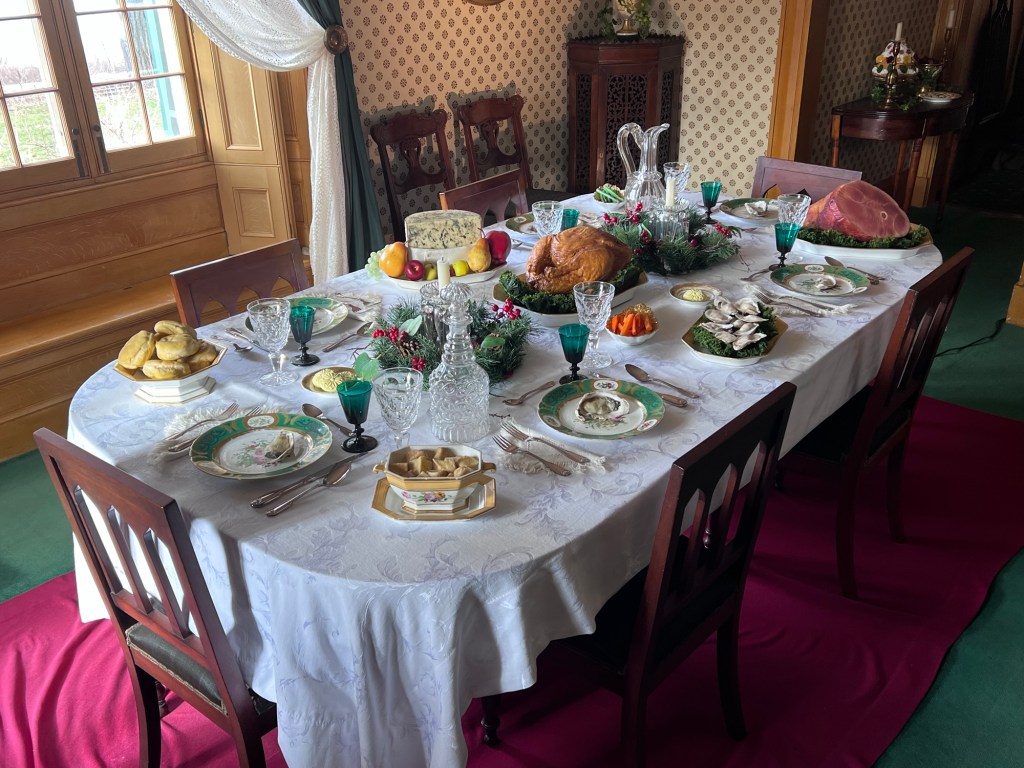
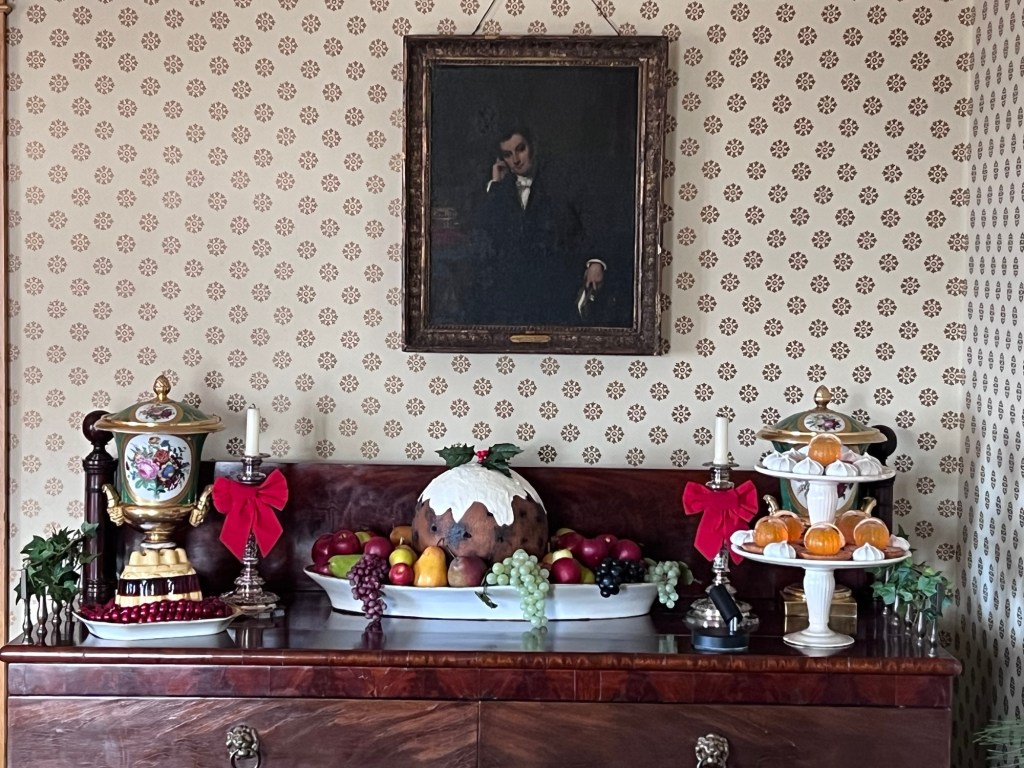
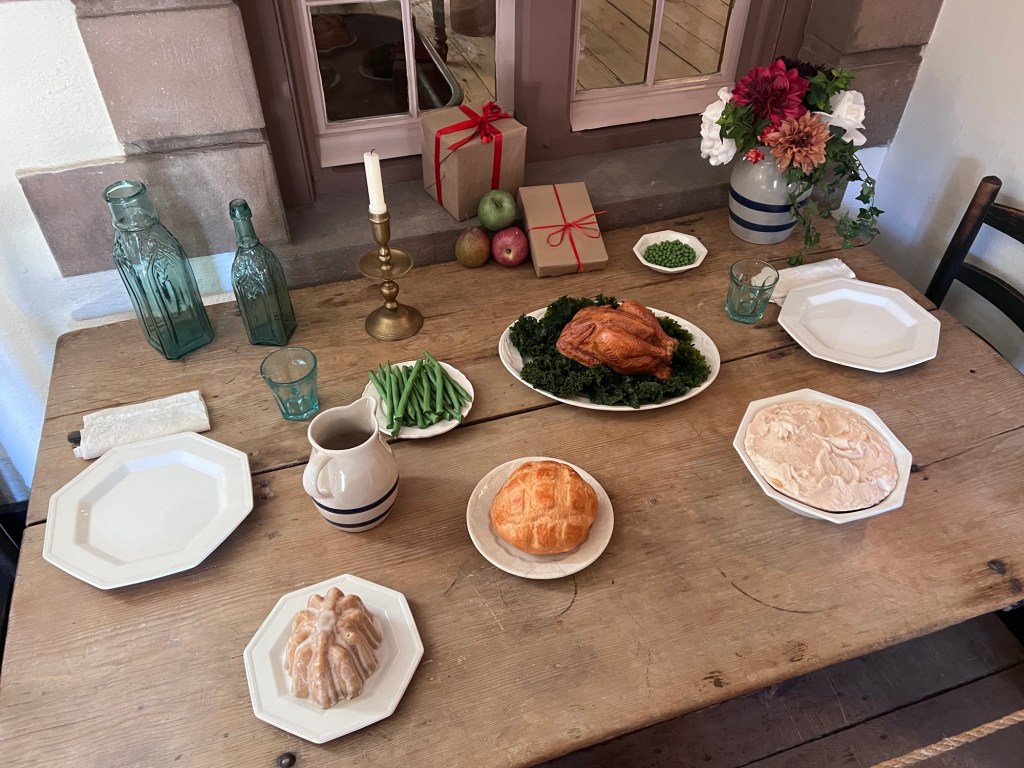
We next moved into the formal Dining Room that was set for Christmas lunch. The Victorians followed a lot of the English traditions of multi-courses and Christmas poppers at the table.
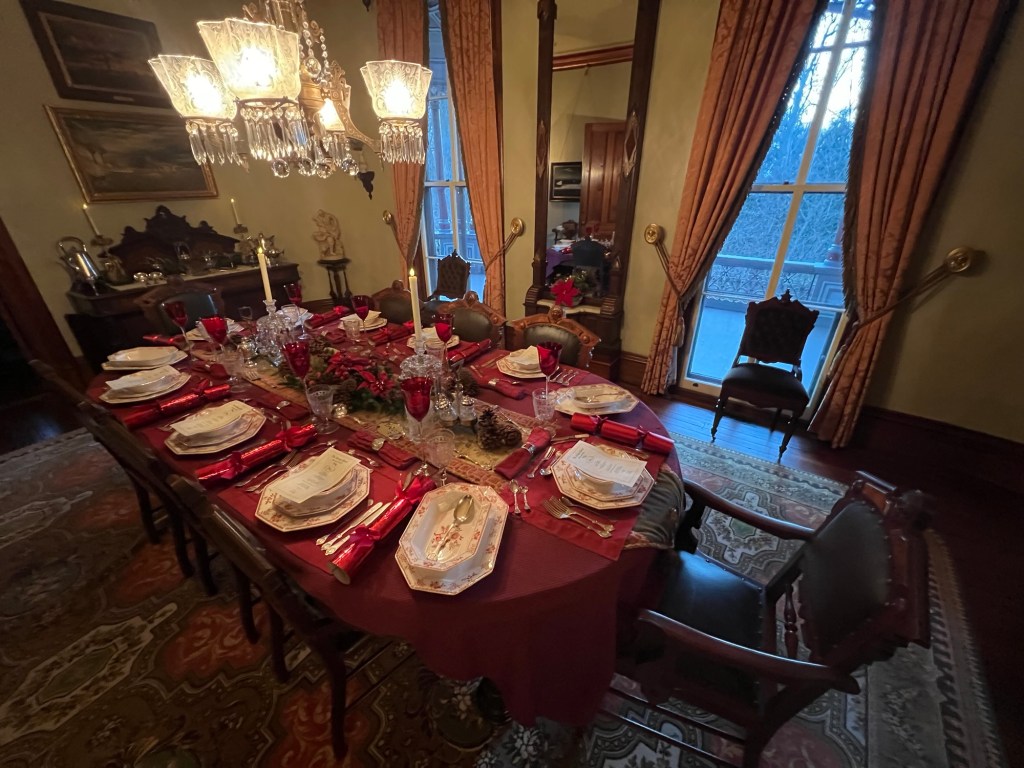
The Dining Room set for Christmas luncheon
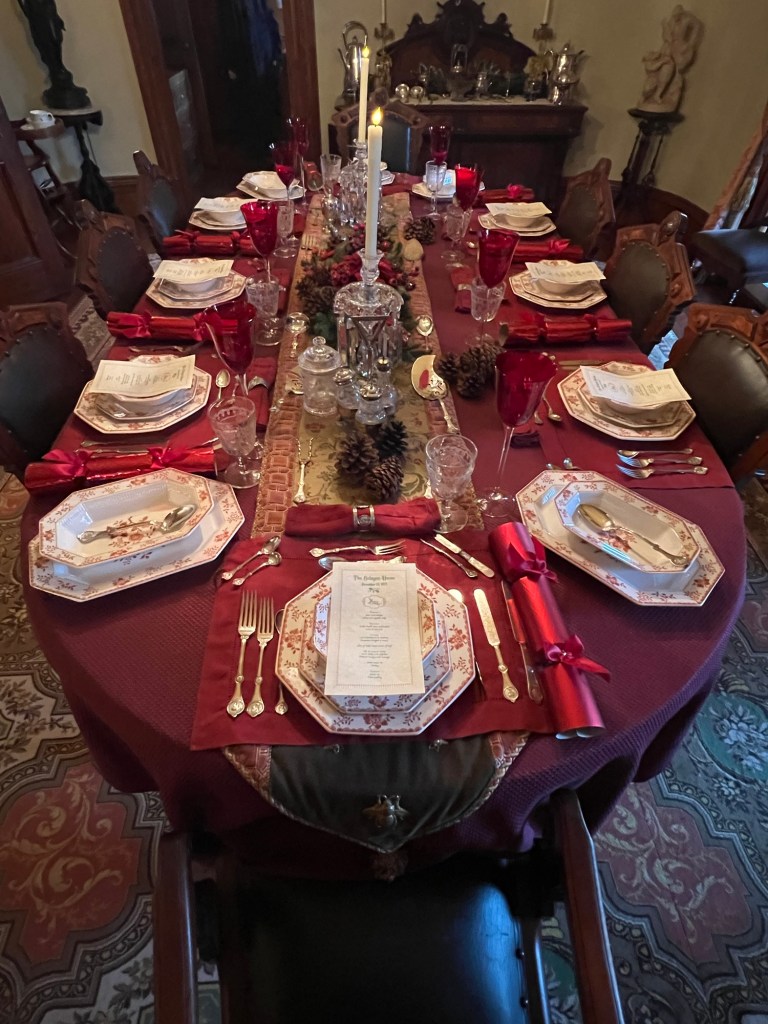
The table beautifully set for the holidays
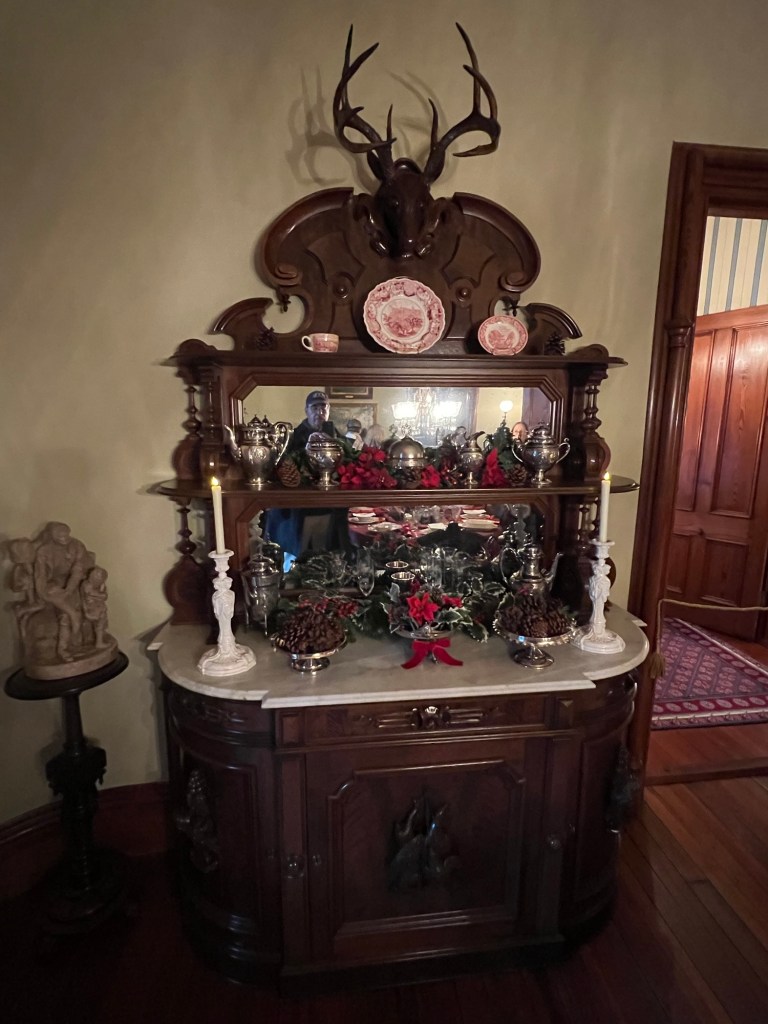
The sideboards decorated and stocked for the holidays
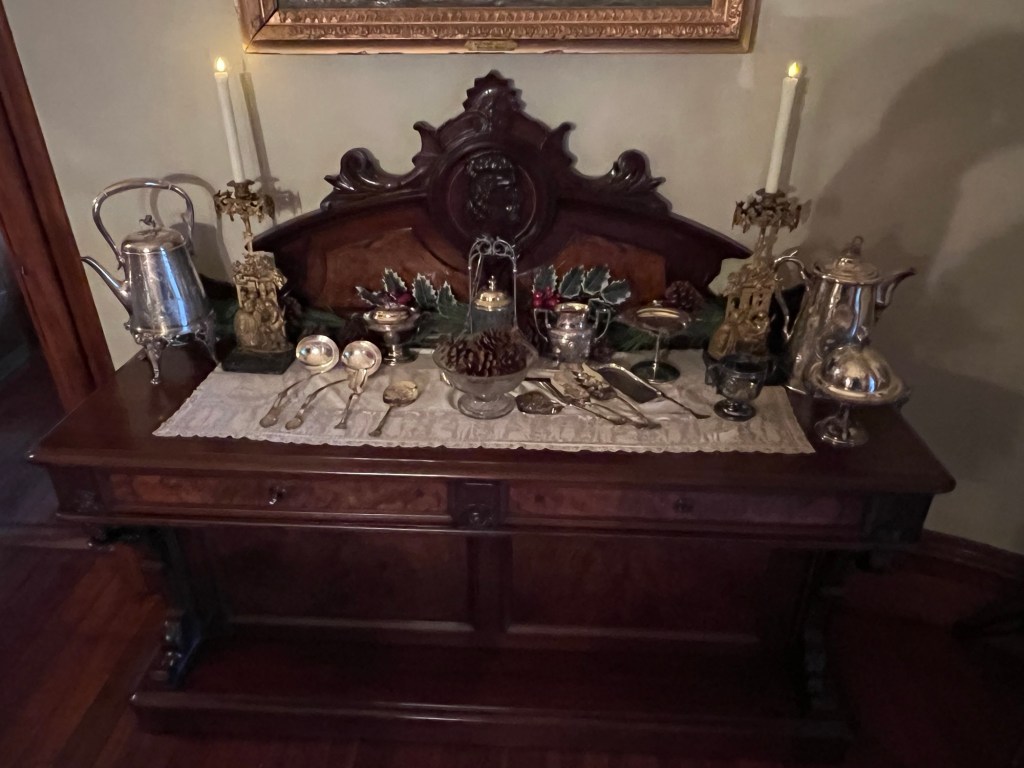
The service silverware ready for use for the Christmas meal
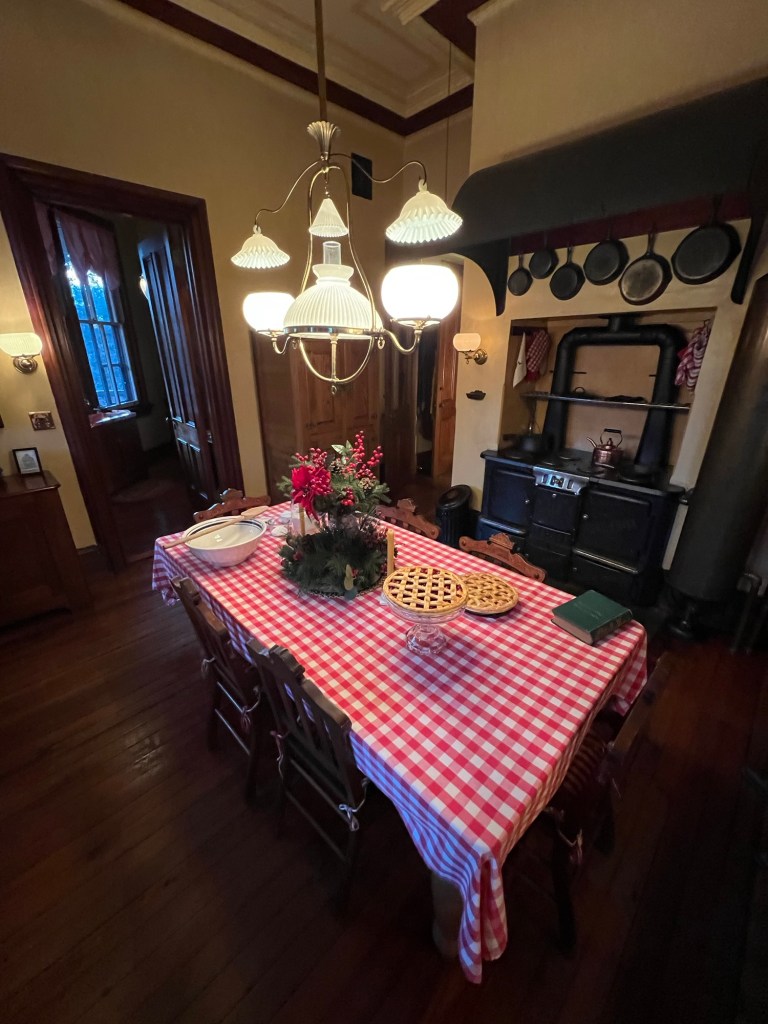
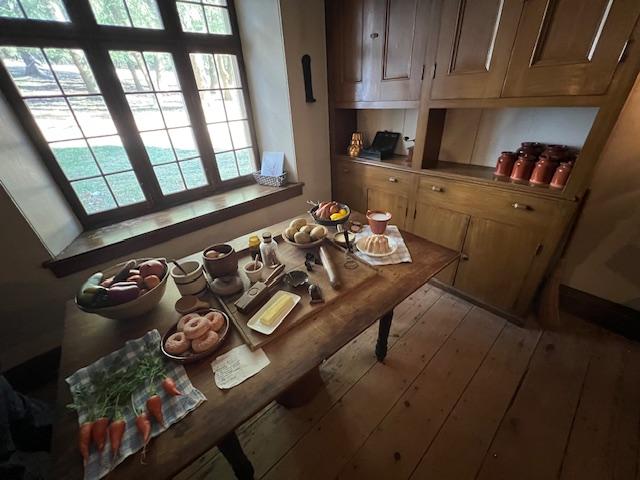
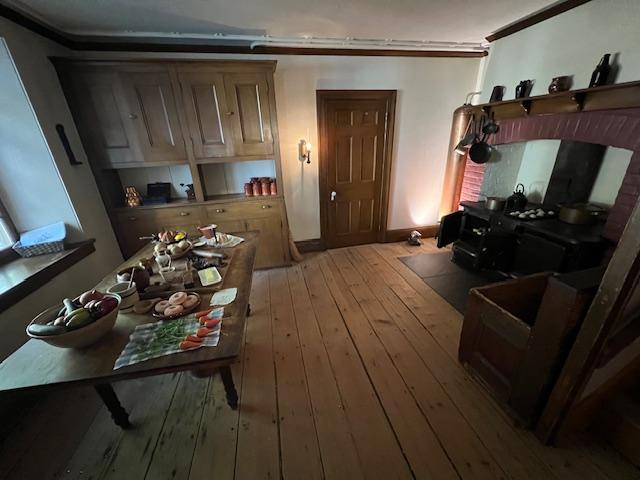
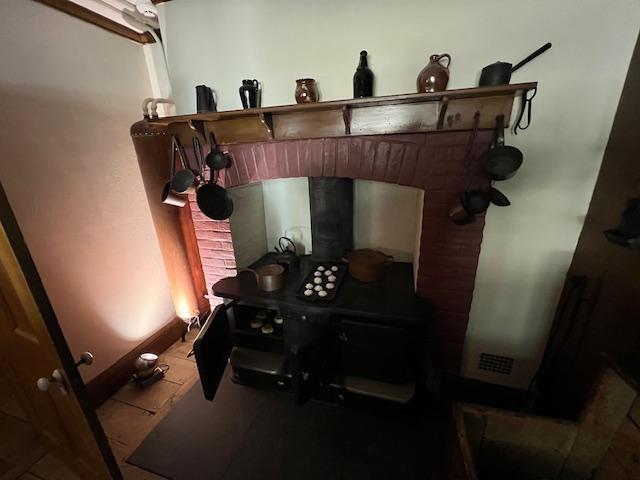
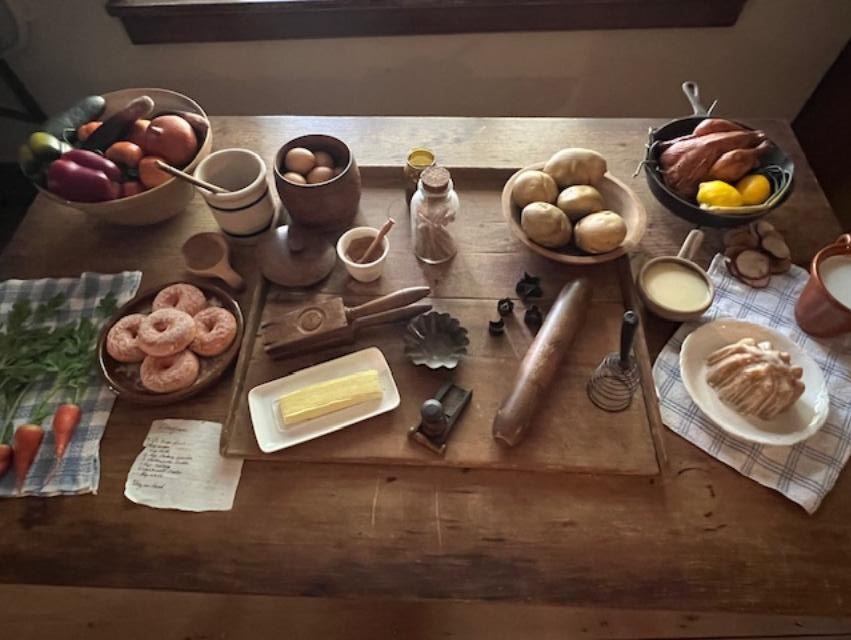
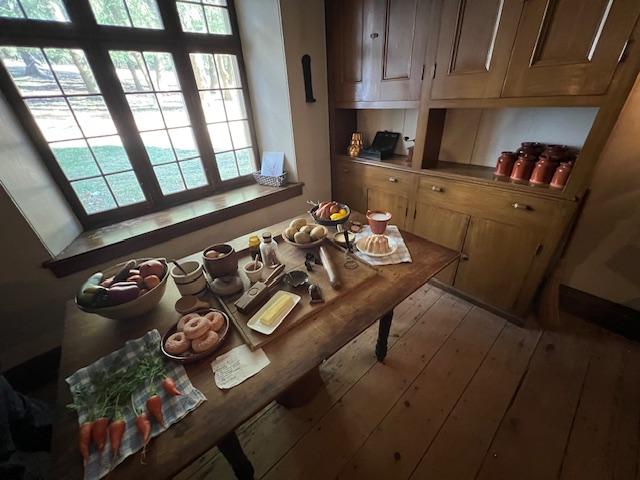
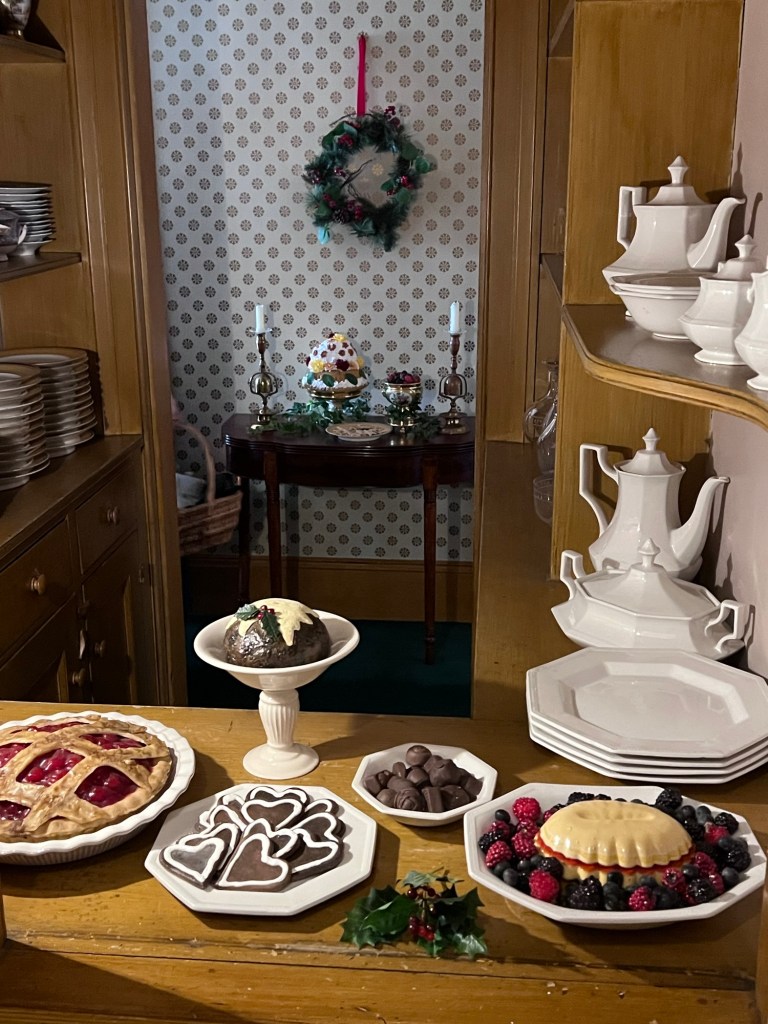
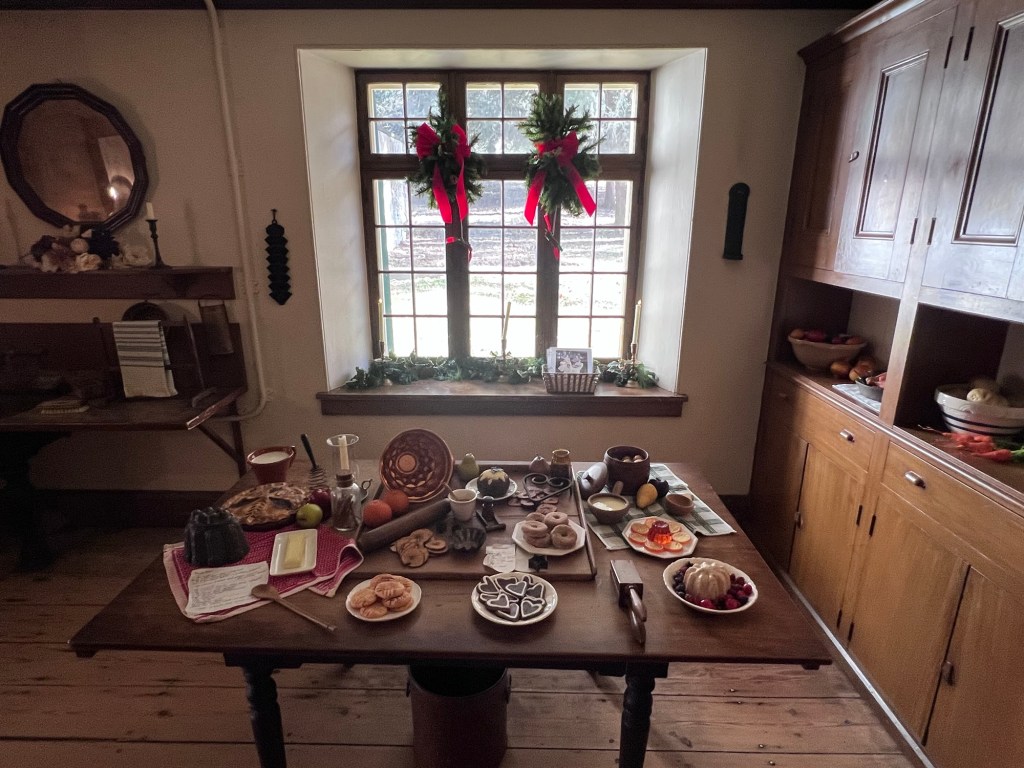
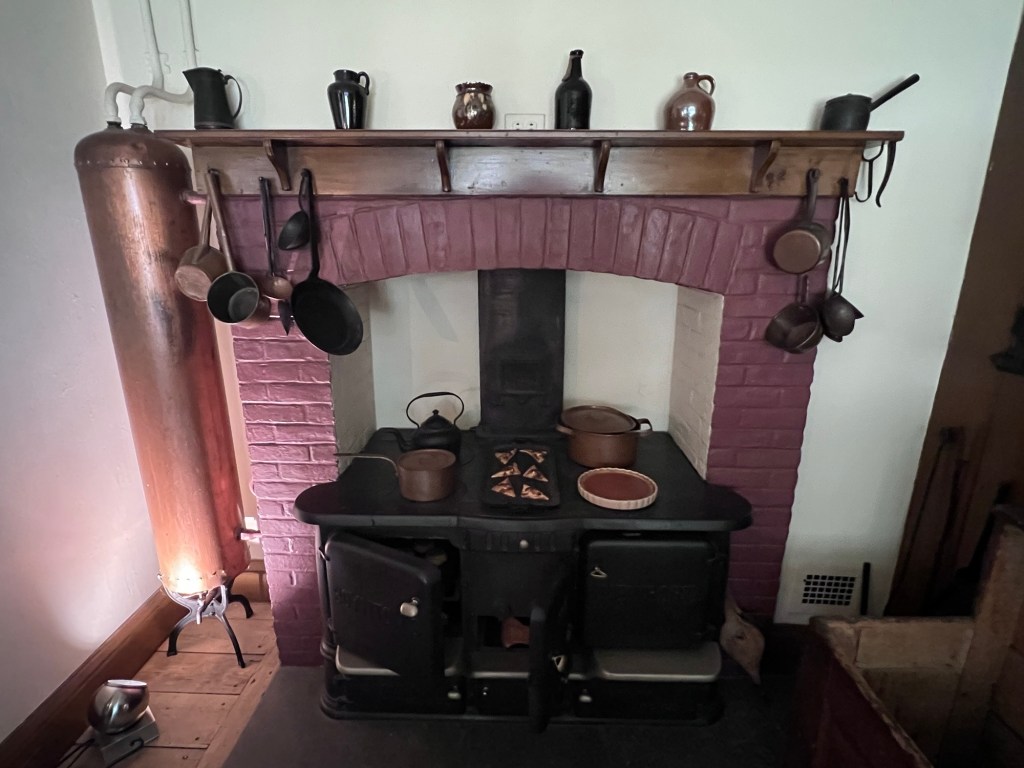
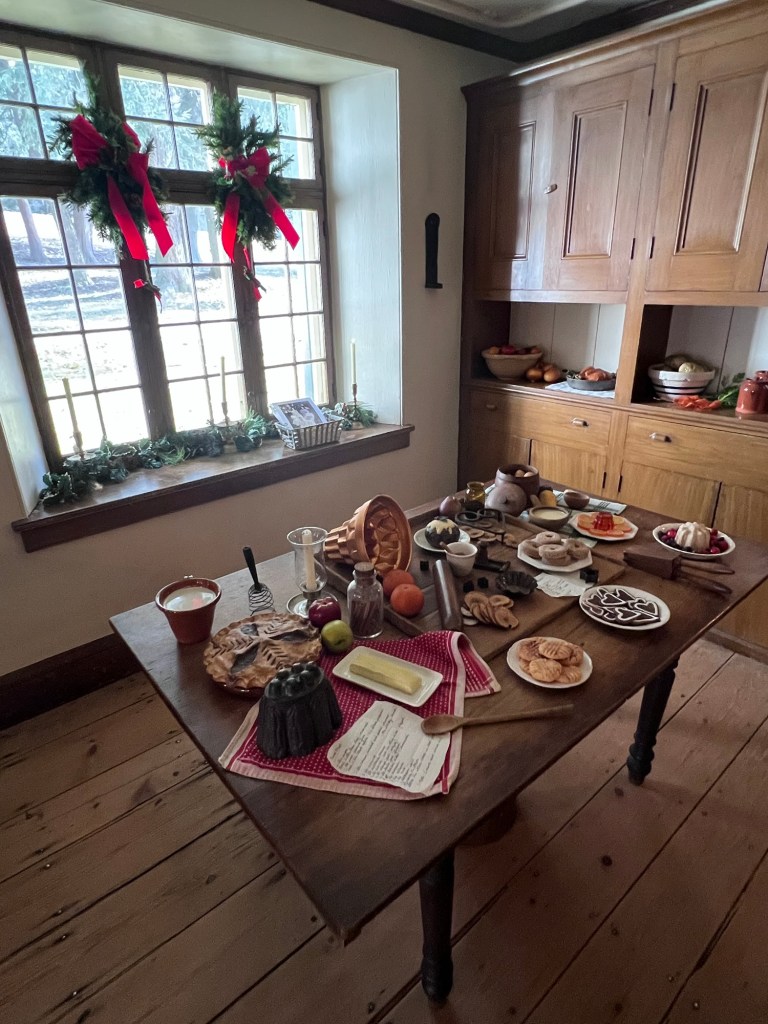
We then moved onto the kitchen where the feast would be prepared
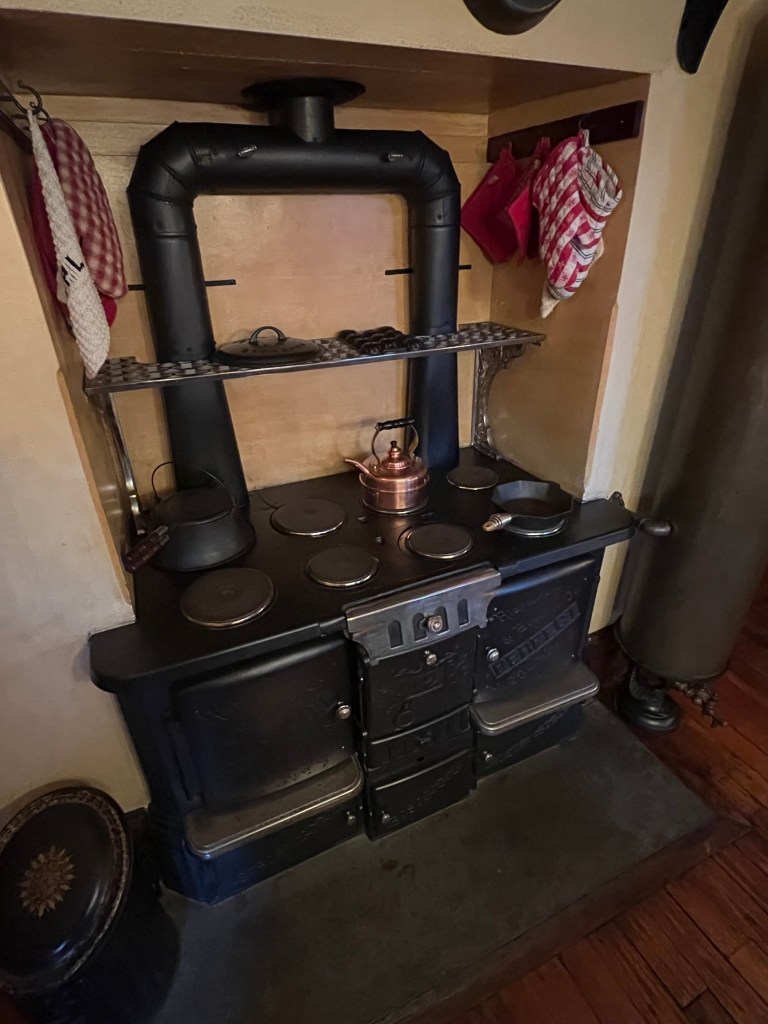
The working stove from the original house
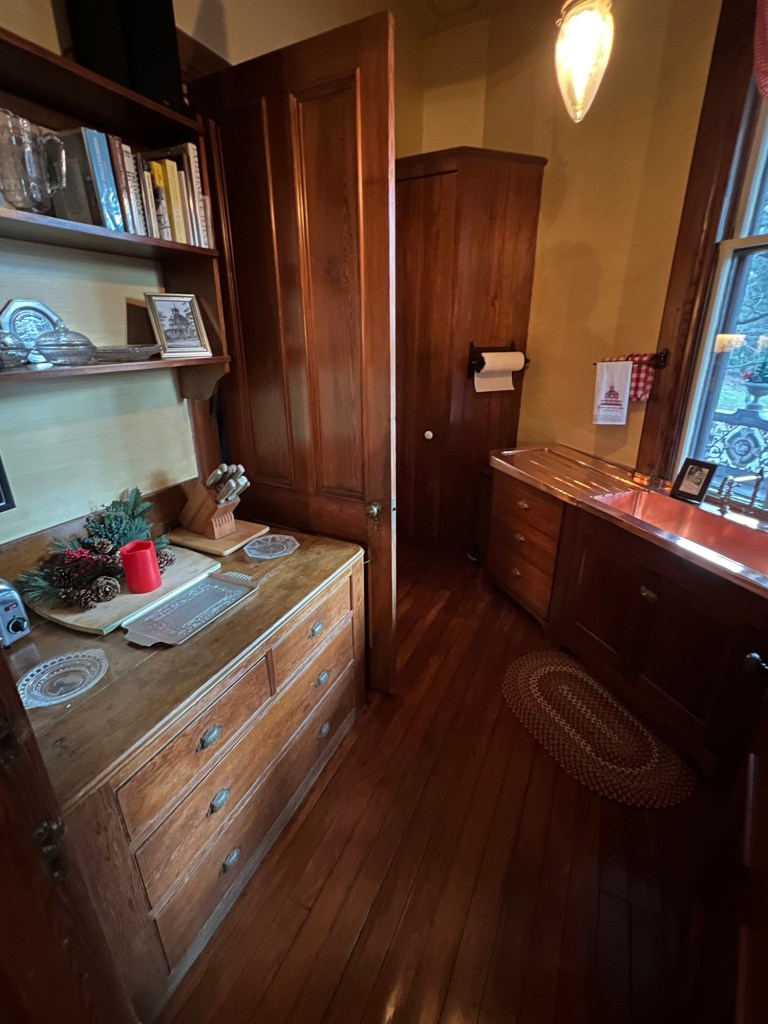
The sink and toilet prep areas
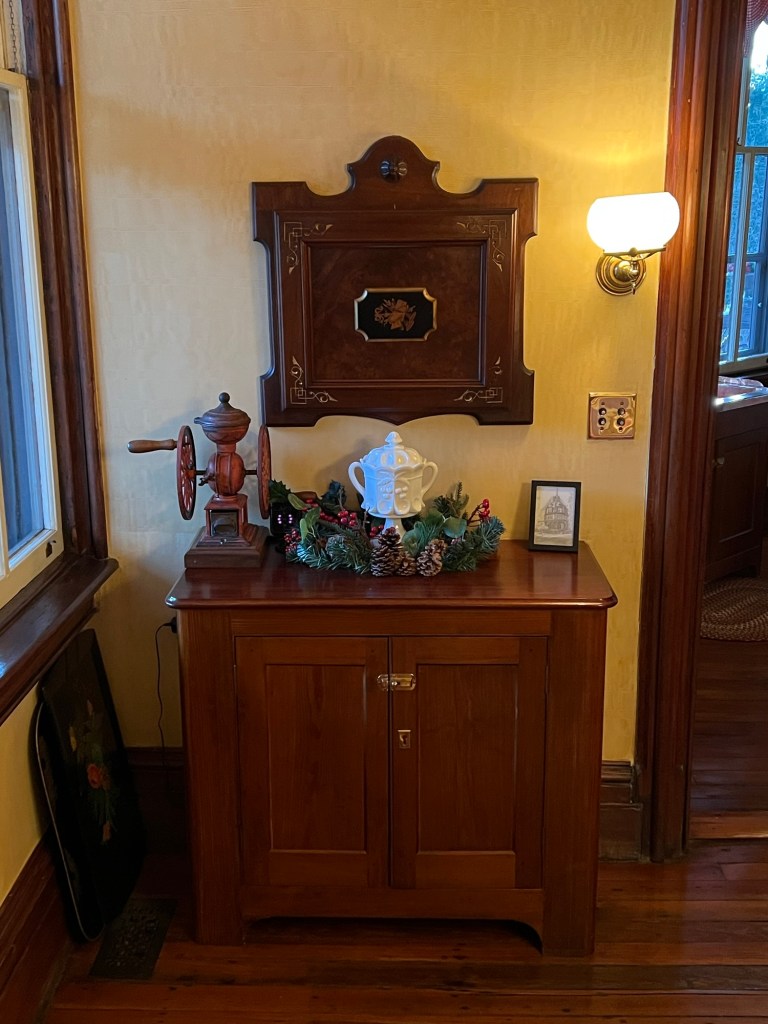
The side board with the coffee grinder
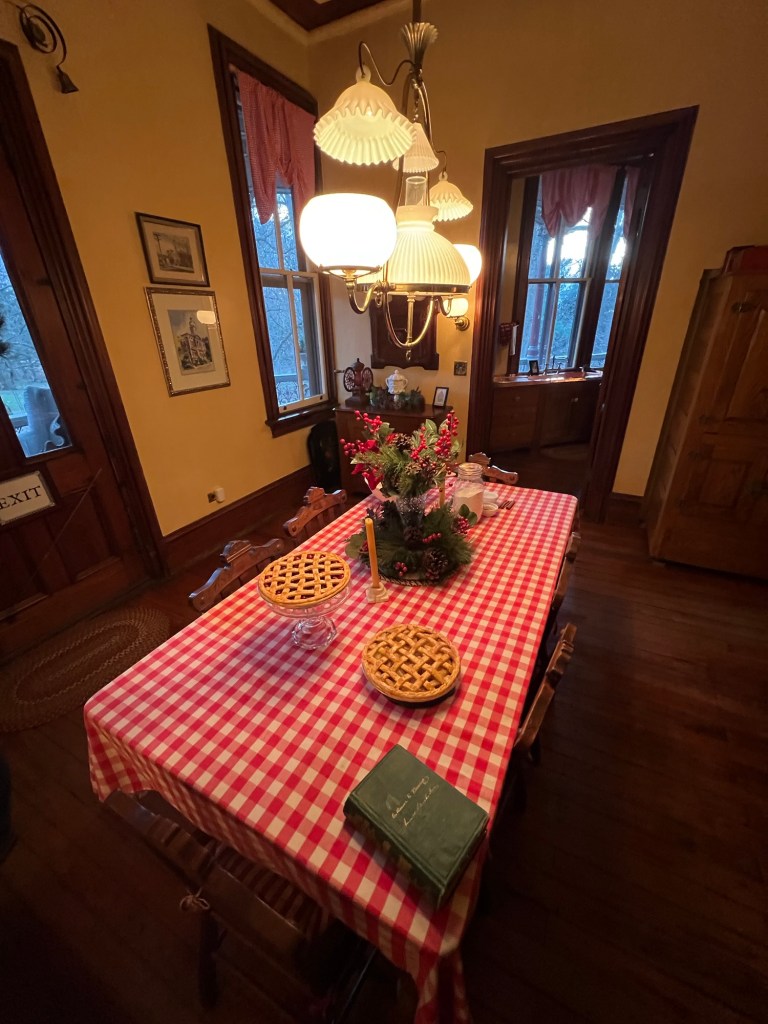
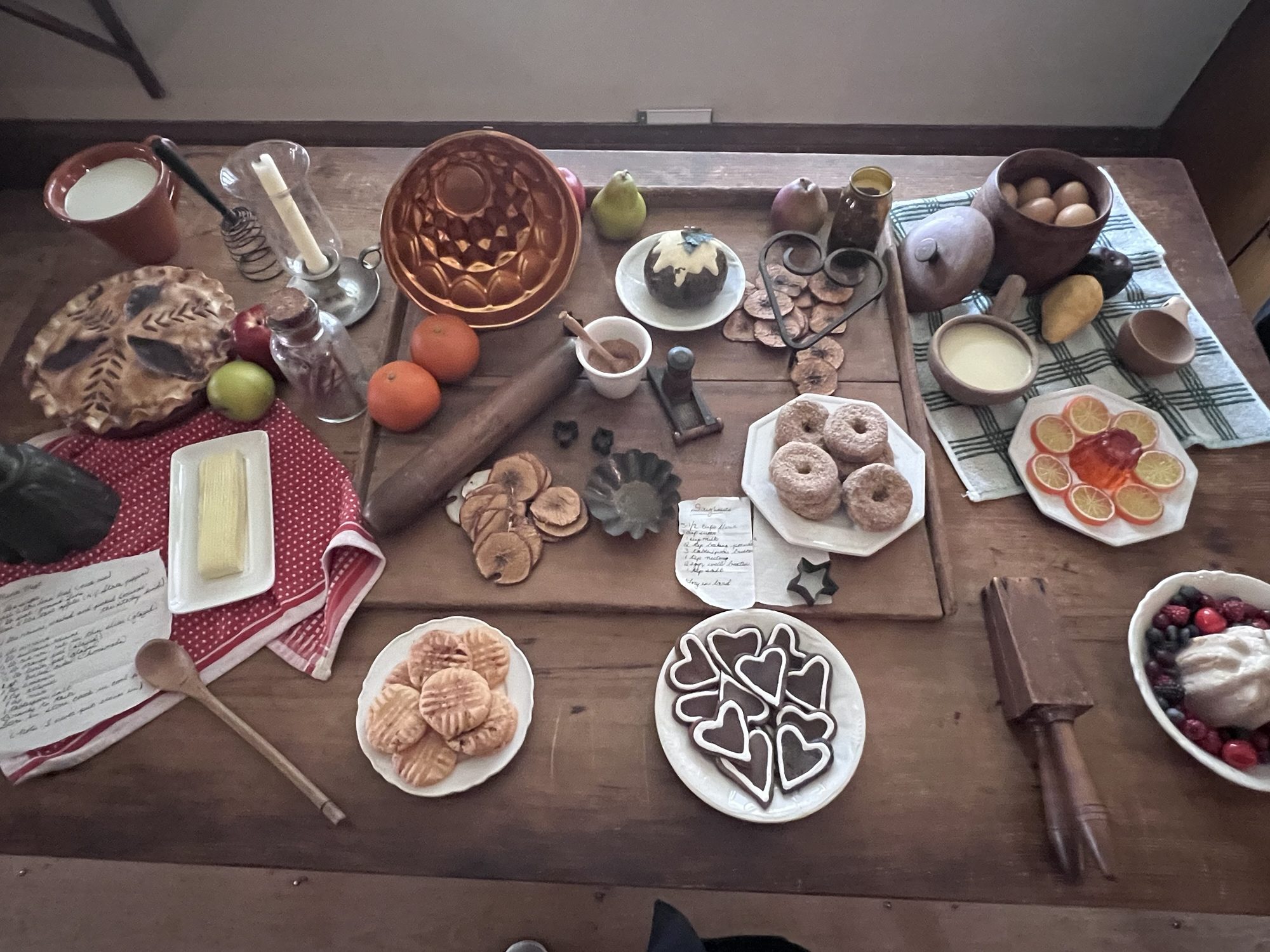
The Kitchen area with cookbook and desserts
We then left the more public areas of the house to the family’s living quarters. This was the experience extreme and not the exception in Victorian times to have this much room.
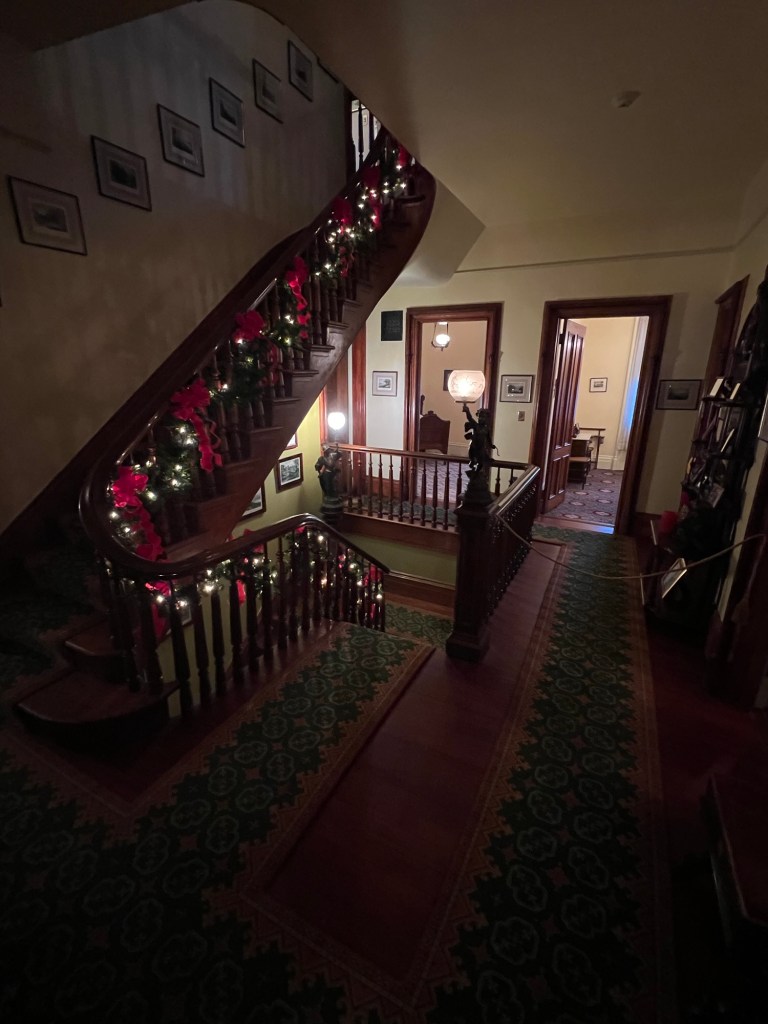
The second floor Reception Room where the family would have gathered for more casual events
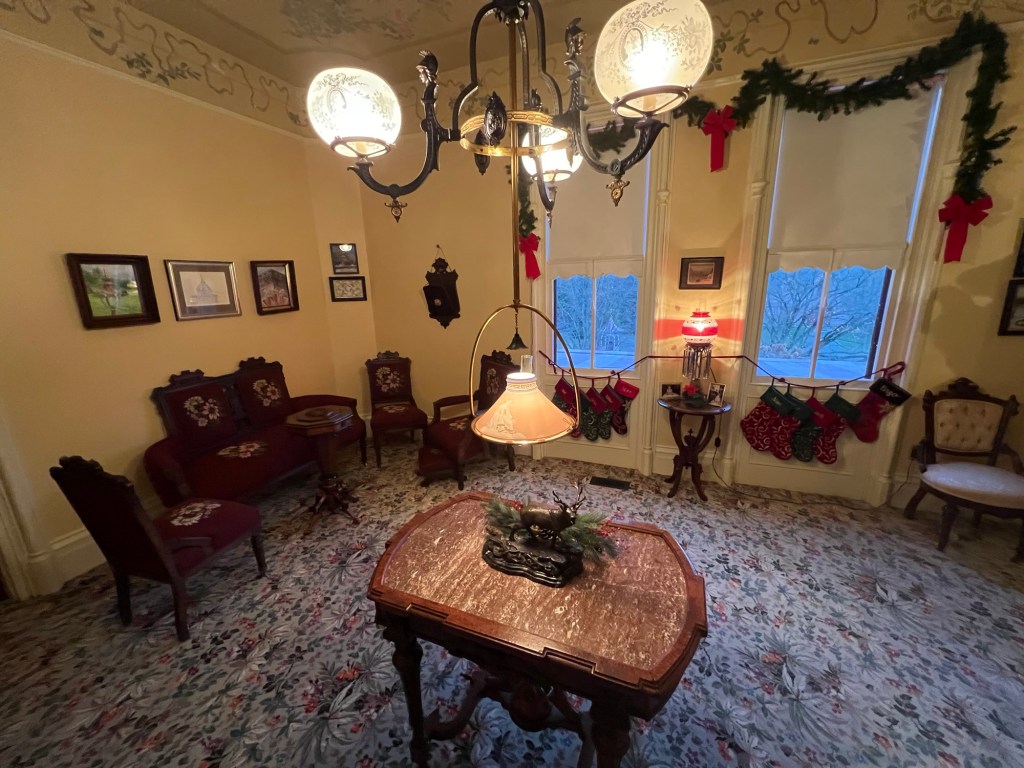
The Second Floor Reception Room
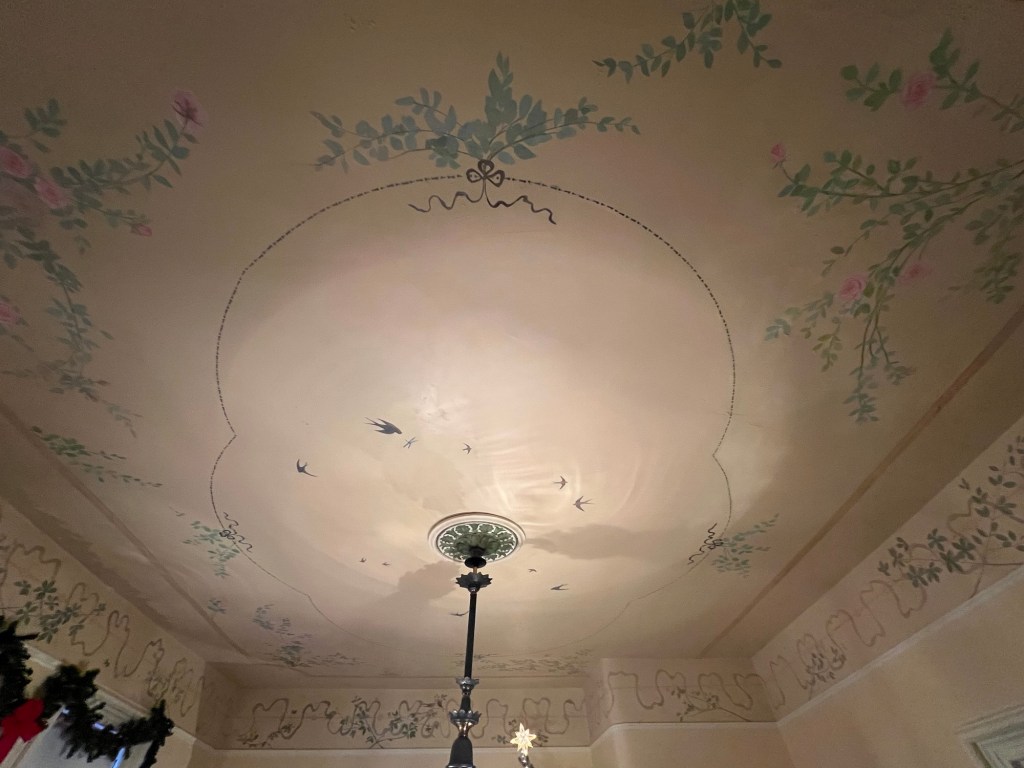
The ceiling is the only original part of the house left intact by each owner. It has been cleaned and restored to its original beauty.
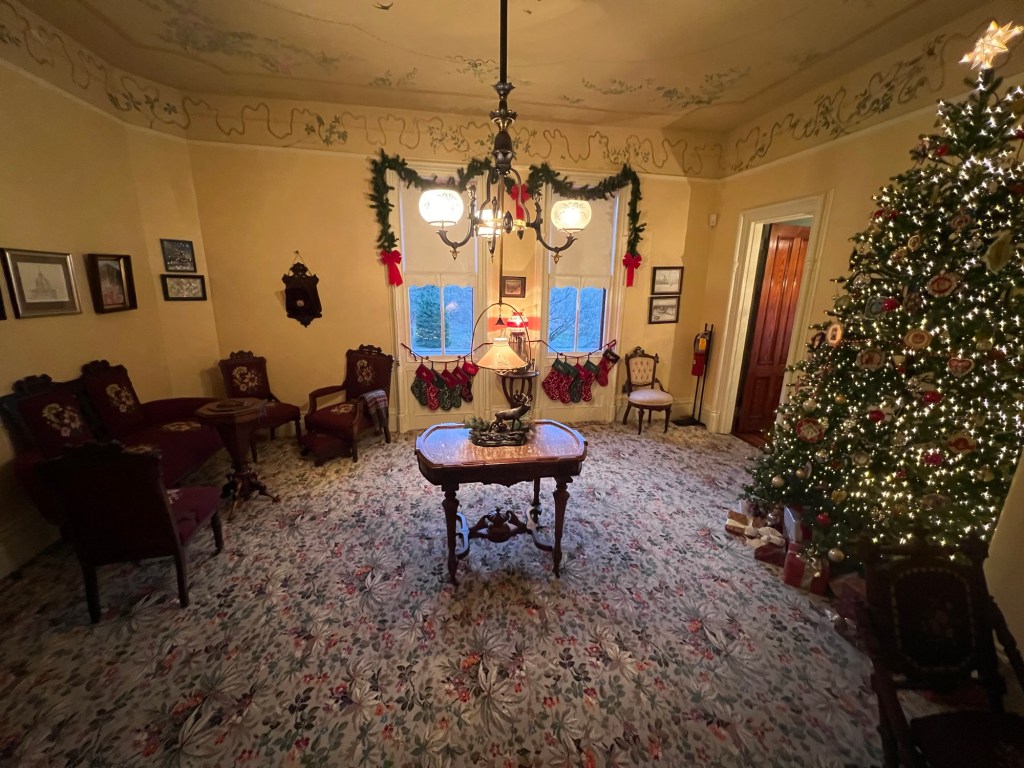
The room beautifully decorated for the holidays
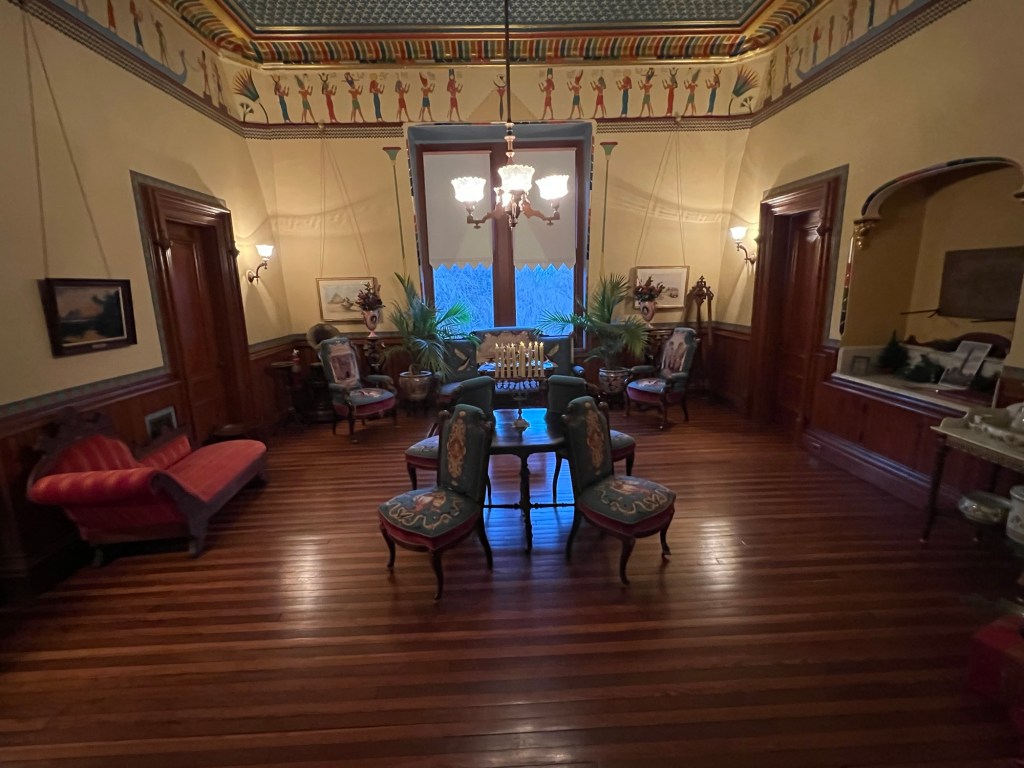
The Egyptian Room which was once a wellness
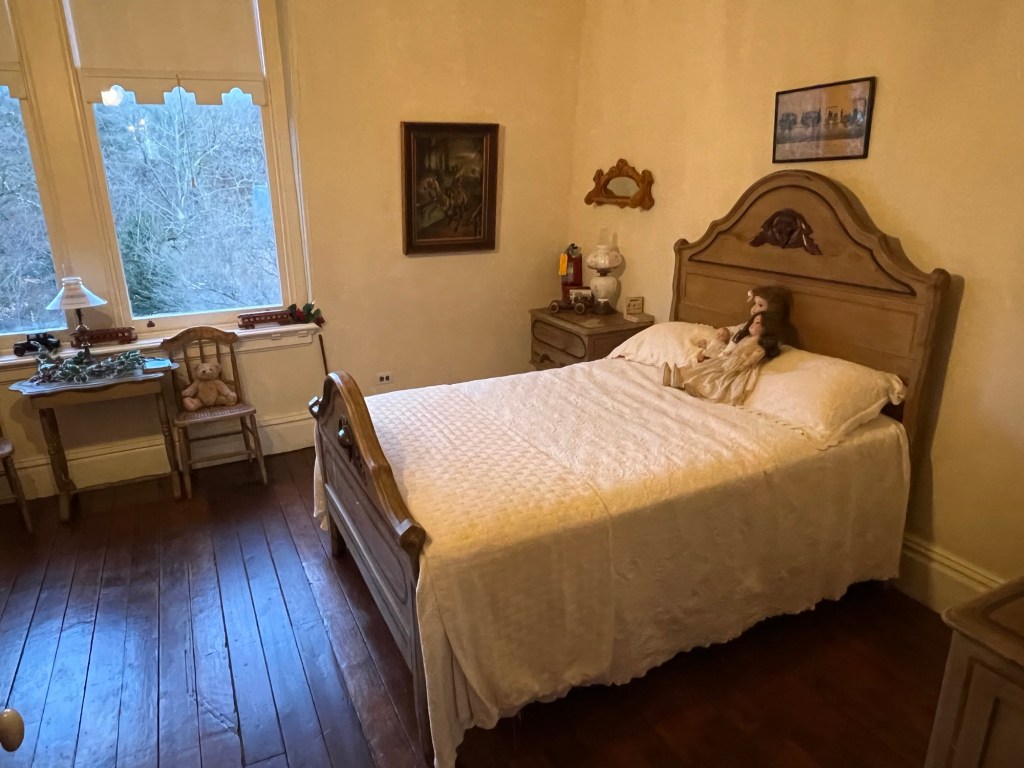
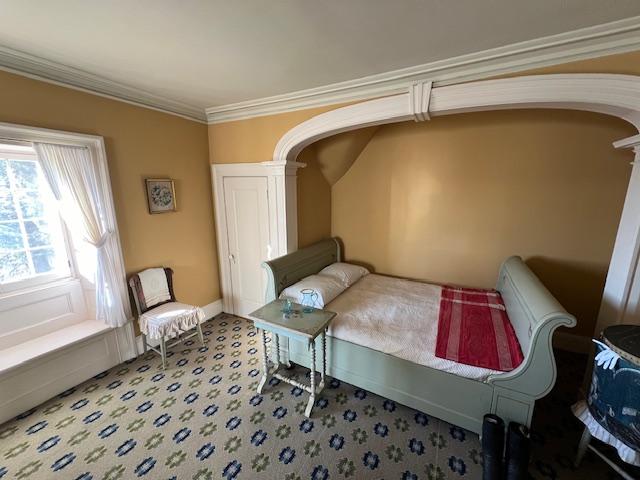
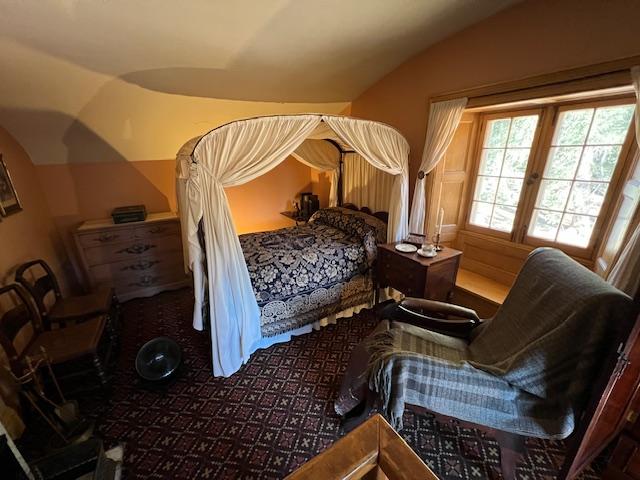
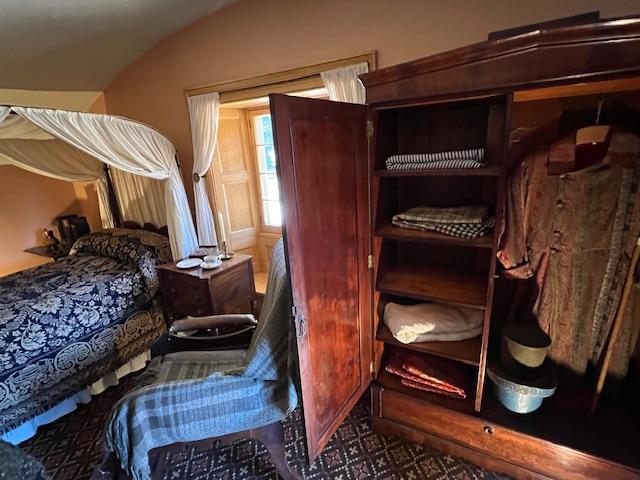
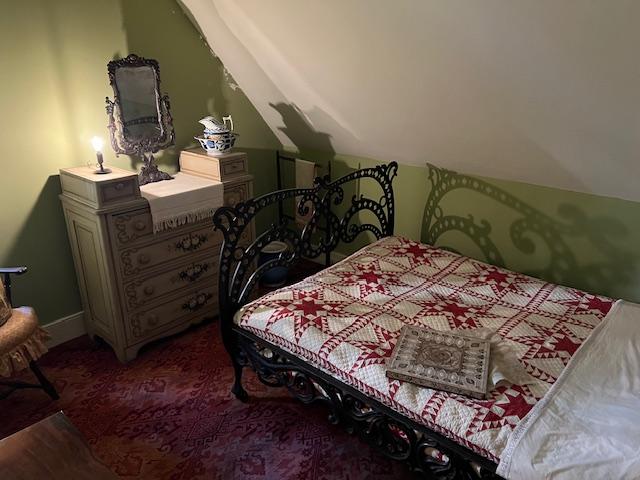
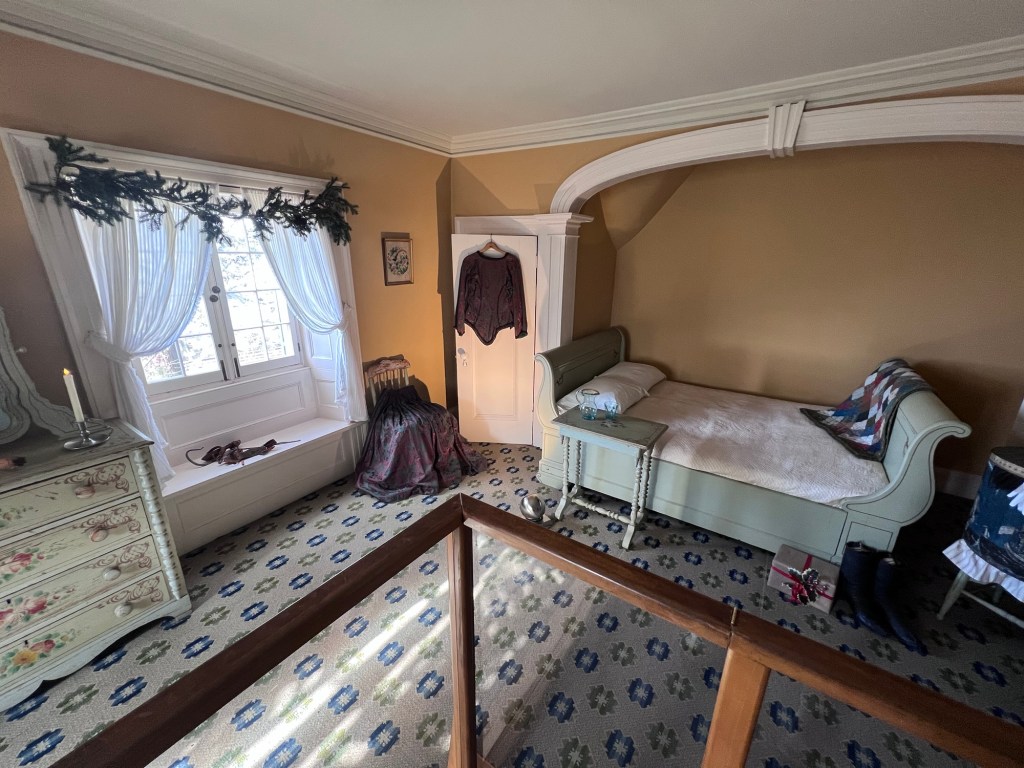
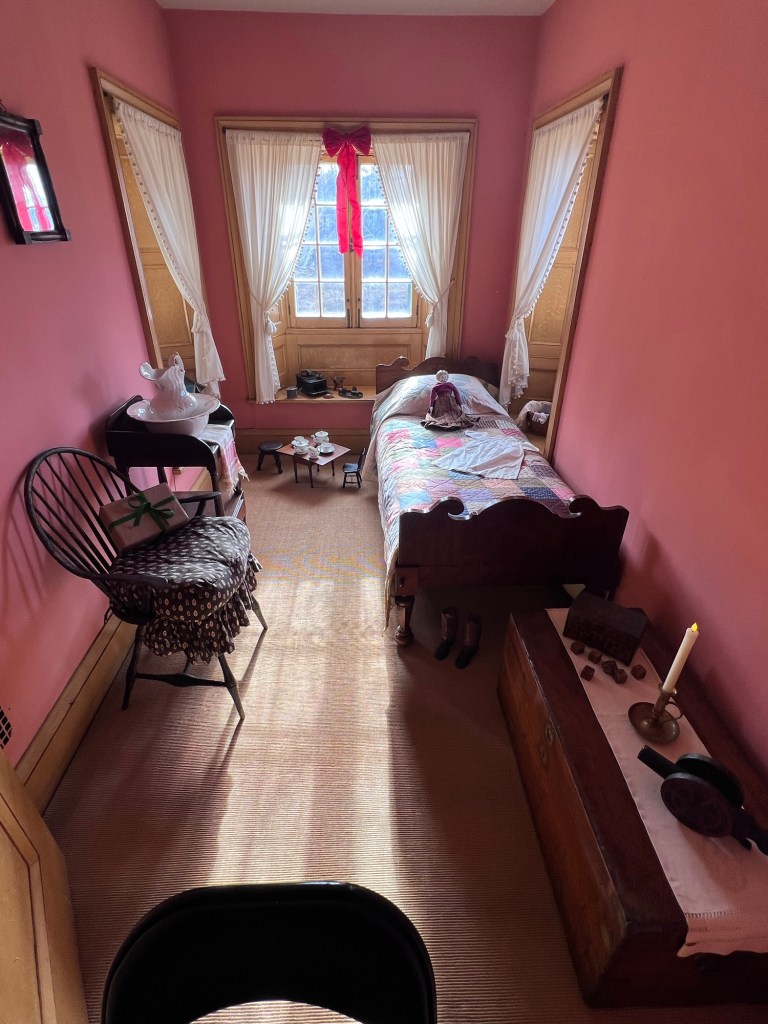
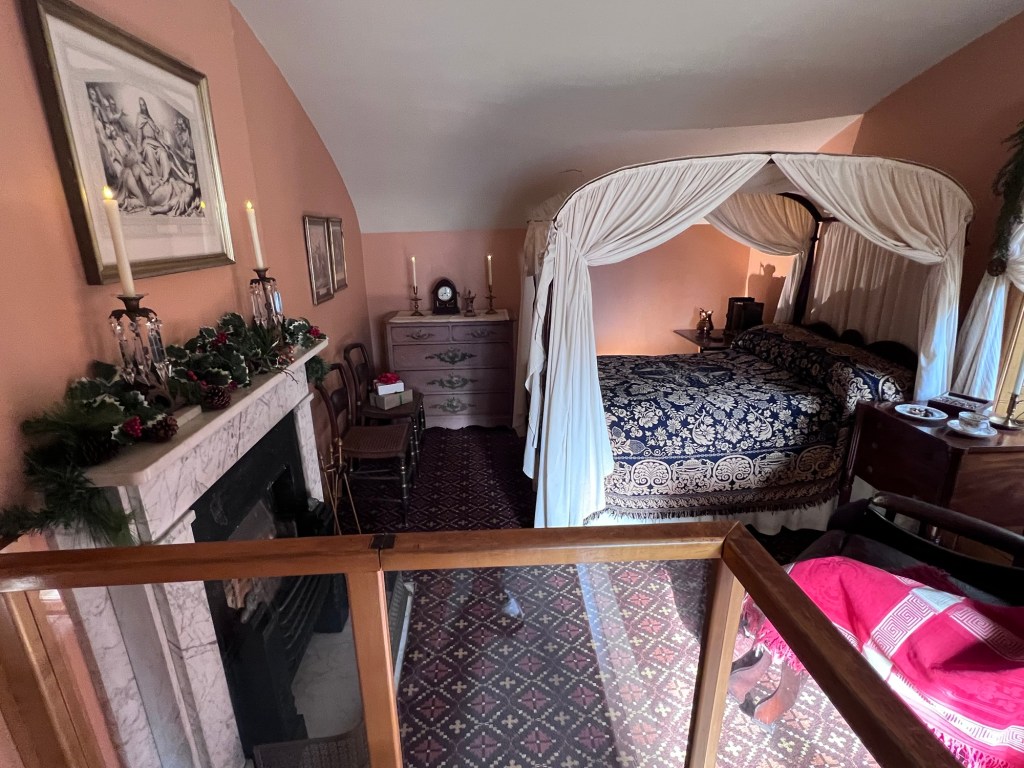
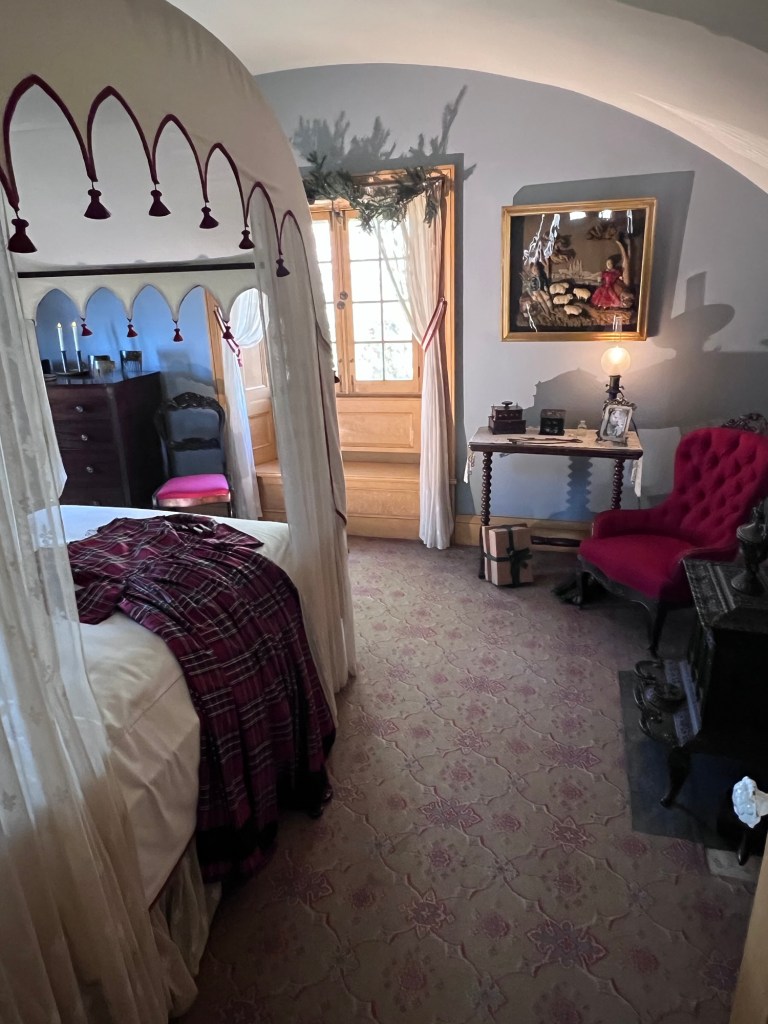
One of the upstairs bedrooms ready for guests
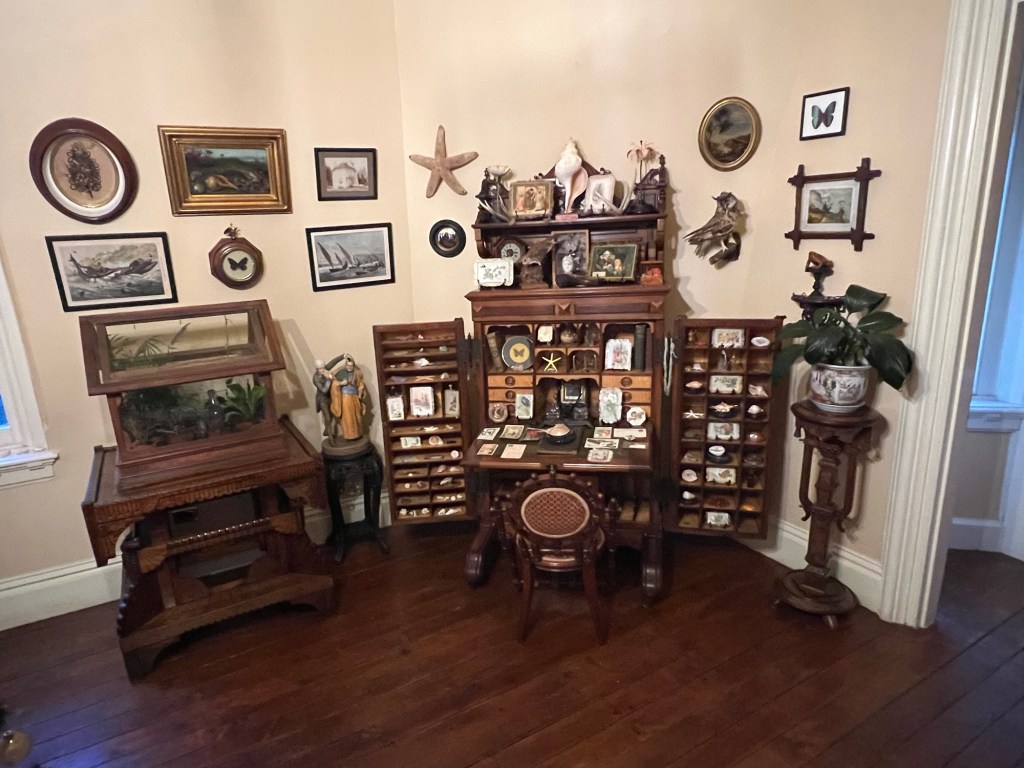
The Curio Room was a place where Victorians showed off their collections from their travels. These small items were displayed to show off the places they had been and some of the collections they were forming along the way.

The Table tree in the Curio room
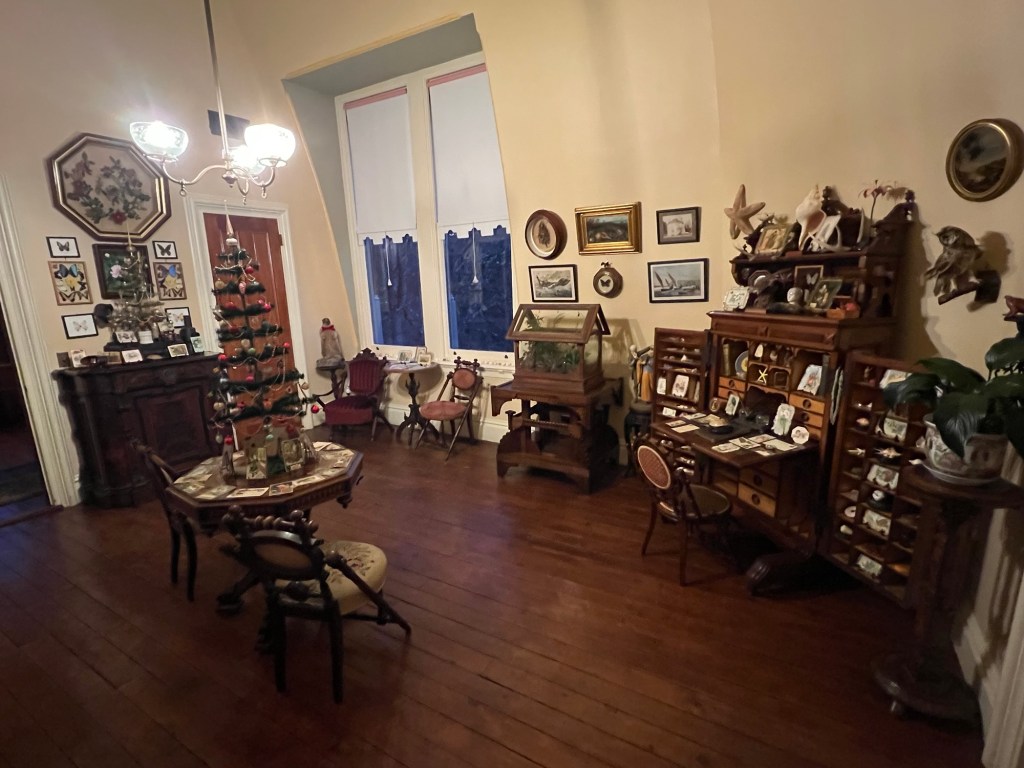
All the interesting collections in the Curio Room
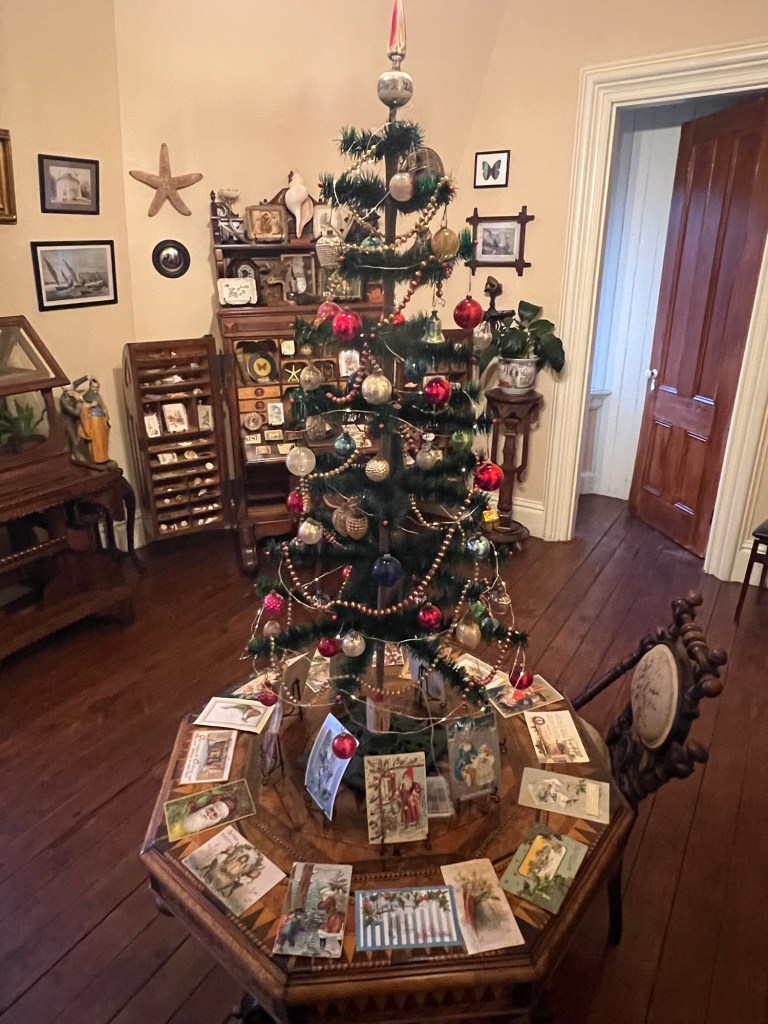
Even the small tree is covered with antique ornaments and old Christmas cards
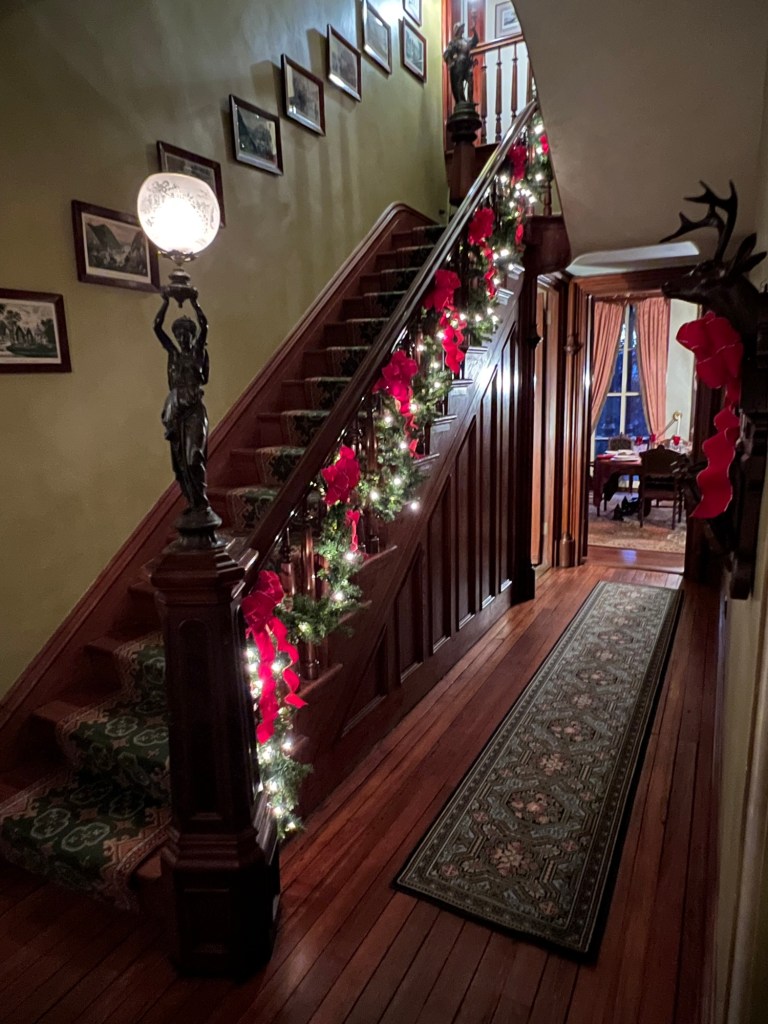
The third floor landing
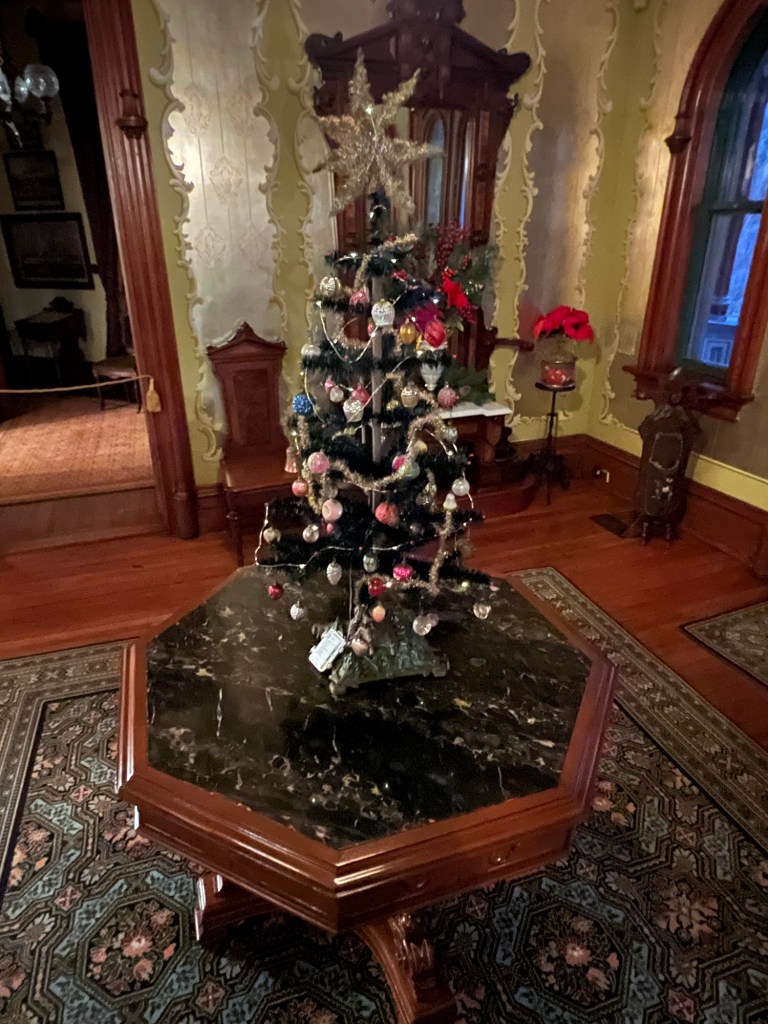
The Table tree in the landing
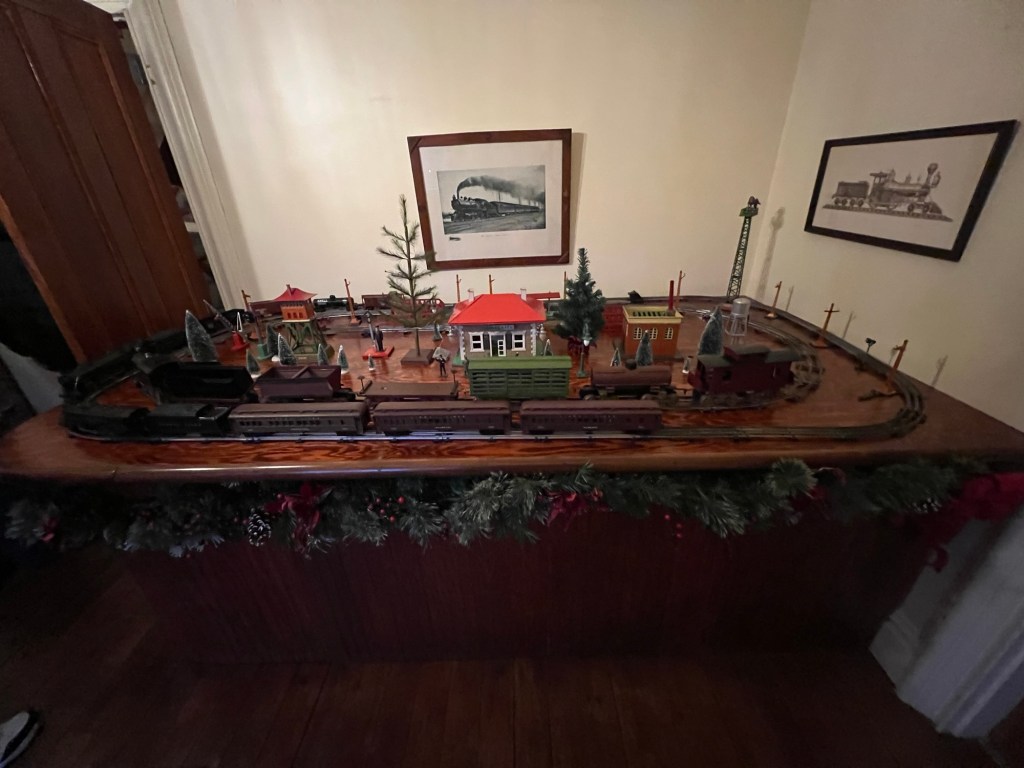
The antique train set
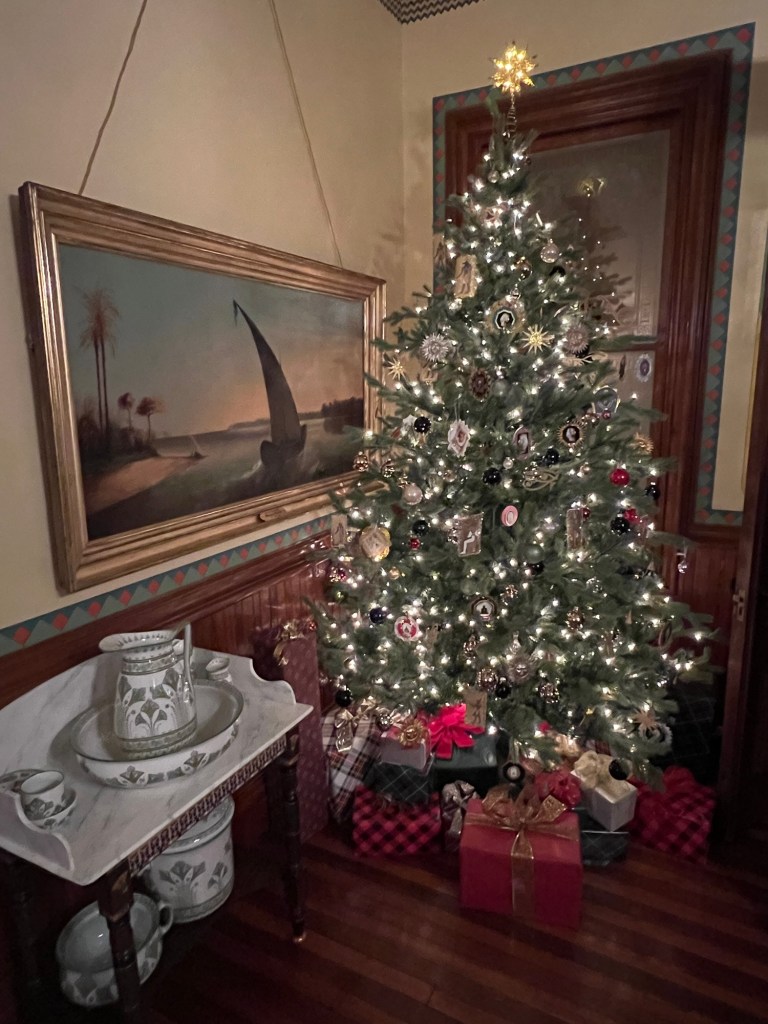
The Christmas tree on the third floor
Above is on the third floor, we could peek upstairs and see the bottom of the dome that had been added by Mr. Stiner. The was interesting. We made our way back downstairs to finish the tour and wrap up our discussion.
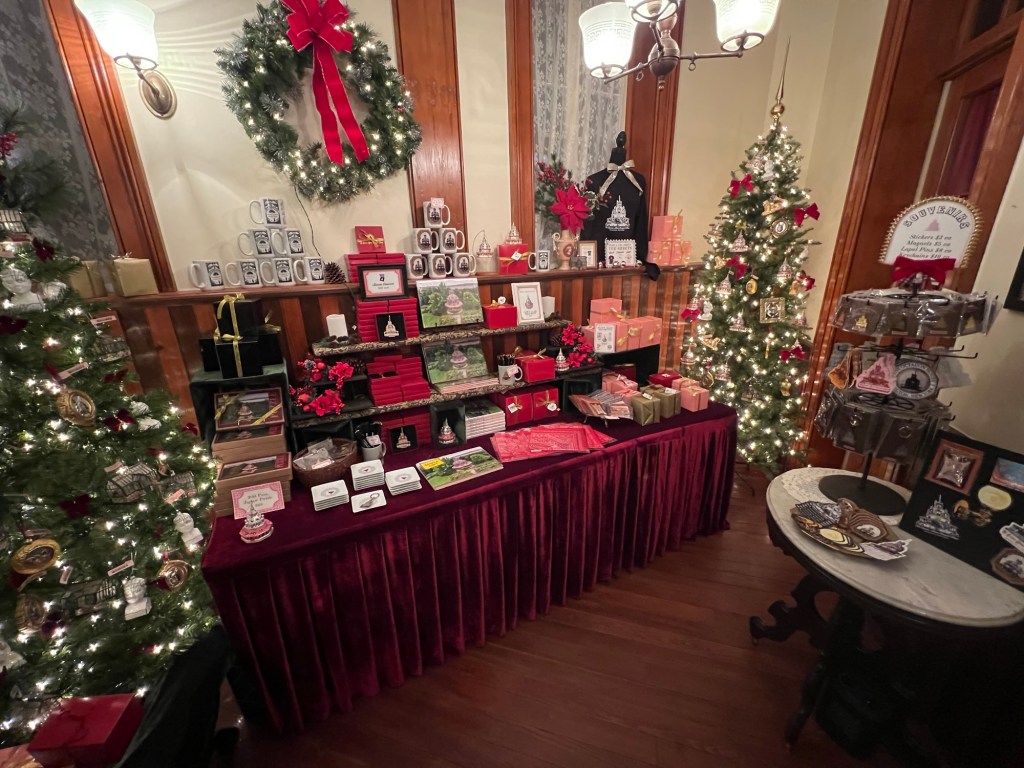
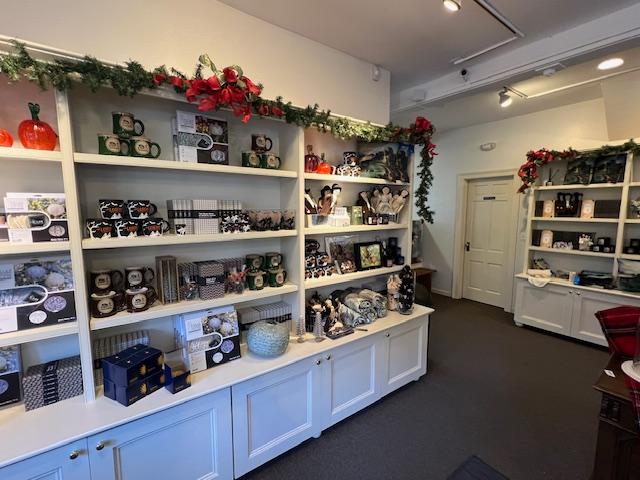
The Gift Shop
As you exit the house, there is an interesting Gift shop stocked with ornaments, toiletries, stationary and other gift items. This is where we concluded our tour.
The house and grounds were lit when we left and everything was so nicely decorated for the holidays.
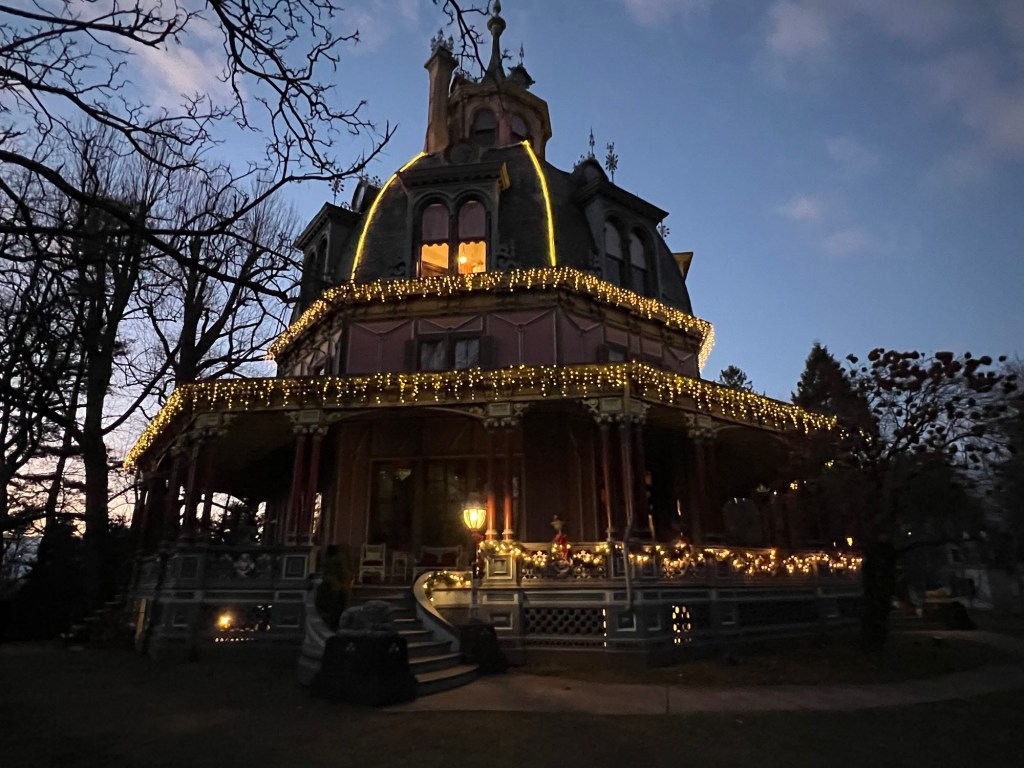
The house fully lit at twilight
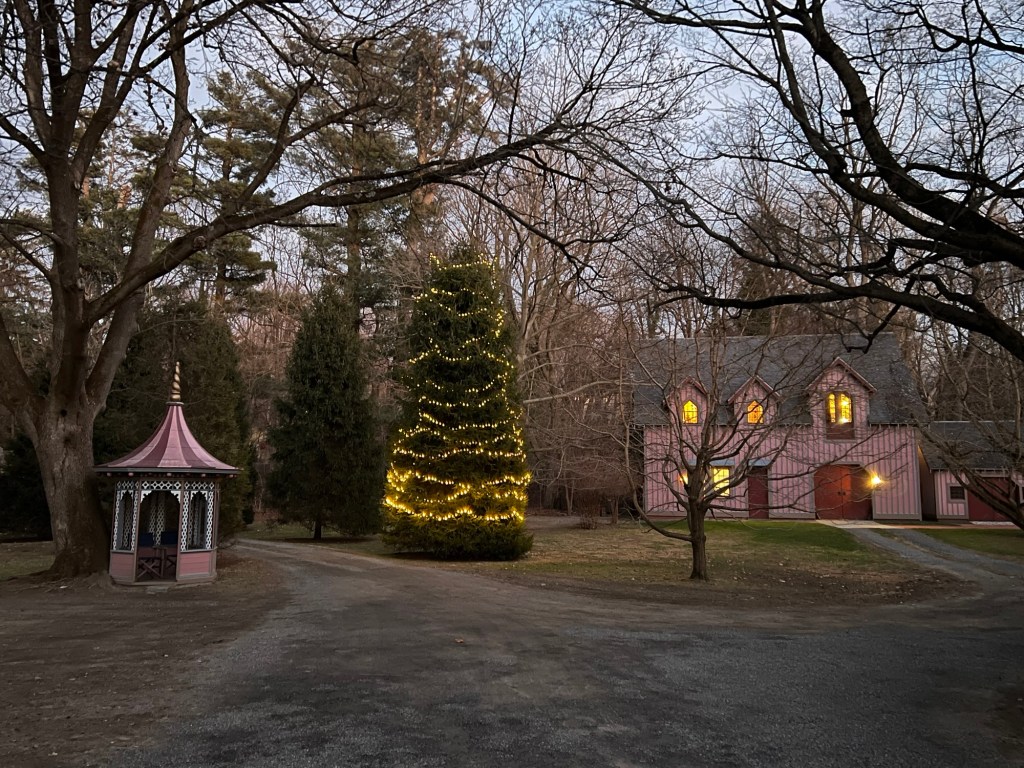
The Carriage House and grounds at twilight
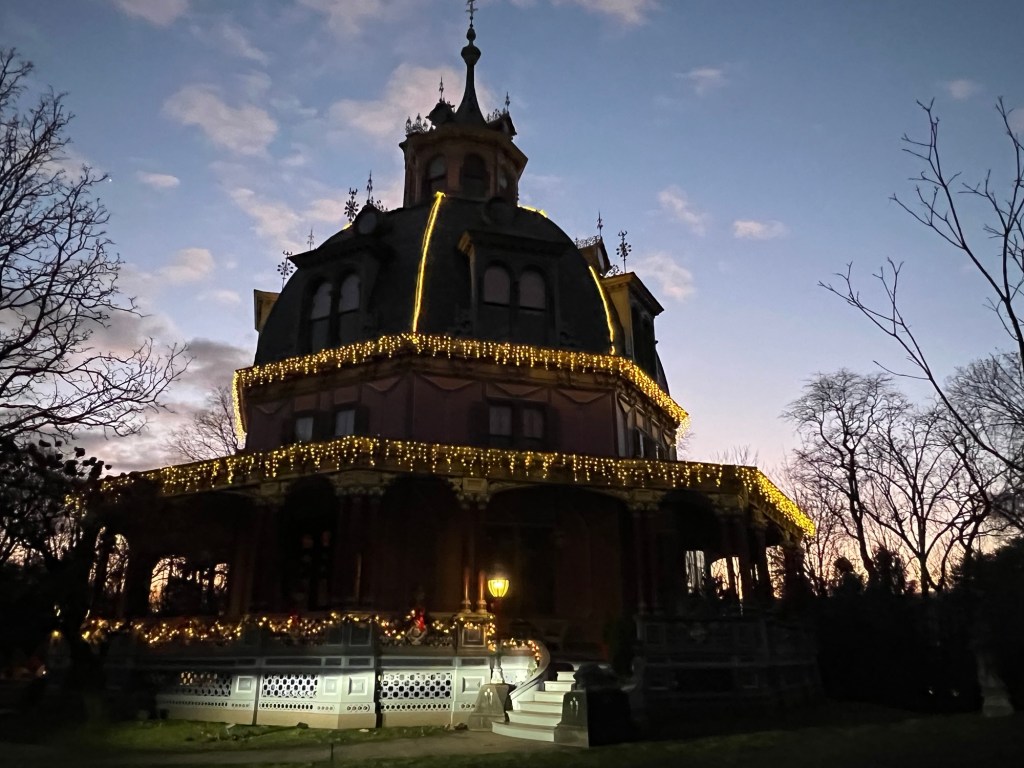
The house at closing time was picturesque
Touring the Amour- Stiner Octagon House is a step back in time to when society was slower and life a bit more gentle. you relished life and slowed down to enjoy it.
The Irvington Historical Society presentation on the Armour-Stiner Octagon House
 Visiting a Museum: The Unique, Unusual, Obscure and Historical