Tag: Exploring Historical Cumberland County NJ

Old Town Hall Museum/Harrison Township Historical Society Inc.                                                                                      P.O. Box 4                                                                              Mullica Hill, NJ 08062

Old Town Hall Museum/Harrison Township Historical Society Inc. P.O. Box 4 Mullica Hill, NJ 08062

Old Town Hall Museum/Harrison Township Historical Society Inc.

P.O. Box

Mullica Hill, NJ. 08062

(856) 478-4949

https://www.harrisonhistorical.com/

https://m.facebook.com/Harrison-Township-Historical-Society-310499278053/

Open: Sunday 1:00pm-4:00pm/Monday-Friday Closed/Saturday 1:00pm-4:00pm

Admission: Free but a donation would be appreciated.

My review on TripAdvisor:
https://www.tripadvisor.com/ShowUserReviews-g46655-d25105321-r866773005-Harrison_Township_Historical_Society-Mullica_Hill_New_Jersey.html?m=19905

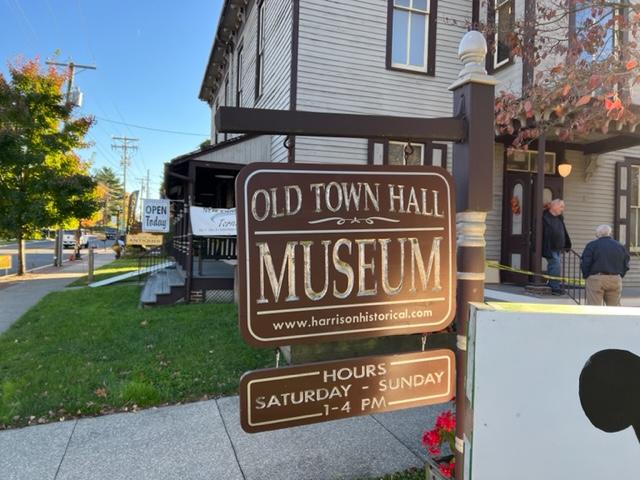
The Old Town Hall Museum/Harrison County Historical Society
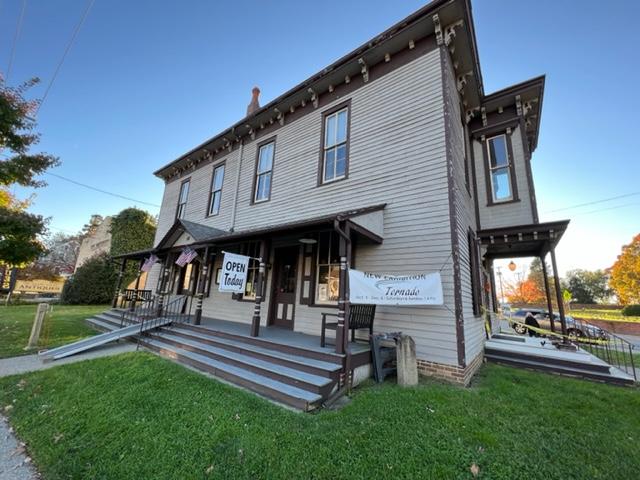
The Harrison Township Historical Society/Old Town Hall Museum

Former Exhibition in 2023:

TORNADO 
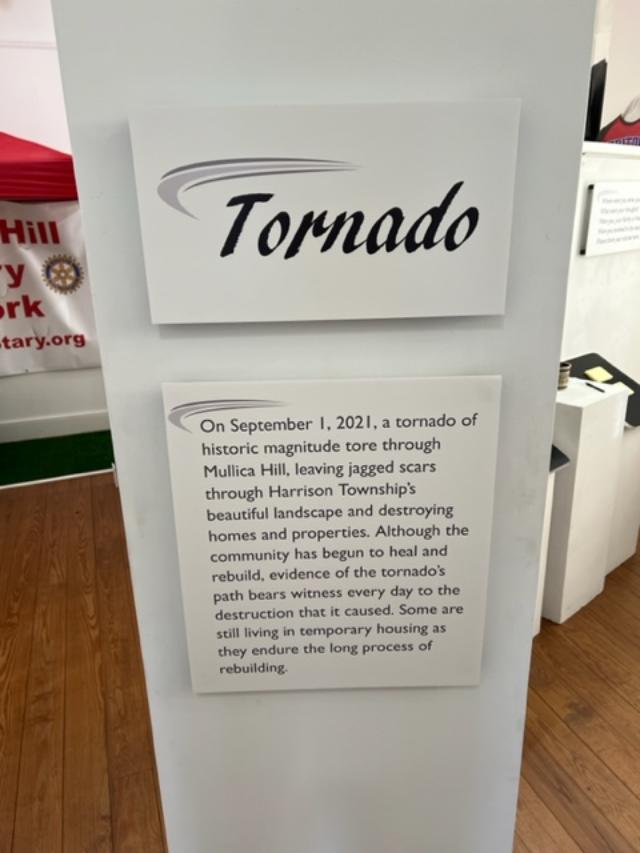
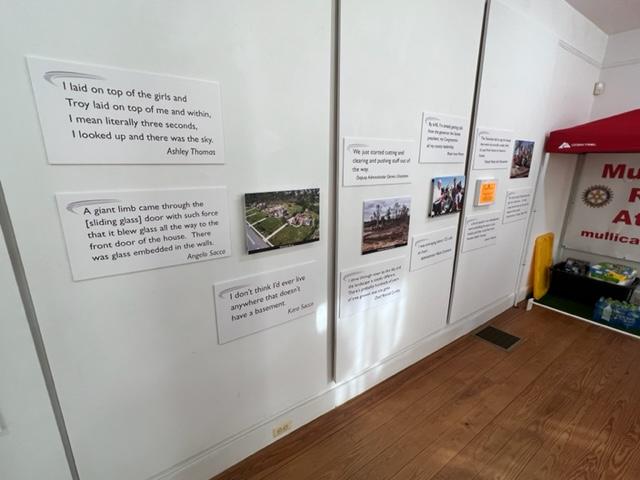
This new exhibition commemorates the 2021 Hurricane Ida Tornado through first-person narratives, artifacts, video and photography. 
The Mission of the Old Town Hall Museum/Harrison Township Historical Society Inc.:

(from the Museum pamphlet)

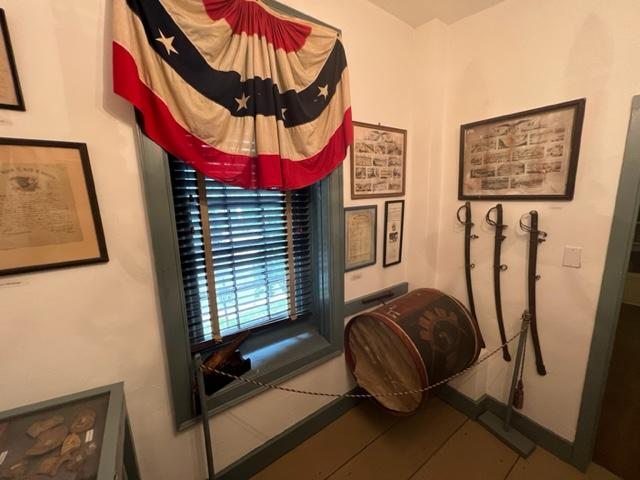
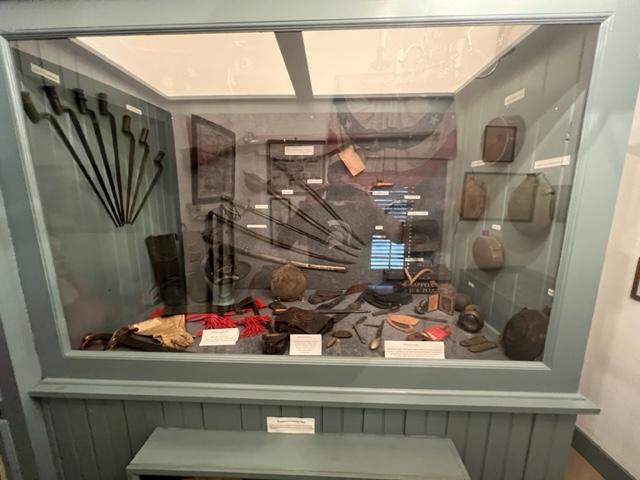
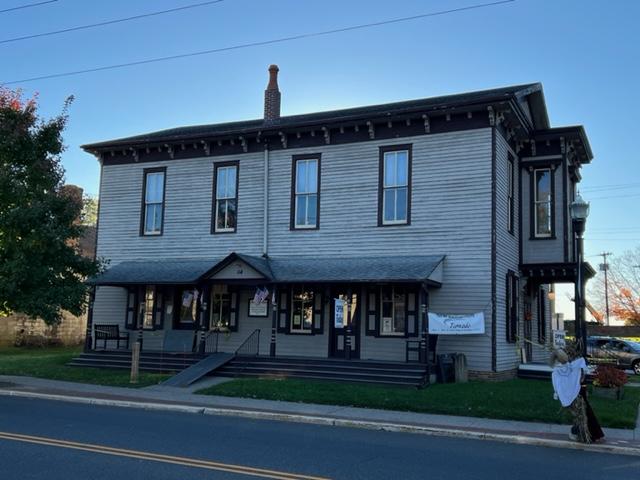
Since its founding in 1971, the Harrison Township Historical Society has presented exhibitions, events, programs and publications focusing on the heritage of South Jersey in Mullica Hill’s Old Town Hall that was built in 1871.

The Stone Age in Harrison Township and Living Off the Land: Food, Farms and Families, explore the region’s Paleo-Indian heritage and our local foodway and farming traditions. The Raccoon Valley General Store and the Harrison Academy Schoolroom recreate two rural institutions.

We also present seasonally changing special exhibitions, student programs and unique special events like the annual Groundhog Dinner (featuring local sausage-“ground” hog!) and the popular Mullica Hill Ghost Walk in October. Visit https://www.harrisonhistorical.com/ for news and information.

Come and experience our Heritage!

Our History:

(from the Museum website)

In 1971 the Township Committee of Harrison Township under the leadership of Mayor Philip J. Reuter, appointed a committee whose purpose was to form a historical society that would lead a community effort to preserve and provide a new purpose for Mullica Hill’s historic Old Town Hall.
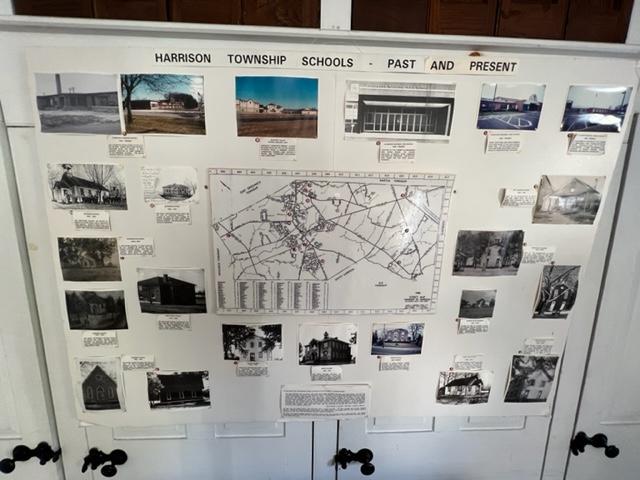
Since that time the Harrison Township Historical Society has successfully met this initial charge, not only preserving the building (a key contributing structure in the Mullica Hill National Register Historic District), but also establishing a museum that has won state and national awards for its exhibitions, programs and publications.
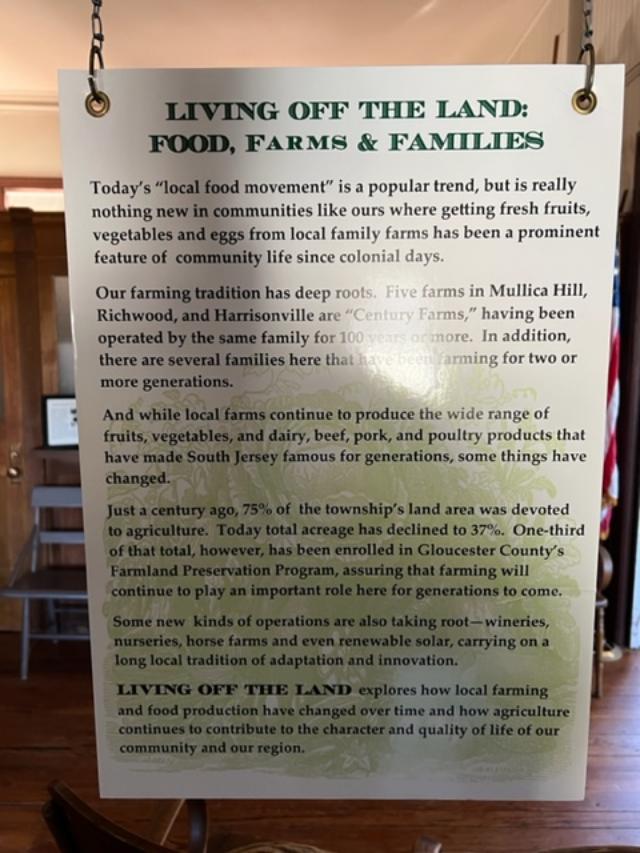
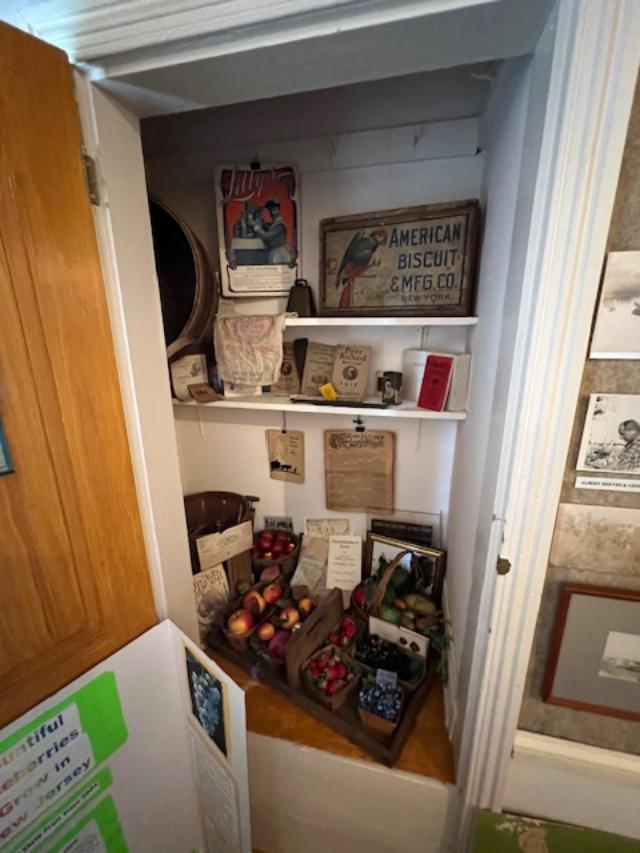
The “Living off the Land” exhibition shows life on the farm in Southern New Jersey. This exhibition shows life on a South Jersey farm from the late 1600’s to today with some of the equipment, commercial items and furniture showing the lifestyle on the farm. This first floor exhibition gives us a peek at what life is like in the day of a farming family.

The main room on the first floor of the museum is broken down into sections. In the special gallery space is the exhibition “Tornado” about the tornado that hit the surrounding area during Hurricane Ida in 2021. The exhibition gives first hand accounts of what happened and people’s experiences and the clean up.

In the Main Room when you enter is the Raccoon General Store and the Harrison Academy schoolroom showing what life was like in rural Southern New Jersey.

Raccoon General Store:

All sorts of everyday items were sold in the General Store which was also a gathering place for the town’s citizens. This is where you would catch up with your neighbors at a time before telephones.

Everyday items would be found in the General Store
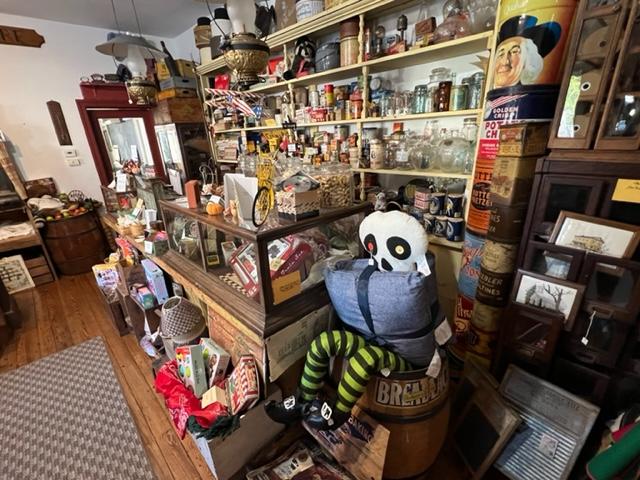
Everything could be bought at the General Store for the house with special trips into the City during the holidays or for special occasions

Household items at the General Store

In the back of the General Store is the exhibition of the Harrison Academy Schoolhouse showing teaching in rural New Jersey up until about 60 years ago. These rural communities had the one room school in some cases up until WWII. As the areas developed, the regionalized school system came into play and these small schools became of thing of the past.
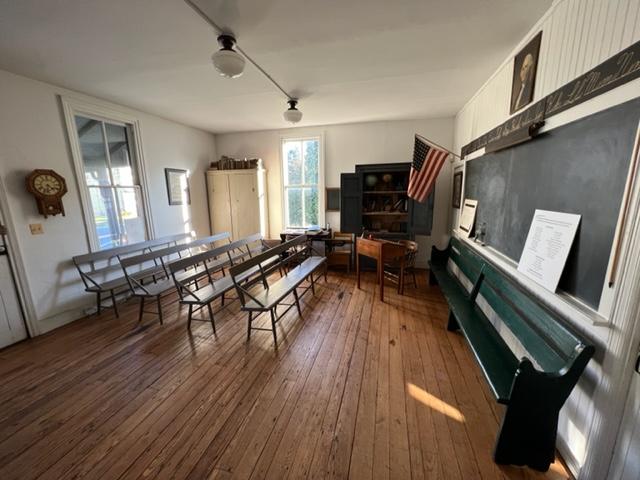
The schoolroom set up has not changed much over the last 100 years

The room was still heated by the potbelly stove

The Teacher’s Desk, the globe and picture of the President still exists in the classroom today

In the center room is the old Post Office, another fixture of the town’s social life. This was located in Mullica Hill up until fifty years ago.

The Mullica Hill Post Office

The entrance to the hall with the Post Office and Farm Equipment

The facade of the old Post Office

The back part of the exhibition is the farm equipment that would be used in commercial farming. The processing and packaging of fruits and vegetables would have been done when the harvest was being picked and getting ready for markets in New York, Philadelphia and Newark. Fruits and vegetables were packaged on the farm and readied for market.

Life on the farm was not always easy
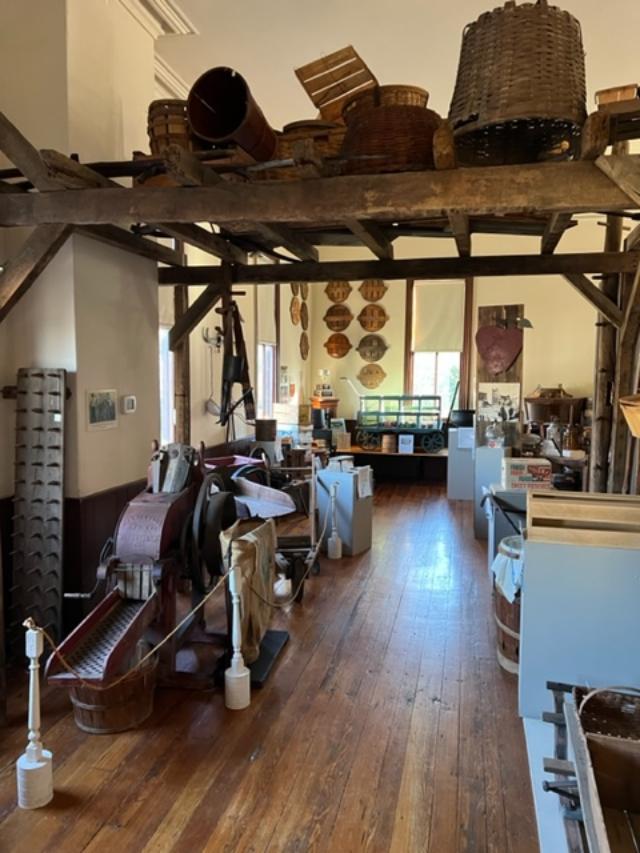
All sorts of equipment for processing fruits and vegetables is on display
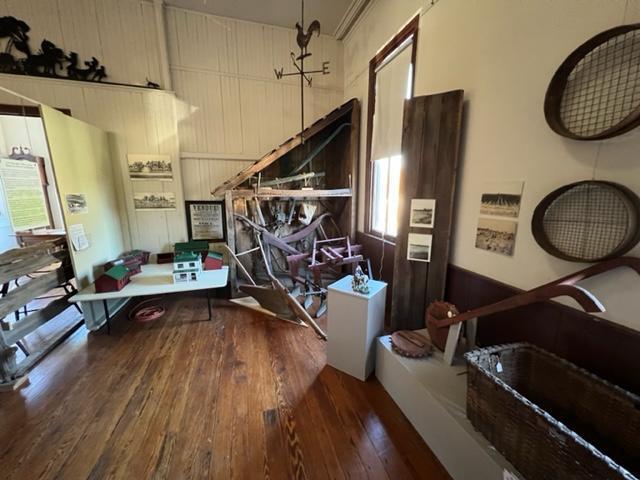
All the bailing and shifting equipment needed on a farm

Business advertising

Packaging fruits and vegetables for the market

Life on the Farm

The second floor also provides not just a look into the life of the farming family but at the Native American’s life in the area before the colonist settlement.

The artifacts of the Native American Lenape Indians
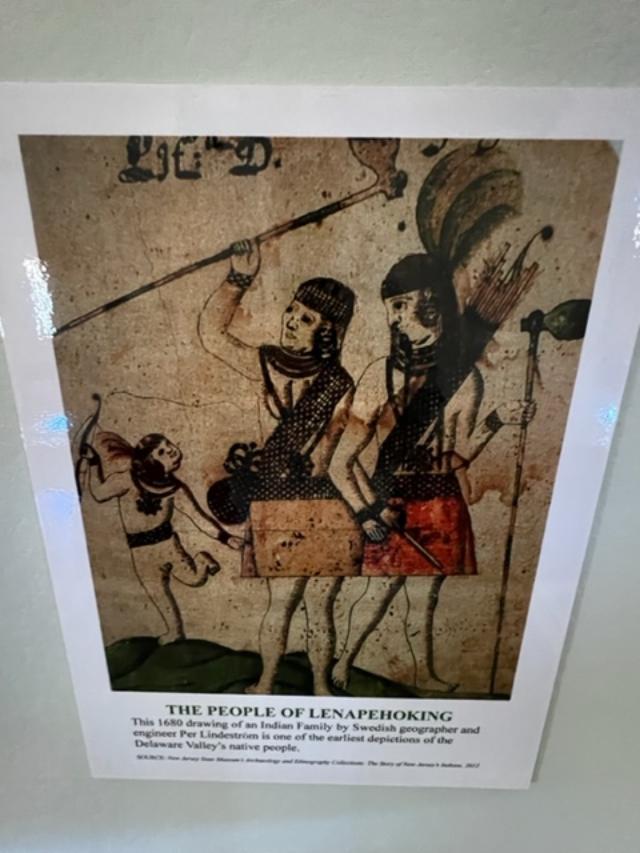
The local Native Americans the Lenapehoking
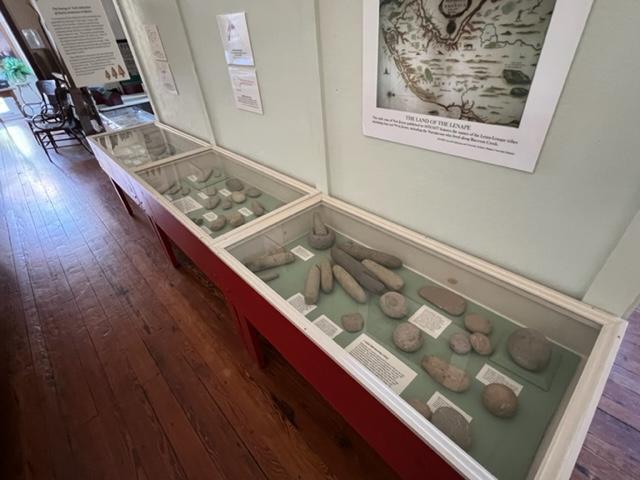
Day to day equipment and home products of the Native Americans

Arrowheads from New Jersey and beyond
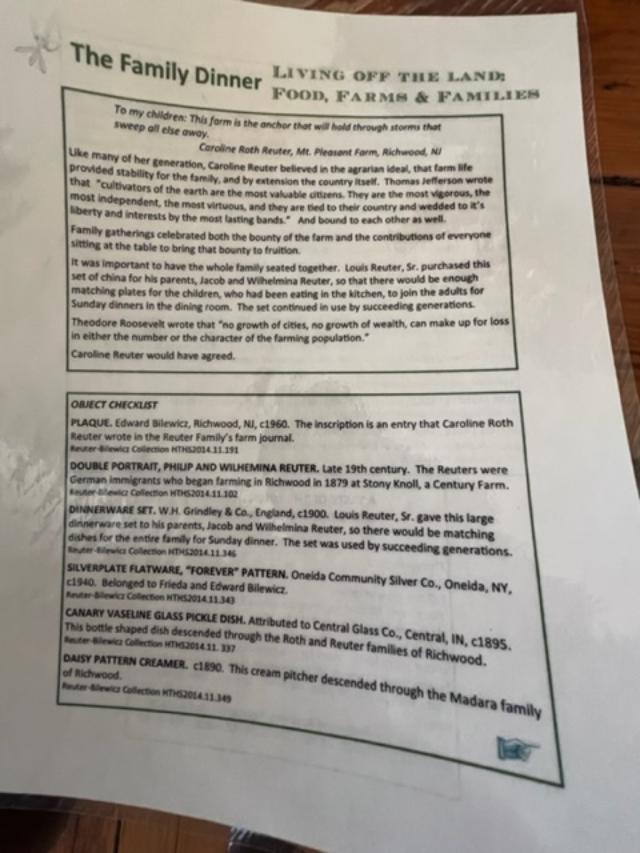
Family life on the farm included the family dinner

Meals would have included churning butter, gathering eggs, milking cows, processing apples for cider, baking and pickling.

Preparing for a meal would have meant the best linens and china would come out of storage and placed on the table.
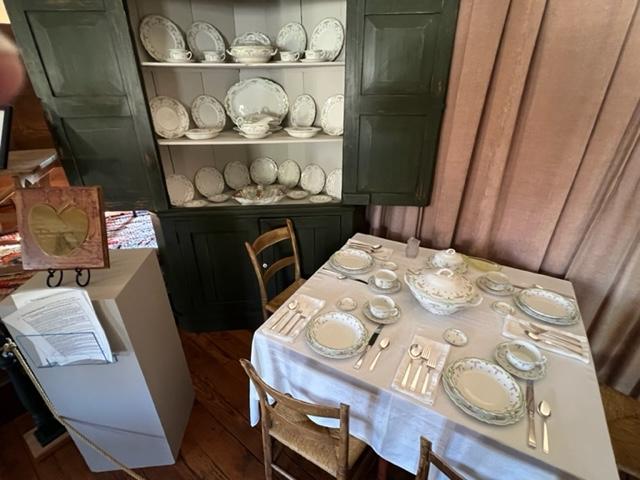
Families sat down together on Sundays to eat and enjoy each others company.
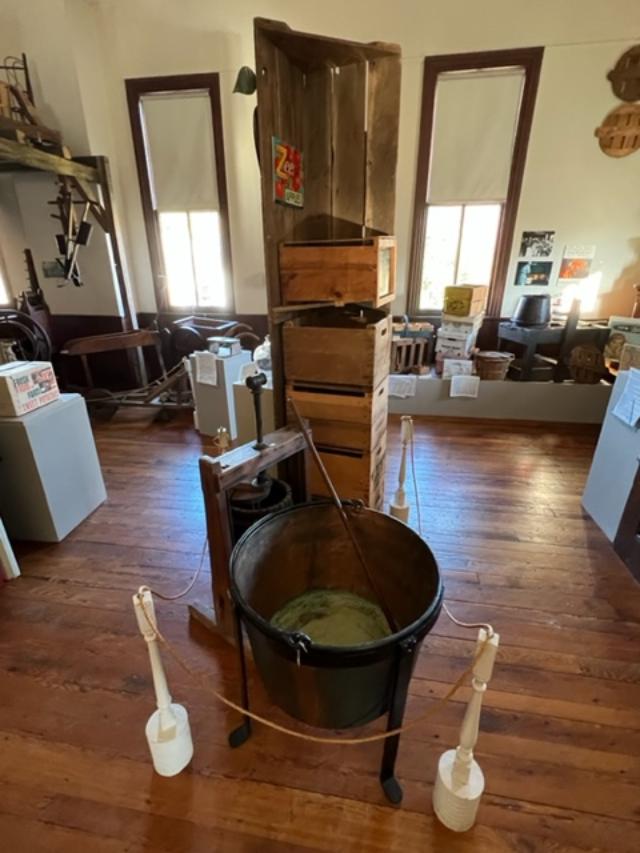
More processing of household items

The museum shows that not much has changed over the years but with the advent of modern technology with cars, the telephone and electricity, life on the farm changed but not by much. Traditions and processing crops still had to be done just differently. Life in America was going to change by the beginning of the Twentieth Century and this way of life would be part of the ‘myth’ of small town living. This still does exist in some parts of the rural country.

In early October of 2024, I came across the sign for the Ghost Haunted Walk that the Historical Society was sponsoring in Mullica Hill and decided to take an early holiday break and drive down to South Jersey for this event. I made the day of it visiting other sites around the area. Then I drove into Mullica Hill and joined everyone on a very interesting look back on the community’s past. It seems there’s a lot of haunted spots in town.

Downtown Mullica Hill the night of the walk

The downtown was dotted with scarecrows

The foliage was just starting to change but like Octobers in the past five years it has been warmer and greener further into the month.

The tee shirts of the event being sold at the start of the tour

Our tour guide at the start of the tour
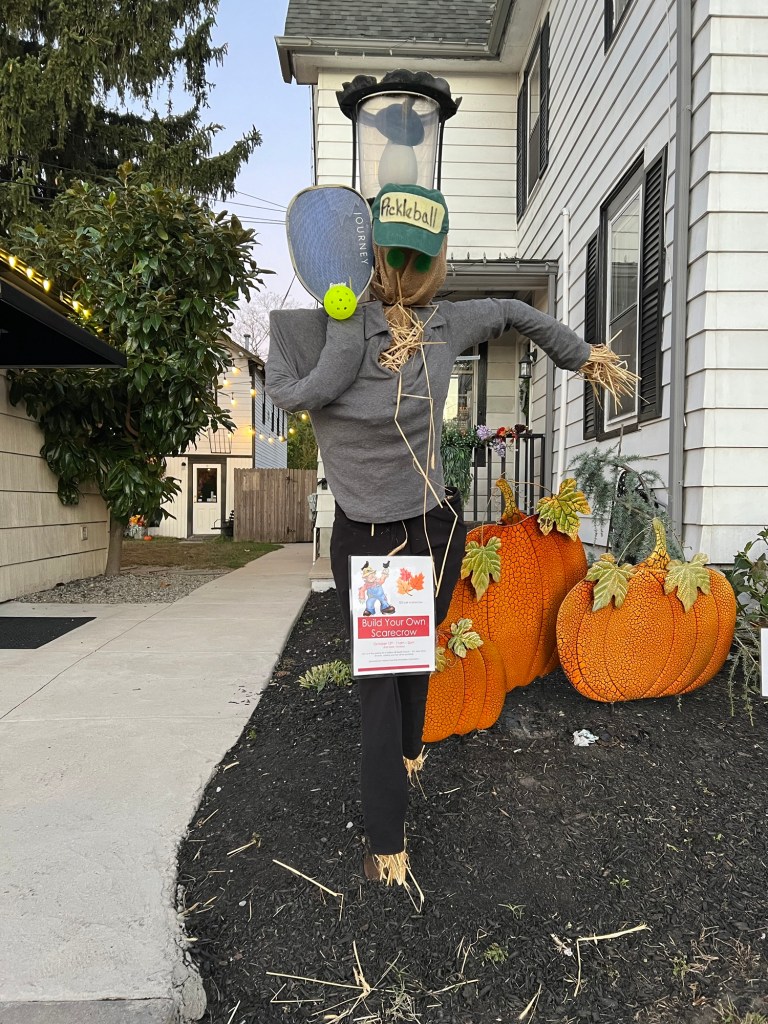
The scarecrows on the tour

We walked many stops in the downtown that was steeped in history even before the Revolutionary War.

The Hanging Barn where a worker hung himself
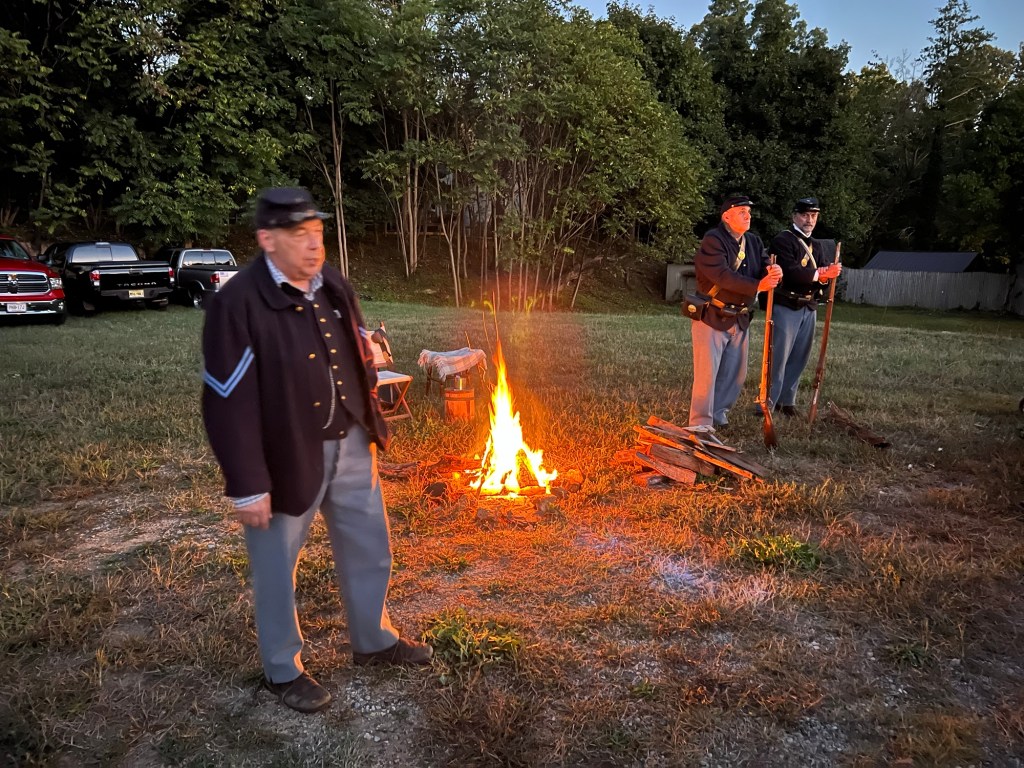
The history of the 12th Infantry some buried in the town

The Haunted St. Stephen’s Church downtown

The inside of the church where angels were seen
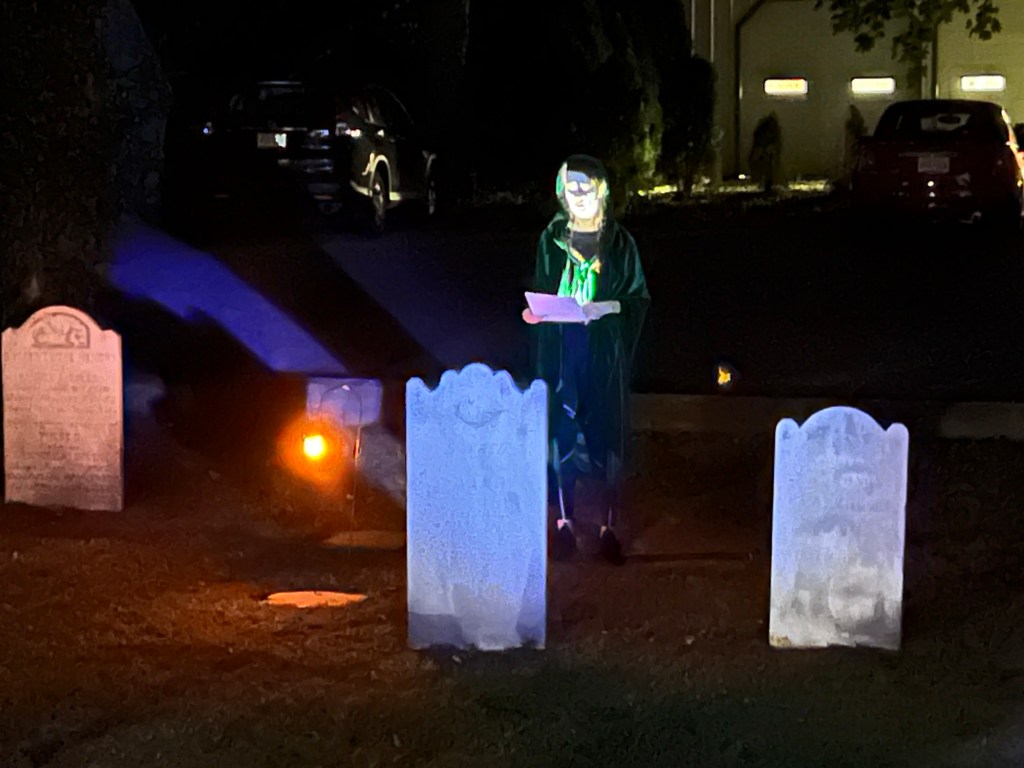
The graveyard talk in the back of the church
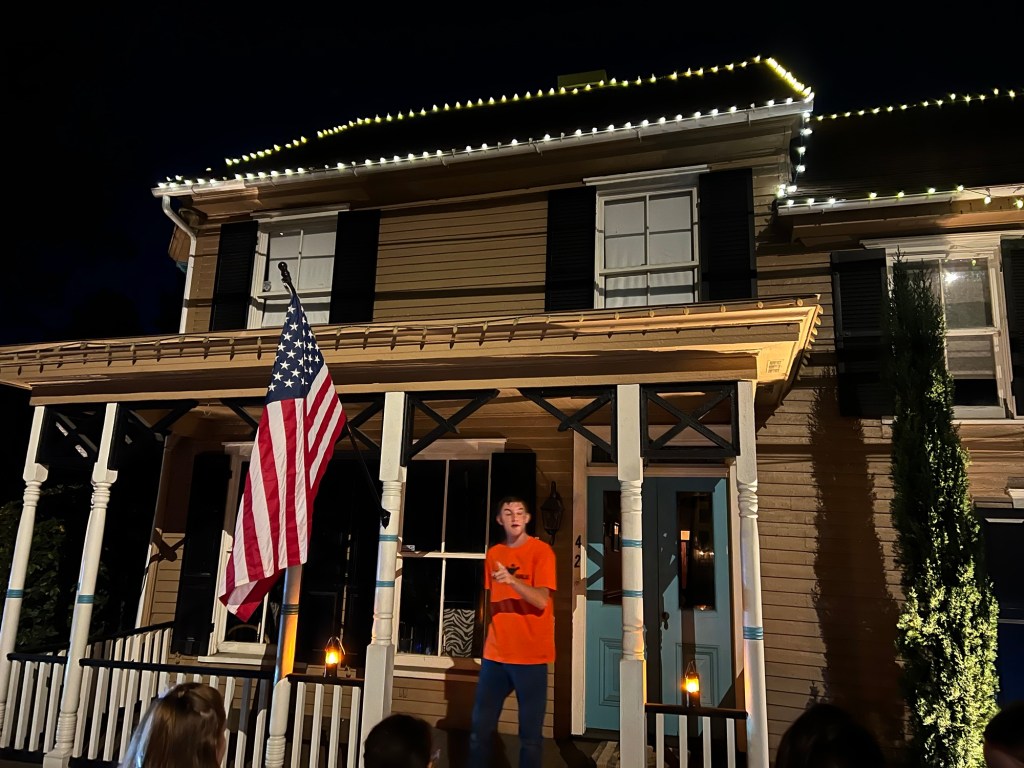
The Haunted House where multiple ghosts have been seen
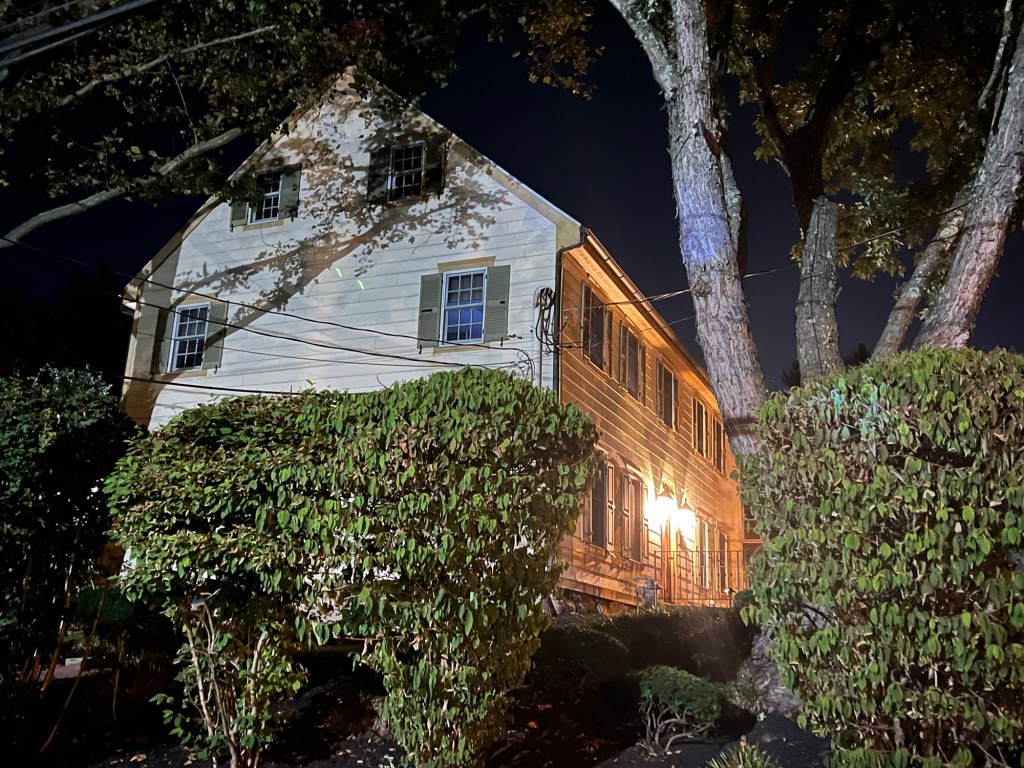
Another haunted house

The Mullica family home is haunted

Another haunted house in town

After the tour was over, I toured the Mullica Hill Historical Society after the tour to see the new ‘Taverns and Temperance’ exhibition in 2024 on the local watering holes of the 18th and 19th centuries of which only two exist.

The Last Call exhibition

The history of taverns and their purpose

The interesting artifacts from the exhibit

The ‘Last Call’ exhibition was a look on how taverns were such an important part of socialization at a time when there were no movies, internet, phones and newspapers were limited. Still there was a strong resistance to people drinking which still reflects to our Puritan past.

There was nothing wrong with having a drink but there was a sense of taking it too far. Still this attitude is reflected today. It is still interesting though how one or two of these taverns have carried over into the Twenty First century. They are still welcoming guests today and that proves the socialization of these establishments and how important they are in our lives.

After the Haunted Tour:

After the tour was over and I had a nice visit with the museum, it was almost 9:00pm and I wanted to eat something. Two small tacos and two doughnuts are hardly a proper lunch for someone. By 9:00pm though, the whole town had rolled up its sleeves. Even the restaurant where the tour started was closing at 9:00pm. I was shocked as there were people inside still ordering. The host said the kitchen was closing and if I knew what I wanted I could sit down.

That was not much of an offer especially at their prices and I made my way down to Naples, the pizzeria and Italian restaurant where I had parked. They were open until a normal 11:00pm on a Friday night (I still do not understand restaurants that close at 9:00pm on a Friday or Saturday night. This part of the COVID scare is over and things are pretty much back to normal).

I went to the host stand and they seated me quickly. Tours were still going on and as I ate my dinner, the place really filled up when I finished because there was no place left to eat in town. (Not a good business decision). I really enjoyed Naples. Not only was it a lively environment with the games going on and a very active bar scene but the food was really good as well and very reasonable.

Naples at the Warehouse at 1 South Main Street in Mullica Hill, NJ

https://www.nj.com/dining/2014/05/dining_out_naples_pizza_in_mul.html

My review on TripAdvisor:
https://www.tripadvisor.com/Restaurant_Review-g46655-d421347-Reviews-Naples_Pizza-Mullica_Hill_New_Jersey.html?m=19905

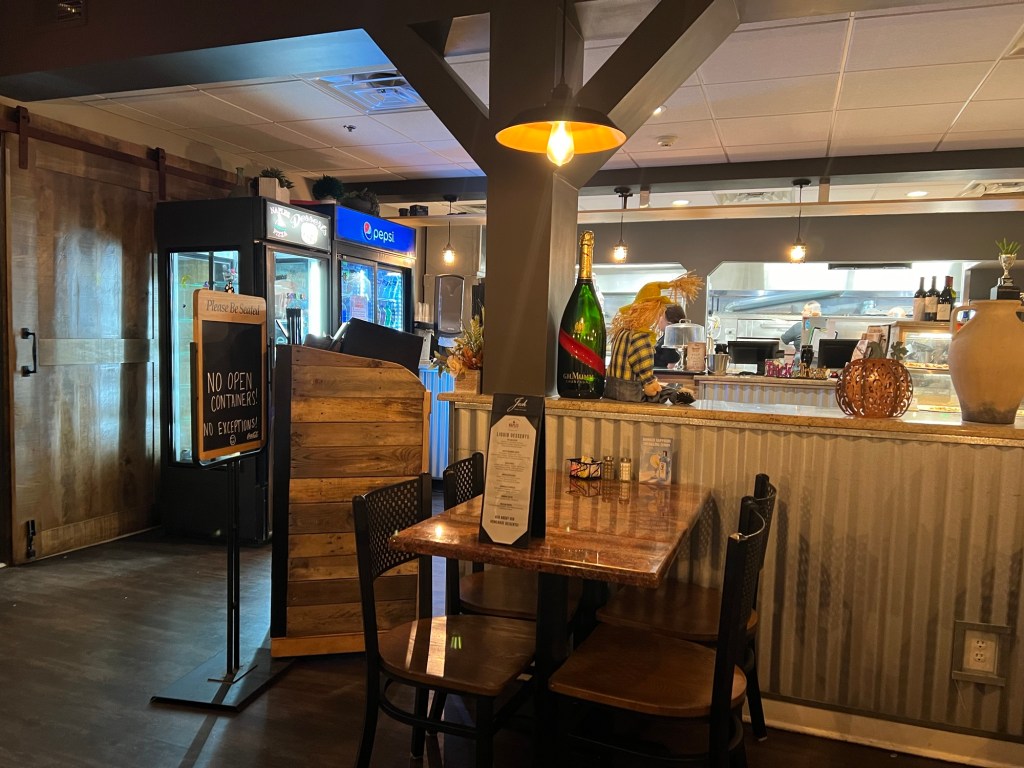
The inside of Naples the night of the walk
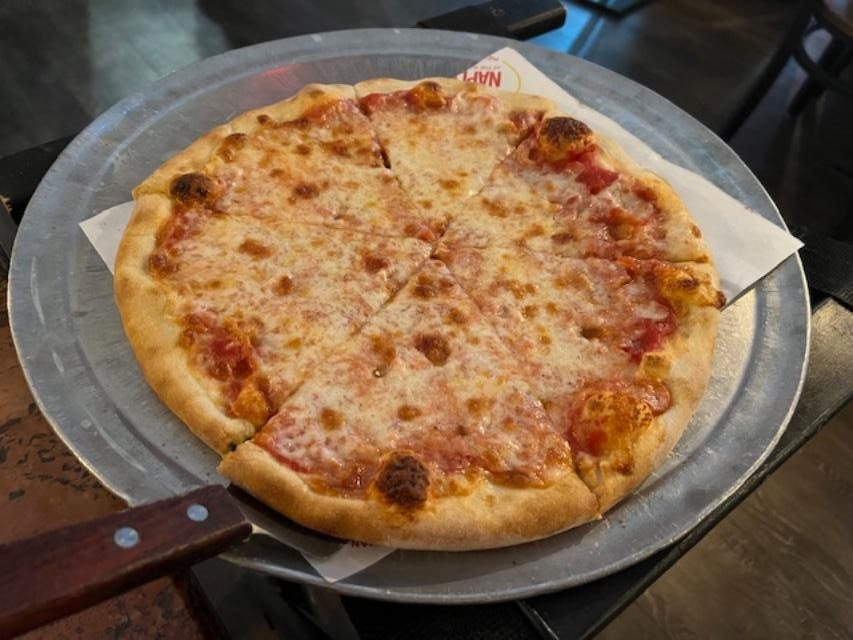
The pizza was so good that night

Between the Haunted Walk through town and the interesting discussions at each stop to the trip to the museum after the tour, the Haunted Walking Tour of Mullica Hill, NJ was well worth the trip down to South Jersey. It was such an interesting look at the town I would not have known from the many times I have visited the town. The Volunteers did a great job with this event.

It is a great little museum with a lot to see on two floors.

History of the Museum:

Fun Facts:

*People have been living in present day Harrison Township for over 10,000 years.

*Harrison Township originally included South Harrison and the western edge of Elk.

*The Township was named after President William Henry Harrison.

*There is a village called Mullica Hill in Finland.

*The first air shipment of fresh produce in the US took off from here.
Mauricetown Historical Society                         1229 Front Street                                Mauricetown, NJ 08329

Mauricetown Historical Society 1229 Front Street Mauricetown, NJ 08329

Mauricetown Historical Society

1229 Front Street

Mauricetown, NJ 08329

(859) 785-0457

http://mauricetownhistoricalsociety.org/

https://www.facebook.com/pages/category/History-Museum/Mauricetown-Historical-Society-178475328895206/

Open: The first and third Sunday’s of each month/Check their website 1:00pm-4:00pm

Admission: Free but donation suggested. See website

My review on TripAdvisor:

https://www.tripadvisor.com/ShowUserReviews-g46606-d24137792-r844173042-Mauricetown_Historical_Society-Mauricetown_New_Jersey.html?m=19905

Mauricetown Historical Society

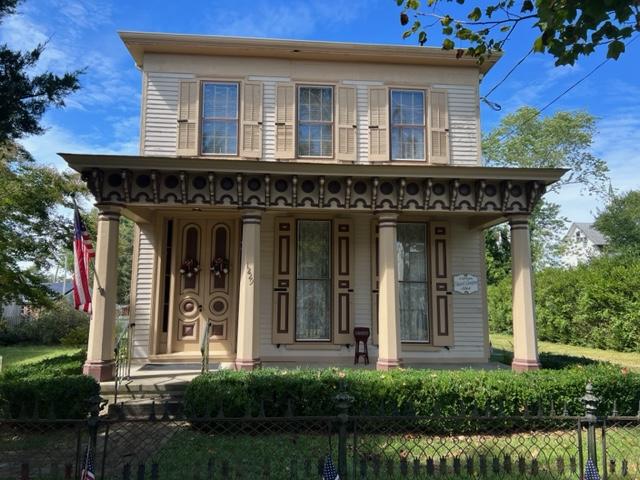
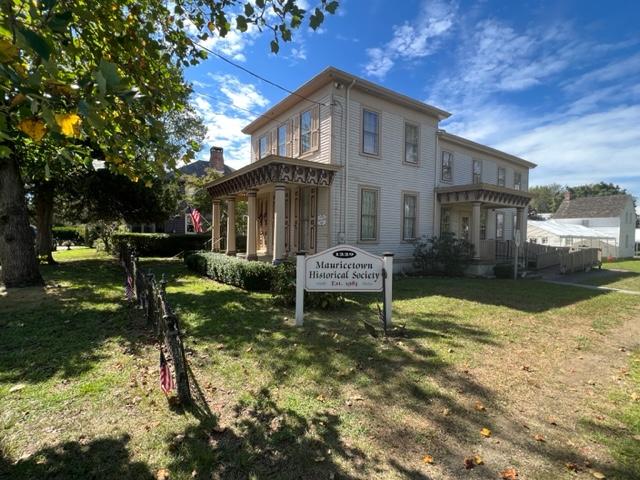
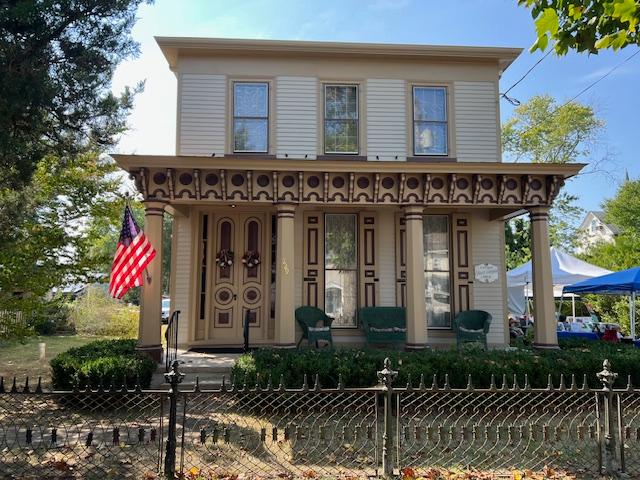
The Mauricetown Historical Society at 1229 Front Street

I visited the Mauricetown (pronounced ‘Morristown’ like its northern neighbor) on a trip to visit historical societies in southern New Jersey. Mauricetown comes from the Dutch word ‘Mauritius’ for the Mauritus River that flowed through the town. “Maurice’ is the English version of the word.

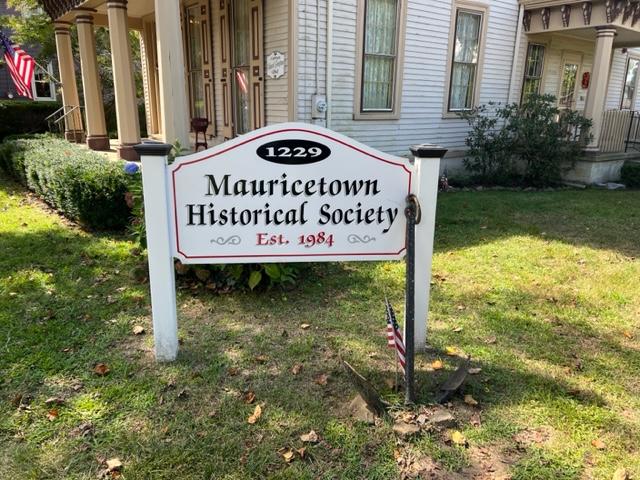
The Society’s welcoming sign

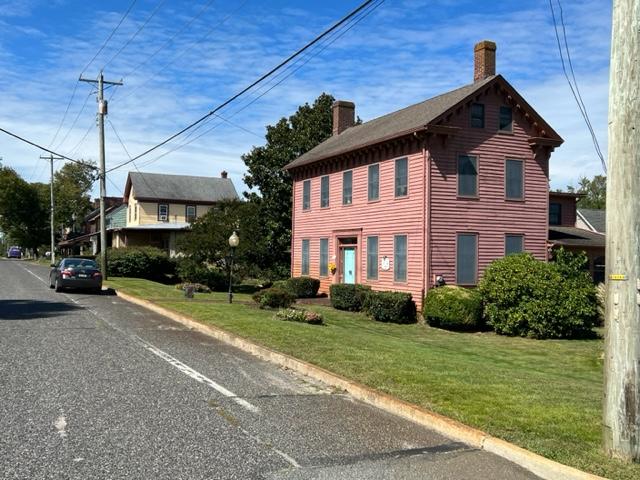
The town itself was used for shipping and trade up and down the East Coast and between 1830 and 1902, 61 ships were built in the boatyard in the village. The town itself is very historic and the walking tour of the early American architecture of the town shows many Federalist and Victorian homes of the former ship captains. Today these homes are in much demand for their beauty and beautiful gardens. The care the homes are getting adds to their beauty. Take time to walk around before you get to the museum.
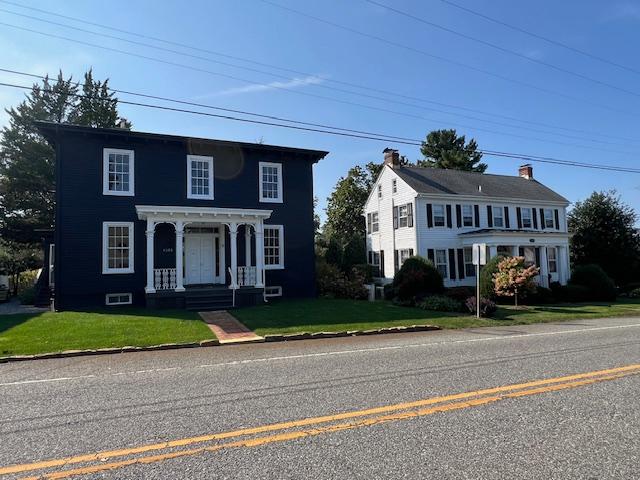
Downtown Mauricetown with the Ship Captain’s homes along the river

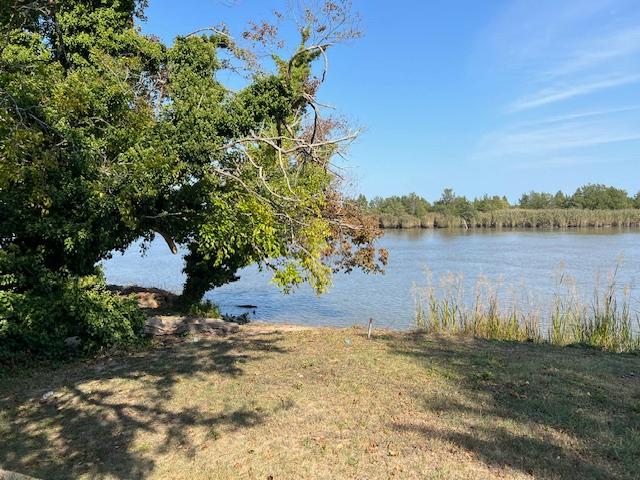
The Mauricetown River in the Summer of 2024

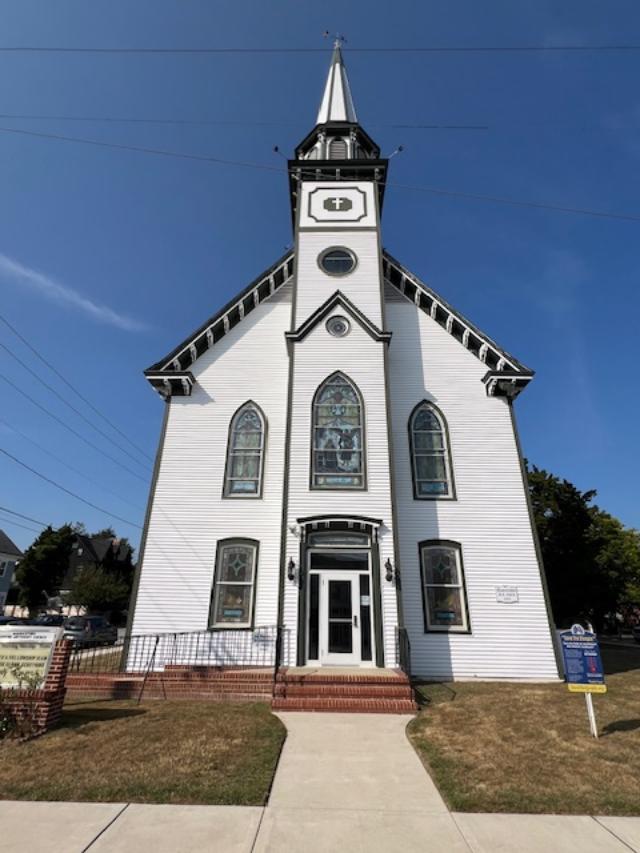
The Mauricetown Historical Methodist Church

The historical homes of Mauricetown, NJ

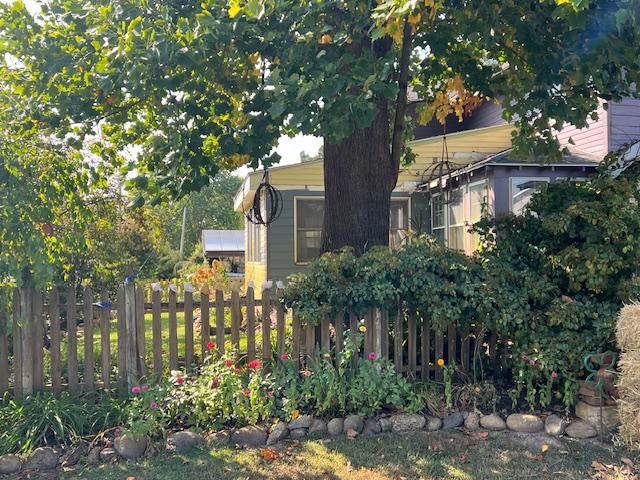
Some of the beautiful gardens in the neighborhood

The neighborhoods gardens in the Summer of 2024

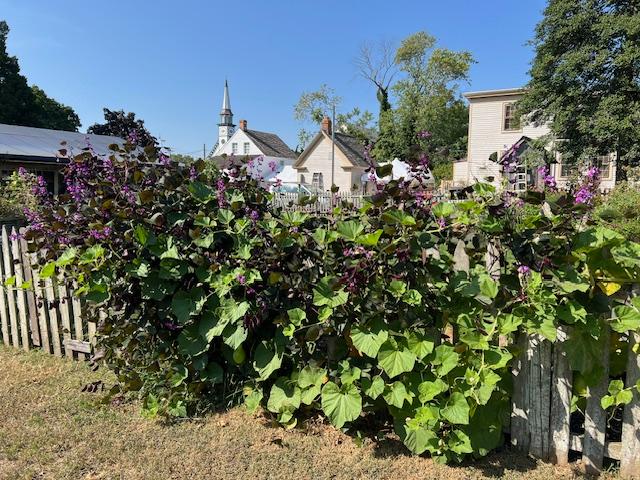
The gardens near the Historical Society

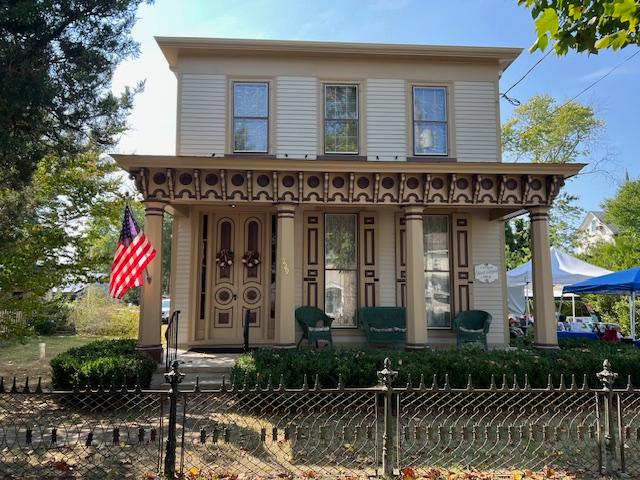
The home that the Society is housed in is one of many ship captains’ homes that was built on this side of town being closer to the river for the other ship captains. Founded in 1984, the Society has taken it upon themselves to start collecting artifacts from the town.

The front of the Historical Society in the Summer of 2024

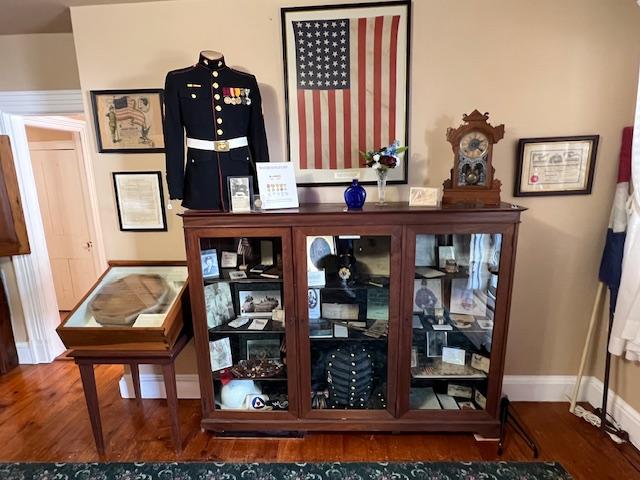
When you first enter the museum to the right, there is an extensive collection of seafaring items and military artifacts. This includes many items from the Civil War and WWI. There was even a rare pair of original sharp shoot glasses.

The Military Collection at the Mauricetown Historical Society (MHS Picture)

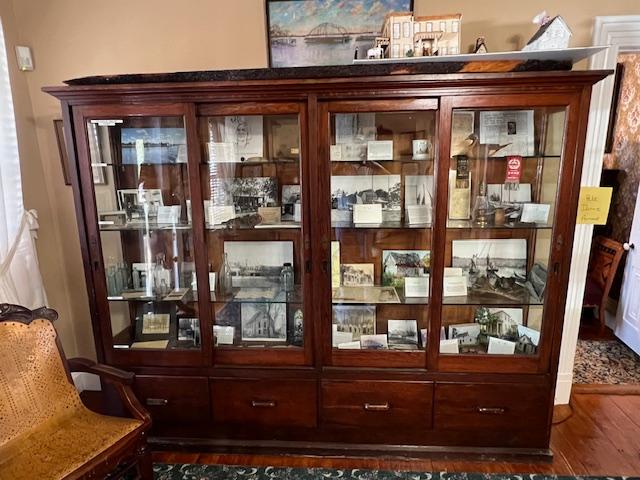
On the other side of the front foyer, is a case line of artifacts from the history of the town from the Lenape Indians to former shipbuilding businesses and local history.

Historical artifacts from the town of Mauricetown, NJ

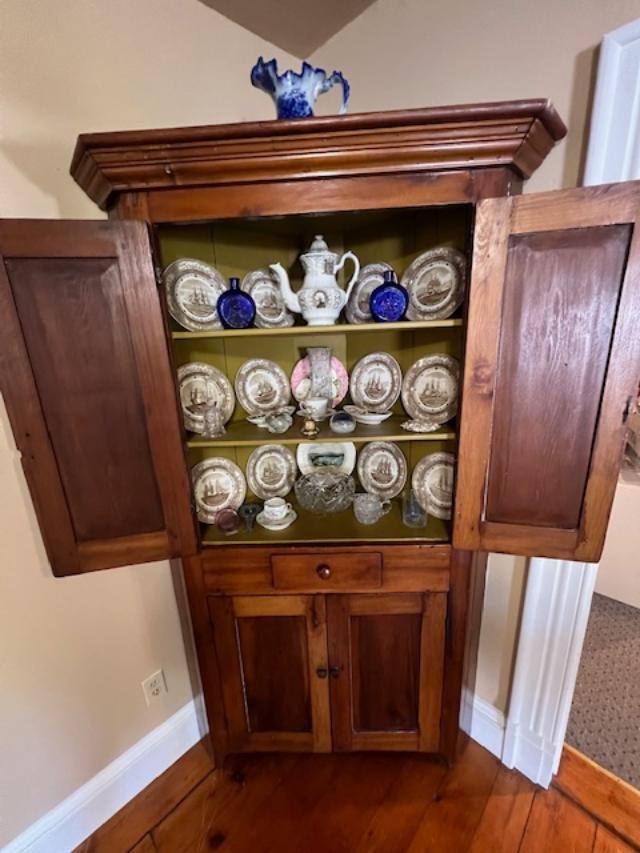
The China Collection in the Main foyer

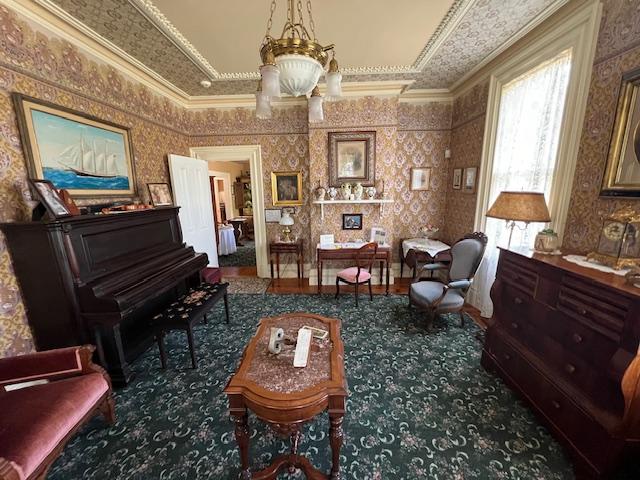
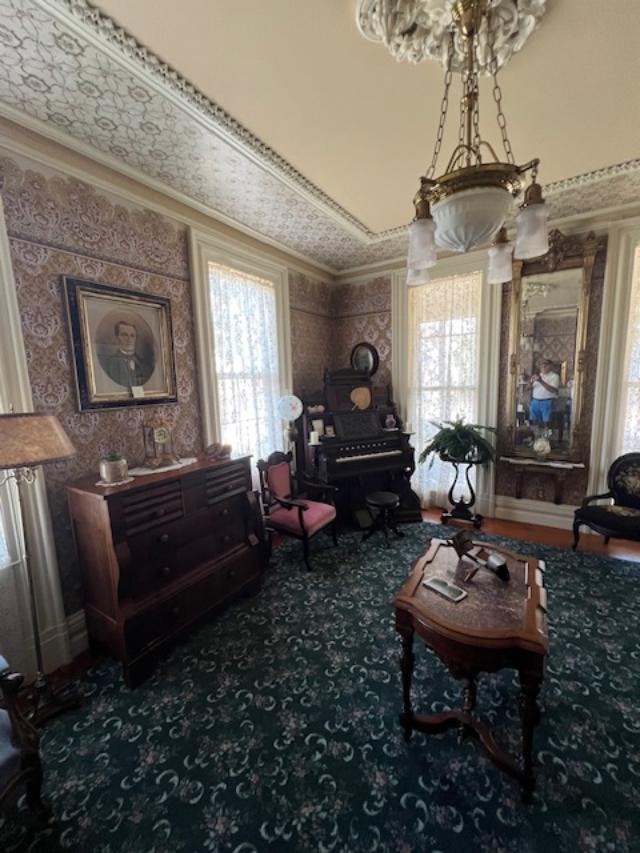
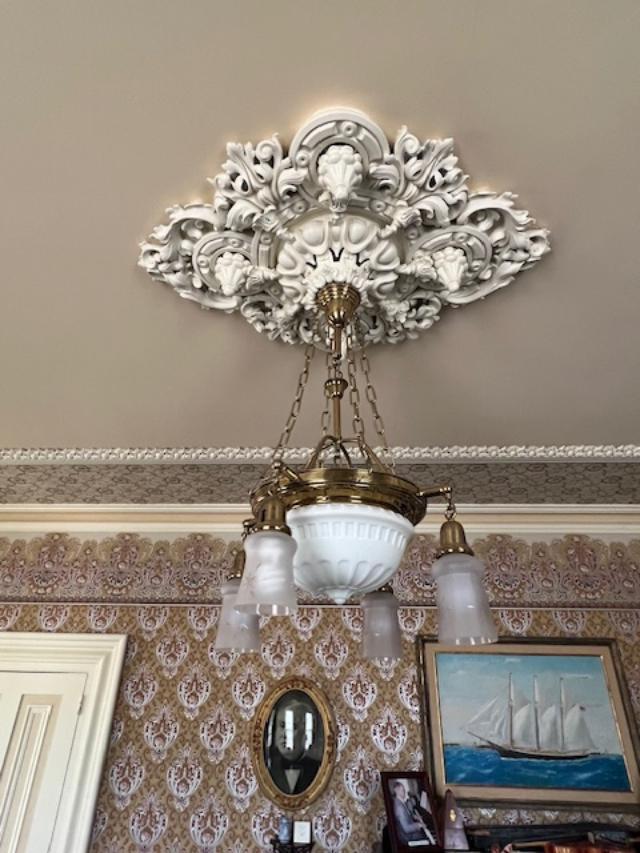
In the Formal Parlor, the room was designed with original molding from decor of the house and a copy of the wallpaper that had been found behind paneling that had been put up in the 1970’s. The room was furnished in period furniture that was a mixture of late 1890’s to the 1920’s.

The Mauricetown Historical Society ‘Parlor Room’ with the original molding and copy of wall paper

The Parlor on the first floor

The Chandelier in the Parlor is original to the house

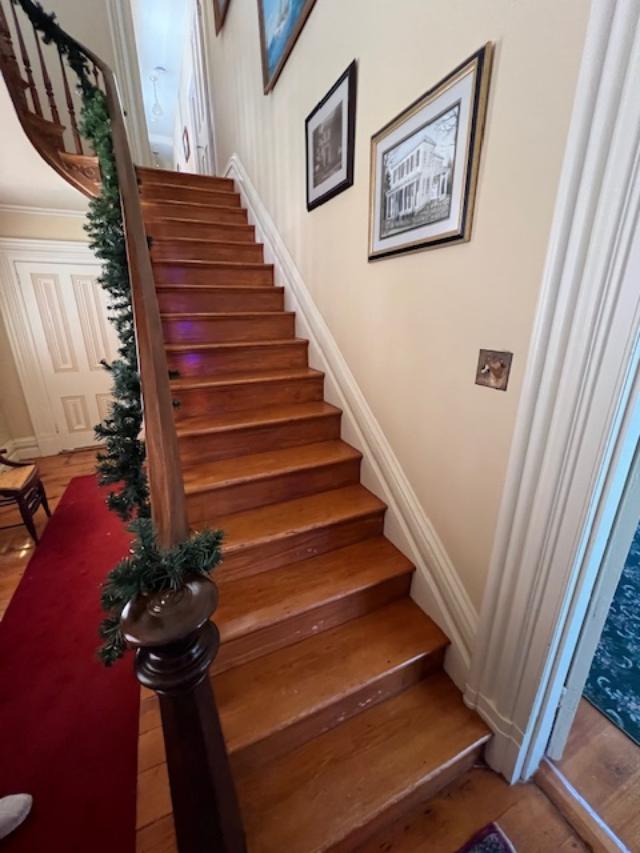
The beautiful back stairs to the second floor

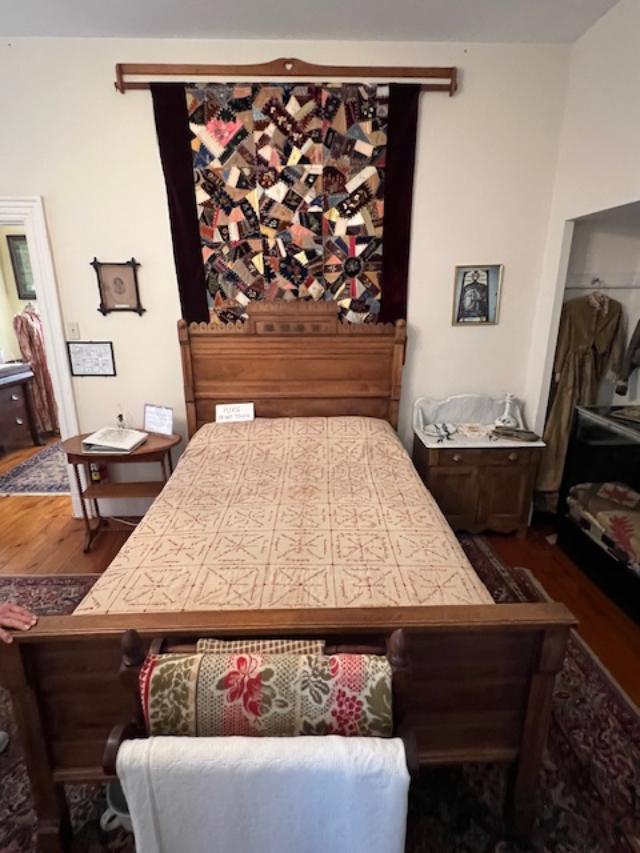
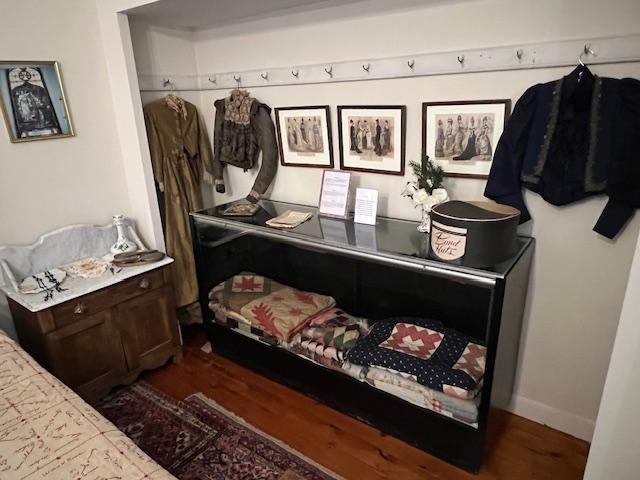
On the second floor, one room was dedicated to a Captain Bacon and his wife, Carolyn, another was full of pictures of the town of Mauricetown through the times, there was a collection of clothing through the ages and a quilt collection that was very impressive.

The beautiful quilt with pieces from everyone in the community

There was one quilt on display that had the names of all the sea captains and their families. Many of the descendants of the town come here to research their families and look at this quilt. There is also another quilt with items native to the area.

The museum’s collection of quilts and clothing on display

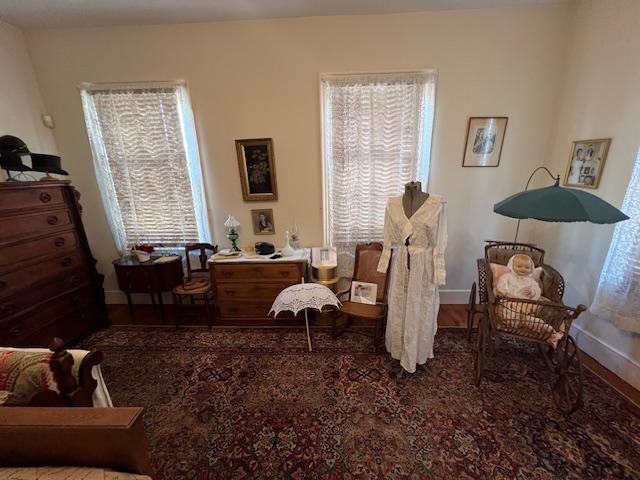
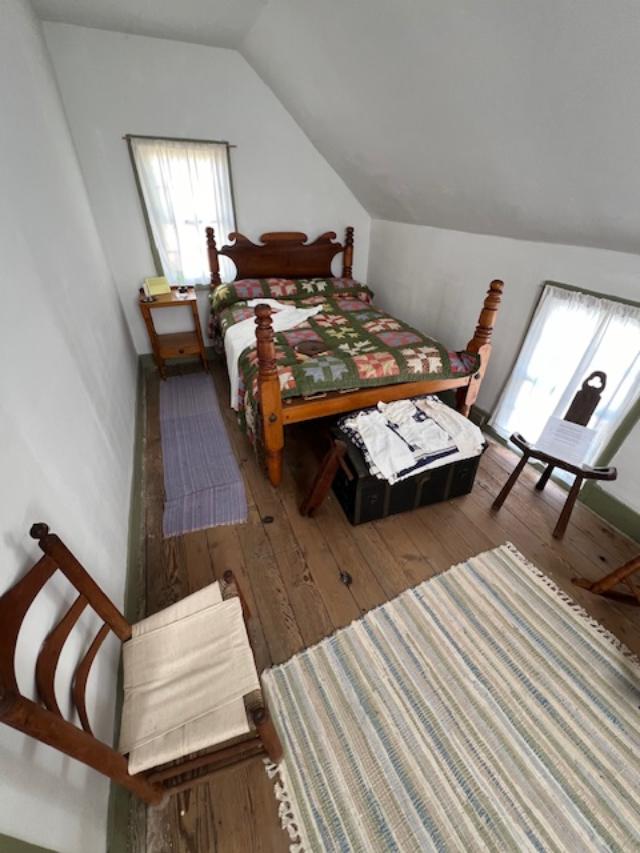
The Second Floor bedroom

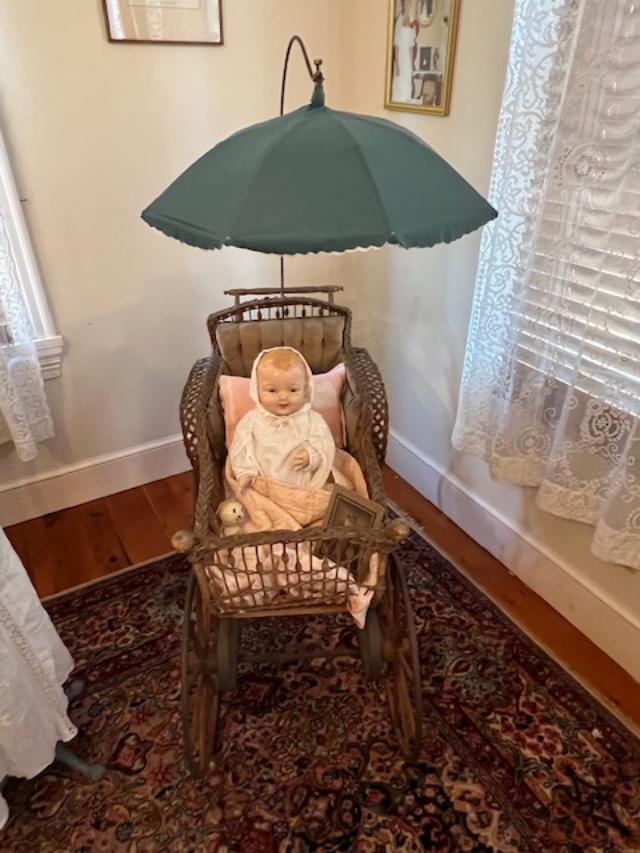
The Emma Hunter Baby Carriage

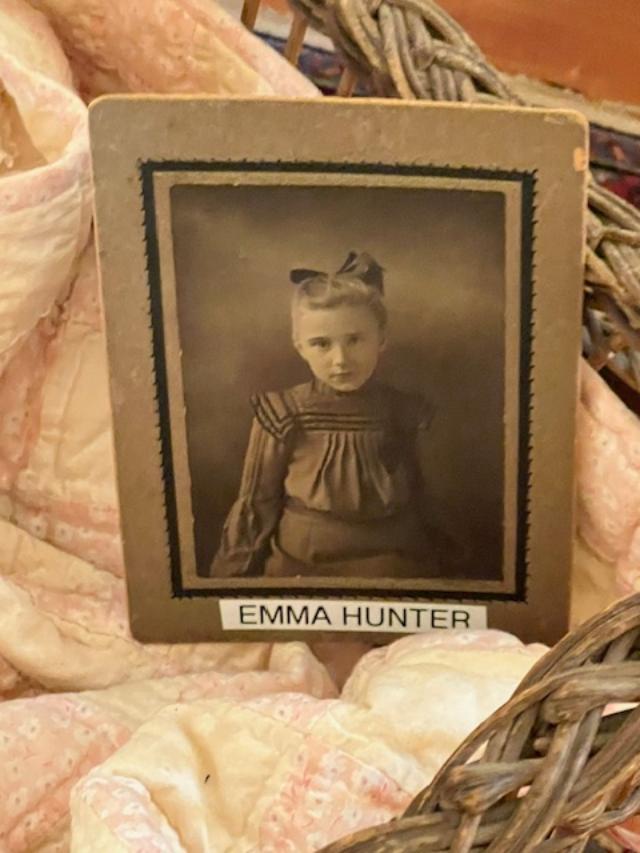
Resident Emma Hunter as a young girl

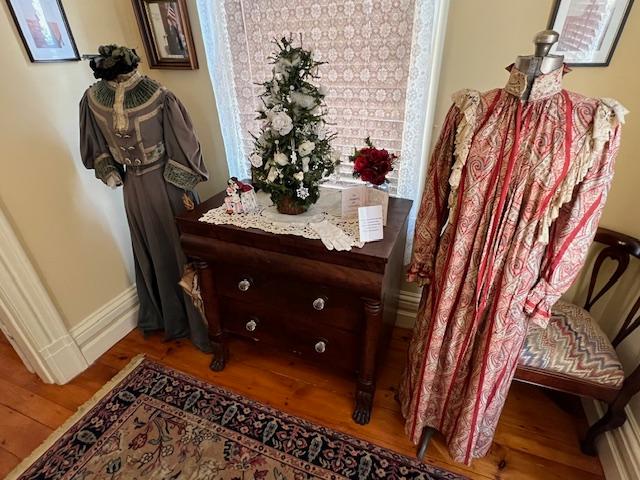
The costumes and clothing of the collection

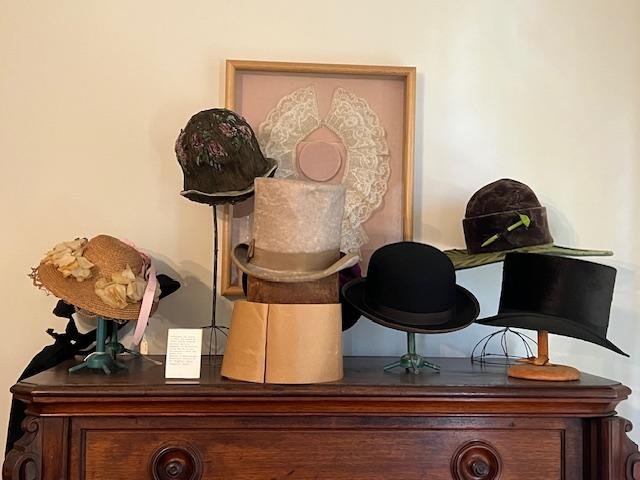
Hats on display

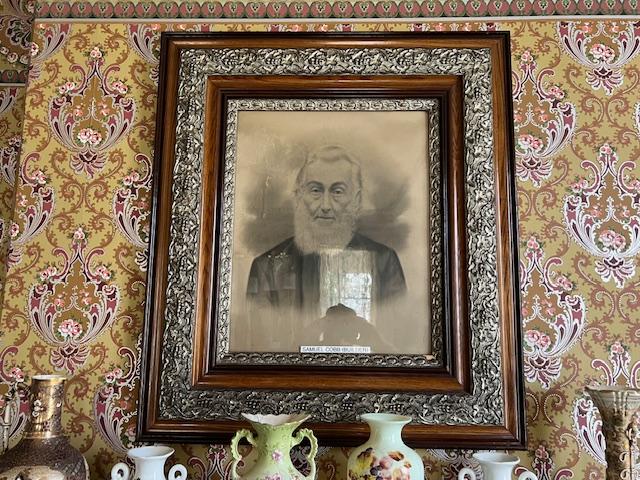
The builder of the house who built many of the homes in Mauricetown, NJ

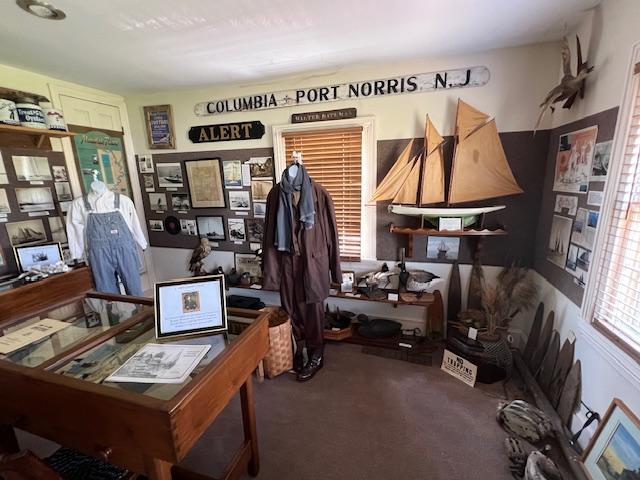
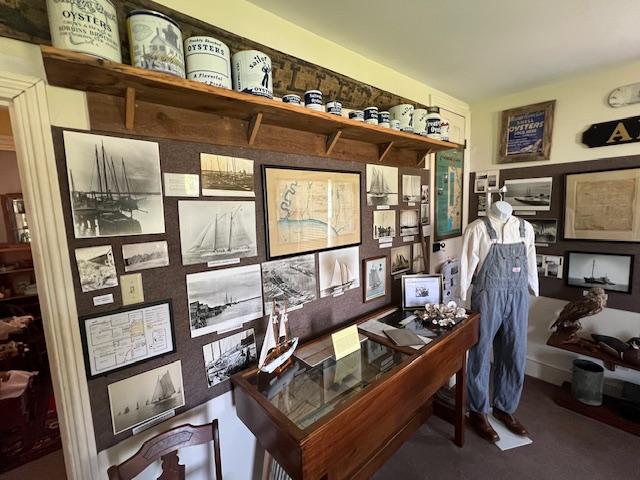
One of the rooms discusses the Mauricetown Shipping and Fishing industry with all sorts of photos and equipment. There was even a display of the ‘Bridge Key’ from the original bridge that lead into town. There was also an interesting display on the town’s Oyster Industry.

The Oyster and Fishing Business in this area of the state

The Fishing and Oyster industry

The Grocery industry

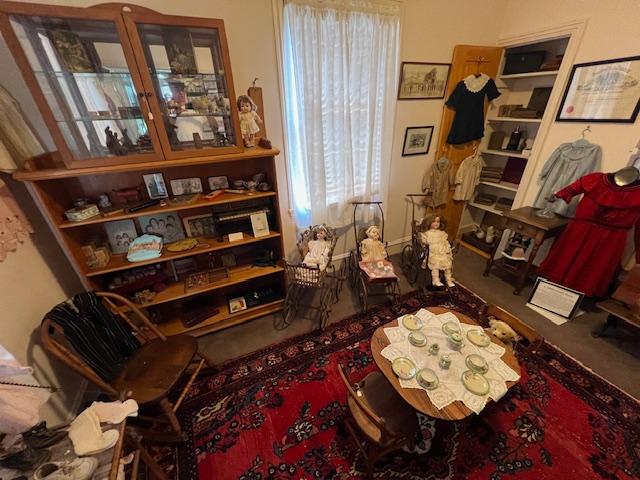
In the Children’s Room, there was an extensive collection of dolls, children’s playthings through the ages, clothing and school pictures of the town through the years.

The Children’s Room is my favorite room in the house. I love the interactive toys that promote imagination. This is lacking in children today.

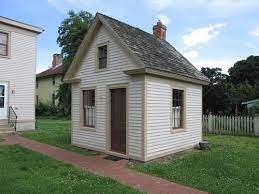
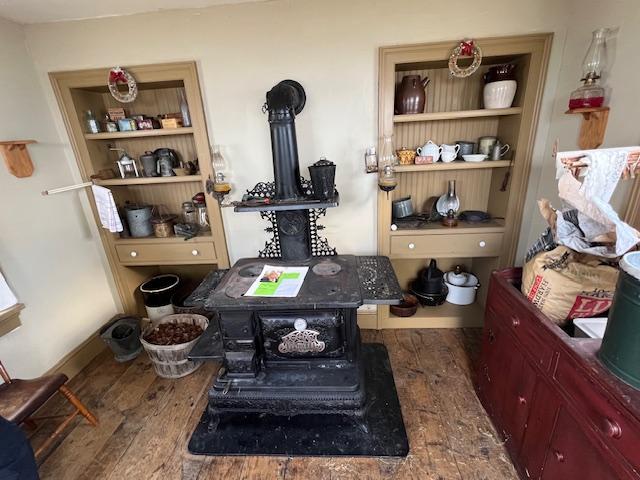
On the outside grounds, there is a Cookhouse that was separate from the main house in the era of when cooking could start a house fire so the rooms were kept separate from the main house. There was a 1880’s cookstove that still works.

The Cookhouse on the grounds of the Mauricetown Historical Society

The inside of the Cookhouse at the museum

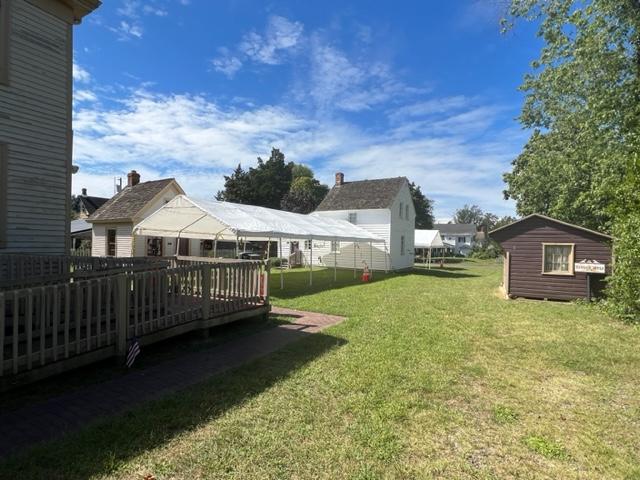
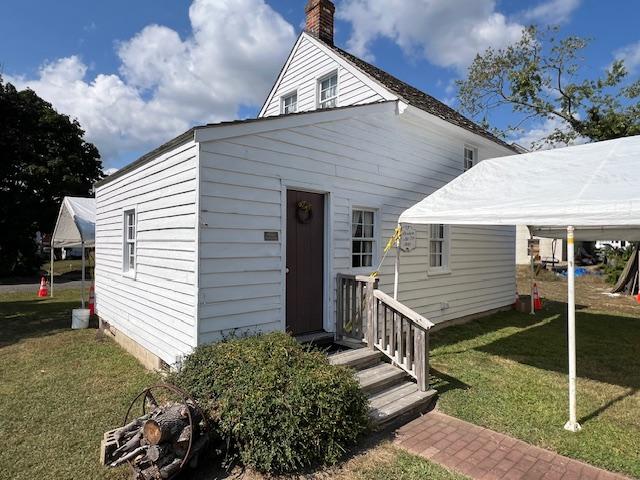
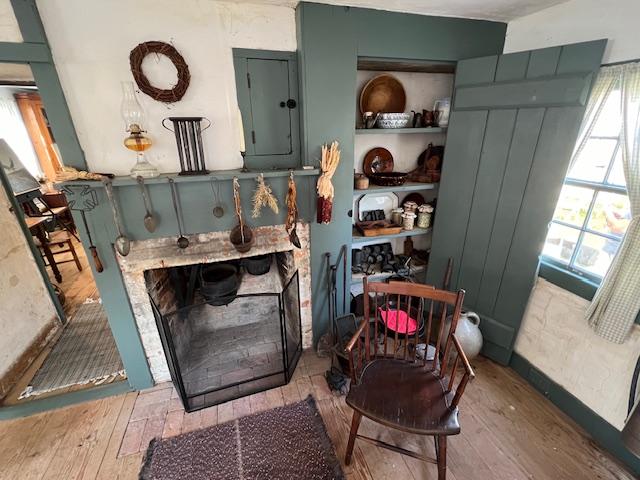
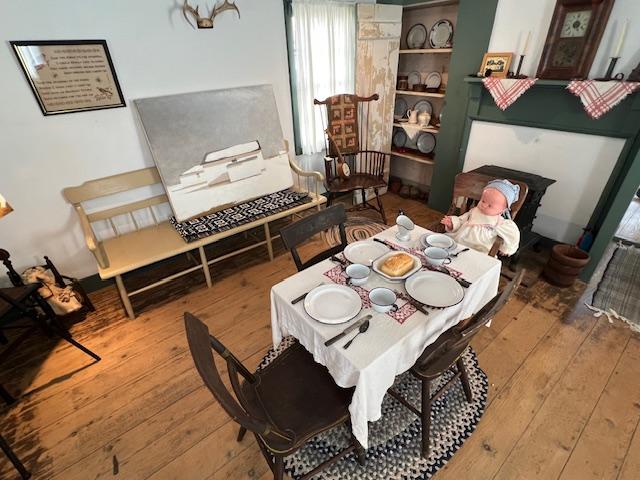
On the back of the ground is the Abraham and Ann Hoy House, a small home from 1840 that had recently been lived in by an elderly couple. The house had two small levels with the main rooms designed around the fireplace and heating unit.

The Mauricetown Historical Society’s backyard of buildings

The Hoy House on the back grounds of the museum

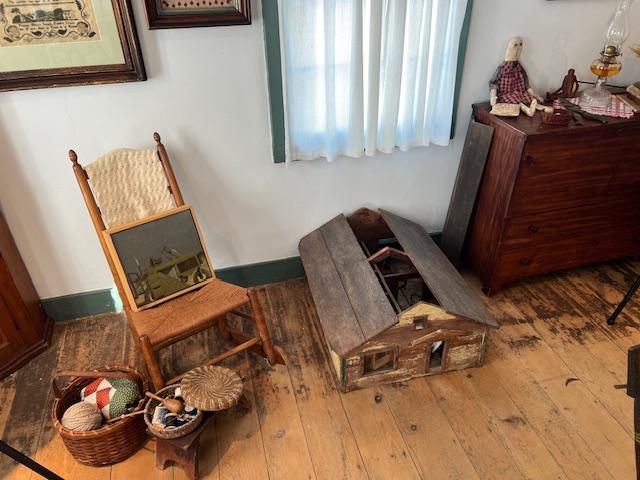
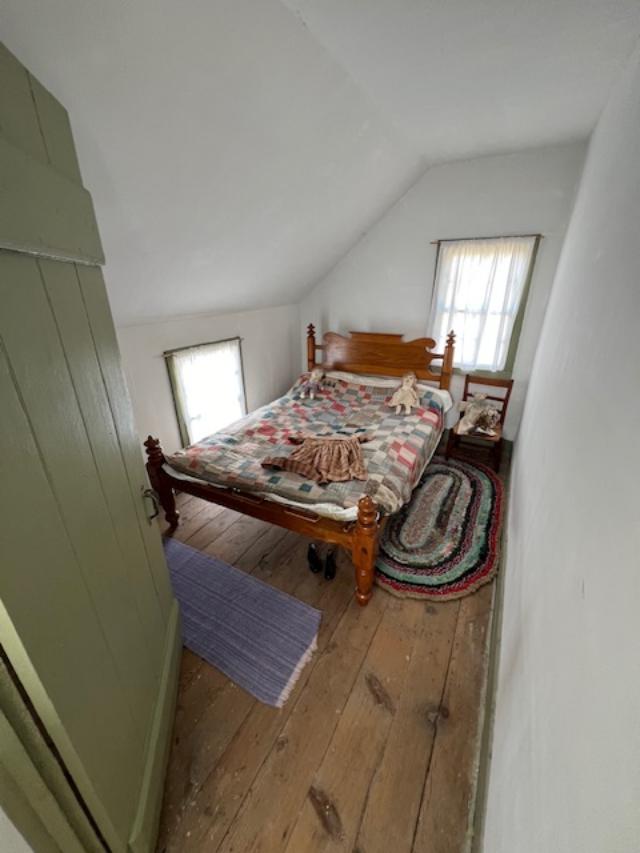
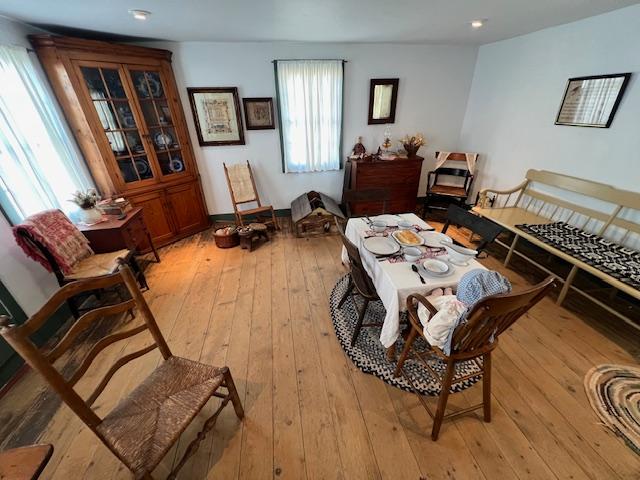
The Hoy House had been stripped of the modern add ons and they Society wanted it to look like it had when it was originally built. The upstairs had two loft bedrooms and even a small loft above the downstairs fireplace where the kids would sleep when it was cold outside.

The kitchen in the Hoy House

The kitchen area

The Living area

The Living area

The main room

The Upstairs

The bedrooms

It really showed how the working people of the town lived in a stark comparison to the sea captains who were running trade for the town. The Society’s members have taken great care in restoring these homes.

The Mauricetown Historical Society at 1229 Front Street

The History of the Mauricetown Historical Society:

(From the Mauricetown Historical Society website):

The Mission of the Mauricetown Historical Society:

It is the mission of the Mauricetown Historical Society to collect, preserve and exhibit artifacts and documentation significant to Mauricetown and the surrounding communities.

The Mauricetown Historical Society is housed in the former home of Captain Edward Compton, who was a local sea captain. This Italianate Victorian structure was built in 1864 by Mauricetown carpender Griffith Pritchard and Samuel Cobb.

The home was purchased in 1984 by the society. At the time, the property was in poor condition and required work inside and outside. Over the past 25 years it has been carefully restored to its present condition by volunteer efforts of society members and others. The restoration is an on-going project and there are still areas of work that are needing completion.

The side entrance of the home where people enter.

Situated directly across Front Street from the location of the old shipyard where sea-going vessels were built in the 19th and 20th centuries, occupants of this house were able to view the activities of the shipyard and the traffic of the river.

The Mauricetown River

The Nicolas Gibbon House                                   960 Greate Street                                     Greenwich, NJ 08323

The Nicolas Gibbon House 960 Greate Street Greenwich, NJ 08323

The Nicolas Gibbon House

960 Great Street

Greenwich, NJ 08323

(856) 455-4055

Nicholas Gibbon House

http://www.co.cumberland.nj.us/gibbonhouse

Open: Sunday 1:00pm-4:00pm/Monday Closed/Tuesday 1:00pm-4:00pm/Wednesday-Saturday Closed

Admission: Free but a donation suggested

My review on TripAdvisor:

https://www.tripadvisor.com/ShowUserReviews-g46477-d24137202-r844109193-The_Gibbon_House-Greenwich_New_Jersey.html?m=19905

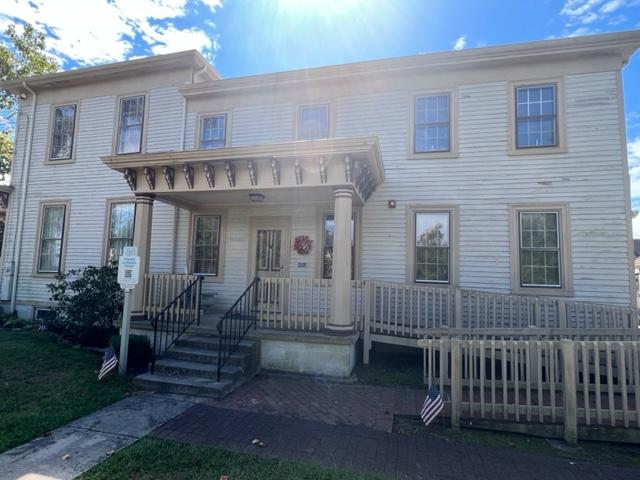
The Nicholas Gibbon House

The historic sign of the Gibbon House

The sign that welcomes you to the home.

I was very impressed by the Nicholas Gibbon House when I took a tour one Saturday afternoon. There were no large crowds to deal with and the parking is perfect with plenty of room to move around. The grounds are beautifully landscaped with all sorts of seasonal flowers surrounding the house. When I visited, I thought I was mistaken, and it was someone’s home. There was a lot of care put into both the exterior and interior of this home.

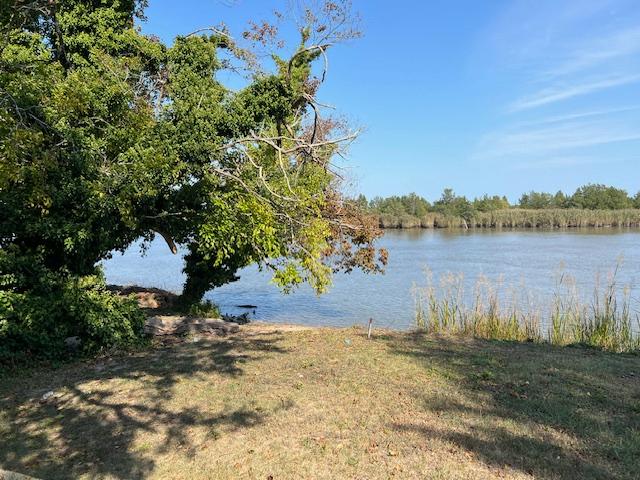
The fields around the Gibbon House.

Nicolas Gibbon was a local merchant who moved to Greenwich in 1730 and continued to live here until the 1760’s. The tour guide explained to me that the townspeople would not let him build a church here (it was a Quaker region) so he and his wife decided to move out of the area. Richard Wood and his family moved into the house in 1760 and lived in the house until the 1920’s. Over that time, parts of the house were modernized and rebuilt. The Wood family later in the generations founded the WaWa store chain.

With the exception of the Nicolas Gibbon’s nephew and his wife’s portraits, all of the furnishings are not originally from the house. The downstairs is set up with a formal dining room and parlor area fully furnished in Victorian era furniture, paintings, rugs and silver. The silver collection of the house is very elaborate and some of the pieces came from the Hershey family of Pennsylvania.

The family portraits of the Gibbon nephew and his wife.

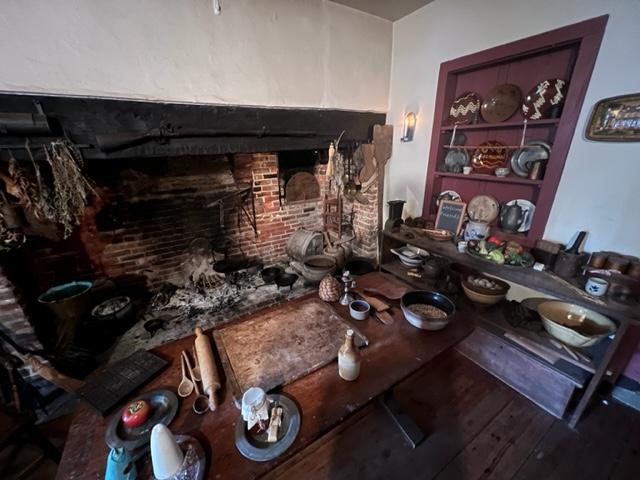
The library and study have rare books that were used for research as well as a working fireplace that was used for both light and heat. Downstairs is the kitchen with a large hearth and all the equipment and serving items for kitchen and dining use for the home.

The Parlor of the Gibbon House.

The Library at the Gibbon House.

The tour guide explained to me that during some of the past fundraisers, the hearth was used to cook foods of the time period that were served for events.

The Kitchen of the Gibbon House was used for cooking fundraisers.

The Kitchen Hearth is quite large.

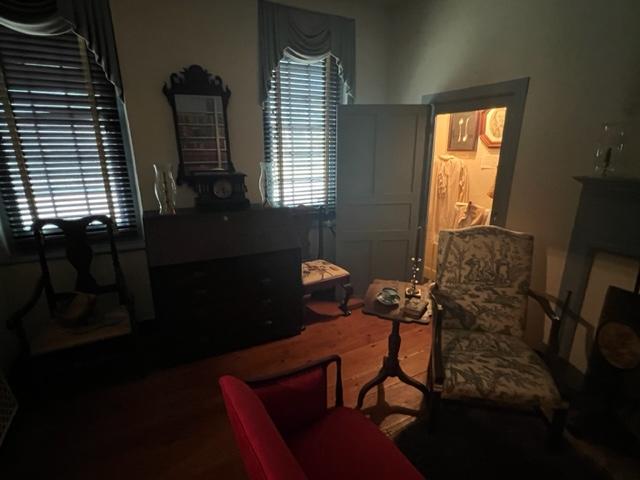
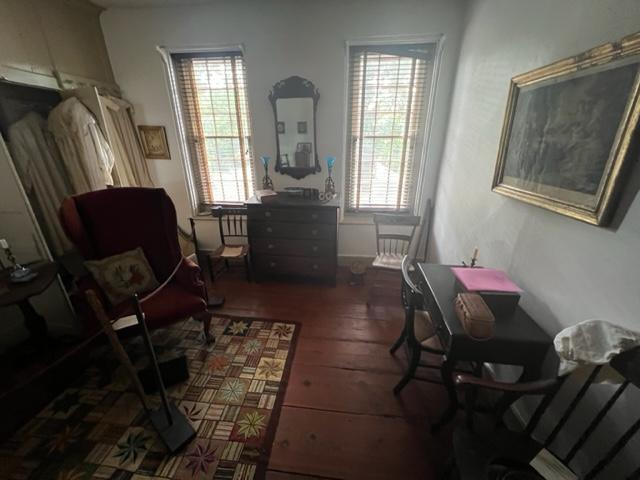
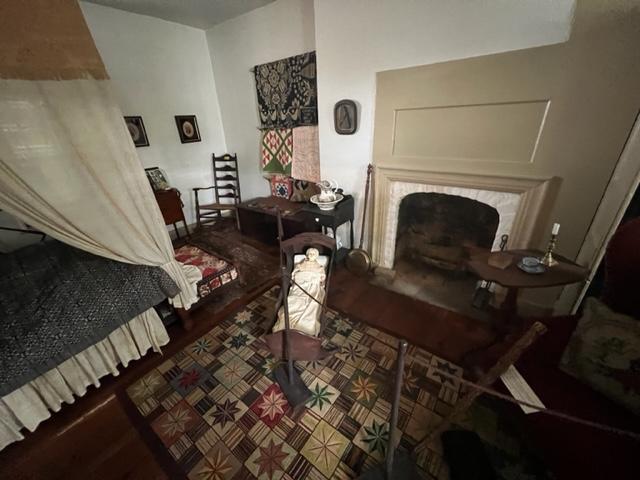
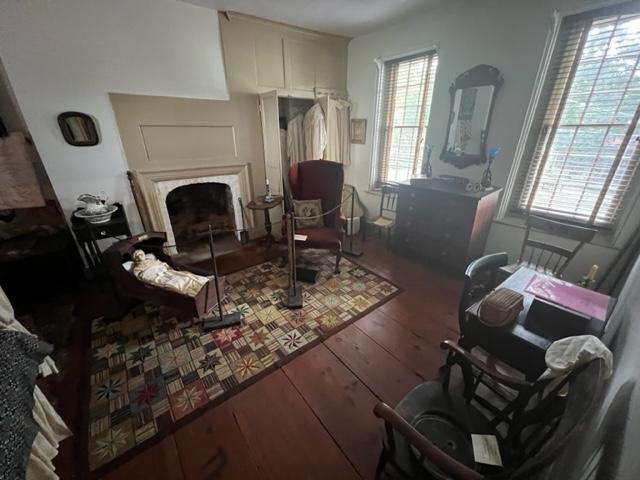
Upstairs you have an elaborate master bedroom with all sorts of formal furnishings for an upper middle-class family living in the area.

The Upstairs bedroom

The Master Bedroom upstairs at the Gibbon House.

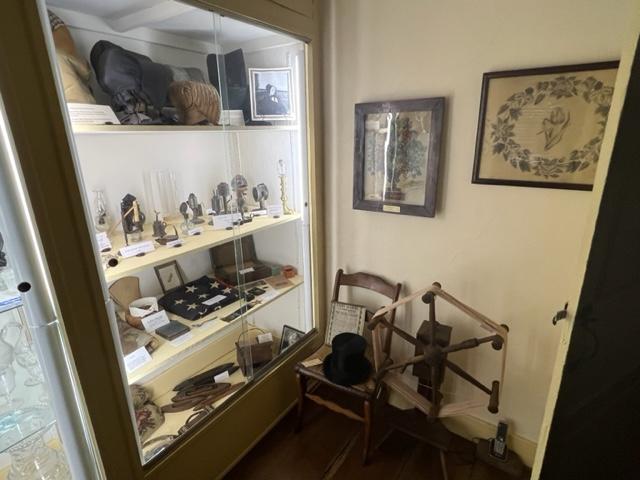
What was the interesting part of the second floor of the home was the “Everything Room”, which contained an extensive collection of toys and dolls, Civil War historic items, period clothing, bonnets, top hats and parasols, an extensive collection of quilts and Hair Art which was a Victorian tradition of making art from the hair of the dead.

The Everything Room at the Gibbon House has all sorts of Victorian artifacts.

There was a collection of ‘Sewing Samplers’, which is how young women learned how to perfect their sewing skills which was part of their domestic training for being a housewife.

The Everything Room on the second floor of the Gibbon House.

The collection of the house really gave a glimpse into the lives of people from the 1840’s until almost WWI. How much life has changed but not too much.

The Everything Room at the Gibbon House.

History of the Gibbon House:

In 1730, Nicholas Gibbon who had inherited more than 3000 acres of land nearby, bought a 16-acre lot in Greenwich on which he built a replica of a London Townhouse he had admired. The brick, fired on the property, was laid in the Flemish Bond pattern brought from Kent, England: this design is achieved by using a red stretcher and blue header producing a definite and attractive pattern. Rubbed brick is a further architectural feature, outlining each door and window opening as well as being used to emphasize the four corners of the house.

The Upstairs bedroom at the Gibbon House

The home, appropriately furnished with products of 18th and 19th century artisans contains a reception hall, a paneled dining room, a formal drawing room and a kitchen dominated by a huge walk-in fireplace in which demonstration of colonial open-fire cooking are conducted.

The walk-in fireplace at the Gibbon House.

There is a small store on the back porch where post cards, gifts and a fine collection of books and pamphlets on the history of the area may be purchased.

The Master Bedroom.

On second floor, in addition to a bedroom, are exhibits of 19th century locally made, rush seated. “Ware” chairs, children’s toys, dolls and clothing as well as Civil War artifacts donated by local families.

Some of the toys in the Children’s Collection.

The Military Collection at the Gibbon House.

The Farming artifacts.