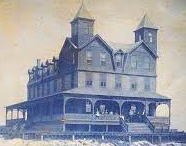
Tag: Exploring Historic Ocean County NJ

Bay Head Historical Society & Museum                             1643 Bay Avenue                                                        Point Pleasant, NJ 08742

Bay Head Historical Society & Museum 1643 Bay Avenue Point Pleasant, NJ 08742

Bay Head Historical Society

1643 Bay Avenue

Point Pleasant, NJ 08742

https://www.bayheadhistoricalsociety.com/

Open: Sunday 1:00pm-4:00pm/Monday-Friday Closed/Saturday 1:00pm-4:00pm/Seasonal

Admission: $5.00 donation

My review on TripAdvisor:

https://www.tripadvisor.com/Attraction_Review-g46744-d10596027-Reviews-Bay_Head_Historical_Society-Point_Pleasant_New_Jersey.html

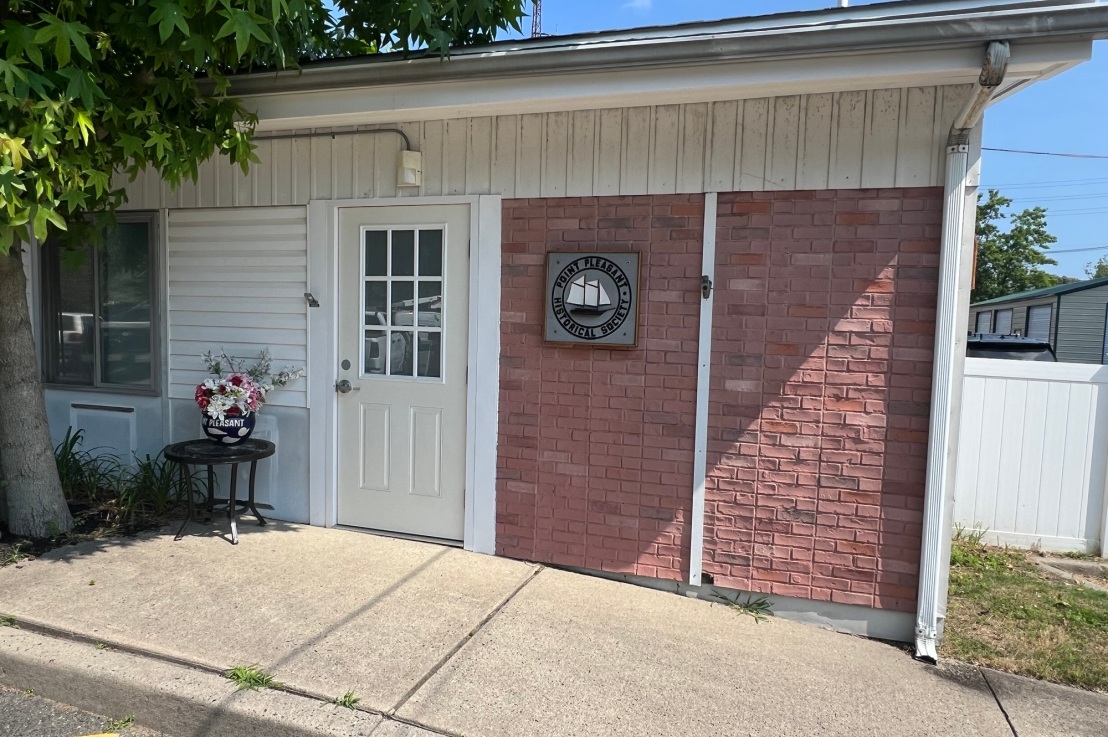
The Bay Head Historical Society & Museum at 1643 Bay Avenue in Point Pleasant, NJ during the Summer

The Museum was also decorated for the Christmas holidays
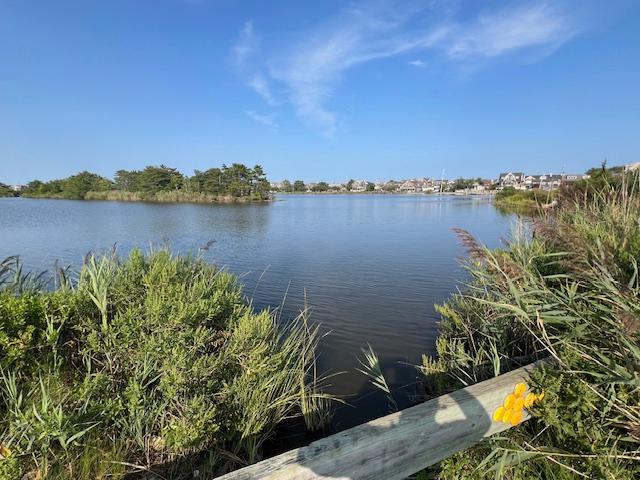
The bay at Bay Head, NJ
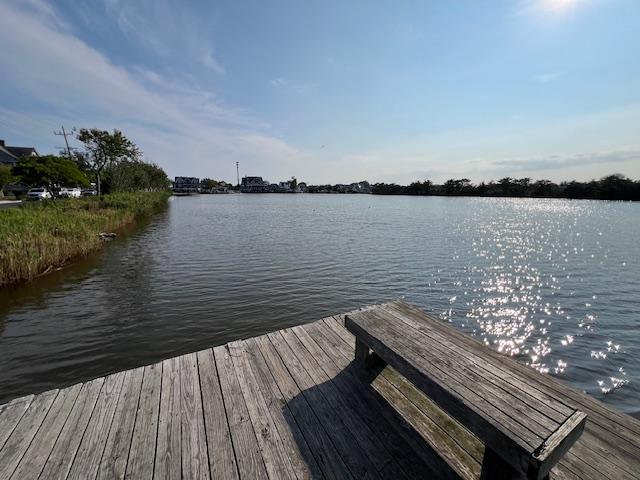
The lake views near the historical society

I took a detour over the weekend to Bay Head, NJ to visit their wonderful historical Society. What an interesting museum whose collection shows the town’s nautical past and present. The museum has something for everyone. For the kids, the museum has a wonderful dollhouse with interesting furnishings that any kid would want to play with everyday. across from that is a Bottle Collection of old milk and soda bottles found in the town showing its retail past.
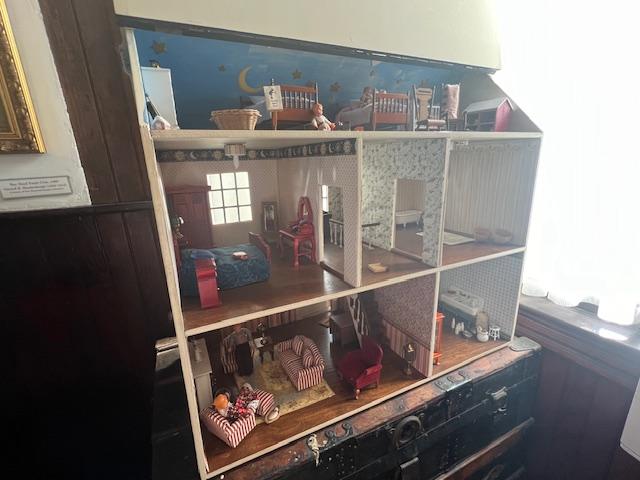
The historical doll house on display

The Bottle Collection

The museum delves into the town’s Native American past with a small collection of artifacts found in the area when tribes used the area during the summer season for fishing, hunting and recreation. One of the members of the community contributed her experiences to the museum as well. Several items have been donated on permanent loan from other museums and the museum displays them beautifully.

The Lenape exhibition

The Native American exhibit
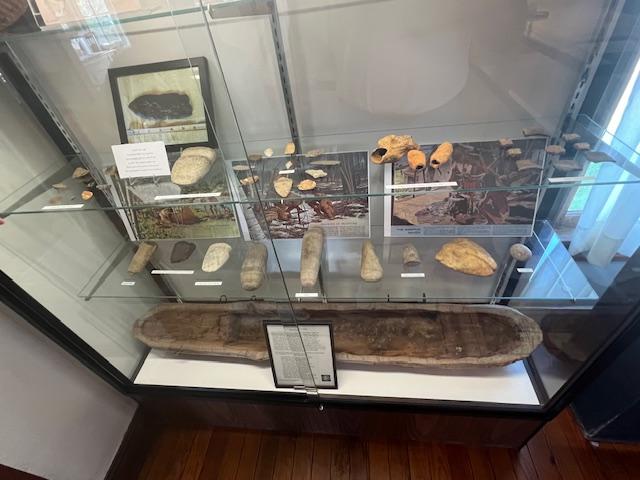
The Native American exhibit

The highlight of the museum is its latest exhibition ‘Maps: A Journey Through Time’, which is an extensive collection of old maps of the State of New Jersey. This was fascinating in the the collection starts even before the creation of the state when it was under the control of Lord’s Berkeley and Carteret, two English nobles who according to the Society President never stepped foot in the state but collected money from it.
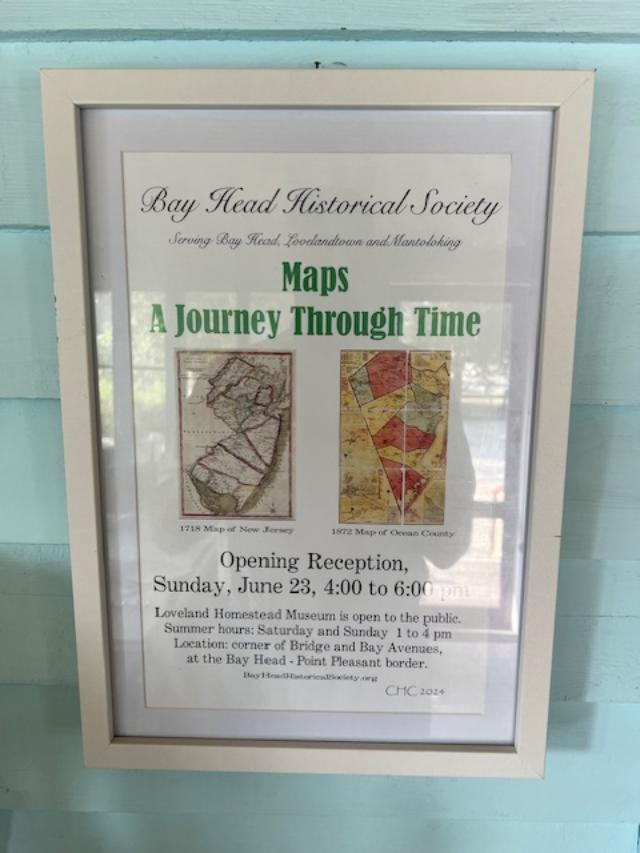
The sign for “Maps: A Journey Through Time” exhibition

The map collection shows the progression of the State of New Jersey through population growth and development. With the advent of the railroads and then through automobiles, transportation has changed the entire state of where we live and play.
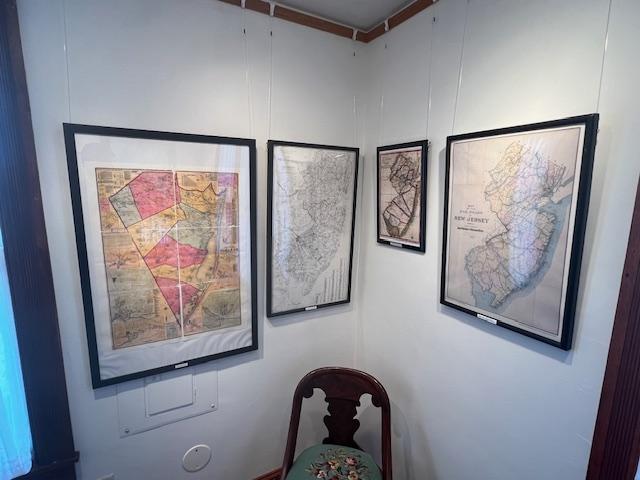
The Historical Map exhibition

The Historical Map exhibition

The pictures of Lord John Berkeley and Sir George Carteret who once split the State of New Jersey East and West

History of the split of the State of New Jersey

Old maps of Bay Head, NJ

The Exhibition during the Holiday season was “Victorian Christmas” where parts of the museum was decorated for the holidays of the late 1800’s in post Civil War America. The museum had their Christmas tree up laden with antique ornaments from all eras decorating the tree.
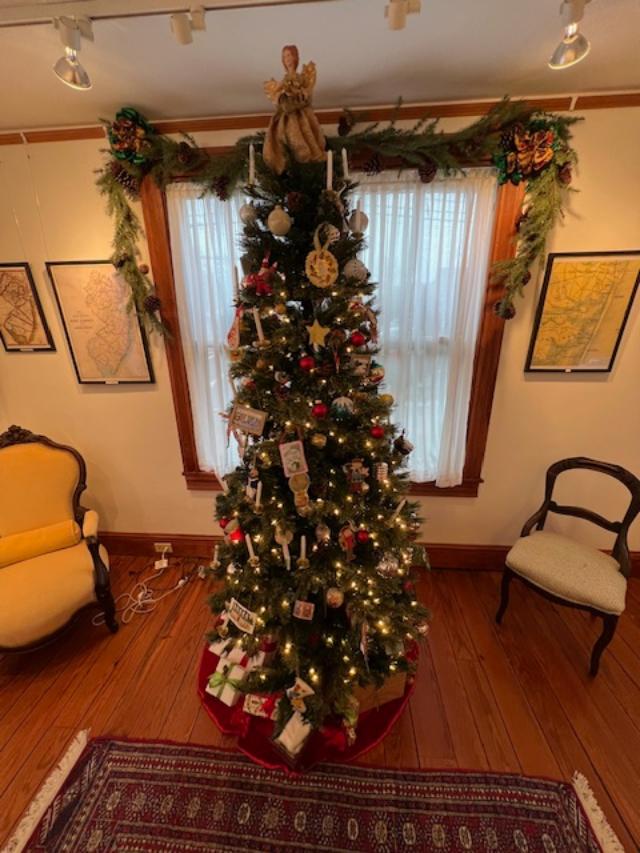
The “Victorian Tree” decorated with antique ornaments

The museum was also decorated with vintage toys and all sorts of garland and decorations

The furniture in the museum as well as the rest of the museum was decked with all sorts of holiday decorations.

The “Victorian Christmas” display was very nice and created a very festive environment for the museum goers. The Christmas tree was a blast from the past as I saw decorations from my Grandmother’s tree on their tree. It brought a lot of memories from Christmas’s past.

The last part of the tour I had was of the Slade Dale Nautical Cottage, a local boater and fisherman’s collection of items from his dock cottage. Here I saw an extensive collection of nautical tools and boating items including displays of sailing items. The collection shows how important the boating and pleasure sailing industry is with the town.

The museum is a wonderful place to visit on an afternoon out when you tire of the beach and you want to know more about the town of Bay Head. It also on the edge of their quaint downtown filled with interesting stores, restaurants, bakery and parks. The small historic downtown is very nice to walk around in the summer months.
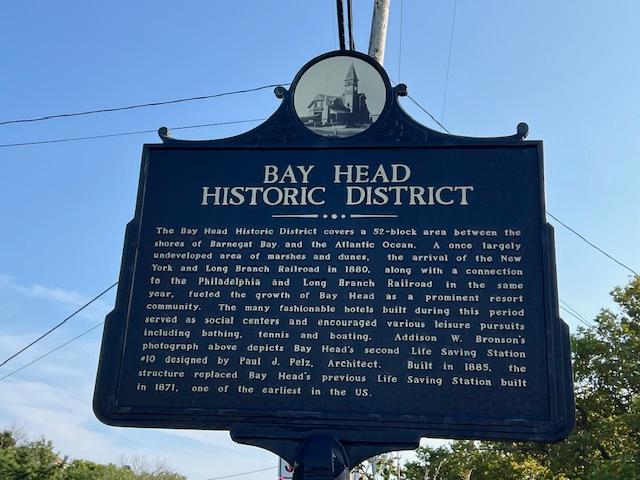
The Bay Head Historic District sign

https://en.wikipedia.org/wiki/Bay_Head_Historic_District

https://www.livingplaces.com/NJ/Ocean_County/Bay_Head_Borough/Bay_Head_Historic_District.html#google_vignette

https://www.claytonandclayton.com/blog/best-historic-monuments-in-bay-head-nj.html

Downtown Bay Head, NJ

The canal downtown

It was a bit more gloomy in during the holiday season as the rains came right after Christmas. Still I liked the decorations in this festive and very active downtown.

The church decorated for Christmas on a gloomy Saturday

The downtown businesses decorated for the holidays
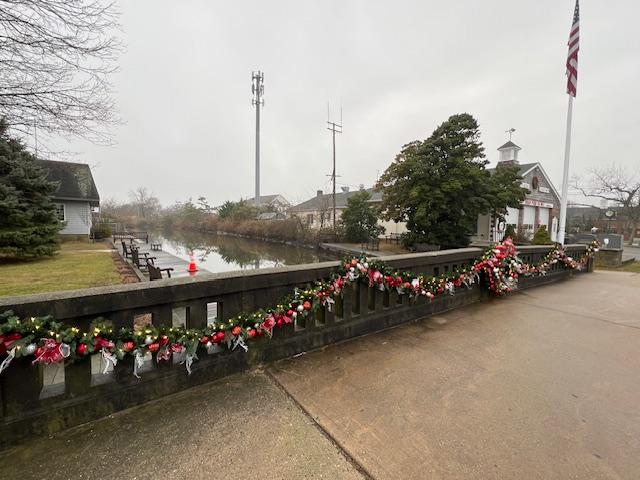
The bridge over the canal was beautifully decorated for the holidays

The Bay Head Fire Company One decorated for the holidays

Santa guarding the firehouse in Bayhead, NJ

Bayhead really got into the Christmas spirit during the holiday season. It put me back into the holiday spirit even though it was drizzling the whole time. It must have looked really nice on a sunny afternoon.

The Bay Head Historical Society & Museum information:

(from the Museum website)

This 1867 farm home with outstanding interior woodwork has been restored to its former glory. The museum is home to memorabilia and history of life in this part of the Jersey Shore. An exhibit of turn-of-the-century photographs of the area plus artifacts and heirlooms donated by local residents are on permanent display during the season. The front salon is a gallery for changing displays of local art and special area exhibits. The Victorian garden, the sea grass garden, and the lilac memorial garden are outstanding. Completing the complex is the Dale Cottage, which celebrates the maritime heritage of the area.

The History of the Loveland House (home of museum):

The Loveland Homestead built in 1867, addition in 1887
Slade Dale Cottage 1925:

When members of the Loveland family settled in this area around 1837, the land at the head of Barnegat Bay was sheltered from the sea by high sand dunes covered with sea grasses where bay berries and beach plum bushes grew in abundance. There were cranberry bogs, marshlands and fresh water lakes which provided a habitat for the birds and migratory fowls that later attracted gunners to the region.

The Loveland House

The Loveland Homestead historical plaque

The first purchasers of this land, which later became the hamlet known as Lovelandtown, were Judah Allen, who came here from New England in 1685, and John Hance. At the time this area was part of Shrewsbury Township, County of Monmouth, Province of East Jersey under the reign of King James II of England.

As the Loveland family grew, the family steadily increased its land holdings in the area. The members married into prominent local families from Point Pleasant and Brick and continued to develop their neighborhood throughout the late 1800’s.
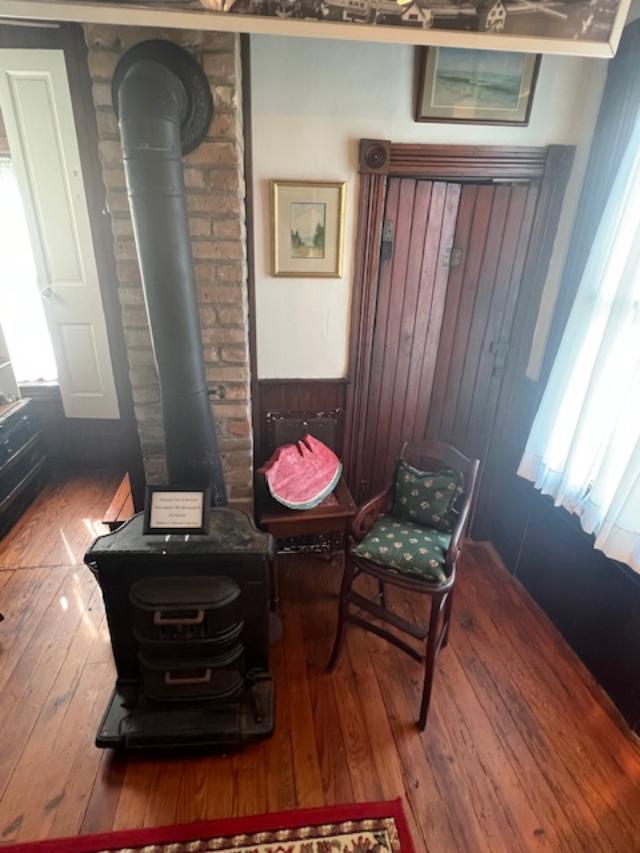
Inside the old Homestead of the Loveland family

At the same time in the mid-1800’s three land developers from Princeton, Messrs. Howe, Mount and Harris arrived and bought the land eastward that was to become Bay Head. Developed from the beginning as a resort community for the upper middle class, Bay Head attracted many affluent families from both New York and Philadelphia, thanks to the developers attracting two railroad lines to the town. The Jersey Central arrived from New York in 1882 while Pennsylvania Railroad came across the bay through Trenton and Toms River. Last stop for both was Bay Head.

John W. and Samuel Loveland were the largest landholders in the area. They were joined by other early settlers, notably the Cook family and the Stout family, and were linked to these through marriage. In 1867 the Loveland Homestead, currently the home to The Historical Society Museum, was built by Charles Stout for his daughter Lorah Stout upon her marriage to Charles Cook. By 1887 the family had grown and the back part of the house was added on to accommodate their 7 children.

The Loveland family acquired the house in the early 1900’s and continued to live here until the Bay Head Historical Society purchased the property in 1997. At that time the house had fallen into disrepair and after a two year renovation (mostly exterior), the homestead opened as The Historical Society Museum in 1999. The Dale building was acquired by The Historical Society and moved to the property in 2001.

The Loveland Homestead houses artifacts, memorabilia, photographs, furniture, decoys and other treasures from the early Bay Head/ Mantoloking/Lovelandtown years. Worthy of note are the original Gerald Hardenbergh paintings and the carved Kenneth Loveland and Birdsall decoys. All three off these local artists have gained recognition in many areas outside New Jersey.

The photo collection contributed by William Schoettle is equally noteworthy for its comprehensive look at the area as it was in its heyday (mid-1880’s to about 1940). The collection is part of the museums archives and is exhibited frequently.

The Slade Dale Cottage history:

(from the museum website)

The Slade Dale cottage is, in part, a celebration of the sailors of Barnegat Bay. It is also an homage to the man who, as a young man, was a noted sailor in the area and who continued throughout his life to engage in truly memorable sea voyages and bay races. He built his dream marina, the Dale Yacht Basin, through his foresight of bringing outboard motors to the area. He then promoted boating of all kinds throughout the years from the 1940’s to mid-1960’s. For many of those years he lived in his cottage at the end of the dock at the marina.

The Slade Dale Shed

The historical plaque for the Slade Dale Cottage
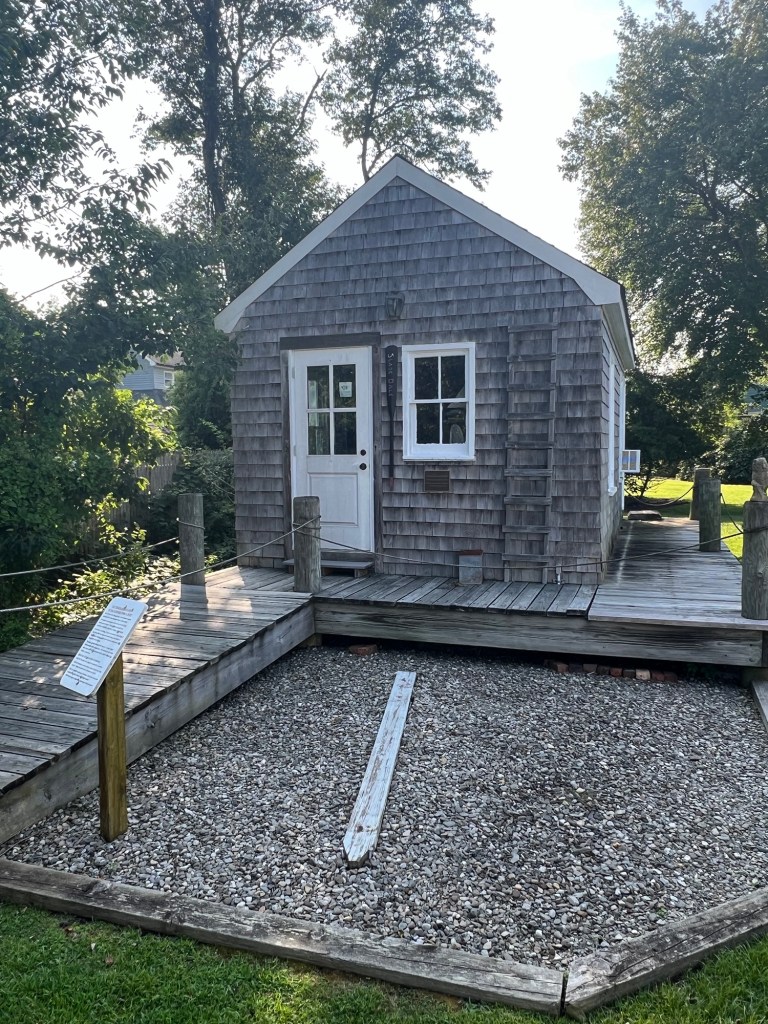
The Slade Dale shed during the Summer months

The Slade Dale shed decorated for Christmas
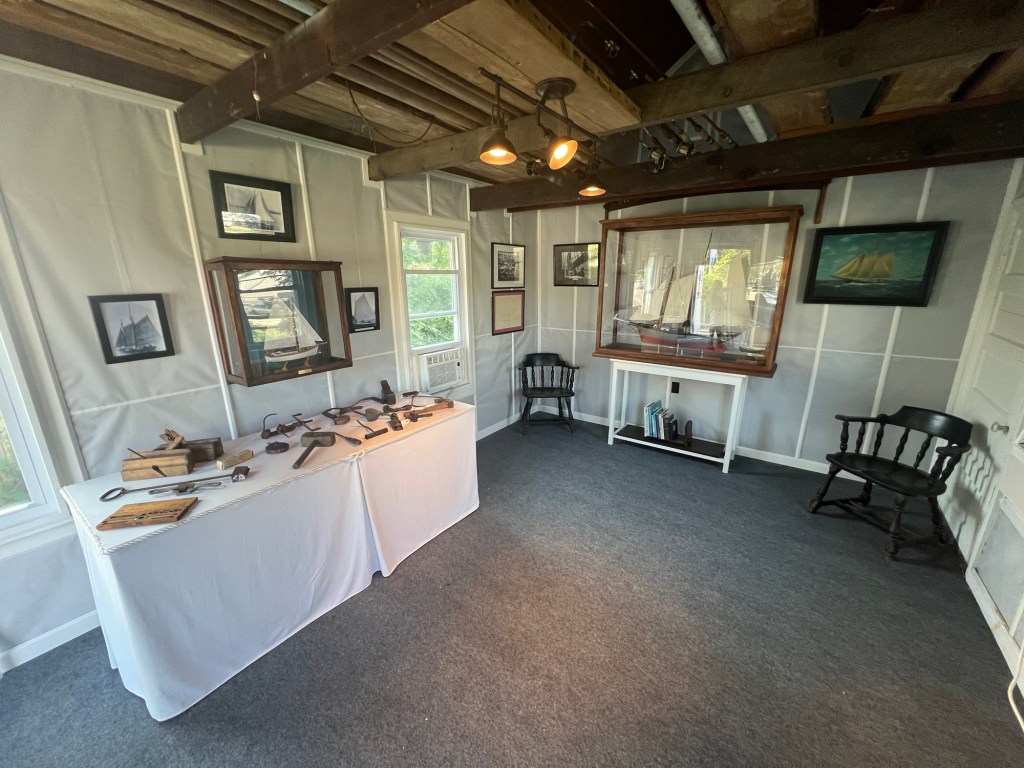
The Slade Dale Gallery

Boating equipment in the Slade Dale exhibit

The pictures of Slade Dale
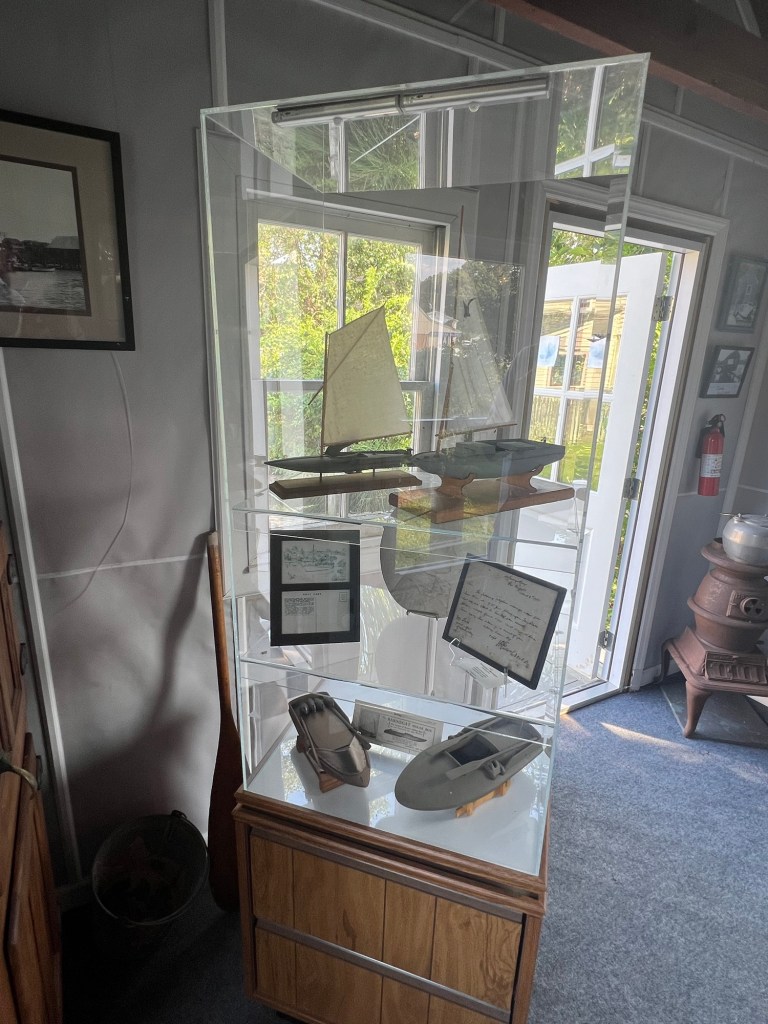
The boating exhibit at the Slade Dale exhibition

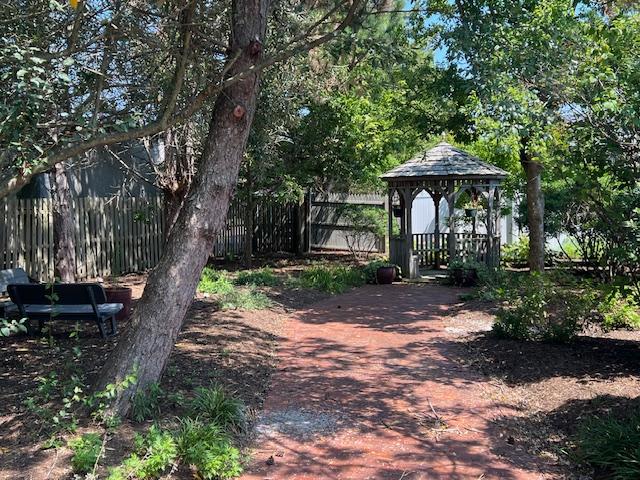
The gardens on the property represent a typical Victorian garden, a lilac memorial garden, an herb garden, a sea grass garden and a resting patio.

The gardens at the Bay Head Historical Society
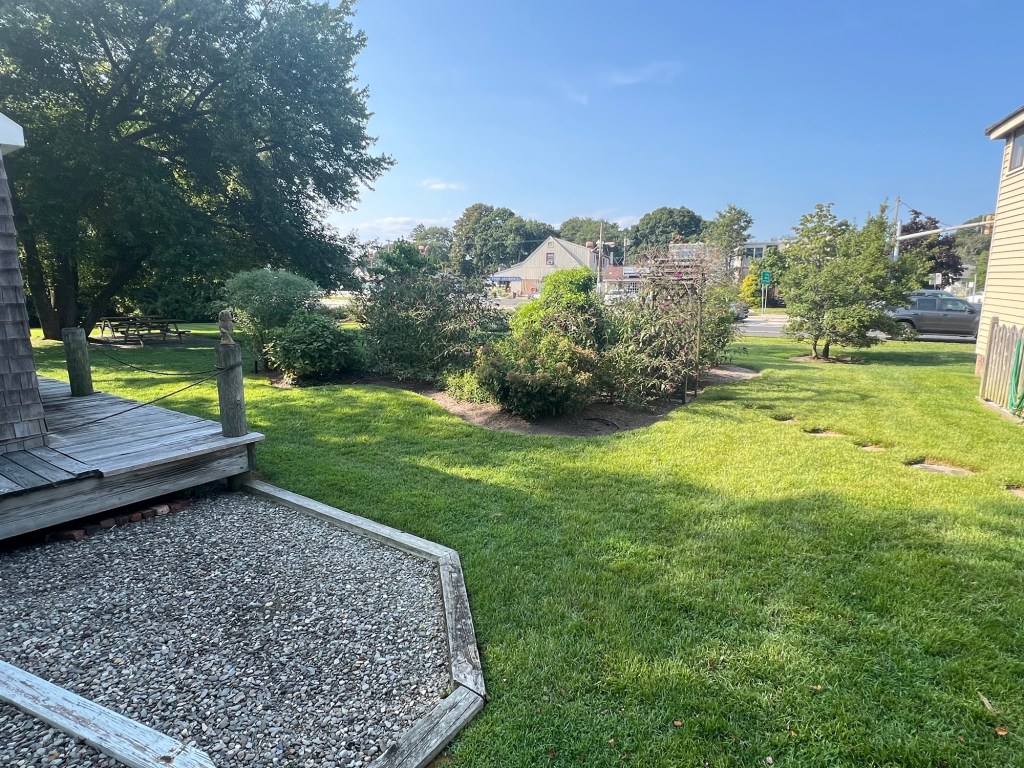
The gardens at the historical society

The Bay Head Historical Society is a nice way to spend the afternoon when you really want to get to know the community.
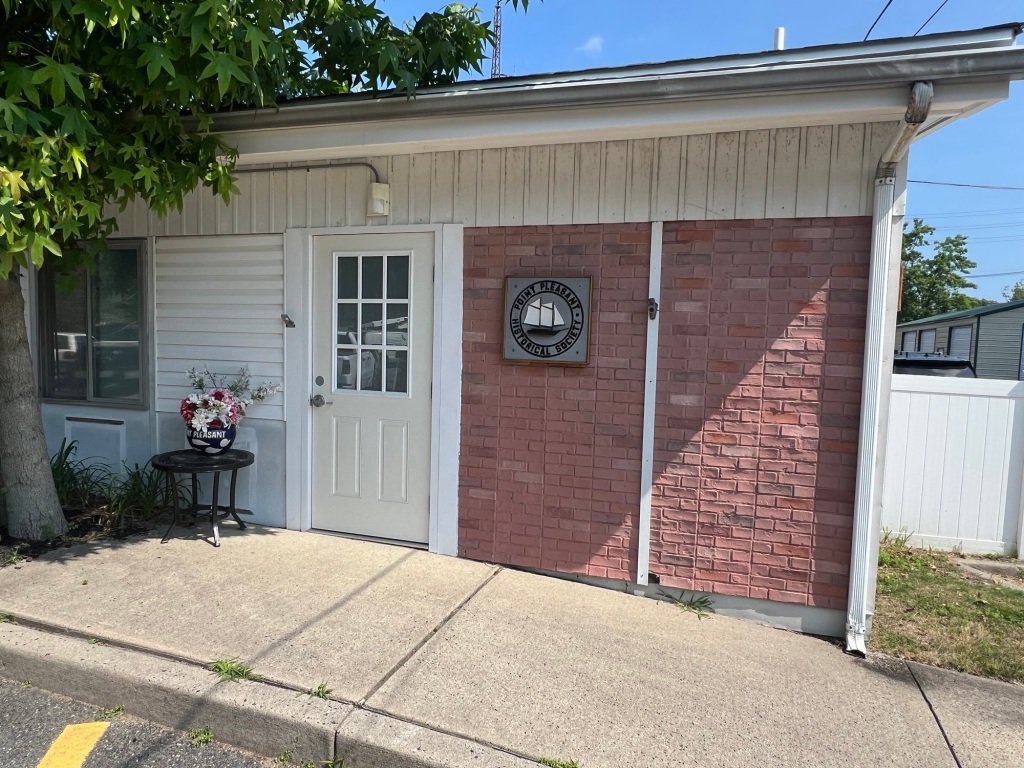
Point Pleasant Historical Museum                       416 New Jersey Avenue                                    Point Pleasant, NJ 08742

Point Pleasant Historical Museum 416 New Jersey Avenue Point Pleasant, NJ 08742

Point Pleasant Historical Museum

416 New Jersey Avenue

Point Pleasant, NJ 08742

(732) 892-3091

https://www.facebook.com/PPHSMNJ/

Open: Sunday-Wednesday Closed/Thursdays 1:00pm-4:00pm/Friday and Saturday Closed

Admission: Donations accepted

My review on TripAdvisor

https://www.tripadvisor.com/ShowUserReviews-g46745-d27962336-r955720708-Point_Pleasant_Historical_Society-Point_Pleasant_Beach_New_Jersey.html?m=19905

I took a trip to a well known to the well known beach community of Point Pleasant Beach to see what other activities were available rather than just spending time at the Boardwalk. After about an hour there, there was not much else to see or do. I found it in the Point Pleasant Historical Society Museum, a small gallery that is a treasure trove of artifacts and information on the history of the town. The collection may be small but it is packed with interesting tidbits of the history of this shore town and its development from a small fishing and farming community to the well known resort town that it is today.

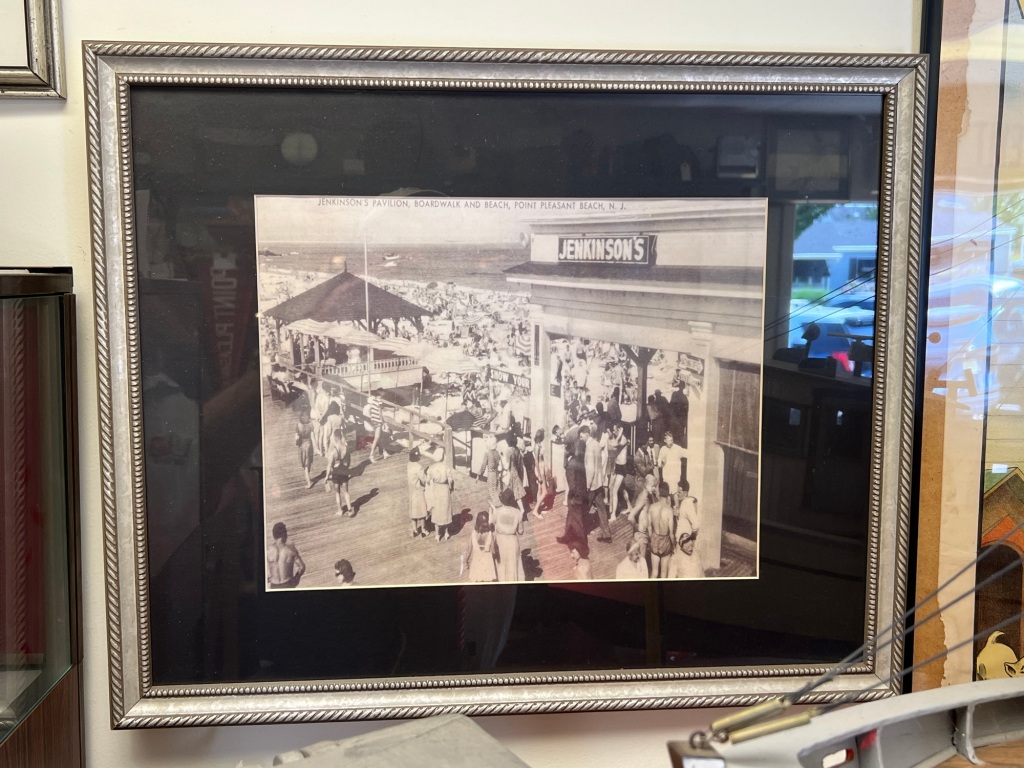
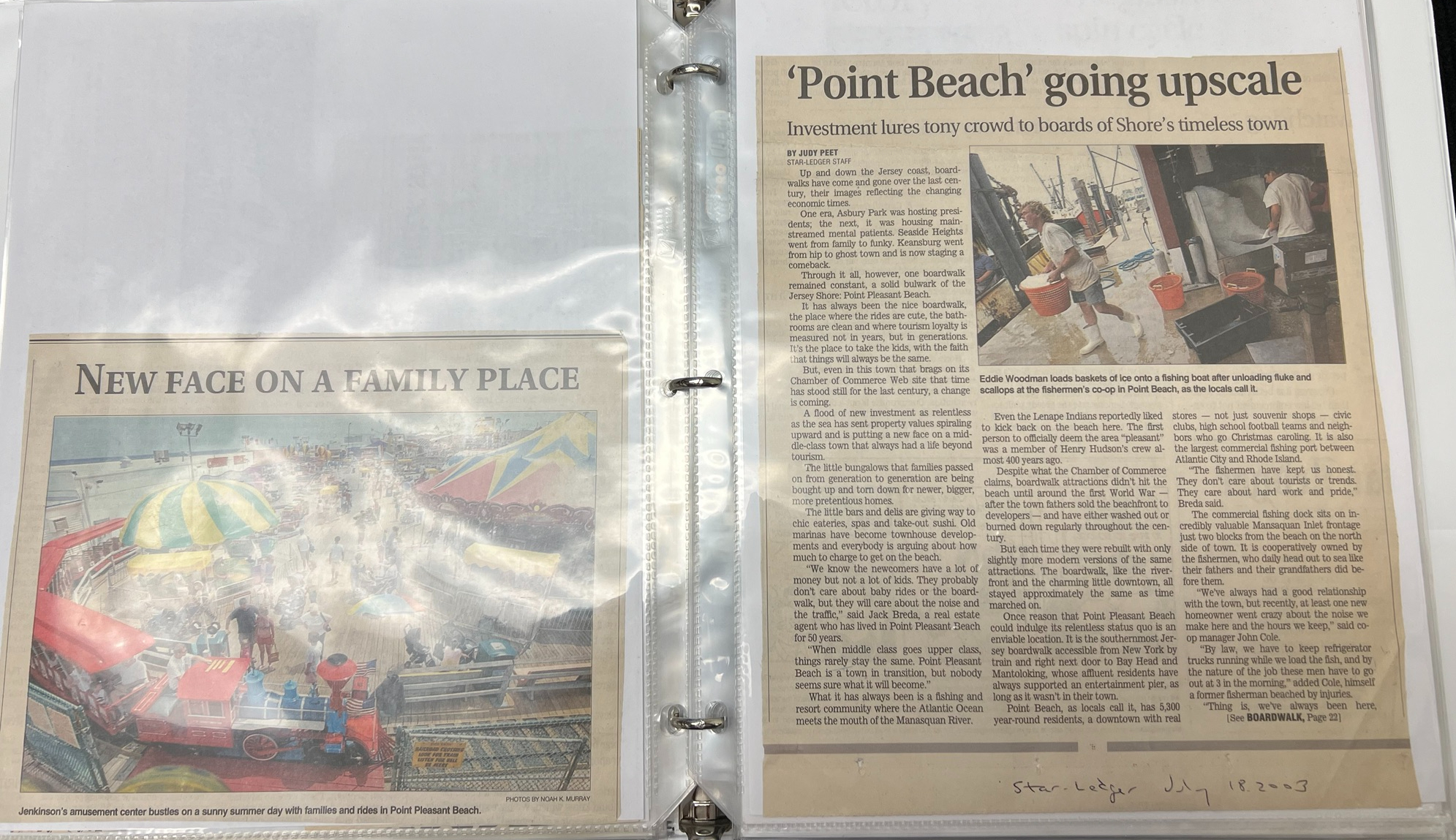
The gallery is located in the back of City Hall just off the main downtown area a few blocks away. It may seem unassuming but there is a lot to look at the museum. On top of the local amusement industry and the development of the Jenkinson Boardwalk and Aquarium, there was the growth of the town of local businesses that contributed to the direction that the town is now.

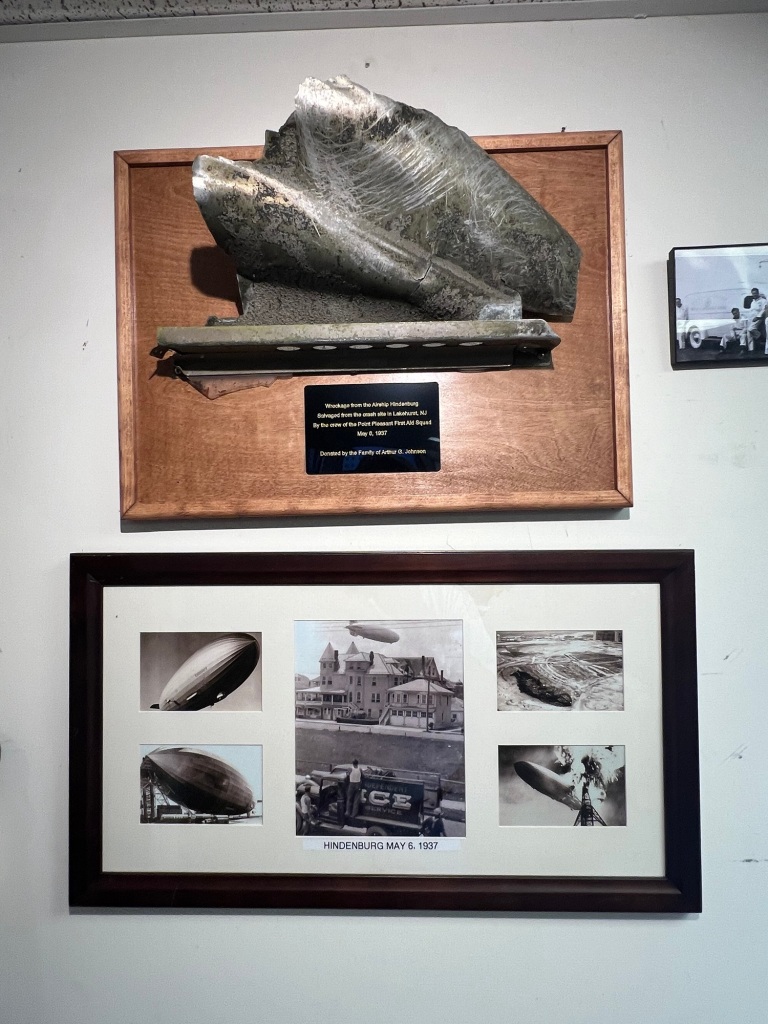
Some of the most interesting artifacts had to deal with local disasters in the surrounding communities such as the Morro Castle Ocean Liner fire of 1934 and the Hindenburg disaster in Lakehurst in 1937. These aspects of ‘Dark Tourism’ are displayed with artifacts from those incidents. There is a small collection of Lenape artifacts from when this was a seasonal fishing village of the Native Americans and artifacts from both the Point Pleasant Fire and Police Departments on their early development in the town. You could also see the change in the types of cottage businesses that cater to the locals versus the tourists.

Take time to look through the cases and see all the interesting objects that the collection carries. They also have a room dedicated to town history and family lineage if your intention is to find family members or the history of a business such as Jenkinson’s or even the Jersey Mike’s chain which originated in this town. There is a lot to see and explore in about an hour to an hour and a half.

Mission Statement:

The mission of the Point Pleasant Historical Society and Museum is to preserve and share the rich history of  both Point Pleasant Beach and Point Pleasant Boro.  The Society traces it roots back to about 1976 when long time local resident, Margaret “Peg” Busse  planted the seed of a need for a historical society to properly preserve the history, artifacts and memories of days gone by.

Peg worked tirelessly to sign up new members and offered her home and yard for meetings. She advanced our goals, kept our records, and made the Shore Harbor Historical Society famous for Beach Plum Jam until retiring in 1990. We thank her and Victoria Hassett and Carolyn Martin who together wrote the book on the society. Since 1990, Jim and Pat Malone have guided the organization selflessly and Richard and Sharon Morris have worked tirelessly to organize and administer the museum.

The Point Pleasant Historical Museum at 416 New Jersey Avenue.

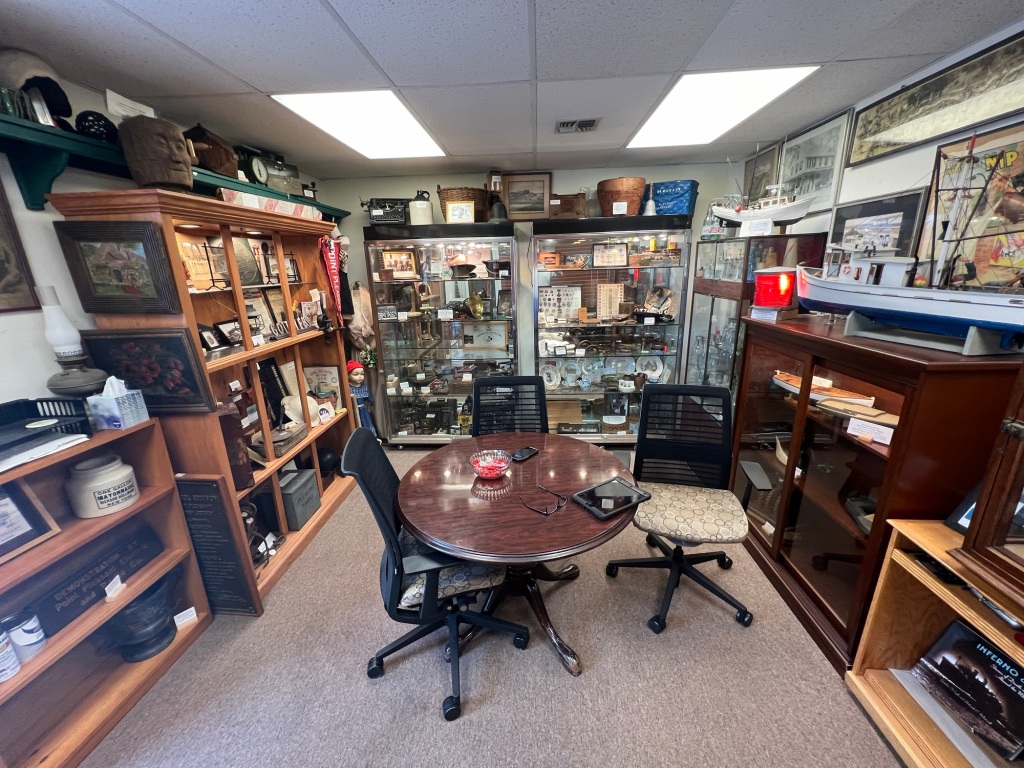
This wonderful little museum is a large one room display of the history of the town of Point Pleasant and the surrounding businesses. Each display holds the town’s treasures and the key to its past both for shore development and its progression as a tourism destination.

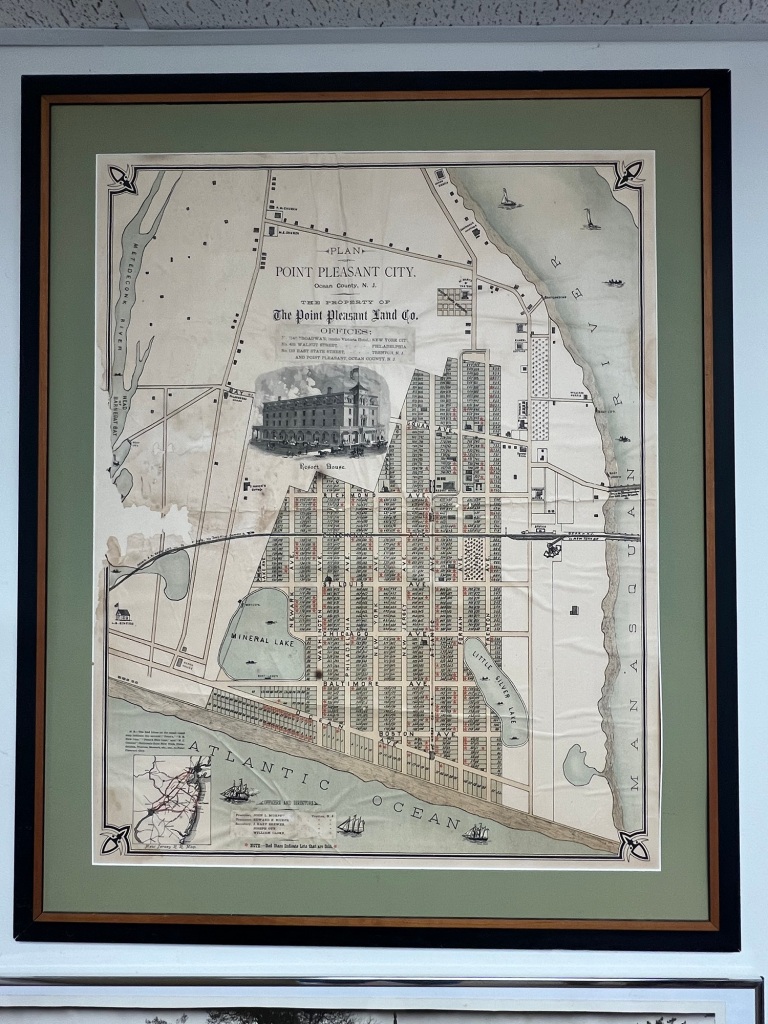
The development of the original Point Pleasant City at the turn of the last century.

The town had been home to the Native American tribes until the arrival of colonists and its development in the late 1800’s. What was once a farm was developed into the current town it is today. As tourism developed after the Civil War to WWI, businesses developed, amusements, hotels and bathing pavilions were added and services catering to this population sprung up.

The main gallery of the Point Pleasant Historical Museum

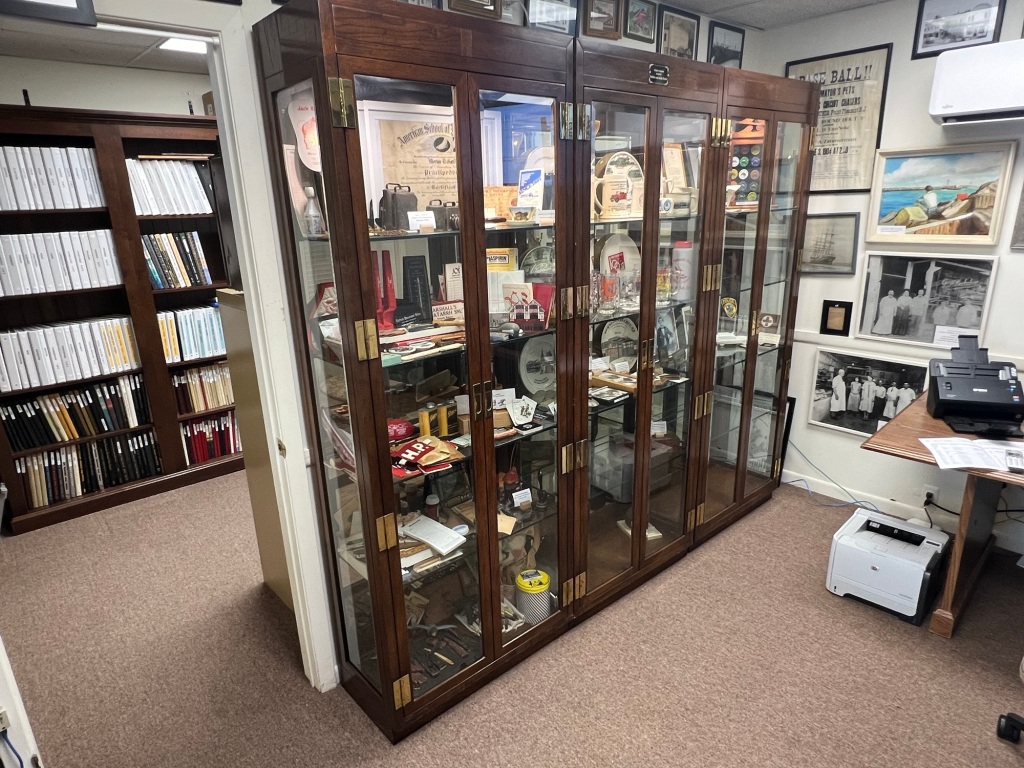
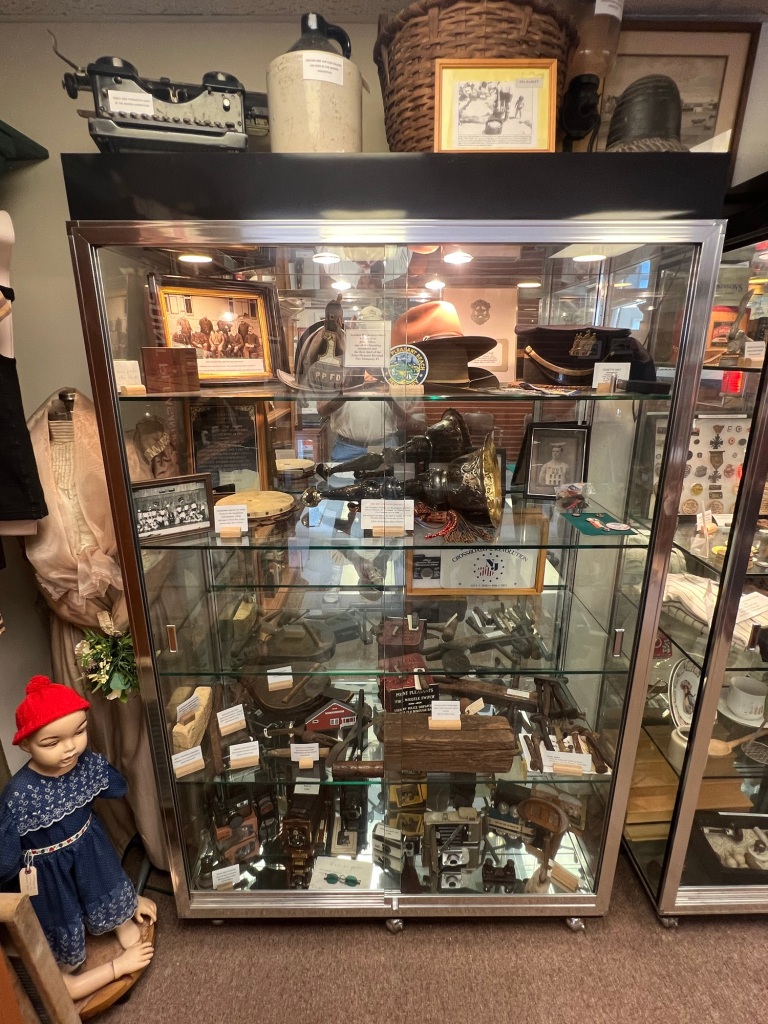
The museum display cases are broken down into the local history of the town. The local community administration of Fire and Police is displayed here.

The town historical records and local business, schools and Native American history are displayed here.

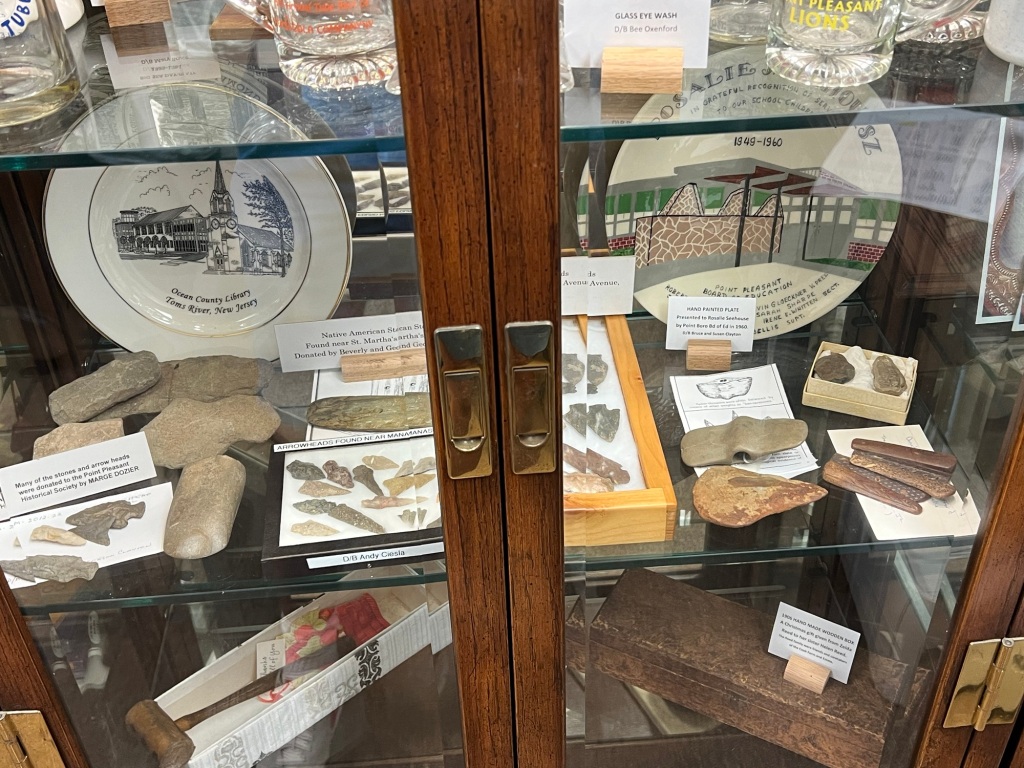
The Lenape display of Native American artifacts in the collection

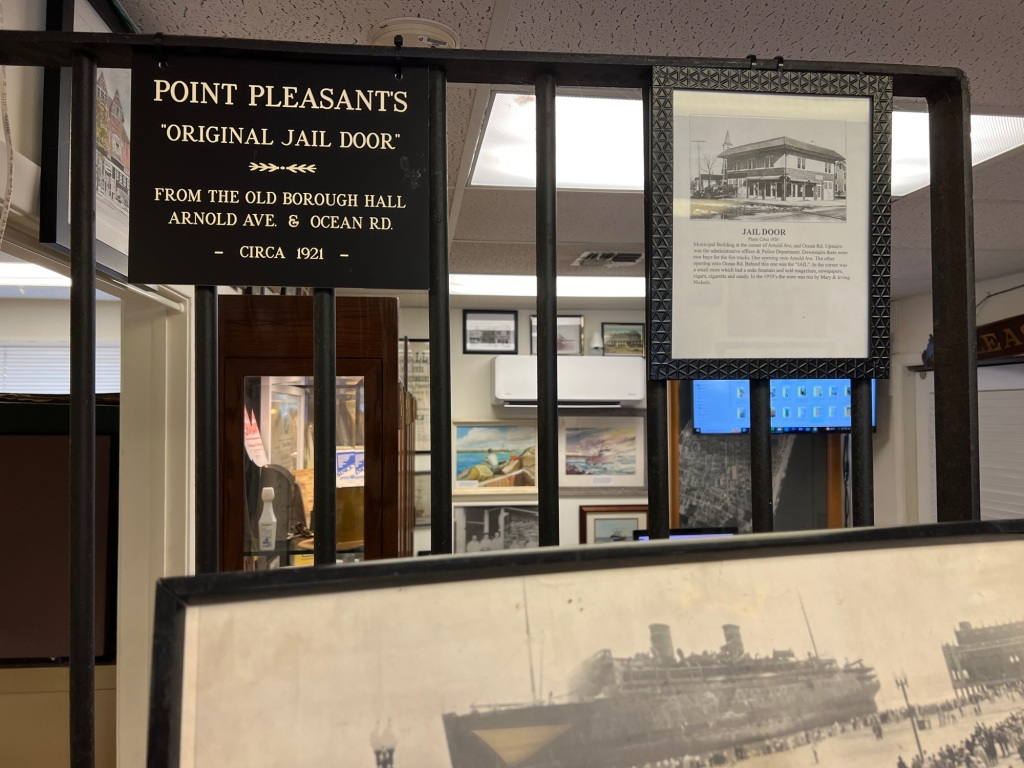
The Point Pleasant Police Department Jail cell door showing its past as part of the town fabric

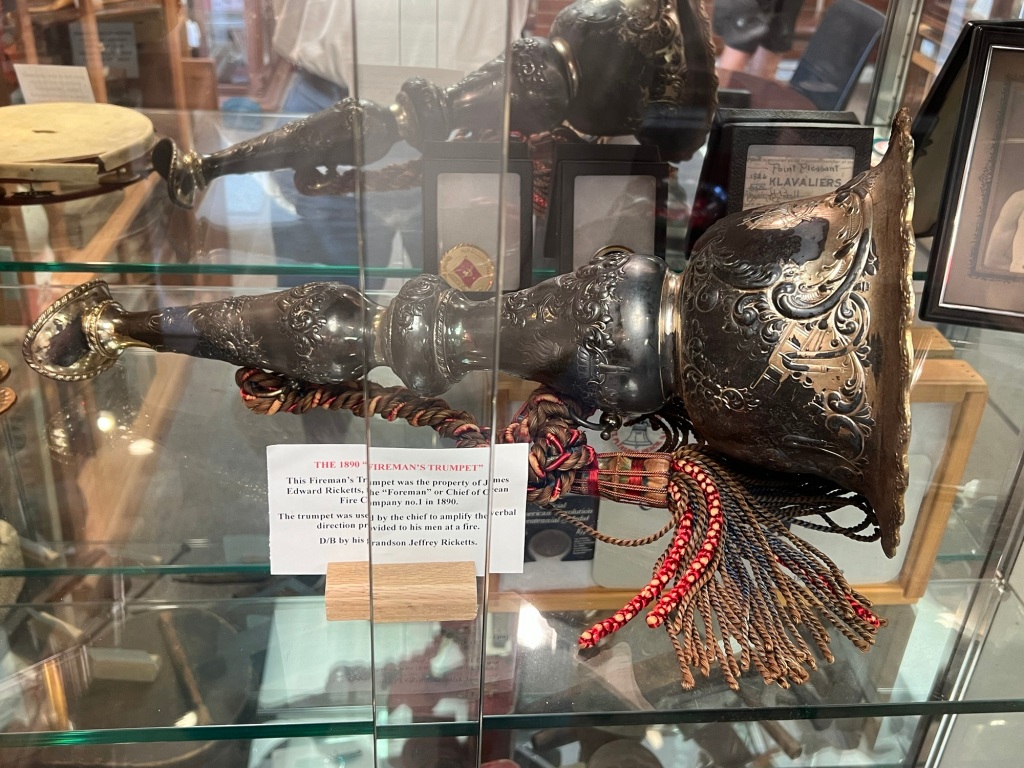
The original fire trumpet of the Chief of the Point Pleasant Fire Department

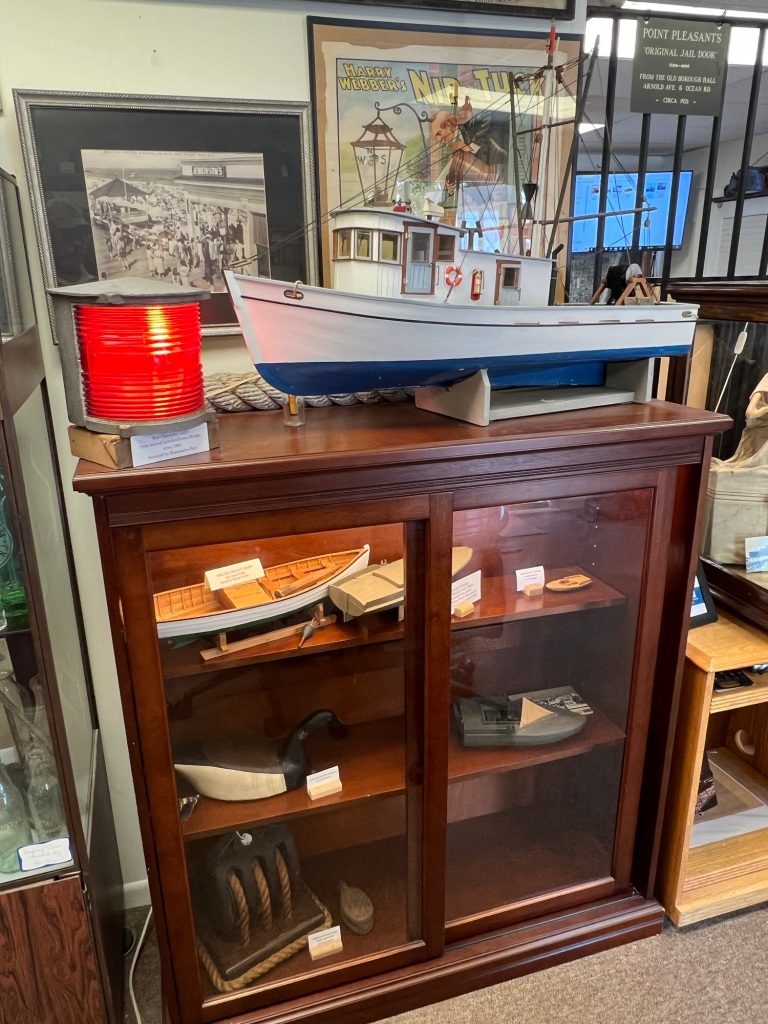
The development of the Boating and Fishing industries of the area

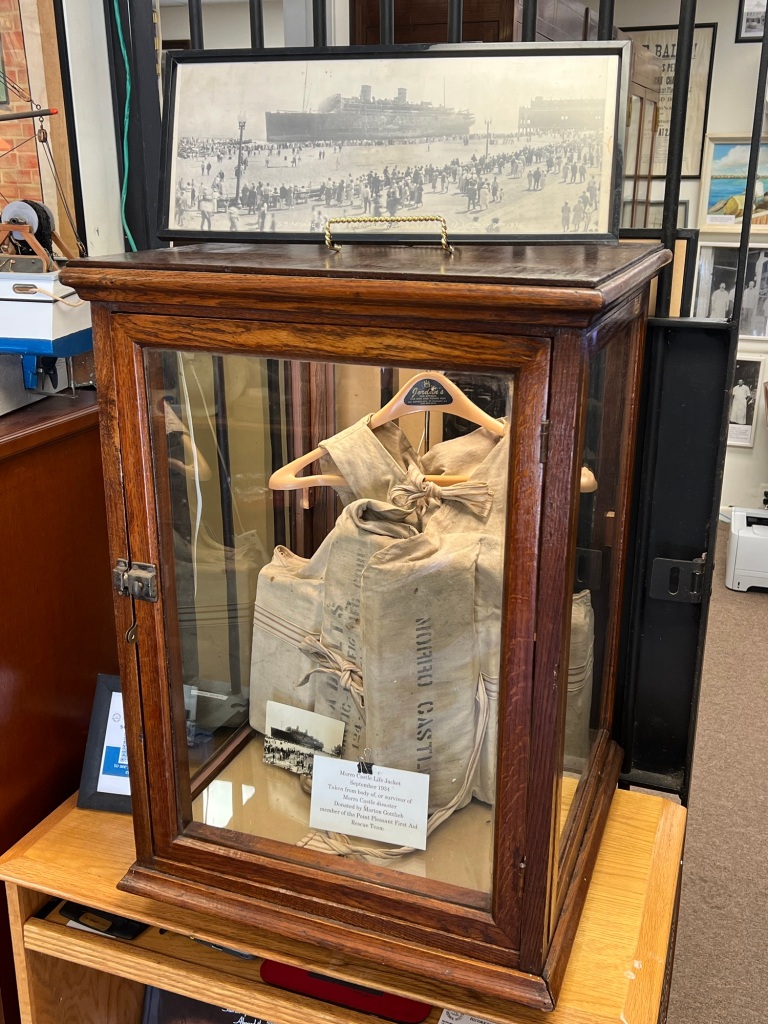
The museum also covers local famous disasters such as the Hindenburg disaster which happened in Lakehurst, NJ and the Moro Castle Cruise fire of the 1934. They even had the artifacts from the sites.

The Moro Castle Cruise disaster of 1934

The Hindenburg disaster of 1937 took place in Lakehurst, NJ

The Society also has a nice collection on local businesses. You could see how the businesses of the town developed from catering to a nautical and farming economy to the tourism and amusement industry. The problem with a town that depends too much on tourism is when the off season comes, how to you pivot the business to locals. You are now seeing this development in the downtown where there is a growth of clothing and antique stores.

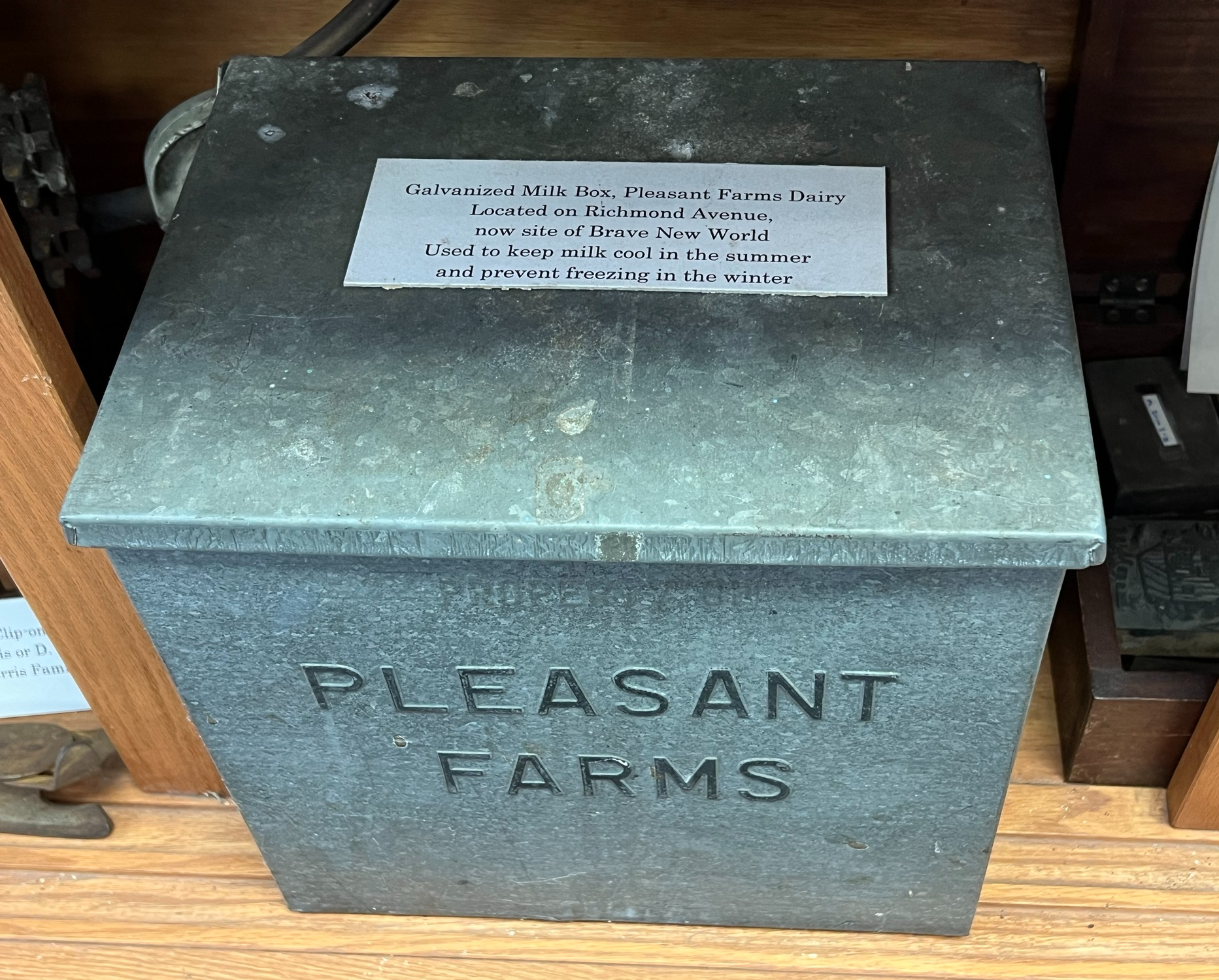
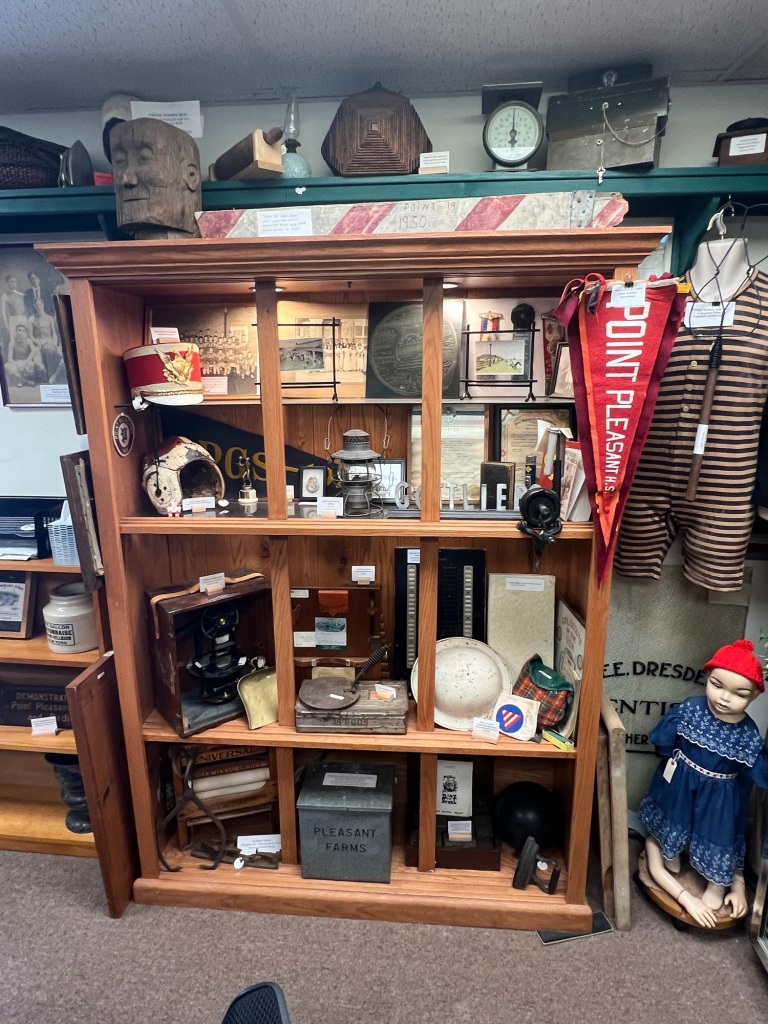
The Pleasant Farms dairy farm (now a dealership)

The Jenkinson Boardwalk in its early years

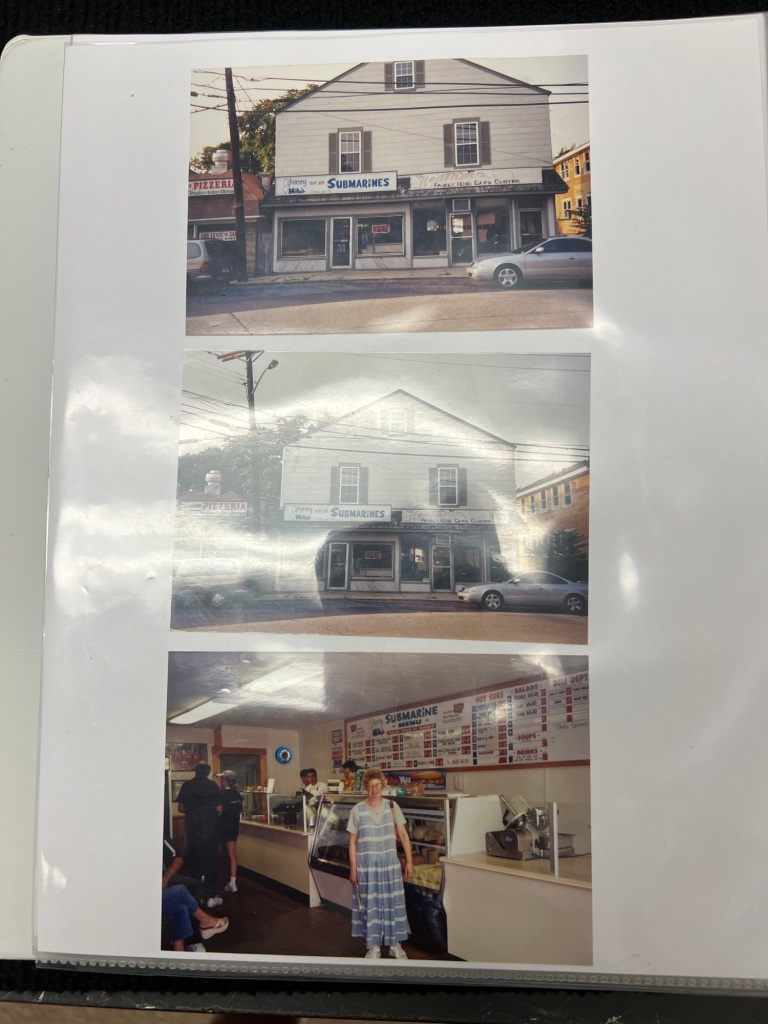
What I thought was interesting is that this is where the Jersey Mikes sub chain started. In the town’s historical records are the original records of the first store along with the story of the company. This is a good selling point for the town.

The original Jersey Mike’s store in Point Pleasant, NJ

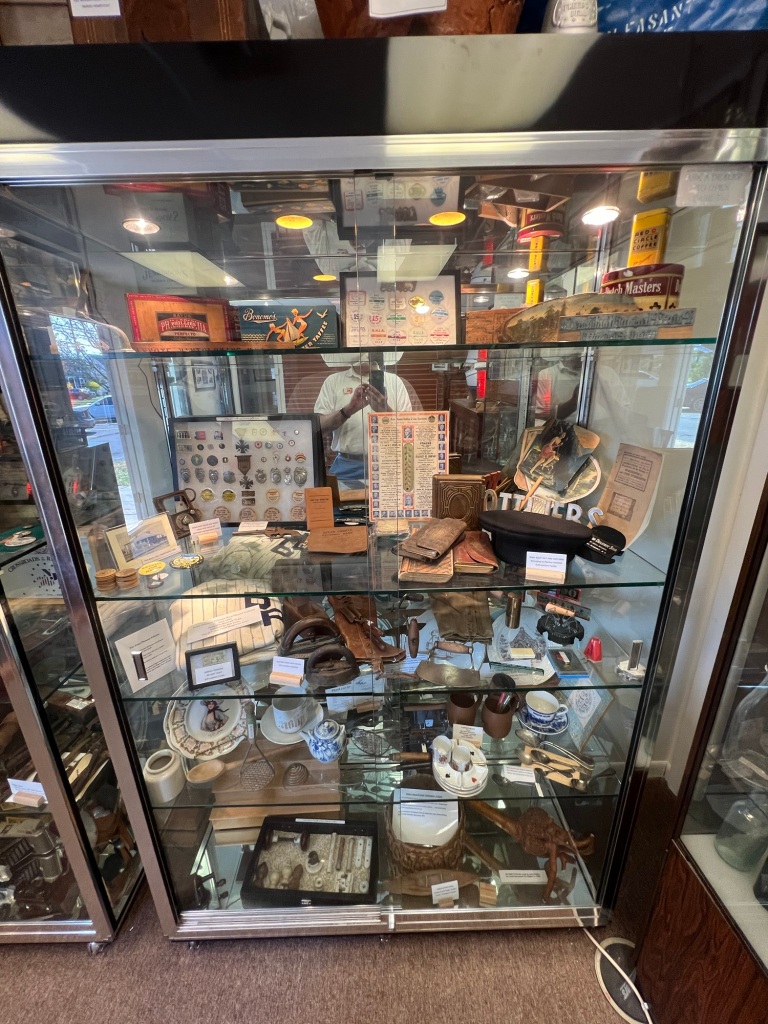
The collection contains a little bit of this and that in the cases as the membership is working to grow the collection. As the collection grows, we will see more of what makes the town of Point Pleasant the special place that it is as a community.

The collection case of items from residents personal homes

The collection case of community departments and hobbies

The collection case of business related items and household items

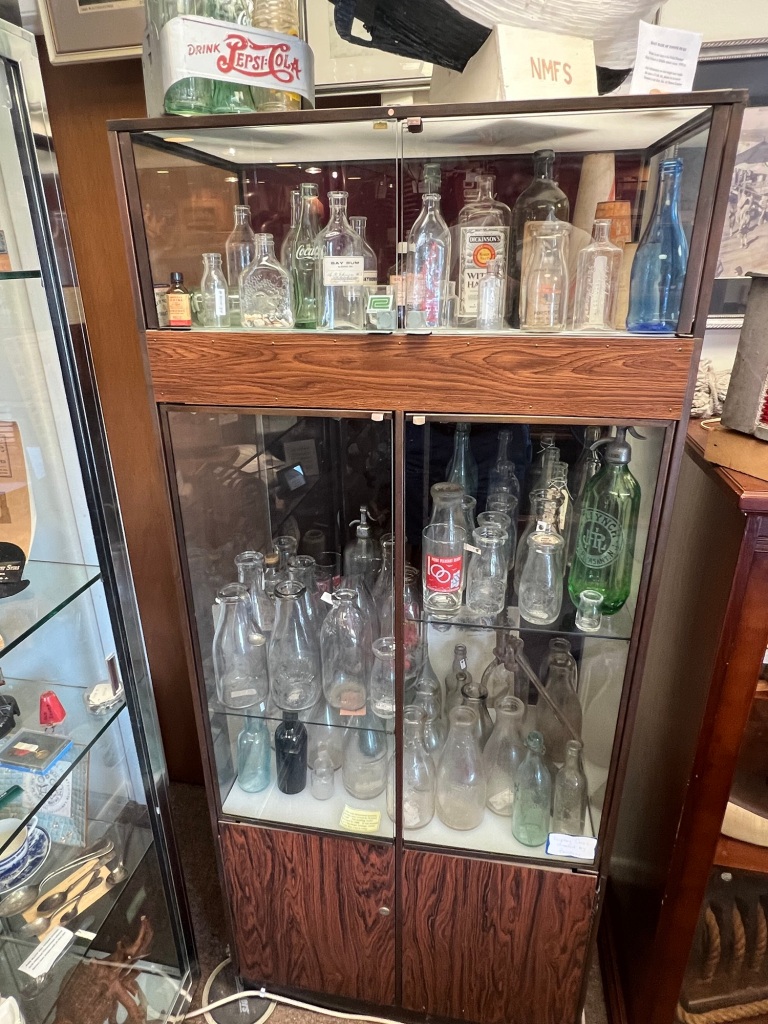
The collection of vintage bottles

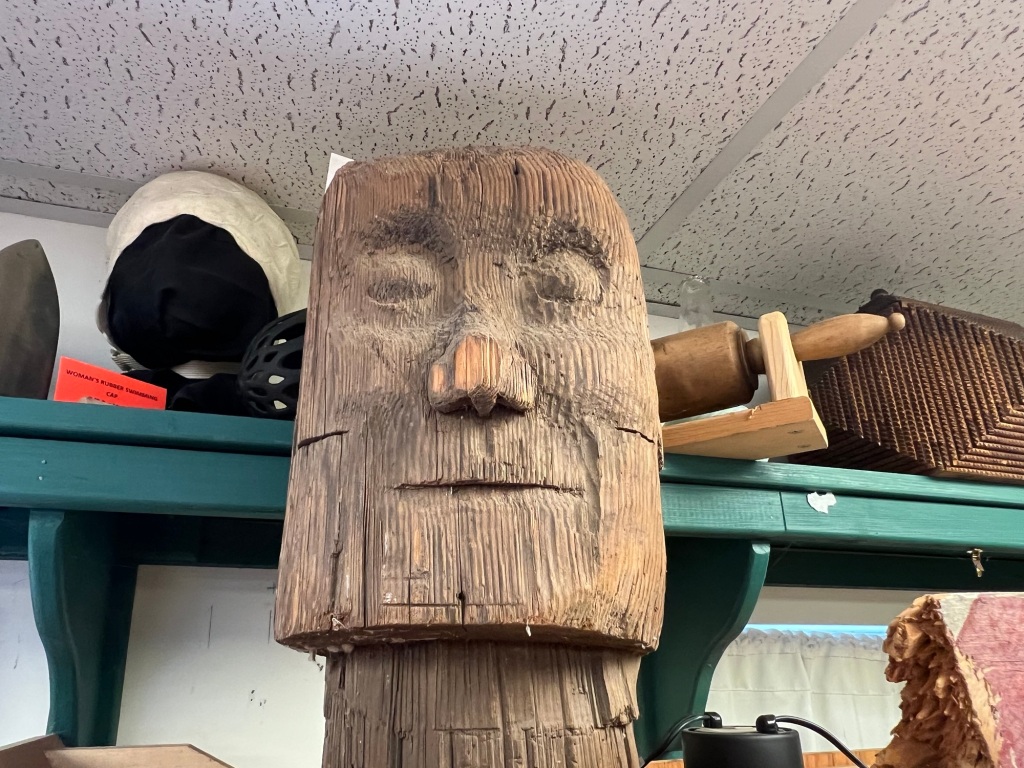
Some of the interesting artifacts that I saw the head of a ship mass. The volunteer had said that this had washed up on shore and was donated by the people who found it.

The face from the ship bulkhead that was found washed up on shore

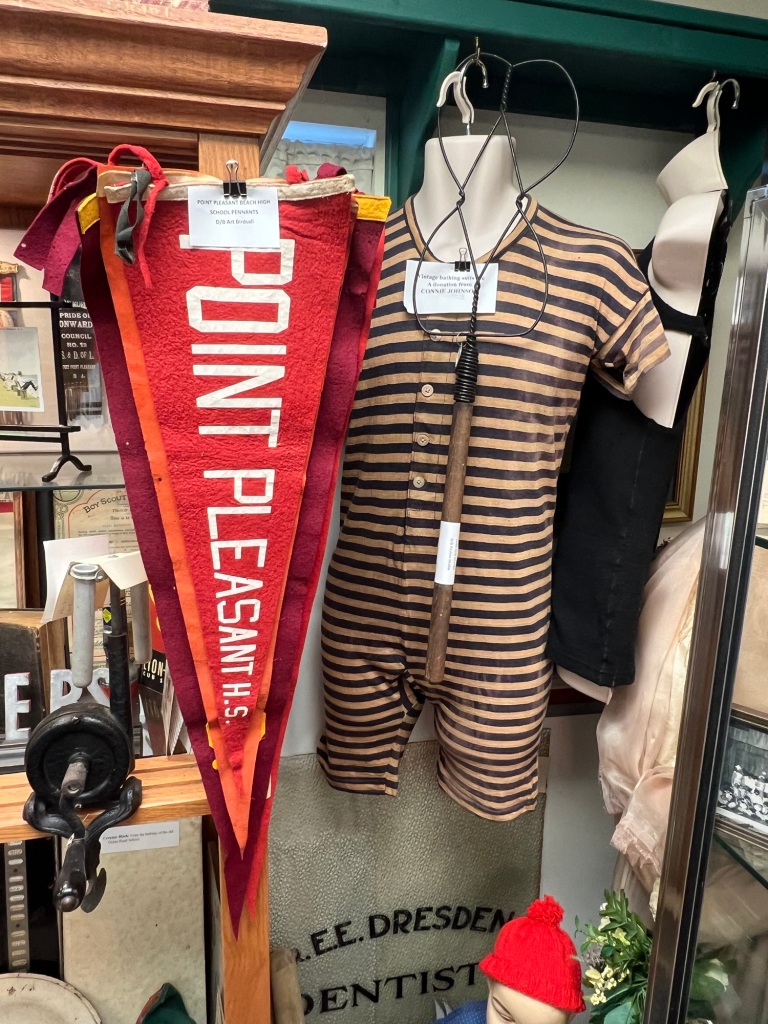
The bathing and swimming aspect of the beach community.

This delightful little museum is a nice rainy day adventure when you are in Point Pleasant on your way to discovering its funky downtown. It just goes to show that there is a lot more to this beach community than just the boardwalk and the beach.

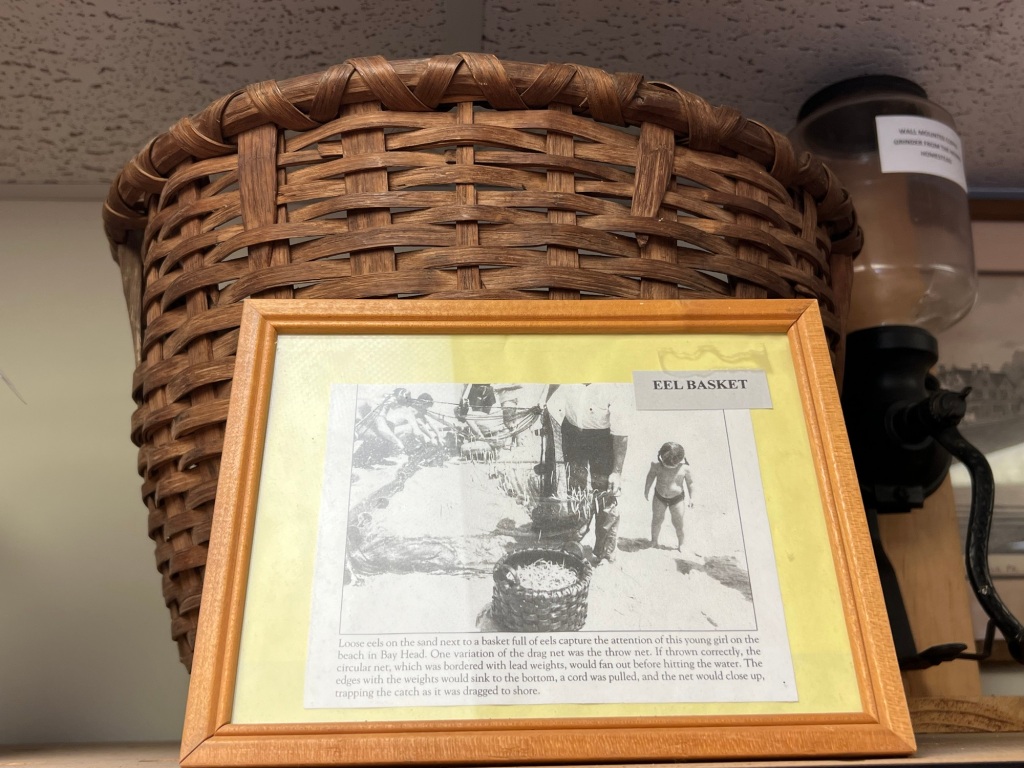
An eel basket from the fishing industry

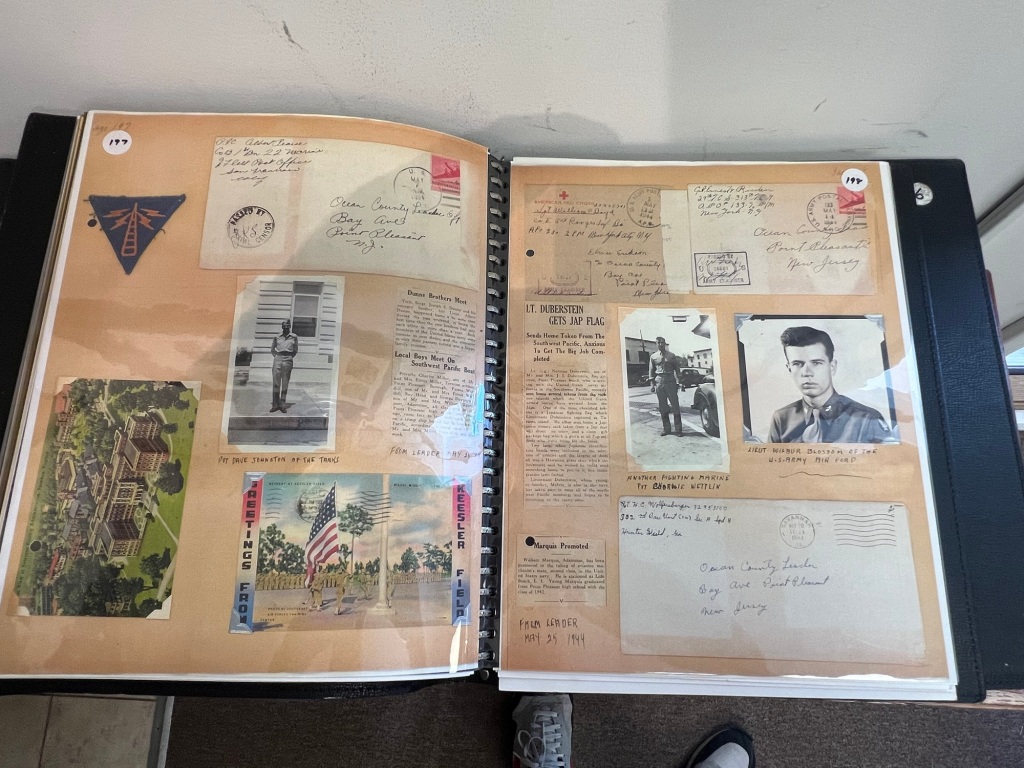
US Armed Forces collection of the WWII era

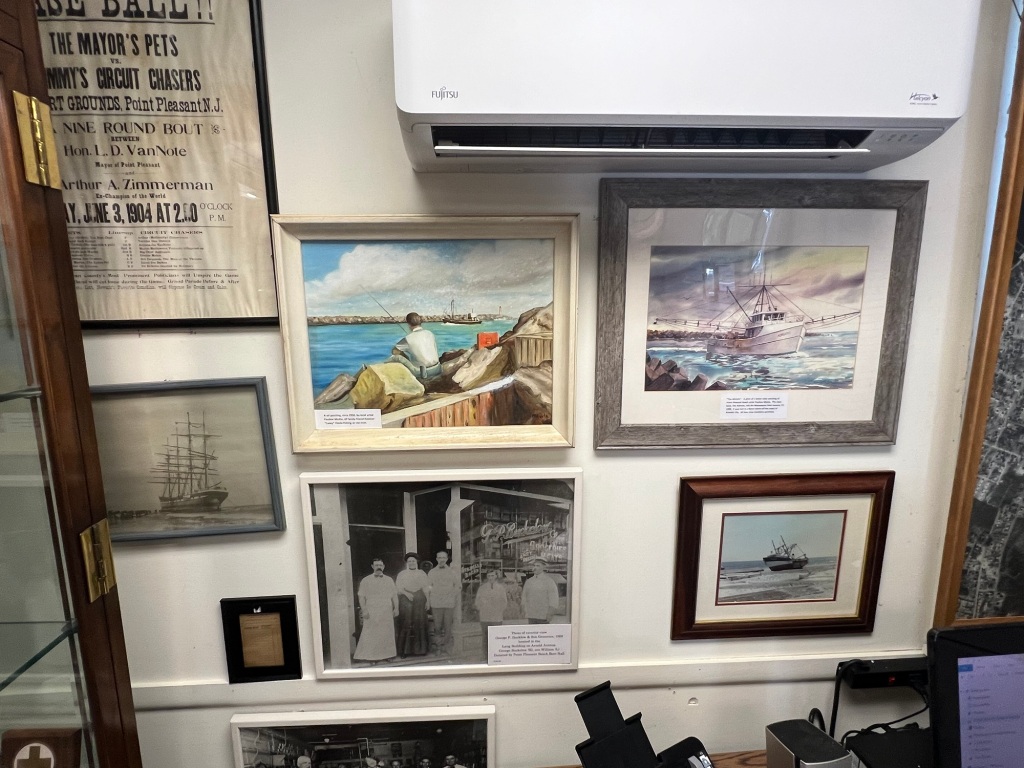
Beach art and history of the community of Point Pleasant

It is a perfect rainy day activity or for people who are interested in the history of the town, this little hidden gem is the place to start.

Avalon History Center                                                              215 39th Street                                                                     Avalon, NJ 08202

Avalon History Center 215 39th Street Avalon, NJ 08202

Avalon History Center

215 39th Street

Avalon, NJ 08202

(609) 967-0090

Open: Sunday Closed/ Monday-Friday 10:00am-4:00pm/Saturday 10:00am-3:00pm

https://www.avalonhistorycenter.org/

https://www.facebook.com/avalonhistorycenter/

My review on TripAdvisor:

https://www.tripadvisor.com/Attraction_Review-g29754-d8096123-Reviews-Avalon_History_Center-Avalon_Cape_May_County_New_Jersey.html

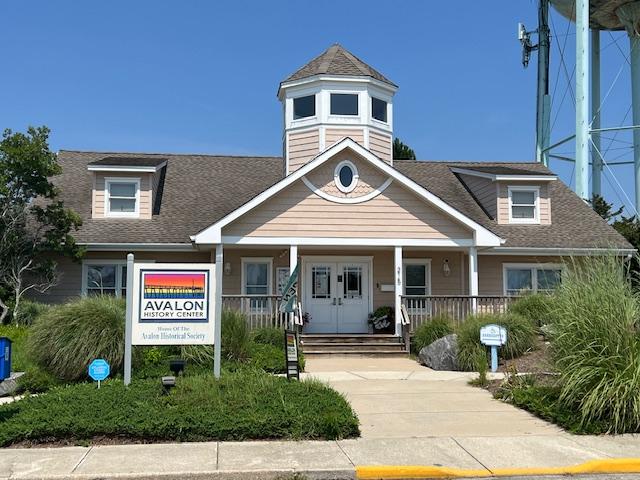
The Avalon History Center is at 215 39th Street in Downtown Avalon, NJ

Recently I took a tour of small Jersey shore towns and their historical societies. These interesting little museums are packed with information on the history and development of these towns. The progress of these towns from fishing and hunting villages for the Native Americans to the modern day resorts and permanent residence’s have a fascinating history.

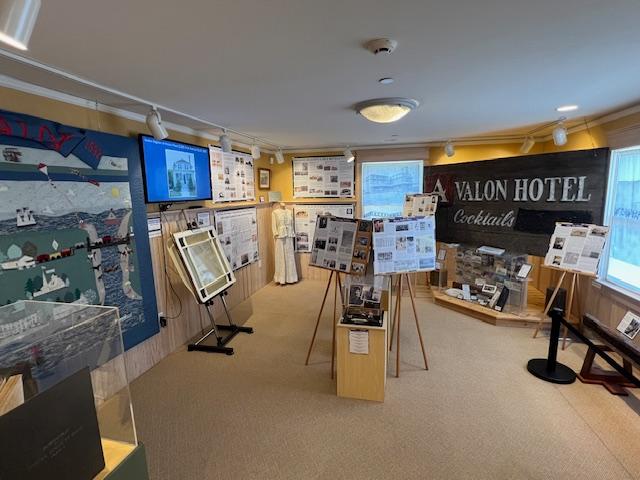
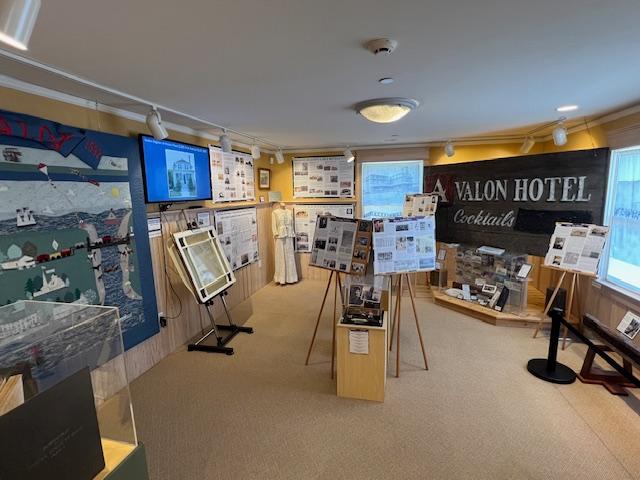
The early history of Avalon display with the development of the hospitality industry in the town

The Avalon History Center was the last museum on my visit to the shore that day and it had become very gloomy outside. The town was relatively quiet when I got there on a late Thursday night. I ended up having the whole museum to myself to tour. The curator came out and greeted me nicely and said that they were working in the back and if I had any questions to come get them. Outside that, I was the only one touring the exhibitions.

When you enter the building, the rooms are broken down in section by display. The Avalon Police Department has a wonderful exhibition of the history of the department. There are all sorts of police gear, mannequins with old uniforms and all sorts of police gear and pictures of the department through the ages. Near that is the Brendan Borek High Tide Memorial Fund.

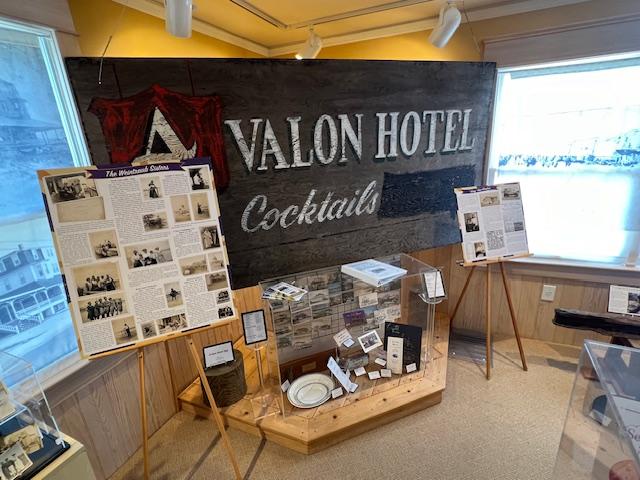
The Early Avalon Room contains the history of the many hotels that used to dot the town during the Victorian era that have either burned down or succumbed to the ocean currents. Of all the hotels that existed only the Sea Lark B &B (See my review on TripAdvisor) still greeting guests. There are all sorts of dishware from the old hotels, menus and silverware that show the opulence of the time when pleasure travel lasted longer than present day.

The history of the Hotel Industry in Avalon with artifacts like menus, china and wonderful pictures of the old hotels. One of the hotels, the Sealark Hotel, still operates as a bed and breakfast. I had stayed there in 2017 for the Firemen’s Convention and had a excellent stay.

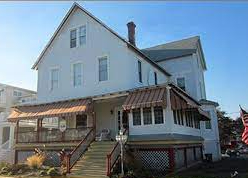
The Sealark B &B at 3018 First Avenue in Avalon, NJ

http://www.sealark.com/

My review on TripAdvisor:

https://www.tripadvisor.com/Hotel_Review-g29754-d79340-Reviews-Sealark_Bed_and_Breakfast-Avalon_Cape_May_County_New_Jersey.html?m=19905

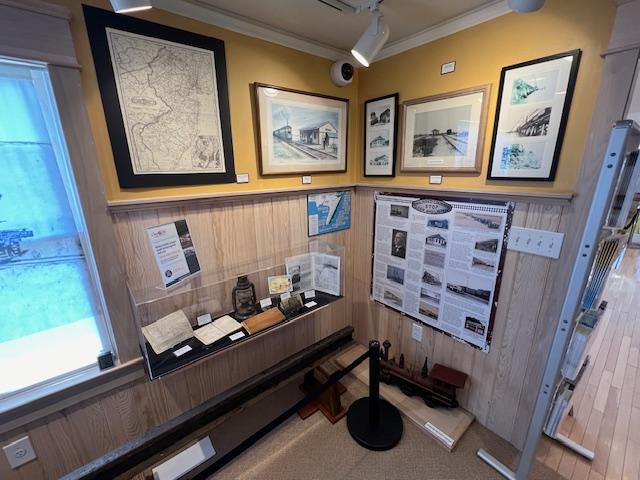
There was a section on the Founding of the town and its development over time. The town used to be Native American place to fish and hunt to the Victorian resort it became with the railroads. There was extensive history of the Railroad system that was so important to the growth of these shore towns. This was until 1937 when the rail system became obsolete with the advent of the automobile. There was a nice display of the old Avalon Pier.

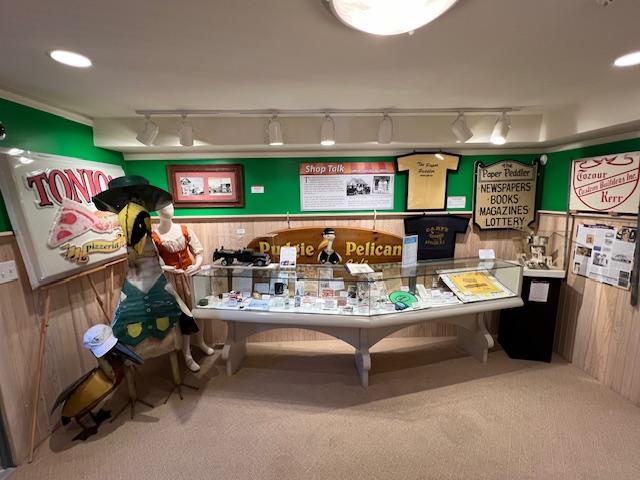
The detailed display of businesses that made Avalon the place to go and party

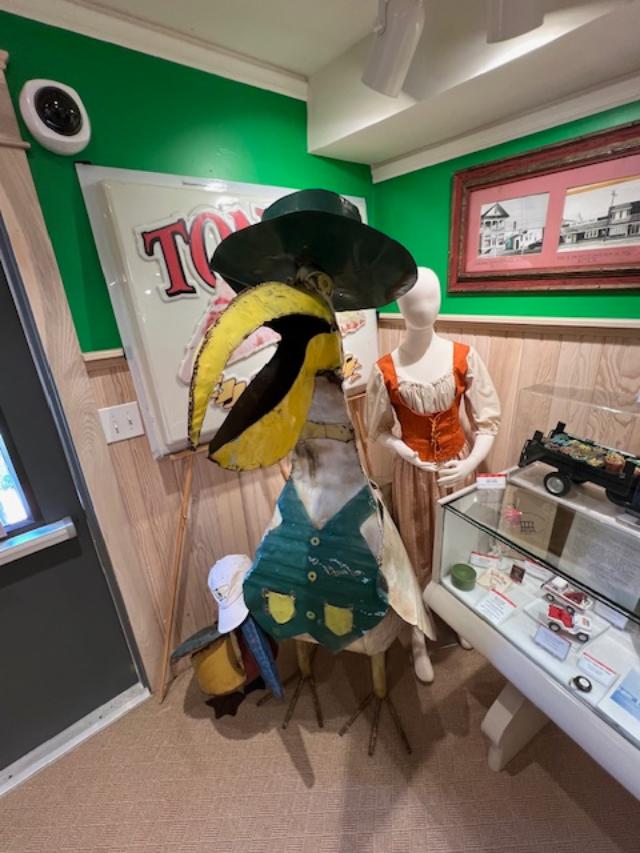
The Mascot for Pudgie Pelican

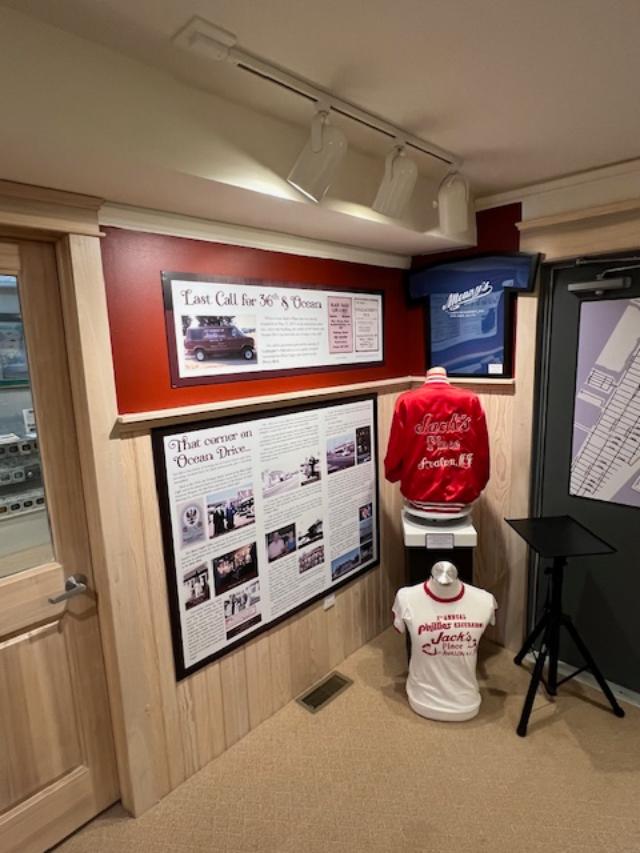
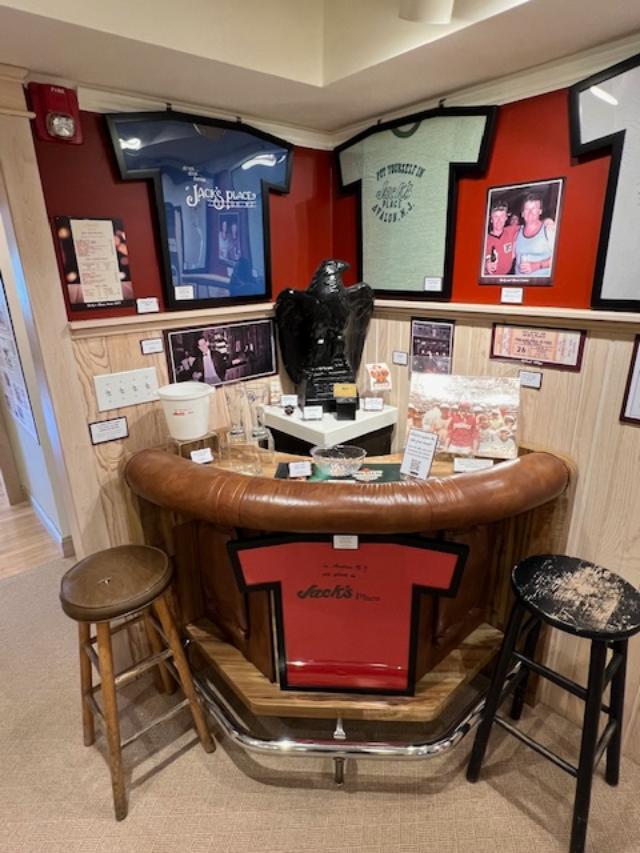
The back of the building was dedicated to local businesses that have since closed, This shows old signs, pictures and menus of watering holes that were popular for generations. There was an interesting display from the Avalon Hotel’s ‘Phil’s Bongo Room’, a popular place for bands.

The artifacts from Jack’s

Memories from a forgotten bar scene

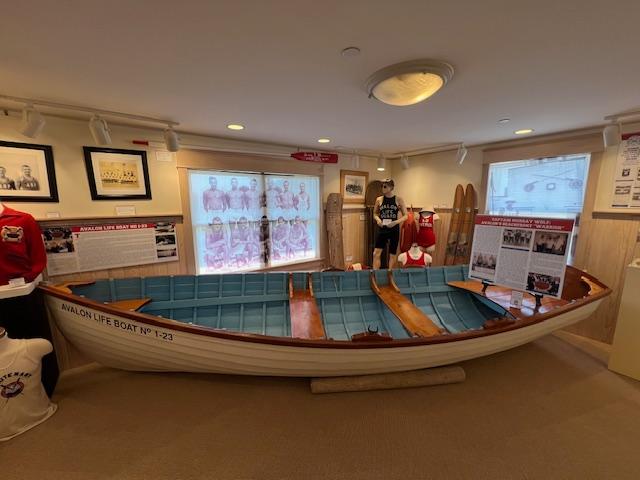
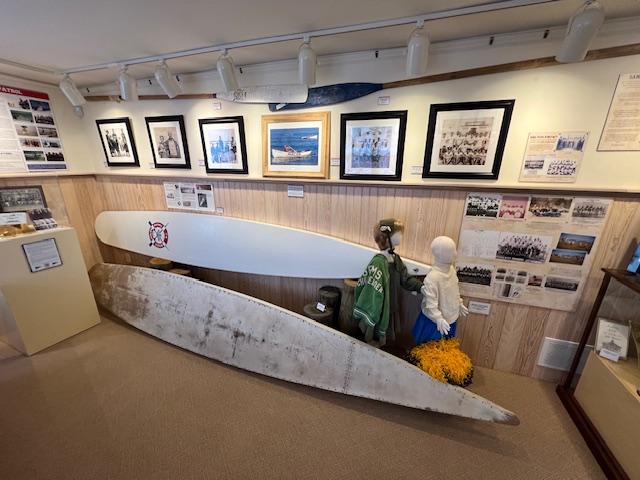
On the other side of the front of the museum is an interesting display on the Avalon Shore Patrol, a much dedicated group of men and women that play such an important role in a shore community. The museum displayed an restored patrol boat surrounded by other artifacts. Pictures of generations of Beach Patrol members proudly line the walls.
The Beach Patrol display

The Beach Patrol display

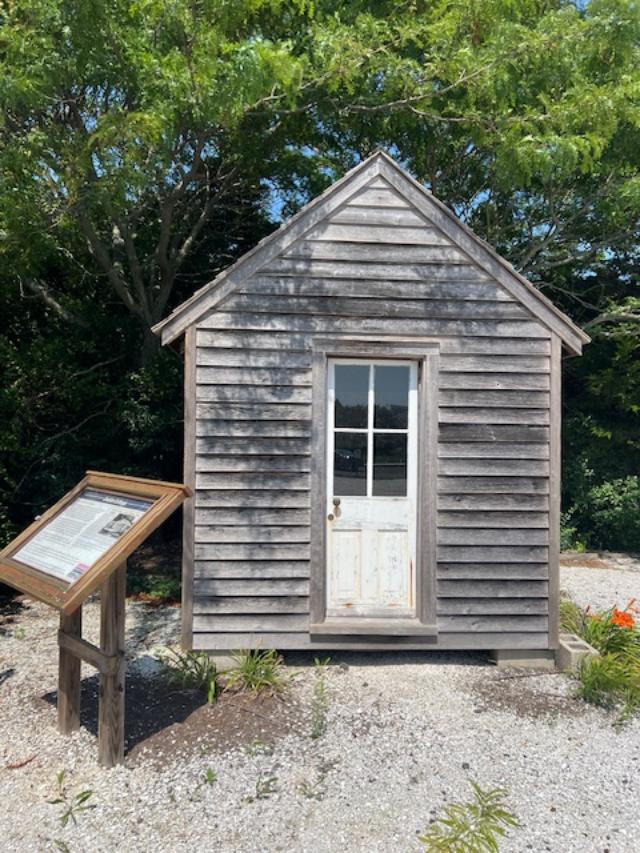
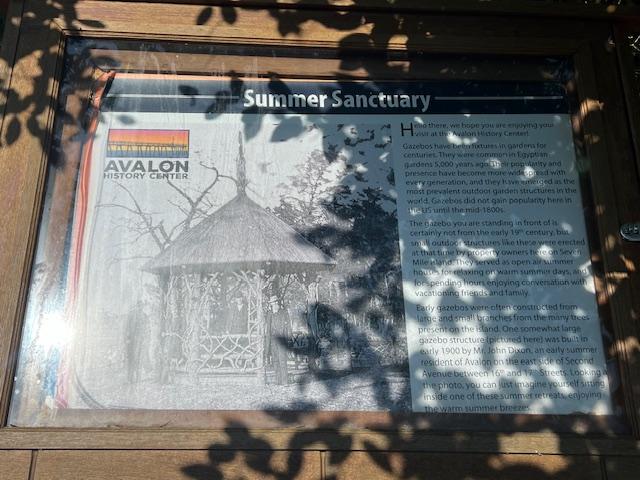
The museum also has landscaped grounds to walk outside either to some of the smaller historical buildings or to the gazebo to relax on a nice day and just enjoy the breezes. It is nice to walk along the flowering beds and just enjoy the sunshine.

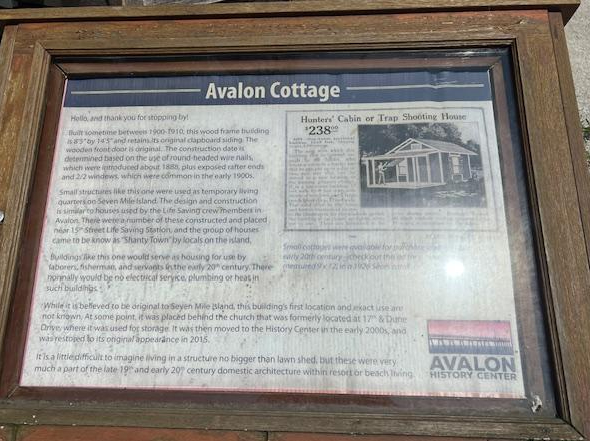
The Avalon Cottage sign outside the museum

The Avalon Cottage located outside the museum

The Summer Sanctuary sign outside the museum

The Summer Sanctuary outside the museum

It was a great visit both times I went to the museum.

History of the Avalon History Center:

(from a recent AHMS Newsletter)

The current facility opened its doors in September of 2001 to the public and began to share Avalon’s past, historical photographs, artifacts, memories and recollections lovingly collected and recorded by members of the Avalon Museum and Historical Society.
The museum main gallery

After several years of discussion, 1997 saw a historical society being formed at last in Avalon, supported by the enthusiastic endorsement of Mayor Marty Pagliughi and Borough Council President Nancy Hudanich, Doris Hanna and Jean Losch even secured a $10,000 donation from the Avalon Women’s Civic Club, as seed money for a building. Borough Council agreed to provide a location at 39th Street as well as a modular building-the old Public Works Headquarters, which did not prove suitable. The Avalon Museum and Historical Society got to work.

In June 1997, the first election of the Avalon Museum and Historical Society officers occured, along with the adoption of a constitution and bylaws. Among those first officers were Robert Jaggard, President, Lucille (Sue) Jacobson, Vice-President, Jan Jaggard, Secretary and Gordon Smith, Treasurer. Among thefirst Trustees were Jean Losch, Doris Hanna, Betty Shoemaker, Marvin Wells Jr., Joseph Koen and Robert Penrose Jr.

In early 1998, as the AMHS held its first fund drive, Doctors John and Elizabeth Ruskey agreed to honor the previous owner’s wish to donate their recently purchased house (location on 111st Street in Stone Harbor) to the effort. The Avalon Museum and Historical Society had support, money, a location and a building. Now all they had to do was move the house from Stone Harbor to Avalon, which is exactly what happened on November 6th, 1998. The groundbreaking took place on January 22nd, 1999.

The main history display at the museum

Once in place, work on putting the building back together and creating a museum space continued, inside and out. Items had been donated, collected and stored in the homes of the officers and trustees. It was the work of the AMHS to organize fundraising events to finance the project.

In mid-September 2001, the officers opening day arrived at last and AMHS President Pary Woehlcke, together with Mayor Marty Pagliughi cut the ribbon on Avalon’s very own local history museum.

Since then, there have been many changes at 215 39th Street, including the merger and incorporation of the Avalon Museum and Historical Society into the Avalon Free Public Library. We are now the Avalon History Center.
One thing that remains constant is the commitment, enthusiasm and passion from History Center staff and the Historical Society Board and members. Our mission remains to bring Avalon’s past alive and make it accessible for all. This year has been a challenge but one we hope we have met as we continue to keep the doors open, broaden our outreach online, entertain, educate and amuse our patrons.

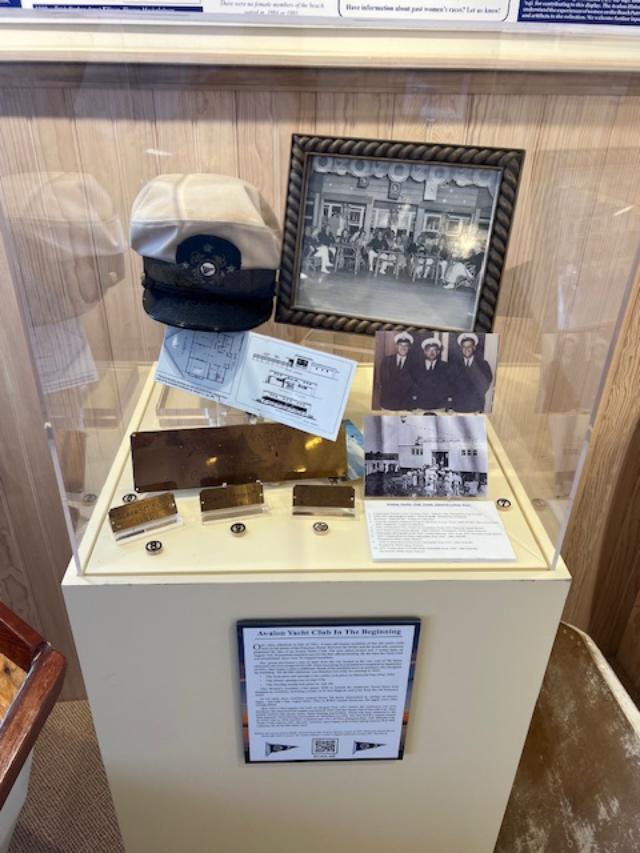
The Avalon Yacht Club display

Mission of the Avalon History Center:

The Mission of the Avalon History Center is to collect, chronical and preserve the history of the Borough of Avalon in the County of Cape May, New Jersey.

Peermont Self-Guided Walking Tour:

This self-guided tour of a section of Peermont (25th to 42nd Streets) will lead you from the Avalon Post Office at 33rd and Dune Drive through to 30th Street and ending at the Boardwalk and Beach Patrol on 32nd Street. It should take about one hour of gentle walking.

History of the Area:

(from the Avalon History Center pamphlet)

In October of 1888, Philadelphia entrepreneur George Rummel and the Avalon Beach Improvement Co. (ABICO) purchased from Joseph Wells at 17 block area of Seven Mile Island from 25th to 42nd Streets. The tract excluded the vast beachfront but included large areas of boggy meadowlands west of Third Avenue. This section of Seven Mile Island became known as the ABICO tract.

Rummel’s first priority was to build a hotel, which he named “The Peermont”. The railroad station which went up at the same time also became known as Peermont and so the ABICO tract followed suit. Peermont was on the map.

The Hotel Peermont in Avalon, NJ

Building lots were very quickly offered for sale so many that those in the Avalon section began to feel somewhat behind. Lots were also sold and bought in the meadowlands between Third and Forth Avenues on the assumption that they would be drained, filled, graded and curbed. Unfortunately 25th Street to Gravens Thoroughfare was the only roadway made passable. Rummel did however tear down the dunes, fill in and grade the ponds and marsh areas along the beachfront section of the ABICO tract, in order to build a seawall and then a boardwalk.