
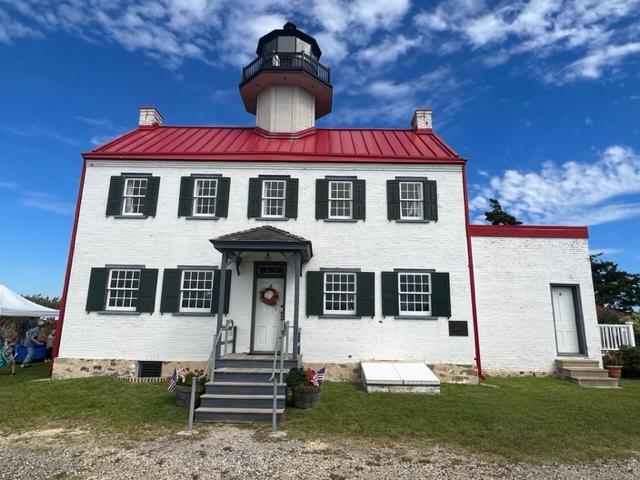
East Point Lighthouse
11 Lighthouse Road
Heislerville, NJ 08324
(856) 785-0349
https://www.facebook.com/eastpointlight/
Open: Sunday 1:00pm-4:00pm/Monday-Friday Closed/Saturday 1:00pm-4:00pm/Please check the website for seasonal dates
Admission: $8.00
My review on TripAdvisor:
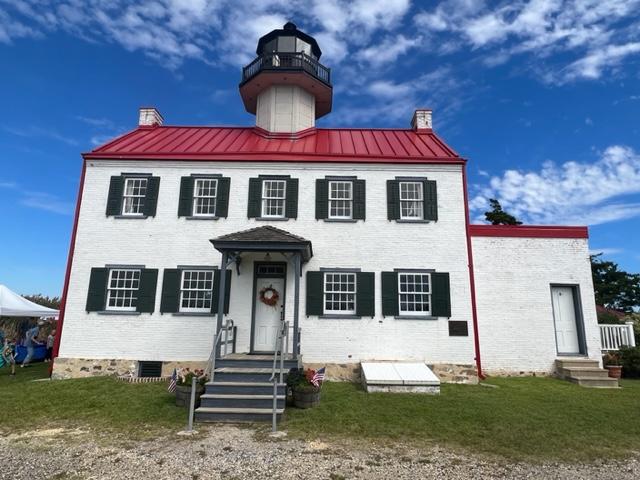
The East Point Lighthouse at 11 Lighthouse Road
I visited the East Point Lighthouse on a glorious sunny day when there was no wind in the forecast, and it made for an excellent visit to this lighthouse right by the sea. I noticed that on almost all sides, there were man-made barriers to protect the lighthouse grounds from erosion.
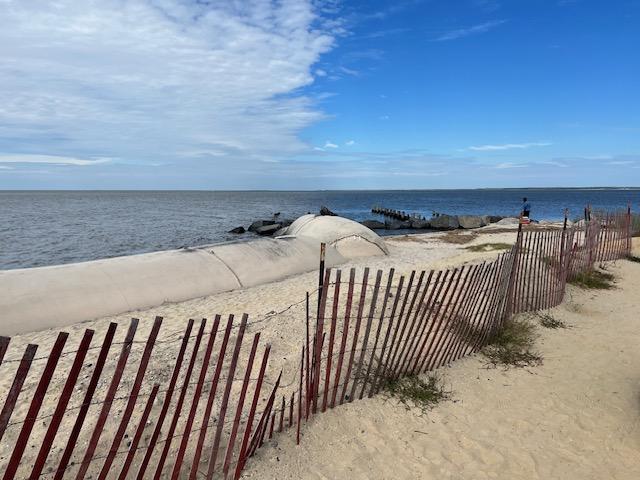
The bunker that surrounds the lighthouse.
The grounds were a combination of dunes with beach grass, rocks and tiger Lillys all over the property to give it a colorful look. There were misty breezes from the water that felt so good as it got hotter that day. The property is pretty contained and there is parking all around the building, but the lots are small.
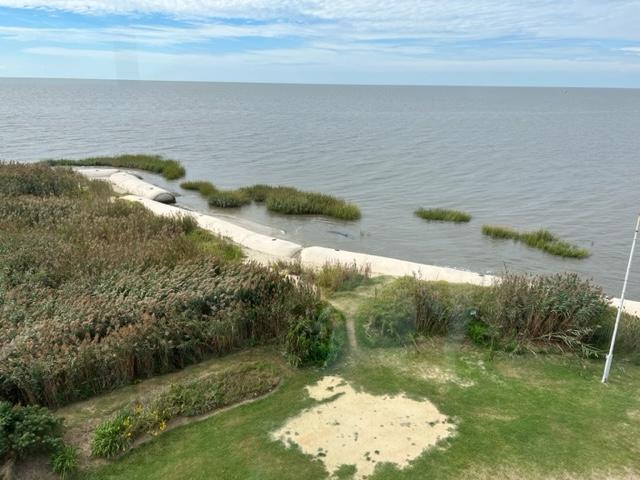
The view from the top of the lighthouse that surrounds it.
I bought my tickets in the gift shop ($8.00), was able to look around at the well-stocked shop with its nautical books and tee-shirts and hats with the lighthouse logo on it. You are also able to go to the bathroom.
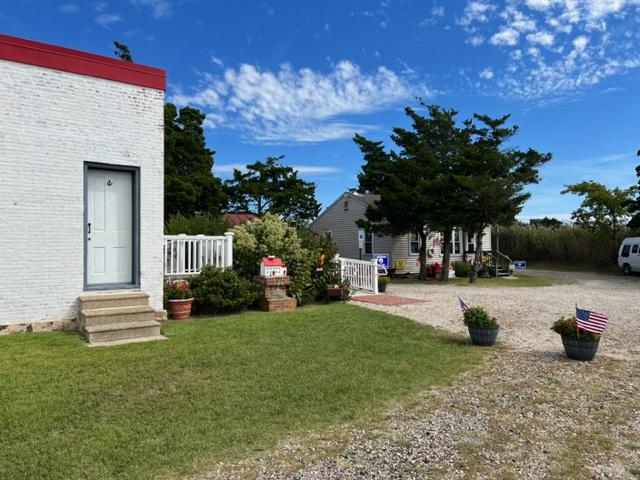
The entrance to the lighthouse and the gift shop.
The tour of the lighthouse is a self-guided tour, and you are able to climb the stairs and visit each room of the lighthouse as if the lighthouse keeper and his family still lived there. When I was talking with one of the volunteers that morning on the first floor, he told me as they were renovating the lighthouse after the fire and completing it, they put the word out to the community for donations to furnish the lighthouse with items that may have come from the period that the lighthouse was in operations. The donations poured in with family heirlooms that filled each room up.
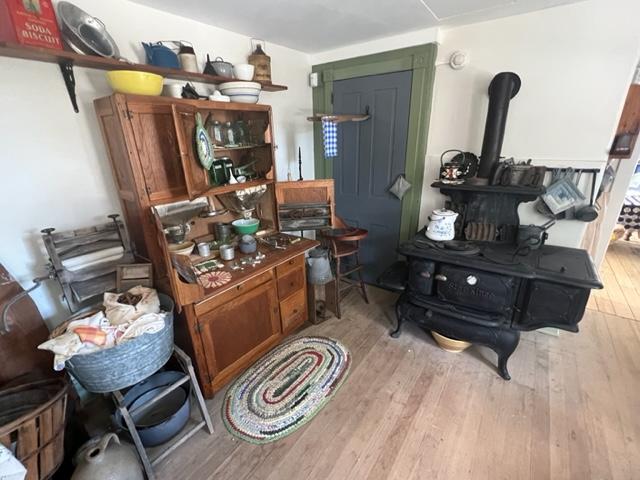
The first floor kitchen.
On the first floor is the kitchen with its time period ice box and coal stove which shows what life was life for a housewife before WWII. I am sure that electricity was tough getting to lighthouse especially during storms. You had washboards and basins for wash day and all the equipment to clean the house.
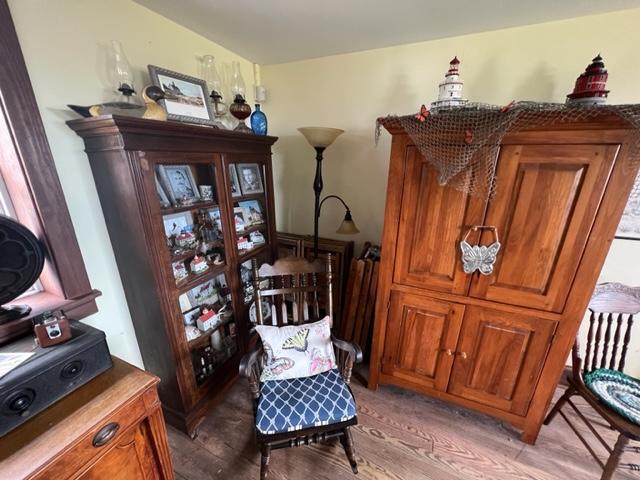
The Parlor at the Lighthouse
The lighthouse office of the lighthouse keeper was equipped with all things that are needed to keep the place running from maps to communication equipment to a fully stocked desk. There were no days off in this job. There was even a picture of Clara Noon, who as a little girl was the last child to live in the lighthouse. She visited again as a senior in the early 1990’s.
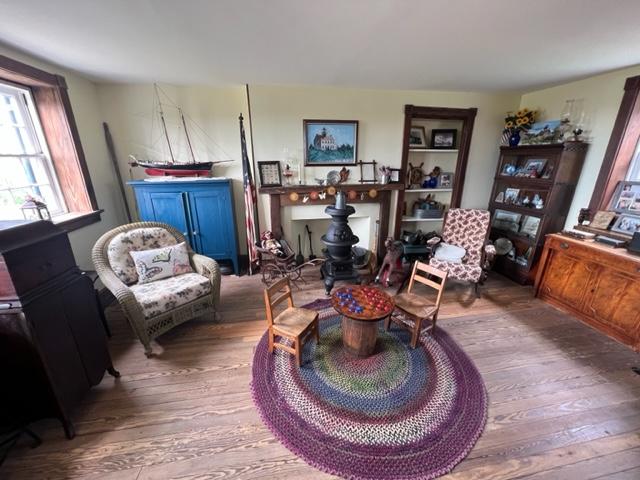
The Parlor in the lighthouse.
The upstairs had a fully furnished adults’ bedroom with period clothes of the early 1900’s to WWII and the furnishings were of various periods of living in the lighthouse.
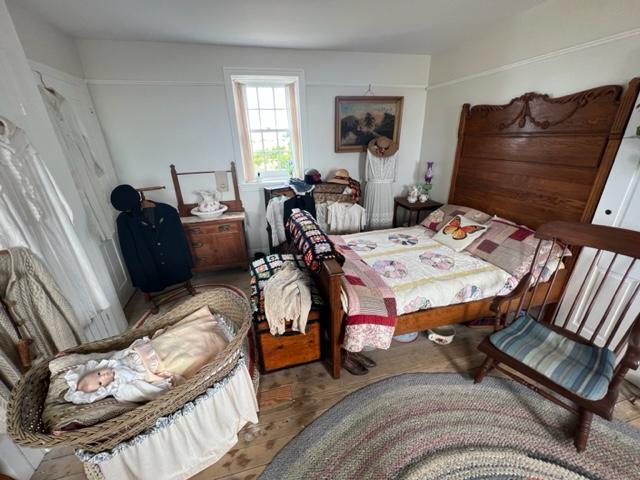
The Adult’s bedroom
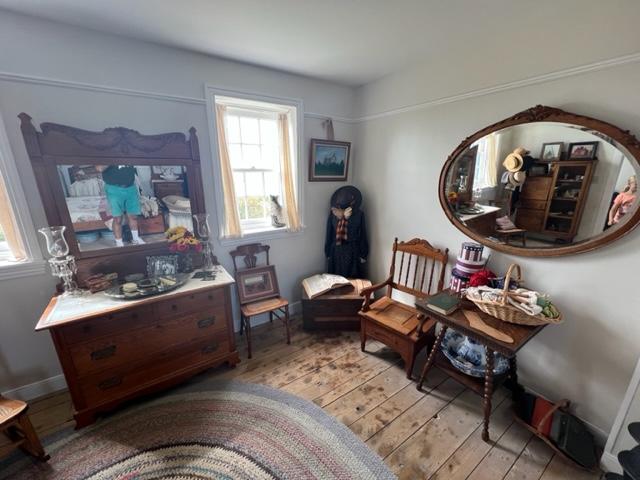
The Adult’s bedroom
The children’s bedroom was really elaborate with rope beds, children’s furniture, lots of toys from the 1890’s to the 1930’s and a great doll collection. There was even a handmade dollhouse complete with elaborate furniture that was handmade by a local resident. It was very impressive.
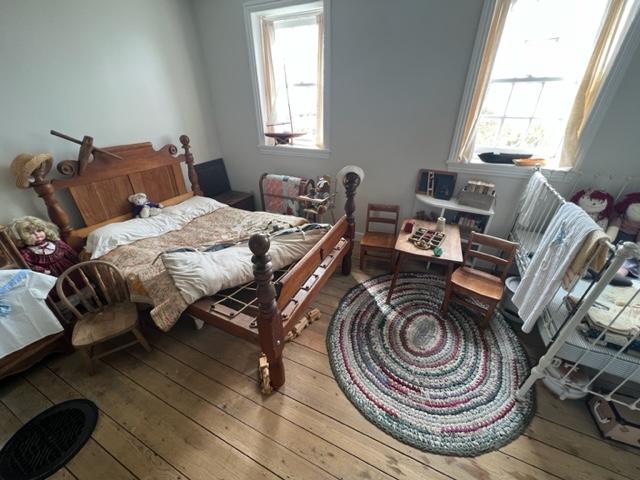
The Nursery and Children’s Room
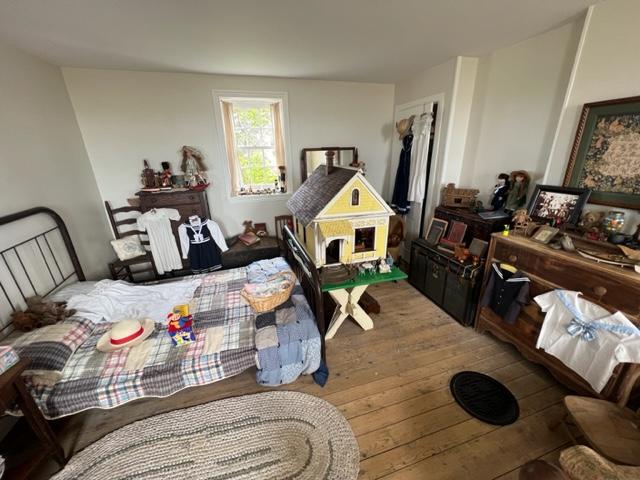
The Children’s Room
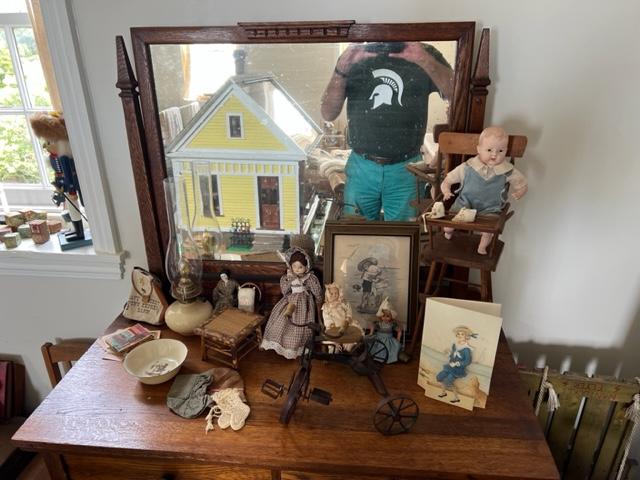
Children’s toys in the Children’s room
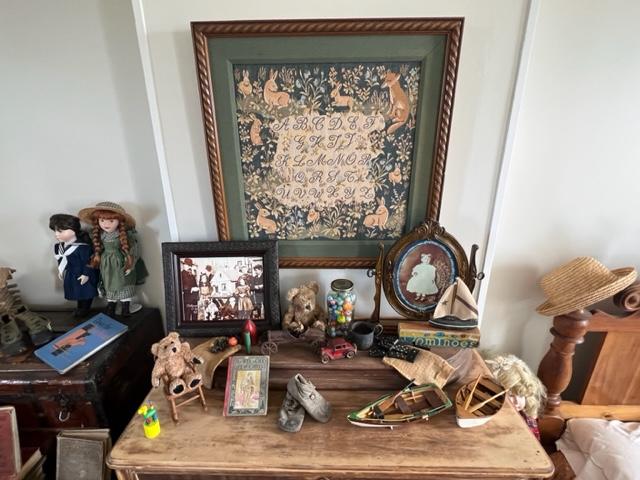
The Children’s toys and the Sampler
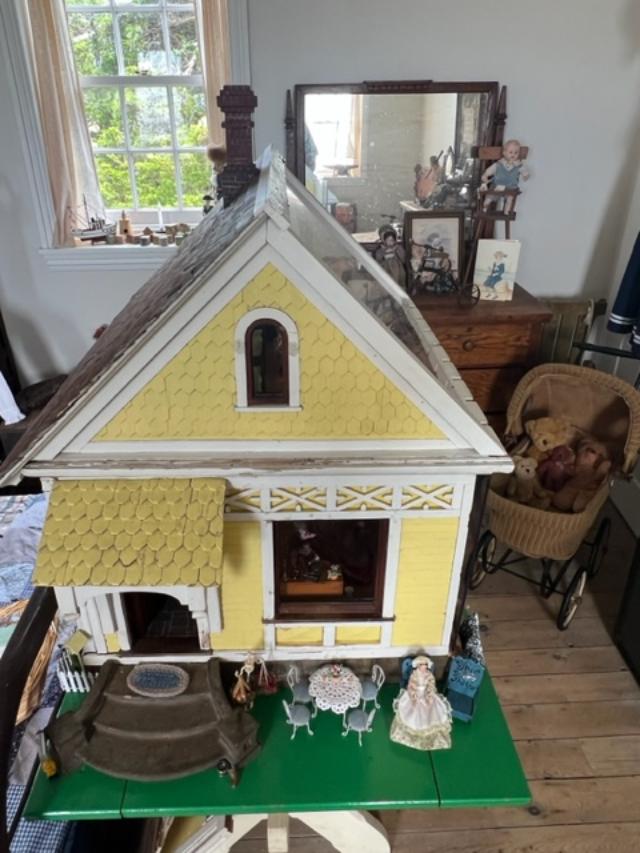
The Dollhouse that is well known in the lighthouse
There were also all sorts of maps and rare books to look at and a complete radio room and then the last set of stairs took you up to the light where you could see the views of the ocean. In fact, the views from all the floors were pretty impressive.
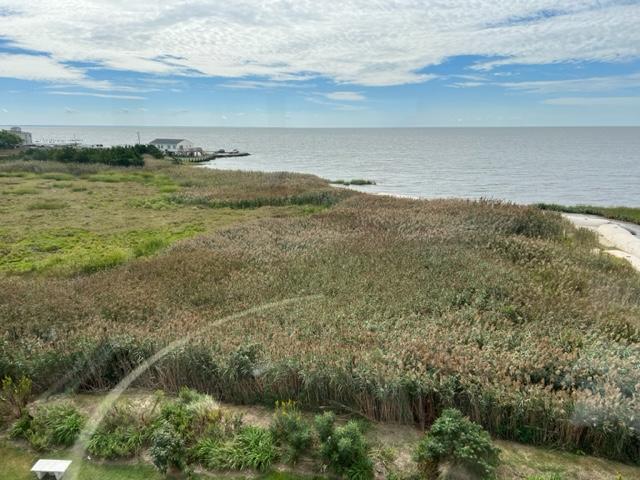
The views from the top of the lighthouse.
It is an amazing self-guided tour that gives you a glimpse into the life of the families that lived here. It may not have been this elaborate as all the items inside the lighthouse, but it gives you a clue on what life must have been like by using your imagination.
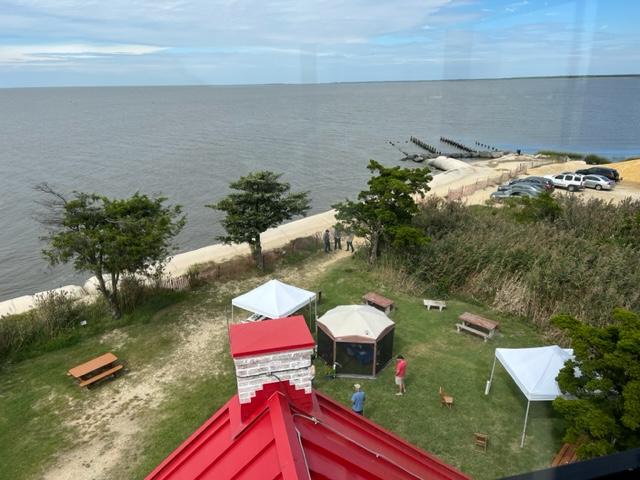
The views from the top of the lighthouse.
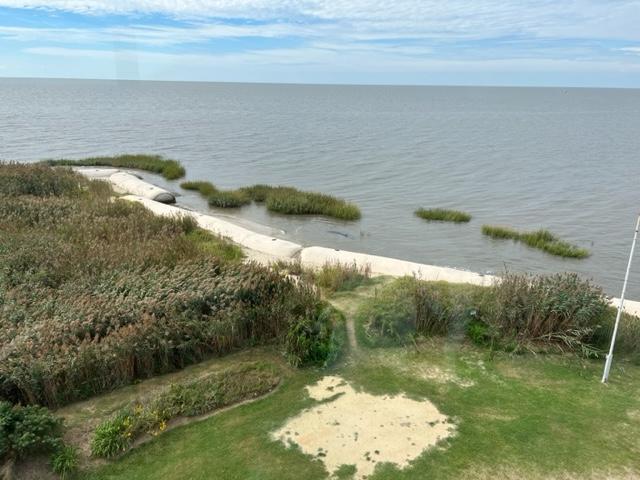
What was interesting is that the lighthouse opened in 1849 and then became fully automated in 1911 so its use of a lighthouse keeper was pretty much over before WWI. Still over a period of time you can see how the job changed with automation and advancement of technology.
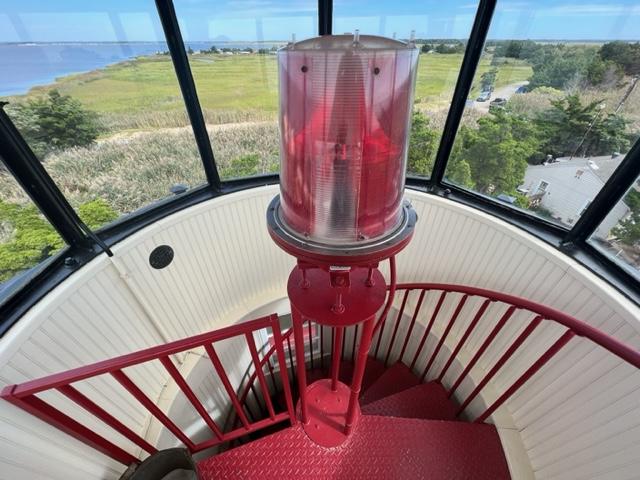
The signal light of the lighthouse.
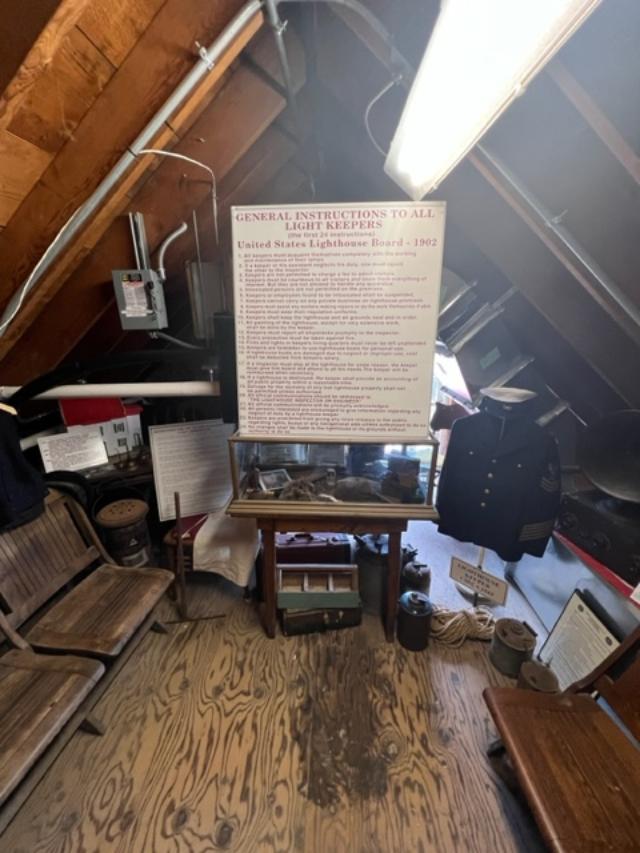
The top of the lighthouse.
I took time to walk the grounds. The landscaping and the beach dunes gave it a very attractive backdrop.
The History of the East Point Lighthouse:
(From the Cumberland County Historical Division/NJ Lighthouse.com/East Point Tourism Pamphlet):
The East Point Lighthouse is an active lighthouse that was built in 1849, situated on the southern bayshore in Cumberland County, NJ. The ligthhouse originally had a lighthouse keeper to maintain the lights. In exchange for doing this work, they were allowed to live here rent free and were paid the sum of $1.00 per year for their services. It was fully automated by 1911.
The lighthouse was blacked out in WWII and then after the war, the Coast Guard decided the lighthouse was not longer necessary and decommissioned it in 1941. Over the years it deteriorated quickly over time.
In 1955, the Federal Government decided to sell the lighthouse and the property as surplus, and it was purchased by a Long Island construction company but before the sale was consummated it was found that proper disposal procedures were not followed in that the lighthouse was not first offered to the State of New Jersey. The state was interested in the property not because of the lighthouse but because the site was surrounded by the Heisersville Wildlife Refuge and would provide a place for boats to be launched.
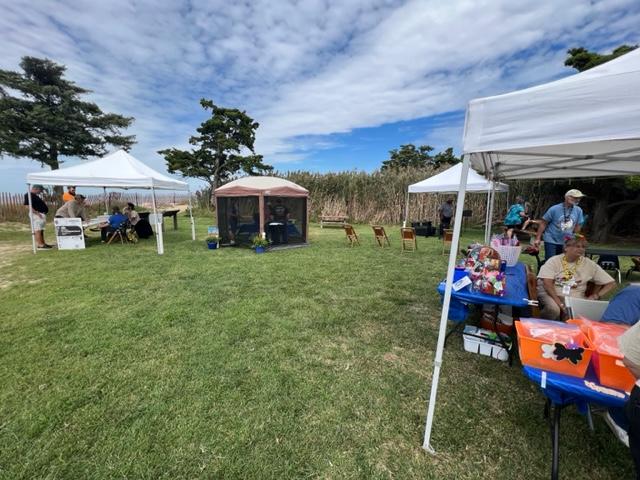
The Annual Monarch Butterfly Festival.
Local residents became concerned with the condition of the lighthouse and in February of 1971, the Maurice River Historical Society was founded with the goal of restoring the lighthouse. In July of 1971 before negotiations were complete, the lighthouse was set on fire. Through a series of grants over the years and a lot of dedication from the volunteers, the lighthouse has been reconstructed.
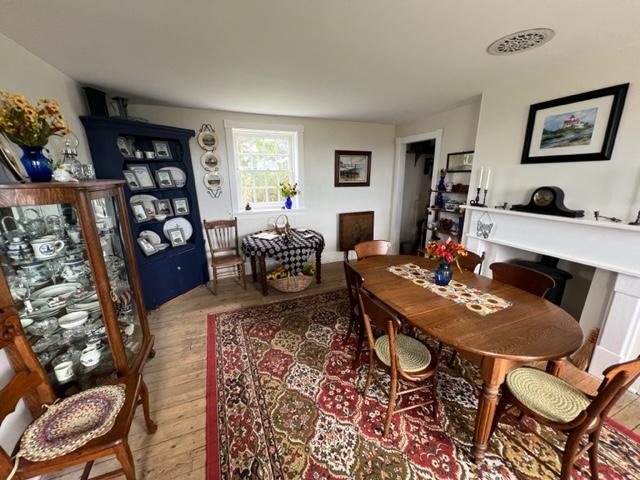
The Dining Room at the ligthouse.
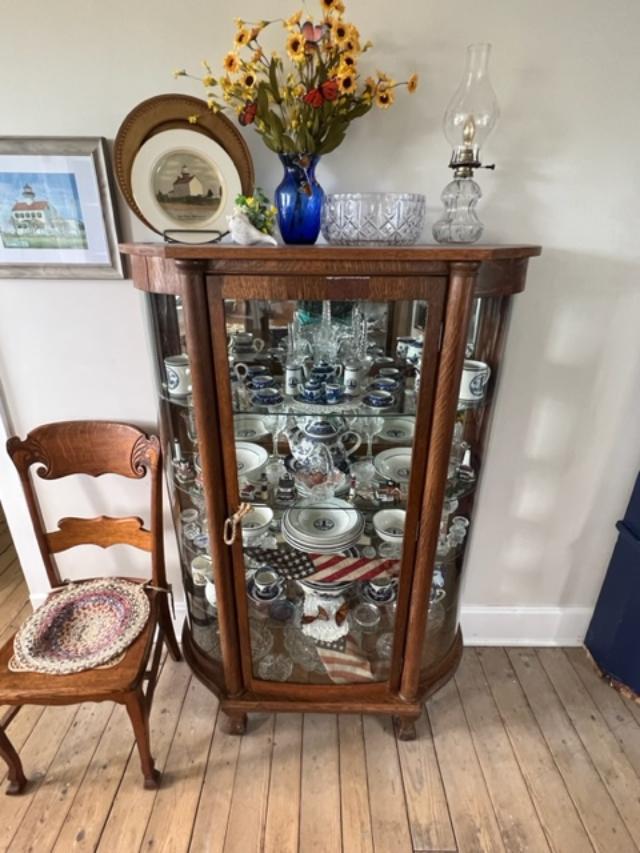
The Lighthouse China
This fully restored and furnished lighthouse with its beacon on each night serves as both an active navigational aid serviced by the United States Coast Guard as well as a year round museum, thanks to the work of the Maurice River Historical Society that manages this historical site.
Through the work of the non-profit historical society that over saw the full restoration, fully furnished, maintains and manages the lighthouse, it’s open to the public to climb/tour and for specials events year round. Both the lighthouse and grounds surrounding the lighthouse are on the National Historic Registry. East Point is the second oldest lighthouse in New Jersey (behind the Sandy Hook Lighthouse) and the only remaining New Jersey land based lighthouse on the Delaware Bay.
The two story Cape Cod style lighthouse with its distinctive red roof by day and blinking red beacon by night, marks the mouth of the Maurice River on the Delaware Bay. East Point is known for its rich maritime history, spectacular views, wide variety of wildlife and beautiful sunsets, making it a popular destination for tourist, artists, photographers, wildlife and history enthusiasts alike.







 Visiting a Museum: The Unique, Unusual, Obscure and Historical