Tag: bergencountycaregiver

Silas Riggs Saltbox House/Roxbury Township Historical Society                                                  213 Main Street                                      Ledgewood, NJ 07852

Silas Riggs Saltbox House/Roxbury Township Historical Society 213 Main Street Ledgewood, NJ 07852

Silas Riggs Saltbox House/Roxbury Township Historical Society

213 Main Street

Ledgewood, NJ 07852

(973) 927-7603

http://www.roxburynewjersey.com/society.htm

Open: Check their Website/Seasonal

My review on TripAdvisor:

I visited the Silas Riggs Saltbox House on a visit to the Roxbury Township Historical Society during the Morris County’s “Pathways to History” event. The event gave us a chance to visit many different sites in one day.

The Historical marker in front of the house

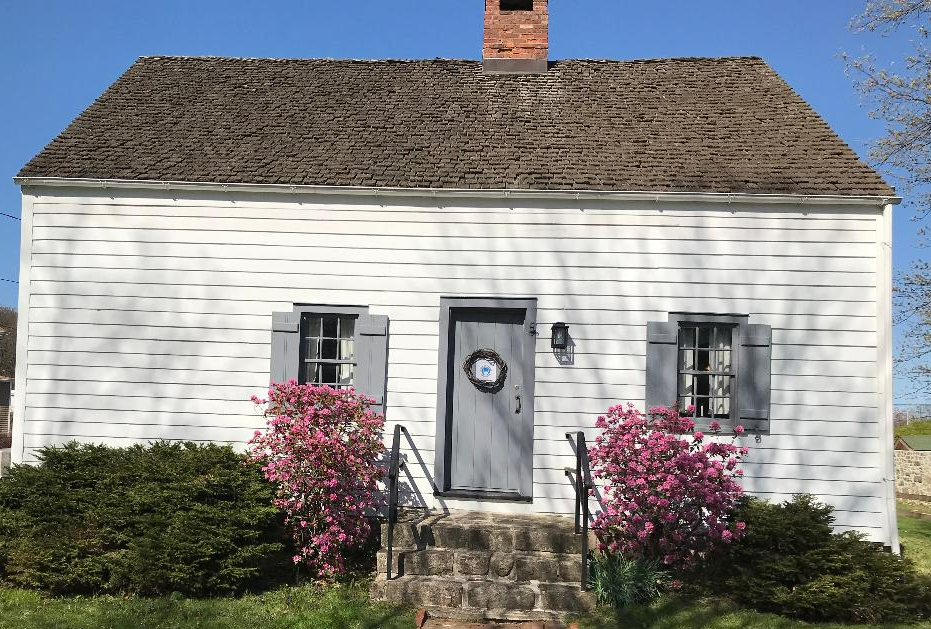
The Silas Riggs Saltbox House is part of the King Victorian Home & King Canal Store complex it shares with the Roxbury Historic Trust. The Silas Riggs home is a preserved colonial era, Revolutionary War period residence. It is managed by the Roxbury Township Historical Society as a “Living History Museum”, hosting events that bring a sense of the past to those who step inside (Roxbury Historical Society).

The Silas Riggs Saltbox House during the tour

The last historical site on my tour that day, it was also one of the most interesting not just because of the history of the home itself but the care and TLC the site is given by its volunteers and docents. The Riggs home is a place that you feel you have stepped into someone’s home who just left for the afternoon. Many historical societies that I have been to in the past are usually dusty and musty with artifacts thrown here and there. The Riggs home was decorated by lifestyle of the periods that it was lived in.

The volunteers were nice enough to stay open for me and we ended up talking for over 45 minutes on the house and how it was decorated. There was a care in this home as the walls and ceilings were in perfect shape and the home was so welcoming that it did not feel like a museum but more like a tour through someone’s grandmother’s home.

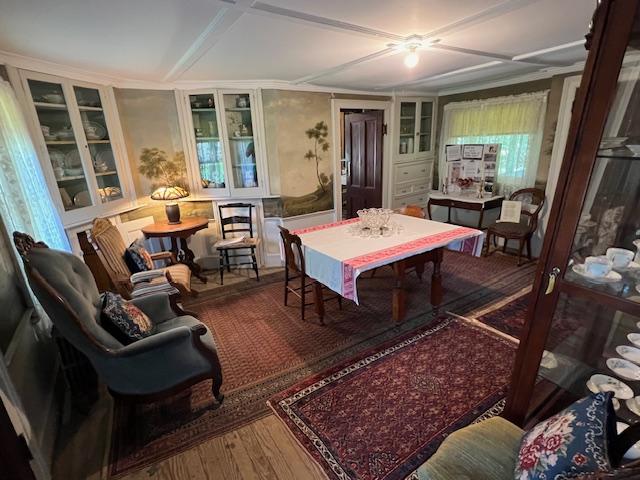
You are welcomed in the front room by an office set up with a large knit quilt and period furniture in a sun filled room that is such an engaging place to be greeted and just talk. The period furniture is in perfect shape and fits the mood of the room.

The front parlor room

To the side of the room is the old office area space where work would have been done and the family would have gathered. The sun-drenched room would have been a bit homier in its day but reflected how homes back then were used for both business and pleasure.

The living room/office of the Silas Riggs house

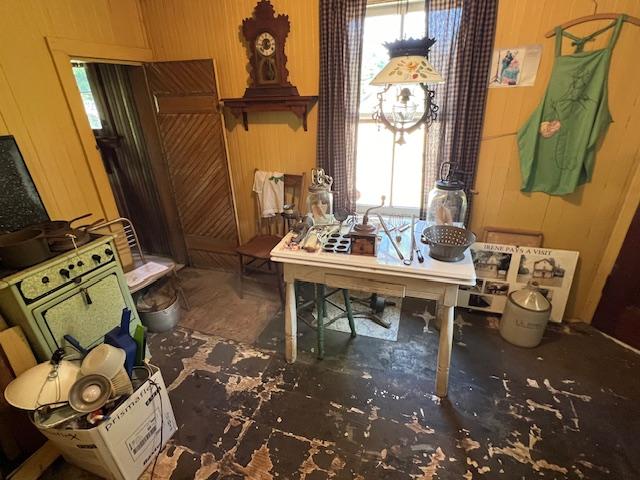
The kitchen was a reflection of kitchen’s today as the center of the home for not just cooking but socializing. The kitchen was not just a source of cooking but heat for the house. There must have been a lot of family gatherings in this room. The Historical Society during the holidays uses the kitchen for a special “Soup Dinner”, where freshly made soup is made in the hearth along with homemade corn bread. This fundraiser is considered very popular, and you have to sign up early to experience being part of the home’s family. On a cold winter night, this must have been the perfect room to be in. Even today, the kitchen is the gathering spot for all families.
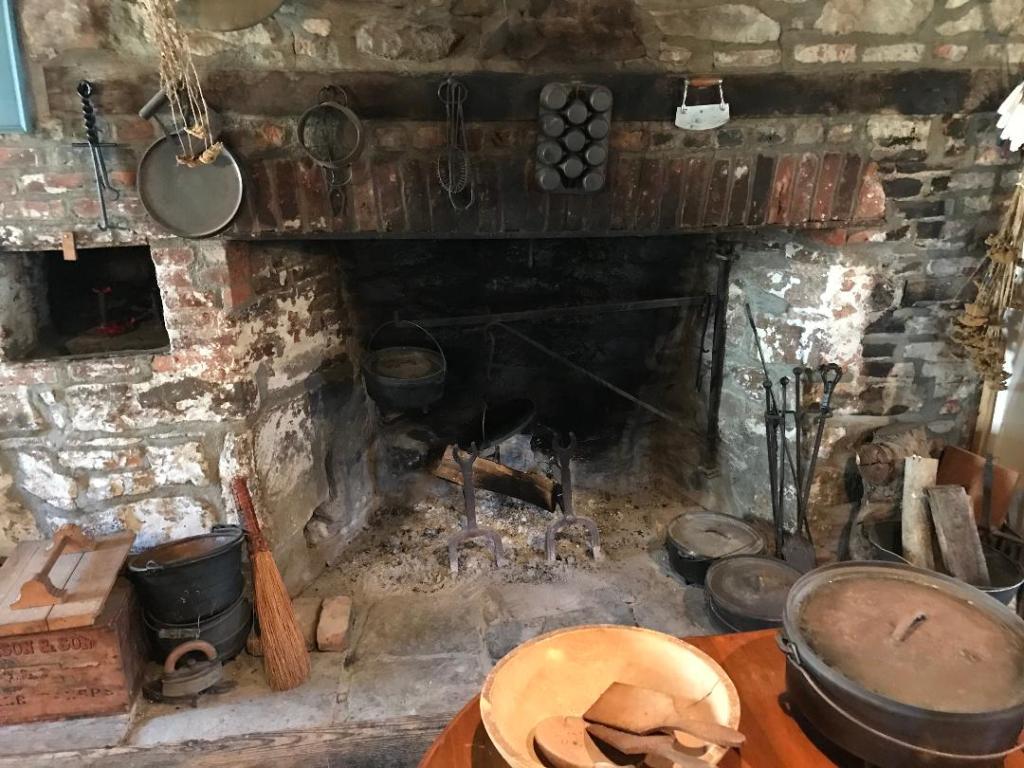
The kitchen hearth of the Silas Riggs house

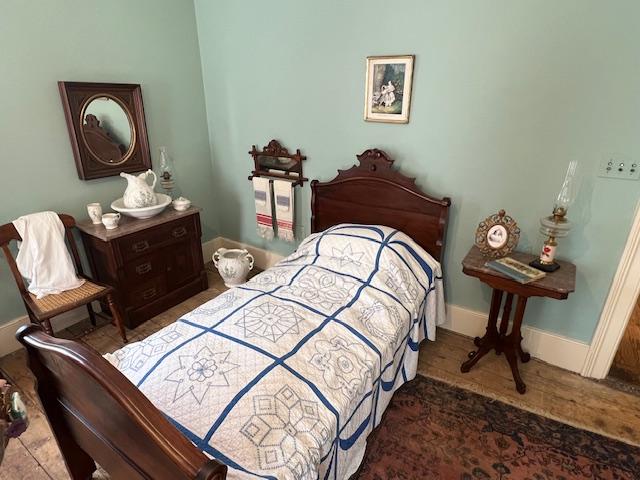
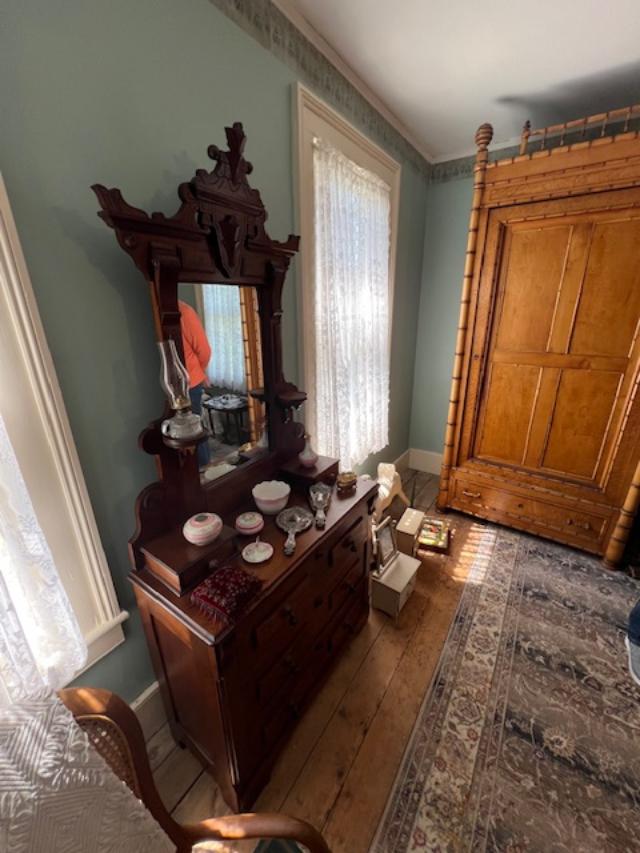
The bedroom that connected the back kitchen to the front parlor was decorated with period furnishings, clothing from the late 1700’s and early 1800’s. The furniture had a heavy look with dark colors and sturdiness to the items in the room as made by hand and meant to last for a long time.

The volunteers were telling me that many people came to the home and said that they could move in right now. This was the care and detail that has been put into this site. It is not just that the home is a reflection of the period, but it is set up in a way that makes you feel that the family is still greeting you when you walk in the door. The museum is a cheery atmosphere that invites its visitors in for the day.

It is such an interesting home to visit.

The History of the Silas Riggs Saltbox Home:

(From the History Girl website)

https://www.thehistorygirl.com/2012/09/three-centuries-of-history-in-roxbury.html

Architectural historians have said that the Saltbox house was one of the earliest homes built in Ledgewood, NJ in the circa 1740. Saltbox houses are a flat in the front with a central chimney set square in the middle of the roofline. The roofline of a saltbox house is asymmetrical with a short, steep roof in the front and a much longer, sloping roof in the back which accommodates the one-story extension of the home.

While the original owners of the Silas Riggs Saltbox House are unknown, but records indicate that by the early 1800’s, the house was owned by Silas Riggs and his wife, Harriet. Silas was a tanner by trade and supplied the local mines with leather pouches used to transport ore. He was also a contractor for a section of the Morris Canal in 1830. He oversaw the operation of three barges in the area. His son, Albert, ran the nearby Canal Store during the canal’s early years.

The design of the house is of post and beam construction, held together with wooden pegs visible in the second story eaves, the Saltbox house, is so called because of its extended, rear sloping roofline, recalling the design of salt containers of colonial times (Roxbury Historical Society).

Obadiah La Tourette Grist and Sawmill/Washington Township Land Trust                 12 East Mill Road                                               Long Valley, NJ 07853

Obadiah La Tourette Grist and Sawmill/Washington Township Land Trust 12 East Mill Road Long Valley, NJ 07853

Obadiah La Tourette Grist and Sawmill/Washington Township Land Trust

12 East Mill Road

Long Valley, NJ 07853

(908) 876-5986

https://www.njskylands.com/hsmillob

Open: See their website/Seasonal

My review on TripAdvisor:

https://www.tripadvisor.com/ShowUserReviews-g46583-d24070163-r839124039-Obadiah_La_Tourette_Grist_Saw_Mill-Long_Valley_Morris_County_New_Jersey.html?m=19905

Video on the Obadiah La Tourette Grist & Sawmill

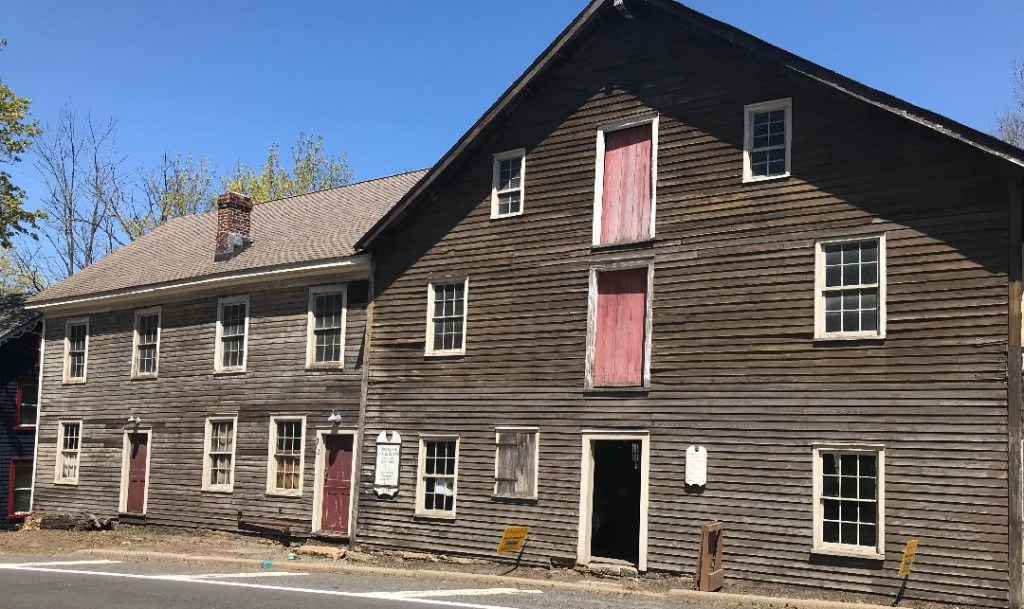
I visited the Obadiah La Tourette Grist & Sawmill during a visit to Long Valley, NJ for Morris County’s “Pathway to History” tour and this was one of the most unusual and interesting sites on the tour. The mill was once one of the most active businesses in the area. The Mill processed and packaged flour for the areas farmers making it one of the most profitable businesses in the region. By the end of WWII, the Mill was itself was becoming antiquated and larger producers could make the product for far less money and the business closed.

The Obadiah La Tourette Mill

The entrance of the Obadiah La Tourette Grist and Sawmill

The Mill itself it is getting a renovation, and, on the tour, I took, you could visit all three floors of the Mill and see how the product was made. On the first floor is where some of the processing took place.

The first floor now greets you where it once served as the Receiving area

The wheat was brought in, processed and milled. One of the machines is still in the building. This is where the raw product was brought in for processing into flour.

Processing the flour

The bottom level is where are all machinery is where the power source of the stream moved all the equipment along.

The power source of the stream below moved the wheels to process the flour

This was really interesting because the stream still lies underneath the mill and you can see the flow of water throughout the bottom of the building as it had over 100 years ago. This is how Mother Nature did her part before electricity.

History of the Obadiah La Tourette Mill Restoration:

(From the Washington Trust Pamphlet)

The Mill was built in circa 1750 and owned by Philip Weise. The Mill was essential to the economy and development of German Valley and the surrounding agricultural community. For much of its history, it was the most successful business in the village, grinding grain and producing flour and animal feed. A sawmill was located behind the grist mill during the 1800’s.

Originally powered by two water wheels, the mill was converted to turbine power by owner Obadiah La Tourette in the 1870’s. Milling operations continued until the early 1940’s. Most of the machinery remains, reflecting the history of milling over 200 years.

The stream is the power source of the Mill

In 1991, the Washington Township Land Trust purchased the condemned building and embarked upon its restoration with the aid of volunteers, grants and generous donations. The current scope of work is being funded by a grant from the Morris County Historic Preservation Trust Fund. It includes the restoration of structural framing, soffit trim, doors and siding of the street facade; restoration of some first-floor beams and joists and restoration of thirteen windows.

The Mill in 1993

The History of the Washington Township Land Trust:

(From the Washington Trust Pamphlet)

The Washington Township Land Trust of Morris County, NJ was organized in 1990 and incorporated in 1991 as a 501 (c) (3) non-profit corporation. It is exclusively for charitable, educational and scientific purposes, to protect and preserve the lands, watercourses, ponds, streams and structures which contribute to the natural beauty and rural character of Washington Township.

To achieve this, the Land Trust acquires interests in land through purchase or donation, manages land uses for the benefit of the public and makes itself available to the Township of Washington to assist in the stewardship of public lands and easements.

In 1991, the Land Trust acquired the Obadiah La Tourette Mill and the surrounding ten acres of land, now preserved as a wetlands park. A portion of the park has been set aside as a memorial garden for Helen Andrews, a longtime resident of Long Valley and wife of Stan Andrews. The Land Trust also administers the issuance of easement markers for Washington Township and may in the future expand its operation to the monitoring of easements.

The Land Trust provides education to the public on various preservation issues such as conservation easements and other topics of value. Lastly, the Land Trust works with other land trusts, open space groups and conservation organizations to provide an organized approach to meet our common goals.

Washington Township Land Trust

P.O. Box 4

Long Valley, NJ 07853-0004

Phone: (908) 876-5986

wtlandtrust@gmail.com

King Victorian Home & King Canal Store/Roxbury Historic Trust                               209 & 211 Main Street                           Ledgewood, NJ 07852

King Victorian Home & King Canal Store/Roxbury Historic Trust 209 & 211 Main Street Ledgewood, NJ 07852

King Victorian Home & King Canal Store/Roxbury Historic Trust

209 & 211 Main Street

Ledgewood, NJ 07852

(973) 927-7603/(973) 584-7903

http://www.roxburynewjersey.com/trust-home.htm

https://en.wikipedia.org/wiki/King_Store_and_Homestead

Open: Check their website/Seasonal

My review on TripAdvisor:

https://www.tripadvisor.com/Attraction_Review-g46563-d15096918-Reviews-King_House_And_Stores_Museum-Ledgewood_Morris_County_New_Jersey.html

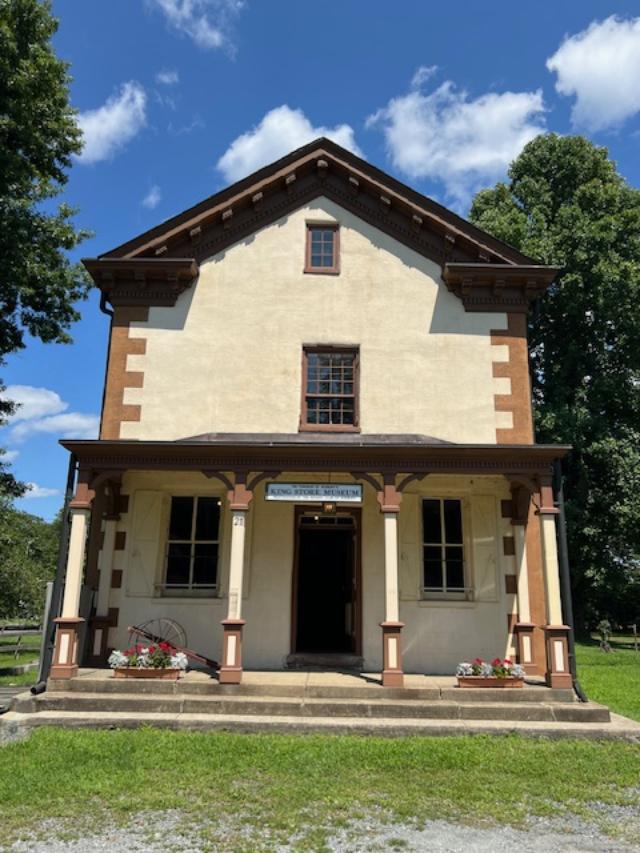
The King Canal Store Museum at 209 Main Street

The Drakesville (what the town was originally called) historic sign

I visited the King Canal Store Museum and the King Homestead during the Morris County “Pathways to History” tour in May of 2022 and again in August 2024. This interesting store was still intact with its merchandise lining the shelves with a pot belly stove in the center of the store which was the center of action when the store was open to the community. All sorts of grocery items and notion items still line the walls.

The inside of the King Canal Store Museum shows the center of the community

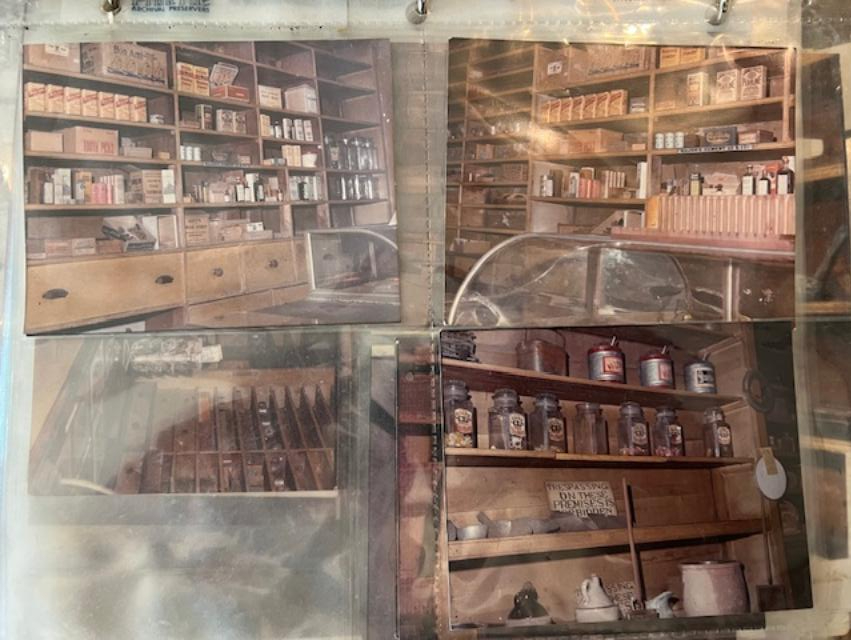
Pictures of the old store when it was open

The guide explained that upon the death of the owner wanted to store closed and sealed. His daughter only opened it in the 1930’s in the depth of the Depression so that residents could buy items at a reasonable price.

The King Canal Store Museum still has items still lining the walls

The King Store and the King Homestead are historic buildings located in the Ledgewood section of Roxbury Township. The Roxbury Historic Trust acts as curator for these county owned buildings. These buildings represent significance in New Jersey commerce from 1815-1928 and were added to the National Register of Historic Places in 1994 (Wiki).
The notions area of the store

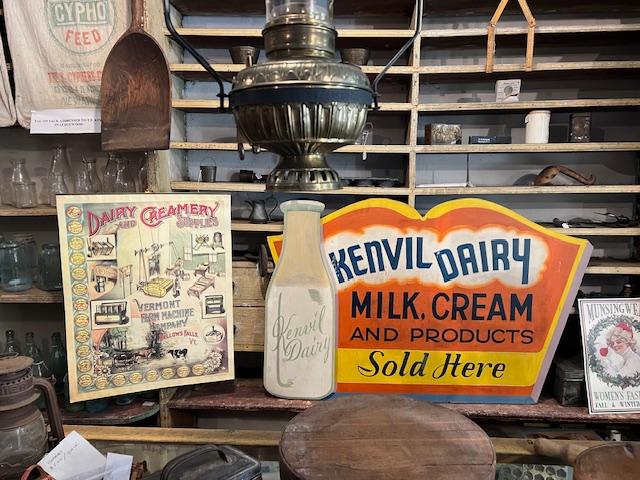
Some of the advertising for items in the store

The items on the shelves of the General Store

The King and Riggs families used to live above the store before they build the house next door. We got to take a tour of the second floor that you do not normally get to see.
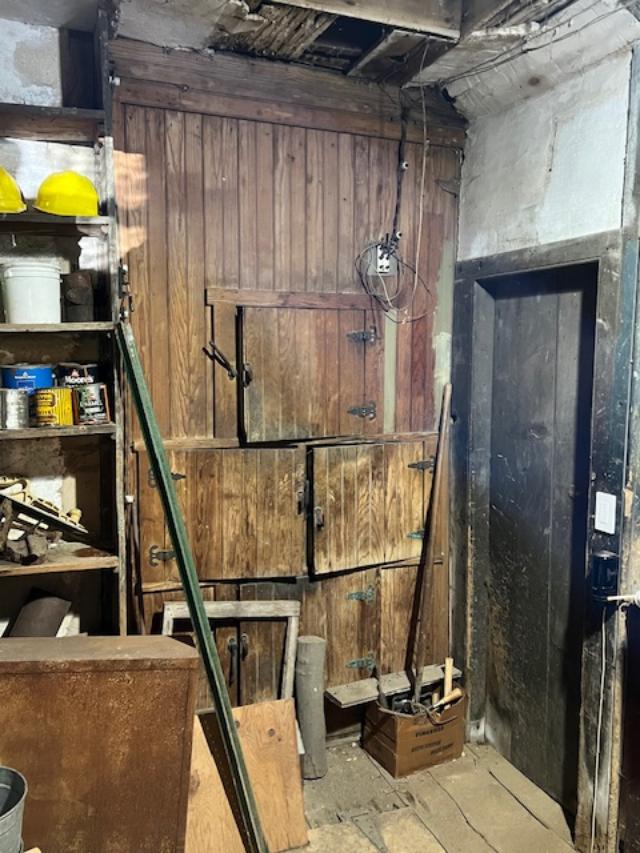
The ice storage doors to the cooler

The upstairs rooms in the living area of the store

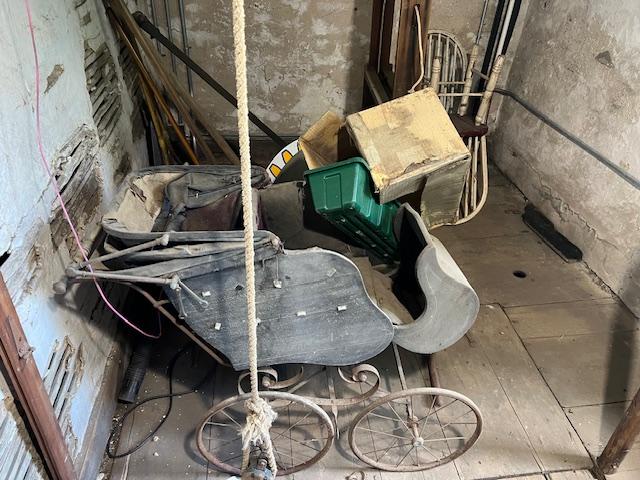
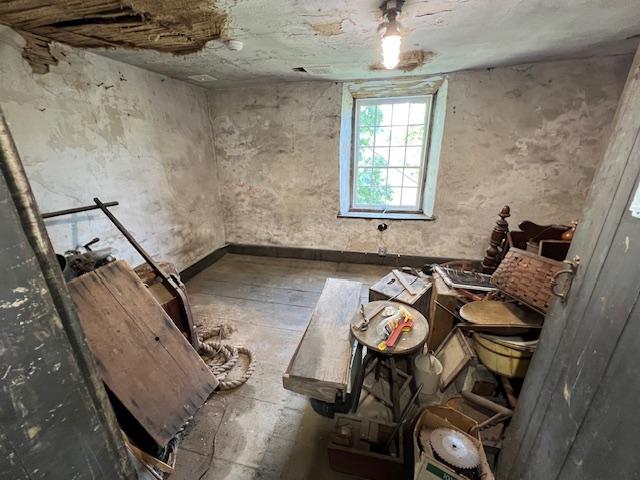
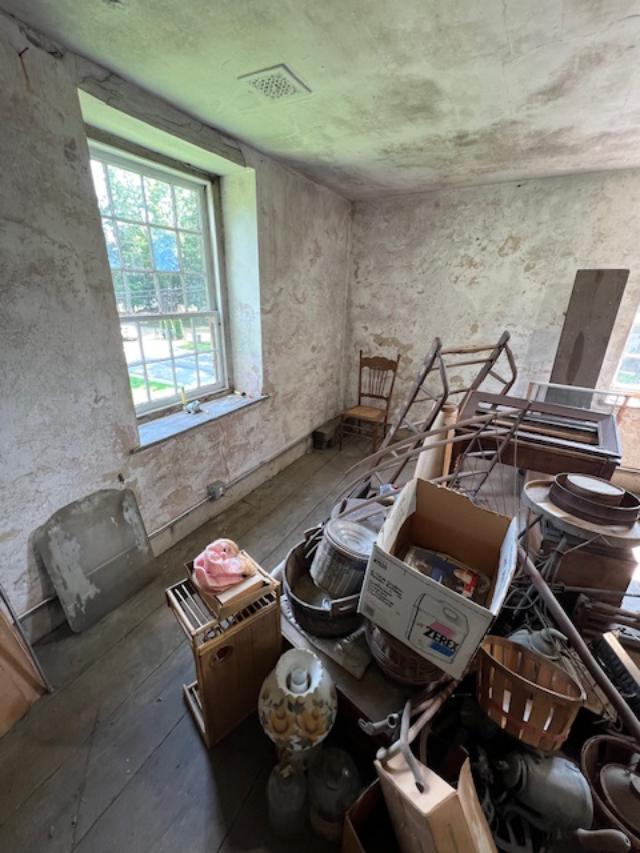
The rooms above the store

The rooms above the store

The graffiti on the walls upstairs from the turn of the last century

After I visited the King General Store, I walked over to the family home. This Victorian home had been in the family since the late 1880’s until the last family who lived in the house died in 1975.

History of the King Canal Store:

(From the Museum website)

The King Canal Store is a unique, 2 1/2 story building constructed of stone in 1815 by Woodruff and Hopkins. At the ground floor its walls are three feet thick. The Woodruff family operated the store until 1835. It was abandoned for two years and in 1837 Albert Riggs (Son of Silas Riggs, a tanner by trade and owner of several canal boats) acquired the building and reopened it as a general store serving the community and the Morris Canal trade as it was located 150 feet from the Morris Canal basin (Wiki/Museum website).

Theodore King was the son in law of Albert Riggs, took over the store in 1873. He lived on the second floor of the building with his wife, Emma Louise and daughter also named Emma Louise. In 1881, Mr. King built a new residence on adjacent property and then began a renovation of the store, changing the decor to Greek Revival and the color scheme to cream with brown trim. In the process, the exterior was given a smooth coat of stucco which was scored to resemble large blocks. The interior of the store was given an Italianate design with a cream and maroon color scheme (Wiki).

Mr. King died in 1928 and his daughter closed the building, its contents remaining just as they were with a few occasional openings in the 1930’s to help the locals in the depths of the Depression. Emma Louise King maintained the closed-up store and lived in the well cared for home until her death at 92 in 1975. From 1989, the Roxbury Rotary Club has worked with the Roxbury Historic Trust to restore the exterior and the first-floor shop and create the King Store Museum (Museum website/Historic Ledgewood Guide).

The King Canal Store Museum has grocery items lining the walls

The Theodore F. King Homestead:

The King Family Homestead at 211 Main Street was in the family until 1975

The King Homestead, a vernacular frame house to start had several additions with Italianate and Queen Anne influenced detailing. It is possible that the original house may just have consisted of the current parlor, the two exhibition rooms and one or both of the staircases to the second floor. There were two front bedrooms and a smaller bedroom in the rear of the home.

The King Family Homestead at 211 Main Street

The portrait of Mr. King hangs in the house’s Living Room

The house that was built by Mr. King for his family. They moved out of the second floor of the store.

The Living Room at the King House

The Living Room by the fireplace

The Living Room by the piano

Mr. King’s office to run the store

The Dining Room for entertaining

The Dining Room table for entertaining

The new Kitchen behind the Dining Room

The landing at top of the second floor

The nook on the second floor of the home

The Victorian Girl’s Room on the second floor

The Victorian Girl’s Room

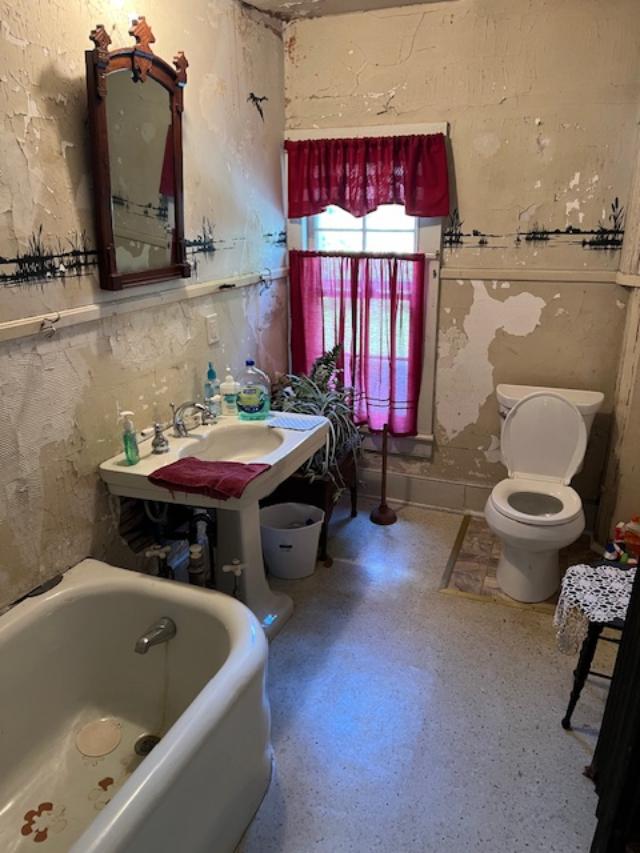
The new bathroom needs some work

The stairs to the basement contained the kitchen (which was a common practice during Victorian times) with a dumbwaiter added to the dining room so that the food could be brought up from the kitchen. Another addition to the home was the first-floor front office used by both Mr. King and his daughter. The mural in the first-floor dining room was by artist James William Marland in 1936 (Wiki).

The King House lawn

Chester Historical Society/Chester’s Rockefeller Center                                                                    137 Main Street                                              Chester, NJ 07630

Chester Historical Society/Chester’s Rockefeller Center 137 Main Street Chester, NJ 07630

Chester Historical Society/Chester’s Rockefeller Center

137 Main Street

Chester, NJ 07630

(973) 829-8120/(908) 879-2761

http://www.historicchesternj.com/

Open: Check their website/Seasonal

Admission:

My review on TripAdvisor:

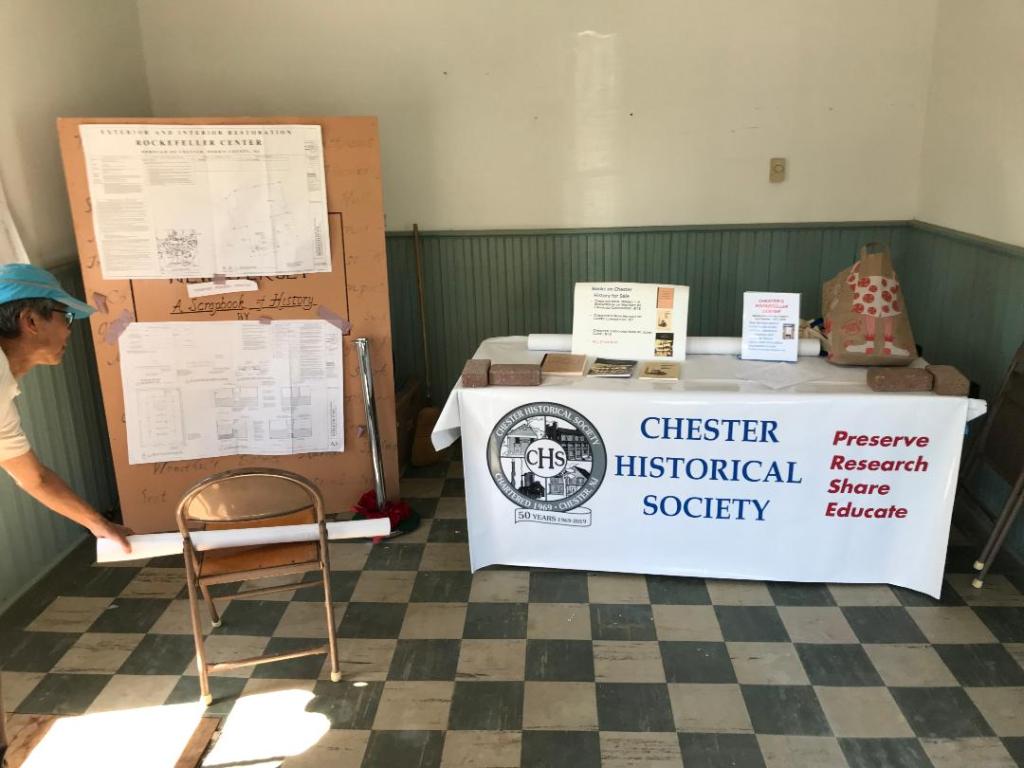
The Chester Historical Society/Chester Rockefeller Center has just been moved to Downtown Chester and is currently being renovated. Their collection is in storage right now while the building is being renovated. When I went to visit the museum, they were displaying their plans for the museum in the future outside the building.

The Chester Historical Society is currently open only at certain times and the collection is in storage while renovating. They are telling the town’s story on both a story board outside and on tables outside the building while it is being set up. Please check out their website for upcoming events and openings.

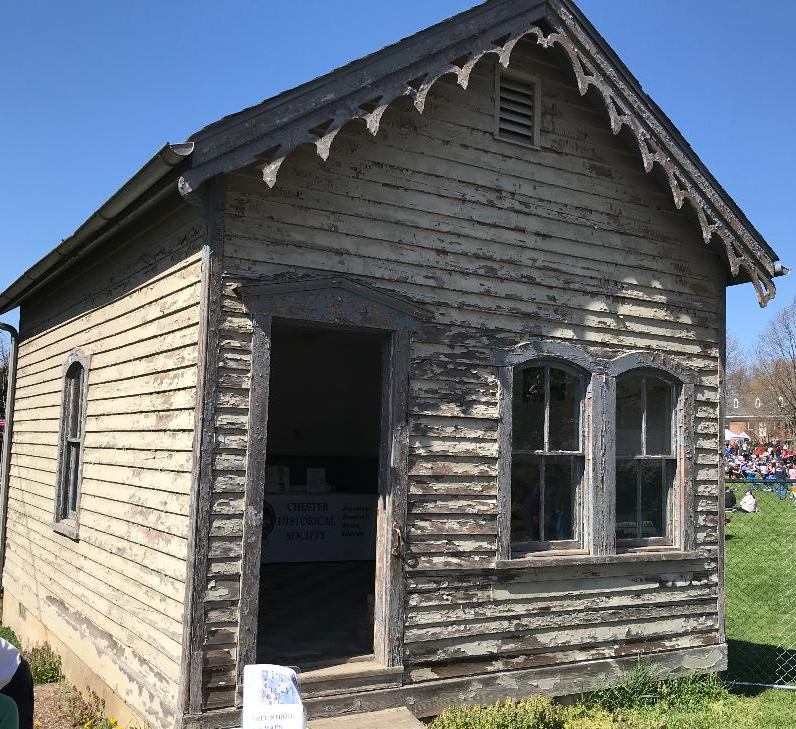
The new building

The Chester Historical Society is now in the process of being renovating and is empty accept when it is open for special events like ‘Pathways of History’ for Morris County, NJ.

The game plan for the museum.

The History of the Building of the Chester Historical Society:

The original Chester, NJ Rockefeller Center

(From the Chester Historical Society’s website)

Chester’s Little “Rockefeller Center” building has seen many unique tenants in its day! In 1897, Mr. W. J. Litzenberger was reported to be doing a located behind the building. This is where he carved gravestones for the locals and used the building as his sales office and display area.

Also in the late 1800’s, the Post Office was located in Alonzo P. Green’s Pharmacy across from the firehouse. “Lawyer” Smith (postmaster), who was the son in law of General Cooper, was soon to move the Post Office across the road to Yawger’s store and later to the “Rockefeller Center” building, which was just east of the firehouse.

When Chester’s Iron “Hey-Day” waned out, fortunate were those who could return to farming. They could put their efforts into raising peaches, apples and garden produce and often used it as barter for “store-bought necessities” to provide for their families. Horses and cattle were important to the farmer and also to the townsmen. From earliest days drovers had driven horses and other livestock through Chester on their way to and from Susses County. From the mid-1800’s horses and mules were brought from as far as the Midwest to be sold.

During the late 1920’s and into the 30’s and 40’s, Abraham Meyer, who boarded with Austin Thompson, bought and sold cattle and had them located at the present Lowensteiner farm on North Road. During that time, he had an office for his cattle dealer’s business in the “Rockefeller Center” building.

After that, the Rockefeller family rented not only the cottage for them to live in but also the little building next to it from George E. Conover. The cottage was ordered and built from the Sears & Roebuck Company and was located to the left of the “Rockefeller Center” building. At this time, Carlos “Rocky” Rockefeller used the building for a bicycle shop where you could not only purchase a bike but also get one fixed! He would also sharpen the local children’s ice skates there.