Category: Small Museums and Galleries in New Jersey

Jenkinson’s Aquarium                                           300 Ocean Avenue North                                 Point Pleasant Beach, NJ 08742

Jenkinson’s Aquarium 300 Ocean Avenue North Point Pleasant Beach, NJ 08742

Jenkinson’s Aquarium

300 Ocean Avenue North

Point Pleasant Beach, NJ 08742

(732) 899-1212

https://www.facebook.com/jenksaquarium/

Admission: Adults $18.00/Seniors $13.00/Children 3-11 $12.00/Children under 2 Free

Open: Sunday-Saturday Check website due to Seasonality

My review on TripAdvisor:

https://www.tripadvisor.com/Attraction_Review-g46745-d8388429-Reviews-Jenkinson_s_Aquarium-Point_Pleasant_Beach_New_Jersey.html

The Front of the Point Pleasant Jenkinson Aquarium on the Boardwalk

The entrance of the aquarium on the Boardwalk in Point Pleasant, NJ

This was the first time I had stepped foot in this aquarium since the year it was opened. I could not believe that I had not been here since 1991. The aquarium had just finished a renovation of the second floor of the building and created a Amazon Jungle type of exhibitions of small mammals and birds.

The interactive displays and open tanks are all over the aquarium so that you really can interact with the marine life under a controlled environment

What I like about the aquarium is that it is very hands on and family friendly. There are all sorts of docents and animal caregivers around to explain what the aquatic life do and how they live in a controlled environment. Each of the floors is broken down into different sections and each type of marine life has their own environment to live.

The Mangrove tanks with Moon Jellyfish and Yellow Tang fish

The full tanks of marine life

When you walk in you are greeted by a display of a Mangrove forest and the inhabitants that live there. These Yellow Tang fish seemed right at home swimming amongst the trees. Next to them, the Moon Jellyfish were swimming around in their tank like floating angels. They looked so beautiful and colorful in the tank.

The Yellow Tang fish

The Moon Jellyfish moved around their tank like floating angels. You could see them in full detail down to their spines. They swam around and looked like a surreal movie.

The first open tank you will visit has sting rays, hermit crabs and other small fish. You have to pay attention to what the docent is explaining so that you don’t startle the marine life. The main floor of the aquarium is like a marine life museum in which each tank is dedicated to a classification of fish.

The Sting Rays were very playful in the open tank but I would stay away from them,

In the main room of the first floor of the aquarium, each tank is home to different marine life. These surround the main open tank filled with hermit crabs, sting rays and turtles. These tanks give you a chance to interact with the wildlife.

The little sea turtle was relaxing when I visited him in his tank

These spotted sting rays swam around the bottom of the tank

In the larger tanks that surrounded the open tanks contain all sorts of ocean creatures swimming around claiming their territory. This is why they are kept in different tanks so that they don’t devour one another. The shark tank is the most active with sharks swimming around trying to find a way to escape from these tanks.

The shark tanks are a very active tank

The eels are active on their own interacting with the art work on the walls thinking it is real.

The eel showed it own independence in its tank

The colorful Angel Fish tank showcased an array of hues of other tropical fish as well

Taking one last tour of the first floor before the Seal feeding upstairs

The Clownfish tank

On the upper floor of the aquarium is the Penguin Tanks, the open tanks with more turtles and starfish, mammals as sloths and small monkeys and the bird exhibition with parakeets.

The penguins are such inquisitive mammals. They just watched their trainers and feeders clean the tank and acted like this was a perfectly acceptable thing for them to do. They just observed and talked amongst themselves as they watched us watching them. They are so jaded by human interaction.

The Diamondback Turtle was staring back at me from the open tanks

So did the Spotted Turtle

The seal feeding was very different from other aquariums that I had been to recently. First it was inside and second it was two different types of seals that were both disabled. The small Harbor seal had one of its flippers removed and the other Black seal was legally blind. They had been taken out of the wild for rehabilitation and it is safer for them to be in a controlled environment. I have never seen two mammals so well taken care of by trainers who treat them with respect.

The blind Black Harbor seal swam around and reacted positively to her trainer. She just looked out at the audience with a playful attitude of someone who was used to being around humans.

She came to surface for her meal

She was very interactive with the audience after she got fed. Here she welcomed us

The smaller Harbor seal was so cute. She had such a difficult life when she had her flipper removed for her health and safety so her swimming was tougher. She made due and learned to swim a different way and showed her independence.

She gave the audience such a innocent look

After the feeding was over, she swam over to where we were and I waved at her. I was not sure if this was directed at me looking at her but she gave me such a soulful look like I knew her.

I swear she looked at me like she knew me. I was ready to give her a hug

I really enjoyed my visit to the Jenkinson Aquarium. I liked how you feel like you are part of the exhibitions and how you are explained what is going on my both the volunteers and staff. They almost give you a responsibility to know what the plight of these mammals and aquatic life is like and how we have to respect it. You will learn a lot in one afternoon. These residents know how to communicate with us by just a stare or just looking back at us with a knowing glance. I just think they are used to us as well.

History of the Jenkinson Aquarium:

(from the company website)

The Boardwalk entrance to the Jenkinson Aquarium in Point Pleasant, NJ

Jenkinson’s Aquarium is a privately owned facility located on the boardwalk in Point Pleasant Beach, NJ.
Opening in June of 1991, Jenkinson’s Aquarium has proven to be a valuable educational and recreational resource, as evidenced by its growing popularity. The aquarium is dedicated to educating the public on all aspects of marine life and conservation. Each exhibit is designed to promote awareness of the animals, their habitats and conservation.

The Black Harbor seal responding to her feeding

Exhibits such as Atlantic sharks, Pacific sharks, coral reefs, penguins, and seals give you the opportunity to get up close to animals from around the globe. Another attraction, the touch tank, allows visitors to touch live animals ranging from a sea star to a sting ray!

The Tropical Fish tank

In addition to the educational exhibits, the aquarium offers workshops for children of all ages, as well as professional development workshops for teachers and group tours for schools and scout groups. Groups are provided a general tour of the building and can choose between a number of Focus Programs that will highlight a chosen topic. If your group is unable to make it to the aquarium, we can come to you through our Outreach Program. If you are looking for somewhere special to have your child’s birthday party, the aquarium is just the place.

The Penguin Tanks

We offer a Perky the Penguin Birthday Party for children turning four years or older. The aquarium is also available for evening functions such as wedding receptions, corporate parties or business meetings. For those who wish to volunteer their time, Jenkinson’s Aquarium has an extensive volunteer program for those over the age of sixteen. The aquarium staff, including volunteers, participate in many community programs including Adopt-a-Highway and NJ Community Water Watch.

The Shark tank

Either in the community or at the aquarium, our staff will greet you in a courteous and professional manner. The staff is on hand to answer any of your questions while visiting, making it an enjoyable and educational experience. On your way out, you can take the fun home with you after browsing through our aquarium Gift Shop which has an extensive selection of marine related products.

The large fish tank

Jenkinson’s Aquarium is accredited by the Association of Zoos and Aquariums (AZA). AZA is America’s leading accrediting organization for zoos and aquariums, and accredits only those institutions that have achieved rigorous, professional standards for animal welfare and management, veterinary care, wildlife conservation and research, education, safety, staffing, and more.

The Moon Jellyfish

It is such a great visit!

I went back in October of 2024 and there was a Boo on the Boardwalk event with all sorts of activities for kids at the Aquarium and on the Boardwalk.

The Aquarium on Halloween for events

The ‘Boo at the Boardwalk’ event

During a very gloomy post-Christmas day, I returned to the Boardwalk for the ‘Sea of Lights’ event and that was pretty spectacular. The whole first floor was done on white lights with all sorts of special activities. I missed Santa’s plunge earlier in the day but it was still a festive environment on the Boardwalk, gloomy weather aside.

The ‘Sea of Lights’ event at the Boardwalk
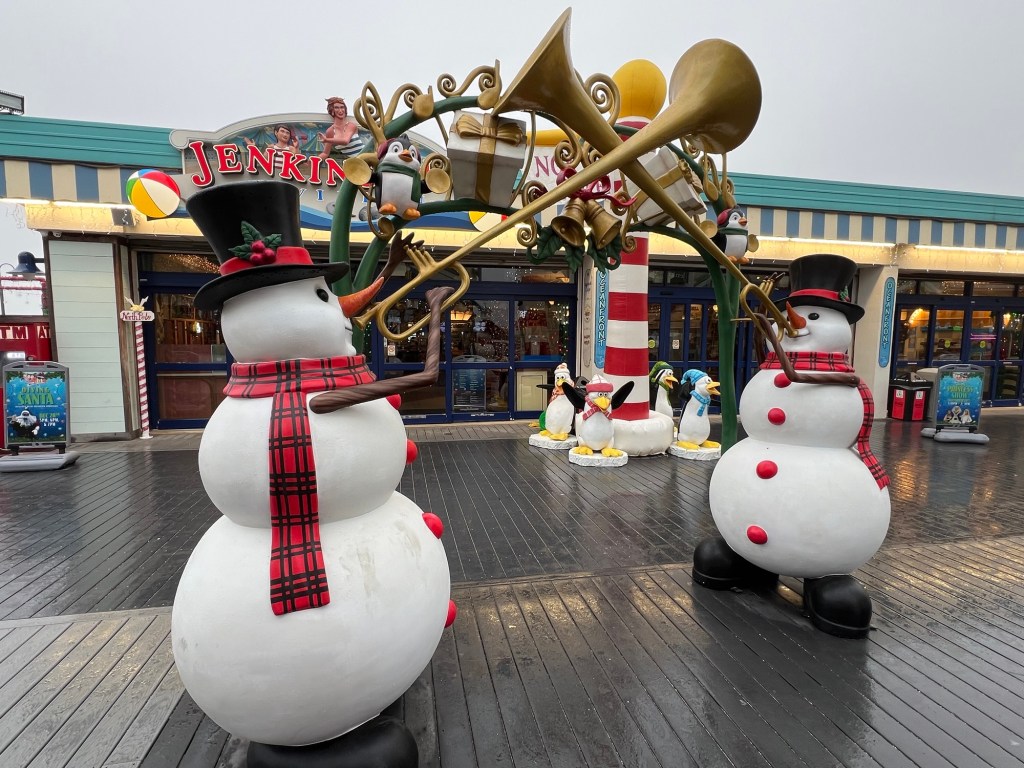
The Boardwalk decorated for the Christmas holidays

The Boardwalk decorated for Christmas
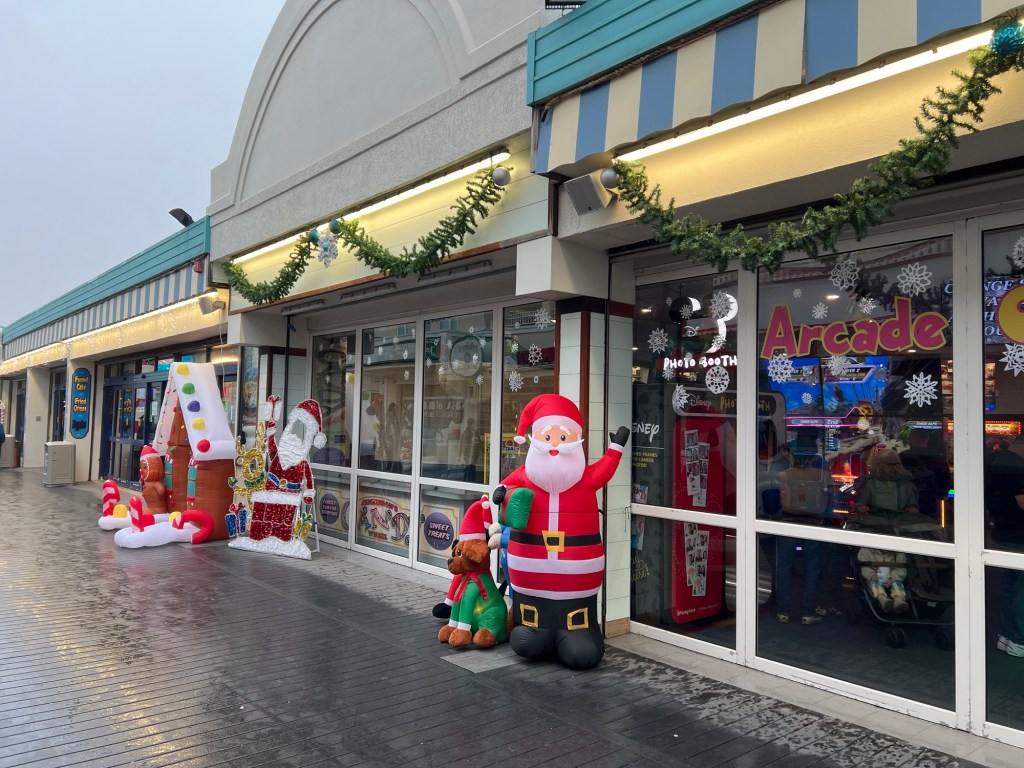
This part of the Boardwalk was open and ready to greet visitors in the post Christmas holiday

Inside the real magic began with these beautiful lights all over the place

The hallways and exhibits were bright and cheery regardless of the weather.

It was still gloomy when I left the aquarium but I was in better spirits seeing all the beautiful lights

Who says Christmas at the Jersey Shore is boring? There is lots to see and do and the people at Jenkinson’s give you that option to step in and have fun at the shore.
Point Pleasant Historical Museum                       416 New Jersey Avenue                                    Point Pleasant, NJ 08742

Point Pleasant Historical Museum 416 New Jersey Avenue Point Pleasant, NJ 08742

Point Pleasant Historical Museum

416 New Jersey Avenue

Point Pleasant, NJ 08742

(732) 892-3091

https://www.facebook.com/PPHSMNJ/

Open: Sunday-Wednesday Closed/Thursdays 1:00pm-4:00pm/Friday and Saturday Closed

Admission: Donations accepted

My review on TripAdvisor

https://www.tripadvisor.com/ShowUserReviews-g46745-d27962336-r955720708-Point_Pleasant_Historical_Society-Point_Pleasant_Beach_New_Jersey.html?m=19905

I took a trip to a well known to the well known beach community of Point Pleasant Beach to see what other activities were available rather than just spending time at the Boardwalk. After about an hour there, there was not much else to see or do. I found it in the Point Pleasant Historical Society Museum, a small gallery that is a treasure trove of artifacts and information on the history of the town. The collection may be small but it is packed with interesting tidbits of the history of this shore town and its development from a small fishing and farming community to the well known resort town that it is today.

The gallery is located in the back of City Hall just off the main downtown area a few blocks away. It may seem unassuming but there is a lot to look at the museum. On top of the local amusement industry and the development of the Jenkinson Boardwalk and Aquarium, there was the growth of the town of local businesses that contributed to the direction that the town is now.

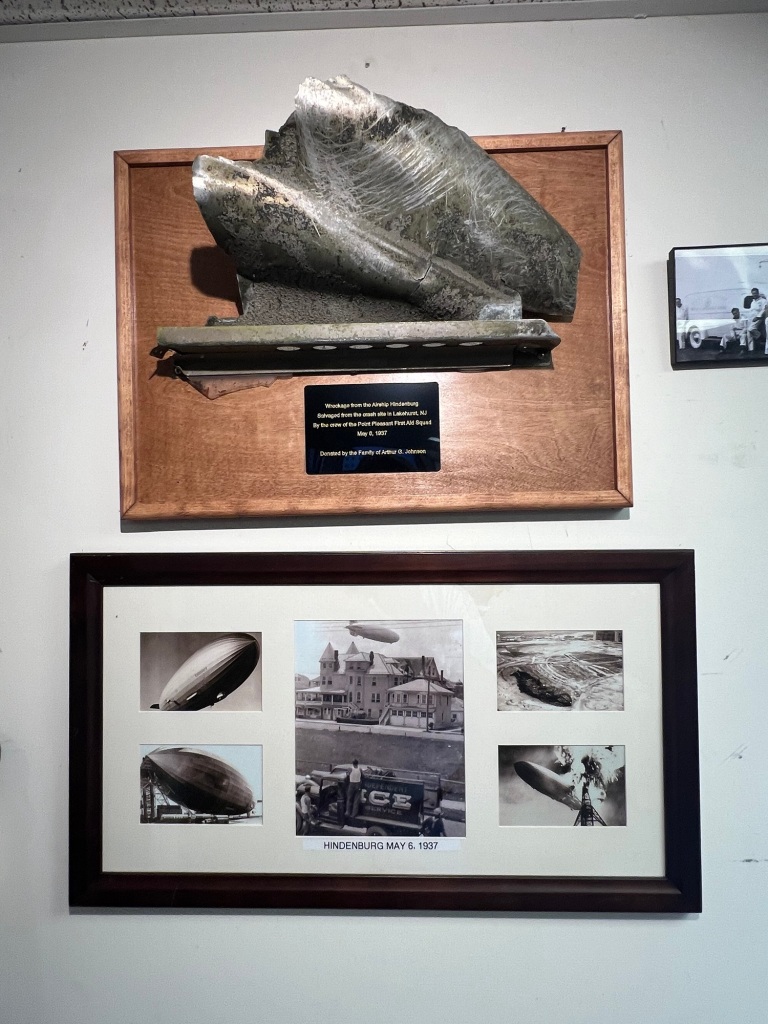
Some of the most interesting artifacts had to deal with local disasters in the surrounding communities such as the Morro Castle Ocean Liner fire of 1934 and the Hindenburg disaster in Lakehurst in 1937. These aspects of ‘Dark Tourism’ are displayed with artifacts from those incidents. There is a small collection of Lenape artifacts from when this was a seasonal fishing village of the Native Americans and artifacts from both the Point Pleasant Fire and Police Departments on their early development in the town. You could also see the change in the types of cottage businesses that cater to the locals versus the tourists.

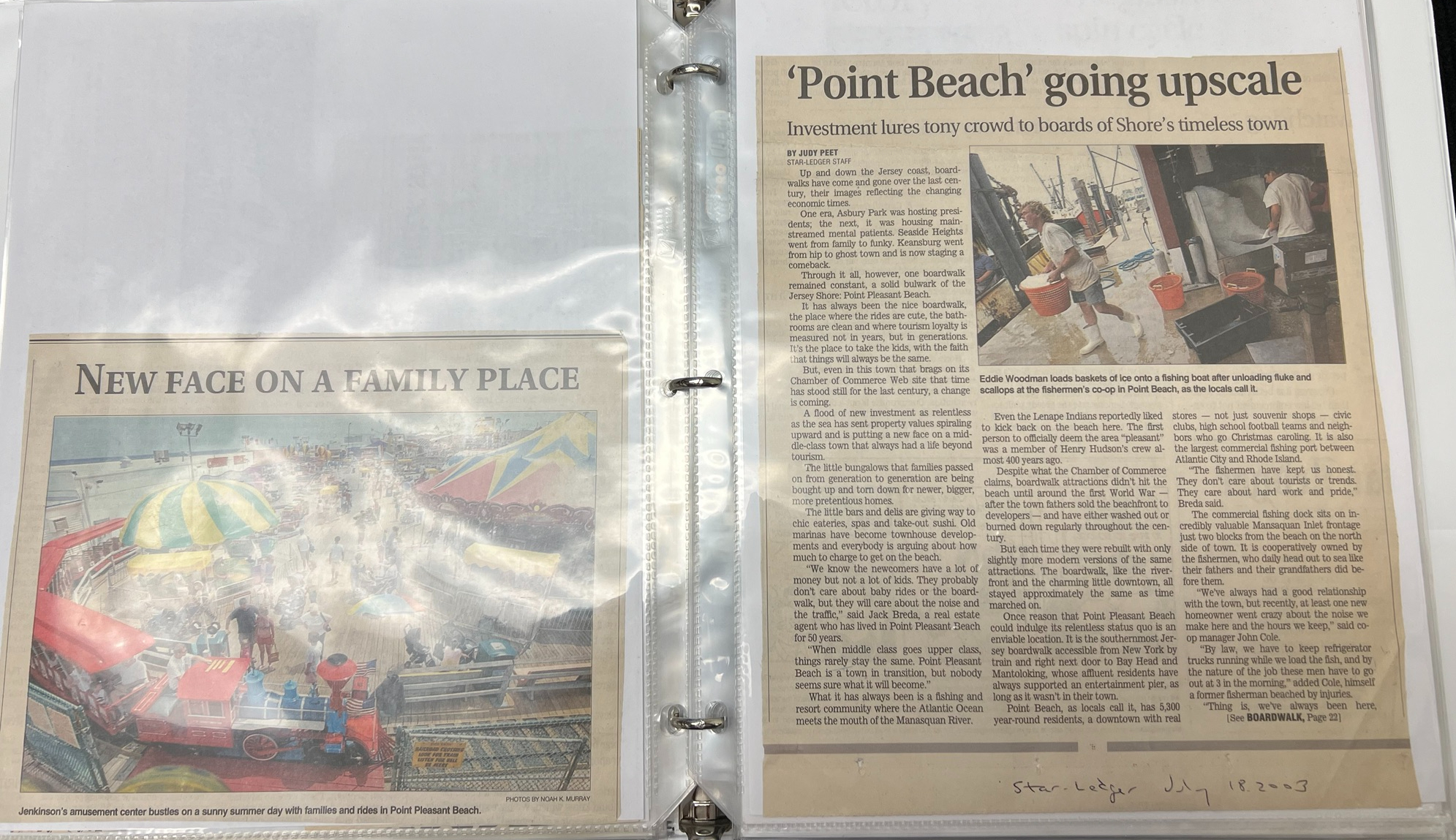
Take time to look through the cases and see all the interesting objects that the collection carries. They also have a room dedicated to town history and family lineage if your intention is to find family members or the history of a business such as Jenkinson’s or even the Jersey Mike’s chain which originated in this town. There is a lot to see and explore in about an hour to an hour and a half.

Mission Statement:

The mission of the Point Pleasant Historical Society and Museum is to preserve and share the rich history of  both Point Pleasant Beach and Point Pleasant Boro.  The Society traces it roots back to about 1976 when long time local resident, Margaret “Peg” Busse  planted the seed of a need for a historical society to properly preserve the history, artifacts and memories of days gone by.

Peg worked tirelessly to sign up new members and offered her home and yard for meetings. She advanced our goals, kept our records, and made the Shore Harbor Historical Society famous for Beach Plum Jam until retiring in 1990. We thank her and Victoria Hassett and Carolyn Martin who together wrote the book on the society. Since 1990, Jim and Pat Malone have guided the organization selflessly and Richard and Sharon Morris have worked tirelessly to organize and administer the museum.

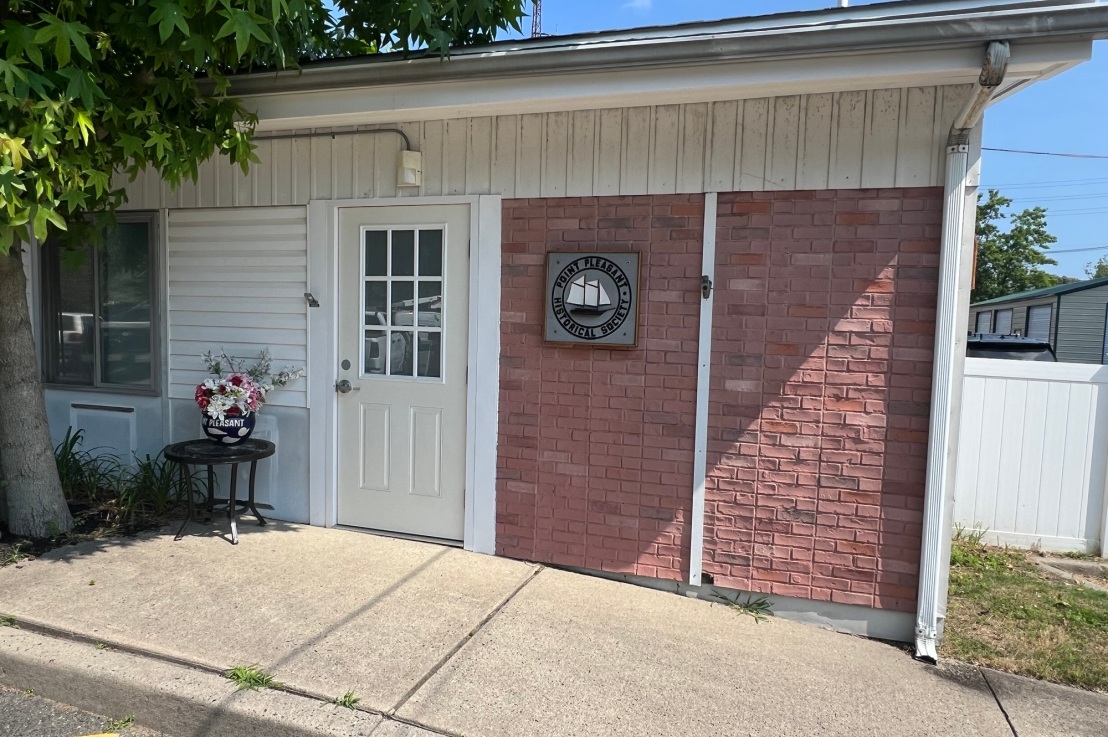
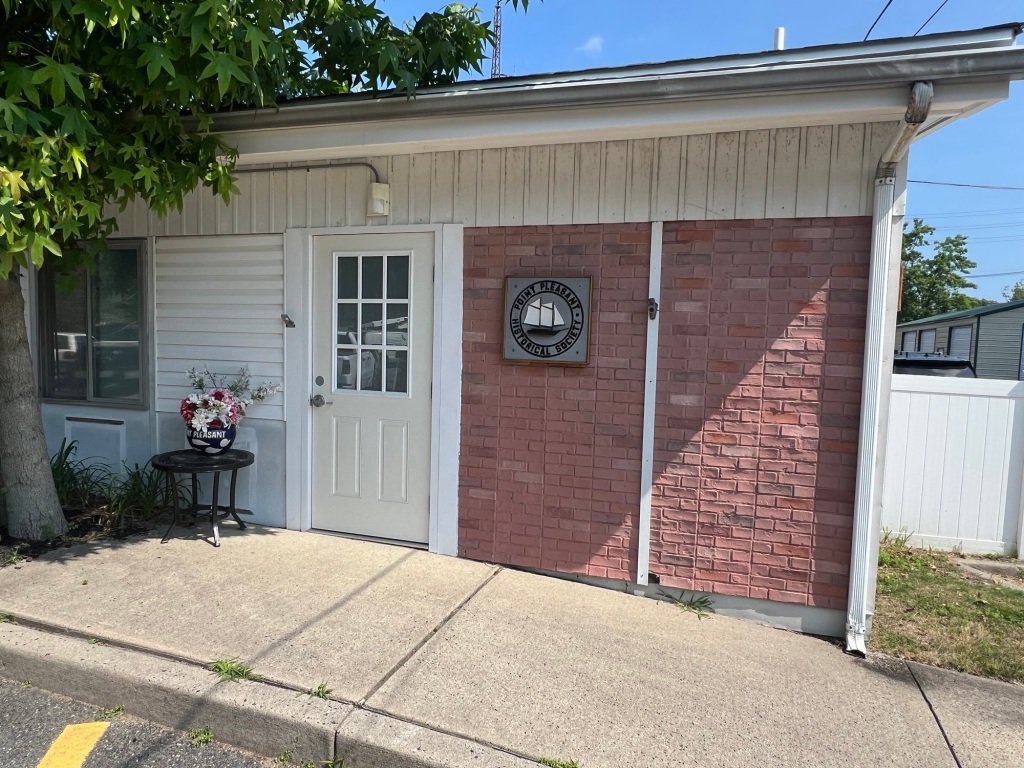
The Point Pleasant Historical Museum at 416 New Jersey Avenue.

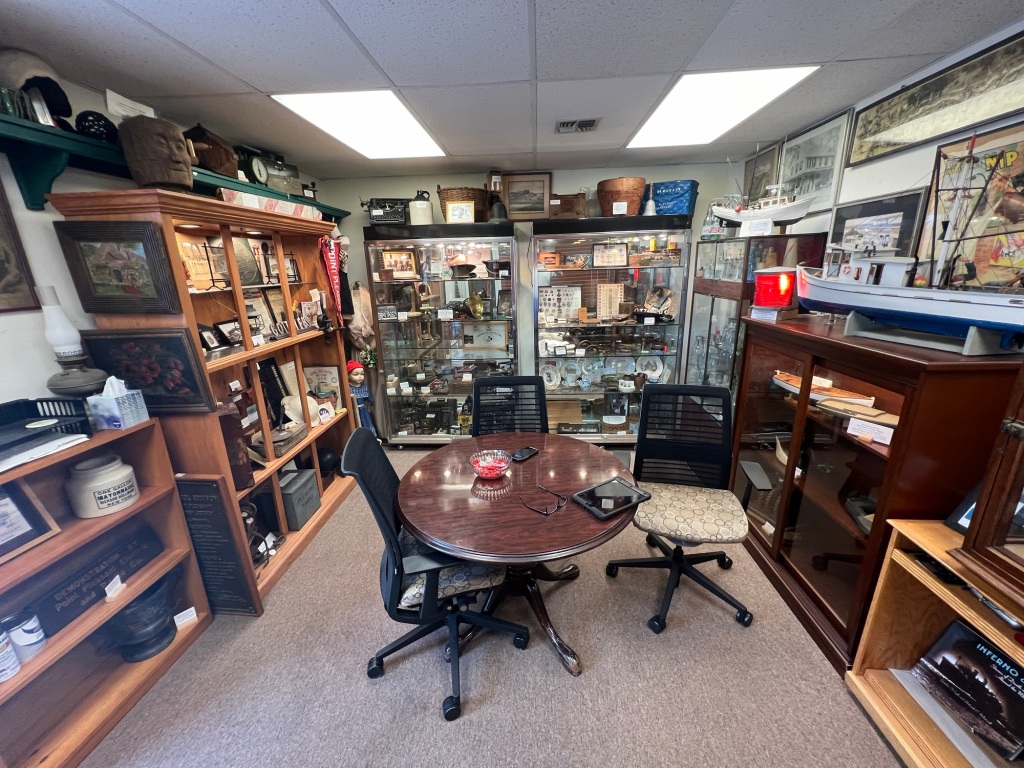
This wonderful little museum is a large one room display of the history of the town of Point Pleasant and the surrounding businesses. Each display holds the town’s treasures and the key to its past both for shore development and its progression as a tourism destination.

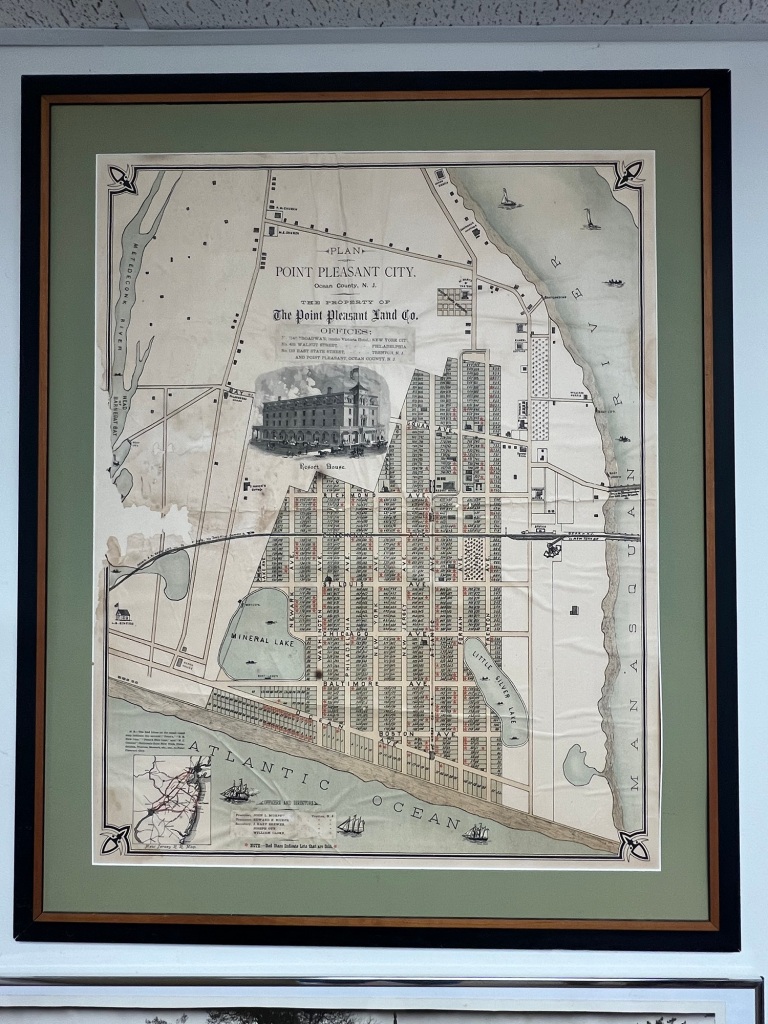
The development of the original Point Pleasant City at the turn of the last century.

The town had been home to the Native American tribes until the arrival of colonists and its development in the late 1800’s. What was once a farm was developed into the current town it is today. As tourism developed after the Civil War to WWI, businesses developed, amusements, hotels and bathing pavilions were added and services catering to this population sprung up.

The main gallery of the Point Pleasant Historical Museum

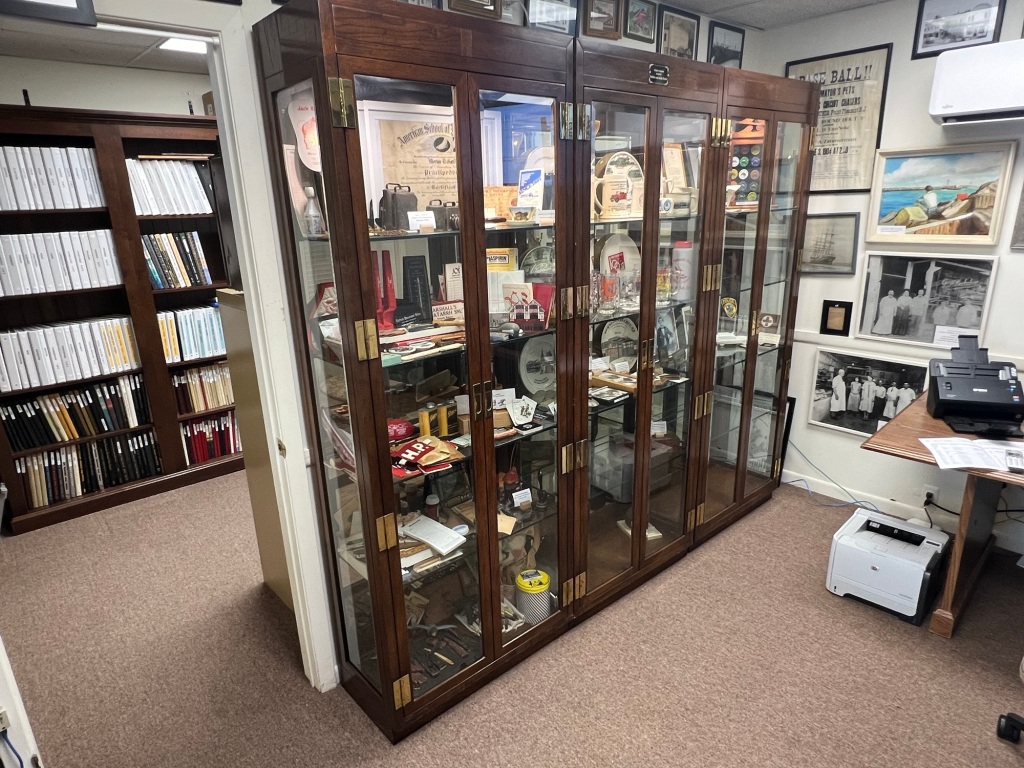
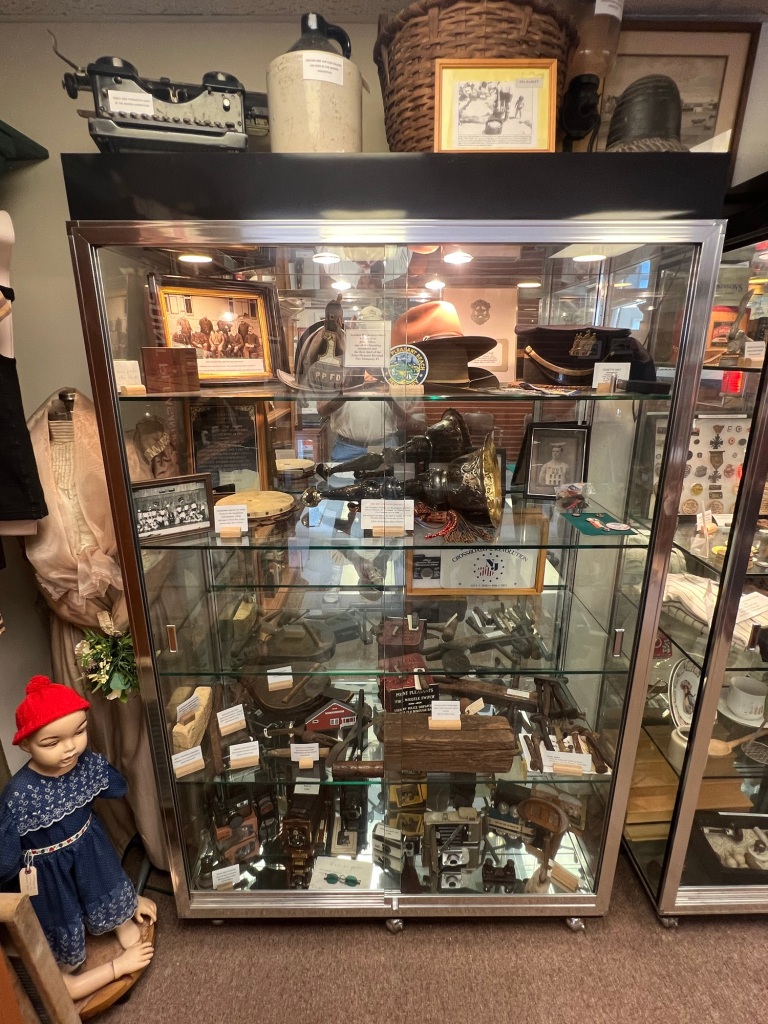
The museum display cases are broken down into the local history of the town. The local community administration of Fire and Police is displayed here.
The town historical records and local business, schools and Native American history are displayed here.

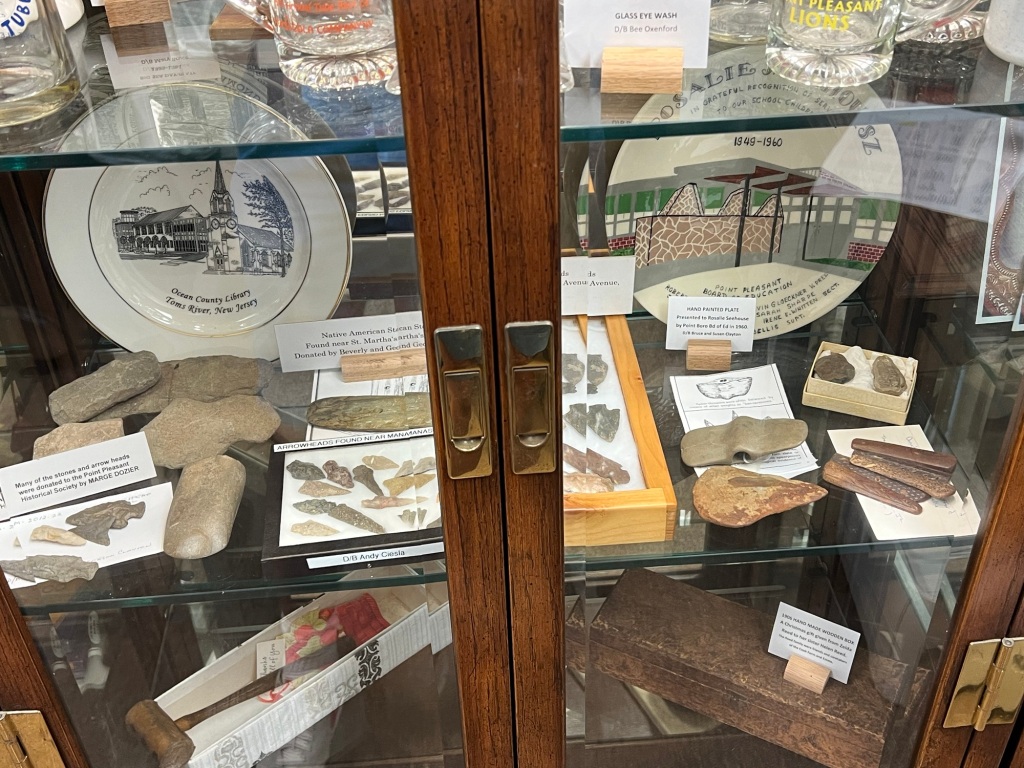
The Lenape display of Native American artifacts in the collection

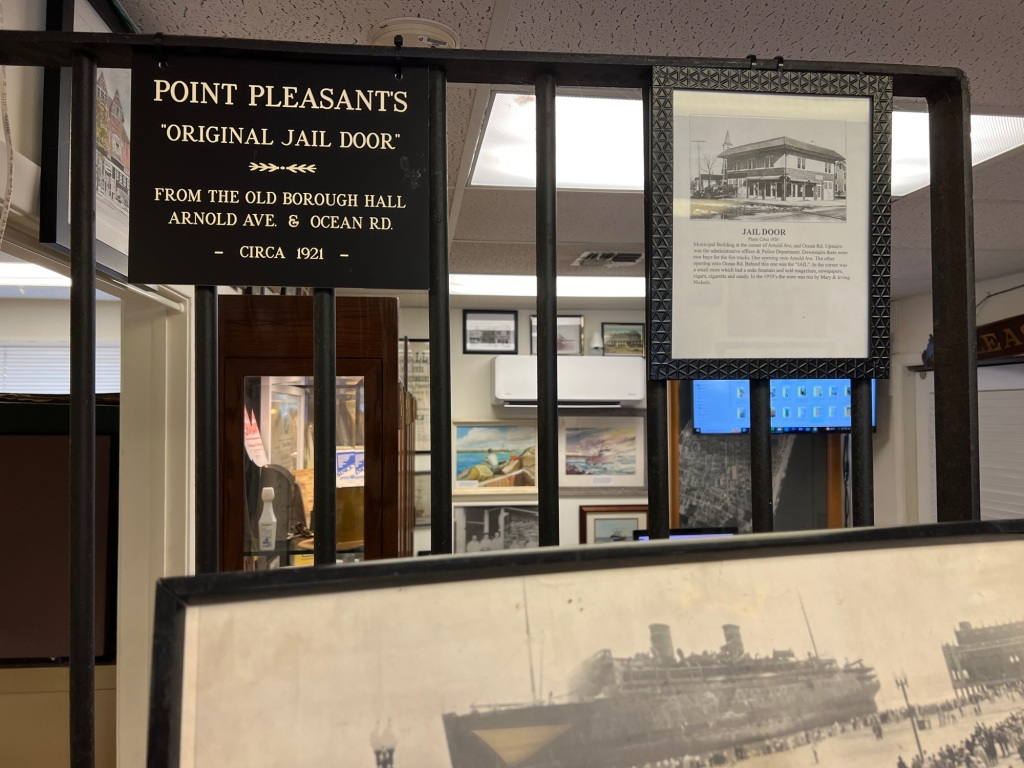
The Point Pleasant Police Department Jail cell door showing its past as part of the town fabric

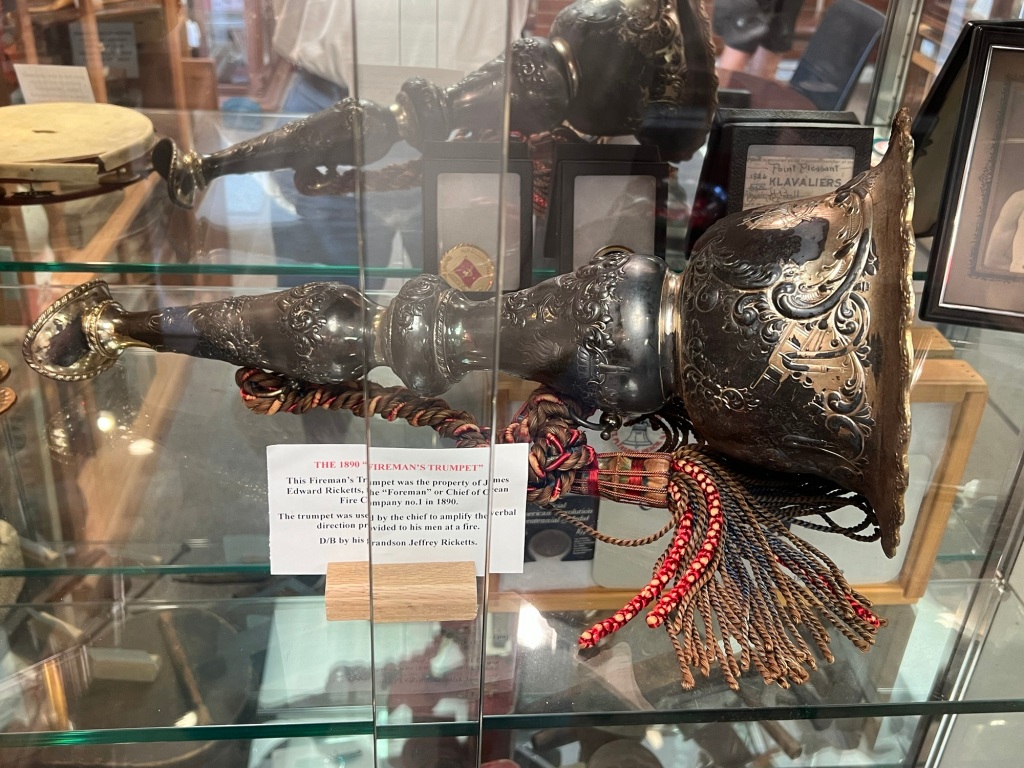
The original fire trumpet of the Chief of the Point Pleasant Fire Department

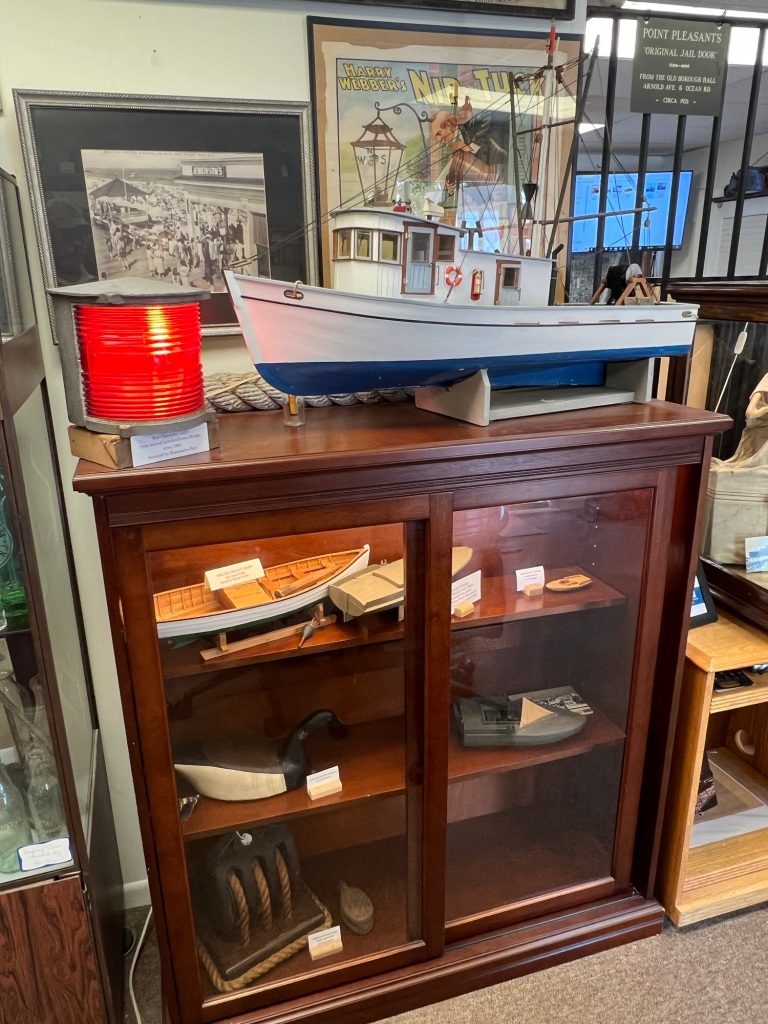
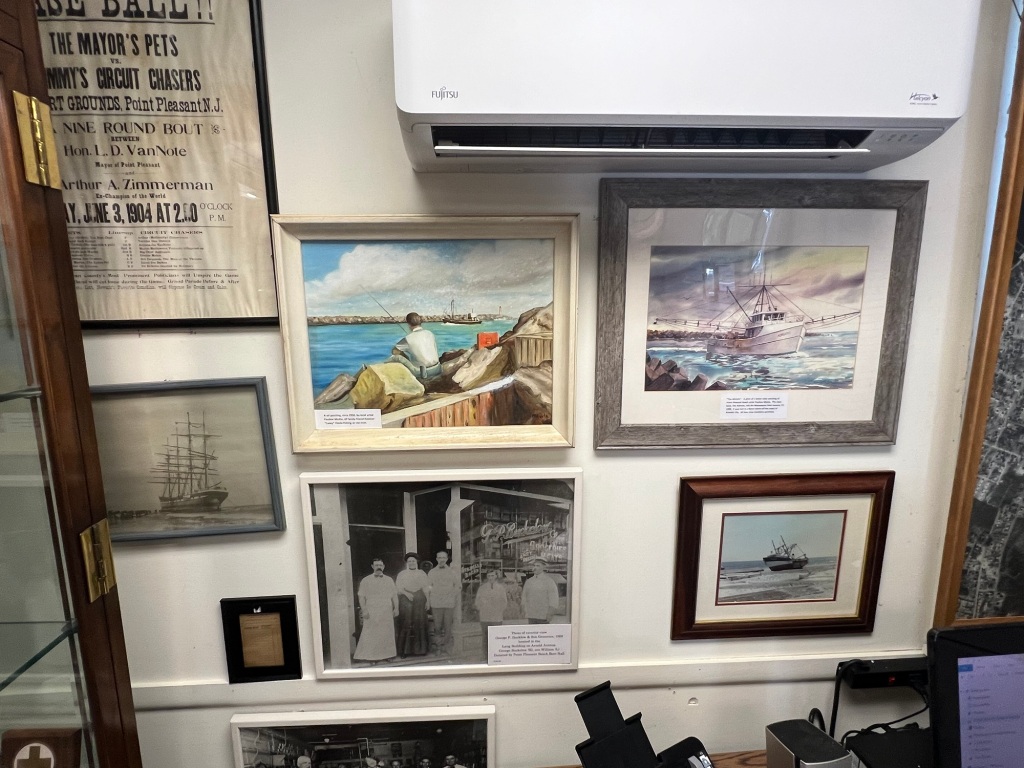
The development of the Boating and Fishing industries of the area

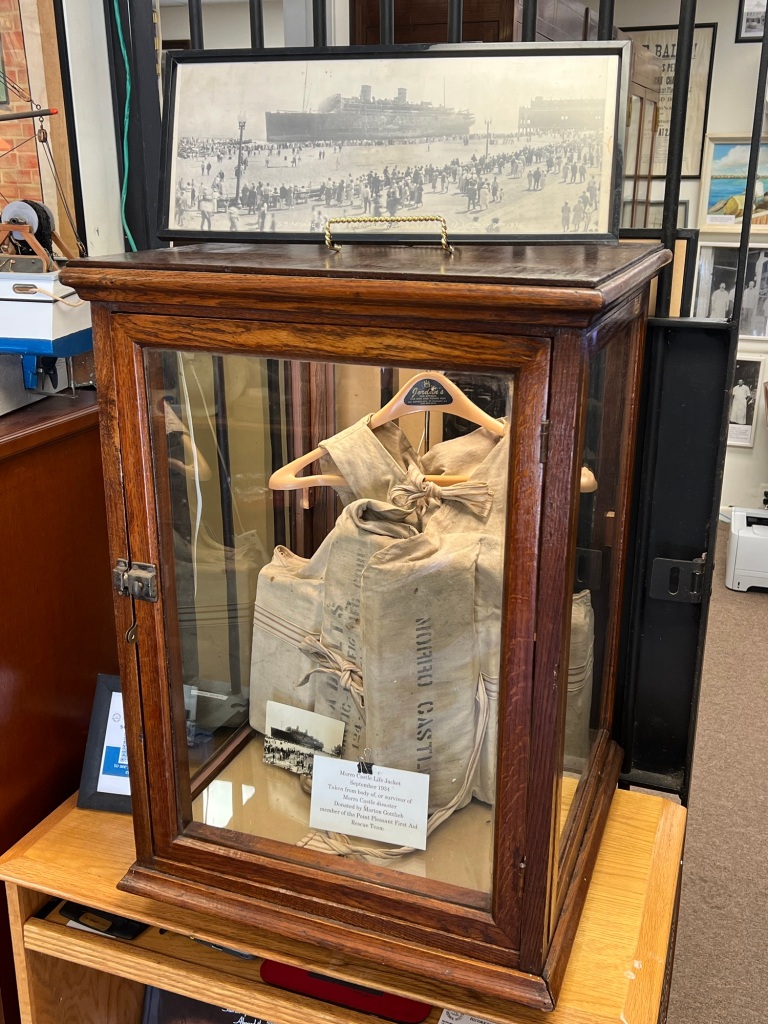
The museum also covers local famous disasters such as the Hindenburg disaster which happened in Lakehurst, NJ and the Moro Castle Cruise fire of the 1934. They even had the artifacts from the sites.

The Moro Castle Cruise disaster of 1934

The Hindenburg disaster of 1937 took place in Lakehurst, NJ

The Society also has a nice collection on local businesses. You could see how the businesses of the town developed from catering to a nautical and farming economy to the tourism and amusement industry. The problem with a town that depends too much on tourism is when the off season comes, how to you pivot the business to locals. You are now seeing this development in the downtown where there is a growth of clothing and antique stores.

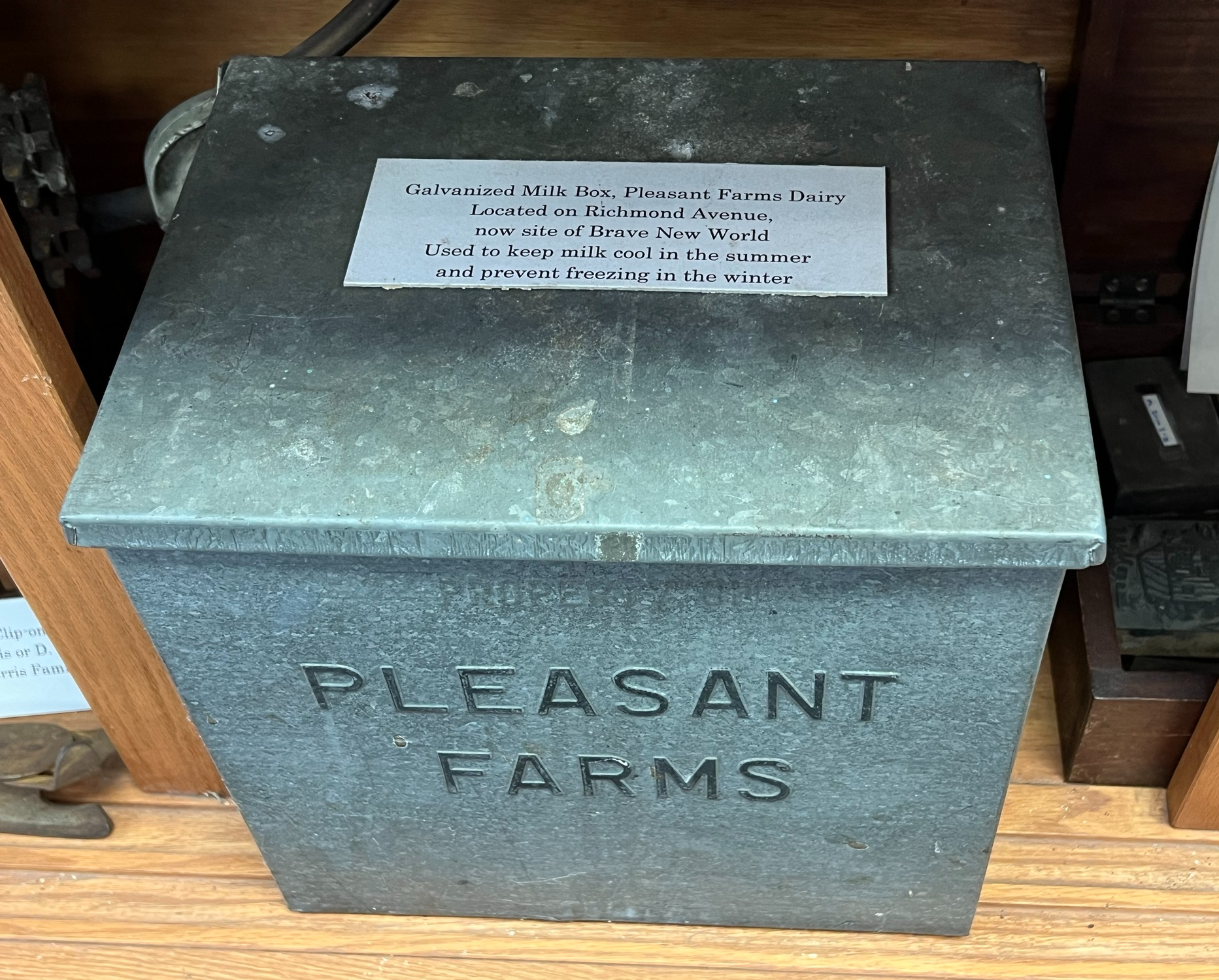
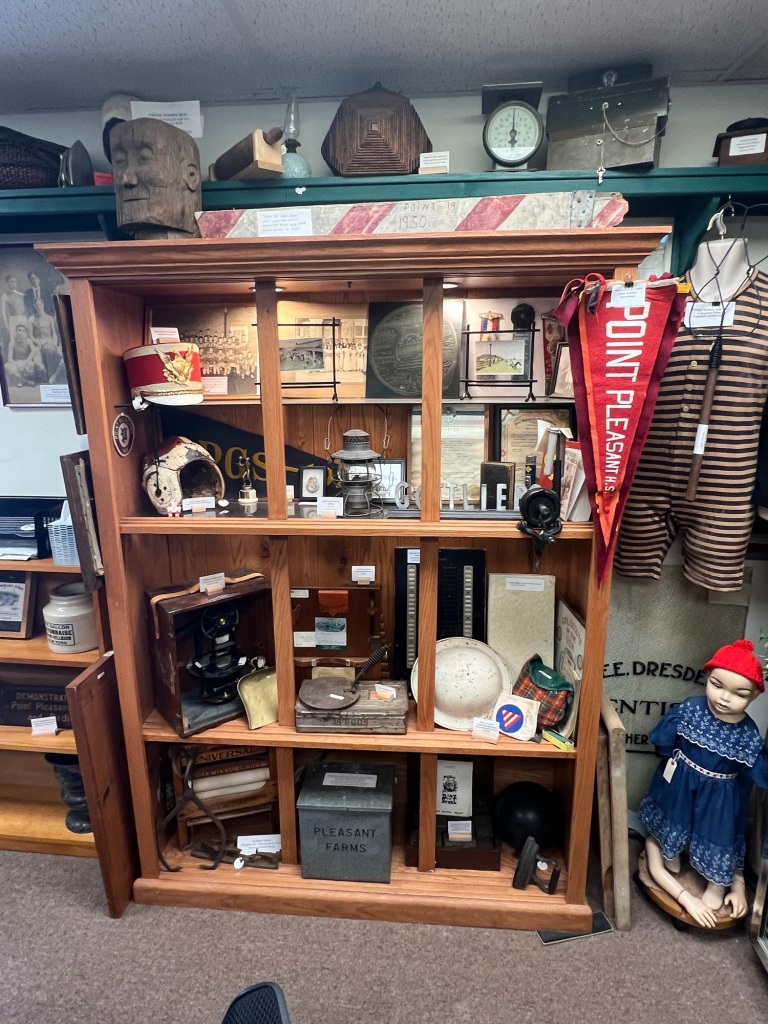
The Pleasant Farms dairy farm (now a dealership)

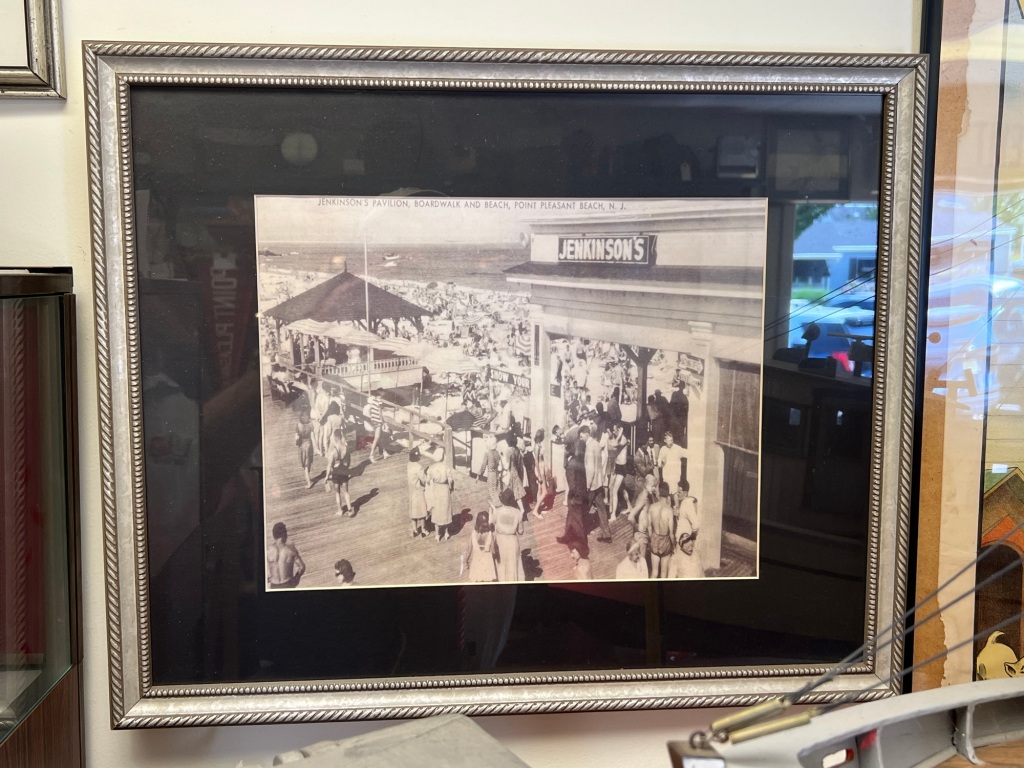
The Jenkinson Boardwalk in its early years

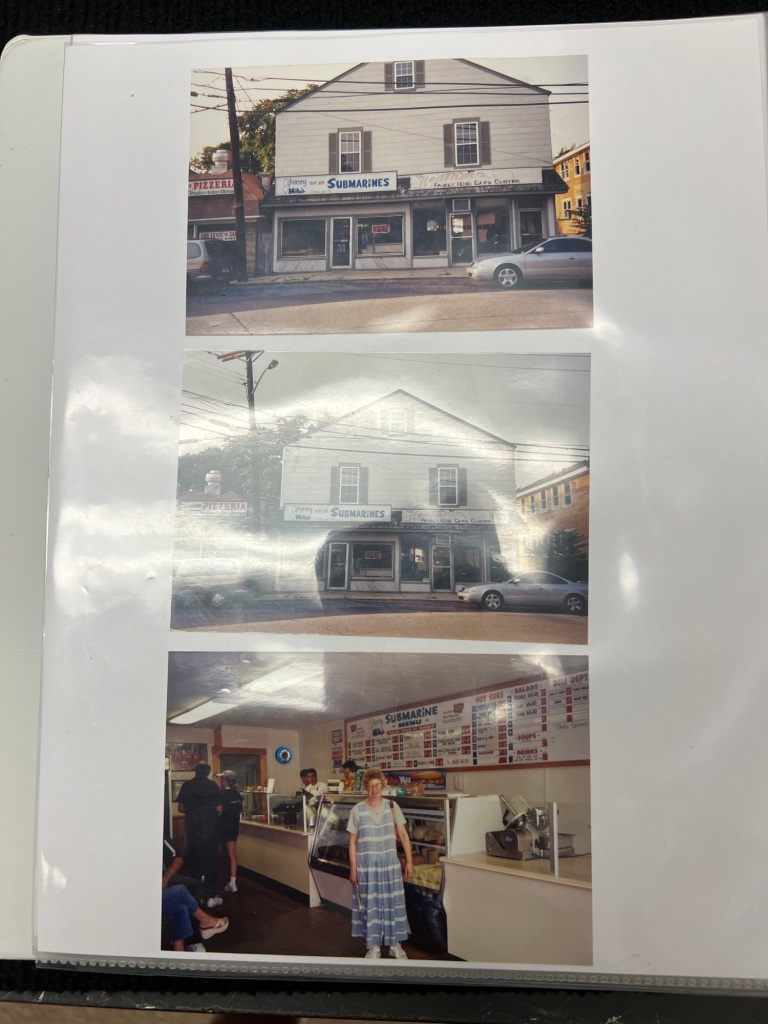
What I thought was interesting is that this is where the Jersey Mikes sub chain started. In the town’s historical records are the original records of the first store along with the story of the company. This is a good selling point for the town.

The original Jersey Mike’s store in Point Pleasant, NJ

The collection contains a little bit of this and that in the cases as the membership is working to grow the collection. As the collection grows, we will see more of what makes the town of Point Pleasant the special place that it is as a community.

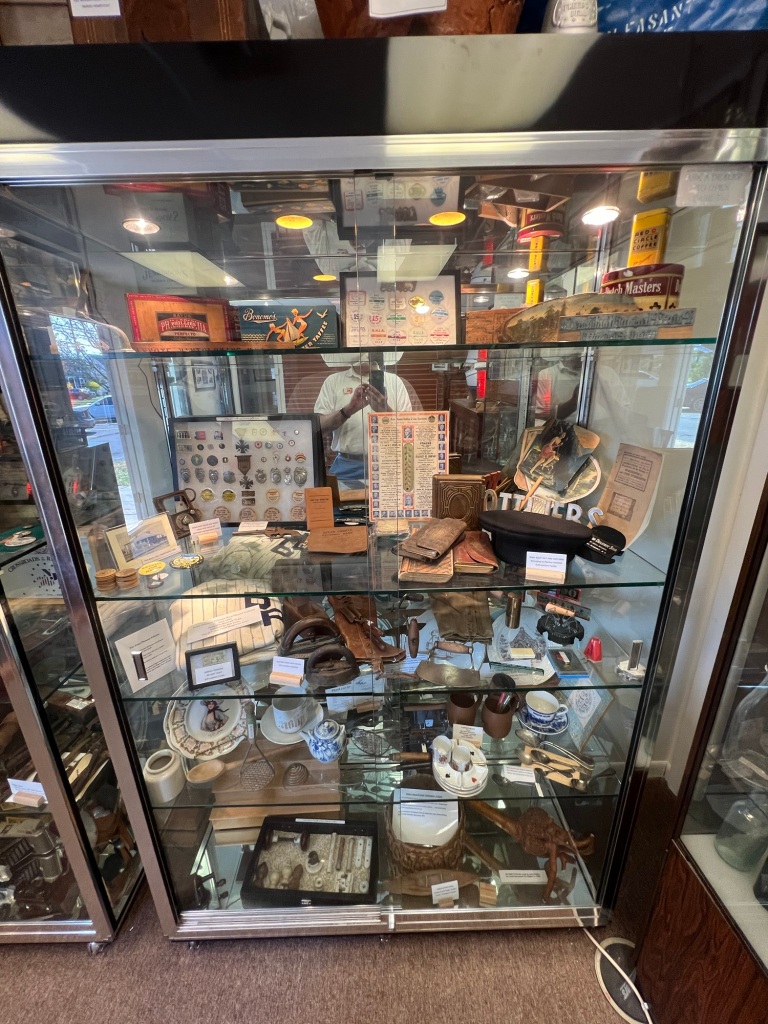
The collection case of items from residents personal homes

The collection case of community departments and hobbies

The collection case of business related items and household items

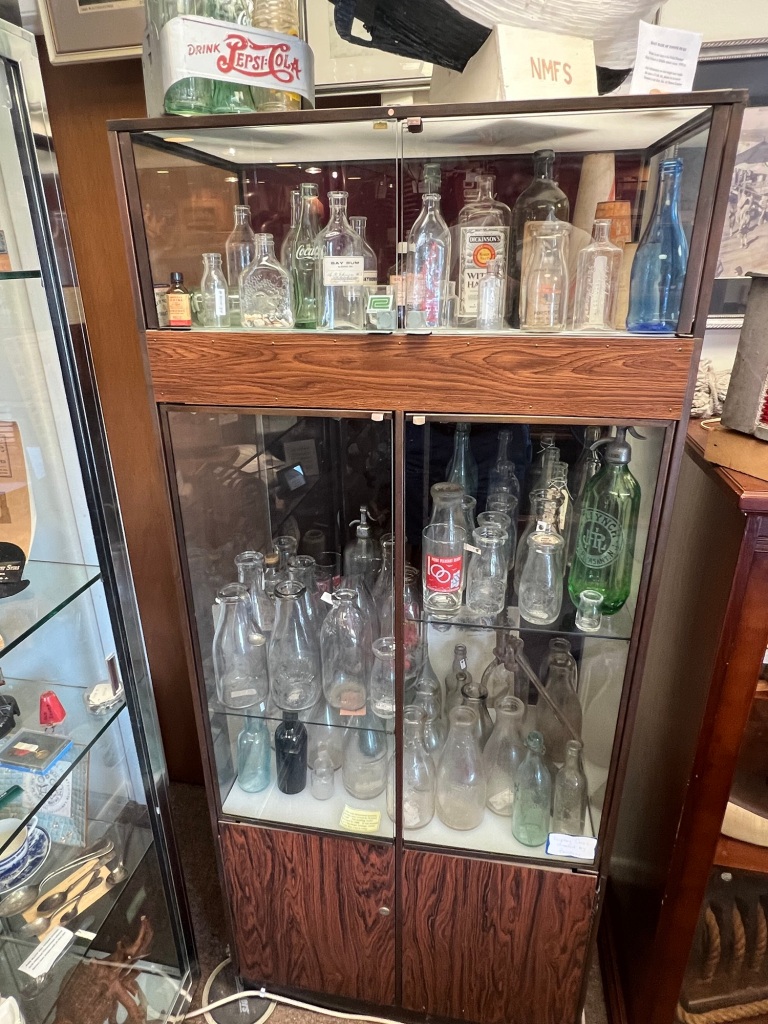
The collection of vintage bottles

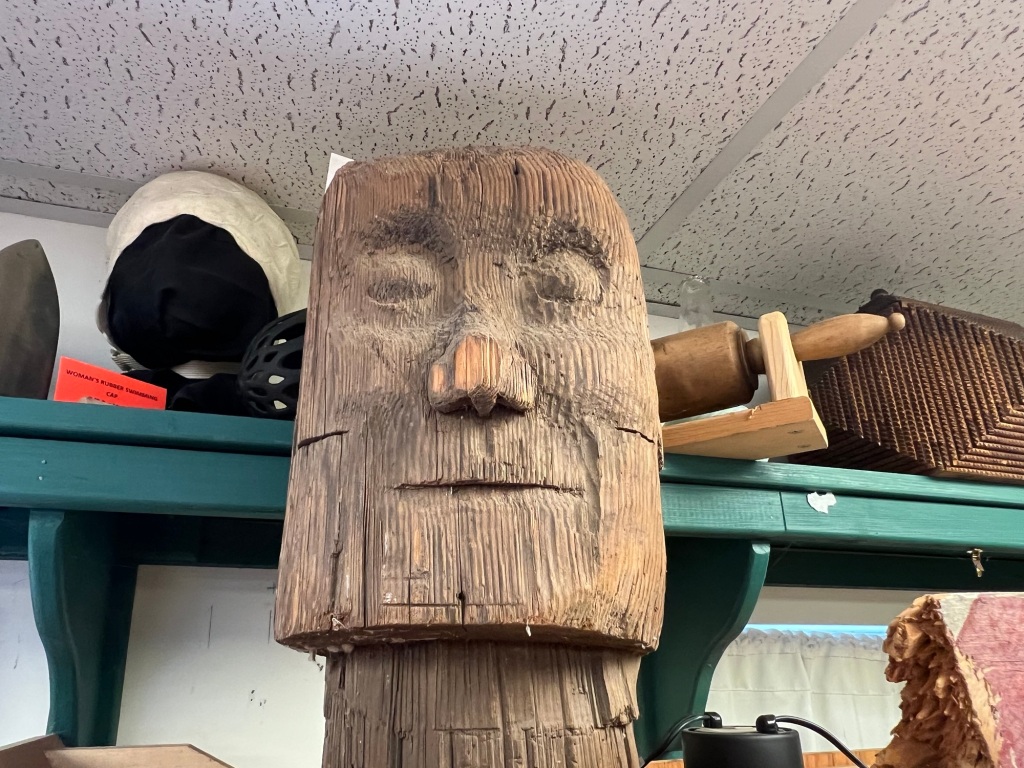
Some of the interesting artifacts that I saw the head of a ship mass. The volunteer had said that this had washed up on shore and was donated by the people who found it.

The face from the ship bulkhead that was found washed up on shore

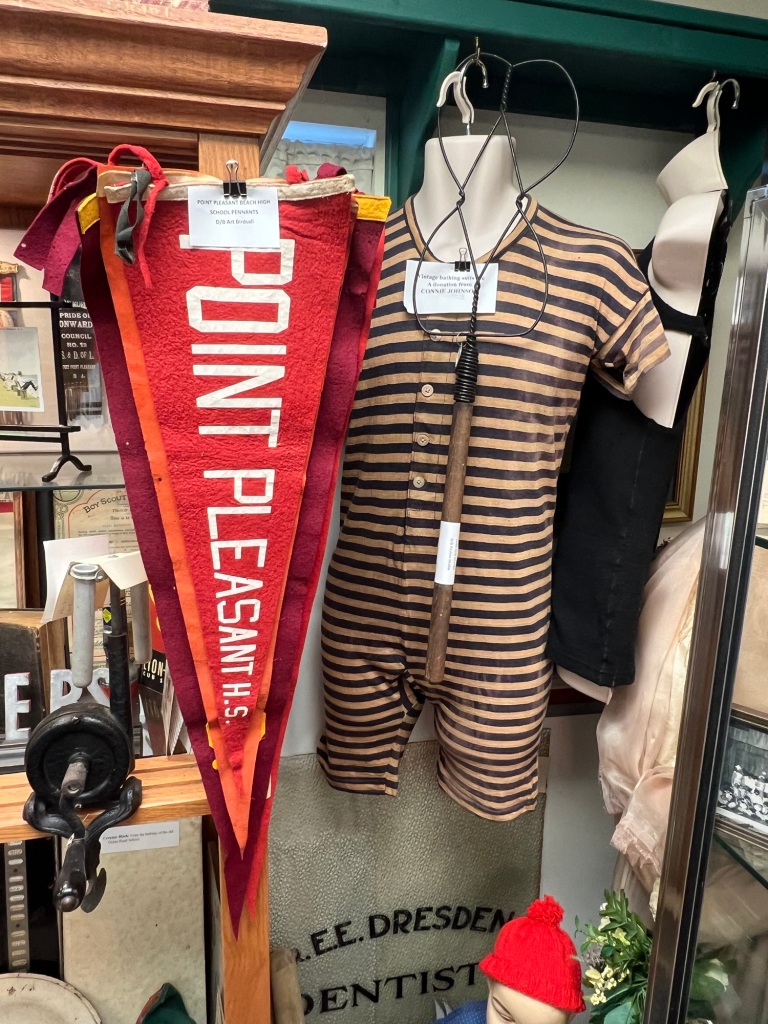
The bathing and swimming aspect of the beach community.

This delightful little museum is a nice rainy day adventure when you are in Point Pleasant on your way to discovering its funky downtown. It just goes to show that there is a lot more to this beach community than just the boardwalk and the beach.

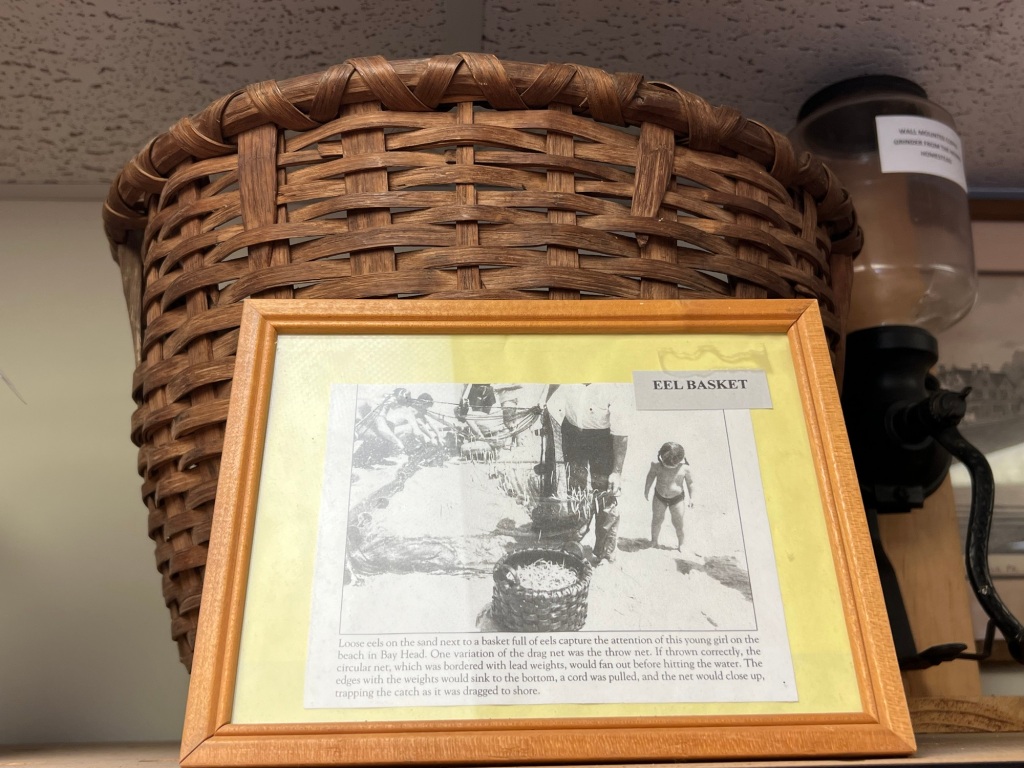
An eel basket from the fishing industry

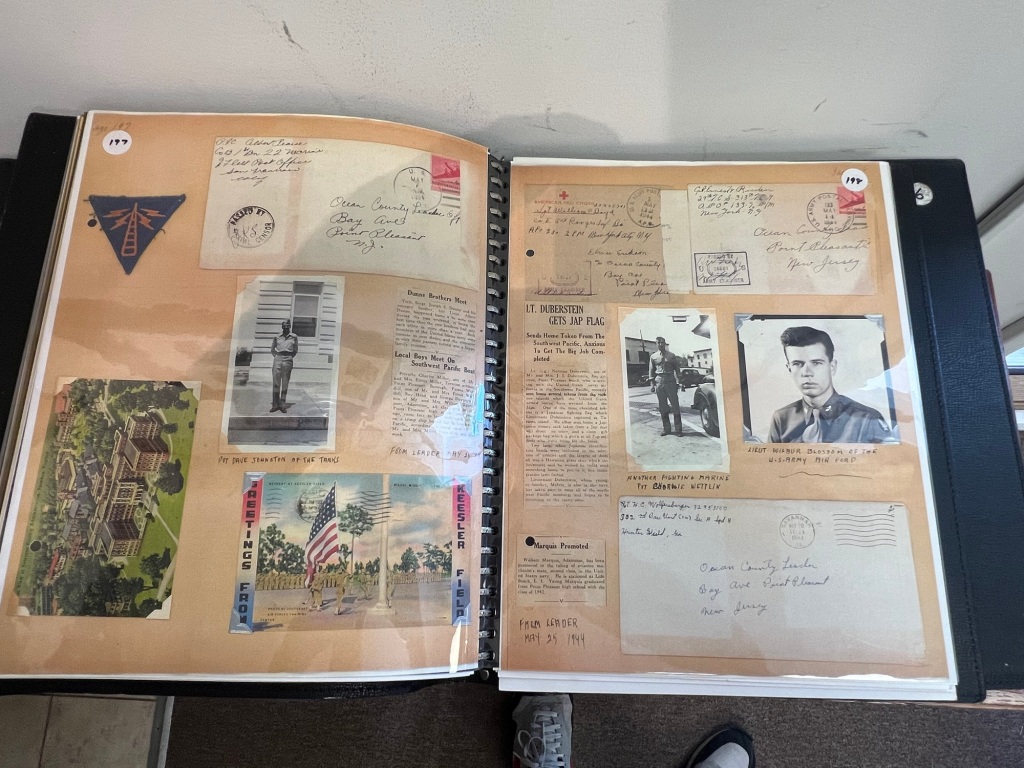
US Armed Forces collection of the WWII era

Beach art and history of the community of Point Pleasant

It is a perfect rainy day activity or for people who are interested in the history of the town, this little hidden gem is the place to start.

Pompton Plains Railroad Station                           33 Evans Place                                             Pompton Plains, NJ 07444

Pompton Plains Railroad Station 33 Evans Place Pompton Plains, NJ 07444

Pompton Plains Railroad Station

33 Evans Place

Pompton Plains, NJ 07444

https://en.wikipedia.org/wiki/Pompton_Plains_station

Open: See website for special dates

Admission: Free but donations are suggested

My review on TripAdvisor:

https://www.tripadvisor.com/ShowUserReviews-g46748-d27729131-r949878173-Pompton_Plains_History_Station-Pompton_Plains_Morris_County_New_Jersey.html?m=19905

The Pompton Plains Railroad Station Museum at 33 Evans Place.

I was visiting Morris County for the “Pathways to History” tour, I visited the Pompton Lakes Railroad Museum. This tiny museum served once as the depot for the local railroad but now houses its history. Piled all over the building is the history of the rail service in this area. Small displays are located all around a pot belly stove that serves as the center point of the museum. The memorabilia includes a series of pictures, maps and schedules.

(From the Pathways to History tour pamphlet 2024):

Pompton Plains Station, home to the Pequannock Township Museum, was erected in 1877 by the Montclair and Greenwood Lake Railway as a replacement for an earlier structure built when passenger service began in 1872. After closing in 1966, the station remained in private hands until 2006 when it was purchased by Pequannock Township with Morris County and Township Open Space funds, as well as, funds from the Morris County Historic Preservation Trust. It was listed on the NJ and National Registers of Historic Places in 2008 and was restored to its “Turn of the 20th Century” appearance in 2010 (PPHS website).

The Historic Marker at the station.

The building’s simple wood construction is characterized by its late 19th Century American “Stick style” architecture, with its notable exterior embellishments being the distinctive “Dutch cap” trim over each window and door and its decoratively patterned slate roof. The museum supports an extensive collection of photographs and artifacts illustrating the Township’s 300 years of recorded history. Featured is a collection of over two dozen models of historic buildings, as well as, exhibits about Civil War veteran, Medal of Honor recipient, station agent and prior owner of the nearby Martin Berry House, James R. Evans (PPHS website).

The Pompton Plains Railroad Station Museum gallery.

Other exhibits cover the history of the station, and the pioneering 1940’s rocket engine factory Reaction Motors. Plans for 2023 construction, which will include restoration of the decorative 19th century slate roof and chimney, will be on display.

The Conductor’s Office is part of the display at the museum.

A video promoting the Pompton Plains Railroad Station.
Martin Berry House                                              581 Route 23 South                                     Pompton Lakes, NJ 07444

Martin Berry House 581 Route 23 South Pompton Lakes, NJ 07444

Martin Berry House

581 Route 23 South

Pompton Lakes, NJ 07444

https://www.facebook.com/MartinBerryHouse

My review on TripAdvisor:

https://www.tripadvisor.com/ShowUserReviews-g46748-d27729087-r949875094-Martin_Berry_House-Pompton_Plains_Morris_County_New_Jersey.html?m=19905

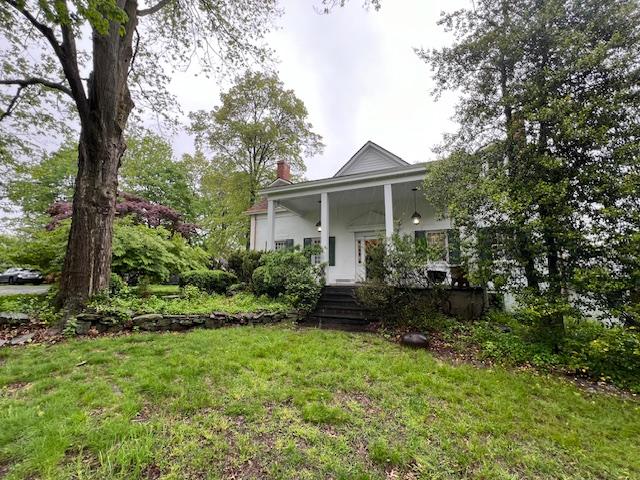
The Martin Berry House from the top of the hill at 581 Route 23 South. It is on a road hidden from the highway.

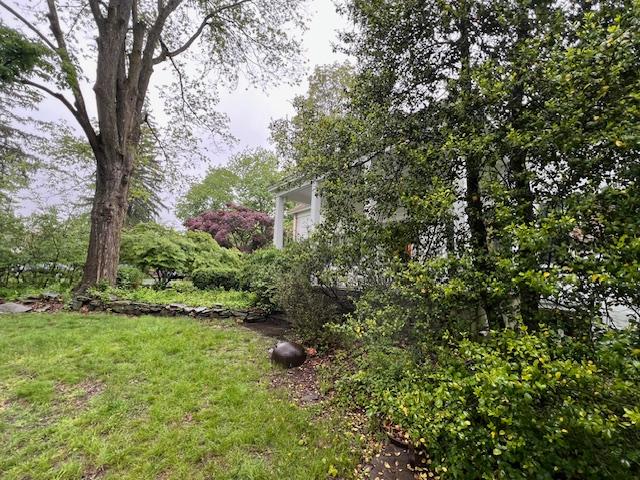
When I went to visit the Martin Berry House for the “Pathways to History” tour, I found it impossible to find. The Google Map has it in the middle of a parking lot in front of the strip mall along the highway and there is no pathway to the home from the parking lot. What you have to do is go the street behind the mall, head up the hill and make a right down a gravel road and there is the house at the end of the street.

There is not much parking here but with an isolated home like this, the Historical Society needs to put some things in place before they start having events here. The Society had bought the house not too long ago and there is still some renovation work that is being done, so the Society is in its first stages of opening the house to the public. It has some nice revolving displays and an interesting Colonial kitchen. The gardens are also beautiful when in bloom. Visiting the house in the future will offer many surprises.

(From the website of the Martin Berry House and the Pequannock Township Historical Society):

The Martin Berry House, or MBH, was built
on this spot in about 1720. The original house was
smaller than what you see here. This is the the
result of the second major enlargement or
renovation of the original construction as well as
later renovations and remodeling.

The Martin Berry House from the gardens.


The MBH is owned by the Township of
Pequannock and operated in partnership with the
Pequannock Township Historical Society (PTHS).
PTHS was formed in 2015 out of a movement that
was original called the Friends of the Martin Berry
House that had itself been initiated in 2014 to
support the Township in its efforts to acquire the
MBH.

The Martin Berry House Furniture display in May 2024.

When the Friends organized as the PTHS, it
was decided that a broader vision was needed so
that both the house and its context could be
preserved and interpreted.

The Martin Berry House Art Exhibition during the “Pathways to History” tour 2024.

The Martin Berry House Living Room.

The PTHS is an all volunteer and membership
-based organization with a mission to preserve,
interpret, and promote the history and diverse
heritage of Pequannock Township. We are working
to preserve and maintain historic buildings, sites,
and collections, and to create and present programs,
exhibitions, publications, and other activities for the
public that celebrate and interpret the history and
heritage of Pequannock Township and neighboring
communities. Our primary activities at this point,
though, are centered around the preservation,
restoration and management of the MBH as an
historic learning center and living museum (MBH website).

The Martin Berry House gardens in bloom in the Spring of 2024.

The preservation of the MBH began with
Eleanor and Charles Bogert purchased the house the
2.75 acres of land that surrounds it today in 1951.
Lovers of history and historic buildings, it was their
intent to restore the house as a Dutch Colonial
manor. Along with the slow and laborious efforts of
restoring the house, they raised three children,
briefly operated an antique shop, gave tours for local
school and scout groups and became active in
organizations such as the Highlands Historical
Society.

The Colonial kitchen section of the home.

Their intent was to restore the MBH and to
provide it to Pequannock Township as a museum.
In the winter of 2014 Mrs. Bogert informed
the Pequannock Town Council and Township
Historian that she was ready to begin the process for
selling the MBH to Pequannock Township. Township
Historian Ed Engelbart and the Pequannock
Township Historic District Commission began
generating support and The Friends of the Martin
Berry House emerged in June (MBH website).

Martin Berry House Colonial kitchen and displays.

The Township submitted an application to
and then received a matching grant from the Morris
County Historic Preservation Trust Fund to purchase
the home in 2015 and then contracted with HMR
Architects for a Preservation Plan.

The Colonial Kitchen display in the old Dutch Kitchen.

The Plan was received in the winter of 2016.
It recommended that the Township complete the
purchase of the MBH and provided information
regarding its renovation and interpretation. Final
negotiations began with Mrs. Bogert and the sale
was completed in January 2017. Negotiations then
began with the PTHS on a management agreement
that was adopted and signed in September 2017 in
time for the PTHS to open the MBH to visitors for
the Pathways of History Tour.

The history of the Martin Berry House and renovation.

The History of the house:

(from The Martin Berry House historical pamphlet)

In 1695 and 1696, a group led by Captain Arent Schuyler, Major Anthony Brockholst and six others including Samuel Berry, negotiated purchase of the land from both the Lenape Tribal Americans and the East Jersey Board of Proprietors. The land was later divided to eight separate owner including Samuel’s son Martin Berry born in 1693, who acquired the property and likely built his fine home sometime after his marriage to Maria Roome in 1720.

Historian Emil R. Salvini noted that Martin built his house of stone, with walls two feet thick for insulation, set into the hillside facing south, typical of the Dutch homes of the period. Its has six bedrooms, two center halls, shallow fireplaces to reflect the heat back into the rooms, servants quarters and a massively framed Gambrel room built without the benefit of a ridgepole.

Besides being a successful and prosperous farmer, Martin served in positions of community leadership, both as a deacon and later elder in the newly established Dutch Reformed Church which was built in 1736 and was accessible via “Martin’s ford” across the river from his farm. The house passed out of the Barry family in 1862 during the Civil War.