Category: Small Historical Societies in New York State

Knox Headquarters State Historic Site                  289 Old Forge Hill Road                                     Vails Gate, NY 12584

Knox Headquarters State Historic Site 289 Old Forge Hill Road Vails Gate, NY 12584

Knox Headquarters State Historic Site

289 Old Forge Hill Road

Vails Gate, NY 12584

(845) 561-5498

https://parks.ny.gov/historic-sites/5/details.aspx

https://en.wikipedia.org/wiki/Knox%27s_Headquarters_State_Historic_Site

Open: Sunday-Saturday (Seasonal-Please see the website)

Admission: Free but donations are accepted

My review on TripAdvisor:
https://www.tripadvisor.com/Attraction_Review-g48760-d1174661-Reviews-Knox_s_Headquarters_State_Historic_Site-Vails_Gate_New_York.html

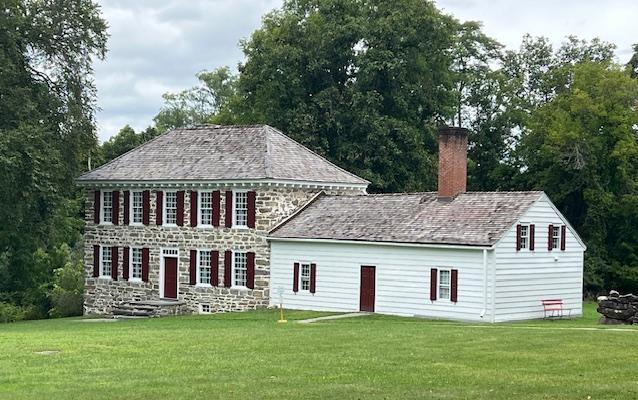
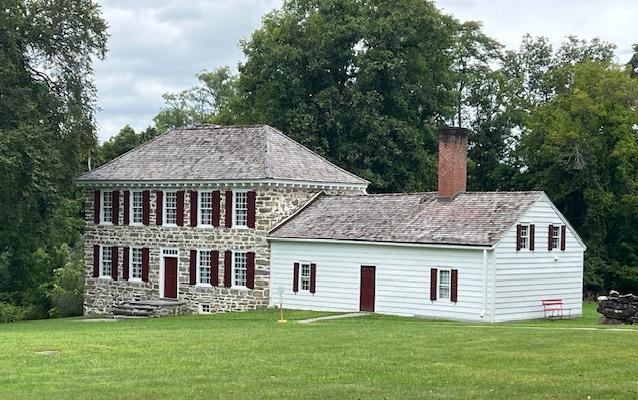
The Georgian side of the Elliott home
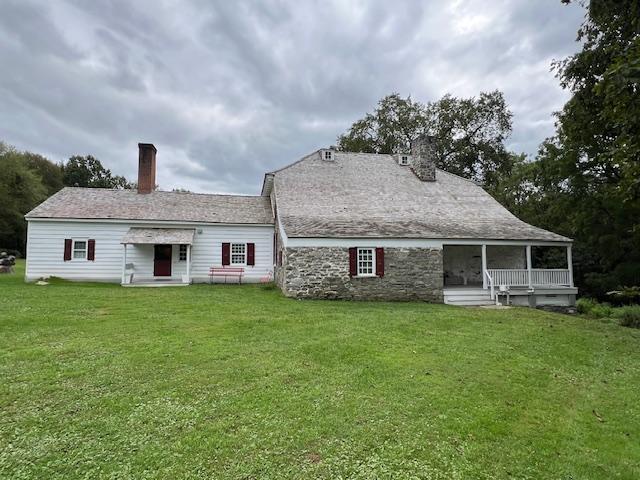
The Dutch style side of the home
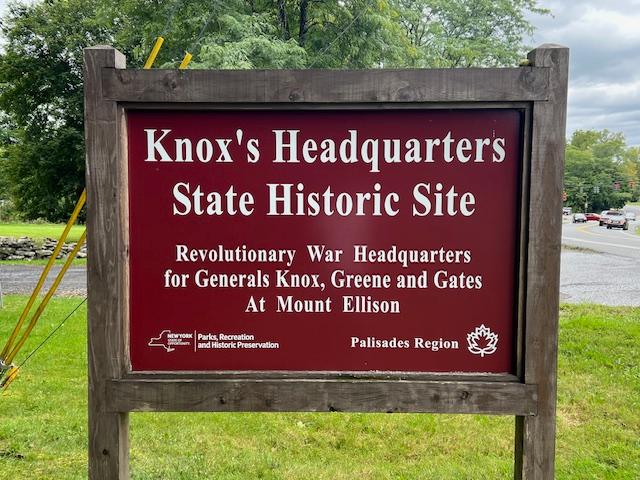
The sign welcoming you
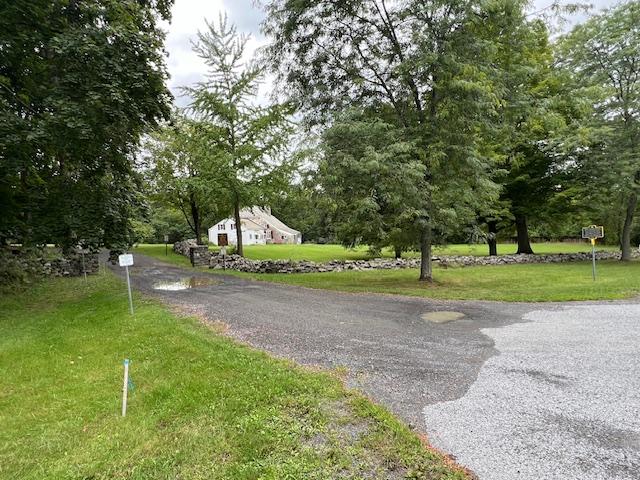
The estate from the road
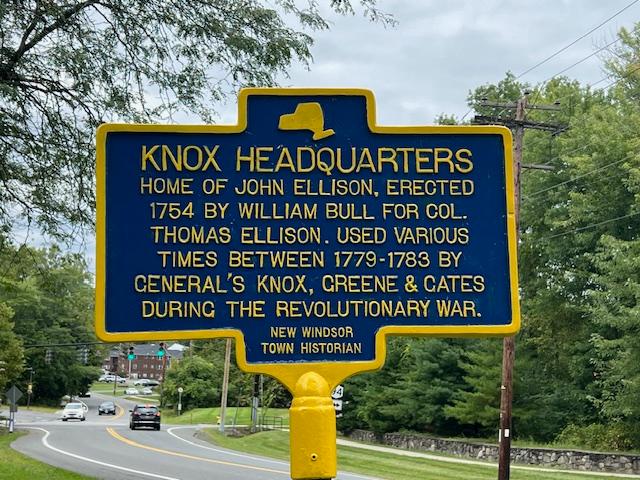
The historic sign outside the home
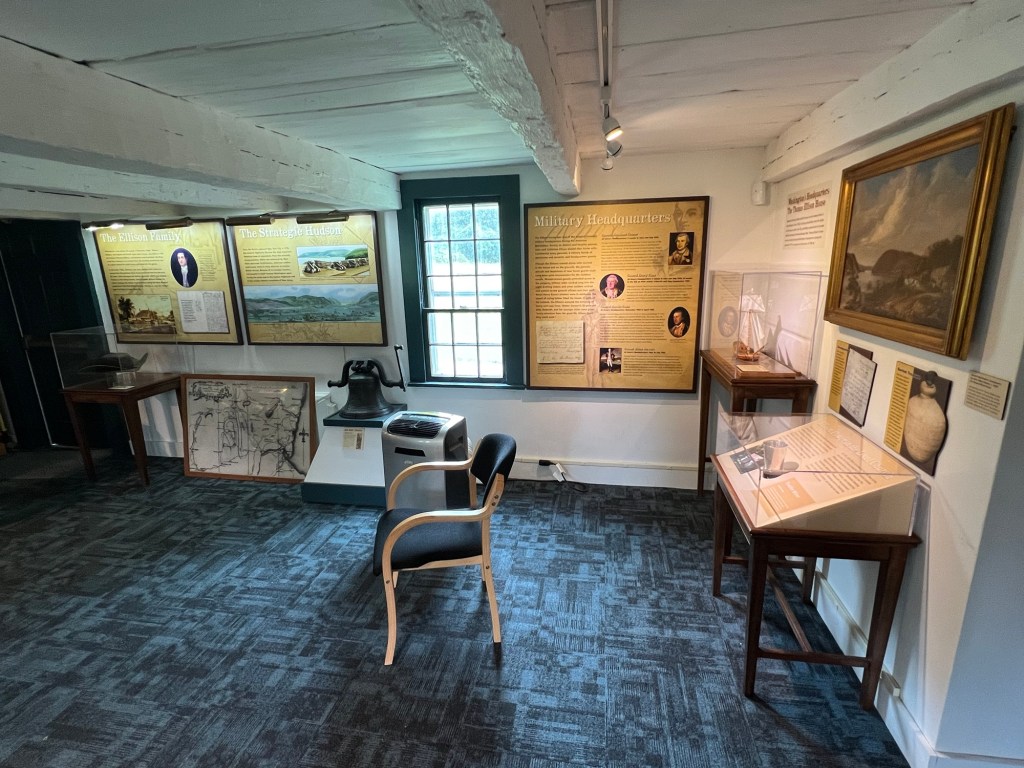
The Welcome Center tells the story of both the Ellison family and their war visitors, the Knox family.
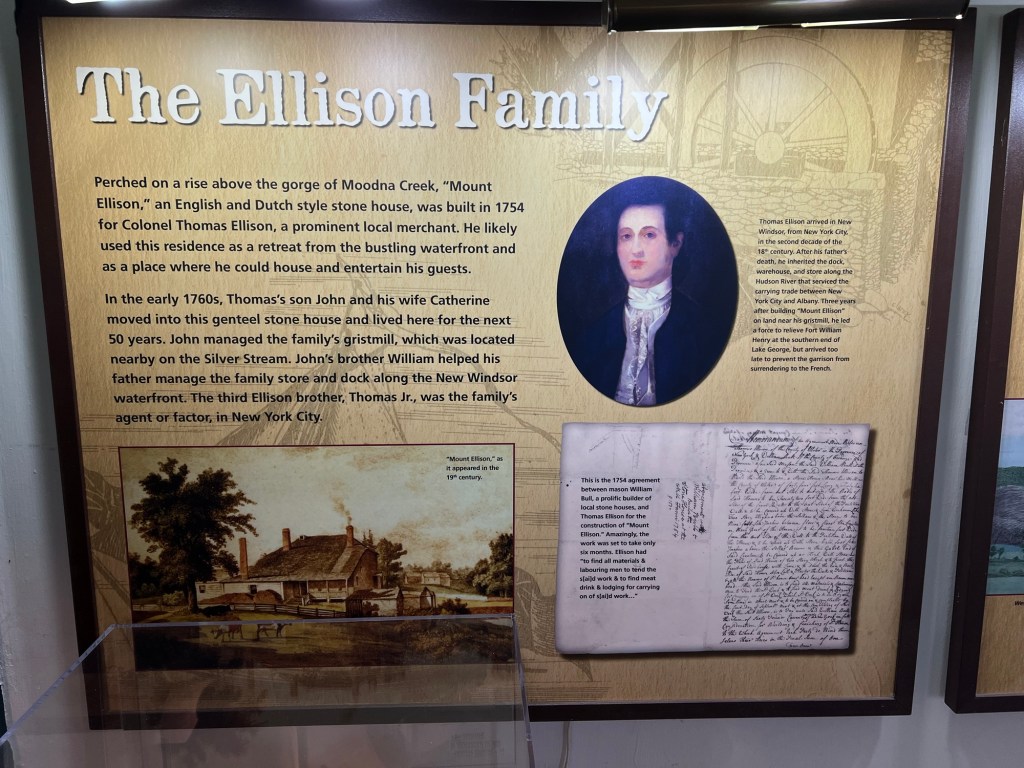
The Ellison family history sign
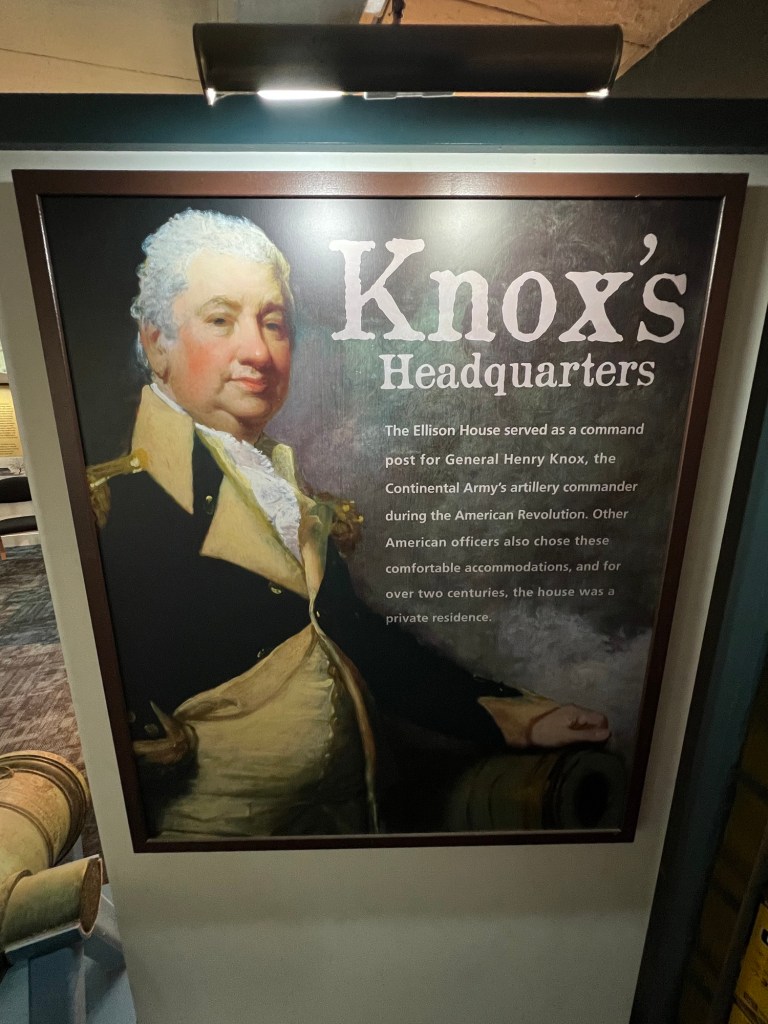
The Knox family history sign
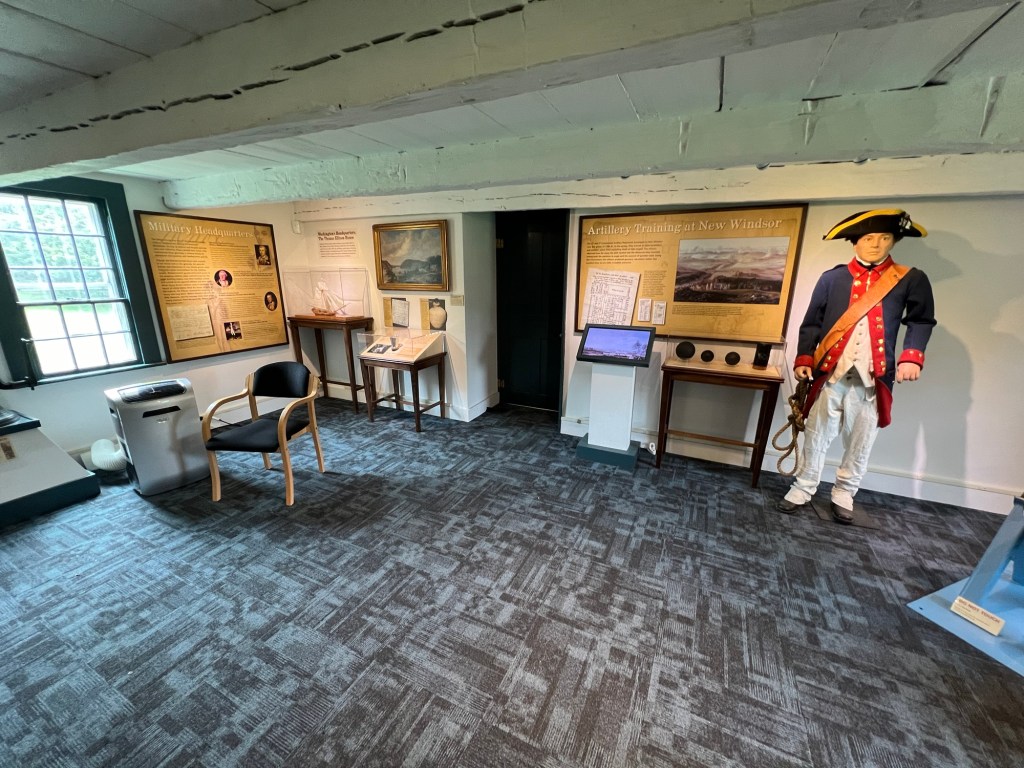
The family history in the Visitor’s Center

The tour of the house was very interesting. The house was built in three stages as the family grew and prospered over the generations. There was the original Dutch house which is the side of the house that faces the current road, the Georgian addition which faces the back of the house, where the original Kings Highway was located and the addition, where the Visitors Center was located.

My tour guide, Tiffany, explained there had been other additions to the home over the years but they had been removed for the historical integrity of the house.
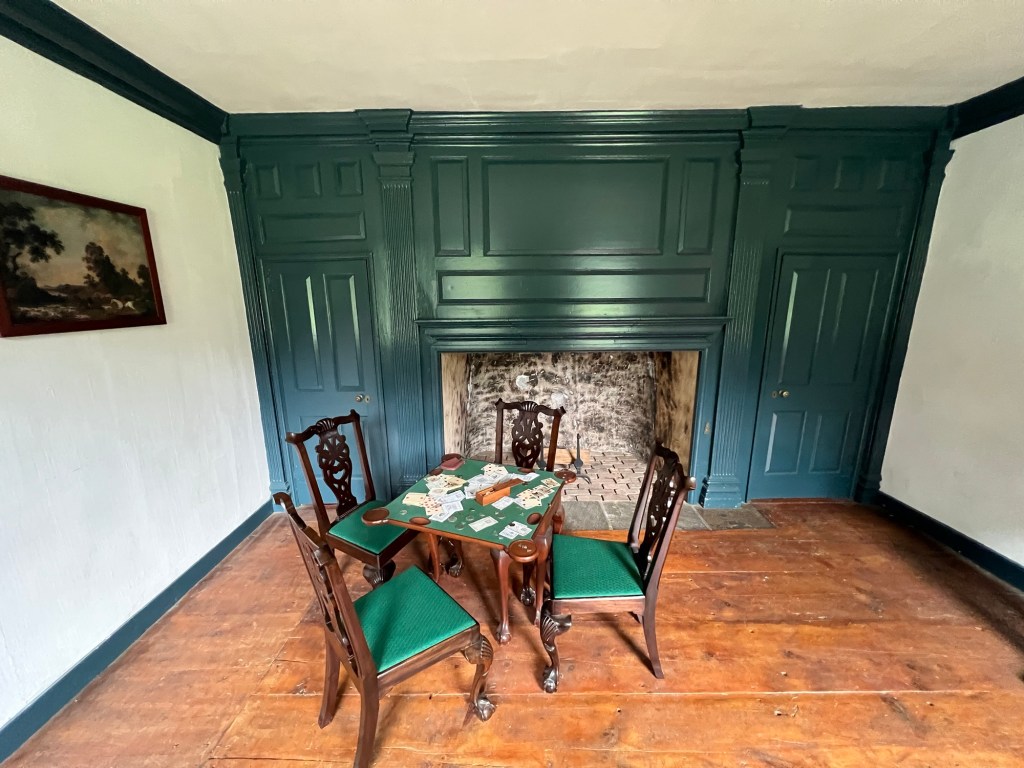
The Georgian addition of the home featured more rooms for socializing

The Georgian addition to the back of the home was built with the family fortunes. This included a spacious formal Parlor, Dining Room both with large window to let in natural light and high ceilings for circulation and to show the families affluence.
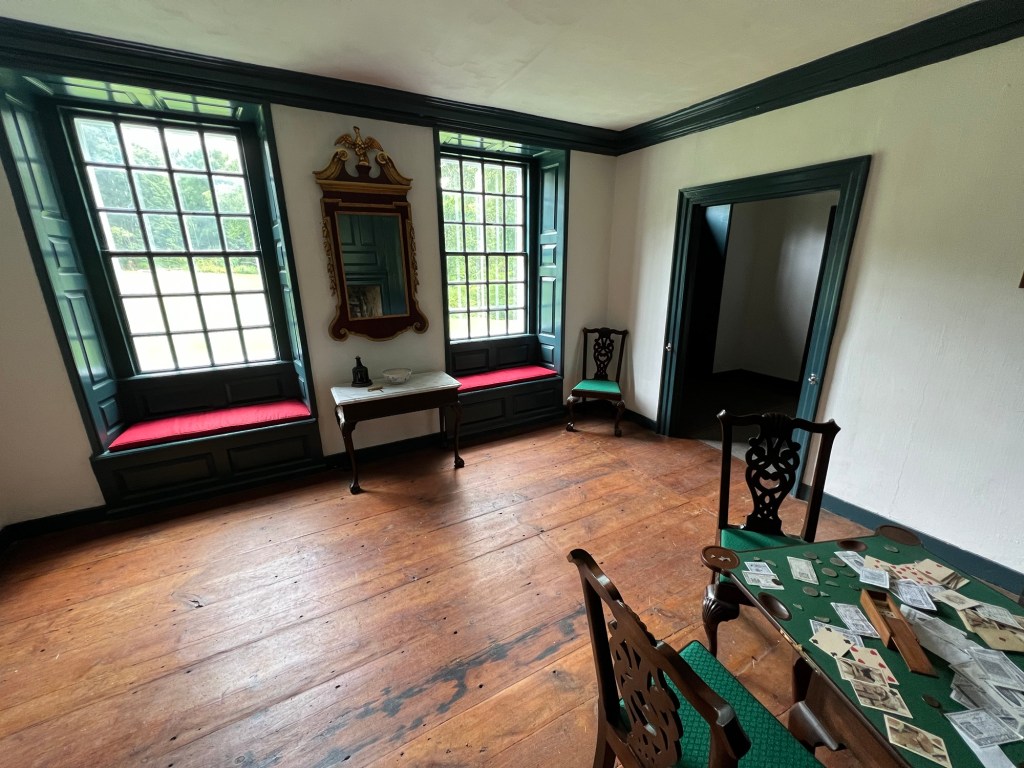
The large windows let in the natural light in the warmer months

Much of the furniture in the house was not original to it but was of the period. Here and there though there were pieces donated back to the house and gave it its historical dignity.
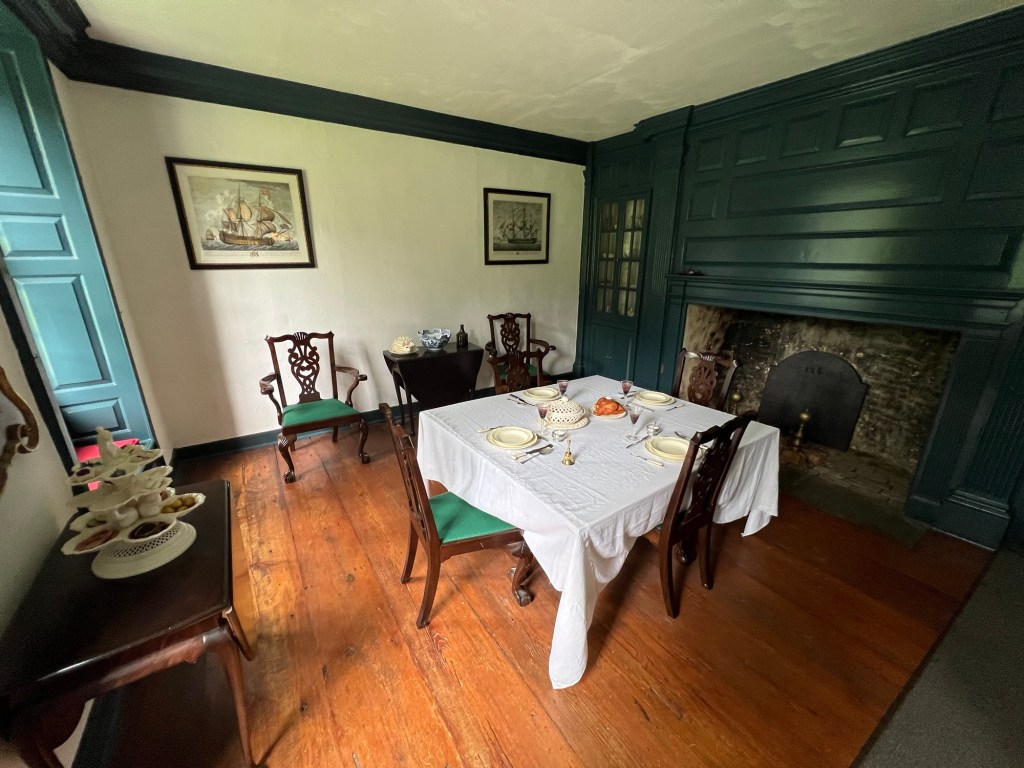
The formal dining room was used to impressi visitors with the large fireplace

The Dining Room used for meals and formal entertaining was spacious yet cozy. There was room to move around but it was still intimate for conversation.
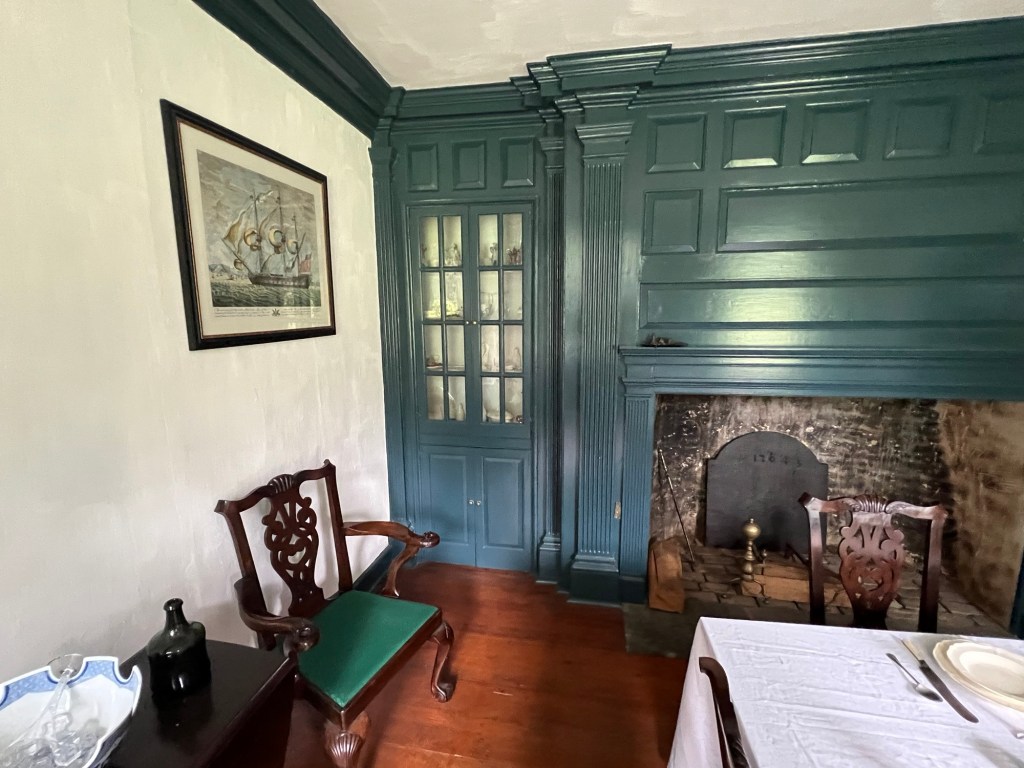
The room had built in China cabinets

The wood work contained china cabinets, storage for silver and family serving pieces. The large metal tombstone looking item in the fireplace was a metal slab meant for retaining heat for the room once the fire went down. This is how the room was kept warm in the colder months.
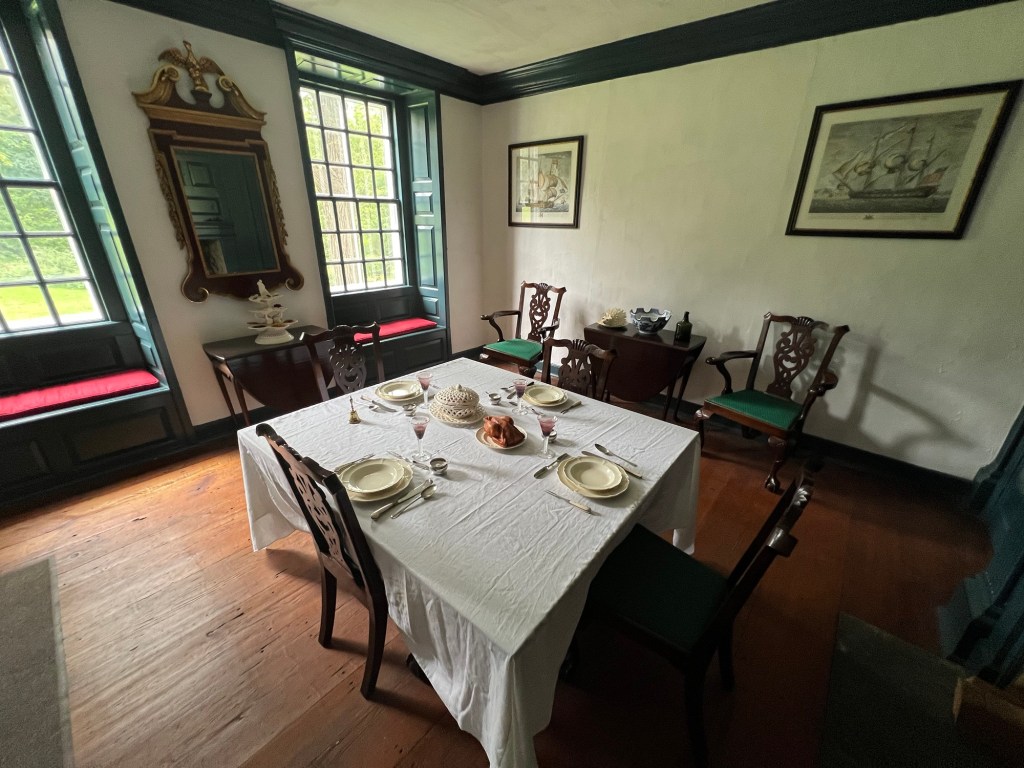
The natural light was perfect for late afternoon supper

Once you left these rooms for the front hallway, this led to the Dutch front portion of the house, once the living quarters and now was were the business office and storage for the family business was attended to during working hours.
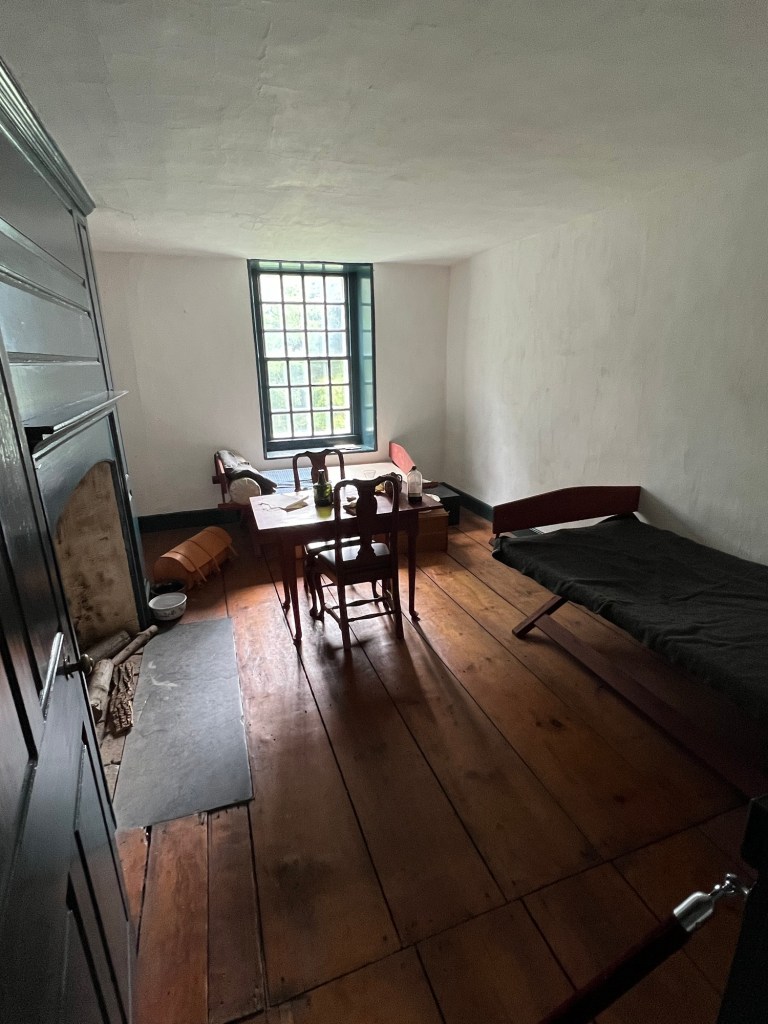
The office of Mr. Ellison was in the front part of the original Dutch portion of the house

The rooms in the front section of the original house were separated from the formal part of the current back of the house. This is where Mr. Ellison and his son attended to business calls and stored their goods for shipping.
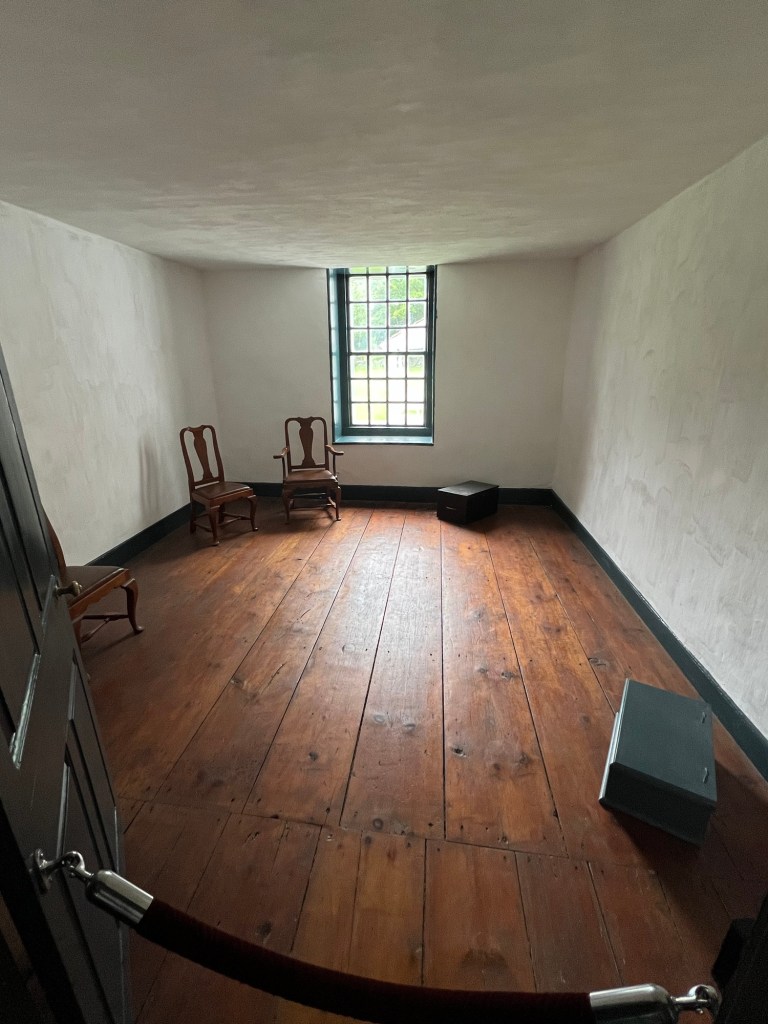
The storage room was probably a family bedroom for the original house

The trip upstairs was part of the addition of the house and contained two spacious bedrooms with high ceilings and large windows. When the Knox family joined the Ellison family during the encampment, each family had one bedroom for use. The Ellison’s did not have any children and the Knox’s had two small children, a small girl and an infant boy. From what the tour guide explained the Ellison’s welcomed them in the home and relations were very good with both couples, who welcomed the children into their home. It brought extra life to the house.
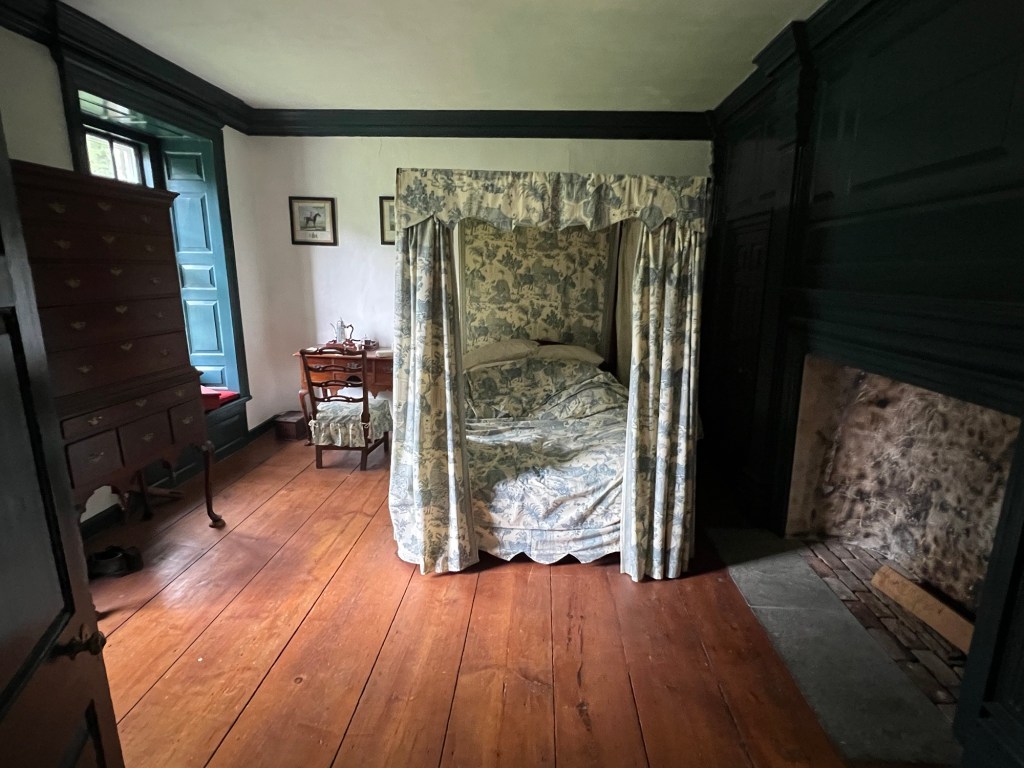
The formal bedroom of the Ellison’s would be the bigger room and more formal
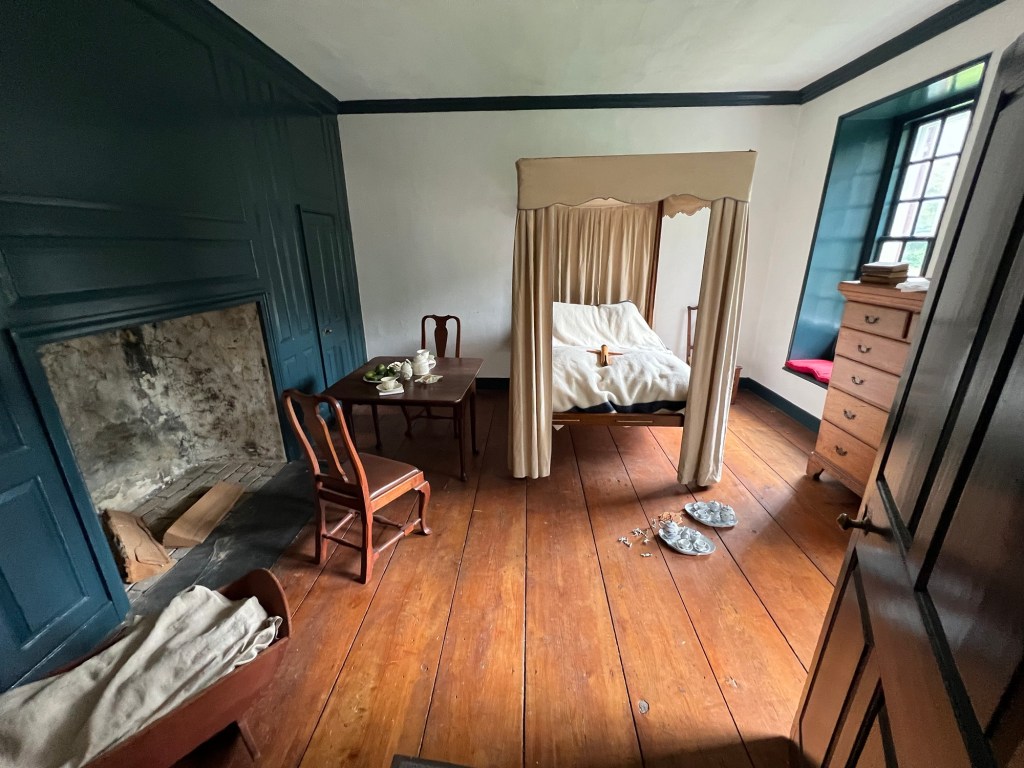
The Knox family bedroom would have been not less elaborate with a small bed and crib for the children
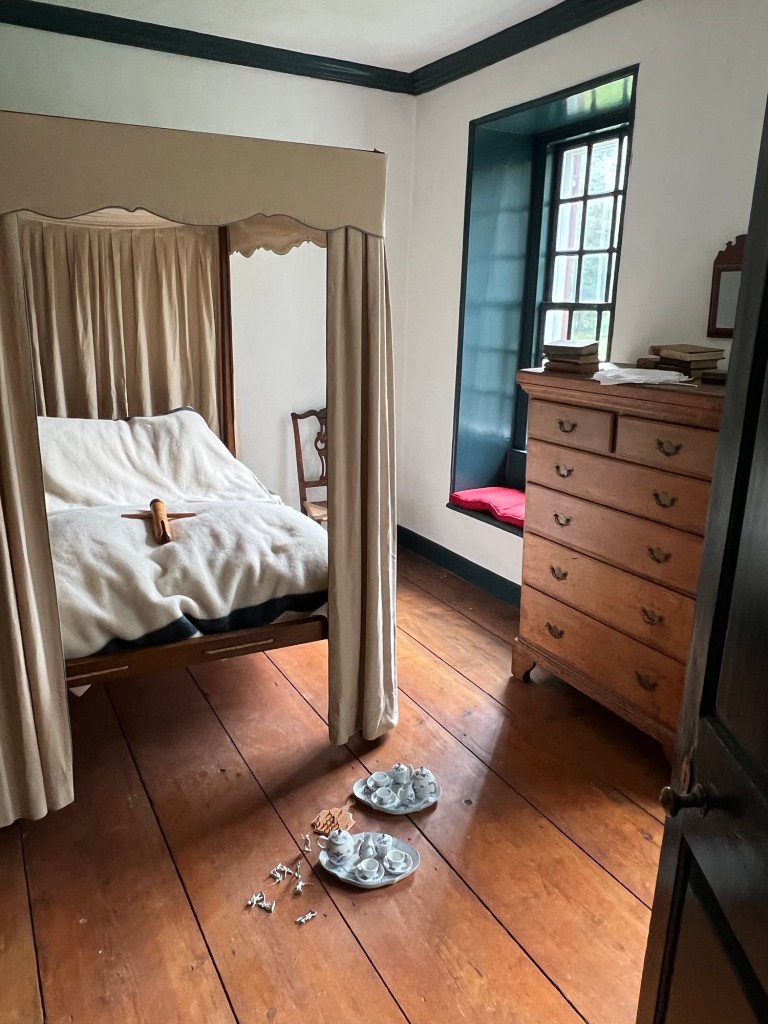
The Knox’s bedroom for the family during the war years

Mrs. Ellison kept her own office at the top of the stairs and this was reflective in the desk and table in the nook at the top of the stairs. The tour guide explained there had been a wall to provide privacy to Mrs. Ellison which had been removed over the years.
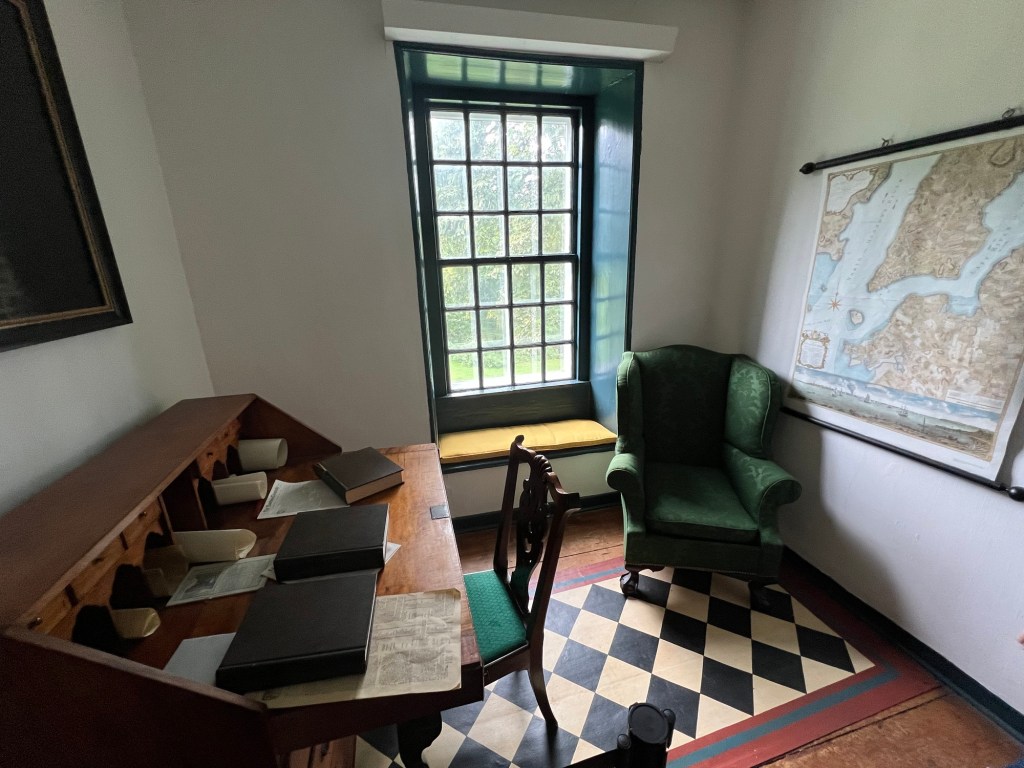
The office of Mrs. Ellison to run the household

The office contained the family heirloom desk and a portrait of Mr. Ellison’s brother who was a General in the war.
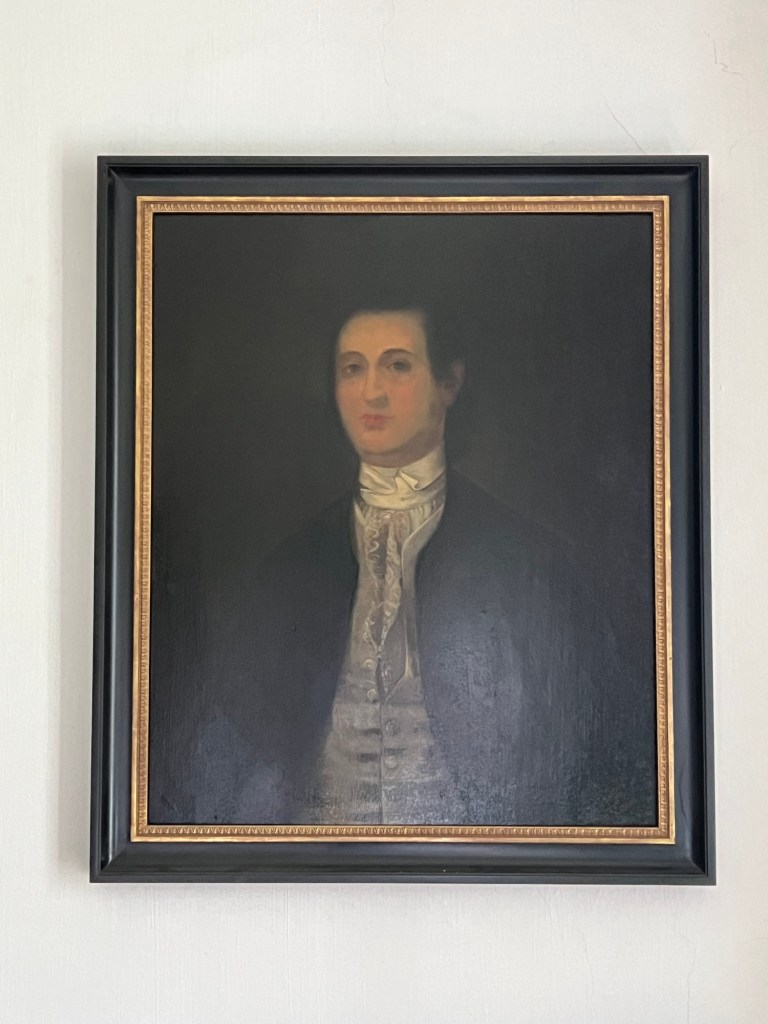
The portrait of General Ellison, Mr. Ellison’s brother
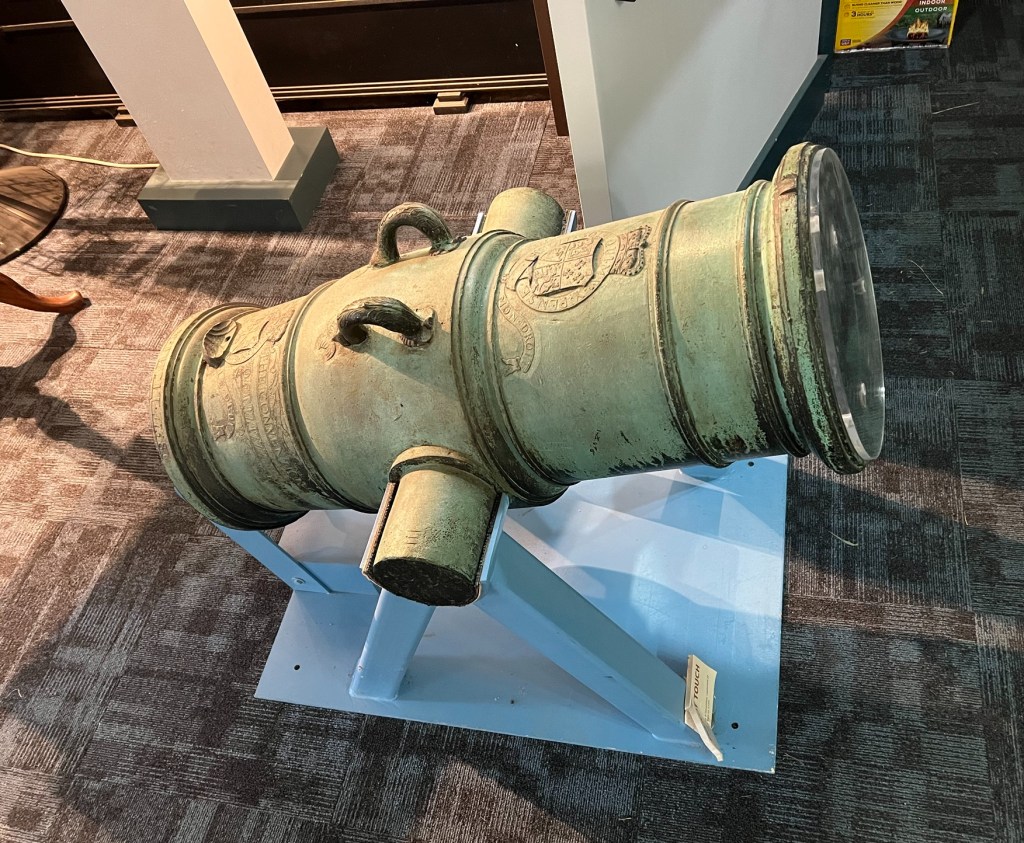
Part of the cannon

When I finished the tour of the house, my tour guide and walked around the Visitor Center room and she showed me some of the artifacts in the room including a small cannon the had been found. My tour guide suggested after we were done in the house a tour of the grounds. The King’s Highway had originally run in a different location that passed the front door of the Georgian side of the house. Also down by the stream were the ruins of the old grist mill.
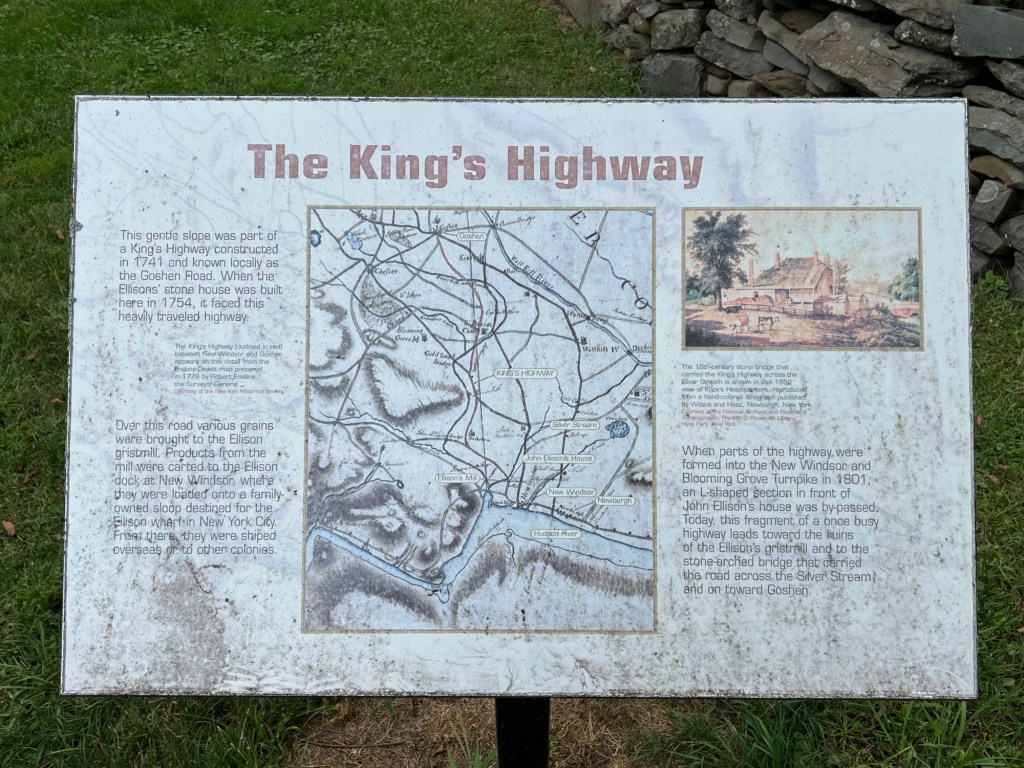
The map of the original King’s Highway when it passed in front of the home
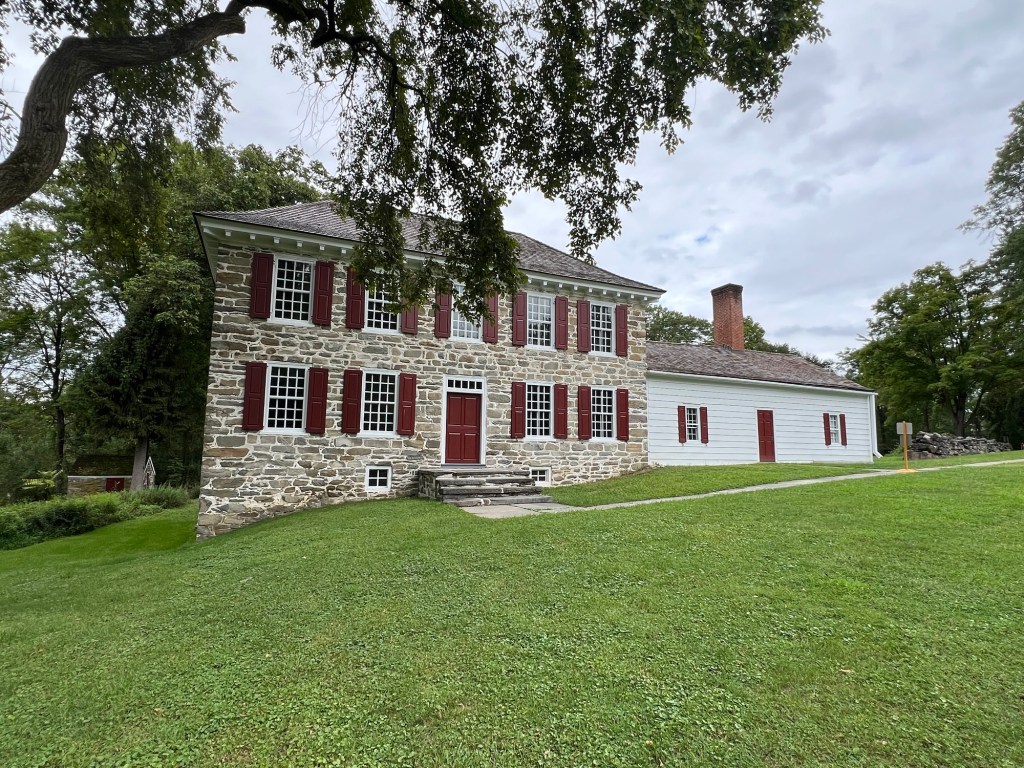
The original front door of the Ellison home where the street was once located
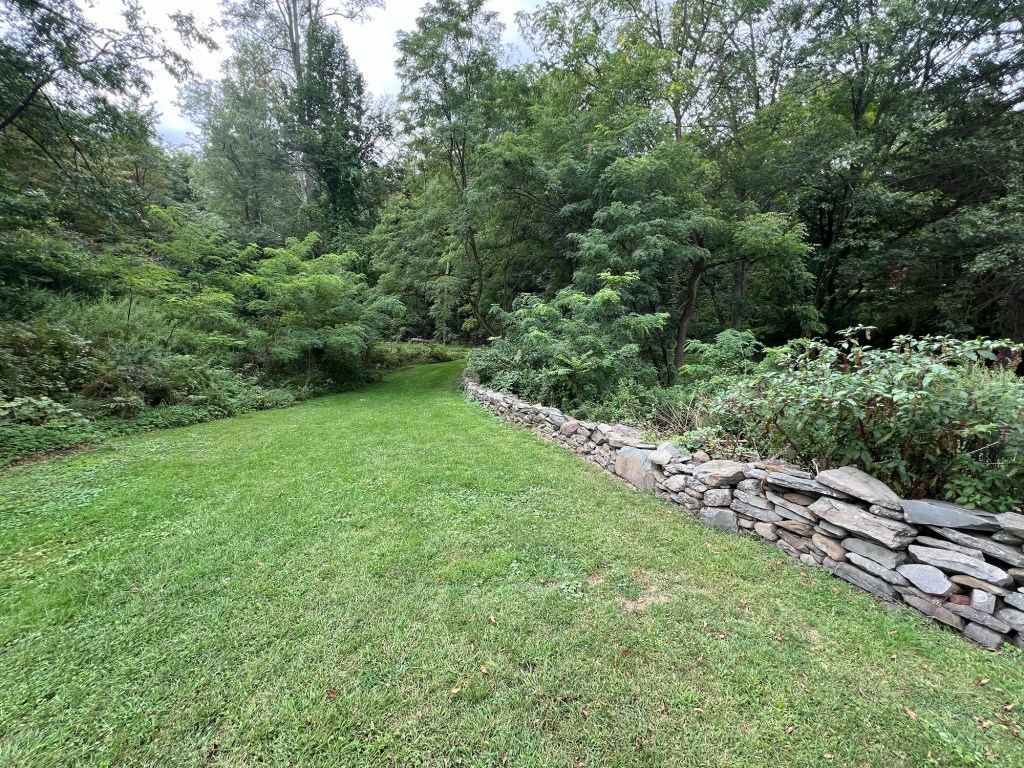
The stone wall is the marker of the original part of the road that passed by the home
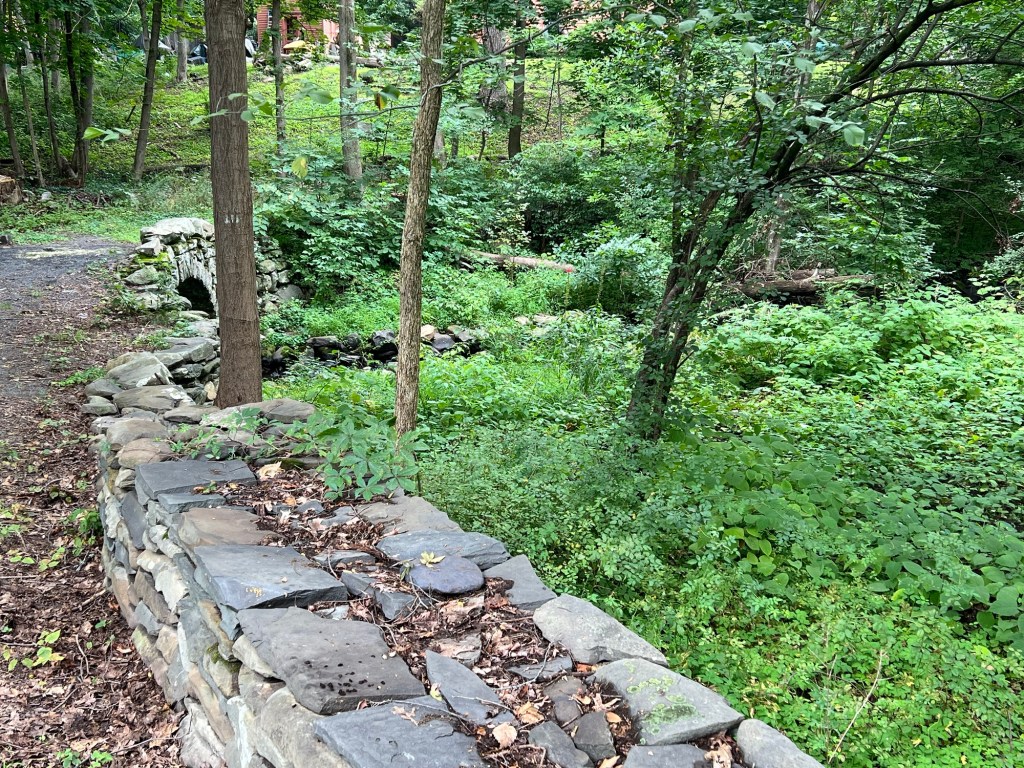
The highway path as it passed over the stone bridge

There was not much left of the family mill by the stream but the site did a nice job preserving the path of the highway and up keeping the stone bridge and grounds.
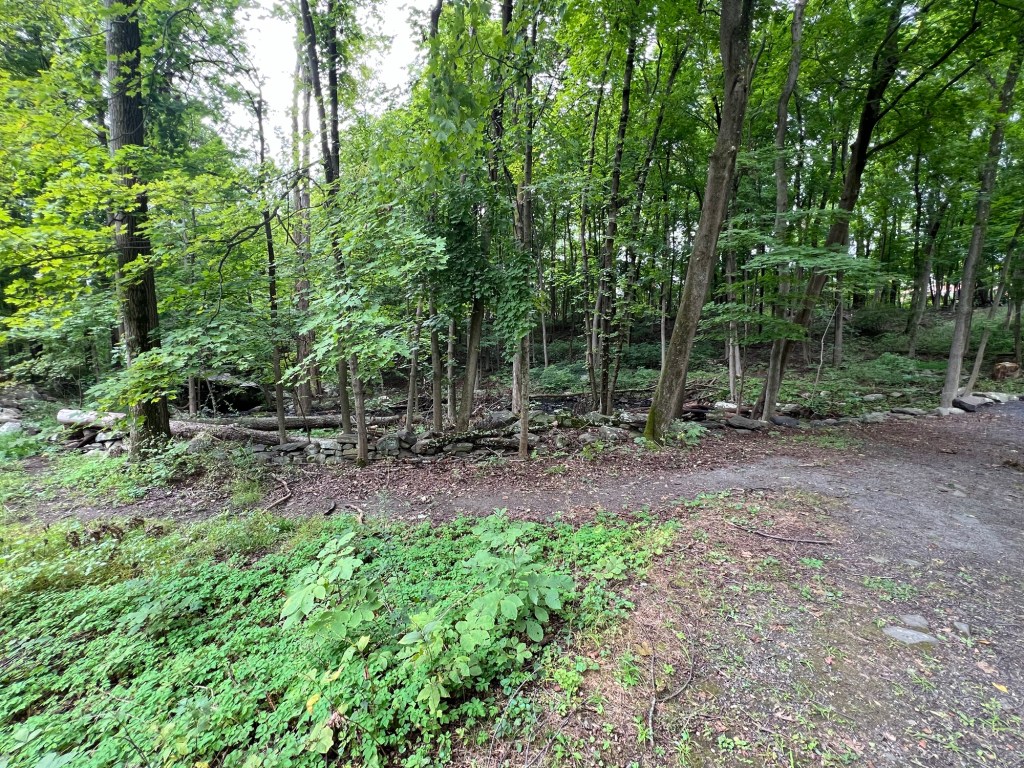
The woods area by the stream where the ruins of the old mill were located

The stream area
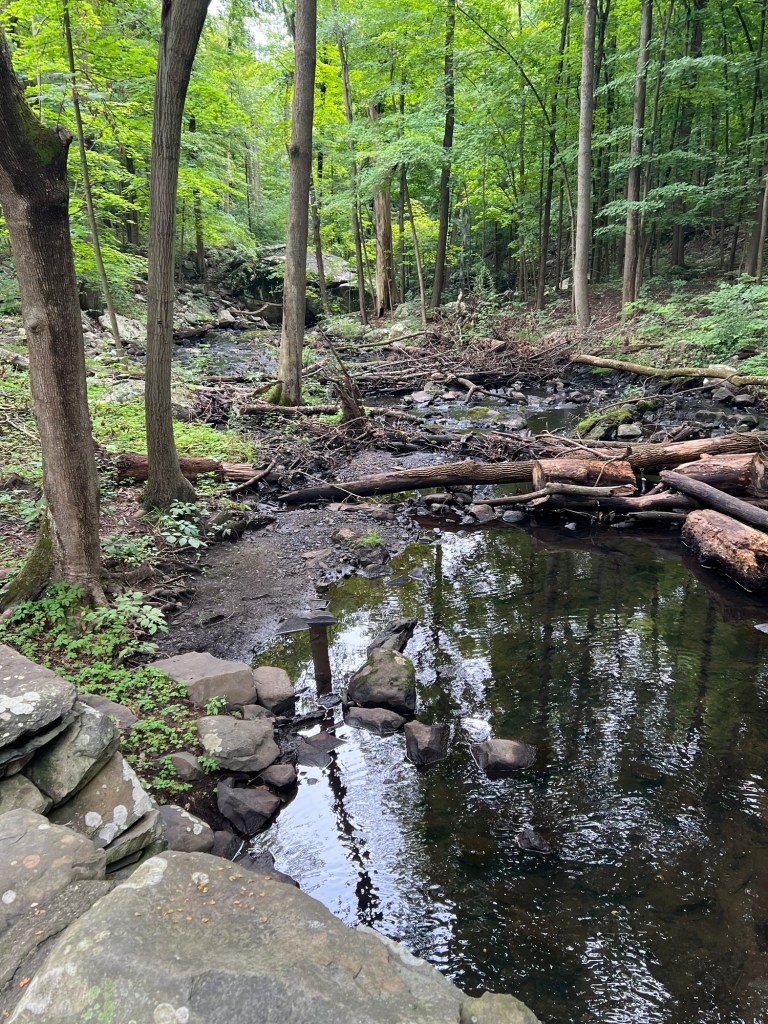
The stream area by the old mill
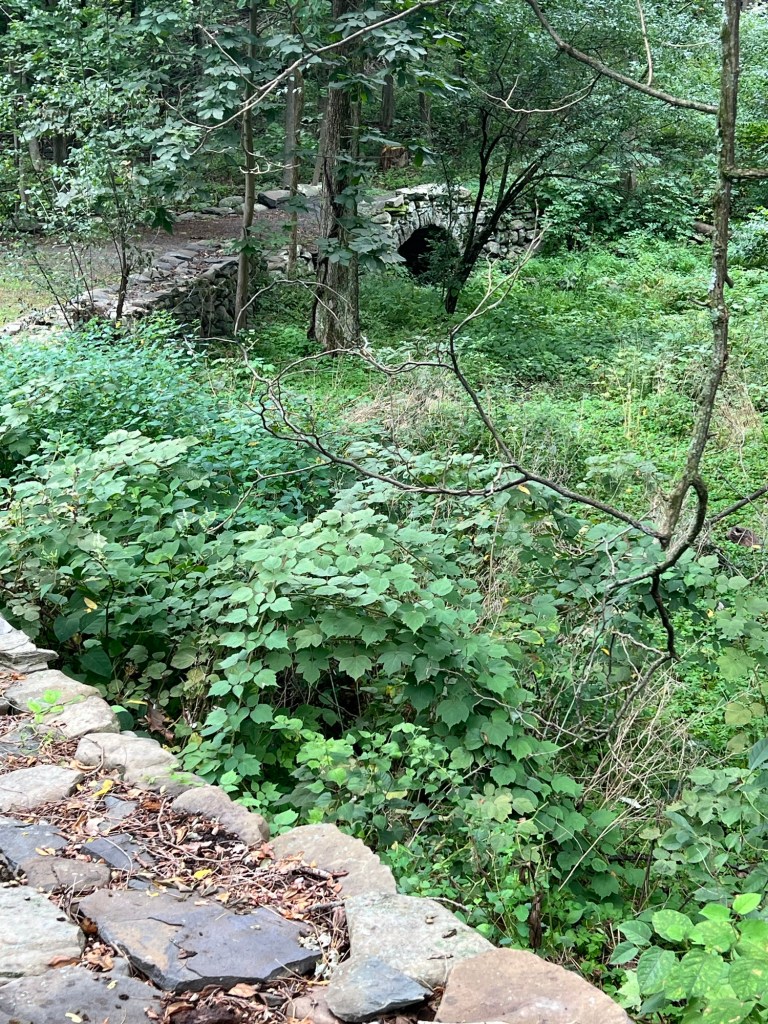
A better view of the old stone bridge

When I returned from the stream area (unfortunately leads to someone’s property on the other side of the stream), I walked the grounds of the home. There was a small smokehouse on the property to the side of the house.
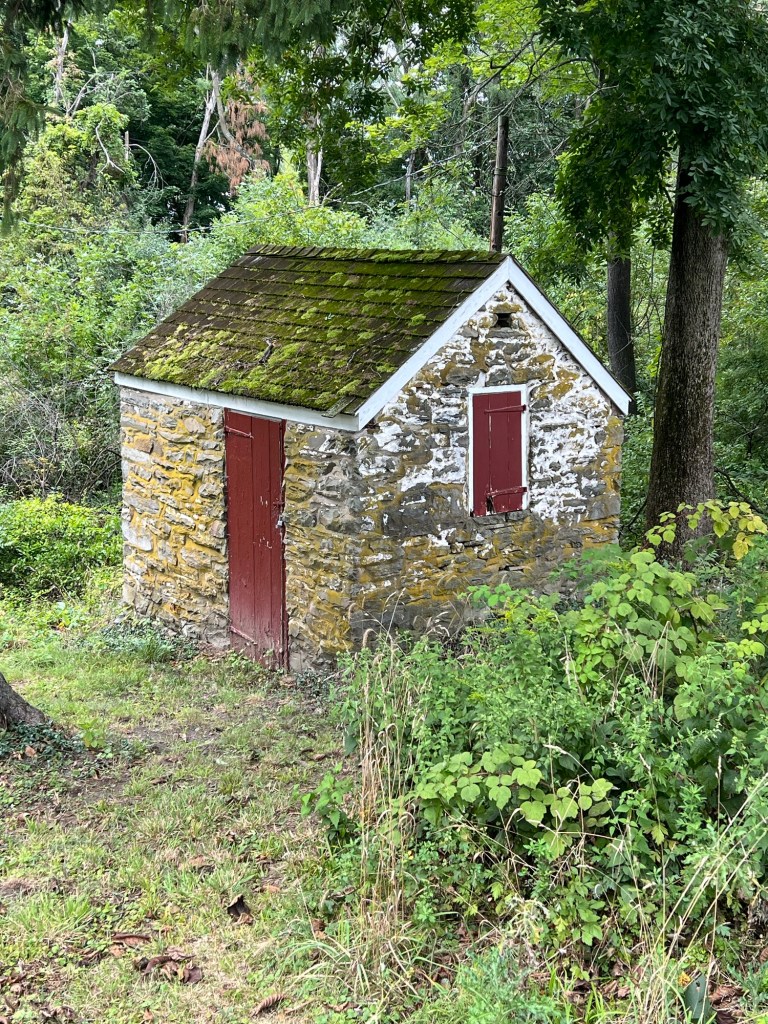
The old smokehouse on the property
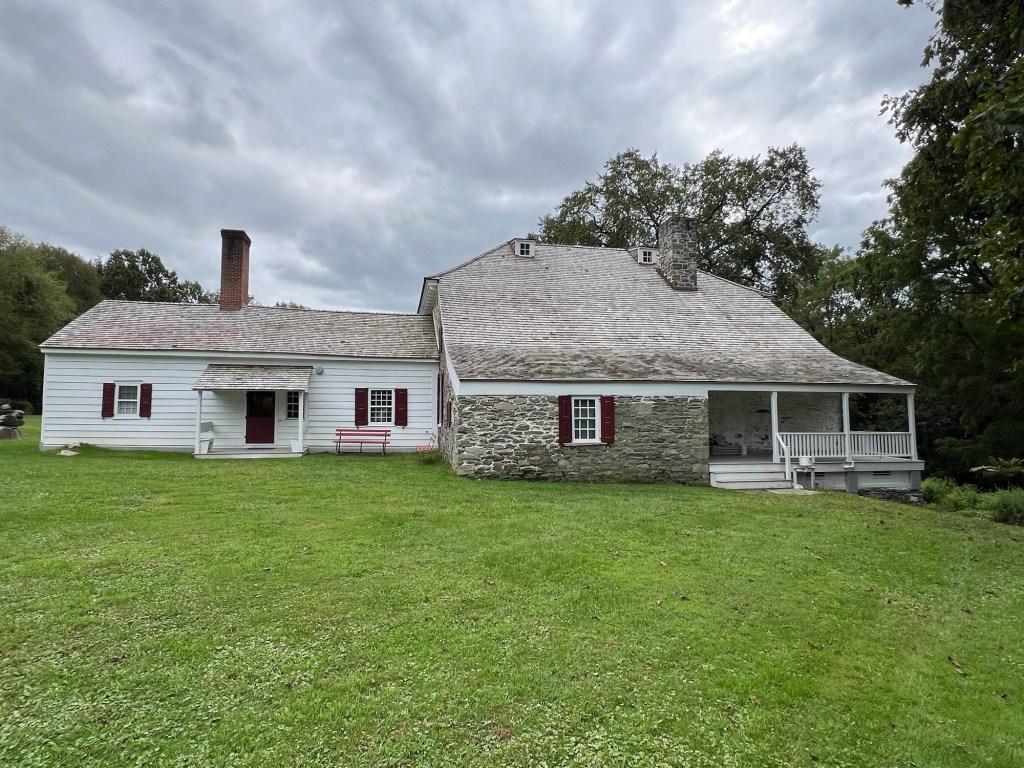
What was originally the back side of the house is now the front side of the house on the Dutch side of the home with the addition to the left
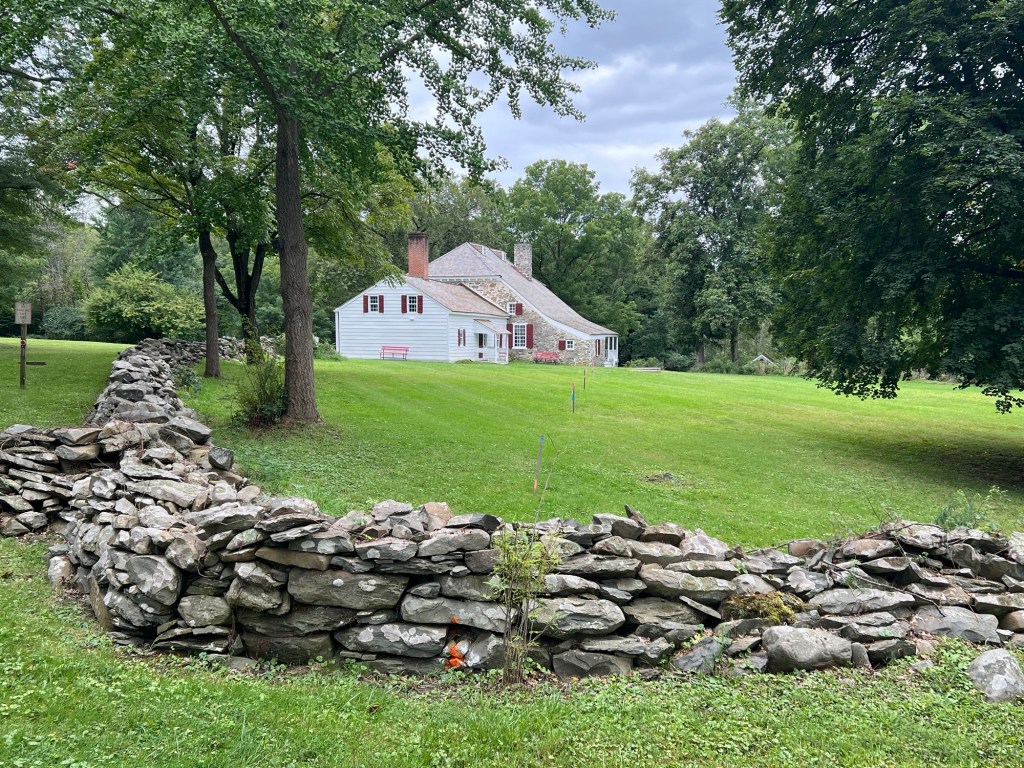
The view of the homestead from what is now the front of the street
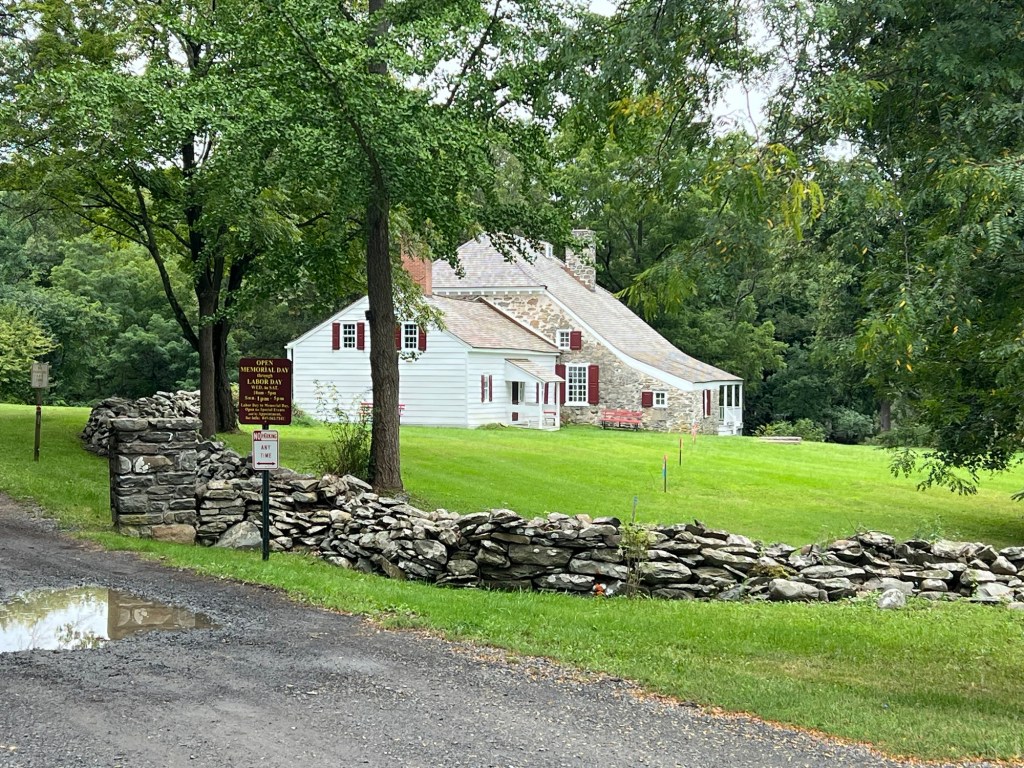
The view of the house from the entrance when I was leaving
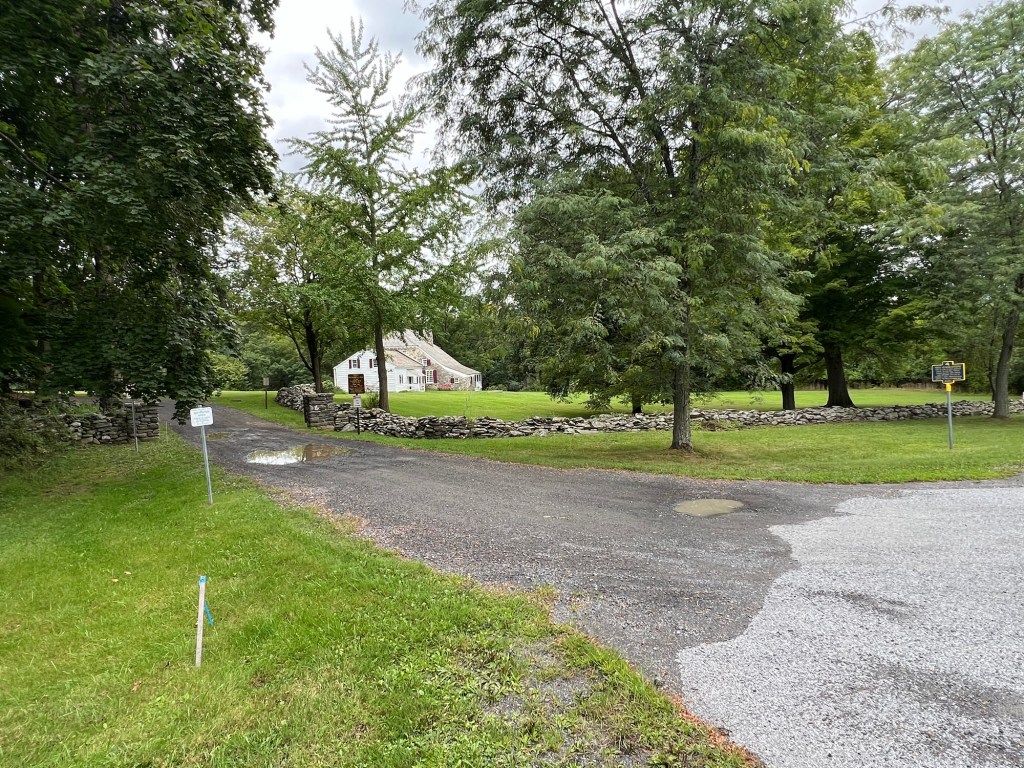
The front of the homestead as you enter an exit from the new direction of the home

I found the tour to be very informative and an interesting look on how two families shaped our history during the Revolutionary War.

*A special note that the house is seasonal and is closed from Labor Day until Memorial Day the next year and is only open for special events at Halloween and Christmas.

The Halloween Event:

I attended the Halloween events at the Knox Headquarters when in the spirit of the 18th Century Gothic Literature, an author took us on a tour of treason and tides turning during New Windsor Cantonment and inside the Knox Headquarters. The ghosts of the past tried to find a traitor in the midst of the war.

Meeting the ghosts of the author and her characters on the site of the Knox family estate
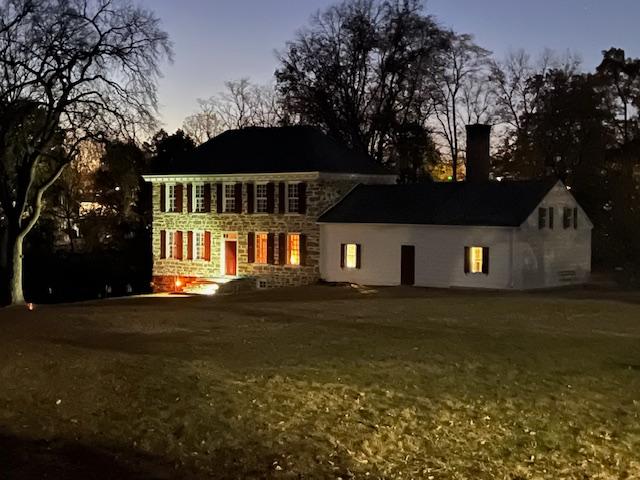
The Knox House lit for the Halloween holidays had a eerie look to it that night
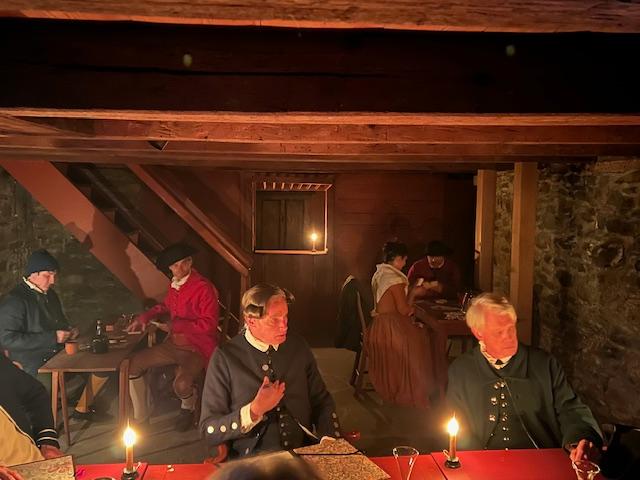
The Ghosts trying to find a traitor in the ranks

The Ghosts of the past trying to find a traitor during the war
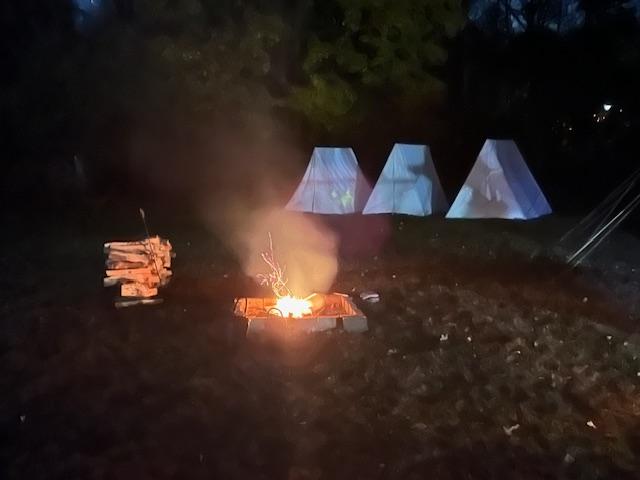
Leaving the Continental Army camp after the performance was over that evening

We walked the estate and followed the storyline with the actors. There were people on both sides of the war who thought they were right. It was an interesting Halloween event.

The History of the Ellison/Knox Site:

(from the New York State Parks, Recreation and Historical site)

On several occasions during the Revolutionary War, Major General Henry Knox, Commander of the America artillery, established his military headquarters at John Ellison’s 1754 Georgian-style house in Vails Gate. From October 1782 until the spring of 1783, as 7,000 soldiers and 500 “camp followers” were establishing winter quarters at the New Windsor Cantonment, and General Washington was lodged at Jonathan Hasbrouck’s house in Newburgh, New York, Major General Horatio Gates occupied the elegant home from which he commanded the cantonment. Here the army awaited the end of the Revolutionary War that became effective when Washington issued the cease fire orders on April 19, 1783.

For most of the 18th and into the 19th century, the Ellison family had important commercial dealings in milling and trade. From their mill, flour was shipped down the Hudson River to New York City and the West Indies. At present, remains of the mill, with traces of the underground raceway may be visited. Explore how the Ellison’s and other families of the mid-Hudson Valley lived 200 years ago.

The Christmas Open House event:

I returned to the Knox Headquarters again for their Colonial Christmas Open House in early December and that was a festive event. The snow had just fallen giving the house a very picturesque look to it.
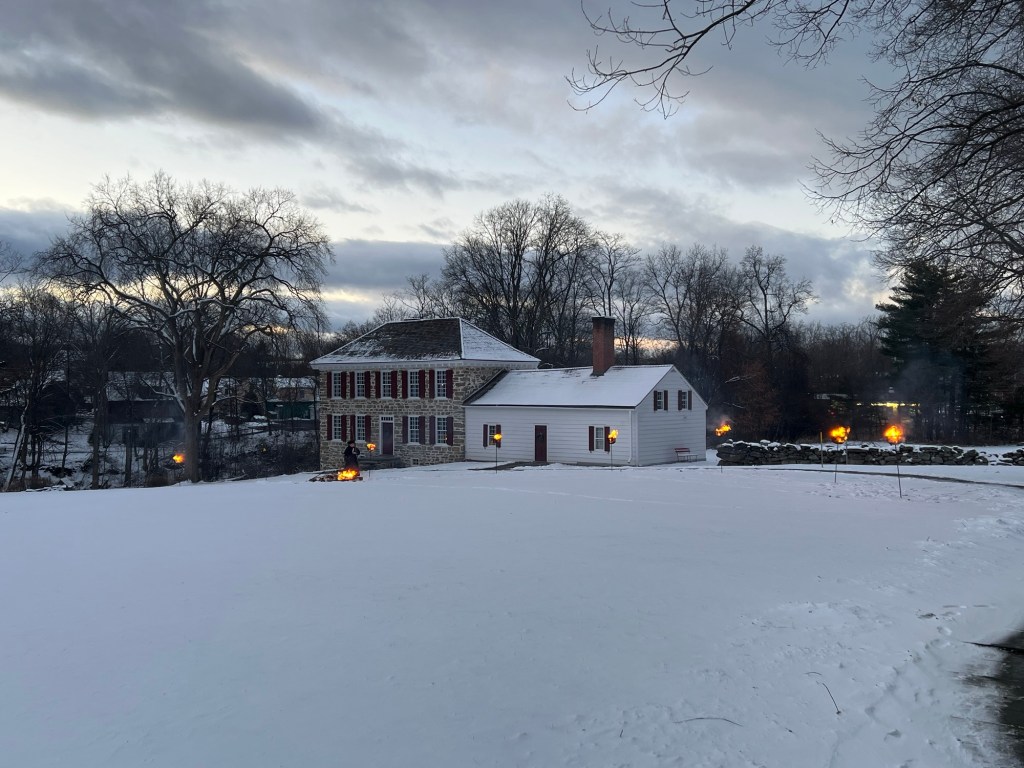
The Knox/Ellison Home the day of the event

The estate looked so picturesque with the snow

When I first arrived to the estate, it was still light out and they had just lit all the torches in front of the house. It really lit the pathways to the house. By the outside fire, a lone soldier stood guard, and he looked like he was freezing.
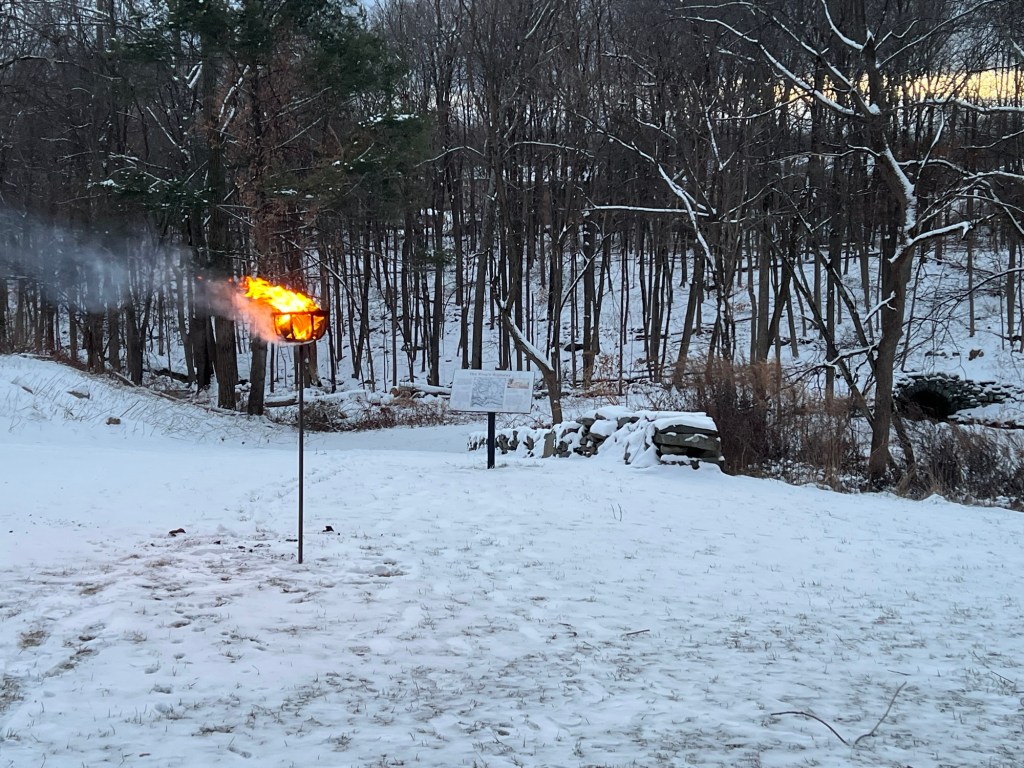
The torches that lit the paths
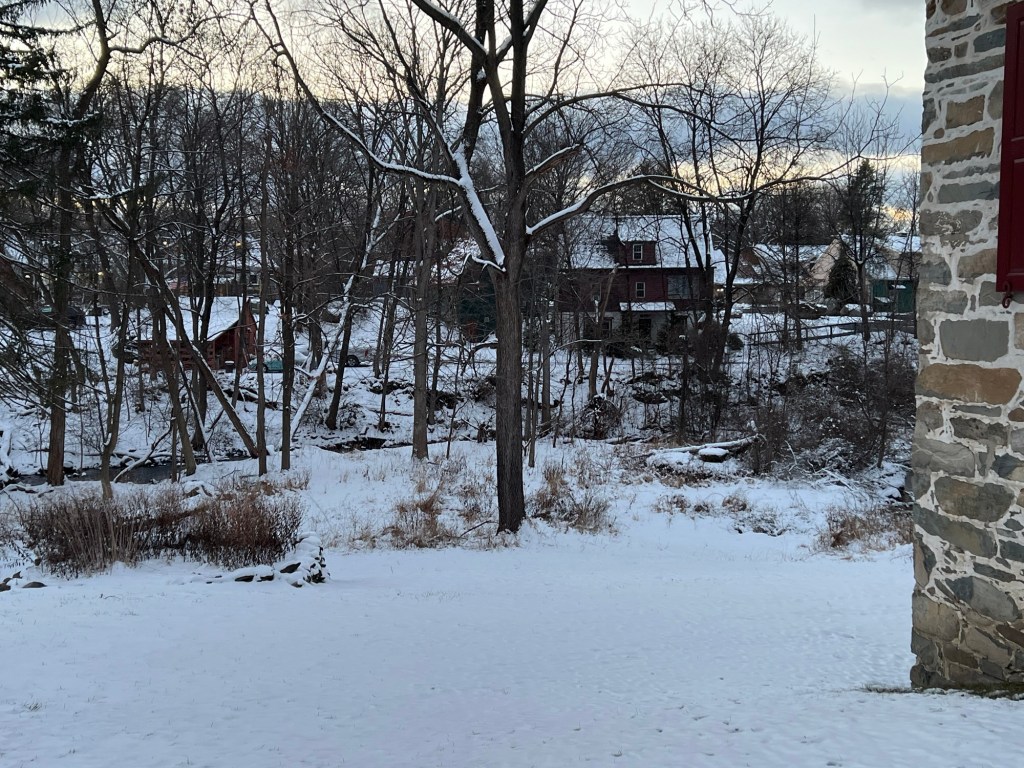
The snow gave the woods a festive early Christmas look
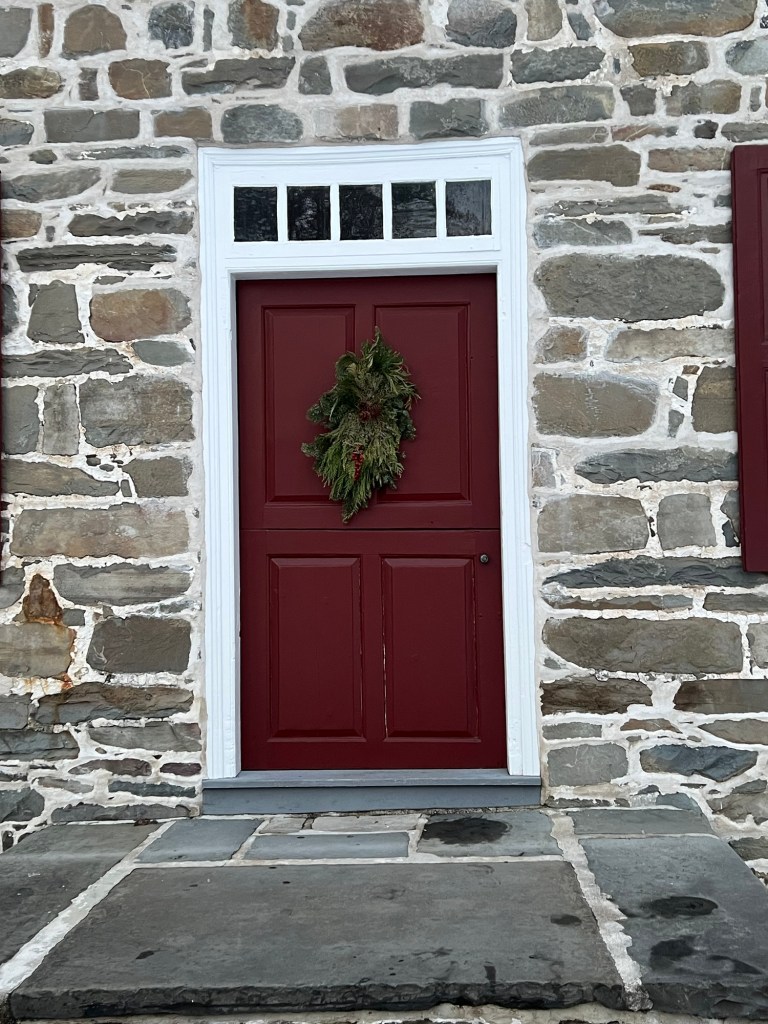
The house was decorated for a Colonial Christmas during the war years
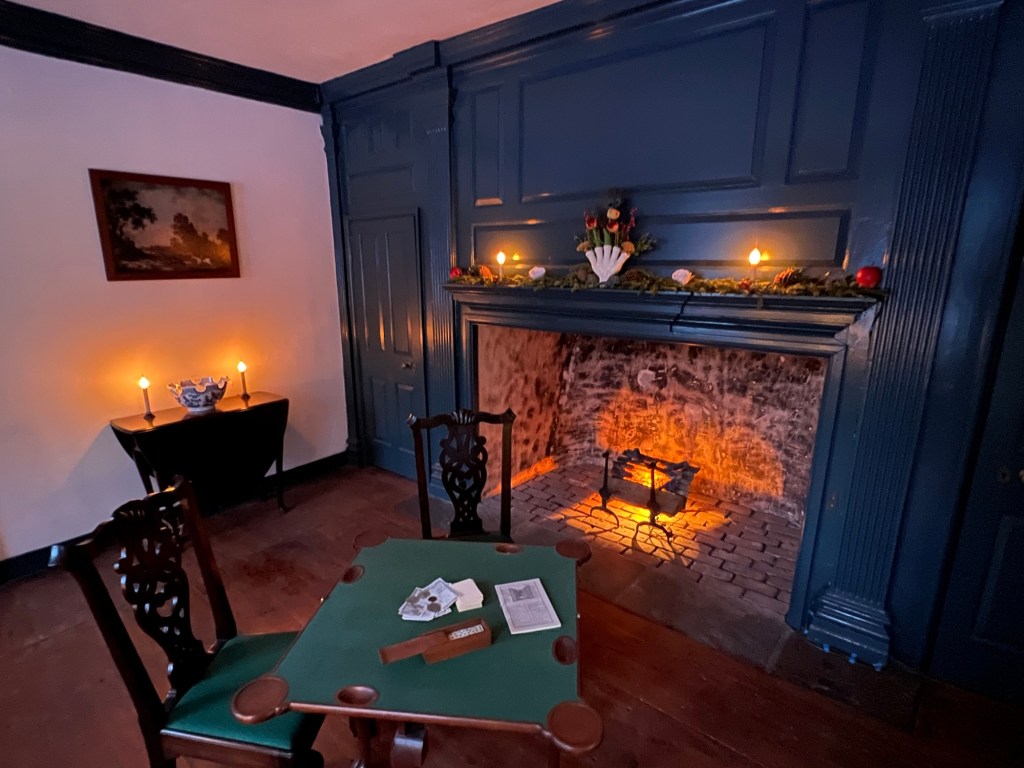
The Officers used the Living Room as an office and for entertainment

The hearth was beautifully decorated with garland and dried fruits

The mistress of the house talked and entertained me on my visit
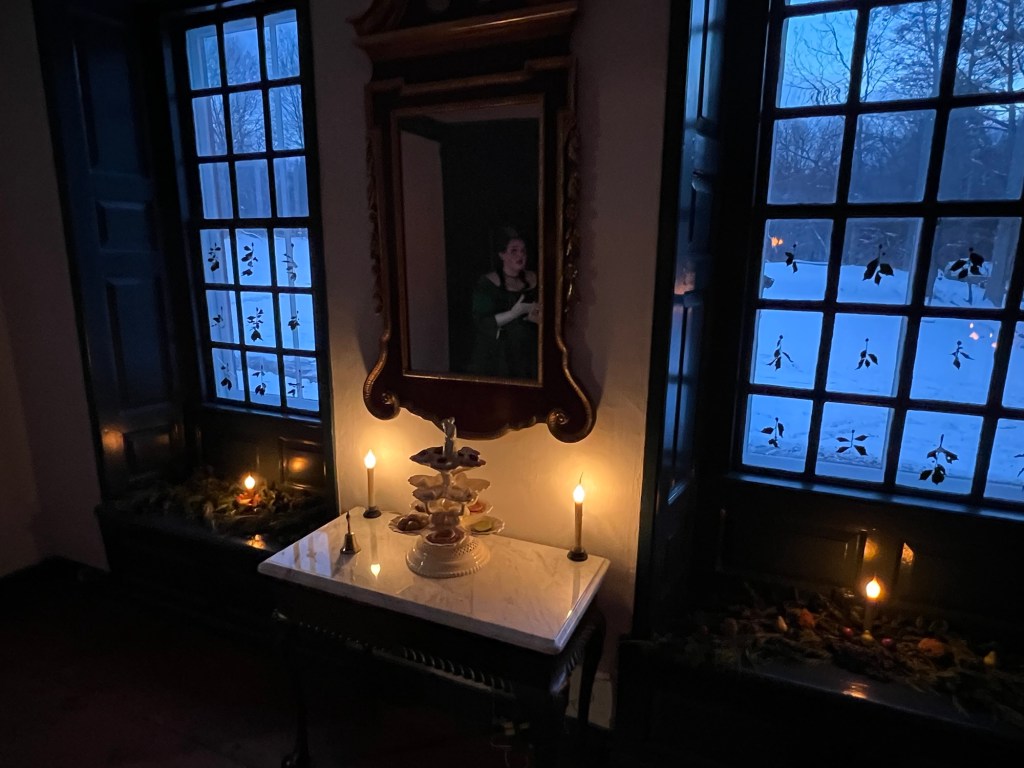
The house had an eerie but festive feel about it that evening

The festive garland decorations in the Living Room
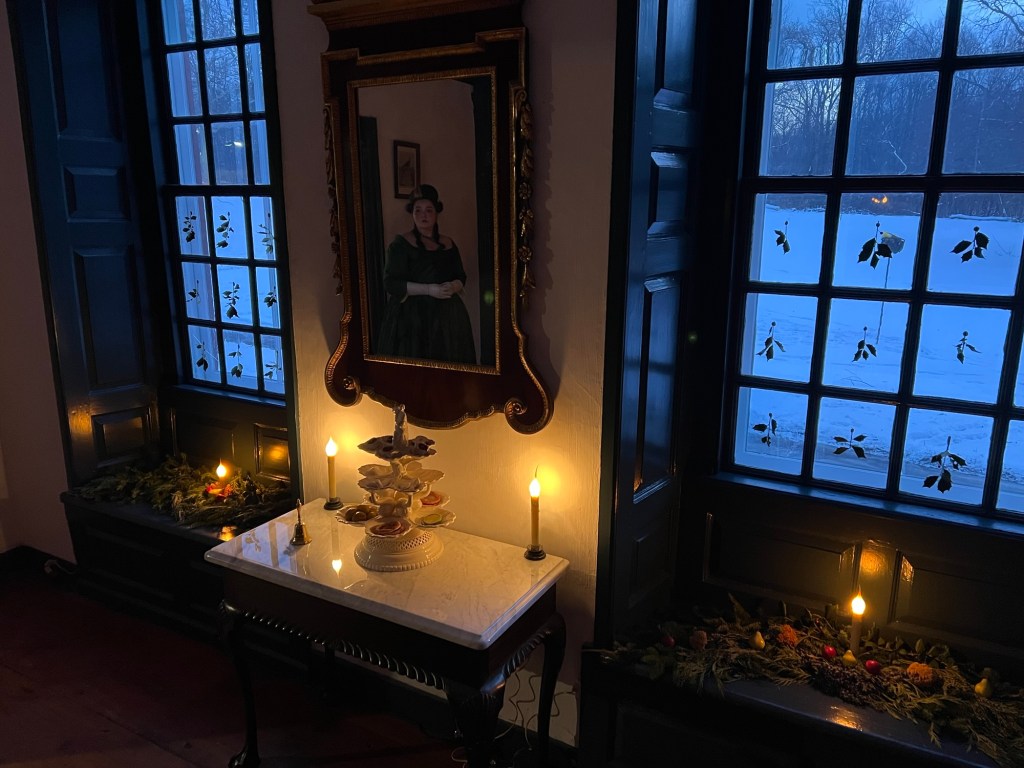
The decorations in both windows
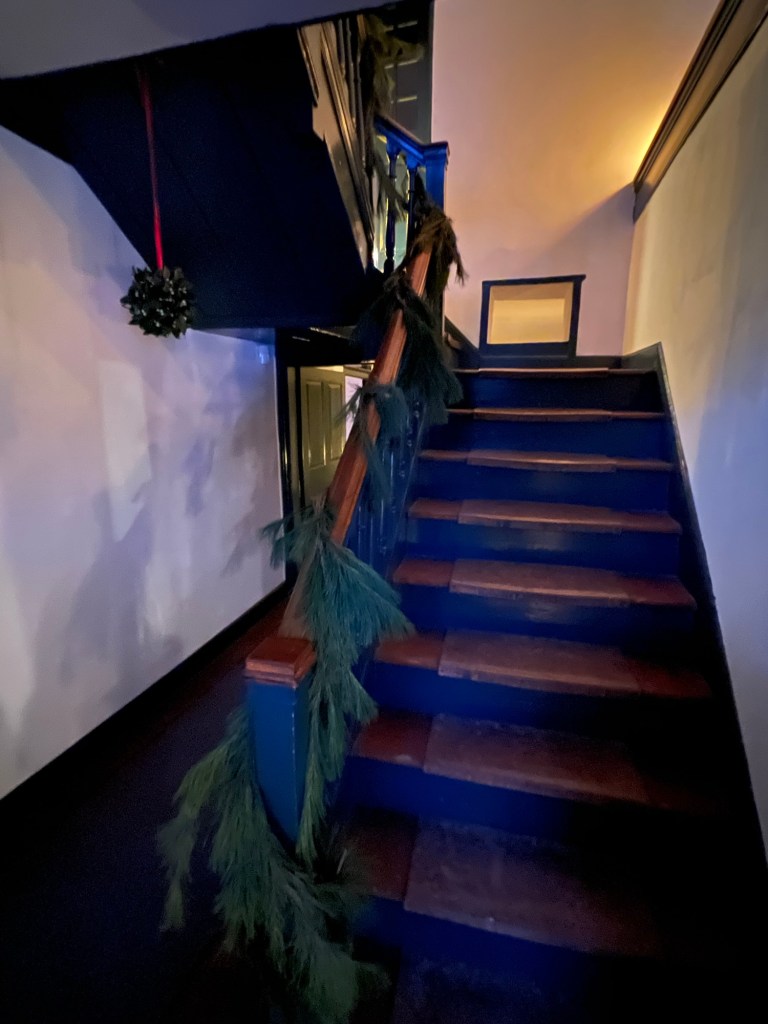
I passed the foyer where garland and misotle decorated the stairs

We were then entertained by visiting officers of the home in Mr. Ellison’s office who told us their stories of General Washington’s visit.
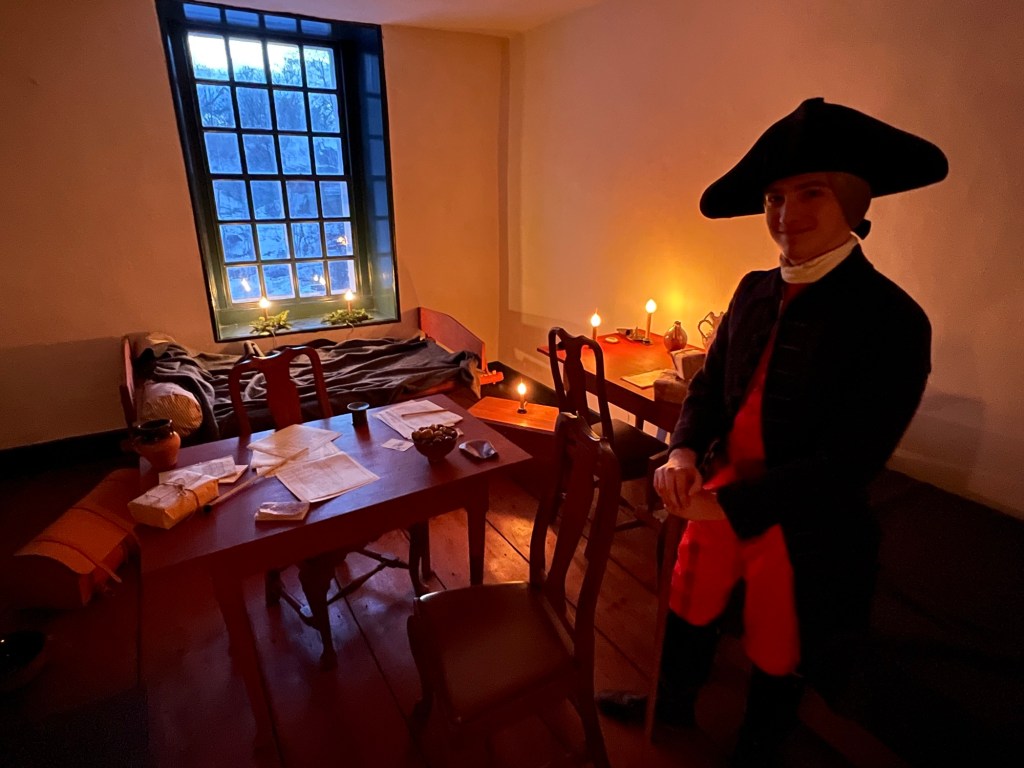
The Officers visit to visit the Generals
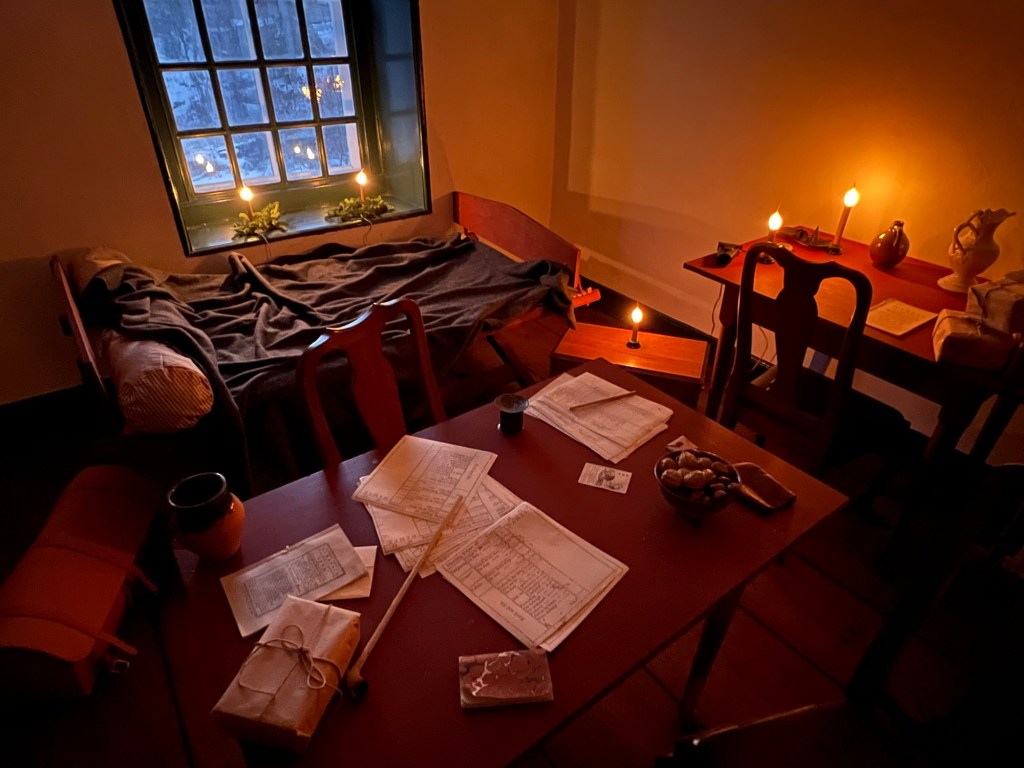
The office lit for a late night visit
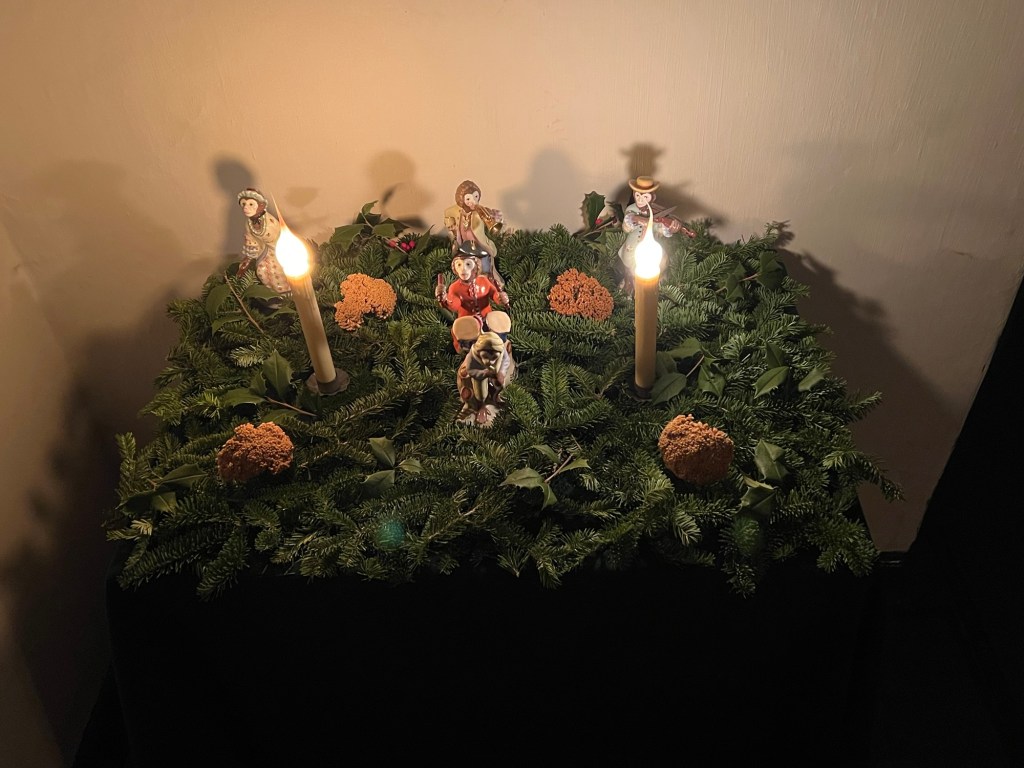
The holiday decorations in the Office space

Then I took a trip upstairs where we were met by another officer who described the sleeping arrangements of both the Knox and Ellison families of this time of occupation.
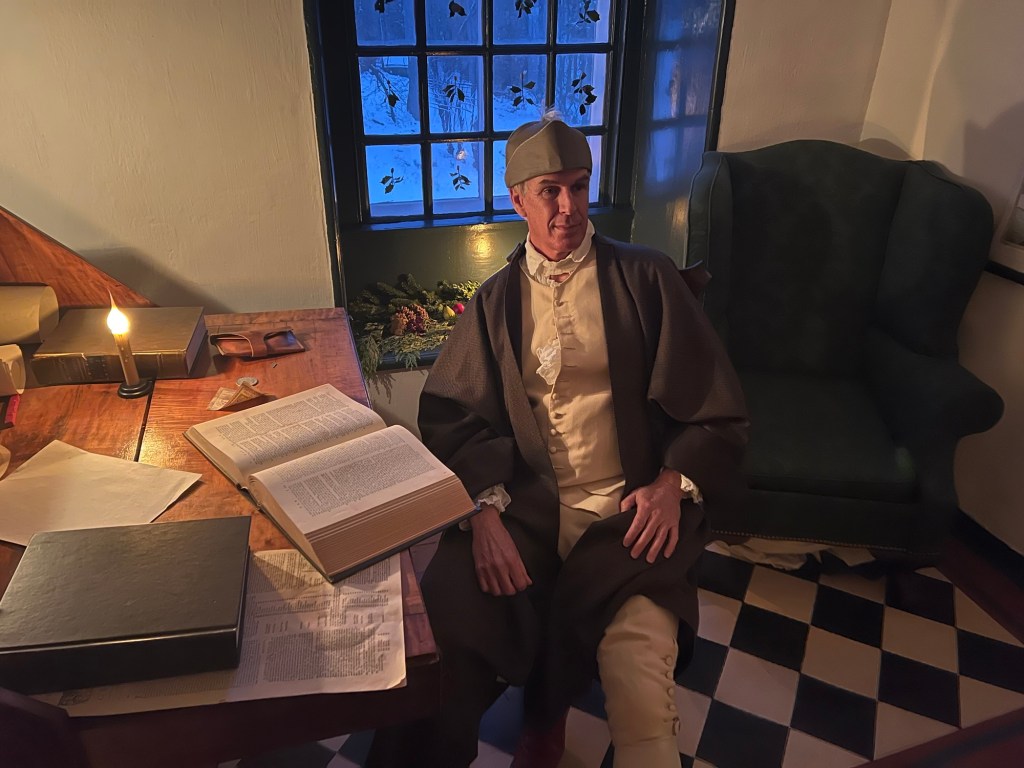
The officers conversation with us
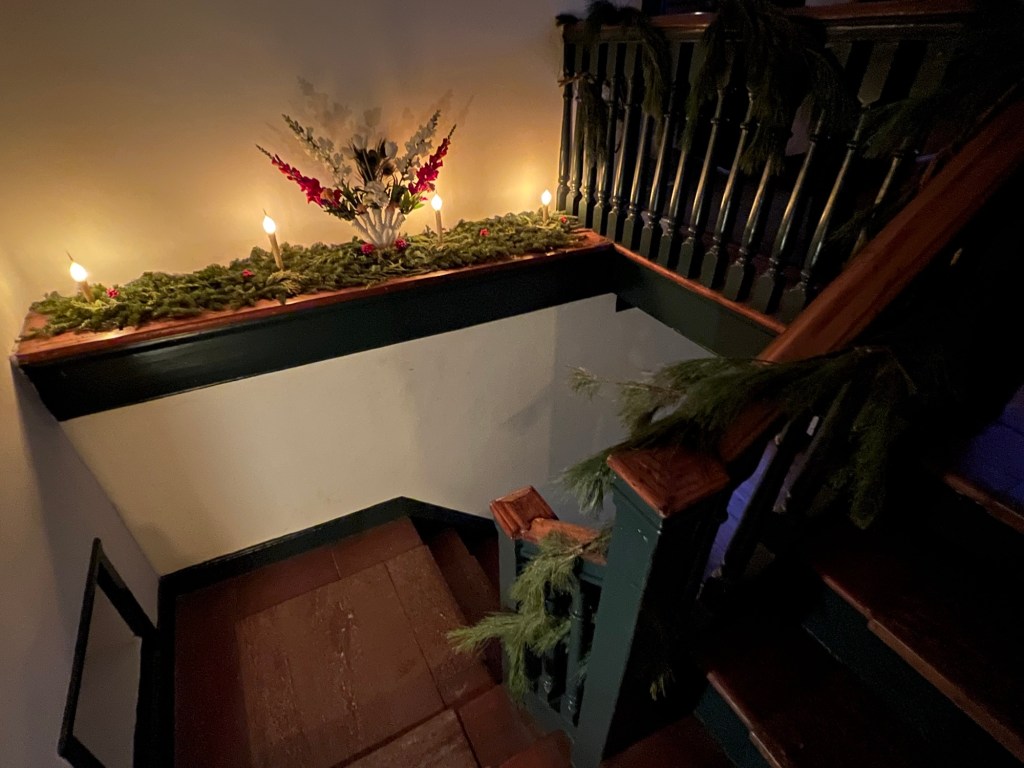
The decorations as we walked up the stairs
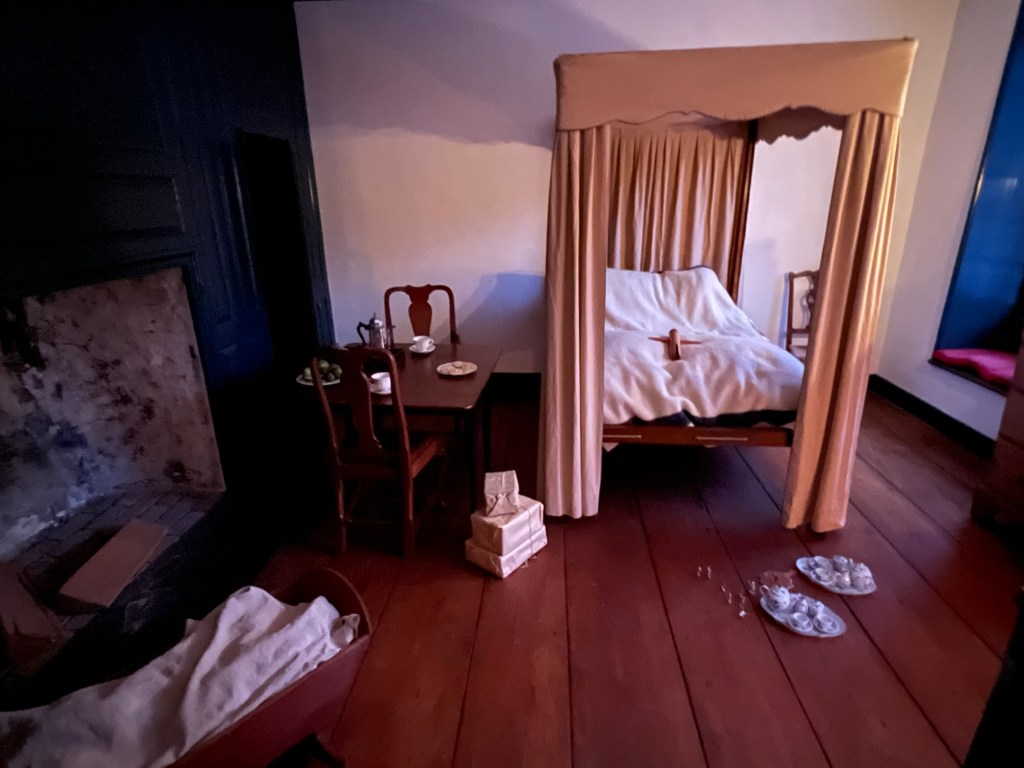
The bedroom decorated for the visit
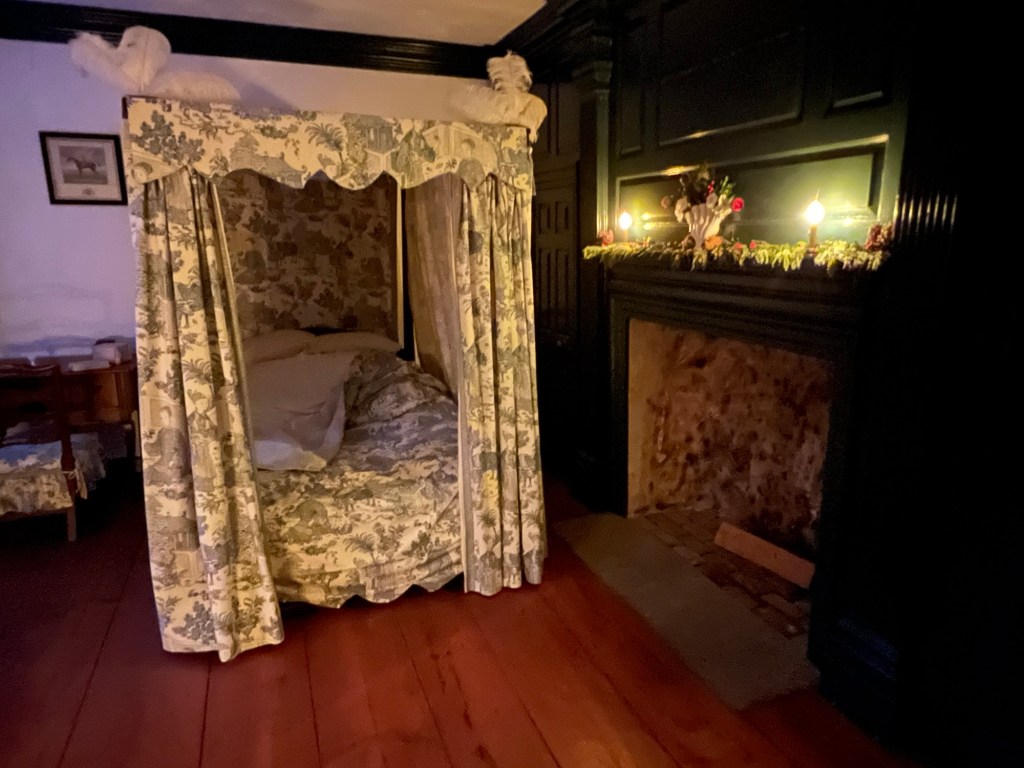
The opposite bedroom used by the family
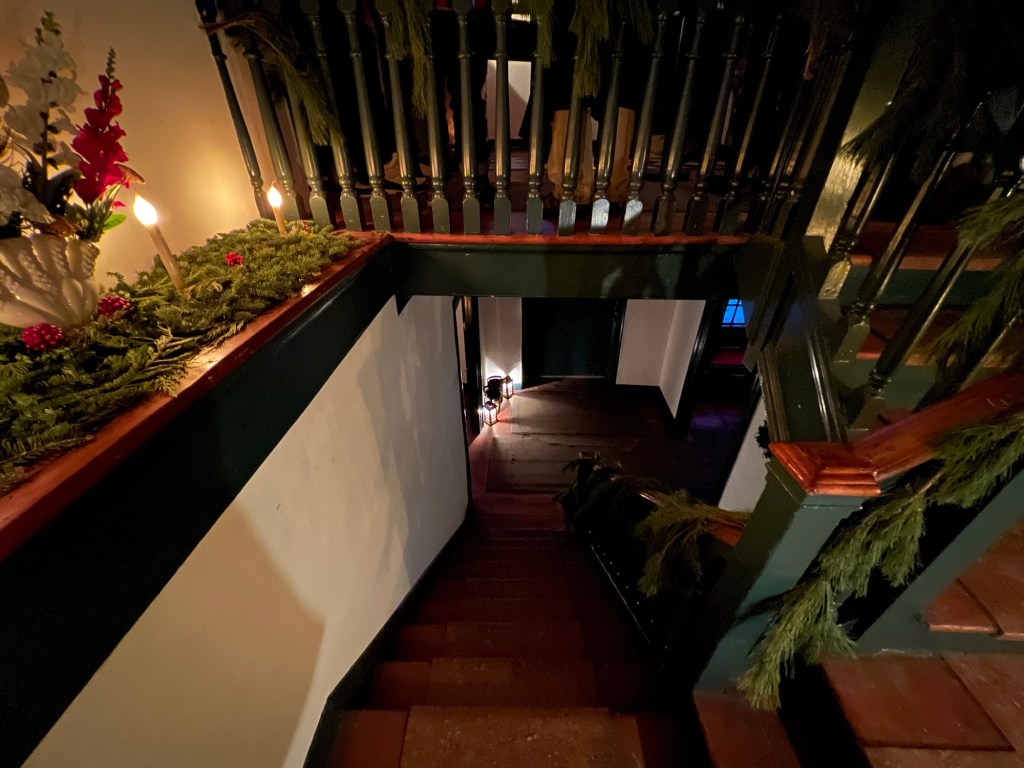
The staircase decorated for the holidays

My last stop on the visit was to the Dining Room, where the last officer on the visit talked of Christmas dinner in the house during the war.

The officer explaining entertainment during the war
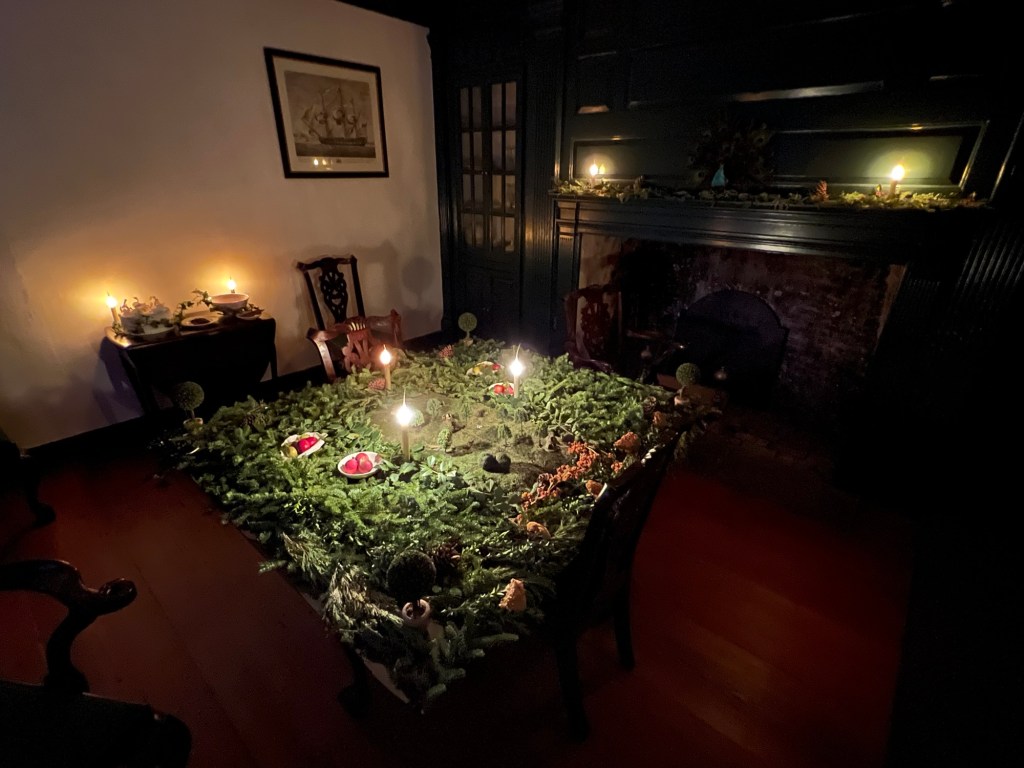
The Dining Room decorated for the Christmas holidays
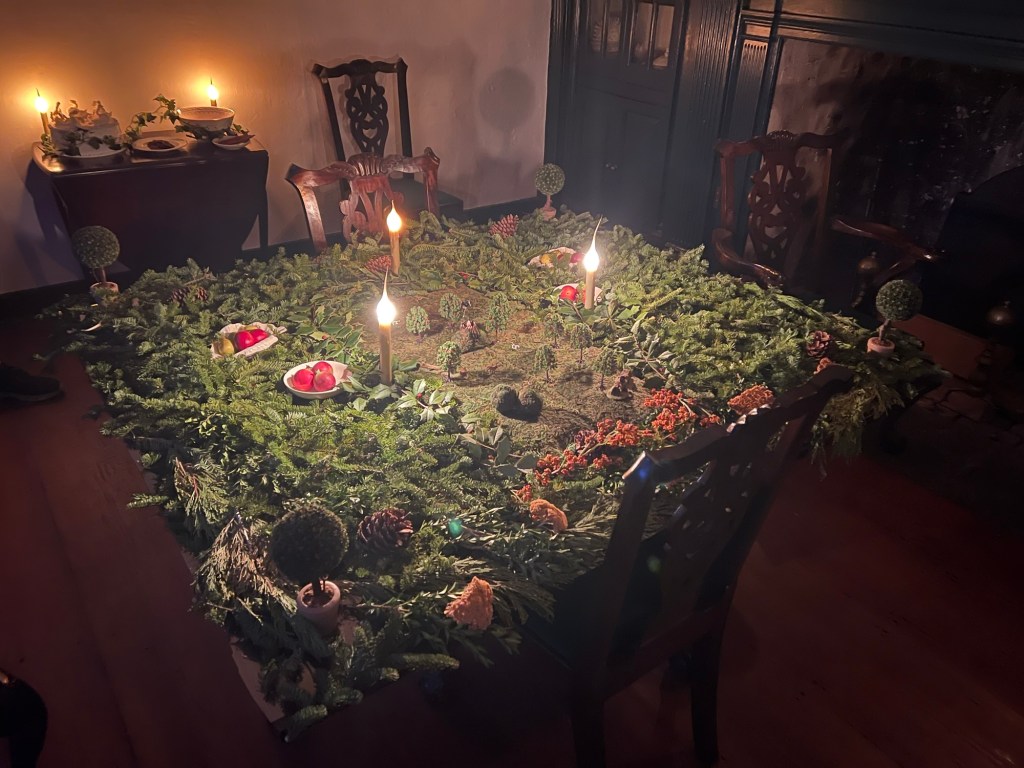
The elaborate decorations in the room in the war years
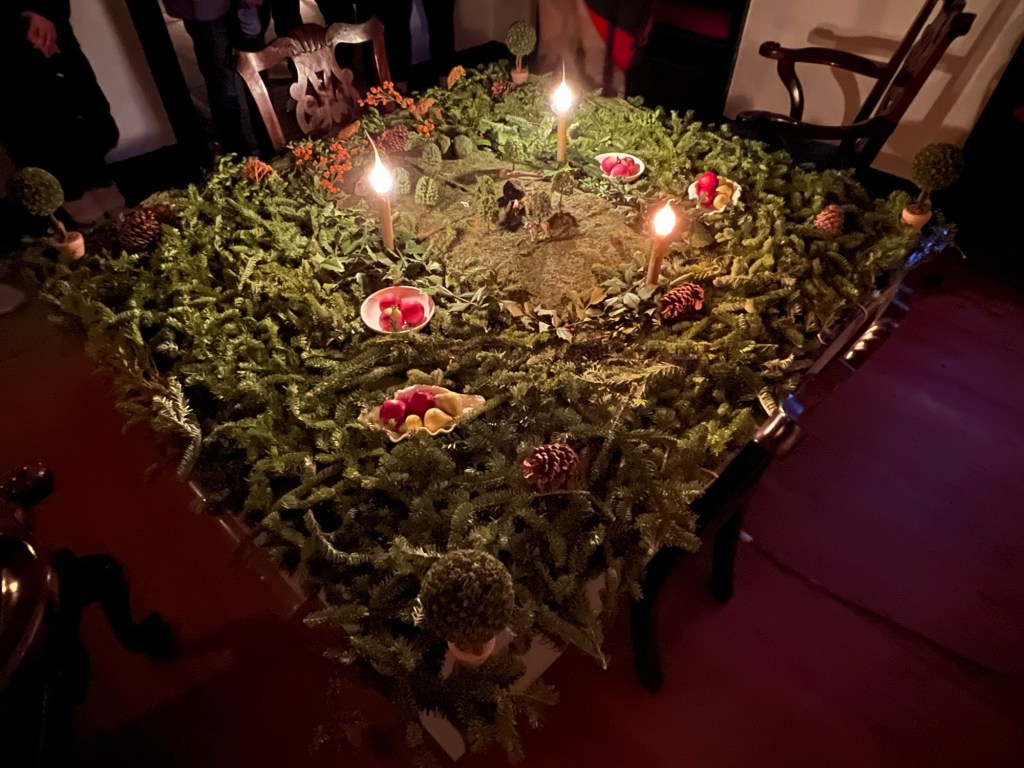
The creativity of the Dining Room table with the creative table decor
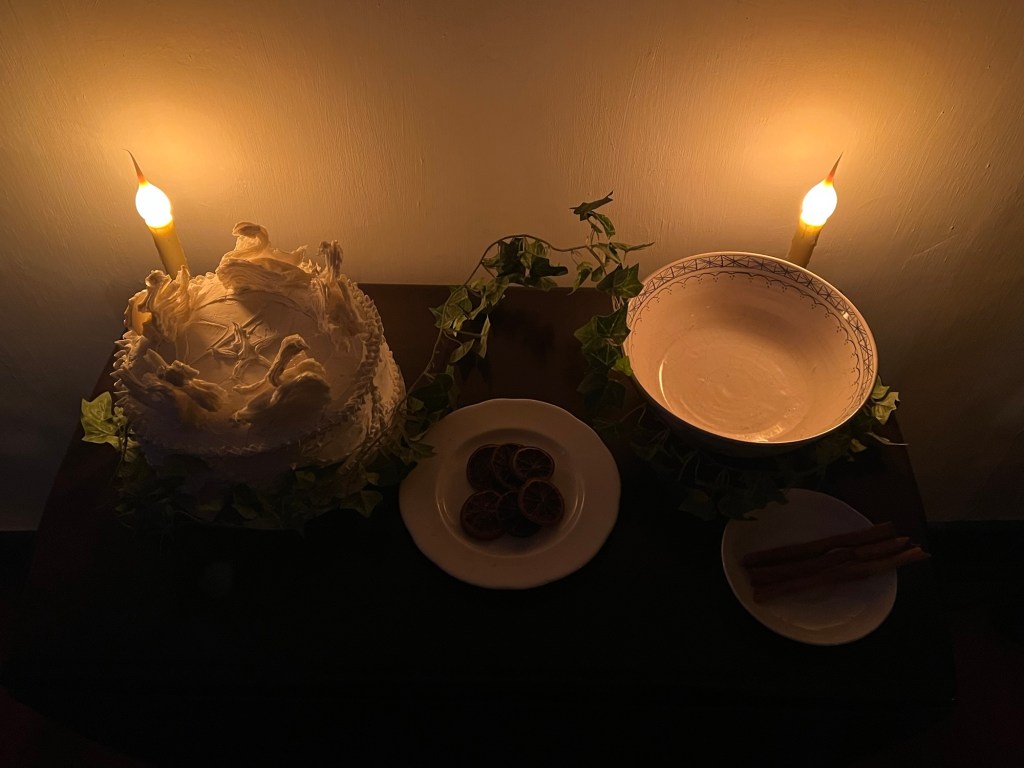
The elaborate holiday desserts

The officer explained entertainments during the war, the use of the elaborate decorations on the table and the foods that would have been eaten at the holidays. Plus, entertainment of a major officer would have been during the war years.
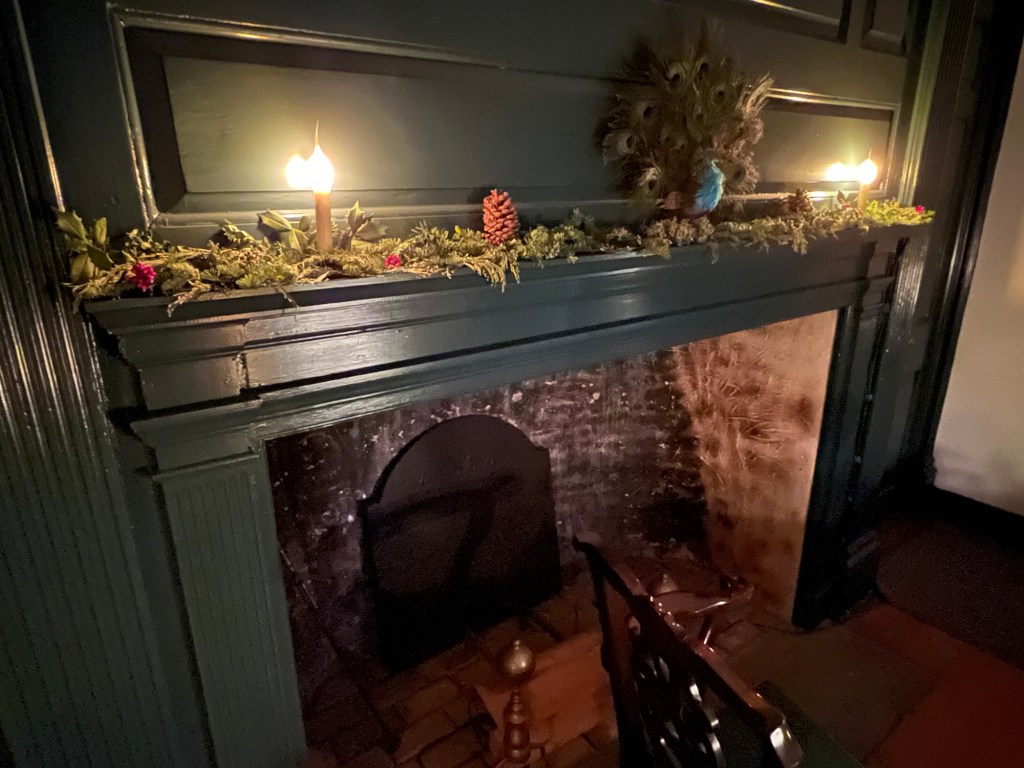
The garland and fruit decorations in the Fining room
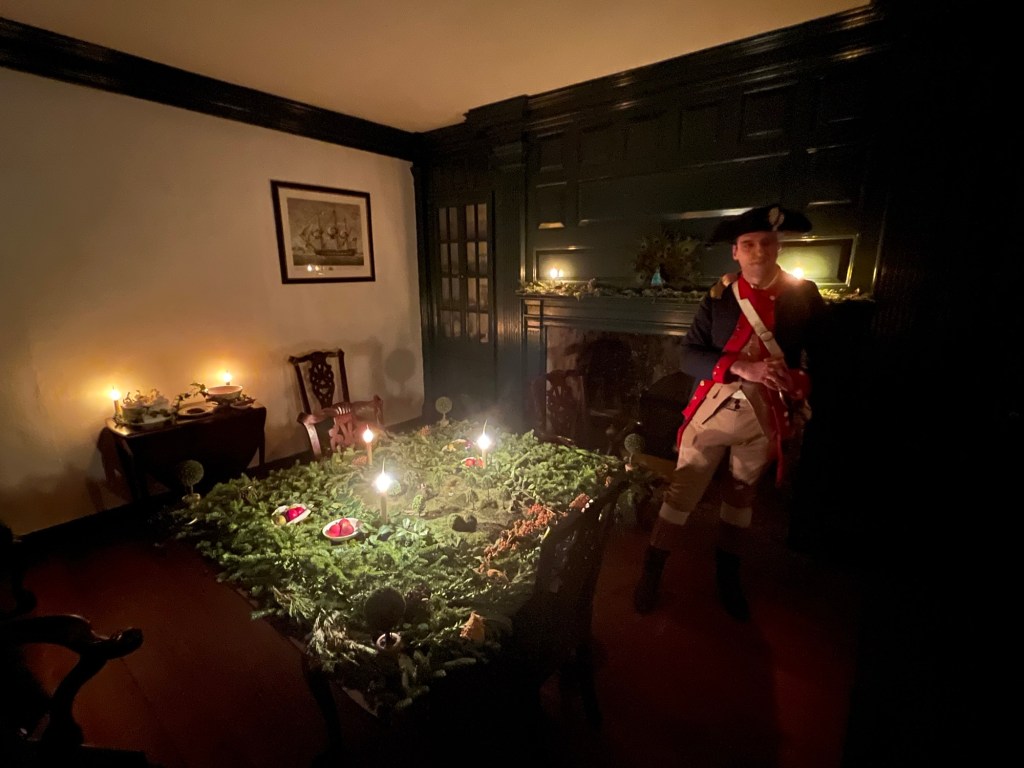
The officer finished his talk on the holidays and then I left for the evening
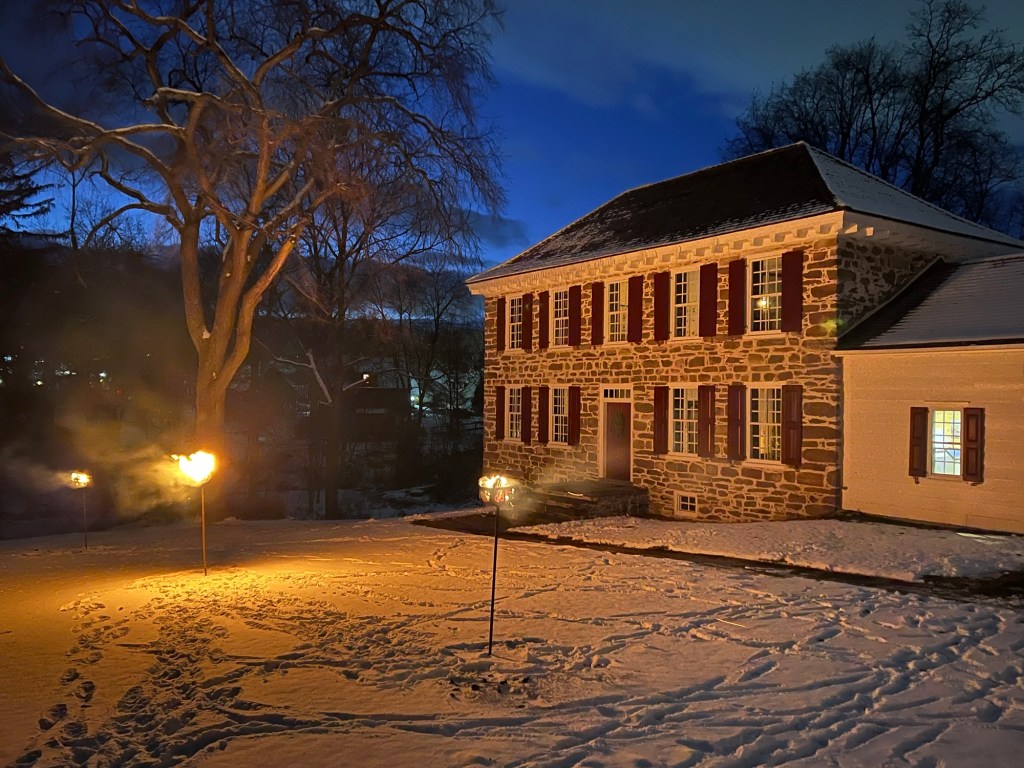
The outside of the house with the torches lit to full extent
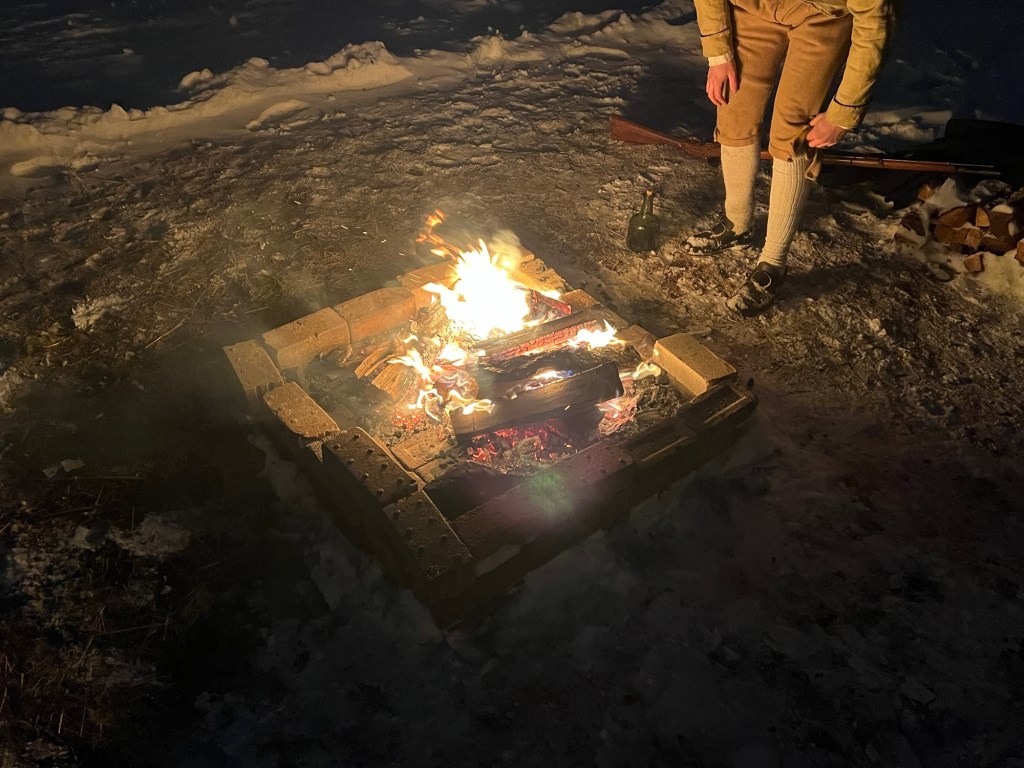
The fire outside to warm up
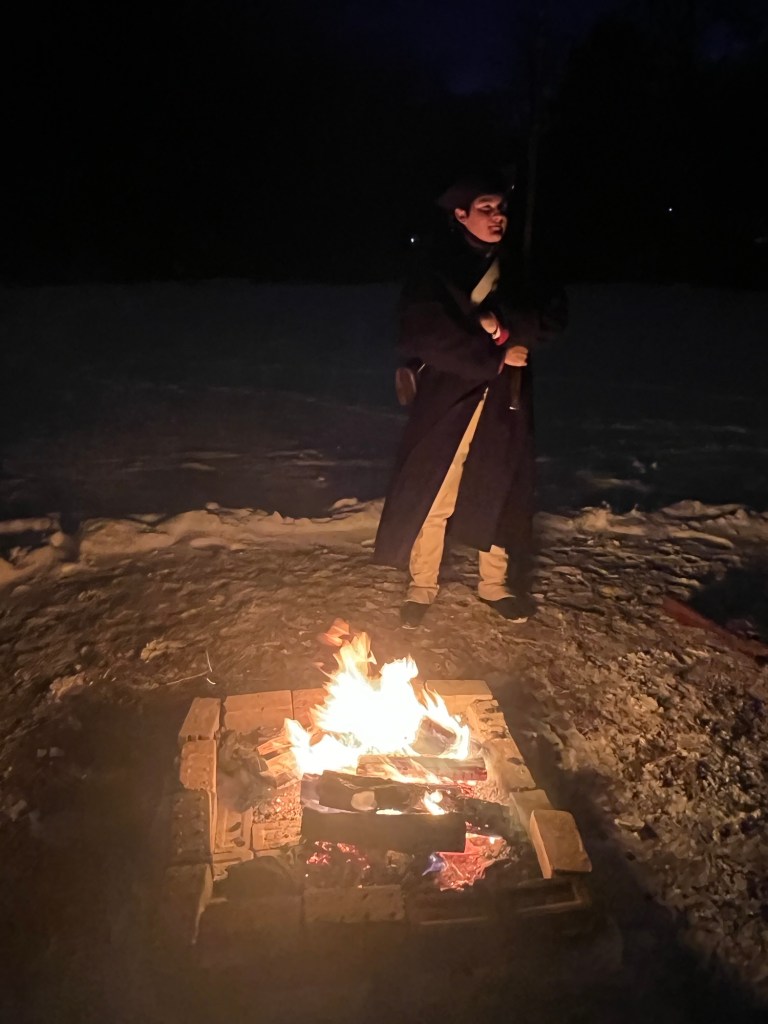
The officer outside looked so cold. Thank God he kept going inside to warm up

The house as I left for the evening

The torches as I left the property

The house from a distance
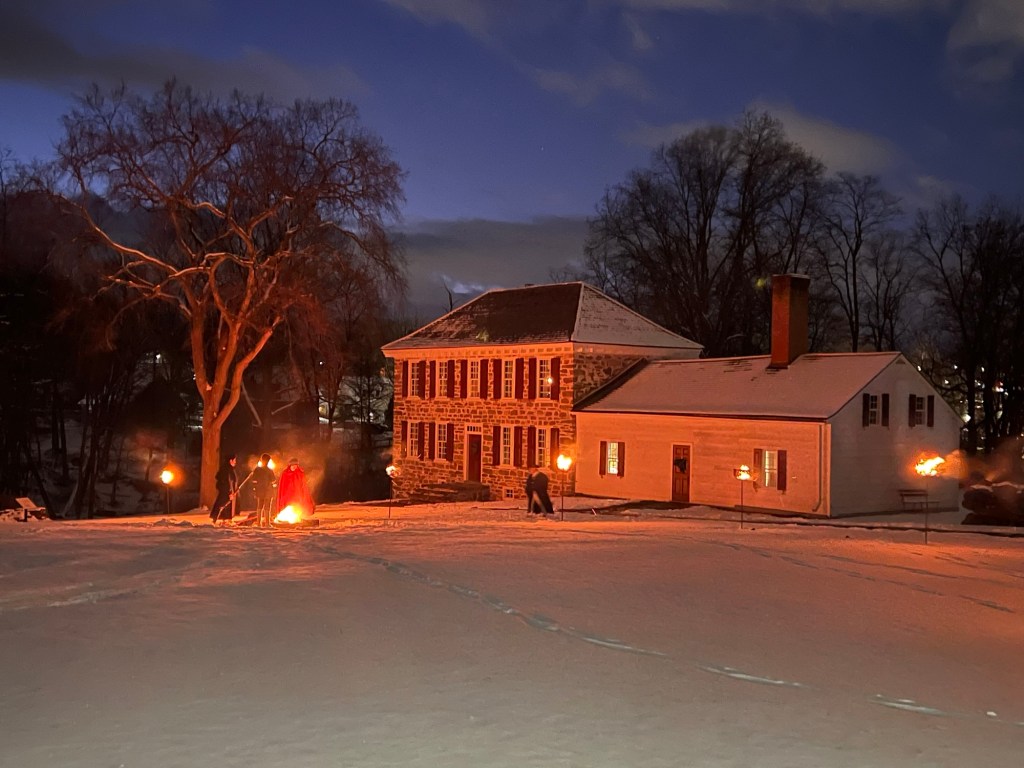
The glow of the house at the end of the evening

The event was wonderful and the enactment was fun but it got really cold outside at the end of the evening and by 6:00pm it got to be freezing. I left the estate and headed home . The Knox/ Ellison House closed for the season after this night.
Montgomery Village Museum                             142 Clinton Street                               Montgomery, NY 12549

Montgomery Village Museum 142 Clinton Street Montgomery, NY 12549

Montgomery Village Museum

142 Clinton Street

Montgomery, NY 12549

(845) 457-7576

https://www.facebook.com/MontgomeryVillageMuseum/

https://www.villageofmontgomery.org/our-community/village-history/523-museum-hours.html

Open: Sunday 3:00pm-6:00pm/Monday-Saturday Closed

Admission: Free but donations are accepted

My review on TripAdvisor:

https://www.tripadvisor.com/ShowUserReviews-g48196-d27005812-r967710754-Montgomery_Village_Museum-Montgomery_New_York.html?m=19905

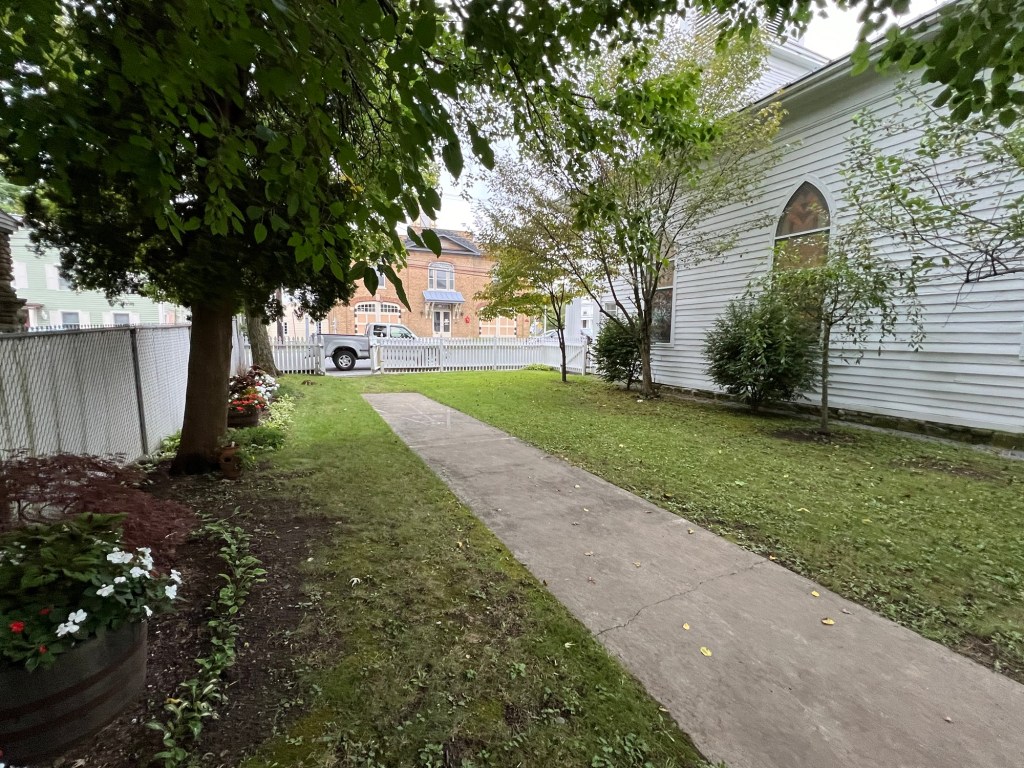
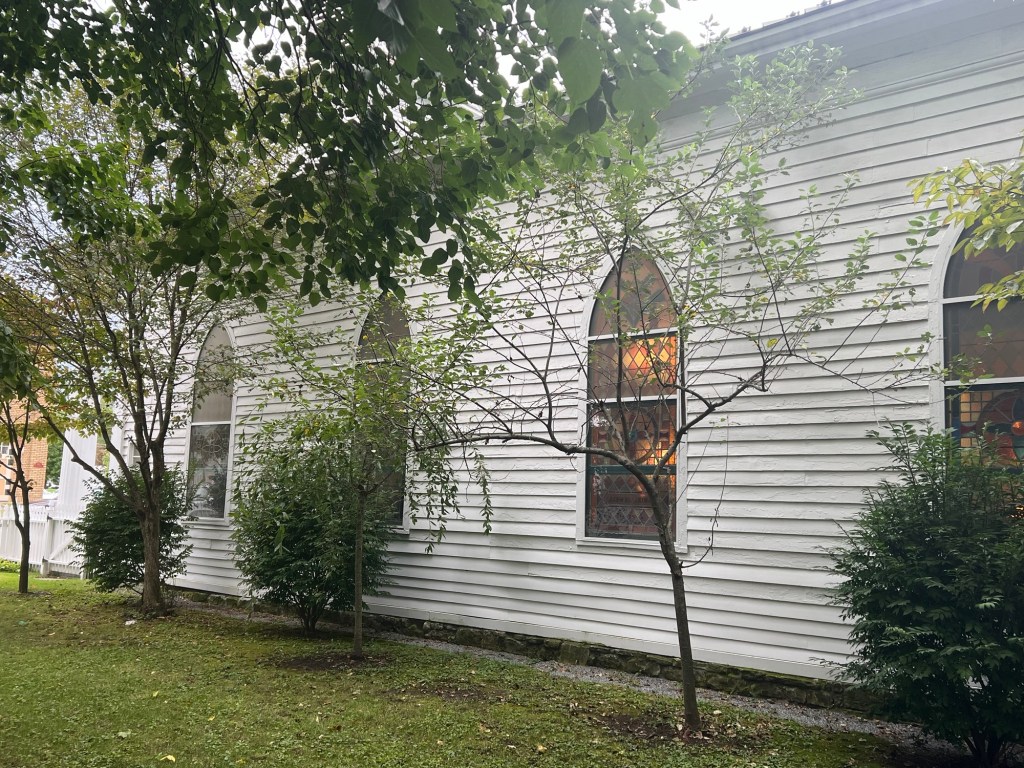
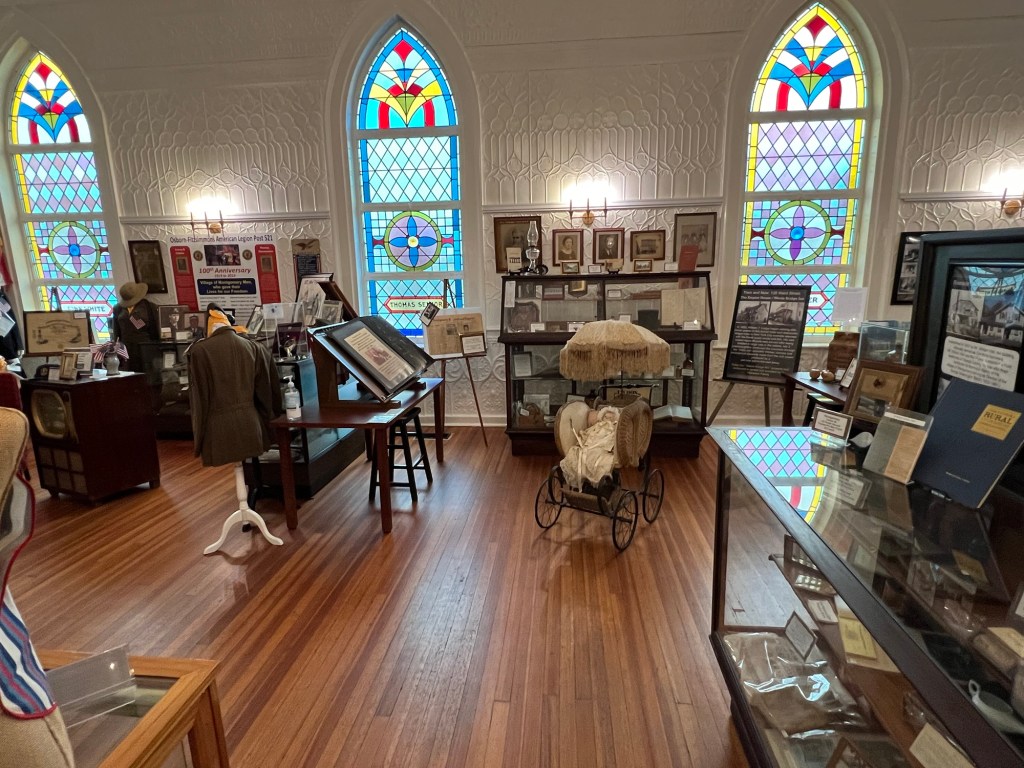
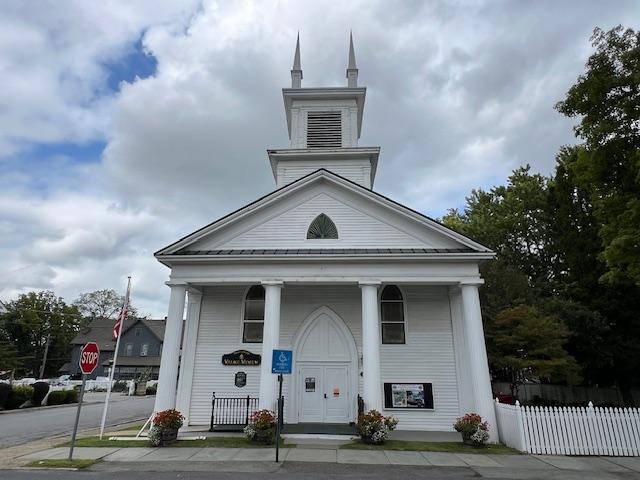
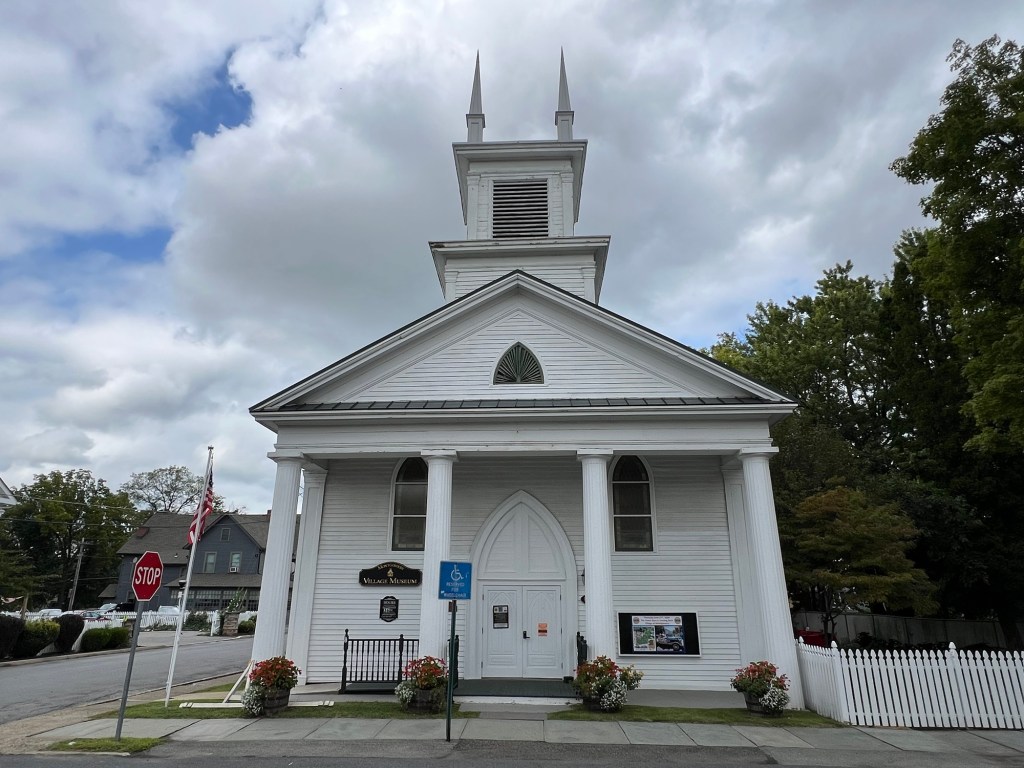
The Montgomery Village Museum at 142 Clinton Street

The Museum in the front of the museum

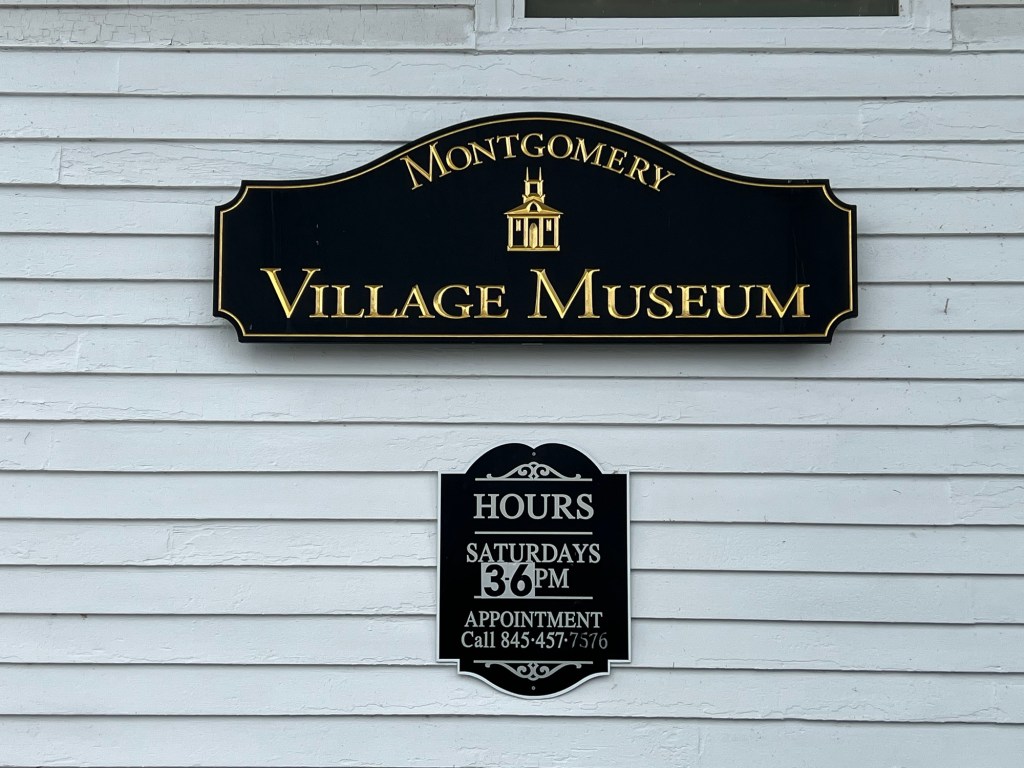
The museum sign welcomes you

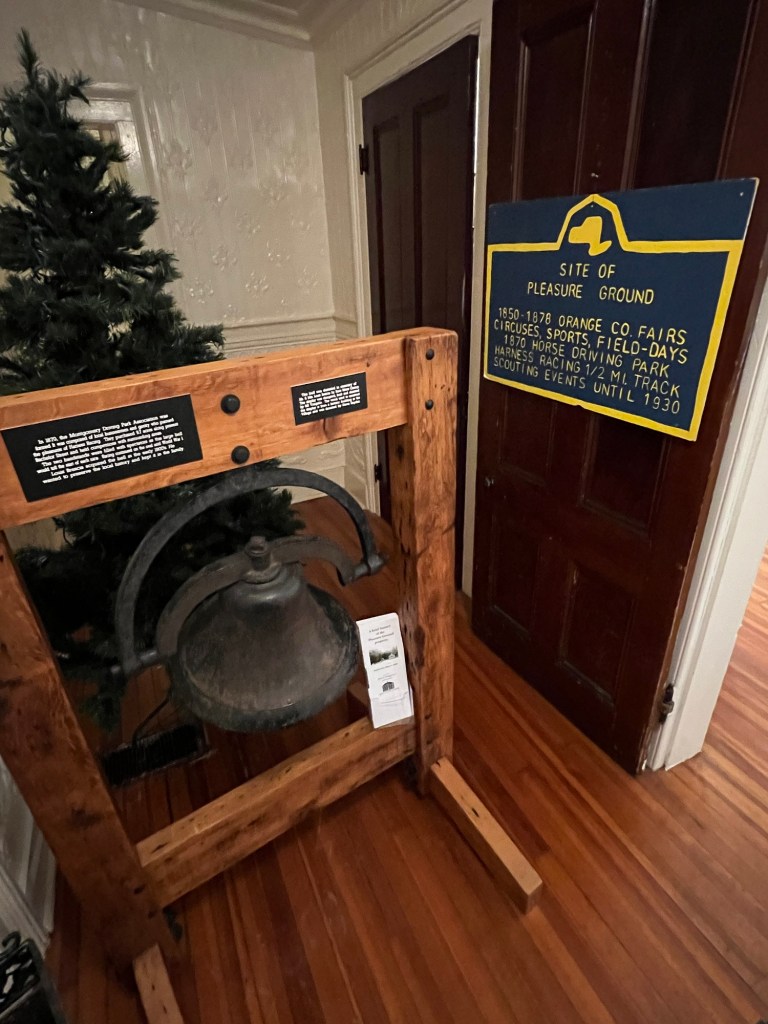
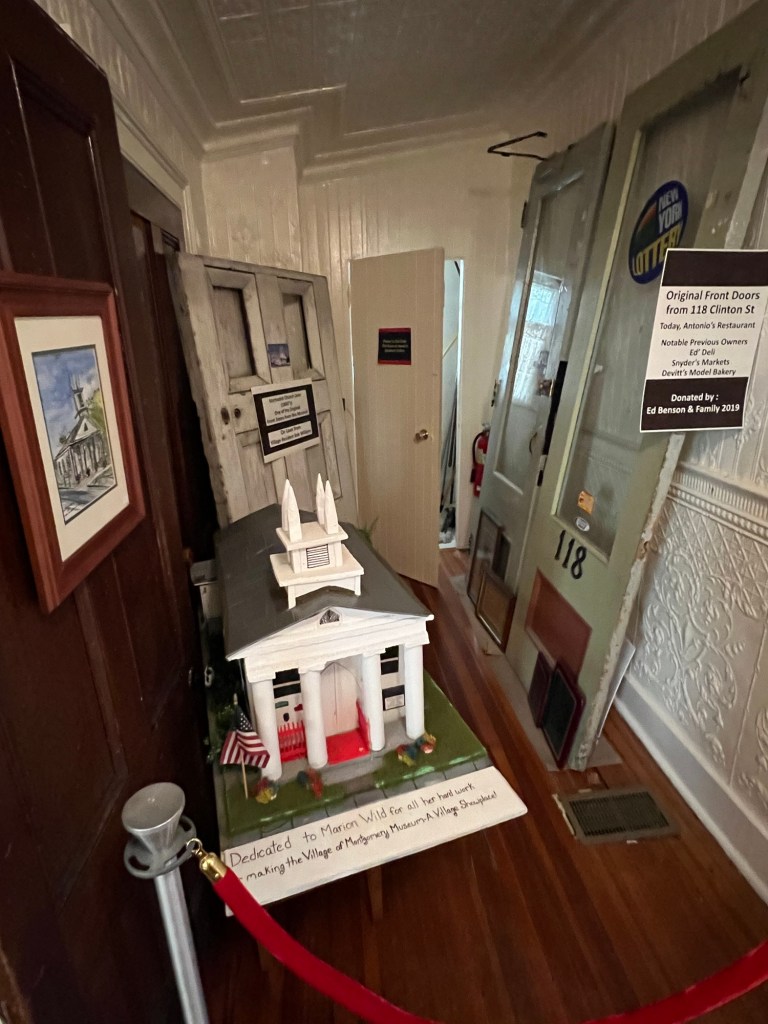
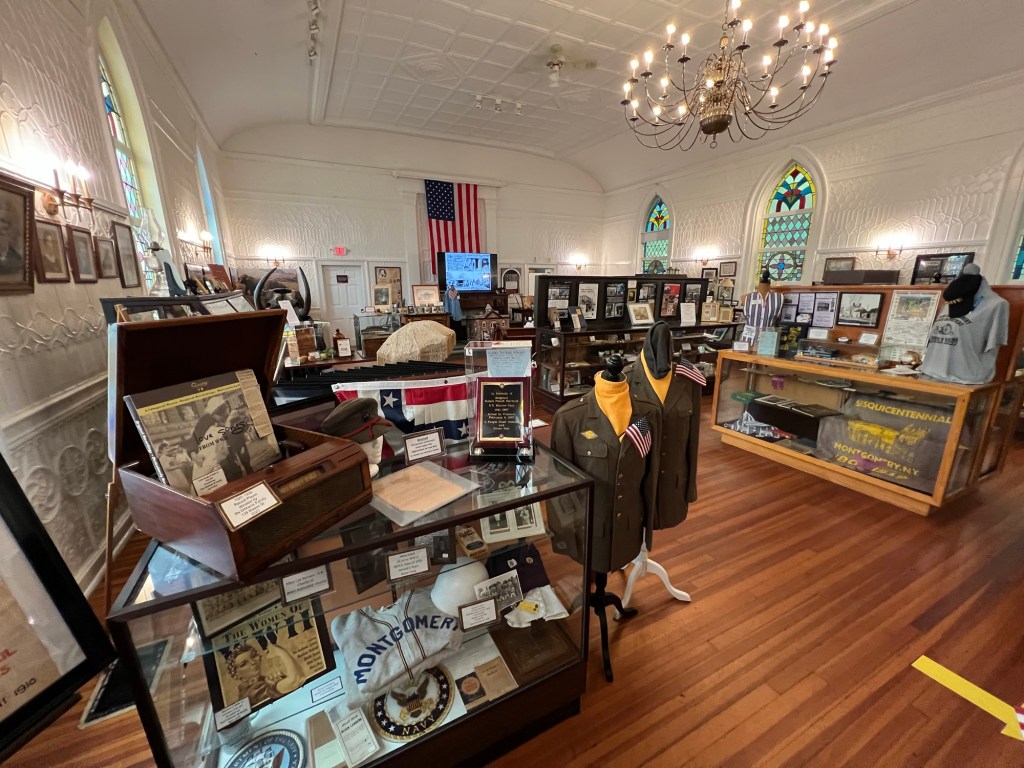
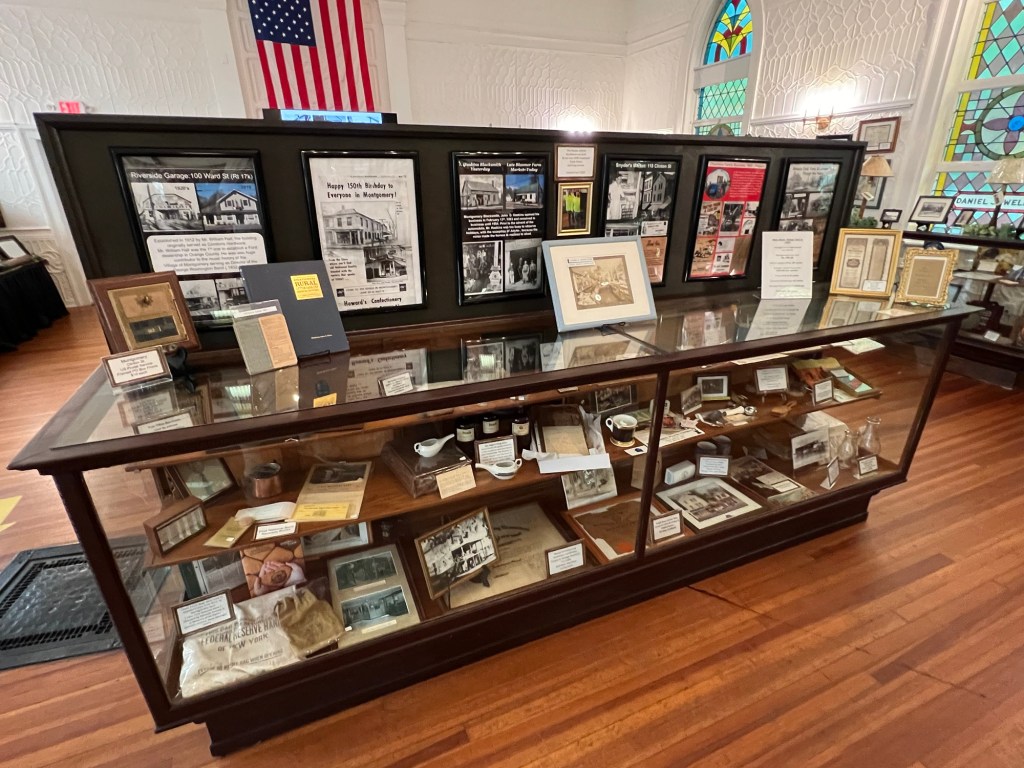
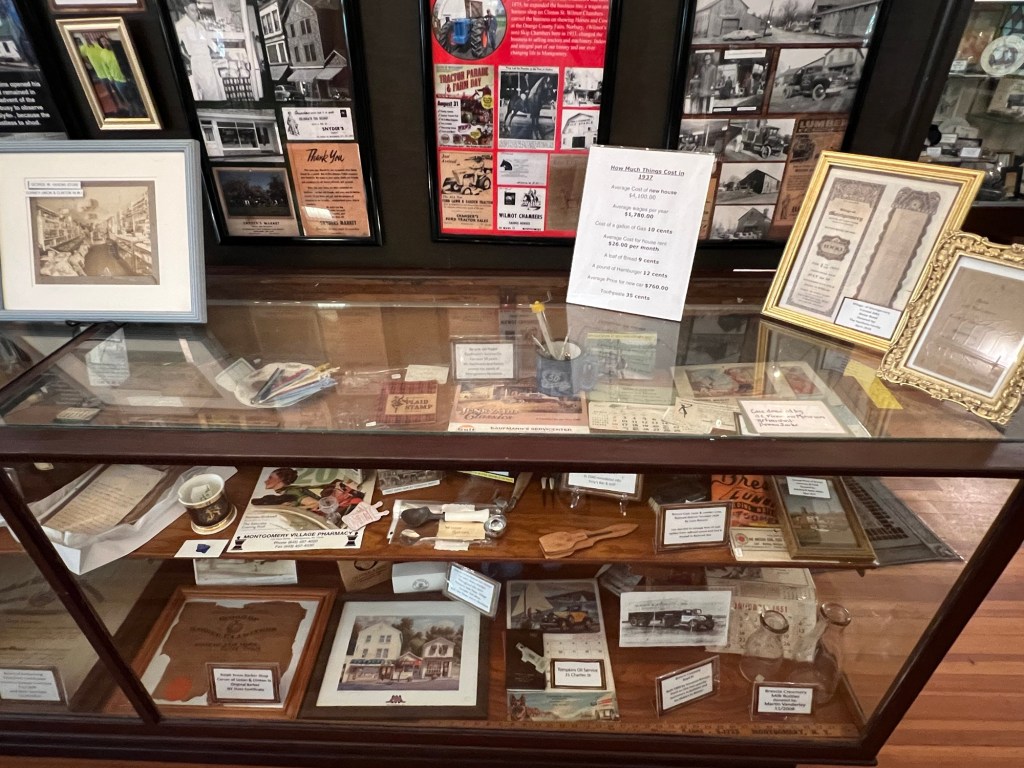
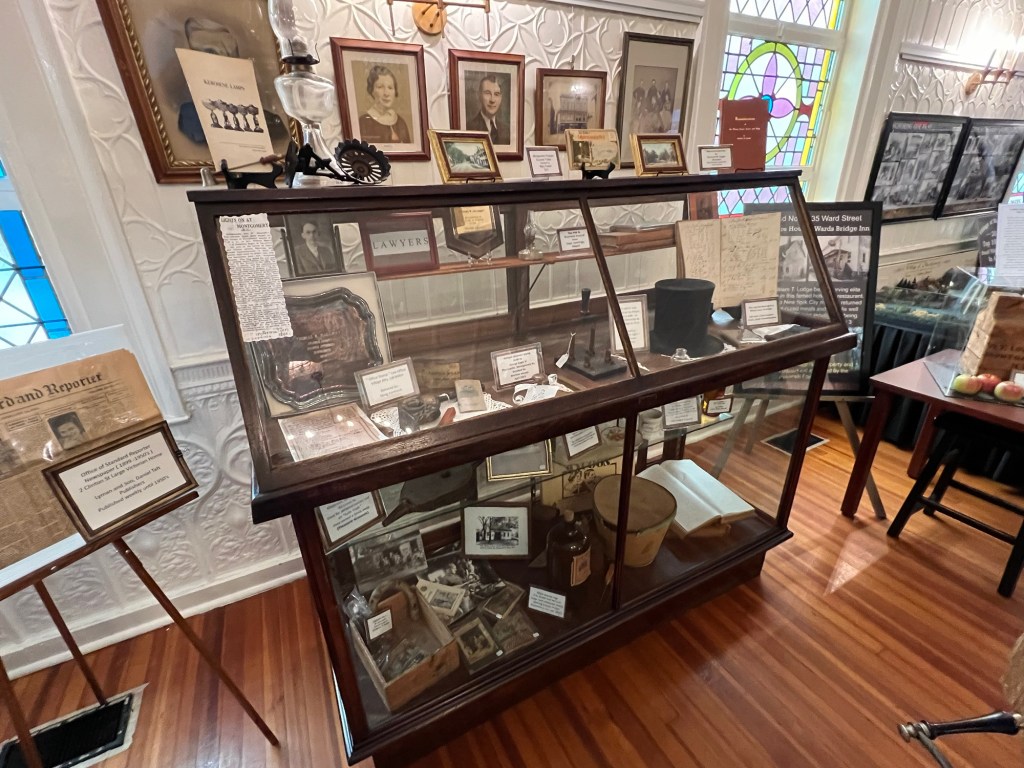
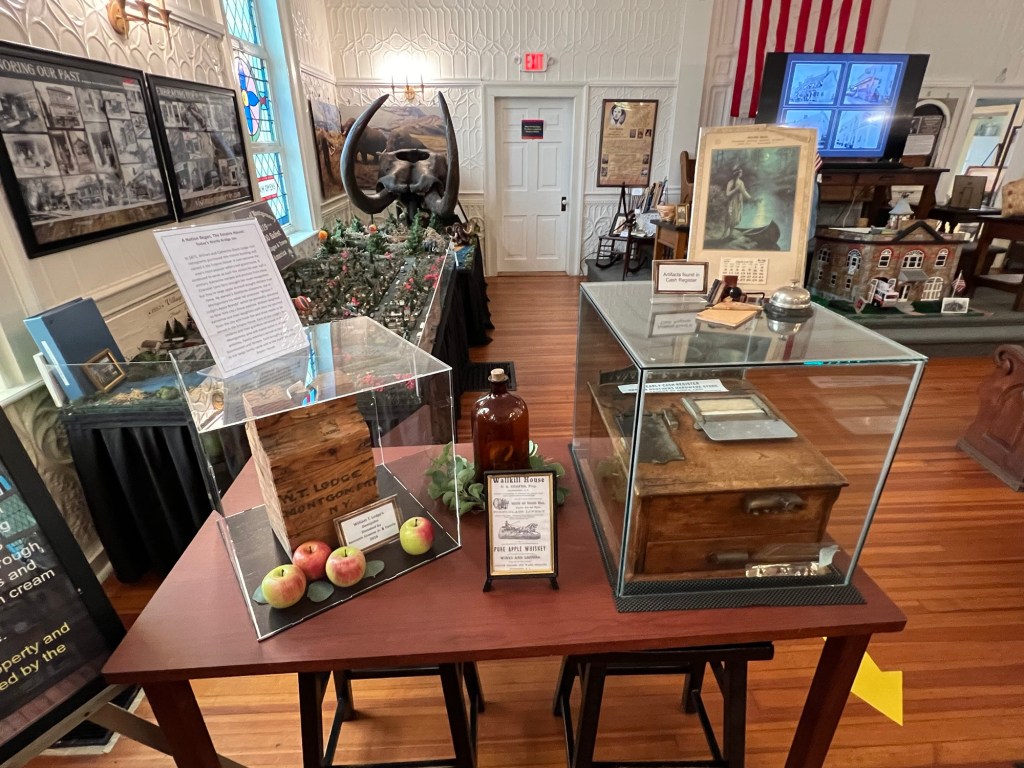
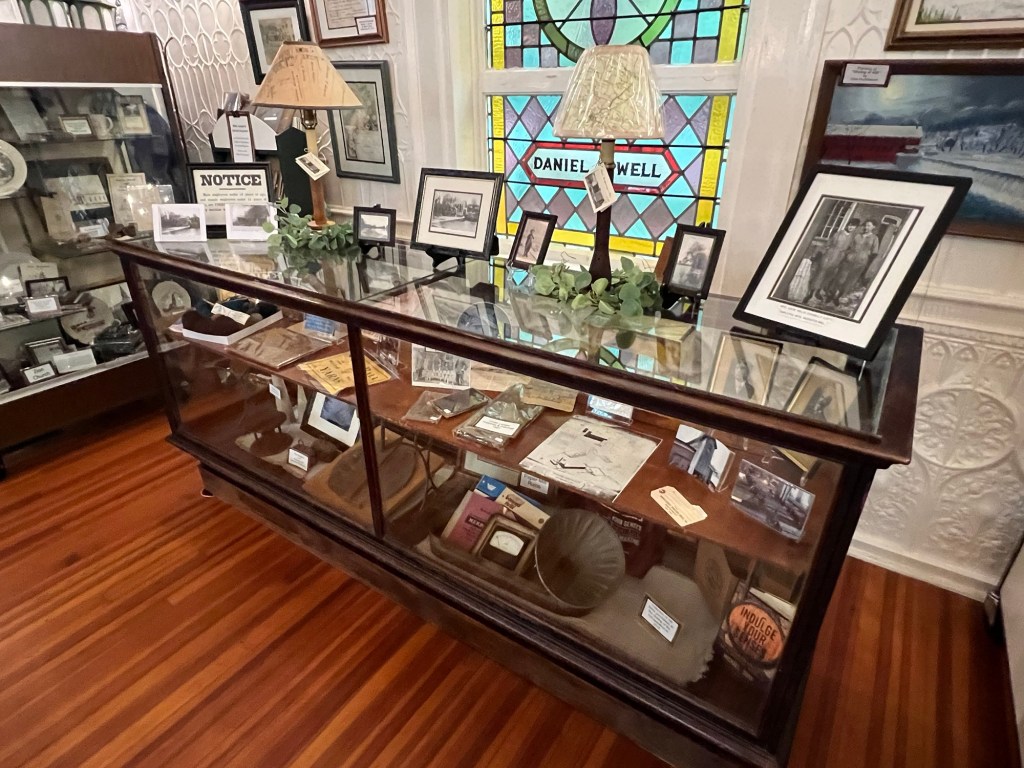
Village memorabilia on display

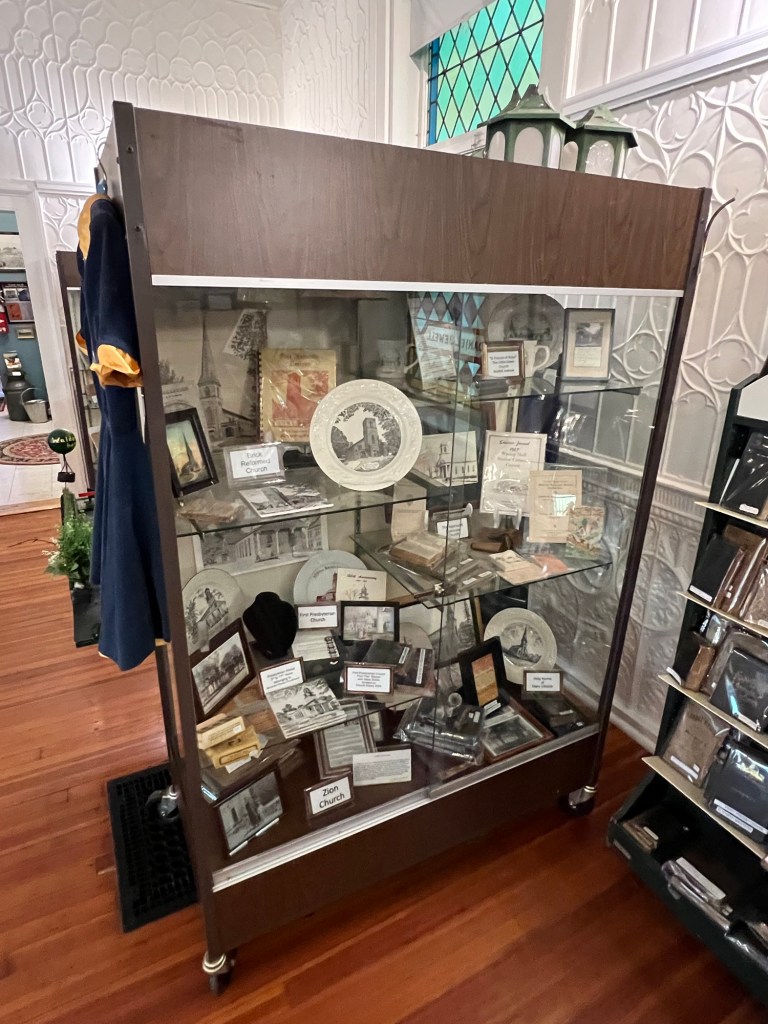
The display on the local church’s

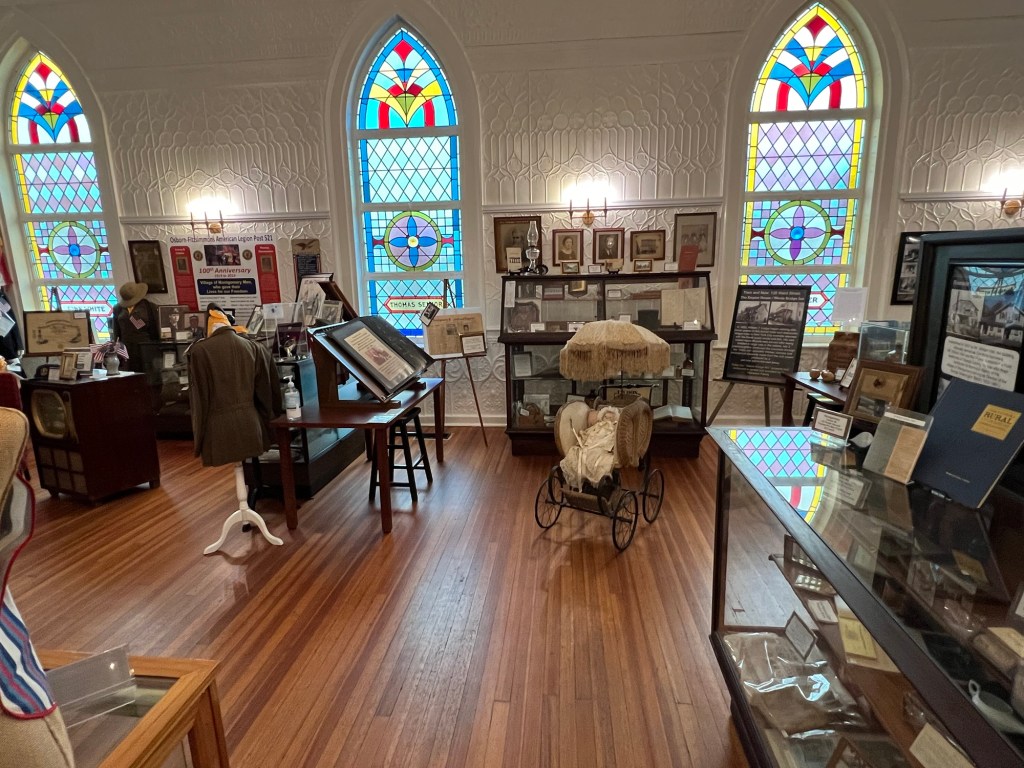
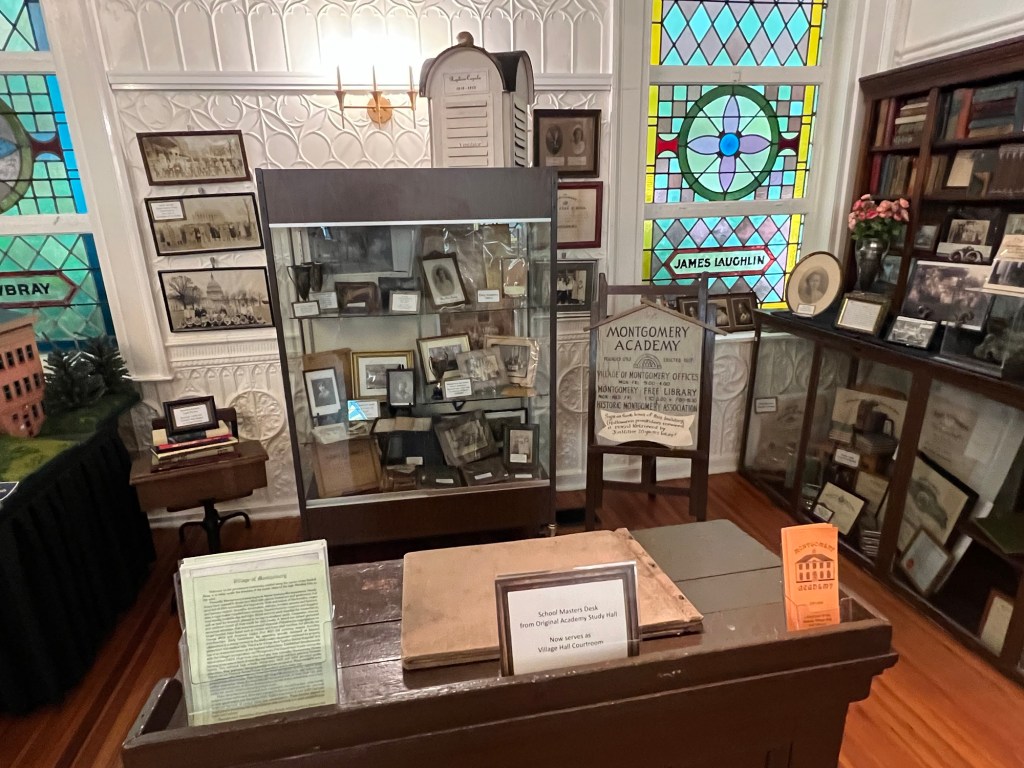
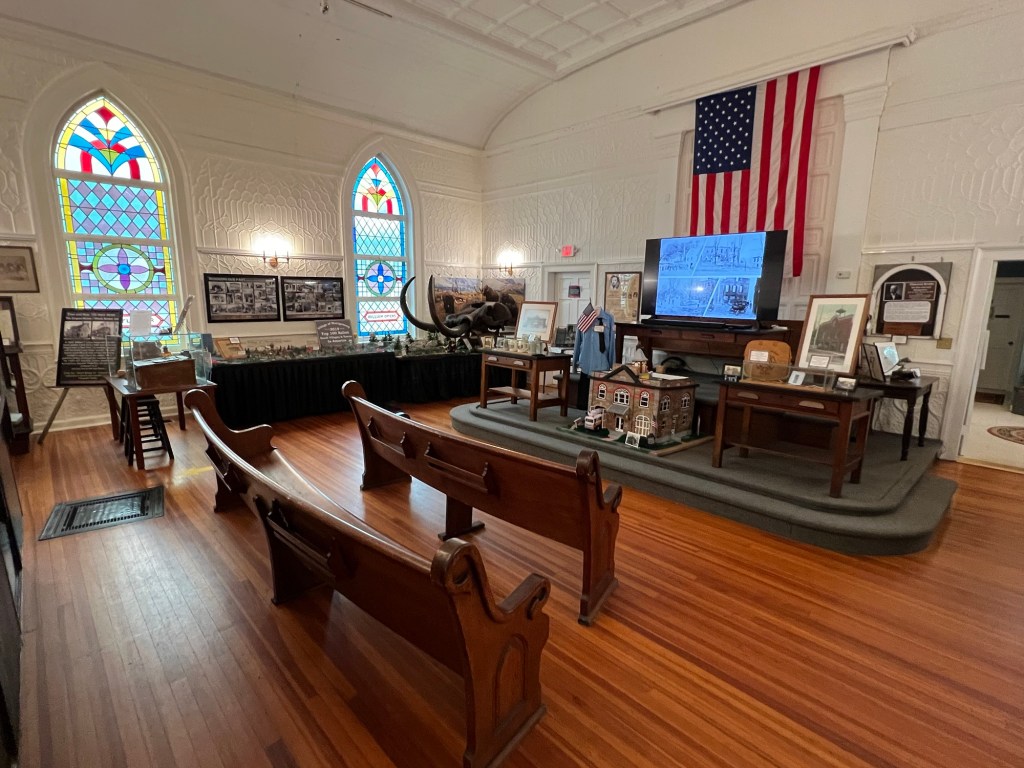
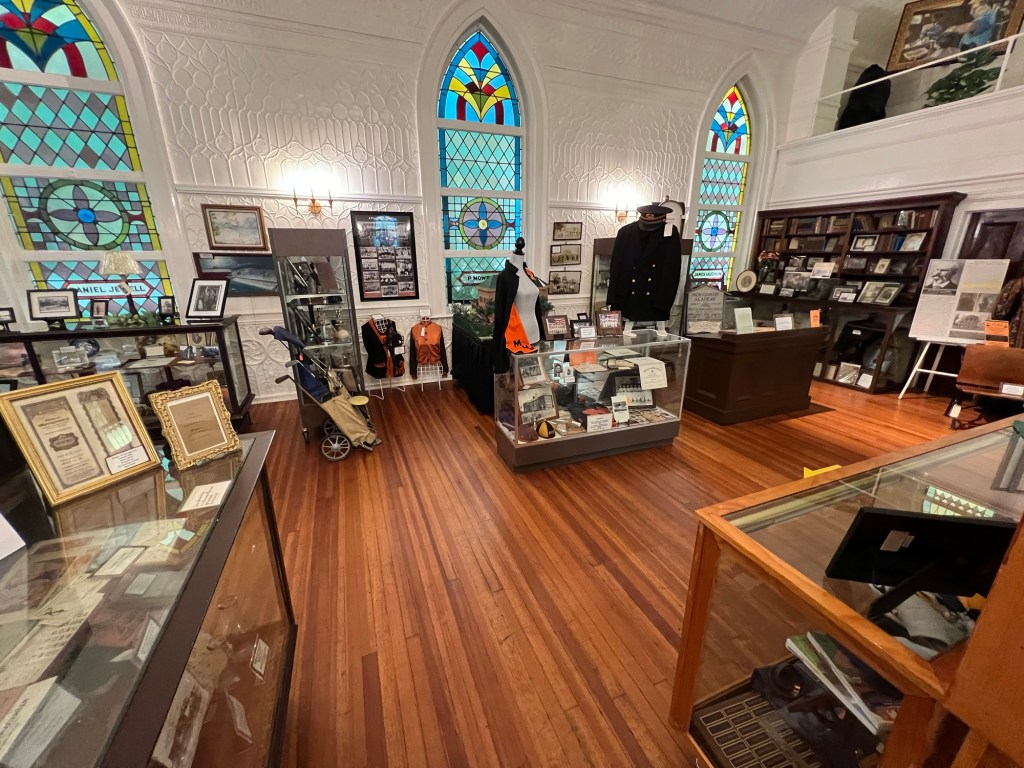
The Montgomery Village Museum in Montgomery, NY is a village run museum that tells of story of the town and its development. The museum of filled with wonderful displays of all aspects of the town. The history of the town is displayed in an organized way display by display with plenty of signage and docents to explain things to you if you want more information. You can tour the museum at your own pace.
The front gallery of the museum

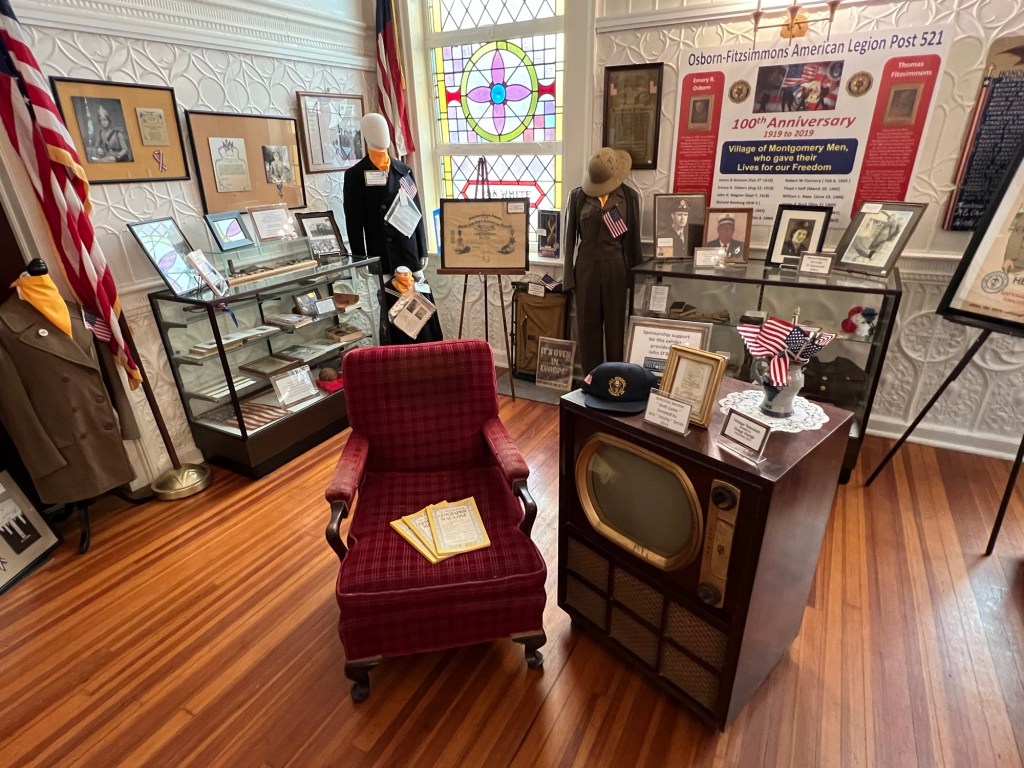
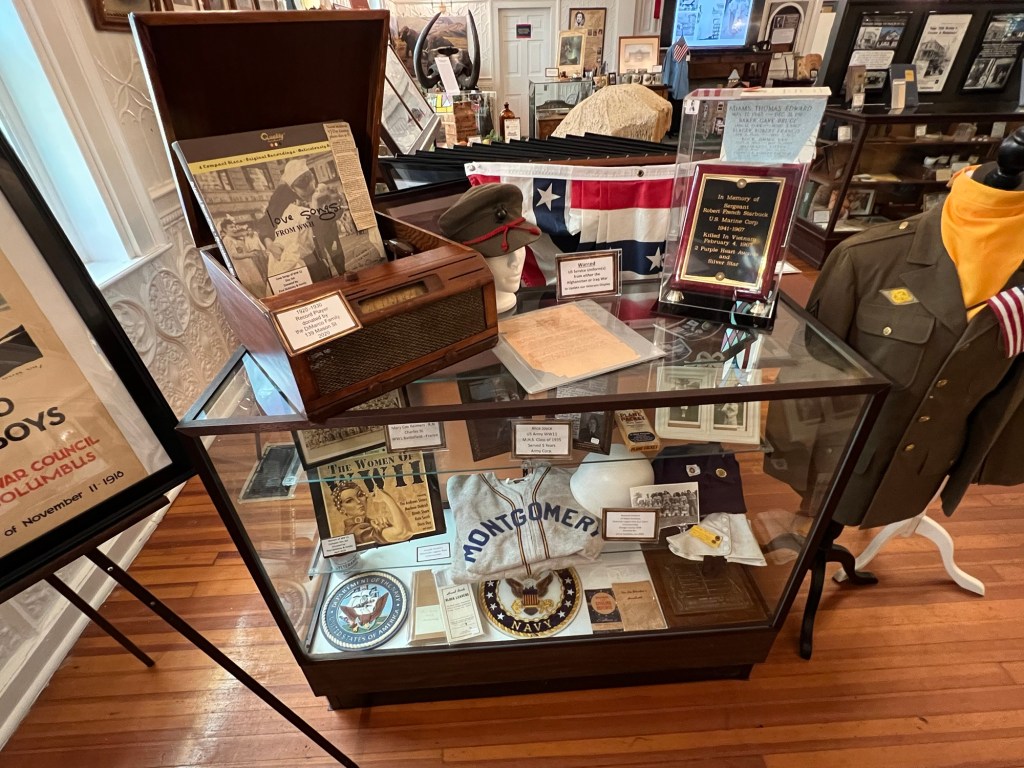
The front display of the Veterans and the VFW of the Village of Montgomery, NY

Display of Armed Forces memorabilia

The gallery of Town Council, Downtown merchants and Veterans items

The Downtown Merchant’s display

Some of the local merchants have been in town for over a hundred years

The artifacts on the Town Council and the Chamber

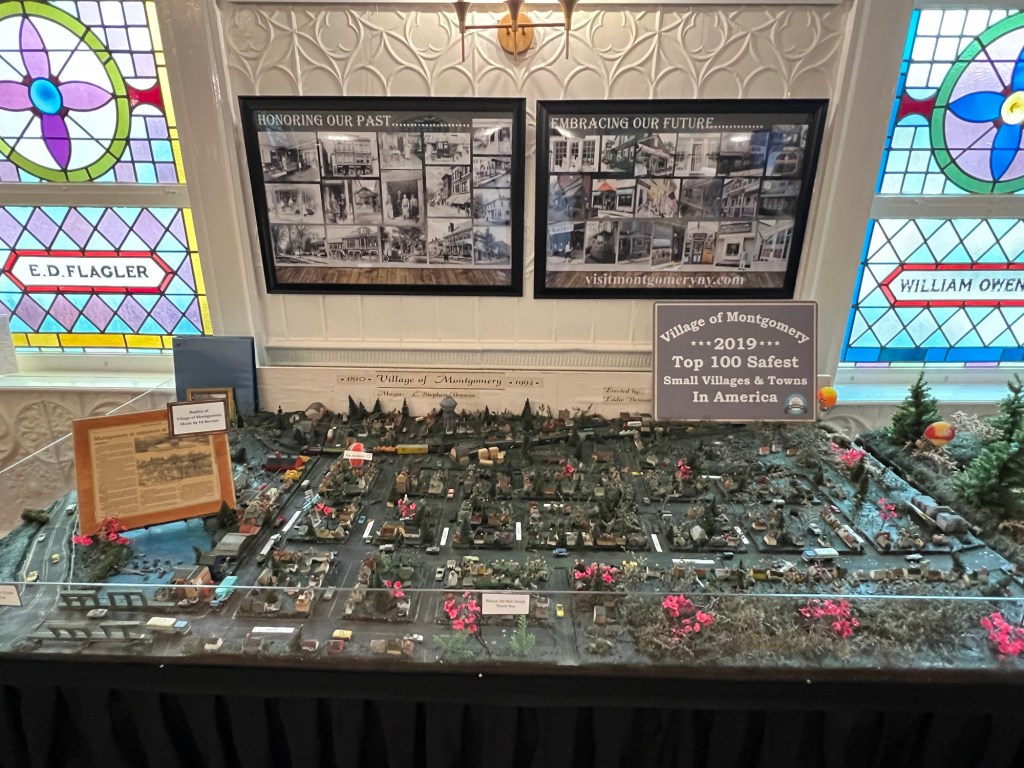
The 100th Anniversary of the Town of Montgomery, NY shows a diagram of the town and its historical past

Some of the items of the rural home past

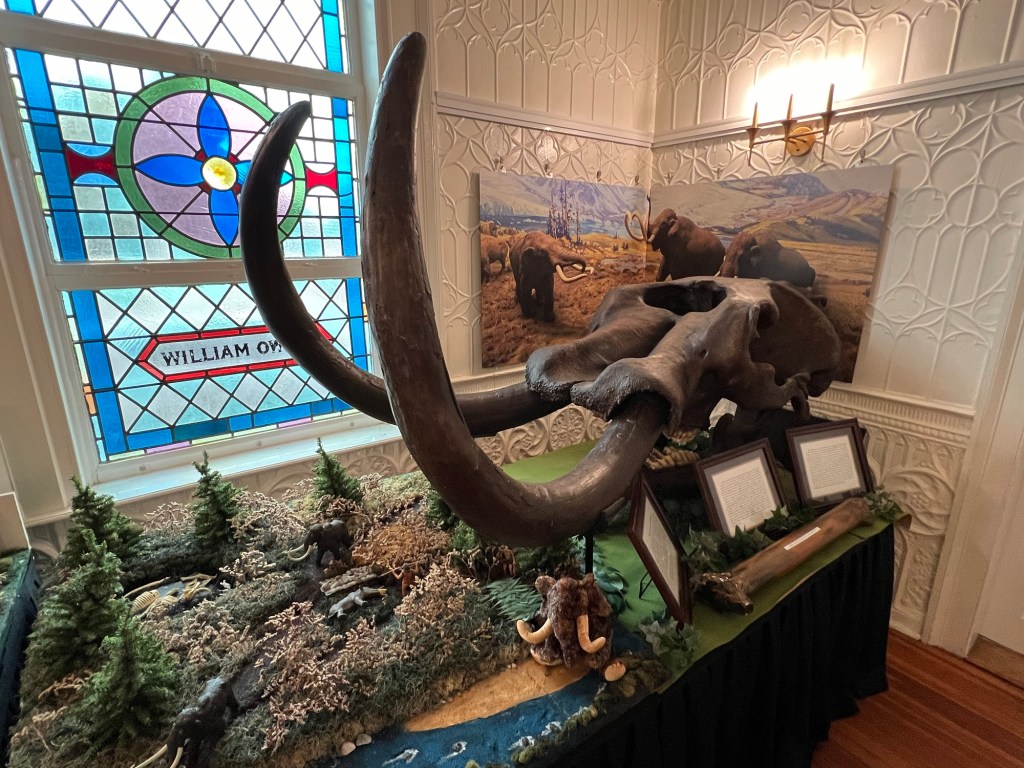
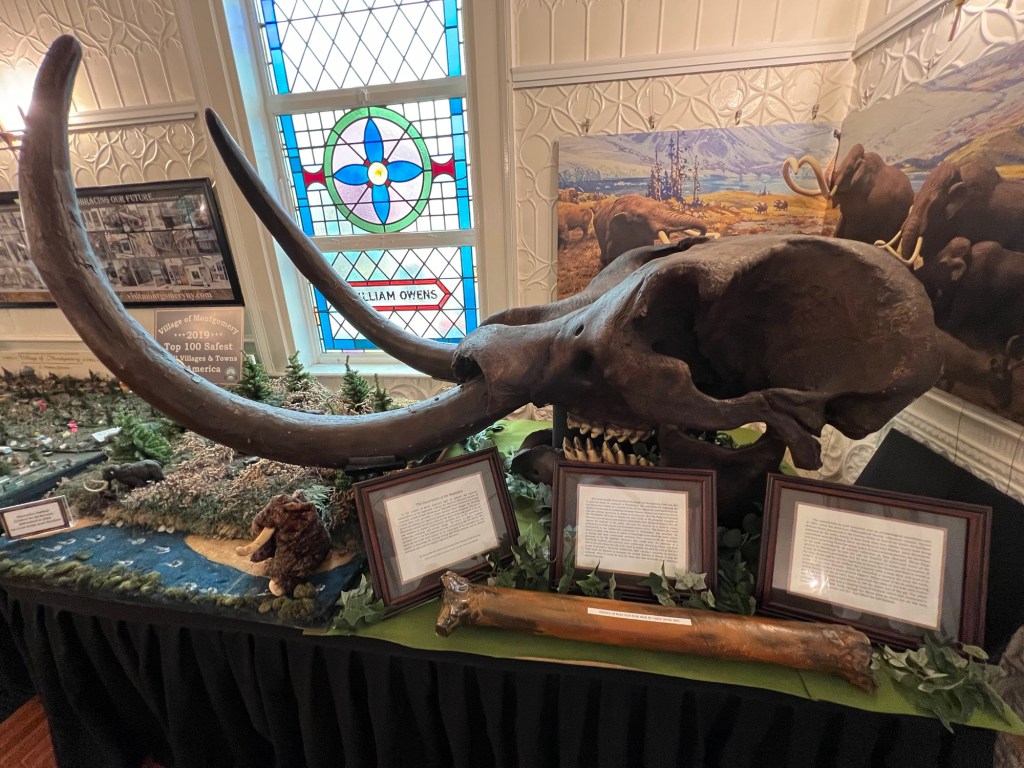
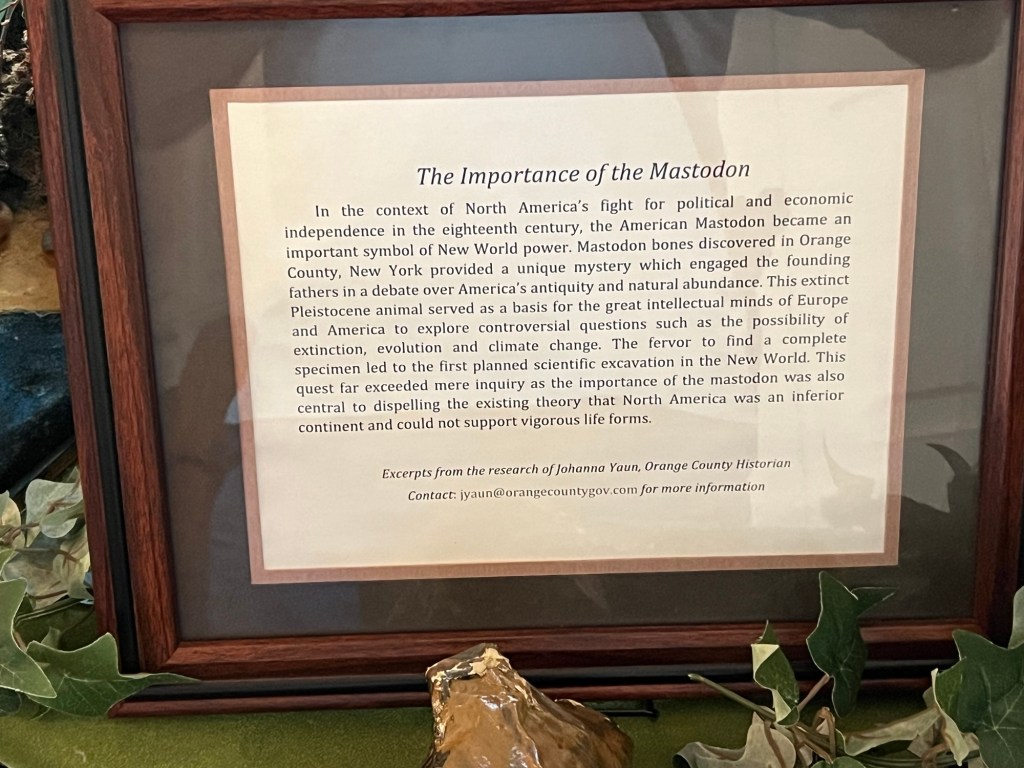
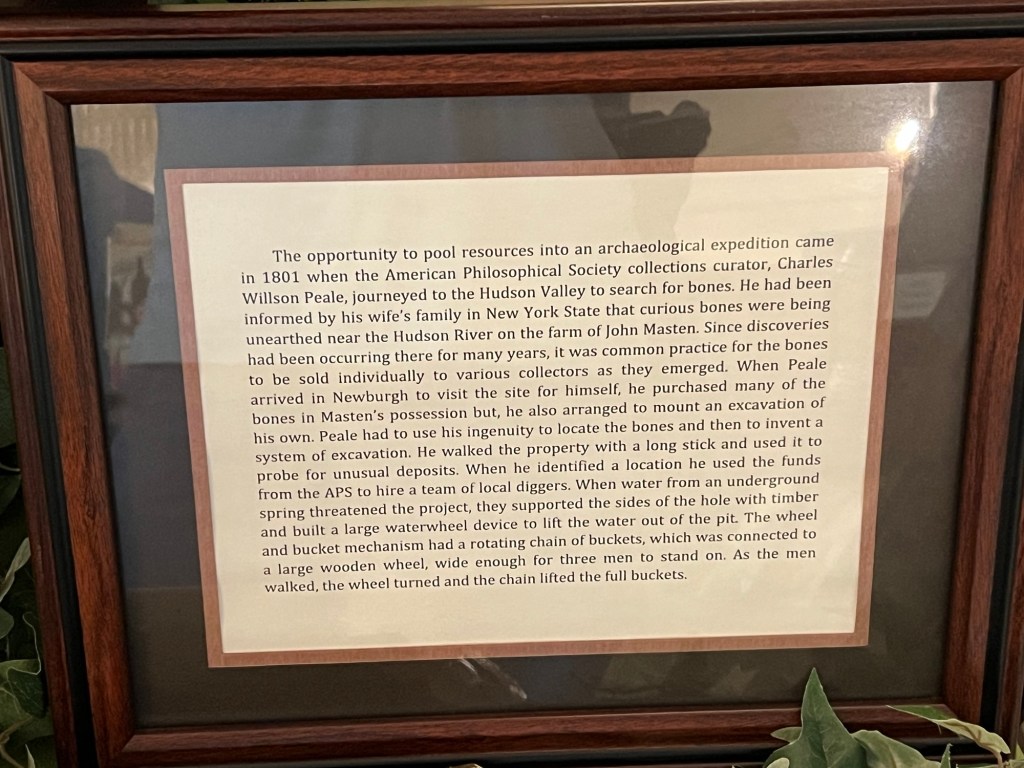
What I thought was interesting about the museum was the discovery of dinosaur bones in the area. The skull of a Mastodon and other bones were found in digs between here and Newburgh.

The Mastodon skull at the museum

The skull and bones and the site

The Importance of the Mastodon story

The write up on dinosaur bones

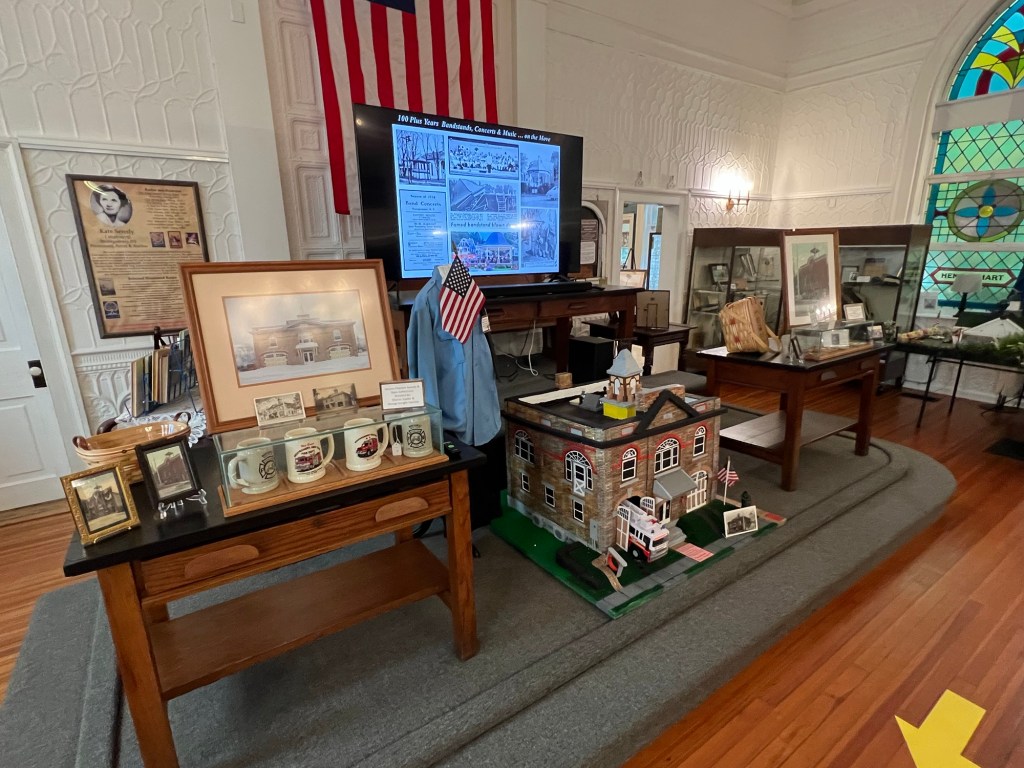
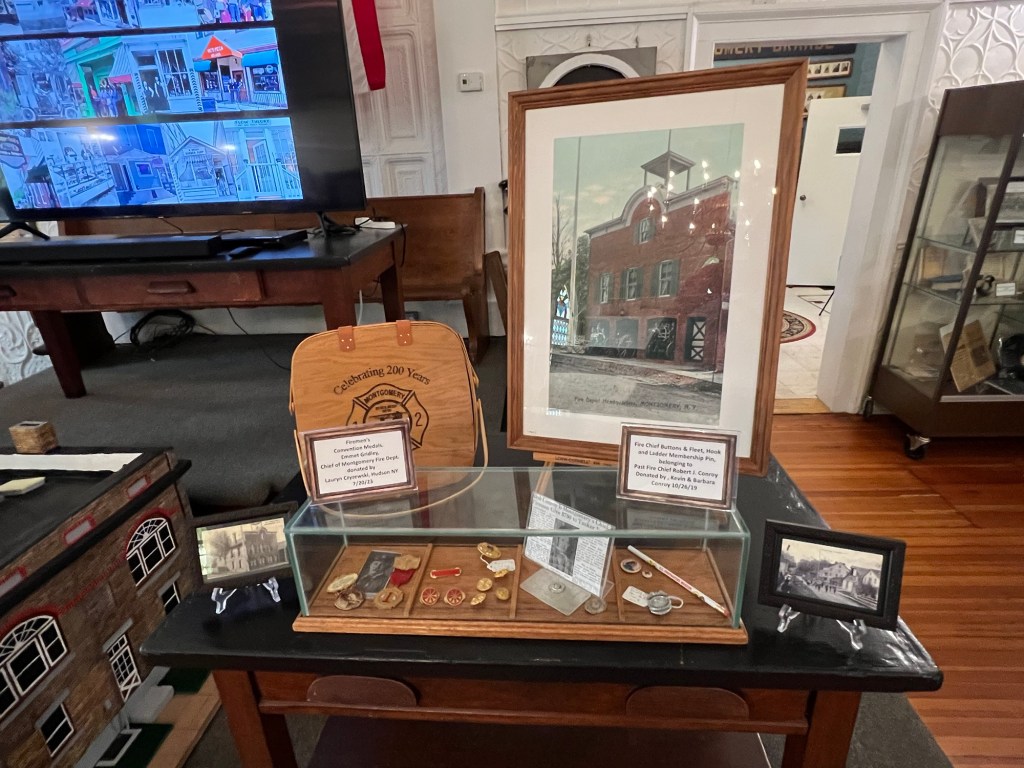
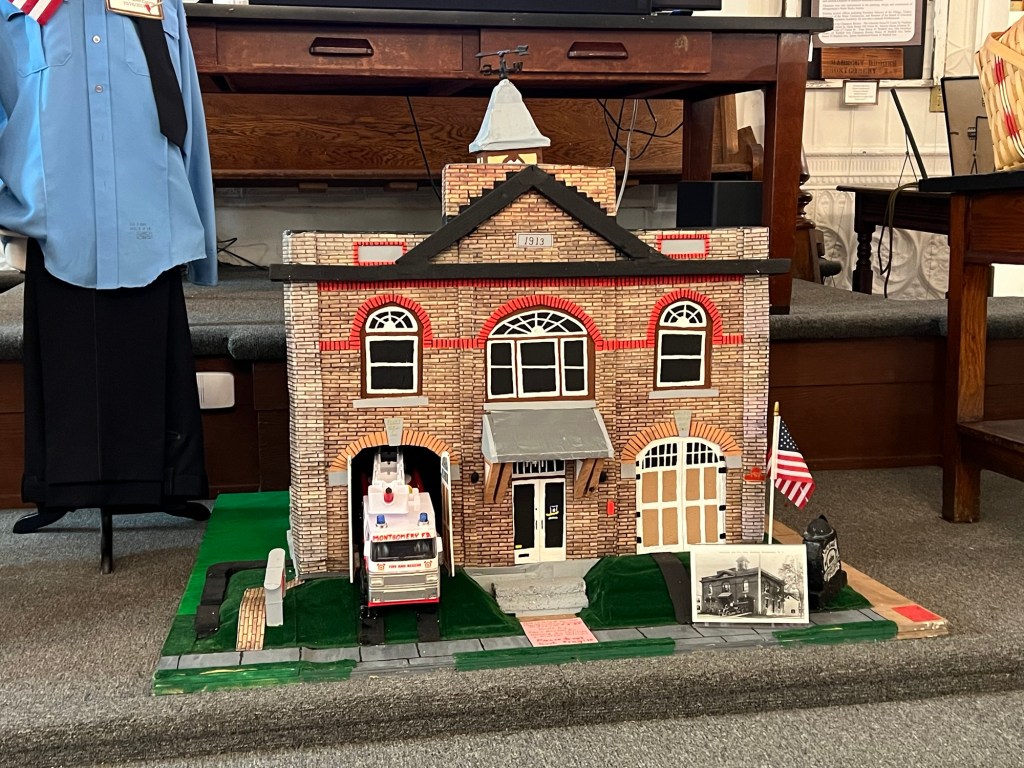
The display on the Montgomery Fire Department

The museum has an extensive collection of items from the County Fire department telling its own story of the fire service in this community. The Orange County Firefighters Museum is right across the street with all the larger equipment and gear but here we get to see the pictures of the department over the years and some of the small artifacts.

Display on the Montgomery Fire Department

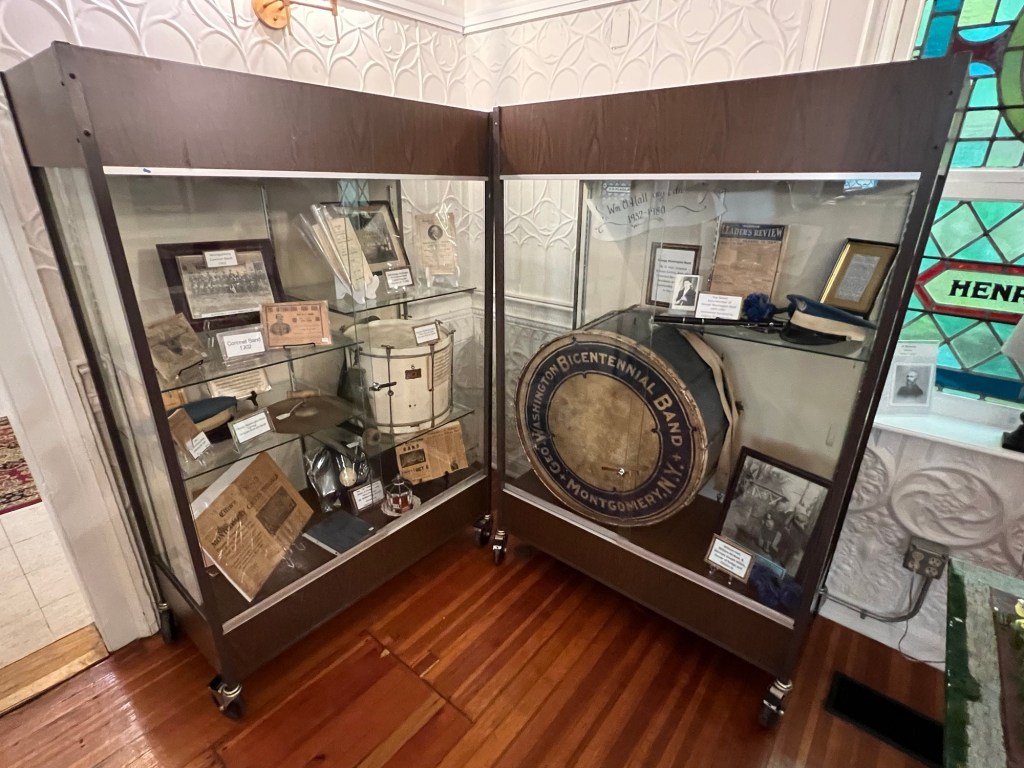
The display on the Montgomery Coronet Band display

The Textiles industry in Montgomery

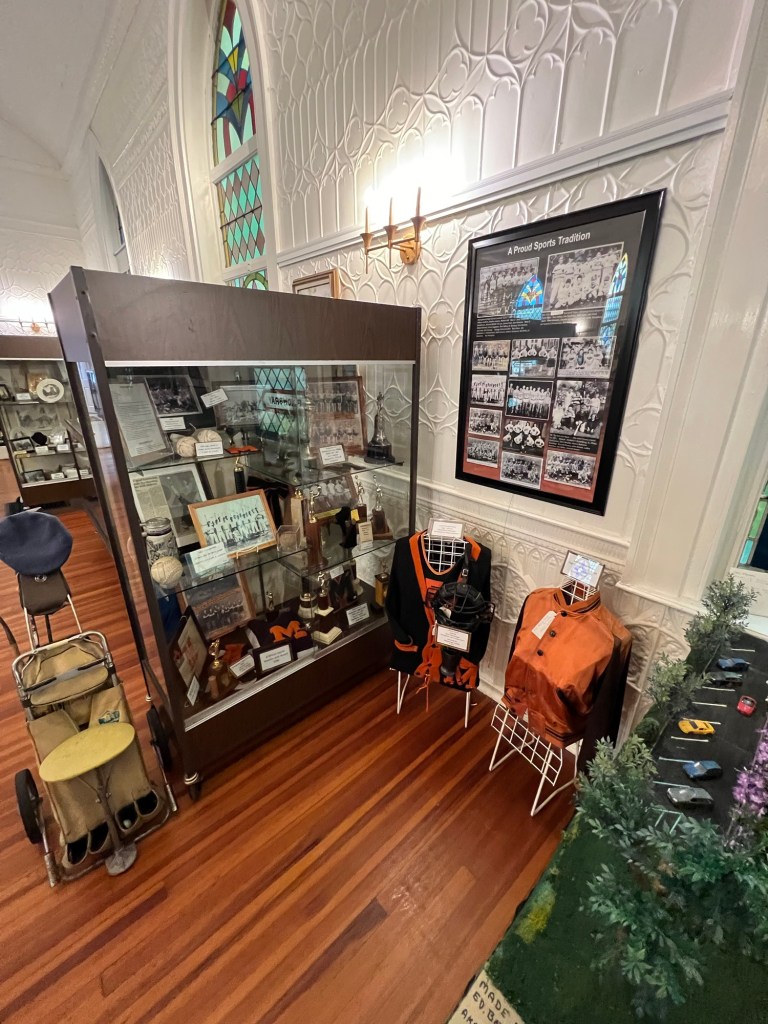
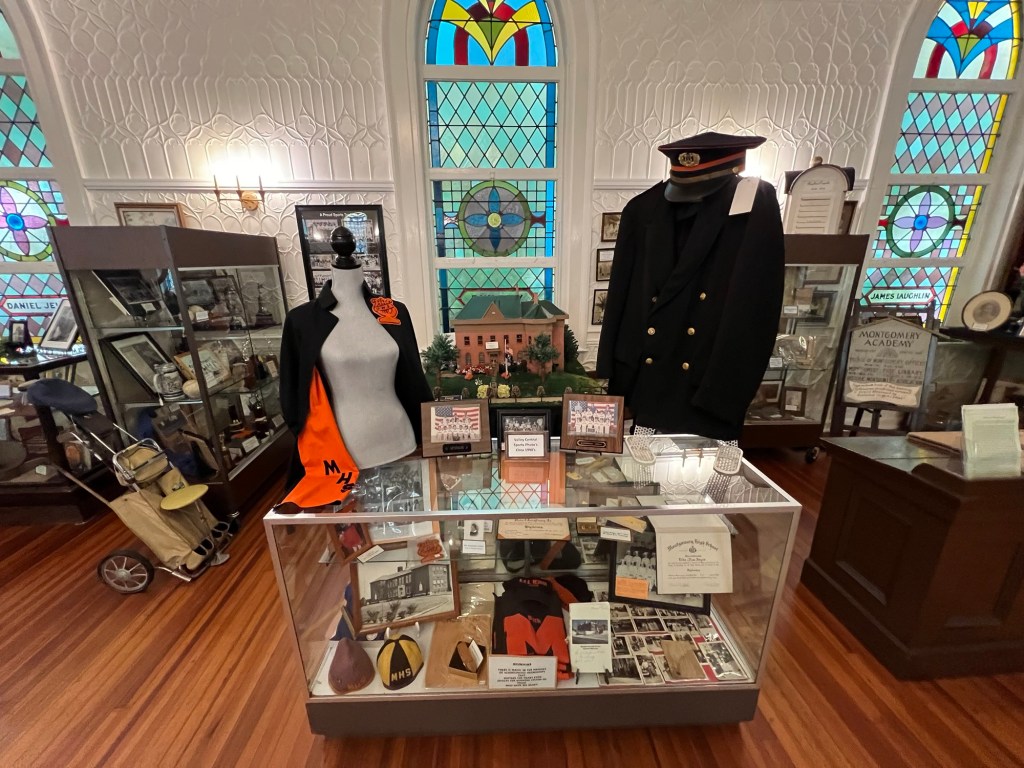
The display from Montgomery High School from sports to the marching band

The museum has an extensive collection of memorabilia from Montgomery High School over the past one hundred years that include marching band and sports to the way the school teaches. It is amazing that in many ways it does not change much.

More artifacts from the schools

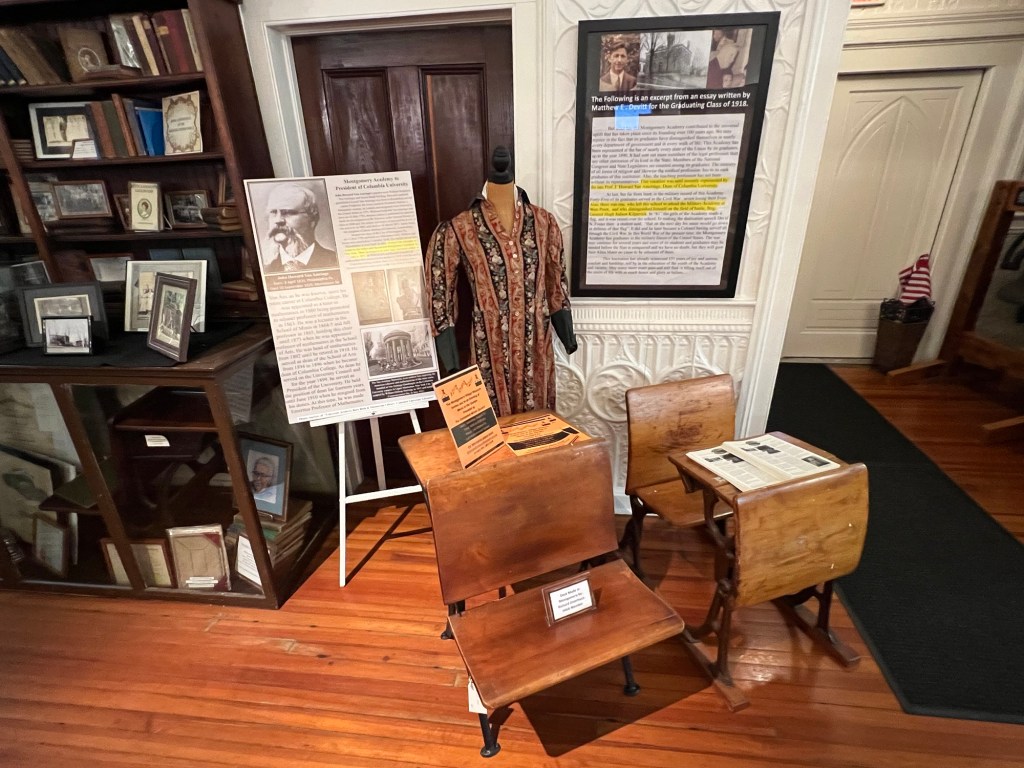
Displays of the schools and libraries in the county

The Montgomery High School band and sports

A old school house display

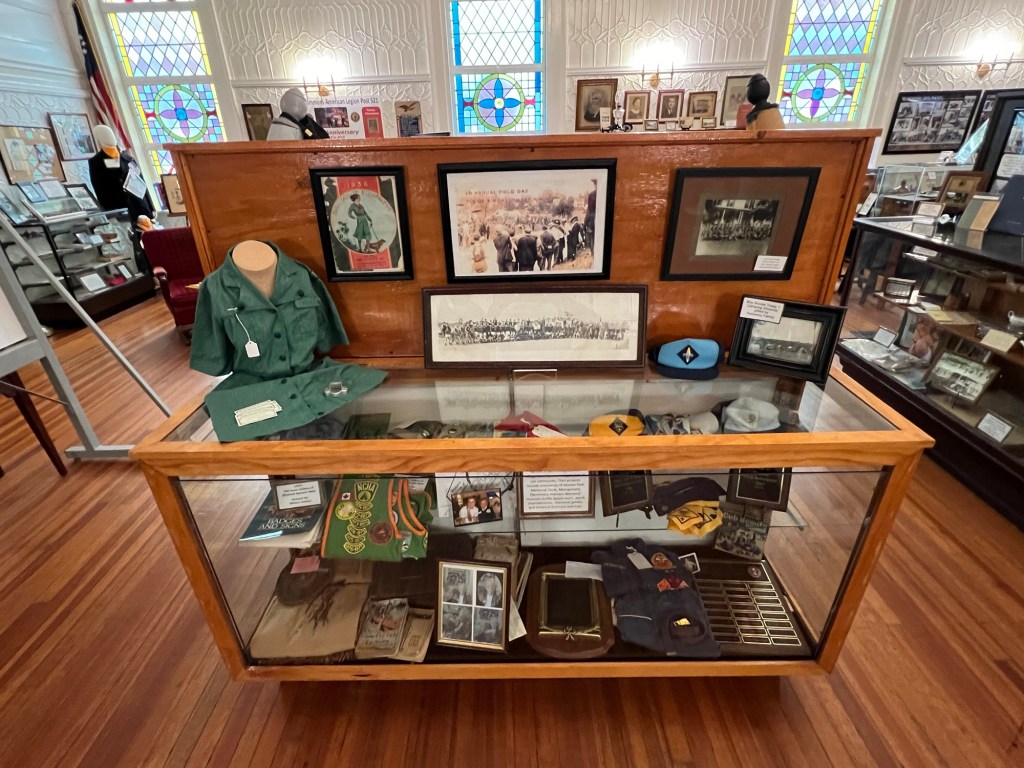
The Girl Scout and Boy Scout display

The original fire department display that sits across the street

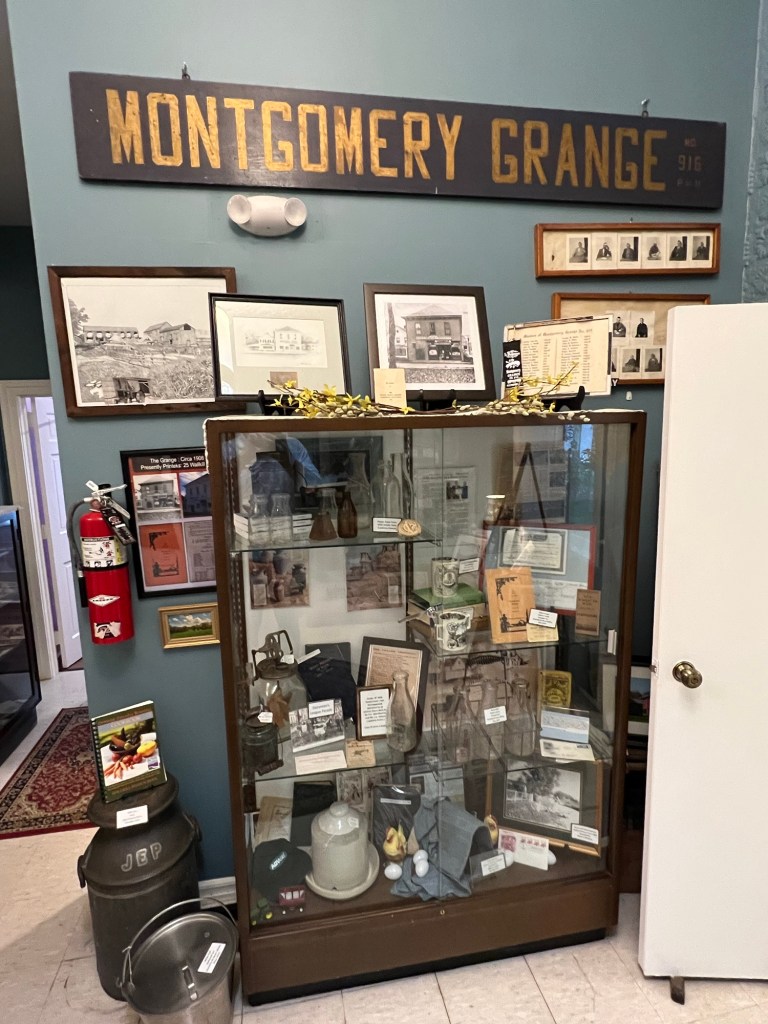
The Montgomery Grange display

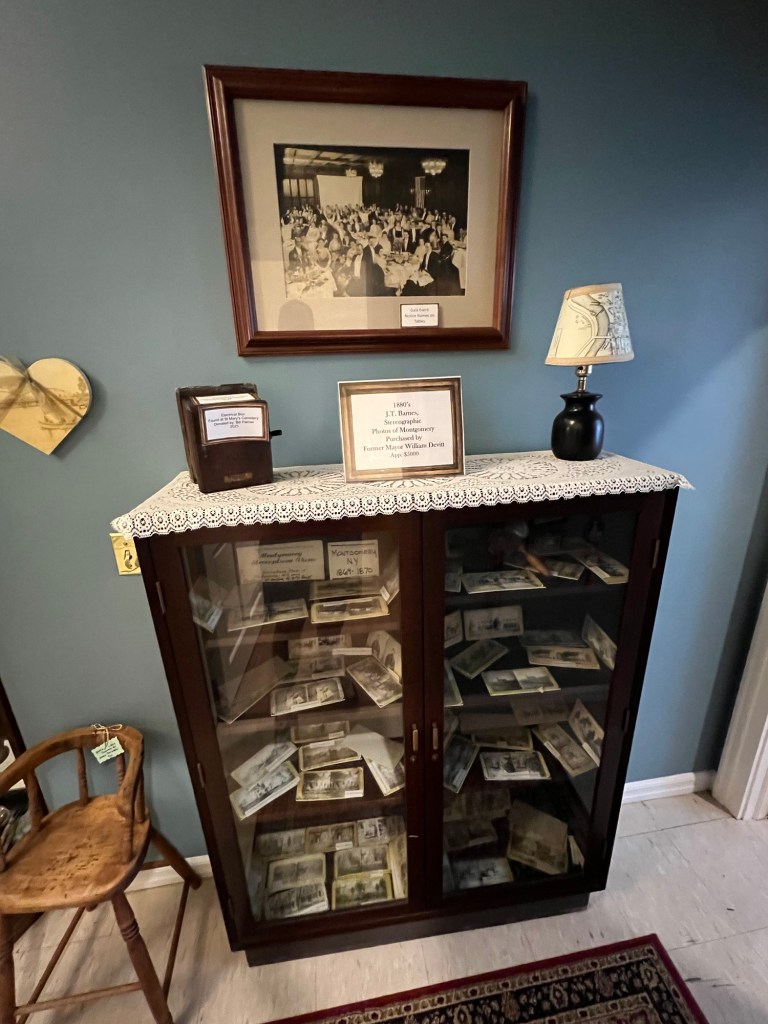
The Picture Display of old photos of the past of the Village of Montgomery, NY

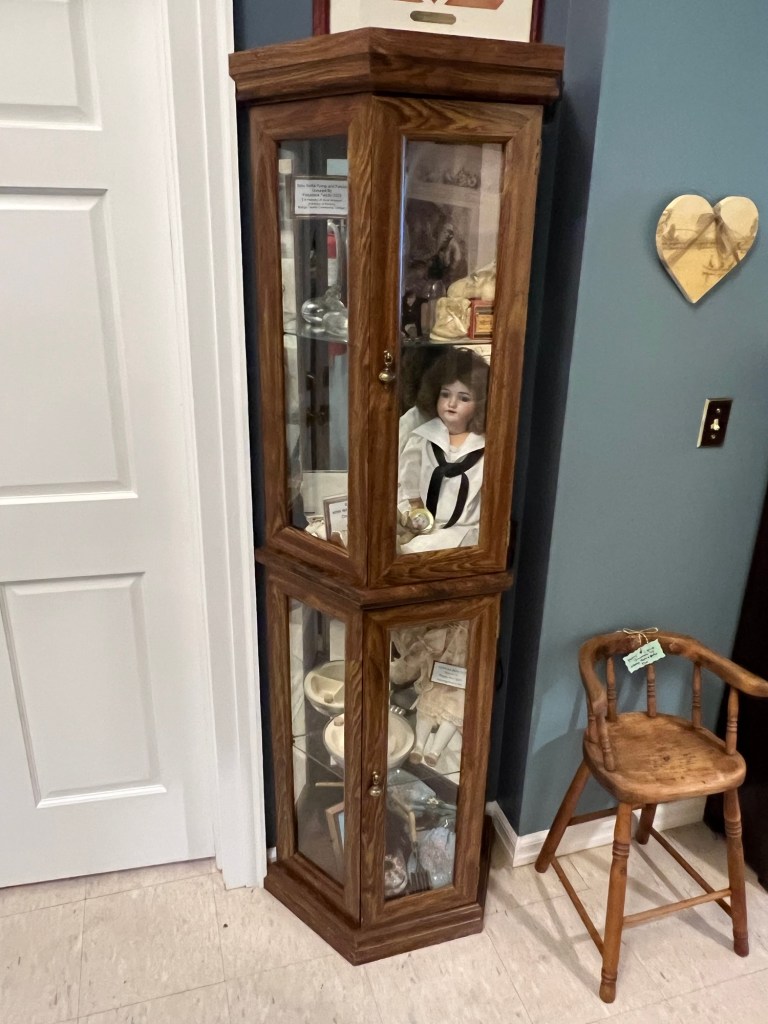
The Toy and Doll Display will delight any young child

The Art display in the back part of the museum

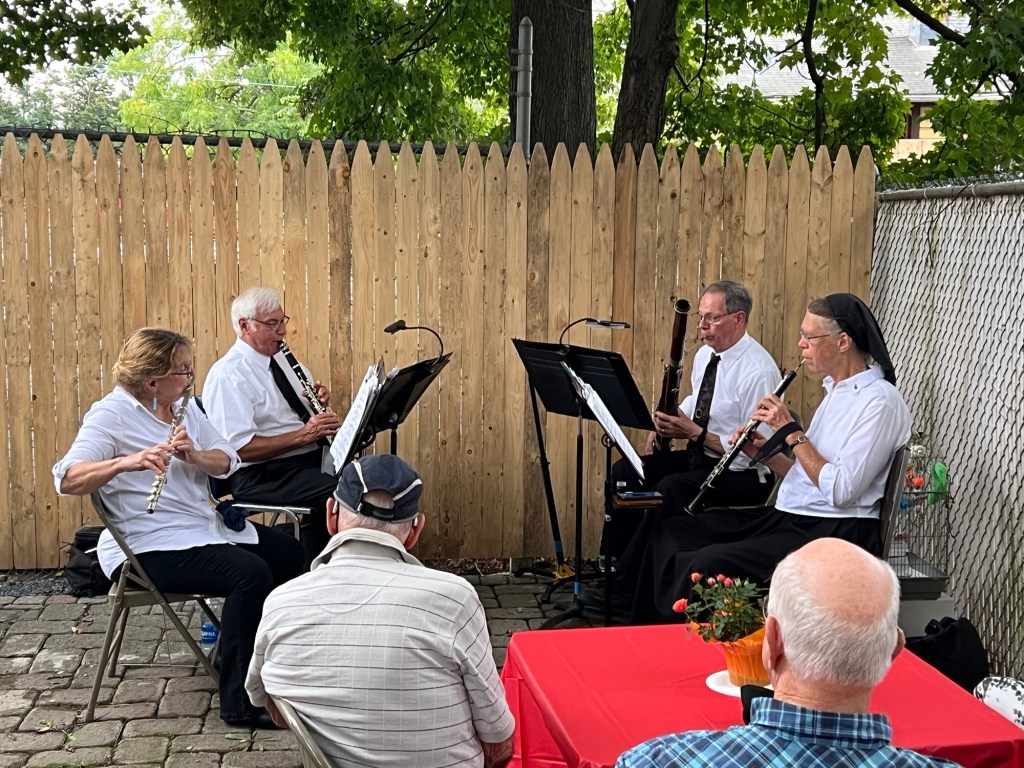
The afternoon I was at the museum, they had an outdoor concert in the garden of the museum. It was warm night so sitting outside enjoying the music was really nice.

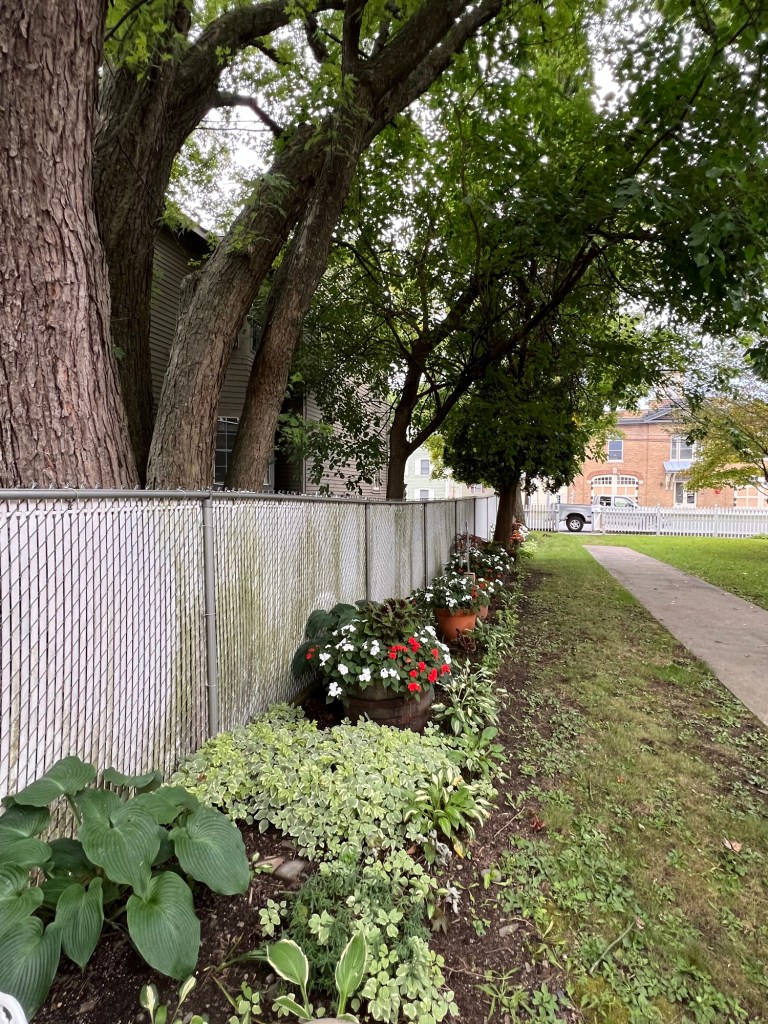
The museum’s well tended gardens

The gardens by the side of the museum

The gardens in bloom by the fence

The musical performance of the quartet

The video of the concert:

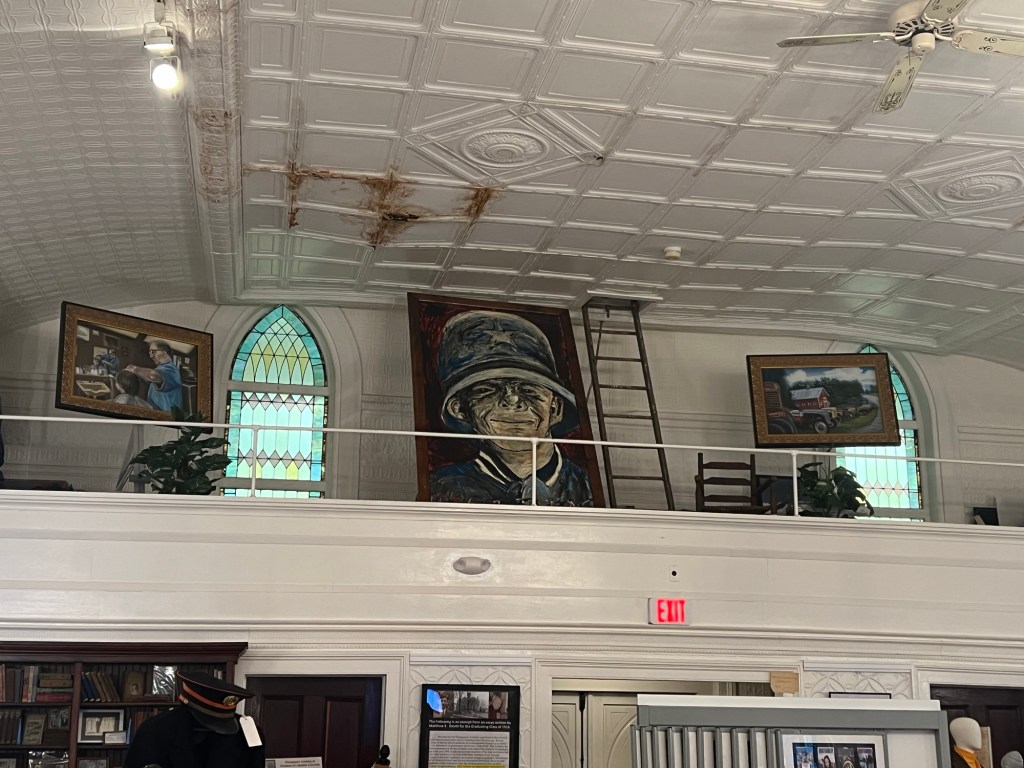
The large paintings above the front door as I was leaving that evening.

One last look at all the galleries at the museum gave me a glimpse of the extensive collection of artifacts at the museum and the story they tell of the community of Montgomery, NY.

The back gallery

The front gallery

The side gallery

For such a small museum, the displays really give an interesting look at the county and how it has progressed over the years. What have been new to us in the 1950’s, 60’s, 70’s , 80’s and forward has now become the past to newer generations. The Montgomery Village Museum tells that story in detail.

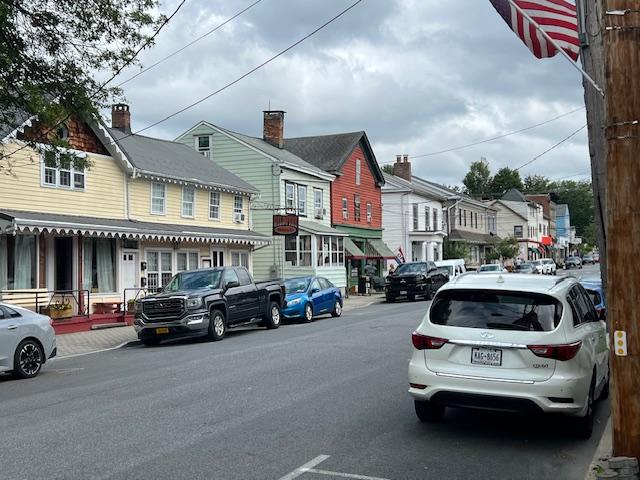
A visit here is a nice way to spend the afternoon. Then take a tour of Historic Montgomery, NY. There is a lot to do and see.

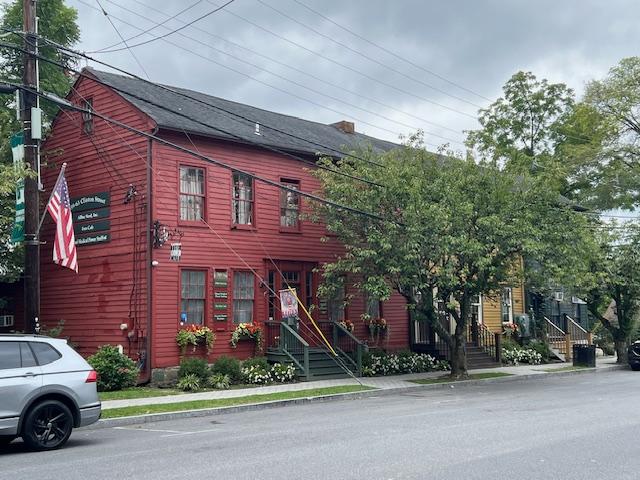
Exploring historic Downtown Montgomery, NY

Exploring historic Downtown Montgomery, NY

Dutchess County Historical Society                  6282 Route US 9                                                             Rhinebeck, NY 12572

Dutchess County Historical Society 6282 Route US 9 Rhinebeck, NY 12572

Dutchess County Historical Society

6282 US-Route 9

Rhinebeck, NY 12572

(845) 471-1630

https://www.facebook.com/DCHSNY/

Open: Sunday-Monday Closed/Tuesday-Thursday 10:00am-3:00pm/Friday-Saturday Closed

Admission: Free but donations are accepted

My review on TripAdvisor:

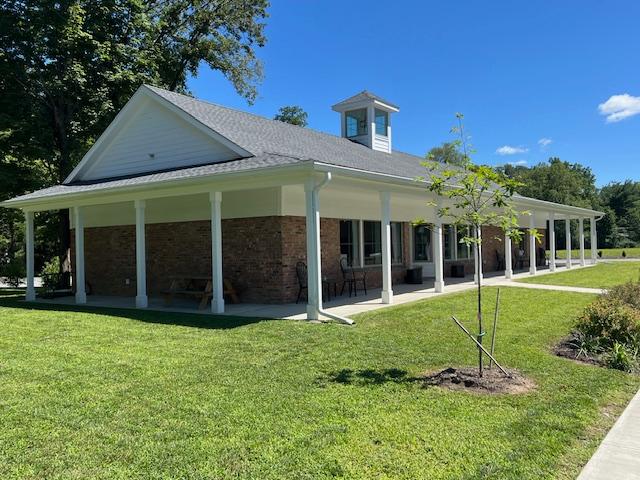
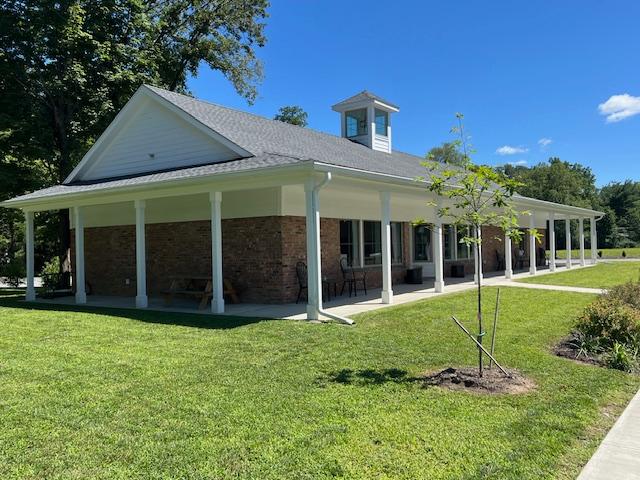
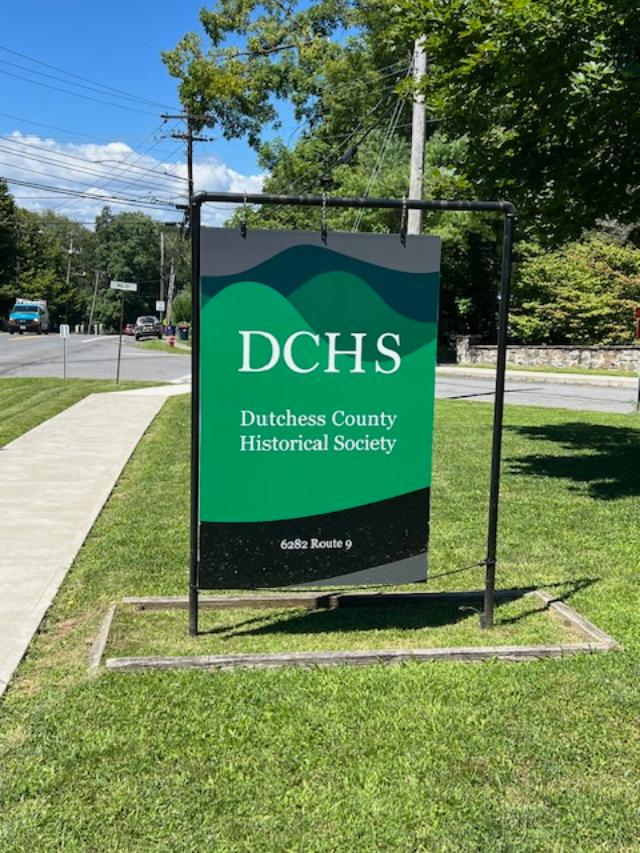
The Dutchess County Historical Society at 6282 Route US 9 in Rhinebeck, NY

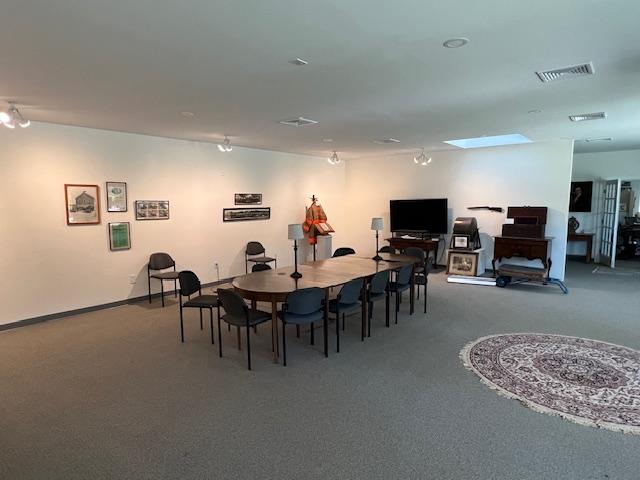
I recently visited the new Dutchess County Historical Society in Rhinebeck from its old home in Downtown Poughkeepsie. The new museum has a light and airy feel about it with new exhibitions being mounted and a new library being set up for research. The museum just opened for viewing so it is still in its early stages for displaying artifacts.

The Dutchess County Historical Society

The Main Gallery at the museum

The Mission of the Dutchess County Historical Society:

The Dutchess County Historical Society is committed to being the most meaningful source of Dutchess County history, a commitment in place since its 1914 founding.

We do this through the responsible archival stewardship of tangible objects and the energetic interpretation and presentation of local history to the public.

We are proud to be known for our community outreach through a wide range of publications, awards, exhibits, programs, talks, writings, videos and oral histories.

Online and traditional exhibitions, lectures, awards, conferences and special presentations round out Dutchess County Historical Society programming for members and our local communities.

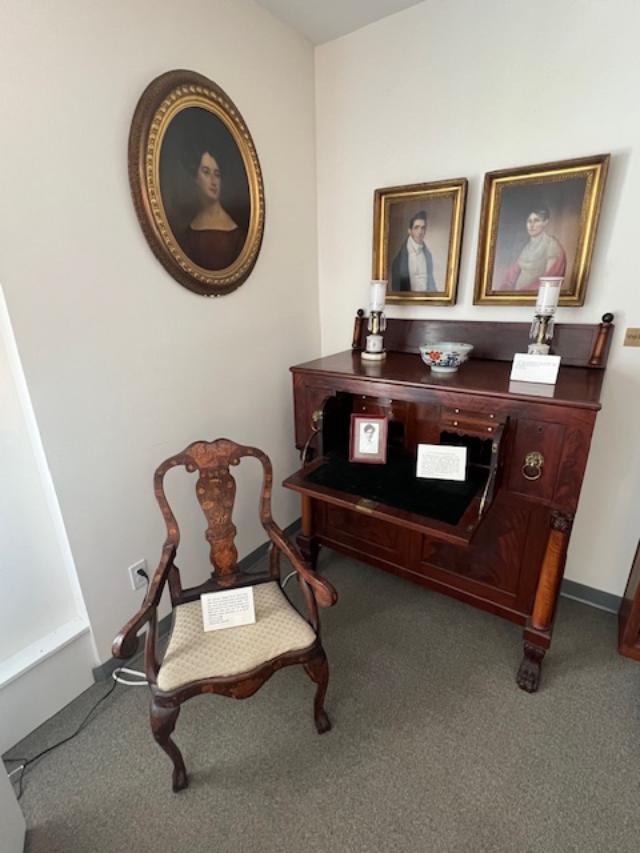
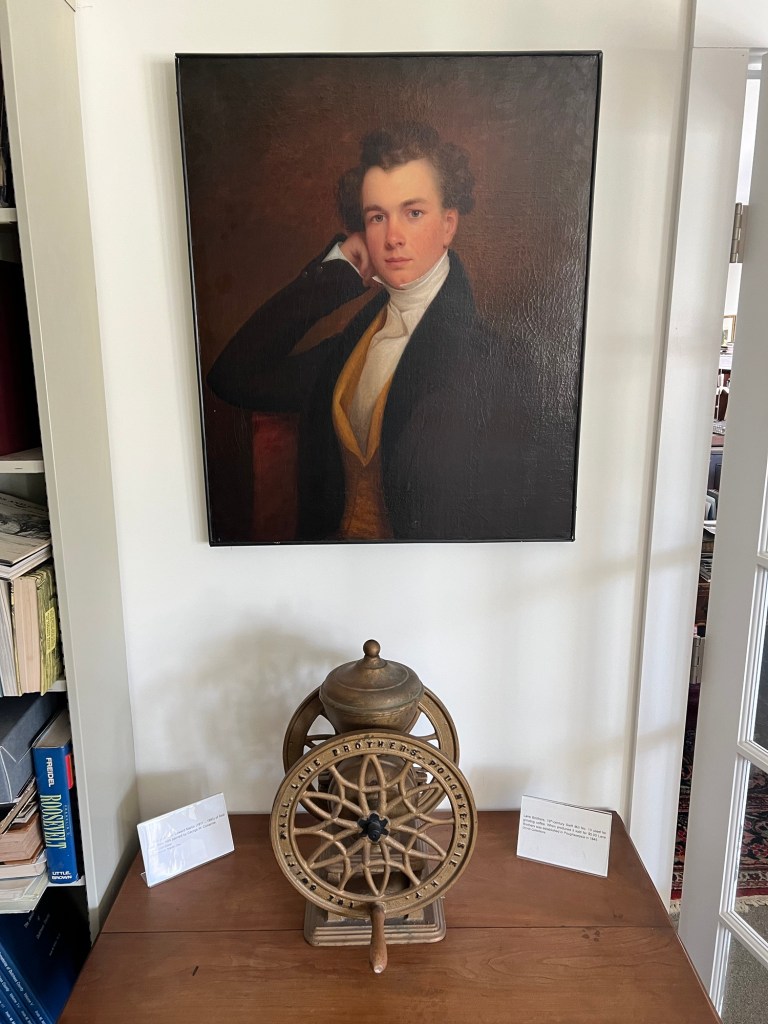
Portraits of local residents and antique furniture

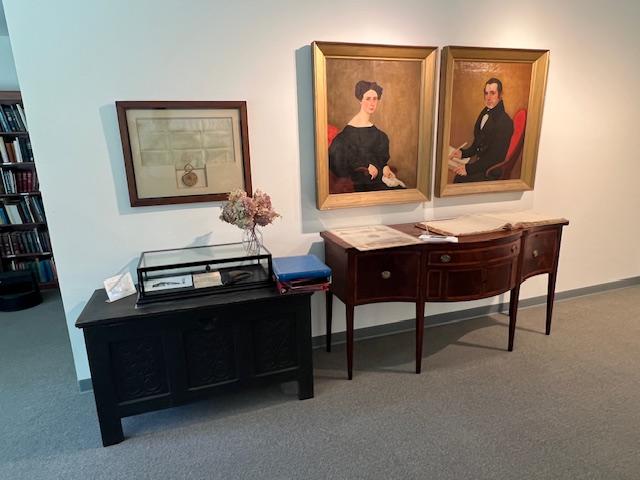
Some of the new permanent collection on display are family portraits, antique furniture, historic documents and local artifacts from towns all over Dutchess County. Much of these items were donated by the families that live in the area.

The portraits of local residents and historical documents in the collection

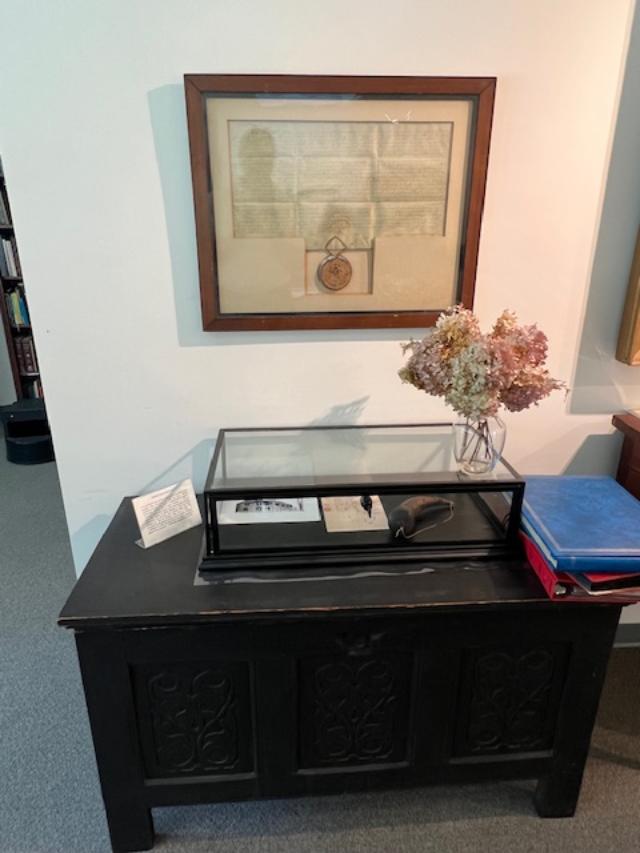
Historical Documents of Dutchess County with the original seals

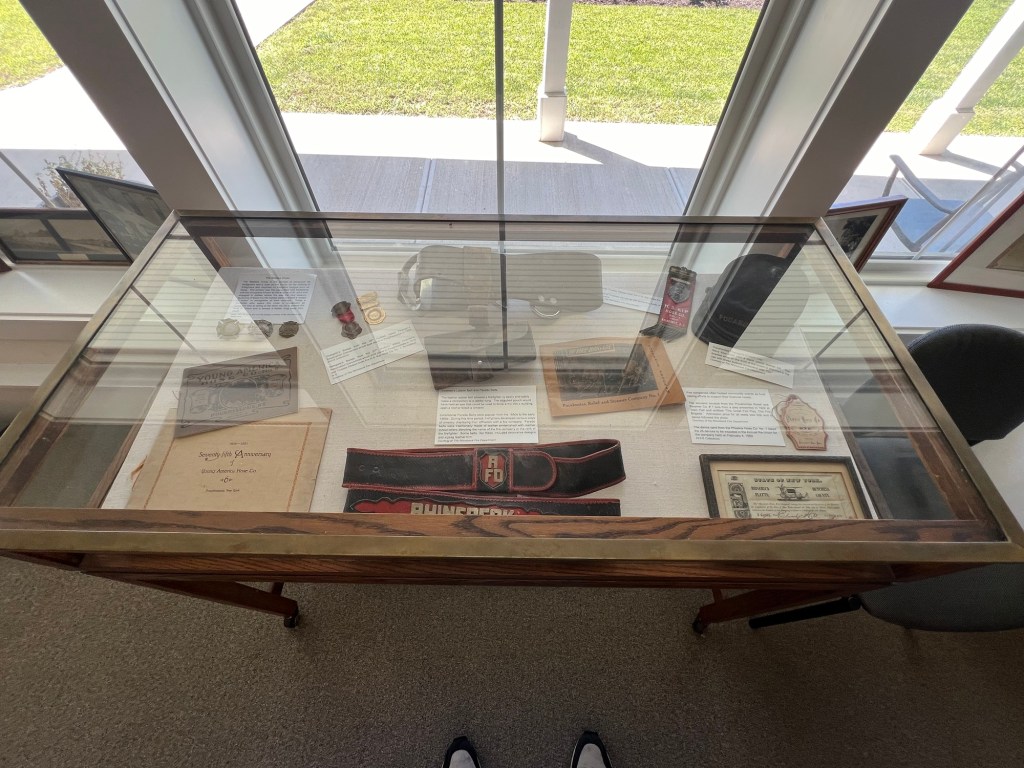
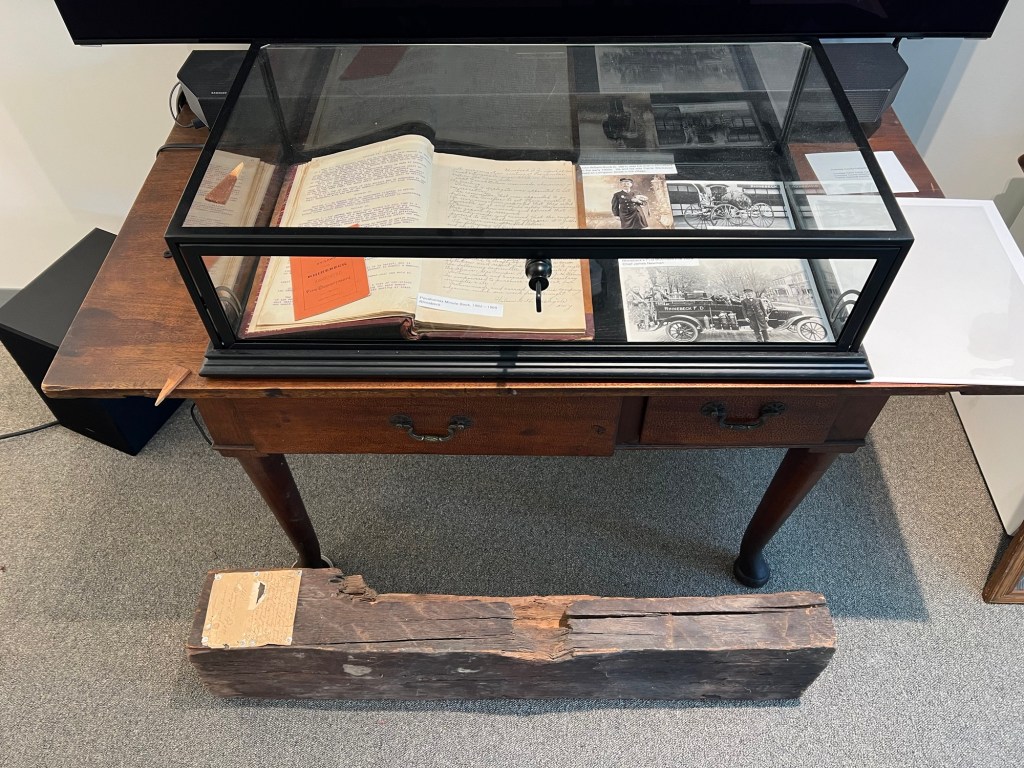
The first exhibition that is being mounted in partnership with the Rhinebeck Fire Department is the history of the fire service in Dutchess County. Since part of the exhibition was being moved to the new fire museum at the Dutchess County Fair Grounds for the upcoming Dutchess County Fair, I got to see only a portion of it at the museum.

The exhibition “The History of the Dutchess County Fire Service”:

The exhibition shows the progression and growth of the fire service in Dutchess County since the time the Dutch lived in this region. The collection reflects the direction of these departments since the end of the Civil War and how much and how little the equipment has changed.

Fire department artifacts including documents and equipment

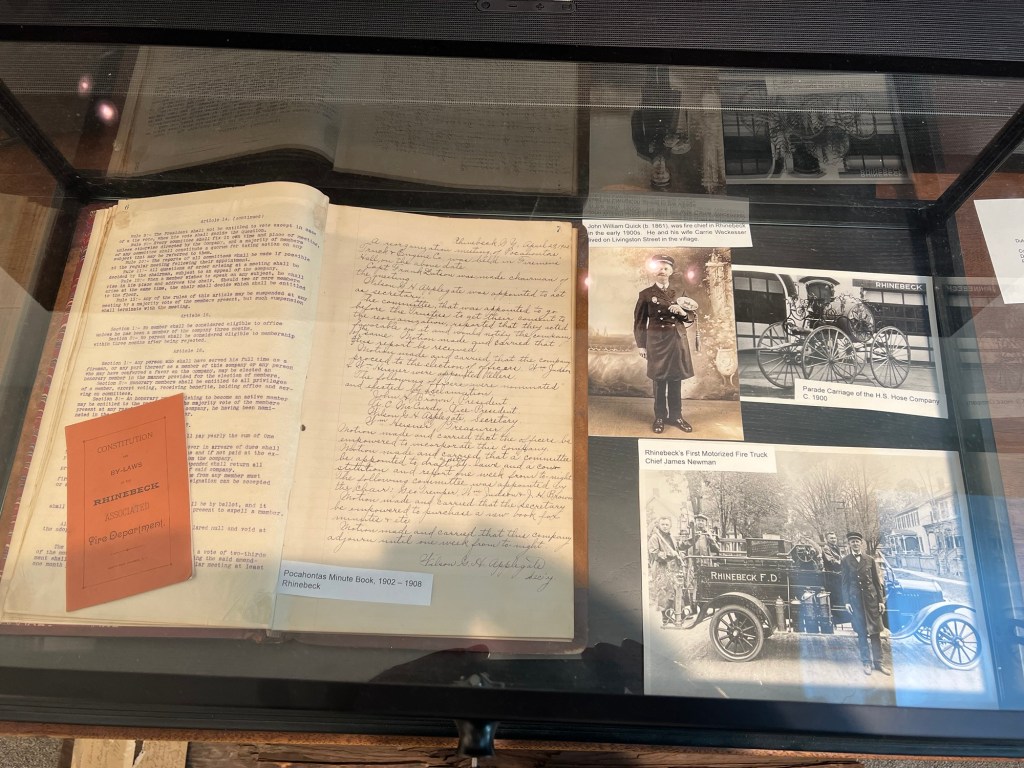
Fire service pictures and documents and a beam from Henry Livingston’s mansion that got shelled by the British (this sits below the display case)
The pictures and documents on display

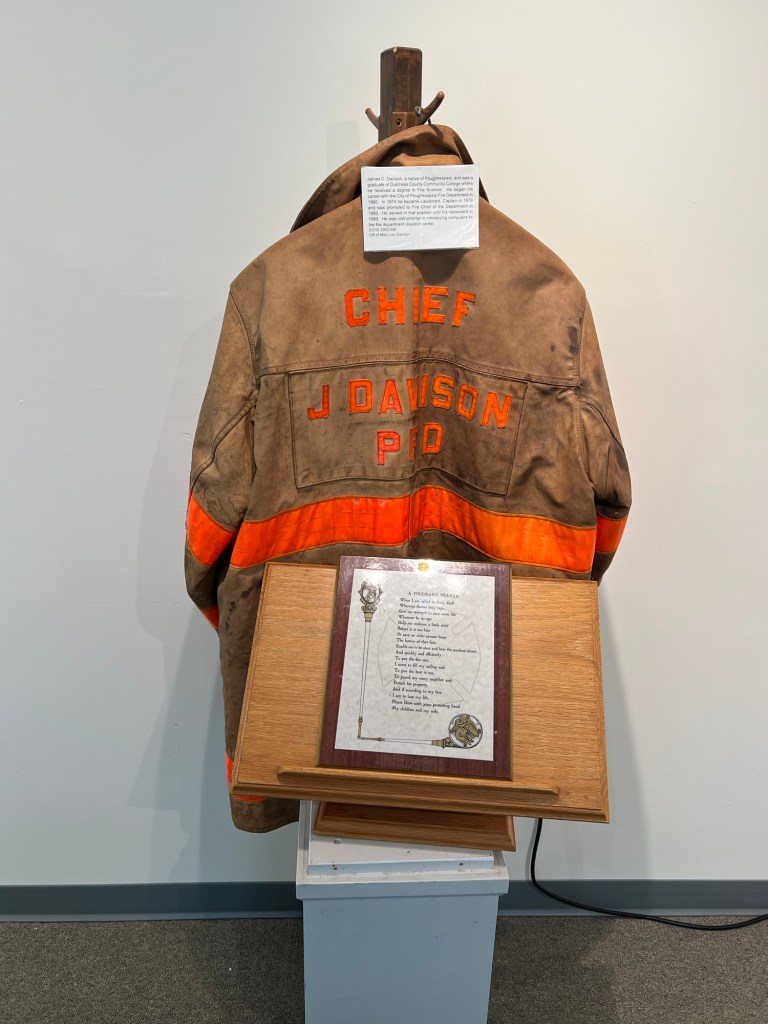
Fire Department jacket

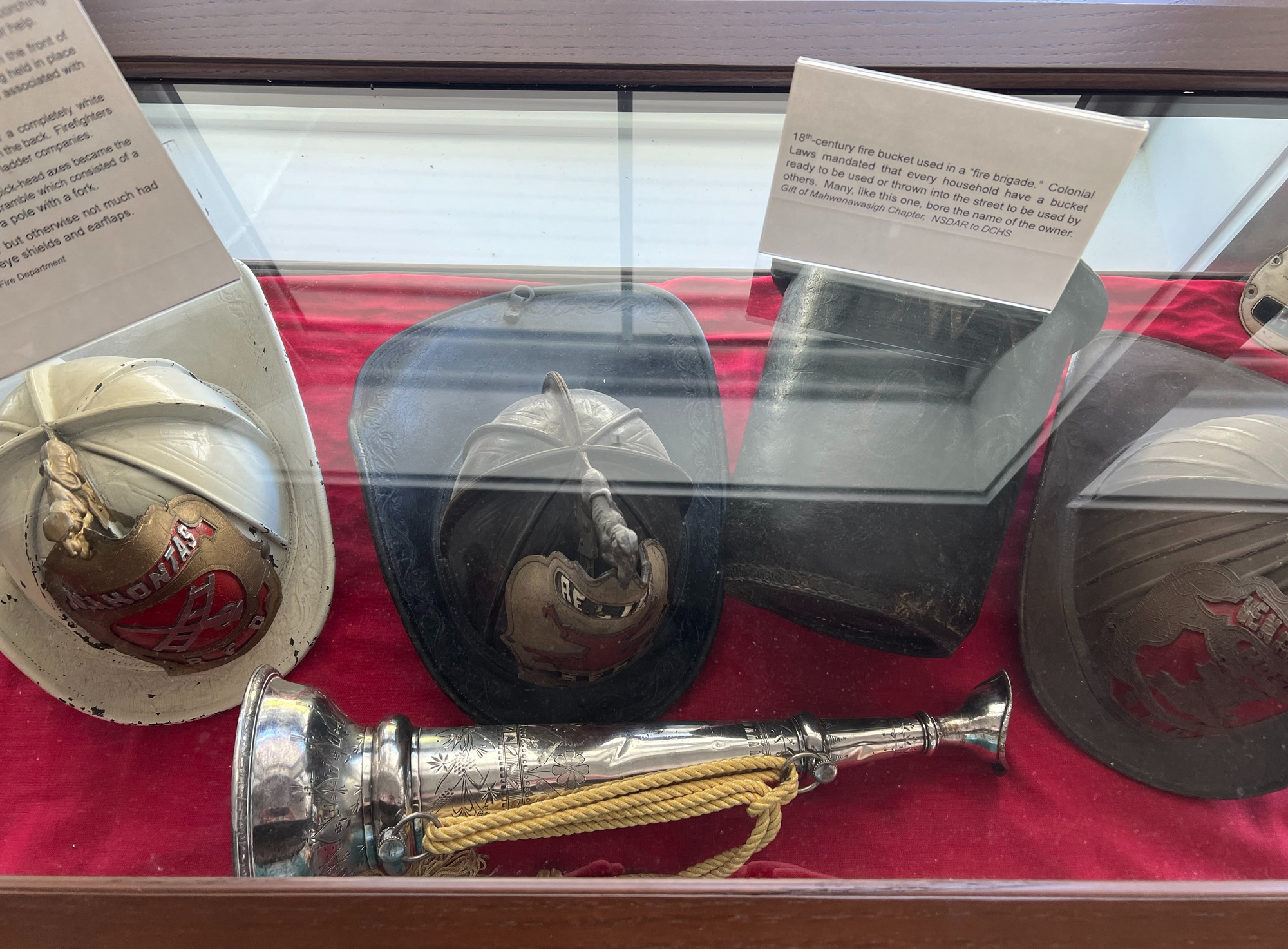
Helmets and trumpets used by fire departments in the past

What was interesting about the exhibit was the depth of items of the past that each firefighting and the story they tell.

The Permanent Collection:

The remaining displays along the walls of the museum as set up continues tell the story of Dutchess Counties past and the families that lived here.

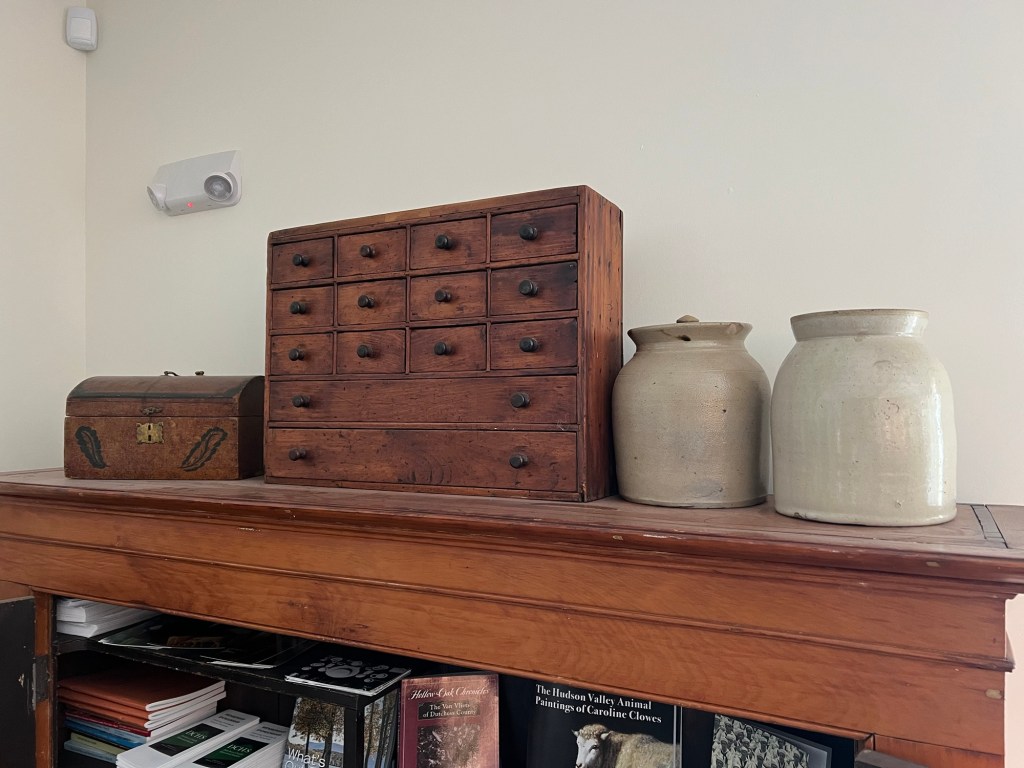
Family heirlooms

Household and Business items

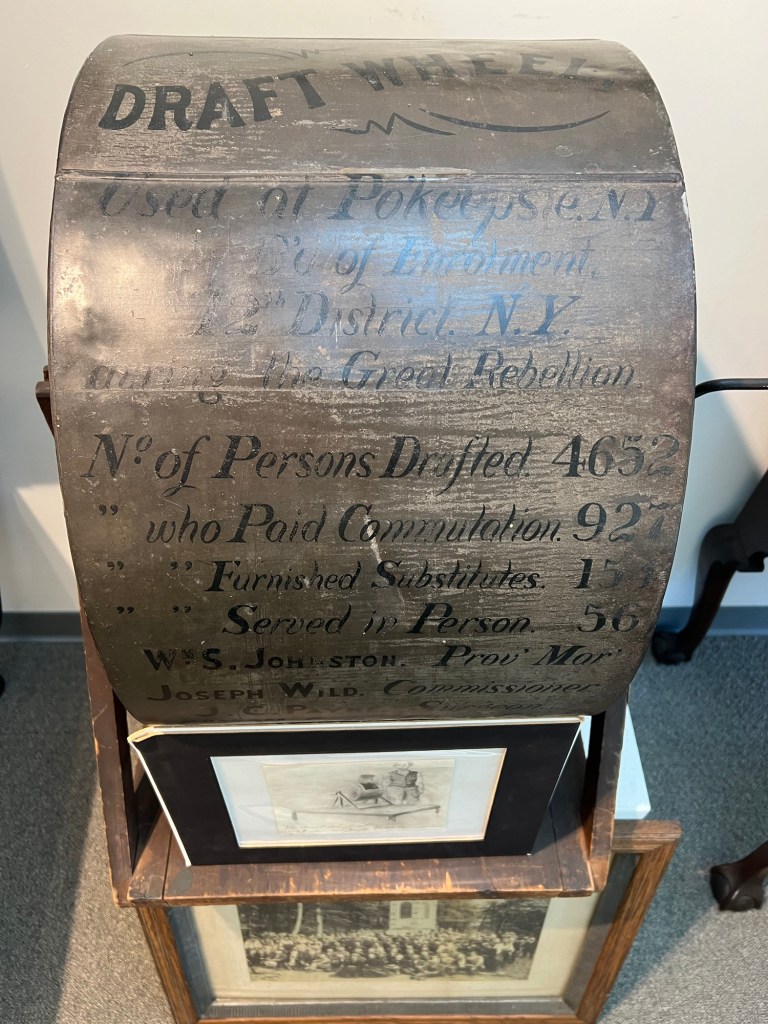
An old Draft card machine

There will be more displayed of the treasure trove of items in the museum’s collection, so it gives people a chance to see the past of the County on display and how it differs from current life to playing its part in the County’s future. There will be a lot more to do and see in the museum going forward.

Ulster County Agricultural Museum-Ulster County Fairgrounds                                             249 Liberty Road                                                    New Paltz, NY 12561

Ulster County Agricultural Museum-Ulster County Fairgrounds 249 Liberty Road New Paltz, NY 12561

Ulster County Agriculture Museum-Ulster County Fairgrounds

249 Liberty Road

New Paltz, NY 12561

(845) 255-1380

Open: When the fairgrounds are open

Admission: Free but donations are accepted

My review on TripAdvisor:

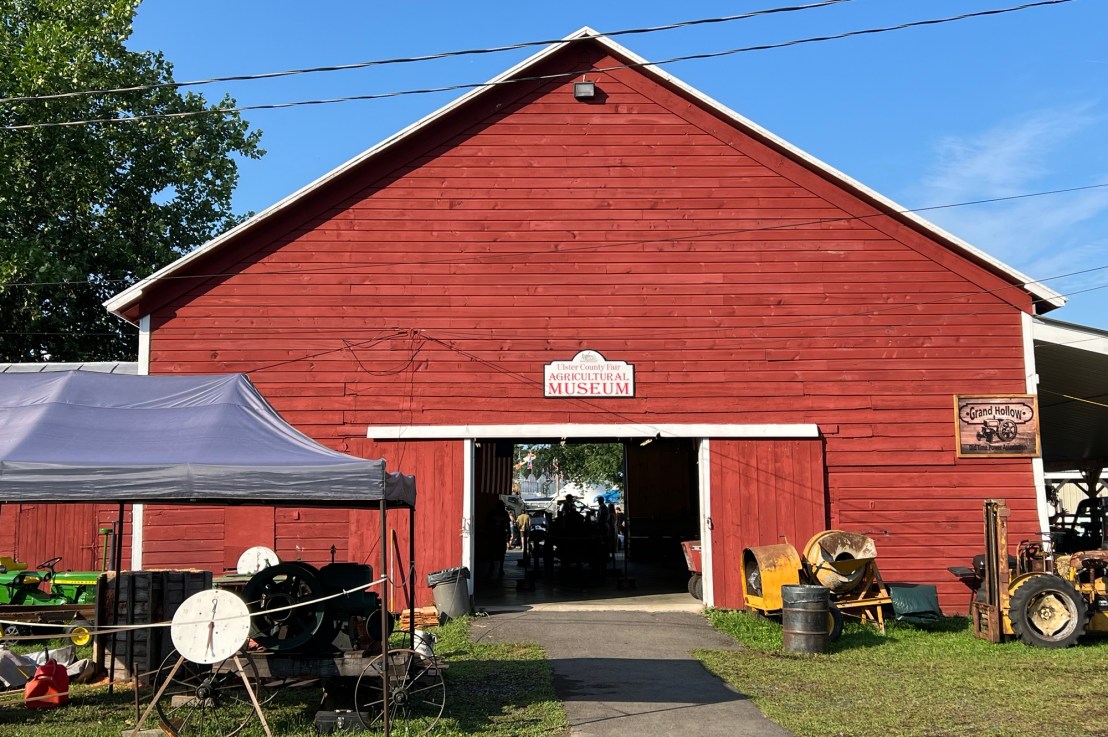
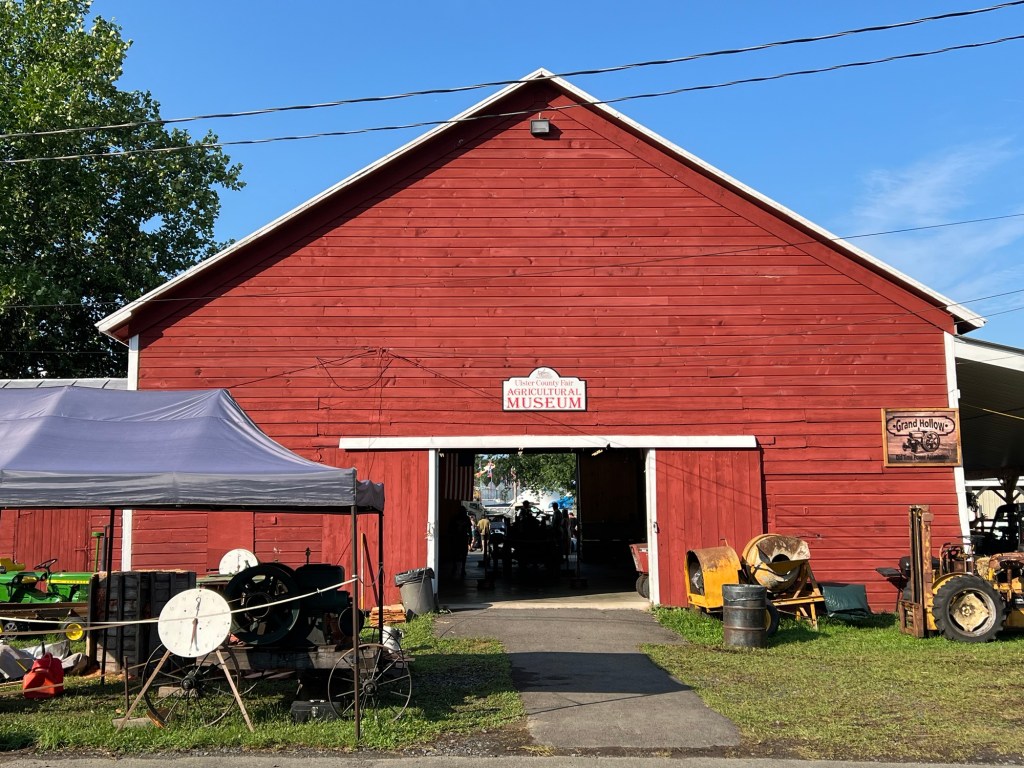
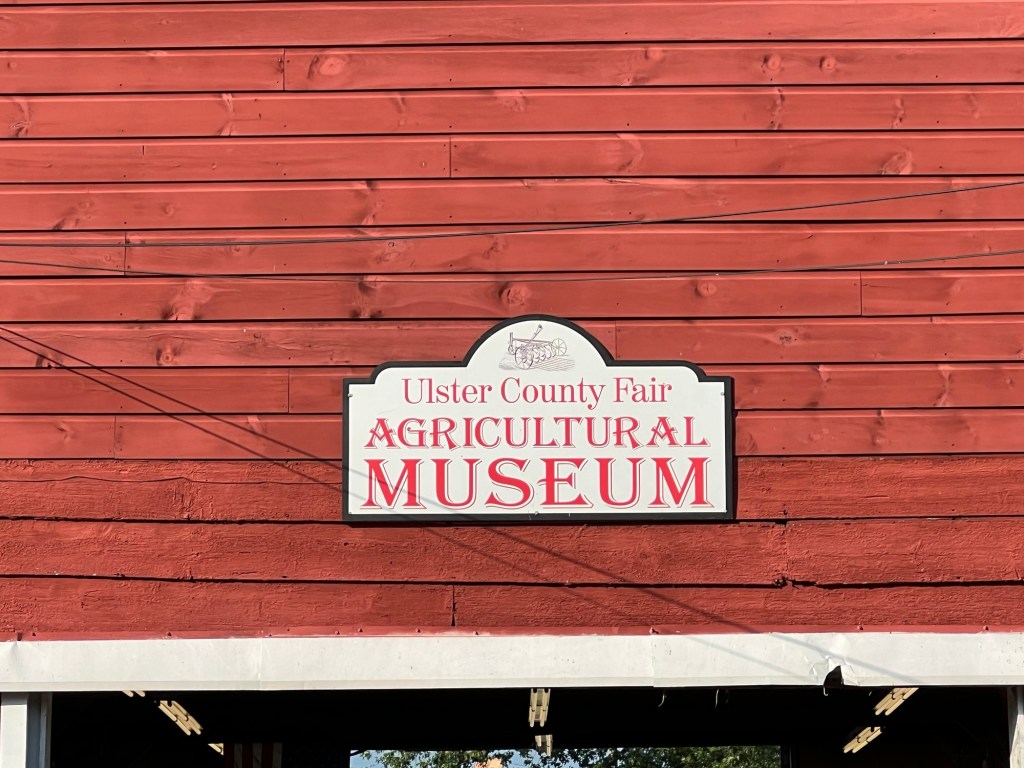
The Ulster County Fair Agricultural Museum at the Ulster County Fairgrounds

The sign at the entrance of the museum

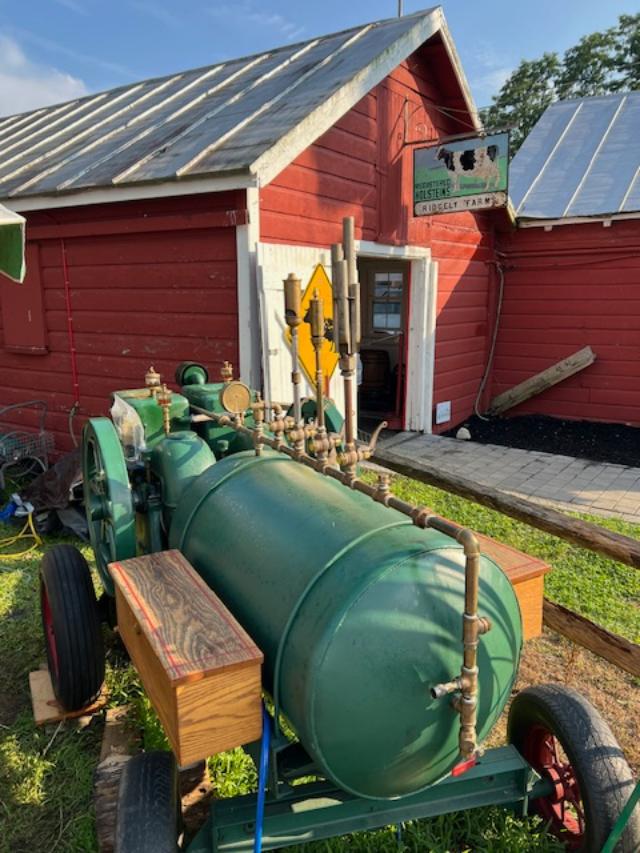
Display outside the entrance of the museum

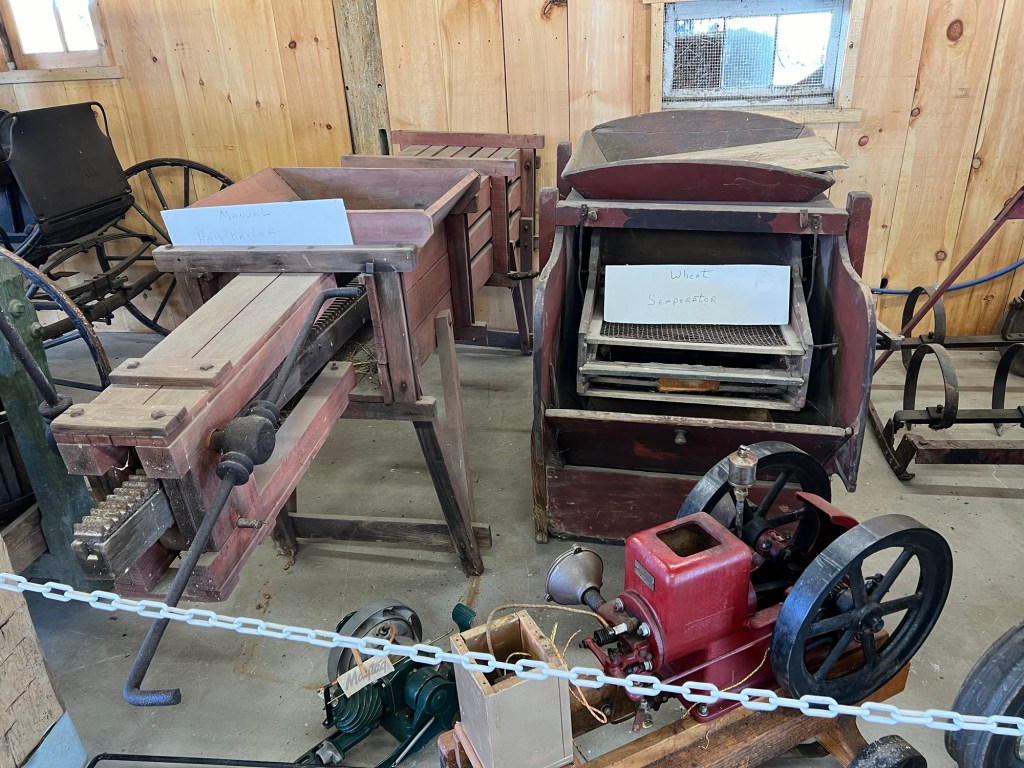
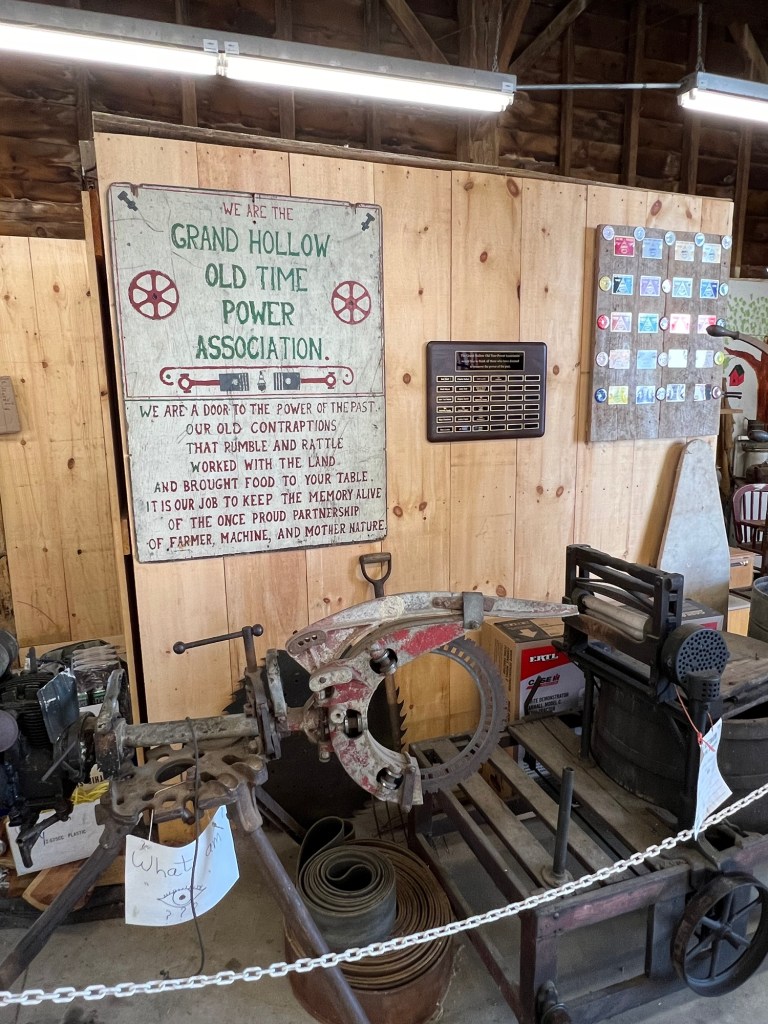
The Ulster County Fair Agricultural Museum is one of the more interesting and detailed agricultural based museums I have seen. The museum houses an extensive collection of farm equipment that includes machinery for the fields, milking equipment including how to milk a cow properly and the progress on egg hatchery and production. The museum highlights these changes especially in the last hundred years.

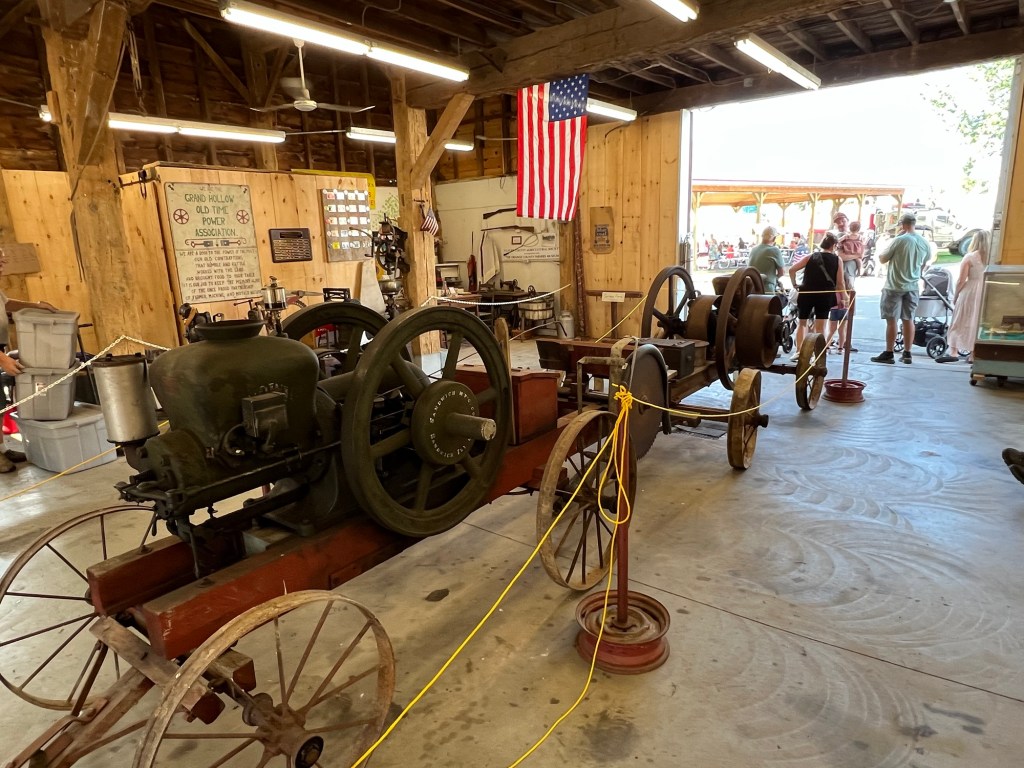
The main gallery of the museum

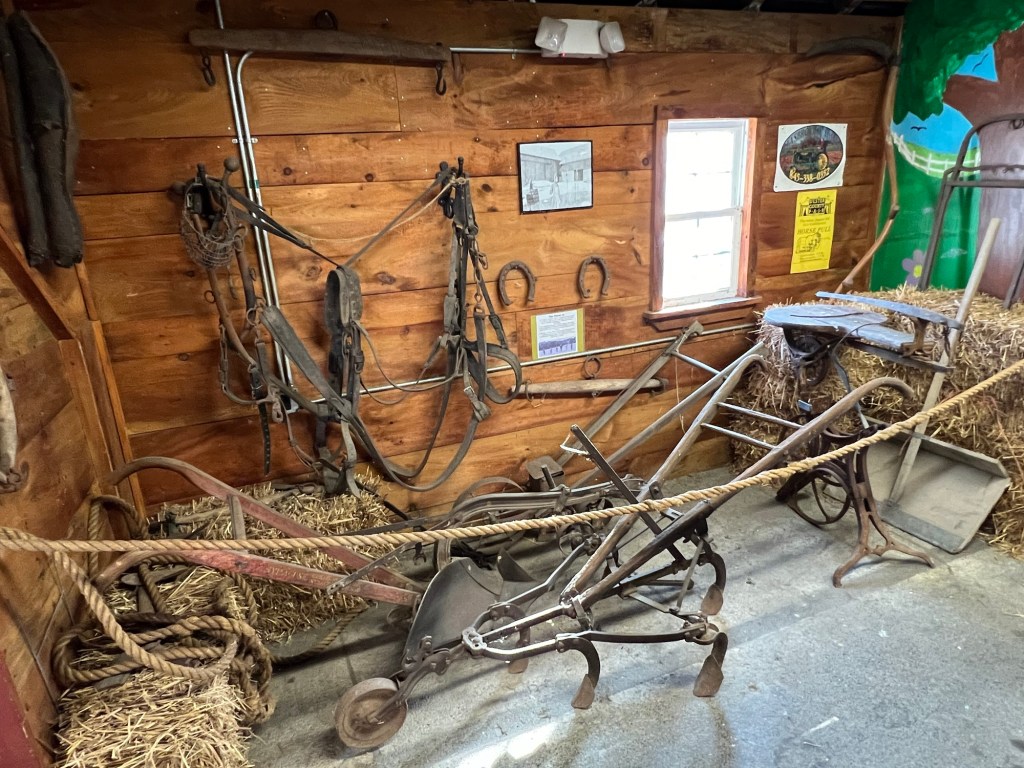
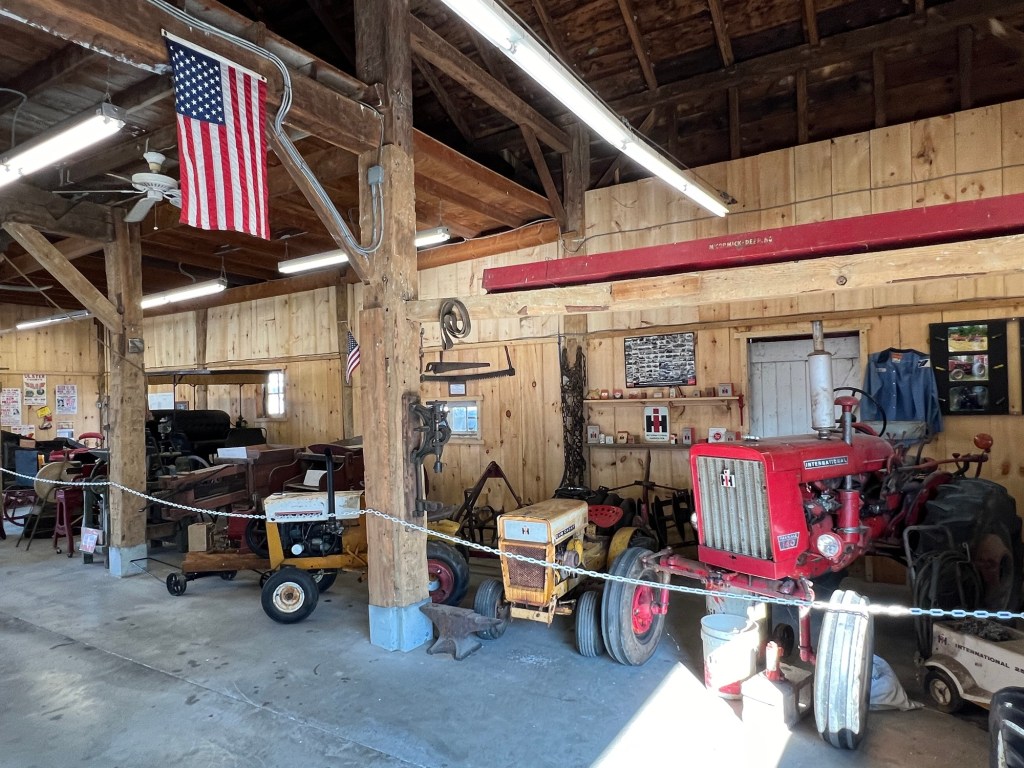
The main part of the museum was dedicated to farm equipment from the early plows and hoes to the changes in the modern day tractor.

The early hoes both hand and horse drawn

The changes in tractors for farm use over the last century

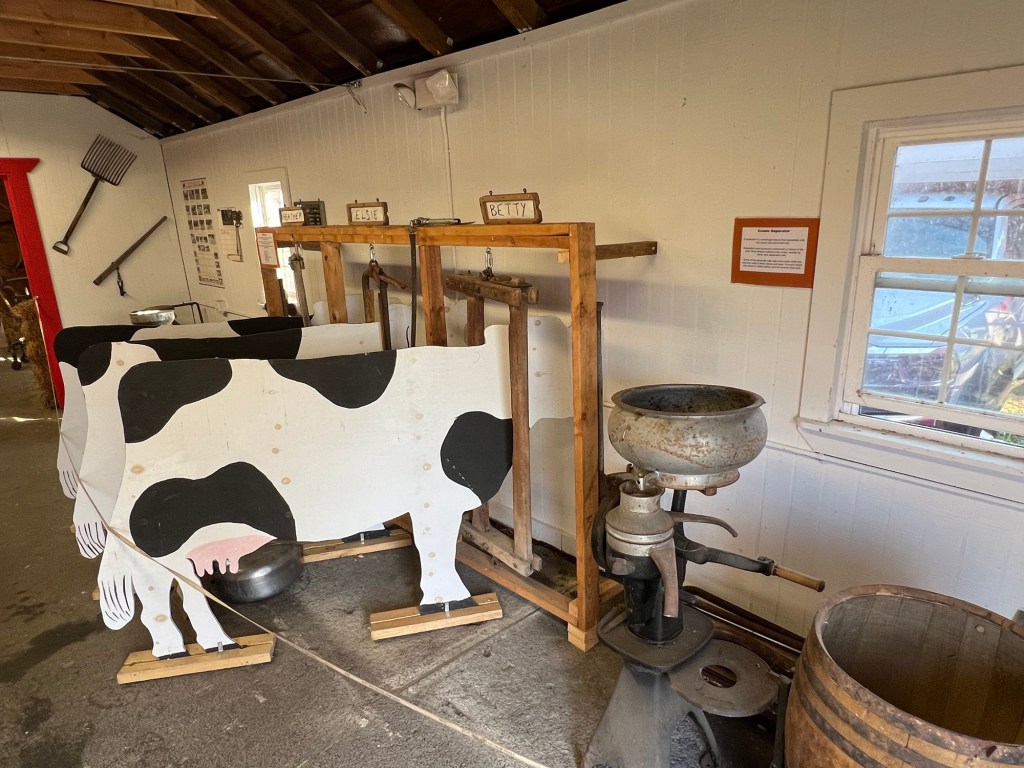
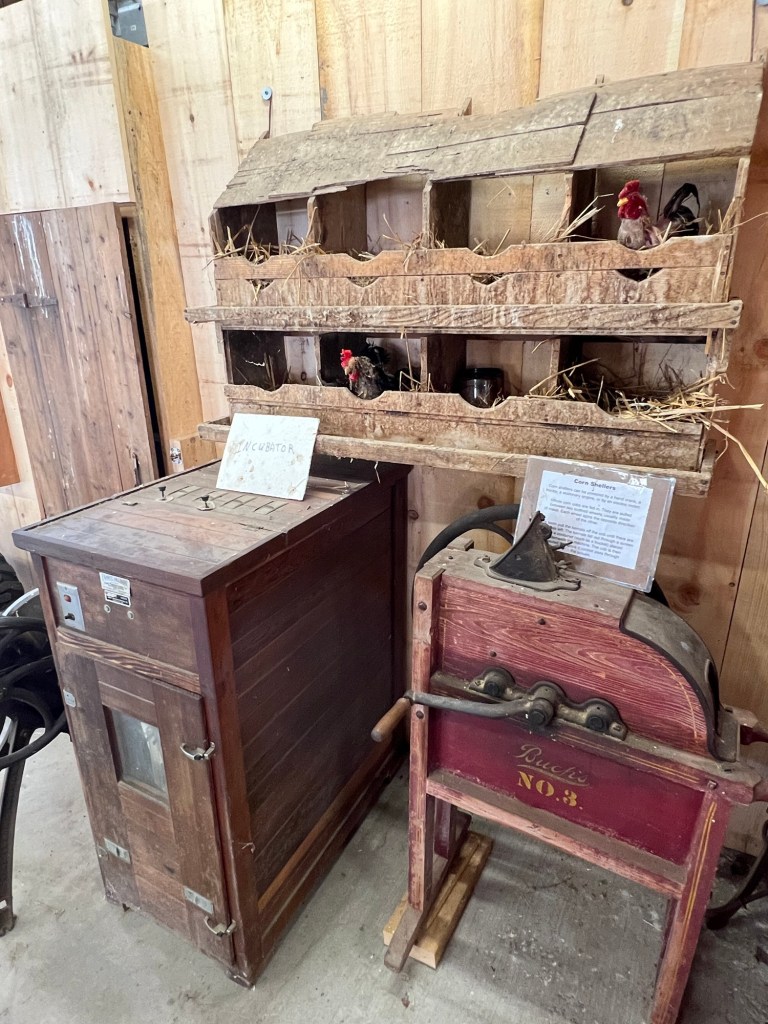
All sorts of businesses were on the farms from egg hatcheries to dairy farming were shown in their early stages at the museum.

Early dairy farming and milking cows

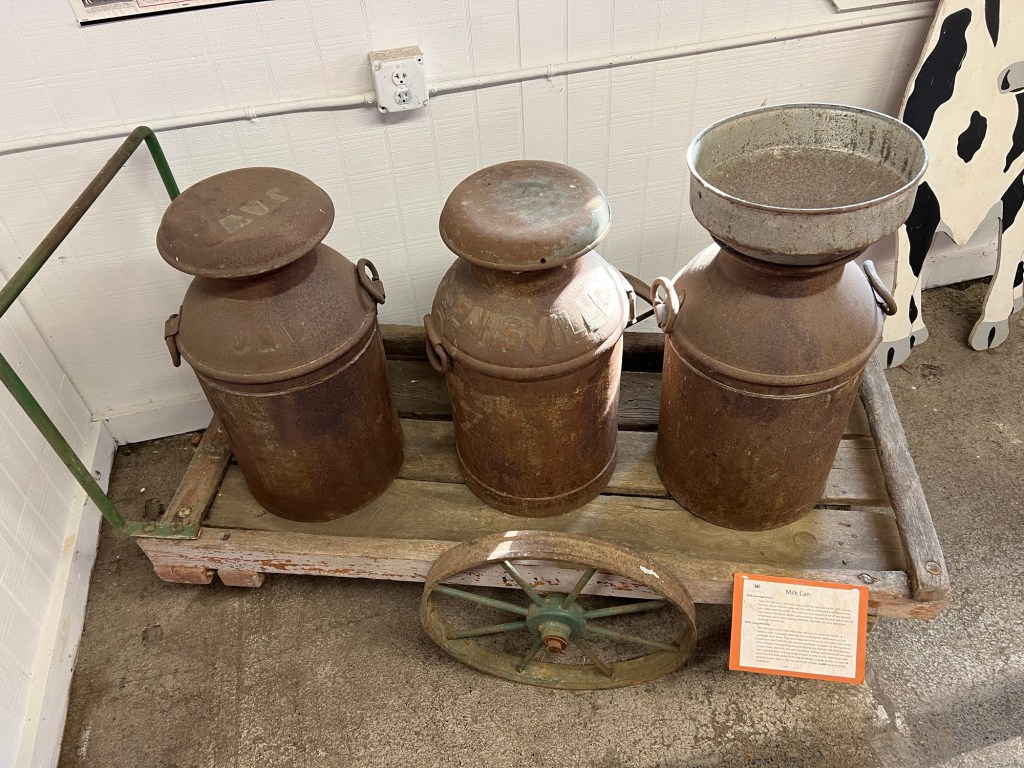
Milk jugs for fresh milk

An early egg hatchery and sorters

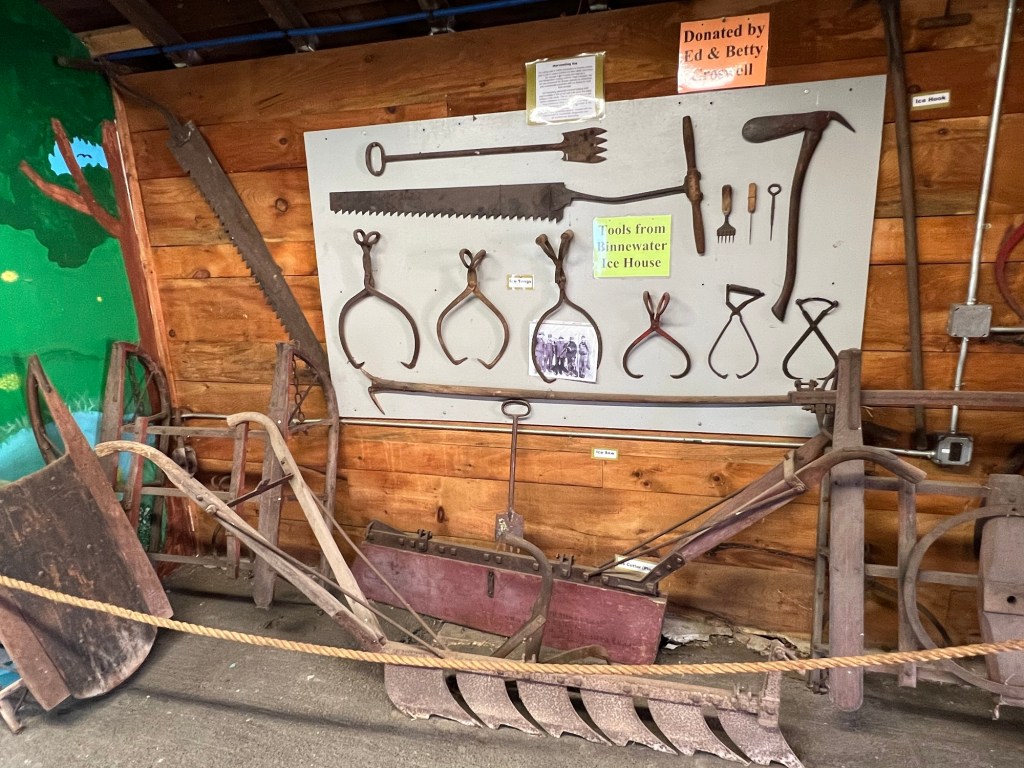
The museum also displayed other business that farmers could make money from including ice cutting for ice boxes. All sorts of equipment was on display for this early money making industry.

The ice carving industry

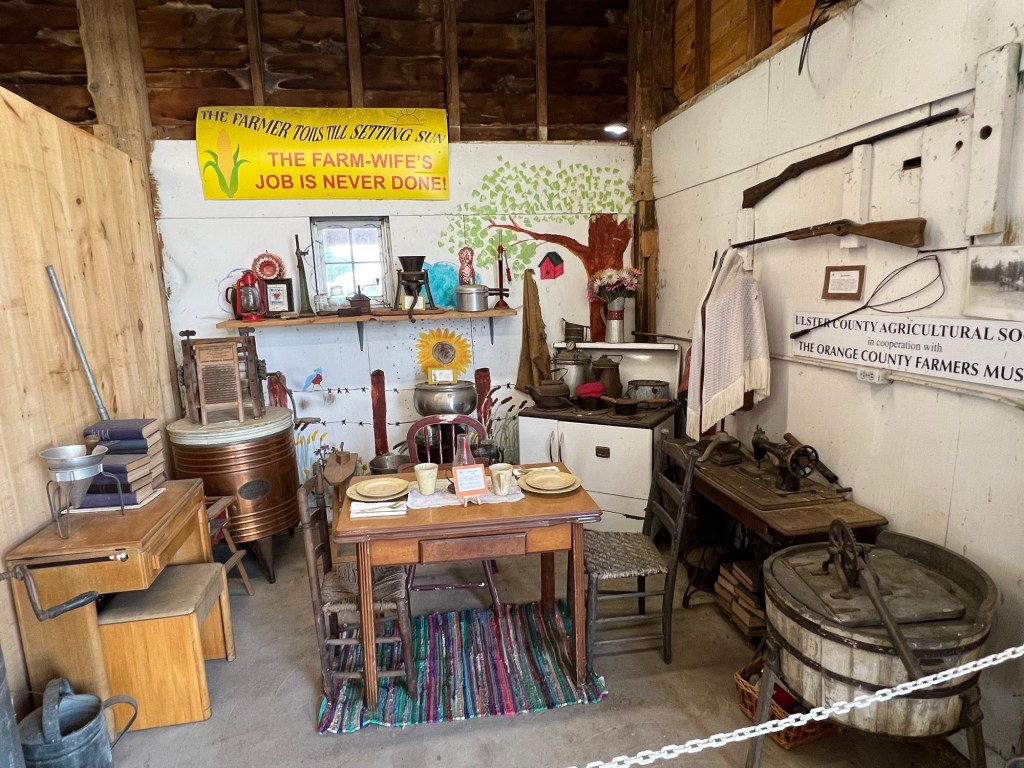
Life on the farm was not so easy for women either as cooking, washing and cleaning were all chores left to women while the men worked in the fields. All foods were made from scratch from farm produce and water for cooking, washing and bathing came from wells and springs and sometimes needed to be boiled. Work in the household was never finished and took many hands to do.

The farmhouse kitchen

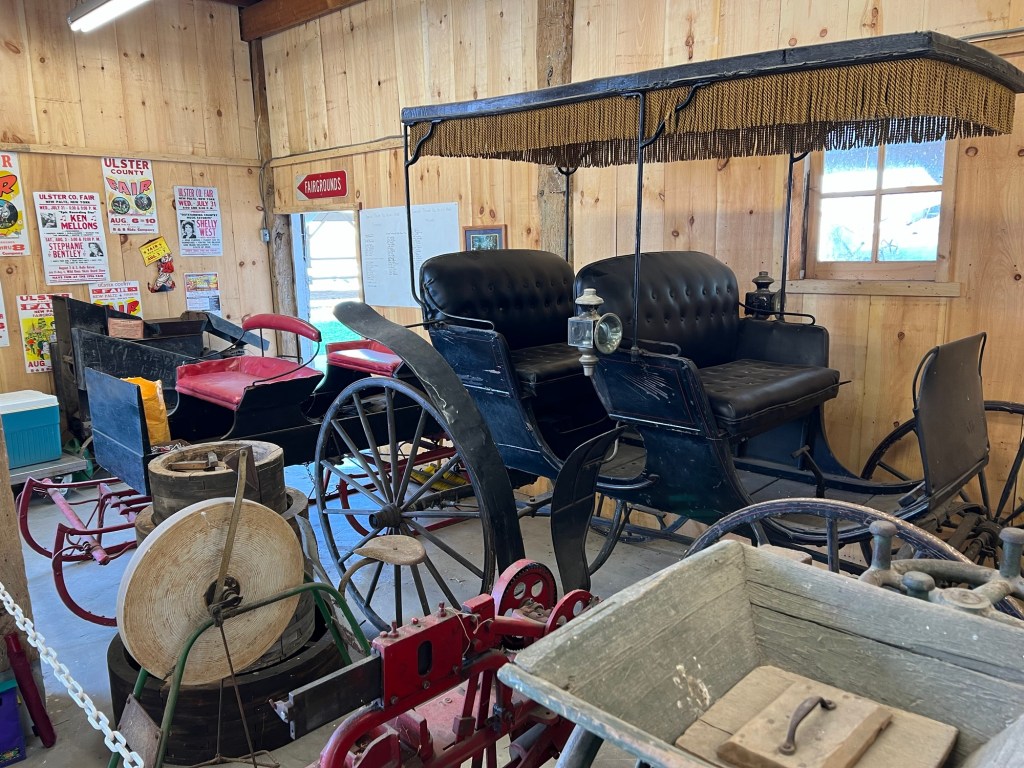
Life on the farm included travel to and from church, going to town and travel to the cities for visits to the markets. Carts and carriages were the mode of transportation back then before automobiles. Even today in some communities this is still a mode of transportation.

Carriages and wagons for transportation

Working in the fields and the yields produced kept changing as modern equipment became part of farm life. Gas powered and electric equipment changed the way the modern farmer produced crops.

Modern sorters and weights

The gas powered saw

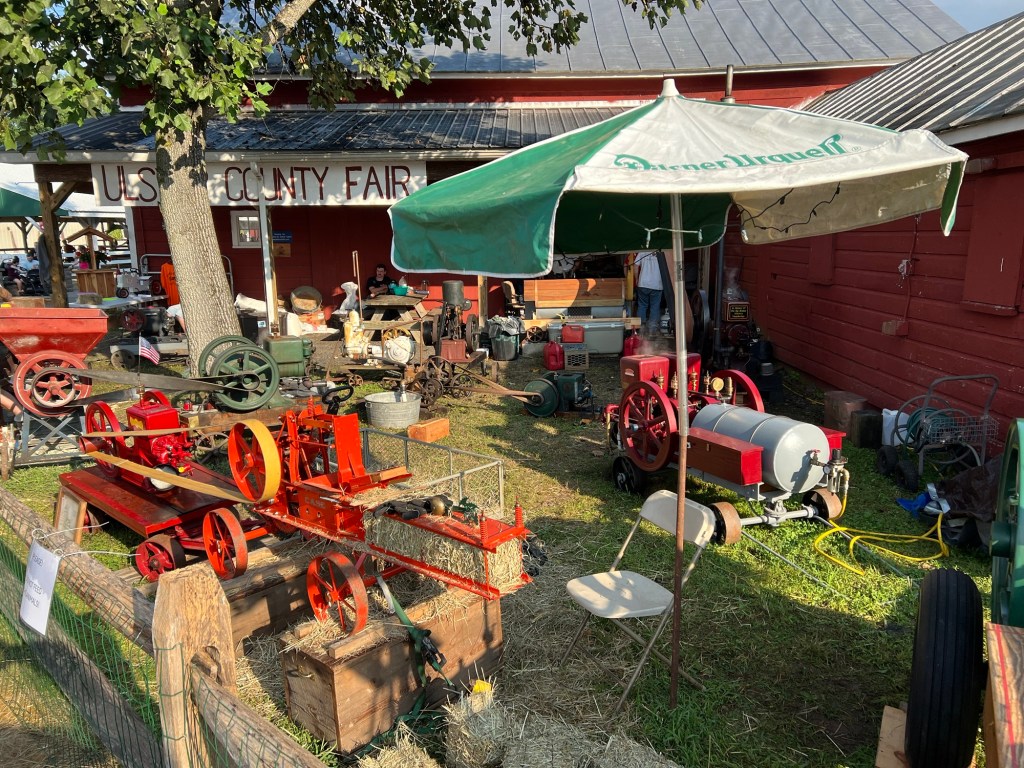
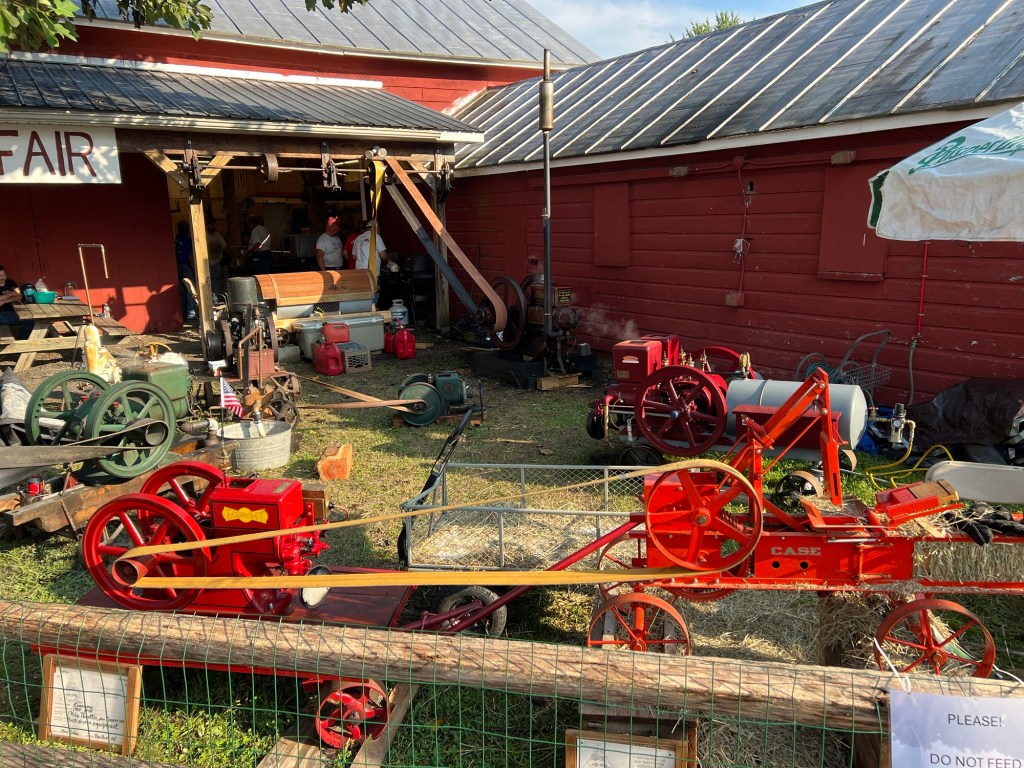
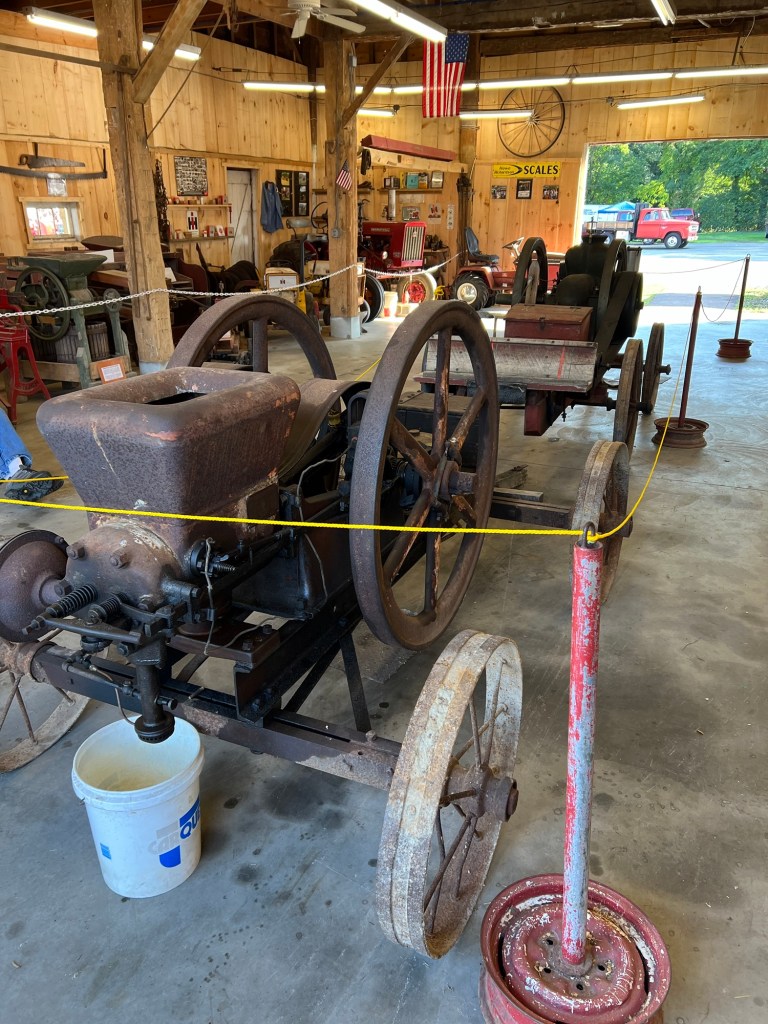
The members who run the museum were working the gas run engines and were demonstrating equipment used over the years. Members were showing visitors how these machine work and there purpose on the farm.

The outdoor gas powered equipment

The gas powered equipment

The inside of the museum had all sorts of displays on working on the farm. There was the equipment to cut the law, sort the crops and maintenance on the farm.

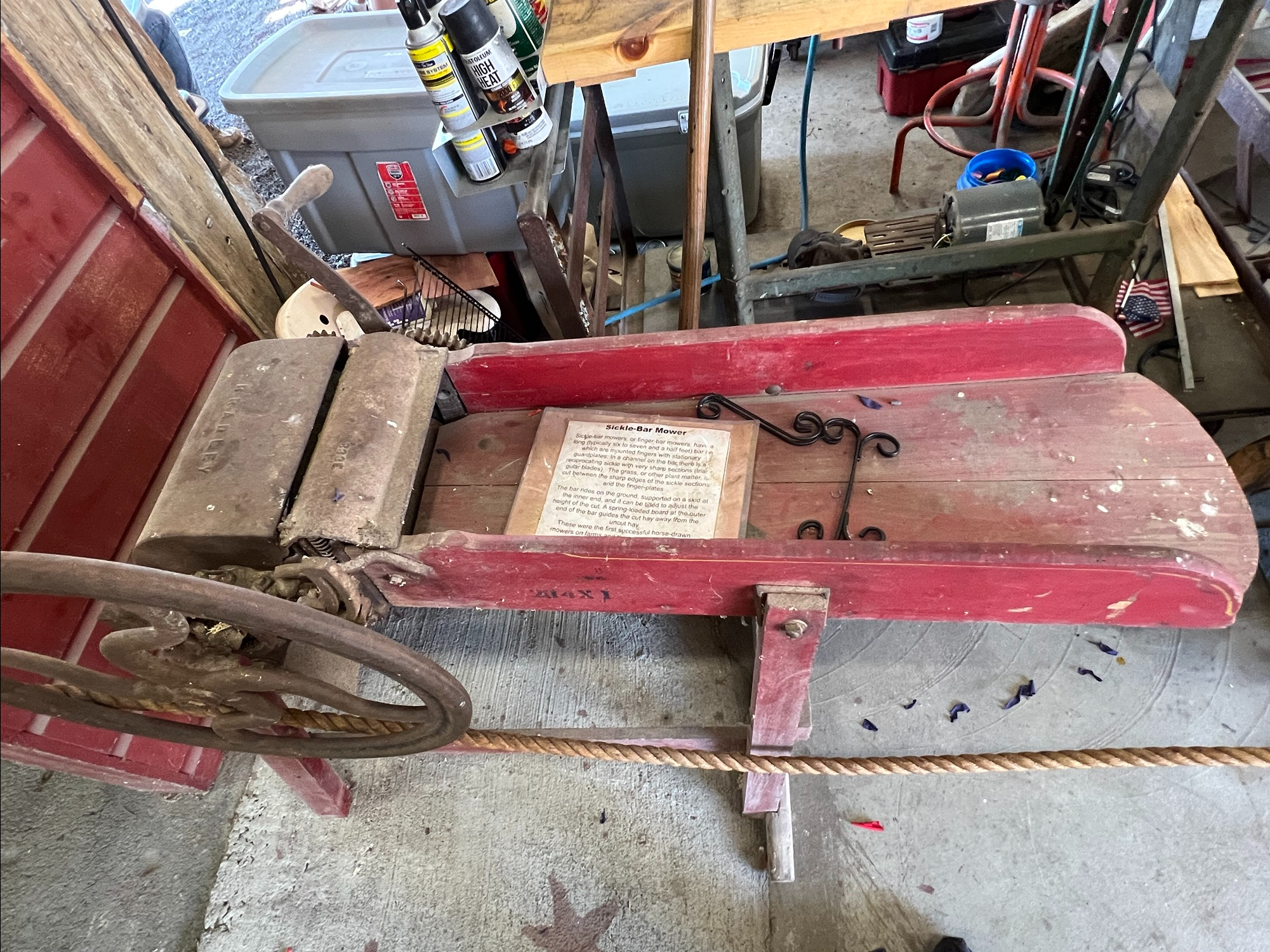
Sickle mower

The gas powered machines for maintaining of the farm and fields

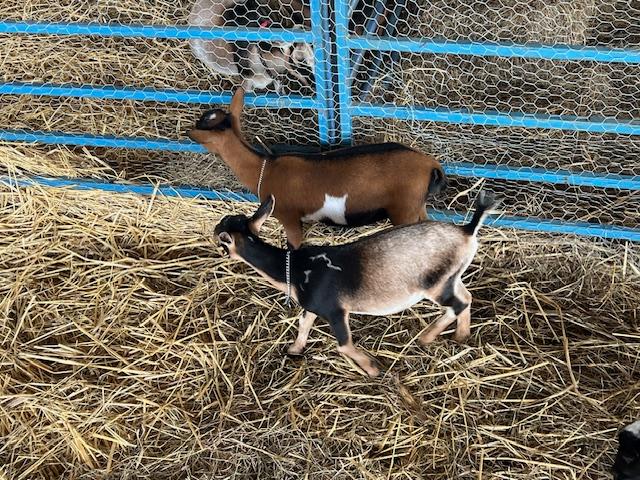
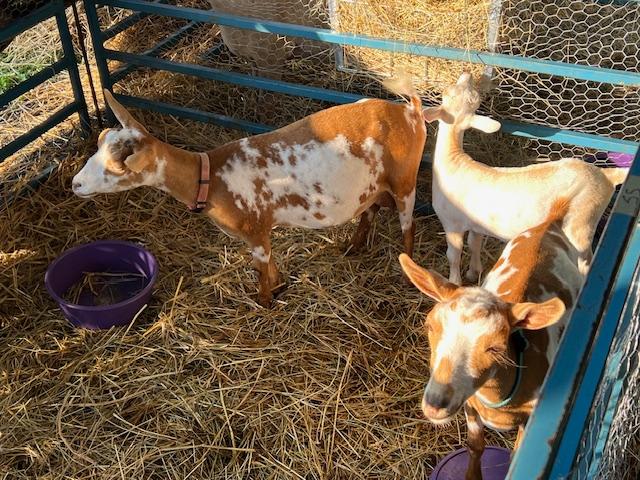
Animals from the 4 H display

Calves from the 4 H display

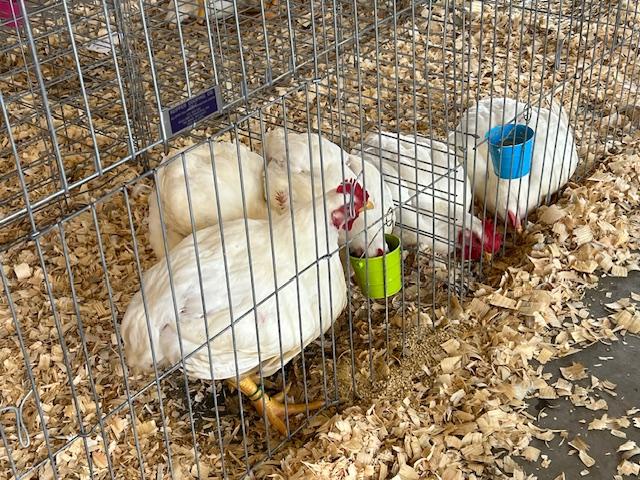
Chicken exhibit at the 4 H display

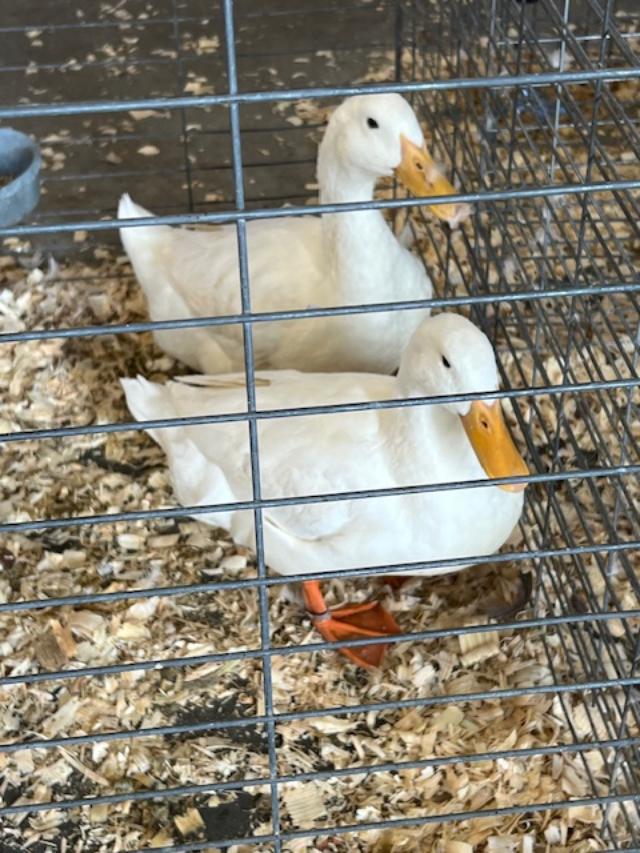
Duck pen at the 4H exhibit

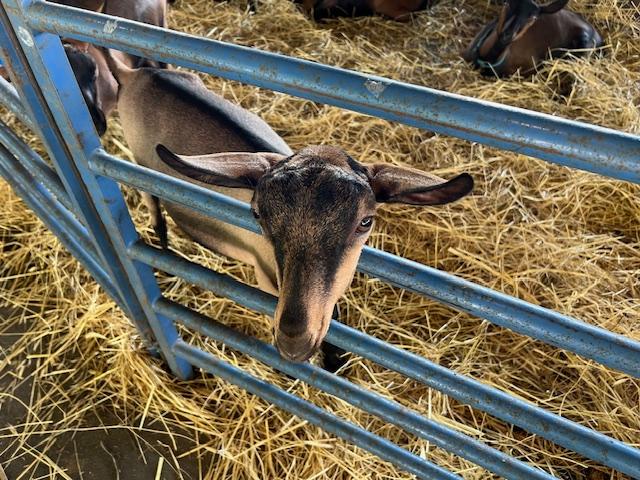
The looks you get from the farm animals