Category: Morris County, NJ “Pathways to History” Event

Tuckahoe Train Station                                                 Mill Street and Railroad Avenue                          Tuckahoe, NJ 08250

Tuckahoe Train Station Mill Street and Railroad Avenue Tuckahoe, NJ 08250

Tuckahoe Train Station

Mill Street and Railroad Avenue

Tuckahoe, NJ 08250

http://www.uppertwphistory.org/

https://www.facebook.com/UpperTwpHistory/

Open: Please check the website for the times they are open.

Admission: Free but donations accepted

My review on TripAdvisor:
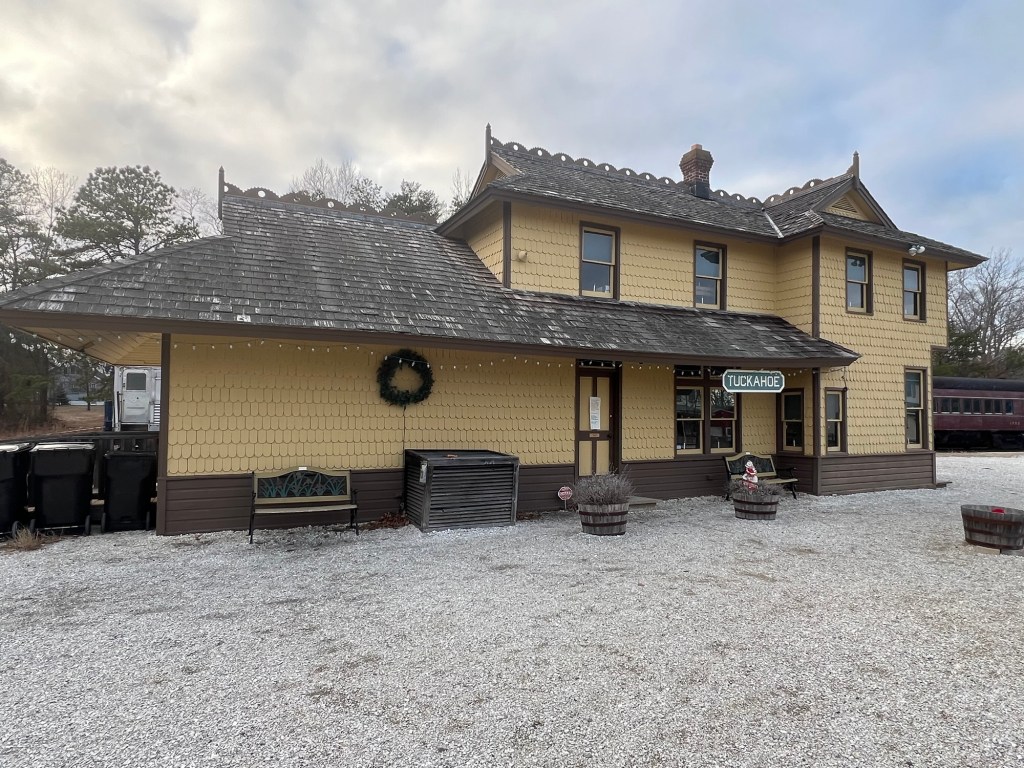
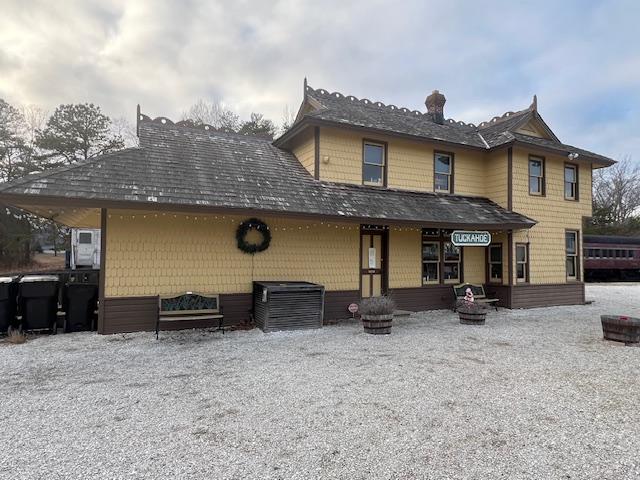
The Tuckahoe Train Station at Mill Street and Railroad Avenue

I visited the Tuckahoe Train Station during Christmas of 2024. The holiday events were long over but the station was still decorated for the holidays. In the Summer of 2025, I arranged a full tour of the station museum and the rail yard.
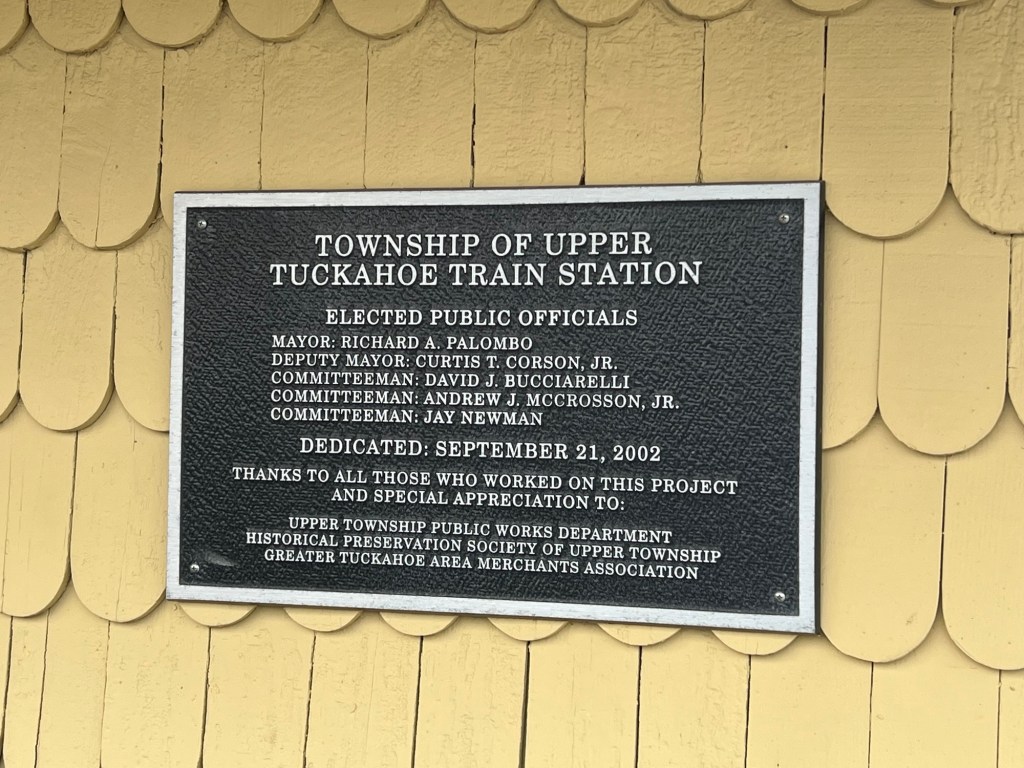
The station’s historic sign
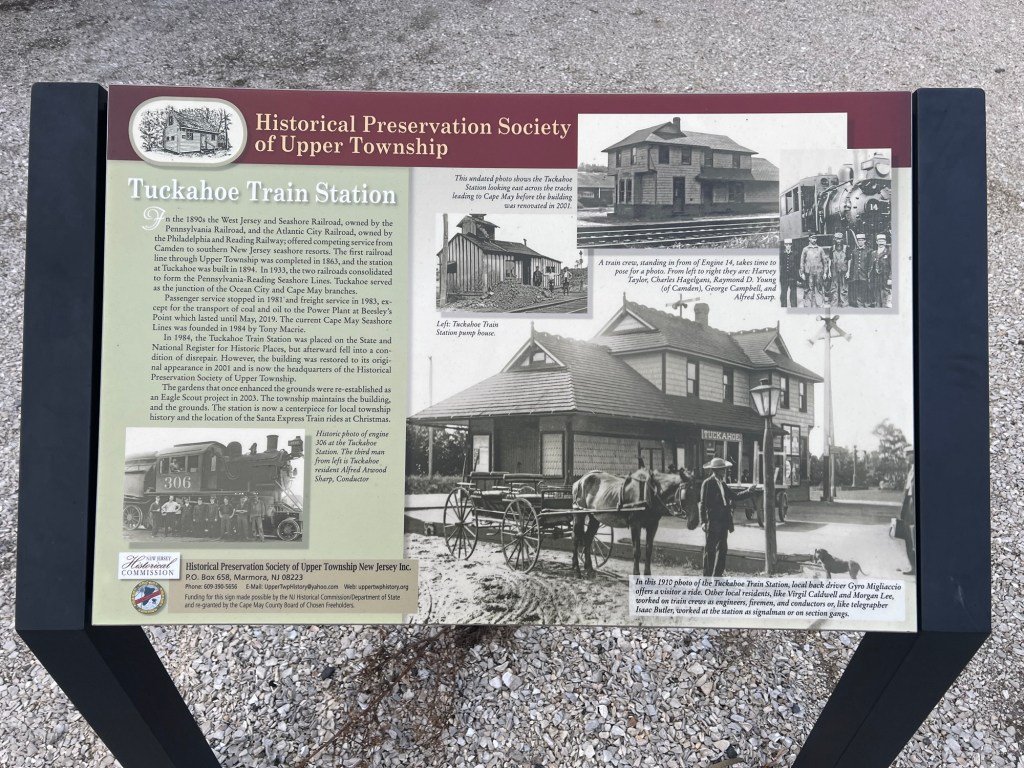
The station’s historic sign

The station was once the hub of the area and visitors would depart from cities like New York and Philadelphia. The trains stopped running to this area in 1981.
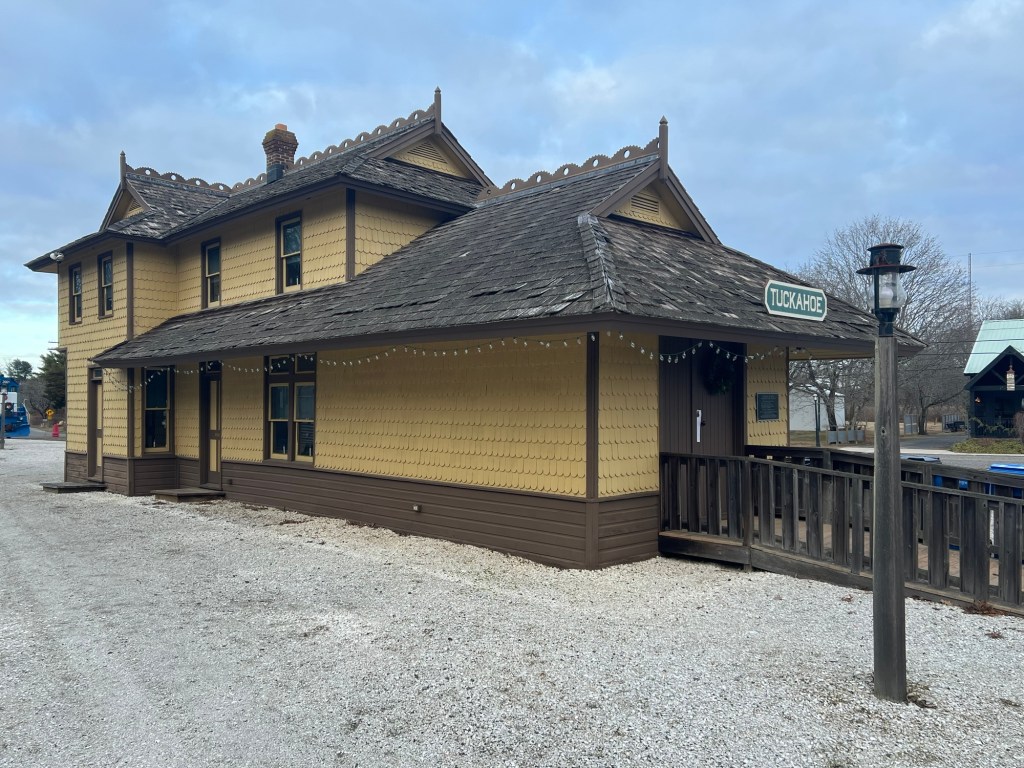
The train station from the front of the building in the winter of 2024

The station again in 2025
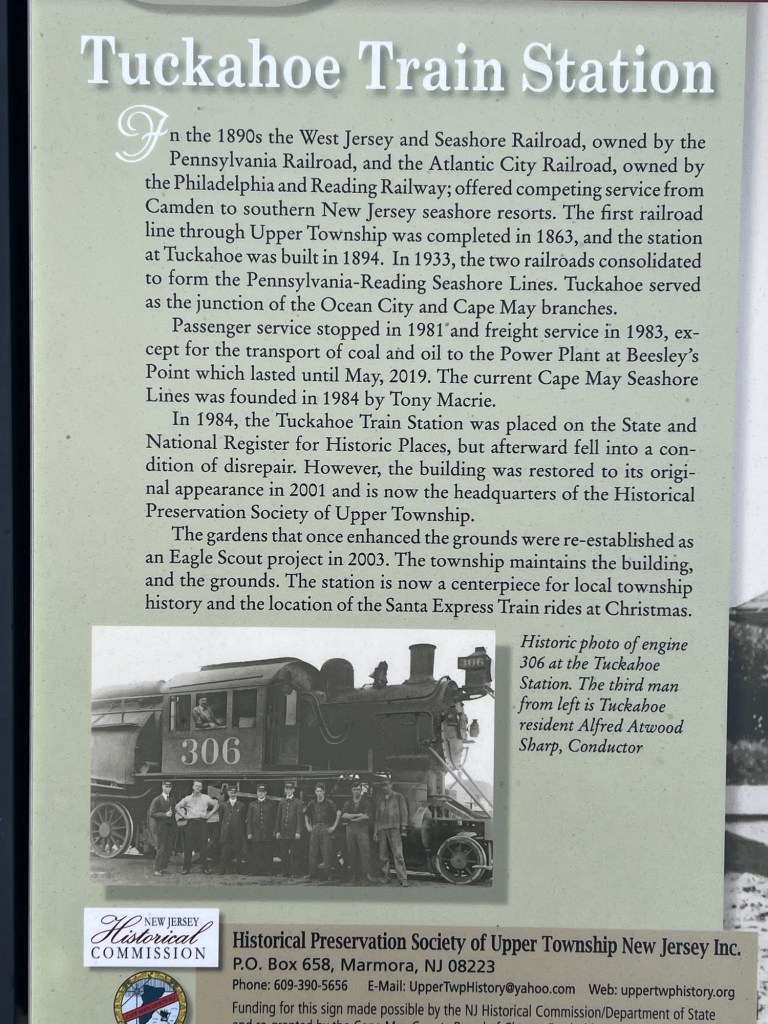
The train station history

The Summer of 2025:

My tour of the train station started with the history of the station and the development of the train station and transportation to the area. The coming of the railroad meant the development of the area as a resort town bringing hundreds of visitors each summer.

The tour started at the inside of the station and took me through the first and second floors of he old station house.

The first floor of the Tuckahoe Train Station

The Ticket a room is now the gift shop

The display cases of memorabilia from the station days

The classic train sets

Ticketing and travel materials

The entrance to the baggage Room

The Baggage Room

The old Ticketing Room

The Ticketing window

The old seating area in the Ticket Room. The tour guide told me that unions version of the benches was built brand new to match the antique one. I could not tell the difference.

The pot belly stove that kept everyone warm in the winter months

The next room over was the Waiting Room where there were more artifacts to see.

The Waiting Room

The seating in the Waiting Room

Then we toured the upstairs where the Conductor’s office and bedroom were located.

The Conductors office on the second floor

The conductor’s uniform

The we moved on to the Conductor’s living quarters when at the station working. This type of work had so much more to it in the days when rail travel was the way to go.

The Rail Conductor’s bedroom

The simple bedroom was enough so the conductor could get some rest

The artifacts from the turn of the last century

After we toured the entire building with the docent really giving me the thorough tour and history on the station and its artifacts, we went outside to discuss the trains.

We headed outside to tour the individual trains and their history. This once major shore hub has quieted down with the reduction in rail transportation due to cars.

The outside of the train station and its collection of train cars.

The train station outside where the cars are located

The Blue Comet Beach Train

The Blue Comet was once the ultimate in luxury travel when you came to the shore. This once ‘grand dame’ of travel is being renovated by the museum.

The Showman’s Car

The Pennsylvania Starline

The long line of train cars

The train cars being renovated

The Beach trains

The last part of these interesting and engaging tour was a tour of the Signal and Control Building, where all communications for the railway took place.

The Control and Signal Building

The inside where controls and repairs take place

The signal board to the train turnaround at the Y

The full tour of the Tuckahoe Train Station Museum will give you a glimpse of a once vibrant rail head and the life of visitors down the shore. The inner workings of a train station at that time are on full display here.

The History of the Tuckahoe Train Station Museum:

(from the museum website)

n the 1890’s the West Jersey and Seashore railroad, opened by the Pennsylvania Railroad, and the Atlantic City Railroad, owned by the Philadelphia and reading railway, offered competing service from, Camden to southern New Jersey seashore resorts. The first railroad line through Upper Township was completed in 1863, and the station at Tuckahoe was built over 30 years later in 1894. In 1933 the two railroads consolidated to form the Pennsylvania-Reading Seashore Lines. Tuckahoe served as the junction of the Ocean City and Cape May branches.

Passenger Service stopped in 1981 and soon after, freight service halted in 1983 except for the transport of coal and then oil to the power plant at Beesley’s Point. which lasted until May, 2019. The current Cape May Seashore Lines was founded in 1984 by Tony Macri.

In 1984, the Tuckahoe Train station was placed on the State and National Register for Historic Places, but afterward fell into a condition of disrepair. However, the building was restored to its original appearance in 2001 and is now the headquarters of the Historical Preservation Society of Upper Township.

‘The gardens that once enhanced the grounds were established as an Eagle Scout Project in 2003. Today, the township maintains the building and the grounds. The station is now a centerpiece for local township history and the location of the Santa Express Train rides at Christmas.

I found the tour fascinating of how this museum was once the hub of transportation for this section of the Jersey Shore.
Denville Museum                                                    Diamond Spring Road                                         Denville, NJ 07834

Denville Museum Diamond Spring Road Denville, NJ 07834

Denville Museum

Diamond Spring Road

Denville, NJ 07834

(973) 625-1165

https://www.denvillemuseum.org/

https://www.facebook.com/denvillehistoricalsociety/

Open: Sunday 10:00am-2:00pm/Monday-Saturday Closed

Admission: Free

My review on TripAdvisor:

https://www.tripadvisor.com/ShowUserReviews-g46392-d33235821-r1010531601-Denville_Museum-Denville_Morris_County_New_Jersey.html?m=19905

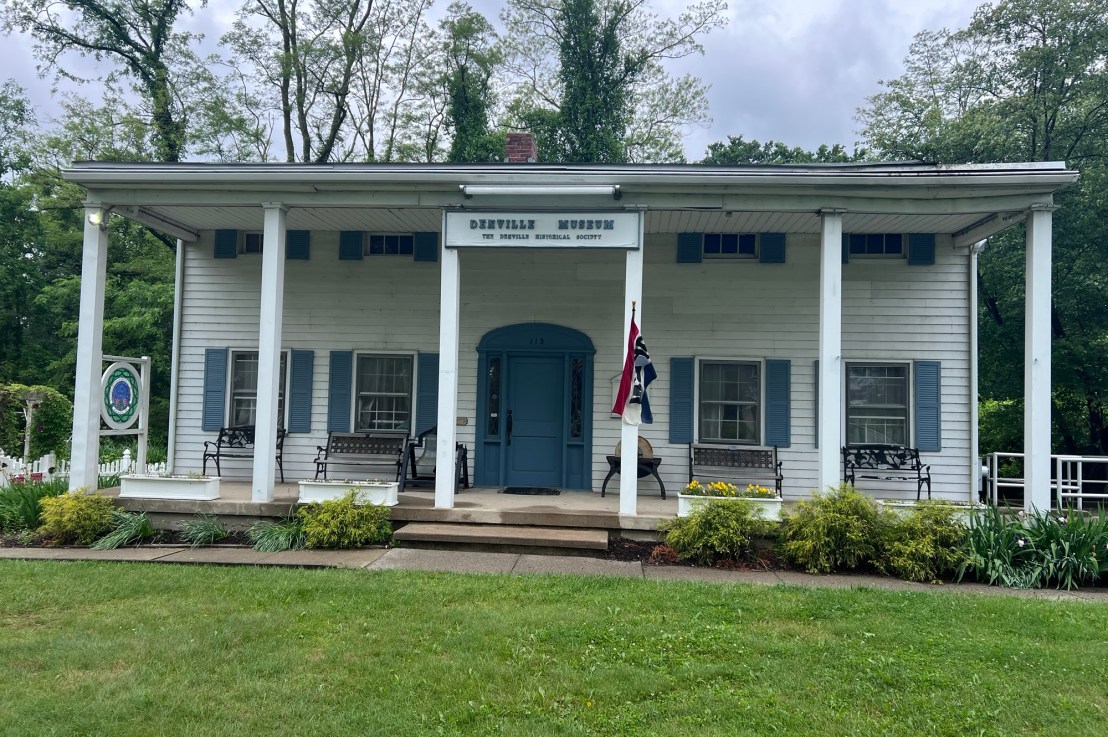
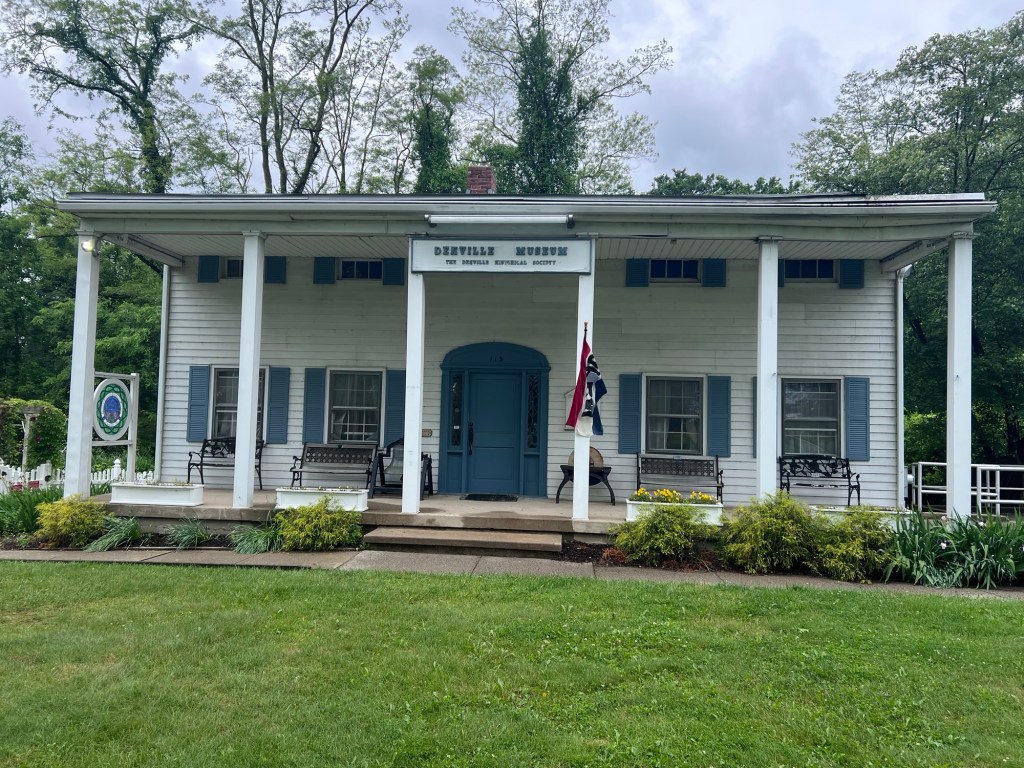
The front of the Denville Museum at Diamond Spring Road

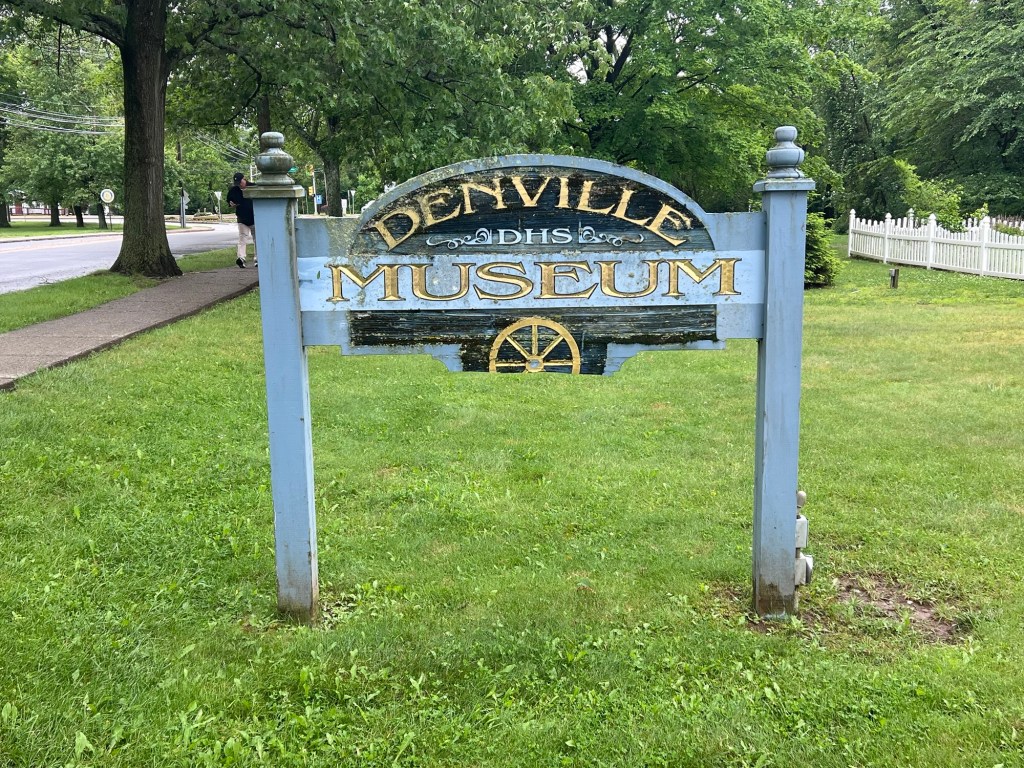
The front sign for the Denville Museum

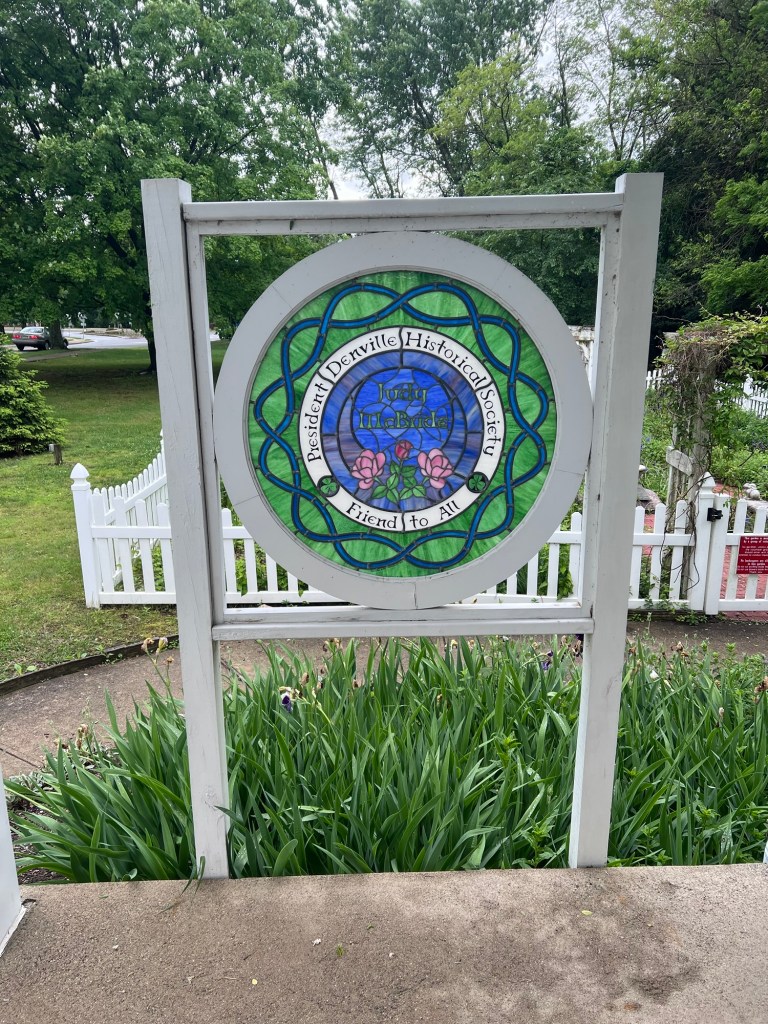
The beautiful stained glass sign outside

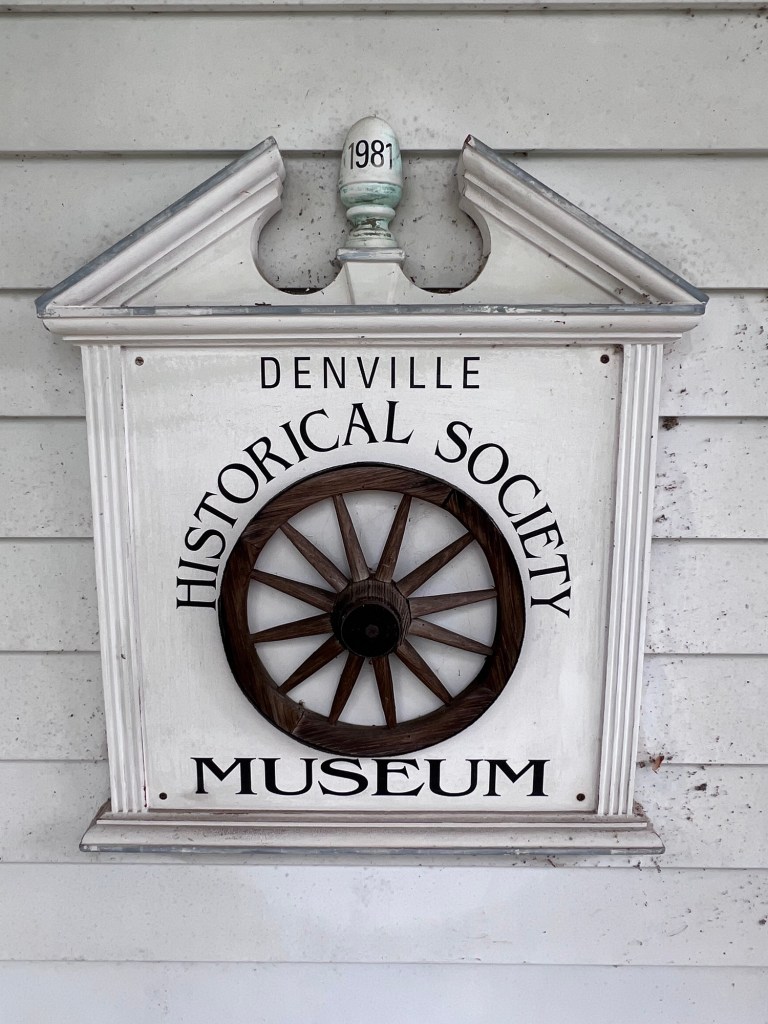
The front sign of the museum

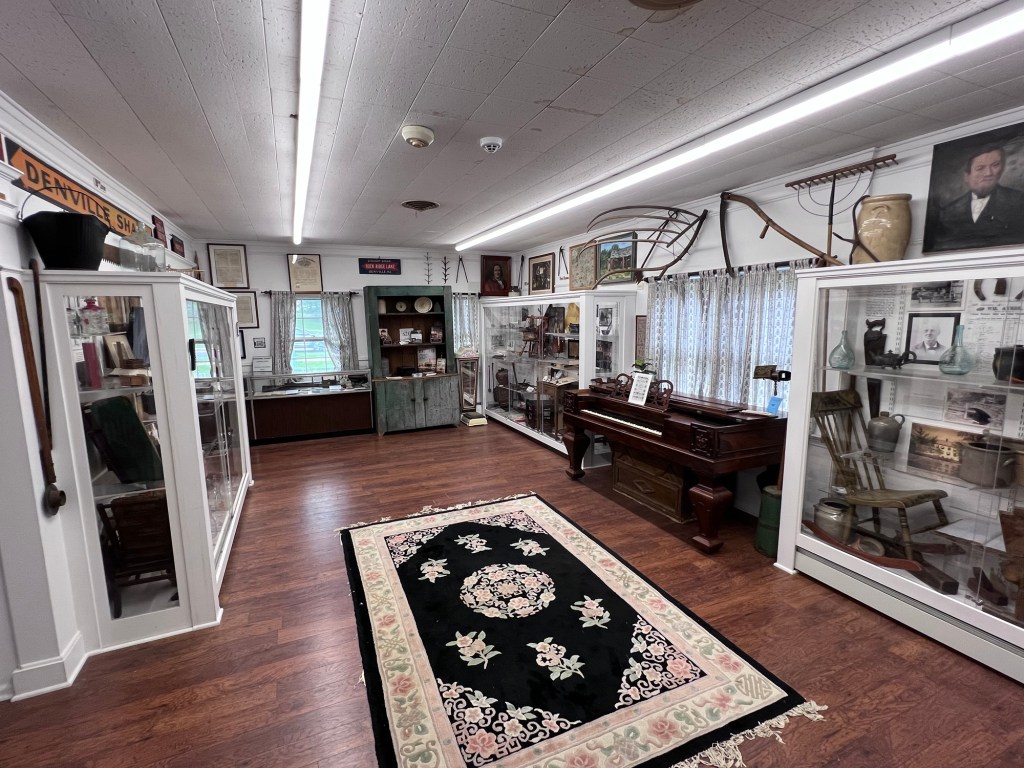
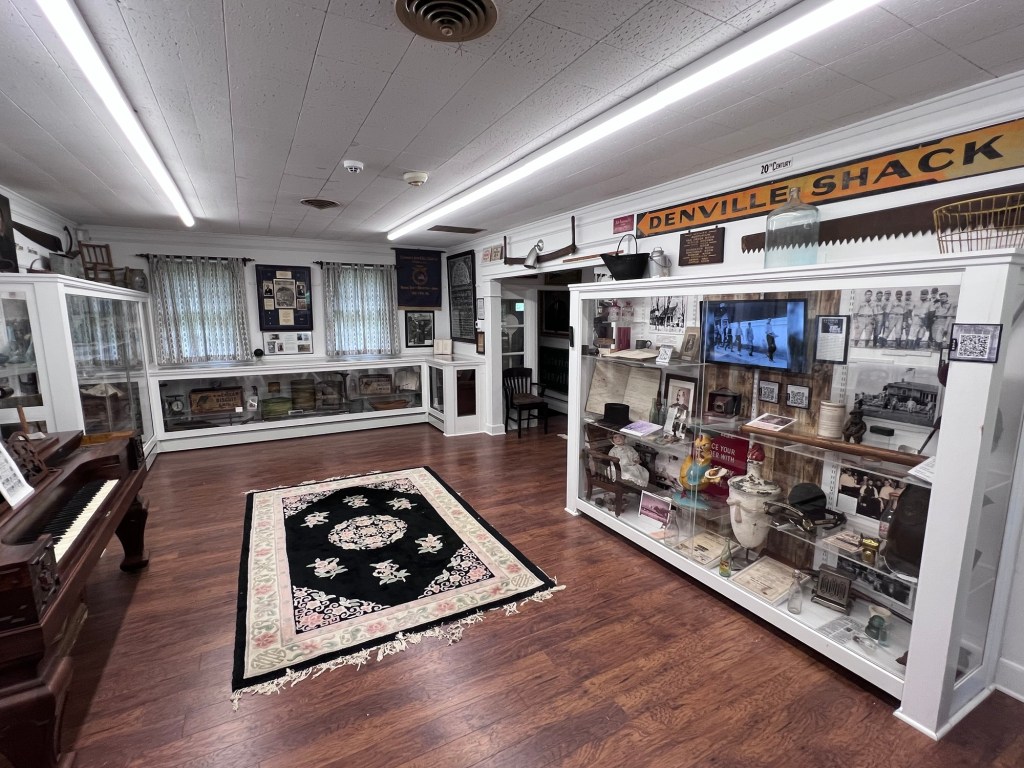
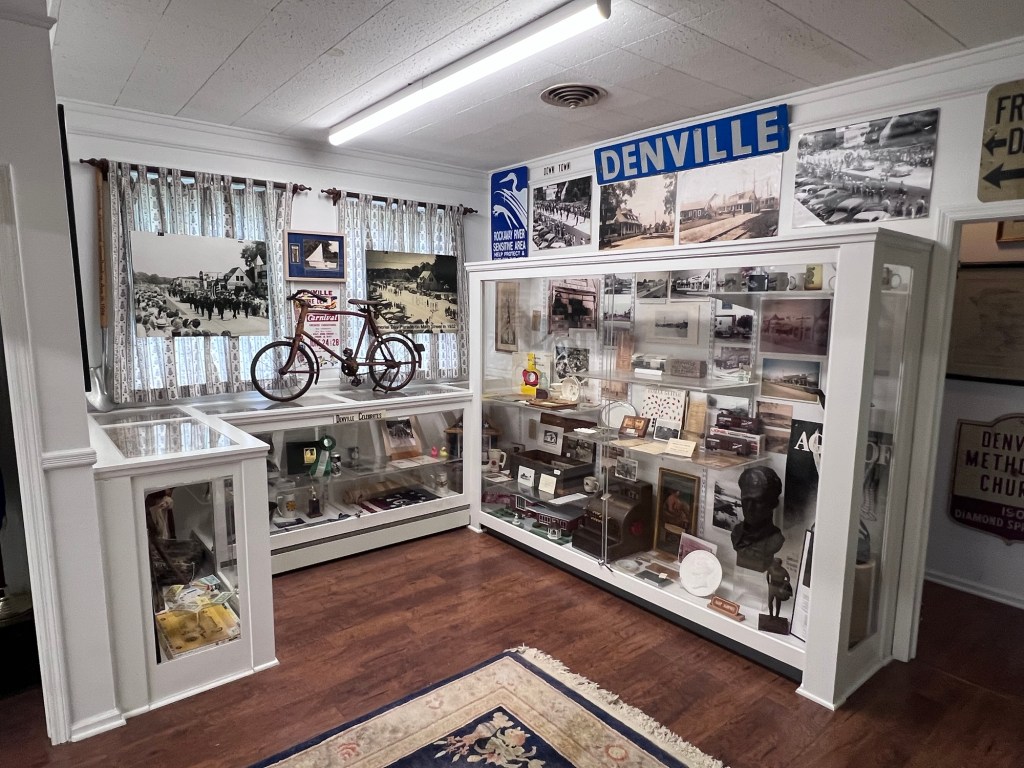
The front gallery of the museum

The back part of the front gallery of the museum

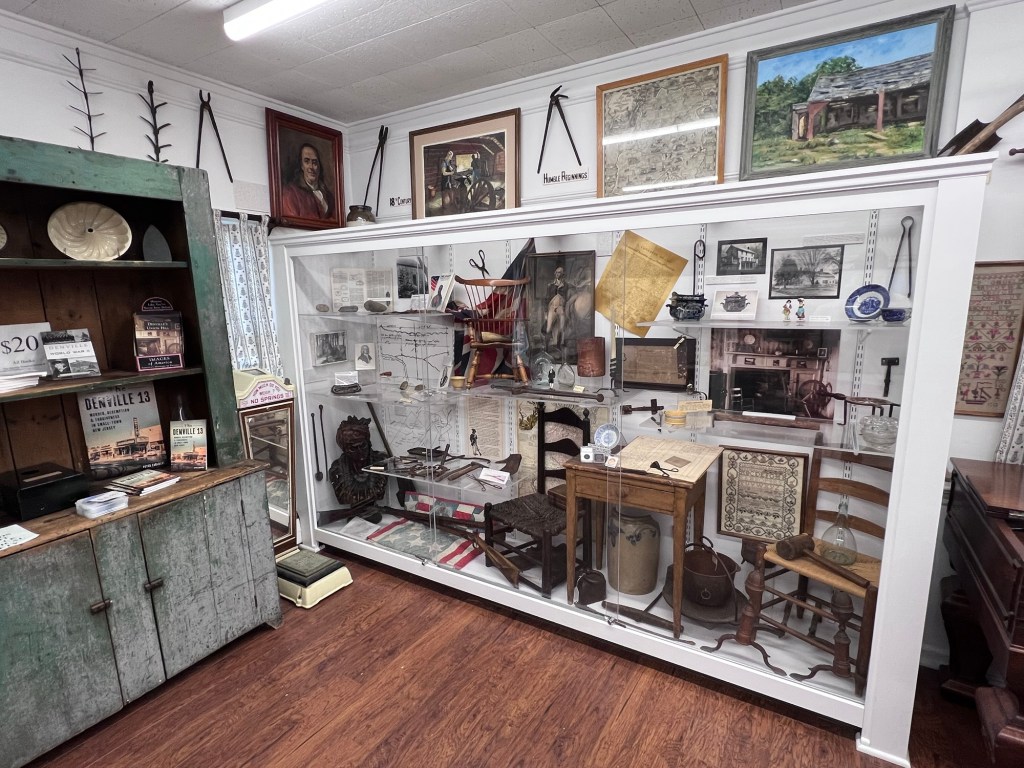
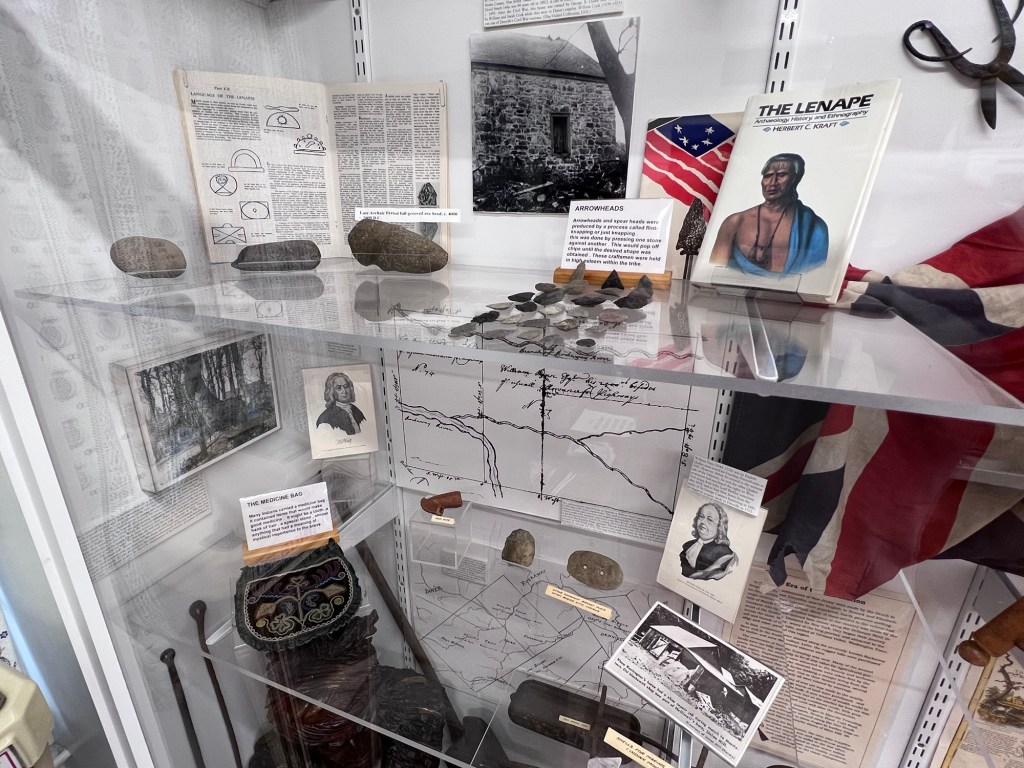
The Denville Museum is an interesting and beautifully organized museum in Downtown Denville, NJ that tells the history of Denville and the surrounding communities. The collection starts with a collection of Native American artifacts and Revolutionary era household objects.

The early foundation of the Denville community is displayed in the front case

The Native American artifacts in the collection

The museum has an extensive amount of artifacts from the progression of the area from the Native Americans to the Dutch settlers who then populated the area leading to the progression of modern farming and commercial trade in the area.

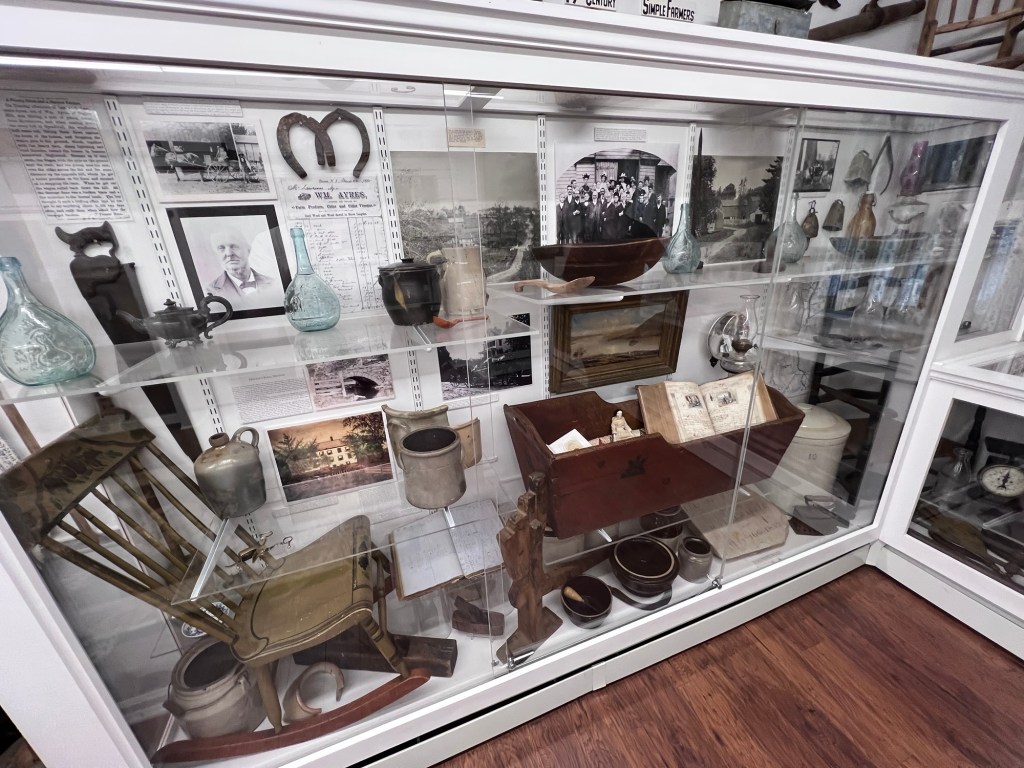
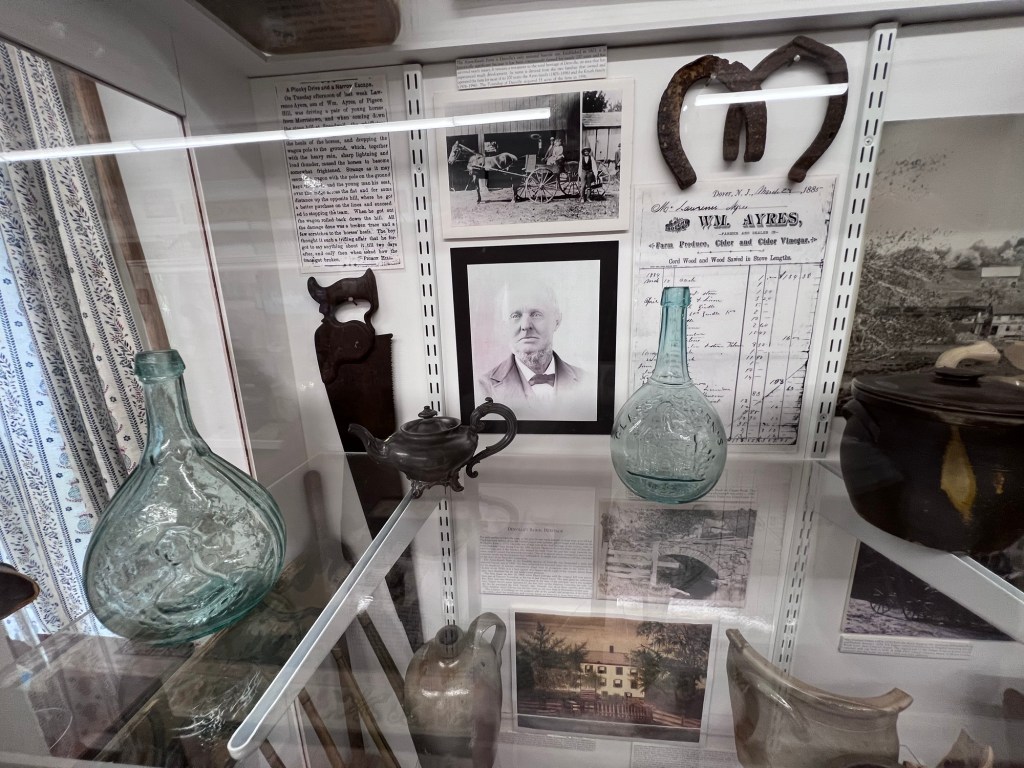
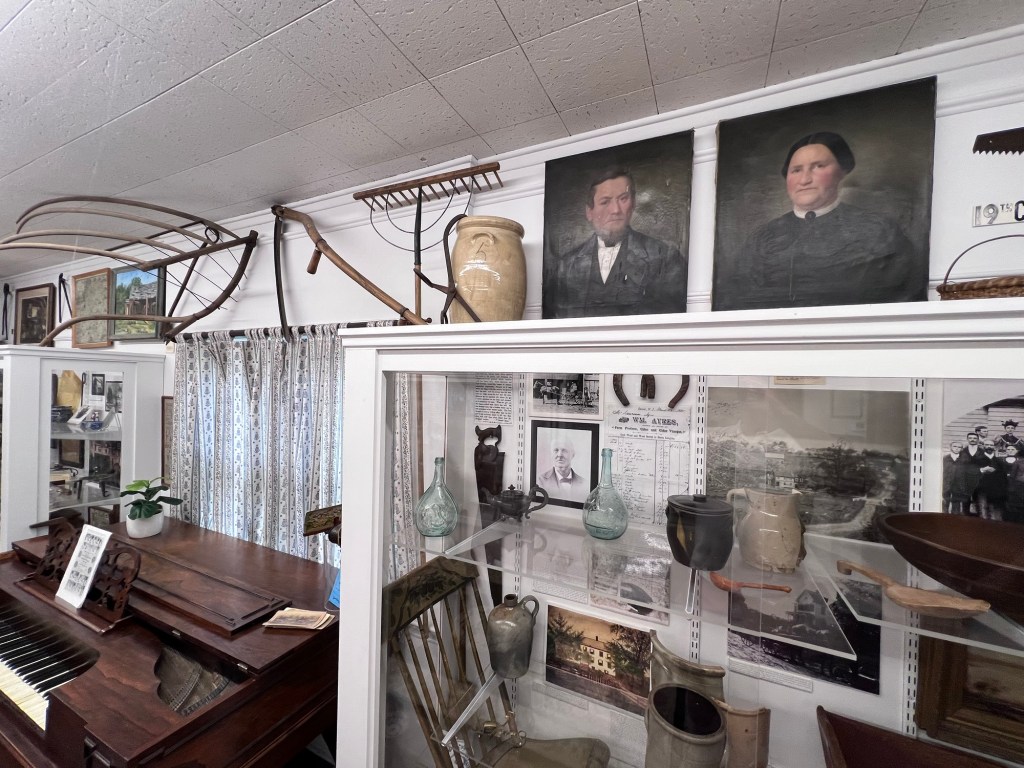
The farming display with many items from the Ayres Farm

My blog on the Ayres Farm:

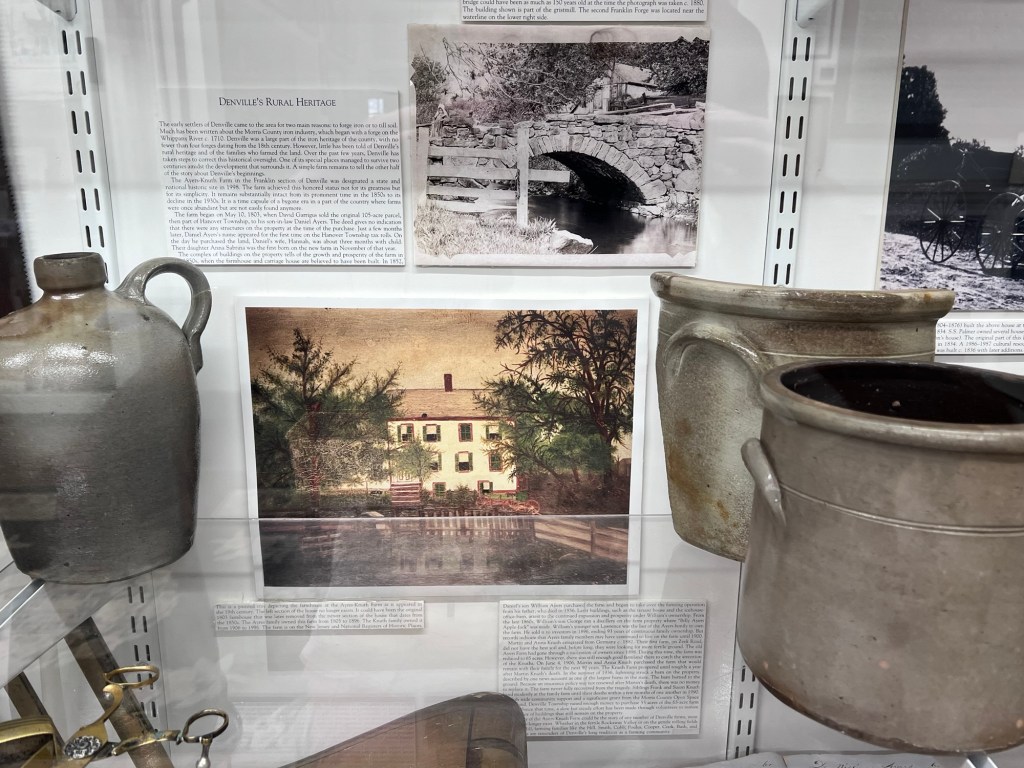
Artifacts from the Ayres Farm

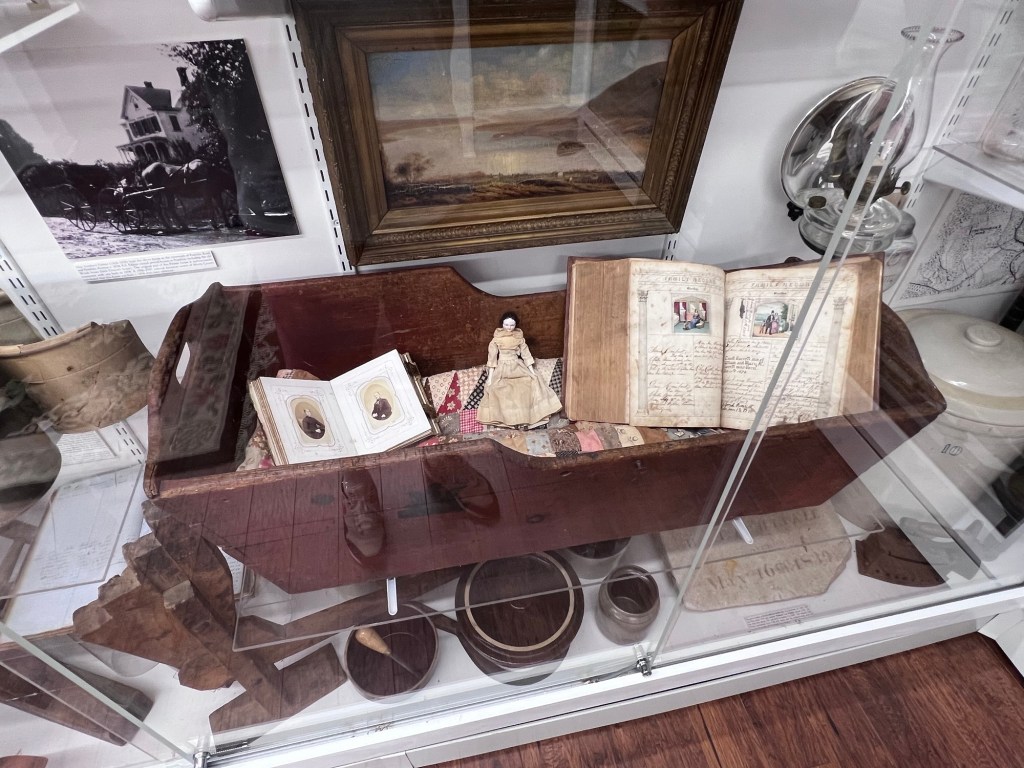
Children’s items from both the Ayres Farm and from the community including a handmade cradle

Farm equipment and home furnishings and portraits of Ayres family members

Items from the Ayres Farm

As the community entered the post-Revolutionary War era to the Civil War era, the area entered both its agricultural and industrial boom period.

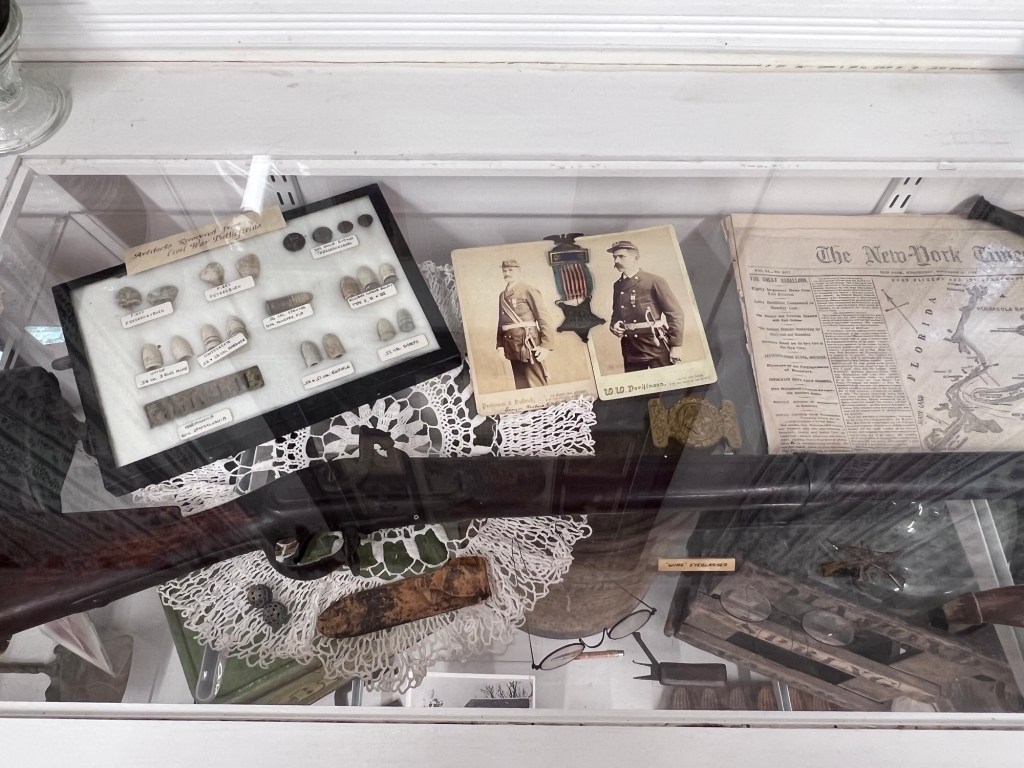
Artifacts from the Civil War and post war commercial era. Many of the artifacts are an early example of companies that still exist today.

Civil War era items of residents of the community

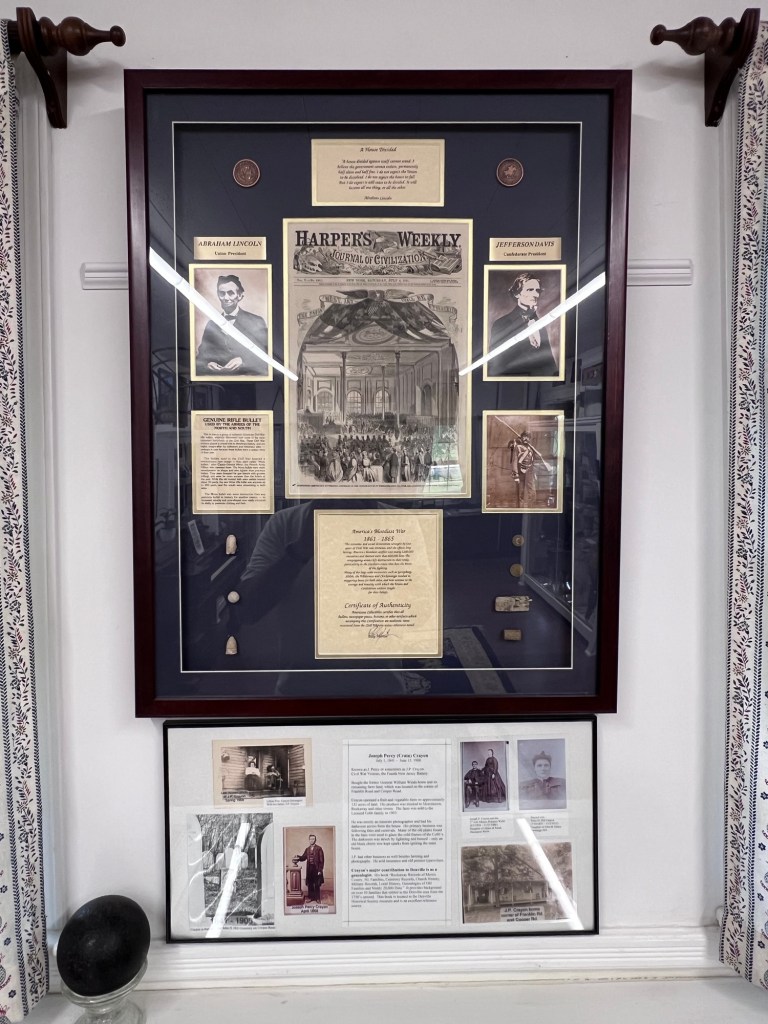
Presidential items from the Civil War period of both President’s Lincoln and Davis

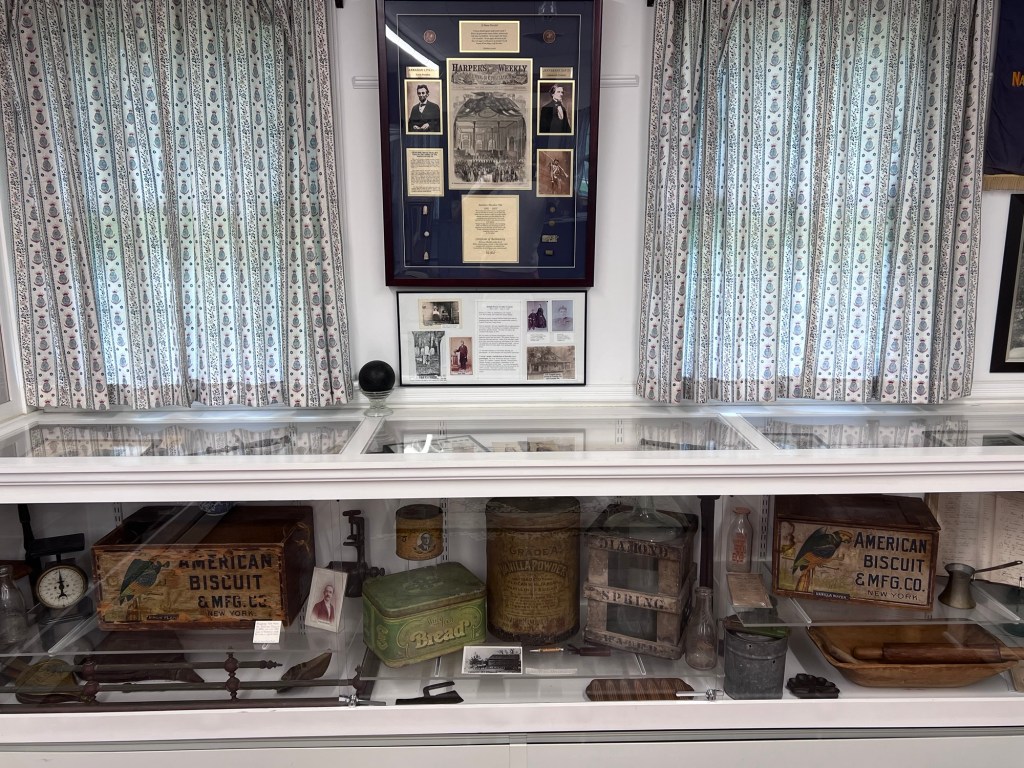
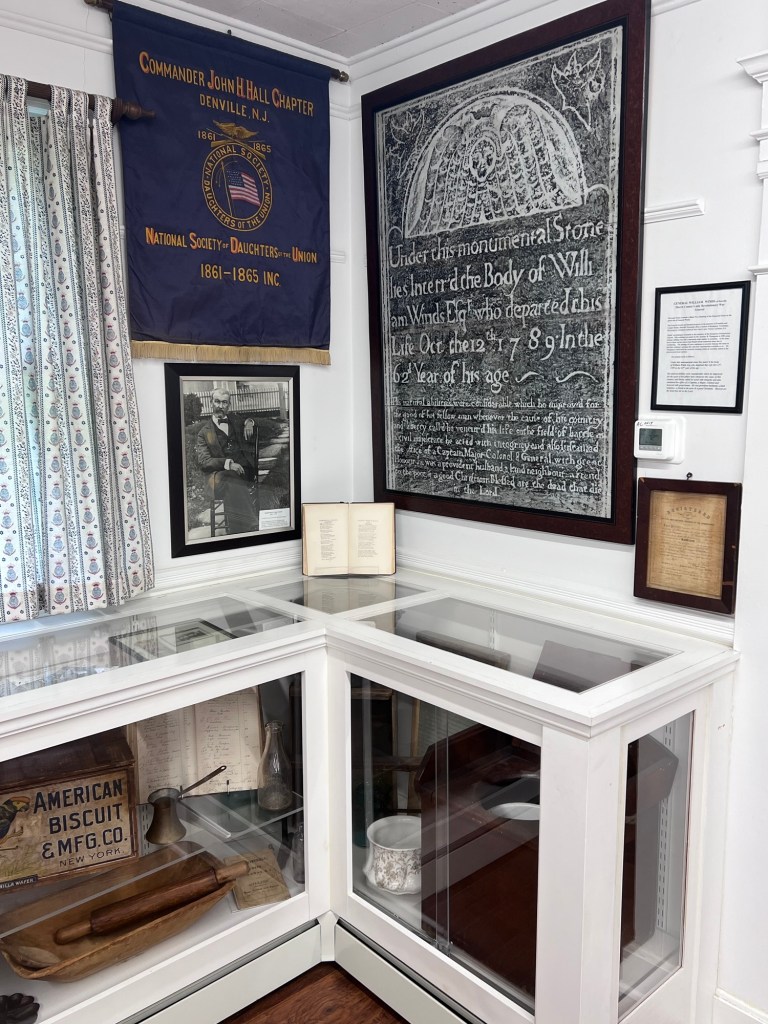
Commercial items and tombstone etchings of the period

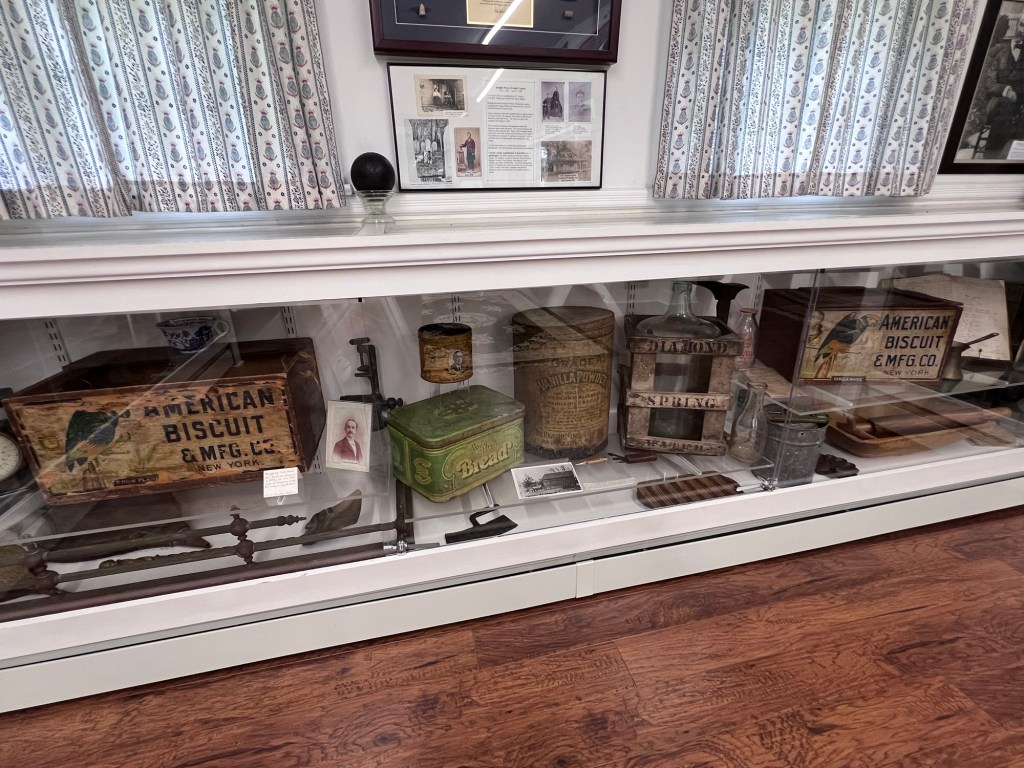
The manufactures of commercial products of that era. Many of these items are early examples from the modern Nabisco company. These were some of the original tea biscuit containers.

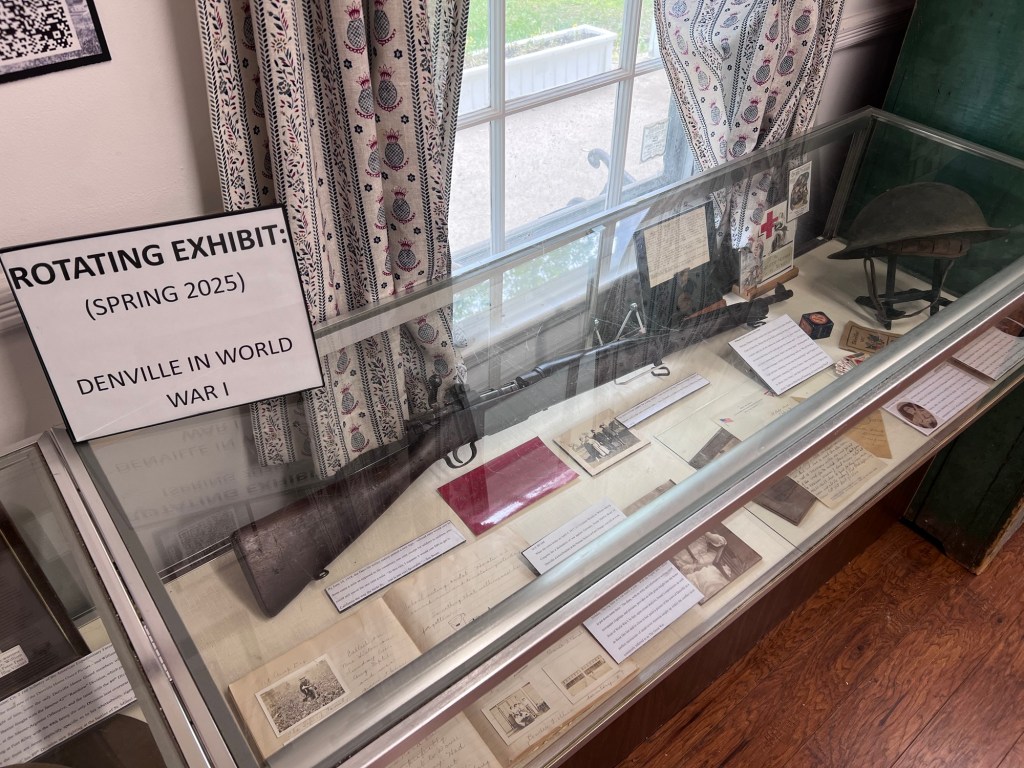
The exhibition of World War One artifacts on display

School and town events

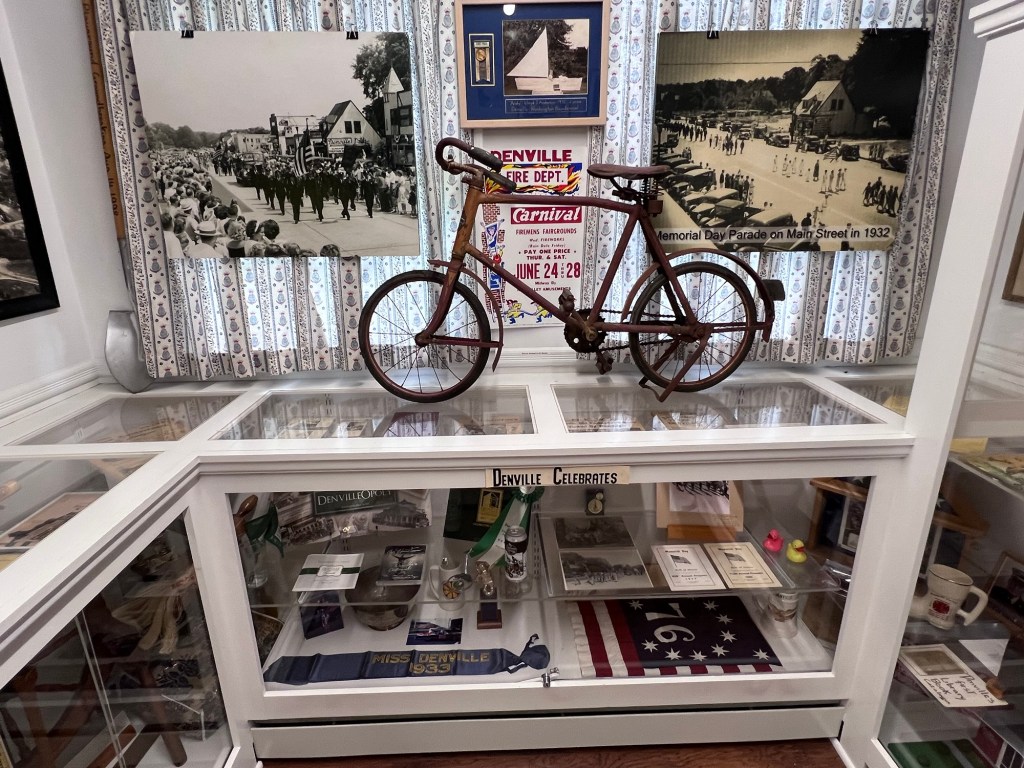
The town parades and artifacts from the town

The display of town merchant items

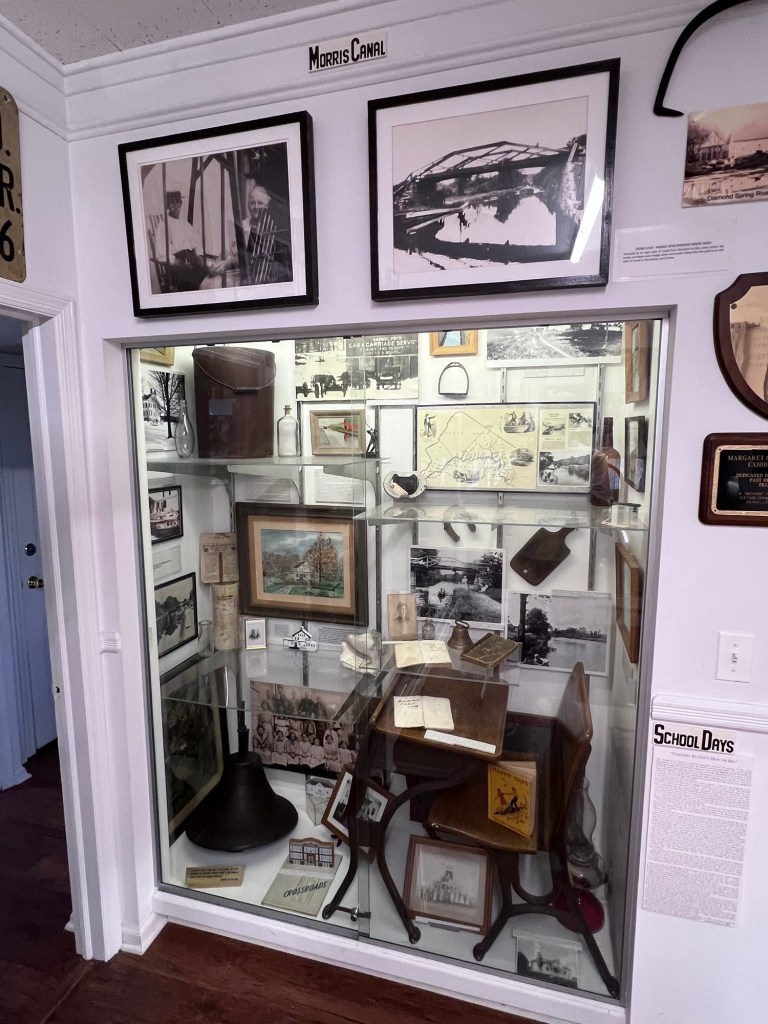
The creation of and growth of trade on the Morris Canal that once ran through the town is on display as well with pictures and artifacts.

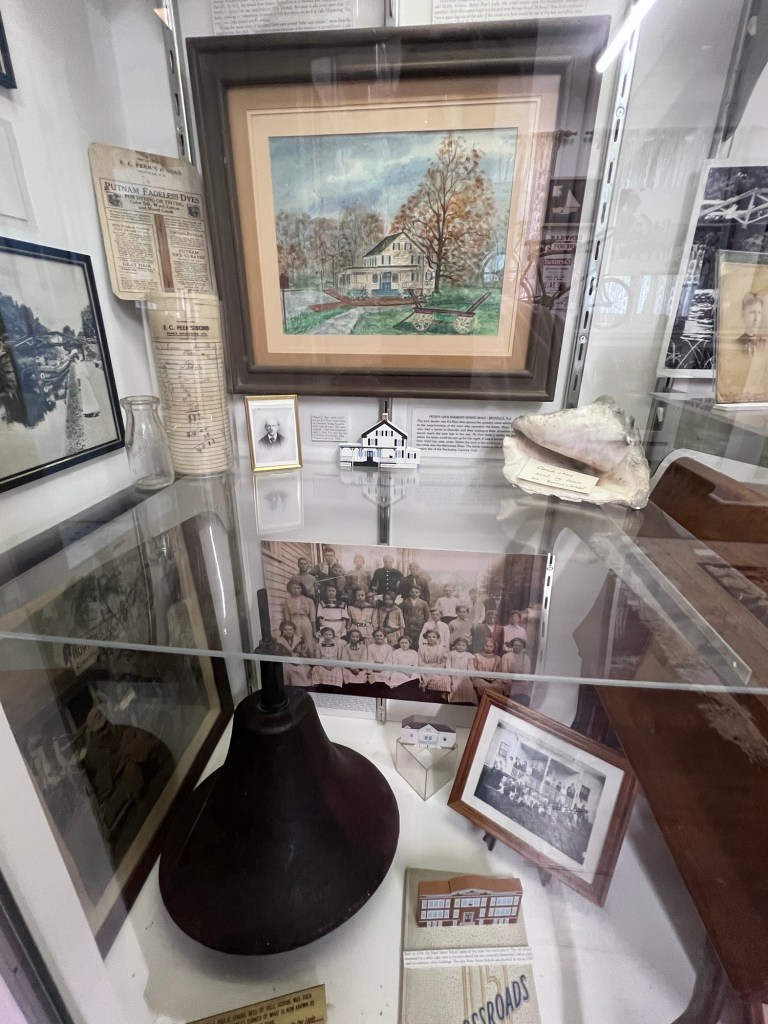
The Morris Canal display and some school house artifacts as well

More town artifacts

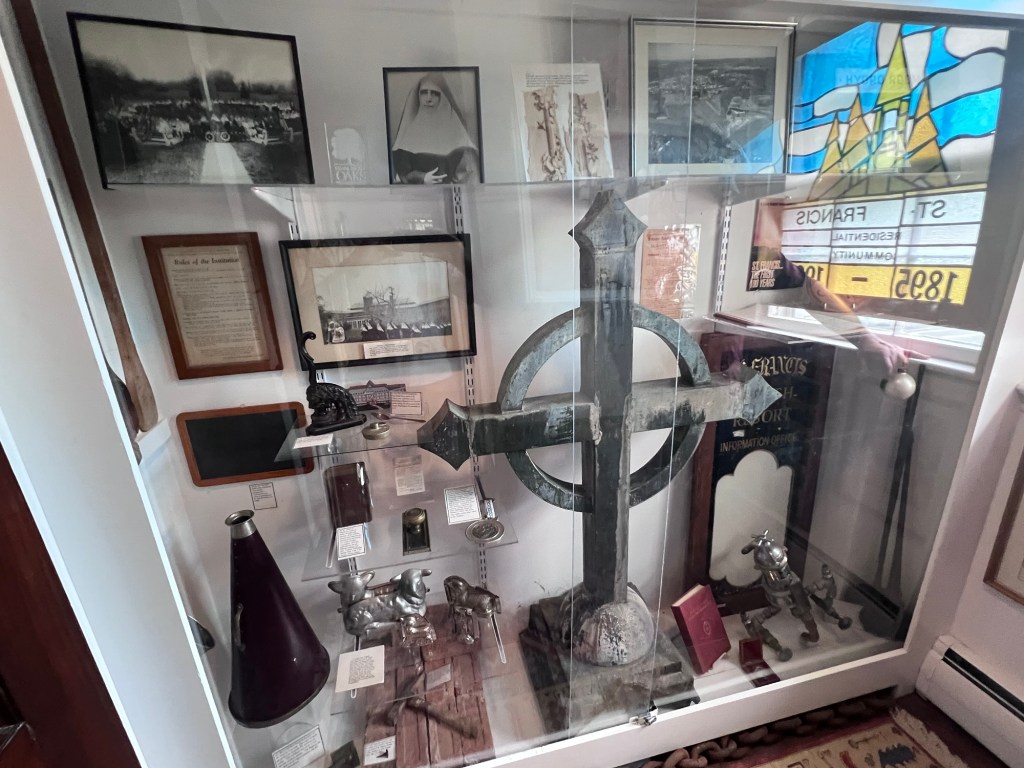
The order of St. Francis once had a building with a school here and as the order died out, they sold the building in town

These are some of the artifacts from that time

Some more of the artifacts from St. Francis

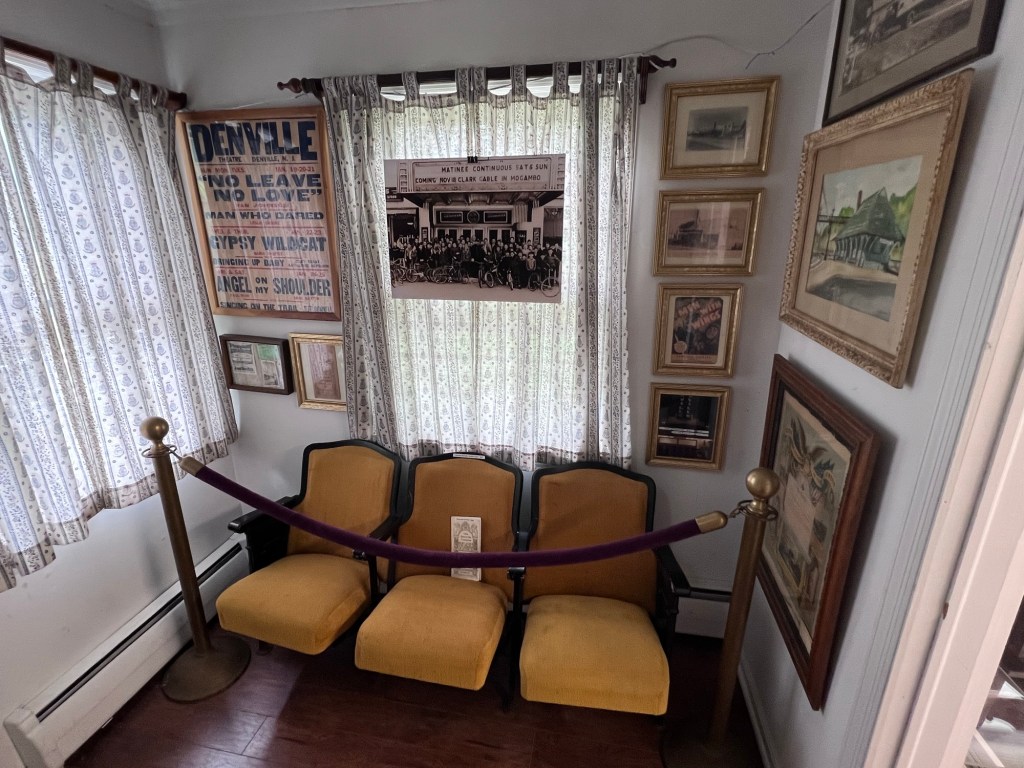
A display on the old Denville Theater

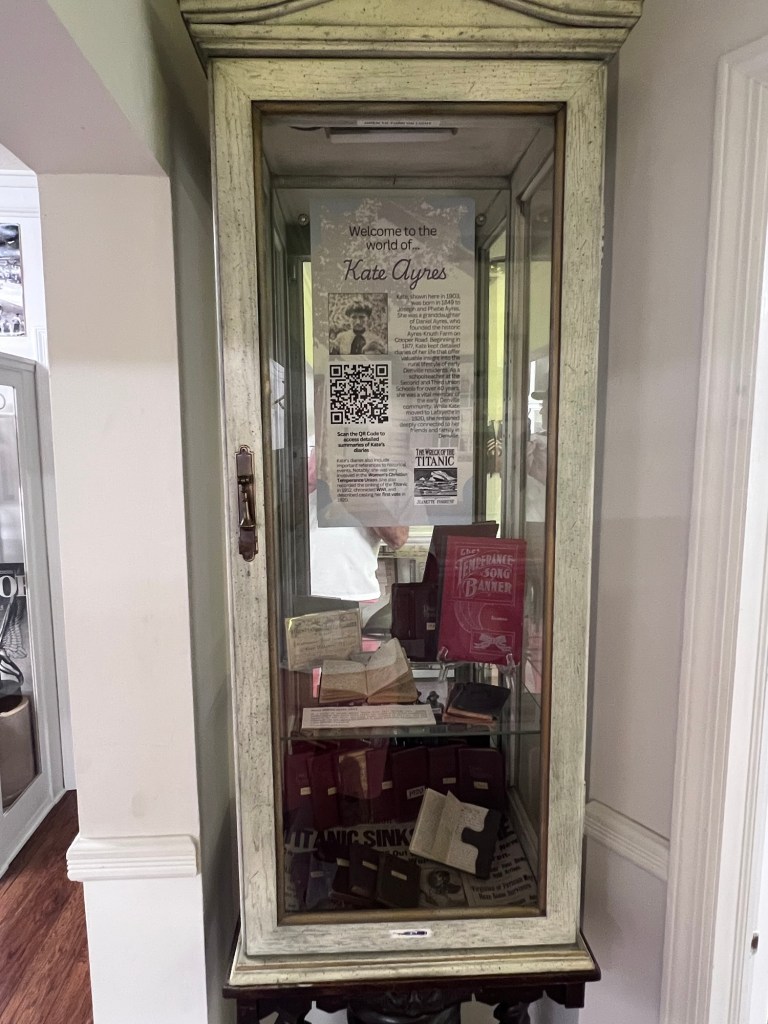
Another Ayres Family display

Historical items from the town

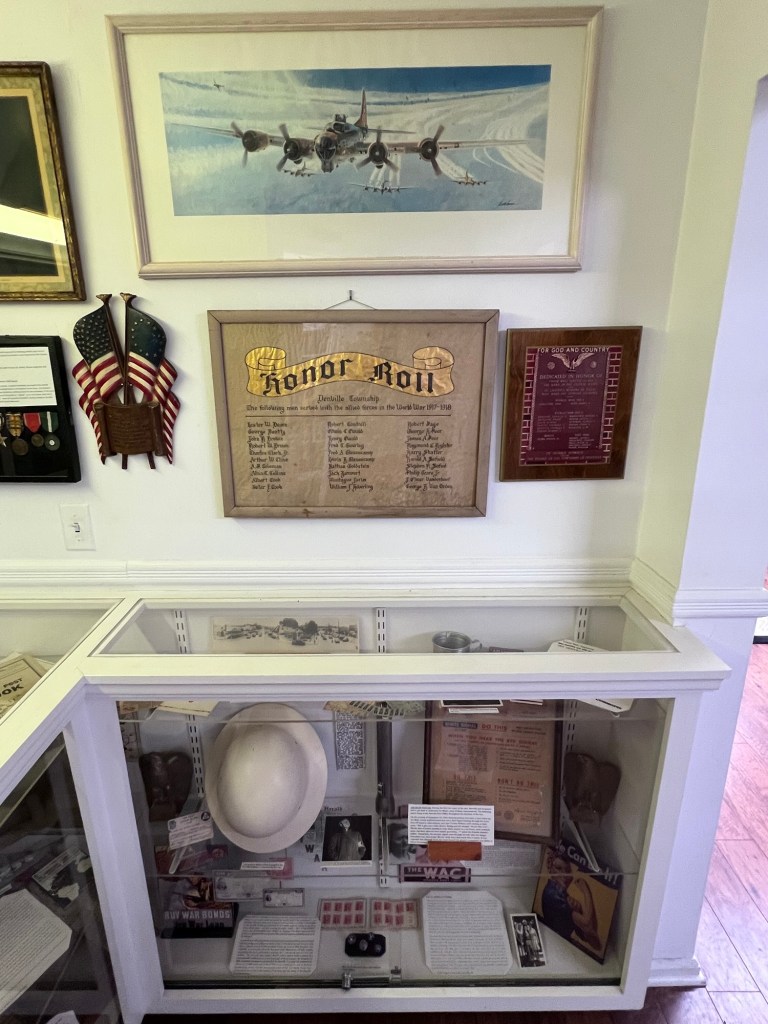
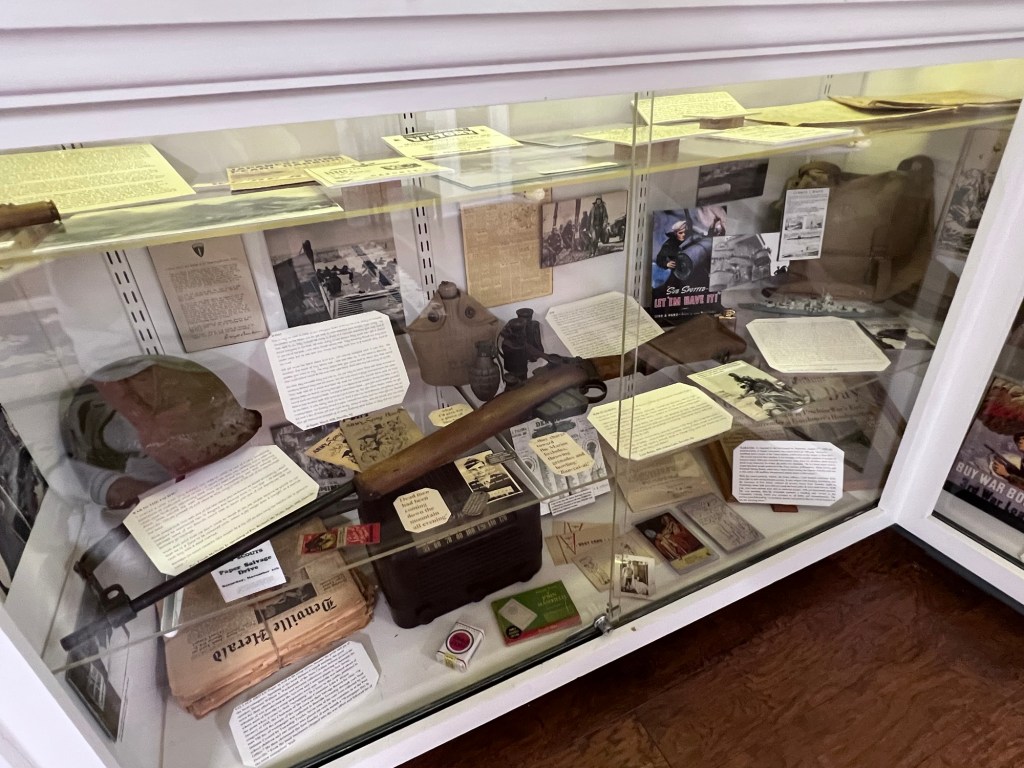
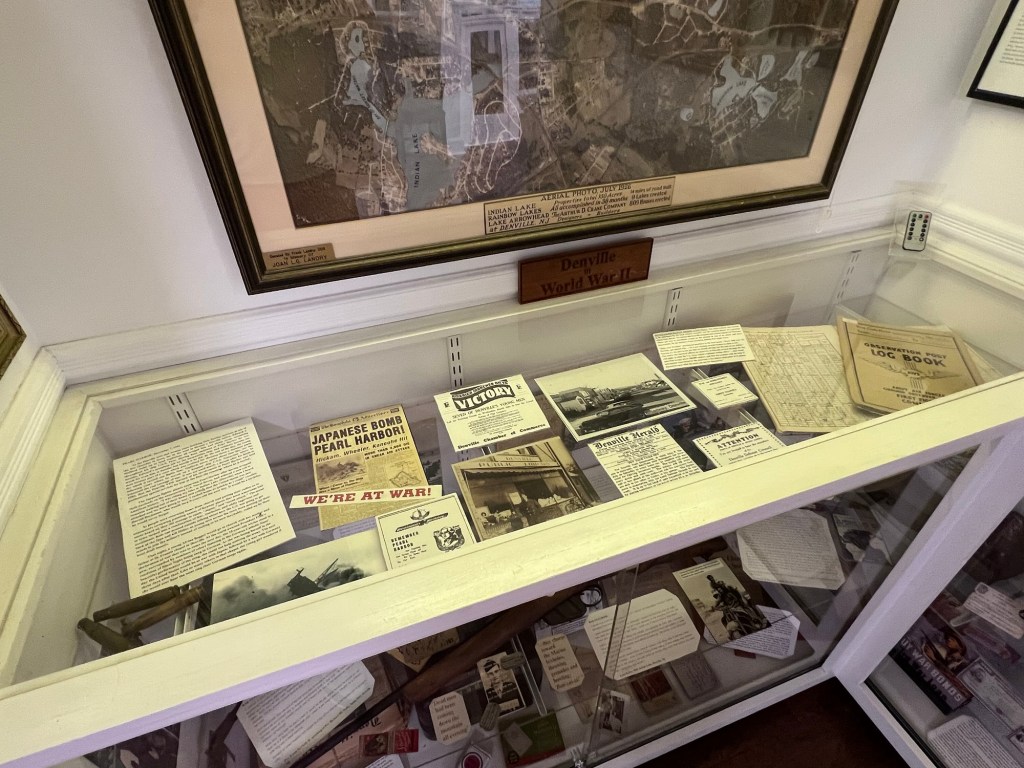
Military items from the community

More Military items

More Military items from the War years

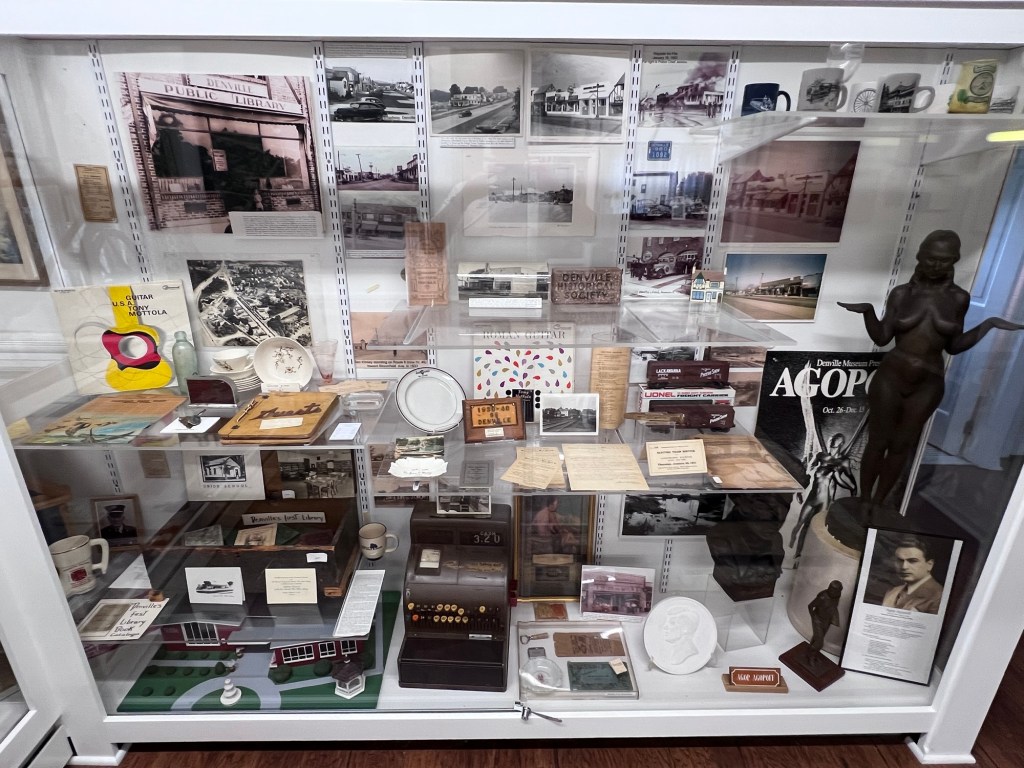
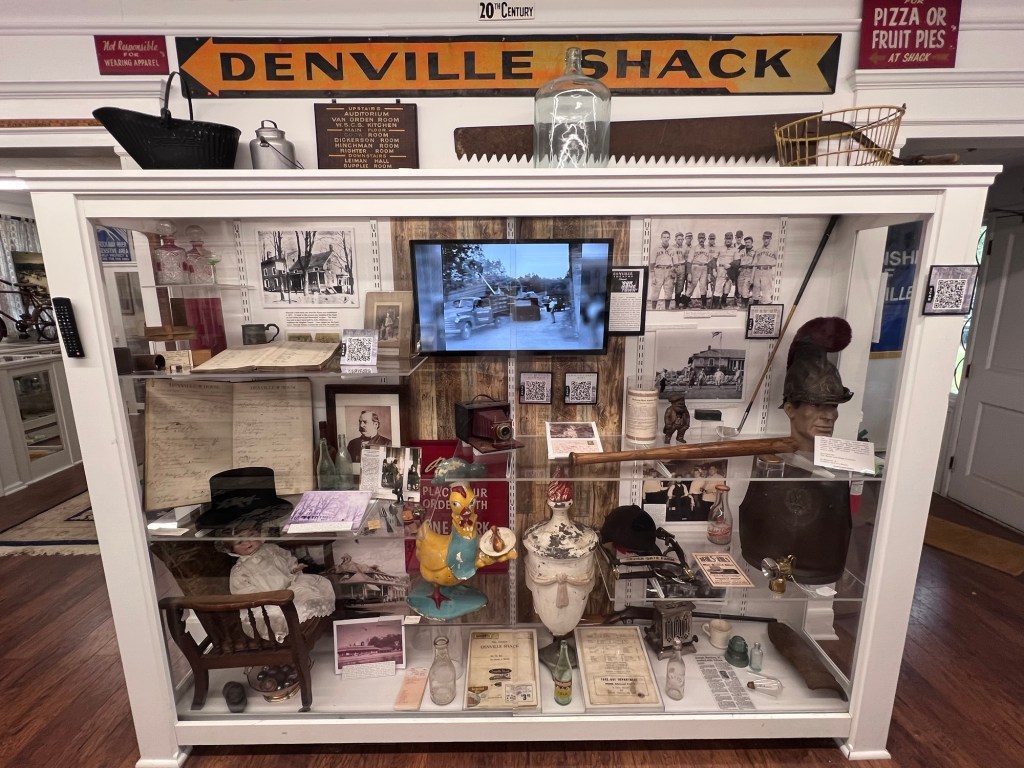
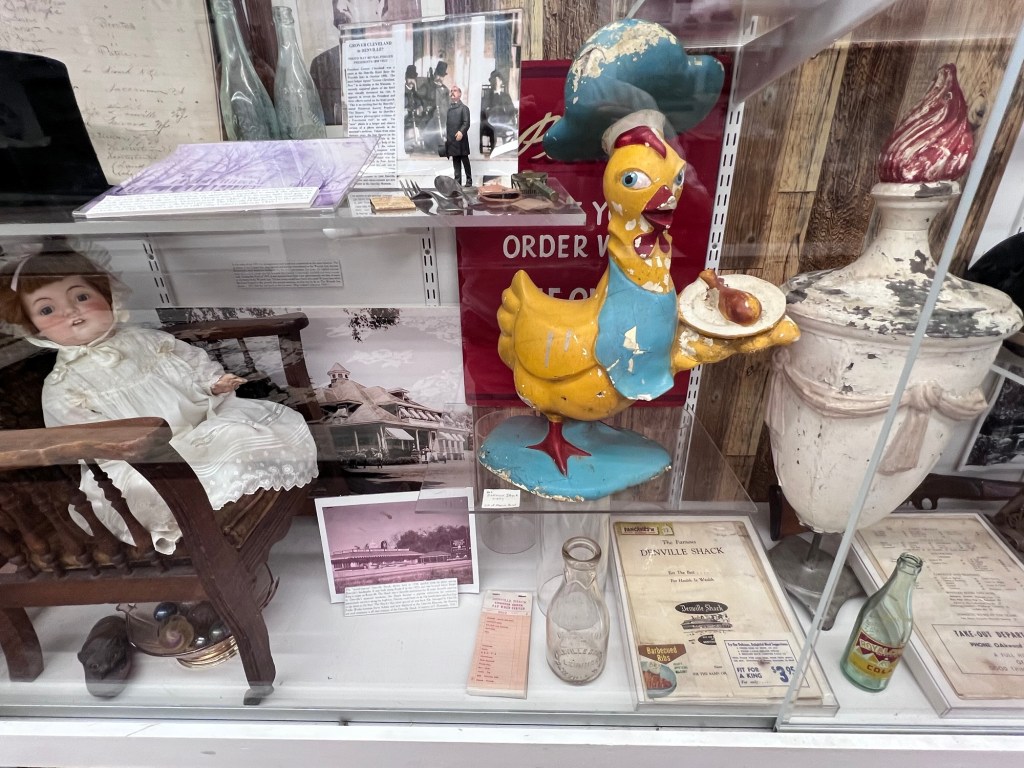
The last display I admired before I left for the afternoon was the Denville Shack display on a popular restaurant that was once in town. These popular restaurants used the dot the sides of local highways from the early 1960’s through the early 1980’s.

The display from the Denville Shack

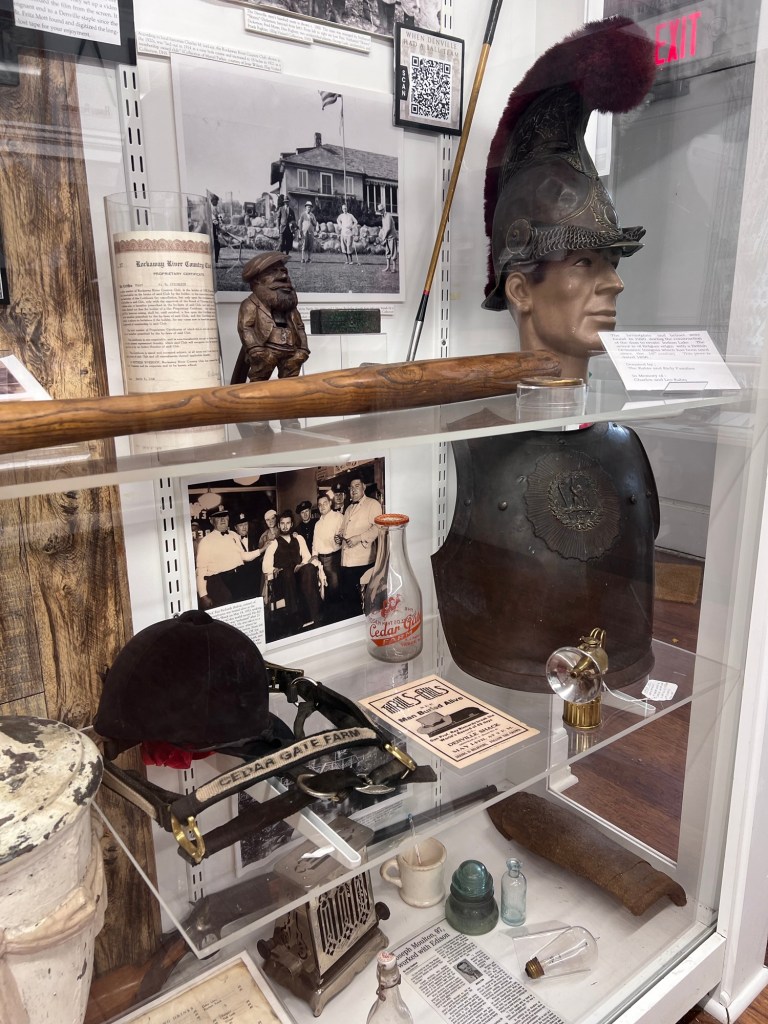
Some of the items from the old restaurant plus other artifacts

Some other town artifacts with a set of armor that was found in town.

The Denville Museum was a delight to visit. It was loaded with interesting displays and town artifacts that not only talk about the founding of the town but how it has come into its own as a modern town and a bedroom community of New York City.

There’s a lot to experience here.
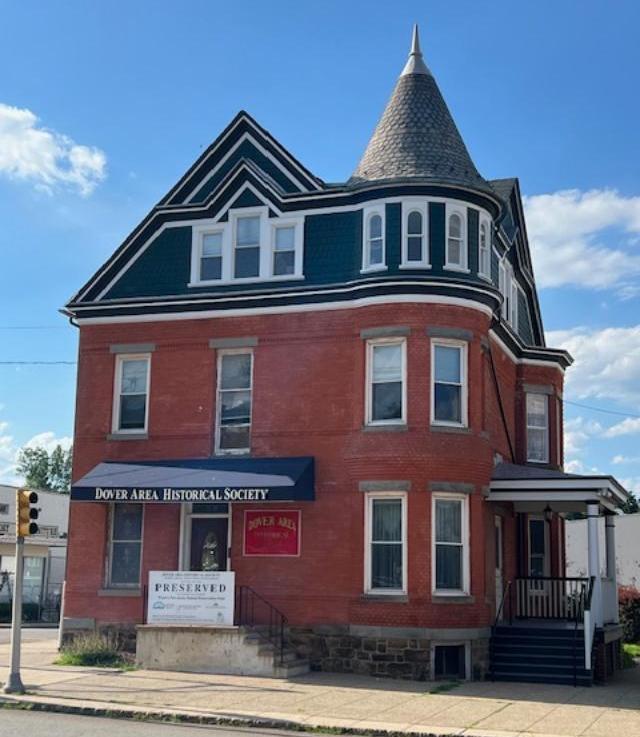
Dover Area Historical Society/Dr. Condict House 55 West Blackwell Street                                  Dover, NJ 07801

Dover Area Historical Society/Dr. Condict House 55 West Blackwell Street Dover, NJ 07801

Dover Area Historical Society/Dr. Condict House

55 West Blackwell Street

Dover, NJ 07801

(973) 361-3525

https://www.dovernjhistory.org/

https://www.facebook.com/p/Dover-Area-Historical-Society-100064333946339/

My review on TripAdvisor:

https://www.tripadvisor.com/Attraction_Review-g46397-d27043890-Reviews-Dover_Area_Historical_Society-Dover_Morris_County_New_Jersey.html

The Dover Area Historical Society at 55 West Blackwell Street

I visited the museum on a private tour during Memorial Day and got to see all three floors of the former doctor’s home, Dr. Condict, whose practice was once on the first floor of the home.
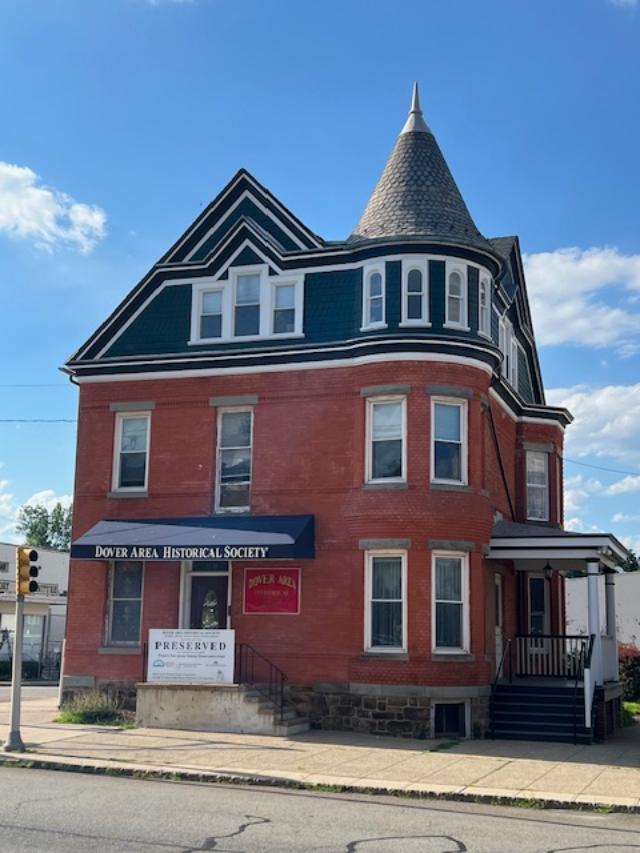
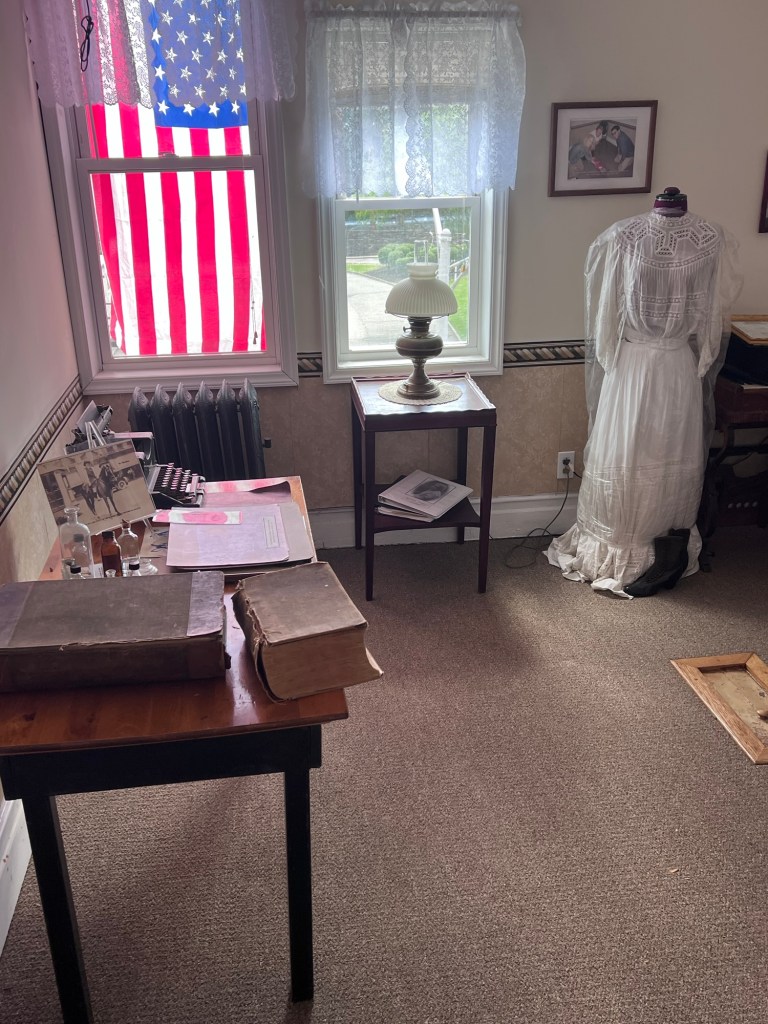
Several rooms in the house on the second and third floors of the old home were going through renovations when I was visiting or exhibitions were going to be remounted, so the museum was in transition when I visited.
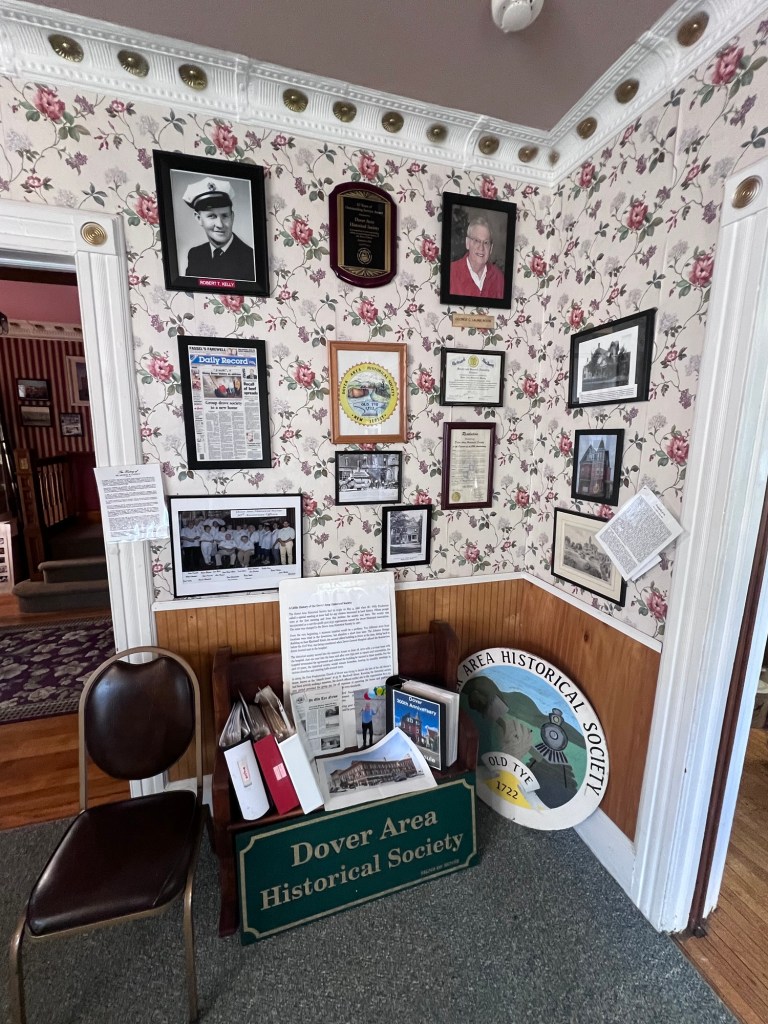
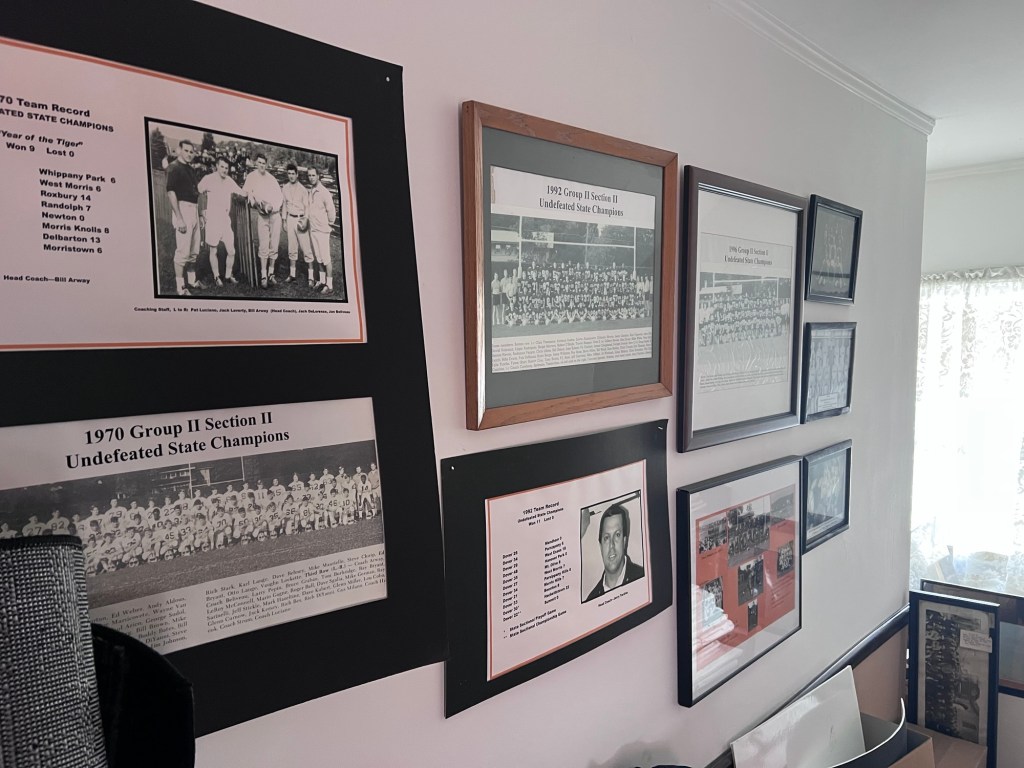
The first floor of the museum was dedicated to the town history with exhibitions of the Army/Navy members of the community for Memorial Day.

There was an exhibit of the historical buildings that line the downtown area and the neighborhood surrounding the downtown.

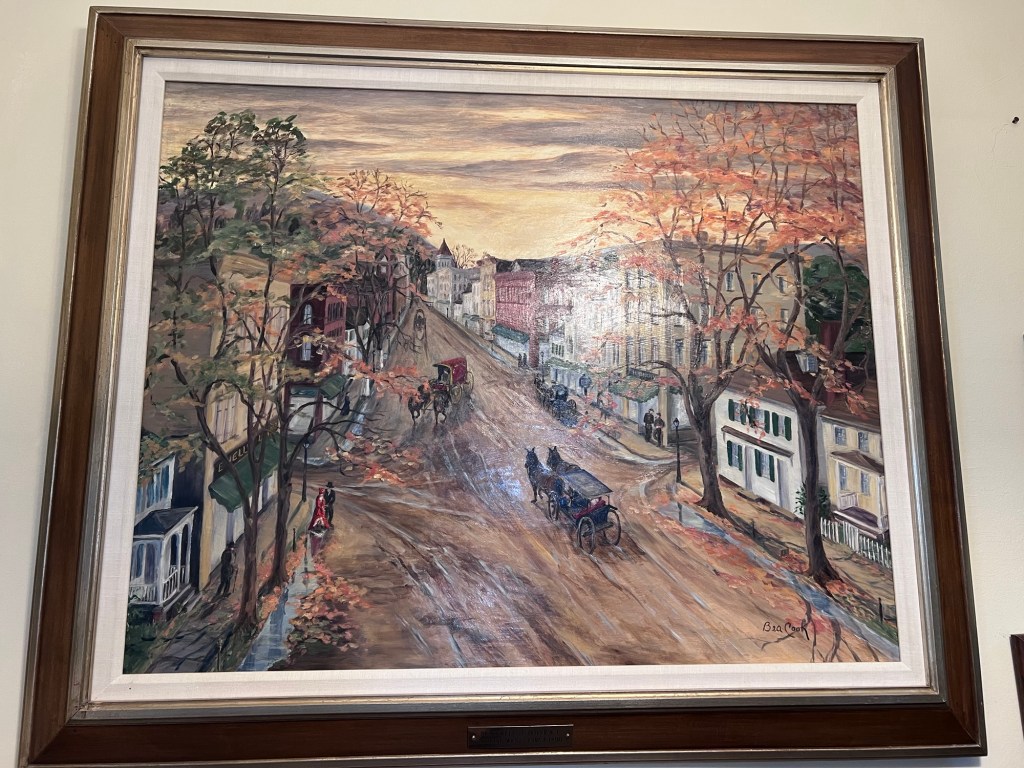
There were pictures of local leaders of the past and an exhibition by local painter, Bea Cook

Artist Bea Cook’s biography

The collection of the art from the artist on what Dover, NJ looked like during the early part of the last century. She gives a creative look at the day to day life of people whose lives started to change after the opening of the Morris Canal and affluence started to take hold in this former farming community.

A painting of Downtown Dover in the 1800’s

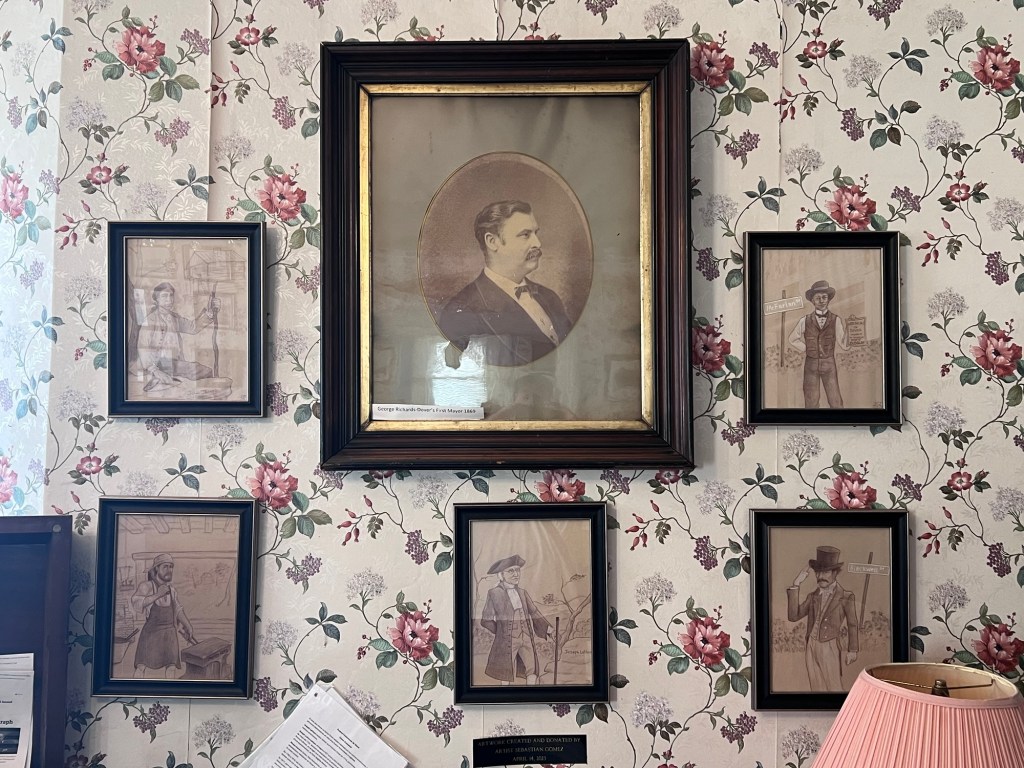
Local leaders and the former Mayor of Dover

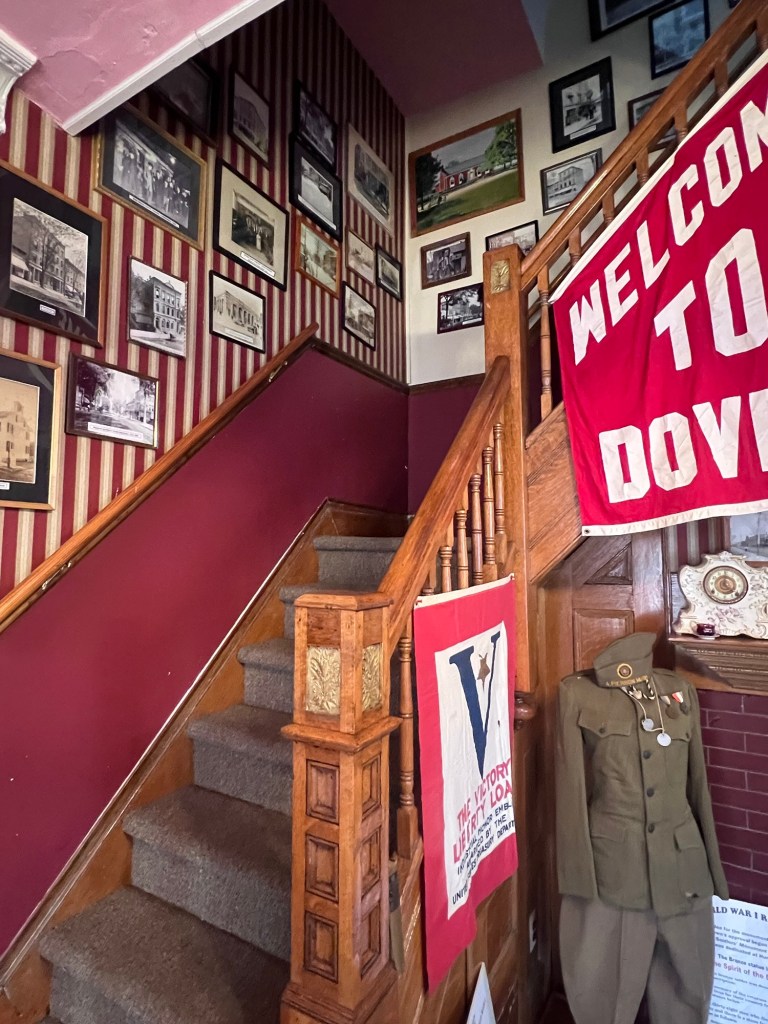
The former foyer by the front door of the house held a local uniform and pictures lines the walls of what the downtown looked like in the late 1800’s to the 1920’s.

The display for Memorial Day Weekend in May 2025

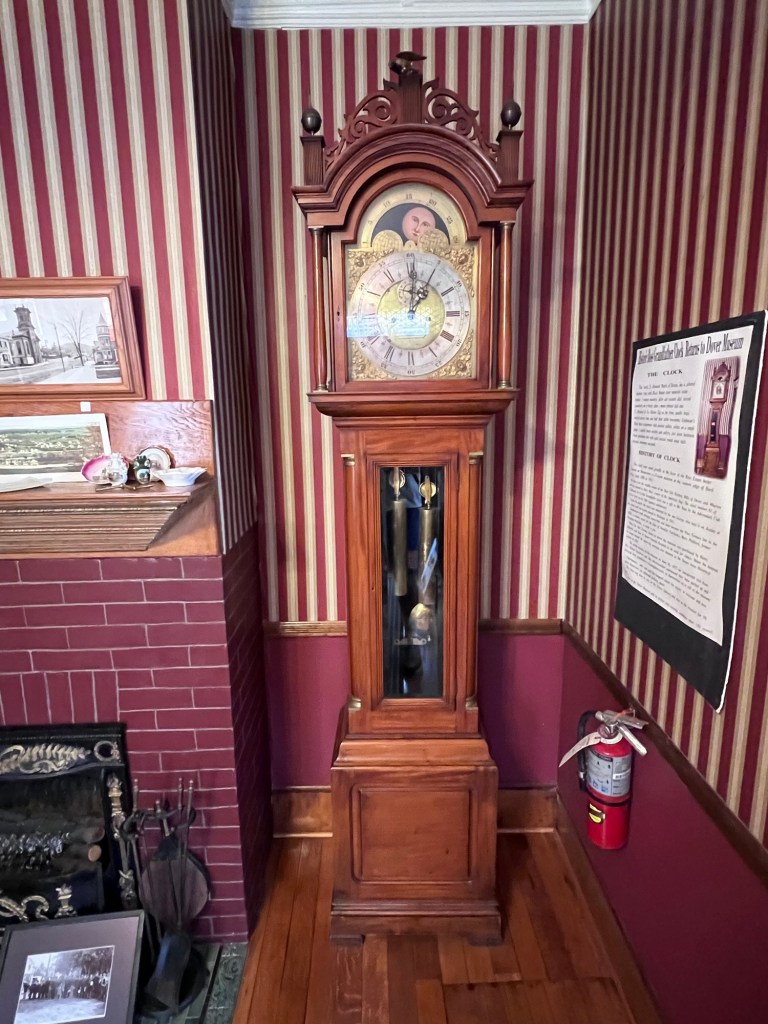
The Grandfather clock in the foyer with its beautiful celestial details.

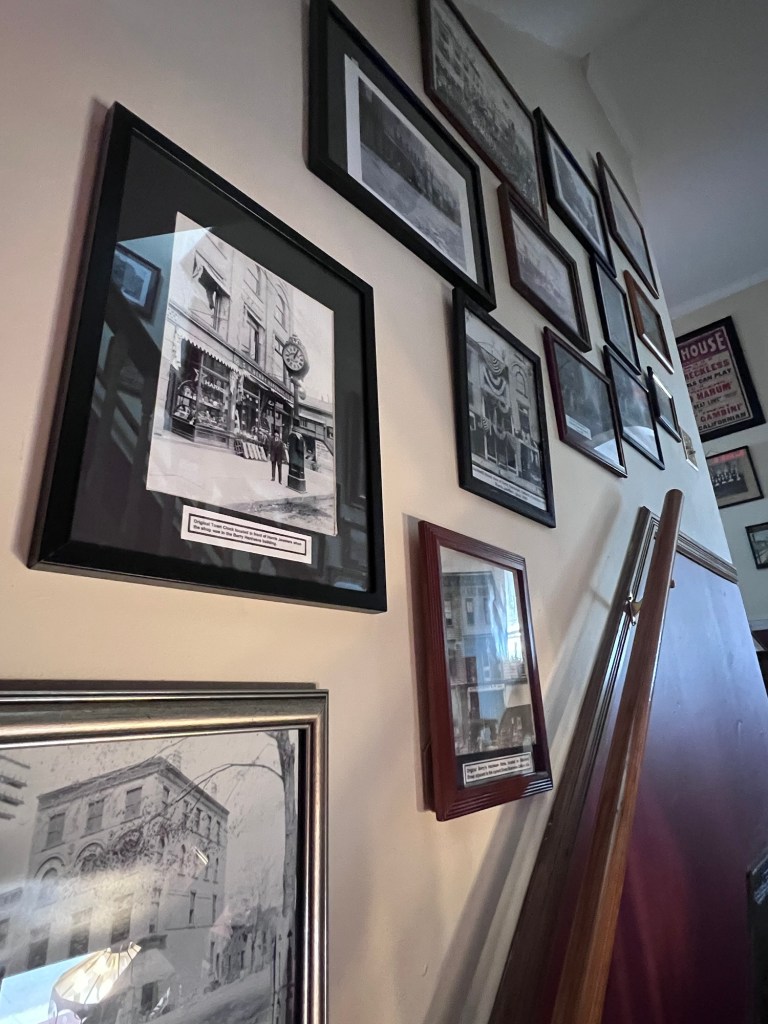
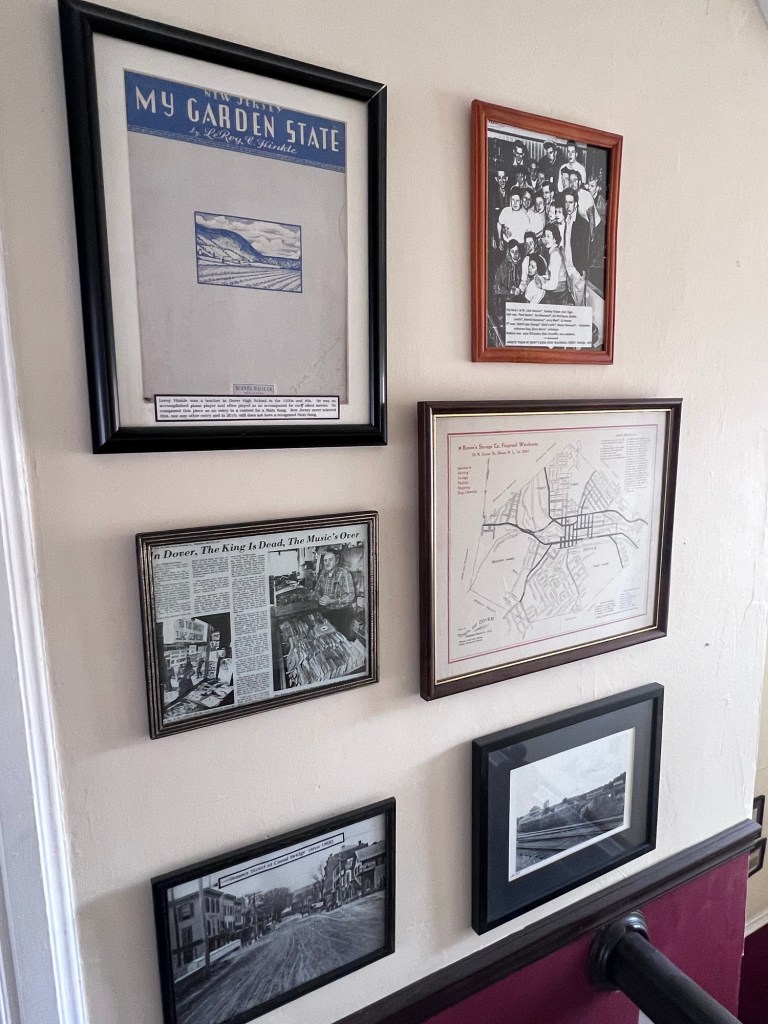
The foyer and the stairs leading to the second floor are lined with photos of Dover through the last 100 years.

Photos of former businesses that once lined the downtown area

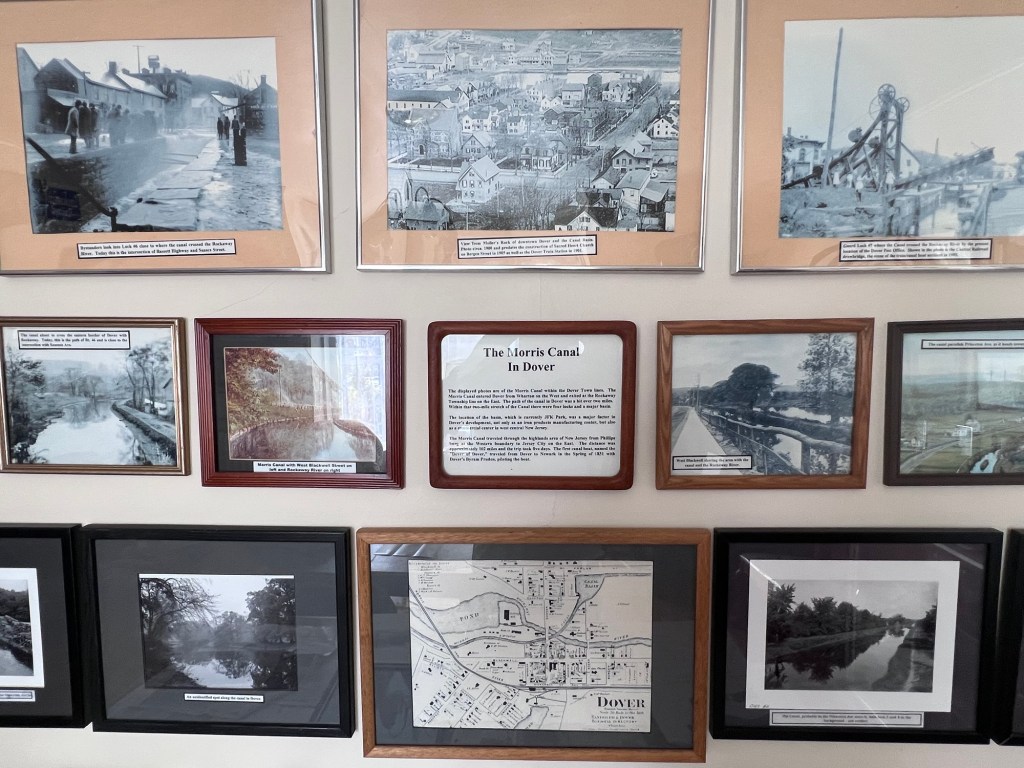
The upstairs galleries are lined with pictures on the growth of the town with the opening of the Morris Canal and the moving of crops and consumer goods from the rural areas to the cities like New York City and Newark.

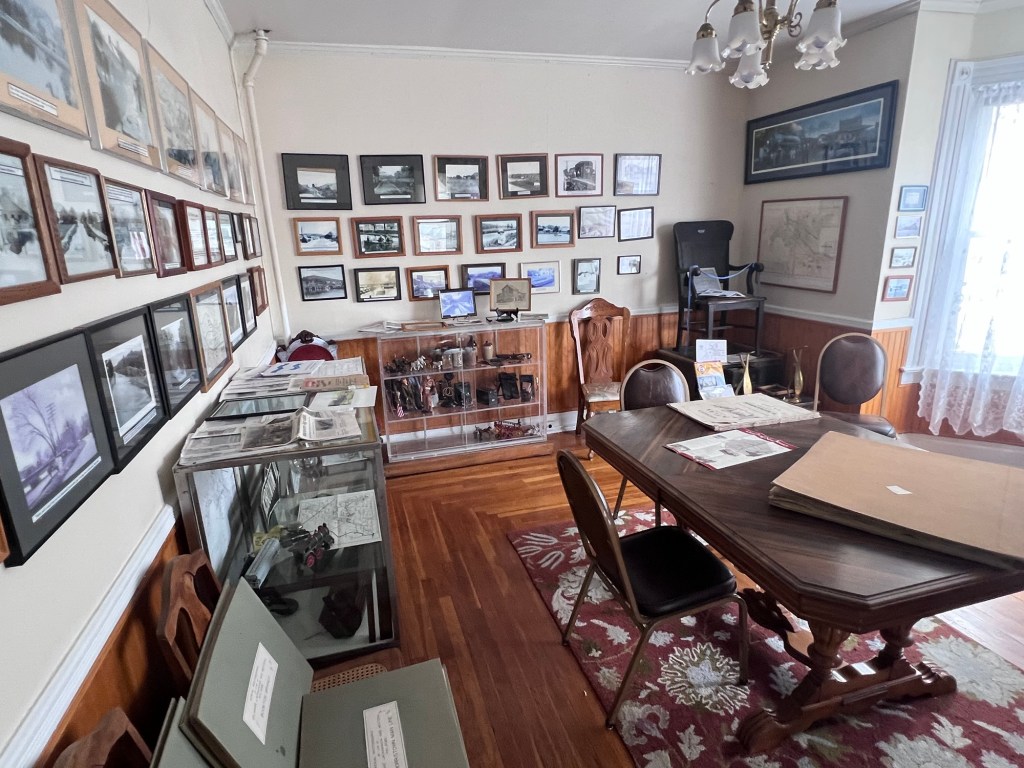
The main gallery on the second floor of the history of the growth of the community is organized with pictures and artifacts of the era.

The growth of the community with the coming of the canal

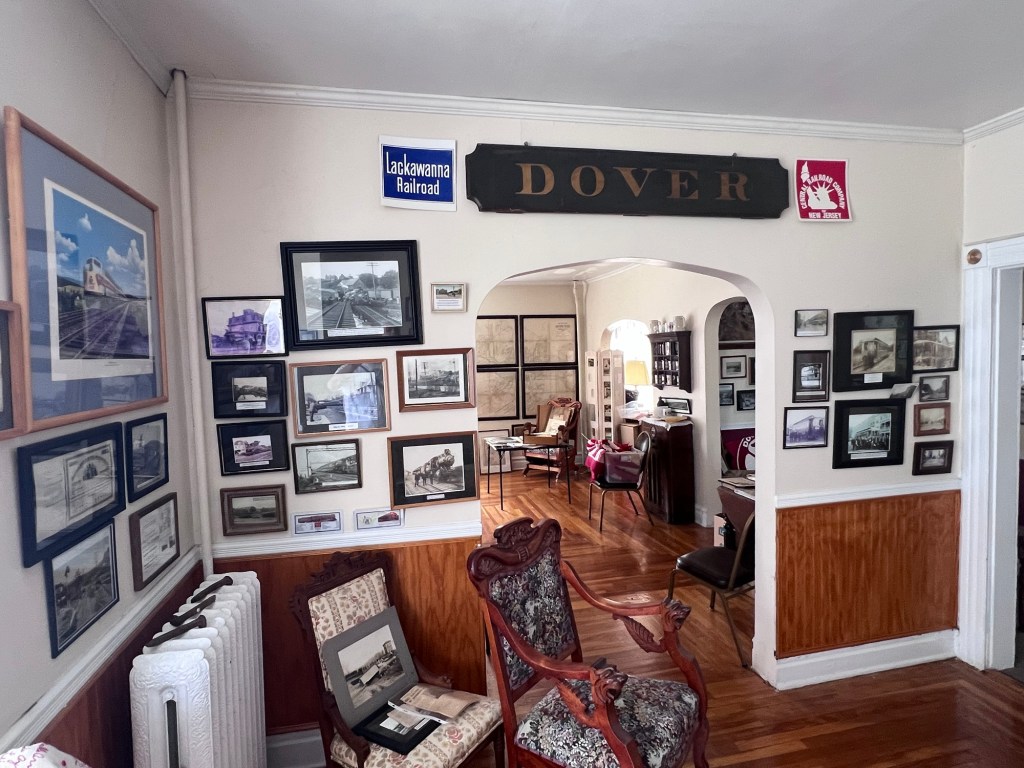
The second floor galleries are filled with items displaying the rapidly changing community. As the more products were being sold to the cities, that affluence translated living in this area of the state.

The changes of the town with the opening of the canal and immigration to the area.

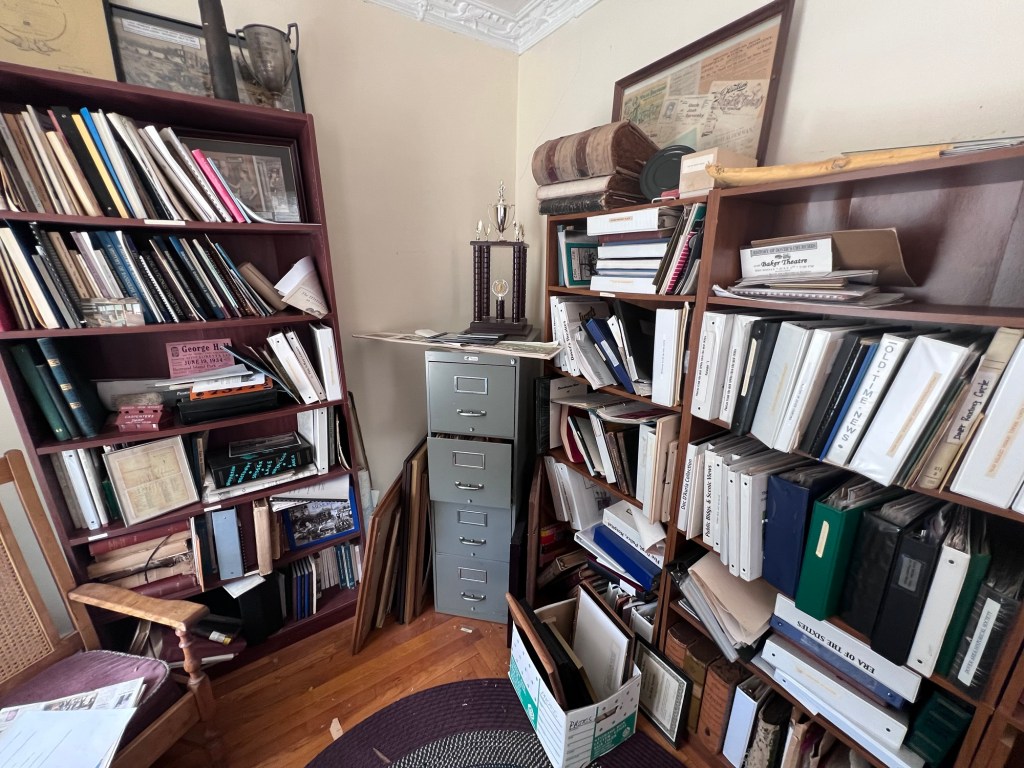
The second floor Library of town records and community information was being organized when I visited.

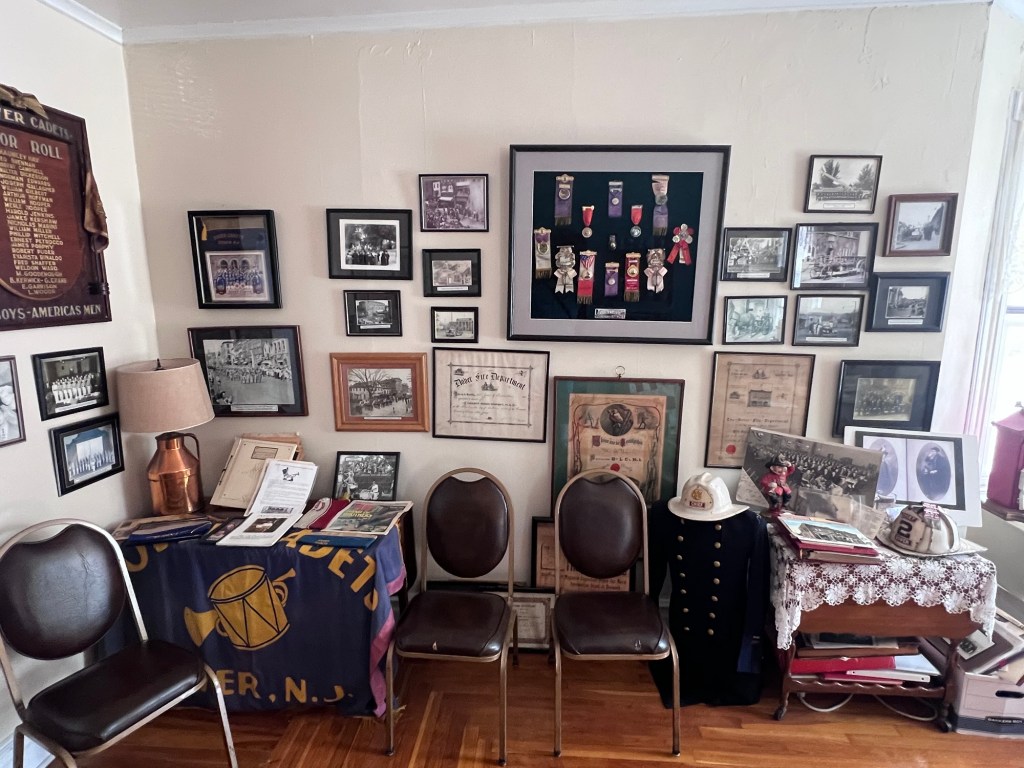
The history of the Dover Fire Department was on display on the second floor

https://www.dover.nj.us/cn/webpage.cfm?tpid=3460

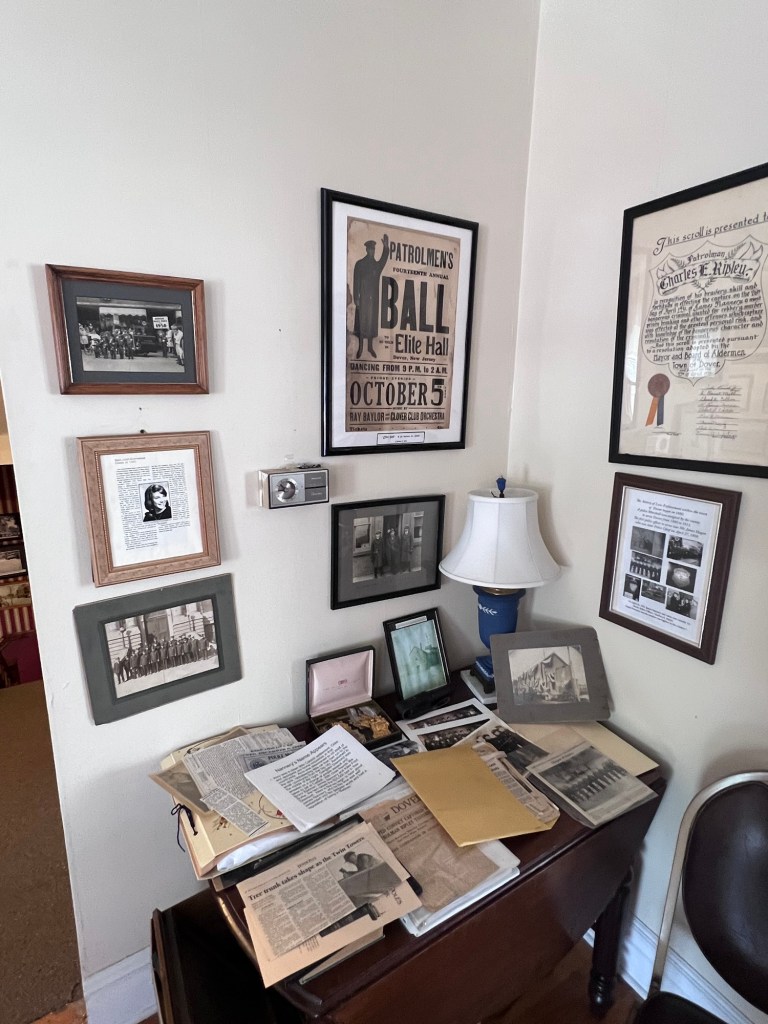
The history of the Dover Police Department was also on display

https://www.dover.nj.us/cn/webpage.cfm?tpid=2386

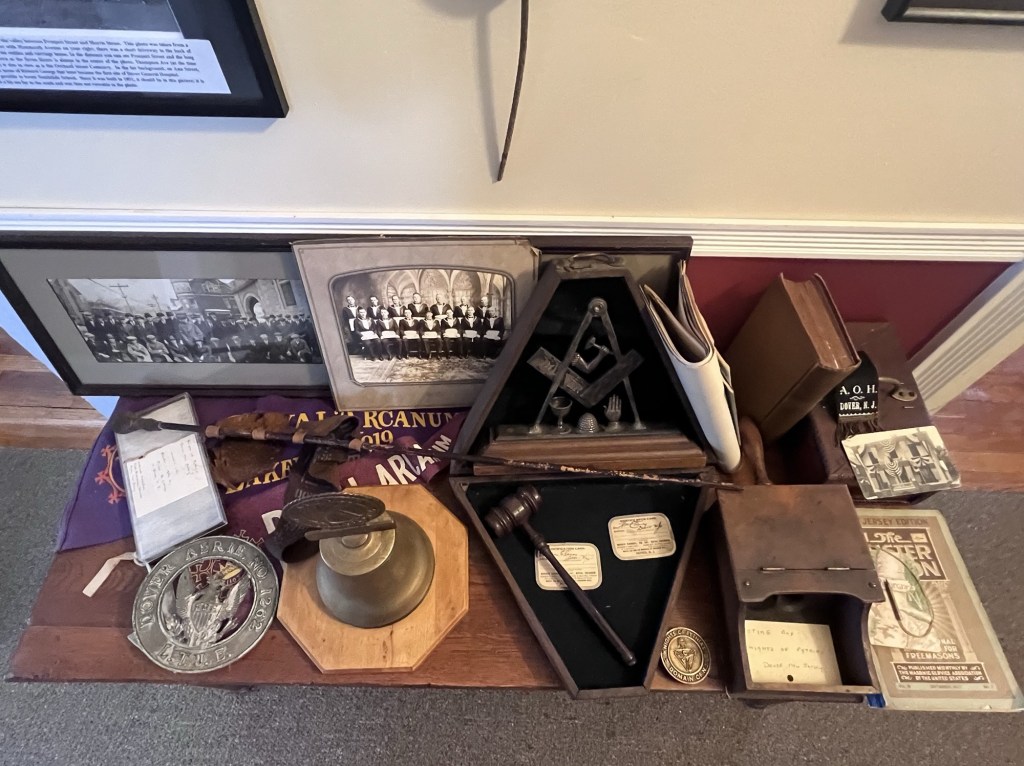
Local organizations artifacts on display on the second floor

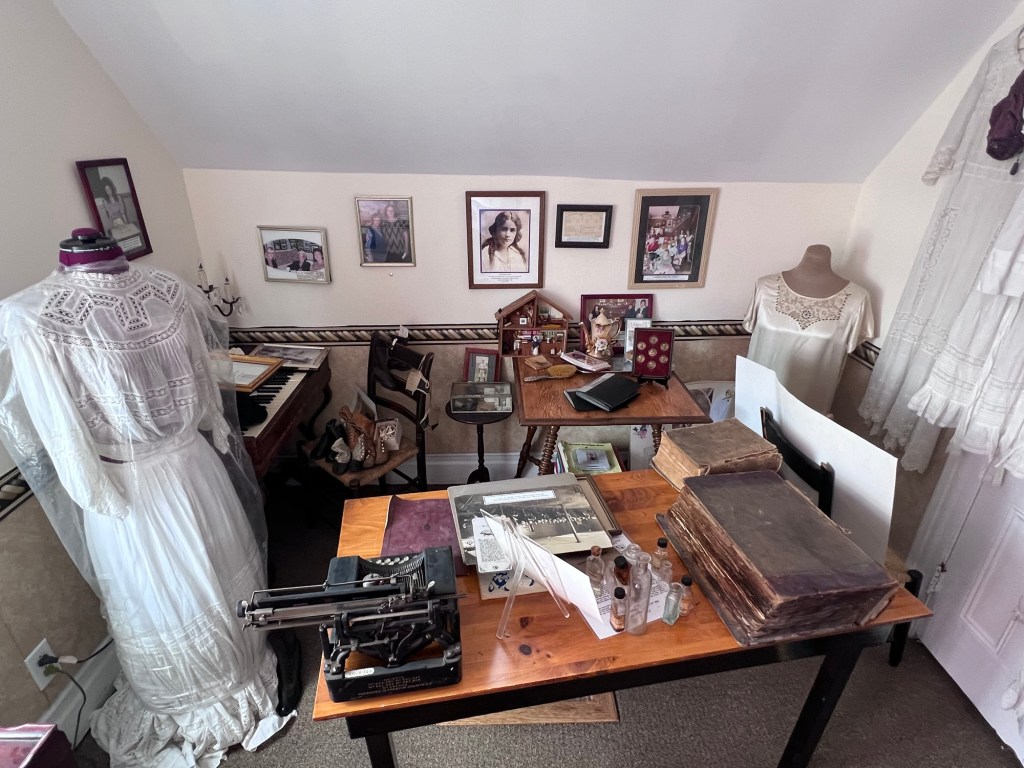
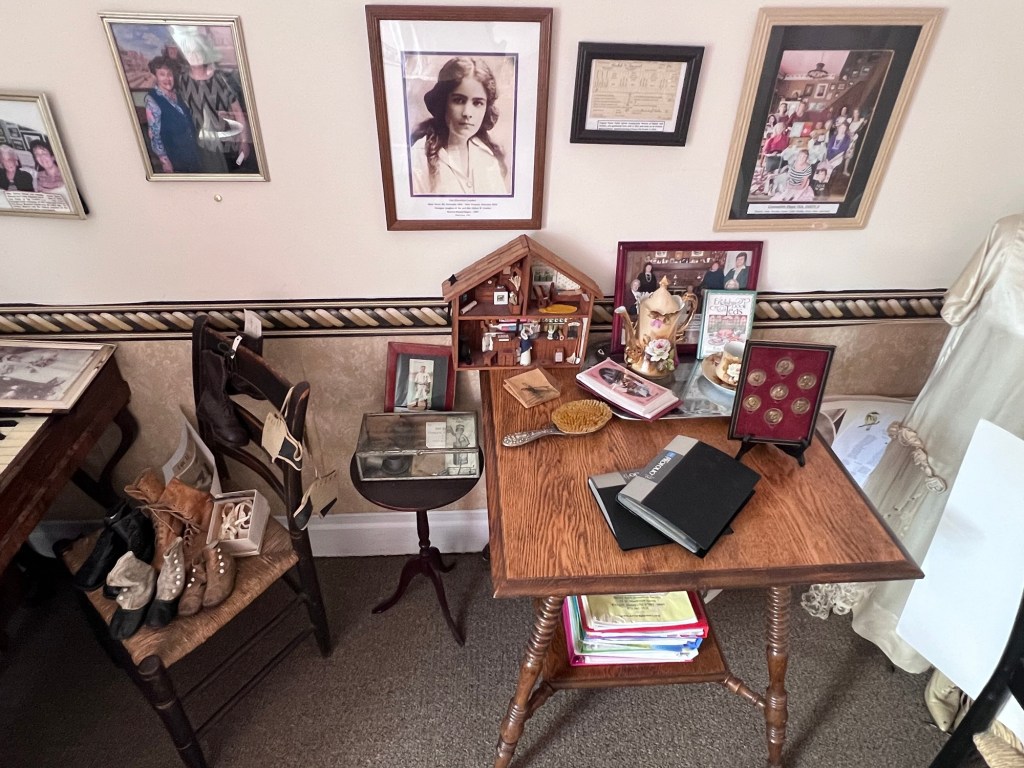
The second floor also displayed Dr.Condent’s daughter’s room and memorabilia from her life in this house.

Family artifacts on display in Dr. Condict daughter, Dorothy’s old bedroom

The display of Dorothy Condict Rogers bedroom in her former home

https://www.newspapers.com/article/rutland-daily-herald-obituary-for-doroth/42052305/

Family items in the bedroom

On the third floor of the home, there are two rooms under renovation, one of which will be dedicated to the growing Hispanic population of the current community and their contributions to the town.

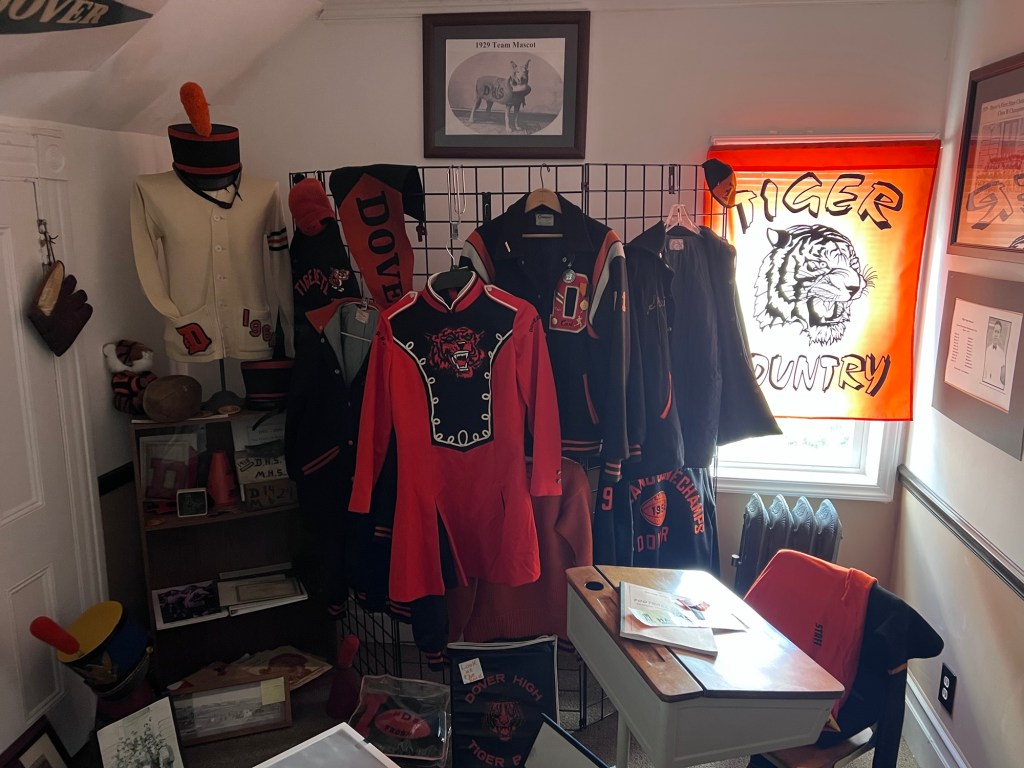
The other room right now is dedicated to the high school marching band and many artifacts from over the years.

High school history and pictures

History of the area

The Dover Area Historical Society:

As I headed back down, I read the history of the town and of the Dover Area Historical Society.

The history of the Society

More town artifacts on the first floor

The History of the Dover Area Historical Society:

(From the Dover Area Historical Society website)

The Dover Area Historical Society had its origin on May 4, 1966 when Mr. Willy Pederson called a special meeting at town hall for any citizens interested in local history. Fifteen people were at the first meeting and from this nucleus the society was born. The society was incorporated as a not-for-profit 501(c)(3) organization named the Dover Historical Association. The name was changed to the Dover Area Historical Society in 1967.

From the very beginning, a museum location would be a problem. Two different store front locations were tried in the downtown, but abandon a short time later. The Johnson Storage Building on East Blackwell Street, the second oldest building in Dover at the time, dating back to before the Civil War, was being considered when Dover General Hospital offered the Bonnieview Estate located next to the hospital.

The Bonnieview mansion was built in 1876 for Alpheus Beemer and his wife Margaret. Mr. Beemer established a silk mill and Hurd Park and was the founder of the Nation Union Bank of Dover. Upon his death, the widow sold the property to Edwin Ross in 1885, a descendant of Betsy Ross, designer of the American Flag.

In the early part of the 20th century, Bonnieview becamse the popular Pine Terrance Inn, a gracious country retreat visited by such notables as President Grover Cleveland, Mary Pickford, Douglas Fairbanks and well known personalities of the day. With the onset of Prohibition, the estate was sold to Harry Schwarz who later sold it to Dover General Hospital.

The historical society moved into the mansion house on June 18, 1970 with a 10-year lease with the hospital. Just one year into the lease and after over $30,000 in repairs and renovations, the hospital terminated the agreement and ordered the building be vacated in three months. For the next 27-years, the historical society would remain homeless, hosting its monthly meetings in various churches and meeting halls around town.

In 2004, the First Memorial Presbyterian Church of Dover was trying to decide the fate of the old doctor’s house, known as the “church house” at 55 W. Blackwell Street. Knowing the historical society had been actively seeking a museum, the church offered to site to the organization for a 25-year period provided the group pay for all expenses of operating the house and performed repairs and renovations bringing the house up to town standards.

Today, many of our programs meet at 7:00 pm the museum house the third Tuesday of each month and some programs, including walking tours and other events meet on other days at appropriate times. Our trustees and officers usually hold a business meeting at the museum on the third Wednesday of each month.  The museum house is open to the public for self guided tours from 6:30 to 8:00 pm on the evenings when the monthly business meetings are held. Check our calendar for scheduled meetings and events by clicking on “Calendar” in the black strip under the header on this page and follow the links. Anyone wishing to become a member or wanting further information can call the society at 973-361-3525. Please leave a message and we will return your call.

It was an interesting tour of the Society, with each floor covering a different aspect of the history and growth of the town. You can see how the area changed from a sleepy farming community to a bustling town with the coming of the canal system to even more changes with the automobile, the World Wars and immigration to both the country and to the community. Several displays are being worked on so there will be more to experience and see when you visit in the future.

Walking Downtown Dover, NJ:

After touring the museum, I walked Downtown Dover, NJ and got to see all the wonderful stores and restaurants to visit. It really is a beautiful downtown area.

The current downtown with the historical society in the background to the right.

After I toured the museum and the grounds, I walked Downtown Dover. There are a lot of interesting Colombian and Mexican restaurants that line the Main Street of Dover.

I stopped at Pan Pizza Bakery at 27 East Blackwell Street for some lunch. What a wonderful selection of hot and cold items to choose from.

Pan Pizza Bakery at 27 East Blackwell Street

https://www.facebook.com/pages/Pan%20Pizza%20Bakery/111568472216530/#

My review on TripAdvisor:

https://www.tripadvisor.com.au/Restaurant_Review-g46397-d27154615-Reviews-Pan_Pizza_Bakery-Dover_Morris_County_New_Jersey.html?m=69573

I ordered a Chicken and Potato Empanada, a Mango jelly doughnut and a Papas Rellanes, a Chicken and Potato dumpling. Everything was delicious. There is a wonderful selection of baked items to choose from.

My lunch that afternoon, the Empanada, the Papas Rellanes and the sugary Mango doughnut

The Chicken Empanada

These were really good

The Chicken and Potato Papas Rellenes

These were a meal onto themselves

The Mango doughtnut

The Mango doughnut was sweet and sugary

The selection is excellent and the prices are very fair

After a trip to the Dover Area Historical Society, I highly recommend a trip to the Pan Pizza Bakery for a snack. Then continue your walk around town. There are so many different shops and restaurants to experience in this vibrant and quirky downtown.

The 1740 Miller-Kingsland House-Boonton Historical Society                                                         445 Vreeland Avenue                                               Boonton, NJ 07005

The 1740 Miller-Kingsland House-Boonton Historical Society 445 Vreeland Avenue Boonton, NJ 07005

The 1740 Miller-Kingsland House-Boonton Historical Society

445 Vreeland Avenue

Boonton, NJ 07005

Open: For special events and the Pathways Tours-Contact Boonton Historical Society

My review on TripAdvisor:

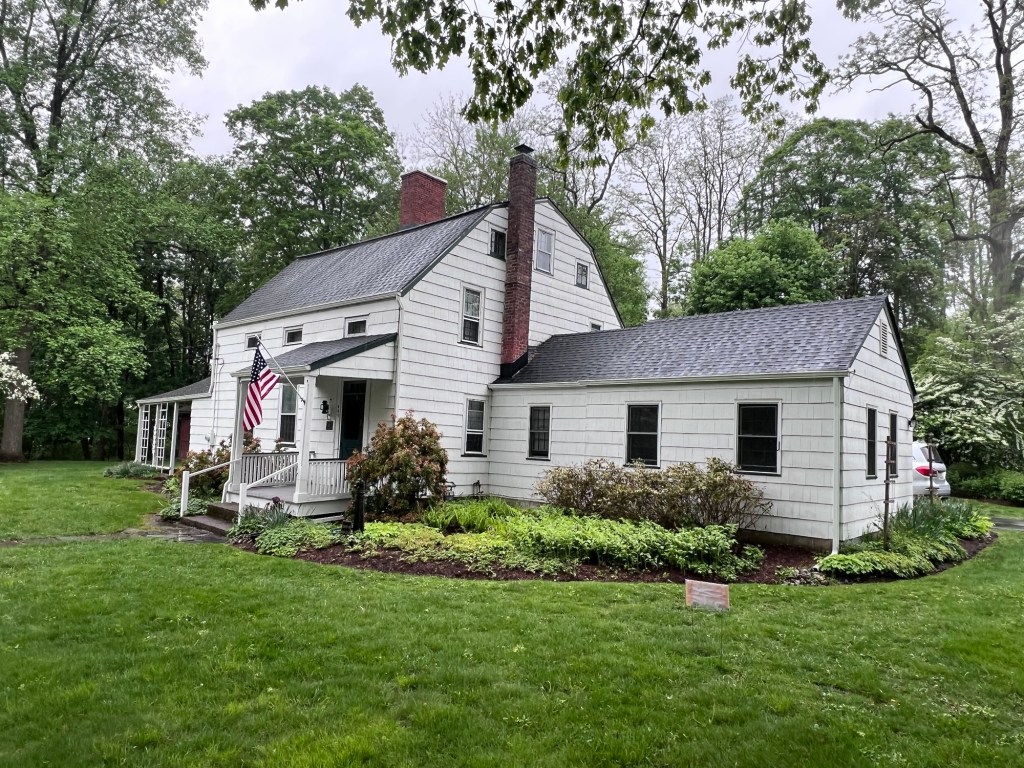
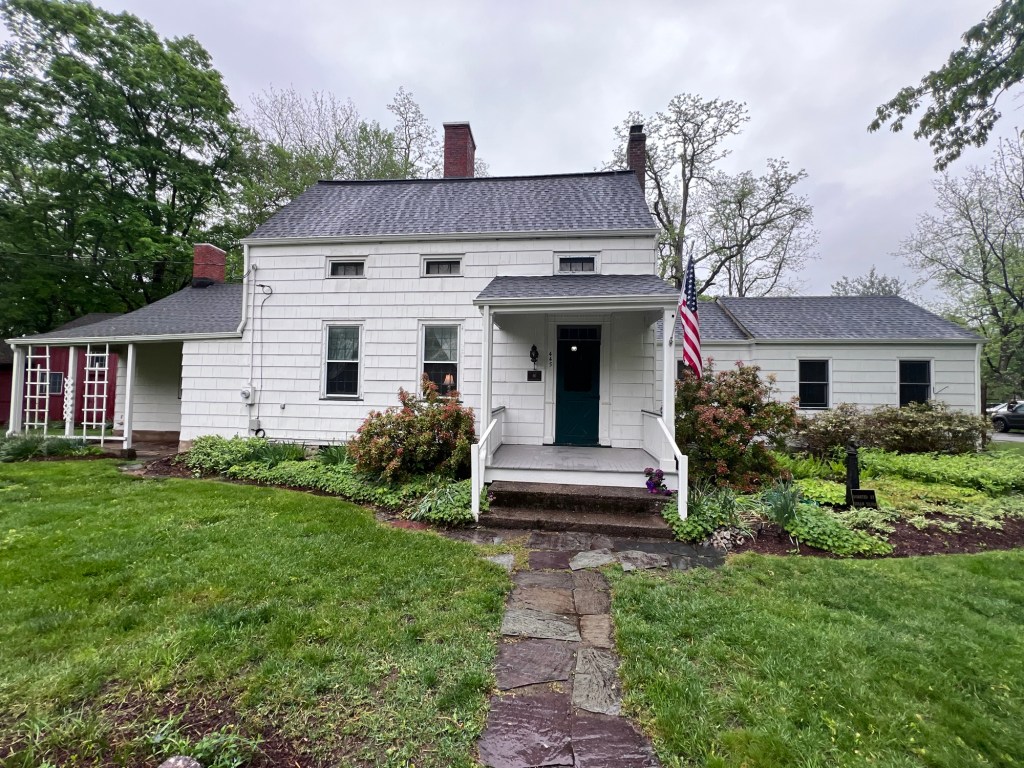
The Miller-Kingsland Homestead at 445 Vreeland Avenue

I went to visit the Miller-Kingsland Homestead, which is part of the Boonton Historical Society, during the Morris County’s Pathway’s tour and discovered a beautiful little historical home situated on picturesque piece of property. I saw by the signs that the grounds were maintained by the local Garden Club, who did a wonderful job landscaping the grounds.

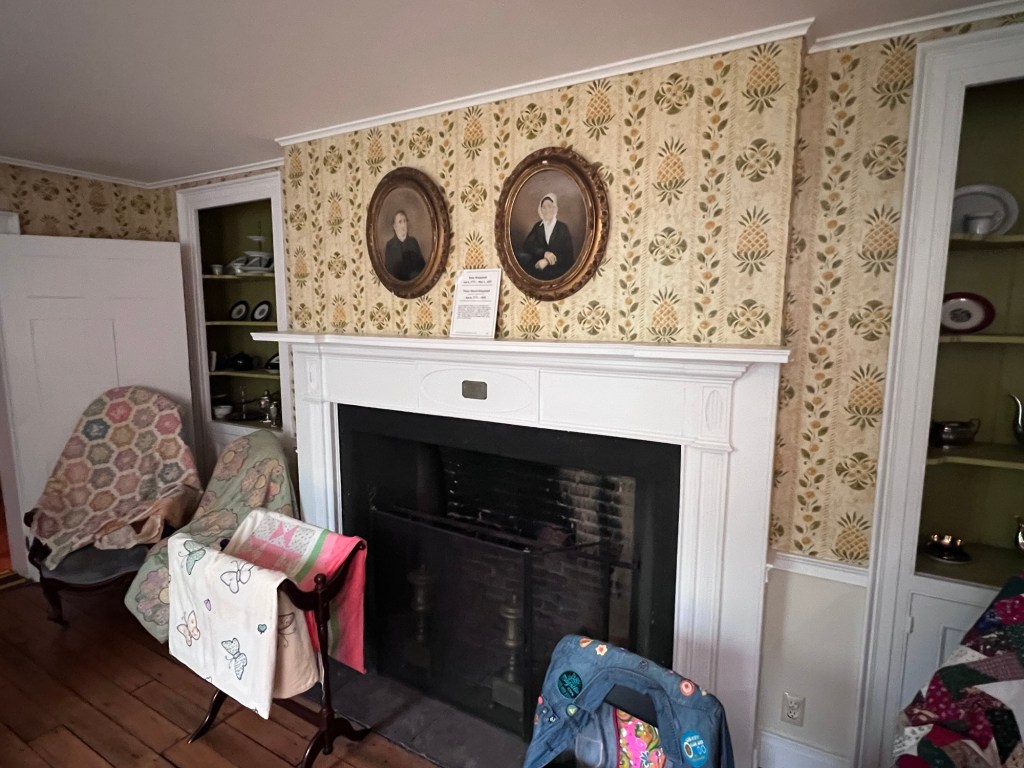
The Living Room in the extension on the house

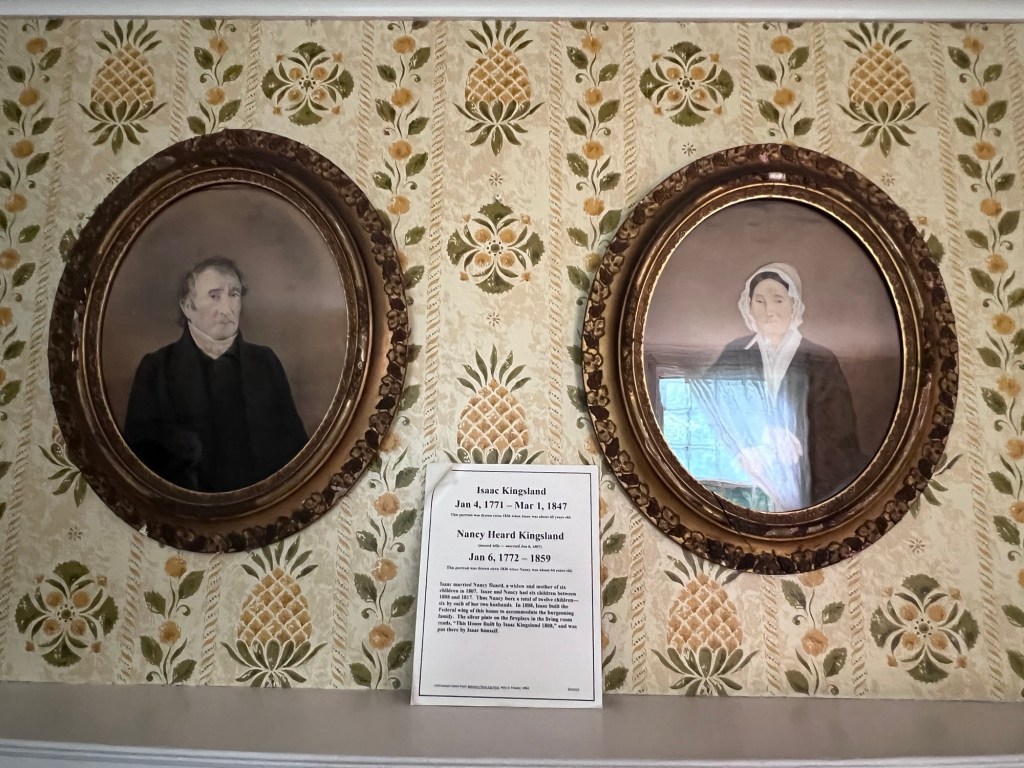
The portraits of Mr. & Mrs. Kingsland

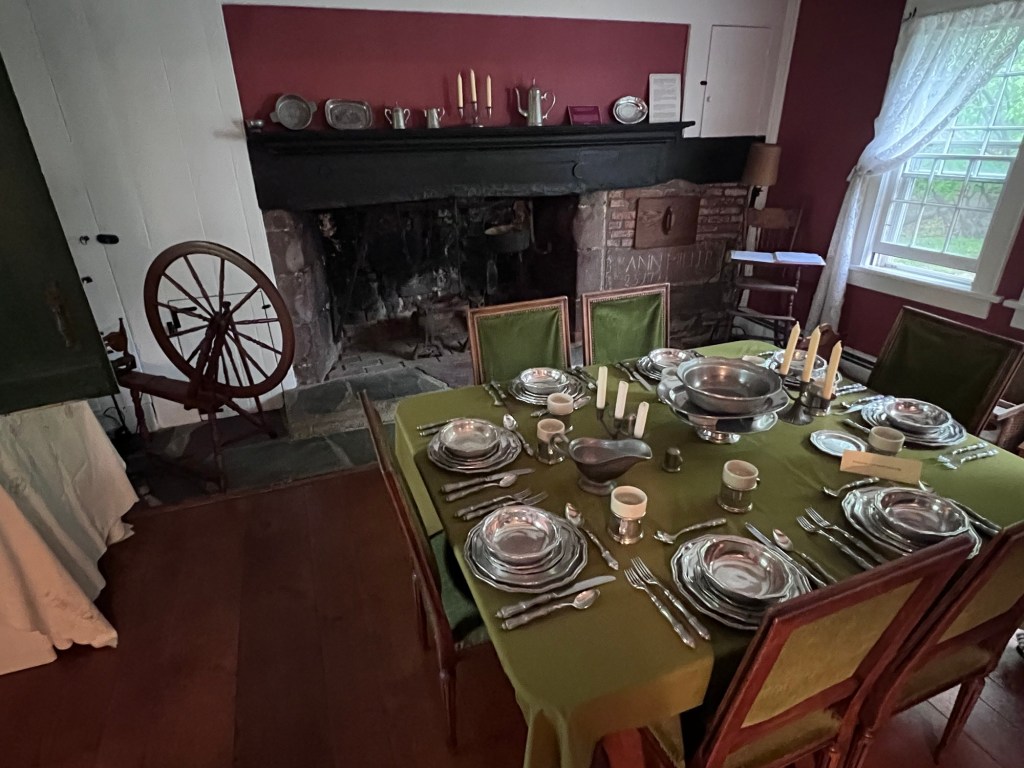
The Dining Room in the old section of the home

The historic home is filled with period furnishings and decorations, none it seems local to the home. Still you can see how the home has changed over the years with additions and renovations. The older part of the home is now part of the Dining Room.

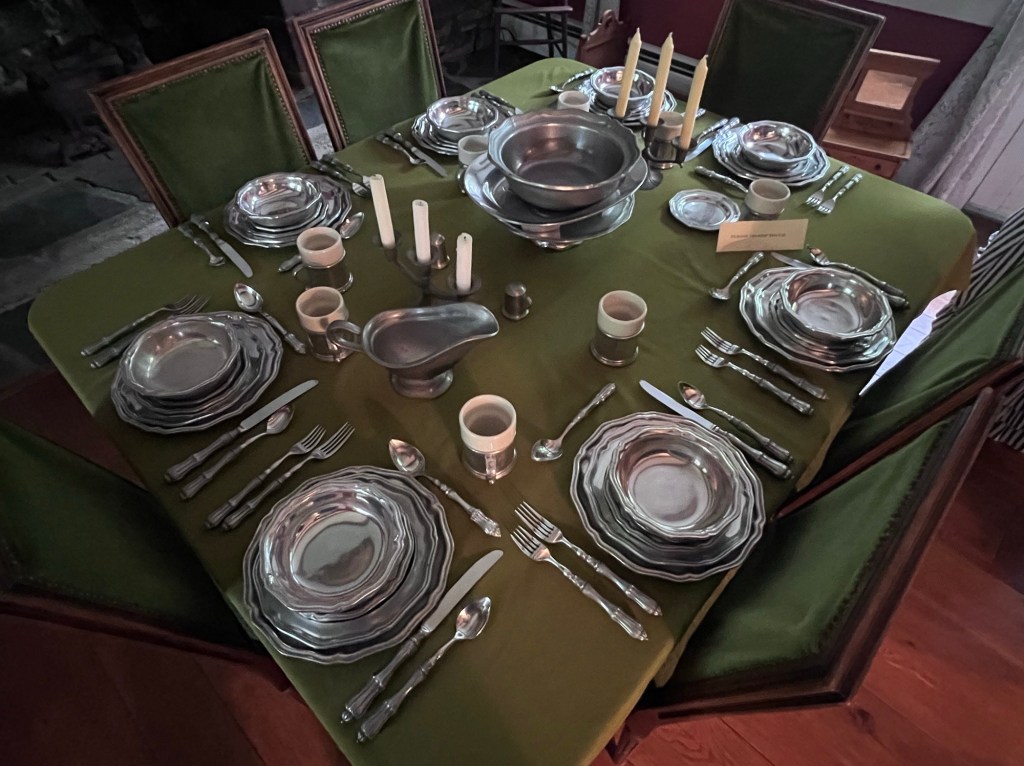
The Pewter ware collection on the Dining Room table

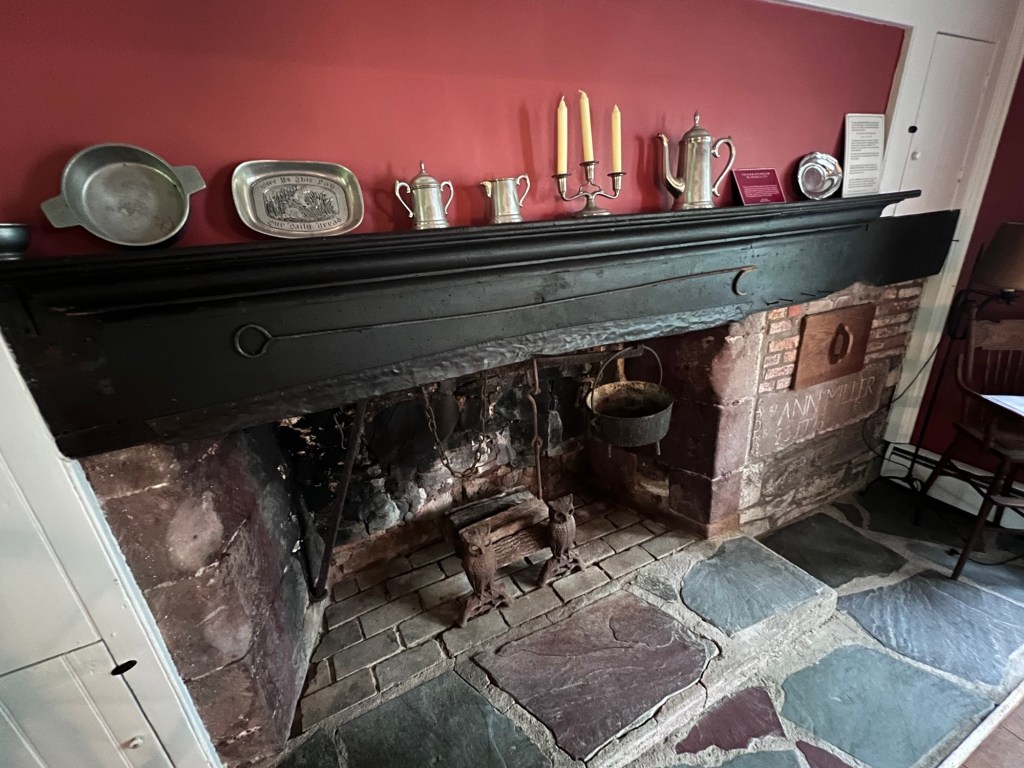
The fireplace in the original house kitchen now in the Dining Room

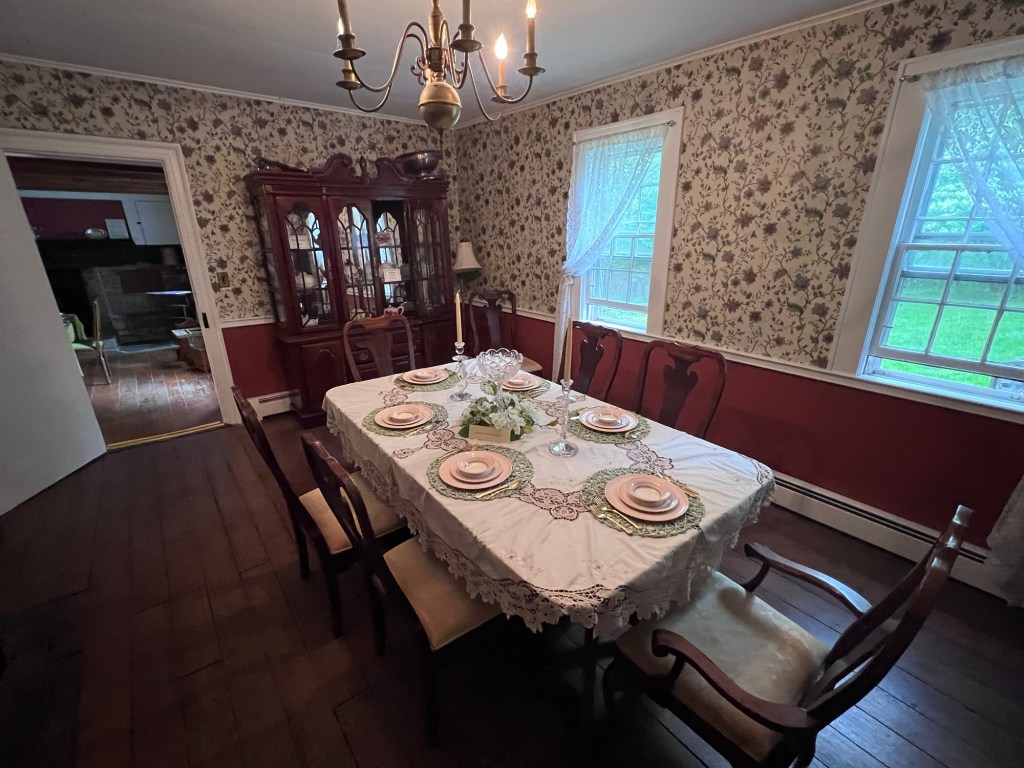
The formal Dining Room in the extension of the house

The formal Dining Room in the newer section of the home

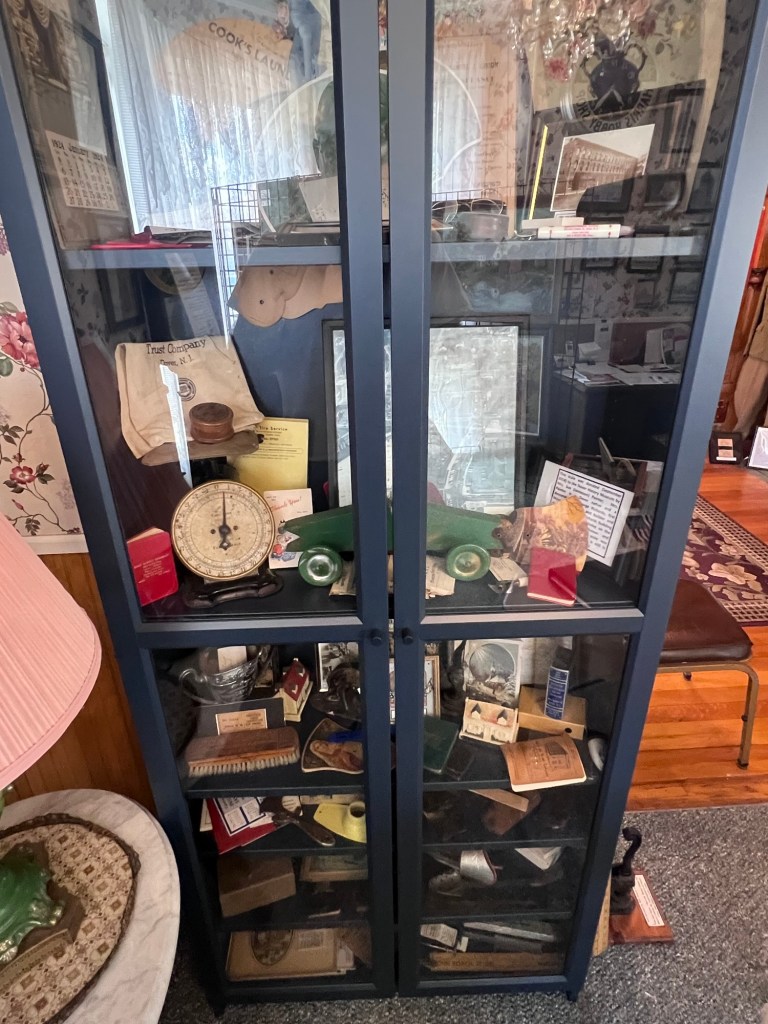
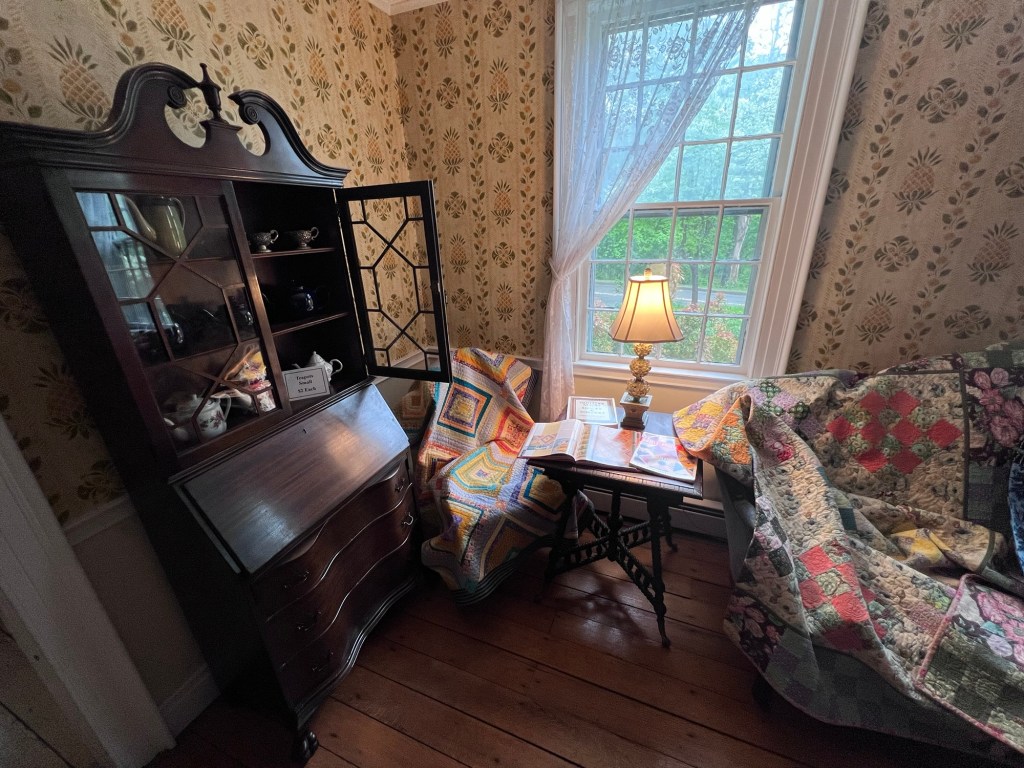
The antique China Closet with Teapots

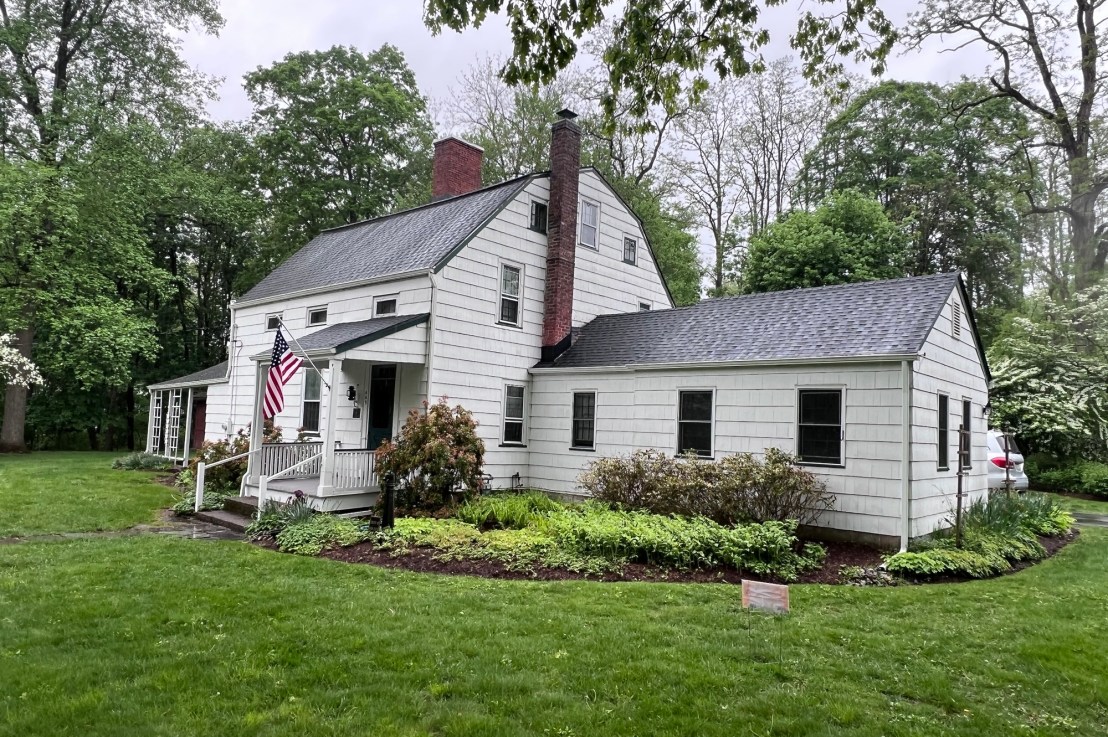
The outside of the house

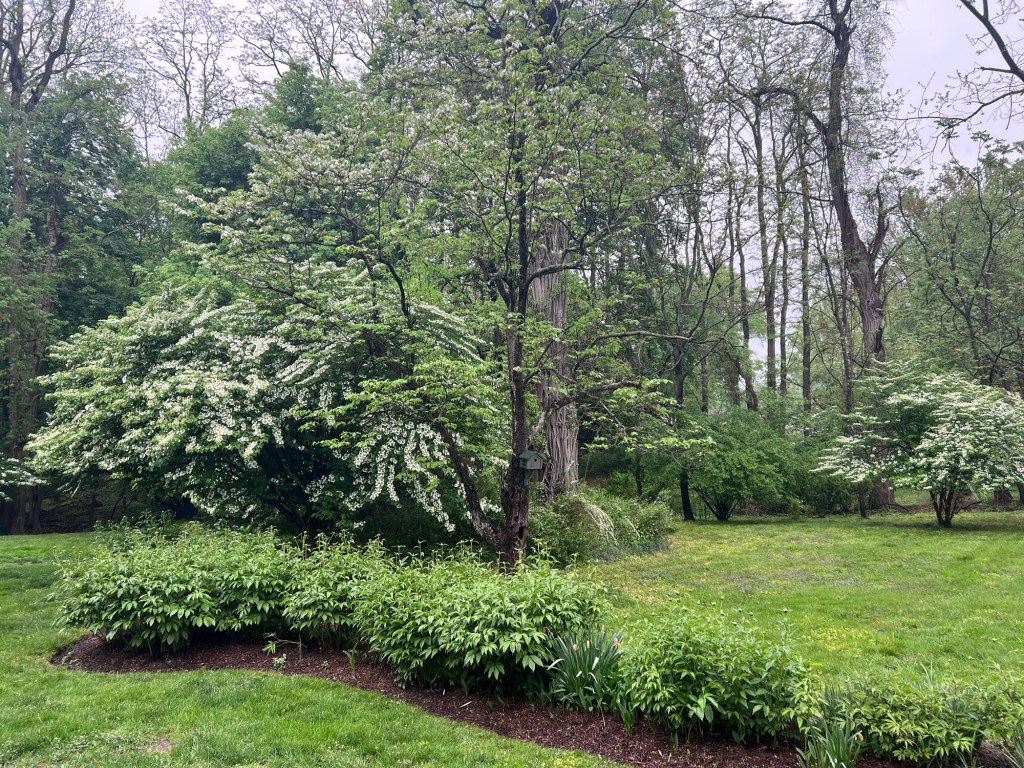
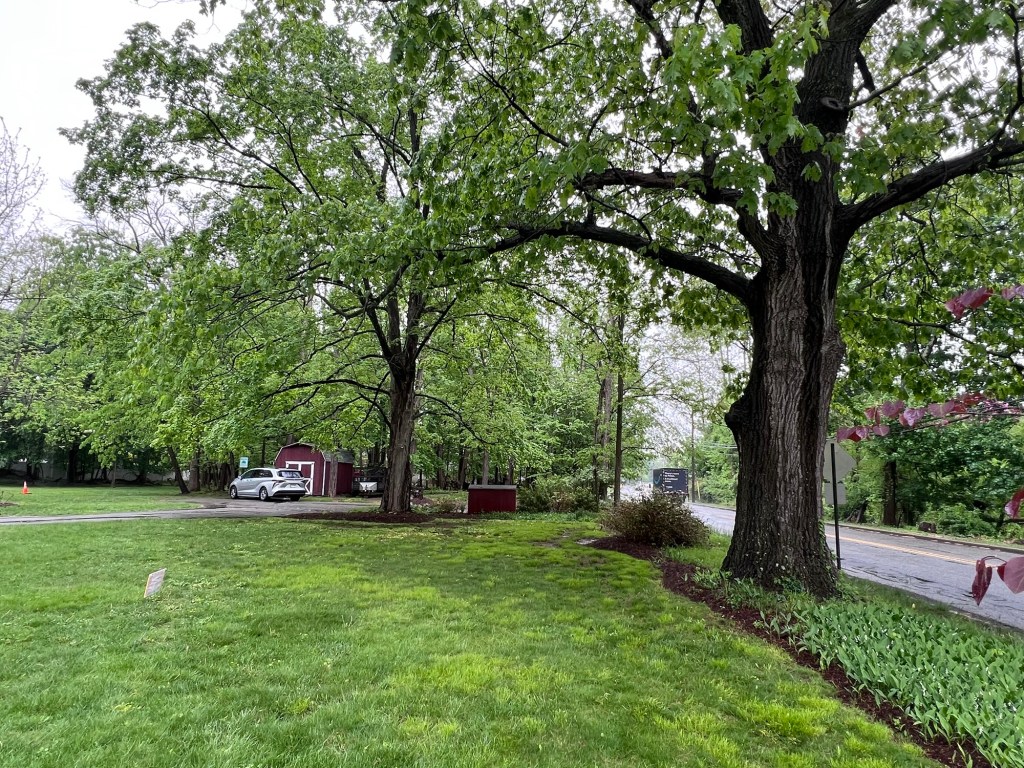
The grounds of the home

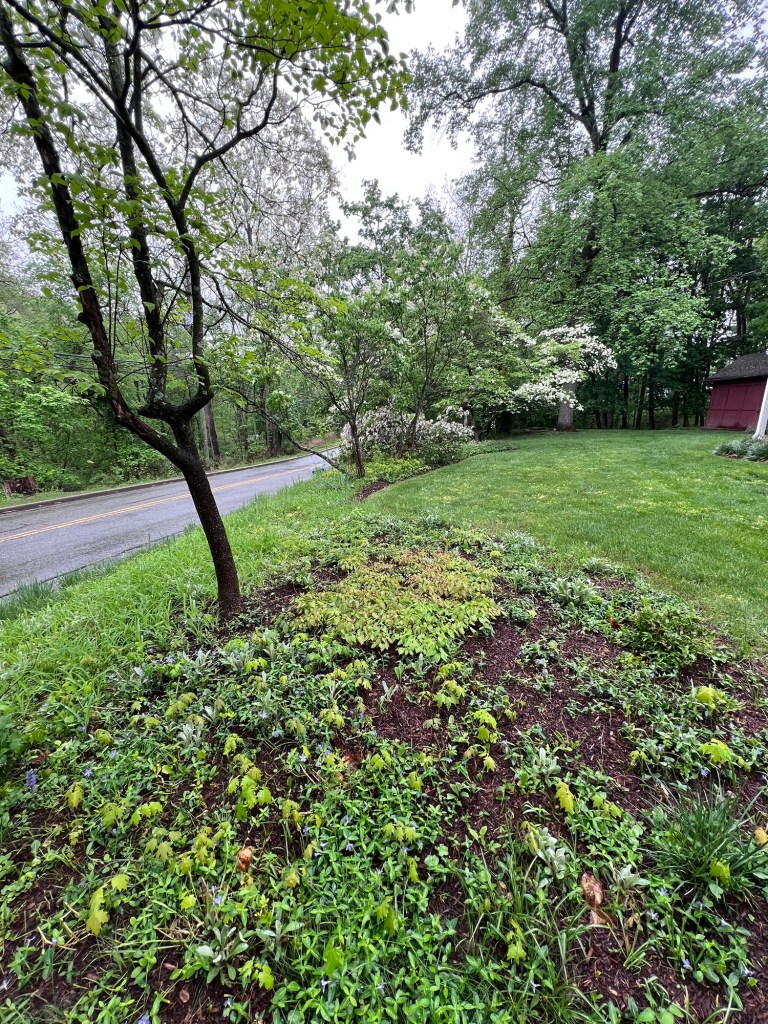
The house sits on a quiet bend in the road and the properties landscaping was just beautiful. Even on this gloomy, rainy day, it was nice to walk around quickly and admire the flower beds and the lawn.

The grounds of the home

The outside gardens of the home in the Spring

The History of the home:

(From the Boonton Historical Society Pathways Tour Book and Wiki):

When Isaac Kingsland purchased the property on Vreeland Avenue from Jacob Miller c 1798, he began a dynasty that would include four New York City lawyers, a comptroller of the City of New York, a Civil War aide to General Benjamin Butler, a college president, three nuns, and a troupe of nationally known marionettes. Similarly, the property itself went from small to large to small again, from the home of farmers, a carpenter and a blacksmith, to a boarding home for horses and the headquarters and studio premises for a company of touring entertainers (Boonton Historical Society).

The Miller-Kingsland House is the oldest recorded home in Boonton. The original Dutch house was one-room with a sleeping attic, built by Johannes Miller around 1740. This room, which is complete with a large cooking fireplace and beehive oven, makes up the west wing of the current structure. The property was sold to Isaac Kingsland in 1798. He added the two and one-half story main section in 1808. It features Dutch style and a gambrel roof (Wiki).

The Miller-Kingsland house sits on a beautiful wooded landscape with a stream flowing through it. The property today comprises some 2.5 acres including the historic frame house and a barn. It is the oldest recorded house in Boonton and is listed on the NJ and National Registers of Historic Places (Boonton Historical Society).