Category: Historic Homes of the Hudson River Valley

Saugerties Historical Society                                119 Main Street                                        Saugerties, NY 12477

Saugerties Historical Society 119 Main Street Saugerties, NY 12477

Saugerties Historical Society

119 Main Street

Saugerties, NY 12477

(845) 246-9529

https://www.saugertieshistoricalsociety.com/

Open: (May – October) Sundays 1:00pm – 4:00pm/Monday-Friday Closed/Saturdays 11:00am – 2:00pm,

Admission: Free

My review on TripAdvisor:

https://www.tripadvisor.com/ShowUserReviews-g48564-d27065896-r960657174-Saugerties_Historical_Society-Saugerties_Catskill_Region_New_York.html?m=19905

I finally got a chance to visit the Saugerties Historical Society and see the inside of this historical home. The Society has done a nice job displaying their historical artifacts and carefully decorating the house to reflex the period.
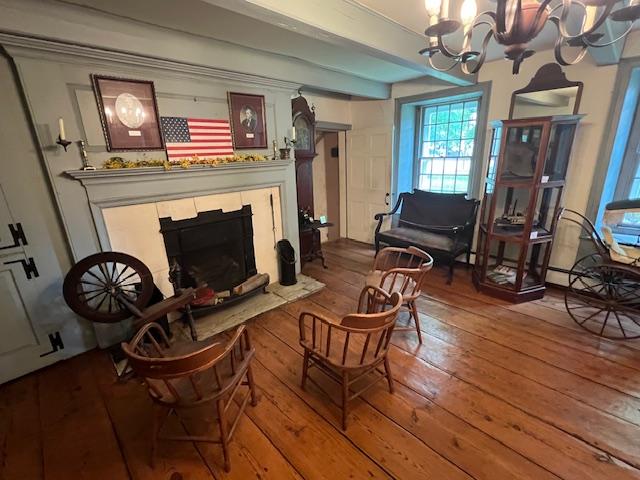
The Living Room of the Kierstad Homestead

In the first room in the main part of the house, there is a display of family China from descendants of the original family who owned the house, local business artifacts and family heirlooms. In the original sections of the house, summer kitchen had has been displayed. This is a depiction of how a Dutch farming family may live in the 1700’s.

In the other room in the main part of the house was an exhibition of local hero, Captain Roger Donlon, who was a decorated officer in the Vietnam War. The exhibition had all the news clipping from the award ceremony and his hometown welcome. One of the volunteers told me that this exhibition will be taken down soon so that they can mount the thirtieth anniversary of Woodstock.

The rest of the house is used for archives space. The house is in two sections, the original section which contains the Summer Kitchen and loft space above (that is closed to the public) and the addition to the house in the late 1700’s. Descendants of the home lived in the house until the 1950’s. The grounds are nice to walk around on and take in the cool shade on a hot day.

The museum is an interesting look at early life in Saugerties, NY.

The Mission Statement:

The mission of the Saugerties Historical Society shall be to provide coordination of all things historical in Saugerties; to be involved in the research, collection, preservation, dissemination of information about, and productive re-use of the historical archives and material culture of the community; to make the historical resources of the community available to the public through education, exhibition and interpretation; and to secure the safe management and protection of such resources that may come under its jurisdiction.

The welcome sign in front of the house.

History of the Society:

(from the Historical Society website/pamphlet)

The Saugerties Historical Society is a source of local information, art, and memorabilia. Exhibitions of colonial and recent history include Saugerties themes as well as those of regional interest such as History Day each October and authentic Hudson Valley colonial militia reenactment.

The Saugerties Historical Society partners with local schools in the education of American and local history. Hands-on activities such as scrubbing clothes on a washboard, spinning wool and writing with a quill pen encourage students to experience colonial life. The Saugerties Historical Society aims to bring pride and knowledge of community through education and preservation.

The earliest recorded owner of the stone house was Hiskia Dubois (c 1727) and Dr. Kiersted purchased the house from Hiskia’s son, Daniel. The Kiersted House was saved from demolition in 1955 by Charles and Inez Steele. Through the generous efforts of volunteers in cooperation with the Town and Village of Saugerties the Saugerties Historical Society acquired the house in 1998.

The Kiersted House is a community center. Each summer, concerts, such as those with the Saugerties Community Band are presented on the beautiful lawn and gardens of the house. The Saugerties Historical Society regularly hosts various community clubs and organizations. The Kiersted House and grounds are available to suitable organizations for special events. The Saugerties Historical Society welcomes all to experience history while visiting the Kiersted House. The Kiersted-DuBois House is listed on the National and New York State Register of Historic Places.
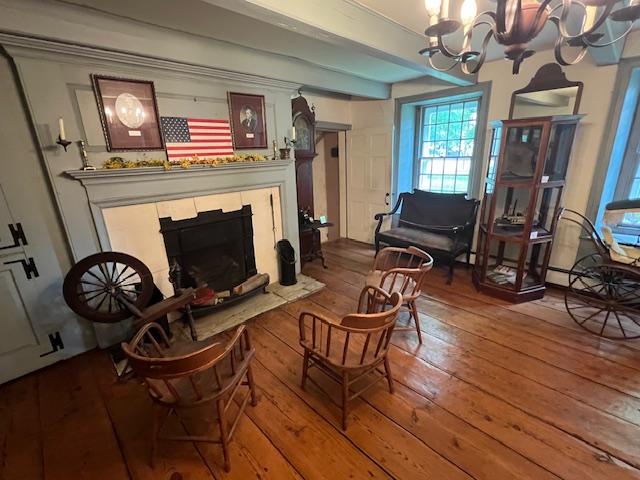
The inside of the Historical Society

History of the Building:

(from the Historical Society website)

The Kiersted House was saved from demolition in 1955 by Charles and Inez Steele. Through the generous efforts of volunteers in cooperation with the Town and Village of Saugerties, the Saugerties Historical Society acquired the house in 1998.

The Historical Marker

The earliest recorded owner of the stone house was Hiskia DuBois, c. 1727. The home which was originally located on  approximately 40 acres was sold upon his death by his son David DuBois to Dr. Christopher Kiersted who was married to Leah DuBois.

The stone house was built in sections with the east wing being the earliest, c. 1727. Subsequent additions to the west end included the parlor and the joining of a stone outbuilding to the main house in 1800. Preservation of the interior of the Kiersted House is evident in the original wide plank floors, 18th century glass-paned windows (some bearing family inscriptions), much original iron hardware and century old concrete floors with inlaid design. 
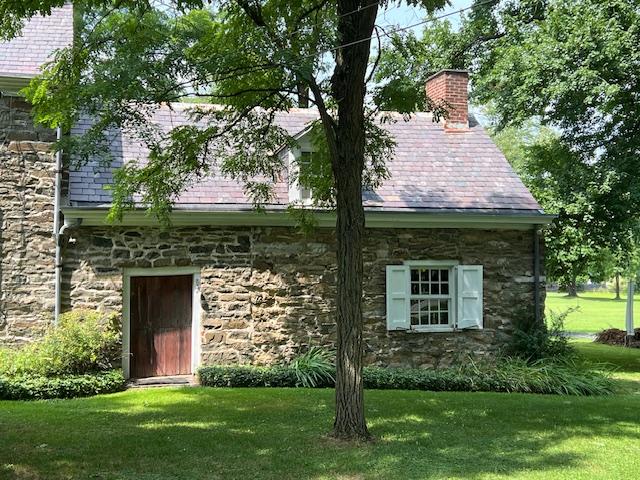
The original section of the home from the early 1700’s with the Summer kitchen

The later addition to the house

In early 2003, during a planned restoration the house was spruced up with great care to respect the historic elements. The wooden doors and frames were carefully cleaned to expose their original grain and features. The floor planks were also cleaned and patched aesthetically. The stone work in the fireplace required additional care and some of the original stones had to be replaced. An antique pro carpet cleaning NYC service was enlisted to clean and restore the rugs and carpets, many of which were the originals and some of the more worn items were moved away from highly trafficked areas. The drapery and linen items were also restored or replaced with replicas.

The Saugerties Historical Society in the summer of 2023.

The Society has given visitors a chance to see what life was like for early Dutch and English settlers from a prestigious family from the area. It shows that life was understated and productive. It was not an idle existence but one from hard work and determination to build on something. The house is a window for us to look at the families who lived here and how their families grew and progressed.
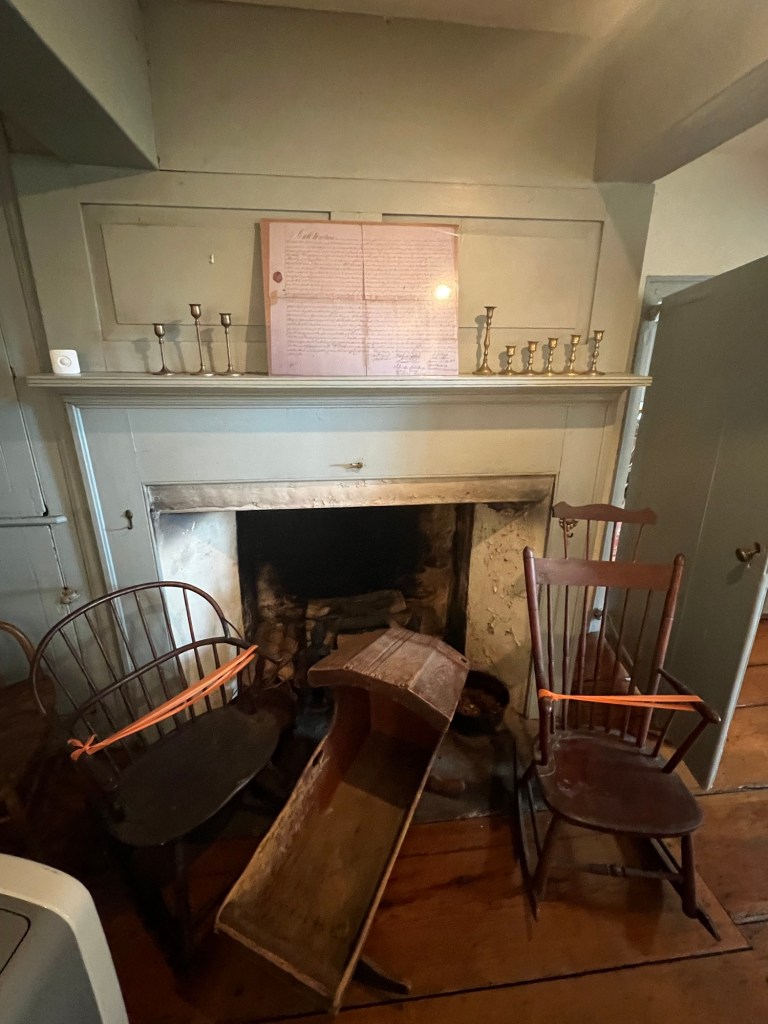
The fireplace and family crib of the Kiersten’s family
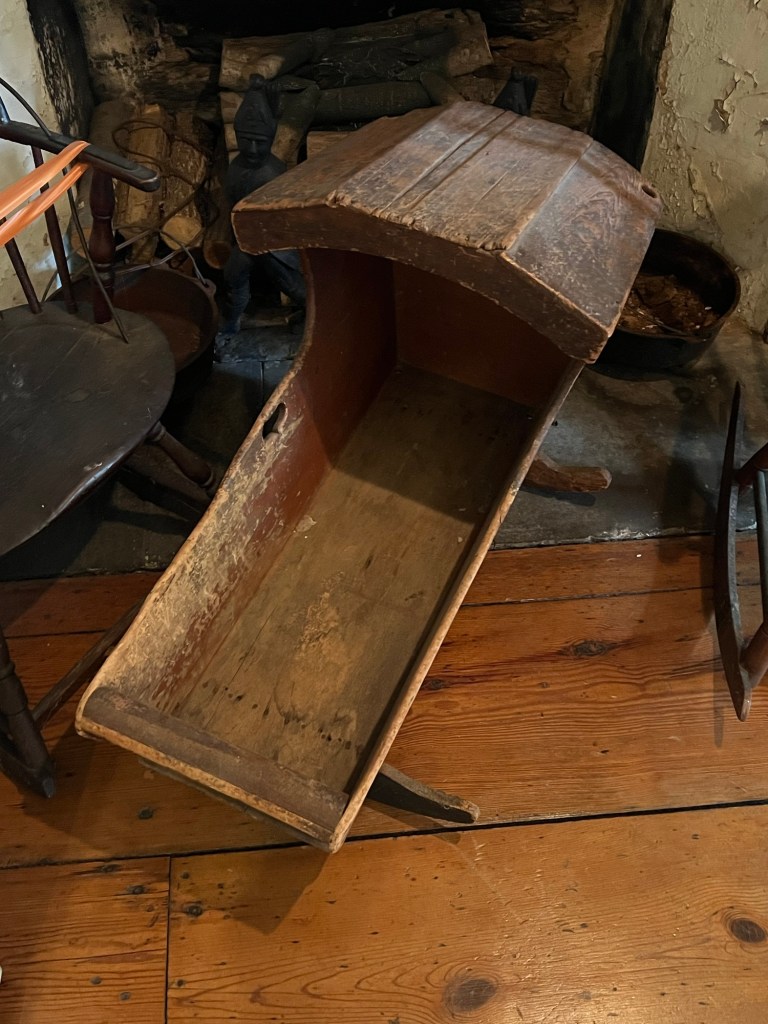
The Kierstad family crib from Dutch times

The Living Room set up
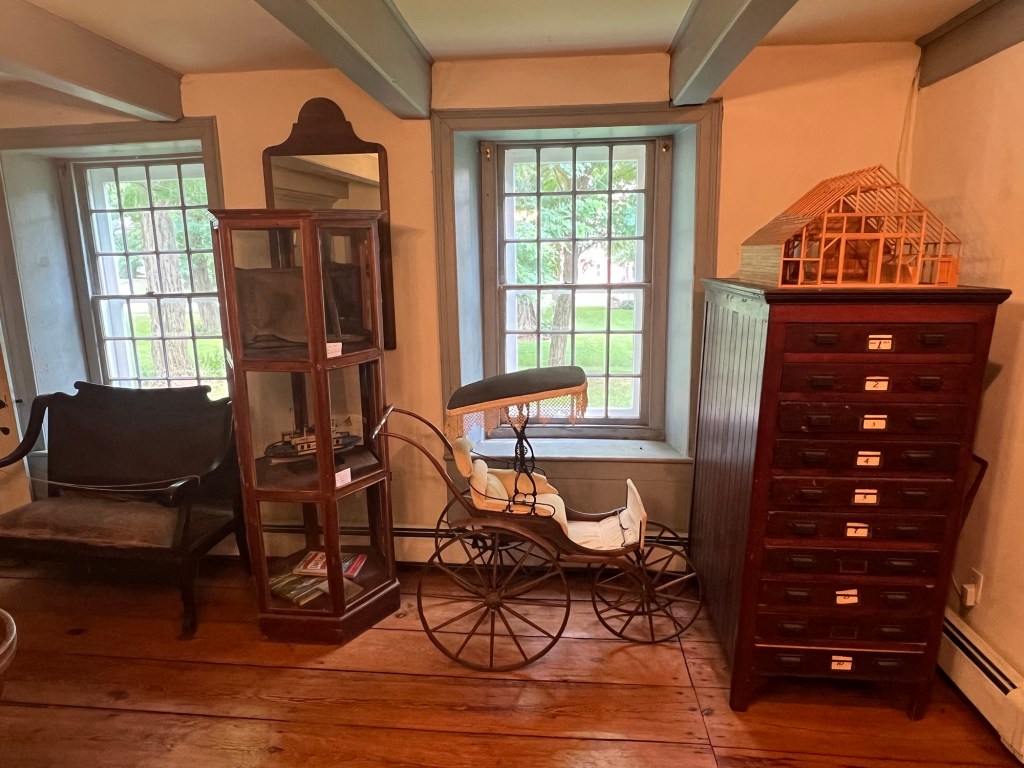
Artifacts in the Living Room including antique furniture and a stroller from the Civil War

The ‘Old Summer Kitchen’

The Summer Kitchen was the original part of the house

The table lined with items from harvest and for cooking the main meal

The kitchen being the focal point of the house was always warm so children and babies could be watched

In the main room were many of the artifacts in the collection:
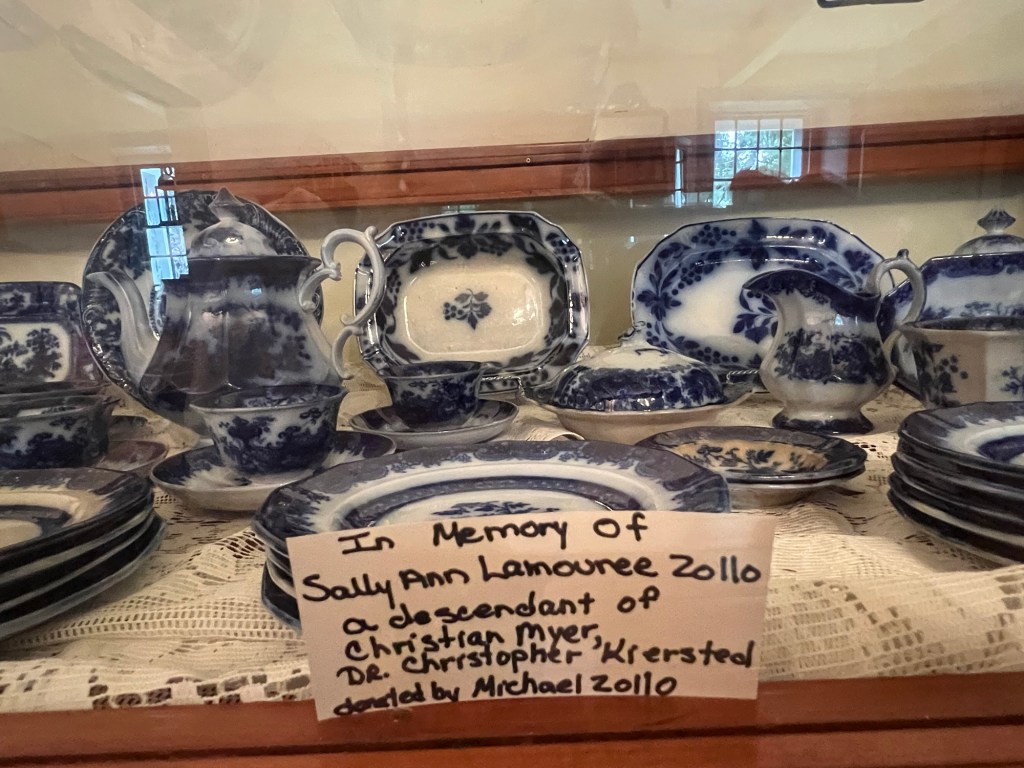
The family China of Sally Ann Lamouree Zillow, a descendent of the Kierstad family

From the Town of Saugerties, the award of a commode

The Captain Roger Dobson exhibition:

In the other part of the house was exhibit of Captain Roger Dobson, a local hero of the Vietnam War. The decorated Captain’s store was a local boy makes good. The exhibition contains all sorts of clippings and articles from the event and of the Captain’s accomplishments.

The entrance to the Roger Donlon exhibition
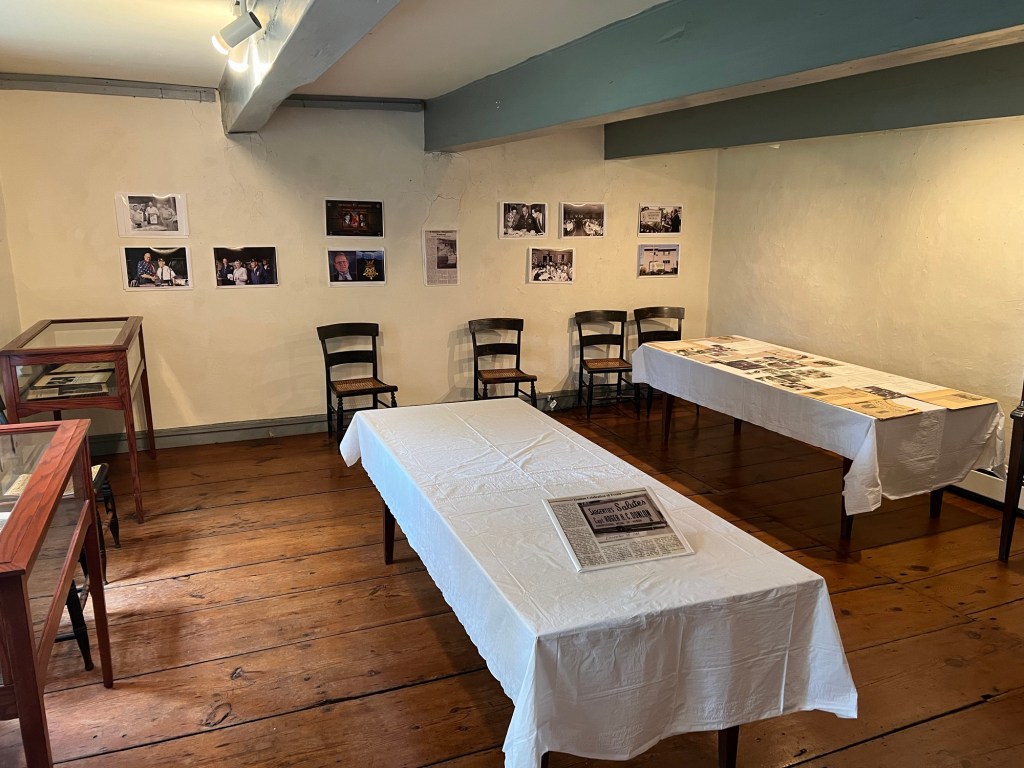
The Roger Donlon exhibition on his career in the armed forces during the Vietnam War
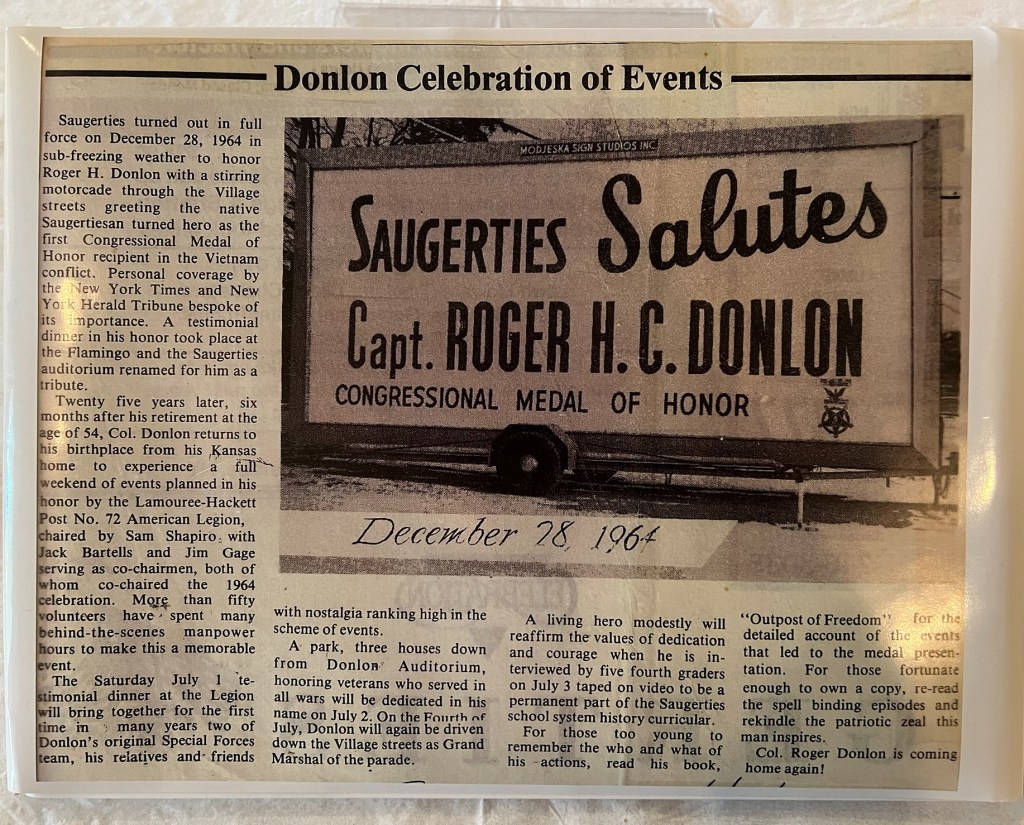
The display of Captain Donlon’s accomplishment

The last artifact I saw at the museum was a replica of the original map of Saugerties. This map shows the farms and estates of the original families of the Town of Saugerties.

The replica of the map of Saugerties, NY

The Outside Gardens:

After my tour of the museum, I walked around the grounds of the property and enjoyed the sunny day.

The gardens outside the entrance to the Kierstad Homestead and Gardens

The lawn outside the museum

The Den of Marbletown-The Teddy Bear Museum One Basten Lane                                         Kingston, NY 12401

The Den of Marbletown-The Teddy Bear Museum One Basten Lane Kingston, NY 12401

The Den of Marbletown-The Teddy Bear Museum

One Basten Lane

Kingston, NY 12401

(845) 687-6441

https://thedenofmarbletown.com/

Open: Sunday11:00am-5:00pm/Monday-Wednesday Closed/Thursday-Saturday 11:00am-5:00pm

My review on TripAdvisor:

https://www.tripadvisor.com/Attraction_Review-g48003-d7252463-Reviews-The_Den_of_Marbletown-Kingston_Catskill_Region_New_York.html

Den of Marbletown-The Teddy Bear Museum at One Basten Lane

The sign that greets you in the front of the business.

When you enter the museum, you will walk through an extensive collection of Steiff animals for sale in the museum gift shop. The owner of the museum and gift shop is a licensed Steiff store. After you pass the gift shop you get to experience all the beautiful stuffed toys which I would consider art.

The Steiff Teddy Bear Shop that sells all these beautiful works of art.

All the beautiful Steiff animals for sale in the Steiff Store.

The tour of the museum starts at the register where the museum has a small drink menu. You can get soft drinks like soda, homemade Lemonade and Bubble Tea or hot drinks like Coffee or Tea before or after your tour. A more extensive menu is being worked on the owner of the museum promised.

The drink menu at the Teddy Bear Museum.

Then you move room to room admiring all the beautiful graceful animals. The rooms are filled with all sorts of bears of all shapes, sizes and colors. There is every animal that was on Noah’s Arc and probably more. You can admire the bears from a distance but get to see them up close in the gift shop that offers such an extensive collection to choose from.

The extensive collection of wooden toys on the way up the stairs.

You can see an original “Teddy Bear” like the one created for Theodore Roosevelt. You can see a collectible “Rod Bear” one of the original bears created by the company.

The “Teddy Bear” in the collection.

On the second floor, the collection continues with an extensive collection of wooden toys. They also come in every shape and color. There is also an extensive set of collectables as well.

The Wooden Animals in the collection.

The museum creator’s mother in law continues to collect bears and other animals today so the collection keeps growing. There is an extensive amount of ‘collectable’ items on display as well.

Some of the smaller ‘collectables’.

More ‘collectables’.

The owner of the museum also has a special section for his friend, Sandy Sherman with a portrait of her as a girl with her Steiff toy and then a picture of her as an adult with the same toy years later. It was a very touching piece in the collection.

The Sandy Sherman exhibition

The portrait of Sandy Sherman and the photo of her holding the same bear as in the painting.

When you have had enough of everything stuffed animals, there is a place for parents to relax while their kids play with some toys provided by the museum in the “Mama Bear” room. The lounge is for parents to relax and kids to continue to play.

The Mama Bear Lounge

The “Mama Bear” Lounge is a place of comfort and relaxation. It is set up perfectly for those who want o play and for those who want to relax.

The Children’s Room in the ‘Mama Bear’ Lounge

The entrance to the gardens and the pond.

The path with the gardens.

The pond at the end of the path.

When you finish exploring the inside of the museum, the grounds outside offer much more as well. There is lush green lawns to relax on and a path with a garden to a pond in the woods that is just as relaxing. it is a nice way to spend the day exploring the paths and relaxing under the trees.

The beautiful grounds outside the museum.

The museum is a perfect way to capture the inner child in each of us and a place to relax and just enjoy a nice day. The museum owner also added he is working on a new café menu so there will be a place to eat as well at the museum. Then you can really spend the day there.

It was a wonderful afternoon tour.

The History of the Museum:

(from the museum’s website)

The Den of Marbletown is a teddy bear museum in Kingston, New York. We have a large collection of original Steiff teddy bears on display, and we sell rare Steiff collectibles in our gift shop. We also feature an on-site café, where you can enjoy scratch-made food and homemade baked goods.

The sign that greets you in the front of the museum.

The Teddy Bear Museum features more than 5,000 Steiff teddy bears and animals, Madame Alexander dolls, Barbie dolls, and hand-carved wooden toys. Steiff is the German company that invented the Teddy Bear, as we know it, more than 100 years ago. Today Steiff is considered the world’s premier manufacturer of high-end toys and collectibles. Indeed, Steiff is the only “luxury” toy brand in the marketplace today.

The Grace Bear Collection Room

The Collection

The Teddy Bear Collection

The core of the collection comes from “Gracebear,” a Steiff enthusiast who continues collecting to this day. Gracebear has shared this collection with her daughter and son-in-law, Nan and Steve, who are the founders of The Den. Gracebear’s other collections rotate throughout the museum as temporary exhibits, including Madame Alexander dolls, Barbie dolls, Schuco toys and bears, and hand-carved wooden toys.

Dioramas

The Steiff Circus exhibit

Local artists share their talents through the creation of charming dioramas that rotate throughout the year.

The Steiff History Room

The “Teddy Bear” exhibit

The history of the Teddy Bear (and Teddy Roosevelt); the poignant story Margarete Steiff, the founder of the luxury toy company; and the design evolution of the Teddy Bear are some of the displays featured in this section of the museum.

The Rod Bear

The “Original Rod Bear”

On Loan from the collection of the late Mary Couke is the exquisite and rare 1904 Rod Bear, considered by many as “The Holy Grail” of Steiff Collectors. This bear features an early design attempt at movable joints through three metal rods in the body – horizontal ones for legs and arms, and a vertical one for the head.

The Teddy Bear Café:

The Teddy Bear Café

After you spend the day in our teddy bear museum, stop by our café for a quick pick-me-up. The Den of Marbletown serves a variety of menu items at our coffee shop in Kingston, Ulster County, Hudson Valley, NY.. You can create your dream drink, including flavored lemonade or 40 plus flavors of bubble tea at the den. Need to get some work done? Take advantage of our free Wi-Fi. Need a place for your kids to unwind? We have indoor and outdoor play spaces.

The drink menu is extensive and the beverages are homemade.

The Teddy Bear Gift Shop:

The gift shop offers everything Steiff

When you step into The Den of Marbletown’s souvenir shop in Kingston, Ulster County, Hudson Valley, NY, it’s like stepping back in time. Experience the joys of a classic toy shop when you browse our selection of Steiff teddy bears and stuffed animals. We’re one of the few shops in the area that sells Steiff toys, and we sell a wide variety of rare collectibles.

The gift shop has an extensive collection of bears and other animals for sale.

The Basten House

The Basten Homestead houses the collection.

The museum exists in a very special space – a marvelous 1860 farmhouse, in which houses seven generations of “The Basten” family. The museum experience is enhanced by this context – the old wall paper, the slopping floors, the secret passage ways, the antique door knobs, the original shutters, and the stone wall of “the keeping room.”

The Basten House history.

Ulster County Historical Society                        2682 Route 209                                           Kingston, NY 12401

Ulster County Historical Society 2682 Route 209 Kingston, NY 12401

Ulster County Historical Society

2682 Route 209

Kingston, NY 12401

(845) 377-1040

Open: Sunday 10:00am-4:00pm/Monday-Thursday Closed/Friday-Saturday 10:00am-4:00pm

Admission: Adults $15.00/Seniors and Students $10.00/Members Free

My review on TripAdvisor:

https://www.tripadvisor.com/ShowUserReviews-g48003-d26612748-r915068372-Ulster_County_Historical_Society-Kingston_Catskill_Region_New_York.html?m=19905

The Ulster County Historical Society at 2683 Route 209

I visited the Ulster County Historical Society in Kingston, New York recently and found it to be a very interesting packed with information on both county and New York State history. The historical Bevier House was set up into different galleries.

In the main gallery which must have served as the family’s living room and parlor room was the “Leaving Bishop Falls” exhibit by artist Kate McGloughlin, who shared the story of how her family either sold out or were forced off their land when New York State used the area as a reservoir for drinking water for New York City. Her art told the story of her family’s love/hate relationship with the situation and how some of the family still deal with the incident. I thought it was interesting that she was a 12th Generation New Yorker.

The Main Gallery

What was once the Dining Room is now the Portrait Room, with many family portraits and of local citizens from the Museum’s collection. This room is also used for lectures.

The Portrait Gallery and lecture space

The Portrait Gallery

The Portrait Gallery has period pieces to them with various tables, armours and pottery and china pieces of the time period. The portraits reflect that time period as well.

The back part of the house is the period Dutch Kitchen which was remodeled from the more modern kitchen it had become over time as the family moved into modern times back to the original kitchen. The fireplace is filled with tea kettles, pots and pans that would have been used for cooking, a bedwarmer and various items that cooks and housewives would have used to make the family meals. There is even a bed in the kitchen which I took as something that was needed in the colder months.

The Dutch Kitchen

The pewter and pottery in the Dutch Kitchen.

A folding bed in the kitchen.

The room to the back displayed farm equipment and materials needed in the Blacksmithing and Blue Stoning industries that were once part of Ulster County. The farm equipment reflects the rural past of the farm land that used to surround the house. This is where the family made their money.

The farm tools display

The Farm tool display

The Blacksmithing Display

The Blue Stoning tools for mine blue stone for homes.

Then to the back of the house are the stone gardens loaded with all sorts of wild flowers and colorful flowering plants. This path leads to the old family barn that is now on private property. The gardens are a nice place to relax and unwind on a sunny afternoon.

The Stone Gardens in the summer months.

The side of the house with the stone gardens.

The gardens on the side of the house.

The home is an example of life on a farm at that time period and the family who put a lot of care in their home for generations. The care that the historical society has brought to this house is reflected in the displays and exhibits. The volunteers do a good job telling this story.

The Special Exhibition at the museum:

LEAVING BISHOP FALLS — AN ASHOKAN STORY
MAY 13 – OCT 29, 2023

The entrance of the exhibition “Leaving Bishop Falls”

Construction of the Ashokan Reservoir, part of New York City’s water system, flooded communities long established in the Esopus Valley. That action reverberates in our community today. 

Artist Kate McGloughlin shares her family’s history in the area.

https://www.katemcgloughlin.com/

The newspaper coverage of the event.

The work of artist Kate McGloughlin, a 12th– generation county resident, captures the sense
of loss her family still carries from the seizure of Bishop Falls. Her kin, and many like them, were forcibly removed from their land at Bishop Falls.

The artist’s descendants

Kate’s painting and printmaking tell the story of her people, acknowledging their loss and finding solace in the beauty of the Ashokan landscape.

The main gallery with her works.

The exhibition asks us to reflect on our own family stories and how they resonate in our lives today.

The works of Kate McGloughlin

Map of the location of the family land and community lands taken away.

The History of the Ulster County Historical Society:

(from the museum’s website)

The Ulster County Historical Society is the oldest historical society in New York State. It was established in 1859, largely through the efforts of State Senator George C. Pratt, Commanding Colonel of the 20th Regiment, New York State Militia (80th NYSV). Col. Pratt was mortally wounded 1862 at the Second Battle of Bull Run. With his death, the Society became dormant until 1898, when an enthusiastic group led by Judge G.V.D. Hasbrouck revived it.

The Bevier House plaque

Throughout the history of the UCHS, the mission has been twofold. The society’s primary responsibility has been to act as curator and collector of significant Hudson Valley artifacts, documents, and cultural items. The donation of the Bevier House as museum space helped the UCHS to achieve this goal, and we currently house several fine collections of artwork, furniture, and culturally significant documents. Additionally, our library within the museum allows for researchers to access documents, land records, maps, town histories, letters, and diaries of interest to this area of the Hudson Valley. Please contact info@ulstercountyhs.org with any research queries.

The Bevier Family tree and patent

The second goal of the UCHS is to educate our community and the public on the very important role that the Hudson Valley, and particularly Ulster County, has played in the formation of our great nation. Through a variety of programs centered around our current exhibits, we encourage participants to engage with and explore their local and personal histories.

A copy of the permit to maintain and run the local highway.

The rate of the tolls on the road that the family collected.

The History of the Van Leuven/Bevier Homestead:

(from the museum website)

The sign that welcomes you.

The Ulster County Historical Society is proud to have the Bevier House as its headquarters. The Bevier Family donated the building in 1935 to serve as a meeting space and to house the collections of local historical artifacts stewarded by the UCHS.

The Bevier House in the summer of 2023.

The home site was first settled in the 1680s and began as a one room structure, constructed by Andries Van Leuven. It may have reflected the Dutch tradition of positioning the gable end toward the street. In 1715, Louis Bevier of the New Paltz Patent purchased the property for his third son Louis and wife Maria Hasbrouck.

The family barn (which is not part of the Historical Society property)

The site remained in the Bevier Family for the next 223 years and provided a successful income from farming. The home grew and was improved with most changes occurring between 1840 and 1890, when much of the U.S. was experiencing rebuilding and reconstruction after many years of turmoil.

The stone garden on the side of the house.

The house gardens and well in the summer of 2023.

The final major change that occurred in the house was the Dutch kitchen remodel in the 1970s, in conjunction with the Bicentennial.

The Dutch kitchen brought back to its original form.

The Ulster County Historical Society is a perfect way to understanding Dutch farming life at that time period in Ulster County, NY.

Washington’s Headquarters State Historic Site                                  84 Liberty Street                                                     Newburgh, NY 12551

Washington’s Headquarters State Historic Site 84 Liberty Street Newburgh, NY 12551

Washington’s Headquarters State Historic Site

84 Liberty Street

Newburgh, NY 12551

(845) 562-1195

https://parks.ny.gov/historic-sites/17/details.aspx

https://www.hudsonrivervalley.com/sites/Washington-s-Headquarters-State-Historic-Site-/details

Open: Sunday 1:00pm-4:00pm/Monday-Tuesday Closed/Wednesday-Saturday 11:00am-4:00pm

Admission: Adults $7.00/Senior/Student $5.00/Children 12 and Under Free

My review on TripAdvisor:

https://www.tripadvisor.com/Attraction_Review-g48254-d1798458-Reviews-Washington_s_Headquarters_State_Historic_Site-Newburgh_New_York.html

The Washington’s Headquarters State Historic Site in Newburgh, NY

I spent an afternoon exploring the Beacon/Newburgh area with all its historical sites and homes and my last stop was the Washington’s Headquarters State Historical Site in Newburgh, NY. Surrounded by a quickly gentrifying neighborhood it really showed me the progress this area has made and how the site keeps reinventing itself. It shows this site’s resilience.

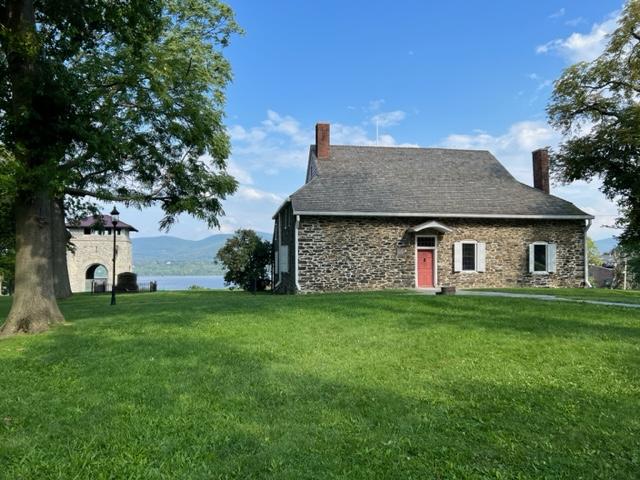
The Hasbrouck family farmhouse was General George and his wife, Martha’s home for over sixteen months.

For sixteen and a half months, the site was used by General George Washington, along with his wife Martha, his aides, guards and free and enslaved servants. They used the Hasbrouck family’s Dutch-style farmhouse as their home and headquarters. It was the longest time they spend at any military headquarters beginning in April of 1782 and ending in August of 1783 as the Revolutionary War was drawing to a close (Palisade Interstate Park Commission).

I was able to take the last tour of the day at 4:00pm and our tour guide was excellent. She really knew the history of the site and gave us a comprehensive tour of the home and the time before and after the war. We went room by room in the Hasbrouck family farmhouse and she described how the family had utilized the house and then how General Washington and his wife and staff used the home during the war years.

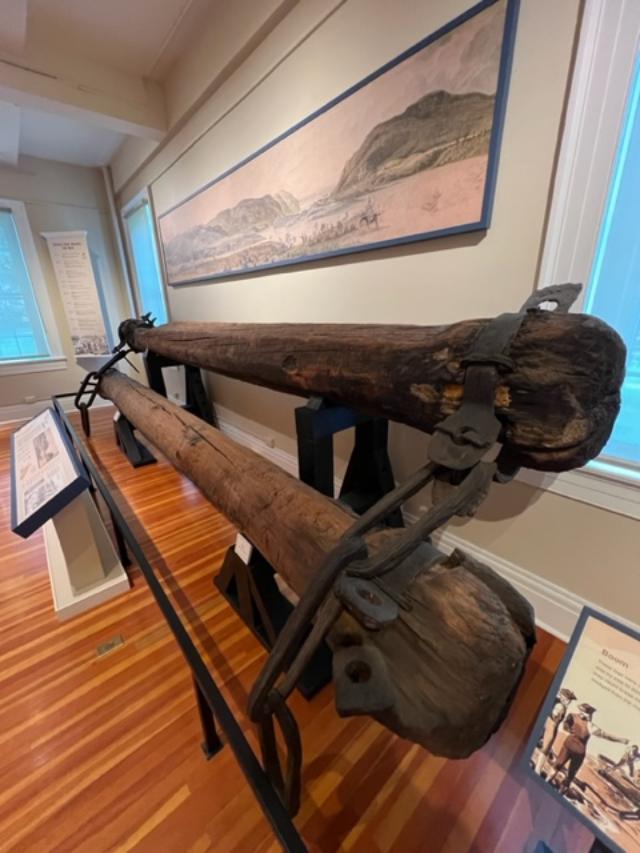
I started the tour in the Museum Building, which is a Federal style building that was erected in 1910 to house the collection of artifacts from that period. The collection includes the only surviving section of the boom that stretched across the Hudson River at West Point (Palisade Interstate Park Commission).

The main gallery housing equipment and the surviving piece of the boom.

The Boom that protected the Hudson River

The piece of the boom that survived and was dredged from the river in the late 1800’s.

The second gallery had the video history of the site and how Washington’s troops advanced in the area. It also went over the last years of the war and the progress American troops made.

The Video Gallery at the Washington Headquarters site.

The sign of the historic site.

After the tour of the museum on my own, we started the tour of the Hasbrouck family homestead. When we approached the house, you could see where the house was added onto from the original footprint. At the top of the doorway, we could see the cornerstone where the family name and year of the building of the house was built.

The cornerstone to the home with the family name and date.

Jonathan and Tryntje Hasbrouck built this Dutch style farmhouse between 1750 and 1770. They raised their family and ran their business here. The property stretched from the banks of the Hudson River to about two miles inland for a total of almost 200 acres. After his passing in 1780, his wife ran the home and the business successfully for the rest of her life (Palisades Interstate Park Commission).

The outside of the Hasbrouck family home. Notice the addition to the home.

The house itself has none of the original family furnishings but many period pieces including General George Washington’s desk from another location.

George Washington’s desk from another location that was brought here.

We started off the tour in the family kitchen and dining room which was one big room with a walk-in fireplace. The room was broken into sections as the food would be cooked in the giant fireplace and served at the family table off to the side. As more people visited the home, an area off to the side was used for plating and serving.

The Hasbrouck’s and Washington’s Dining Room

The walk-in fireplace for cooking and the dining space.

The plating area of the dining room that would be used by the Washington’s.

We next entered the battle room, where all the enlisted men would be doing all the General’s office work, correspondence and paying bills. Everything was done by hand and if multiple copies needed to be made, it was more work for the men working there.

The War Room where the enlisted men did all their work and corresponded with the troops and other officers.

General Washington’s office was off to the back. This is where all the strategic work of the war was performed and where General Washington worked with his staff.

General Washington’s office during the end of the war.

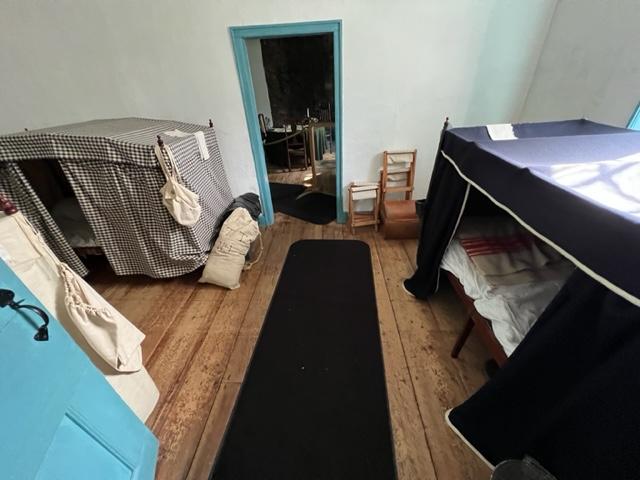
Once you passed through the front foyer again is where the enlisted men slept, two per bed which the tour guide said was uncomfortable for the men. Only in the summer months when half the staff was on leave could they sleep one per bed.

The enlisted officers sleeping chambers during the war years.

The three rooms on the other side of the house were used as the Parlor, where the Washington’s would entertain visiting dignitaries and guests. This was right off the main kitchen area.

The Parlor where the Washington’s entertained visitors and dignitaries.

The next two rooms were used as the Washington’s bedroom where we all noticed that the bed was so short. The guide informed us that even though George Washington was over six feet, people slept sitting up at that time as they considered it healthier.

The Washington’s bedroom

The next room over was the servant’s room where the free and enslaved servants would sleep and attend to the needs of the Washington’s. It looked to me that Martha contributed more than just entertaining the troops. She must have been the ear that her husband needed at wartime.

The Servant’s room

What I thought was interesting is the stairs going up did not lead to a second floor. The tour guide said that this was in the Dutch tradition of not having a second floor considering the Hasbrouck’s had ten children. She said only later on did families finish the house and construct the upstairs. Once the house tour was over and the tour guide answered all our questions, we were able to tour the grounds for the last hour before the park closed.

The property looking down the Hudson River to Bannerman Castle.

On the property was the Tower of Victory, which President Lincoln’s son built in honor of the Hundredth anniversary of the war. It was closed for touring. The details of the tower were really beautiful with the eagles adorning the sides of the building and the beautiful stonework.

The Tower of Victory sign

The “Tower of Victory”

The views of the Hudson River were breathtaking. On this beautiful sunny afternoon, you can see all the way into Beacon across the river and look as far down river as Bannerman Castle. Everything was so clear and beautiful from this site and you could see all the surrounding area. You could see why they picked this spot as the strategic headquarters for this part of the war.

The Minuteman statue on the property.

Artist Henry Hudson Kitson sculpted this statue and the Minute Man statue on the town green in Lexington, MA. These monuments commemorate the citizen-soldiers whose selfless bravery and sacrifice made this country possible (Palisades Interstate Park Commission).

Artist Henry Hudson Kitson was a British born artist who was educated at the Ecole des Beaux Arts. He was known for his military statues (Wiki).

Artist Henry Hudson Kitson

https://en.wikipedia.org/wiki/Henry_Hudson_Kitson

It was so interesting to spend the afternoon at the and realize it’s importance in American history. It is almost a humbling experience.