Category: Exploring Historic Ulster County NY

Klyne Esopus Museum                                         764 Route 9 West                                             Ulster Park, NY 12487

Klyne Esopus Museum 764 Route 9 West Ulster Park, NY 12487

Klyne Esopus Museum

764 Route 9 West

Ulster Park, NY 12487

(845) 338-8109

https://www.esopushistorymuseum.org/

https://www.facebook.com/EsopusHistoryMuseum/

Open: Sunday-Monday 11:00am-4:00pm/Tuesday-Thursday Closed/Friday-Saturday 11:00am-4:00pm

Admission: Free but donations are taken to offset costs

My review on TripAdvisor:

https://www.tripadvisor.com/ShowUserReviews-g48749-d26495761-r908410891-Klyne_Esopus_Museum-Ulster_Park_Catskill_Region_New_York.html?m=19905

The Klyne Esopus Museum is the home of the Town of Esopus Historical Society and is a treasure trove of information of early life in the Hudson River Valley and the role this small town played in the shaping of American society in this region. There are all sorts of displays on early American life, cottage industries that made the community grow and its role in the modern age.
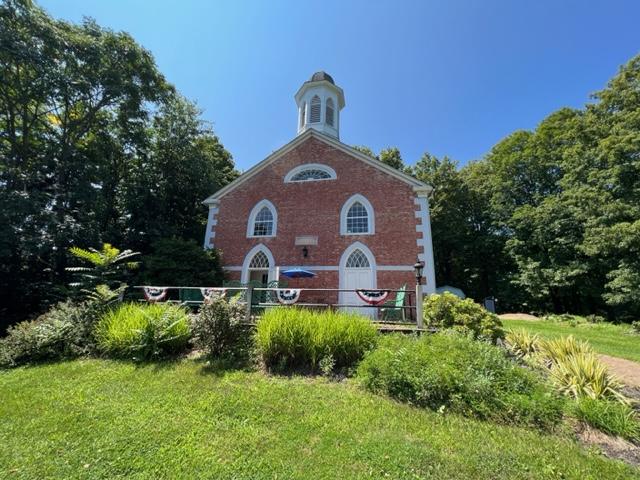
The Klyne Esopus Museum at 764 Route 9 West

The sign welcoming visitors to the museum.
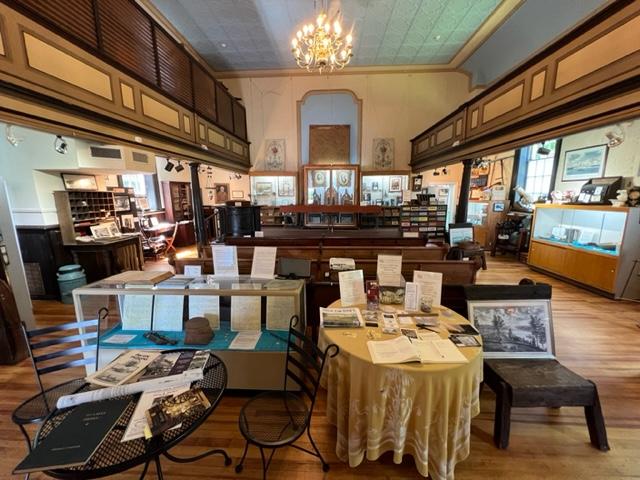
The Main Gallery at the Museum

The museum’s main gallery is surrounded by cases displaying the story of the area depicting the various aspects of industry, commerce, agriculture and domestic activities of the town’s residents. Former residents of note that are featured are Sojourner Truth, John Burroughs and Alton Parker to name a few. year a curated exhibition focusing on a special theme is centrally featured. These are some of the exhibits that are showcased at the museum:

The Native American exhibit:

The exhibit has an interesting collection of arrowheads, fishing and household items that were used by the local tribes who once lived in the area.

The display of arrowheads and fishing items
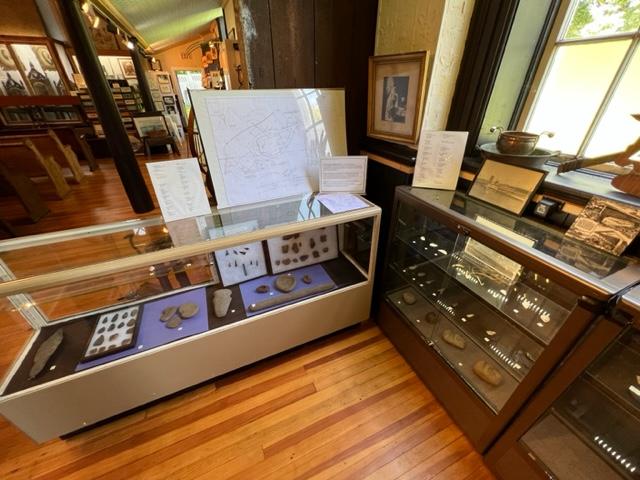
The extensive display of Native American fishing and household items.

The Apple industry:
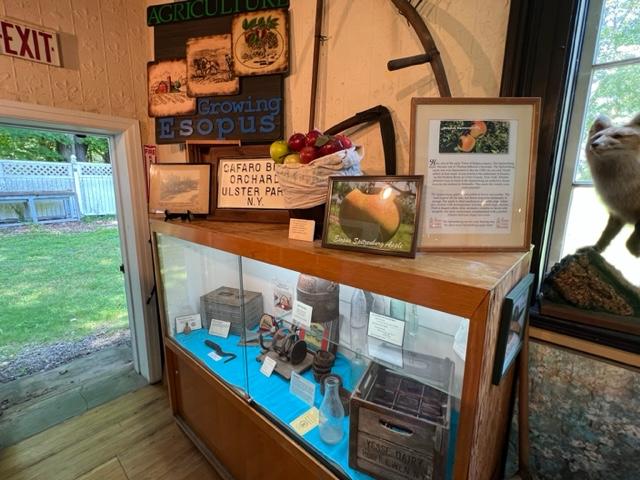
The local Apple industry was a major part of the economy in the late 1800’s and early 1900’s. The apple, the “Esopus Spitzenburg” was developed in Esopus. The Dutch had developed the agricultural industry of the area that supplied New York City with seasonal fruits and vegetables.
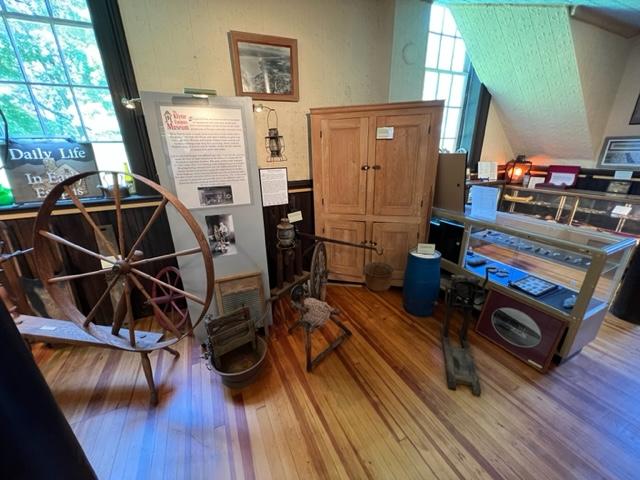
The Dutch Farming Industry and the development of local harvests

With the community based by the Hudson River and transportation being such a big part of the local economy, the displays on shipping and the local lighthouses were prominent at the museum. The display has all sorts of pictures and artifacts from the era of steamboat transportation down the Hudson River.
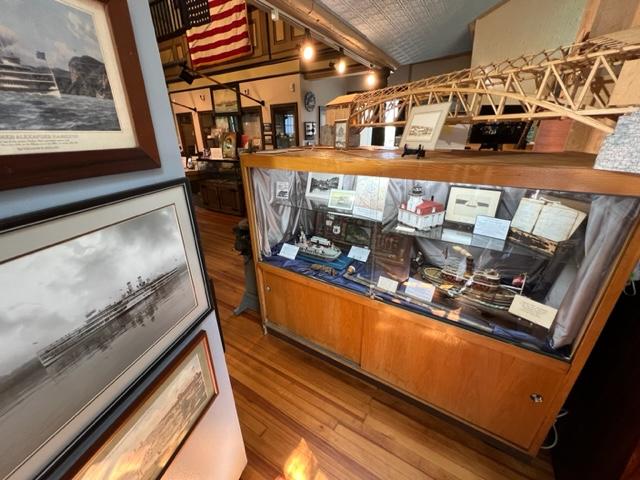
The Lighthouse and Shipping Industry

There were displays on famous residents such as Sojourner Truth and John Burroughs and their role in the community.

The artifacts and display on Sojourner Truth

https://en.wikipedia.org/wiki/Sojourner_Truth
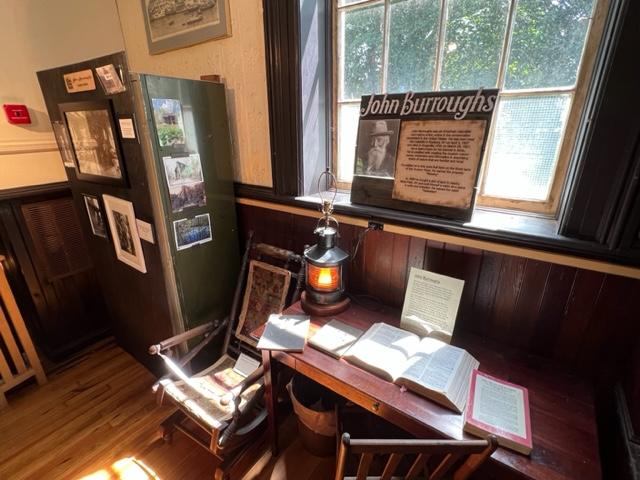
The artifacts and display on John Burroughs

https://en.wikipedia.org/wiki/John_Burroughs

The church is also featured pictures of clergy and their families, the history of the church and the decor of items that used to adorn the church when it was a place of worship. There is a large display on church history in the back of the museum.
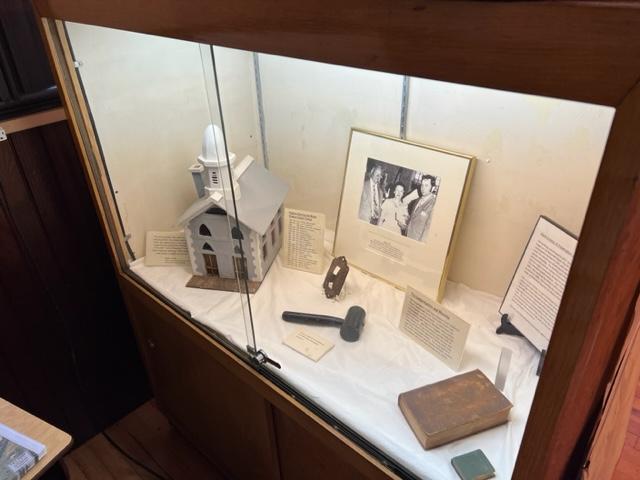
The Church display of its history

The local veterans are prominently displayed at the museum as was showing the spirit and support of the wars and battle. It also shows the townspeople participation and dedication in the war effort.
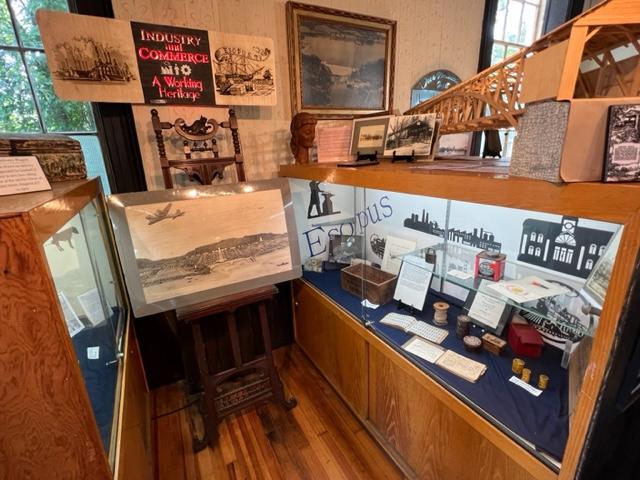
The World War II exhibition

Recreation and leisure are a big part of the Hudson River Valley society and items such as ice skates, swimming and boating show how people enjoyed their free time. This still plays out today. Household items were also displayed as well showing life at that time.
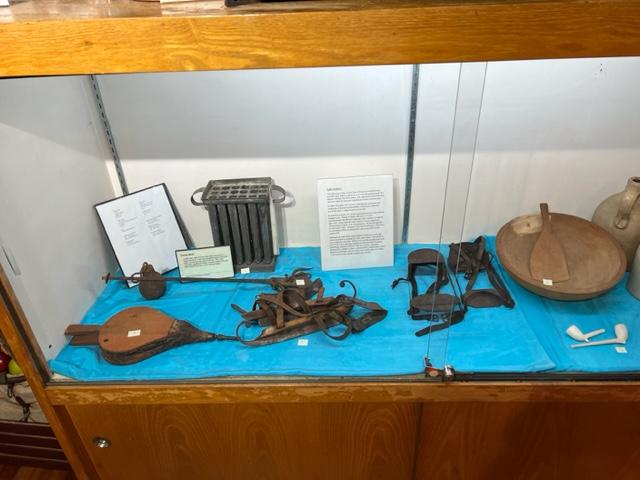
Household and Recreation items on display

The History of the museum:

(From the website and pamphlet)

The Klyne Esopus Museum that is located in Ulster Park, NY is housed in the former Dutch Reformed Church, which is a charming country church built in 1827. It served the community for over 175 years and replaced a smaller building built in 1792 originally located 1000 ft. to the north.  The church closed in 1965. The governing body of the church scheduled the building for demolition.

Faced with this reality, the former members of the congregation and the larger community rallied to preserve the building.  In 1969, a group known as the Klyne Esopus Historic Preservation Committee formed. Formal incorporation of the group took place in 1970.  After 17 years of fundraisers, repairs to the building, preserving and collecting, the museum finally opened to the public. In 2002, the building became designated a State and National Historic Landmark. 

The historical society museum opened to the public in 1984, offering a variety of exhibits about the culture, commerce and history of the Town of Esopus. The town is typical of rural America but it unique in many ways. Its geographic location and topography have spawned a variety of industries, resulting in a rich history and a diverse population.

The Klyn Esopus Museum is the Historical Society of the Town of Esopus. Its goal is to preserve, interpret and disseminate the history of the town. By fostering an awareness of the past and providing a repository for the artifacts and memorabilia of its former residents, it enables present and future generations to identify and appreciate times gone by. Today, a small, committed group of volunteers is working to make history meaningful and relevant to visitors of all ages. 

Fred J. Johnson House/The Friends of Historic Kingston Gallery                                                      63 Main Street                                               Kingston, NY 12402

Fred J. Johnson House/The Friends of Historic Kingston Gallery 63 Main Street Kingston, NY 12402

Fred J. Johnson House/The Friends of Historic Kingston Gallery

63 Main Street

Kingston, NY 12402

(845) 339-0720

My review on TripAdvisor:

https://www.tripadvisor.com/Attraction_Review-g48003-d8546539-Reviews-The_Fred_J_Johnston_Museum-Kingston_Catskill_Region_New_York.html

Admission: $10.00/Members are free

Hours: Sunday-Thursday Closed/Friday-Saturday 11:00am-4:00pm (May-October)

The Fredrick J. Johnson Museum and the Friends of Kingston

About Friends of Historic Kingston

We are a not-for-profit organization founded in 1965 whose members share a common mission: preserving and promoting the local history and landmarks of Kingston, New York.

Our Mission

The Friends of Historic Kingston champions our unique architectural, historical and cultural legacy and shares it with residents of all ages of the Kingston community and with visitors to the Hudson Valley.

What We Do

The exhibition at the Fredrick J. Johnson Museum and at the Friends of Kingston Gallery was “Still Standing”. How the Friends have saved many historical buildings in Kingston, NY from destruction. This contribution from the members of the Friends organization have saved many historical sites in the city that make up the character of the City of Kingston. These contributions have helped developed the historical sections of the city and made them the desirable destination they are today (FOHK website).

“Still Standing”

The Louw-Borgardus Ruins that have been saved and preserved by the Friends that are located on the edge of Downtown Kingston in the Stockade section of the city. This is an example of the Friends efforts to restore these treasures that would have otherwise disappeared.

The rest of the exhibition can be seen in the Friends of Kingston Gallery. The walls were lined with homes and businesses that were served by the conservation efforts of the Friends organization.

The Friends of Kingston Gallery to the right and the Fred Johnson Museum is to the left. These are open seasonally.

House & Gallery

The Friends offers changing exhibits, house tours, guided walk tours of the Stockade and Rondout Historic Districts, special events and publications related to the stories of the city of Kingston (FOHK website).

The “Still Standing” exhibition:

“Still Standing” exhibition: The Sharp Burying Ground

“Still Standing” exhibition: The Office of Simeon and William B. Fitch

“Still Standing” exhibition: The Pieter Cornelise Louw House

After walking through the “Still Standing” exhibit and noting the structures that had been saved.

The Fred J. Johnston House

A Treasury of American Decorative Arts

Fred J. Johnston (1911-1993)
Antiquarian and Preservationist

The Fred J. Johnston House located in the heart of the Stockade District, Kingston, New York is a classic Federal style clapboard house. It was built circa 1812 as the residence for John Sudam (1782-1835) and his family. Sudam was a prominent attorney, New York State Senator and New York State Regent. In the 1880’s, the house was acquired by the Van Leuven family. In 1938, the site was to be sold, the building razed and a gas station constructed. Although the home was in a deteriorated condition, Fred J. Johnston, a local antiques dealer bought the house to save it from demolition.

 The front room gallery of the Fredrick J. Johnson Museum

Johnston devoted the remainder of his life to restoring the property for use as his home and antiques shop. Under his care, the house became a visual landmark of uptown Kingston which was listed on the Stockade National Historic District Register in 1975. When Johnston died in 1993, he left the property to the Friends of Historic Kingston.

The Reception Room of the Johnson Museum

In fulfilling our mission, Friends of Historic Kingston maintains the integrity of the property and continues this unique preservation story by displaying the house and its contents as they were left by Fred J. Johnston. A visit to the Johnston House today is very much like the singular experience his clients enjoyed while shopping for antiques. The tour of the house is an immersion in the taste and connoisseurship of antiquarian Fred J. Johnston who celebrated America’s material past (FOHK Website).

Portraits of Mr. and Mrs. Perry who were local residents.

I was lucky enough to get a private tour of the house with a seasoned docent who I toured the house with that afternoon. We went room by room and she told me the story of how the museum came about. Fred Johnson had been an antiques dealer who filled the house with furniture and objects of art for sale and the rooms became his showroom. Both his unmarried sister and his mother moved into the house and helped entertain and run the household. So, the business became a family affair. Both his mother and sister lived with him until they died.

The Johnson Living Room

What I thought was unique about the museum was the whole house was for sale. The docent told me that one day his sister came home and found that her bed had been sold. As we toured the house, I could still see tags on all the furniture. The contents were still marked for sale.

The Johnson family kitchen

The stairs to the upstairs bedrooms

The house still holds much of the Johnson Collection of antiques and upon the death of his sister, the home became a museum to maintain this very unique collection of objects.

Mr. Johnson’s mother’s bedroom

Mr. Johnson’s sister’s bedroom

The Guest Bedroom

Mr. Johnson’s bedroom

After we toured the very tasteful and stylish upstairs, we went back downstairs to tour the outside gardens. The docents did a very nice job with the landscaping of the house and the gardens were beautifully maintained. It was a nice way to get some fresh air and sunshine while admiring the beds.

The back of the Johnson House Museum and the back gardens.

The Johnson Museum Gardens

The back of the Johnson House from the gardens

After the touring the whole house, we were able to take one last look at the first floor and all the beautiful antiques that filled the rooms. The museum gives you the perspective of not just how the Johnson family must have lived but how people had lived in past centuries.

The house is also beautifully decorated and maintained by the staff of docents and members of the Friends and is a wonderful view of the past.

Hudson River Maritime Museum                           50 Roundout Landing                                  Kingston, NY 12401

Hudson River Maritime Museum 50 Roundout Landing Kingston, NY 12401

Hudson River Maritime Museum

50 Roundout Landing

Kingston, NY 12401

(845) 338-0583

http://www.hrmm.org/

Open: Sunday 11:00am-5:00pm/Monday-Thursday Closed/Saturday 11:00am-5:00pm

Fee: Adults $9.00/Seniors (over 62) & Children (18 & under) $6.00/Members-Children under 4 years/Active Military Free

My review on TripAdvisor:

https://www.tripadvisor.com/Attraction_Review-g48003-d285787-Reviews-Hudson_River_Maritime_Museum-Kingston_Catskill_Region_New_York.html?m=19905

The Kingston Hudson River Maritime Museum 50 Roundout Landing

I recently visited the Hudson River Maritime Museum after a boat cruise around the Hudson River and I found this wonderful little under-rated museum to packed with information not just about the history of the Hudson River Valley but the rich history of boating and boat building, the economic impact of the area in mining, brick building, ice manufacturing and cement development.

The Tug Boat display

It was interesting to see how the natural wonders of the area have given the rise to so much development in not just building the area but its long lasting contribution to New York City. This was not just in industry but in the pleasure and shipping boat industries as well.

The Ferry display

One part of the museum is dedicated to transportation up and down the river with sailing and steamboats in the forefront especially how the luxury steamboat industry went full force until about 60 years ago. It was considered the nicest form of transportation to and from New York City. It was interesting how the modern train and car lead to the demise of something that today would be embraced as unique and fun. The pleasure steamboat industry continued on until 1971.

The leisure ferry industry down the Hudson River

Another part of the museum was dedicated to the history and development of the area from the Native American tribes living along the shore and the Dutch settlements to the rise of modern development of manufacturing along the shores to its after effects and clean up in the 1960’s and 70’s. These included fishing, ice manufacturing and brick making.

The Ice Industry on the Hudson River

There were really nice displays on the ship building, sail companies and maritime industries that supported them. The manufacture of raw materials and building supplies because of the natural resources of the Hudson River Valley show how rich in minerals, clay, cement and stone from the cliffs built New York City and how they nearly destroyed nature.

The Brick industry in the Hudson River Valley

The displays tell the stories of activists who saved the area, Robber Barons that exploited it and the everyday people who contributed to making the valley the interesting place that it is today. It showed how protests and free speech saved the Valley from devastating development.

The Alexander Hamilton Ferry ride down the Hudson River

With each room at the museum, there is a story to tell and pictures to explain why the Hudson River Valley and the Kingston Roundout is such an interesting place to see. Outside you can find an example of the Tug Boat industry

The Tug Boat “Mathilda” on the museum grounds

The tugboat display by the riverfront

Take time to guide through the rooms and read the signs and stories. There is a lot to see and do here and make sure to leave plenty of time to walk the grounds and see the tug boat and sailing displays and walk the river front. There is even a display of ships models to explore. It makes for an interesting afternoon.

The ‘Ship Models’ display

History of the Hudson River Maritime Museum

(This information was taken from the Museum’s website and pamphlet)

Hudson River Maritime Museum

The Hudson River Maritime is dedicated to the preservation and interpretation of the maritime history of the Hudson River, its tributaries and related industries.

Ship building was very important in the region

The Hudson River Maritime Museum was founded in 1980 to preserve the history and maritime heritage of the Hudson River. Our collections range from steamboats, tugboats and sailboats to the canal system and waterfront industries, dating back to the early 19th Century.

The ferry display

The museum has a library and archives open to researches by appointment. Some of our collections have been digitized and are available online at http://www.hrvh.org/hrmmkingston.

http://www.hrmm.org/

HRMM exhibits cover topics including:

Passenger steam boats, Hudson River rowing, ferries, ecology and conservation, ice boats, tugboats, fishing, ice harvesting, brick making, early exploration, cement production, lighthouses and more. HRMM features a new temporary exhibit every year. Information on exhibits, including online exhibits is available at hrmm.org.

The ‘Cabin Room’ display

Some of the attributes of the museum:

Wooden Boat School:

The Wooden Boat School was opened by the Hudson River Maritime Museum to preserve the rich boat building heritage of the Hudson River Valley. Wooden boat building occurred on Roundout Creek in particular throughout the 19th and 20th centuries including World War I & II and the Korean War.

The ‘Hudson River Weather’ display

Today, the Wooden Boat School offers adult classes, Youth boat program for teens and serves as the headquarters for the Sailing & Rowing School, Sea Scouts Ship 609 and the Kingston Sailing Club.

Kingston Home Port:

A timber framed carbon neutral structure, the Kingston Home Port and Education Center was completed in 2012 to serve as the winter home port and maintenance center for HHRM partner the Hudson River Sloop Clearwater during the winter season. During the summer months, the Home Port serves as an event, lecture and educational space for the museum.

The ‘Steamboat Captain’ display

The Kingston Home Port also functions as the main operational headquarters for the Roundout Rowing Club and the Kingston High School Crew Team.

The ‘Erie Canal’ display

The ‘Erie Canal’ display

The Hudson River Maritime Museum (HRMM) features a variety of programs and events throughout the year including:

*Lighthouse Tours

*Local History tours, including guided walking and car tours.

*Woodworking, maritime art and boat building classes at the Wooden Boat School

*Sailing, boating and rowing classes at the Sailing & Rowing School

*Follow the River Lecture Series

*School Field trips

*Museum Mates monthly family programs

*Free Public Festivals

*Visiting Vessels

*Special members only events-Join today!

The ‘Lighthouse’ display

Volunteer Firemen’s Hall & Museum of Kingston 265 Fair Street Kingston, NY 12402

Volunteer Firemen’s Hall & Museum of Kingston

265 Fair Street

Kingston, NY  12402

(831) 331-0866

https://kingstonvolunteerfiremensmuseum.weebly.com/

Open:  The hours vary by the season so please look to the website for the openings. School groups please call for an appointment.

Fee: Free but donations accepted

My review on TripAdvisor:

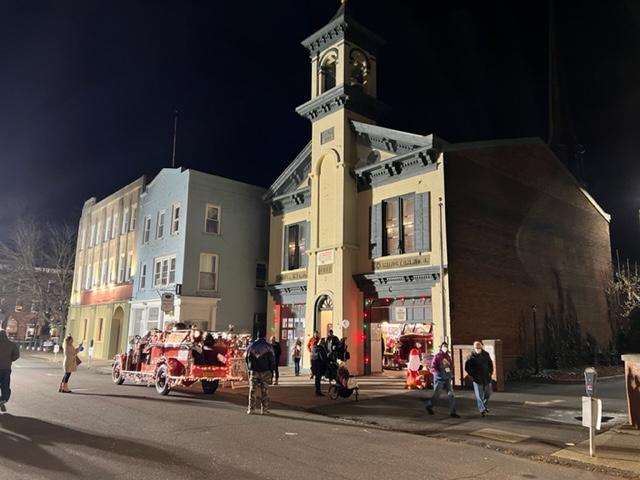
The Kingston Volunteer Museum during the ‘Kingston Snowflake Festival’

https://www.tripadvisor.com/Attraction_Review-g48003-d3367598-Reviews-Volunteer_Fireman_s_Hall_Museum_of_Kingston-Kingston_New_York.html?m=19905

The antique fire truck outside the firehouse during the Kingston “Snowflake Festival”

I was recently visiting Kingston, NY for an event and while walking around the downtown the doors of the Volunteer Firemen’s Hall & Museum of Kingston was open for visitors. Even if you are not a fire fighter it is such an interesting museum on the history of fire fighting and the role the Kingston Fire Department had in the formation of the City of Kingston.

Kingston Firemen's Museum II.jpg

The early horse drawn fire equipment

The museum welcoming people to the Kingston “Snowflake Festival” in 2022

On the main floor is four pieces of equipment from various stages of the department. The engines are from the turn of the last century featuring horse drawn ladders and steam engines and then the latest equipment from the early teens and twenties from the automotive stage. Each piece of equipment has been carefully maintained and is in pristine shape.

The museum decorated for Christmas for the recent “Kingston Snowflake Festival”

It is interesting to see how different each rig is at that stage of its history but how much has not really changed with the use of the equipment when fighting a fire.

The bay area of the old firehouse with the antique equipment

One of the more interesting pieces in the collection is the beautifully detailed Parade piece from the late 1800’s (circa around 1890’s) which has gorgeous details and intricate craftsmanship work to it. This interesting piece of equipment was the pride of the department on parade day and is one of the few of its type in the country.

The Fire Department Parade Piece

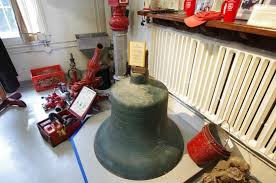
Along the walls is all sorts of pictures of old fires, men who were once members of the department, ribbons and awards, old systems for calling for firemen from the horns that used to sound the alarms to the more modern telegraph equipment to the current paging systems.

The roster upstairs

Kingston Firemen's Museum III.jpg

The fire department equipment pieces

Upstairs you can visit the furnished headquarters of a firehouse circa 1890’s to 1920 with vintage furniture, decorations and composites of firemen long ago. There is even a mannequin of a fire fighter sliding down a pole that leads to the first floor. Here and there are more decorative equipment pieces, furnishings and awards.

The upstairs of the Kingston Volunteer Museum

The museum has a little something for everyone and if you are interesting in knowing more of the history of the fire service and want to hear the stories by members current and retired from the Kingston Fire Department, then the Volunteer Firemen’s Hall & Museum is the place to visit.

Kingston Firemen's Museum IV.jpg

Old decorations from fire equipment at the Volunteer Firemen’s Hall & Museum

History of the Museum and Fire Fighting in Kingston, NY:

Ulster County has a remarkable over 350 year history of noble fire fighting. See it up-close and personal at the Volunteer Firemen’s Hall & Museum of Kingston.

The award case upstairs at the firehouse

When Kingston City Hall burned on June 4th, 1927, the third alarm was sounded from the building’s own bell tower before it crashed to the ground. Fire calls in Kingston today are answered through the 911 system with a three minute response time. Ever watched a TV show about firemen and their firehouse? The ‘squawk’ to a call is unmistakable.

The upstairs in the firehouse

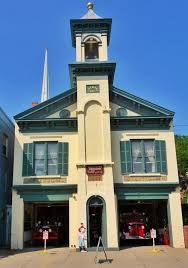
Seven volunteer fire companies and the Exempt Association of Kingston recognized the importance of preserving and protecting firematic artifacts as well as establishing a meeting hall for volunteer fire organizations in Kingston and Ulster County. They were charged with finding a permanent home and signed a lease with the City of Kingston for Fair Street’s historic circa 1850 Wiltwyck Fire Station and the rest is history.

The Ladies Auxiliary and rosters

Walk through the large wooden doors to the home away from home of the 19th century firefighters.

Kingston Firemen's Museum.jpg

The old Kingston, NY firehouse that now houses the museum

Disclaimer: this information was taken directly from the Volunteer Firemen’s Hall & Museum of Kingston pamphlet and I give them full credit for it. Please check out their website for more information.

The living area upstairs in the firehouse decorated for Christmas