Category: Exploring Historic Ulster County NY

Saugerties Historical Society                                119 Main Street                                        Saugerties, NY 12477

Saugerties Historical Society 119 Main Street Saugerties, NY 12477

Saugerties Historical Society

119 Main Street

Saugerties, NY 12477

(845) 246-9529

https://www.saugertieshistoricalsociety.com/

Open: (May – October) Sundays 1:00pm – 4:00pm/Monday-Friday Closed/Saturdays 11:00am – 2:00pm,

Admission: Free

My review on TripAdvisor:

https://www.tripadvisor.com/ShowUserReviews-g48564-d27065896-r960657174-Saugerties_Historical_Society-Saugerties_Catskill_Region_New_York.html?m=19905

I finally got a chance to visit the Saugerties Historical Society and see the inside of this historical home. The Society has done a nice job displaying their historical artifacts and carefully decorating the house to reflex the period.
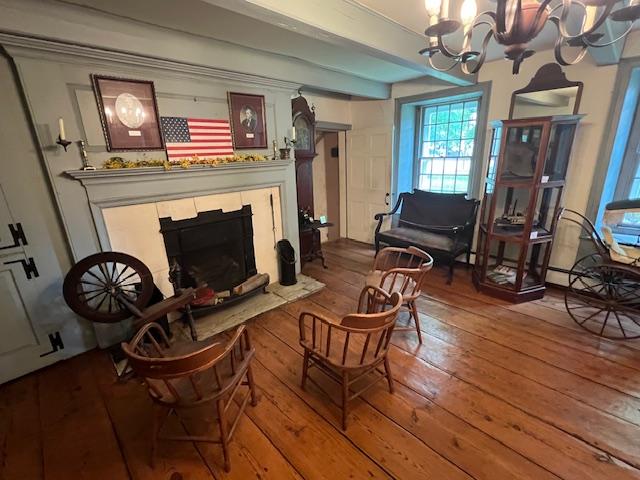
The Living Room of the Kierstad Homestead

In the first room in the main part of the house, there is a display of family China from descendants of the original family who owned the house, local business artifacts and family heirlooms. In the original sections of the house, summer kitchen had has been displayed. This is a depiction of how a Dutch farming family may live in the 1700’s.

In the other room in the main part of the house was an exhibition of local hero, Captain Roger Donlon, who was a decorated officer in the Vietnam War. The exhibition had all the news clipping from the award ceremony and his hometown welcome. One of the volunteers told me that this exhibition will be taken down soon so that they can mount the thirtieth anniversary of Woodstock.

The rest of the house is used for archives space. The house is in two sections, the original section which contains the Summer Kitchen and loft space above (that is closed to the public) and the addition to the house in the late 1700’s. Descendants of the home lived in the house until the 1950’s. The grounds are nice to walk around on and take in the cool shade on a hot day.

The museum is an interesting look at early life in Saugerties, NY.

The Mission Statement:

The mission of the Saugerties Historical Society shall be to provide coordination of all things historical in Saugerties; to be involved in the research, collection, preservation, dissemination of information about, and productive re-use of the historical archives and material culture of the community; to make the historical resources of the community available to the public through education, exhibition and interpretation; and to secure the safe management and protection of such resources that may come under its jurisdiction.

The welcome sign in front of the house.

History of the Society:

(from the Historical Society website/pamphlet)

The Saugerties Historical Society is a source of local information, art, and memorabilia. Exhibitions of colonial and recent history include Saugerties themes as well as those of regional interest such as History Day each October and authentic Hudson Valley colonial militia reenactment.

The Saugerties Historical Society partners with local schools in the education of American and local history. Hands-on activities such as scrubbing clothes on a washboard, spinning wool and writing with a quill pen encourage students to experience colonial life. The Saugerties Historical Society aims to bring pride and knowledge of community through education and preservation.

The earliest recorded owner of the stone house was Hiskia Dubois (c 1727) and Dr. Kiersted purchased the house from Hiskia’s son, Daniel. The Kiersted House was saved from demolition in 1955 by Charles and Inez Steele. Through the generous efforts of volunteers in cooperation with the Town and Village of Saugerties the Saugerties Historical Society acquired the house in 1998.

The Kiersted House is a community center. Each summer, concerts, such as those with the Saugerties Community Band are presented on the beautiful lawn and gardens of the house. The Saugerties Historical Society regularly hosts various community clubs and organizations. The Kiersted House and grounds are available to suitable organizations for special events. The Saugerties Historical Society welcomes all to experience history while visiting the Kiersted House. The Kiersted-DuBois House is listed on the National and New York State Register of Historic Places.
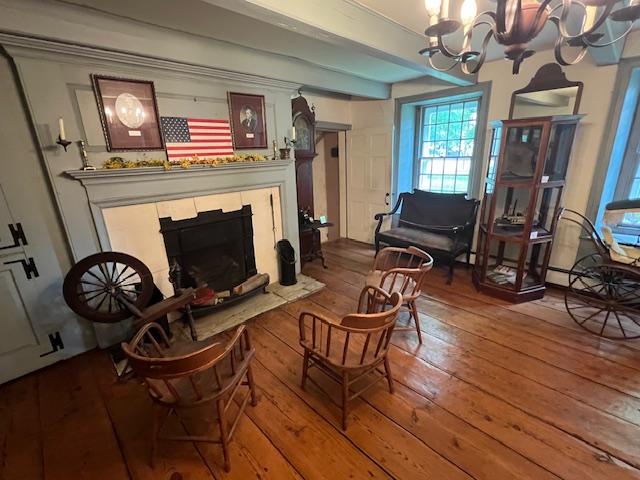
The inside of the Historical Society

History of the Building:

(from the Historical Society website)

The Kiersted House was saved from demolition in 1955 by Charles and Inez Steele. Through the generous efforts of volunteers in cooperation with the Town and Village of Saugerties, the Saugerties Historical Society acquired the house in 1998.

The Historical Marker

The earliest recorded owner of the stone house was Hiskia DuBois, c. 1727. The home which was originally located on  approximately 40 acres was sold upon his death by his son David DuBois to Dr. Christopher Kiersted who was married to Leah DuBois.

The stone house was built in sections with the east wing being the earliest, c. 1727. Subsequent additions to the west end included the parlor and the joining of a stone outbuilding to the main house in 1800. Preservation of the interior of the Kiersted House is evident in the original wide plank floors, 18th century glass-paned windows (some bearing family inscriptions), much original iron hardware and century old concrete floors with inlaid design. 
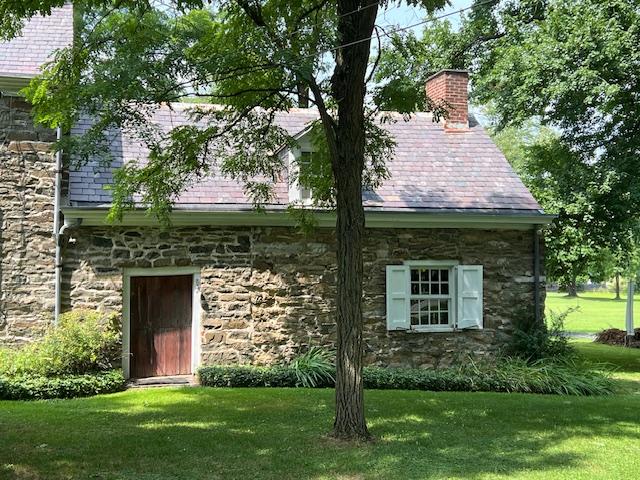
The original section of the home from the early 1700’s with the Summer kitchen

The later addition to the house

In early 2003, during a planned restoration the house was spruced up with great care to respect the historic elements. The wooden doors and frames were carefully cleaned to expose their original grain and features. The floor planks were also cleaned and patched aesthetically. The stone work in the fireplace required additional care and some of the original stones had to be replaced. An antique pro carpet cleaning NYC service was enlisted to clean and restore the rugs and carpets, many of which were the originals and some of the more worn items were moved away from highly trafficked areas. The drapery and linen items were also restored or replaced with replicas.

The Saugerties Historical Society in the summer of 2023.

The Society has given visitors a chance to see what life was like for early Dutch and English settlers from a prestigious family from the area. It shows that life was understated and productive. It was not an idle existence but one from hard work and determination to build on something. The house is a window for us to look at the families who lived here and how their families grew and progressed.
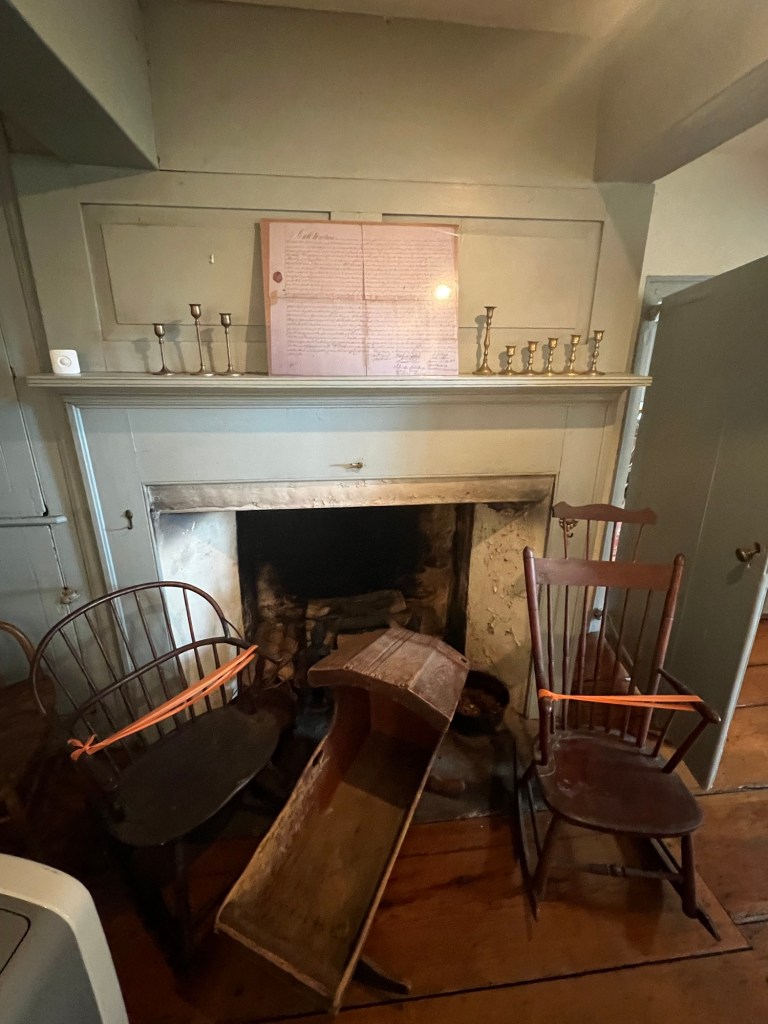
The fireplace and family crib of the Kiersten’s family
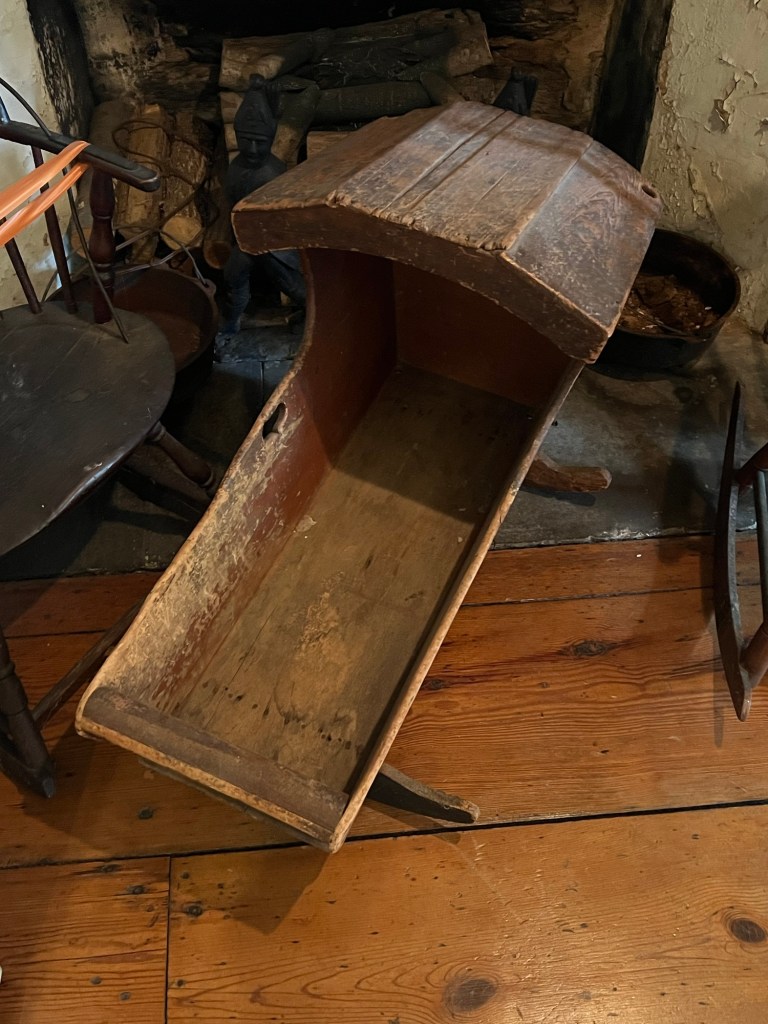
The Kierstad family crib from Dutch times

The Living Room set up
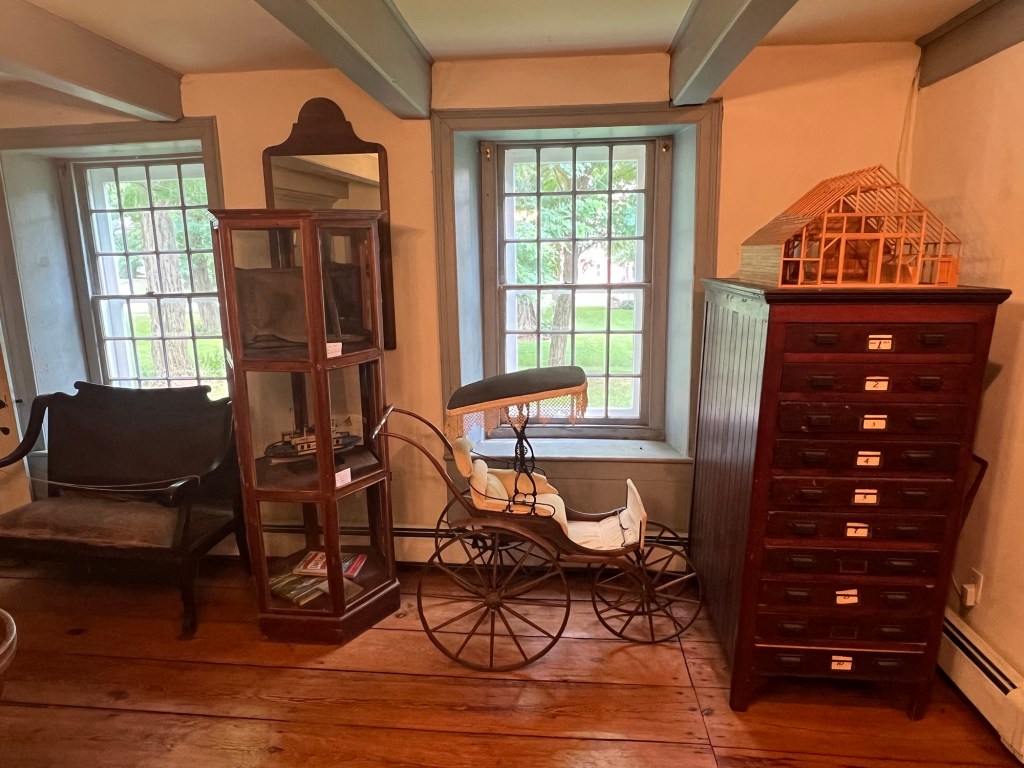
Artifacts in the Living Room including antique furniture and a stroller from the Civil War

The ‘Old Summer Kitchen’

The Summer Kitchen was the original part of the house

The table lined with items from harvest and for cooking the main meal

The kitchen being the focal point of the house was always warm so children and babies could be watched

In the main room were many of the artifacts in the collection:
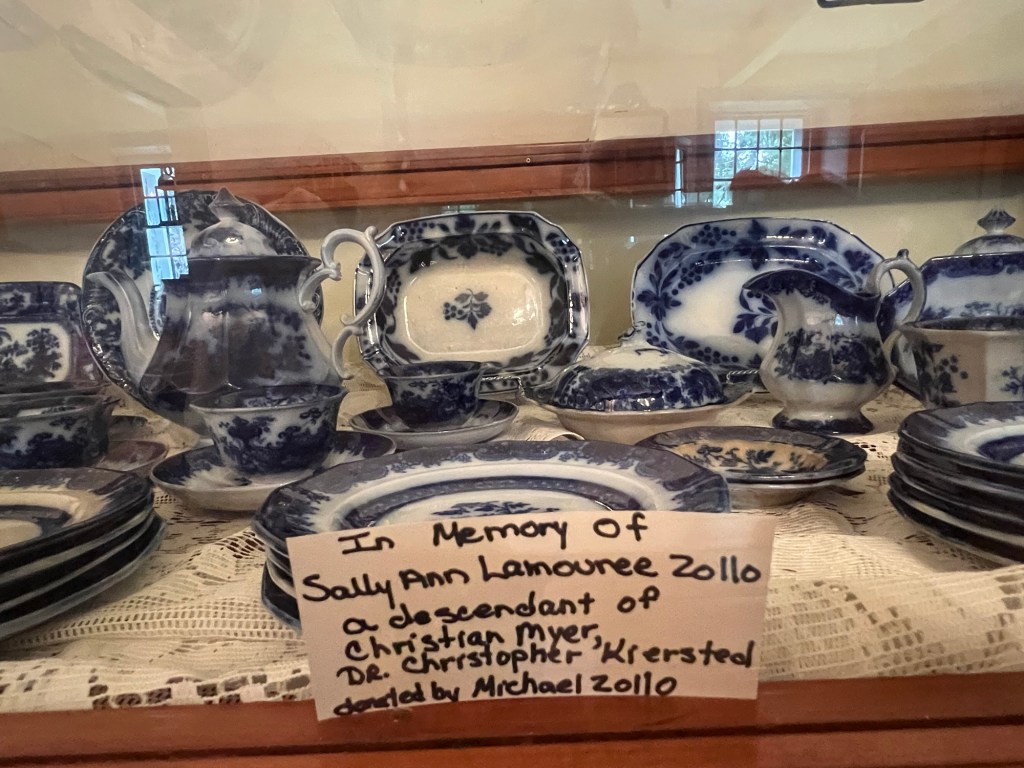
The family China of Sally Ann Lamouree Zillow, a descendent of the Kierstad family

From the Town of Saugerties, the award of a commode

The Captain Roger Dobson exhibition:

In the other part of the house was exhibit of Captain Roger Dobson, a local hero of the Vietnam War. The decorated Captain’s store was a local boy makes good. The exhibition contains all sorts of clippings and articles from the event and of the Captain’s accomplishments.

The entrance to the Roger Donlon exhibition
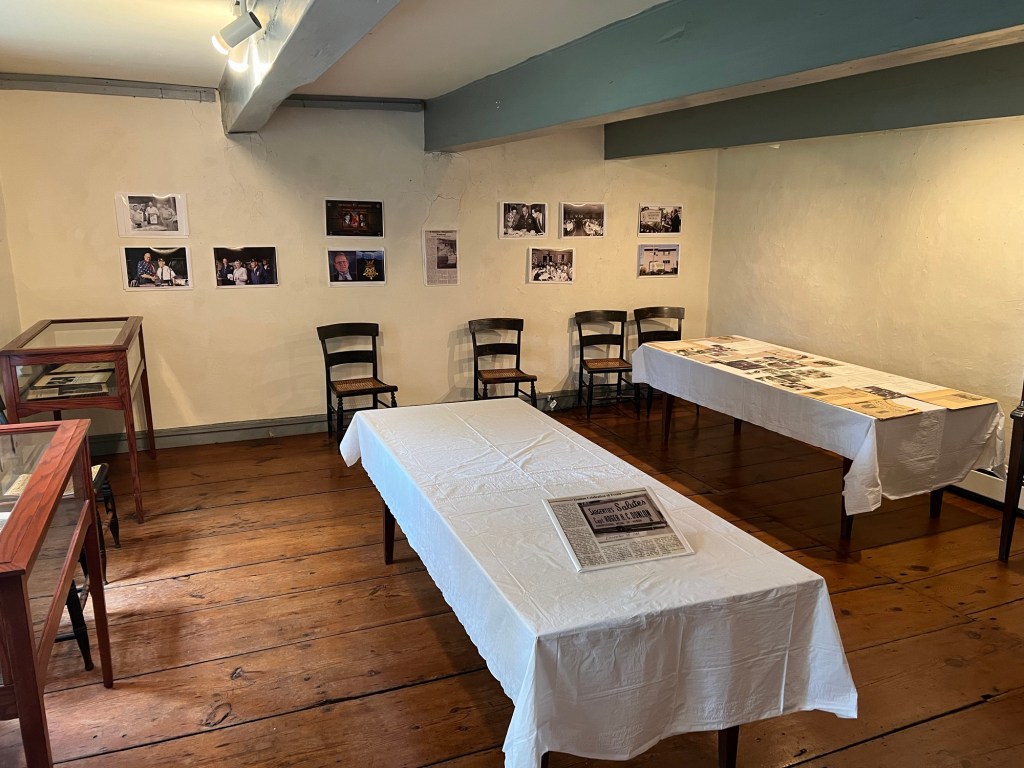
The Roger Donlon exhibition on his career in the armed forces during the Vietnam War
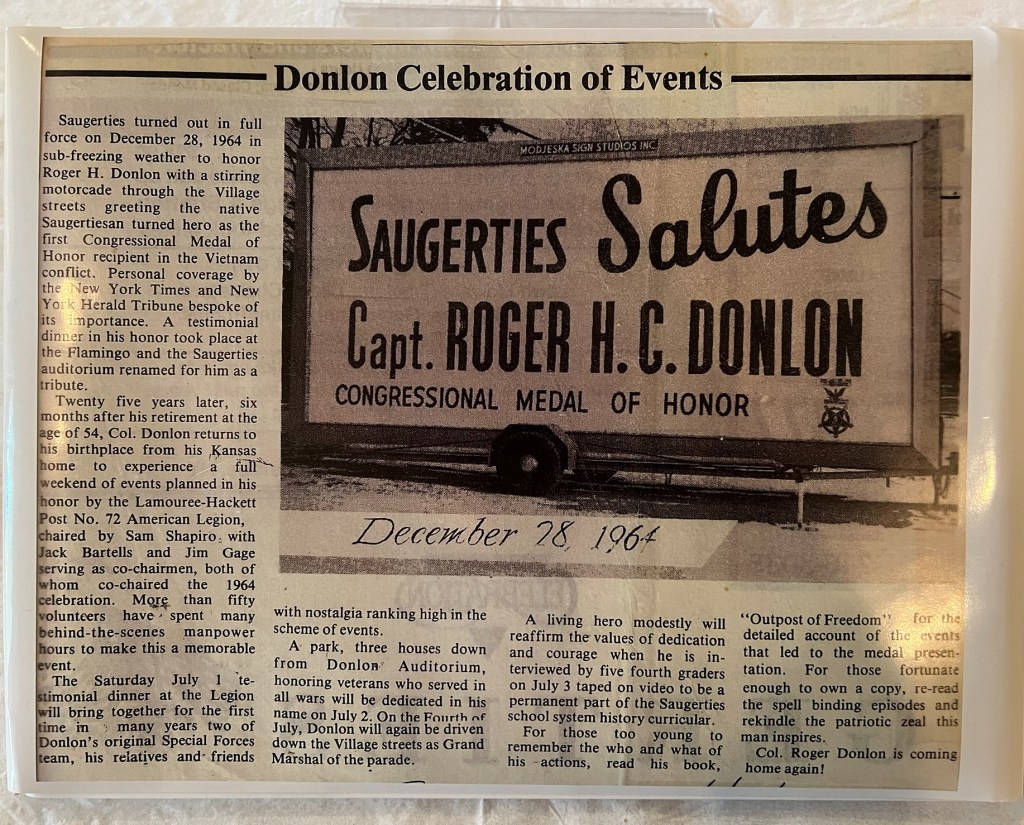
The display of Captain Donlon’s accomplishment

The last artifact I saw at the museum was a replica of the original map of Saugerties. This map shows the farms and estates of the original families of the Town of Saugerties.

The replica of the map of Saugerties, NY

The Outside Gardens:

After my tour of the museum, I walked around the grounds of the property and enjoyed the sunny day.

The gardens outside the entrance to the Kierstad Homestead and Gardens

The lawn outside the museum

Wawarsing Historical Society and Knife Museum  3 Irish Cape Road                                      Napanoch, NY 12458

Wawarsing Historical Society and Knife Museum 3 Irish Cape Road Napanoch, NY 12458

Wawarsing Historical Society and Knife Museum

3 Irish Cape Road

Napanoch, NY 12458

(845) 626-5028

https://www.facebook.com/theknifemuseum/

Open: Sunday 12:00pm-4:00pm/Monday-Friday Closed/Saturday 10:00am-4:00pm (Seasonal)

Admission: Free but donations are accepted

My review on TripAdvisor

I visited the Wawarsing Historical Society and Knife Museum on a whim the other week when I was visiting museums in the region. What I found was a very interesting local museum dedicated to history and marketing of the former Knife industry of the region. I had never realized that this was the major industry of the region.

The Mission Statement of the Museum:

Our mission is to develop a museum to serve as both a repository of artifacts and informational conservatory as well as a place where memorabilia and examples may be accessed so that this rich heritage and a viable segment of American History will not be lost.

The front of the museum.

The History of the Museum

The Founder of the museum

The Den of Marbletown-The Teddy Bear Museum One Basten Lane                                         Kingston, NY 12401

The Den of Marbletown-The Teddy Bear Museum One Basten Lane Kingston, NY 12401

The Den of Marbletown-The Teddy Bear Museum

One Basten Lane

Kingston, NY 12401

(845) 687-6441

https://thedenofmarbletown.com/

Open: Sunday11:00am-5:00pm/Monday-Wednesday Closed/Thursday-Saturday 11:00am-5:00pm

My review on TripAdvisor:

https://www.tripadvisor.com/Attraction_Review-g48003-d7252463-Reviews-The_Den_of_Marbletown-Kingston_Catskill_Region_New_York.html

Den of Marbletown-The Teddy Bear Museum at One Basten Lane

The sign that greets you in the front of the business.

When you enter the museum, you will walk through an extensive collection of Steiff animals for sale in the museum gift shop. The owner of the museum and gift shop is a licensed Steiff store. After you pass the gift shop you get to experience all the beautiful stuffed toys which I would consider art.

The Steiff Teddy Bear Shop that sells all these beautiful works of art.

All the beautiful Steiff animals for sale in the Steiff Store.

The tour of the museum starts at the register where the museum has a small drink menu. You can get soft drinks like soda, homemade Lemonade and Bubble Tea or hot drinks like Coffee or Tea before or after your tour. A more extensive menu is being worked on the owner of the museum promised.

The drink menu at the Teddy Bear Museum.

Then you move room to room admiring all the beautiful graceful animals. The rooms are filled with all sorts of bears of all shapes, sizes and colors. There is every animal that was on Noah’s Arc and probably more. You can admire the bears from a distance but get to see them up close in the gift shop that offers such an extensive collection to choose from.

The extensive collection of wooden toys on the way up the stairs.

You can see an original “Teddy Bear” like the one created for Theodore Roosevelt. You can see a collectible “Rod Bear” one of the original bears created by the company.

The “Teddy Bear” in the collection.

On the second floor, the collection continues with an extensive collection of wooden toys. They also come in every shape and color. There is also an extensive set of collectables as well.

The Wooden Animals in the collection.

The museum creator’s mother in law continues to collect bears and other animals today so the collection keeps growing. There is an extensive amount of ‘collectable’ items on display as well.

Some of the smaller ‘collectables’.

More ‘collectables’.

The owner of the museum also has a special section for his friend, Sandy Sherman with a portrait of her as a girl with her Steiff toy and then a picture of her as an adult with the same toy years later. It was a very touching piece in the collection.

The Sandy Sherman exhibition

The portrait of Sandy Sherman and the photo of her holding the same bear as in the painting.

When you have had enough of everything stuffed animals, there is a place for parents to relax while their kids play with some toys provided by the museum in the “Mama Bear” room. The lounge is for parents to relax and kids to continue to play.

The Mama Bear Lounge

The “Mama Bear” Lounge is a place of comfort and relaxation. It is set up perfectly for those who want o play and for those who want to relax.

The Children’s Room in the ‘Mama Bear’ Lounge

The entrance to the gardens and the pond.

The path with the gardens.

The pond at the end of the path.

When you finish exploring the inside of the museum, the grounds outside offer much more as well. There is lush green lawns to relax on and a path with a garden to a pond in the woods that is just as relaxing. it is a nice way to spend the day exploring the paths and relaxing under the trees.

The beautiful grounds outside the museum.

The museum is a perfect way to capture the inner child in each of us and a place to relax and just enjoy a nice day. The museum owner also added he is working on a new café menu so there will be a place to eat as well at the museum. Then you can really spend the day there.

It was a wonderful afternoon tour.

The History of the Museum:

(from the museum’s website)

The Den of Marbletown is a teddy bear museum in Kingston, New York. We have a large collection of original Steiff teddy bears on display, and we sell rare Steiff collectibles in our gift shop. We also feature an on-site café, where you can enjoy scratch-made food and homemade baked goods.

The sign that greets you in the front of the museum.

The Teddy Bear Museum features more than 5,000 Steiff teddy bears and animals, Madame Alexander dolls, Barbie dolls, and hand-carved wooden toys. Steiff is the German company that invented the Teddy Bear, as we know it, more than 100 years ago. Today Steiff is considered the world’s premier manufacturer of high-end toys and collectibles. Indeed, Steiff is the only “luxury” toy brand in the marketplace today.

The Grace Bear Collection Room

The Collection

The Teddy Bear Collection

The core of the collection comes from “Gracebear,” a Steiff enthusiast who continues collecting to this day. Gracebear has shared this collection with her daughter and son-in-law, Nan and Steve, who are the founders of The Den. Gracebear’s other collections rotate throughout the museum as temporary exhibits, including Madame Alexander dolls, Barbie dolls, Schuco toys and bears, and hand-carved wooden toys.

Dioramas

The Steiff Circus exhibit

Local artists share their talents through the creation of charming dioramas that rotate throughout the year.

The Steiff History Room

The “Teddy Bear” exhibit

The history of the Teddy Bear (and Teddy Roosevelt); the poignant story Margarete Steiff, the founder of the luxury toy company; and the design evolution of the Teddy Bear are some of the displays featured in this section of the museum.

The Rod Bear

The “Original Rod Bear”

On Loan from the collection of the late Mary Couke is the exquisite and rare 1904 Rod Bear, considered by many as “The Holy Grail” of Steiff Collectors. This bear features an early design attempt at movable joints through three metal rods in the body – horizontal ones for legs and arms, and a vertical one for the head.

The Teddy Bear Café:

The Teddy Bear Café

After you spend the day in our teddy bear museum, stop by our café for a quick pick-me-up. The Den of Marbletown serves a variety of menu items at our coffee shop in Kingston, Ulster County, Hudson Valley, NY.. You can create your dream drink, including flavored lemonade or 40 plus flavors of bubble tea at the den. Need to get some work done? Take advantage of our free Wi-Fi. Need a place for your kids to unwind? We have indoor and outdoor play spaces.

The drink menu is extensive and the beverages are homemade.

The Teddy Bear Gift Shop:

The gift shop offers everything Steiff

When you step into The Den of Marbletown’s souvenir shop in Kingston, Ulster County, Hudson Valley, NY, it’s like stepping back in time. Experience the joys of a classic toy shop when you browse our selection of Steiff teddy bears and stuffed animals. We’re one of the few shops in the area that sells Steiff toys, and we sell a wide variety of rare collectibles.

The gift shop has an extensive collection of bears and other animals for sale.

The Basten House

The Basten Homestead houses the collection.

The museum exists in a very special space – a marvelous 1860 farmhouse, in which houses seven generations of “The Basten” family. The museum experience is enhanced by this context – the old wall paper, the slopping floors, the secret passage ways, the antique door knobs, the original shutters, and the stone wall of “the keeping room.”

The Basten House history.

The Borscht Belt Museum                                     90 Canal Street                                                 Ellenville, NY 12428

The Borscht Belt Museum 90 Canal Street Ellenville, NY 12428

The Borscht Belt Museum

90 Canal Street

Ellenville, NY 12428

https://www.borschtbeltmuseum.org/history

https://www.facebook.com/borschtbeltmuseum/

Open: Sunday 12:00pm-5:00pm/Monday-Wednesday Closed/Thursday-Saturday 12:00pm-5:00pm

Admission: Free but donations are being accepted

My review on TripAdvisor:

https://www.tripadvisor.com/ShowUserReviews-g47676-d26587886-r914784651-Catskills_Borscht_Belt_Museum-Ellenville_Catskill_Region_New_York.html?m=19905

The Catskill Borscht Belt Museum at 90 Canal Street.

The museum sign

This museum will be the talk of the Hospitality Industry. The Catskill Borscht Belt Museum is in its beginning stages with the building bought and the renovations going on. The museum has not opened fully to the public yet as it is still in development and will not open until 2025.

The temporary main gallery

The museum is opened now with a pop-up exhibition on the resorts of the Catskill region “Vacationland: Catskill Resort Culture 1900-1980” with the rise of these resorts that catered to the thriving Jewish, Italian, Irish and Black middle classes who were barred from the resorts of the WASP elite. These were all inclusive hotels that catered to families who would spend summers together until a new generation of travelers developed with air travel, air conditioning developed and assimilation of the population by the 1980’s.

The main gallery of the pop up exhibition.

The exhibition shows how the Depression era generation spent their hard earned dollars and created an enclave where they thrived and enjoyed themselves. It was the type of vacation that we only see today at all inclusive resorts like Sandals and Club Med and on cruise ships.

The Main Gallery pop up exhibition “Vacationland”

The era of travel with the family ended in the 1980’s with women going to work, different educational standards and more people going to college and the change in the work schedule. This on top of the blatant discrimination of that era being ‘smoothed over’ time. People had more options and it was obvious from the timeline that the younger generation wanted different vacations from their parents.

The food service at the hotels

This will be a very interesting museum when it is completed and opened. For now, we get a teaser of what is to come. I am looking forward to it.

History of the Borscht Belt and of the Museum:

(from the museum website)

Curatorial Mission

The Borscht Belt Museum will not solely focus on entertainment, glamour and design. Its curatorial mission will include weightier themes and narratives embodied by the era; the antisemitism that spurred the creation of a Jewish vacationland, the refuge the Catskills provided to African-Americans, Irish-Americans, L.G.B.T.Q. and other communities, and the forces of assimilation and tolerance that eventually helped fuel the grand resort era’s decline.

The Hotel Exhibit on the places of that era.

In addition to its permanent core exhibition, the museum will have space for temporary and visiting shows, ensuring the institution delivers fresh interest to audiences and remains culturally relevant over time. The Catskills continues to serve as a refuge for all  – an ethos that will find voice in the museum’s curatorial mission.

A Home with History

Beginning with a pop-up exhibit in July 2023, the Borscht Belt Museum will make its home at 90 Canal Street, in Ellenville, N.Y. The museum building is a glorious Neo-Georgian gem built in 1928 for the Home National Bank. For more than a half century the bank helped nurture hundreds of local hoteliers and bungalow colony owners whose ambitions, grit and self-sacrifice defined the resort era.

The Borscht Belt Museum will illuminate and celebrate the golden age of the Catskills resort era, when millions of urban dwellers sought refuge in the mountains of upstate New York, leaving deep imprints on mainstream American culture, from stand-up comedy and comfort food to mid-century modern design and popular concepts of leisure. 

The permanent museum will open in 2025. A pop-up exhibit, Vacationland! Catskills Resort Culture 1900-1980, will welcome visitors beginning in early July 2023 through the end of the summer.

The hotels of the “Vacationland” exhibition.

History of the Borscht Belt:

(from the museum website)

No Hebrews Entertained”

The Borscht Belt was born out of bigotry. At the turn of the 20th century, hotel advertisements in the region often used phrases like “No Hebrews Allowed” and “Gentiles Only” to keep out Jewish patrons. This 1902 advertisement from the Brooklyn Daily Eagle features The Nichols in Liberty, N.Y.

In a delicious twist of history, a Jewish family by the name of Grossinger would later purchase the hotel and absorb it into the sprawling and iconic resort complex that bore their name.

The Borscht Belt

The region came to be called the Jewish Alps, Solomon County or more often, simply The Mountains. But another expression, the Borscht Belt, so-named for the hearty beet soup born in Eastern Europe, has had more staying power. What began as a patchwork of Jewish-owned farms whose proprietors took in summertime boarders to make ends meet grew into a sprawling constellation of all-inclusive resorts, hotels and more modest bungalow colonies and kuchalayns – establishments with shared kitchens.

The larger, more successful establishments like Kutsher’s, The Concord and The Nevele had thousands of rooms, nightclubs, indoor pools and ski slopes – and in the case of Grossinger’s, its own airstrip and post office.

The Dress Code and pool standards of the era at the hotels.

End of the Resort Era

Then, seemingly out of nowhere, many of the hotels began to falter, and by the 1980s, all but a handful were gone. It’s hard to pinpoint a single factor in the resort era’s demise, but cheap airfares, air conditioning and an easing of the antisemitism that spurred the Borscht Belt’s creation all conspired against establishments that were barely profitable in the best of times. Assimilation also played a role. Younger Jews simply craved more “modern” forms of leisure that did not remind them of their immigrant parents and grandparents. As the flow of guests began to ebb, the cost of drawing top-notch entertainment, keeping lobbies up to date and guest rooms looking fresh became prohibitive.  

Changing tastes

Today, most of the big hotels have been demolished or swallowed by nature. A few have found new life among the expanding communities of Hasidic Jews. But the legacy of the Borscht Belt era lives on in the all-you-can eat buffet of a Carnival Cruise, the barbed quip of a stand-up comic and the very notion of the American vacation. 

The Catskills Borscht Belt Museum will preserve and honor that legacy so sit back, savor that plate of chopped liver and stay tuned for more about this quintessential American story.

The final scene from the movie “Dirty Dancing” based on that era.