
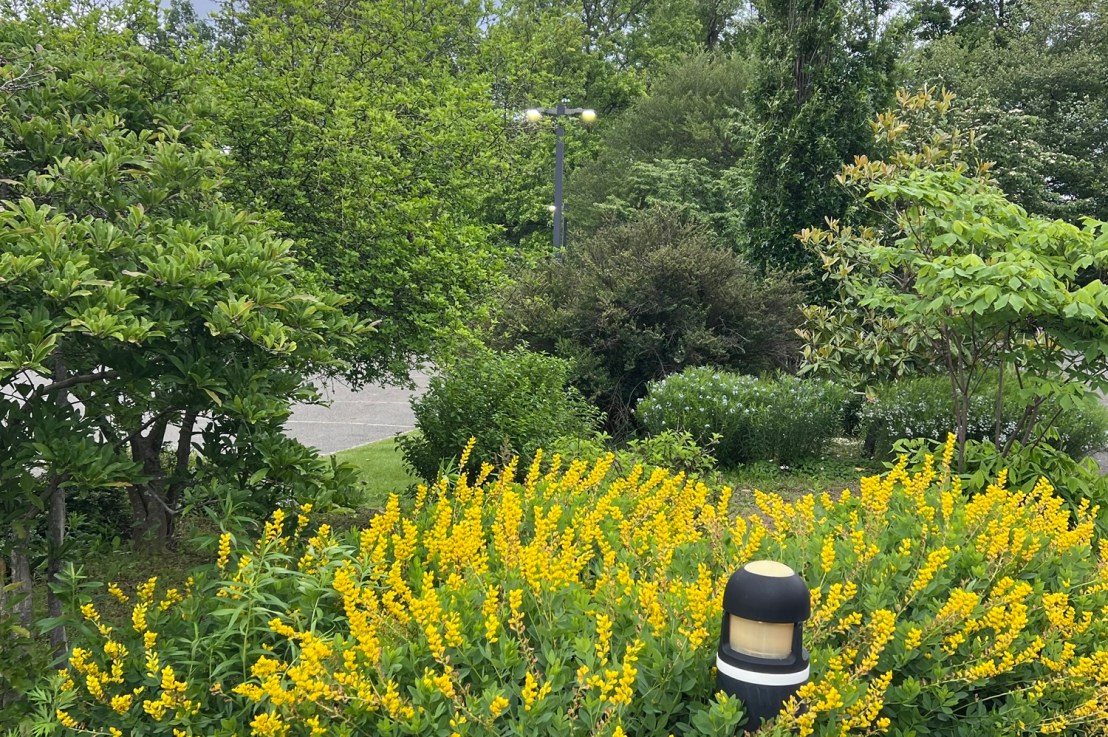
The Garrett Family Preserve at Cape Island Creek
801 Wilson Avenue
Cape May, NJ 07204
(908) 879-7262
My review on TripAdvisor:
While I was searching for the Cape May Maritime Museum, I made a detour into a parking lot and came across the Garrett Family Preserve

The sign that welcomes you to the park
Visiting the Preserve:
(from the Cape May Visitor website)
The Nature Conservancy protects the 180-acre Garrett Family Preserve situated between Seashore Road and Cape Island Creek, offering a tranquil setting for walking, picnics, painting, biking, and observing nature.
The preserve offers six trails ranging from 0.2-0.5 miles in length, and a two-mile perimeter loop along the forested edge–four miles in total. Explore year-round on foot or by bicycle. Sights vary by season, with bird migration peaking in the spring and fall, and the wildflower field blooming from May through July. Beginning in late August into the fall, Monarch butterflies stop here to feed before their journey south.
Preserve amenities include a mobile bird blind, welcome kiosk, shaded pavilion with picnic tables, benches and picnic tables along the trails, and three adjustable art easels. From November 1st to March 1st, leashed dogs are welcome. Because this is a preserve, the Nature Conservancy does not provide trash receptacles. Be sure to take anything you’ve brought with you.

The size of the preserve

The history of the Garrett Family
History of the Preserve:
(From the Nature Conservatory website)
Originally slated for development, TNC acquired the property in 2000, as the preserve offered an unusual opportunity to manage a significant piece of land for migratory songbirds, whose stopover habitat, especially at the southern tip of the peninsula, has been all but wiped out.
In 2013, the generosity of the Garrett family enabled TNC to further protect Cape Island Creek for future generations by acquiring crucial land, improving and stewarding habitat, performing coastal research and installing enhanced visitor amenities.
After reading some of the history of the preserve, I decided to take a walk down the paths. I ended up walking down several paths that took me through woods and many natural gardens. I could see by how dry everything was how the lack of rain was affecting the preserve.

The pathways leading to different parts of the preserve

Following the pathways through the preserve

My first stop was the picnic area and rest stop

The Insect Hotel

The Insect Hotel

The description of the insect hotel
I thought this was an interesting concept of creating a place for insects to have a breather. It is a place of reproduction and in helping pollinate the preserve.

The fields of plants and wildflowers that make up the preserve

The flowering plants and wildflowers in the fields
Each of the paths took me through different parts of the preserve that were wooded or with meadows or an array of wildflowers that attracted birds, butterflies and bees.

The batches of wildflowers in the meadow
The Salt Marsh part of the Preserve was filled with more wildflowers that had bees and butterflies swarming them.

The Salt Marsh Habitat

The sign for the Salt Marsh Habitat

The the pathways though the meadows

The fields of flowers and plants in the marsh area

Th e next section of the preserve I visited was the Wildflower Meadows

The Wildflower Meadows in the late summer

The Wildflower Meadows paths
As I left this part of the preserve, I took many paths around the park lands. There are all sorts of fields of flowers and woods to shade the way during touring the preserve.

Going on the different trails throughout the preserve

I walked down the paths to the Bird Habitat area

The golden rod flowers attract all sorts of bees and butterflies

Flowering Honey Suckle

Beautiful flowering plants in the woods area

The colorful paths of flowers that lined the Bird Sanctuary

This all led to the end of the trails and a wrap up of how the pollinators work. How the plants, insects and birds play a role in nature.

The last thing I saw at the preserve was this butterfly sculpture by the parking lot

The history of the Garrett family
The park changes its complexity with each season. What I noticed at the end of the summer with no rain is how dry the fields were and the trees were changing colors early because the lack of moisture.
It will be interesting to see the preserve in the Spring and early Summer in the future. It was a nice walk through the preserve.


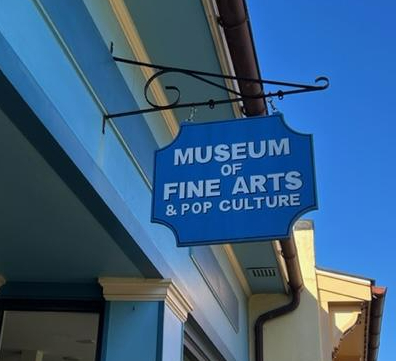
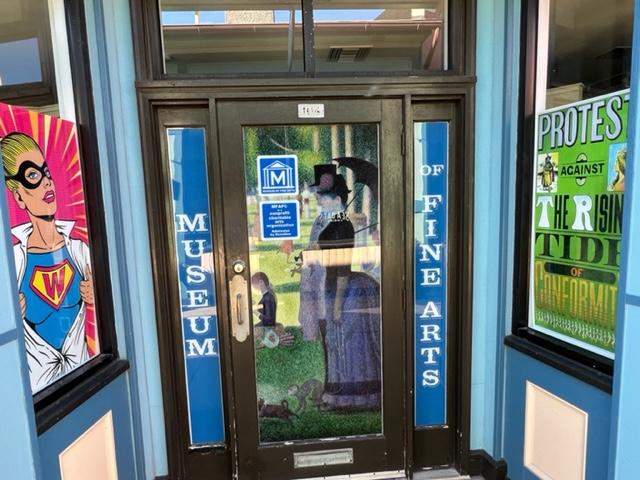


 Visiting a Museum: The Unique, Unusual, Obscure and Historical