Category: Dedicated to Warren Watrel

The Lewes Maritime Museum at the Cannonball House                                                                     118 Front Street                                                                   Lewes, DE 19958

The Lewes Maritime Museum at the Cannonball House 118 Front Street Lewes, DE 19958

The Lewes Maritime Museum at the Cannonball House

118 Front Street

Lewes, DE 19958

(302) 645-7670

https://www.historiclewes.org/visit/society-properties/cannonball-house.html

Open: Sunday-Monday Closed/Tuesday-Saturday 10:00am-4:00pm

Admission: $5.00 (this includes admission to the Lewes History Museum)

My review on TripAdvisor:

https://www.tripadvisor.com/Attraction_Review-g34028-d1382665-Reviews-Cannonball_House-Lewes_Delaware.html

My blog on The Lewes Historical Society:

https://visitingamuseum.com/tag/lewes-cannonball-house/
Our Mission:

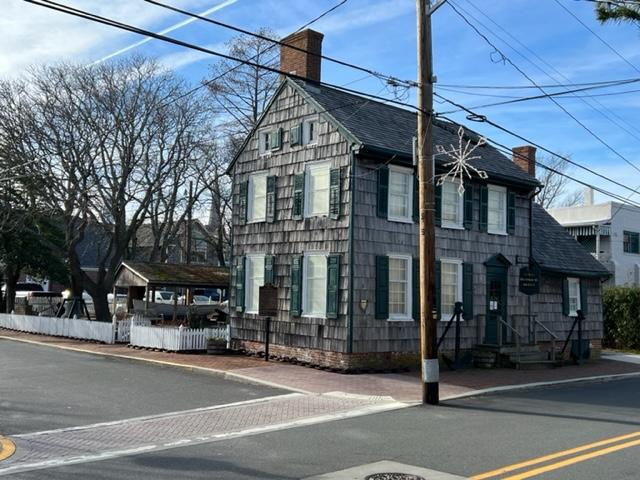
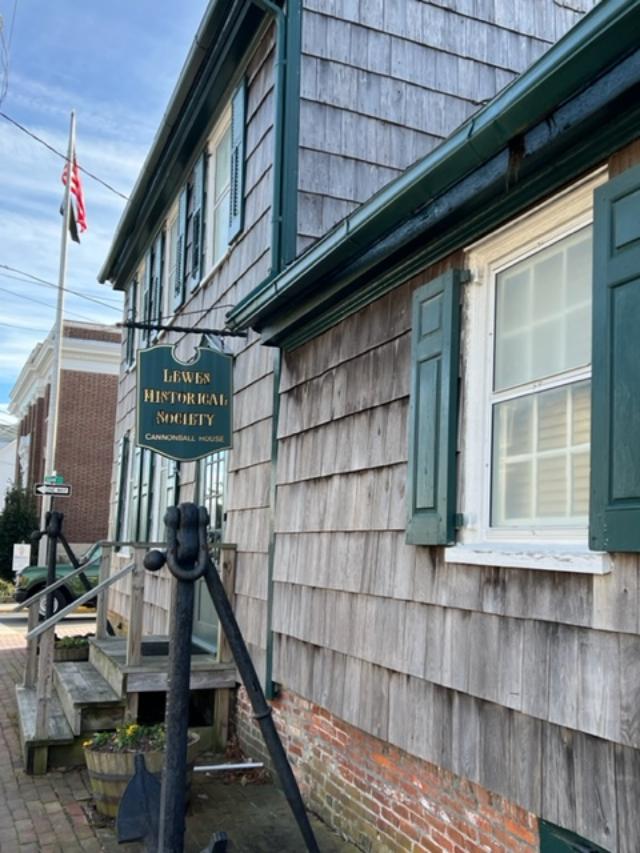
The Lewes Maritime Museum at the Cannonball House at 118 Front Street

The Lewes Historical Society promotes and advocates the preservation, interpretation, and cultural enrichment of the Lewes region, through museum exhibits, educational programs, historical research, and publications.

About The Lewes Maritime Museum at the Cannonball House

The Cannonball House was built c. 1765 and was once the home of Gilbert McCracken and David Rowland, pilots for the Bay & River Delaware. The Cannonball House has come to symbolize not only the Society, but the town of Lewes as well; previous uses included a restaurant, a laundry store, and, for a time, the mayor’s office. Harkening back to the town’s rich nautical heritage, the Cannonball House is the home of The Lewes Historical Society’s Maritime Museum. Nationally important pieces of maritime art and memorabilia are displayed in the house, including the Fresnel Lens of Fourteen Foot Bank Light. The exhibition of Breaking Britannia’s Grasp is also housed in the museum and is included in your admission.

Featured in many works on Delaware, the Cannonball House is a rare example of a Lewes house remaining on one site its entire existence. The Cannonball House was featured on the 2003 Lewes Business Directory (Lewes Historical Society website).
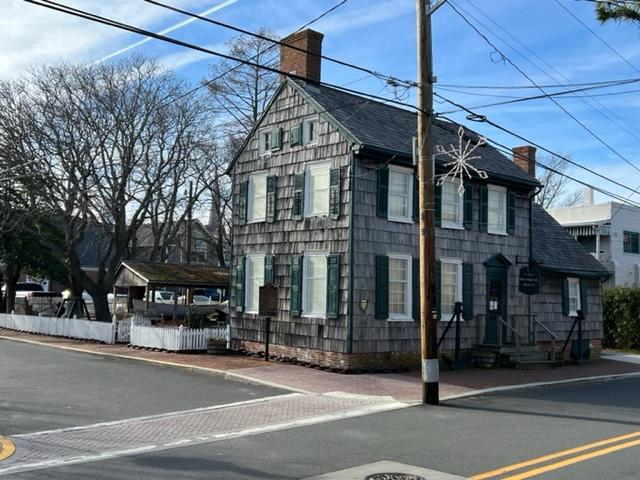
The front of the museum
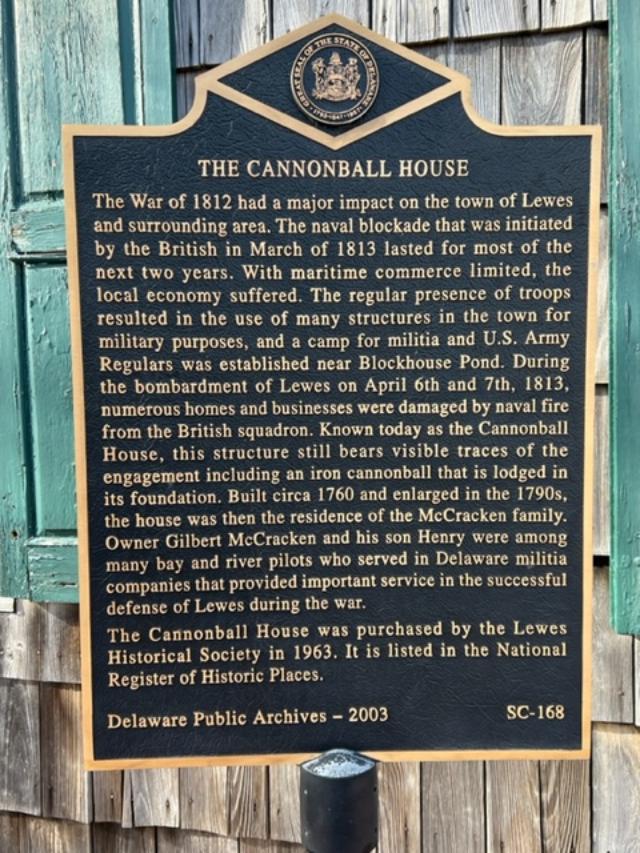
Historic Marker
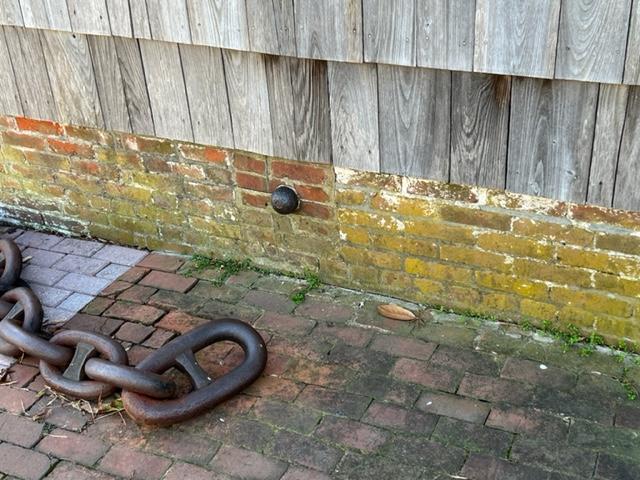
The Cannonball at the house (recreation)

On April 5, 2003, the Cannonball House was honored by the State of Delaware for its close association with the Bombardment of Lewes by the British on April 6th and 7th, 1813 and as the home of two heroes of those fateful days, Gilbert McCraken and his son Henry, both Pilots of the Bay & River Delaware.
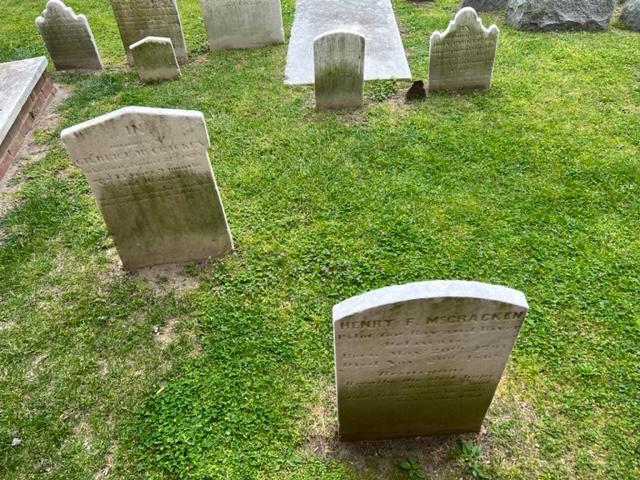
The Gilber and Henry McCraken burial site in downtown Lewes
The tip of the anchor that Henry McCraken was buried with in the Episcopal Church cemetery.

The War of 1812 Park, across Front Street from the house and site of one of the two forts that defended Lewes during the bombardment, was also recognized. Gilbert & Henry McCracken served in a volunteer militia composed primarily of Delaware Pilots that defended Lewes until the end of the war in 1815 (Lewes Historical Society website).

Perhaps the two most famous landmarks in Lewes are the Zwaanendael Museum and the Cannonball House. Many visitors come to town seeking the famous house with a cannonball still in its side, yet many are unaware of how close the house was to being lost. During the summer of 1961, several Lewes citizens expressed concern that the town was losing its character as its old homes were slowly being lost. They were especially concerned about the plight of what they knew as the Capt. David Rowland House – an ancient one with a distinguished history; built prior to the revolution, it had been the home of generations of river and bay pilots and had been scarred by cannon fire during the War of 1812 (Lewes Historical Society website).

The inside of the Lewes Maritime Museum at the Cannonball House has many exhibitions to view.
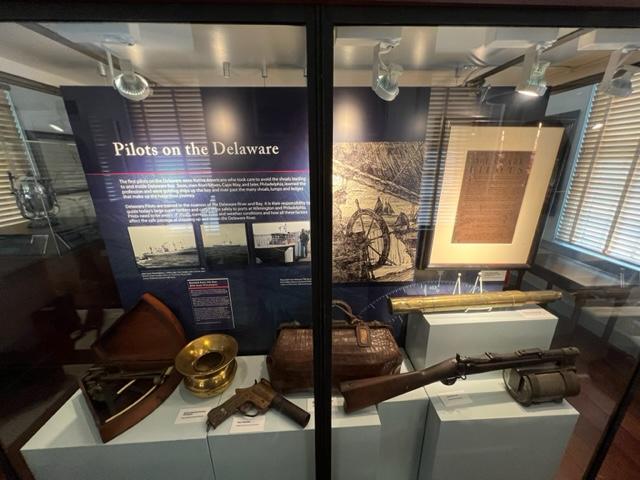
the Pilots display inside the Cannonball Museum
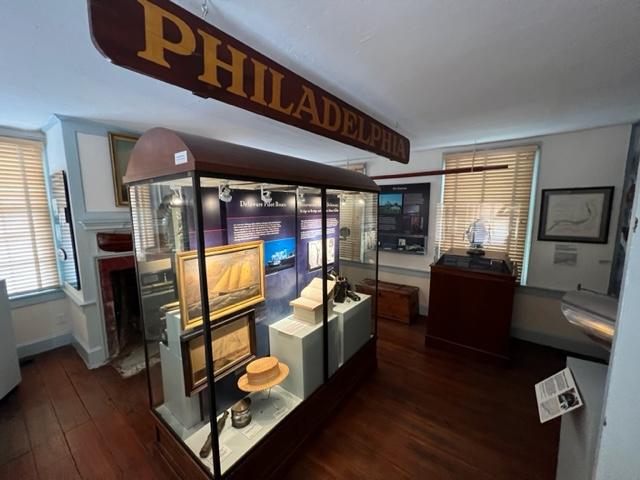
The Philadelphia exhibition
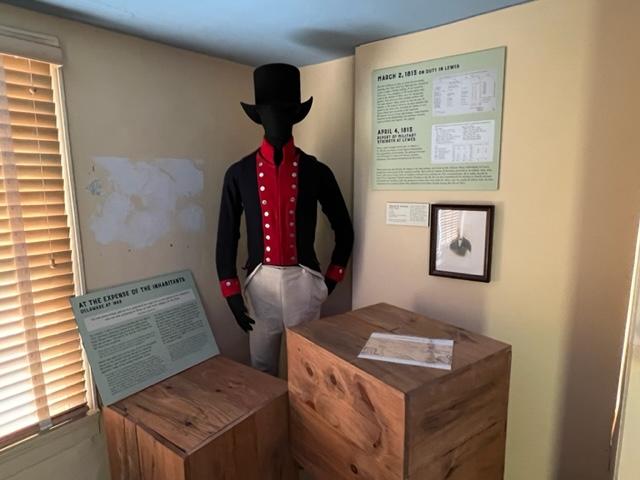
Display at the museum
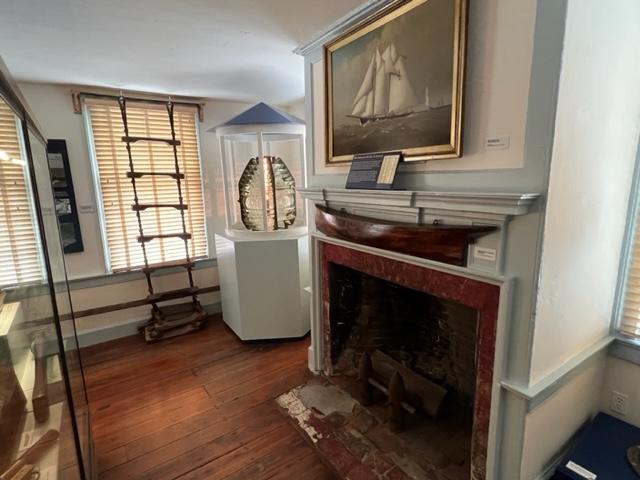
The lighthouse display
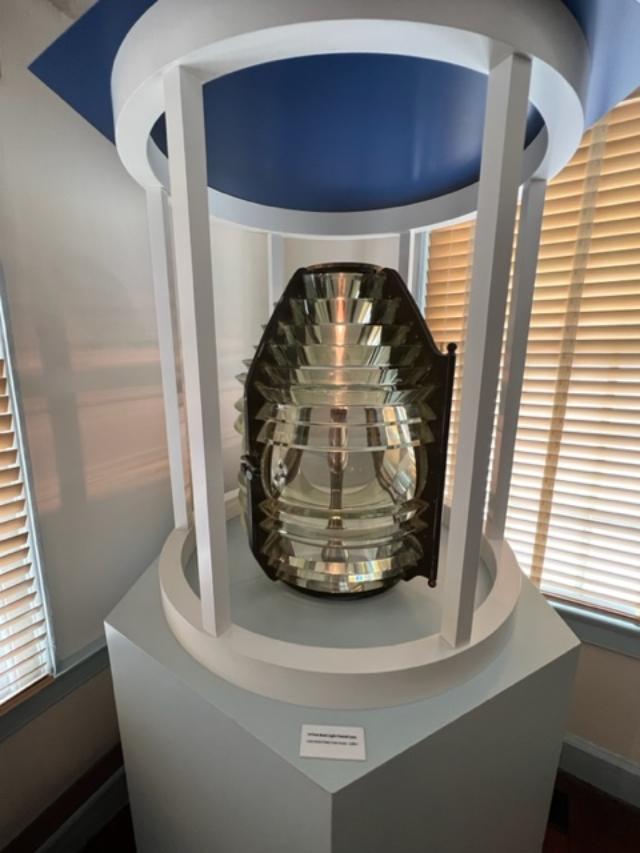
The lighthouse light
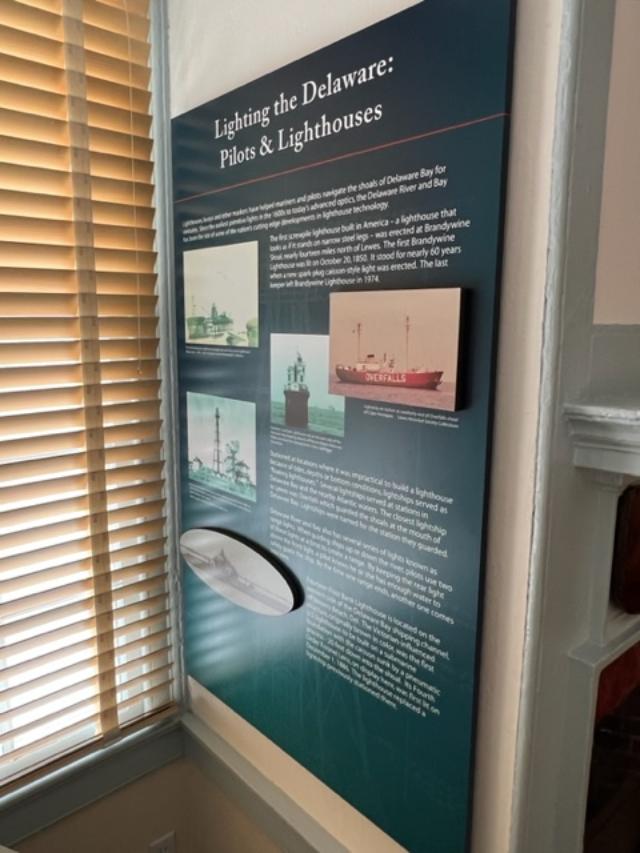
The lighthouse display
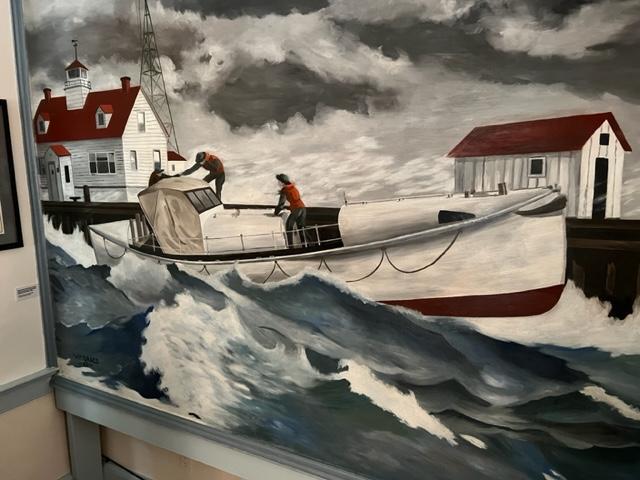
The Shipping Display
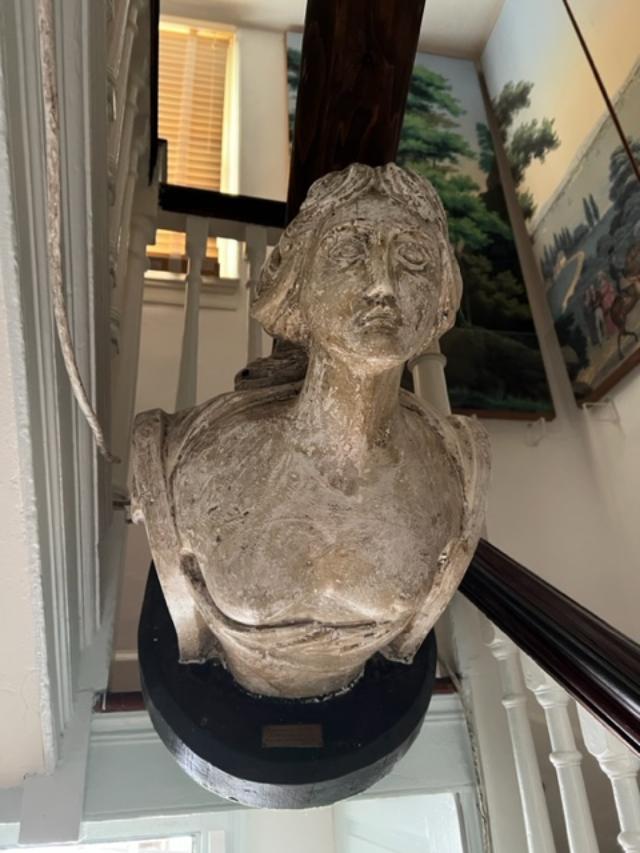
Object from the Shipping Display

The museum had a display about life at sea. This included the bunking of sailors in the hull at that time. This was interesting look at life at that time.
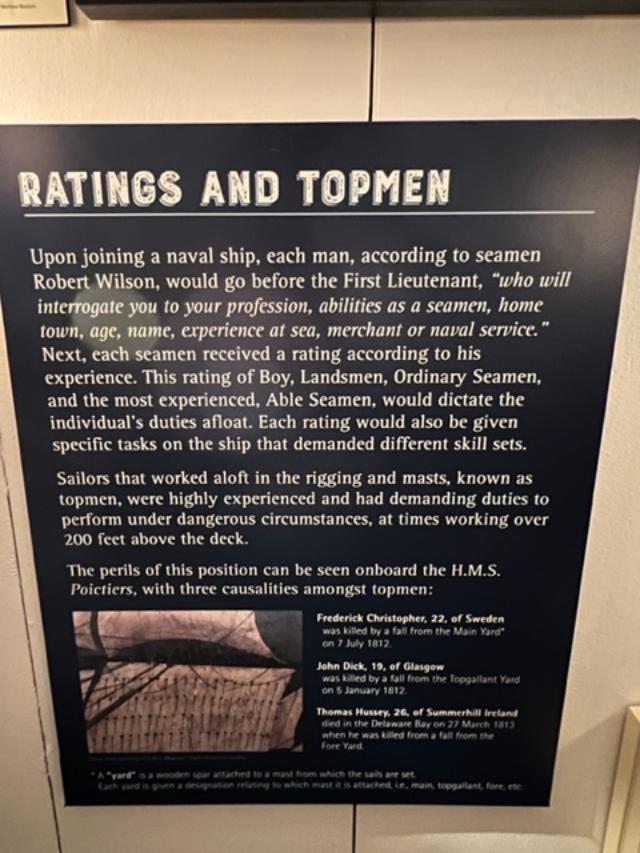
The signs
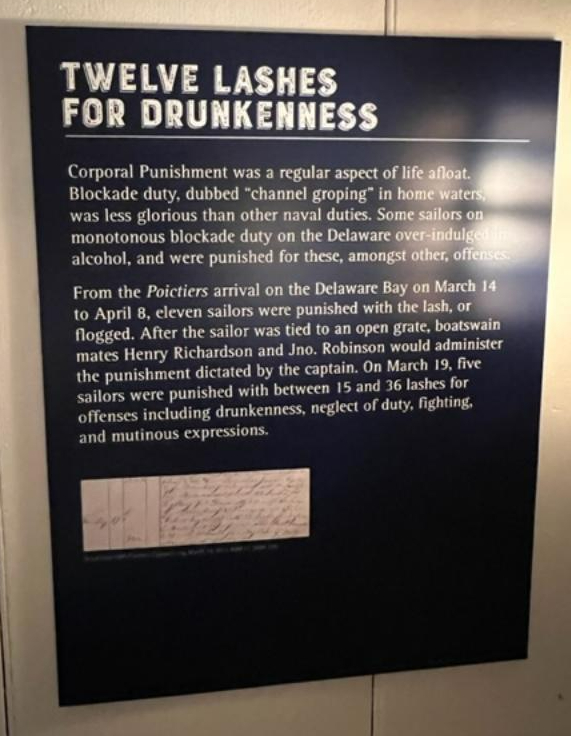
The signs
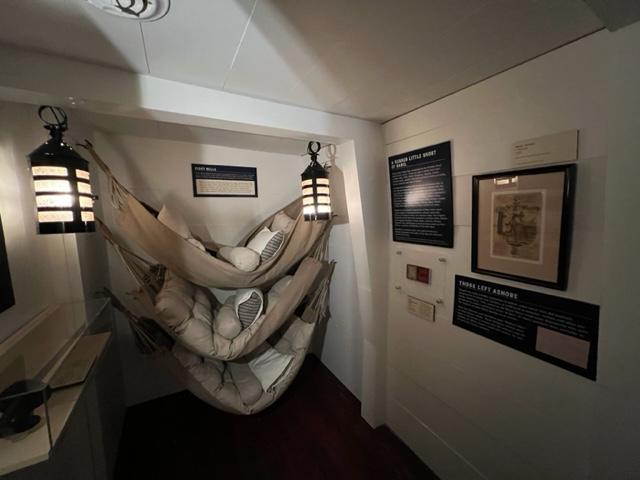
Life on the ship

Still the most famous pieces in the museum is the cannonballs.
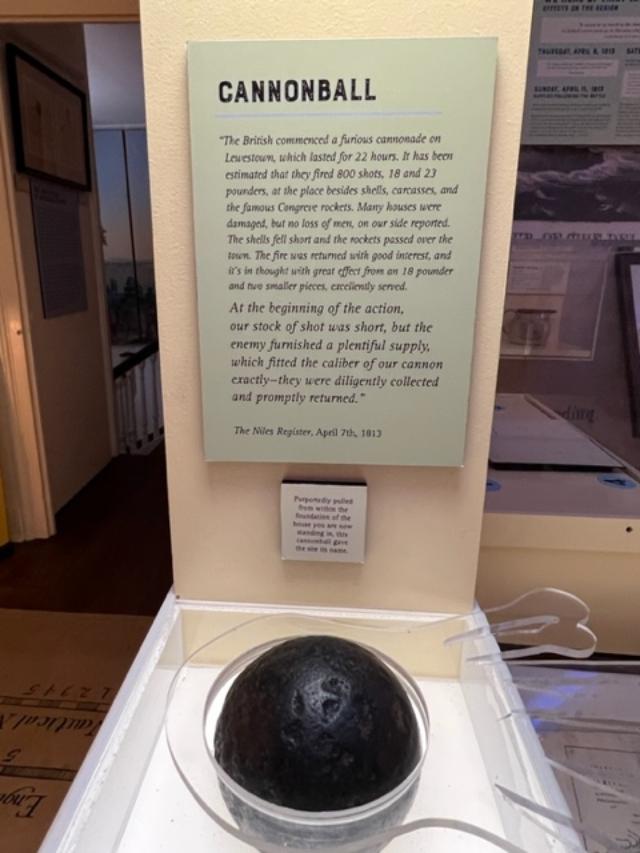
The Cannonball that hit the house
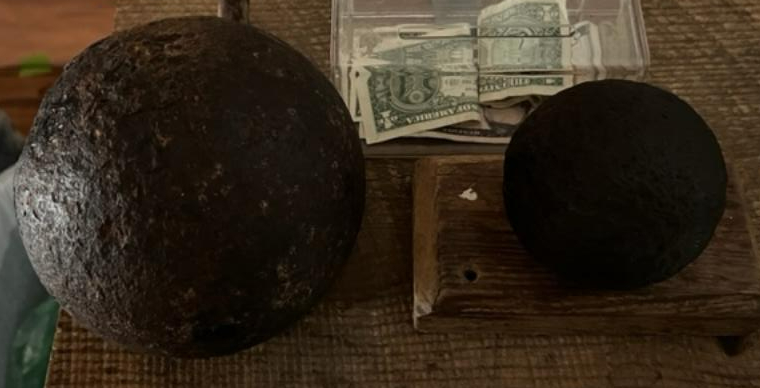
Cannonballs dredged from the canal.
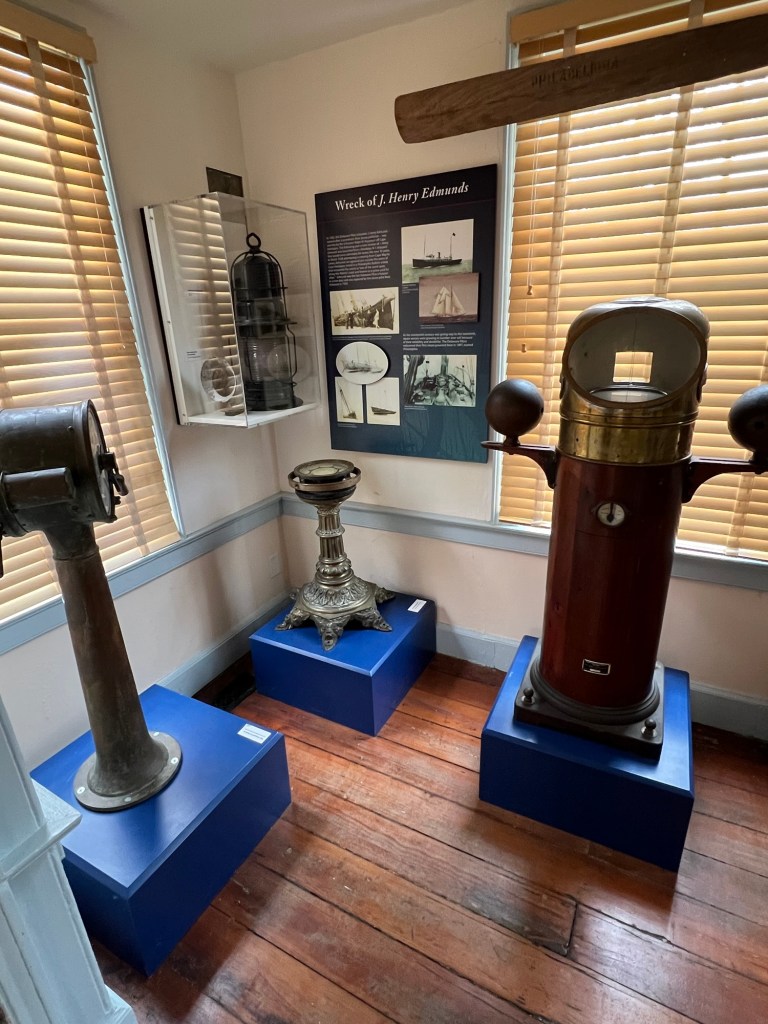
The second floor ‘Henry Edmonds’ artifacts
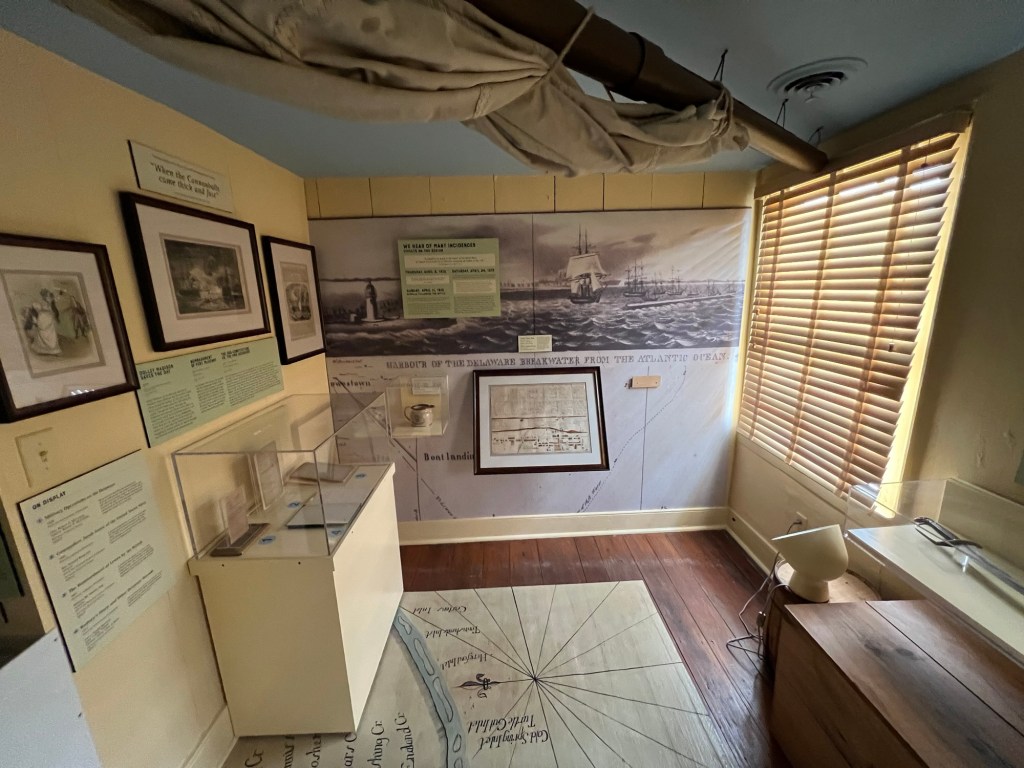
Wreckage artifacts on the second floor
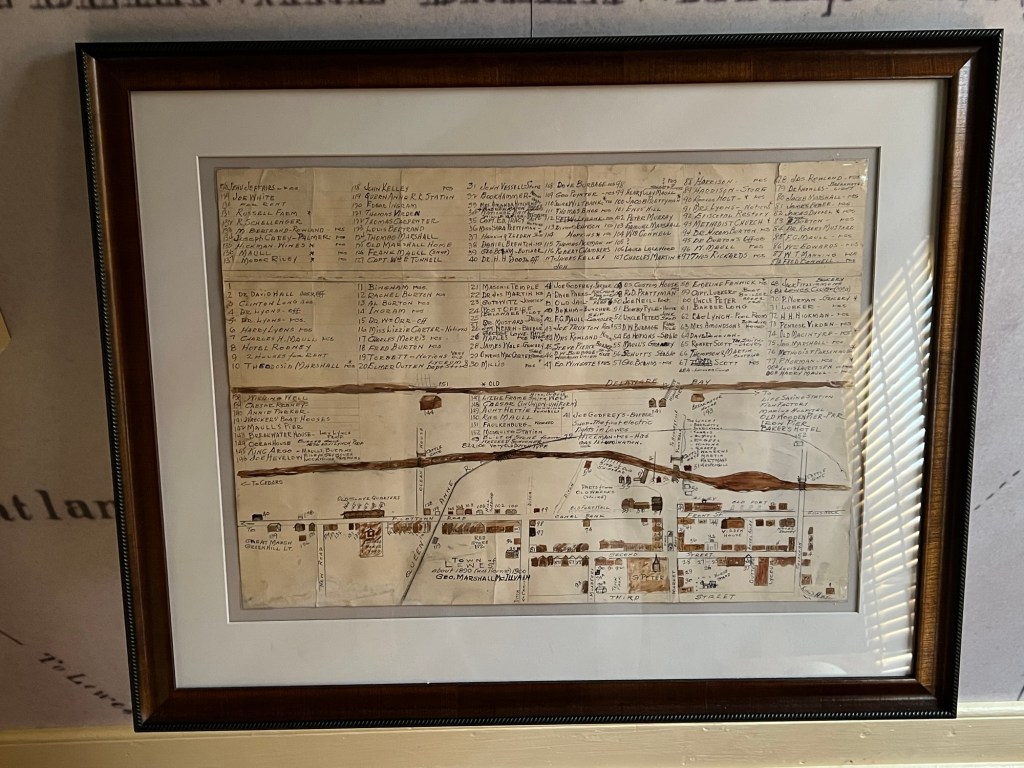
Downtown Lewes map
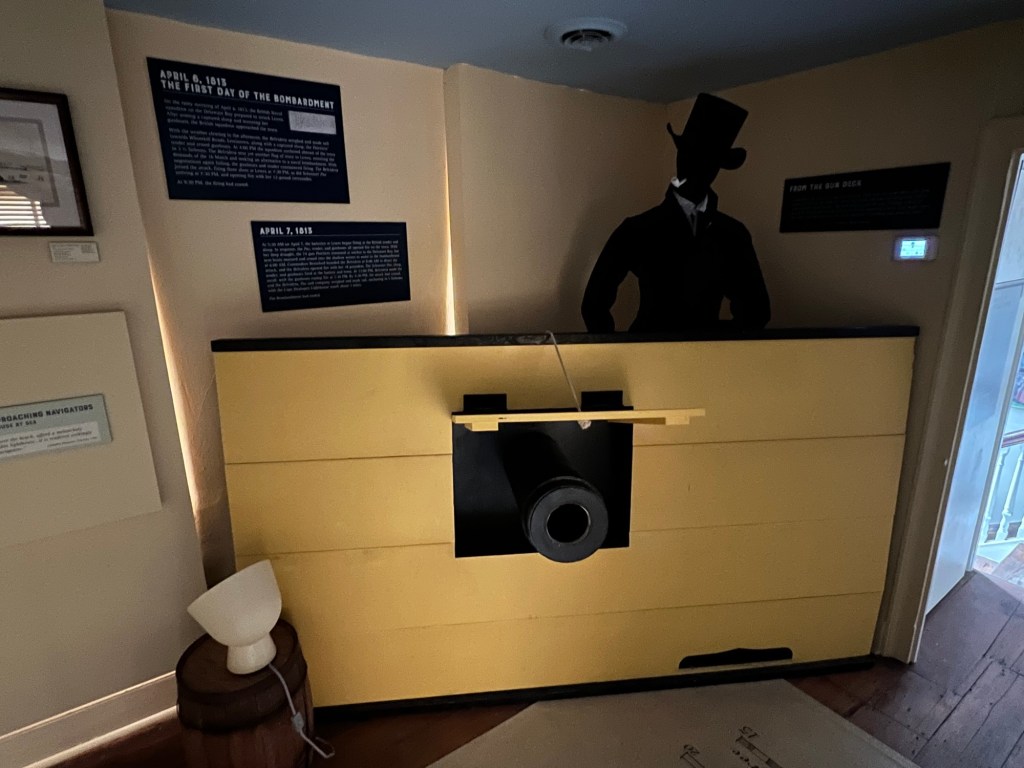
Ship attacks

The New “Wireless Age” exhibition
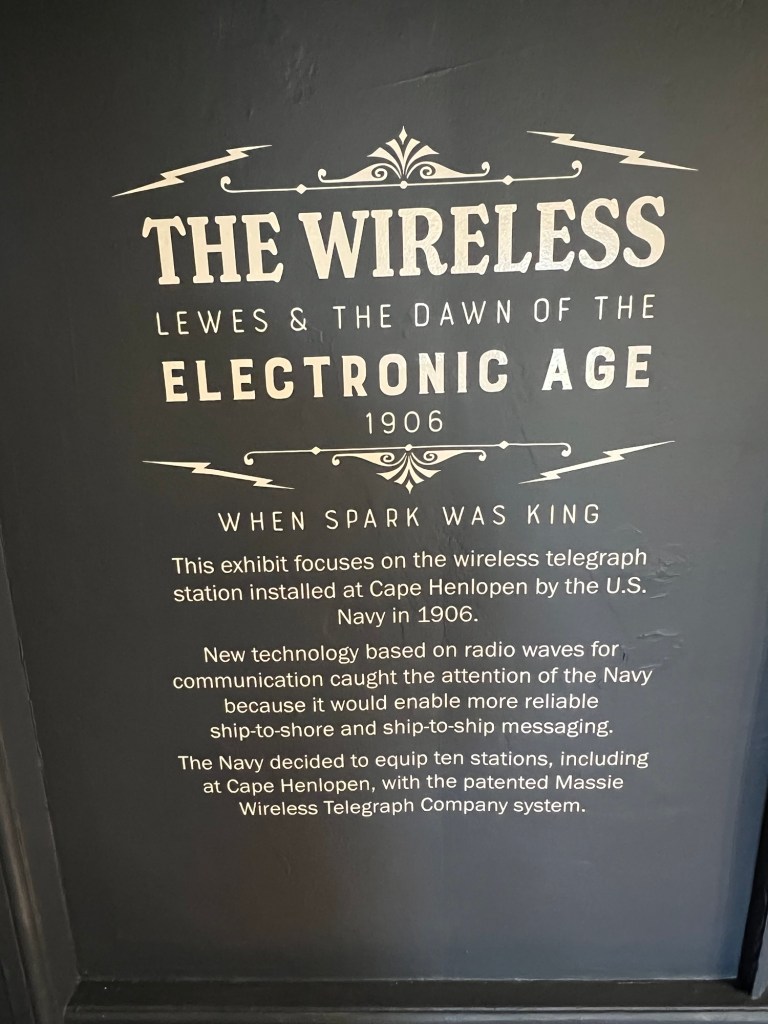
The ‘Wireless Age’ exhibition
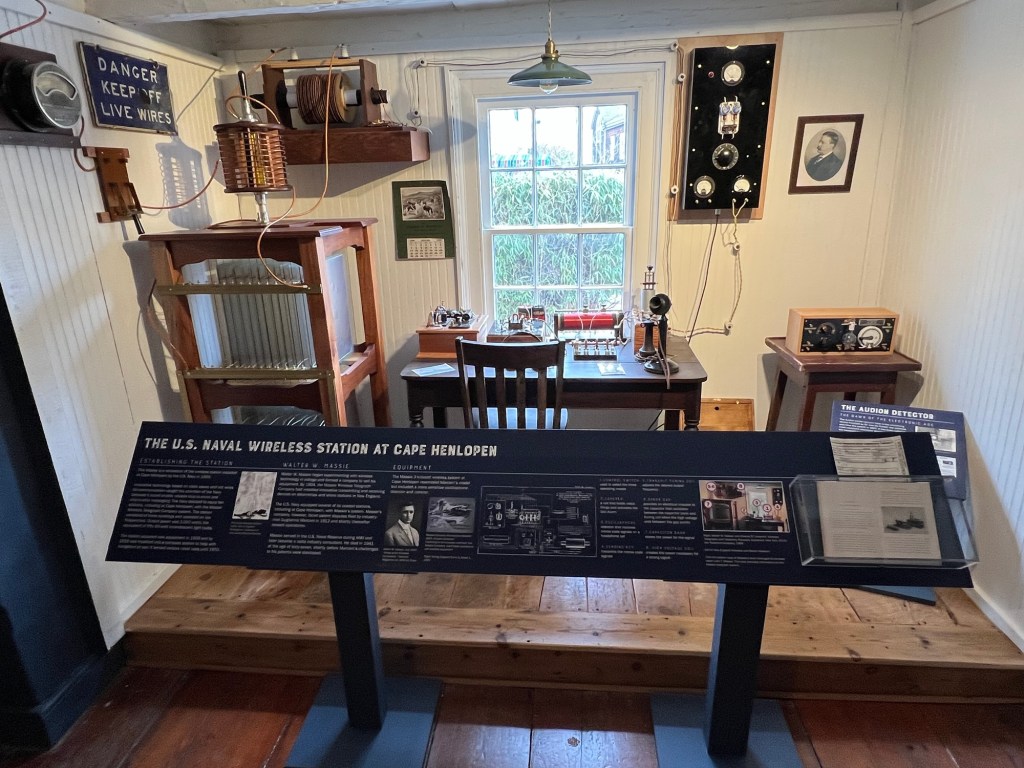
The ‘Wireless Age’ exhibition

The ‘Wireless Age’ exhibition
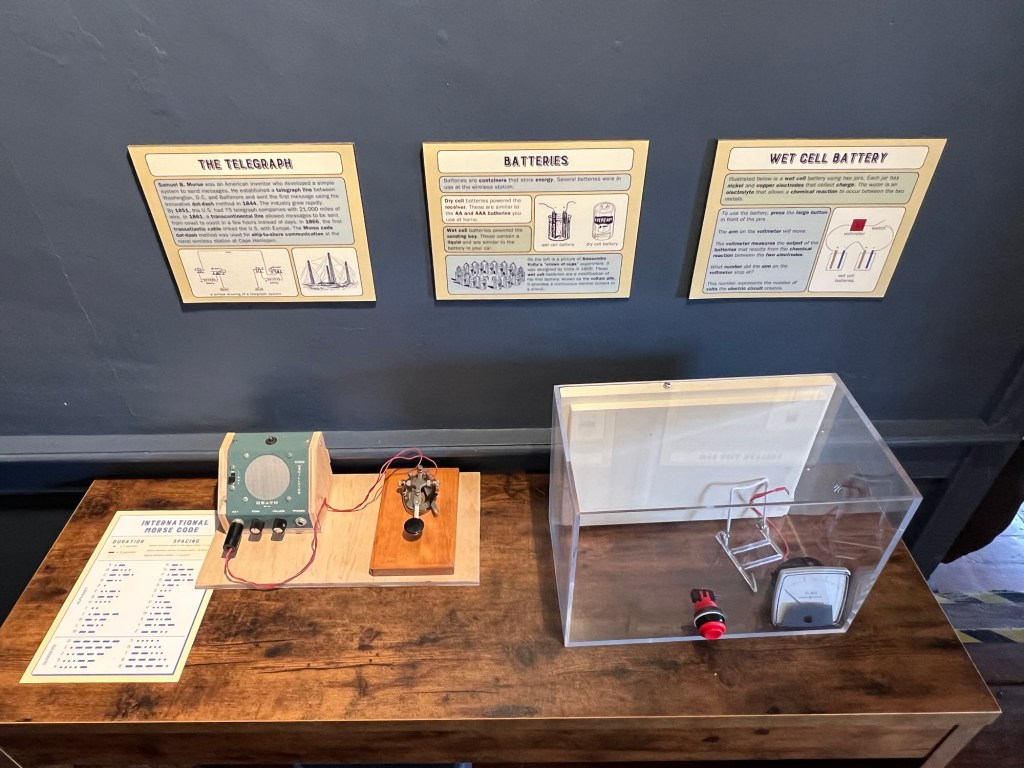
The Children’s exhibition for the ‘Wireless Age’

The Grounds of the Lewes Maritime Museum at the Cannonball House have all sorts of artifacts on the outside of the property include bells, boats and buildings. Take time during the season to walk the grounds and look over all the items in the garden.
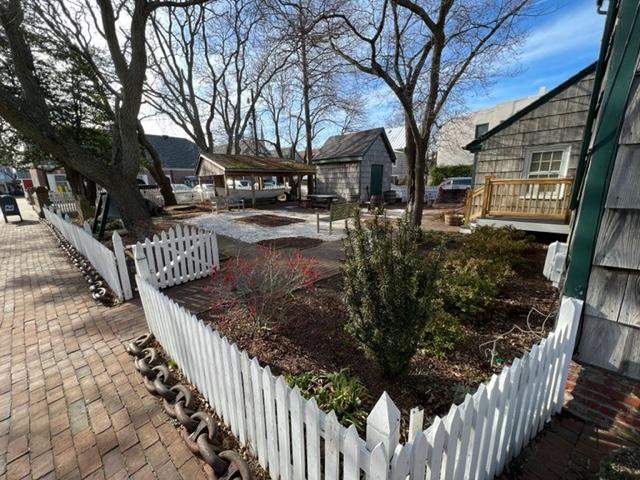
The museum courtyard
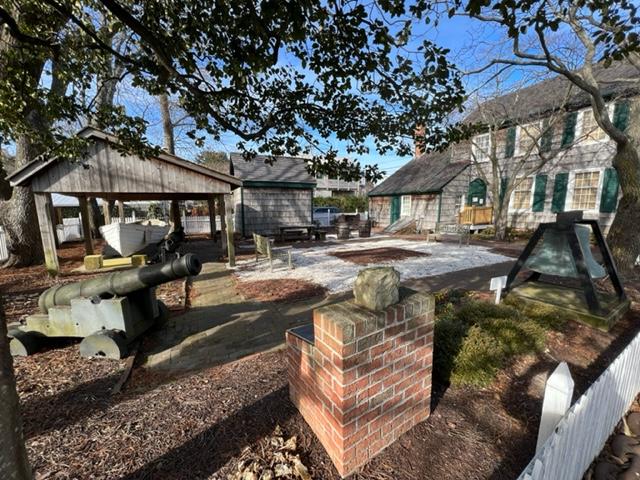
The museum courtyard
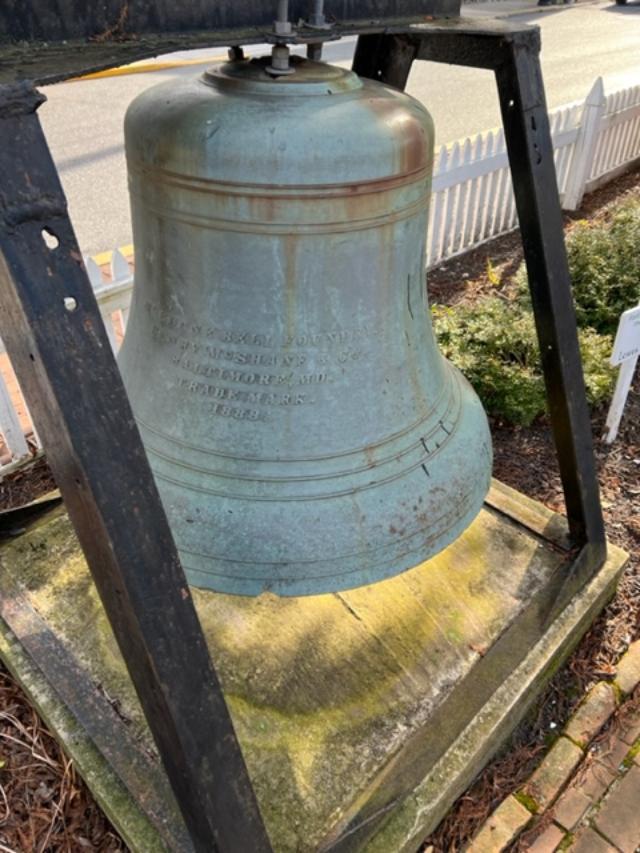
The bell
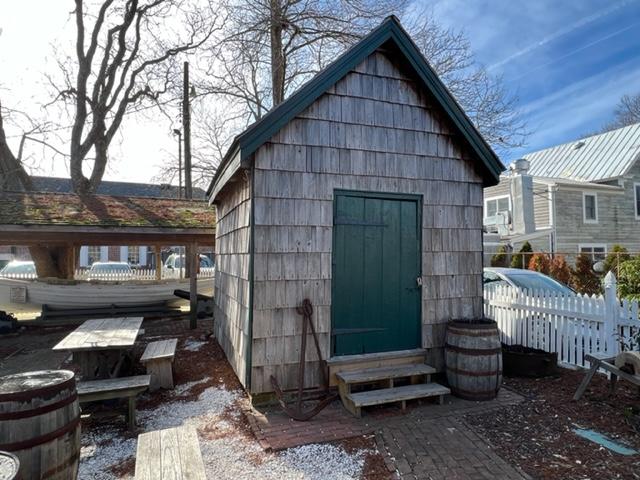
The ice house in the courtyard
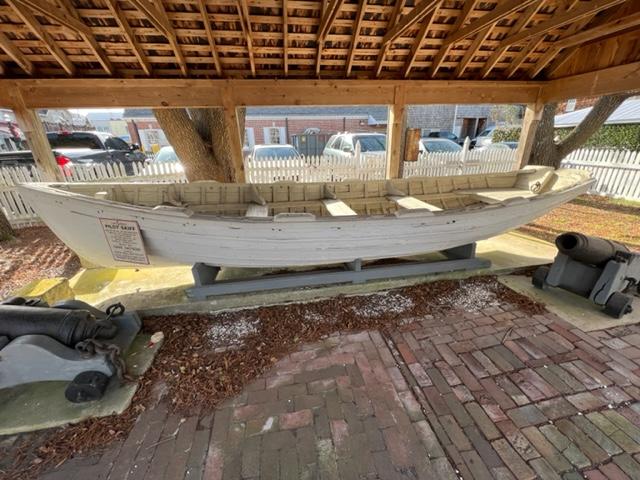
The Rescue Boat

One night they met on Pilottown Road and decided something needed to be done right then and there – at that moment The Lewes Historical Society was formed. Members were sought, funds raised, and the property was acquired – the historic Burton-Ingram House on Second Street. Two years later in 1963, the young historical society had raised the money to purchase the Rowland House, also commonly called the Cannonball House in honor of its scars from the infamous Bombardment of Lewes (Lewes Historical Society website).
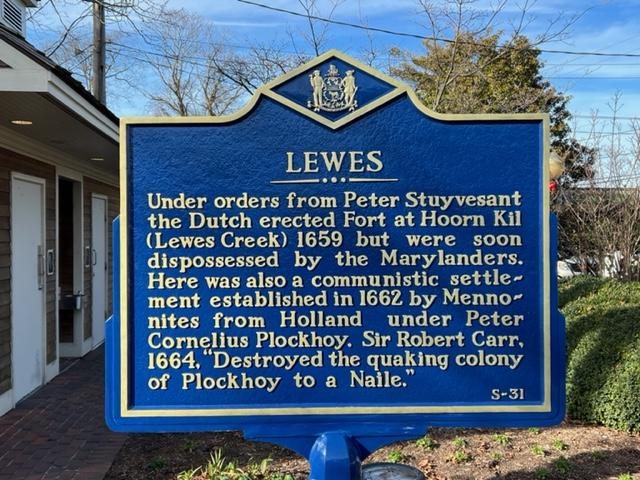
The Historical Marker of Lewes, DE
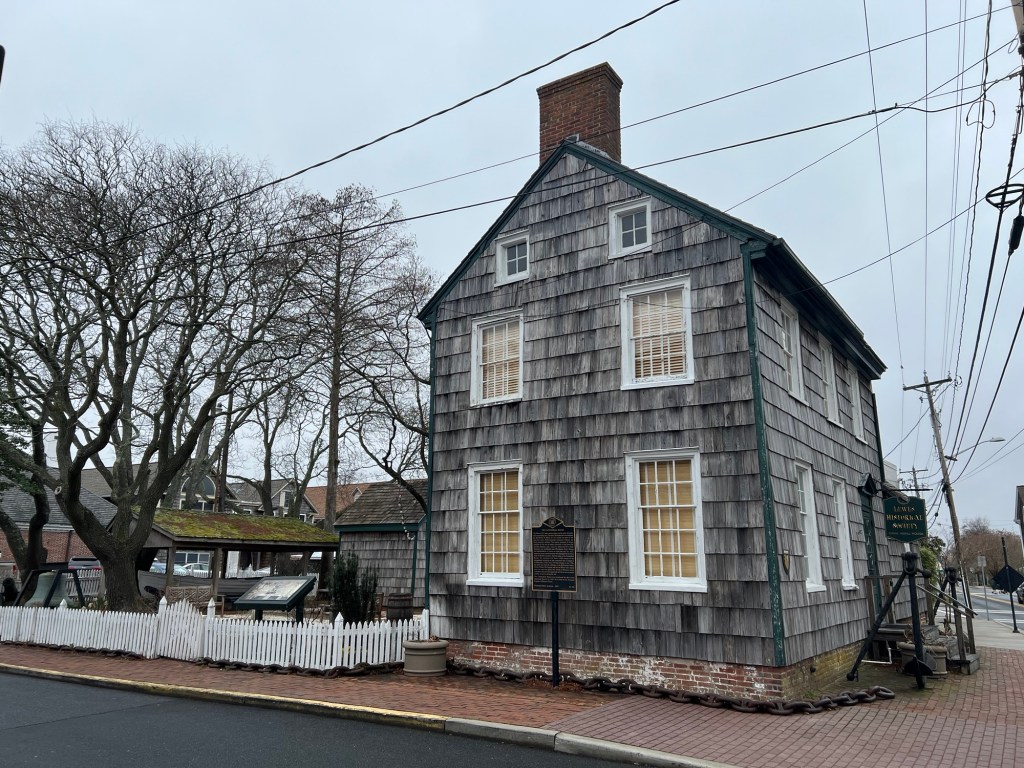
The museum in the early Spring
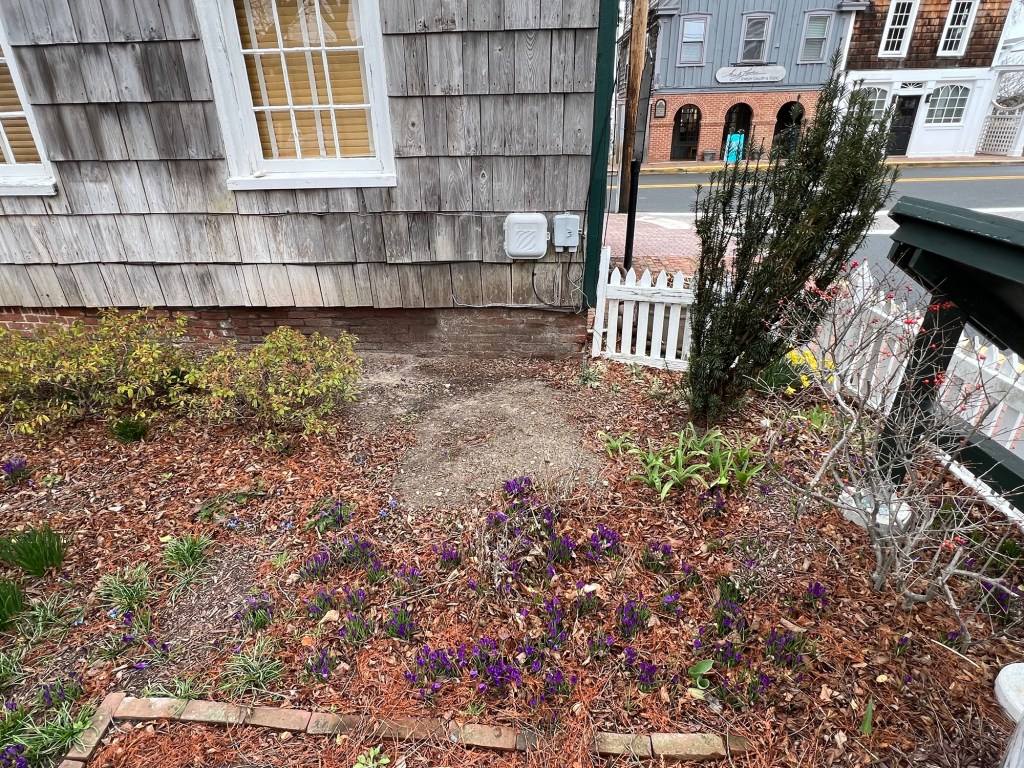
The grounds in the early Spring

Day Two Hundred and Sixty-Two: Traveling to the Brooklyn Botanic Garden to see the Crocuses on the Hill, Snowdrops, Ironweed flowers and other flowering plants, Daffodil Hill, the Magnolia Plaza, the Cherry Blossoms, the Cranford Rose Garden and the Lotus Pools                                     March 30th, 2023 (again in March 12th & 22nd,  May 29th, August 6th, 2024 and May 10th, 2025)

Day Two Hundred and Sixty-Two: Traveling to the Brooklyn Botanic Garden to see the Crocuses on the Hill, Snowdrops, Ironweed flowers and other flowering plants, Daffodil Hill, the Magnolia Plaza, the Cherry Blossoms, the Cranford Rose Garden and the Lotus Pools March 30th, 2023 (again in March 12th & 22nd, May 29th, August 6th, 2024 and May 10th, 2025)

The entrance to the gardens in the Summer of 2022

If you want to see some of the most beautiful sites in New York City during the Spring months when Mother Nature truly works her magic then I would suggest going to the Brooklyn Botanic Garden to see Daffodil Hill and Magnolia Plaza.

The sign when entering Daffodil Hill in the Brooklyn Botanic Gardens

https://www.bbg.org/

My review on TripAdvisor:

https://www.tripadvisor.com/ShowUserReviews-g60827-d103900-r884200309-Brooklyn_Botanic_Garden-Brooklyn_New_York.html?m=19905

My review on VisitingaMuseum.com:

https://wordpress.com/post/visitingamuseum.com/2785

This is when everything is in full bloom during the early Spring. There is nothing like it and it is so breathtaking with a quiet elegance. On this clear and sunny Thursday afternoon, the gardens were quiet so I had plenty of time to take pictures and enjoy the beautiful views.

I finally got the gardens in the early Spring to see the crocuses, the Snowdrops and the Ironweed flowers that come in the early Spring just as the Daffodils were just coming out. These sensitive flowers are only in bloom a short time and I wanted to see them. They are just beautiful when you see them up close.

The Garden was ablaze with the colors of almost a thousand purple crocuses that lined the hills on the Prospect Park side of the lawns in 2024. Beautiful purple and while colors were in full bloom and Mother Nature shined in the COVID era with all of us socially distanced but still enjoying the park.

Crocus Hills ablaze in purple in 2024

The purple crocuses in full bloom in 2024.

The beautiful purple crocuses in full bloom.

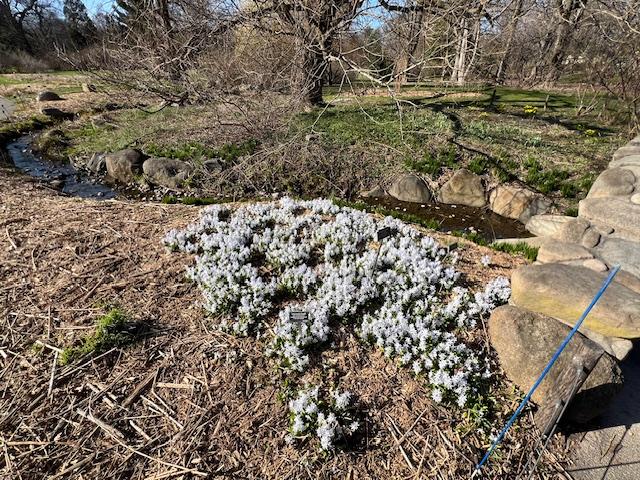
While I was taking pictures of the crocuses, I walked around the gardens and came across the Snowdrops and the Ironweed flowers were also in bloom. These sensitive flowers are only in bloom for just about two weeks. To see them in the gardens in the late Winter is a real treat. They sometimes are in bloom in early and you have to see them quickly before they disappear in the ground.

The Snowdrops in full bloom in the gardens in 2024.

The Snowdrops up close.

The Ironweed just as beautiful. To see these graceful flowers in bloom are a real treat.

The Ironweed flowers in bloom right by the stream.

The Ironweed flowers in full bloom.

An Azalea that was early blooming in the garden in 2024.

Daffodil Hill at the Brooklyn Botanic Garden

Hundreds of Trumpet Daffodils are in bloom on a hill just off the Japanese Gardens flanked by hundred-year-old trees and it just plays into the backdrop of the greens and browns of the trees and lawns. I can’t tell you on a beautiful sunny day how breathtaking it is just to sit and admire these elegant flowers. It really is a site to see.

Daffodil Hill in full bloom

I love the way these hundreds of flowers make such a beautiful statement and there is such a burst of colors between the yellows and oranges of the daffodil flowers. This only lasts for about two weeks and then the flowers hibernate again.

The side view of Daffodil Hill from the walkway

Daffodil Hill just off the Japanese Gardens

Daffodil Hill is right next to the Magnolia Plaza that was also in peak bloom when I was at the gardens. The trees of the Magnolia Plaza bloom the last week of March and these delicate trees petals do not last more than a week. When I got close enough to them to take pictures, I noticed that some of them were starting to curl already.

The area between Magnolia Plaza and Daffodil Hill

Not all the trees were in bloom yet but these delicate trees are very sensitive to the weather and I have noticed that the petals don’t last as long. Most of the trees were in full bloom but there was not much a smell to the trees. Still everyone was taking pictures in every direction between the Magnolia trees and Daffodil flowers.

The Magnolia Plaza in full bloom

The sign in the Magnolia Plaza

The edge of the Magnolia Plaza

The pathways in the afternoon

The Magnolia trees make such a bold and colorful statement

The array of colors in the Magnolia Plaza

The Magnolia Plaza facing Daffodil Hill in the distance

The Sundial in the middle of the Magnolia Plaza

After taking dozens of pictures of the Magnolia Plaza and Daffodil Hill, I walked over to the Rock Garden. There were not many flowers in bloom there yet as they come out later in the month. There was still an array of daffodils and a few crocuses still in bloom. The Rock Garden was quiet and perfect to walk around in as I had this part of the garden to myself.

The Rock Garden in the early Spring

The Rock Garden in the early afternoon

I headed to the northern part of the garden and visited the Japanese Gardens, where the cherry blooms started to bloom. These graciously landscaped gardens were created in the traditional Japanese form with a combination of trees and shrubs to balance the garden.

Entering the Japanese gardens from the path

The Japanese Gardens pool with traditional buildings

The Japanese Gardens in the early Spring

Returning at the height of the Cherry Blooms was just breathtaking. This view only rivals the beauty of Newark, NJ and Washington DC.

The magnificent Cherry Blossom lawn in April 2024.

People relaxing and enjoying the beautiful afternoon under the Cherry trees.

The beauty of the trees.

The Cherry Blossom at peak form.

I came back after the Cherry Blossoms had fully bloomed and were now gone and the Bluebells were in full bloom. It had been a cold and rainy Spring and it had been miserable to be outside. Not on the May weekend in 2025. The weather was spectacular and sunny. The Gardens were packed on Mother’s Day weekend and these beautiful blue flowers were the star of the day.

The sign welcoming you to the gardens

The flowers were just amazing

The seas of purple and green

They have really expanded their space over the years

The flowers put on quite a show that day

There is a real beauty to the gardens

The flowers were at the peak of bloom

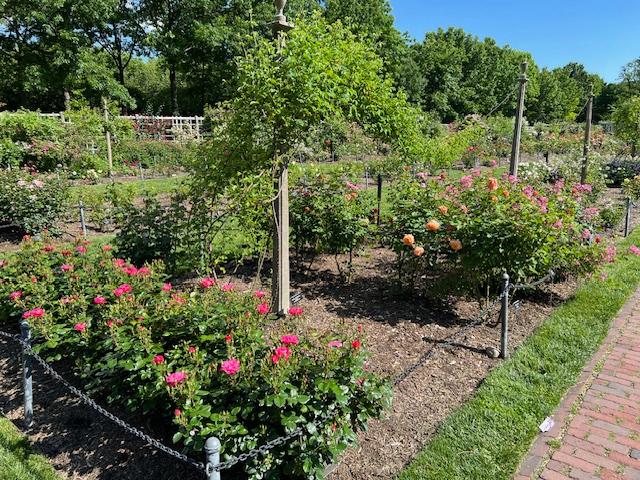
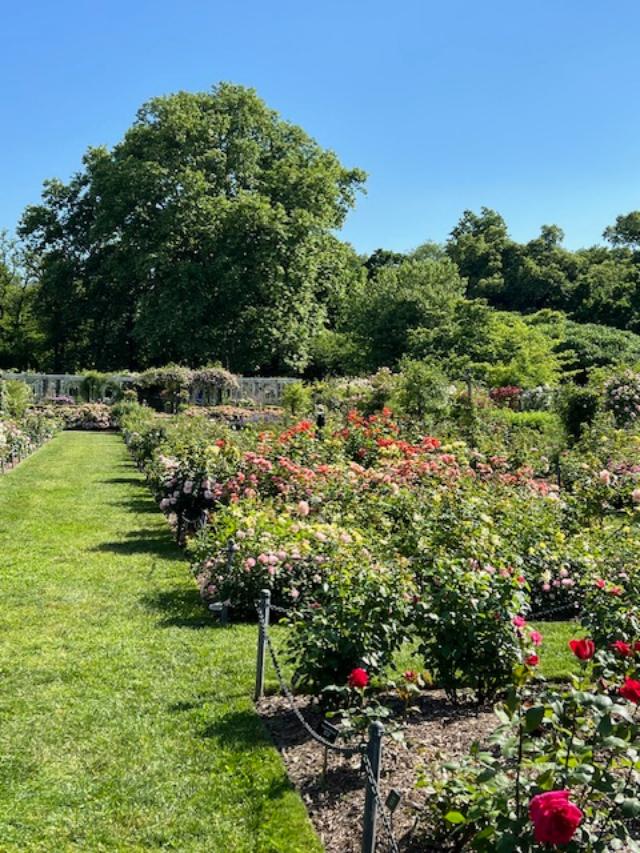
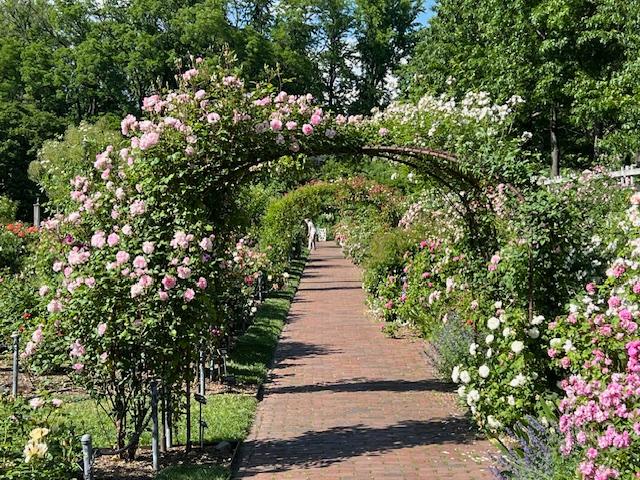
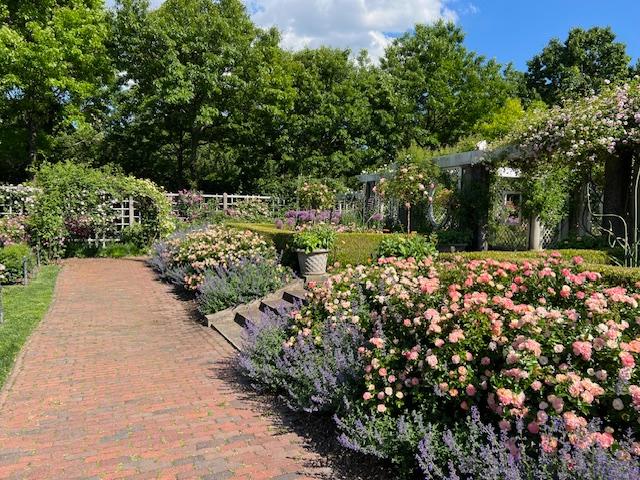
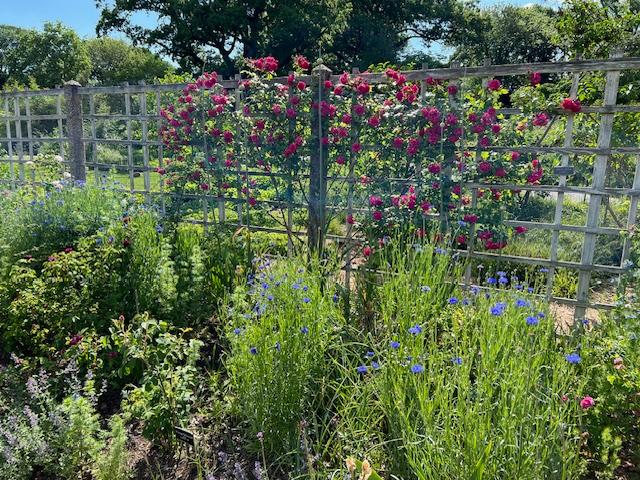
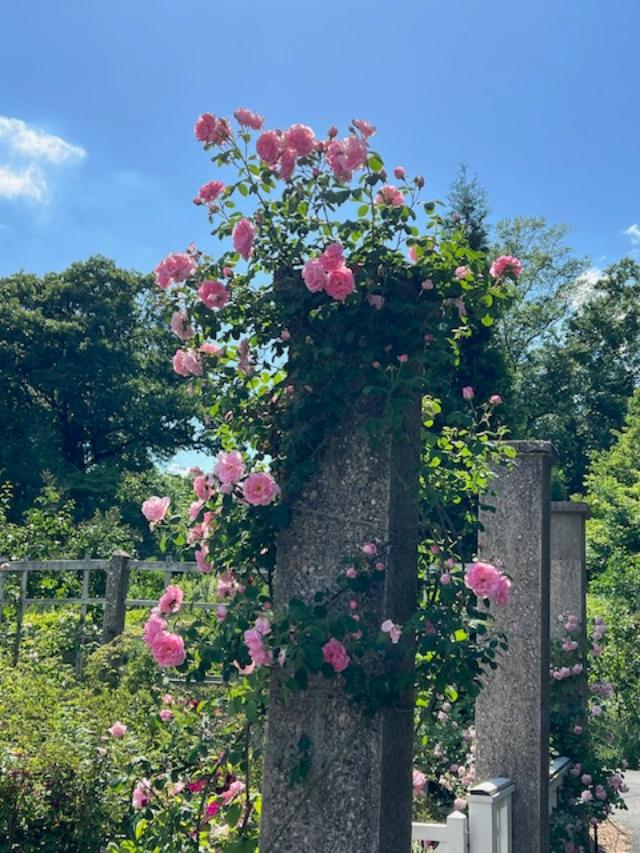
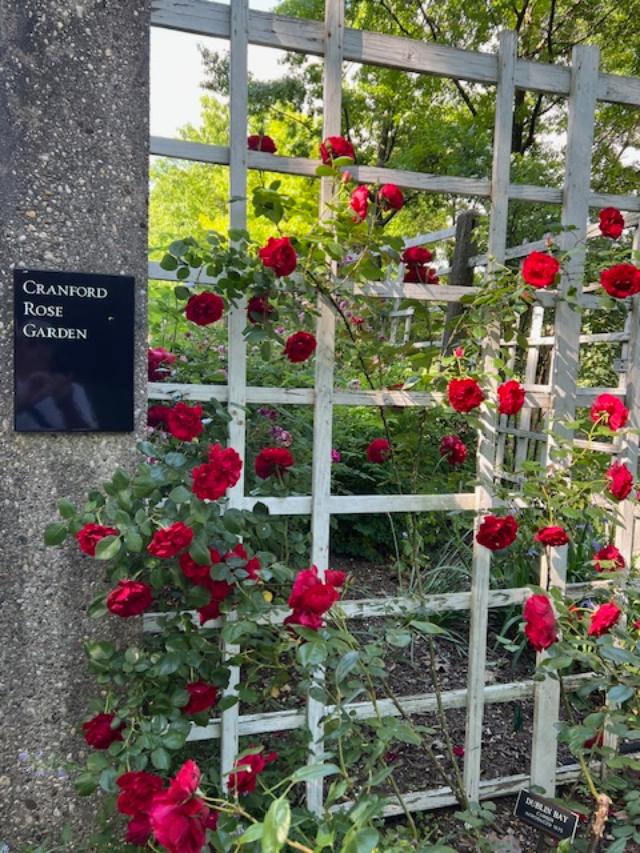
The Cranford Rose Garden was in full bloom two and a weeks before the Annual “Rose Night” that celebrates the blooms of the roses in the gardens. By the time the event would happen, most of the blossoms would be gone. So I visited the gardens again in late May after college had ended and I was in between classes. The roses were glorious to say the least and the colors, smells and the way they grew all over the trellises and fences made quite the effect. I was lucky that I went during a week day and the gardens were quiet.

There is nothing like the Cranford Rose Garden when it is in full bloom. The smells and colors are fantastic and the beauty is something timed by Mother Nature. The roses grow at different stages and it looks so gorgeous during the late Spring.

Entering the Rose Gardens in the Spring of 2024

The front of the gardens in bloom

The front beds of the Rose Garden

The front of the Cranford Rose Garden in full bloom

The trellises in full bloom

The trellis in full bloom

Walking along the paths to the back part of the gardens.

The back part of the gardens

Roses along the trellises

Exiting the back of the gardens into the Cherry Blossom Lawn

The back entrance to the Cranford Rose Garden.

If you can get to the gardens in early June, I would suggest a special trip to see the roses. This special time of the year only lasts about three weeks and then like the rest of the flower displays in the gardens are gone until the next year. The gardens are now maturing for the summer months with lots of greenery and are still a nice place to relax and walk around or just sit and enjoy the views.

The Cherry Blossom Lawn after the cherry blooms are gone.

The flowers of the garden’s Marsh area.

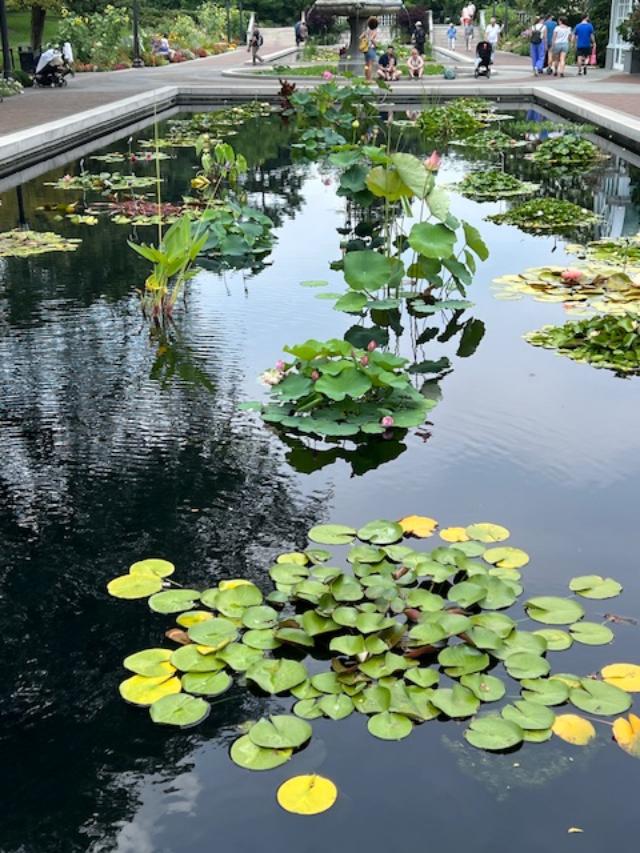
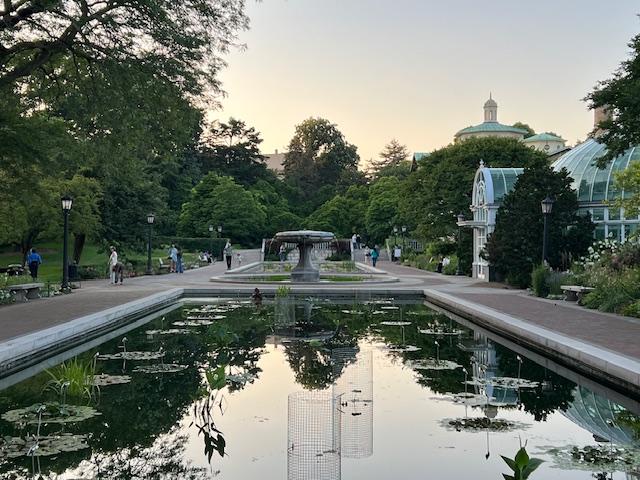
I came to the gardens in late July to see the Lotuses in the Lotus Pools when they were in bloom and when they are at their peak, they are so colorful and elegant. I now know why the Egyptians worshipped them.

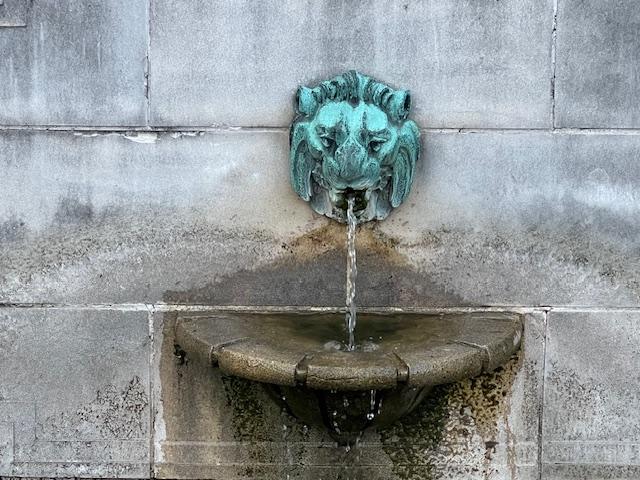
The Lion Fountain greets you as you enter the pools

The video on the fountain:

The Lotus Pools

The Lotus Pools

The Lotus Pools

The Yellow Lotus in the pools

The Pink Lotus in the pools

The Cherry Blossom Fountain in bloom

The Cherry Blossom Fountain in bloom

Before I left the gardens for the afternoon, I stopped in the gift shop and looked around. They have some wonderful things to buy including a section of Brooklyn made products. There is also an array of plants, books and decorative products to buy.

The Gift Shop at the Brooklyn Botanic Gardens

The Brooklyn made products and book selection at the Brooklyn Botanic Gardens

After my visit to the gardens, I stopped at Bahn Mi Place at 824 Washington Avenue for lunch. I had one of their classic Bahn Mi sandwiches with ham and pate on a chewy hard roll. The food here is consistently good and their sandwiches are excellent.

Bahn Mi Place at 824 Washington Avenue

https://banhmiplacebklyn.com/

My review on TripAdvisor:

https://www.tripadvisor.com/Restaurant_Review-g60827-d8530850-Reviews-Banh_Mi_Place-Brooklyn_New_York.html?m=19905

My review on DiningonaShoeStringinNYC@Wordpress.com:

https://wordpress.com/post/diningonashoestringinnyc.wordpress.com/2187

The Classic Banh Mi sandwich at Banh Mi Place

You have to order the sandwich with a Medium spicy sauce. It adds to the complexity

The sandwiches are excellent. The flavors of the fresh vegetables and meats with the spicy sauce makes complex flavor. The bread is fresh and chewy and don’t be fooled by the size of the sandwich. It is larger than I thought and very filling. See my review on both TripAdvisor and DiningonaShoeStringinNYC@Wordpress.com.

I took my lunch and ate on the steps near the Brooklyn Museum and just enjoyed the afternoon. I people watched and enjoyed the cool, sunny weather. It was nice to escape from classes for a couple of hours and just relax and not think about school or work. It has again become a bit stressful between the two but I will handle everything.

I look forward to this time in the gardens and is one of the reasons why I keep my membership. I love to look at the hundreds of daffodils in bloom and watching as they sway in the wind and just want to look beautiful. It is the most amazing site every Spring.

You do have to time your visits so that you see all these beautiful flowers at each time.

Happy Easter!

Lewes Presbyterian Church                                                            133 Kings Highway                                                                     Lewes, DE 19958

Lewes Presbyterian Church 133 Kings Highway Lewes, DE 19958

Lewes Presbyterian Church

133 Kings Highway

Lewes, DE 19958

(302) 645-5345

https://lewespresbyterianchurch.org/

https://www.facebook.com/people/Lewes-Presbyterian-Church/100068713518418/

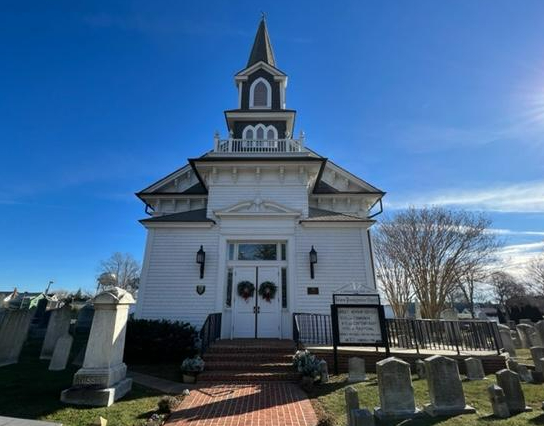
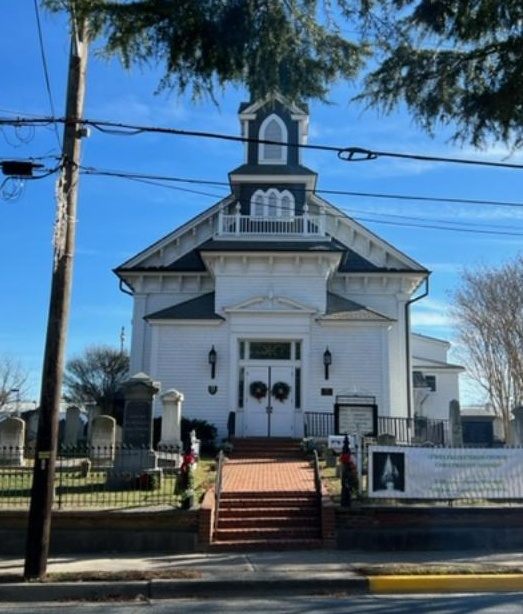
Lewes Presbyterian Church at 133 Kings Highway

This beautiful church is located just off downtown Lewes, DE. The church’s cemetery is what attracted me to the site with all the historical names of founding families of Delaware and of Lewes and its ties to the Revolutionary War. It is interesting to walk around and look at the names on the tombstones and wonder what their lives must have been like back then. The church is only open on Sunday mornings so I have not had the chance to see inside. It’s stained glass windows are supposed to be amazing.

I am going to try to attend services there the next time I am in town.

The historic marker

Our History

(Written by Judith Atkins Roberts, 2003-Lewes Presbyterian Church website)

Presbyterianism came early to the Eastern Shore and Sussex County as Scots and Scotch-Irishmen sought refuge from the oppression of Charles II of England. In 1683, the Presbytery of Laggan, Scotland sent Rev. Francis Makemie to America. He is considered the Father of Presbyterianism in America and through his leadership the church grew rapidly. In 1683, he organized a church in Rehobeth, Maryland.

The congregation at Lewes was established under Rev. Samuel Davis, one of Makemie’s “young men,” in 1692. In 1707, the congregation built a small wooden church on one hundred feet square of land which was part of an original land grant. This frame building is believed to have been the second Presbyterian Church in Delaware.

OLD BRICK CHURCH – 1727

In 1727 a brick church was built for the Rev. John Thomson who served the Lewes congregation from 1717-1729. A small picture of this church is displayed in the Conference Room of the present church. This second church served as a school and church until 1832 when the present church was consecrated during the ministry of the Rev. John Mitchelmore. A centograph is displayed in the vestibule in memory of Rev. Mitchelmore who drowned in the Delaware River. In 1871 the brick church was demolished.

The original brick church

COL. DAVID HALL

During the War for Independence, George III once referred to the conflict as a Presbyterian rebellion and so it was as Presbyterians were invariably staunch patriots. The first democratic governor of Delaware, Col. David Hall, who had been commander of the Delaware line during the hostilities, was a member of the Lewes congregation.

The church cemetery

REV. MATTHEW WILSON

The most colorful of Lewes’ patriots was her Presbyterian minister, the Rev. Matthew Wilson, who was a scholar, teacher, author and preacher. He held degrees in medicine and divinity and had a great knowledge of law. He was so fervent a patriot that he wore the word “Liberty” on his hat. His first son, James Patriot Wilson, was a lawyer, then a minister who served the First Presbyterian Church in Philadelphia for forty years. James Patriot’s son, James Patriot, was President of Delaware College and the Union Theological Seminary. Thus the Wilsons continued the high standard of education which had been initiated by Rev. Matthew Wilson. It was he who suggested that an institution of higher learning be established at Newark fifty years before Delaware College was founded (Church website).

The church cemetery

The Church cemetery in the Spring 2024

The Sleeping tombstones at Lewes Presbyterian Church cemetery.

STAINED GLASS

Alterations have been made over the years to the present church which formerly had a balcony around three sides of the interior. The original windows were three sections of leaded glass panes which were replaced in 1926 by the six exquisite stained glass windows which now beautify our sanctuary. The Biblical events depicted in the windows are:

  • Come Unto Me
  • Blessing the Children
  • The Resurrection
  • The Nativity
  • The Good Shepherd
  • Walk to Emmaus

Two more windows were placed in the vestibule in 1965. The one on the left is in memory of Mrs. Lena Tammany. The circular one on the landing is in memory of our most beloved pastor, the Rev. William Leishman who served our church for 34 years (Church website).

The Church at Christmas time

RENOVATIONS

The organ and the choir were established in the balcony until 1877 when both were moved to the newly constructed choir loft. The Mustard property on the west side of the church was purchased and laid out in cemetery plots. The trustees also bought the Wesley property on the other side of the church where they built a manse. The present manse was built in 1959.

By 1886, extensive renovations were made to the interior and exterior of the church. The side galleries were removed, an open steeple was built to house a one thousand pound bell. A new organ was installed in the choir loft.  

In 1900, a pipe organ was purchased and the church interior was redecorated. This organ was completely renovated in 1981 and in 2009. The Sunday School building (now the middle section of the new Activities Building constructed in 2000-01 was built in 1914. In 1950, the basement was finished and decorated as a social and recreational hall for the congregation.

Additions and changes have been made to the entrance over the years, the last one in 1931 when the original doorstep was placed on the right of the vestibule. In the late 1940’s the old steeple was replaced with a closed tower. In 2008-09, the sanctuary was reconstructed and rededicated to the glory of God on September 27, 2009.

GIFTS TO THE CHURCH

One of the most valued possessions of the Lewes Presbyterian Church is her Session Book which was begun in 1756 by Rev. Matthew Wilson. In this book are the records of baptisms, marriages and funerals, as well as comments made by various ministers on the social behavior of some members of the church who did not always exemplify the strict doctrines against liquor and gambling. It was placed at the Presbyterian Historical Society in Philadelphia in 1982 for safekeeping.

Many gifts have been donated to the church over the years. The finest of these is the silver communion service which is believed to have been a gift of Col. Samuel Boyer Davis who commanded the militia during the bombardment of Lewes by the British in 1813. Col. Davis was the great-grandson of Rev. Samuel Davis.

Today our church continues the traditions established over nearly three hundred years. Perhaps our most beautiful tradition is that of the annual Candlelight Service at Christmas which was first held on December 16, 1924. Each year, the Nativity window is lit from the exterior of the church. Then at the close of the service, as each worshiper holds a lit candle, the church is darkened and voices are raised in a Christmas hymn which reminds us all of God’s precious gifts to us – 

His Only Begotten and Beloved Son, Jesus Christ.

(Church Website)

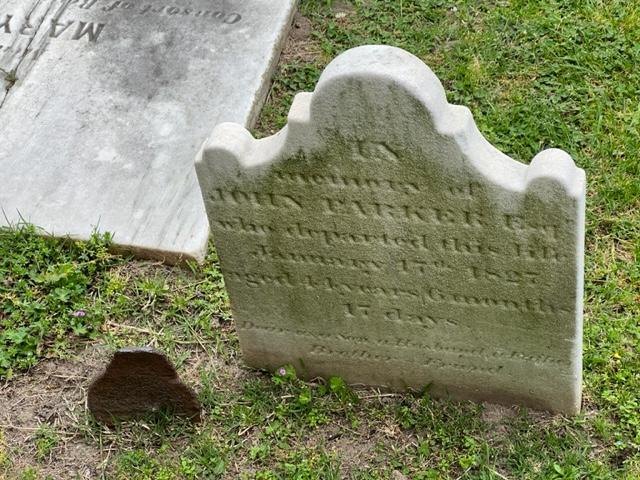
The Parker family plot at the church cemetery.

Zwaanendael Museum                                                             102 Kings Highway                                                                         Lewes, DE 19958

Zwaanendael Museum 102 Kings Highway Lewes, DE 19958

Zwaanendael Museum

102 Kings Highway

Lewes, DE 19958

(302) 645-1148

https://www.facebook.com/Zwaanendael/

Admission: Free

Open: Sunday-Tuesday Closed/Wednesday-Saturday 10:00am-4:15pm

My review on TripAdvisor:

https://www.tripadvisor.com/Attraction_Review-g34028-d103509-Reviews-Zwaanendael_Museum-Lewes_Delaware.html

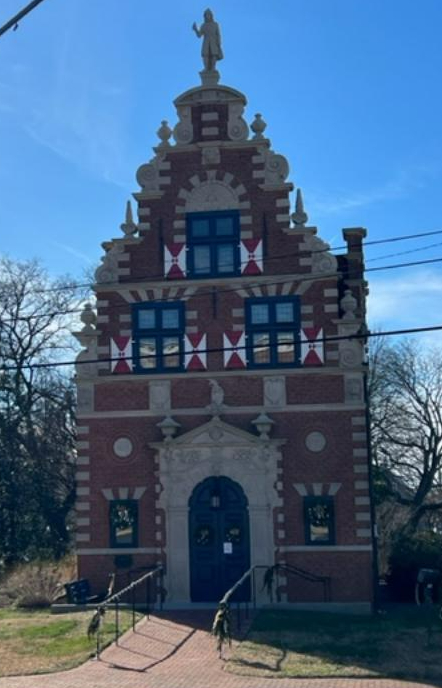
The Zwaanendael Museum at 102 Kings Highway

The Zwaanendael Museum was inspired by the town hall in Hoorn, the Netherlands and commemorates the founding of Delaware’s first European settlement by the Dutch along Hoorn Kill (present day Lewes-Rehoboth Canal) in 1631. It’s programs showcase how the Lewes area’s Dutch and maritime histories unite.

The museum has limited hours but is free to the public.

Information signs

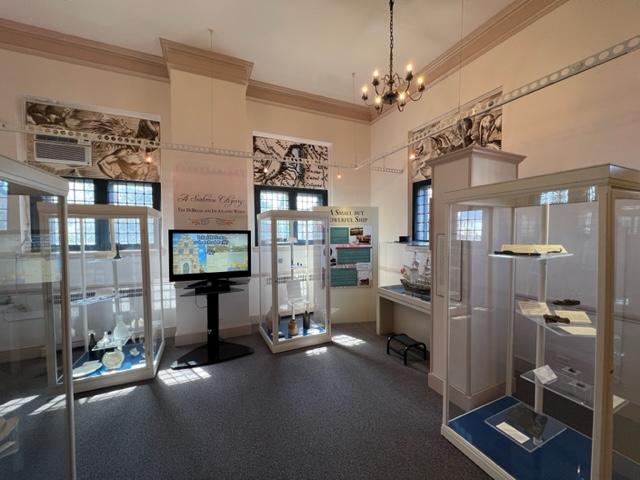
The inside of the museum explains the history of Lewes starting with the Dutch Colony. The growth of the Colony, the shipping industry and the shipwrecks off the coast line. There are many artifacts that the museum has either found or been donated to over the years. There is another display of the railroad industry and its growth in Lewes which lead to it becoming a seaside resort in the later half of the 19th century. The museum was created to honor the 300th Anniversary of the Dutch settlement of Zwaanendael. The museum represents the history of Sussex County in Delaware (Wiki).

The first floor gallery is filled with the history of the Railroads and the Shipping industry

The first floor galleries contain many artifacts that were recovered from the sea or donations that were made to the museum. This tells the story of early Lewes, DE. This gives a visitor a grasp of the importance of Lewes as a shipping port in the early days of the colonies. As the railroads replaced the shipping industry, you begin to see the growth and importance of Lewes as a trading port.

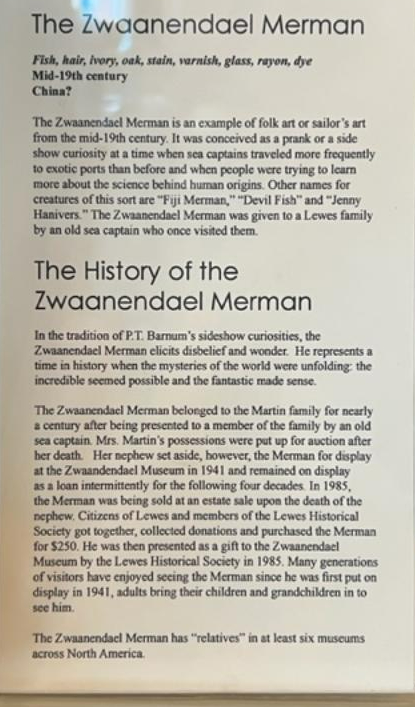
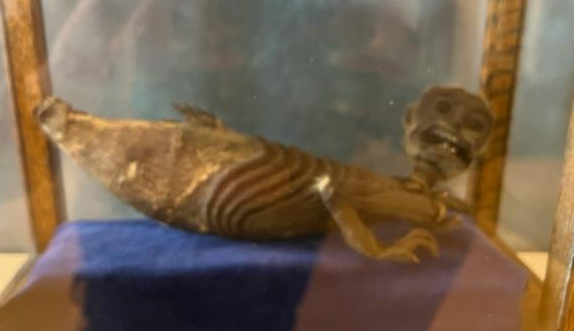
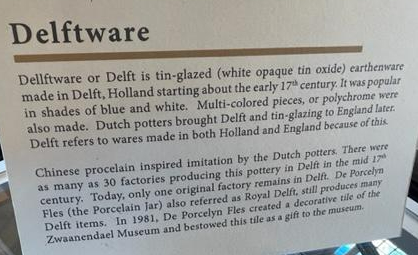
On the second floor there is a display on the Royal family of the Netherlands, a large display of ceramic Delftware and there is even the body of a mermaid. There were also displays of the local farming industry and the commercialization of the produce of the area.

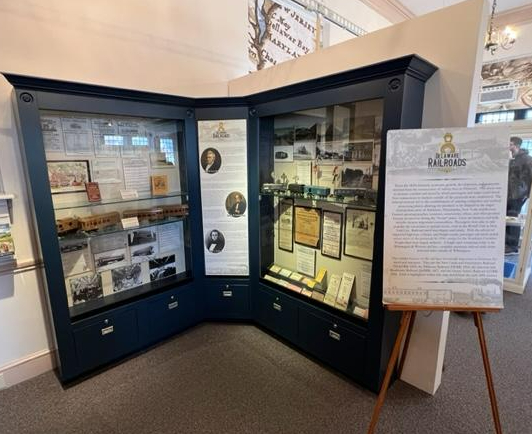
The history of the Railroad industry in Lewes brought this sleepy farming community residents from far away that turned it into a resort town and a destination for summer tourism

The Railroad industry continued to grow and become more prosperous in Lewes

The railroads also help moved farming products out of the area and into urban markets

Lewes was also a big area for shipping with a busy port especially during the Revolutionary War.
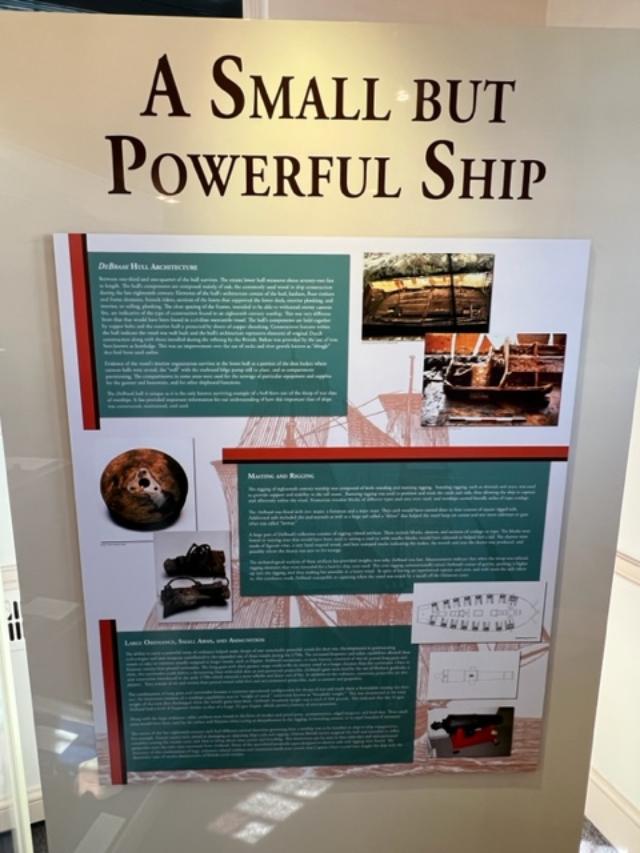
The tale of the DeBraak, one of the shipping vessels of the war years

Life on the shipping vessels
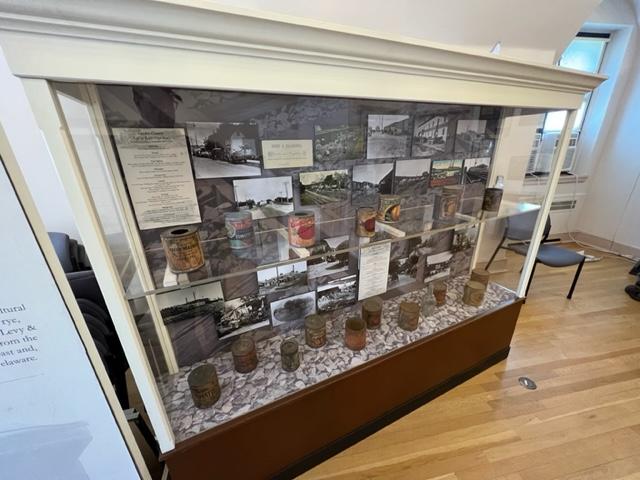
Some of the recovered artifacts from shipwrecks off the coast of Lewes

The tales of the ship “DeBraak” and its story

The ship the “DeBraak”

The second floor of the museum has interesting displays on the aspects of life in Lewes and the influence of the Dutch on the community. It also offers many novelties such as a mermaid.
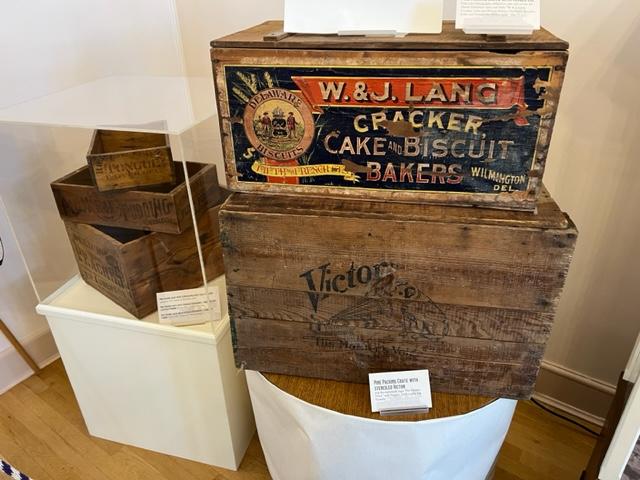
Display of the packing crates on the second floor

How items were shipped in the early days of the shipping industry

The Zwaanendael Mermaid is the most unique item in the collection. It makes you think it is real.

The Zwaanendael Mermaid

The Delftware collection

The history of Delftware

The lighthouses of Delaware

Display of the items that were canned in Lewes that were part of the growth of the farming industry in Lewes

The entrance of the Zwaanendael Museum in the winter months