Category: A Local Journey out of Manhattan

The Nicolas Gibbon House                                   960 Greate Street                                     Greenwich, NJ 08323

The Nicolas Gibbon House 960 Greate Street Greenwich, NJ 08323

The Nicolas Gibbon House

960 Great Street

Greenwich, NJ 08323

(856) 455-4055

Nicholas Gibbon House

http://www.co.cumberland.nj.us/gibbonhouse

Open: Sunday 1:00pm-4:00pm/Monday Closed/Tuesday 1:00pm-4:00pm/Wednesday-Saturday Closed

Admission: Free but a donation suggested

My review on TripAdvisor:

https://www.tripadvisor.com/ShowUserReviews-g46477-d24137202-r844109193-The_Gibbon_House-Greenwich_New_Jersey.html?m=19905

The Nicholas Gibbon House

The historic sign of the Gibbon House

The sign that welcomes you to the home.

I was very impressed by the Nicholas Gibbon House when I took a tour one Saturday afternoon. There were no large crowds to deal with and the parking is perfect with plenty of room to move around. The grounds are beautifully landscaped with all sorts of seasonal flowers surrounding the house. When I visited, I thought I was mistaken, and it was someone’s home. There was a lot of care put into both the exterior and interior of this home.

The fields around the Gibbon House.

Nicolas Gibbon was a local merchant who moved to Greenwich in 1730 and continued to live here until the 1760’s. The tour guide explained to me that the townspeople would not let him build a church here (it was a Quaker region) so he and his wife decided to move out of the area. Richard Wood and his family moved into the house in 1760 and lived in the house until the 1920’s. Over that time, parts of the house were modernized and rebuilt. The Wood family later in the generations founded the WaWa store chain.

With the exception of the Nicolas Gibbon’s nephew and his wife’s portraits, all of the furnishings are not originally from the house. The downstairs is set up with a formal dining room and parlor area fully furnished in Victorian era furniture, paintings, rugs and silver. The silver collection of the house is very elaborate and some of the pieces came from the Hershey family of Pennsylvania.

The family portraits of the Gibbon nephew and his wife.

The library and study have rare books that were used for research as well as a working fireplace that was used for both light and heat. Downstairs is the kitchen with a large hearth and all the equipment and serving items for kitchen and dining use for the home.
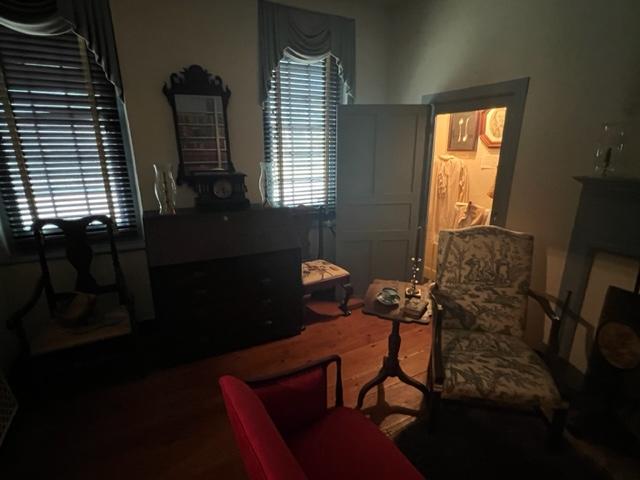
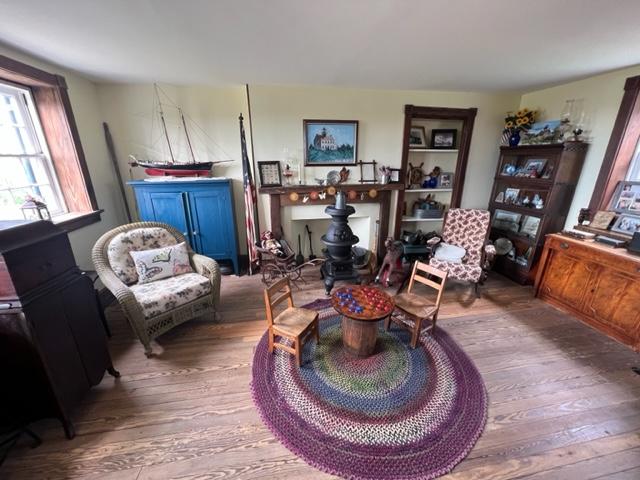
The Parlor of the Gibbon House.

The Library at the Gibbon House.

The tour guide explained to me that during some of the past fundraisers, the hearth was used to cook foods of the time period that were served for events.
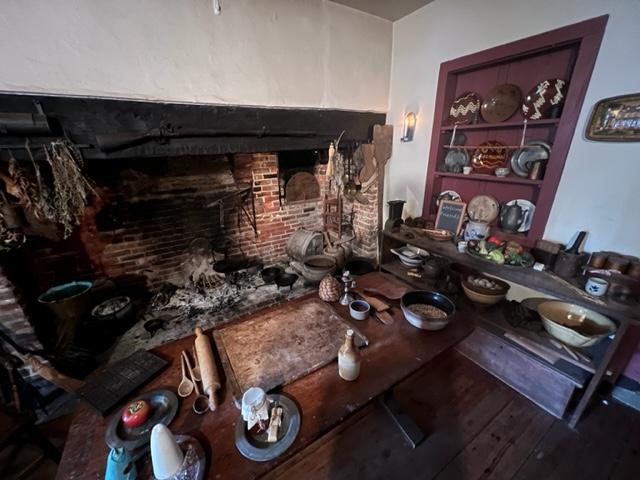
The Kitchen of the Gibbon House was used for cooking fundraisers.

The Kitchen Hearth is quite large.

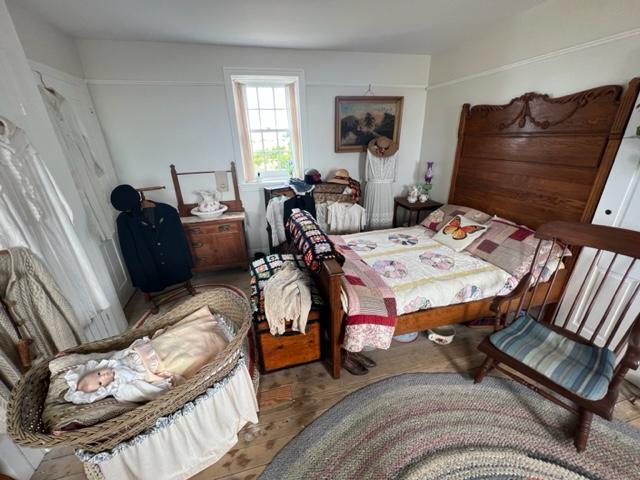
Upstairs you have an elaborate master bedroom with all sorts of formal furnishings for an upper middle-class family living in the area.
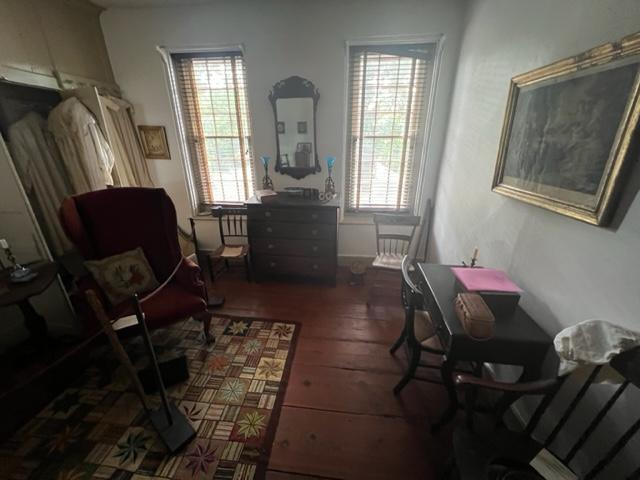
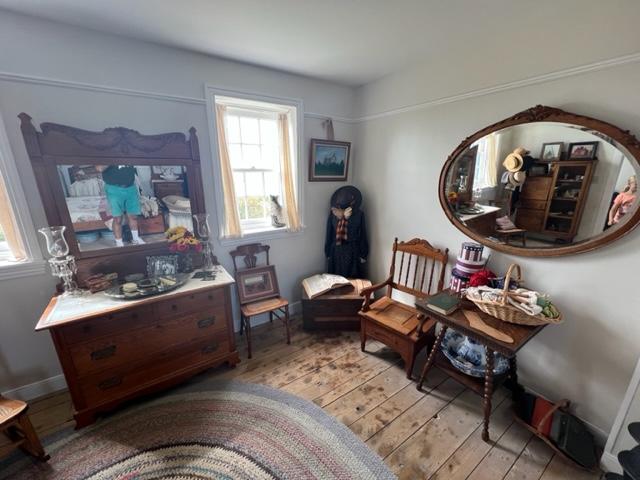
The Upstairs bedroom
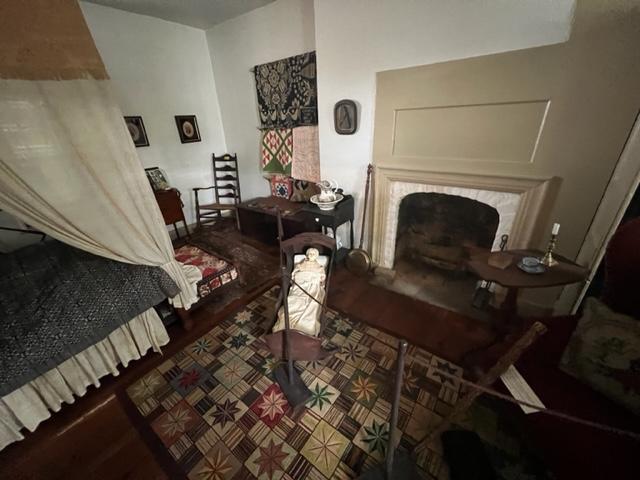
The Master Bedroom upstairs at the Gibbon House.

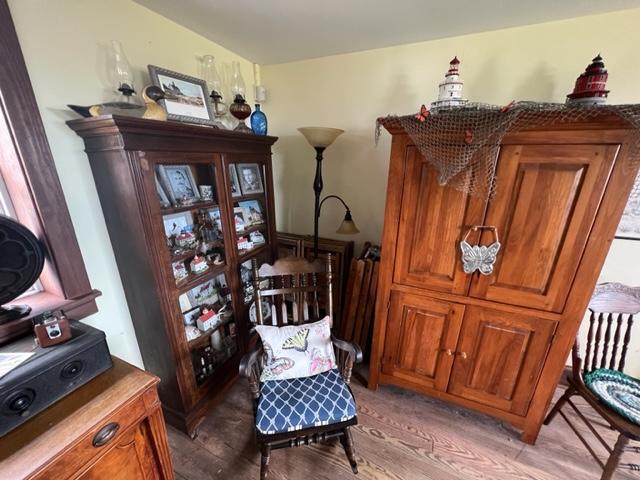
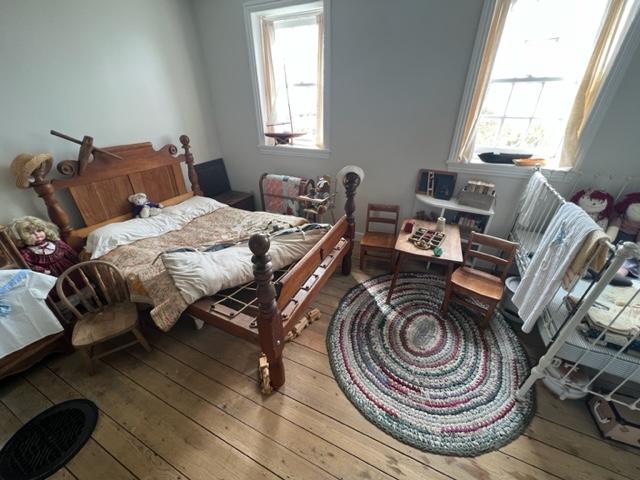
What was the interesting part of the second floor of the home was the “Everything Room”, which contained an extensive collection of toys and dolls, Civil War historic items, period clothing, bonnets, top hats and parasols, an extensive collection of quilts and Hair Art which was a Victorian tradition of making art from the hair of the dead.

The Everything Room at the Gibbon House has all sorts of Victorian artifacts.

There was a collection of ‘Sewing Samplers’, which is how young women learned how to perfect their sewing skills which was part of their domestic training for being a housewife.
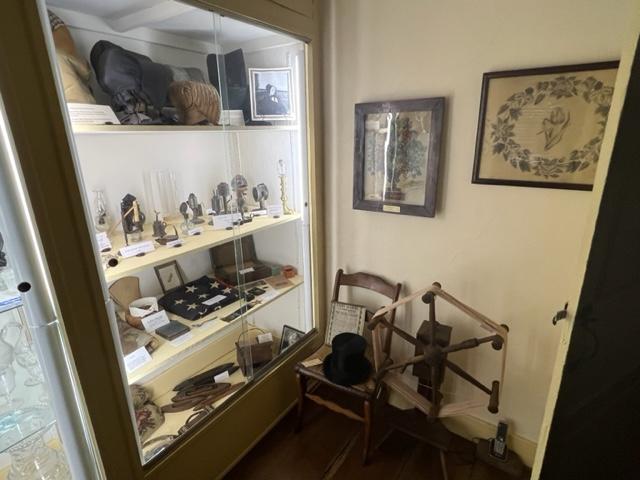
The Everything Room on the second floor of the Gibbon House.

The collection of the house really gave a glimpse into the lives of people from the 1840’s until almost WWI. How much life has changed but not too much.

The Everything Room at the Gibbon House.

History of the Gibbon House:

In 1730, Nicholas Gibbon who had inherited more than 3000 acres of land nearby, bought a 16-acre lot in Greenwich on which he built a replica of a London Townhouse he had admired. The brick, fired on the property, was laid in the Flemish Bond pattern brought from Kent, England: this design is achieved by using a red stretcher and blue header producing a definite and attractive pattern. Rubbed brick is a further architectural feature, outlining each door and window opening as well as being used to emphasize the four corners of the house.

The Upstairs bedroom at the Gibbon House

The home, appropriately furnished with products of 18th and 19th century artisans contains a reception hall, a paneled dining room, a formal drawing room and a kitchen dominated by a huge walk-in fireplace in which demonstration of colonial open-fire cooking are conducted.

The walk-in fireplace at the Gibbon House.

There is a small store on the back porch where post cards, gifts and a fine collection of books and pamphlets on the history of the area may be purchased.
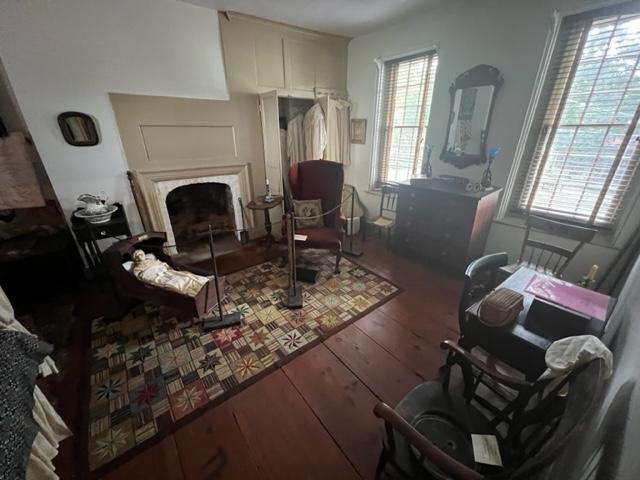
The Master Bedroom.

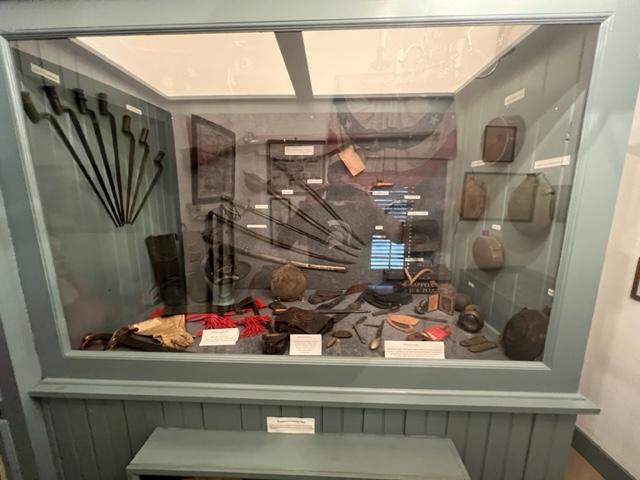
On second floor, in addition to a bedroom, are exhibits of 19th century locally made, rush seated. “Ware” chairs, children’s toys, dolls and clothing as well as Civil War artifacts donated by local families.

Some of the toys in the Children’s Collection.
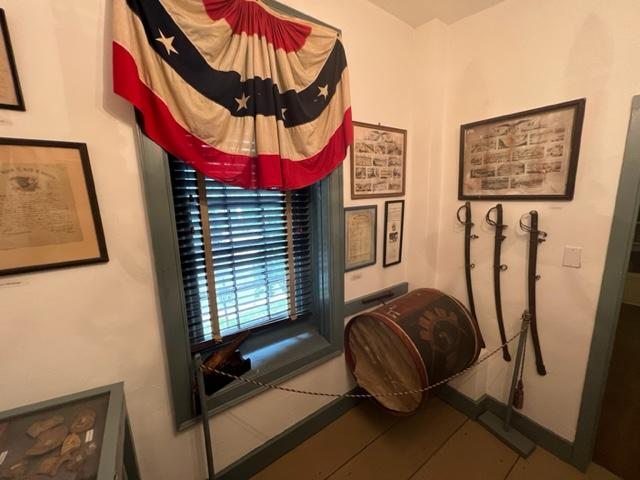
The Military Collection at the Gibbon House.
The Farming artifacts.
East Point Lighthouse                                            10 Lighthouse Road                               Heislerville, NJ 08324

East Point Lighthouse 10 Lighthouse Road Heislerville, NJ 08324

East Point Lighthouse

11 Lighthouse Road

Heislerville, NJ 08324

(856) 785-0349

http://eastpointlight.com/

https://www.facebook.com/eastpointlight/

Open: Sunday 1:00pm-4:00pm/Monday-Friday Closed/Saturday 1:00pm-4:00pm/Please check the website for seasonal dates

Admission: $8.00

My review on TripAdvisor:

https://www.tripadvisor.com/Attraction_Review-g46502-d12629019-Reviews-East_Point_Lighthouse-Heislerville_New_Jersey.html

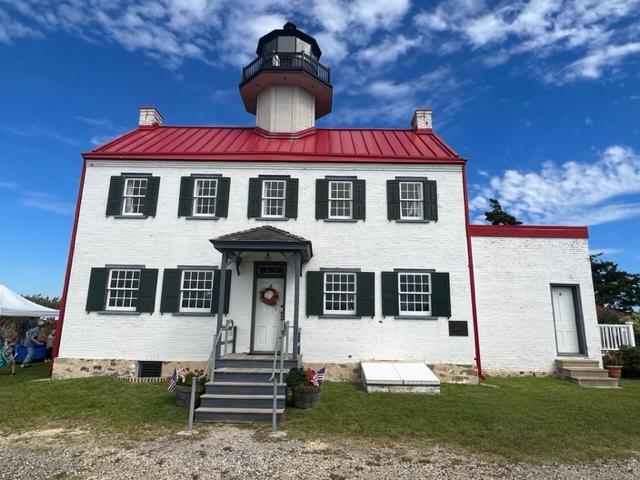
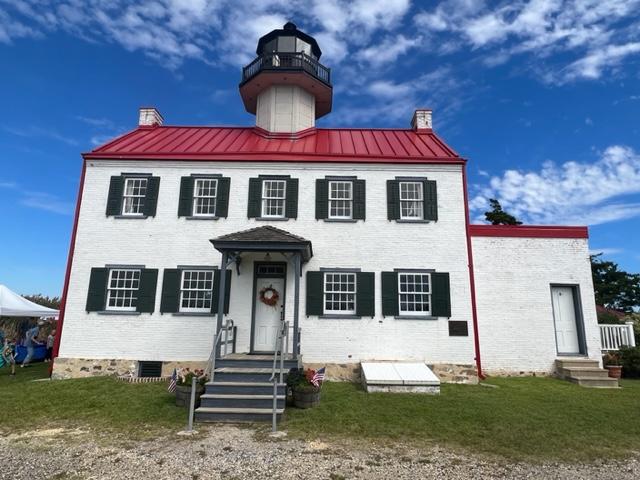
The East Point Lighthouse at 11 Lighthouse Road

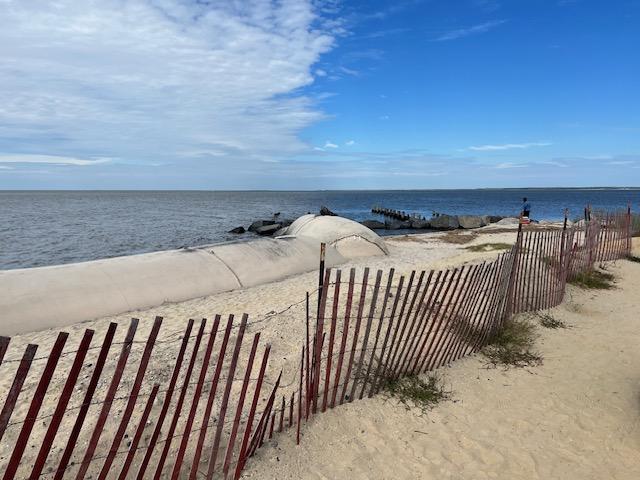
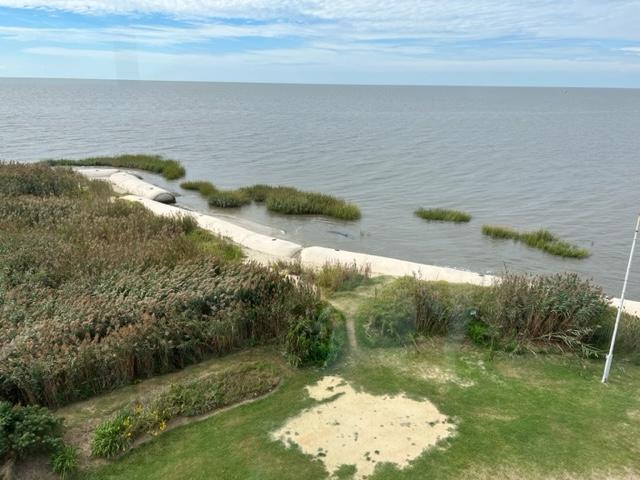
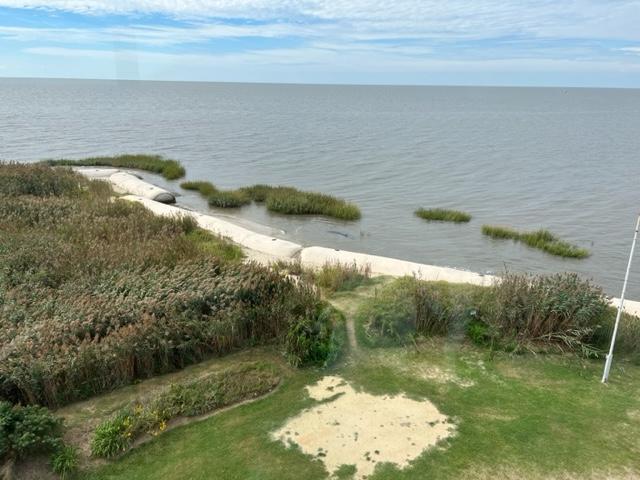
I visited the East Point Lighthouse on a glorious sunny day when there was no wind in the forecast, and it made for an excellent visit to this lighthouse right by the sea. I noticed that on almost all sides, there were man-made barriers to protect the lighthouse grounds from erosion.

The bunker that surrounds the lighthouse.

The grounds were a combination of dunes with beach grass, rocks and tiger Lillys all over the property to give it a colorful look. There were misty breezes from the water that felt so good as it got hotter that day. The property is pretty contained and there is parking all around the building, but the lots are small.

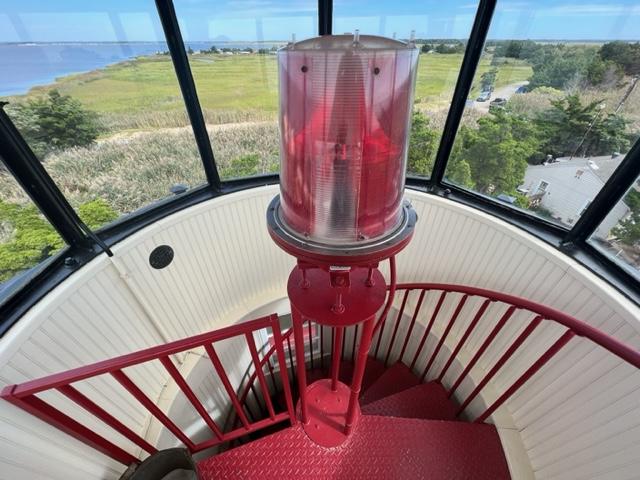
The view from the top of the lighthouse that surrounds it.

I bought my tickets in the gift shop ($8.00), was able to look around at the well-stocked shop with its nautical books and tee-shirts and hats with the lighthouse logo on it. You are also able to go to the bathroom.

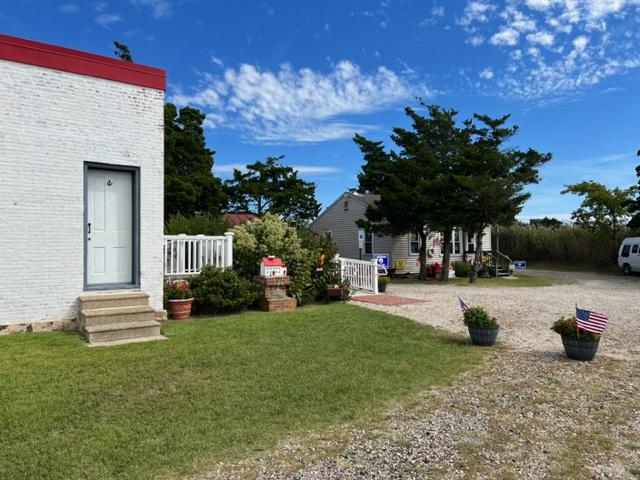
The entrance to the lighthouse and the gift shop.

The tour of the lighthouse is a self-guided tour, and you are able to climb the stairs and visit each room of the lighthouse as if the lighthouse keeper and his family still lived there. When I was talking with one of the volunteers that morning on the first floor, he told me as they were renovating the lighthouse after the fire and completing it, they put the word out to the community for donations to furnish the lighthouse with items that may have come from the period that the lighthouse was in operations. The donations poured in with family heirlooms that filled each room up.

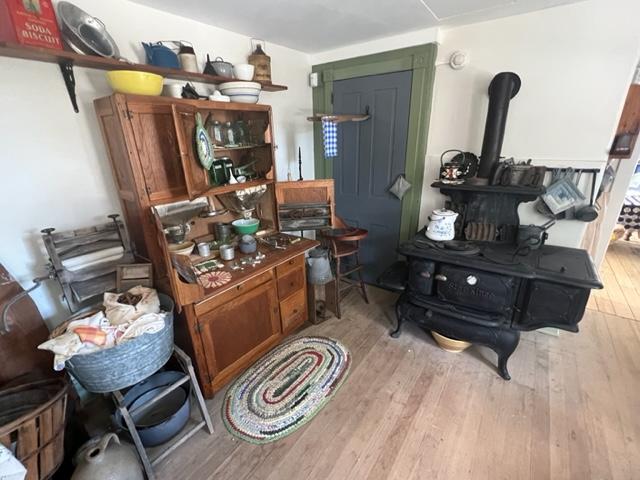
The first floor kitchen.

On the first floor is the kitchen with its time period ice box and coal stove which shows what life was life for a housewife before WWII. I am sure that electricity was tough getting to lighthouse especially during storms. You had washboards and basins for wash day and all the equipment to clean the house.

The Parlor at the Lighthouse

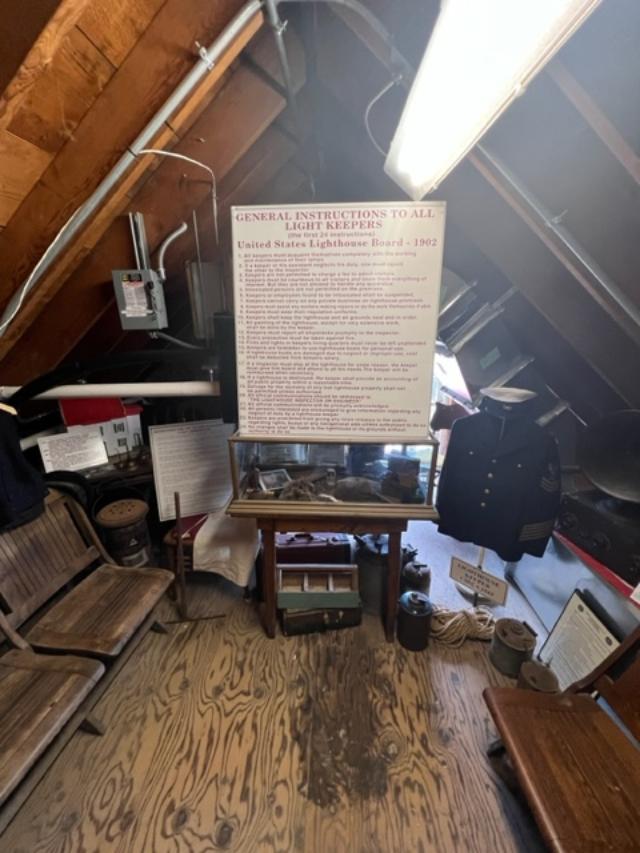
The lighthouse office of the lighthouse keeper was equipped with all things that are needed to keep the place running from maps to communication equipment to a fully stocked desk. There were no days off in this job. There was even a picture of Clara Noon, who as a little girl was the last child to live in the lighthouse. She visited again as a senior in the early 1990’s.

The Parlor in the lighthouse.

The upstairs had a fully furnished adults’ bedroom with period clothes of the early 1900’s to WWII and the furnishings were of various periods of living in the lighthouse.

The Adult’s bedroom

The Adult’s bedroom

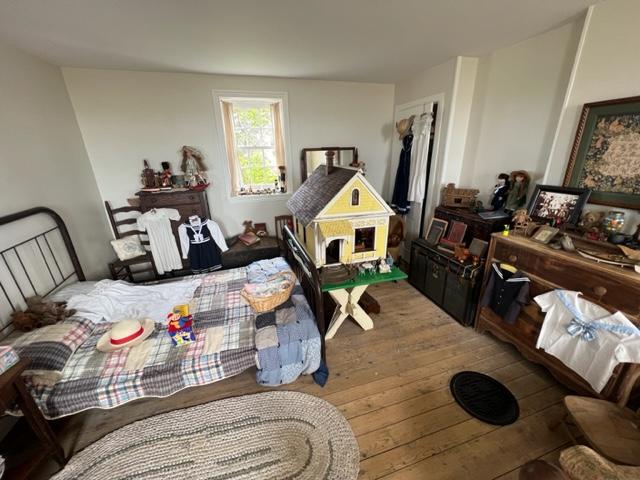
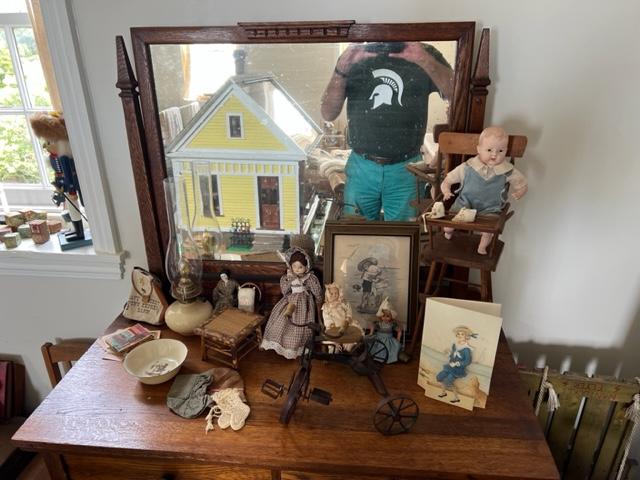
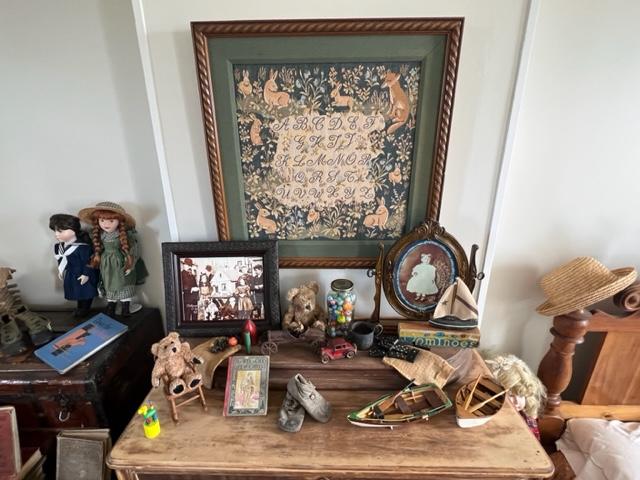
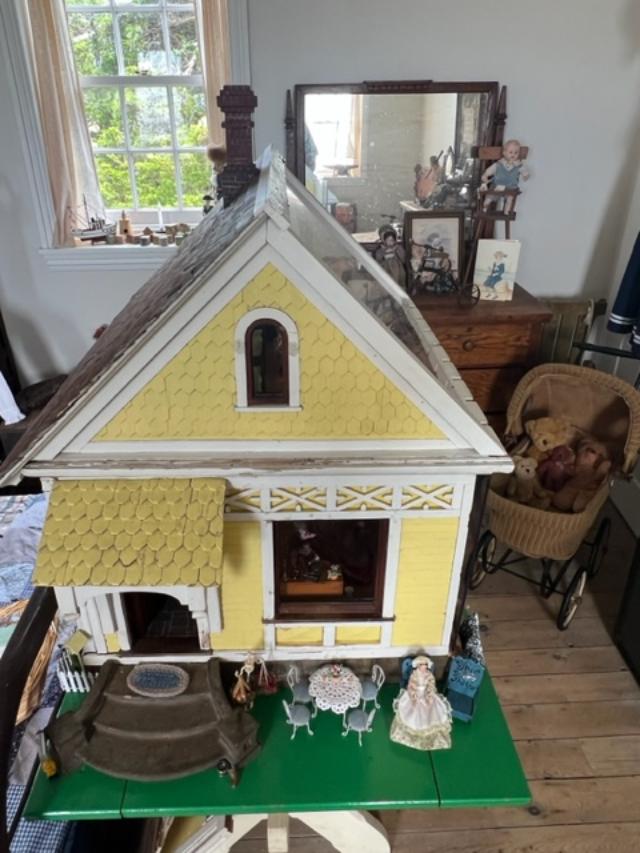
The children’s bedroom was really elaborate with rope beds, children’s furniture, lots of toys from the 1890’s to the 1930’s and a great doll collection. There was even a handmade dollhouse complete with elaborate furniture that was handmade by a local resident. It was very impressive.

The Nursery and Children’s Room

The Children’s Room

Children’s toys in the Children’s room

The Children’s toys and the Sampler

The Dollhouse that is well known in the lighthouse

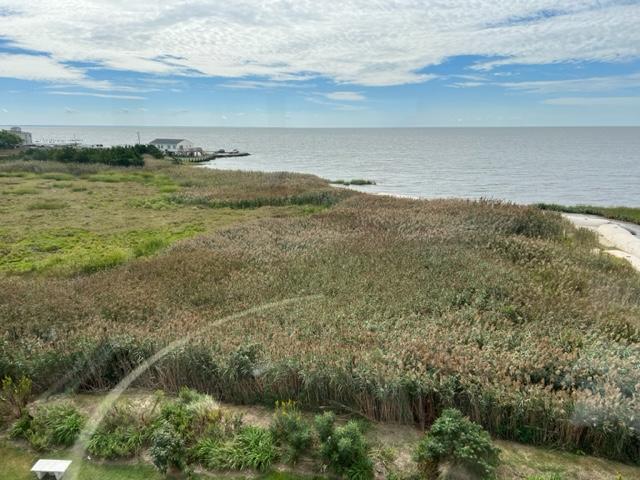
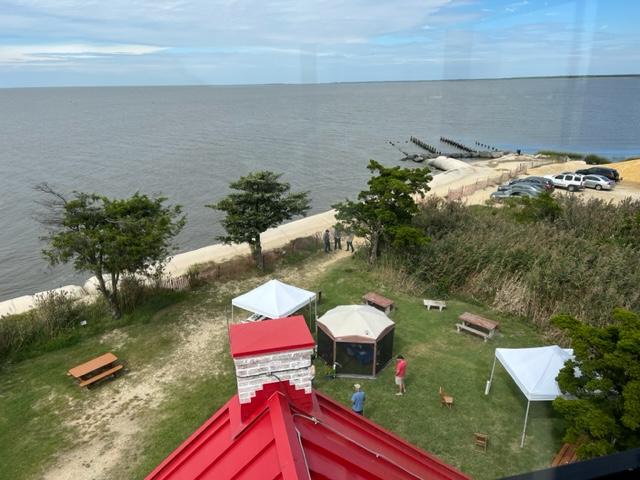
There were also all sorts of maps and rare books to look at and a complete radio room and then the last set of stairs took you up to the light where you could see the views of the ocean. In fact, the views from all the floors were pretty impressive.

The views from the top of the lighthouse.

It is an amazing self-guided tour that gives you a glimpse into the life of the families that lived here. It may not have been this elaborate as all the items inside the lighthouse, but it gives you a clue on what life must have been like by using your imagination.

The views from the top of the lighthouse.

What was interesting is that the lighthouse opened in 1849 and then became fully automated in 1911 so its use of a lighthouse keeper was pretty much over before WWI. Still over a period of time you can see how the job changed with automation and advancement of technology.

The signal light of the lighthouse.

The top of the lighthouse.

I took time to walk the grounds. The landscaping and the beach dunes gave it a very attractive backdrop.

A wonderful video on the ligthouse tour from YouTube

The History of the East Point Lighthouse:

(From the Cumberland County Historical Division/NJ Lighthouse.com/East Point Tourism Pamphlet):

The East Point Lighthouse is an active lighthouse that was built in 1849, situated on the southern bayshore in Cumberland County, NJ. The ligthhouse originally had a lighthouse keeper to maintain the lights. In exchange for doing this work, they were allowed to live here rent free and were paid the sum of $1.00 per year for their services. It was fully automated by 1911.
The lighthouse was blacked out in WWII and then after the war, the Coast Guard decided the lighthouse was not longer necessary and decommissioned it in 1941. Over the years it deteriorated quickly over time.

In 1955, the Federal Government decided to sell the lighthouse and the property as surplus, and it was purchased by a Long Island construction company but before the sale was consummated it was found that proper disposal procedures were not followed in that the lighthouse was not first offered to the State of New Jersey. The state was interested in the property not because of the lighthouse but because the site was surrounded by the Heisersville Wildlife Refuge and would provide a place for boats to be launched.

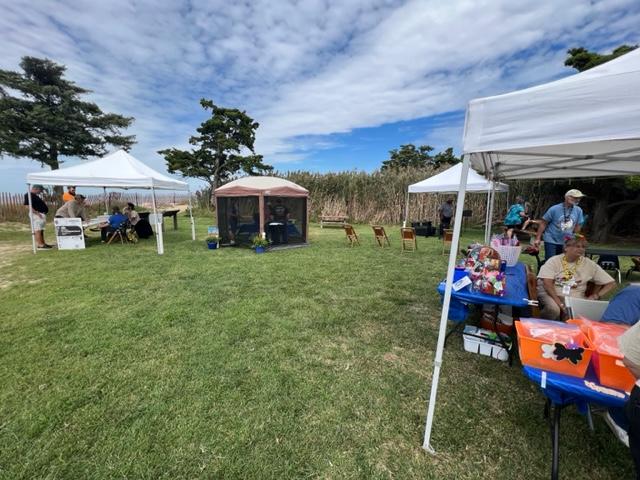
The Annual Monarch Butterfly Festival.

Local residents became concerned with the condition of the lighthouse and in February of 1971, the Maurice River Historical Society was founded with the goal of restoring the lighthouse. In July of 1971 before negotiations were complete, the lighthouse was set on fire. Through a series of grants over the years and a lot of dedication from the volunteers, the lighthouse has been reconstructed.

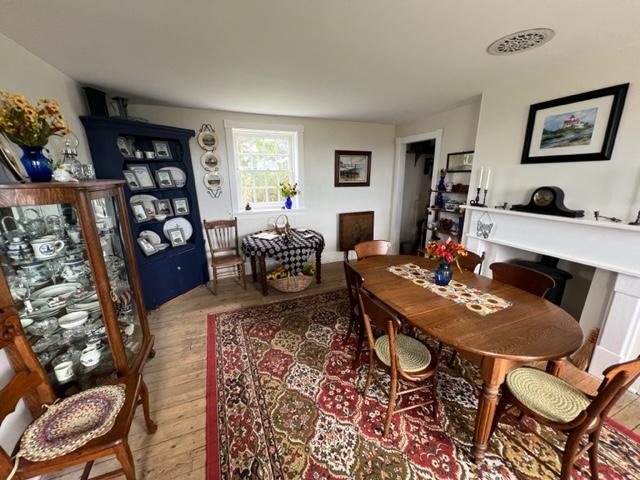
The Dining Room at the ligthouse.

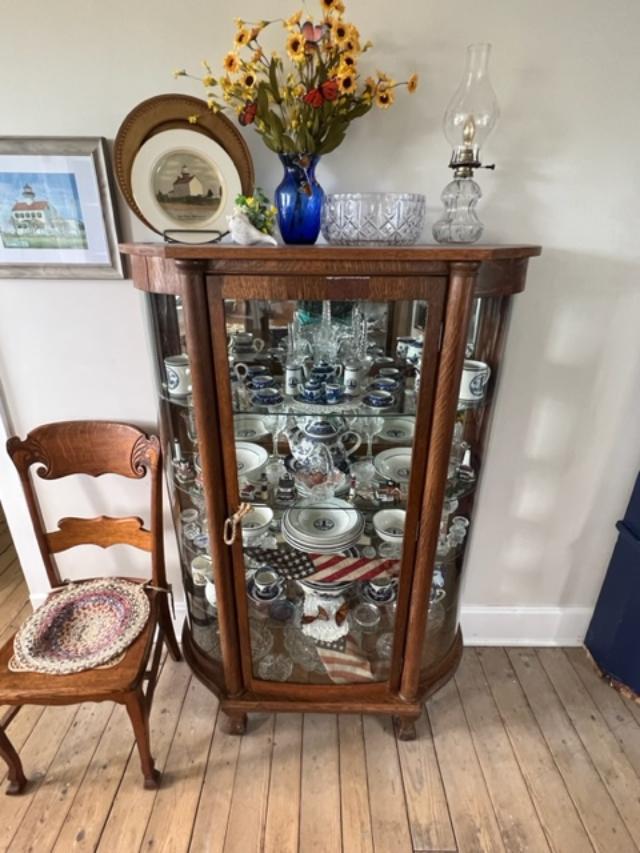
The Lighthouse China

This fully restored and furnished lighthouse with its beacon on each night serves as both an active navigational aid serviced by the United States Coast Guard as well as a year round museum, thanks to the work of the Maurice River Historical Society that manages this historical site.

East Point Lighthouse logo

Through the work of the non-profit historical society that over saw the full restoration, fully furnished, maintains and manages the lighthouse, it’s open to the public to climb/tour and for specials events year round. Both the lighthouse and grounds surrounding the lighthouse are on the National Historic Registry. East Point is the second oldest lighthouse in New Jersey (behind the Sandy Hook Lighthouse) and the only remaining New Jersey land based lighthouse on the Delaware Bay.

The two story Cape Cod style lighthouse with its distinctive red roof by day and blinking red beacon by night, marks the mouth of the Maurice River on the Delaware Bay. East Point is known for its rich maritime history, spectacular views, wide variety of wildlife and beautiful sunsets, making it a popular destination for tourist, artists, photographers, wildlife and history enthusiasts alike.

Old Broad Street Presbyterian Church & Cemetery                                                                 54 West Avenue                                                                              South Bridgeton, NJ 08302

Old Broad Street Presbyterian Church & Cemetery 54 West Avenue South Bridgeton, NJ 08302

Old Broad Street Presbyterian Church & Cemetery

54 West Avenue

South Bridgeton, NJ 08302

Check website

https://en.wikipedia.org/wiki/Old_Broad_Street_Presbyterian_Church_and_Cemetery

http://cumberlandnjart.org/cumberland-historic-sites/broad-st-presbyterian-church/

Open: From Dawn to Dusk every day

Admission: Free

My review on TripAdvisor:

https://www.tripadvisor.com/ShowUserReviews-g46324-d24140698-r844174571-Old_Broad_Street_Presbyterian_Church_Cemetery-Bridgeton_New_Jersey.html?m=19905

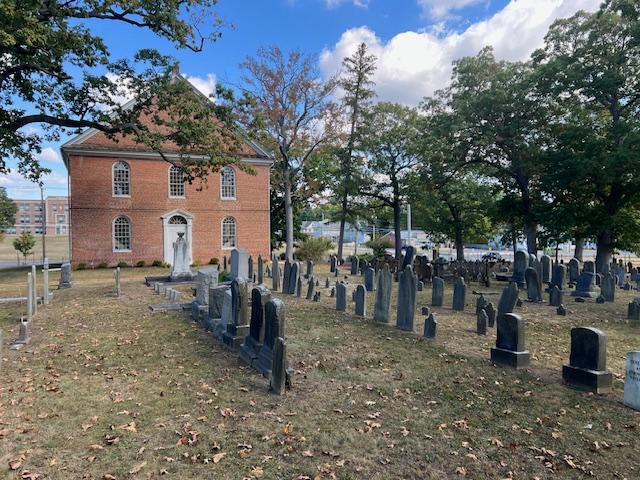
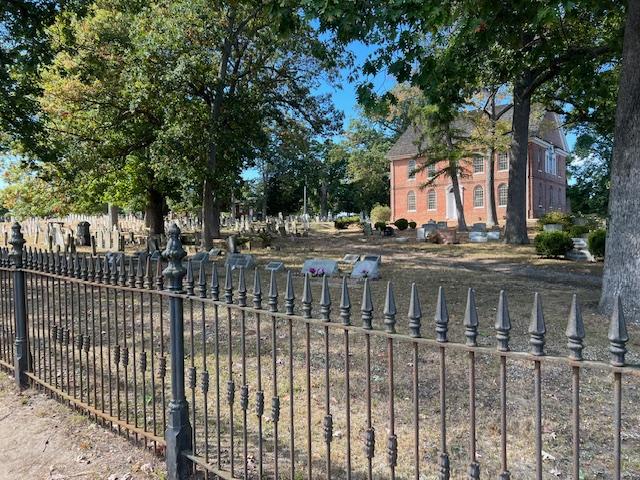
The Old Broad Street Presbyterian Church in its glory in the entrance to the historic cemetery

The Church and its historic cemetery.

When I was traveling to Salem and Cumberland Counties to visit historical sites, this was the last one on my list the first day of exploring. The Old Broad Street Presbyterian Church sits in the middle of a declining downtown in Bridgeton, NJ like a ghost of its former self. This graceful and elegant church is not used much anymore and sits like a majestic building overlooking a city that has passed it by.

The Church and its historic cemetery.

The church was built in 1792 for the growing Presbyterian congregation who was living in Bridgetown as it was called at the time. The brick walls and roof were completed but it would take another three years for the interior to be finished (Cumberland History.org).

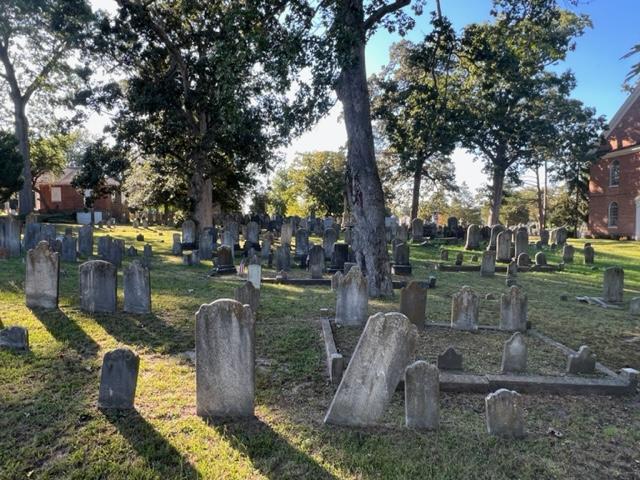
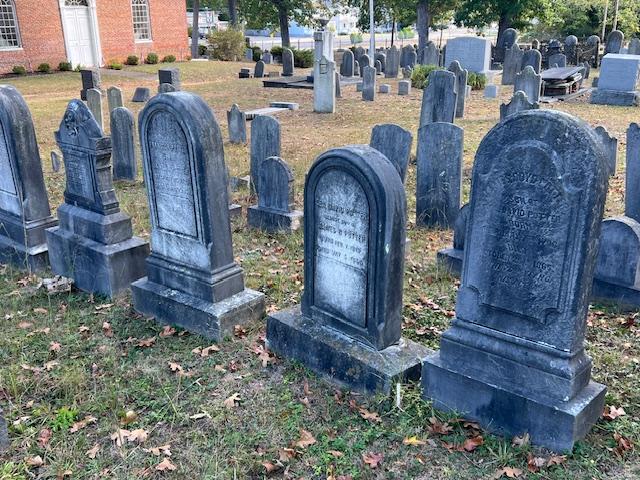
The historic family cemetery

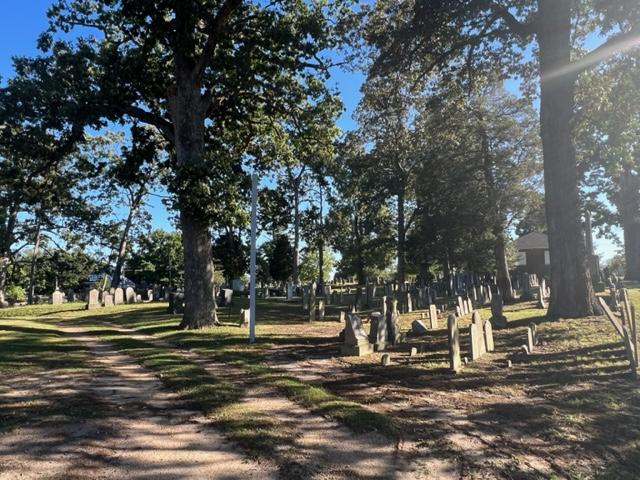
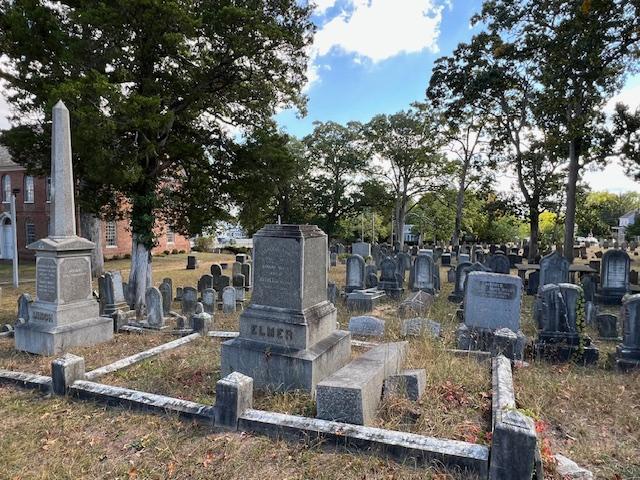
The cemetery is extremely interesting as you visit the historic tombstones and the family plots and try to figure out the connections. The biggest problem with the cemetery is that is has gotten very overgrown in parts of it. It needs a good mowing and the gravestones need to be cleaned as they are wearing away with the elements. It was hard to follow the historical listing but many famous residents and leaders of the community are buried here as well as members of the armed forces from the Revolutionary and Civil Wars and earlier.

The family plots at the cemetery

In some cases, when the families were buried together, it almost told the story of what happened within the family. I saw grave sites where the son or daughter either died in child birth or a disease or in battle and then the devastated parents followed a few years later which was a sad narrative. I saw this many times in the family plots. How many children died of diseases that today are solved by a pill.

The family plots

Some of the notable people buried in the cemetery are Ebenezer Elmer, who represented New Jersey in the United States House of Representatives from 1801-1807 and Jonathan Elmer, who represented New Jersey in the United States Senate from 1789-1791. Lucius Elmer, who represented New Jersey’s First congressional district from 1843-1845. Eilas Seeley, who was the Eleventh Governor of New Jersey serving in 1833. William G. Whiteley, who represented Delaware in the United States House of Representative from 1857 to 1861. Joseph Archibald Clark and Clement Waters Shoemaker, who were two of the founders of Cumberland Glass Manufacturing Company (Wiki).

The David Potter tomb

The history of the Broad Street Presbyterian Church and its cemetery:

(From Cumberland NJ Art.org)

For much of the 18th century in Bridgetown, which will eventually change its name to Bridgeton, there existed no church for Presbyterians, who were a large and growing segment of the local population. For church services, they were forced to conduct services in the Courthouse or travel to churches in Greenwich, Fairfield or Deerfield several miles away.

Family plots and crips

In 1792, about two acres of land were donated along King’s Highway, which was the main road from Bridgeton to Greenwich and ran along the south end of the church construction site. In 1800, this main route was relocated to the north and is today Broad Street (Route 49).

The cemetery grounds on a late summer afternoon.

The basic design of the Broad Street Presbyterian Church was set by it congregation and organizers who requested a masonry building with dimensions of at least forty by fifty feet. By December 1792, the brick walls and roof has been completed but it would take another three years for the interior to be finished.

The church in the early Fall of 2024

The design of the Broad Street Presbyterian Church is that of a meeting house, almost square in proportion. In the 17th and early 18th centuries, many American houses of worship were built in the meeting house form. This design was in contrast to the more formal churches of the period, which were more rectangular than square with an alter and/or communion table and pulpit approached by a long nave and often divided from the congregation by a railing. Broad Street Presbyterian Church has a tall pulpit, accessed by a winding stair and surrounded on three sides by pews so as many congregations as possible could attend and sit as close as possible to the preacher.

The beautifully designed church behind the fence

Above the pulpit is one of the most significant architectural features of the church, the Palladian window with its central window and semicircular arch flanked on each side by smaller windows and all unified by an entablature supported by columns. The name “Palladian” comes from the Venetian architect who originated the design, Andrea Palladio, who worked in 16th century.

The Elmer Family plot

Architects in the 17th and 18th centuries would travel from other parts of Europe to Italy to study architecture and they brought the Palladian style back to England and the American Colonies. Thomas Jefferson acquired an intense appreciation of Palladian architecture and used it extensively in his design for Monticello.

By 1835, the congregation had erected a new church but because the Broad Street church was surrounded by the cemetery, the congregation did not abandon or sell it but rather maintained it exactly as they left it, which is why today it is identified as one of the most pristine and unaltered examples of 18th century church architecture in the United States.

Today the Broad Street Presbyterian Church is used for special services and opened to the pubic by appointment. It is carefully maintained by the Presbyterian congregation of First Presbyterian Church located on Commerce Street in Bridgeton, NJ.

The graveyard is fascinating

The Greenwich Tea Burning Monument               Ye Greate Street and Market Lane          Greenwich, NJ 08323

The Greenwich Tea Burning Monument Ye Greate Street and Market Lane Greenwich, NJ 08323

The Greenwich Tea Burning Monument

Ye Greate Street and Market Lane

Greenwich, NJ 08323

http://www.co.cumberland.nj.us/greenwich-tea-burning

Open: 24 Hours/Outdoor Monument

Admission: Free

My review on TripAdvisor:

https://www.tripadvisor.com/ShowUserReviews-g46477-d24137215-r844112153-The_Greenwich_Tea_Burning_Monument-Greenwich_New_Jersey.html?m=19905

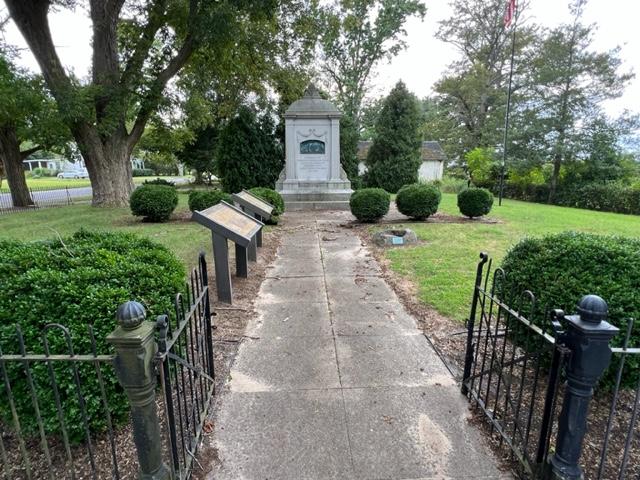
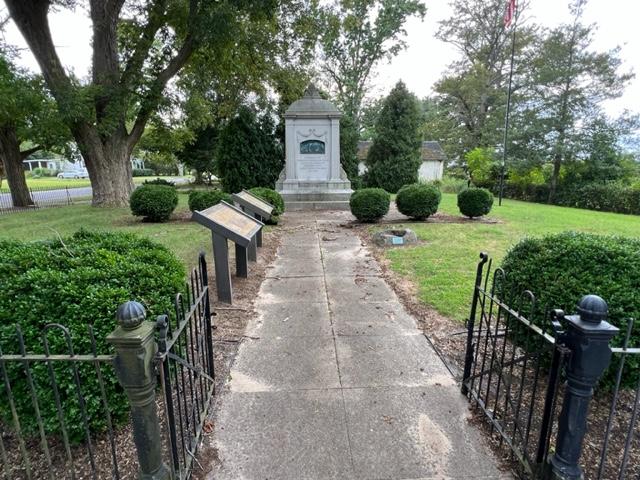
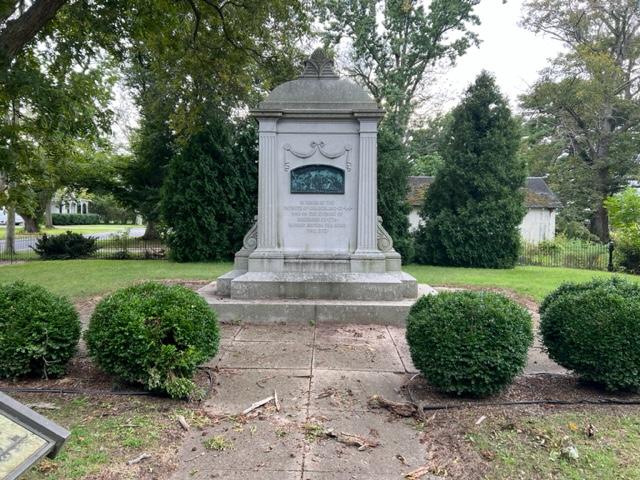
The Greenwich Tea Burning Monument in Greenwich, NJ

I am a firm believer in that you learn something new everyday and on a recent trip to visit historical sites of Southern New Jersey I came across this one in a guide book. I never even knew this monument existed let alone that we had our own version of the Boston Tea Party right here in New Jersey. It really showed me the significance of the Revolutionary War and how people from the past fought for the freedoms that we have today.

The monument in its glory.

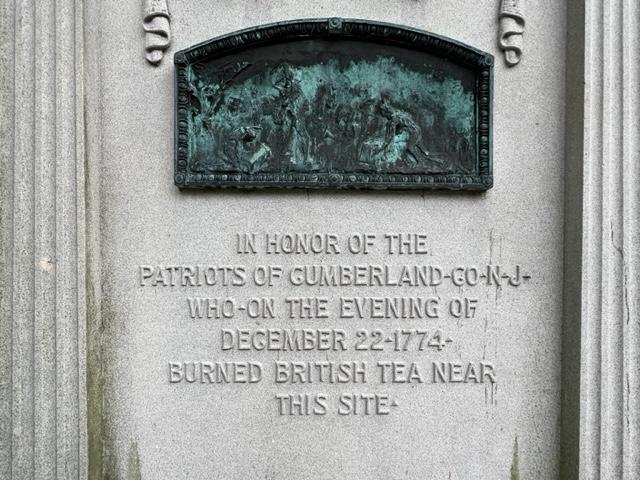
On the night of December 22nd, 1774 forty people from the community took possession of tea chests and piling them together burnt them in protest of the Tea Tax that had been imposed on the residents of New Jersey. This act of defiance was a reaction to the actions of the British Rule.

The monument honorarium.

This beautiful and graceful monument lies now at the end of a sleepy country road in Greenwich, NJ which is still surrounded by farmland. It is hard to miss the monument in its location in the middle of a small park surrounded by a small fence. The monument was dedicated in 1908 and then again in 2008 there was a second ceremony to honor the 100th anniversary of the monument (Wiki).

The moument sits down the road from the Museum of Prehistoric History and from the Gibbon House so there are many things to see in Greenwich, NJ on this quiet country road.

The History of the Greenwich Tea Burning in 1774:

(From the Cumberland County, NJ website):

Liberty was not cradled in Philadelphia alone. The spirit was also alive in the inhabitants of Cumberland County when they destroyed a cargo of tea in 1774.

On the evening of Thursday, December 22nd, 1774, a company of about forty young Whigs, disguised as Indians, entered the cellar of Bowen’s house. They took possession of the whole cargo, conveyed the tea chests from the cellar into an adjoining field and piling them together, burnt them in one general conflagration. Forty miles from Philadelphia, was (and still is) the little town of Greenwich, the principal settlement of Cumberland County in 1774.

The Greenwich Tea Burning of 1774 (NJ Historical Society)

It was founded in 1675 by John Fenwick and is older than Philadelphia, which was not founded until 1682. The hand of time has hardly touched Greenwich. It is much the same today as it was three hundred years ago, when the British flag flew high over it. Today you will still find a wide street, which they still call “Ye Greate Street.” It was laid out in 1684 and its course has never been changed.

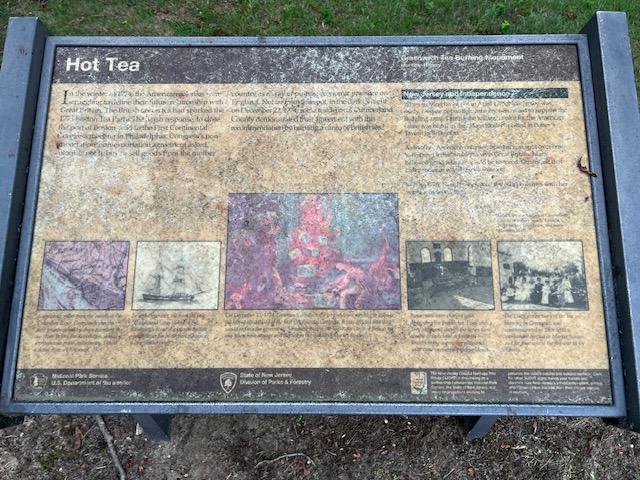
The storyboard on the event.

The Cohansey Creek is a navigable stream of some size running through the county of Cumberland and emptying into the Delaware Bay. In the autumn of 1774, the quiet inhabitants along the banks of the creek were startled by the appearance of a British brig called called the “Greyhound.” Sailing about four miles up the Cohansey, the brig stopped at the village of Greenwich, which was the first landing from its mouth.

She was laden with a cargo of tea sent out by the East India Tea Company, which was undoubtedly under the impression that the conservative feelings and principals of the people of New Jersey would induce them to submit quietly to a small tax. The result showed that the temper of the people was little understood by the East India Tea Company (Similar to the Toilet Paper Tax of the Governor Florio in the 1990’s).

The storyboard on the event.

Having found an English sympathizer, a Tory, as they were called, one Daniel Bowen, the Greyhound’s crew secretly stored the cargo of tea in the cellar of his house. However, this unusual procedure was noted by the citizens who immediately appointed a temporary committee of five to look after the matter until a county committee might be appointed.

A general committee of thirty-five was later appointed with representatives from Greenwich, Deerfield, Jericho, Shiloh, Bridgeton, Fairfield and perhaps other places.

Greenwich Tea Burning Monument News of the Boston Tea Party had already reached Greenwich and the defiant example was regarded by many of the local settlers as worthy of their own contempt for the British. Fate now presented them with a ready-made opportunity to duplicate the act.

On the evening of Thursday, December 22nd, 1774, a company of about forty young Whigs, disguised as Indians, entered the cellar of Bowen’s house. They took possession of the whole cargo, conveyed the tea chests from the cellar into an adjoining field and piling them together, burnt them in one general conflagration.

Thus, the patriots of Cumberland County living in Greenwich expressed their discontent by reacting to oppressive governmental measures. They had clearly taken a stand for independence and democracy.

Greenwich has been granted the distinction of being one of the five tea-party towns in America, the others being Charlestown, Annapolis, Princeton and Boston. In 1908, the monument seen above was erected in the old market place on Ye Greate Street to commorate the burning of a cargo of British tea on December 22nd, 1774.