

Potter’s Tavern
49-51 West Broad Street
Bridgeton, NJ 08302
(856) 453-2175
https://en.wikipedia.org/wiki/Potter%27s_Tavern
https://revolutionarynj.org/sites/potters-tavern/
https://explorecumberlandnj.com/cumberland-historic-sites/potters-tavern/
Open: Sunday 1:00pm-4:00pm/Monday-Saturday Closed-Seasonal please check the website
Admission: Free but donations are accepted
My review on TripAdvisor:

The Potter’s Tavern in Downtown Bridgeton, NJ
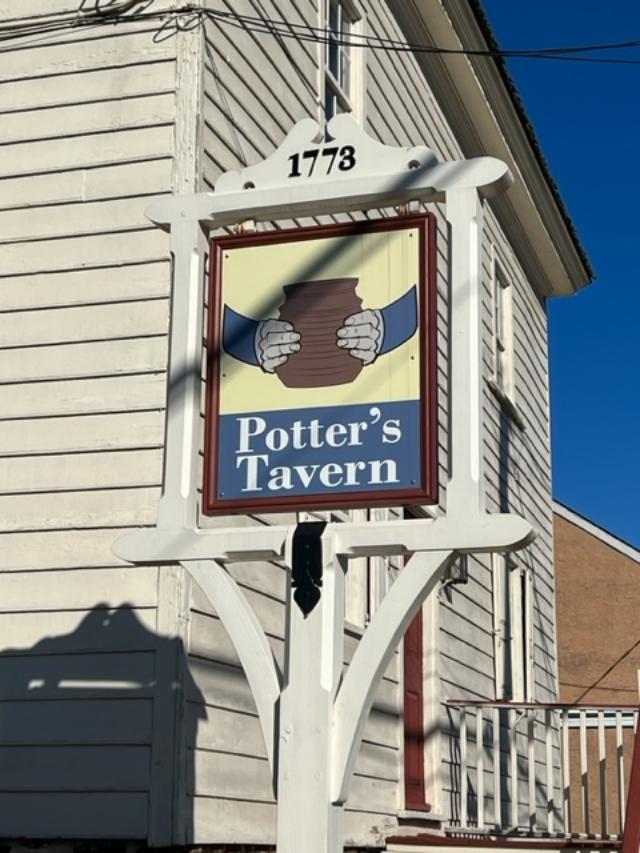
The historic sign that welcomes you
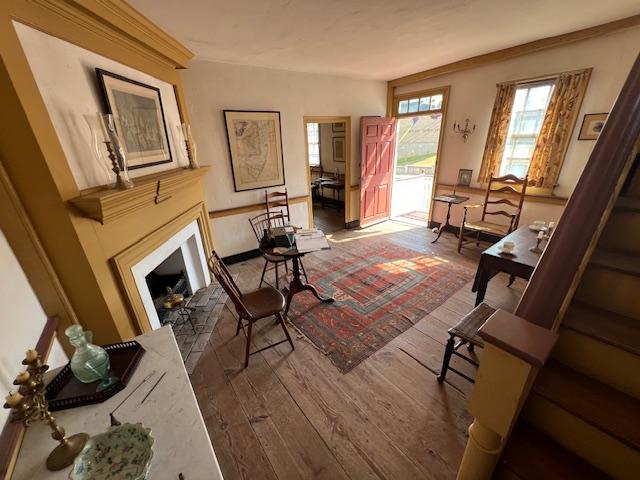
The Greeting Room at the entrance of the tavern
I finally got into the Potter’s Tavern Historical site one weekend that I was in South Jersey and it is a fascinating look at how a building and its location and purpose changed the outlook of the Revolutionary War and how we almost loss it to neglect.
The Tavern tour leads into several rooms. When you enter the building, you enter the Greeting Room or the main foyer where guests would arrive at the Tavern for the evening. To the right of the room is the main tavern where the bar was located, where issues of the day would have been debated.

The Tavern area by the main entrance
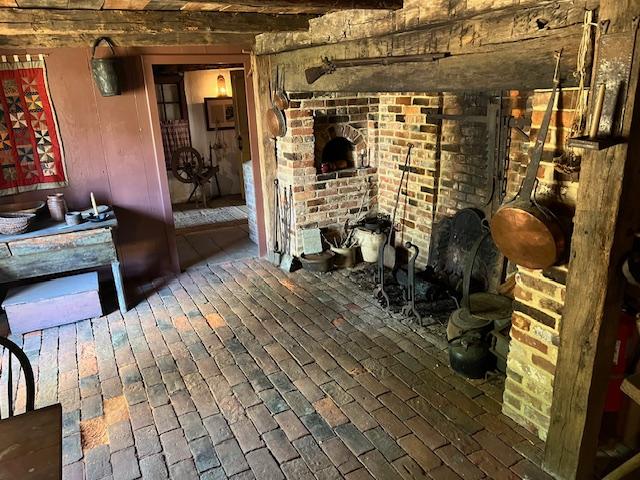
Down the stairs leads to the kitchen and to where the hearth for cooking would have been done. This was the interesting part of the tour as this had been covered up when this became a home. The hearth really shows the efforts that were made in cooking during the period.
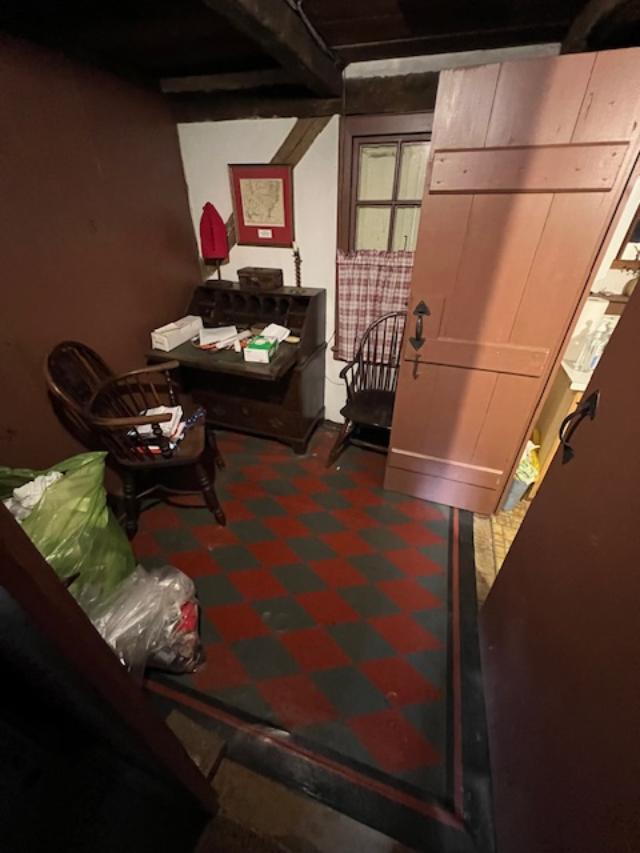
The upstairs rooms had been decorated for overnight stays. I am not sure if they would have been this nicely decorated but Bridgeton was in an isolated area at the time and coming here by carriage must have taken several days by carriage or stage coach, so spending the night was a good idea.
The tour did not take that long as the building is small but its ties to the American Revolution is what makes it so fascinating. Its role in the war and as a meeting place that may have turned the tides of the war is what makes such a interesting place to visit.

Artifacts on the second floor
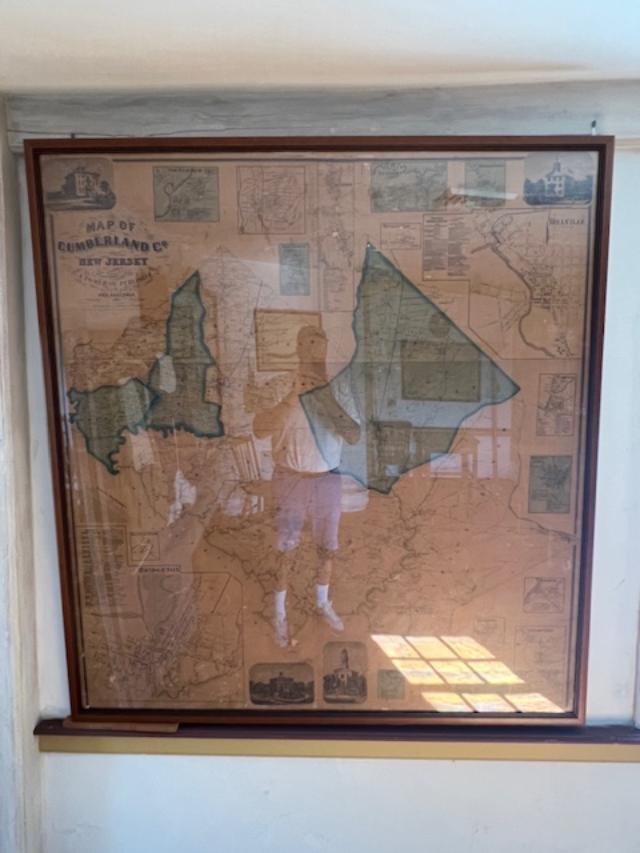
A Map of Old Bridgeton, NJ

A map of the City of Bridgeton, NJ
The History of Potter’s Tavern:
(From the Cumberland County Website)
Cohansey Bridge, the village which would become Bridgetown in 1765 and eventually Bridgeton, was a small community of less than 150 residents in the early 1700s. Cohansey Bridge was home to several taverns, which back then were places for more than food and drink. They were the social hotspots of town, the place where residents could learn about the latest local news and where travelers would pass on news from other communities. Matthew Potter, born in 1734 in Ireland, moved to Connecticut in 1740 with his mother, father and two brothers. The family soon moved to Philadelphia and not long thereafter, Matthew and his brother David moved to Cohansey Bridge where Matthew set up a blacksmith shop and tavern.

The Potter family tree in the museum
Matthew Potter’s tavern, which also served as his home, was built around 1767 and located on the north side of Broad Street. Constructed in a “salt box” design, with two stories in the front and only one in the rear with a long sloping rear roof, the tavern catered to mostly young gentlemen doing business at the courthouse, which was directly across the street.

The ‘Salt Box’ designed Potter’s Tavern
In December 1775 a weekly hand-written newspaper started appearing in Potter’s Tavern which included articles critical of British rule and supportive of independence. The Revolutionary War had begun earlier in the year, and this hand-written newspaper, known as the “Plain Dealer,” called for open revolution months before the Declaration of Independence was drafted in Philadelphia.

The inside of the Greeting Room as you walk inside the tavern
Despite efforts by local British Loyalists to identify and prosecute the contributors to the “Plain Dealer,” none of the writers, who were anonymous, were ever discovered or arrested. Writings such as those found in the “Plain Dealer” were considered treasonous and those who wrote them could be punished with public execution.

The Potter family sword collection
At least thirteen editions of the “Plain Dealer” were produced, and today scholars attribute a portion of the success of the American Revolution to the creation of powerful communication among colonists through newspapers and leaflets like the “Plain Dealer.” By reaching out to one another, colonists built bonds of sympathy and unified and by reading about local acts of resistance and stories of suffering under British rule the colonists came to realize they were fighting for each other.

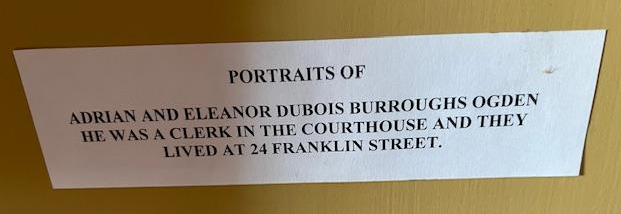
The Dubois Family Portraits of Adrian and Eleanor Dubois Burroughs Ogden
After the Revolutionary War concluded several of the writers of the “Plain Dealer” came forward and became leaders in the new nation of the United States of America. These included Joseph Bloomfield and Richard Howell, who served as governors of New Jersey.
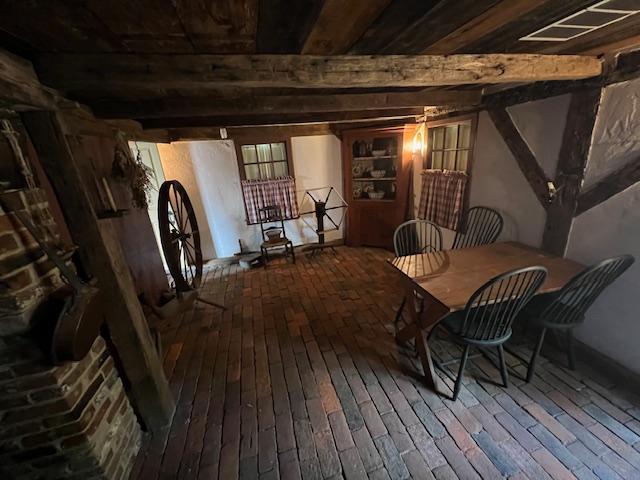
The Tavern’s Kitchen and Hearth
Potter’s Tavern remained a tavern until around 1788 when it was converted into a two-family dwelling. It then is abandoned and nearly collapsed before being purchased by the City of Bridgeton in 1958. In the 1970’s it was placed on the State and National Registers of Historic Places and is now owned by the County of Cumberland and leased to the Cumberland County Historical Society. It is open on July 4th and other special occasions and by reservation. The only known surviving copies of the “Plain Dealer” are held in the Rare Book Collection of Rutgers University Library.

The Beehive oven in the kitchen
 Visiting a Museum: The Unique, Unusual, Obscure and Historical