Category: Small Historical Societies in New Jersey

Orchard Street Cemetery                                            44 Chestnut Street                                                    Dover, NJ 07801

Orchard Street Cemetery 44 Chestnut Street Dover, NJ 07801

Orchard Street Cemetery

44 Chestnut Street

Dover, NJ 07801

https://www.orchardstreetgatehouse.org/history

https://www.facebook.com/p/Orchard-Street-Cemetery-100057217459315/

Open: Sunday-Saturday Seasonal Check the website for the hours

My review on TripAdvisor:

https://www.tripadvisor.com/ShowUserReviews-g46397-d28113226-r964248261-Orchard_Street_Cemetery-Dover_Morris_County_New_Jersey.html?m=19905

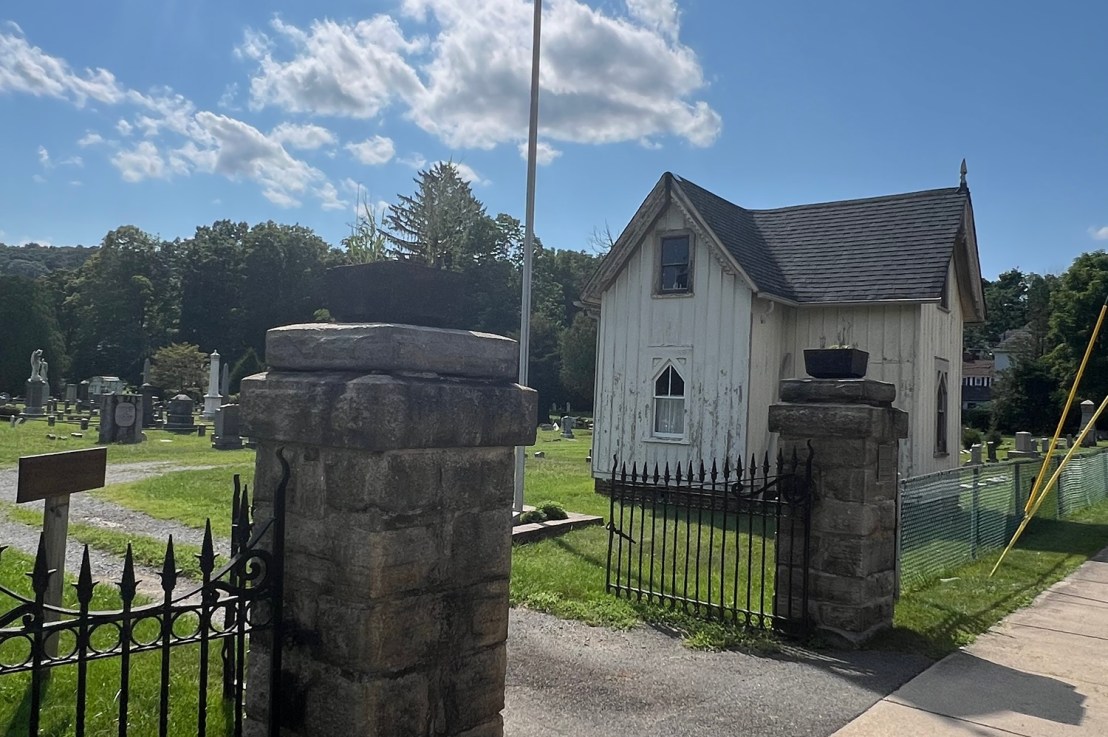
The entrance of the Orchard Street Cemetery and Gatehouse

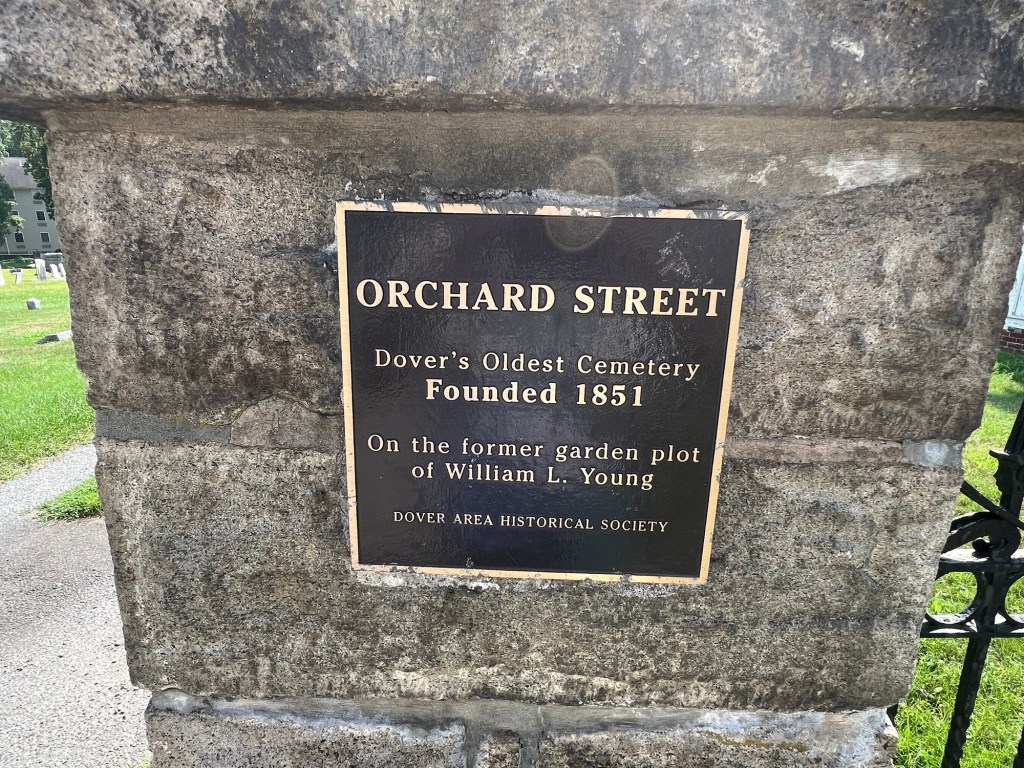
The Orchard Street Cemetery in Dover, Morris County,  NJ was originally founded in 1851 when a group of men determined that a cemetery was needed in the Village of Dover, then part of Randolph Township.  One member of the group, William Young, the first baker in Dover who had his store on Dickerson Street traded his “garden plot” at the end of Orchard Street to this new endeavor in return for several building lots on Orchard Street.  The plot transferred from William Young to the Association was approximately one acre in size (Orchard Street Gatehouse Historical Society website).

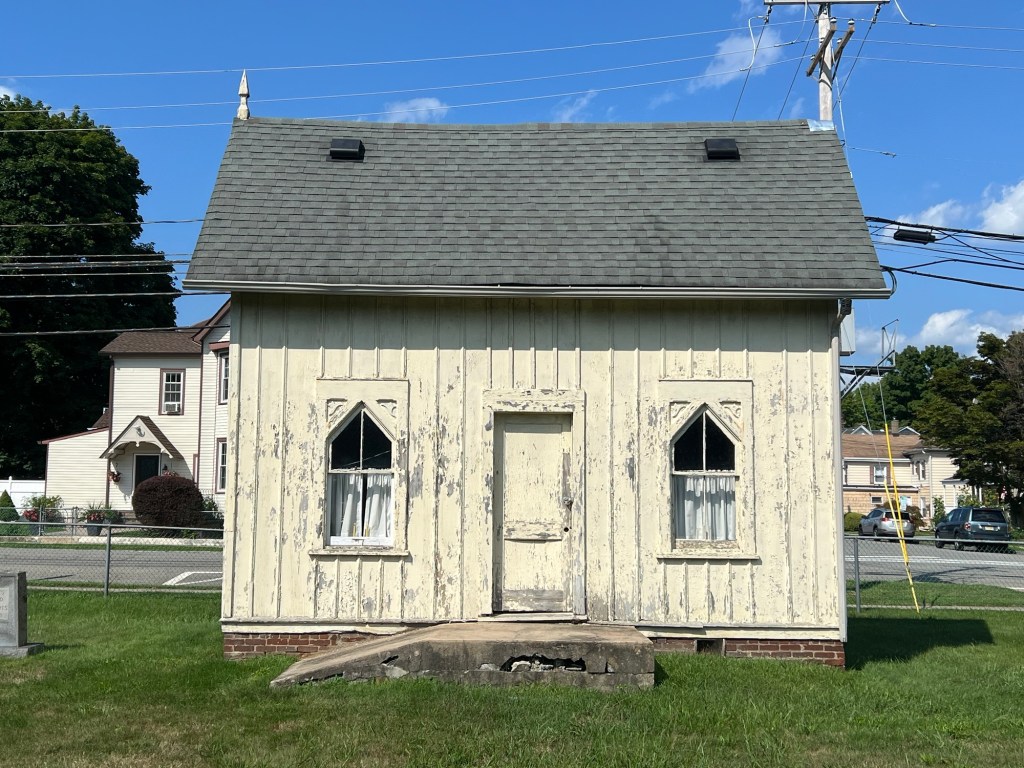
The Gatehouse

The first thing you notice when you enter the cemetery is the Gatehouse. It needs a lot of work. Also it was not manned. Funny, the building looks like it belongs in a cemetery.

The historic plaque for the cemetery

The historic sign for the cemetery

The Cemetery is the final resting place of more than 3500 men, women, and children from the greater Dover area, primarily Dover, Randolph, Wharton, and Rockaway.  There are over 125 veterans from the War of 1812, the Civil War, The Indian Wars, the Spanish-American War, World War I, World War II, and Vietnam as well as well as peacetime veterans.  There are many of the founders of Dover, Wharton, and Rockaway, civic and industrial leaders, and ordinary citizens of the area.  Unfortunately, many burial records have been lost through the passage of time, fire, etc. so a full accounting of the burials will most likely never be realized as many people were buried without a stone memorial through choice or economic reasons (Orchard Street Gatehouse Historical Society website).

The entrance to the cemetery by the gate

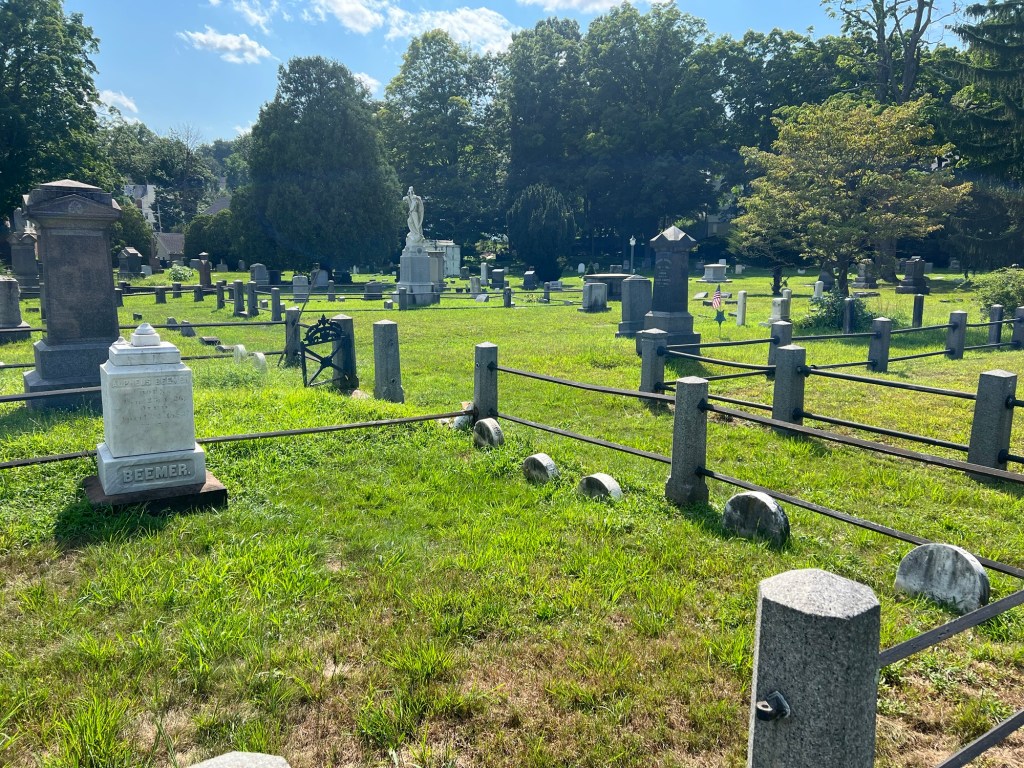
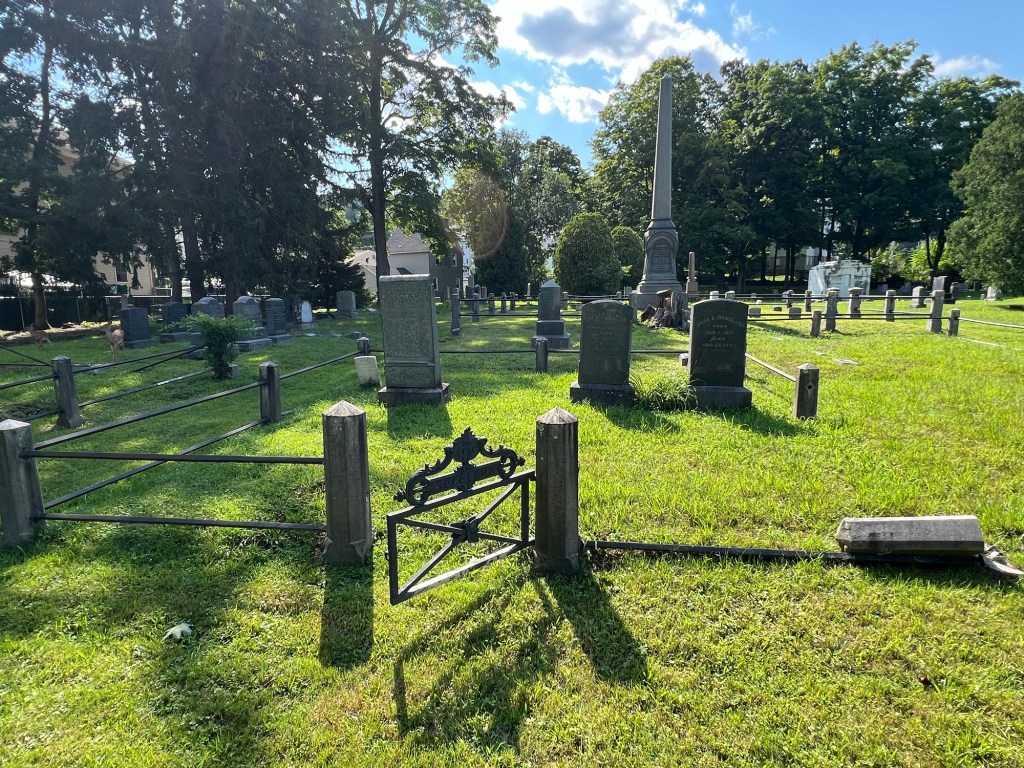
When I visited the Orchard Street Cemetery, I noticed that most of the cemetery was designed into family plots, most gated or sectioned off. In each plot, you can see the generations of family members. There is a distinct change on the tombstones of family member marking the graves. Either is was prosperity of the family or just a sign of the times when people died where you see the changes in the tombstones and what they look like.

At least the families are housed together. Each of the family plots are marked by a gate or just a series of tombstones. Each of these family plots deserve respect and please remember this as you walk around the cemetery to pay your respects. There is a very positive feel to this cemetery.

I noticed the cemetery was broken into family plots separated by fencing

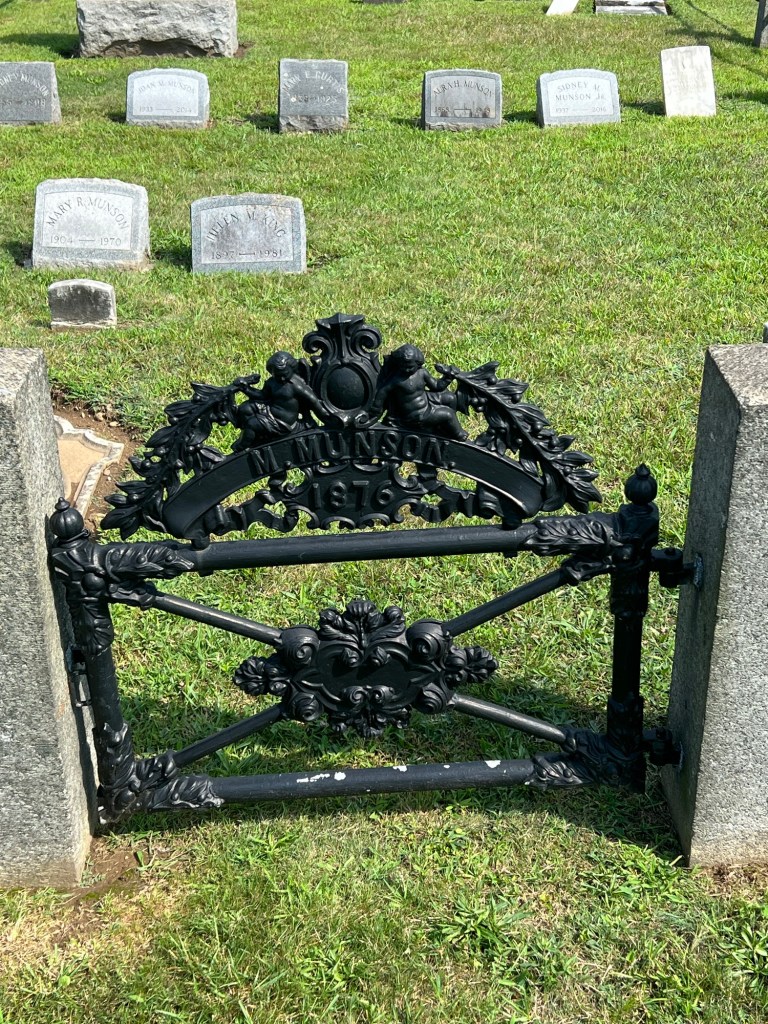
The Munson family plot

The Munson family plot

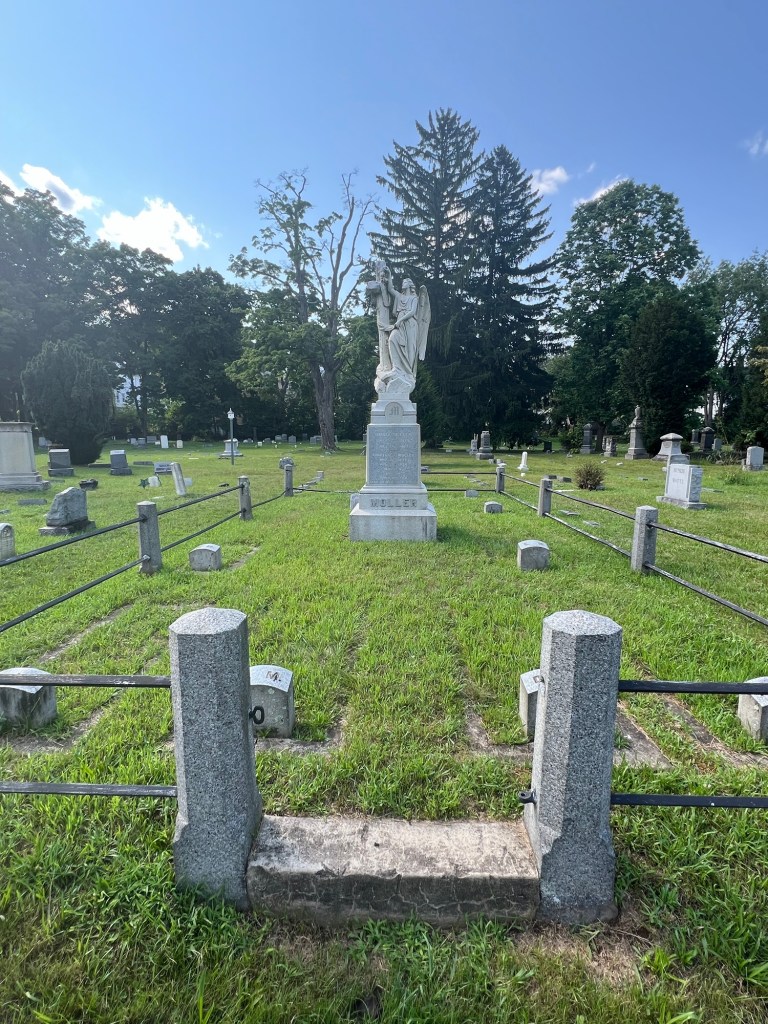
The Moller family plot

The Moller family plot

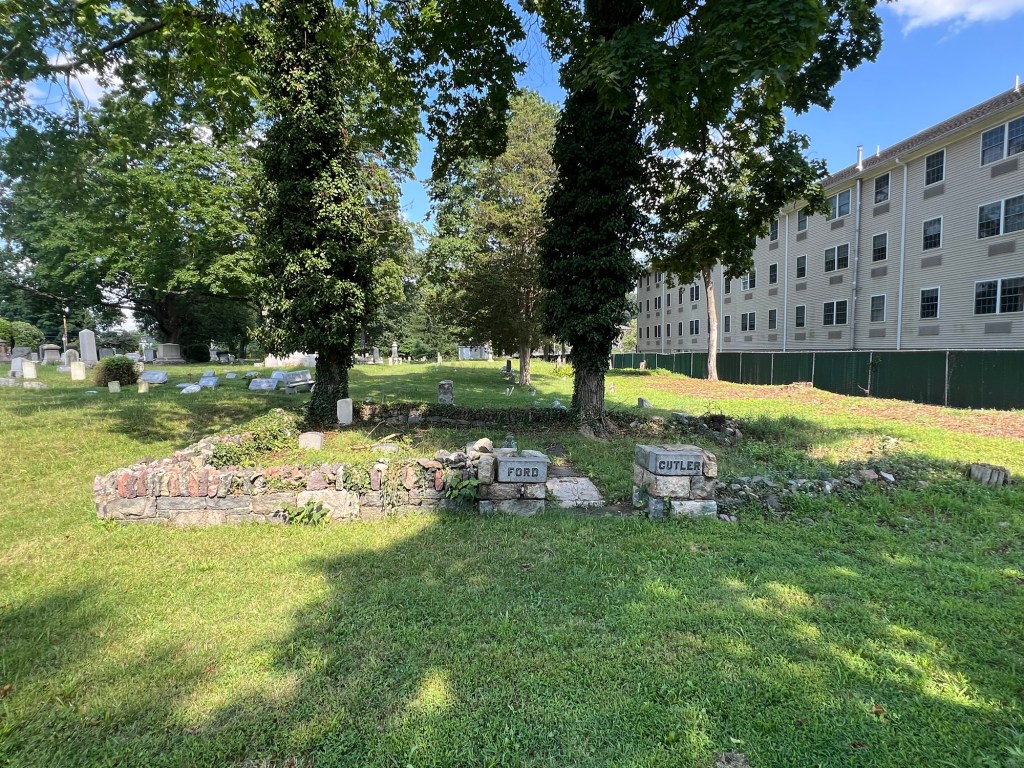
The Ford family plot

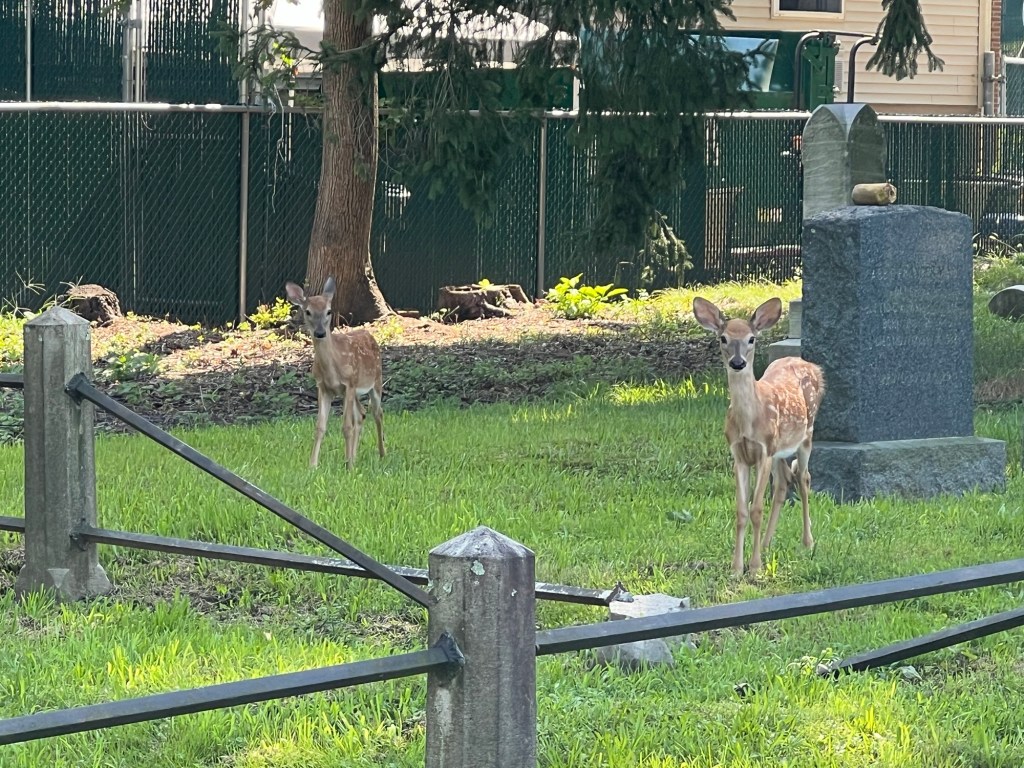
Deer watching me at the cemetery

The Hoagman Family plot

The Dickerson family plot

I had just come from the Bridget Smith House in Mine Hill and discovered that the Dickerson’s were once a prominent mining family who owned a large mansion just outside of Mine Hill.

The grave of Mahlon Dickerson

I found out from a member of the Cemetery Society that this is not the grave of the former Governor of New Jersey but a distant relative.

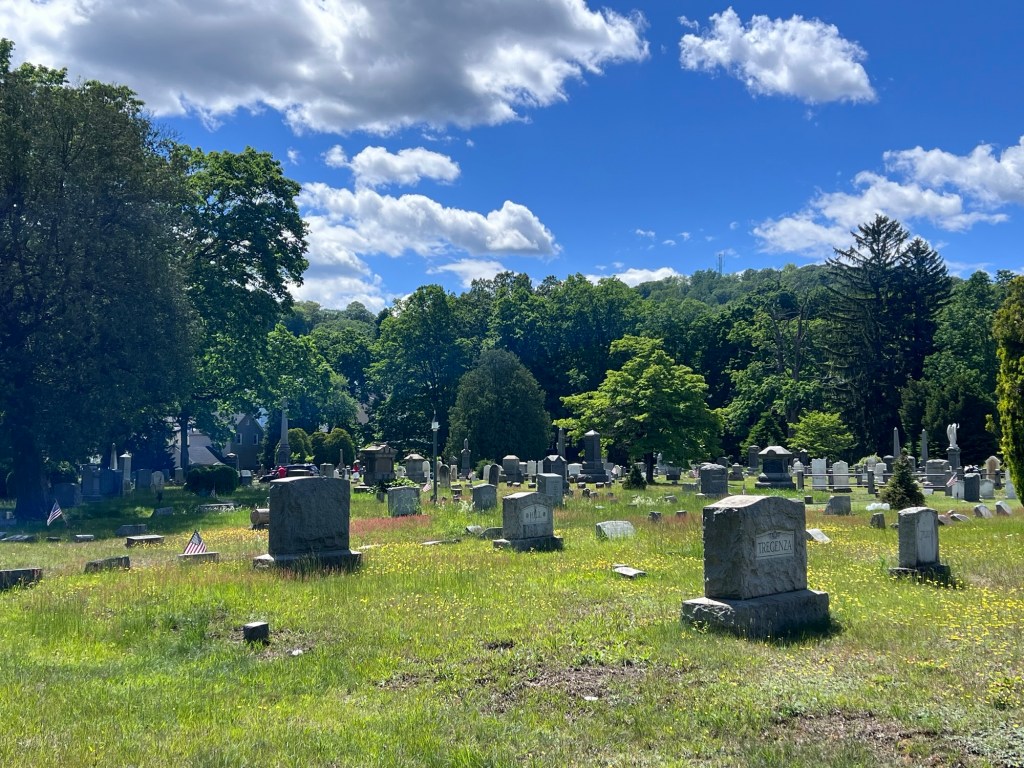
The Orchard Street Cemetery from the back of the cemetery

The Gatehouse at the front of the cemetery

The cemetery is an interesting look of how burying our dead has changed over the last 100 years.

The History of the Cemetery:

(this comes from the OrchardStreetCemeteryGatehouse.org website)

The Orchard Street Cemetery

The Orchard Street Cemetery in Dover, Morris County,  NJ was originally founded in 1851 when a group of men determined that a cemetery was needed in the Village of Dover, then part of Randolph Township.  One member of the group, William Young, the first baker in Dover who had his store on Dickerson Street traded his “garden plot” at the end of Orchard Street to this new endeavor in return for several building lots on Orchard Street.  The plot transferred from William Young to the Association was approximately one acre in size.

The inside of the cemetery

On September 11, 1854 following the passage of the “Rural Cemetery Act of 1854 by the New Jersey Legislature, the Dover Cemetery Association was founded during a meeting in the Village of Dover held at School House District No. 1.  The location of this school was to the east of Morris Street and to the south of the railroad tracks.  This puts it on the opposite side of the railroad tracks from the old Stone Academy.  The papers of incorporation were dated September 14, 1859 and duly registered with the County of Morris.

The inside of the cemetery

A deed dated February 22, 1855 was signed by Jabez Mills and his wife Hannah selling approximately 4.5 acres of their property to the Trustees of the Dover Cemetery Association.  This deed was received and recorded on February 27, 1855 by the County of Morris.  The acquisition of this property brought the cemetery to its final boundaries and size of 5.4 acres.  It is believed based on gravestones in the cemetery that the entire property was being used as a cemetery prior to the date of the recording of the deed.  Further, some sections of the cemetery property may have been used prior to 1851 due to gravestones that predate the founding of the cemetery.  It is also known that there was an earlier Dover cemetery, the Morris Street Burying Yard located south of the train tracks along Morris Street. 

The Munson family plot

It is believed that a number of the remains that were interred there were disinterred and moved to the Orchard Street Cemetery.  Many stones in Orchard Street predate the cemetery founding and it can be inferred that either there were burials in the cemetery confines before it was founded or these are reinterments from the Morris Street Burial Yard, or both.  In addition, there was later a small cemetery on Grant Street next to what was the Swedish Methodist Church.  Around the turn of the 1900’s, this cemetery was closed and again, the remains within were disinterred and many were removed to Orchard Street.

The entrance to the historic Orchard Street Cemetery

The old Gate House at the entrance of the cemetery

Ferromonte Historical Society of Mine Hill-Bridget Smith House                                           124 Randolph Avenue                                              Mine Hill, NJ 07803

Ferromonte Historical Society of Mine Hill-Bridget Smith House 124 Randolph Avenue Mine Hill, NJ 07803

Ferromonte Historical Society of Mine Hill-Bridgit Smith House

124 Randolph Avenue

Mine Hill, NJ 07803

(973) 989-7095

http://ferromonte.org/

Open: Sunday-Friday Closed/Saturday-Select Saturdays during the Spring and Summer Season-See website

Admission: Free but donations are accepted

My review on TripAdvisor:

The Bridget Smith House from the road

I went to visit the Bridget Smith Homestead Museum run by the local historical society and the house was an interesting step back into time when mines were located all over this region. The original house itself was built around 1855 as housing for people working in the mines and the house was bought by the namesake woman in 1879, when as a widow she moved in with her children. When she died in 1907, the house was rented to Ida and Jesse Mc Connell and Ida ended up living here for 78 years before she died in 1993 at 103. After she passed, descendants from the Smith family donated the home to the town as a historical site (Bridget Smith Home Historical website).

The Bridget Smith House

The house is an early example of mining life in the area. It was practical and cost effective to families. Being a two story/two home structure, the main two rooms were on the first floor with a heating unit on the bottom and a large room on the second floor for sleeping. My tour guide told me at one time, one family lived in one of the sides of the house with six kids. I am not sure how that all worked out.

The historic sign on the property

History of the area:

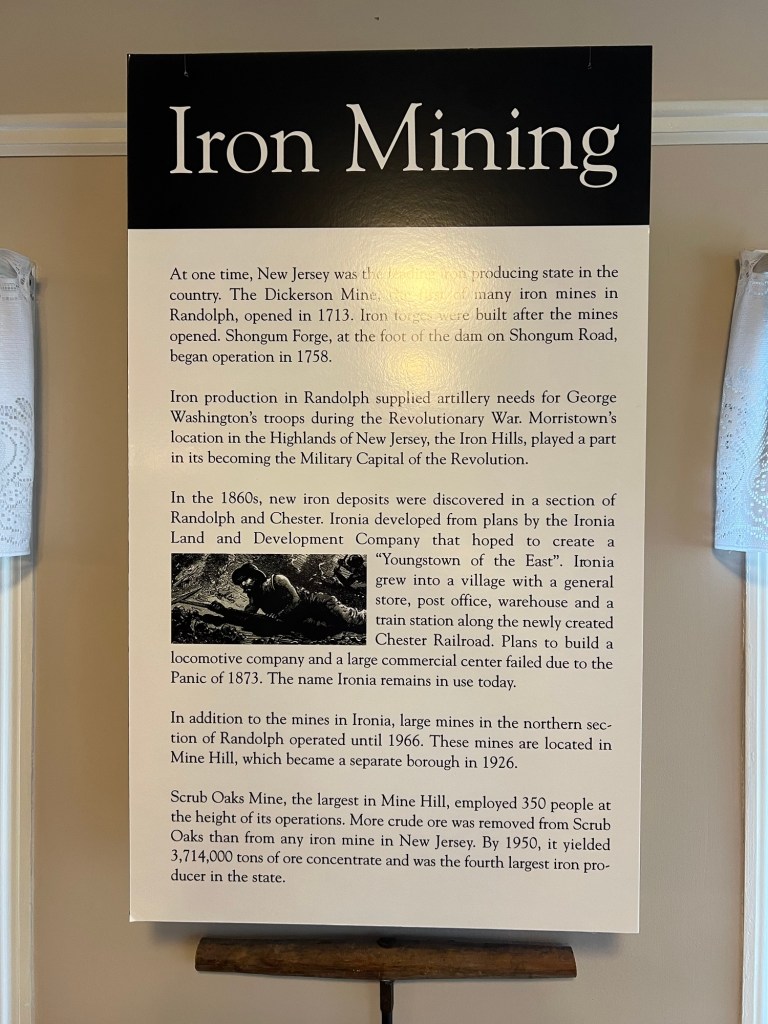
From the late 1700‘s to the late 1800‘s, New Jersey was one of the major iron producers in America. The northwestern part of the state, known as the “highlands” was an important iron mining area. In the 1840‘s Irish settlers came to America for work. On August 10 1854, an Irish settler named Thomas Malona (later spelled Maloney) purchased a 30×150 lot in the “Irishtown” section of Mine Hill and built a house on it (Bridget Smith House website).

The information sign that welcomes you

Little changes have been made to the structure since the mid 1800‘s. Electricity was added in the 1940‘s and running water was added in the 1980‘s. In 1993 the great grand-children gave the house to Mine Hill for $1 to be preserved as the “Bridget Smith Homestead”. Restoration began soon afterward and work continues to this day (Bridget Smith House website).

The Dickerson family of the Dickerson Mines

The sign on the Dickerson family

The grave of Mahlon Dickerson in the Orchard Street Cemetery

The Dickerson Family plot at the cemetery

The history of the mines in the area

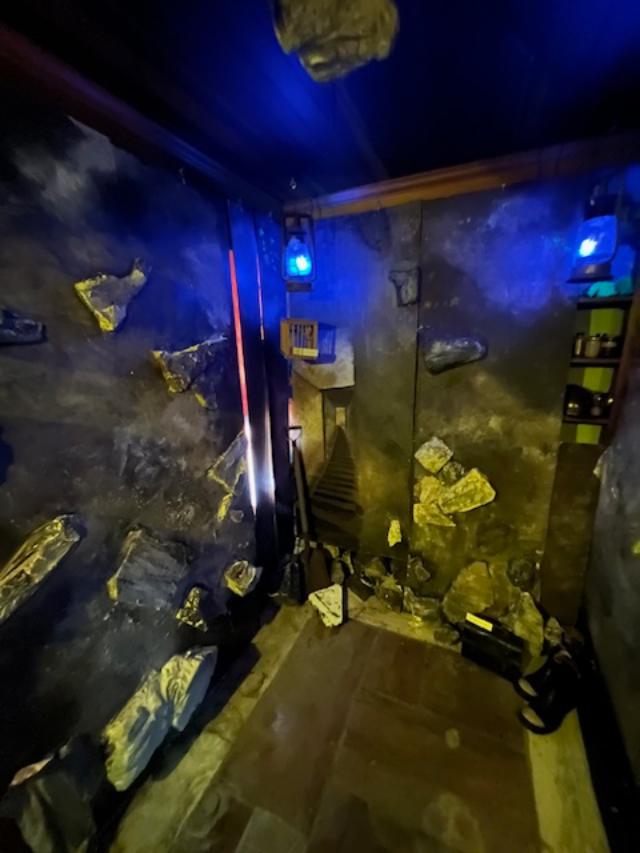
This area of New Jersey was and still is rich in ore and the amount of mines in the area made this a vibrant area for industry. When it was not longer cost effective or the mines ran out of ore that could be reached, the mine was sealed off. As the industry wore off so did the area and people moved on.

Mining and work equipment

Items inside the house and office and some iron ore samples

Miner’s lamp-examples of mining equipment

Paperwork and accolades

Use of horses and donkeys at the mines

The original view of the house and its renovation as a museum

The former residents of the house and their stories

In 1879 the house was sold for $300 to Bridget Smith (1835-1907) a young widow with two children. Smith and her late husband John, who was killed in the mines, lived in Mine Hill since 1860. Bridget Smith lived in the house until her death in 1907. In 1912, the house was rented to a young couple, Jessie and Ida McConnell. Ida McConnell lived in the house for the next 78 years. She died in the late 1990’s at the age of 103 (Bridget Smith House website).

The back room on the other side of the house

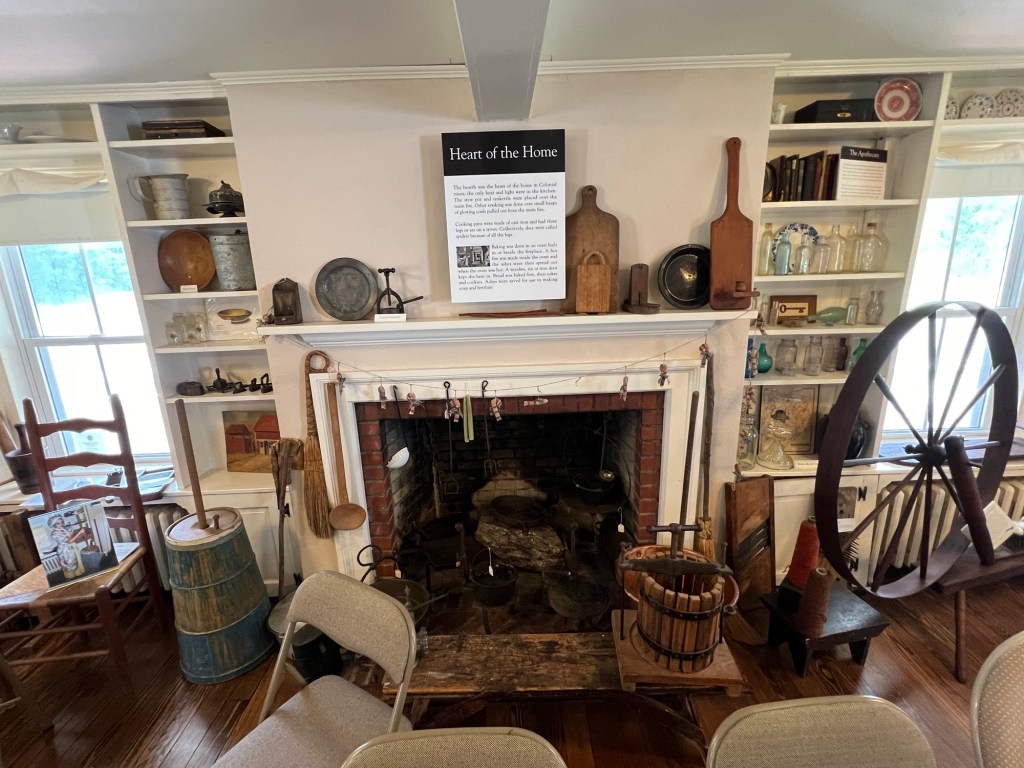
Some of the equipment to make cloth

Family life at the house

Family items

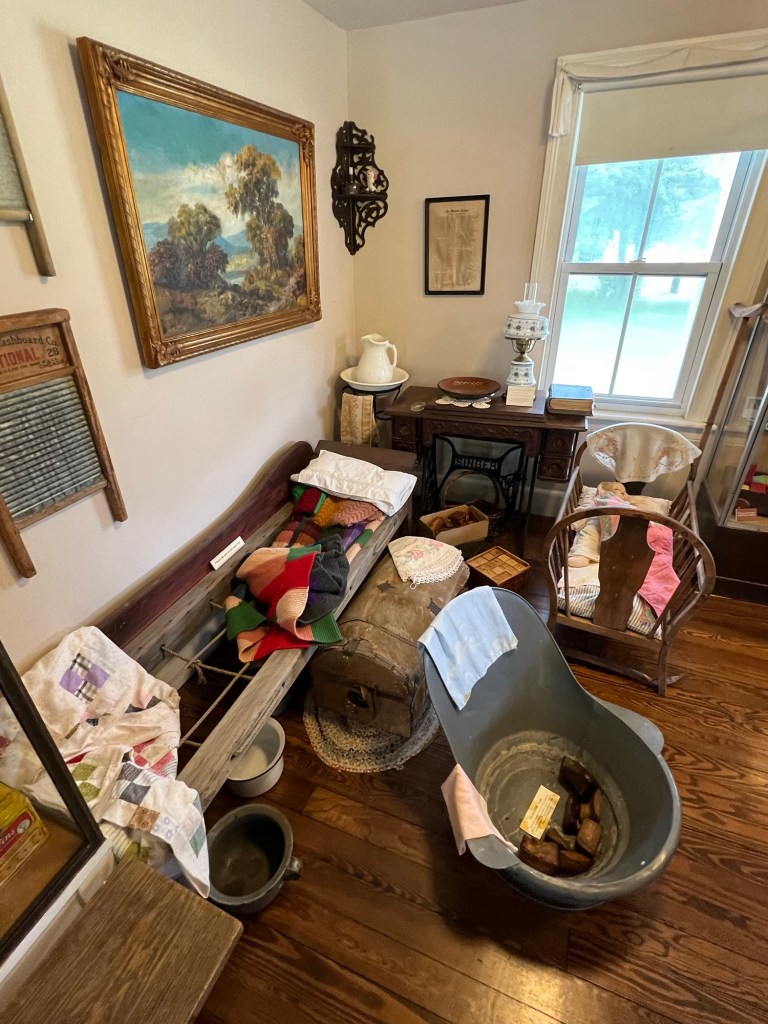
An example of a miner’s bedroom

The backyard of the Bridget Smith house with the outhouse

The two seat outhouse in the back of the house

The inside of the outhouse is heated

The entrance to the basement

The entrance to the basement was filled with cobwebs (Don’t go down there)

The house is part of the Women’s Heritage Trail

The house is listed on the New Jersey and National Registers of Historic Places. It is also part of the New Jersey Women’s Heritage Trail. The museum is operated by the Ferromonte Historical Society (Bridget Smith House website).

The house tour when the site is open in a look into the life of a mining family before and after the Revolutionary War and how the area changed with the ups and downs of the industry. It is also a glimpse into the life of early New Jersey family and watching a community progress into the modern era.

Vintage Automobile Museum of New Jersey    1800 Bay Avenue, Building 13                          Point Pleasant, NJ 08742

Vintage Automobile Museum of New Jersey 1800 Bay Avenue, Building 13 Point Pleasant, NJ 08742

Vintage Automobile Museum of New Jersey

1800 Bay Avenue, Building 13

Point Pleasant, NJ 08742

(732) 899-0012

http://www.vintageautomuseum.org

My review on TripAdvisor:

https://www.tripadvisor.com/ShowUserReviews-g46744-d4986076-r960220008-Vintage_Automobile_Museum_of_New_Jersey-Point_Pleasant_New_Jersey.html?m=19905

Open: Sunday 12:00pm-4:00pm/Monday-Wednesday Closed/Thursday Please check the website/Friday & Saturday 12:00pm-4:00pm

Admission: Free but donations accepted

I got to go to the Vintage Auto Museum of New Jersey on a return trip to Point Pleasant. Both the Vintage Car Museum and the New Jersey Museum of Boating share the same building and are both open on Friday afternoon. So viewing their collections is a little easier.

What I like about the Vintage Car Museum is the selection of cars that they have on display. These are the cars of the early silent films and the beginning of ‘sound pictures’. Most of the cars date from the late 1880’s to show the development of the automobile through its early years. From the early automation of steam engines to gas powered cars, I could see Victorian men and women driving these early cars to the flappers and underworld bosses driving the get away cars of the past. These are cars that you will see in the movies.

The cars on display are in pristine condition with accompanying signs so you will have a full description of the make and model of each automobile. There is a small selection of cars so the collection is easy to see in one afternoon.

On the side walls there are secondary collections of driving accessories, pictures of cars and a small collection of toy cars in one of the cases. It is the perfect museum for car buffs or for visitors interested in the history of automobiles. It is perfect for those who love the silent films and early American engineering. These pristine cars are lined like jewels on a carpet that are meant to impress.

The Mission Statement:

(From the museum pamphlet)

Our mission is to provide an educational and entertaining family attraction, preserving, sharing and taking pride in an automobile heritage that truly encouraged and shaped the growth of New Jersey and our country and its impact on our society.
The front of the Vintage Automobile Museum of New Jersey in Point Pleasant, NJ

The front of the gallery

The front gallery of the museum

The front gallery of the museum

The history of the Museum:

(From the museum pamphlet)

The automobile has been a part of our culture for well over 100 years. Above all other inventions, the automobile is responsible for our development as a society. The automobile allowed people to leave their farms for the first time to visit the big cities and it allowed city dwellers to visit farms to see their first cow. There is no doubt that the automobile represents freedom, affluence, power and art.
In 2000, members of the Vintage Automobile Club of Ocean County, NJ having hosted many car shows, wanted to bring antique cars to a central viewing place. The result was the founding of the Vintage Automobile Museum of New Jersey, a venue suitable for displaying the many cars built around the world for the past 125 years. In addition to having vehicles on display, we have other artifacts. Photos, tools, signs, gas pumps and even a barber’s chair are all there for everyone to enjoy.
The some of the cars on display that enjoyed are the:

The 1896 Ford Quadricycle

The 1896 Ford Quadricycle

The Quarter Midget Racing sign

The Quarter Midget Racer on display

The 1903 Oldsmobile Model R sign

The 1903 Oldsmobile Model R car on display

The 1915 Ford Model T sign

The 1915 Ford Model T car on display

The 1923 Packard Phaeton

The 1923 Packard Phaeton on display

The mini Doyle sign

The Mini Doyle on display

The 1922 Ford Model T Huckster Wagon sign

The 1922 Ford Model T HucksterWagon on display

What I loved about these cars was the beauty of them and the rarity of their make and style. These cars look like they are ‘showroom ready’ to drive out of the building. I love the care that their owners give them and the look of their design. It is also the history and the age of these cars of the collection that make them impressive to look at and admire.

The collection of toy vintage cars that are in the collection.

The New Jersey Museum of Boating                 1800 Bay Avenue Johnson Boat Works,      Building 13                                                         Point Pleasant, NJ 08742

The New Jersey Museum of Boating 1800 Bay Avenue Johnson Boat Works, Building 13 Point Pleasant, NJ 08742

The New Jersey Museum of Boating

1800 Bay Avenue

Johnson Boat Works, Building 13

Point Pleasant, NJ. 08742

(732) 701-2581

http://www.numb.org

Open: Sunday 9:00am-5:00pm/Monday-Tuesday Closed/Wednesday 12:00pm-4:00pm/Thursday Closed/Friday-Saturday 12:00pm-4:00pm

Admission: Free but donations accepted

My review on TripAdvisor:

https://www.tripadvisor.com/ShowUserReviews-g46745-d28035581-r960415038-The_New_Jersey_Museum_Of_Boating-Point_Pleasant_Beach_New_Jersey.html?m=19905

The entrance to the New Jersey Museum of Boating

The sign that welcomes you

The Johnson Boat Yards just outside the museum where you can see all the private pleasure boats

The Museum’s Mission:

(From the museum’s pamphlet)

The mission of the New Jersey Museum of Boating is to celebrate our state’s rich maritime history. We are committed to educating, preserving, interpreting and presenting the boats built in New Jersey and the related marine equipment and materials traditionally used in the process.

‘Boats N’ Kids’ is part of the charter we are endeavoring to educate today’s youth on the history of boating in New Jersey. We offer several programs for children which include basic boating safety and intern programs during the spring and summer. Visit the website or call our number for more details.

The boat display outside the museum

In 2002, the museum became the newest destination on the New Jersey Coastal Heritage Trail, achieving recognition by the National Park Service for the historic value of its collection and location.

The display of marine vessels outside of the museum

As part of our Charter, we are committed to the education of today’s youth on the history of boating in New Jersey. In that regard, the museum has developed a multi-faceted program to invite students from New Jersey’s elementary and high schools for information tours of the museum.

The display of boats just outside of the museum

My visit to the Museum:

While I admired all the boats outside the museum and the Johnson family Boat Works Marina and all the pleasure boats, all the nautical displays were in the inside of the museum.

The inside of the museum offers a gift shop and an introduction to the museum’s mission on the history of Boating

One of the first displays describes the famous shark attacks at the Jersey shore in 1916 as summer beach bathing was becoming popular. These were noted in the film ‘Jaws’.

The New Jersey Shark Attacks of 1916

The next display I visited was the World War II display to our veterans and their contributions from the State of New Jersey. There had been many sightings of enemy submarines on the Jersey shore.

The detailed display on our State’s contribution to the ‘Great War’

War propaganda poster that would be considered racist today but effective back then.

The next display was on the history of the fishing in the state. We have had and still have some of the best fishing on the East Coast both for pleasure and commercially.

Some of the contributions of our fishermen in New Jersey

There was also a big contribution to the steam engines from New Jersey as well.

The ‘Steamboats’ exhibition

The Sneakbox sign

On display as well was the ‘Frisky’. The ‘Frisky’ is the first ‘Beaton Built’ sneakbox. It was built in 1941 by David Beaton & Sons which won numerous championships in the 1940’s and 1950’s (museum pamphlet).

The ‘Frisky’ sneakbox

In the back of the museum, there was a display of vintage outdoor motors which powered boats over the years.

The exhibition sign for the Vintage Motor exhibition

The sign for the “Vintage Motor” exhibition

The Vintage Outdoor Motor display

The outdoor motors from times past

In the front of the museum you will see the ‘Frame’ exhibition and all the tools to build a boat.

The ‘Frames’ sign

The ‘Frames’ display

A closer look at all the tools for the construction of a boat

There were also smaller displays around the museum such as the NJ Coast Guard display and the NJ State Rowing Championship’s to show the nautical activities that are going on in the State of New Jersey.

The Coast Guard station display

The NJ State Rowing Championship display

The New Jersey Museum of Boating offers a wealth of information on New Jersey’s nautical past, present and future place in history.