Category: Exploring Historic Morris County, NJ

Mount Tabor Historical Society              Richardson History House                                      32 Trinity Place                                                 Mount Tabor, NJ 07878

Mount Tabor Historical Society Richardson History House 32 Trinity Place Mount Tabor, NJ 07878

Mount Tabor Historical Society

Richardson History House

32 Trinity Place

Mount Tabor, NJ 07878

973-975-0001

https://www.facebook.com/mounttaborhistoricalsociety/

Open: Sundays 1:00pm-4:00pm/Monday-Saturday Closed

Admission: Free but donations accepted and recommended to help the museum operate.

My review on TripAdvisor:
https://www.tripadvisor.com/ShowUserReviews-g46652-d28537558-r971784929-Mount_Tabor_Historical_Society_Museum-Mount_Tabor_Morris_County_New_Jersey.html?m=19905

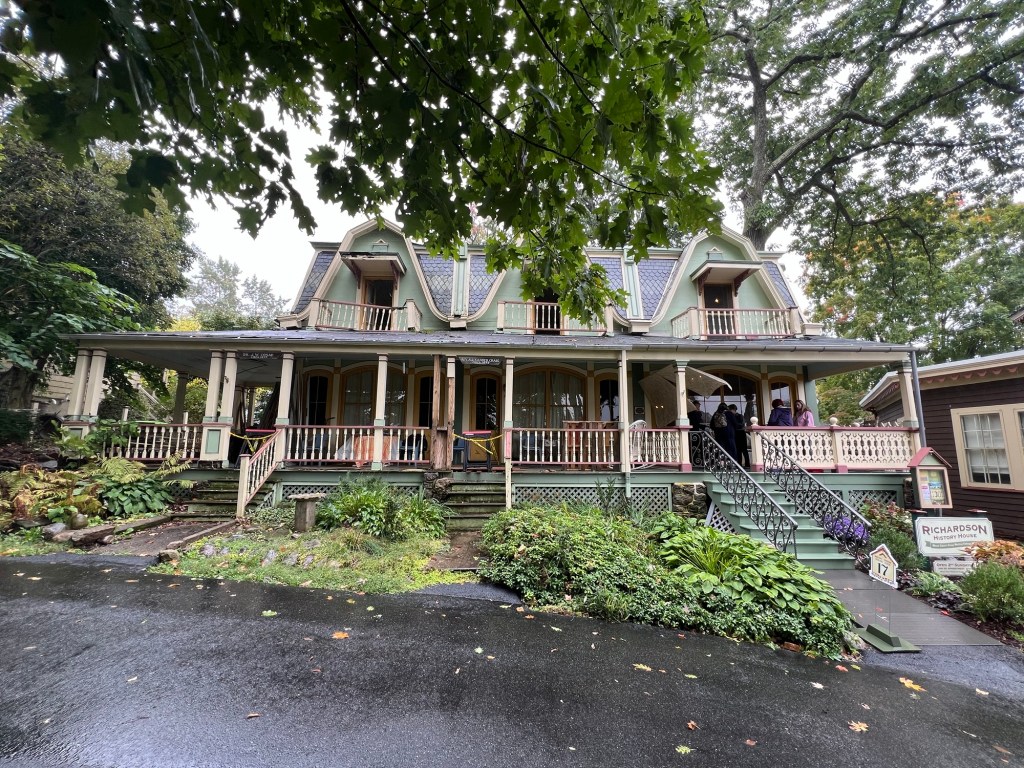
The Mount Tabor Historical Society at 32 Trinity Place
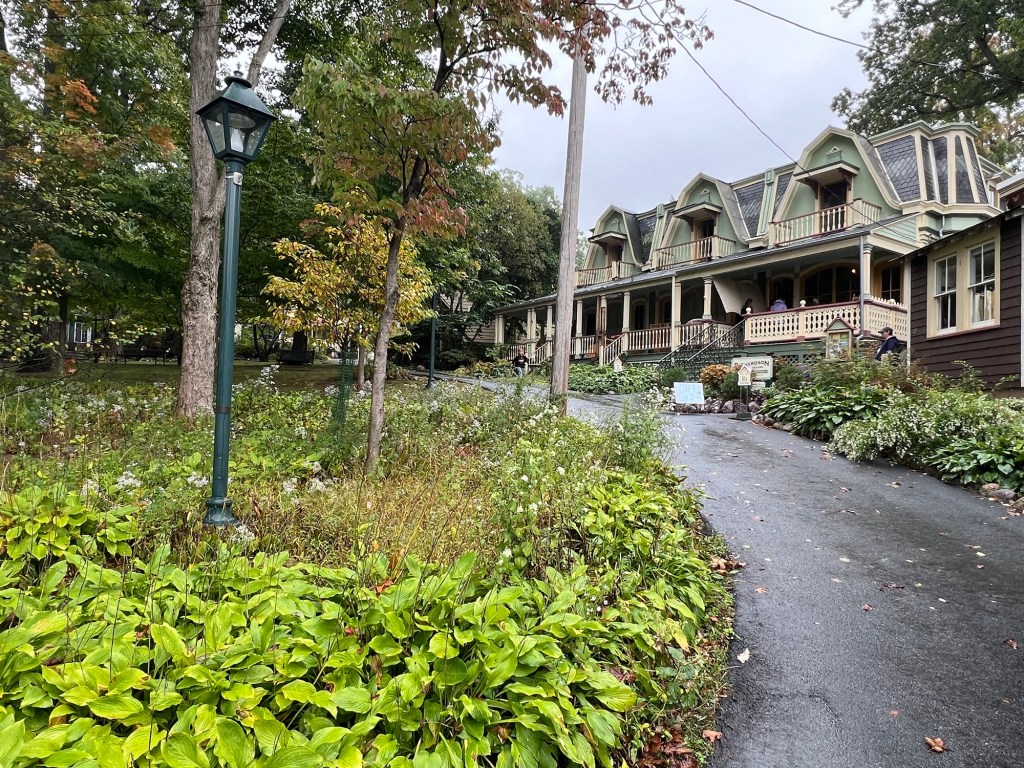
The Historical Society and the gardens

I went on the Mount Tabor House and garden walking tour in late September on a rather gloomy Saturday and I had a wonderful time. It may have been gloomy out but the museum could not have been more interesting and the people who opened their homes could not have been nicer.

The tickets were $35.00 at the door which I thought was very fair for this fundraiser. They had transportation from the elementary school to the site and back that ran on a continuous basis from 11:00am to 4:30pm when the tour was over.

The sign by the bus tour stop
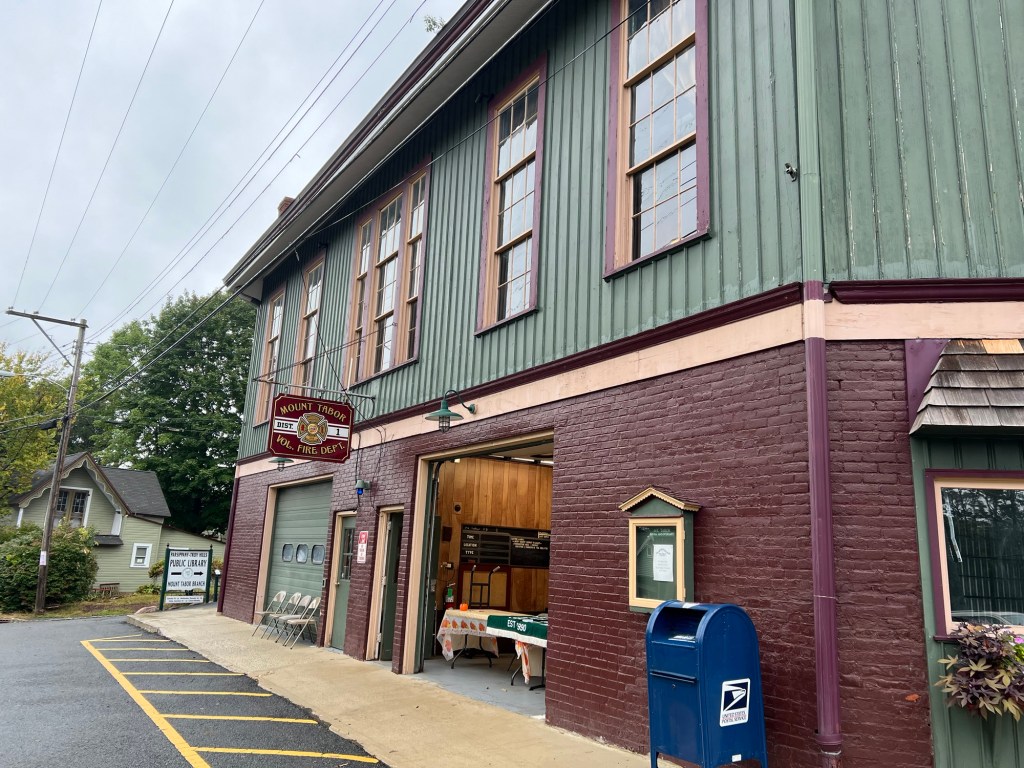
The first stop where we bought the tickets was the old Mount Tabor Fire House

When we arrived in the historic Mount Tabor neighborhood, this had once been a summer Methodist Camp. The planned community still has the original layout of the tent community and plots of land that the houses had been built on since old camp closed.

The center of the community was Trinity Park, a beautifully landscaped park

My first stop on the tour was the old Tabernacle, the original gathering place and hall where the religious services took place.
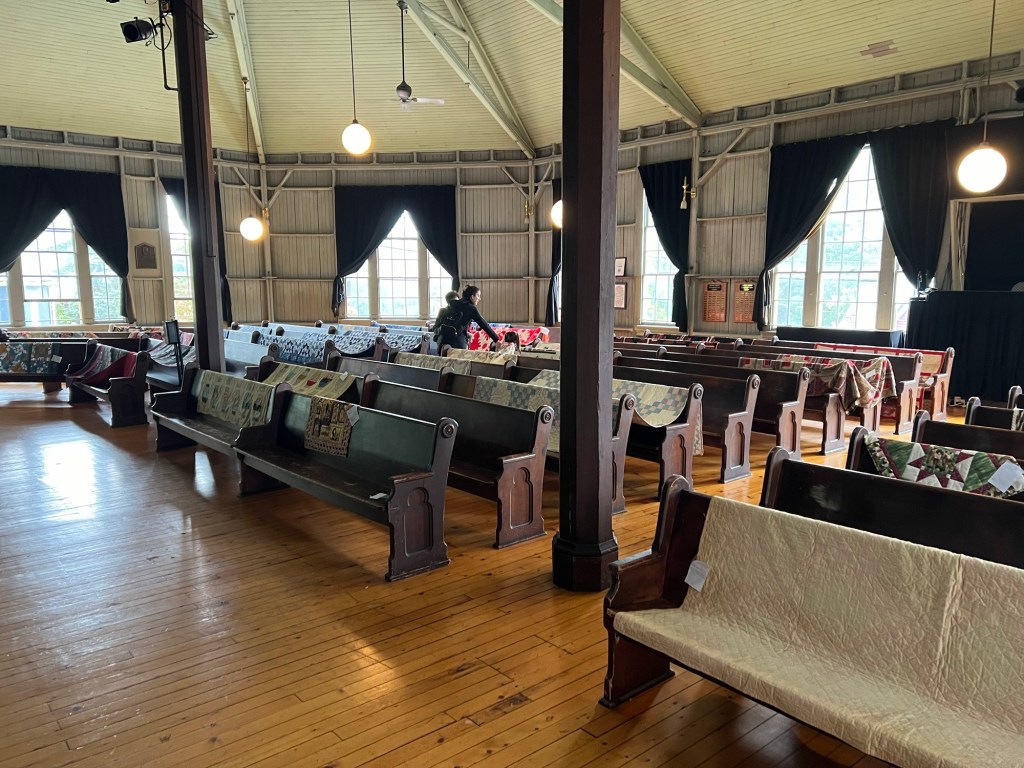
The inside of the Tabernacle, now being used for the quilt show for the tour
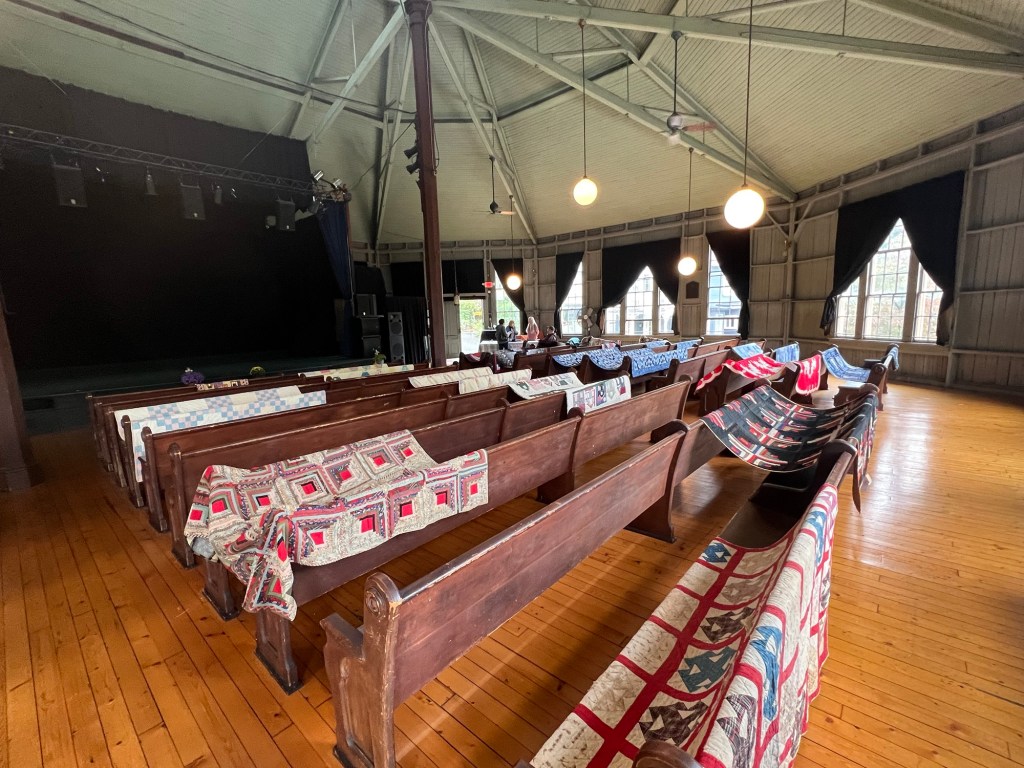
The Quilts were displayed on all the pews

The quilts were all handmade, some really colorful and beautifully stitched. It was a really impressive show of artistry.
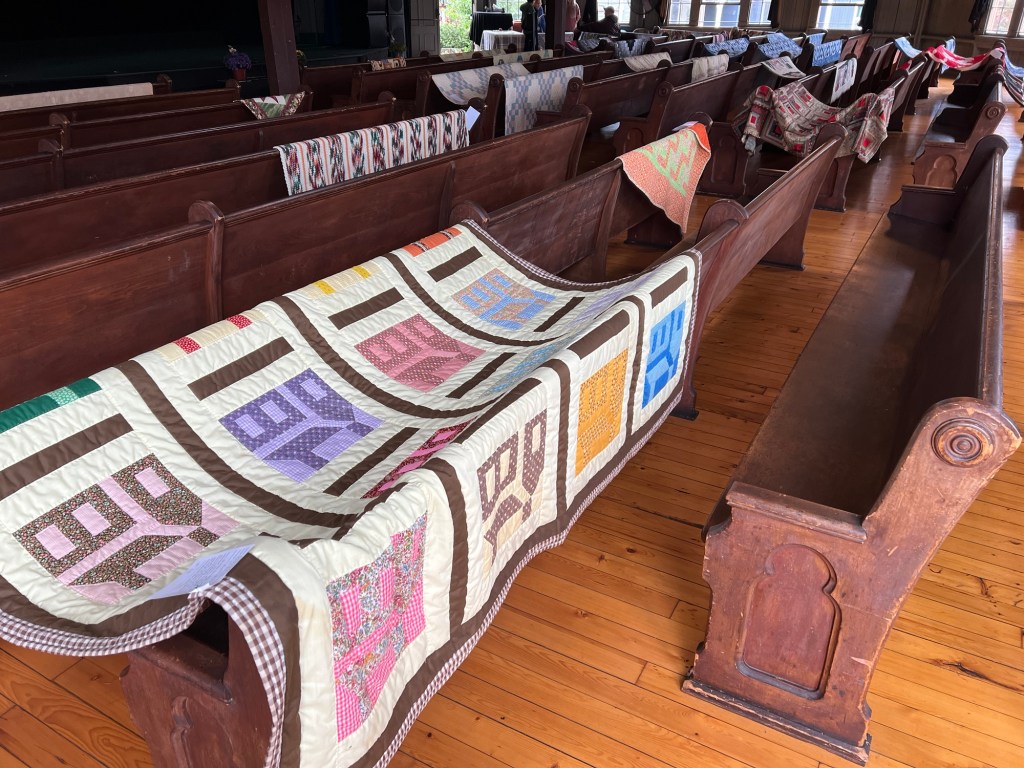
The beautiful quilts on display
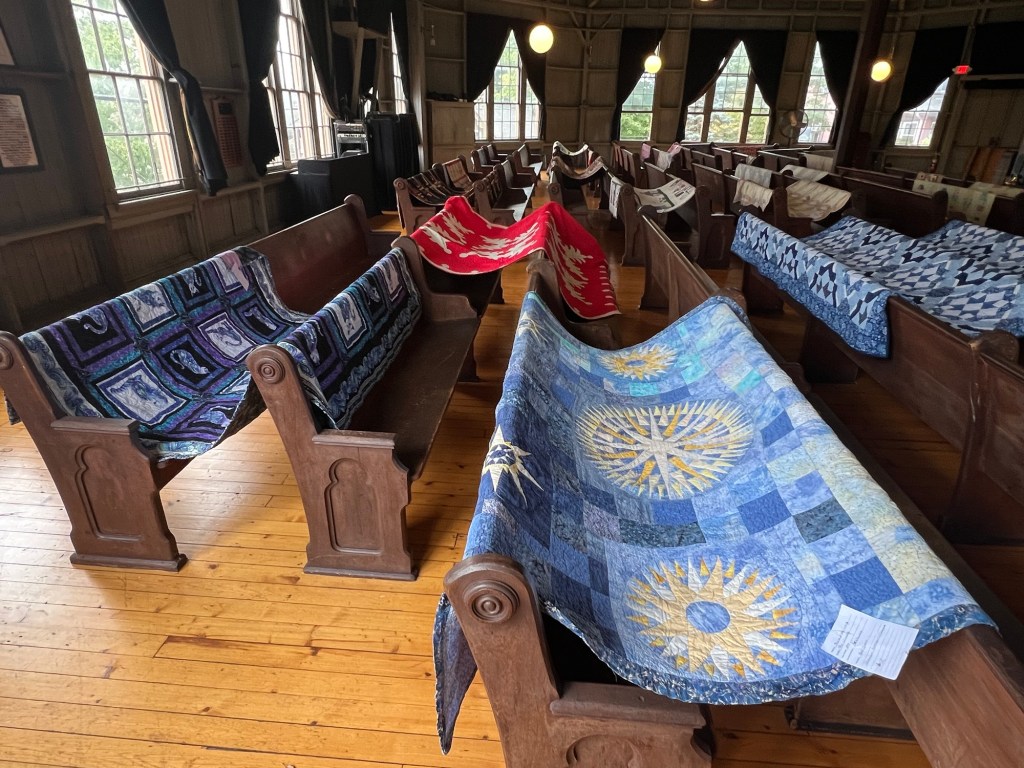
The colorful quilts on display

After I left the Tabernacle display, I headed up to the Mount Tabor Historical Society Museum for a tour of the museum and gardens. It was located on Trinity Park.

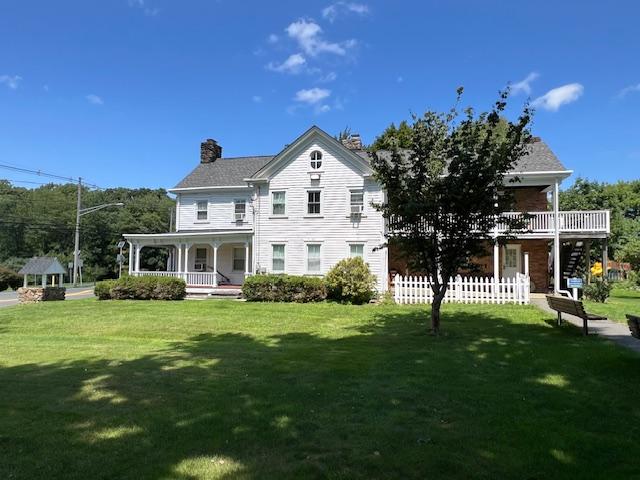
The Mount Tabor Historical Society on the eastern side of Trinity Park

The museum is part of triplex with a private home in the two other former homes. They are undergoing a renovation right now

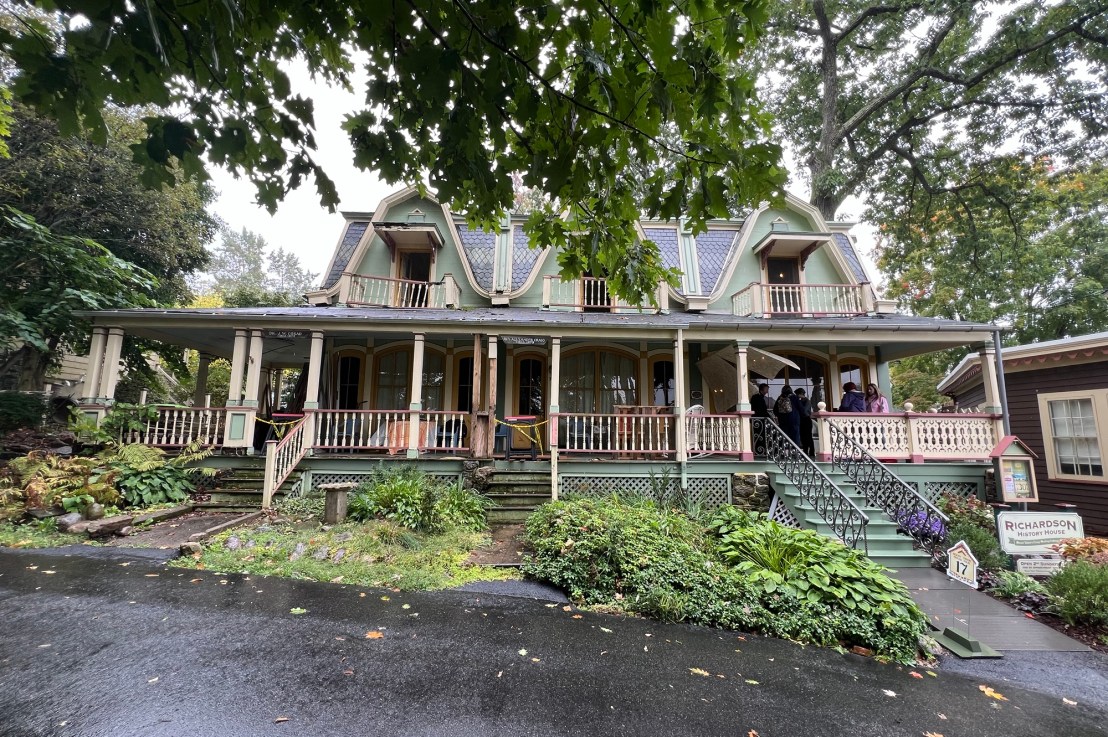
The J. Smith Richardson History House (1873): A Camp Meeting Cottage Museum

(from the museum website)

The Mount Tabor Historical Society is privileged to share our historic community, founded as a post-Civil War permanent Camp Meeting ground, and the Richardson History House – a Camp Meeting Cottage Museum. The 1873 History House invites visitors to travel back to another era and see what it was like to spend a summer “camp meeting style” in the cottage of J. Smith and Lydia Richardson.

The parlor area in the home of Mr. Richardson

The home on the furthest to the left of the building is the museum, once home to the Richardson family, who were part of this Methodist retreat.
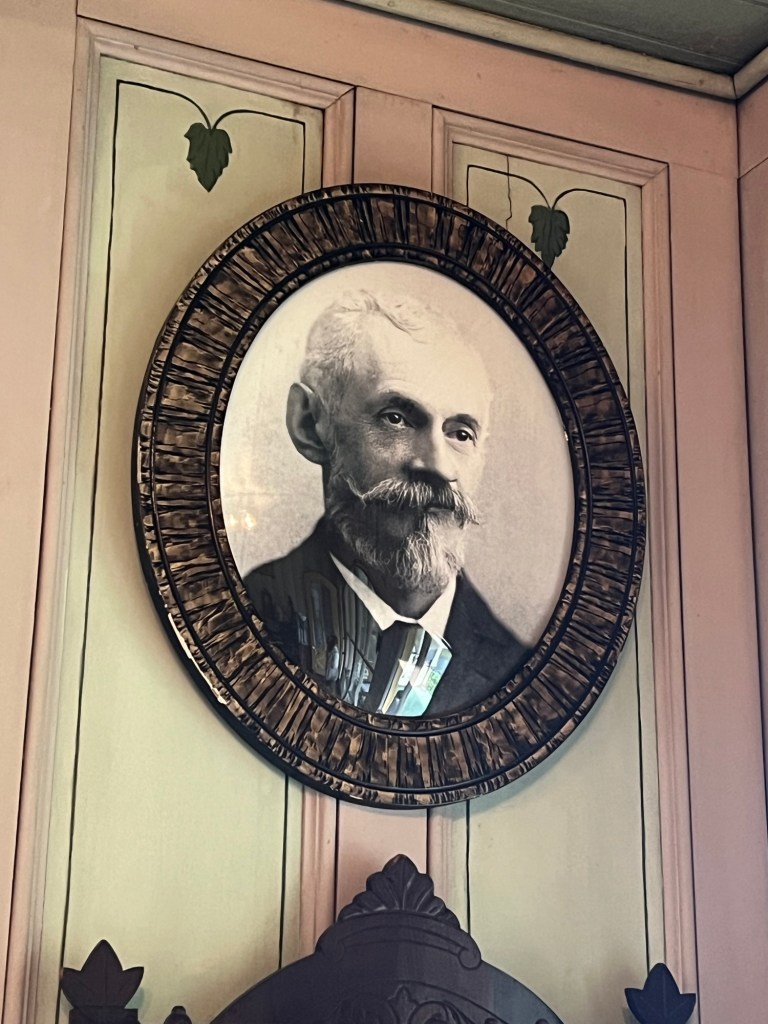
Mr. Richardson’s portrait hangs proudly on the wall overlooking the parlor of the home
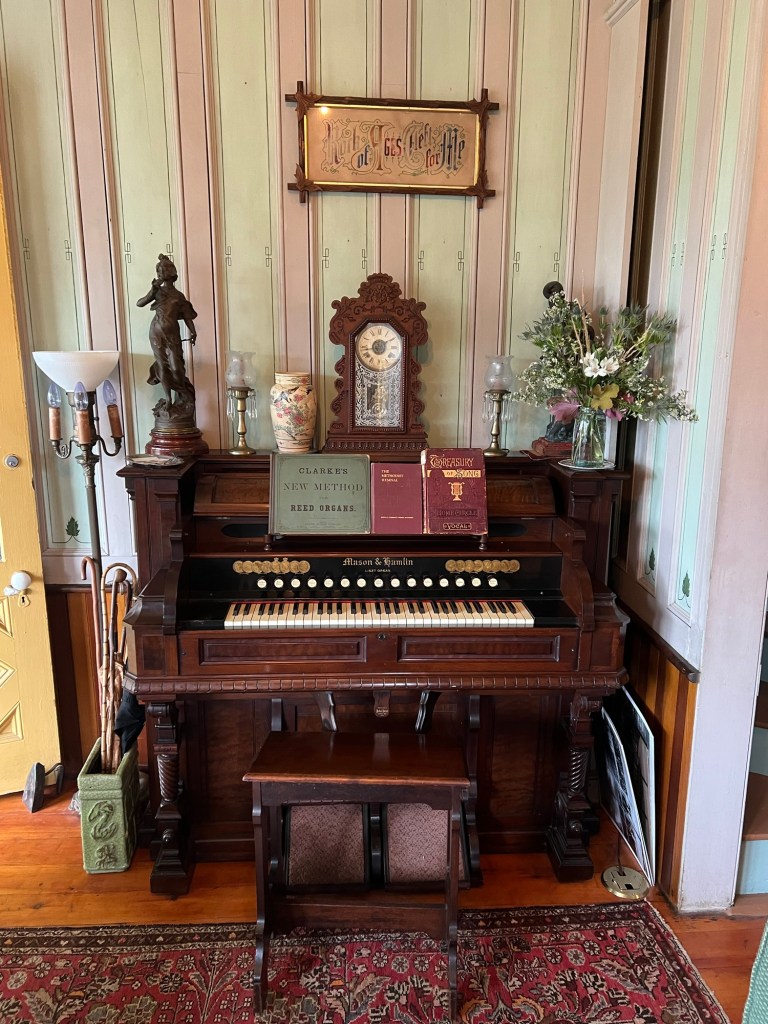
The homes pipe organ that was used to entertain the family

The table was formally set with period China in the Dining Room that was shared with the parlor area. The tour guide told me that the family kept meticulous records of everything and on the table was the wedding menu of Mr. Richardson’s daughter’s wedding.

The Dining Room table set for dinner
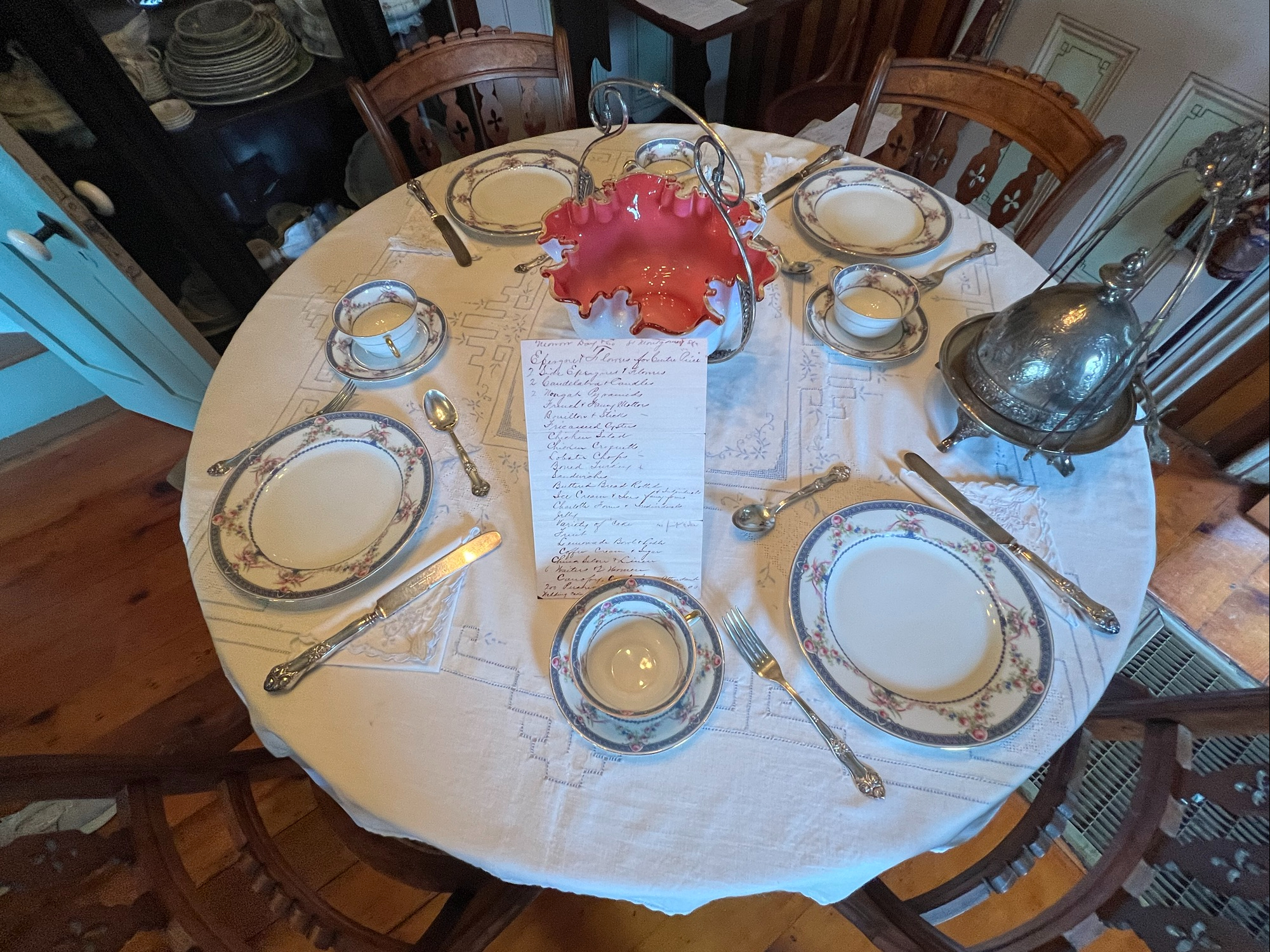
The beautiful Victorian China
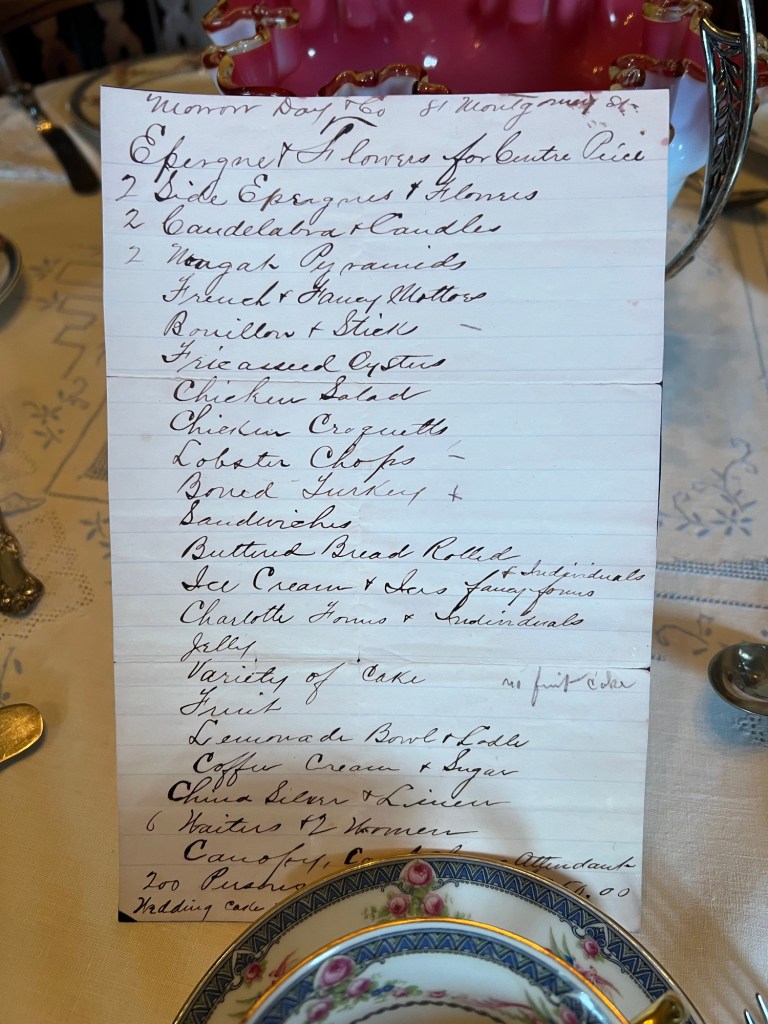
The bride’s Wedding menu. You can tell they ate well that afternoon

The brides wedding was pretty elaborate for the time and you could tell by the menu they ate pretty well that afternoon.
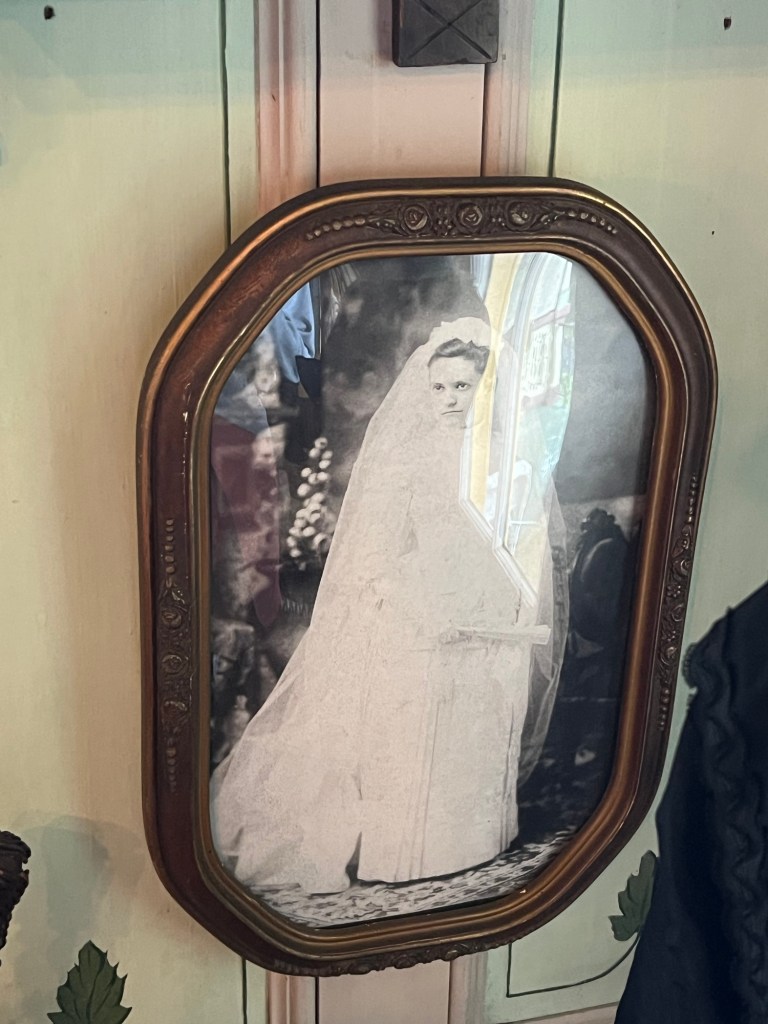
The bride’s Wedding photo hangs proudly in the parlor

The family heirloom, the bureau, sits proudly in the corner of the room

The family did not leave much behind but this bureau is the one piece of furniture that the family owned. It now holds serving pieces and dinner items. The kitchen is small but has all the modern convenes of the time including a range coal stove and an ice box, which were pretty elaborate for the time.
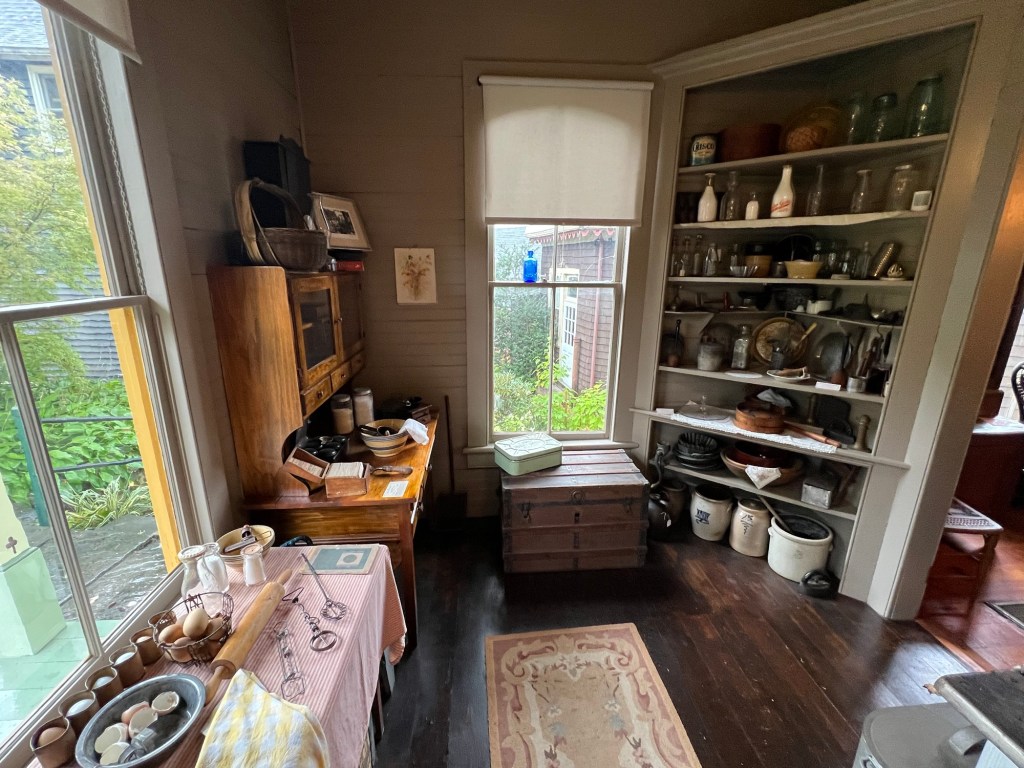
The kitchen of this small summer home

The shelves with all the cooking and storage materials

There are all sorts of baking materials, cooking utensils and items to cook full meals for the household.

Baking and measuring items

Items for baking

The historic map of the Mount Tabor Camp Ground was hung in the kitchen
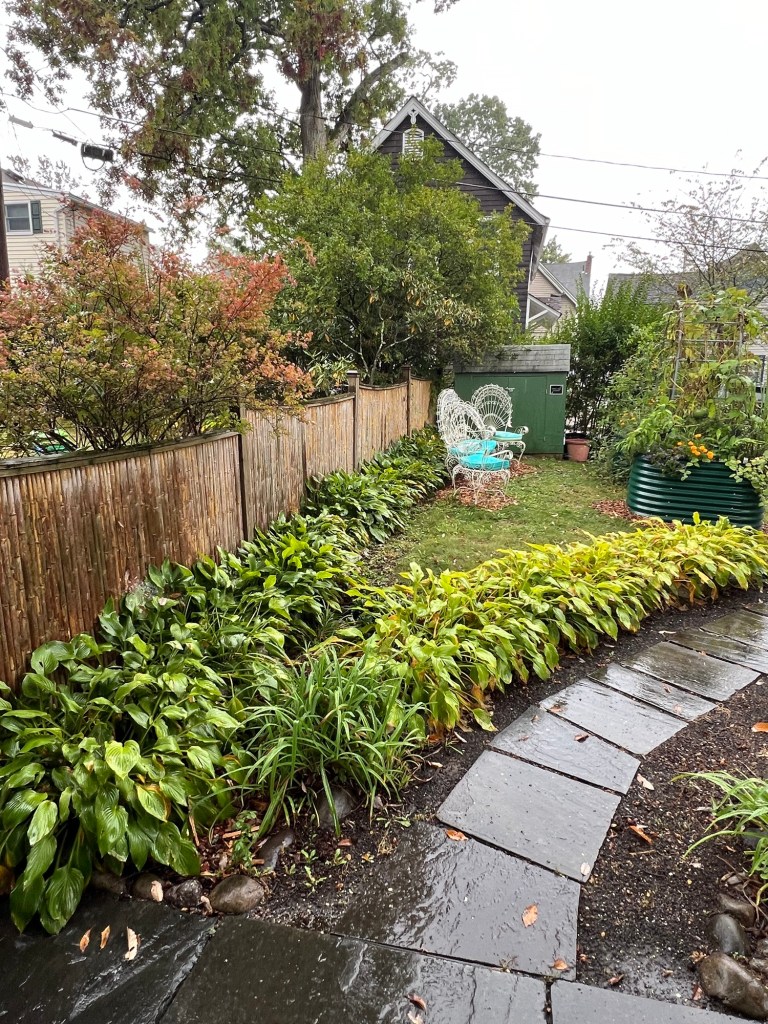
Off the kitchen door was a beautiful garden and a landscaped walkway
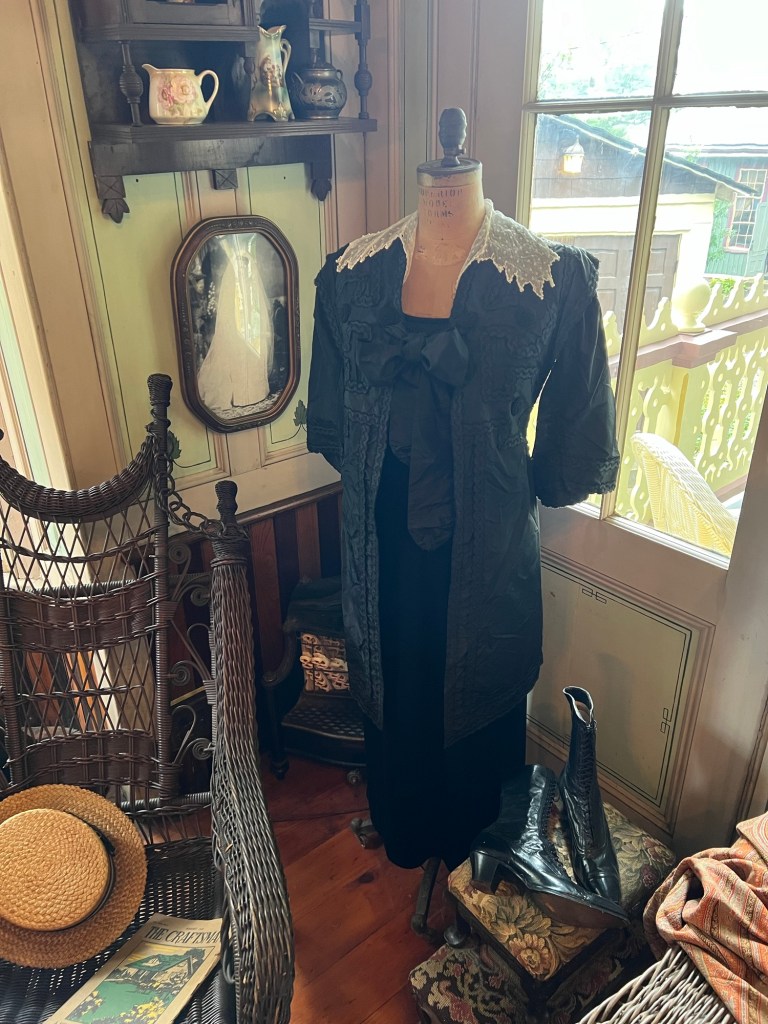
Some vintage clothing was on display in the parlor
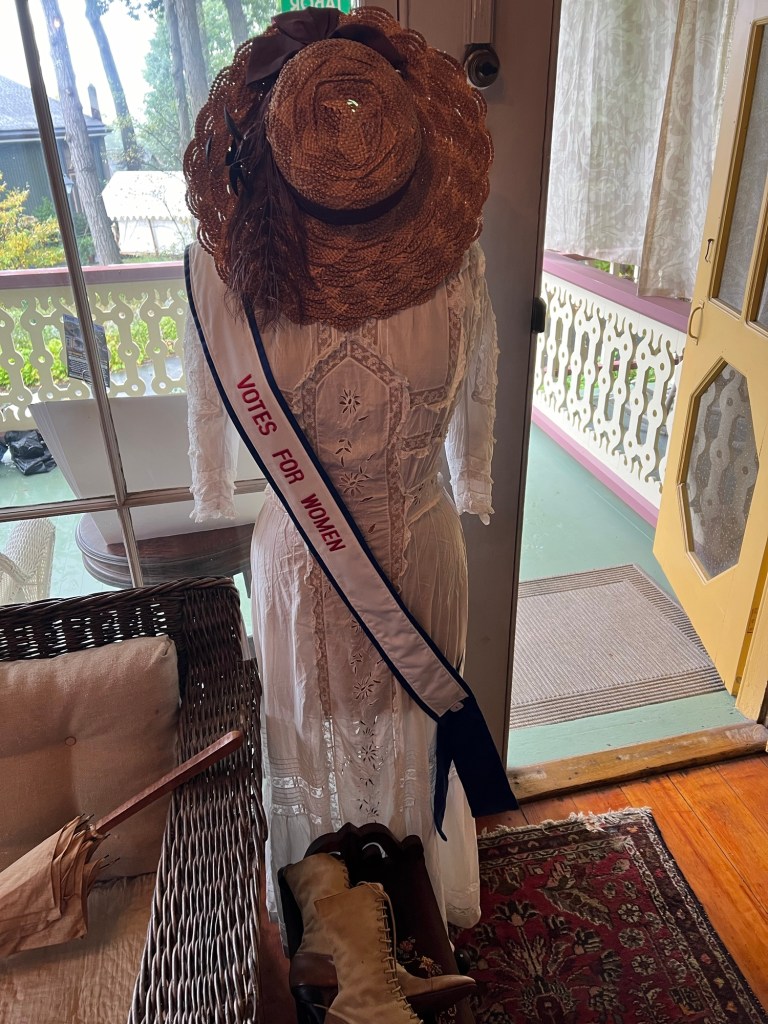
Vintage women’s clothing on display in the front parlor

I took a trip up the narrow stairs to the upstairs bedrooms and bathroom. I discovered that the house was much bigger than I thought. There was a nice size bathroom at the top of the steps.

For a small house, the bathroom was nice sized
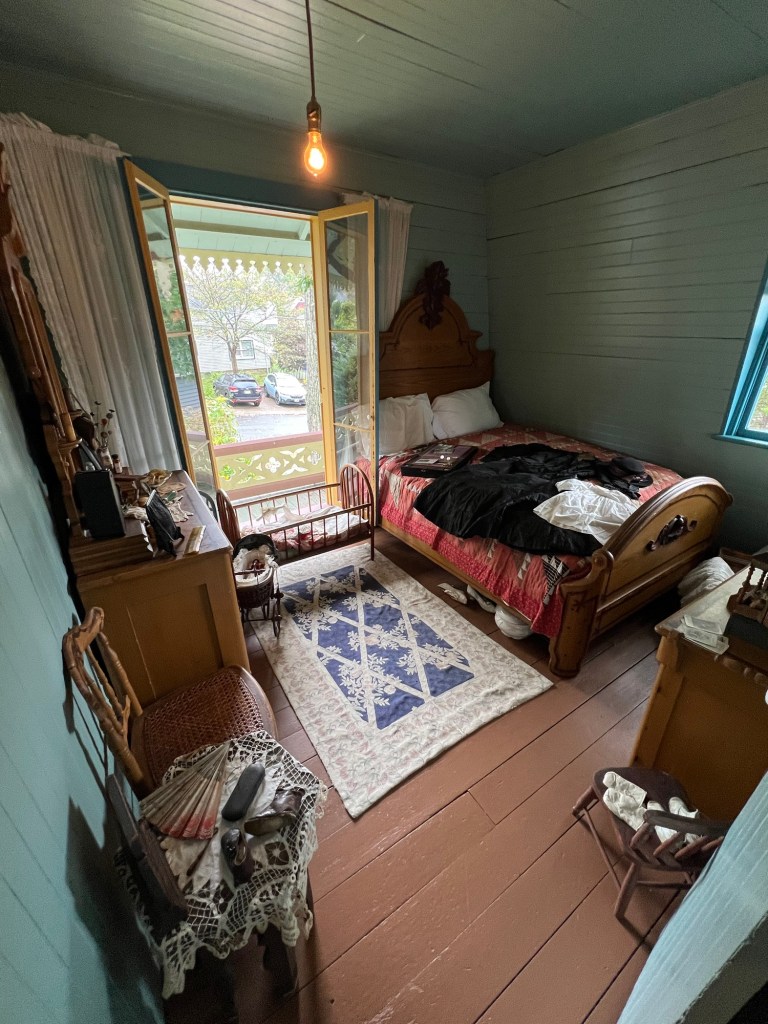
The main bedroom was nice in size and also had a nice breeze from the window

The rooms were decorated with period furniture and bric a brac of the period. On the bed, lay funeral clothing of a family member in morning.

The clothing of someone in morning
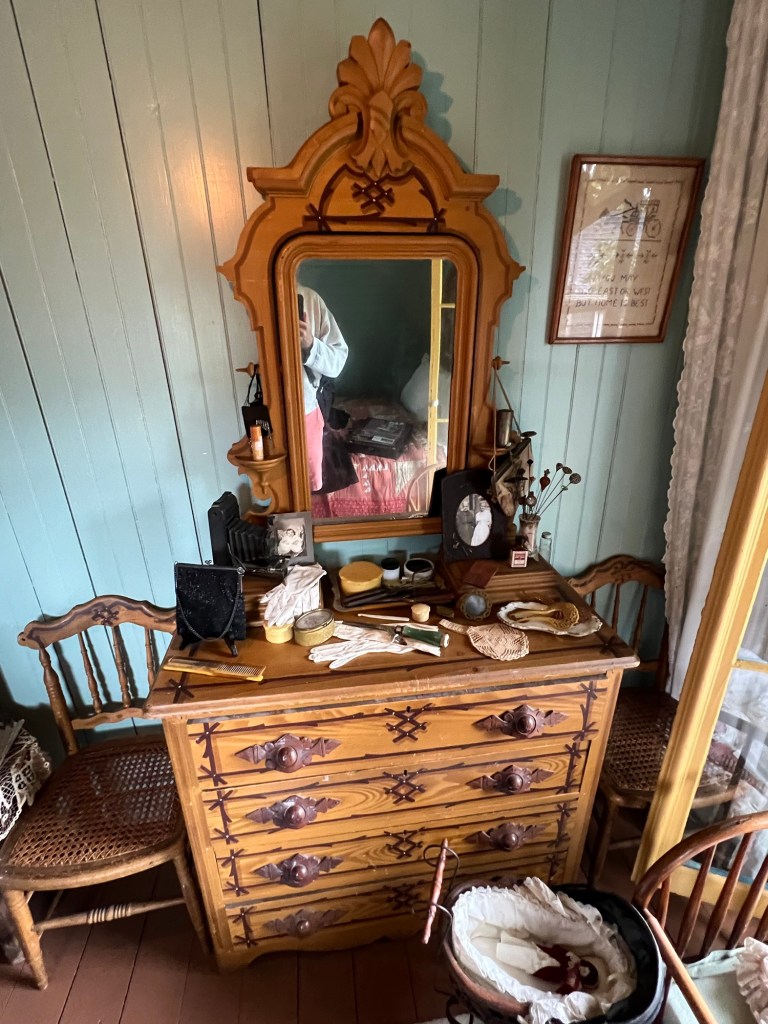
The family bedroom set also returned to the house when donated back from the Richardson family
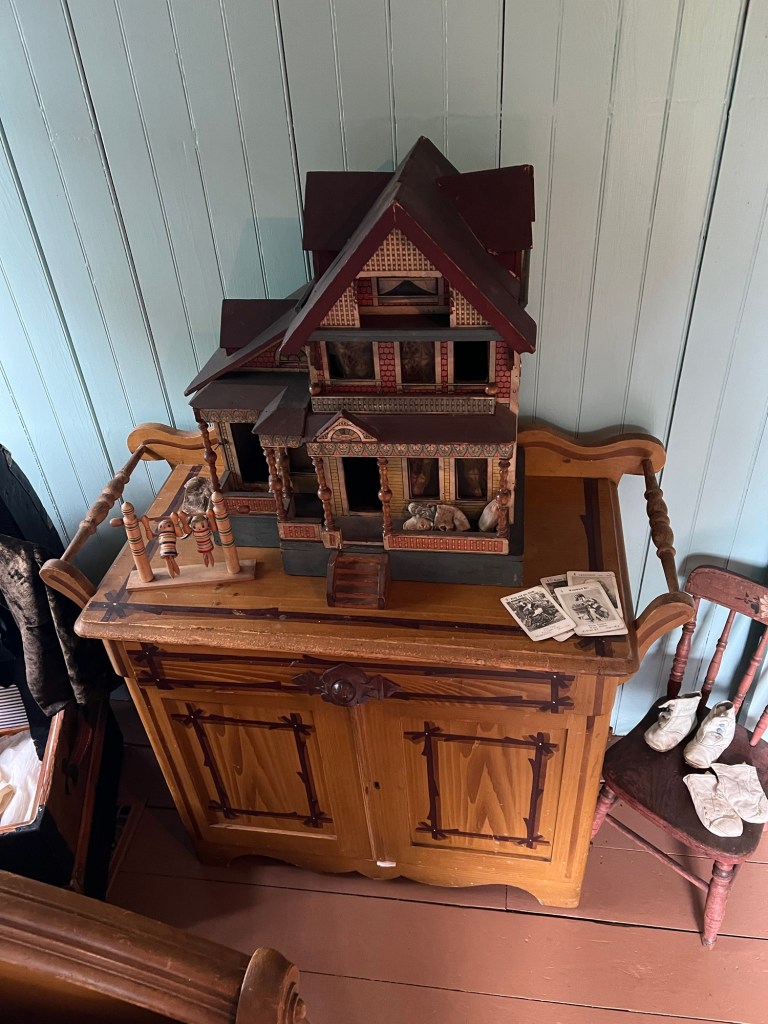
This gorgeous dollhouse was to the side of this bedroom with its tiny furniture and miniature decorations

The other bedroom was a little smaller but again was nicely furnished.

The view from the upstairs bedroom of the garden below

The second bedroom was a bit smaller and contained vintage clothes and toys

Family heirlooms, clothing and toys

The doll carriage for some lucky child

A sewing kit not too dissimilar from my grandmother’s

Baby dolls asleep on the second floor bedroom
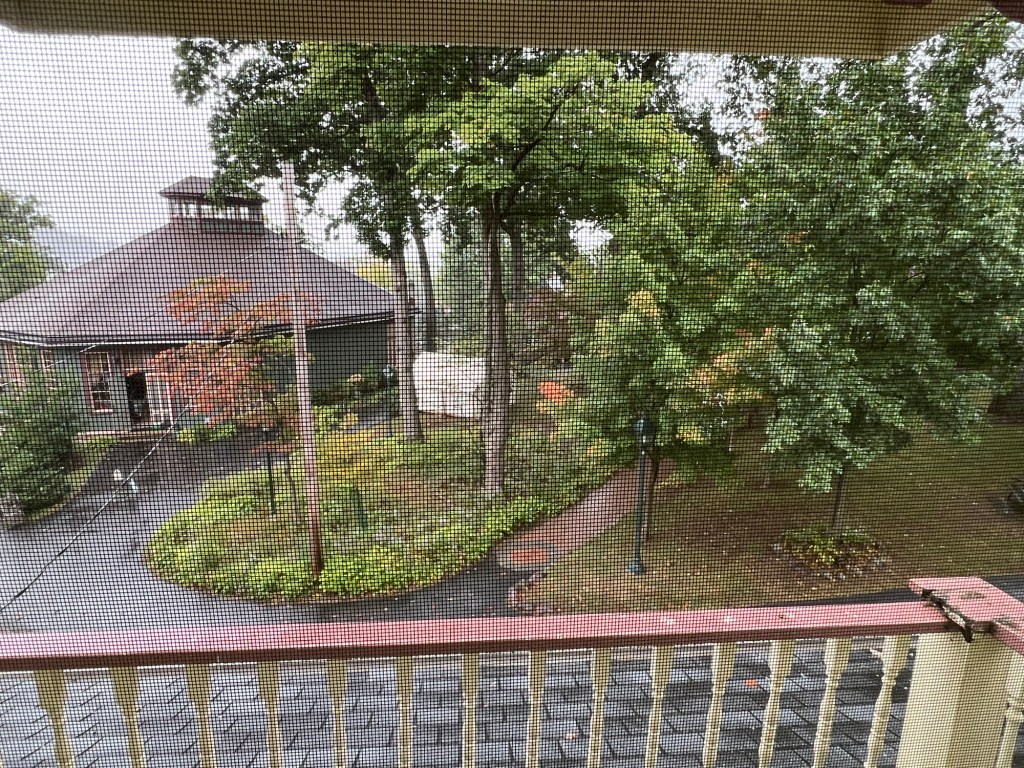
The view from the parlor overlooking the Tabernacle

The Trinity Garden in the middle of historic district

The History of the Mount Tabor Methodist Camp:

(from the Society website)

Mt. Tabor, New Jersey, is a fine example of a 19th century community. Established in 1869 as a Methodist summer camp meeting ground, Mt. Tabor is now a full-time residential community.

While walking through Mt. Tabor, one can see Victorian cottages, complete with gingerbread, and several historic community buildings. Trinity Park is still a busy and central focus of the community. In addition to residences surrounding the park are three octagon structures. The Mt. Tabor branch of the Parsippany library occupies one of them, once known as the Ebenezer Pavilion. The Bethel, a pavilion erected in 1873 and enclosed in 1886, is used as a community meeting hall. Historic displays are featured in the Bethel the day of the annual house tour. The Tabernacle, built in 1885, is used to host large community events, including concerts. The fountain in Trinity Park is a close replica of the original fountain erected in 1875.

Throughout the 1870s and 1880s, private cottages were built at a rapid rate, while some summer residents stayed in tents. By the turn of the 20th century, more than 200 cottages were built, making Mt. Tabor a lively summer resort. The Depression and World War II brought some changes to Mt. Tabor: during these times when families could no longer afford two houses, the cottages were turned into year-round dwellings.

Mt. Tabor is still a special community. Its historic heritage is being preserved and its community is full of good will and participation. There are many events each year, including Children’s Day, an annual Holiday Craft Fair, House Tour, and concerts. The many active committees in town include the Garden Club, Historical Society, and Children’s Day Committee. Mt. Tabor also has a golf course and country club.

In 2001 we celebrated the reconstruction of a decorative iron arch at the entrance to Mt. Tabor closest to Dickerson Rd. at Rt. 53. The original arch was in place around the turn of the 20th century, and the reproduction was a project of the Mount Tabor Historical Society and the Beautification Committee of the Camp Meeting Association. It was completed in June of 2001, and helps one to visualize how Mt. Tabor appeared to people arriving by train, as many did. This project was made possible by contributions from individuals, from the Camp Meeting Association, and from money the Mt. Tabor Historical Society raises from events such as the annual House Tour.

Taking the Walking tour sponsored by the Society:

After the tour of the museum, I started my tour of the houses and gardens of the historic district. In the gloomy weather, I walked all the streets in the neighborhood visiting as many stops as I could.

As the rain subsided, I was able to walk around the neighborhood without juggling an umbrella. I wanted to see the gardens and parks first while the weather nice.
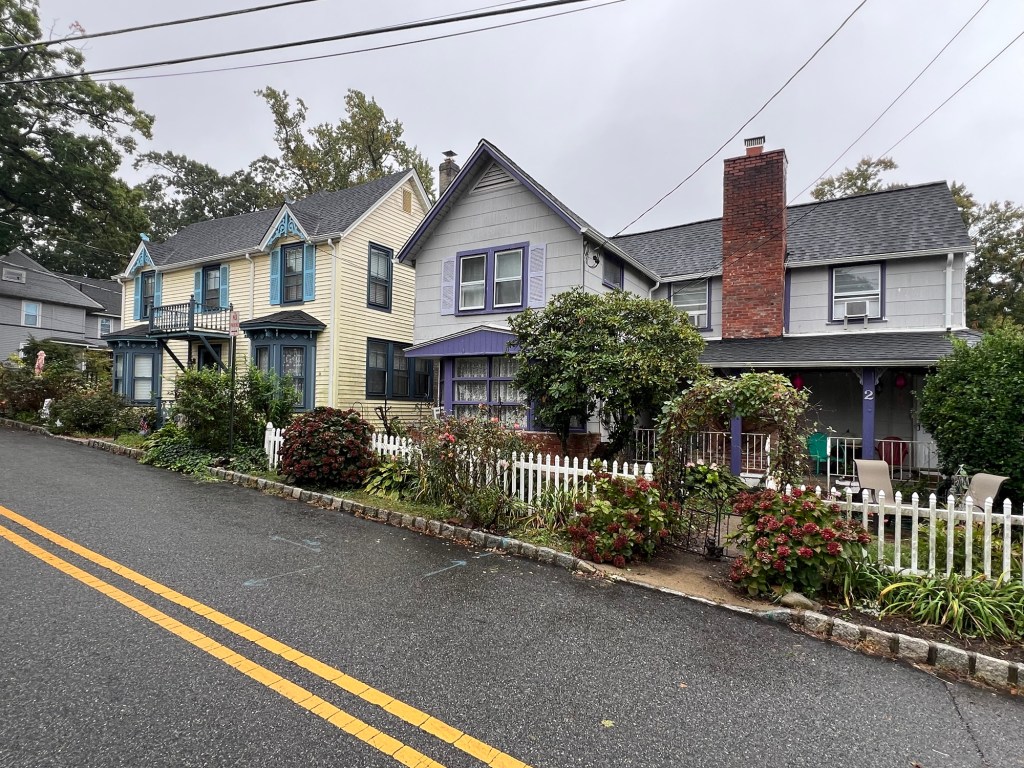
I loved walking around the neighborhood and admiring the homes

I walked up Strowbridge Avenue to make my first stop to see this whimsical front garden of this beautiful Victorian house.

The garden in front of 6 Strowbridge Avenue

The figures and small structures of this magical garden. I thought I would see ferries and elf’s walking around the yard.

The details of the front of 6 Strowbridge Avenue

The next house garden I visited 11 Sommerfield Avenue and this yard was hidden from the road to see its many surprises.
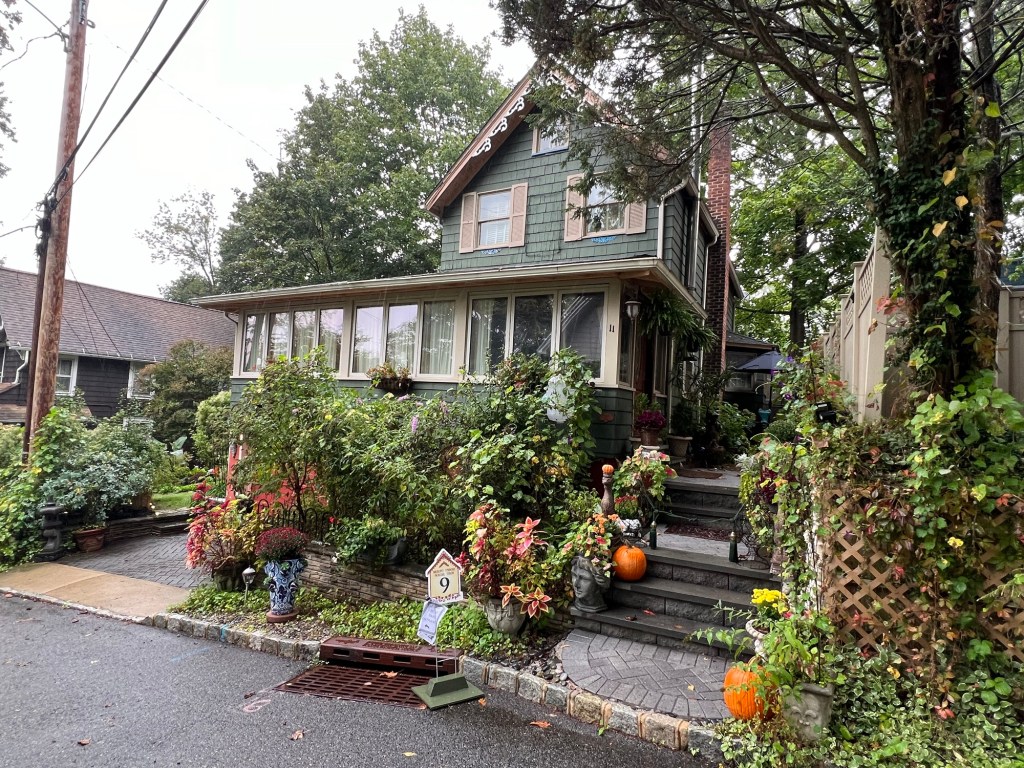
The front garden of 11 Sommerfield Avenue
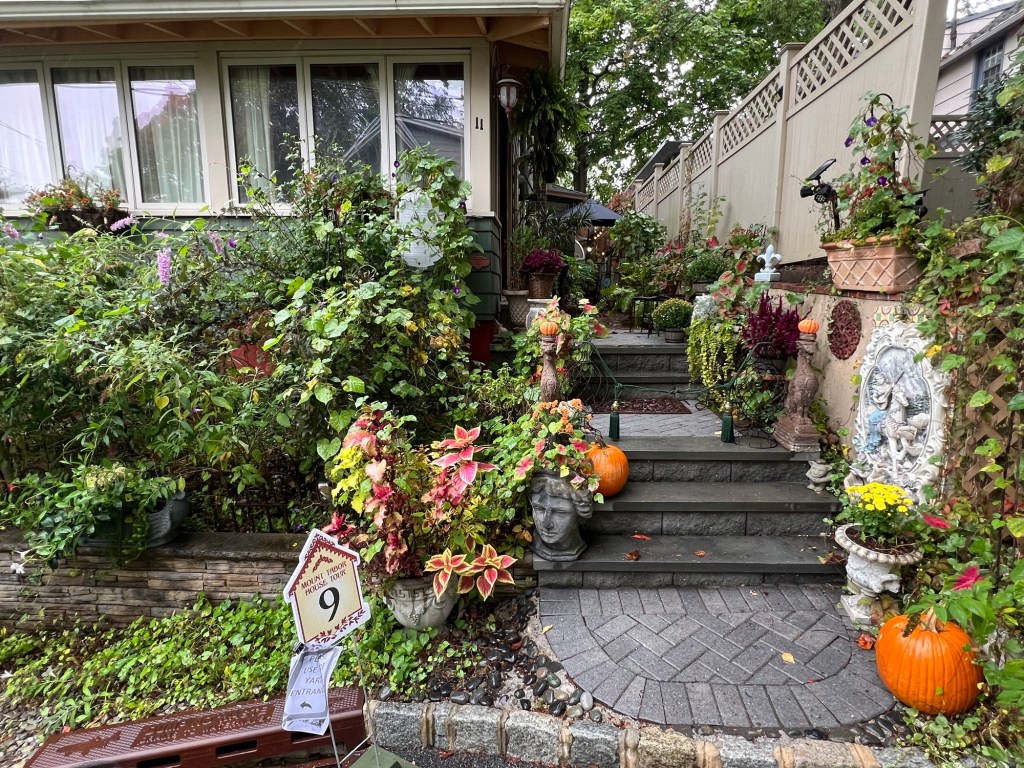
The creative detail of the on just one side of the house
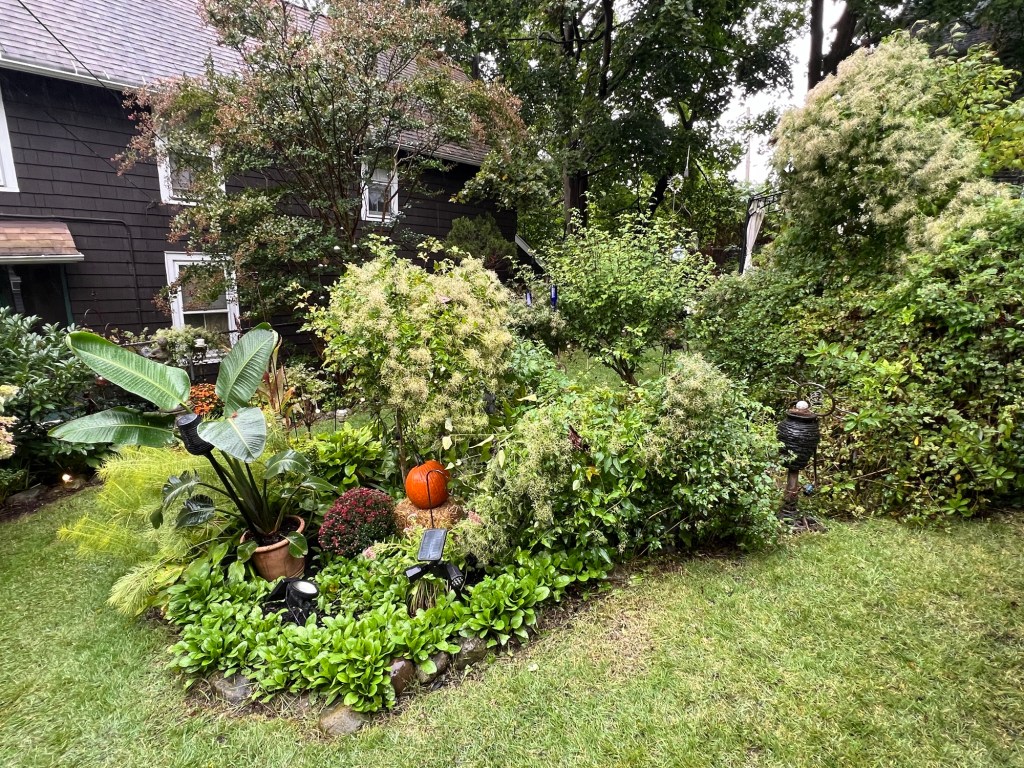
As you enter the garden, its theme was the Fall and Halloween

The water features and fountains of their background
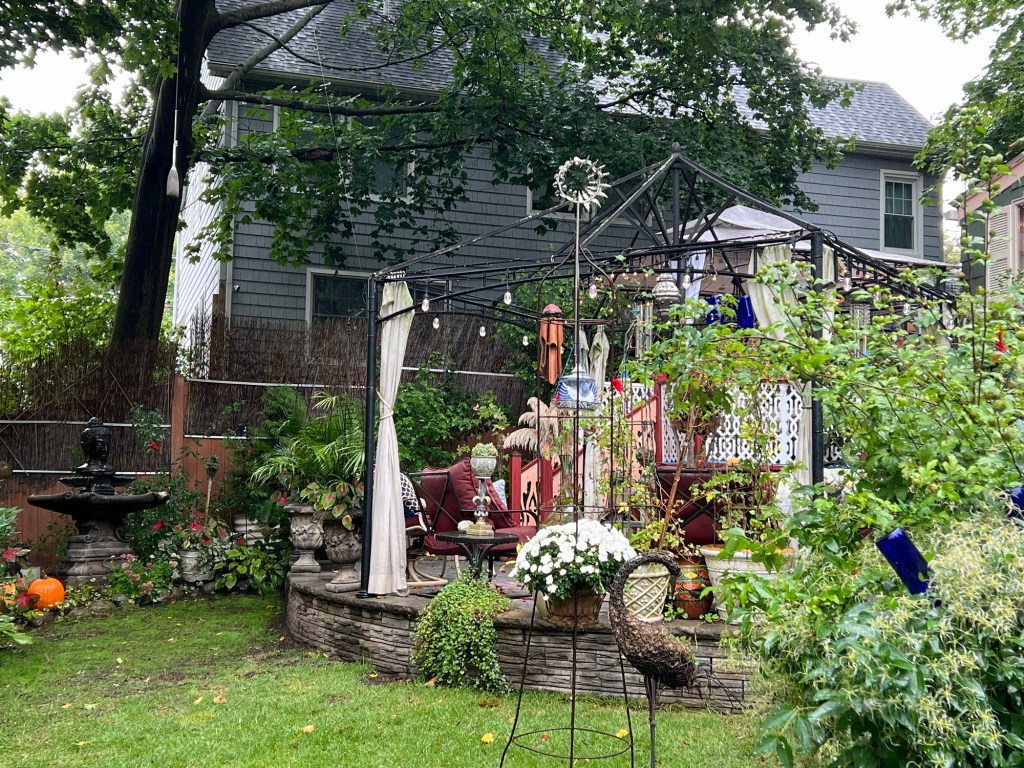
The background fountains, water features and patio that make this backyard enjoyable
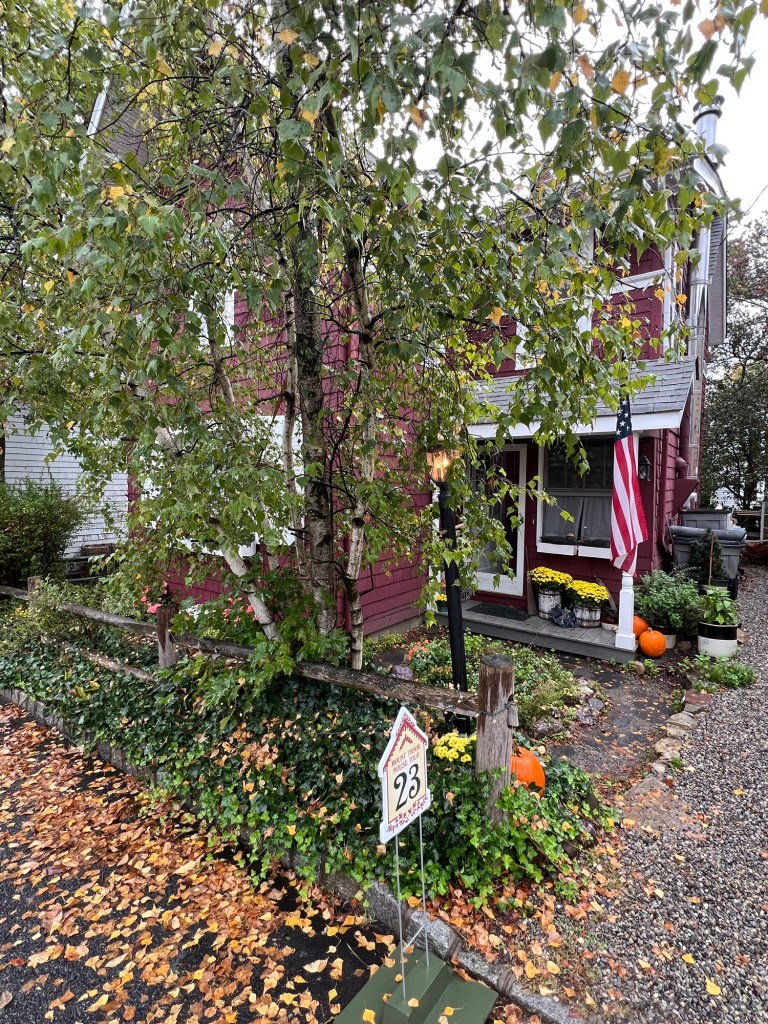
The new cottage home of 33 Embury Place

I walked down Embury Place to visit a last minute addition. I was surprised when the owner told me that six people once lived in the house. I saw the loft space and bunk beds that made this house work as a family home.
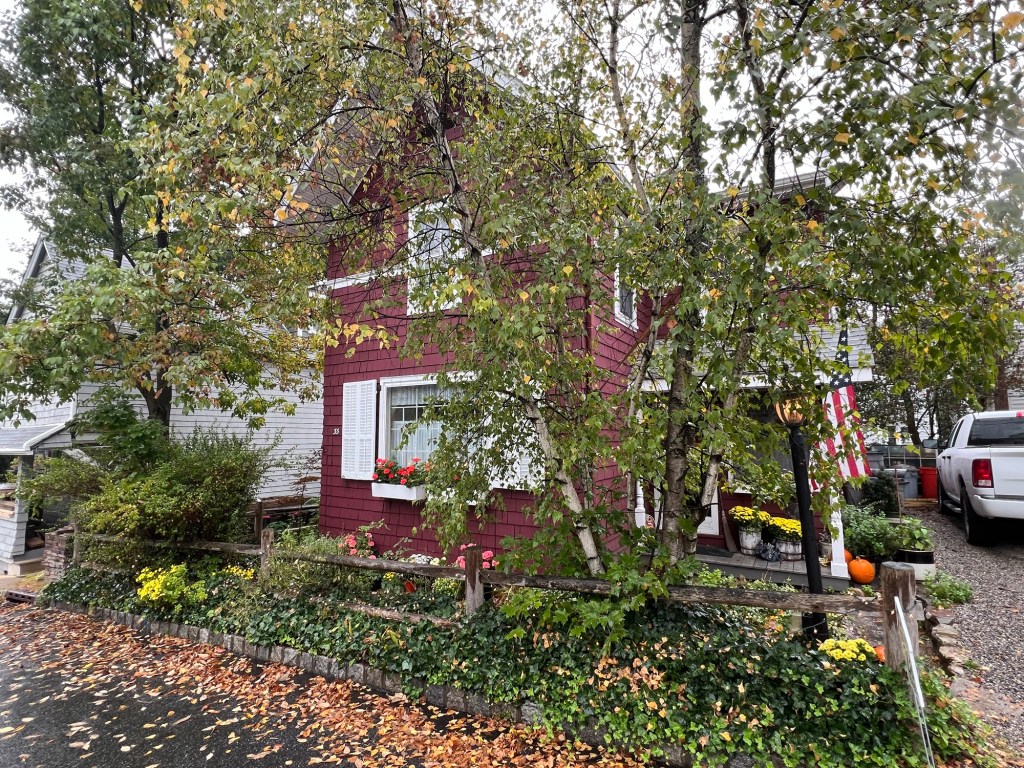
The elegance of 33 Embury Place

I walked down Morris Avenue, which is the heart of the complex and then walked up the “golden stairs” to West Park Place to next set of gardens and parks. The gardens in front of 12 West Park Place may not have been as elaborate as other homes but was nicely landscaped which complimented Mother Nature.
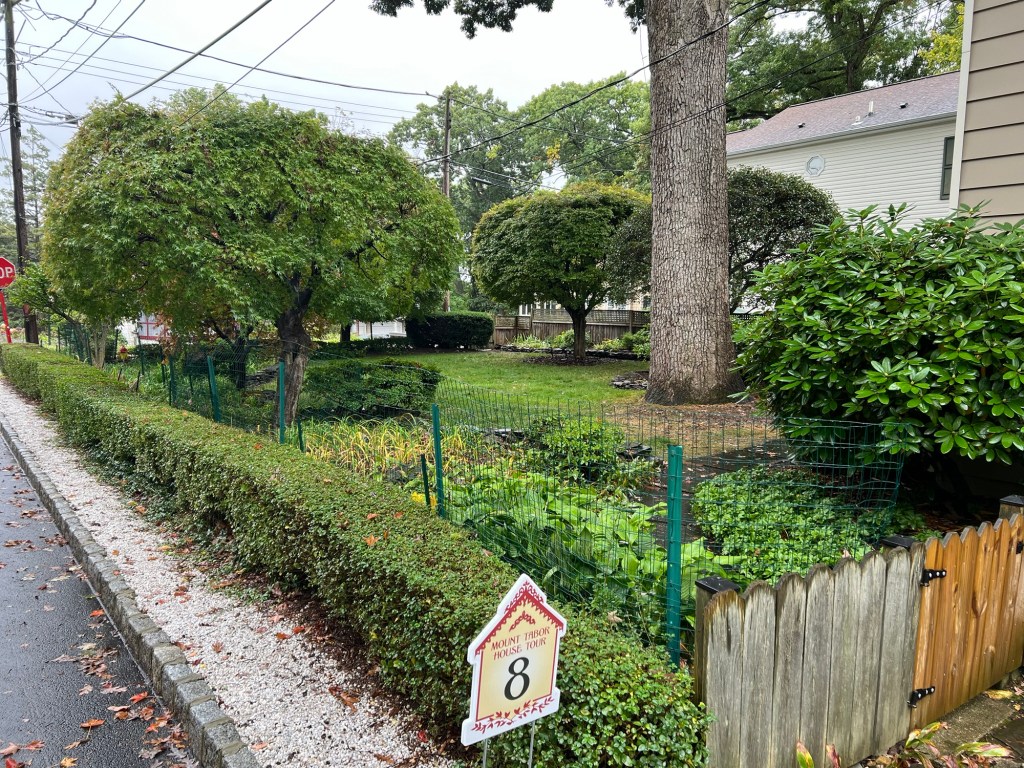
The gardens in front of 12 West Park Place
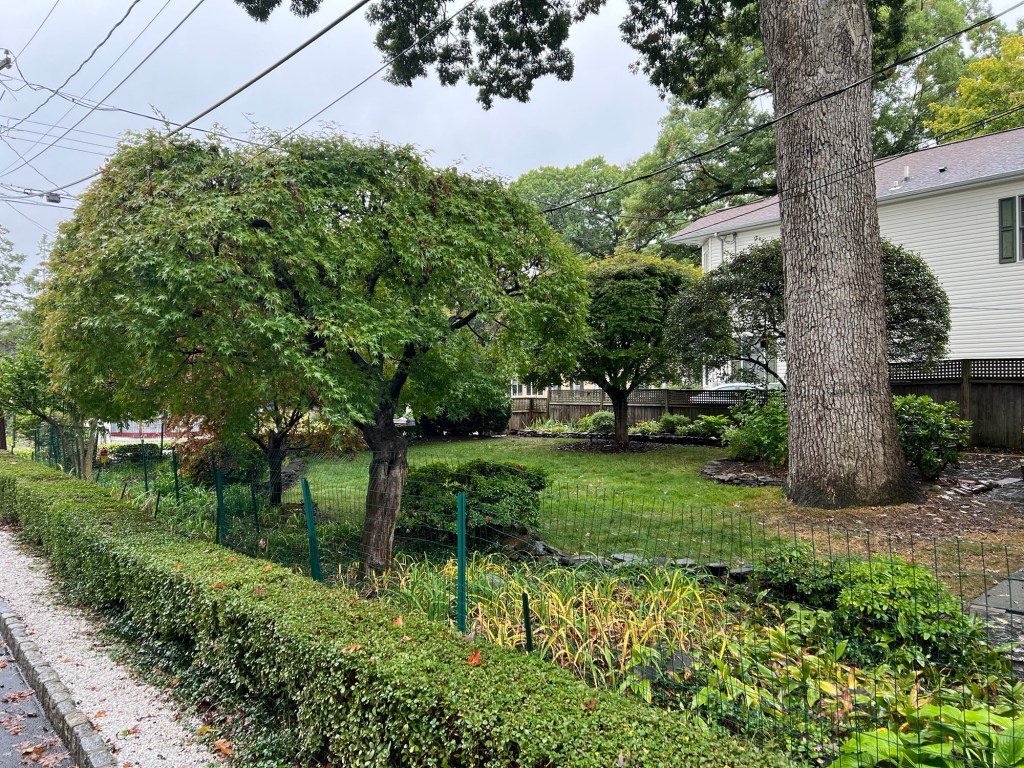
The gardens in front of 12 West Park Place

Across from these creative gardens is St. James Park, which sits in the middle of the complex. The park was gloomy with the rain drizzle so I really could not appreciate it. Still I could see how engaging the park must be in nice weather.

St. James Park
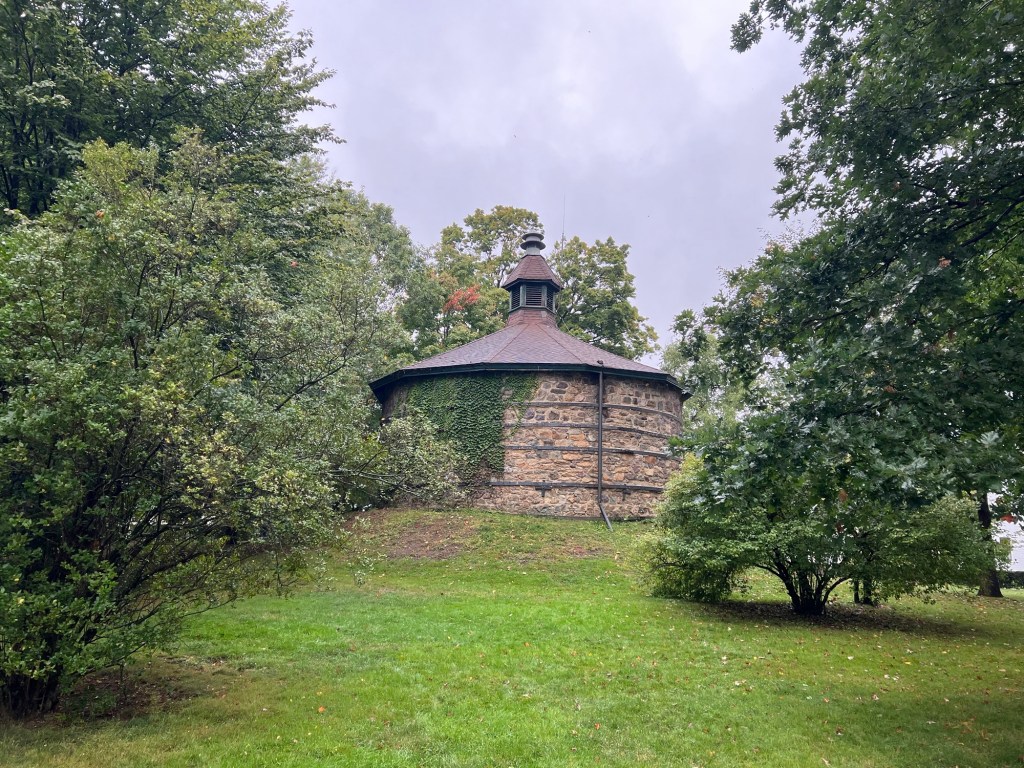
The Labyrinth in St. James Park

I made my way back down the stairs and made a walk down Morris Avenue to visit more homes. I noticed that time was running out and I only had an hour to visit this part of the neighborhood.

Trinity Park in full bloom when the rain stopped

Looking down the street down Whitfield Place during the tour of homes

A stuffed bear on display at 60 East Morris Street

The family who opened their home at 60 East Morris Street had a beautiful home. They invited us into their home, had a fire going on their patio and served us homemade cookies and apple cider which I thought was a nice touch. I saw this whimsical bear in one of the bedrooms.

71 Morris Avenue is the home of artist Gabriella D’Italia and her family

The artist’s work on the walls and her collection of puppets

The last set of gardens that I visited were at 36 Boehm Avenue. The rain had stopped and I was able to visit the gardens and not feel rushed.

The yard at 36 Boehm Avenue.
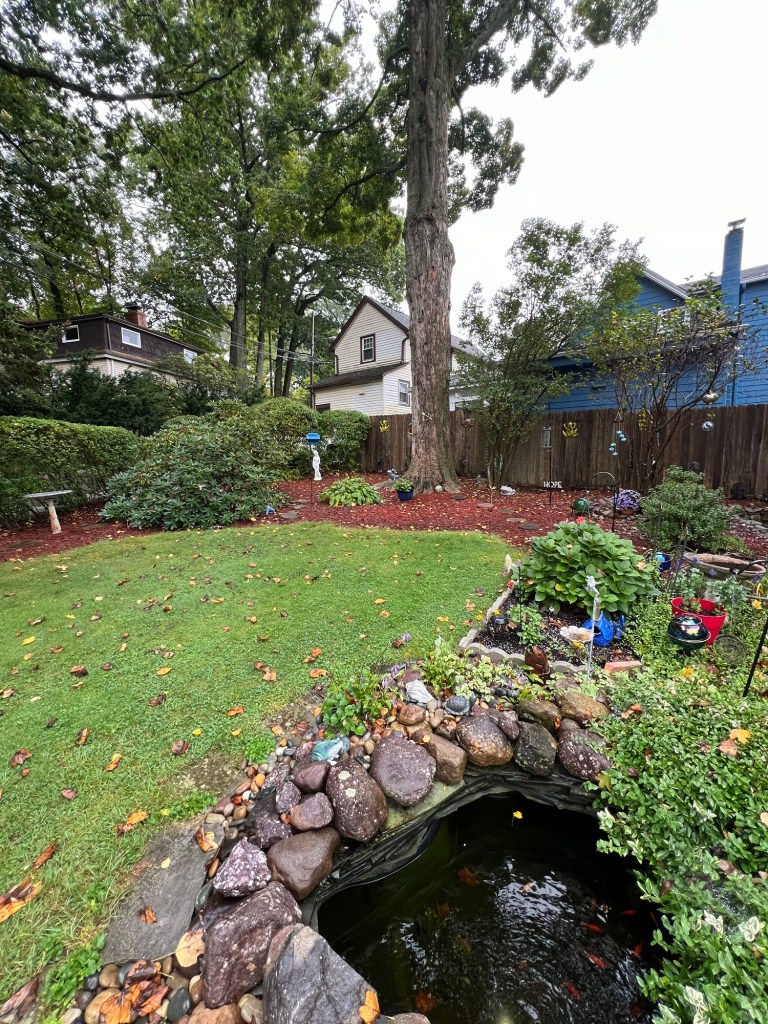
The yard at 36 Boehm Avenue where gold fish I thought were a nice touch
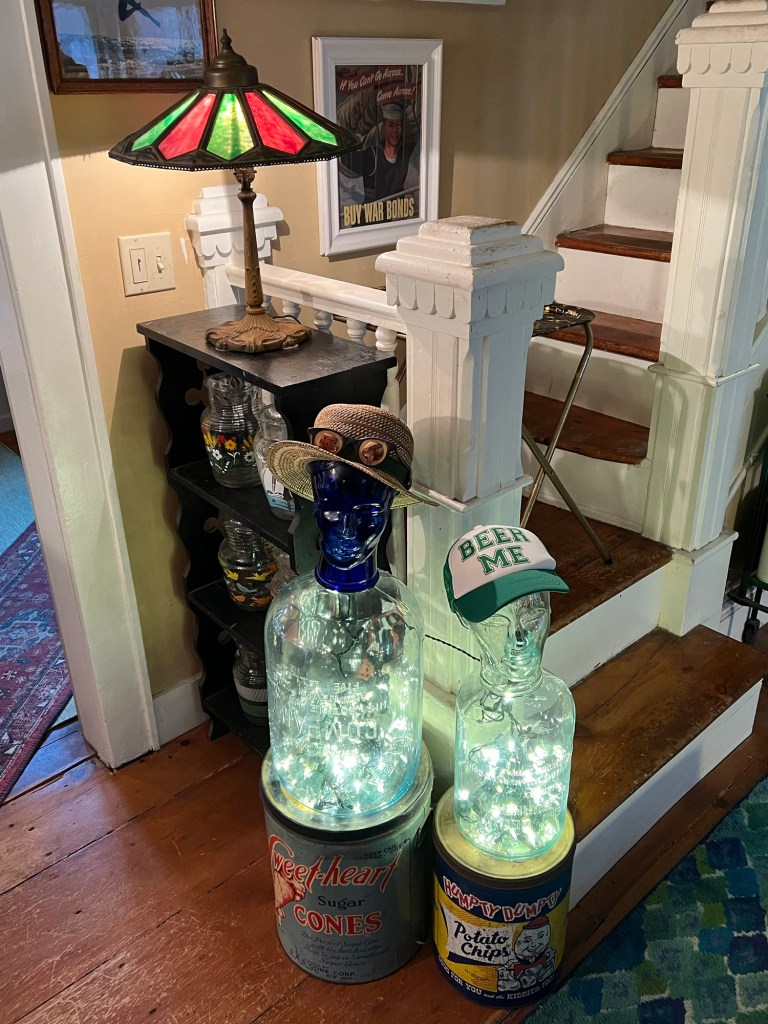
I saw this point of creativity at 26 Whitfield Place

When I finished the tour, I explored the area around Trinity Park. I walked around the park around the Pollinator Garden and admired the foliage.
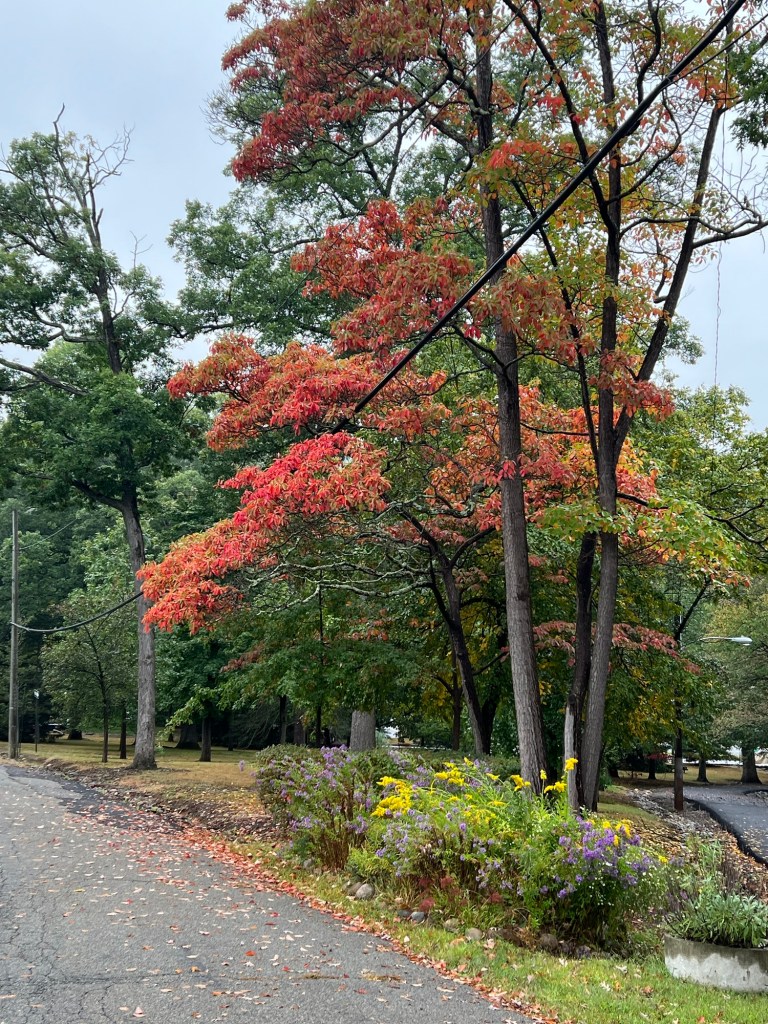
The gardens at the start of the Fall

The map of the historical sign of the complex

The historic marker of the complex

The historic buildings around Trinity Park

The Gazebo in the park

The Methodist church on Simpson Avenue
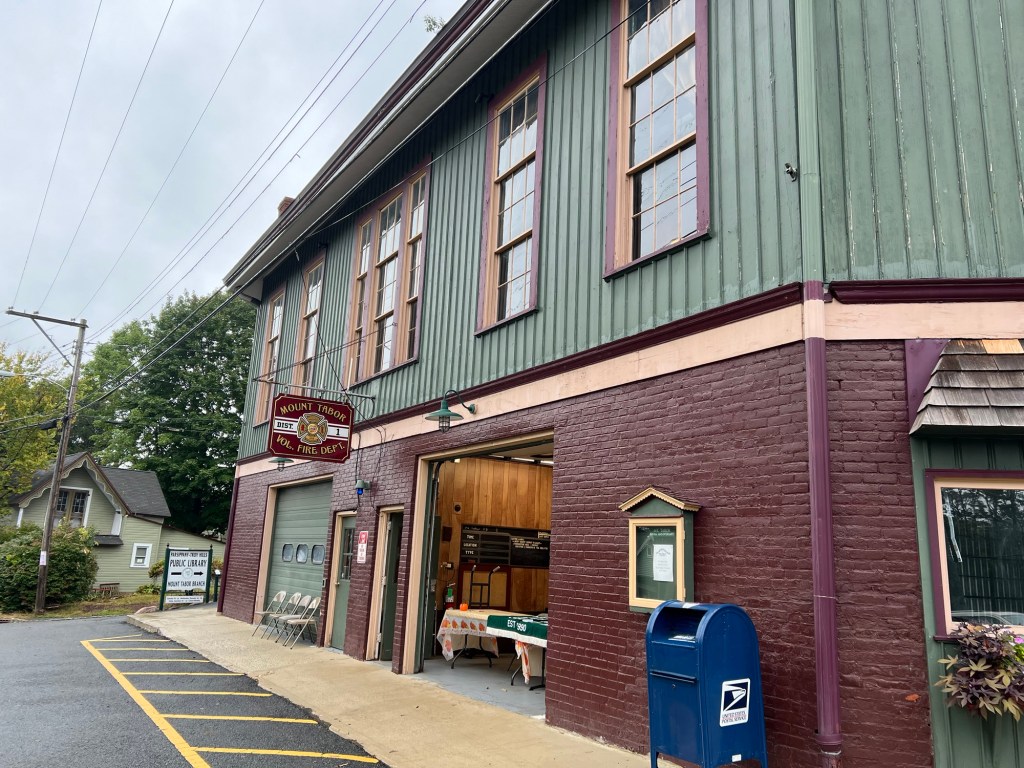
The old Firehouse where we checked in

The old Camp office

It really was a wonderful walking tour and I learned a lot about the old Mount Tabor site. This was an eye opener of how a former Methodist camp becomes a desirable historical neighborhood that everyone wants to live in. The museum was an interesting look on how people lived in the past here and the walking tour showed how modern times living here that not much has changed. People still making these small charming houses home. This walking tour in Mount Tabor, NJ is every September.

After the tour for lunch:

After the tour was over, I stopped into Downtown Denville, NJ right down the road, which is right off Route 46 and Route 80 for a late lunch. Denville has a very nice downtown with lots of restaurants and stores. Even on a gloomy afternoon, most everything was open. I checked out by Advantage Dining site and found Second Half on Main at 5 East Main Street. This contemporary bar/pub had all the TV’s going for the football game and a packed bar. I ate in the dining room section of the restaurant and was able to stretch out in one of the booths.

The Second Half of Main Street Street at 5 East Main Street in Downtown Denville, NJ

https://www.secondhalfonmain.com/

My review on TripAdvisor:

https://www.tripadvisor.com/Restaurant_Review-g46392-d2386465-Reviews-Second_Half_on_Main-Denville_Morris_County_New_Jersey.html?m=19905

The restaurant is a lively place and the bar area was busy. The menu has a nice selection of salads, burgers, pastas and large entrees with a nice beer listing. It got cold and miserable outside and it was the perfect burger day. I chose the Texas Burger with Bacon, BBQ sauce and sharp Cheddar Cheese and that hit the spot. What I liked about Second Half on Main is the prices are very fair. The burgers will run you around $15.00 and they include the French Fries, something you do not see in the Hudson River Valley or Bergen County anymore. They pull the a la Carte routine since COVID.
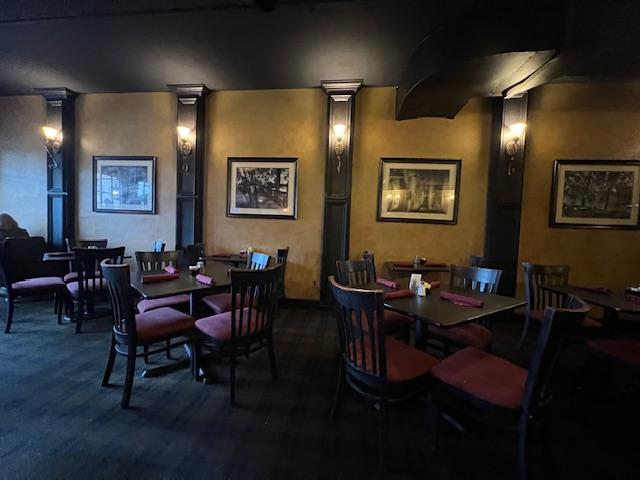
The Dining Room area at Second Half on Main

The burgers here are excellent. Perfectly cooked, stacked with ingredients and are juicy. The fries were also perfectly cooked. On a cool gloomy day, the burger hit the spot. If you are touring in the area, I highly recommend the restaurant. After lunch if the weather is nice, check out Downtown Denville.
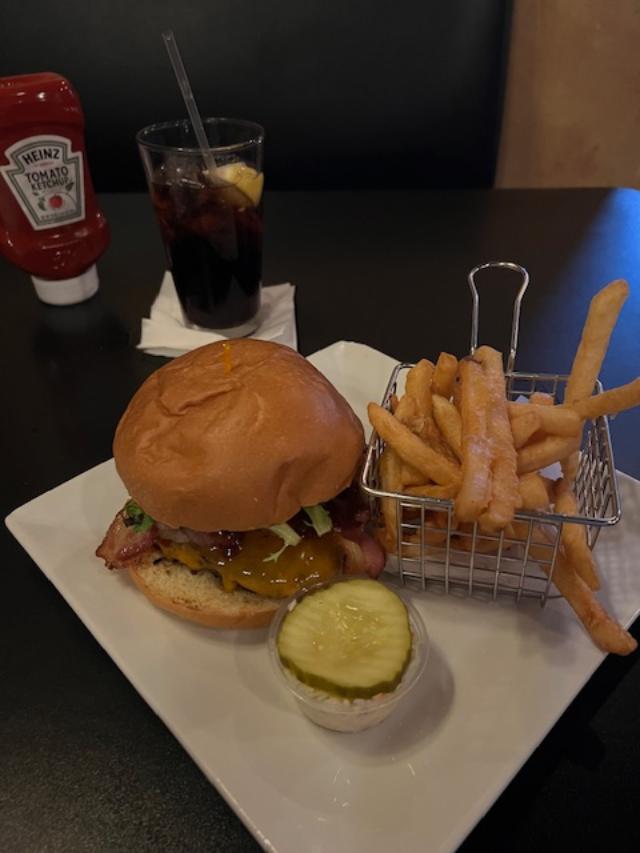
The Texas Burger and French Fries at Second Half on Main

The Texas Burger and Fries is the perfect meal on a cool day

Yum!
Lake Hopatcong Historical Museum State Park Landing, New Jersey 07850

Lake Hopatcong Historical Museum State Park Landing, New Jersey 07850

Lake Hopatcong Historical Museum

State Park

Landing, New Jersey 07850

((973) 389-2616

My review on TripAdvisor:

https://www.tripadvisor.com/ShowUserReviews-g46552-d28131478-r965835617-Lake_Hopatcong_Historical_Museum-Landing_Morris_County_New_Jersey.html?m=19905

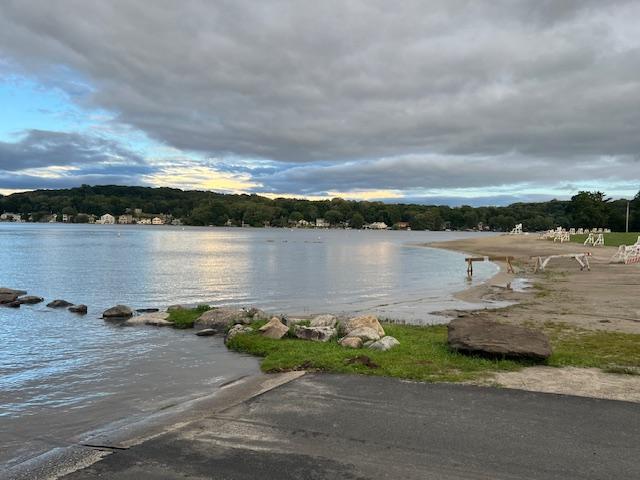
The Lake Hopatcong Historical Museum is right on the lake

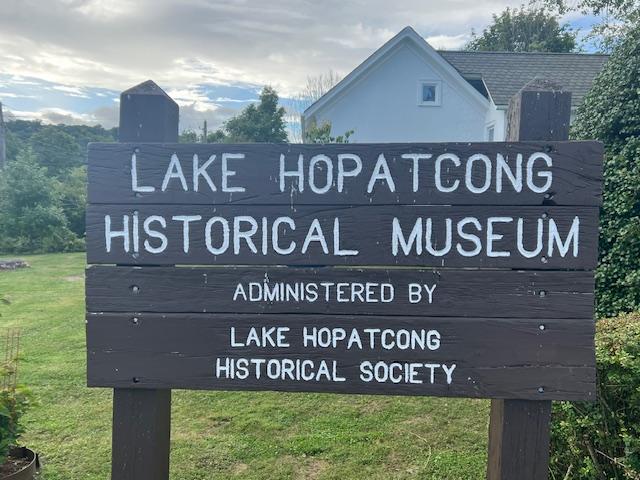
The museum sign inside the park

I recently visited the Lake Hopatcong Historical Museum and learned so much from this lake community with its resort past and development from a artist colony to a hotel and amusement resort from the late 1880’s to WWII to the residential community it has become today. It really does show how transportation has shaped and developed vacation resorts not just in New Jersey but in the Metropolitan area.

The development of the railroad lines into the area bringing visitors from the large urban areas to the development of the automobile and it developed the hotel industry to modern jet travel which led to the decline of the area as a resort and becoming the lake community it is today, the museum guides you through the early history and the important visitors that became part of the community. While there are still traces of the old resort here and there, the rich history of the Lake Hopatcong shows us how time marches on in all places.

On the first floor is the Lenape Native American display and the description of the first residents of the area. There was all sorts of household and fishing items on display at the museum when Native Americans lived in this area in the warmer months.

The Lenape settlement in the Lake Hopatcong district

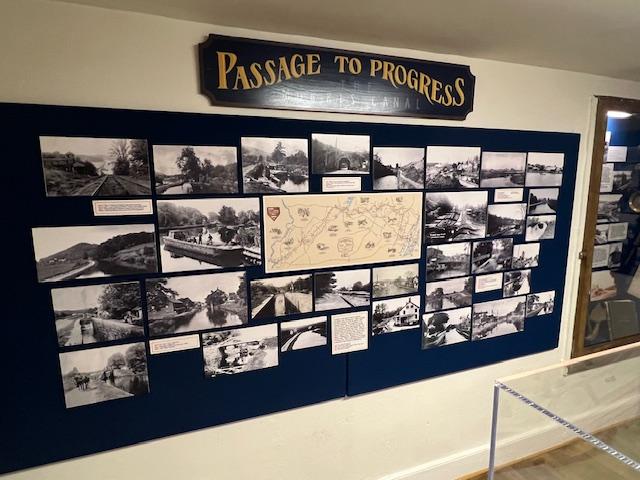
As the area settled and Dutch and English settlers pushed out the Native Americans, the area became settled with farmers and fisherman and with the opening of the Morris Canal as part of the lock system, a transportation head. The opening of the Morris Canal brought new business and new opportunities to the area.

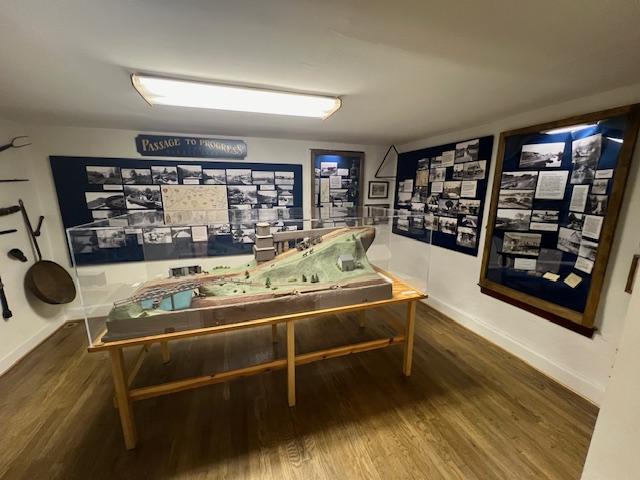
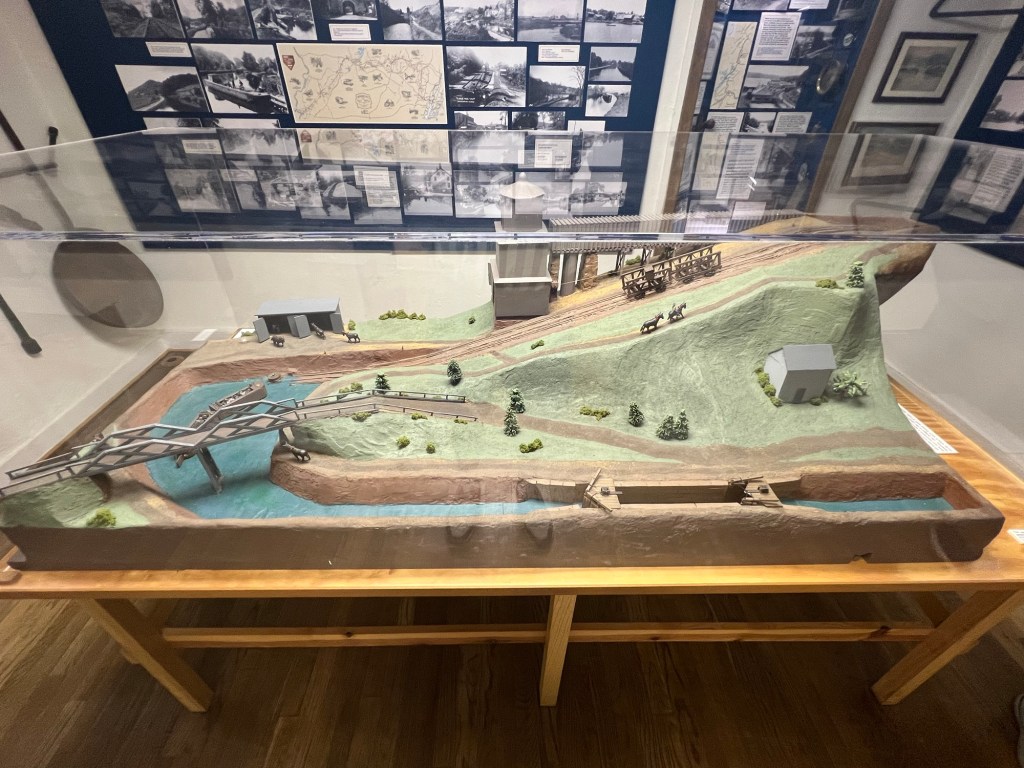
The Morris Canal display at the museum and the development of the shipping industry in the area

The Morris Canal in its years of use

It was after the Civil War and the affluence of the Industrial Age transformed this area with the advent of the railroads passing through the community. Five day work weeks and weekends off for pleasure opened up this lake community first to boarding houses and then the building of luxury hotels for longer stays. Residents from the urban areas would come to the ‘country’ for fresh air, swimming and recreation.

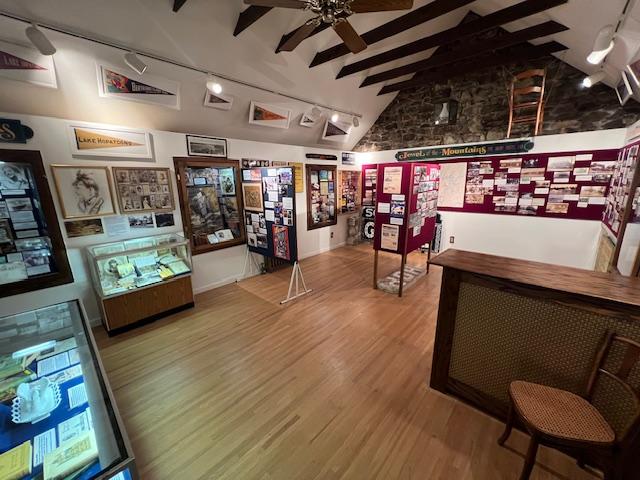
The Hotel and Resort development of Lake Hopatcong

The development of the lake region for hotels

The hotel industry at Lake Hopatcong

The resort development signs

The advent of WWI

The aftermath of WWI

The growth of the resort community

The resort displays

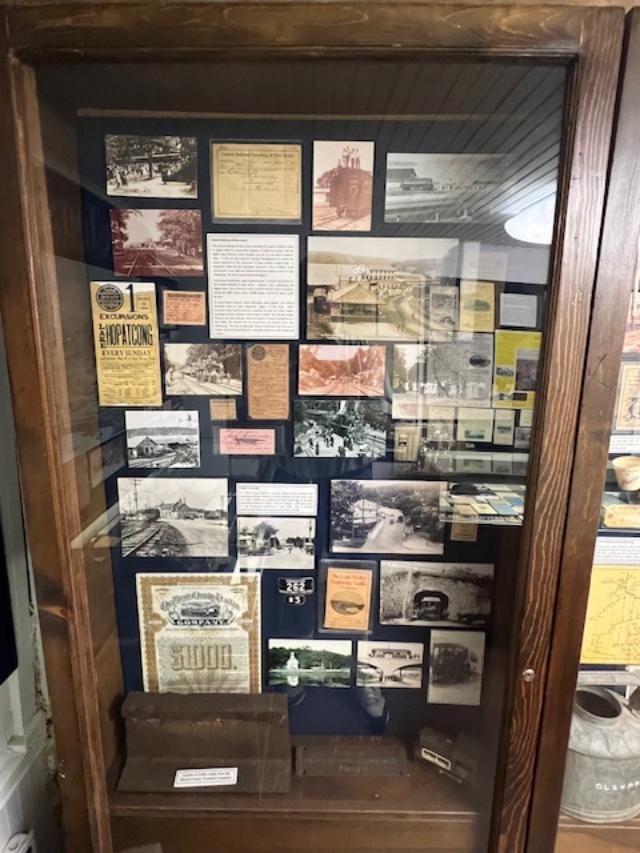
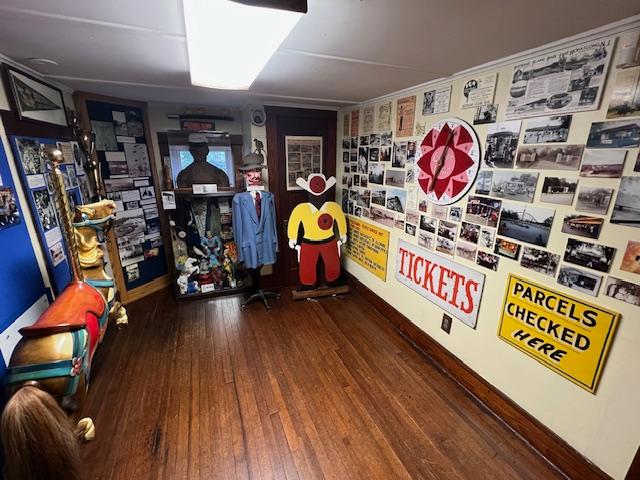
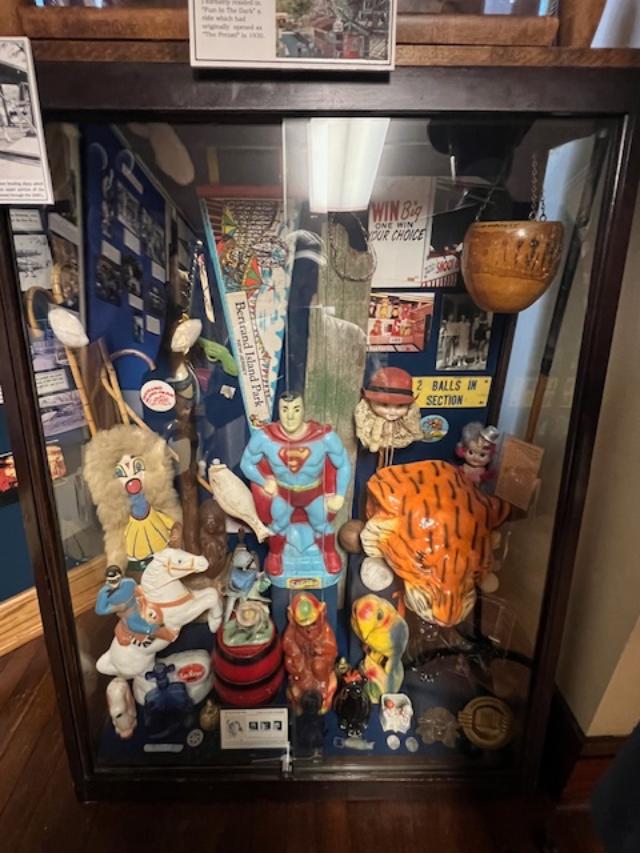
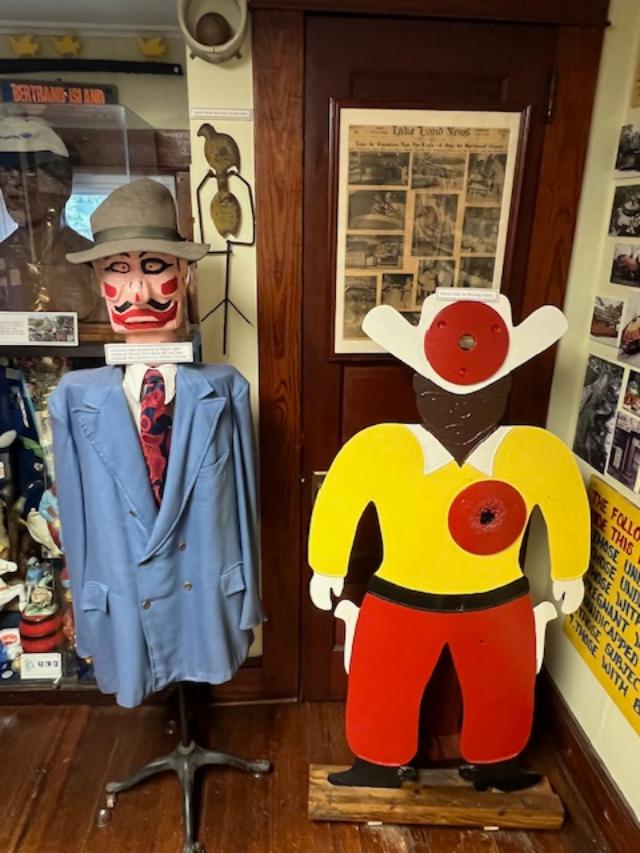
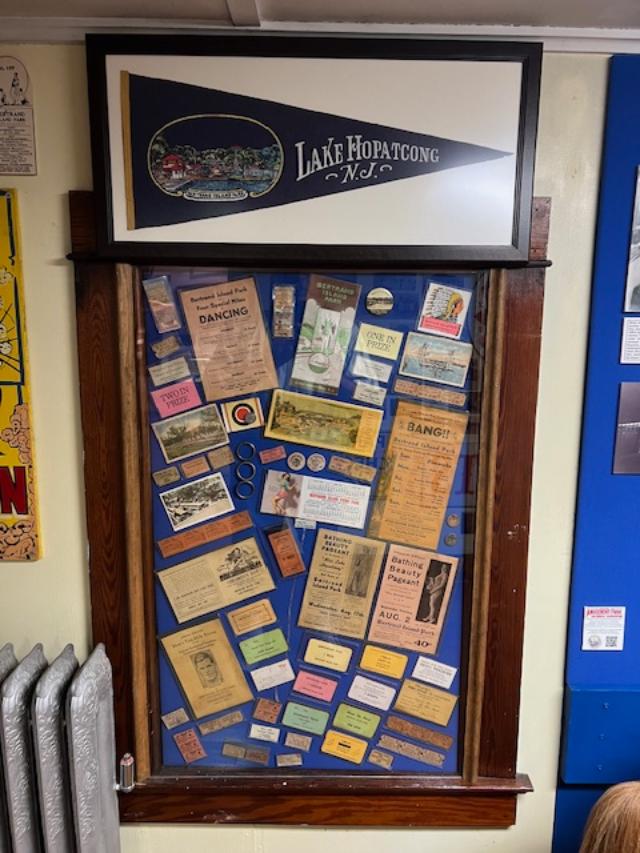
With people staying at the resorts, they needed more to do than just swimming, boating and fishing. Families would arrive and from there was the development of the amusement industry. This would start with pleasure gardens, carousels and games which led to the creation of Noland’s Point and Bertrand Island Amusement parks. Noland’s would be the victim of the Depression as such a small area did not need two amusement parks and Bertrand Island would continue on until 1983 as times and tastes changed and investment was not put into the park. In its day though, it was a place of fun and merriment.

The history of Noland’s Point

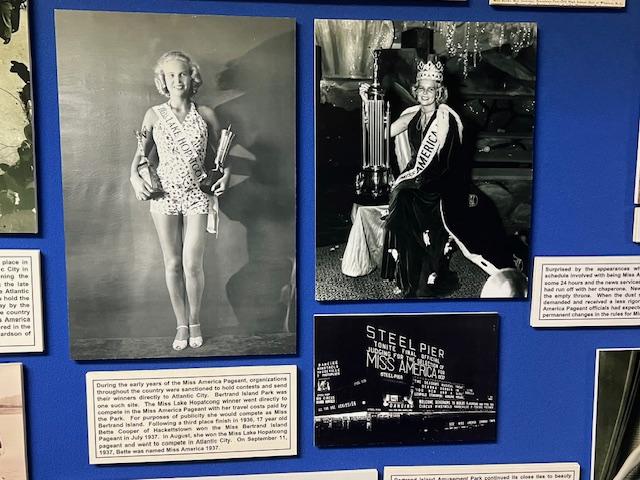
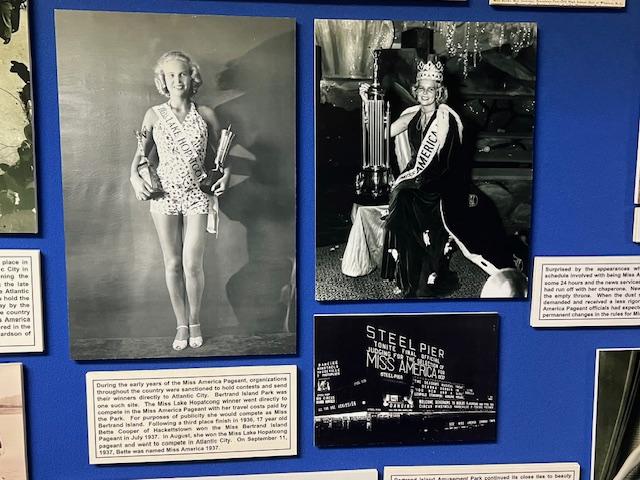
Bertrand’s Island became the center of amusement and fun and the park remained a mainstay of the area for almost 100 years. With the building of bigger and more elaborate parks such as Great Adventure and the growth of shore communities, these inland smaller parks were bypassed by time. While still popular, they did not hold the attention of the Baby Boom and Gen X crowds who wanted new parks to visit. Still the memories of warm summer evenings and our first Miss America from New Jersey, Bette Cooper, the former Miss Bertrand’s Island, still hold true today.

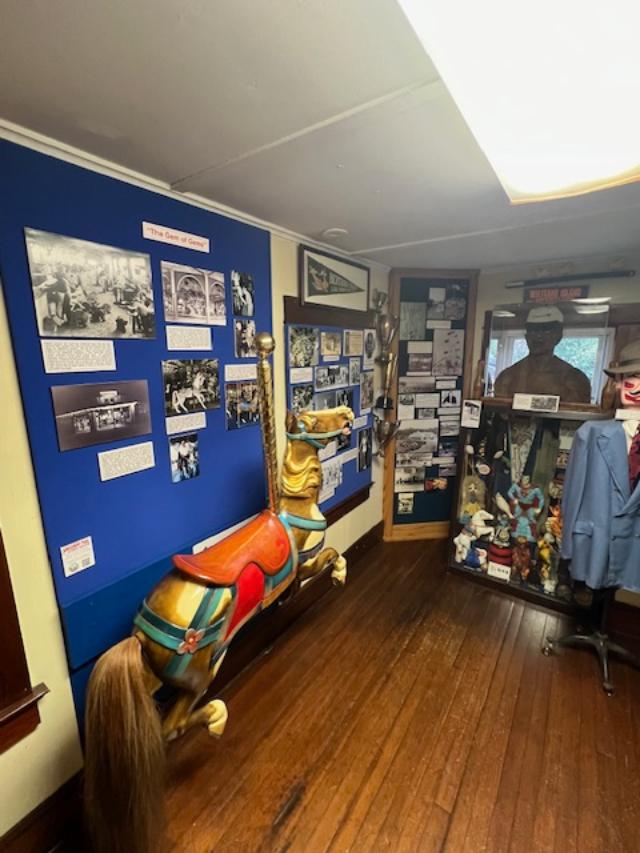
The Bertrand Island Amusement Park display was the most interesting in the museum

Bertrand’s Island display

Prizes won at the park

Part of the rides and games at the park

Games and rides

The Miss Bertrand Island Beauty Contest

Miss Bertrand Island, Bette Cooper, Miss America 1937

The museum tells many interesting stories of the lake district and the displays are very detailed and interesting to read. There is a treasure trove of artifacts and historical items at the museum to admire and reminisce about for those who had visited in the past. The museum is a wonder book of a time between the wars before air travel changed everything that a trip to the lake region was a place for vacationing and for long days of relaxation.

Plan about two hours to really visit the museum and share in its rich history.

Mission Statement

(from the museum website)

Our mission is to collect, house and preserve artifacts and documents relating to the civil, political, social and general history of Lake Hopatcong and to encourage the education and dissemination of information about Lake Hopatcong’s history.

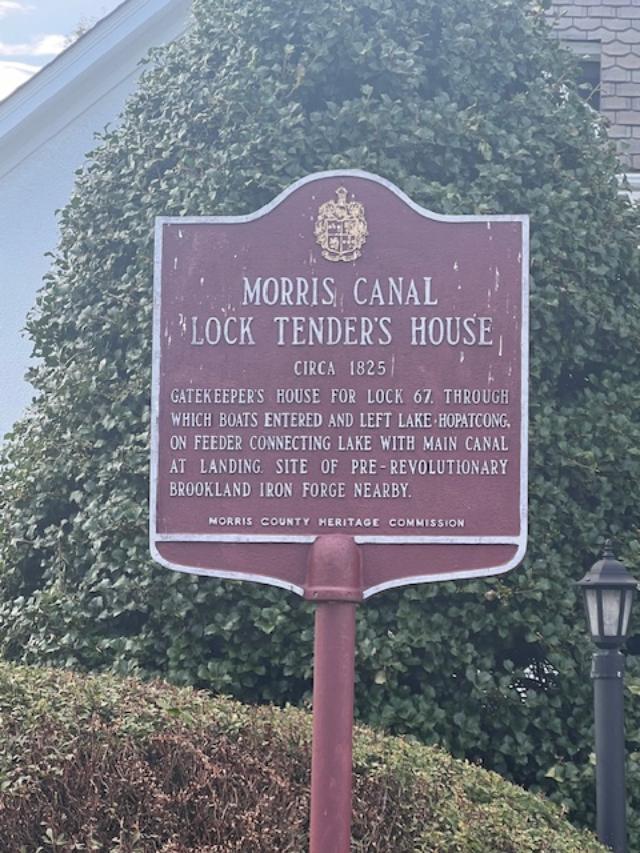
The historic plaque for the house

History of the Museum:

(from the museum website)

Since 1955, our organization has housed, cared for, and displayed items relating to the unique history of New Jersey’s largest lake.  With some 750 members, it is one of the largest historical groups in the State of New Jersey.  Our four major programs regularly sell out at 200 attendees and our museum has been recognized as one of the finest small museums in the state.    

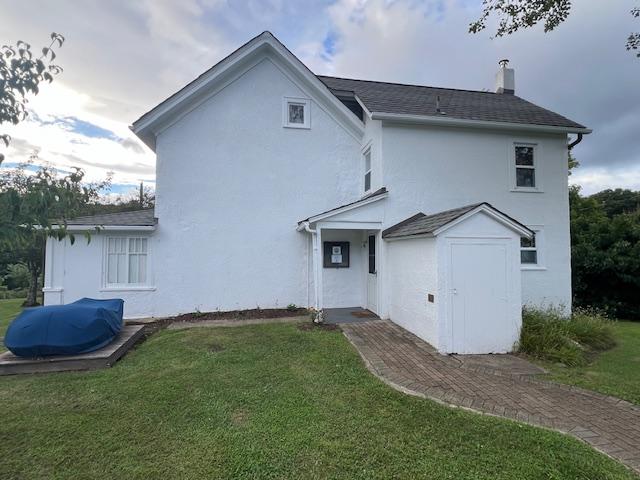
The front of the museum. This is the former Lock Keepers home

The concept for a historical organization at Lake Hopatcong took shape in spring of 1955 when an article in the Lake Hopatcong Breeze  declared “It has been suggested that we have a museum at Lake Hopatcong to house the many interesting treasures pertaining to the history of our lake and vicinity….”  The July issue reported much interest in the idea of a museum and the Lake Hopatcong Businessmen’s Association asked Alice Apostolik, editor of the Lake Hopatcong Breeze newspaper, to continue investigating the concept. 

The front of the museum from the parking lot of the park

The interest fostered led to the formation of the Lake Hopatcong Historical Society on August 10, 1955.  With eight people in attendance, an organizational meeting was held at Langdon Arms (where Gatwyn’s Restaurant is now located on Route 15).  Dues were established at $2.00 per year with life membership set at $20.00.  Langdon Arms was set as the society’s official headquarters, but it was  agreed that the monthly meetings should be rotated to other areas of the lake, such as the Hopatcong House, a hotel formerly on Lakeside Boulevard in Hopatcong where The Liquor Factory’s building is now located.

Part of the lock equipment at the lake

The first regular meeting of the newly formed historical society was held in September 1955 at the Ehrlich’s “rathskeller,” which originally served as famed inventor Hudson Maxim’s observatory and ice house and is the small stone tower which still stands off Sharp’s Rock on the west shore of the lake.  From the beginning, the goal was to establish a museum for the lake.  In the late 1950’s, a group of members had dreams of buying Hudson Maxim’s house shortly before it was torn down.  Alas, the plan to purchase the property for $11,000 failed by a single vote of the officers and trustees.  In the early 1960’s, an effort was made to buy the old Landing Post Office building, an odd octagonal structure which once sat near the traffic light at Landing.  This plan also failed and while the Lake Hopatcong Historical Society was an active organization during these early years, it would take some ten years from the organization’s founding before a suitable building could be located and agreement reached. 

Artifacts and mementoes from the museum at the entrance

In the early 1960’s the State of New Jersey moved forward with plans for a new administration building at Hopatcong State Park.  The park had been founded on land which was previously owned by the Morris Canal and Banking Company.  When the canal was abandoned in the 1920’s, the 98 acres around the Lake Hopatcong dam were set aside as a state park.  The Messinger family which had long operated the Morris Canal lock at this site, lived in the stone house just above the lock and dam.  With the removal of the canal lock in 1924 and the construction of a modern dam, Rube Messinger became the first dam and park superintendent.  He and his family continued to live in the same house.  Following World War II, the park began to be more formally developed.  Cottages along the lakefront were removed, the beach was greatly expanded, and a new entrance and parking lot were added.  The old lock tender’s house was converted into an office for the state park, but as the popularity of the park grew, it became apparent that a larger and more modern building was needed for administration.  In July 1963, plans were announced for the construction of a new $125,000 administration building.

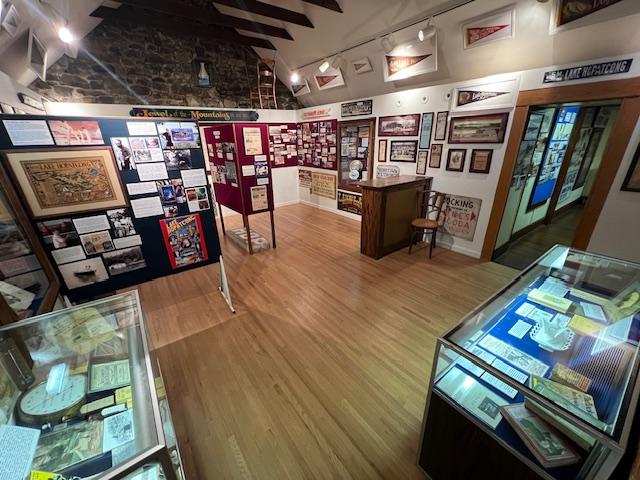
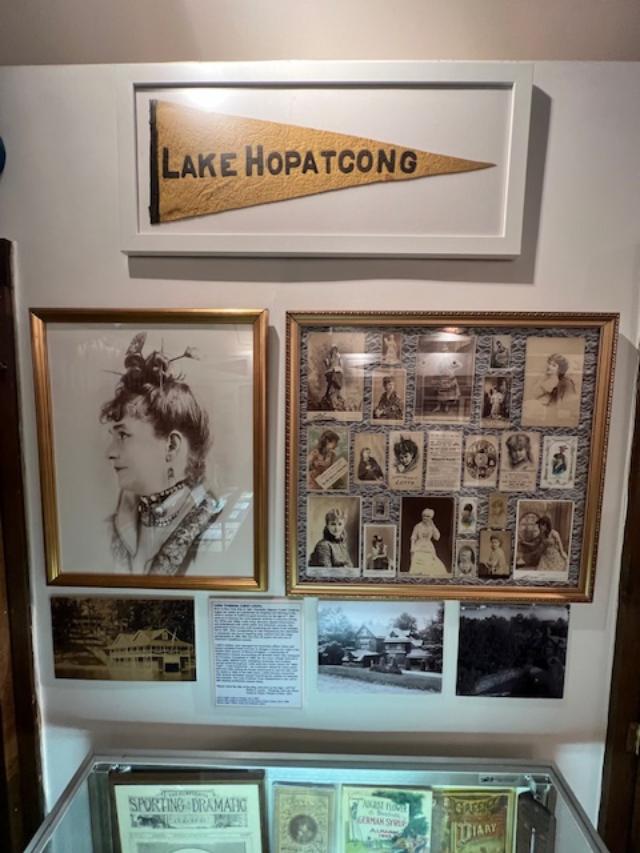
The first floor gallery of famous residents and of the resorts

At first it appeared that the old lock tender’s house would be torn down. The Lake Hopatcong Historical Society swung into action to acquire use of the building for a museum.  After a prolonged negotiation, agreement was finally reached on a lease with the State of New Jersey in the spring of 1965.  Volunteers from the Lake Hopatcong Historical Society then gave the building the tender loving care it desperately needed and set about collecting memorabilia and artifacts from the community to fill their new building.  On September 11, 1965, the dream of a museum at Lake Hopatcong was realized as the public was invited to an Open House celebration.  Over the ensuing years, the museum collection has grown through wonderful donations and acquisitions so that it now totals over 11,000 images and several thousand other items of memorabilia. 

The Bertrand Park display of the amusements on the lake

Before the museum opened, the Lake Hopatcong Historical Society held frequent meetings at local restaurants, hotels, and community rooms.  There were also outings and trips for members.  Once the museum opened, the organization began hosting many events in their new building.  As the organization grew, outside venues were once again needed.  In the early 1990’s the museum settled on four major programs per year with featured venues over the years including the Jefferson House, The Arlington, Lake Hopatcong Yacht Club, St. Jude’s Church, and the Palace Theatre.  Programs started selling out in the late 1990’s and have continued their popularity since.  One thing that has changed is the cost.  Dinner programs in the early 1970’s were $6.00 per person!
The lake homes from the park

From the eight individuals who attended the first meeting in August 1955, the society had grown to some 150 members by the time the museum opened.  Today, with some 750 members, the organization remains loyal to its mission “to collect, house and preserve artifacts and documents relating to the civil, political, social and general history of Lake Hopatcong and to encourage the education and dissemination of information about Lake Hopatcong’s history.”

Major Archival Topics

(from the museum website)

The Lake Hopatcong Historical Museum maintains collections on the following topics and individuals relating to Lake Hopatcong’s history:

  • Ans Decker & Decker Fishing Lures
  • Barnes Brothers Boats
  • Bertrand Island Park

Bertrand’s Park Amusement area

  • Bette Cooper, Miss America 1937

Miss Bette Cooper, Miss Bertrand Island and Miss America 1937

  • Breslin Park
  • Central Railroad of New Jersey
  • Cornelia Gilissen
  • Florence Morse Kingsley
  • Francis Himpler
  • Fred Jacoby & Jacoby Boat Works
  • Garret Hobart
  • George G. Green
  • Hopatcong
  • Hudson Maxim
  • Ice Houses & Harvesting
  • Joe Cook
  • Lackawanna Railroad
  • Lake Hopatcong Angler & Breeze Newspapers
  • Lake Hopatcong Yacht Club

The Lake Hopatcong Yacht Club

  • Lakeside Theatre
  • Landing
  • Lenape

The Lenape Display of life around the lake region

  • Loretta Montez
  • Lotta Crabtree (Miss Lotta)

The actress Lola Crabtree display

  • Morris Canal
  • Morris County Traction Company
  • Mount Arlington
  • Nolan’s Point
  • Nolan’s Point Amusement Park

The Noland’s Point Amusement Park

  • Northwood
  • Ogden Mine Railroad
  • Owen McGiveney
  • Palace Theatre, Netcong
  • P.J. Monahan, Illustrator
  • Rex Beach
  • River Styx
  • Sam Goodman, Lifeguard
  • Shanna Cumming
  • Shippenport
  • Skate Sailing Association of America Archives
  • Thomas Walsh
  • William J. Harris, Photographer
  • Woodport

The History of the Lake Region:

(from the Museum pamphlet)

Located in a rustic 19th century building which served as a lock tender’s house on the Morris Canal, the Lake Hopatcong Historical Society Museum offers an entertaining and enlightening look at the history of New Jersey’s largest lake.

The beach section of this lake park

Step back to a time when the lake was actually two bodies of water and the Lenape lived along the shores. Learn about the building of the famous Morris Canal and the forming of modern day Lake Hopatcong, its main source of water.

Lake Hopatcong

The Morris Canal display at the museum

Travel back to the era when the Lake was a tourist Mecca and some 40 hotels and rooming houses graced its shores.

The hotel display

Relive the days when thousands flocked to Bertrand Island Amusement Park for dancing and ‘nickel nights’.

Bertrand Island Amusement Park

In the age before jets, before air conditioning and before super highways, Lake Hopatcong was a major northeast resort. Within easy reach of large cities to the east, the Lake’s size and setting at over 900 feet above sea level made it the perfect destination. From the 1880’s through the 1930’s, the Lake welcomed thousand each year, including leaders of government, industry and entertainment.

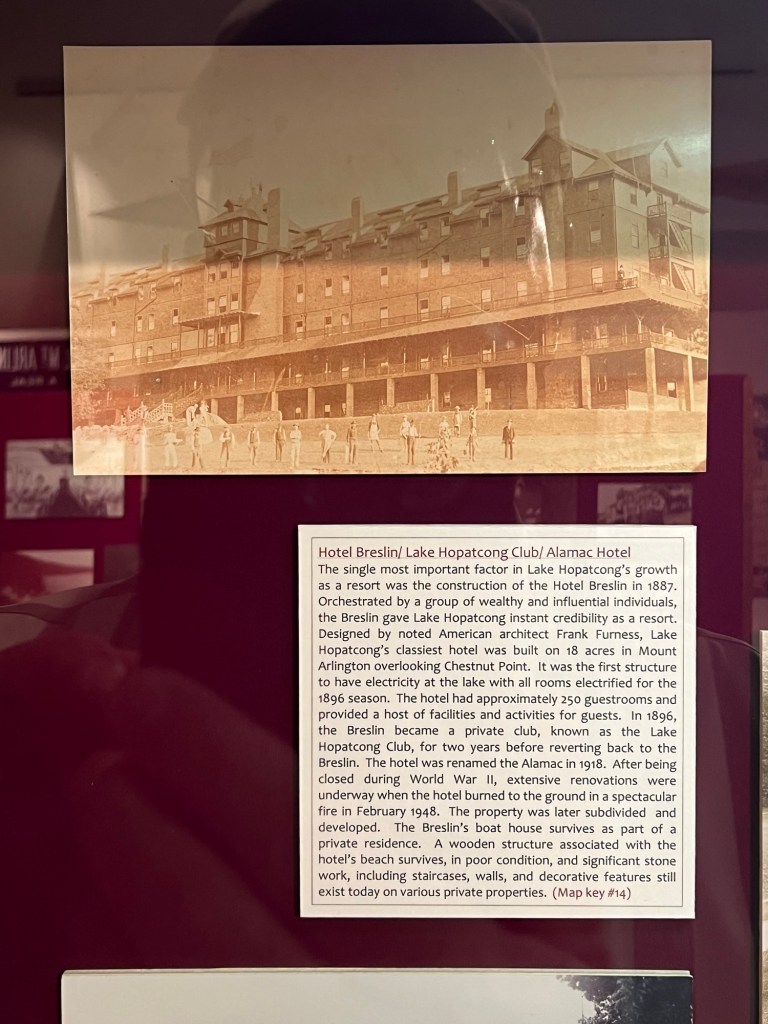
The history of the Hotel Breslin

Low daytime temperatures and cool evenings made Lake Hopatcong a welcome respite from the urban centers to the east. Although other northwestern New Jersey towns were developed as resorts during this time, Lake Hopatcong quickly outdistanced its rivals in popularity.

The popularity of Bertrand Island

While these other resorts shared Lake Hopatcong’s proximity to the urban centers of the East, they could not match the lake’s size or the ease with which to reach it by rail. The museum is located on the grounds of Hopatcong State Park on Landing, New Jersey. The museum’s hours are seasonal so please check the website for hours.

The Morris Canal Lock right by the Museum

Historical Society of Old Randolph                     630 Millbrook Avenue                                    Randolph, NJ 07869

Historical Society of Old Randolph 630 Millbrook Avenue Randolph, NJ 07869

Historical Society of Old Randolph

630 Millbrook Avenue

Randolph, NJ 07869

(973) 989-7095

https://www.randolphnj.org/499/Randolph-Museum

https://www.facebook.com/RandolphMuseumNJ/?_rdr

Open: Sunday 1:00pm-4:00pm/Monday-Saturday Closed

Admission: Free but donations accepted

My review on TripAdvisor:

https://www.tripadvisor.com/ShowUserReviews-g46764-d27020831-r965541611-Randolph_Museum-Randolph_Morris_County_New_Jersey.html?m=19905

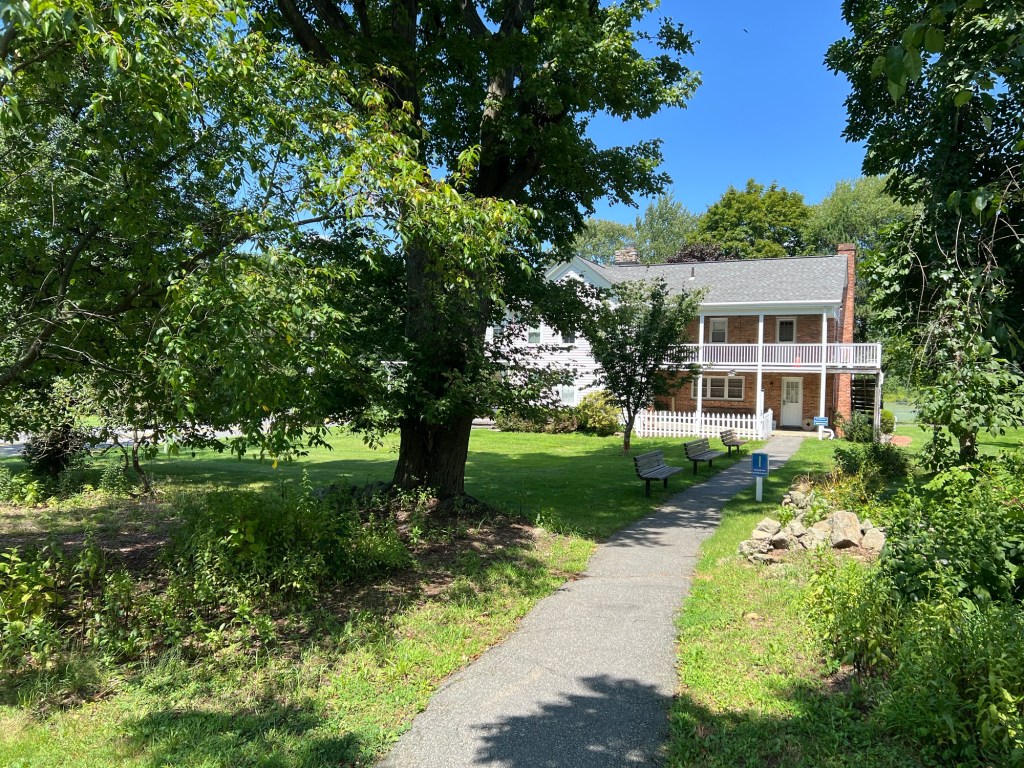
The museum and the grounds of the Randolph Museum, home to the Randolph Historical Society in Randolph, NJ

The sign that welcomes you to the park

The Randolph Museum is the old farmhouse of this once hundred acre farm

The museum’s gardens just outside the door

The side view of the museum from the street

I visited the Randolph Museum for the museum’s ‘Peach Festival’, where they had a very nice Open House and a series of tours around the house. We were greeted with a dish of fresh Jersey peaches, peach ice cream and pound cake. They also had peach punch for us as well with a warm welcome. The clouds broke and the sun came out so it started a very nice day at the museum.

The delicious Peach Shortcake we were served when we walked into the museum for the “Peach Festival”

Each room in the museum tells a story of rural life in Randolph, New Jersey from the era of the Dutch and English farmers through the era of farms developing into resorts and the growth of rural towns in New Jersey after WWII, automobile transportation and the rise of middle class suburban living.

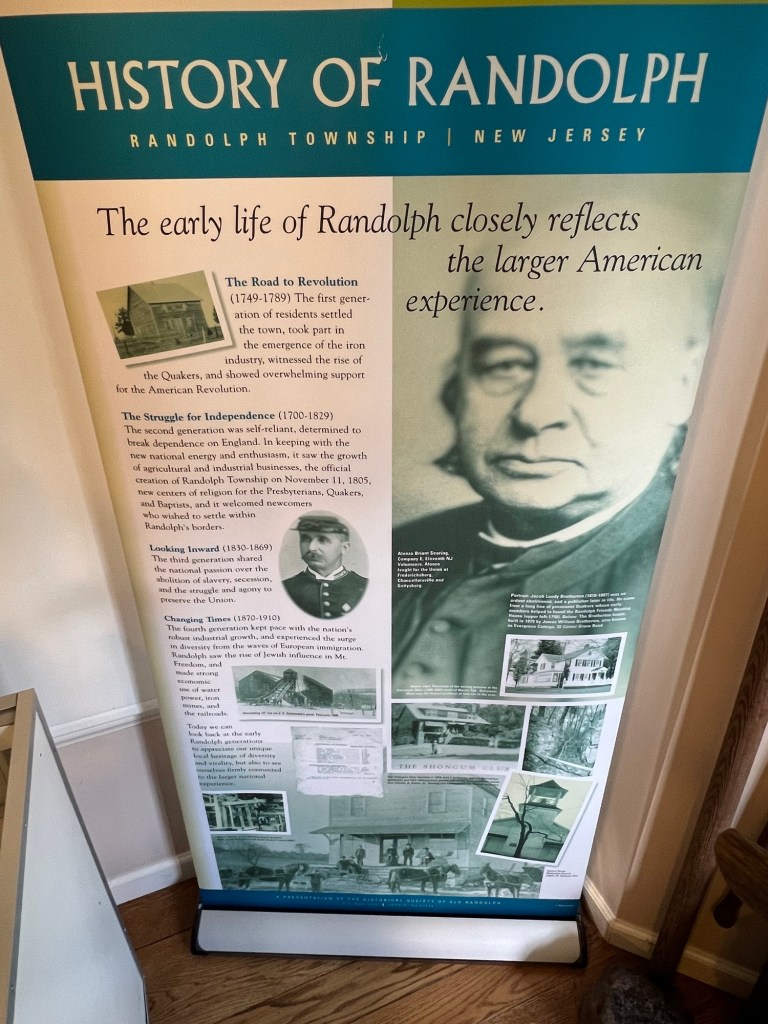
This description of life in Randolph, New Jersey is a reflection of life all over the rural United States

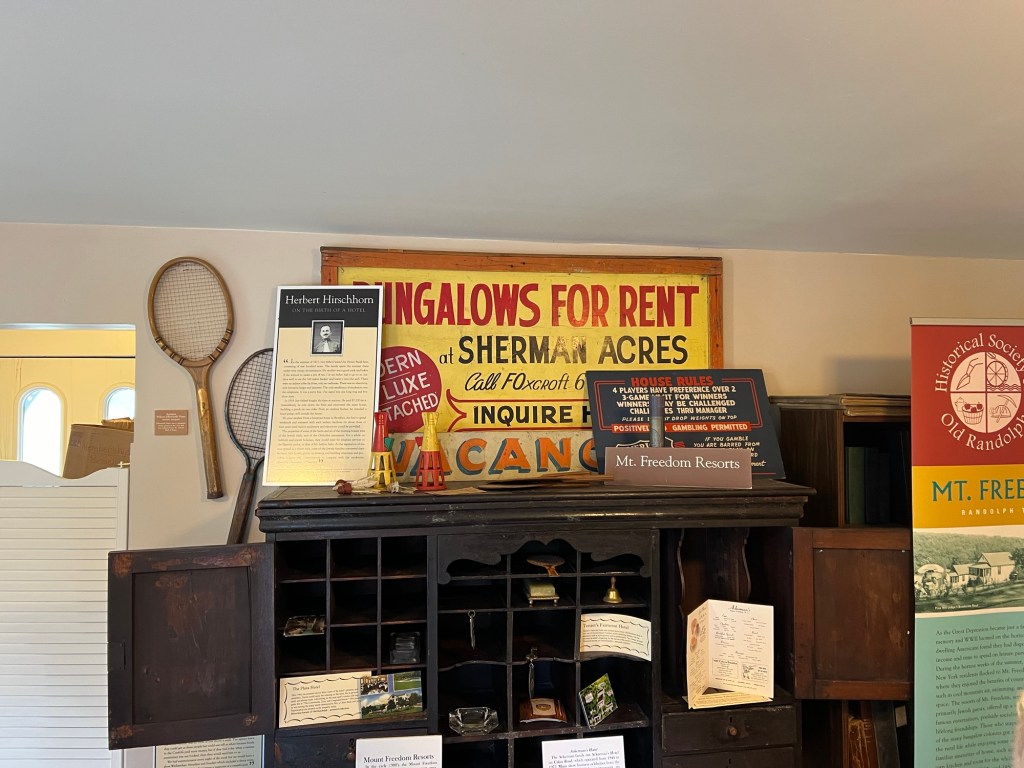
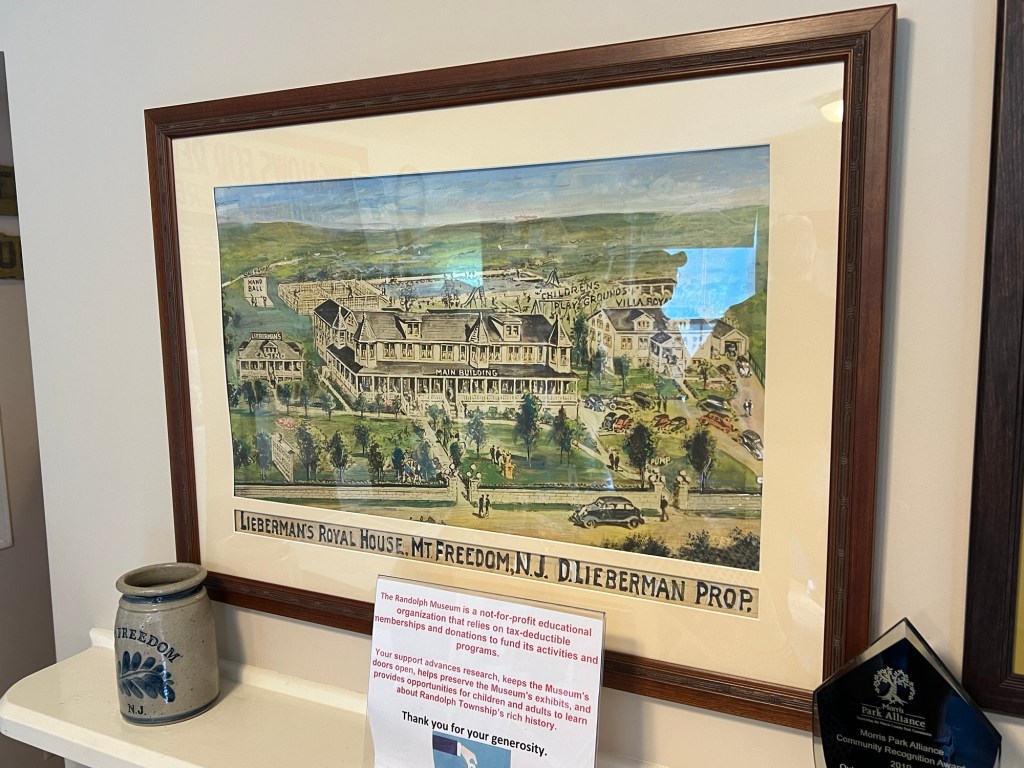
The museum is broken down in different themed rooms. When you first enter the house, you can see the history of Randolph as a resort town. The growth of the farms as boarding houses developed in resorts catering to Jewish patrons who were banned from the Catskills and Hamptons. These resorts continued until after the war until transportation and religious laws changed after WWII.

The resort artifacts from the old hotels

The old Lieberman’s Hotel once catered to a large Jewish crowd from Newark, Jersey City and New York City

Items from the old hotels

The hotel industry flourished here until just after WWII when air travel opened other options and racial and religious barriers broke down after the war. All of these hotels have since been torn down and have now been replaced by other town buildings. The town is more suburban with the opening of the Garden State Parkway and Route 287.

The Brundage House history

The museum’s history in the Brundage Farmhouse started in the late 1700’s when the Trowbridge moved to this area from England and started farming here. Generations farmed this land and the house stayed in the family until the 1920’s. The museum moved here in 2005 when the last member of the family moved out and the farmland was donated to the town. The farmhouse became home to the Historical Society.

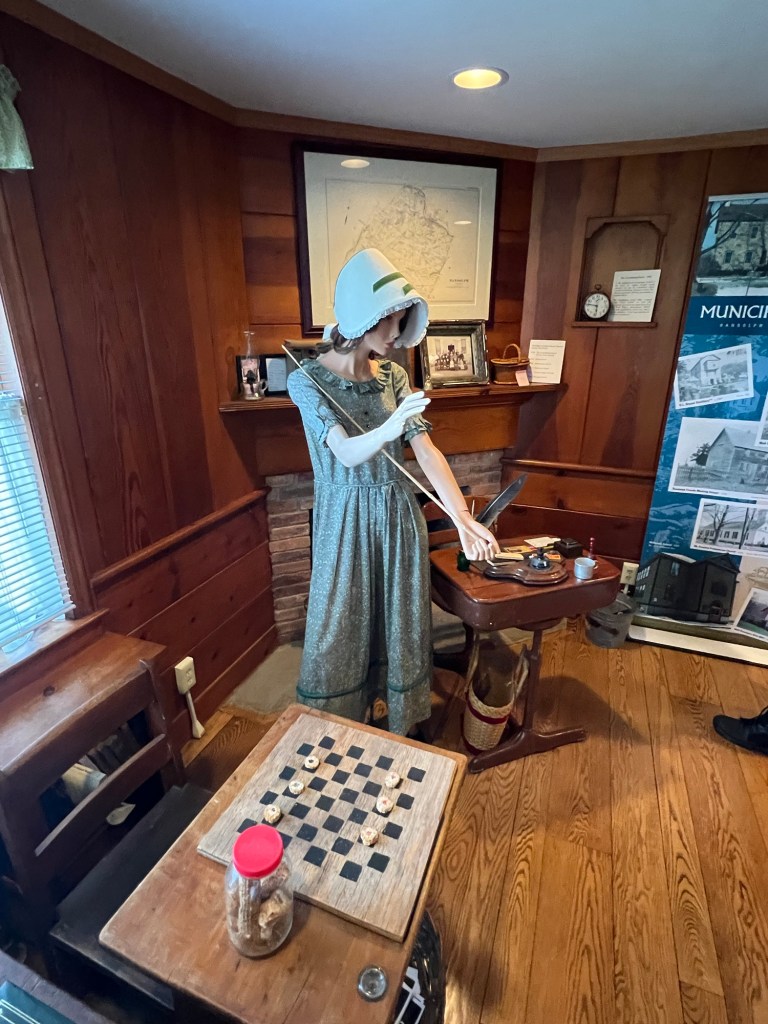
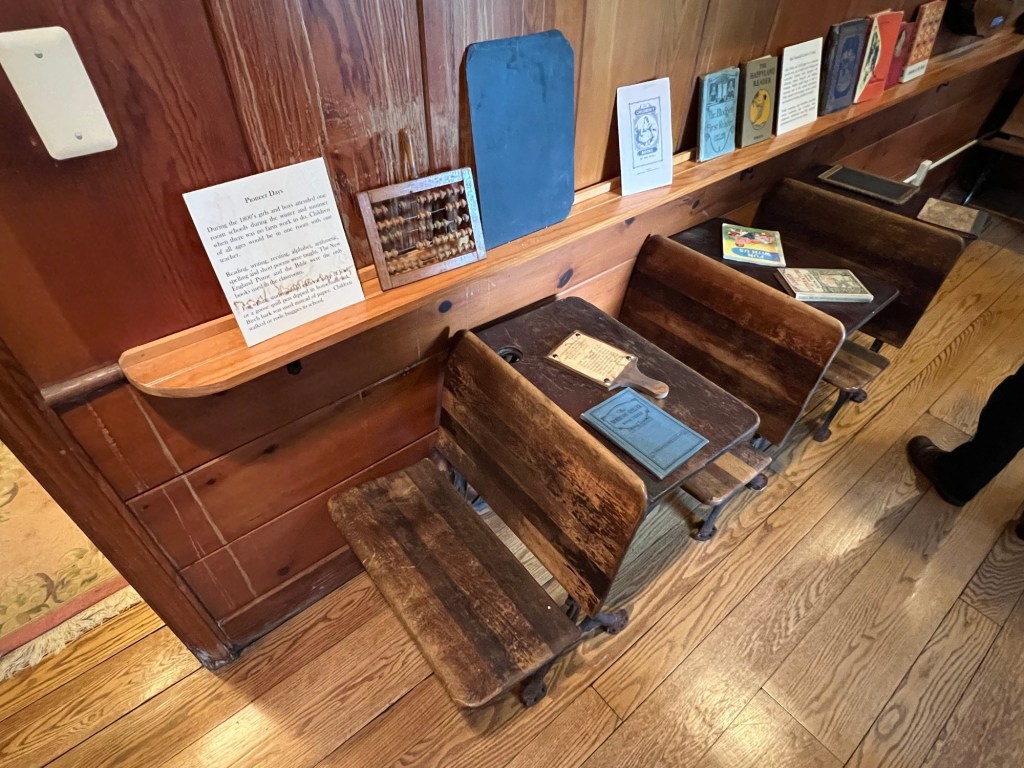
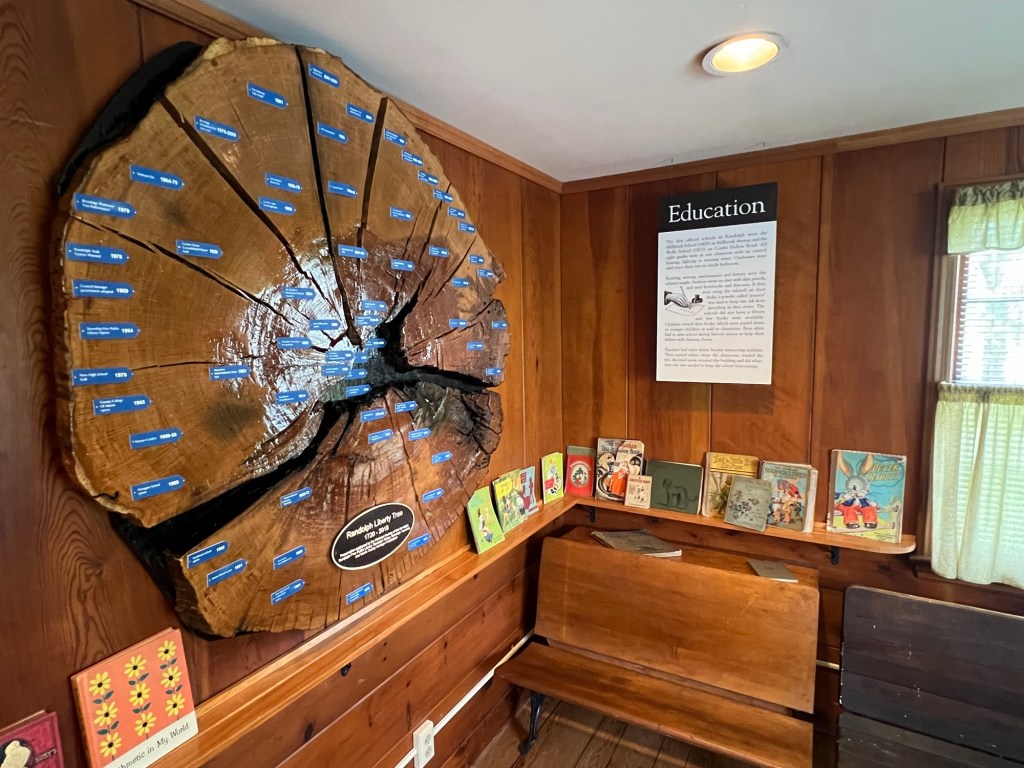
The museum’s rooms in the old farmhouse have different aspects of life in Randolph and New Jersey in general and each tells a story of the town’s history. The first room was dedicated to education and the growth of the school system in this part of Randolph.

The displays show how a classroom was set up and how the one room school houses of that period of time operated.

The old schoolrooms have not changed much from today’s classrooms

The exhibition showed that education in New Jersey has not changed that much from the years as a farming community. From the classroom set up to the way summer break works, which was created because of the crops being attended to in the summer and fall months. Children of all ages were expected to work on the farm and education did not go as far as it does today.

The timeline tree of important dates in the town is in the schoolroom exhibit

In the next room was the history of the farming community in Randolph, New Jersey. From fruits to dairy everything was farmed in Randolph and the farms were sustainable communities.

The Apple industry in this part of the State’s crops and still is today but not like back then

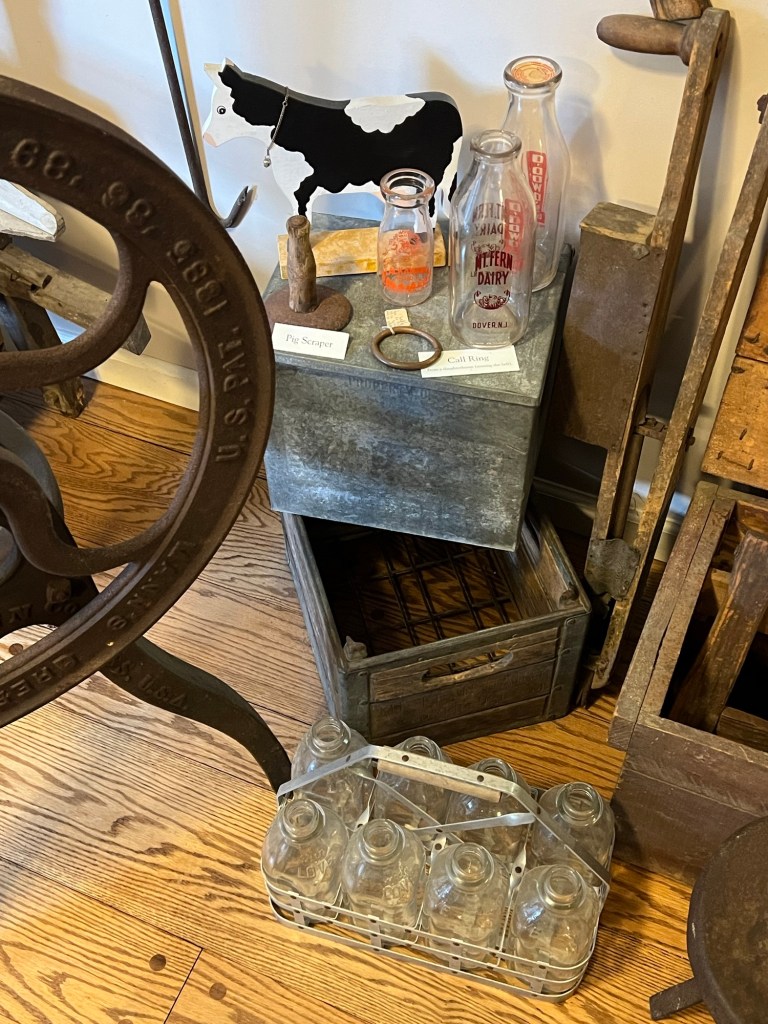
The Dairy industry flourished in rural New Jersey as it does today. Milking cows and creating butter, cream and milk were the whole family’s responsibility.

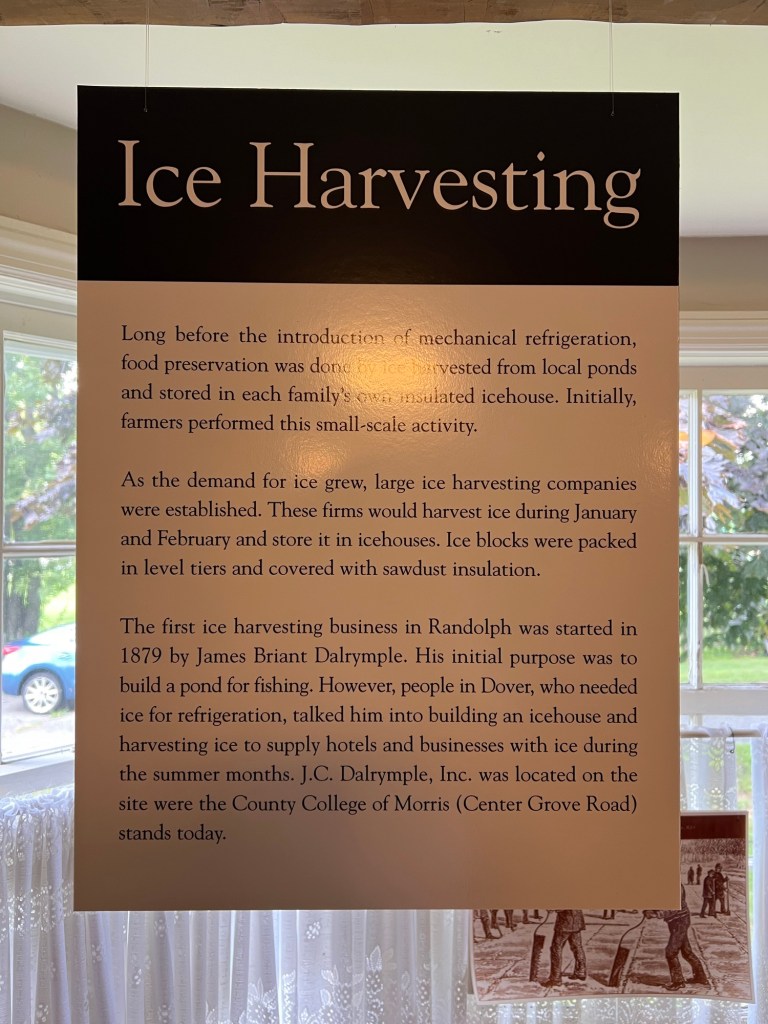
The Ice Industry flourished because of the lakes in the area

The Ice Industry was also very important in the area. Ice from the lakes was tested for thickness and then measured and cut for use of ice boxes. The ice would have to be planned for smoothness and then covered and stored for sale. The advent of modern electric refrigeration after WWII made this obsolete.

The Ice Industry and the equipment used for the business

The equipment used on the farm

Farm equipment in the early years was used by hand until more updated equipment with horses as crop processes went from supplying just the family to selling it on the open market and more production was needed. These crops were sold in Newark, NJ and New York City.

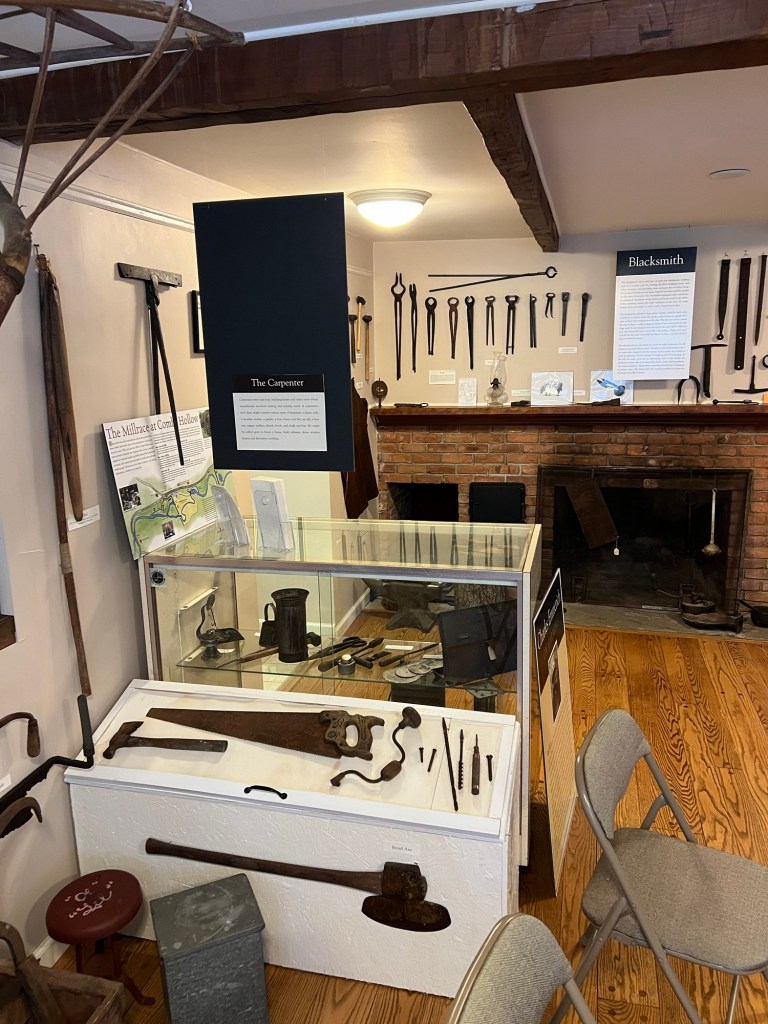
The Blacksmith shop equipment

The Blacksmiths role was from everything from shoeing horses and donkeys to producing equipment for the farms. To this day some form of this is still being done.

The Blacksmith shop

This exhibition was on the Blacksmith shop and the making of early farm equipment.

Early farm and Blacksmith equipment

Early equipment for the mines

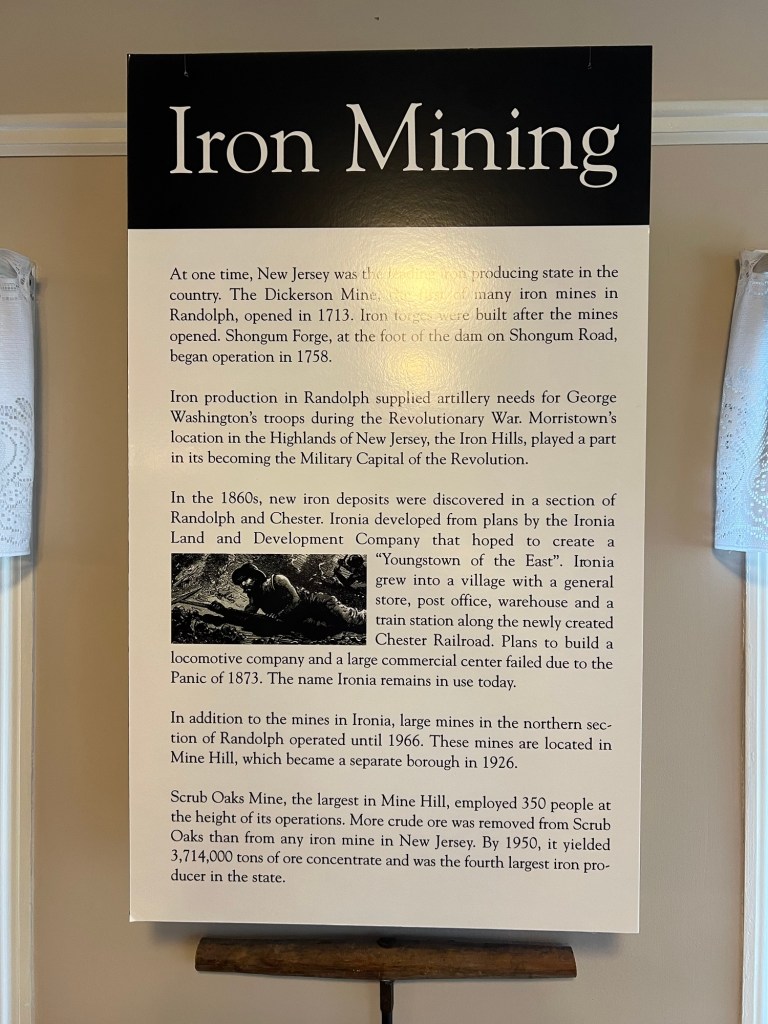
The Iron Mining industry was also part of the development of this area

Large deposits of iron ore and coal were discovered in this area. This led to the development of New Jersey’s place in the Mining industry. This supplied our war efforts and the manufacturing industries in New Jersey. As the mines emptied of ore, it became cost prohibited to continue and the last of the mines closed after WWI.

The equipment from the blacksmiths operation used in the mines

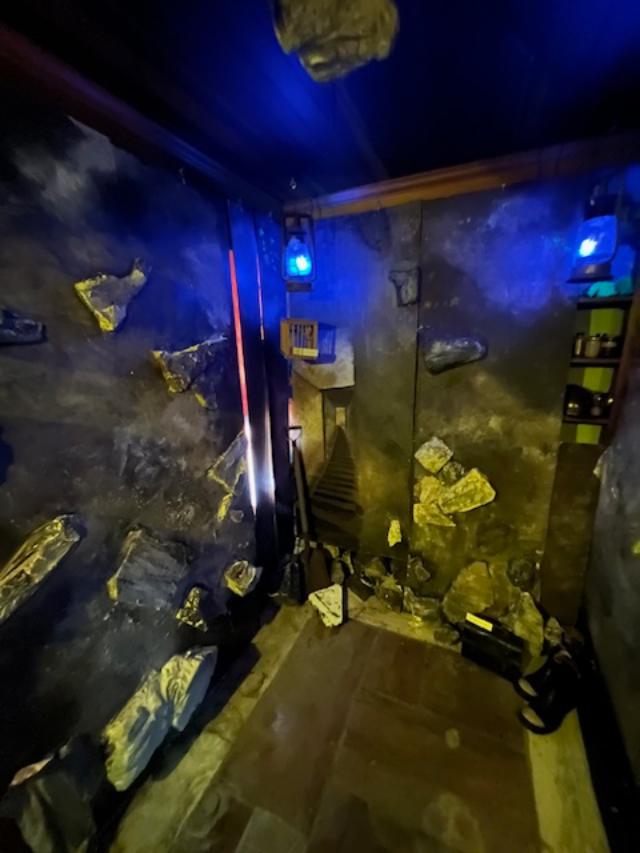
The Mining Display in the museum you can enter by way of a curtain

Home life for families in New Jersey between the mines and the farms was hard as well. The farms needed tending to which was everyone’s job including children aged five and up. All hands were needed and this is how the modern summer vacation from school was developed. It coordinated with the tending of the crops.

The main gallery of the museum and the former Living Room of the farmhouse:

The former Living Room of the old farmhouse shows life on the farm

Home life in rural New Jersey was not easy before Industrialization

Household items and furnishings

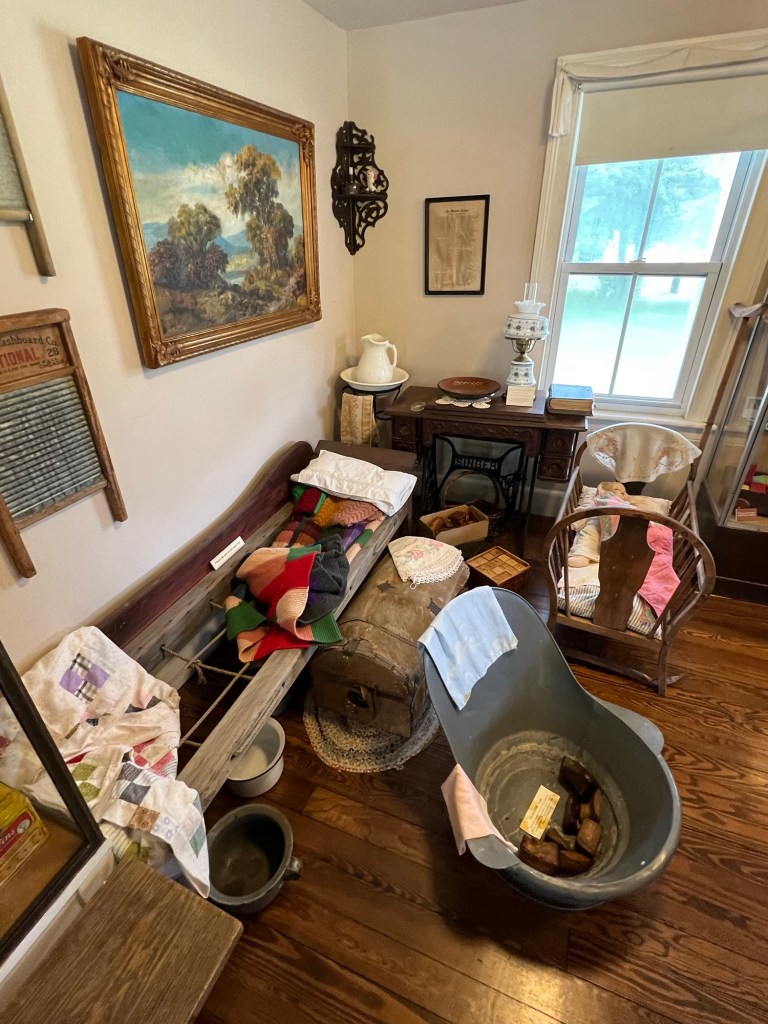
Beds, sewing machines and bathing items in the farm home

Items used in the home to everything from making clothes and shoes to home remedies

The kitchen was the center of family life as it was the warmest room in the house during cooler months

The kitchen and household equipment on the farm

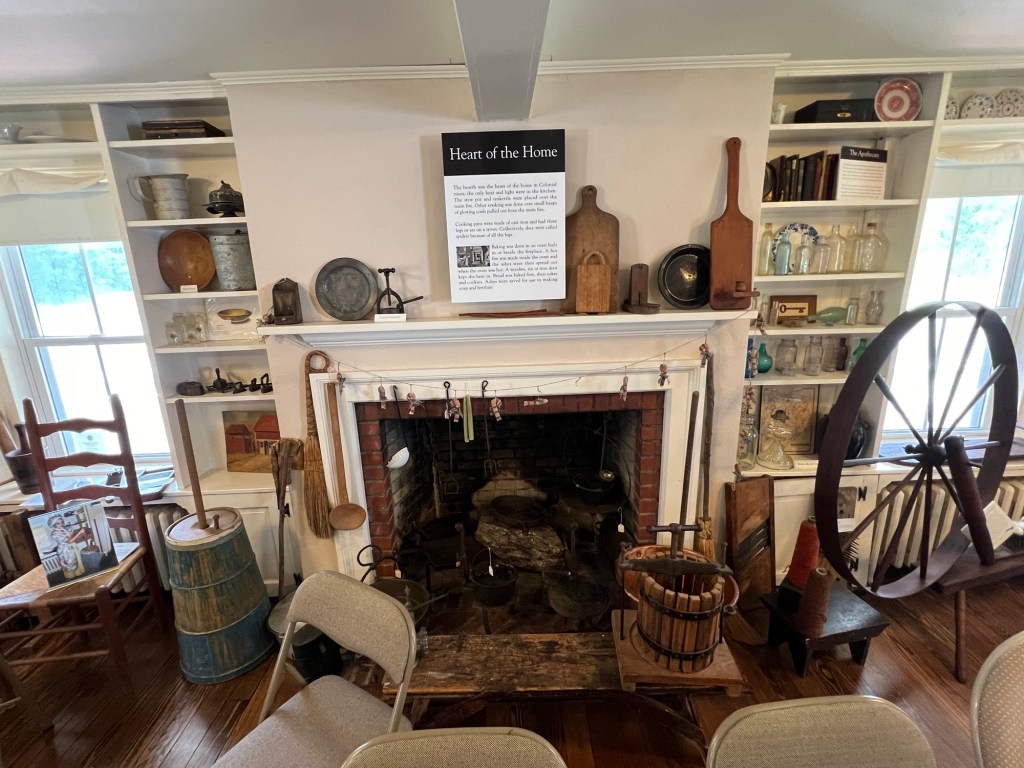
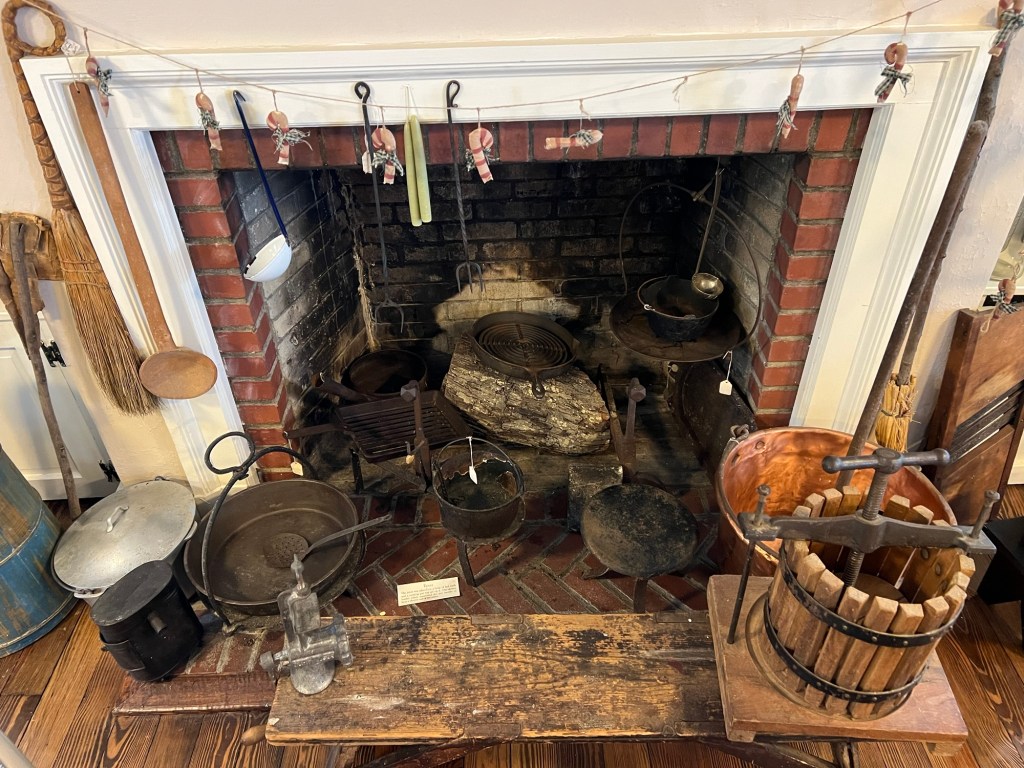
The hearth was the center of cooking and socialization on the farm

Life on the farm was not all work as there was down time for parents to socialize and children to play. Since transportation was limited and time was of the essence with everything that needed to be done on the farm things like trips to the general store, church services and town meetings were the biggest part of socialization. Meals were eaten as a family and family conversation was at the dinner table.

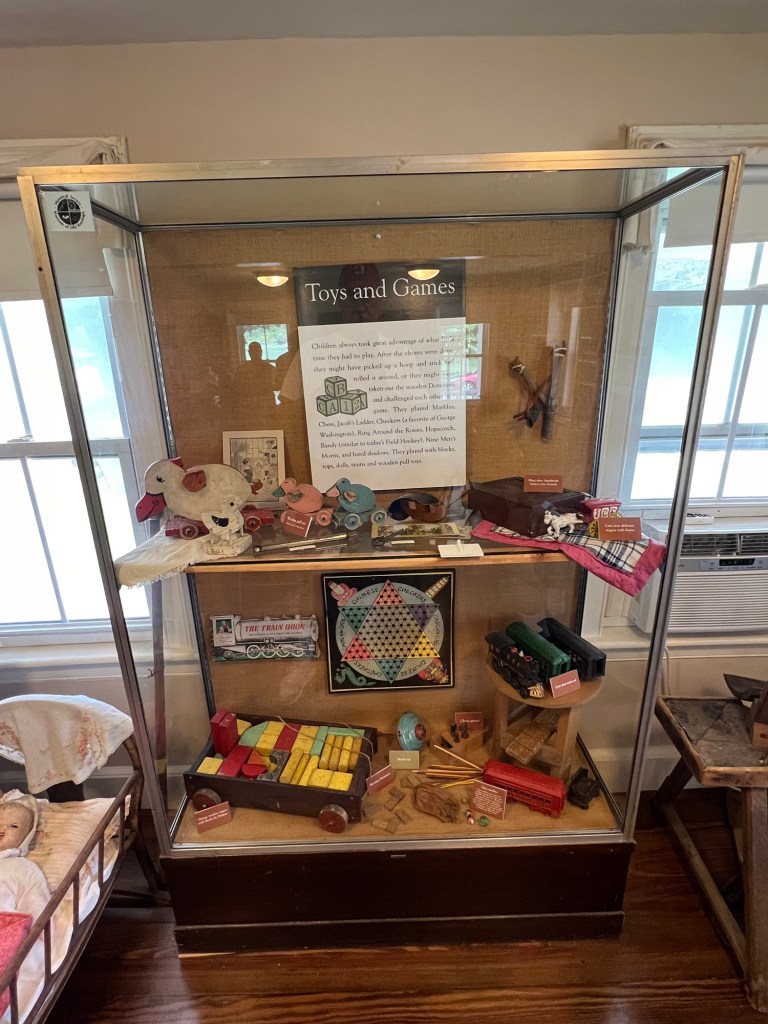
Toys and games used in rural New Jersey

Toys of this era have not changed much to today except they are not made of wood or handmade

A trip to the General Store was a chance to shop, pick up mail and socialize with your neighbors

Church was an important part of rural life before WWI

Kitchen items for tending the home

The museum did a nice job not just explaining the development of the Town of Randolph, NJ but society as a whole and how the American lifestyle was developed. In our modern times, we still refer back to references of these times with habits, quotes and sayings like ‘sleep tight and don’t let the bedbugs bite’ and ‘pop goes the weasel’ and ‘throwing the baby out with the bathwater’. These hark back to our rural past.

In someway, we have progressed with modern equipment and machines (think of how our I Phones have changed everything in the last sixteen years) to others where we still bake and preserve food, cook ‘farm to table’ meals and attend our gardens. The museum shows us how life has progressed but habits and methods that worked then still work now. We have not changed that much but more adapted to modern times. This wonderful little museum gives us this glimpse into our past.

Orchard Street Cemetery                                            44 Chestnut Street                                                    Dover, NJ 07801

Orchard Street Cemetery 44 Chestnut Street Dover, NJ 07801

Orchard Street Cemetery

44 Chestnut Street

Dover, NJ 07801

https://www.orchardstreetgatehouse.org/history

https://www.facebook.com/p/Orchard-Street-Cemetery-100057217459315/

Open: Sunday-Saturday Seasonal Check the website for the hours

My review on TripAdvisor:

https://www.tripadvisor.com/ShowUserReviews-g46397-d28113226-r964248261-Orchard_Street_Cemetery-Dover_Morris_County_New_Jersey.html?m=19905

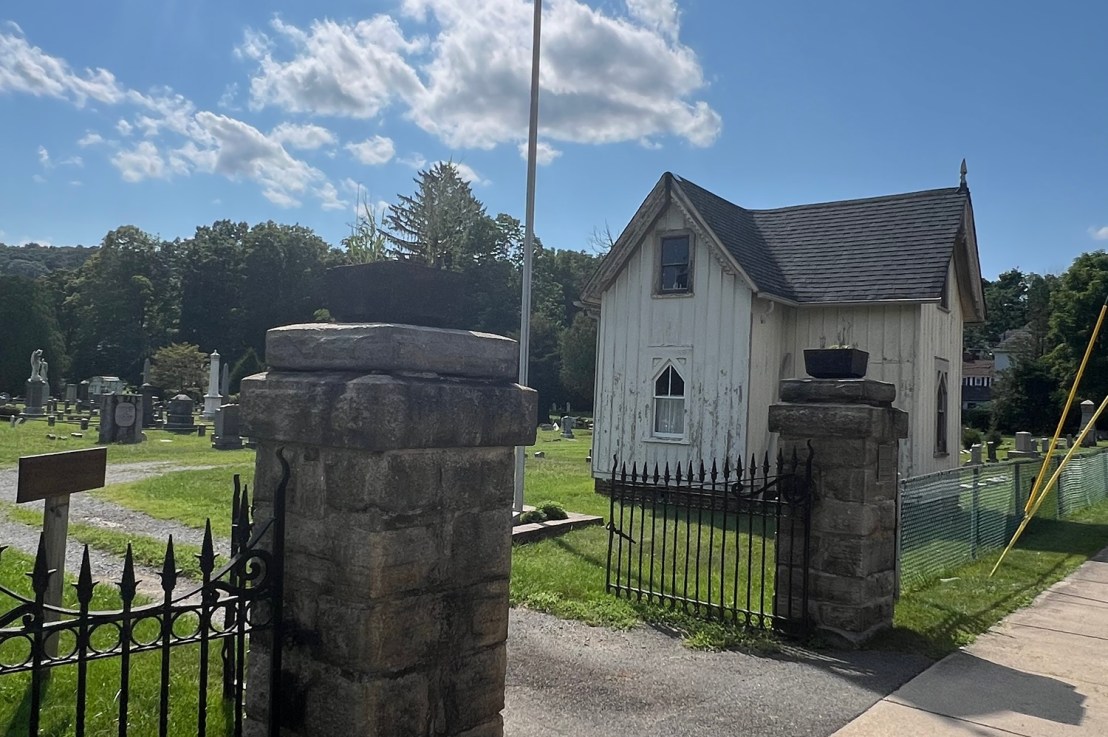
The entrance of the Orchard Street Cemetery and Gatehouse

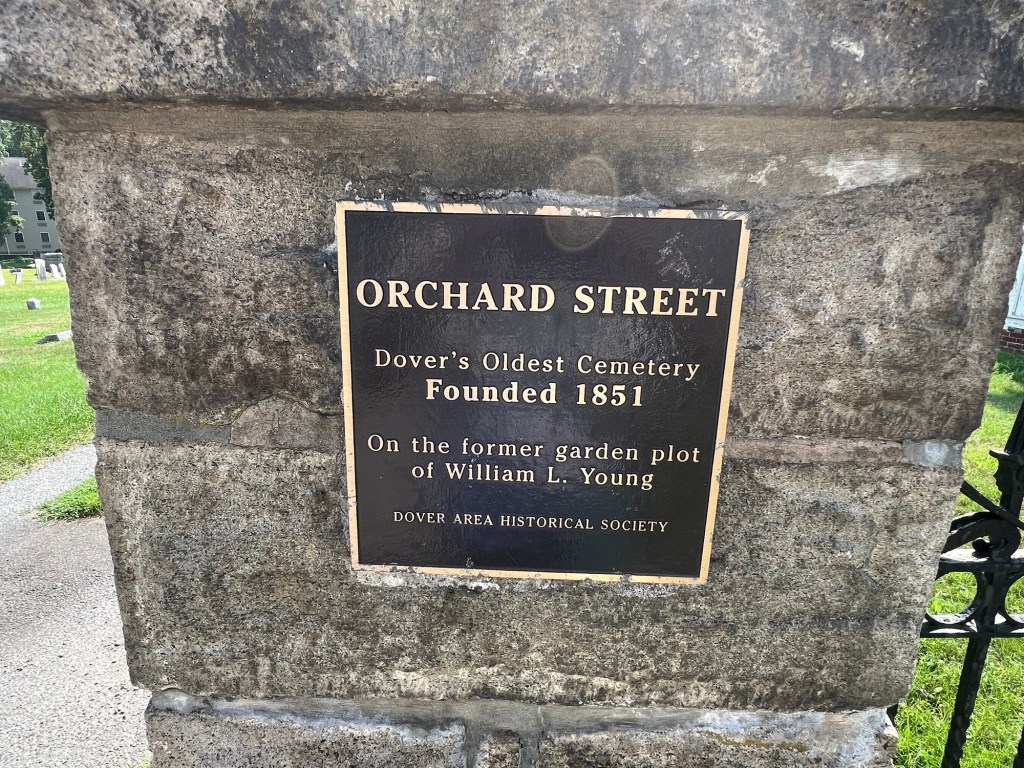
The Orchard Street Cemetery in Dover, Morris County,  NJ was originally founded in 1851 when a group of men determined that a cemetery was needed in the Village of Dover, then part of Randolph Township.  One member of the group, William Young, the first baker in Dover who had his store on Dickerson Street traded his “garden plot” at the end of Orchard Street to this new endeavor in return for several building lots on Orchard Street.  The plot transferred from William Young to the Association was approximately one acre in size (Orchard Street Gatehouse Historical Society website).

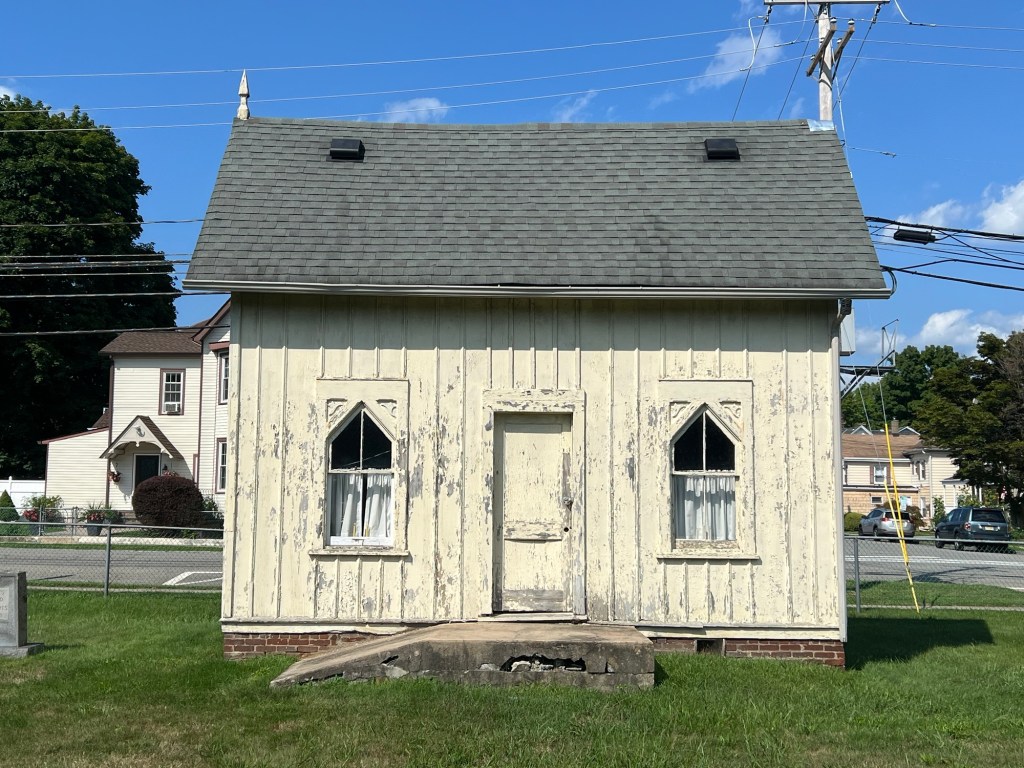
The Gatehouse

The first thing you notice when you enter the cemetery is the Gatehouse. It needs a lot of work. Also it was not manned. Funny, the building looks like it belongs in a cemetery.

The historic plaque for the cemetery

The historic sign for the cemetery

The Cemetery is the final resting place of more than 3500 men, women, and children from the greater Dover area, primarily Dover, Randolph, Wharton, and Rockaway.  There are over 125 veterans from the War of 1812, the Civil War, The Indian Wars, the Spanish-American War, World War I, World War II, and Vietnam as well as well as peacetime veterans.  There are many of the founders of Dover, Wharton, and Rockaway, civic and industrial leaders, and ordinary citizens of the area.  Unfortunately, many burial records have been lost through the passage of time, fire, etc. so a full accounting of the burials will most likely never be realized as many people were buried without a stone memorial through choice or economic reasons (Orchard Street Gatehouse Historical Society website).

The entrance to the cemetery by the gate

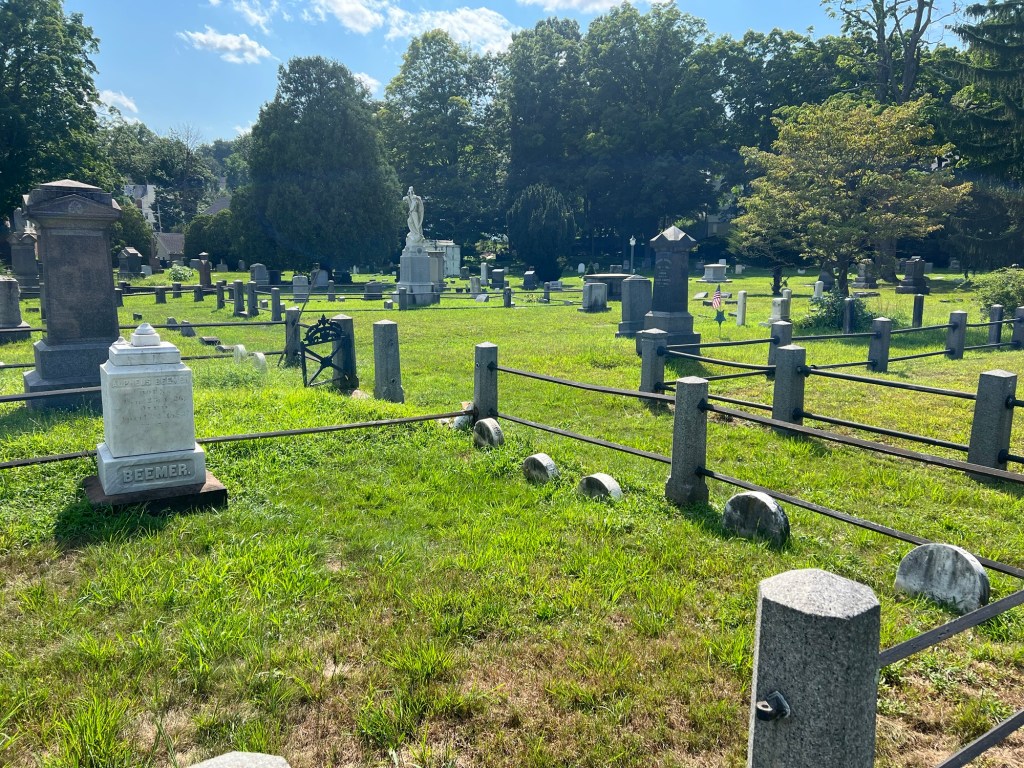
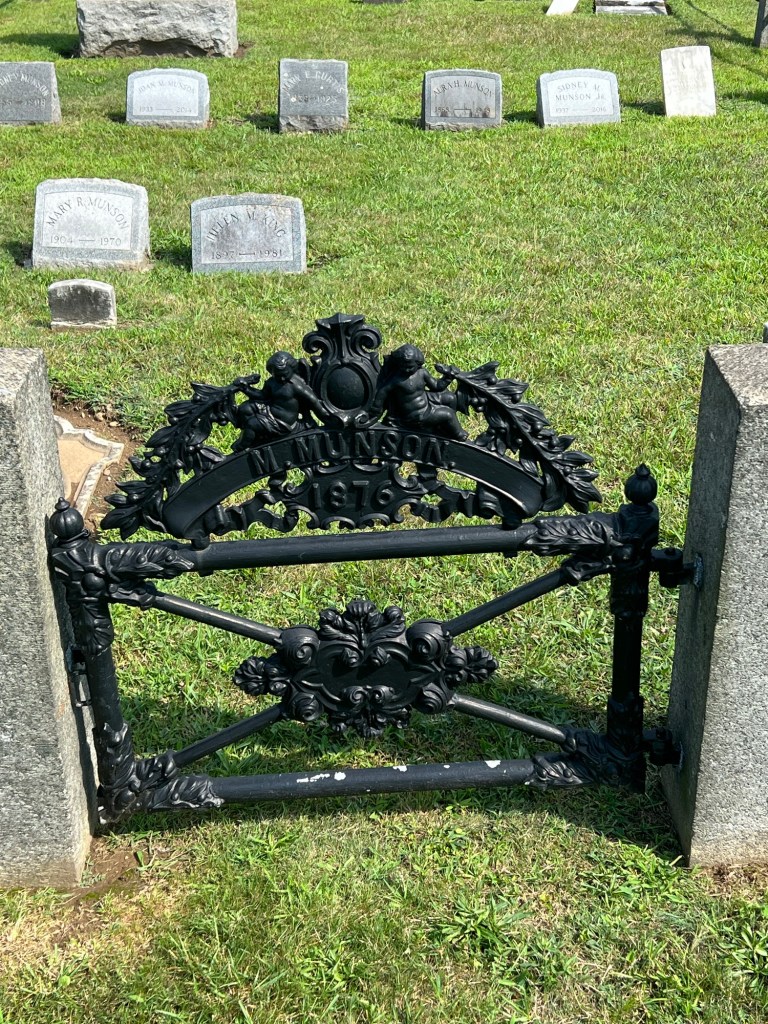
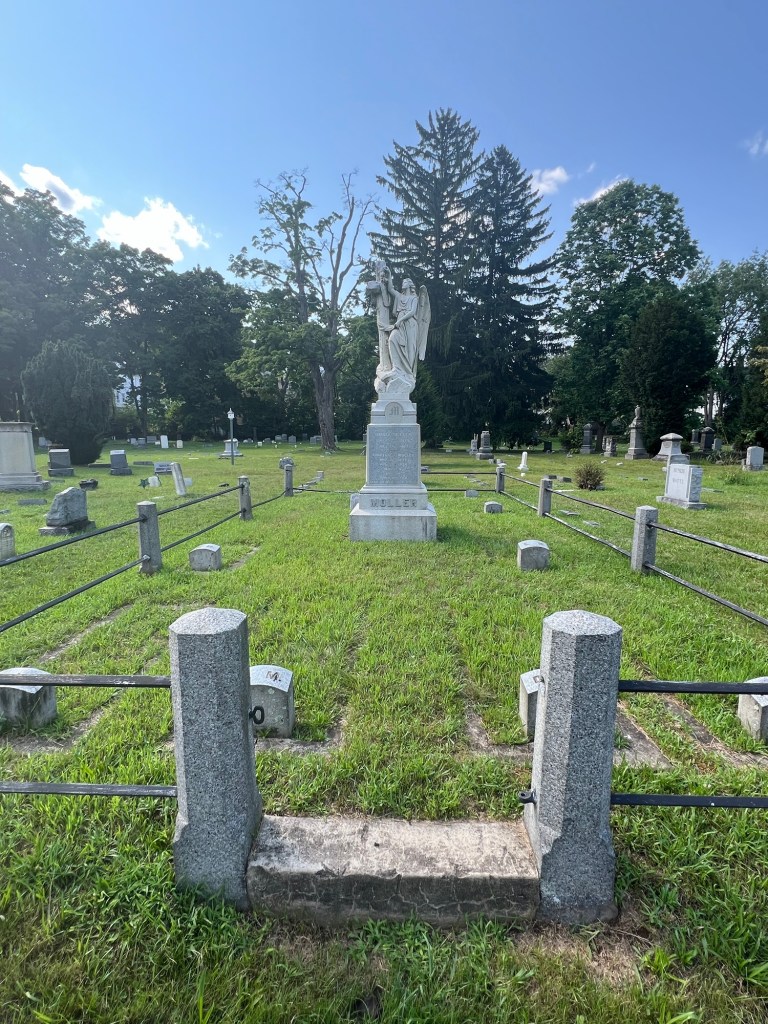
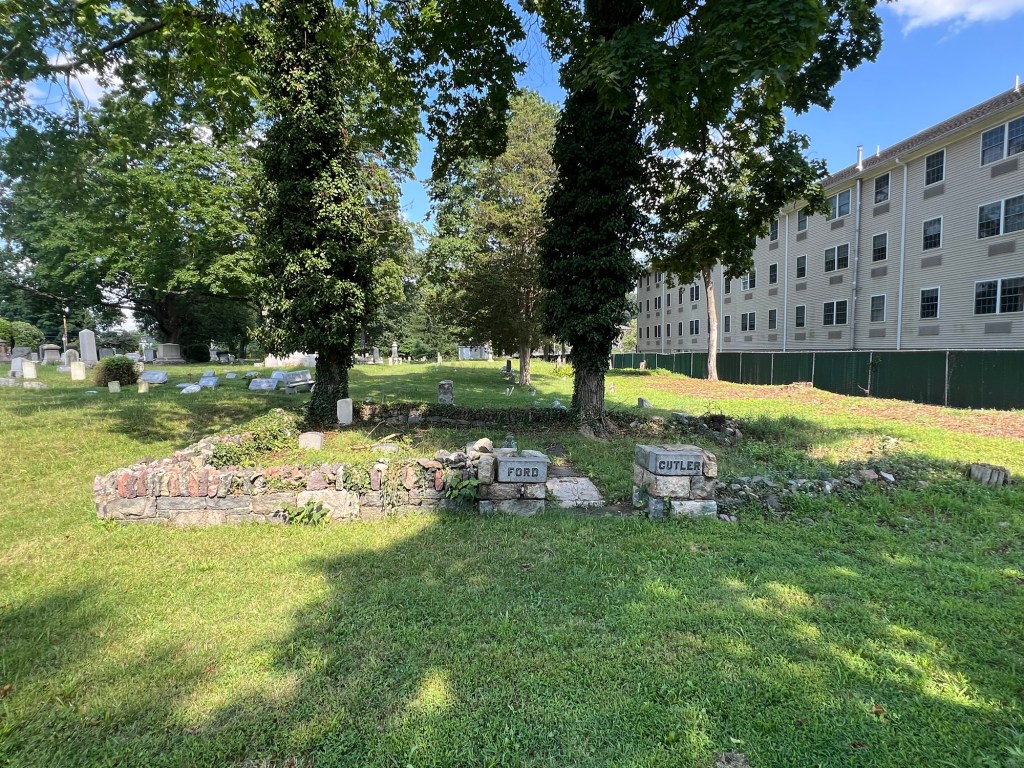
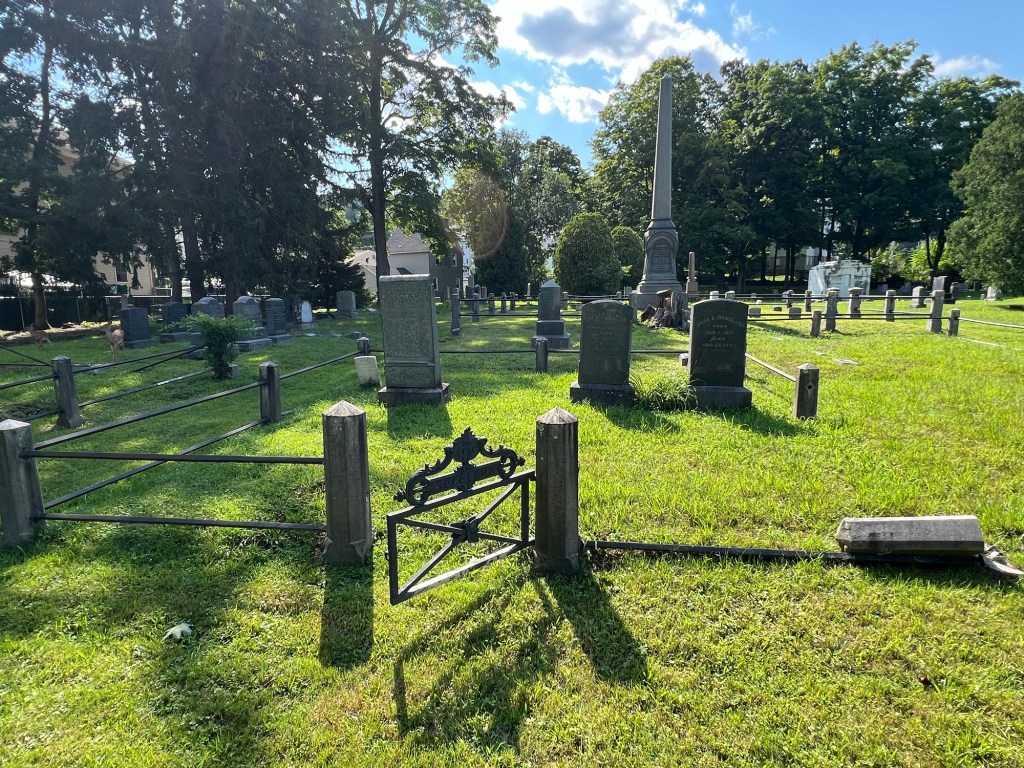
When I visited the Orchard Street Cemetery, I noticed that most of the cemetery was designed into family plots, most gated or sectioned off. In each plot, you can see the generations of family members. There is a distinct change on the tombstones of family member marking the graves. Either is was prosperity of the family or just a sign of the times when people died where you see the changes in the tombstones and what they look like.

At least the families are housed together. Each of the family plots are marked by a gate or just a series of tombstones. Each of these family plots deserve respect and please remember this as you walk around the cemetery to pay your respects. There is a very positive feel to this cemetery.

I noticed the cemetery was broken into family plots separated by fencing

The Munson family plot

The Munson family plot

The Moller family plot

The Moller family plot

The Ford family plot

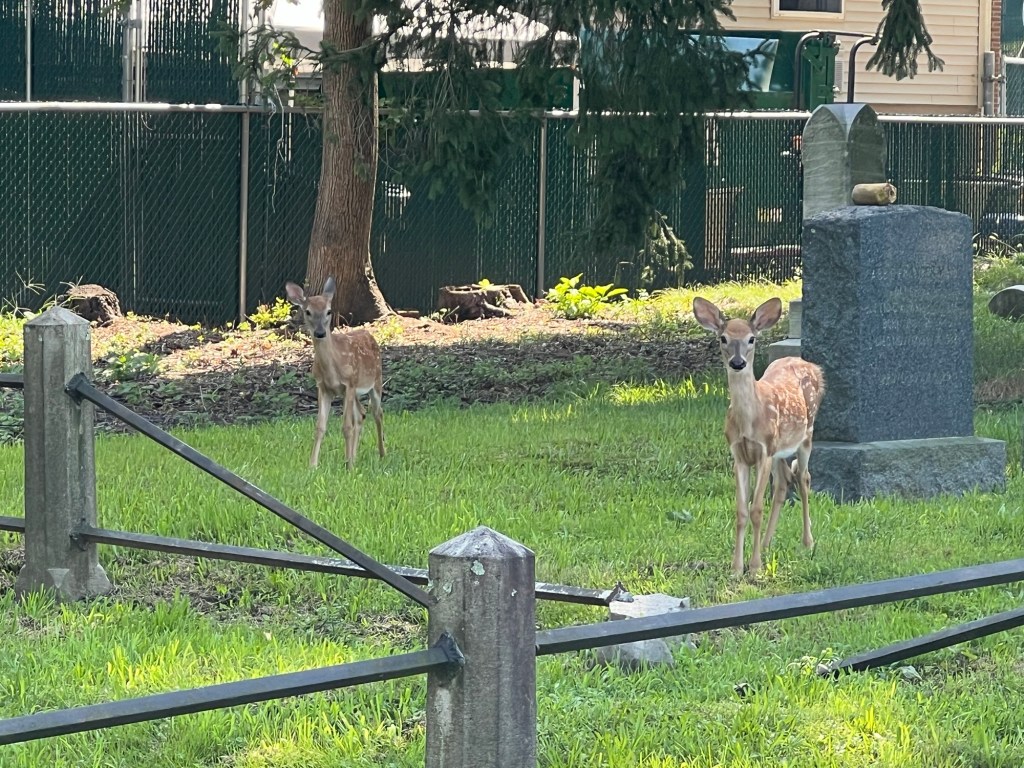
Deer watching me at the cemetery

The Hoagman Family plot

The Dickerson family plot

I had just come from the Bridget Smith House in Mine Hill and discovered that the Dickerson’s were once a prominent mining family who owned a large mansion just outside of Mine Hill.

The grave of Mahlon Dickerson

I found out from a member of the Cemetery Society that this is not the grave of the former Governor of New Jersey but a distant relative.

The Orchard Street Cemetery from the back of the cemetery

The Gatehouse at the front of the cemetery

The cemetery is an interesting look of how burying our dead has changed over the last 100 years.

The History of the Cemetery:

(this comes from the OrchardStreetCemeteryGatehouse.org website)

The Orchard Street Cemetery

The Orchard Street Cemetery in Dover, Morris County,  NJ was originally founded in 1851 when a group of men determined that a cemetery was needed in the Village of Dover, then part of Randolph Township.  One member of the group, William Young, the first baker in Dover who had his store on Dickerson Street traded his “garden plot” at the end of Orchard Street to this new endeavor in return for several building lots on Orchard Street.  The plot transferred from William Young to the Association was approximately one acre in size.

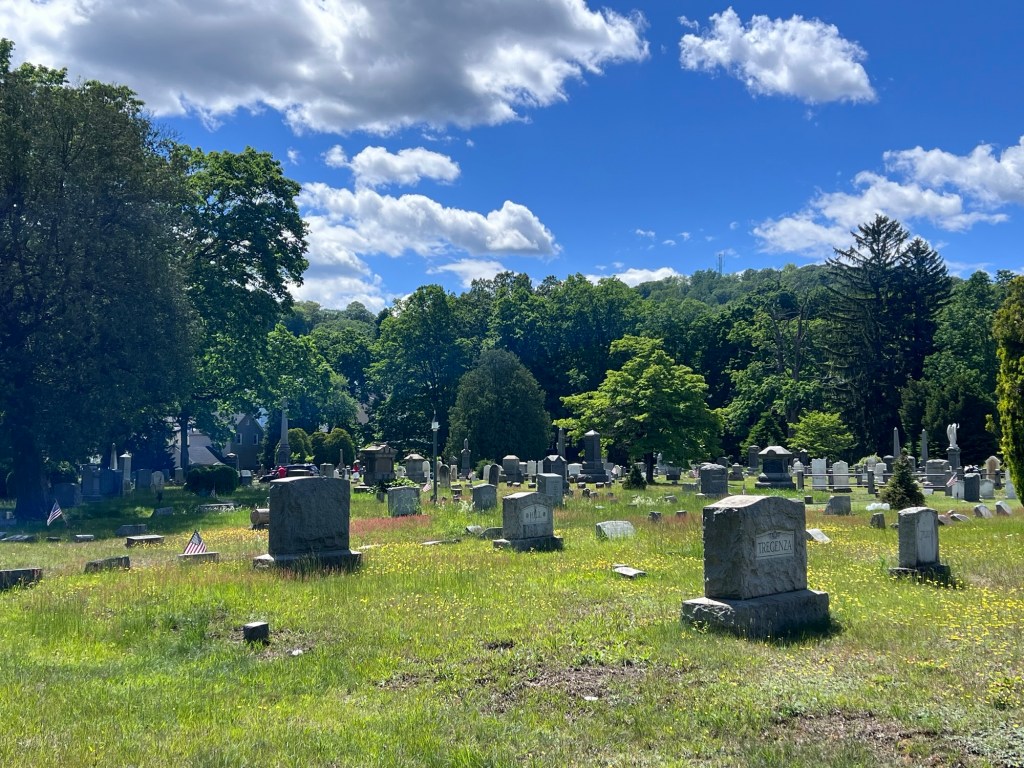
The inside of the cemetery

On September 11, 1854 following the passage of the “Rural Cemetery Act of 1854 by the New Jersey Legislature, the Dover Cemetery Association was founded during a meeting in the Village of Dover held at School House District No. 1.  The location of this school was to the east of Morris Street and to the south of the railroad tracks.  This puts it on the opposite side of the railroad tracks from the old Stone Academy.  The papers of incorporation were dated September 14, 1859 and duly registered with the County of Morris.

The inside of the cemetery

A deed dated February 22, 1855 was signed by Jabez Mills and his wife Hannah selling approximately 4.5 acres of their property to the Trustees of the Dover Cemetery Association.  This deed was received and recorded on February 27, 1855 by the County of Morris.  The acquisition of this property brought the cemetery to its final boundaries and size of 5.4 acres.  It is believed based on gravestones in the cemetery that the entire property was being used as a cemetery prior to the date of the recording of the deed.  Further, some sections of the cemetery property may have been used prior to 1851 due to gravestones that predate the founding of the cemetery.  It is also known that there was an earlier Dover cemetery, the Morris Street Burying Yard located south of the train tracks along Morris Street. 

The Munson family plot

It is believed that a number of the remains that were interred there were disinterred and moved to the Orchard Street Cemetery.  Many stones in Orchard Street predate the cemetery founding and it can be inferred that either there were burials in the cemetery confines before it was founded or these are reinterments from the Morris Street Burial Yard, or both.  In addition, there was later a small cemetery on Grant Street next to what was the Swedish Methodist Church.  Around the turn of the 1900’s, this cemetery was closed and again, the remains within were disinterred and many were removed to Orchard Street.

The entrance to the historic Orchard Street Cemetery

The old Gate House at the entrance of the cemetery